Art Nouveau (Moderno)
11 obras
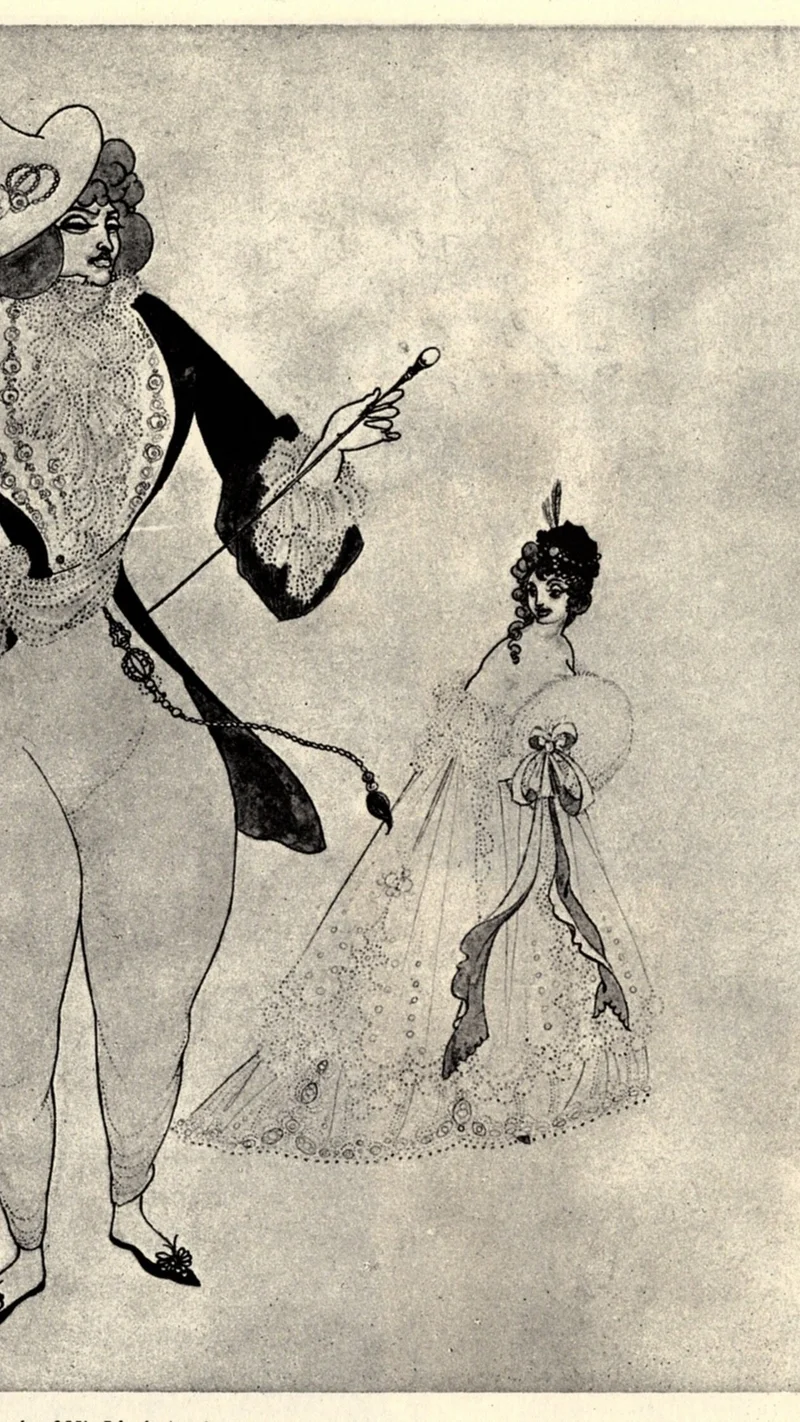
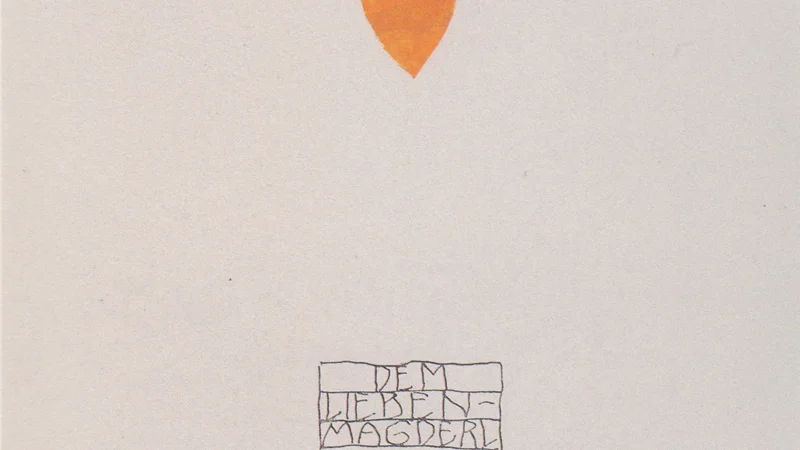
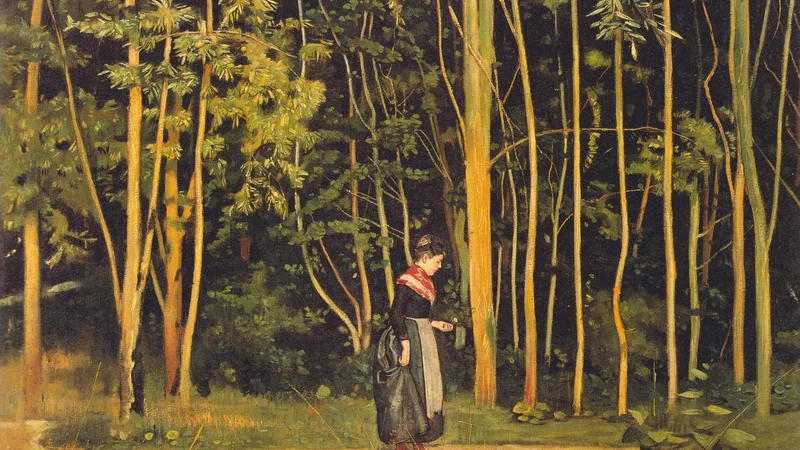
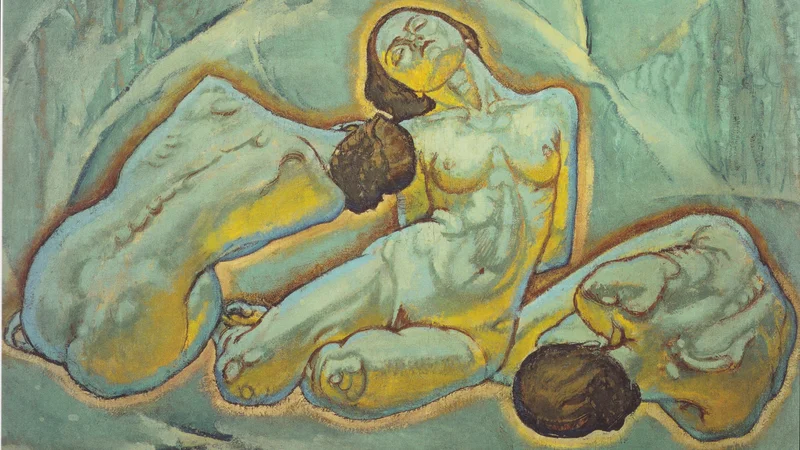
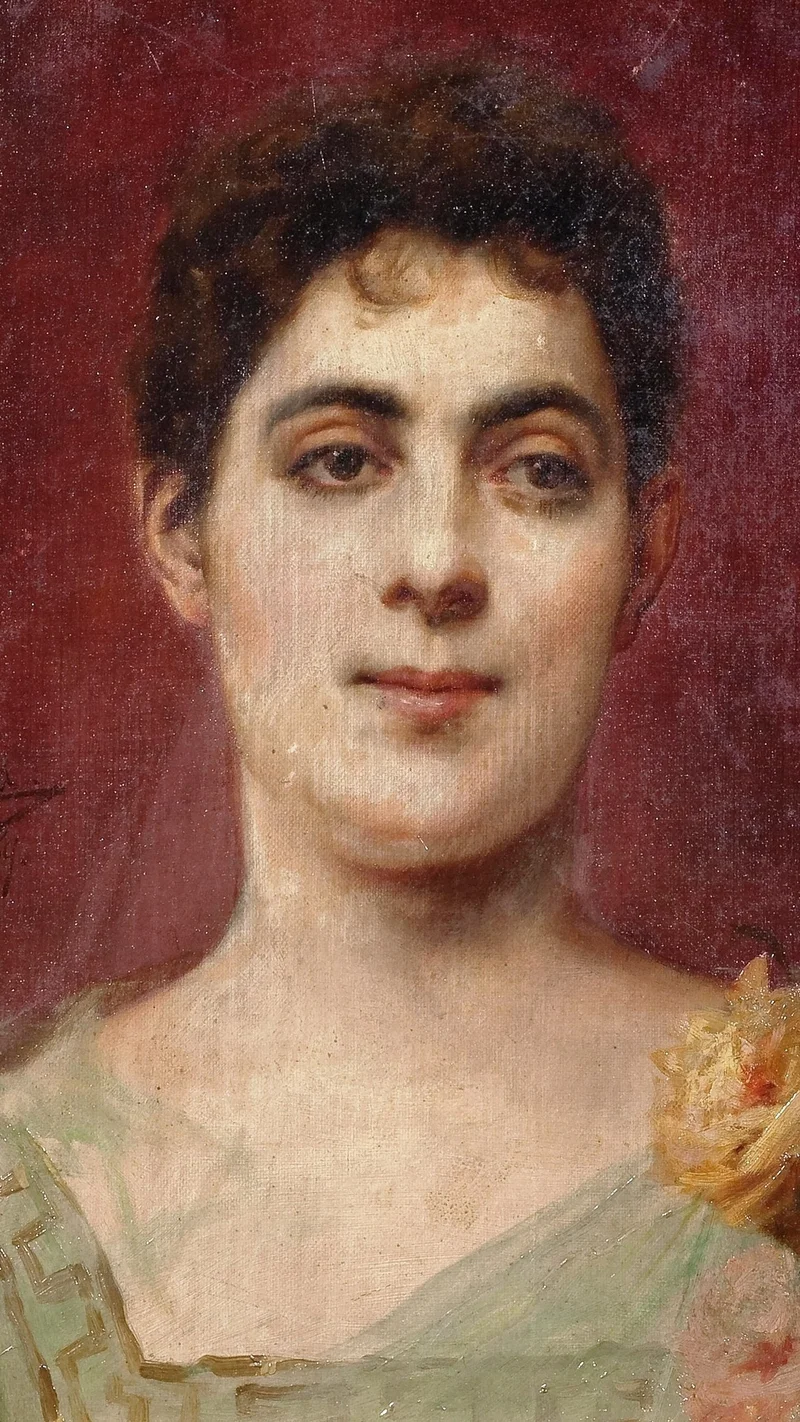
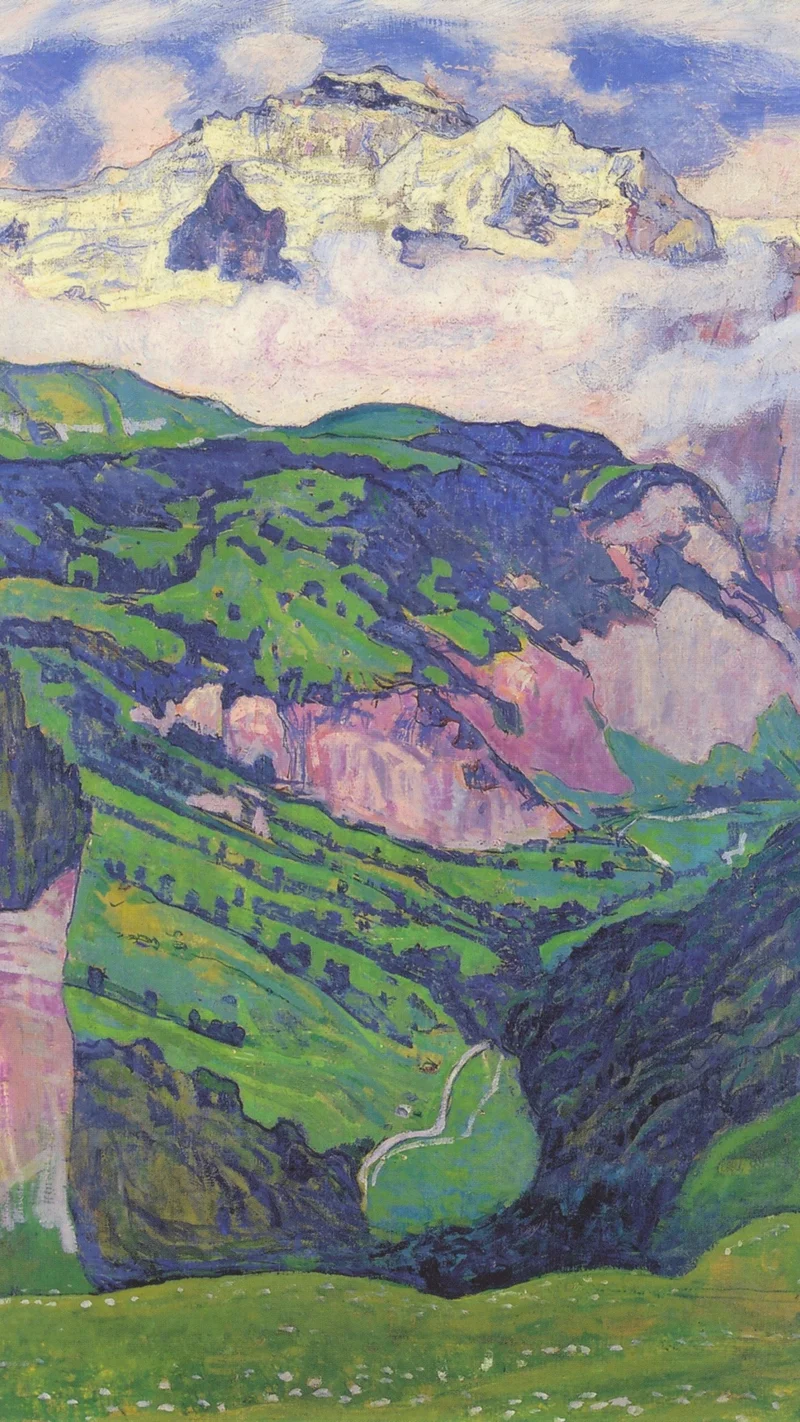
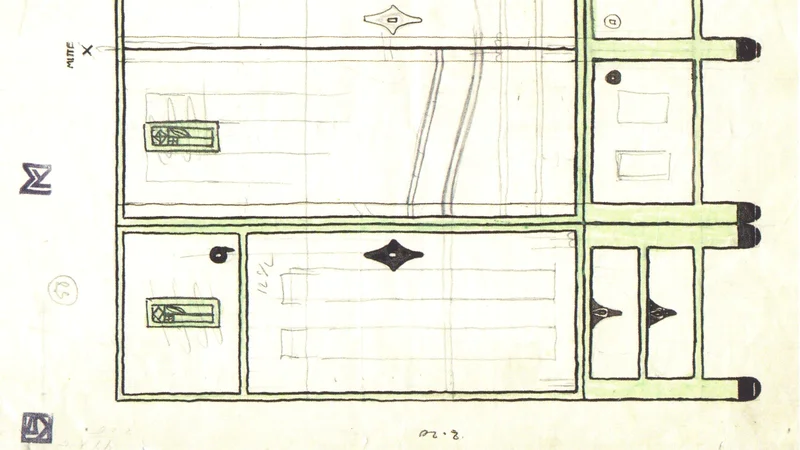
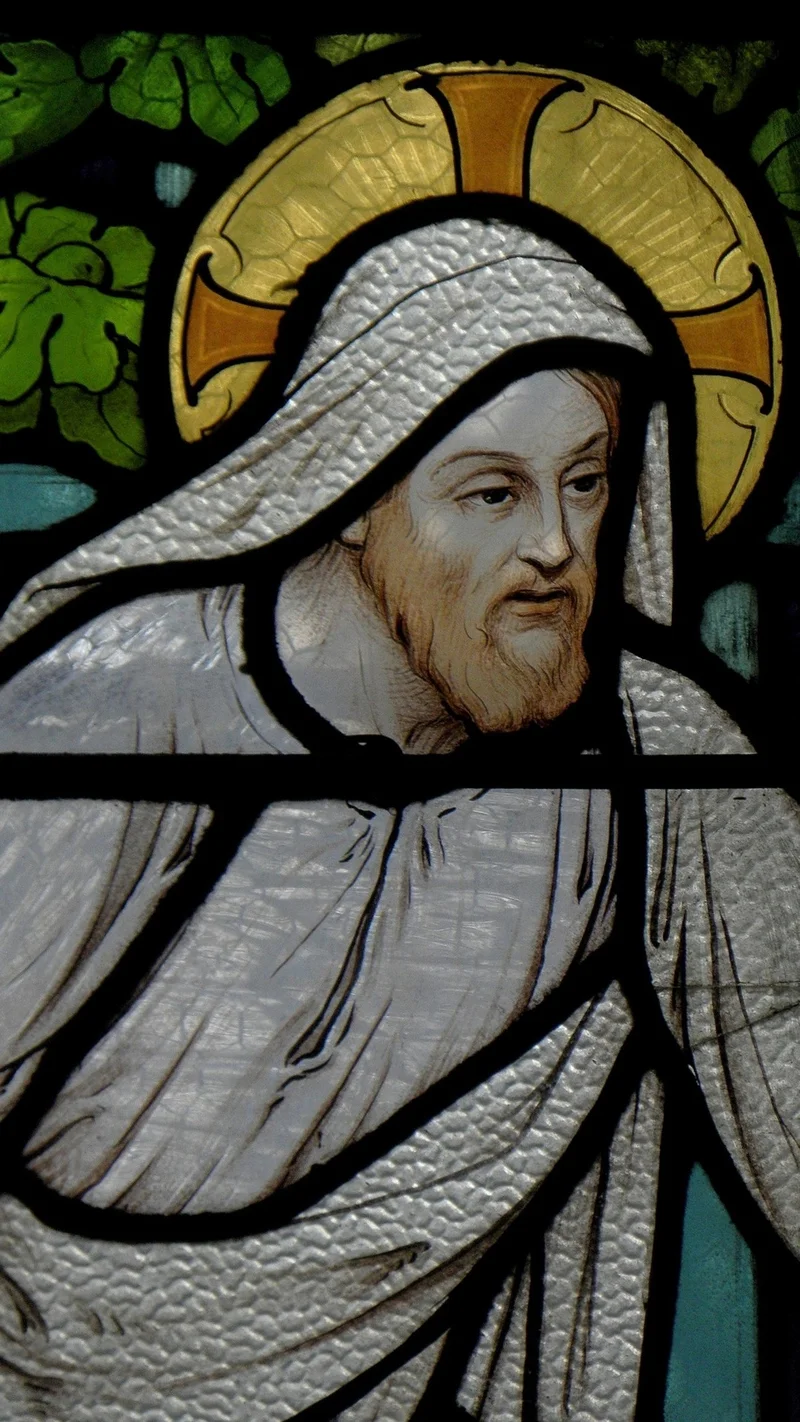
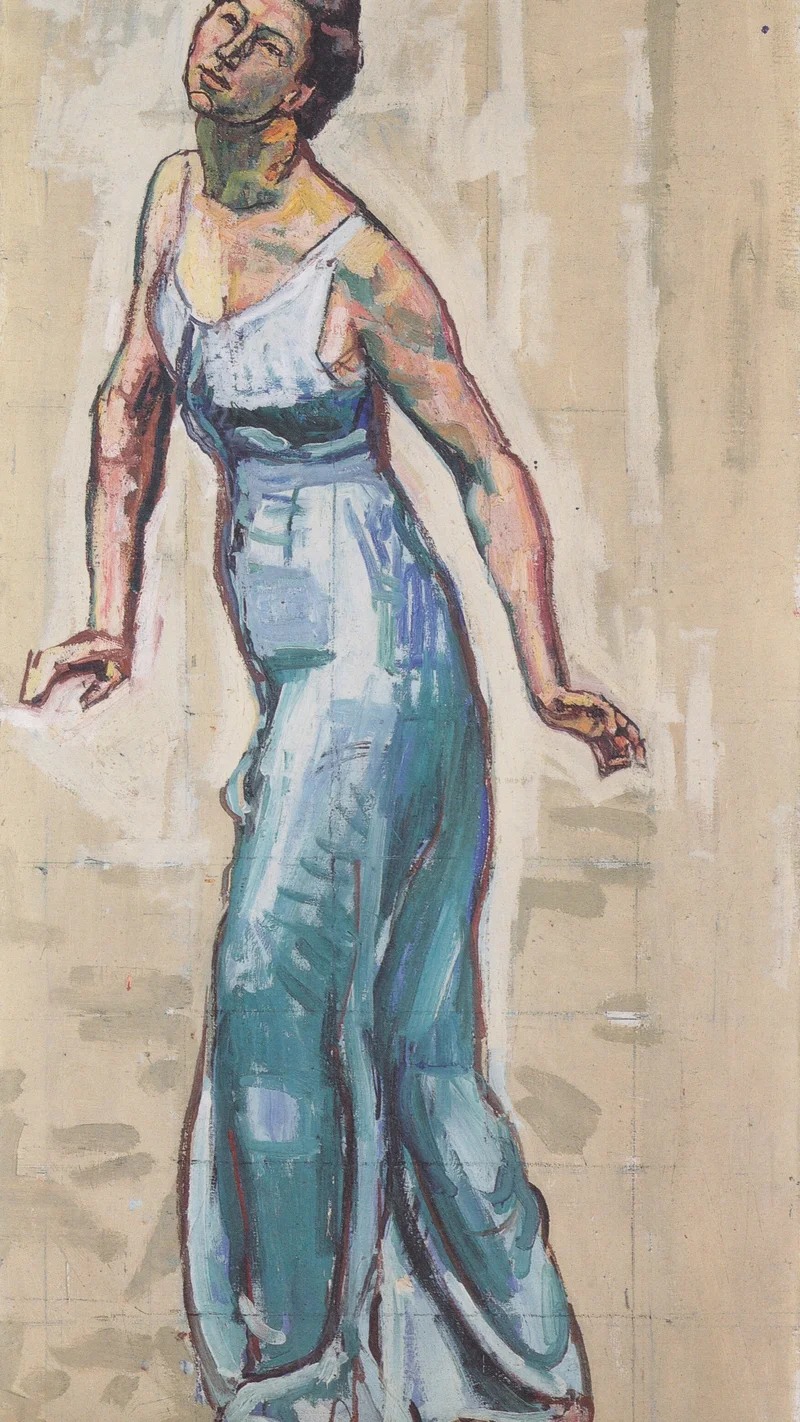
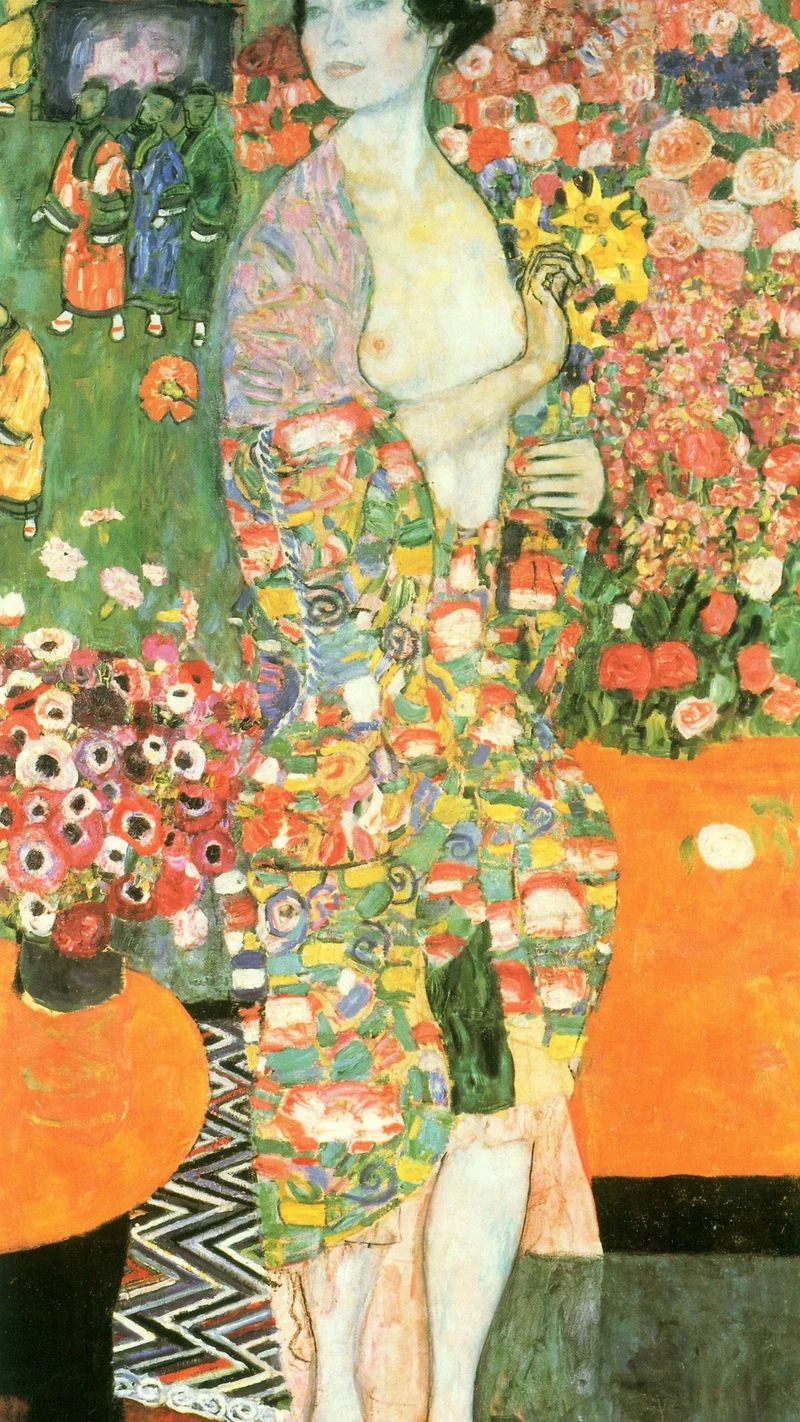
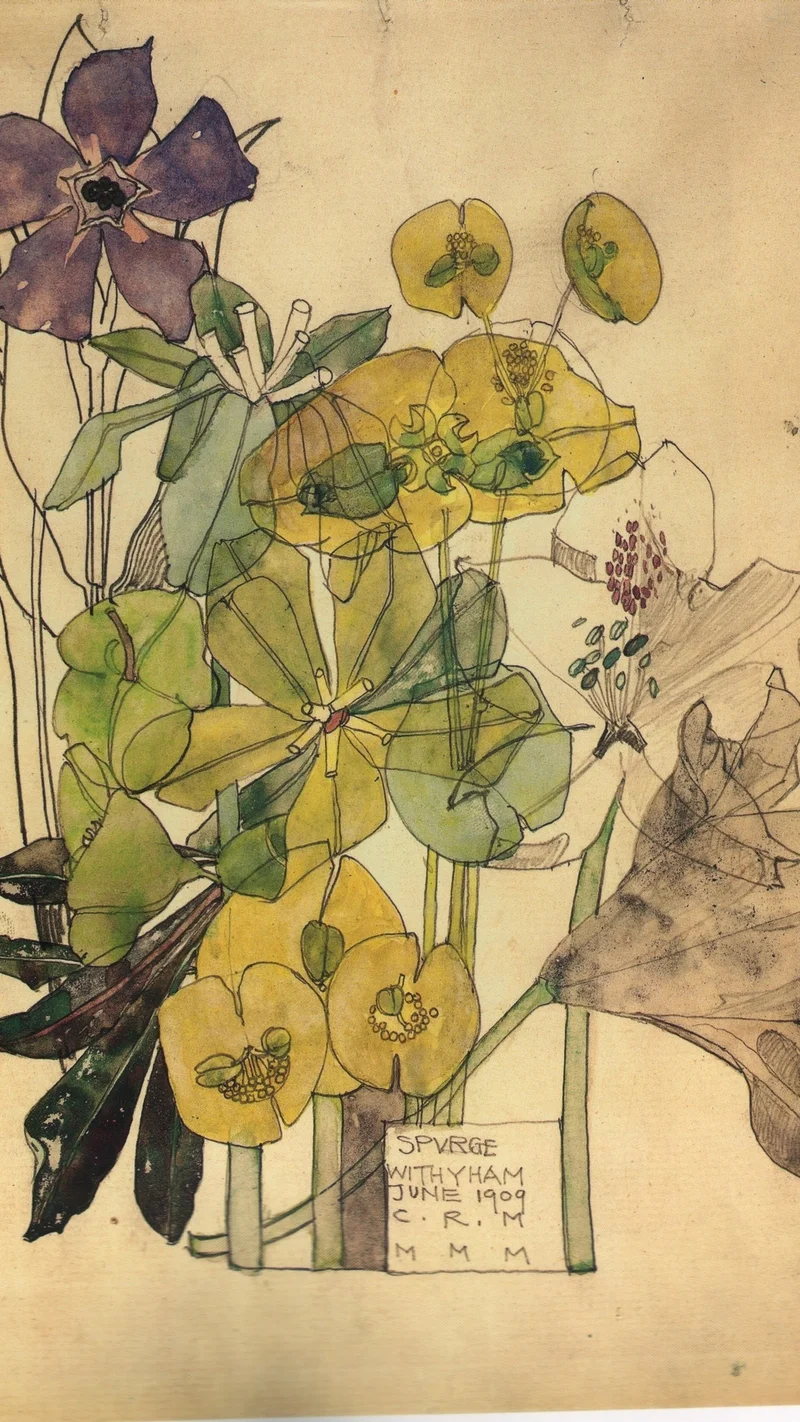
Emergindo no final do século XIX como um afastamento radical do revivalismo historicista da academia, o Art Nouveau — ou estilo Moderno — procurou sintetizar as belas-artes e o design aplicado através de uma estética unificada de linhas fluidas e orgânicas. Este movimento manifestou-se numa linguagem visual distinta, caracterizada por formas assimétricas, curvas em forma de chicote e uma preocupação com motivos naturais, construindo uma ponte entre as artes decorativas e as belas-artes. Contribuições notáveis incluem a intrincada precisão gráfica de Aubrey Beardsley e as composições simbólicas de Ferdinand Hodler em Three Women Squatting, ao lado da elegância contida e baseada em grelhas de Koloman Moser, vista nos seus Draftdrawings for a cabinet in the headquarters of the Vienna Workshop e Picturebook for the niece of Ditha Mautner von Markhof. O alcance do movimento foi internacional, encontrando expressão única na retratística de Francesc Masriera, como Francisca Aparicio Y Mérida, Marquise Consort of Vistabella, e no vitral expressivo e narrativo de Ludovic Alleaume, exemplificado por Jesus (detail from 'Jesus and the Samaritan Woman' window, Eglise Saint-Sulpice de Fougères).
A trajetória histórica do Art Nouveau foi definida por uma rejeição da fragmentação industrial do artesanato, favorecendo, em vez disso, o Gesamtkunstwerk, ou obra de arte total, que permeava cada aspeto do ambiente projetado. Intelectuais como o criador de Albert in Search of His Ideals envolveram-se com este ethos elevando o decorativo ao estatuto de profunda investigação filosófica. Ao desmantelar a hierarquia entre o artesão e o artista de belas-artes, o Art Nouveau serviu como um precursor vital do Modernismo do século XX. O seu significado duradouro reside na sua democratização da beleza e no seu papel fundamental no desenvolvimento da abstração e do design funcionalista, alterando permanentemente a trajetória da prática artística global.