Alfred Sisley
15 obras
Alfred Sisley (1839–1899) foi um pintor paisagista de origem britânica que se tornou uma das figuras fundamentais do impressionismo. Embora tenha nascido em Paris, filho de pais ingleses, a sua identidade artística foi forjada no seio da vanguarda francesa. Recebeu a sua formação formal no estúdio de Marc-Charles-Gabriel Gleyre, onde conheceu os seus futuros colegas impressionistas Claude Monet, Pierre-Auguste Renoir e Frédéric Bazille. Ao longo da sua carreira, Sisley manteve-se fiel aos princípios da pintura ao ar livre (plein air), documentando as qualidades efémeras da luz e do clima na paisagem francesa com uma sinceridade que o distinguiu dos seus pares, que obtiveram maior sucesso comercial.
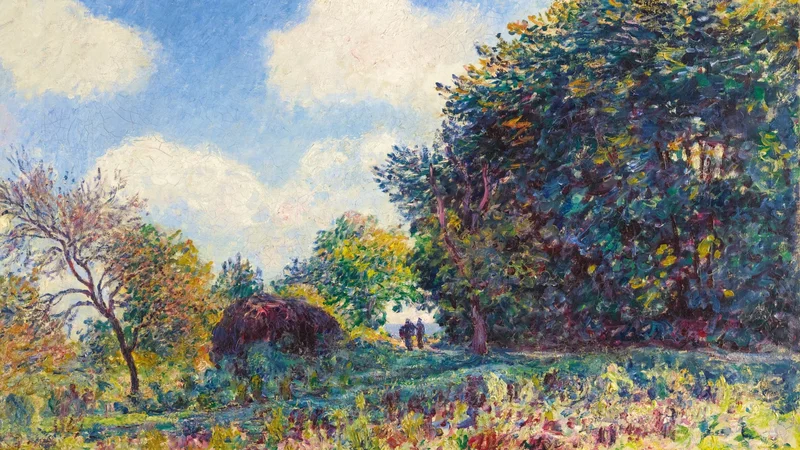
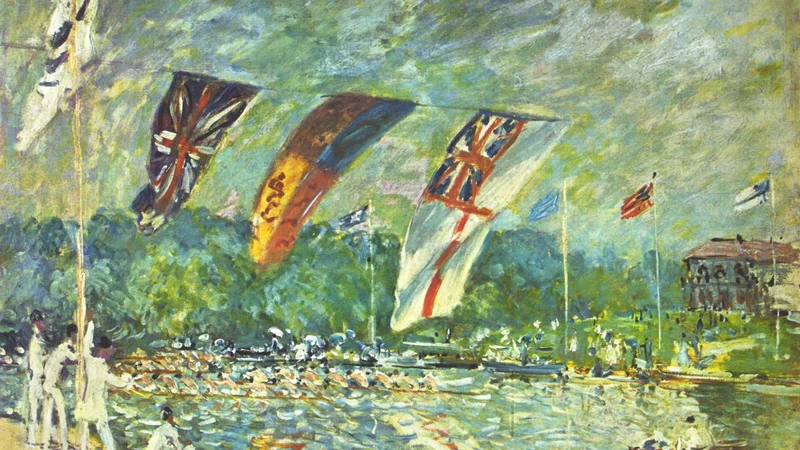
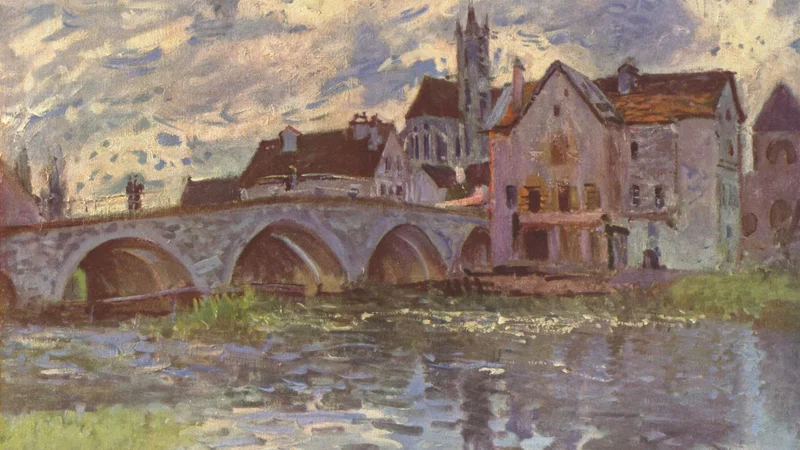
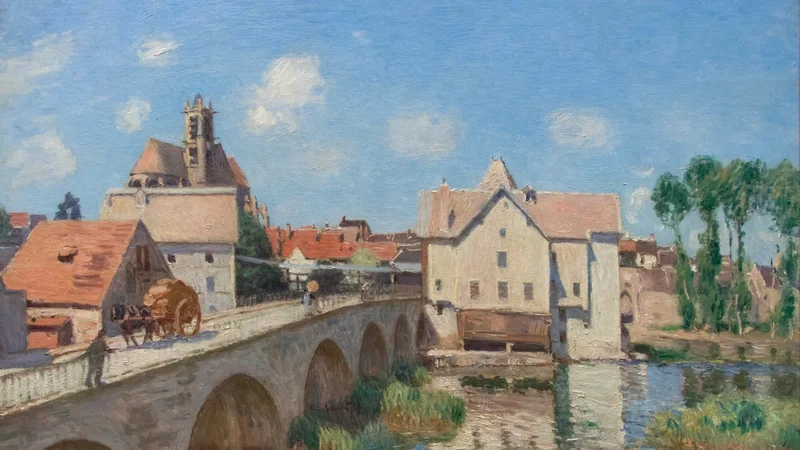
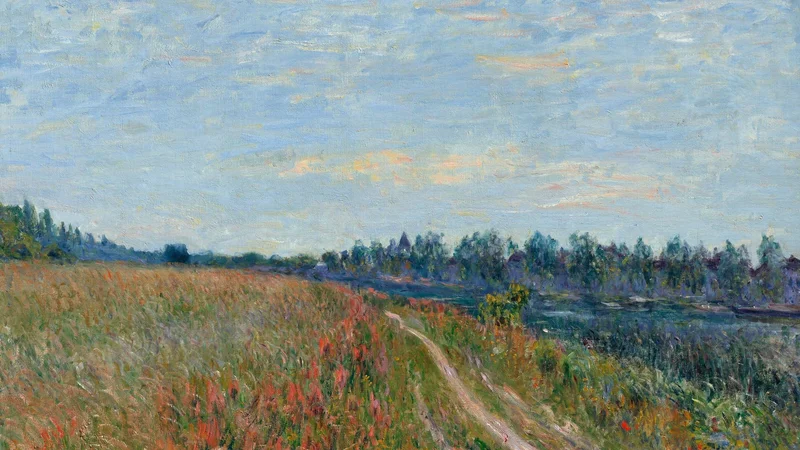
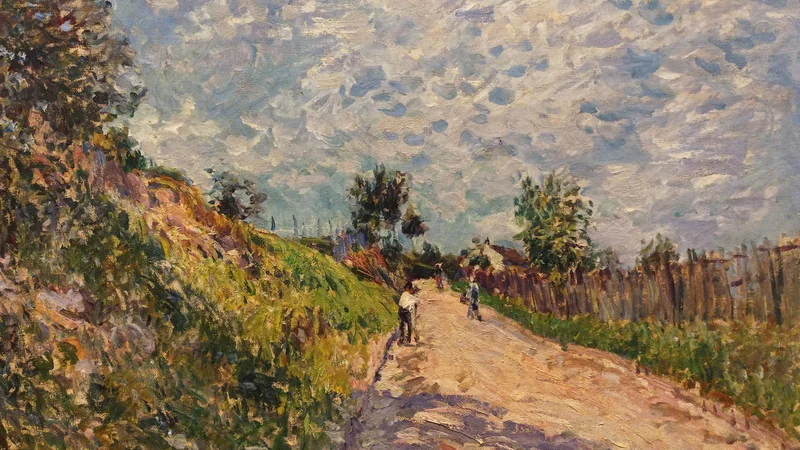
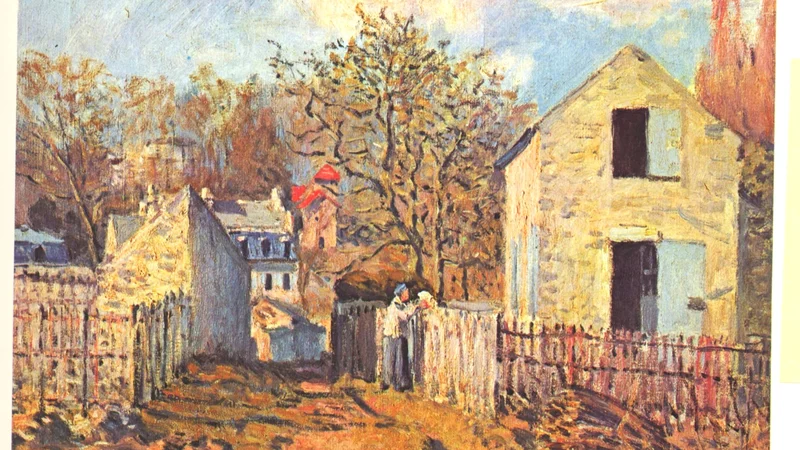
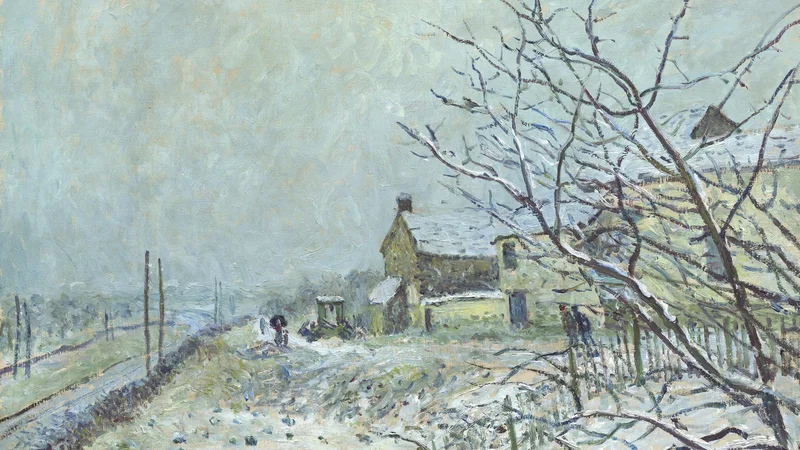
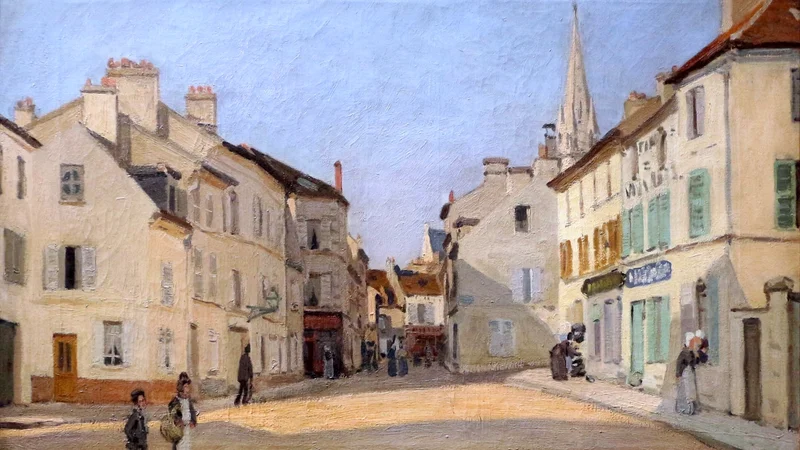
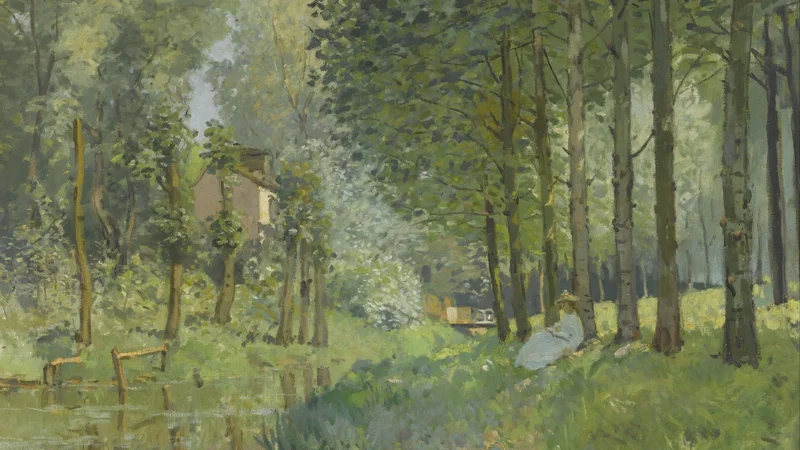
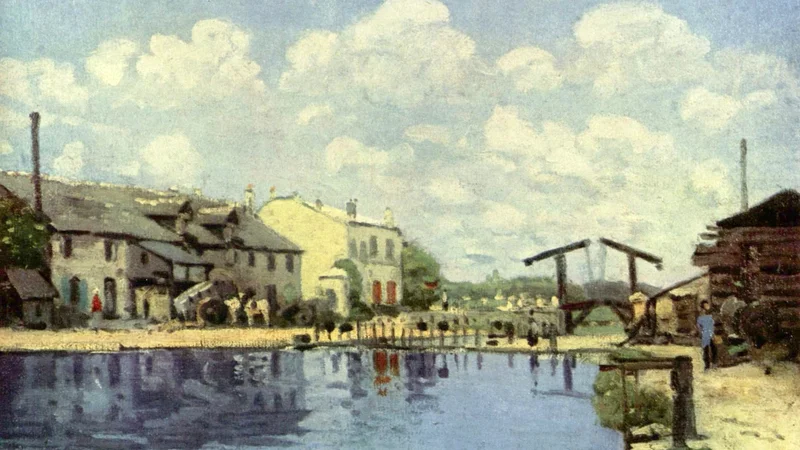
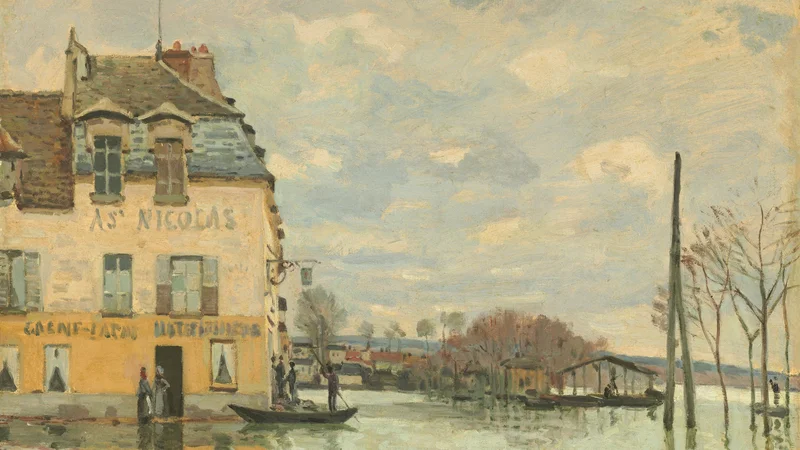
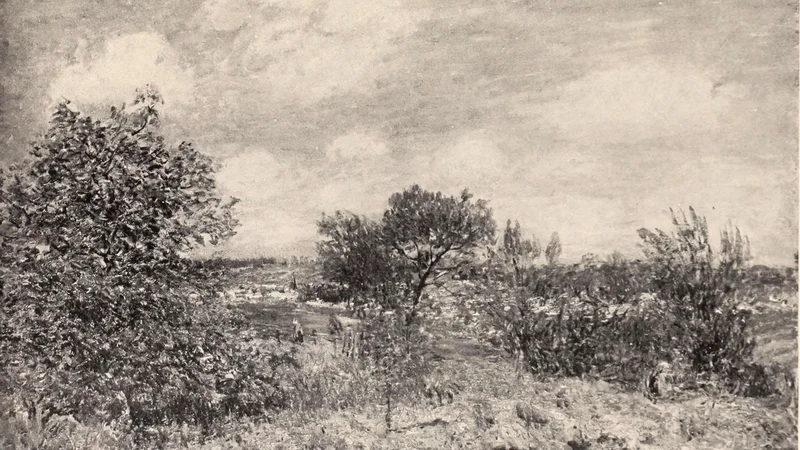
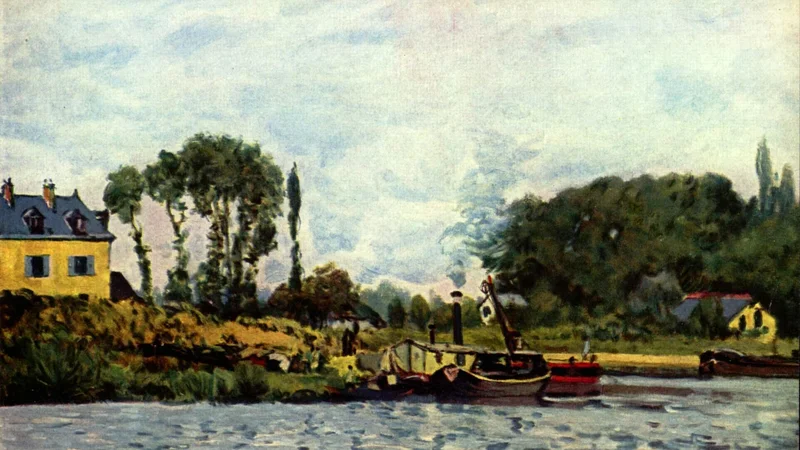
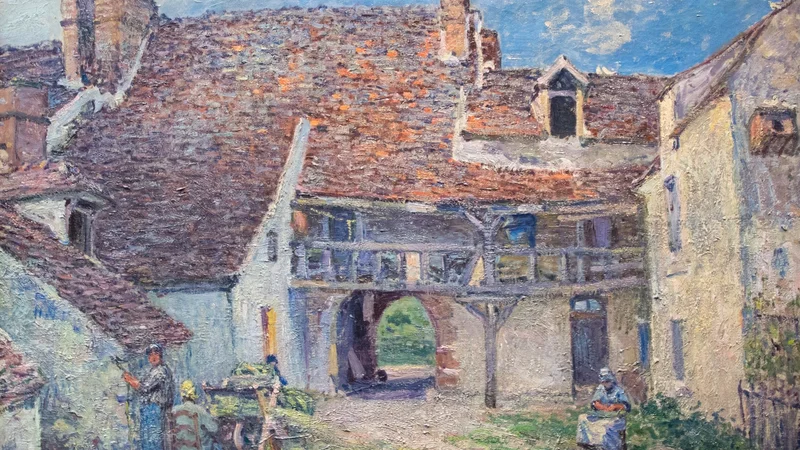
A técnica de Sisley caracterizava-se por um manuseamento delicado da tinta e por uma sensibilidade aguda às transições atmosféricas, como se comprova nas suas refinadas composições de 1873 e 1887. O seu foco centrava-se na paisagem rural, capturando a quietude da vida provincial em obras como Path at the Entrance of a Wood, The Meadow e Square in Argenteuil. Através de peças como May Afternoon in By e Near Moret-sur-Loing, explorou a interação entre o céu e a água, enquanto as suas viagens resultaram em temas como The Regatta at Molesey. Em Rising Path, demonstrou a sua capacidade de estruturar o espaço através de subtis gradações tonais, mantendo uma observação rigorosa da natureza que evitava as mudanças estilísticas mais radicais adotadas pelos seus contemporâneos.
Hoje, Sisley é reconhecido pela sua dedicação inabalável à tradição paisagística impressionista. Embora tenha lutado por reconhecimento financeiro durante a sua vida, o seu trabalho oferece um registo fundamental do desenvolvimento técnico do movimento. A sua influência persiste através do seu domínio da luz e da sua capacidade duradoura de evocar a poesia transitória e silenciosa do mundo natural.