Fogg Museum
21 obras
The Fogg Museum stands as a cornerstone of the Harvard Art Museums, an integrated institutional framework that also encompasses the Busch-Reisinger and Arthur M. Sackler Museums. Situated at the heart of Harvard University, the institution serves as a vital nexus for both scholarly research and public engagement. Since its formal consolidation in 1983, the museum has evolved alongside the Straus Center for Conservation and Technical Studies and the Center for the Technical Study of Modern Art, establishing a rigorous environment where the physical integrity of objects is as paramount as their historical provenance.
Artistic Legacies and Masterworks
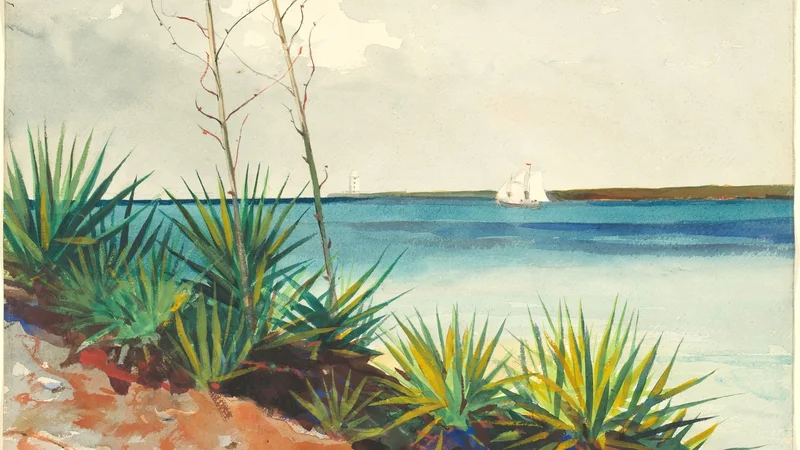
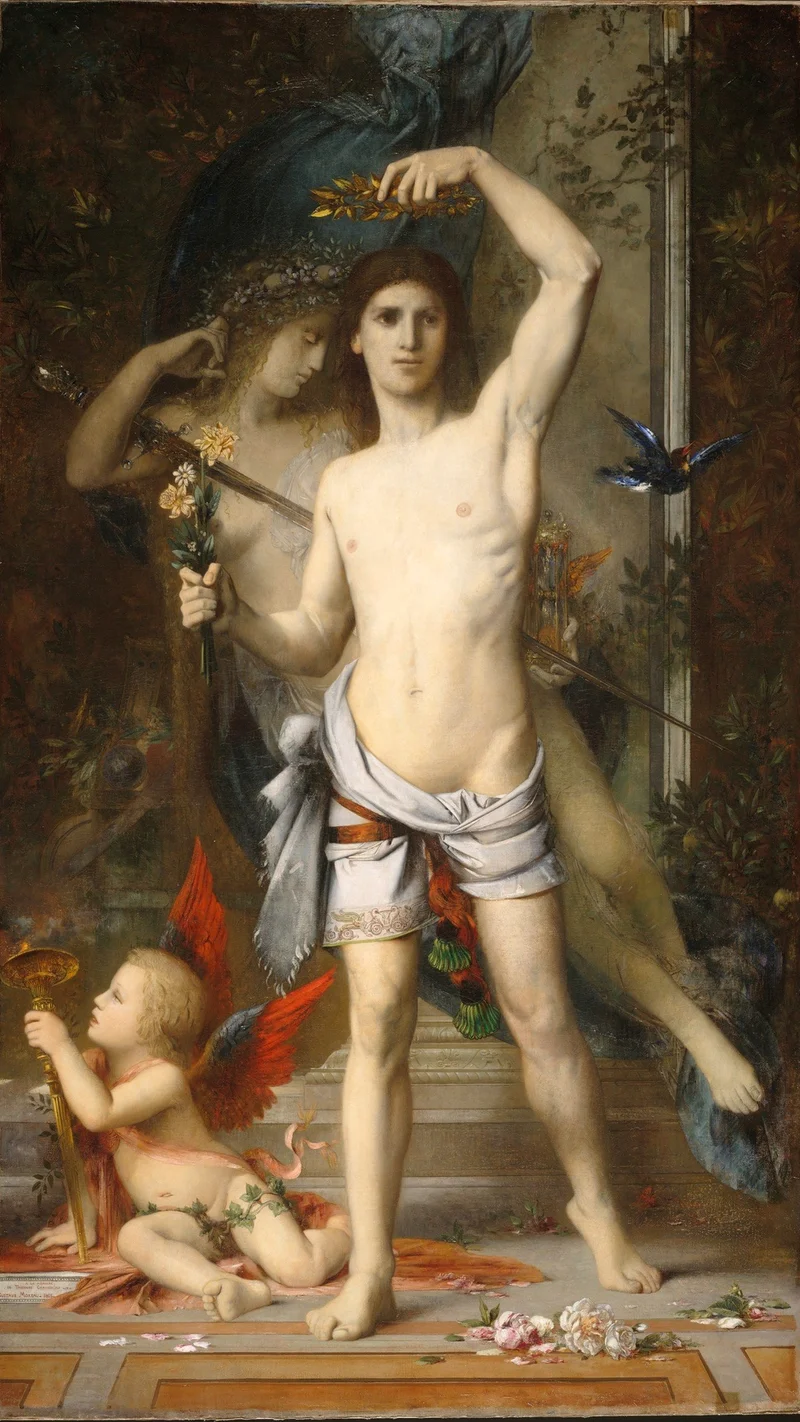
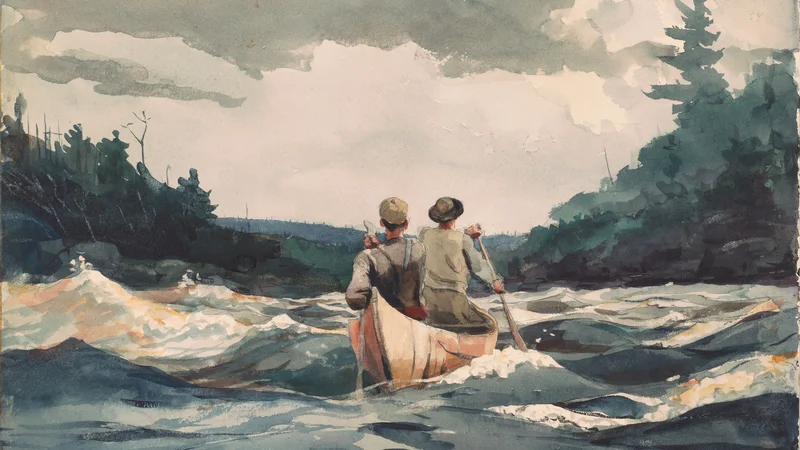
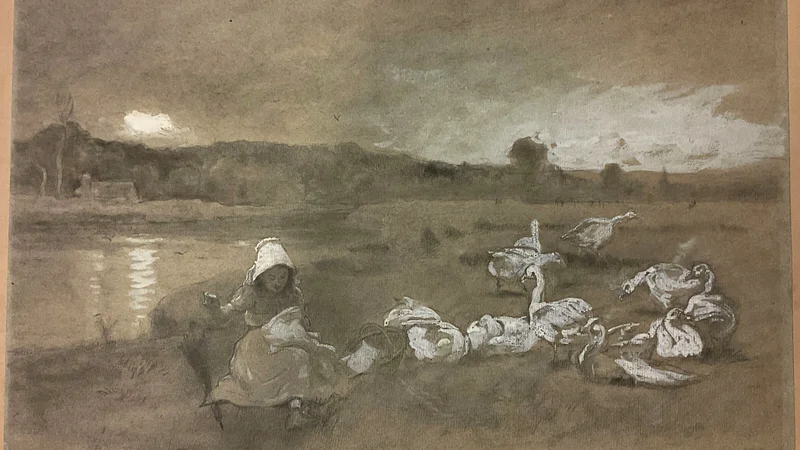
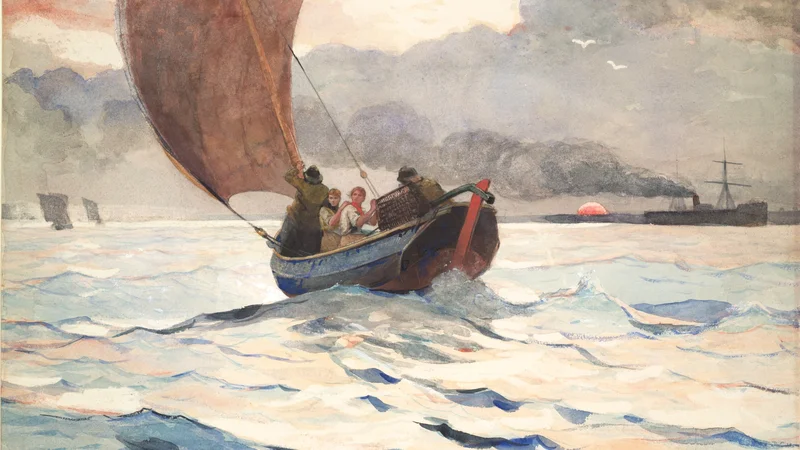
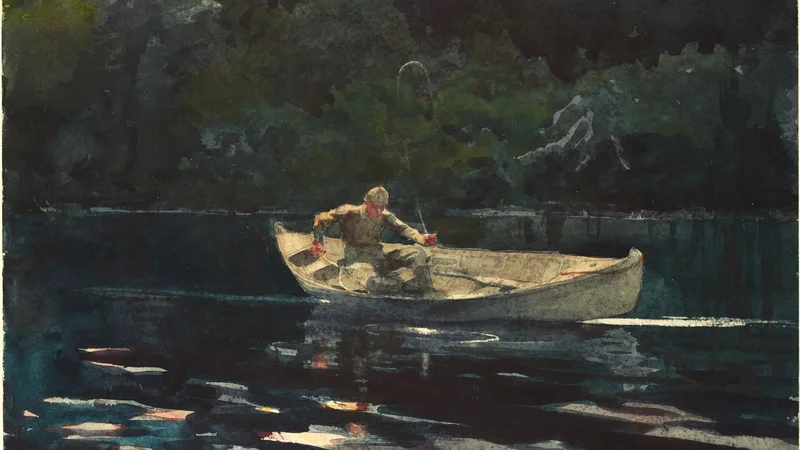
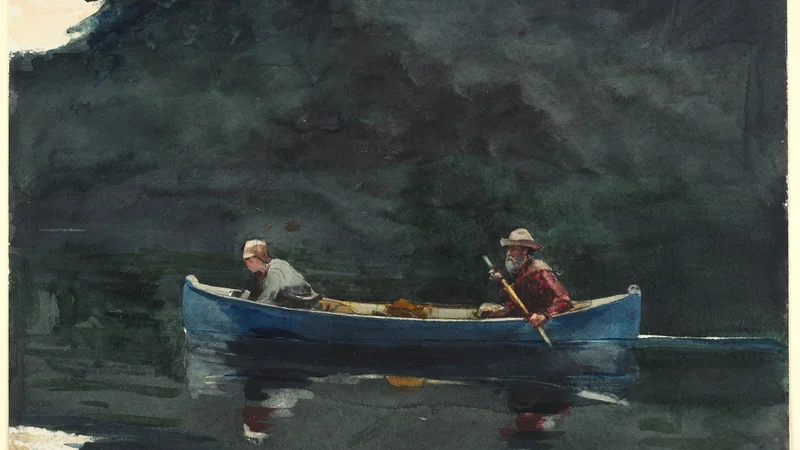
The collection is distinguished by its profound holdings in Realism, Impressionism, and Post-Impressionism, offering a comprehensive survey of late 19th and early 20th-century innovation. Visitors encounter transformative works such as Jean-Baptiste Camille Corot’s Girl and Geese and the atmospheric precision of Claude Monet’s The Banks of the Oise. The museum’s narrative breadth extends to the rugged intensity of Winslow Homer’s Spanish Bayonets and Canoe in Rapids, alongside the evocative psychological depth found in Vincent van Gogh’s portraiture and Henri de Toulouse-Lautrec’s compositions. Furthermore, the inclusion of Suzanne Valadon’s The Hangover and the poignant imagery of The Young Man and Death underscores a commitment to diverse artistic perspectives. Through these iconic pieces, the Fogg Museum continues to uphold its reputation as a world-class center for the preservation and study of global artistic heritage.
Background adapted from Wikipedia (CC BY-SA).