Puntillismo
48 obras
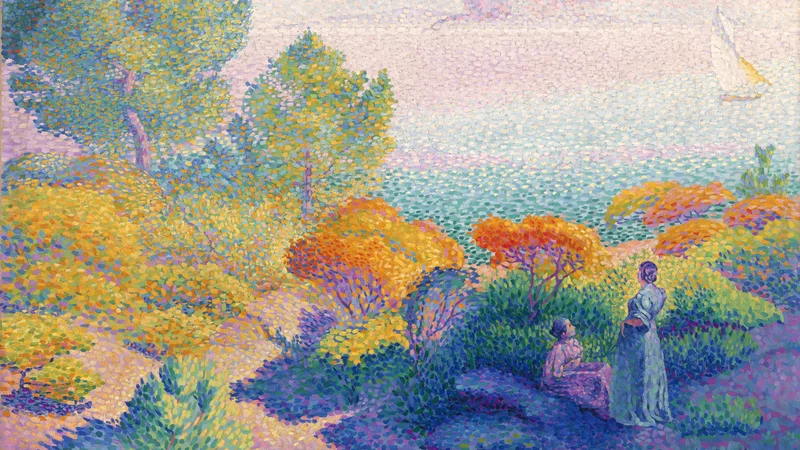
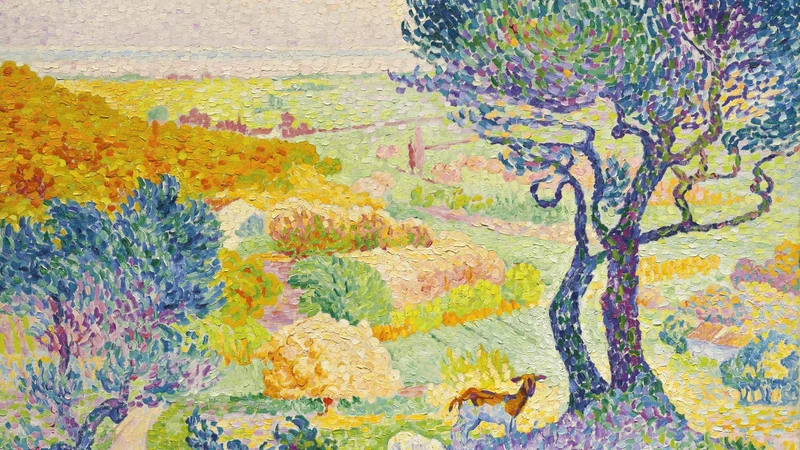
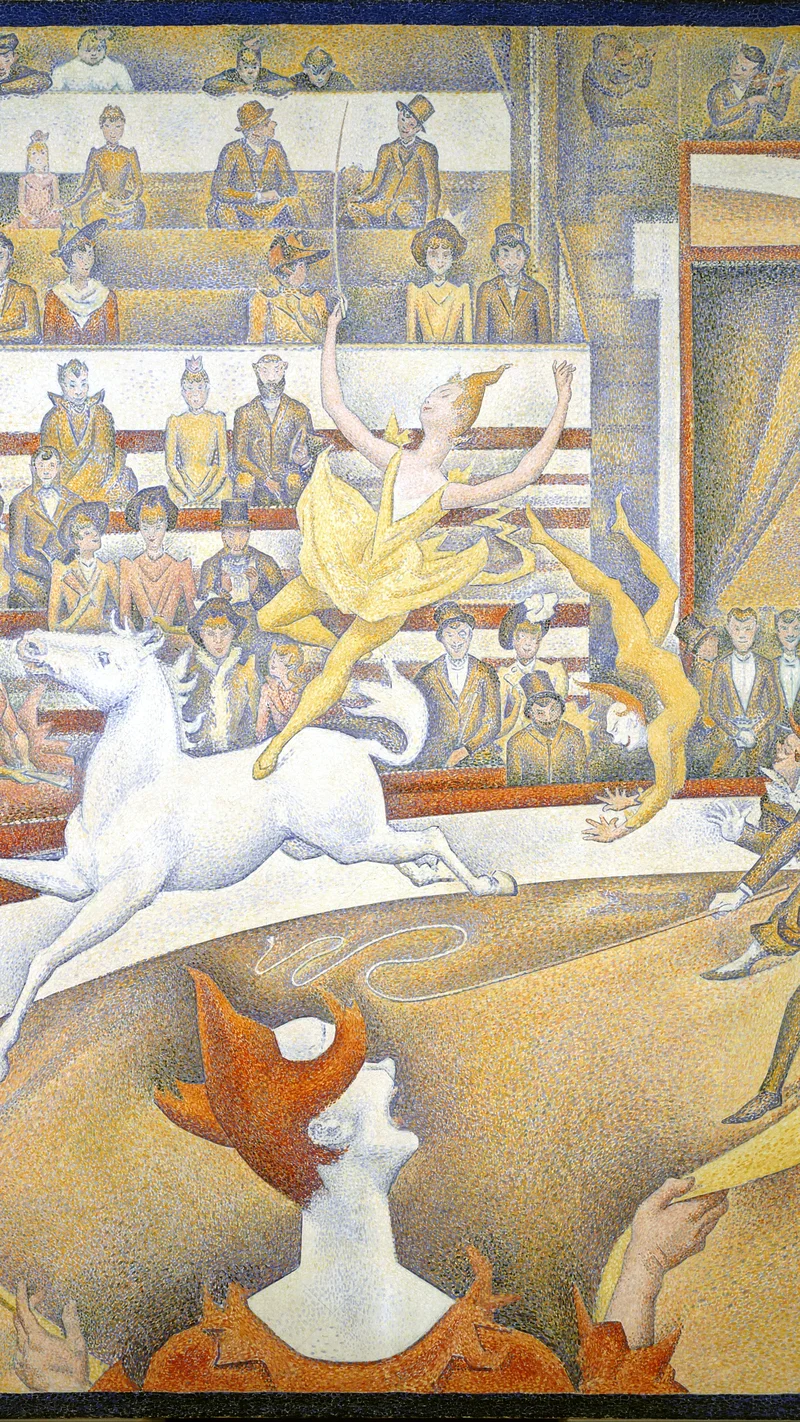
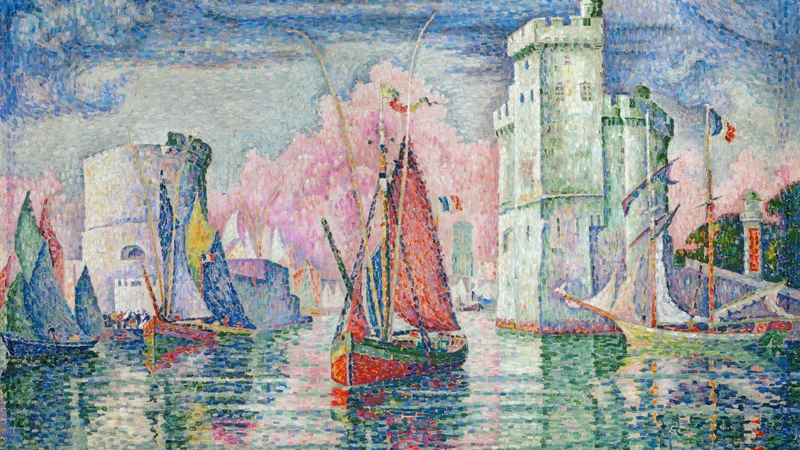
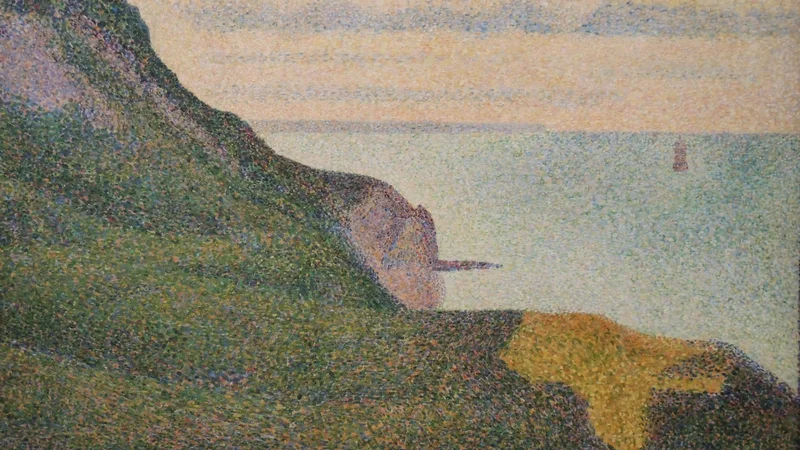
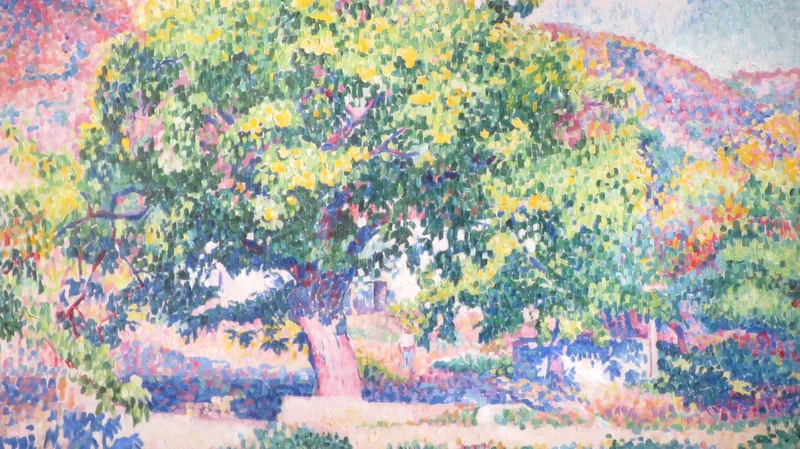
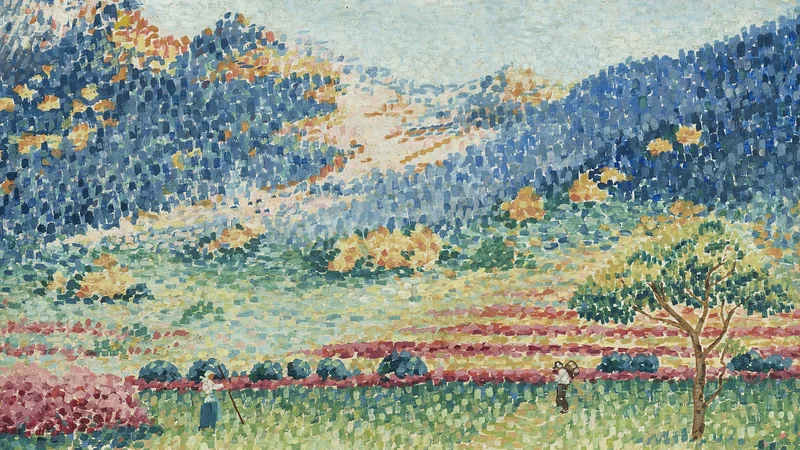
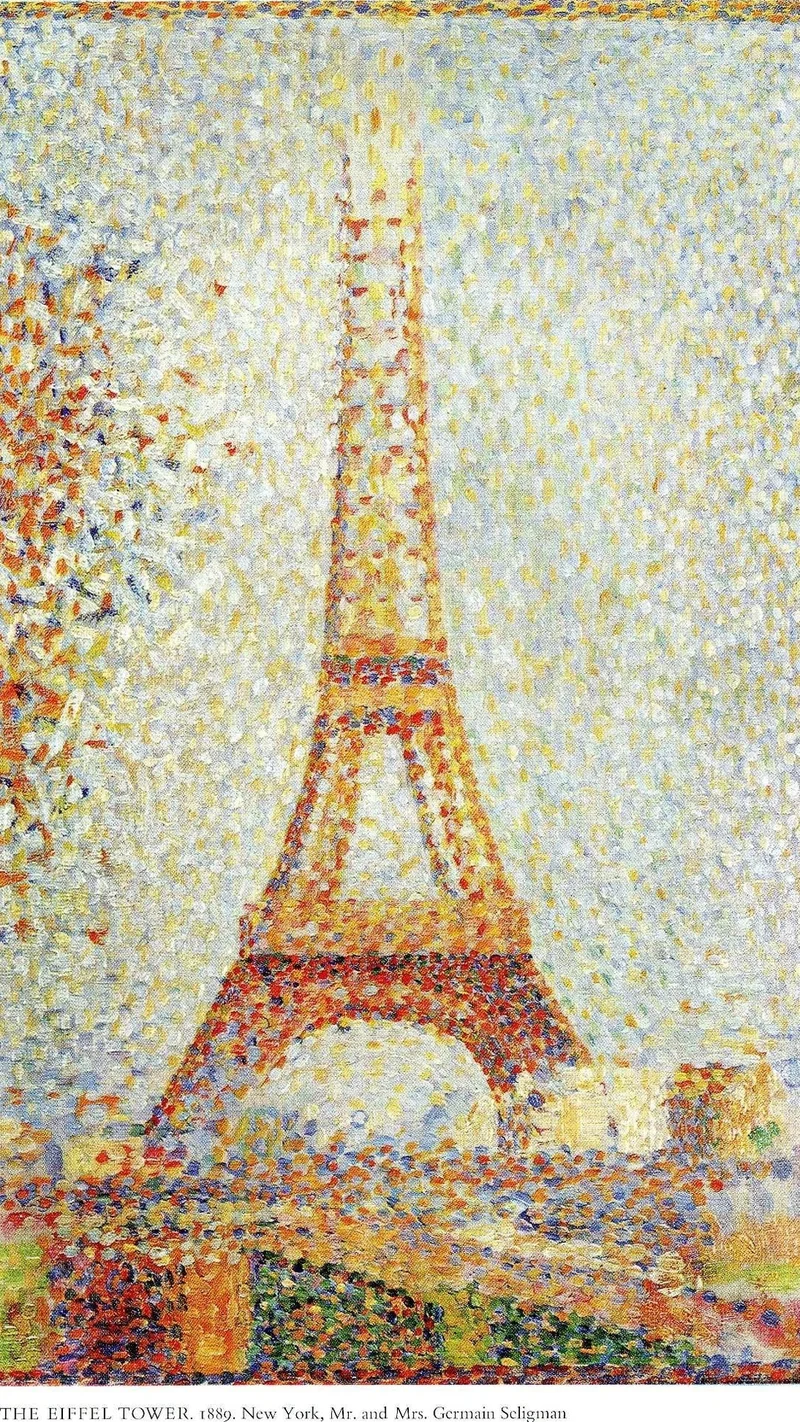
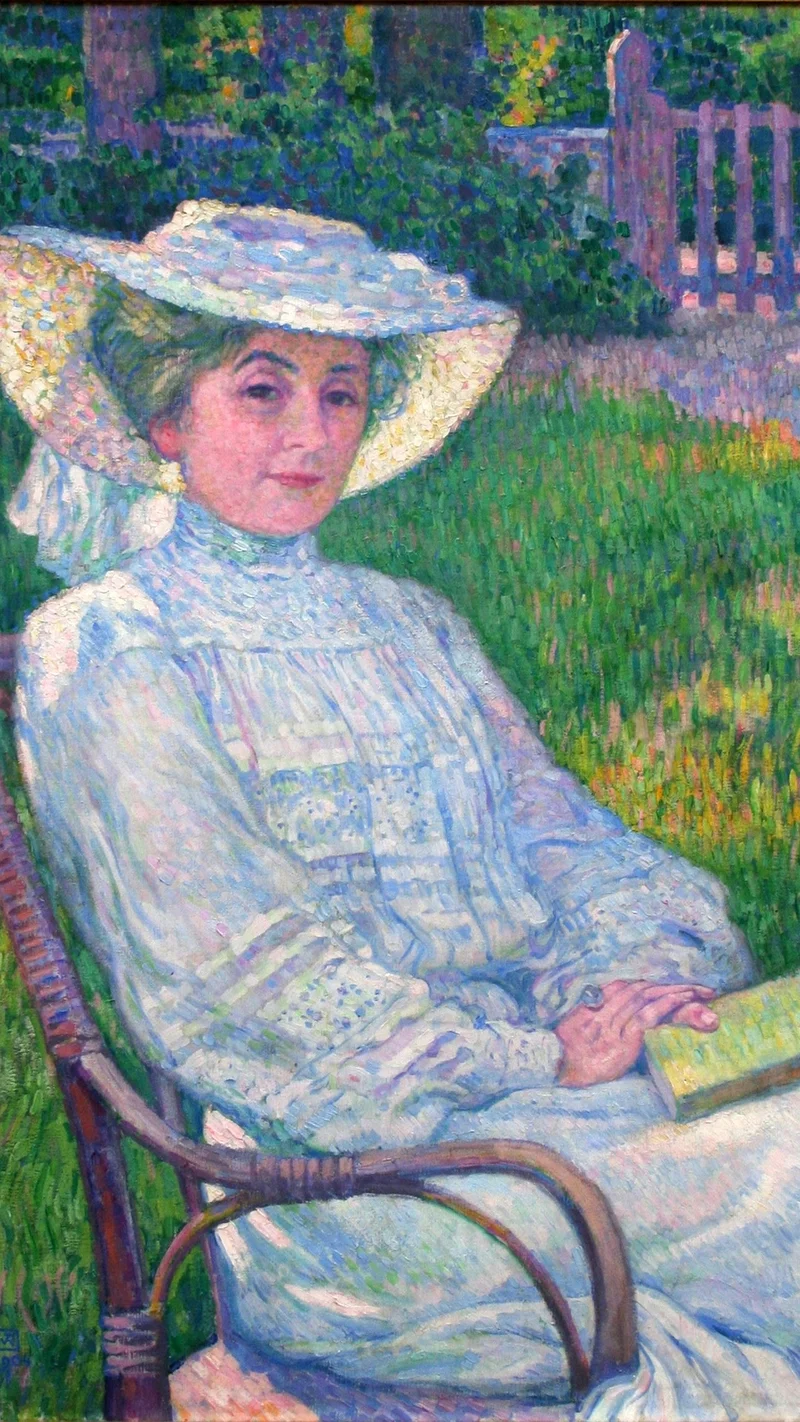
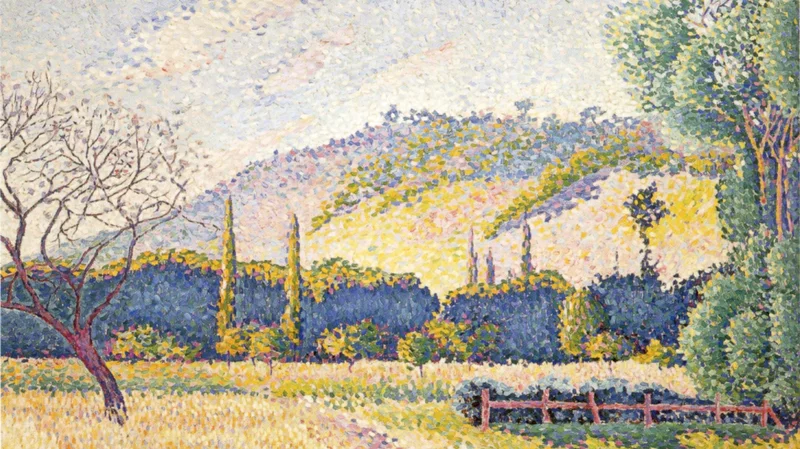
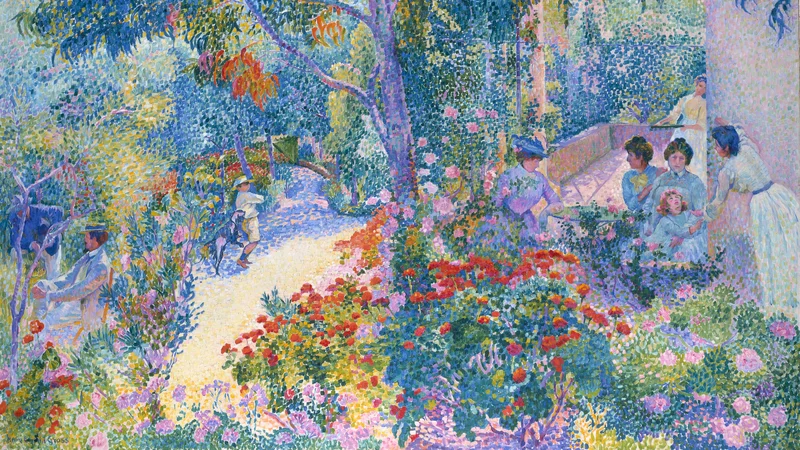
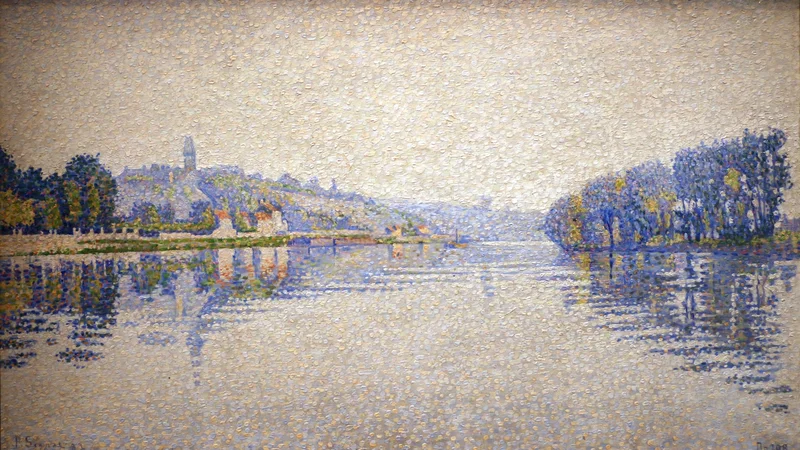
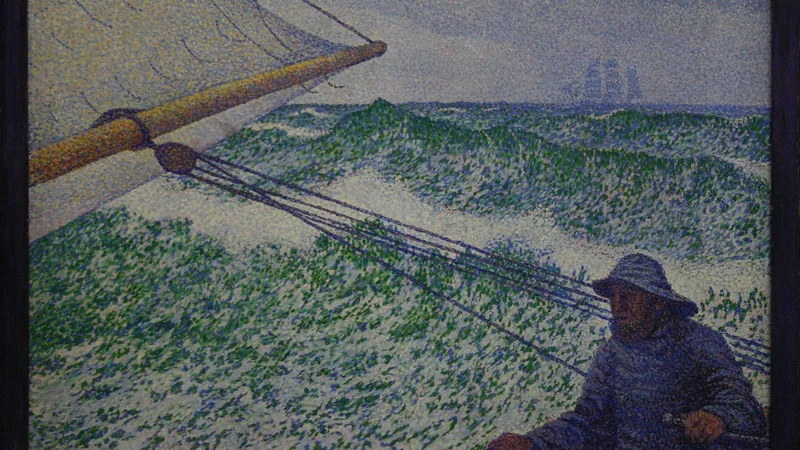
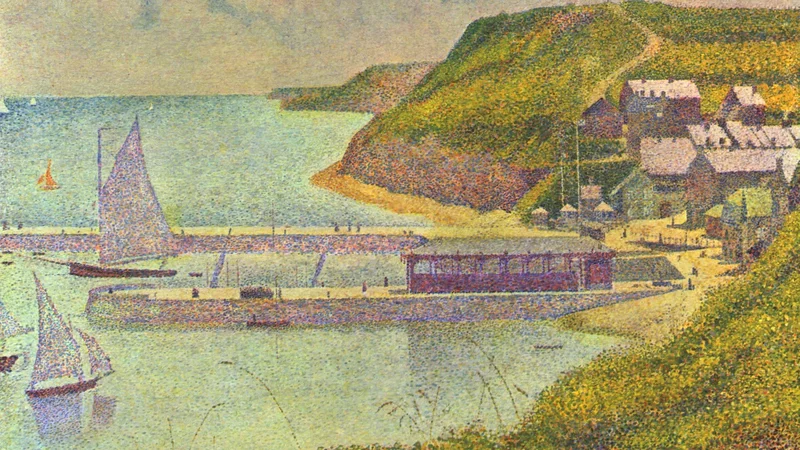
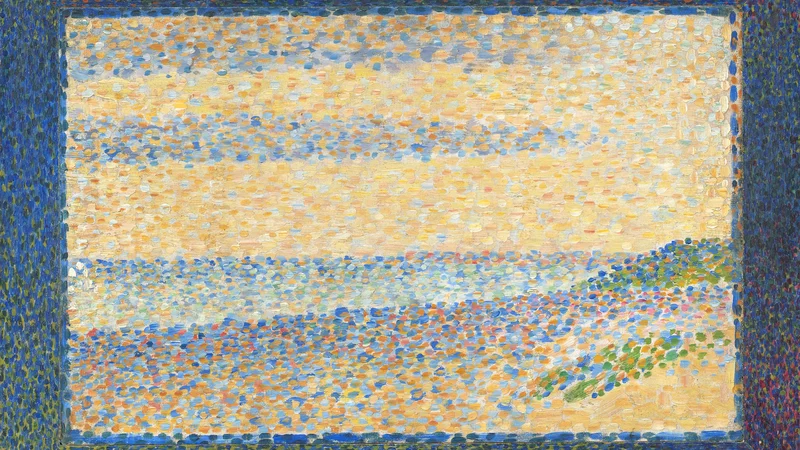
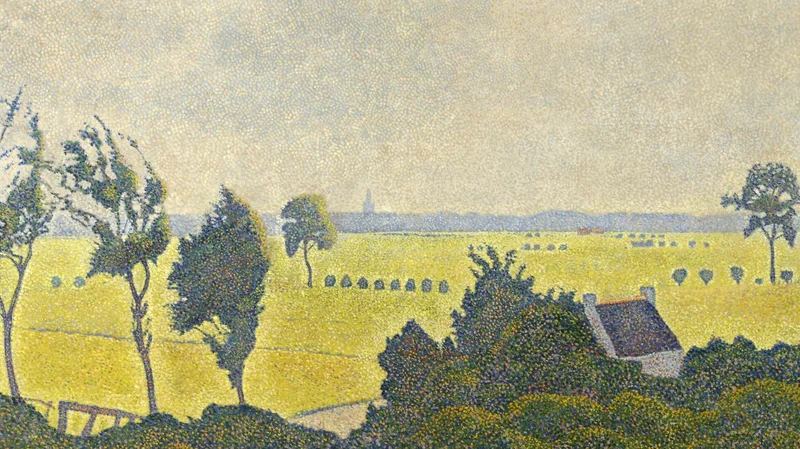
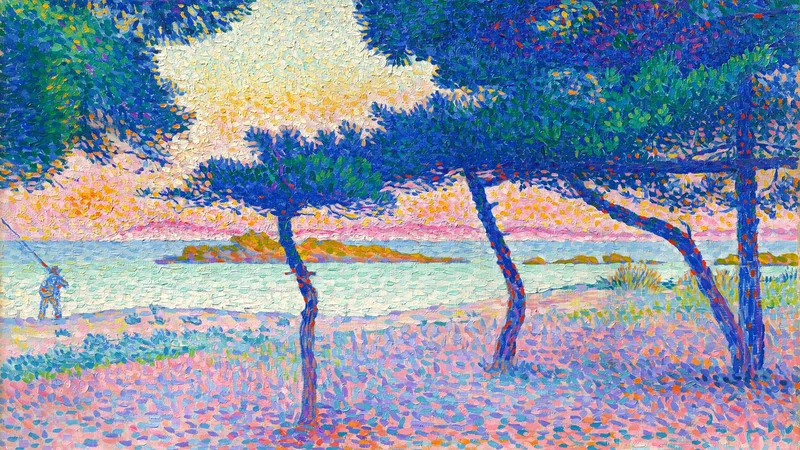
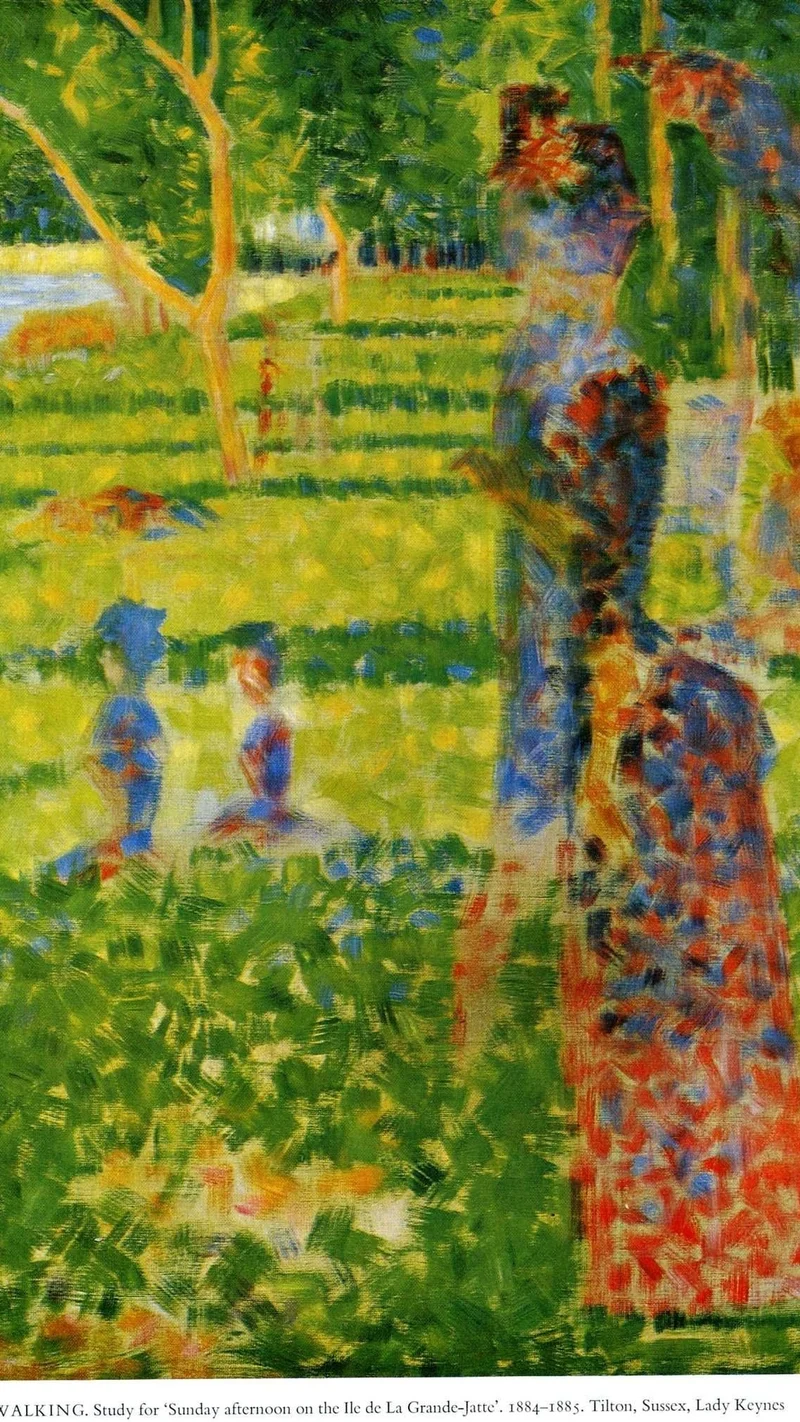
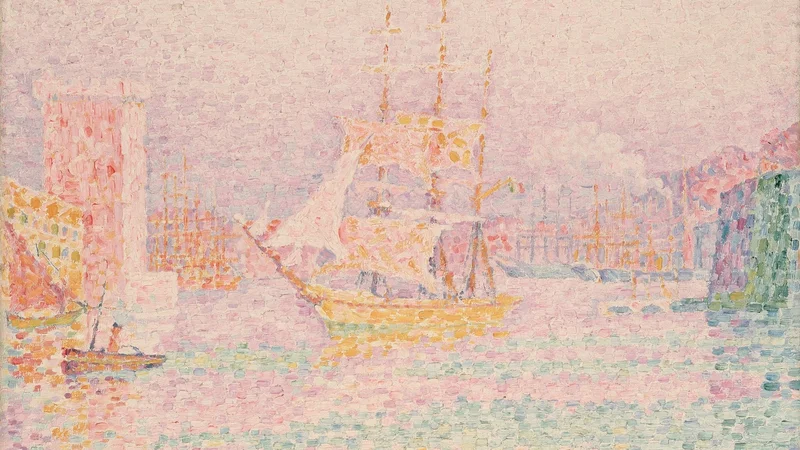
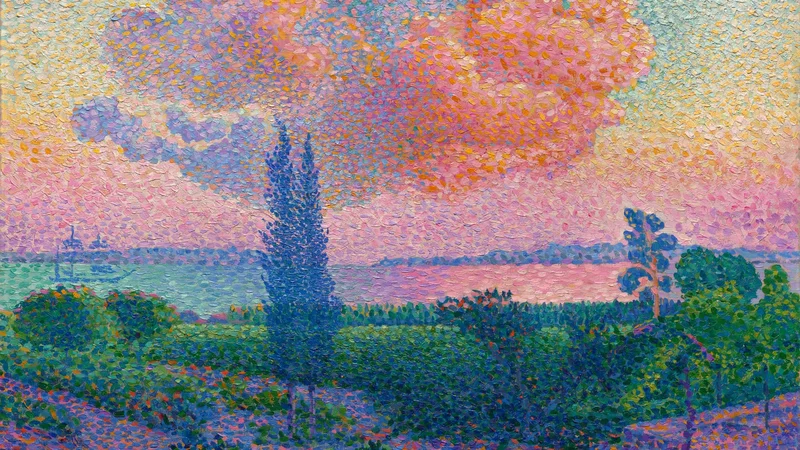
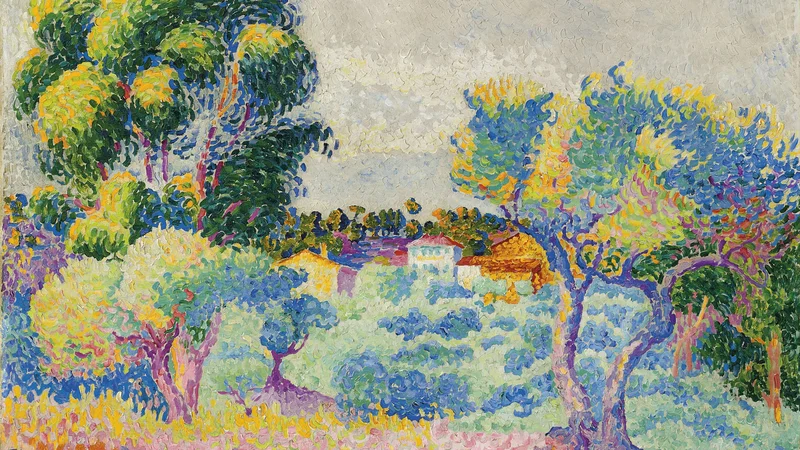
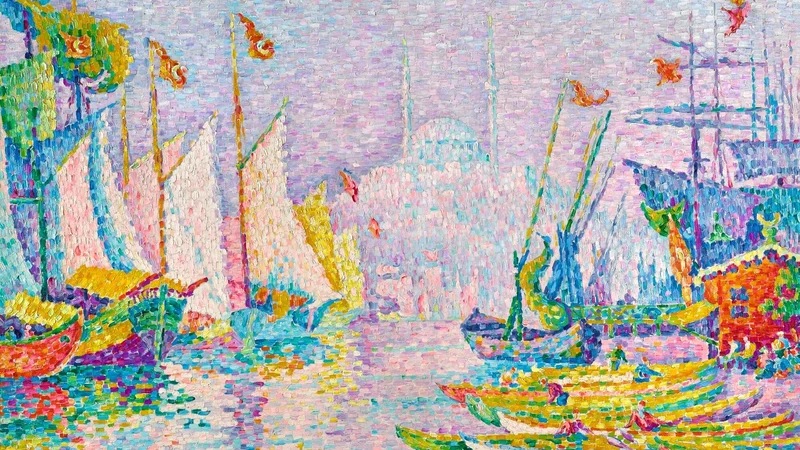
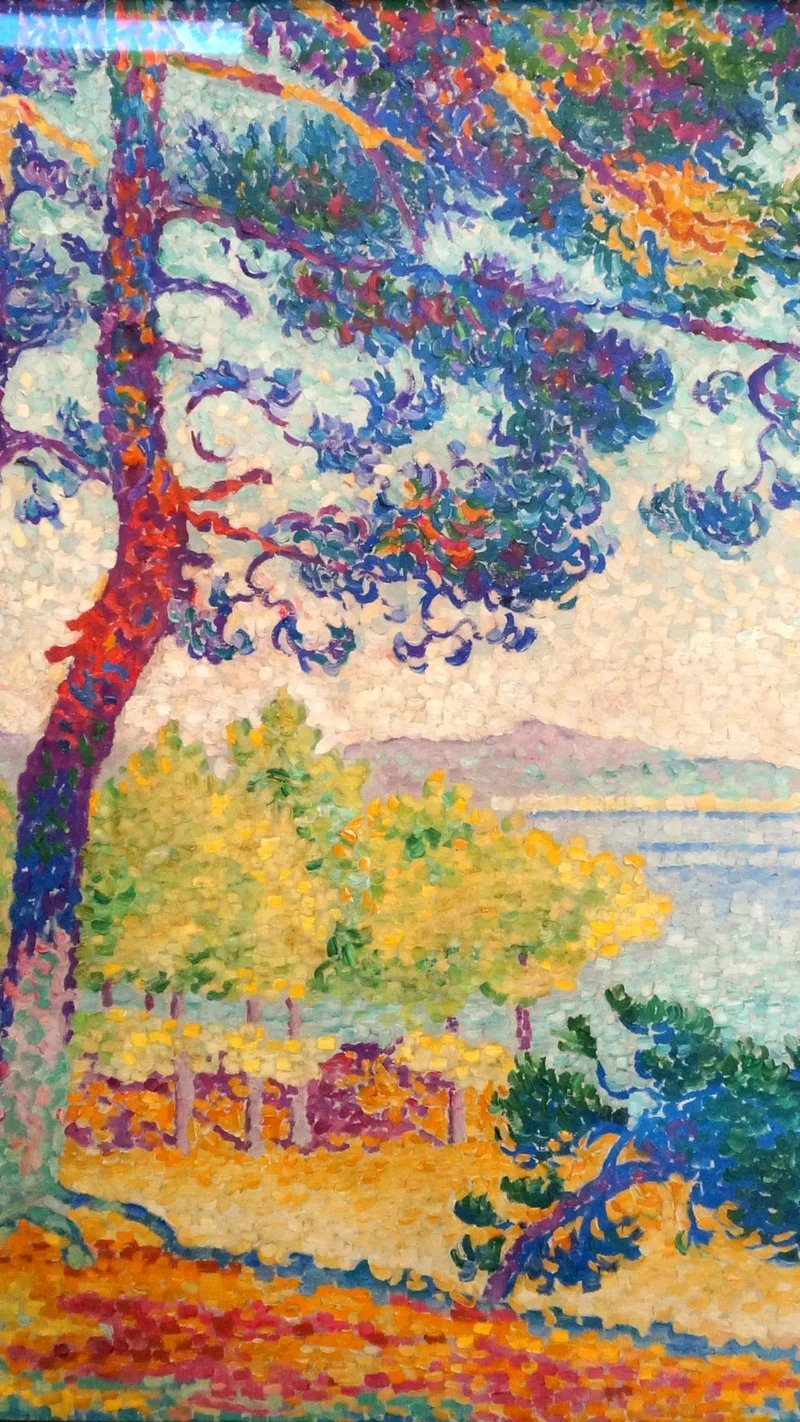
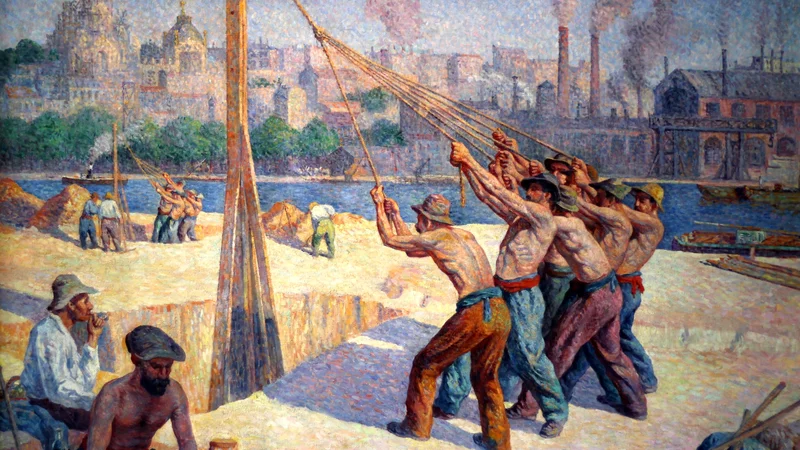
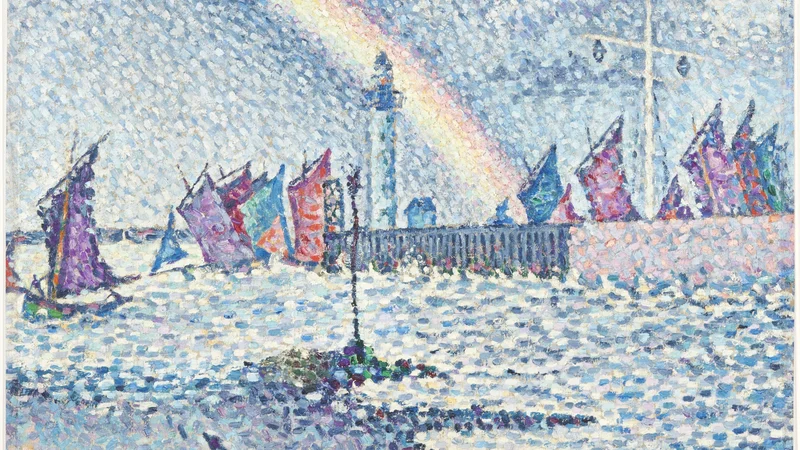
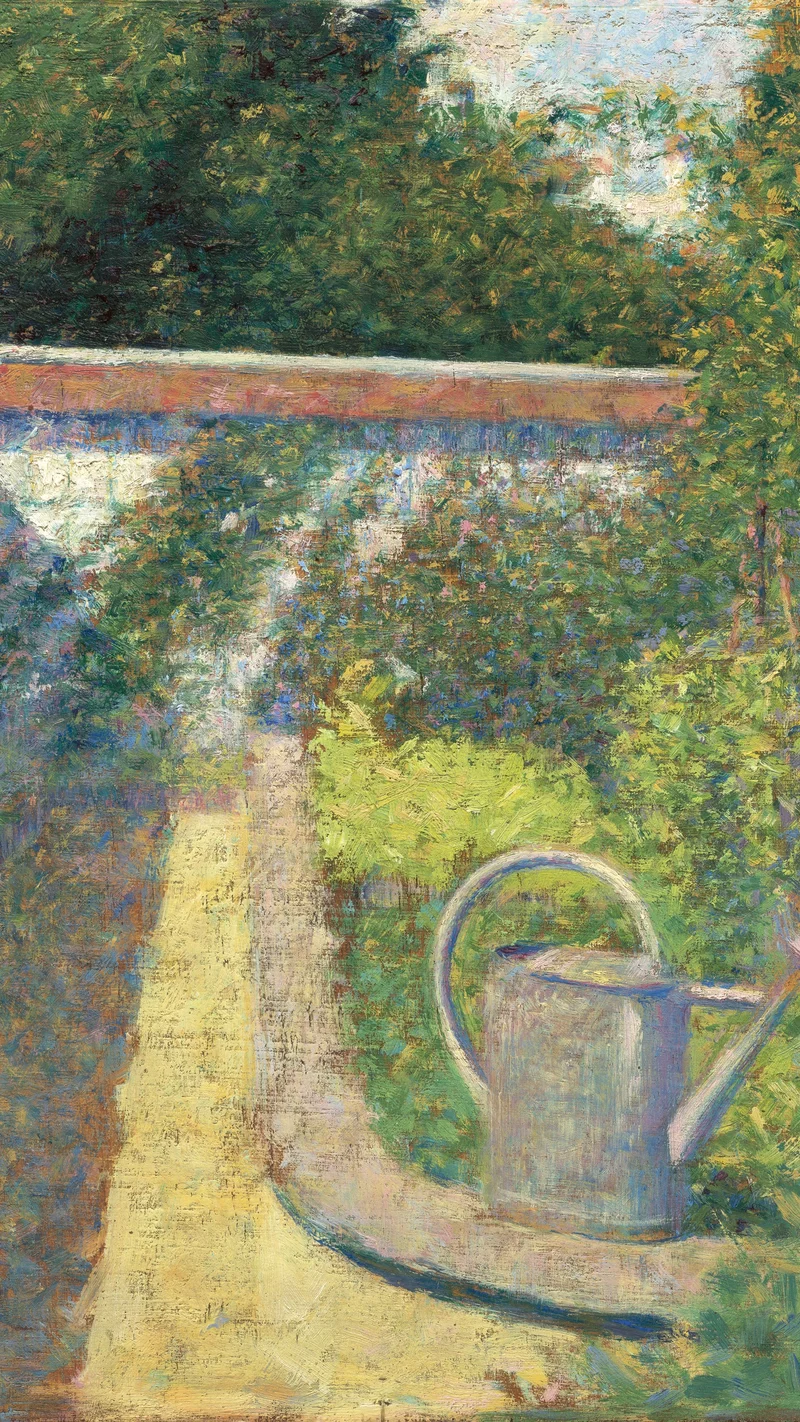
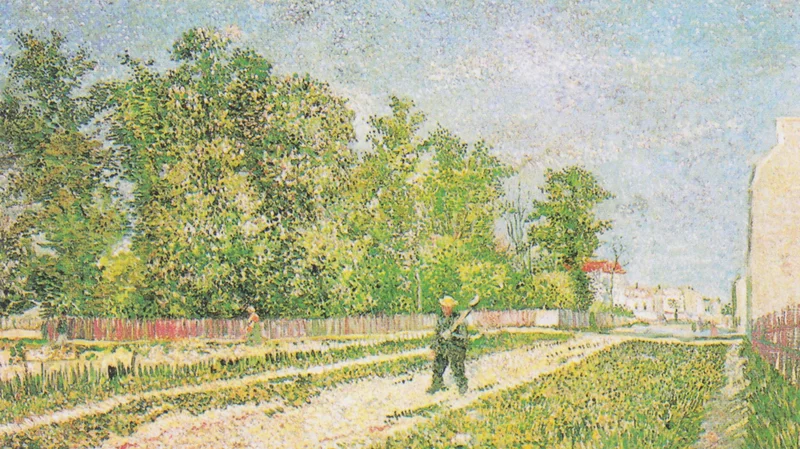
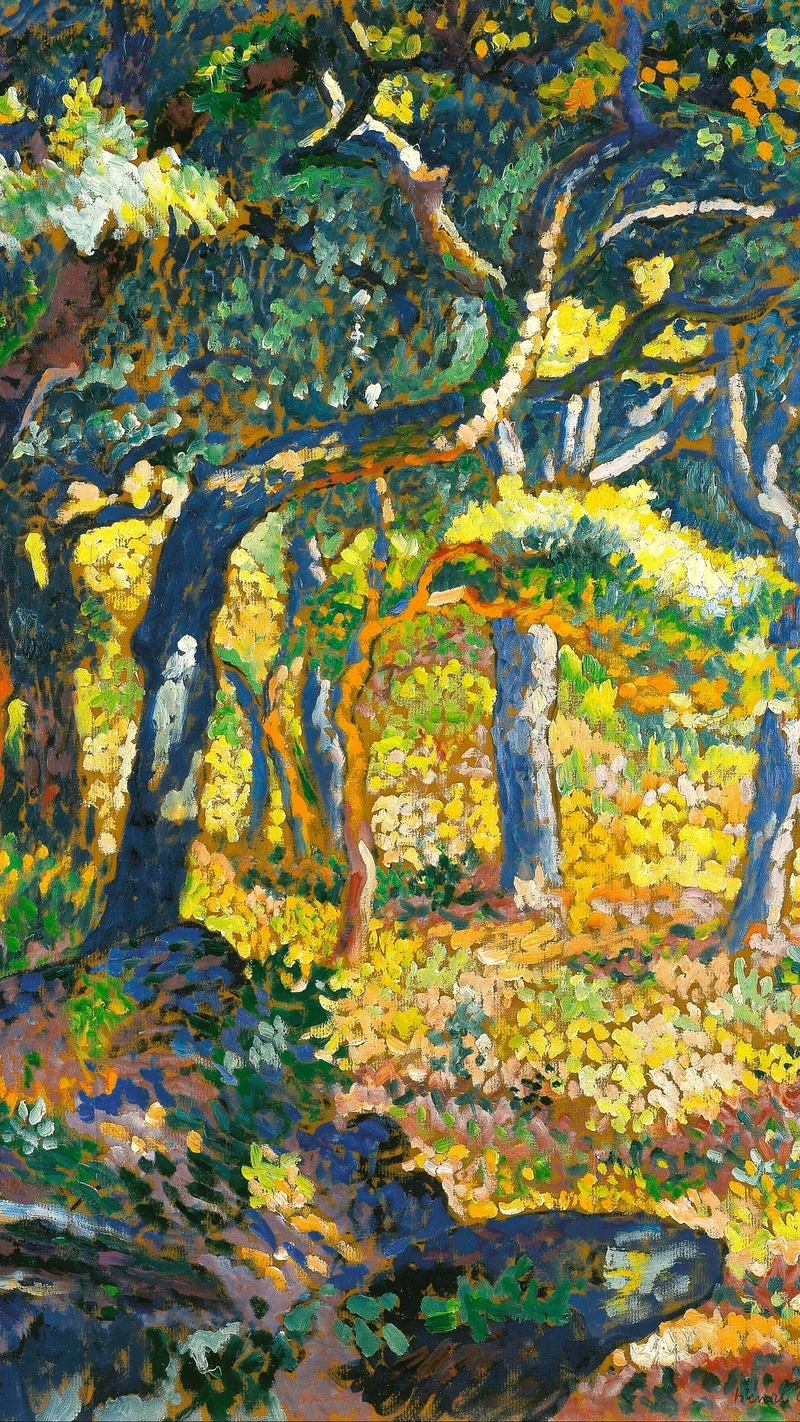
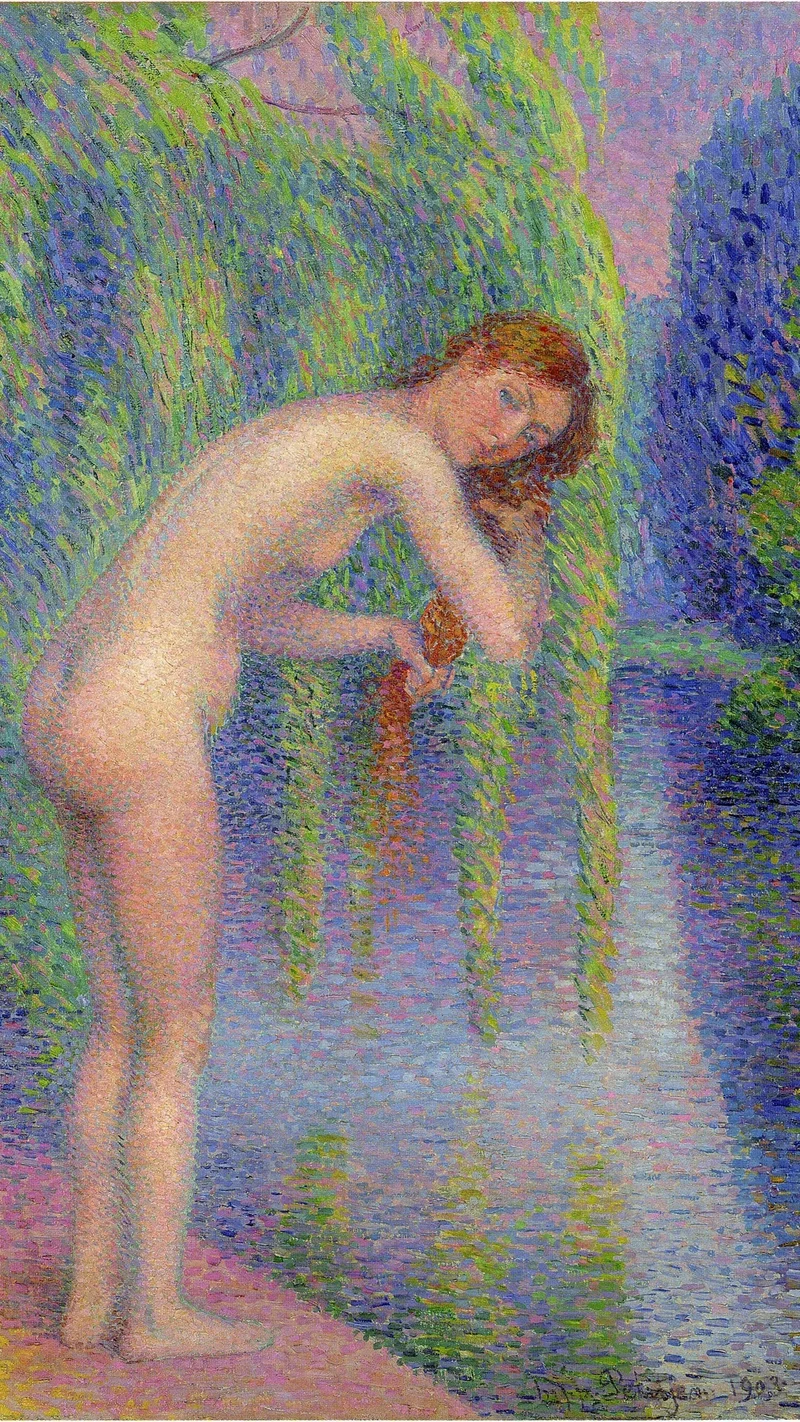
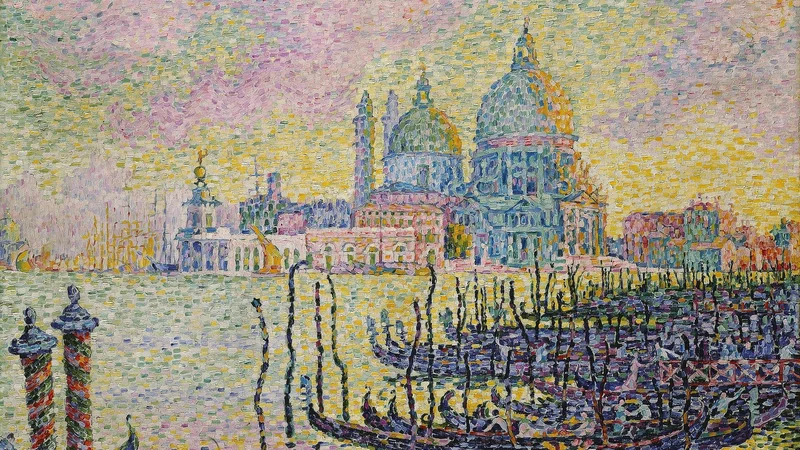
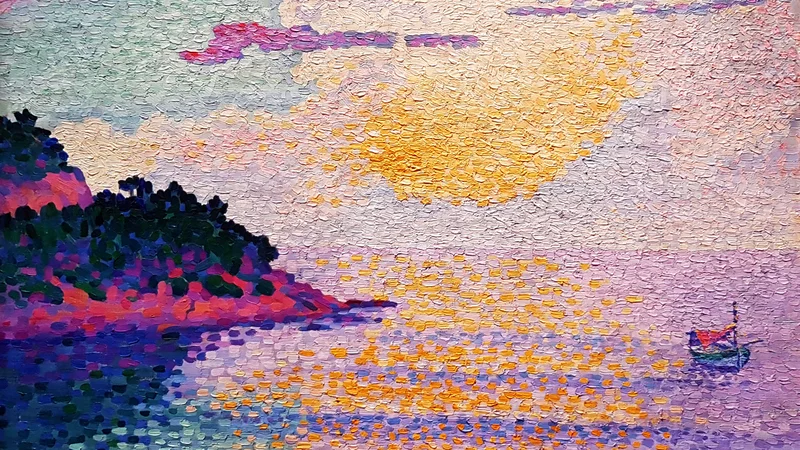
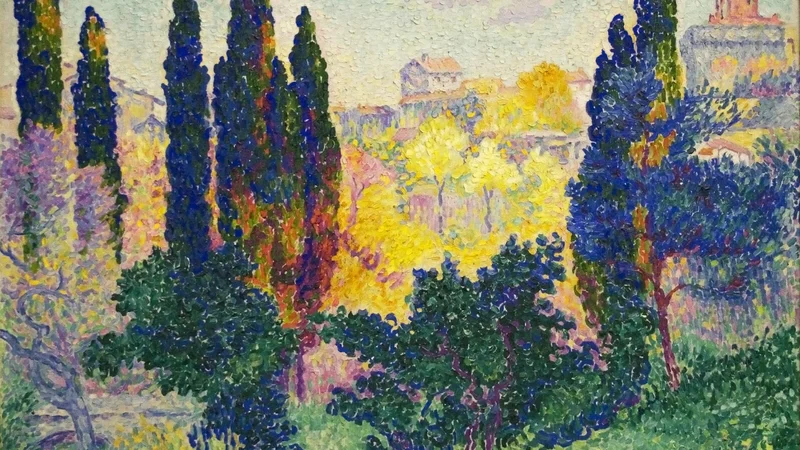
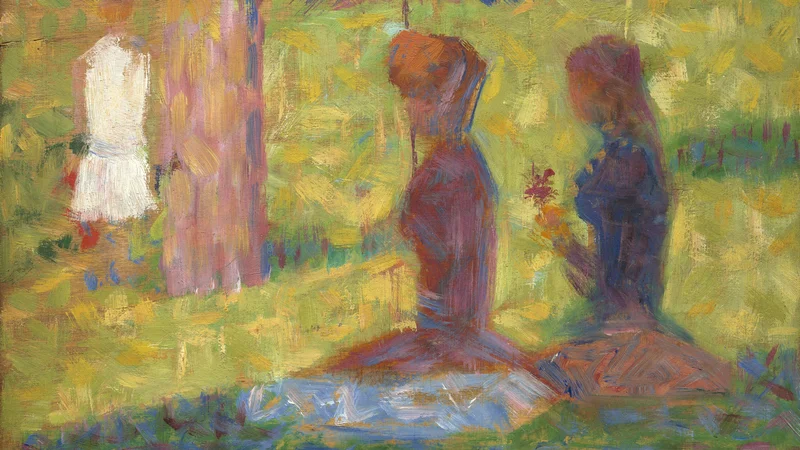
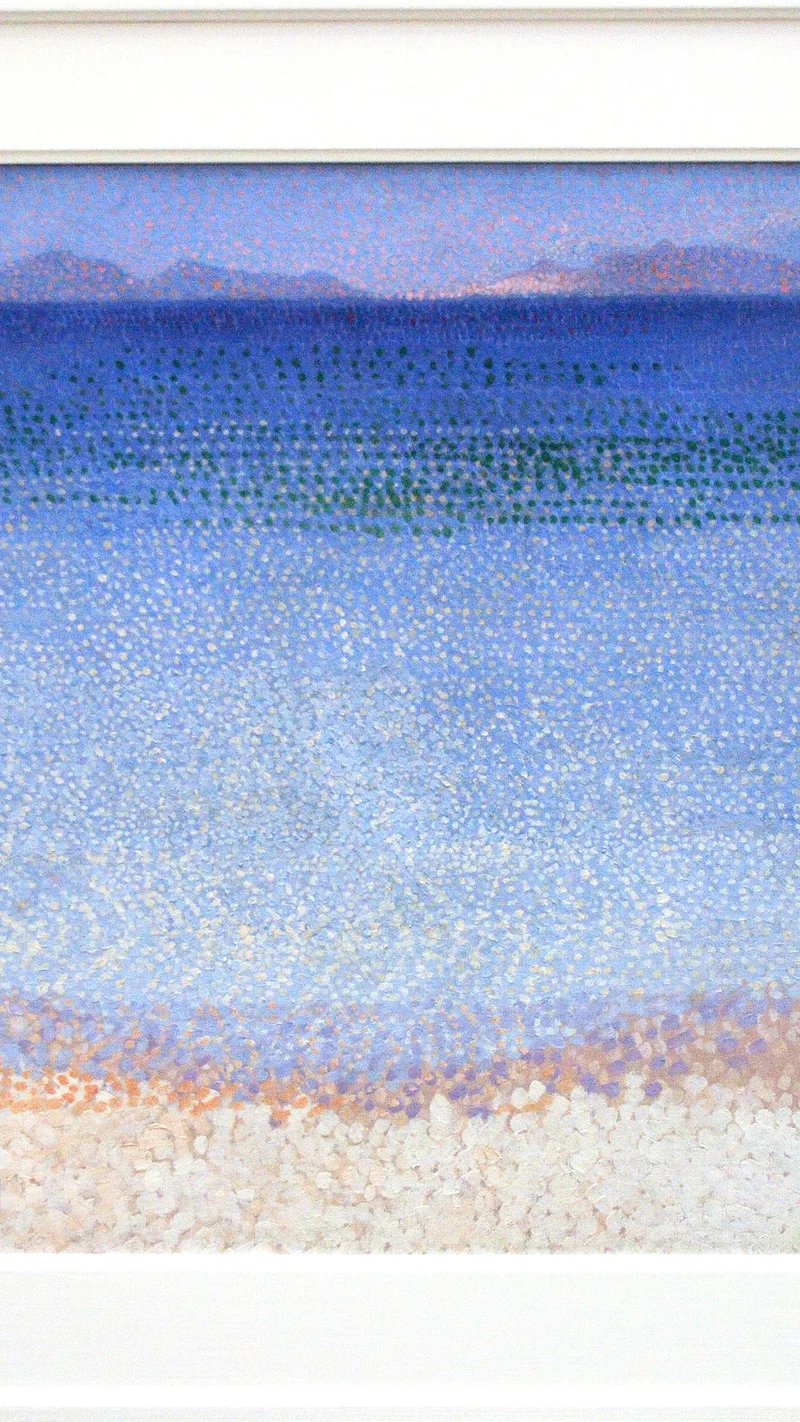
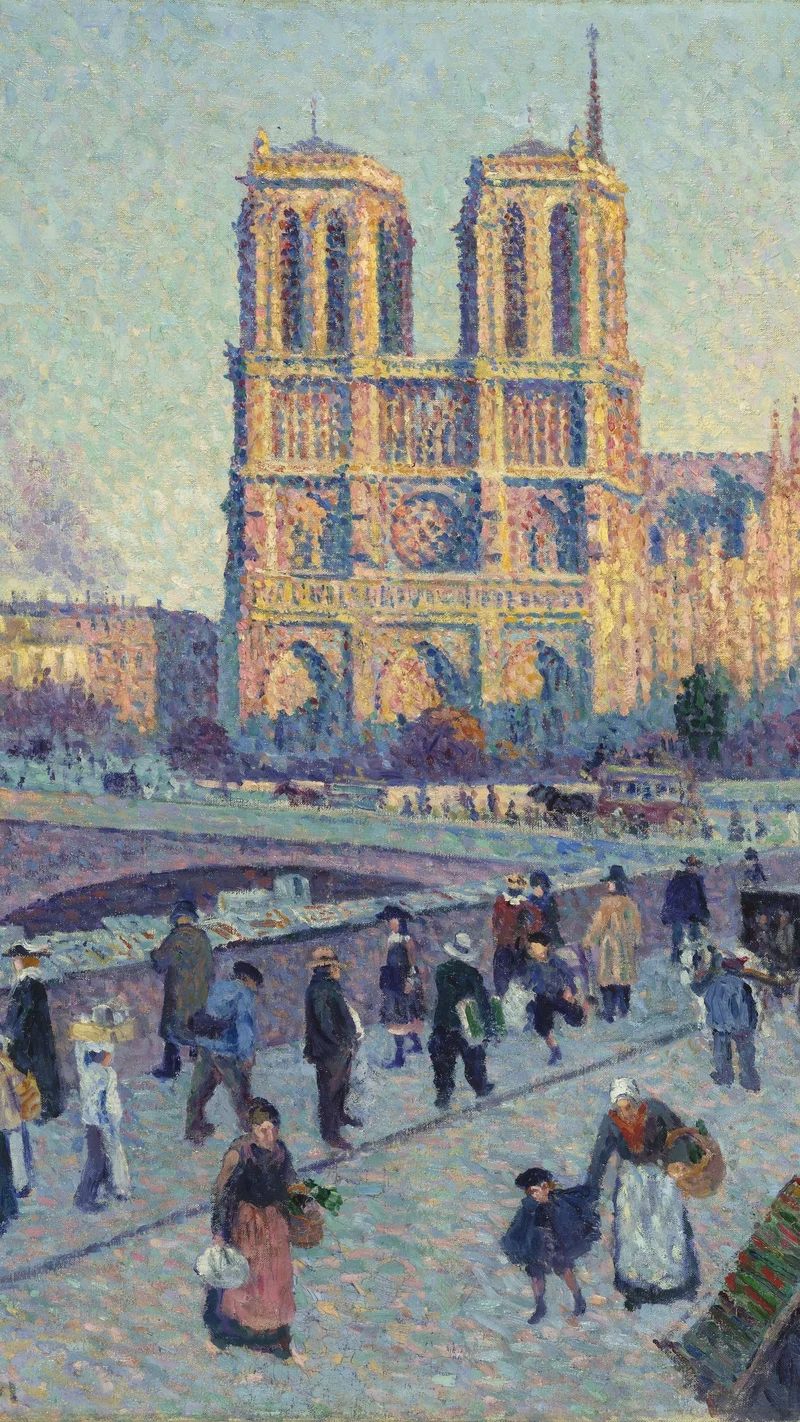
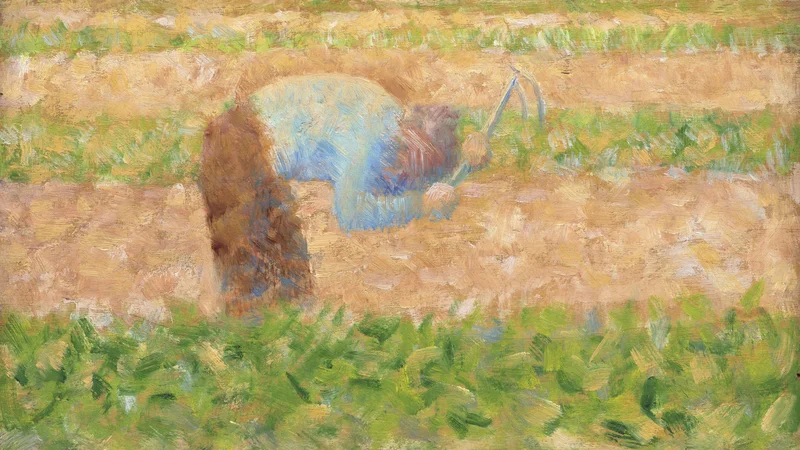
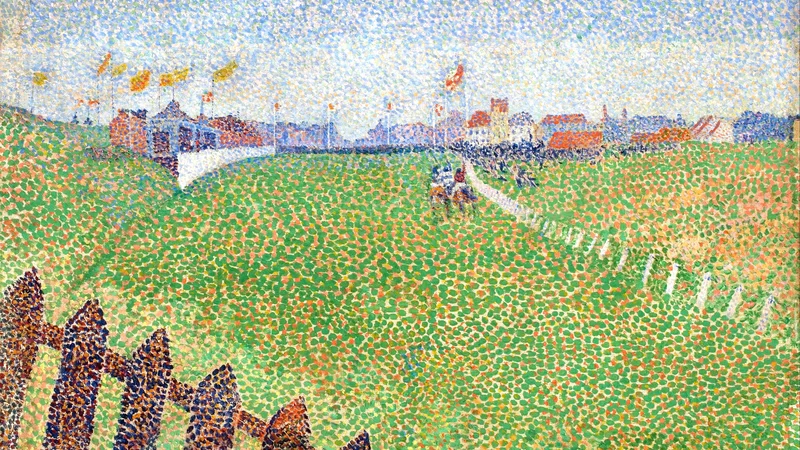
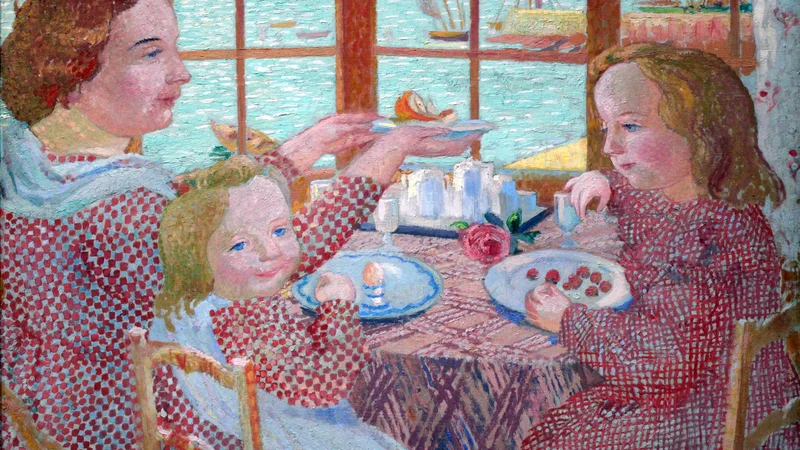
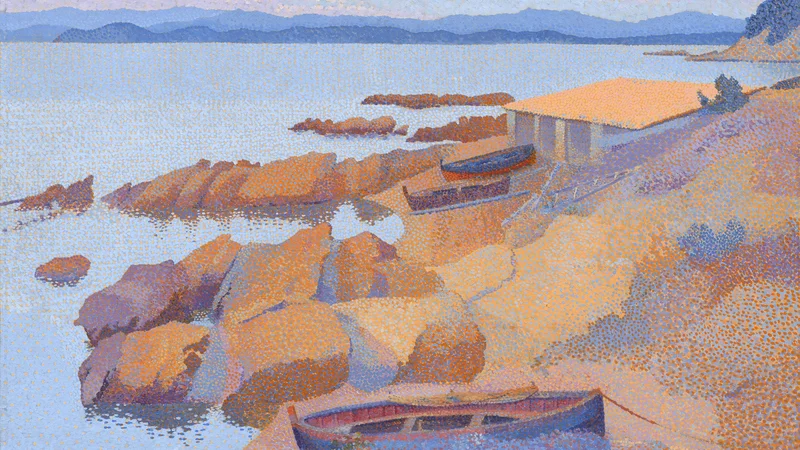
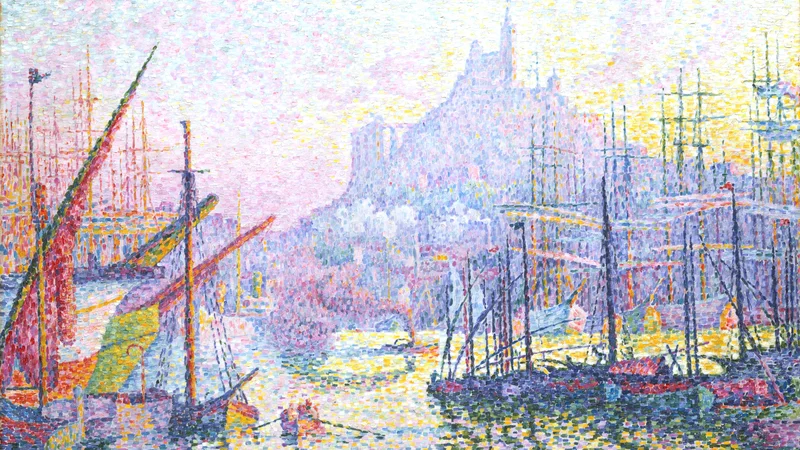
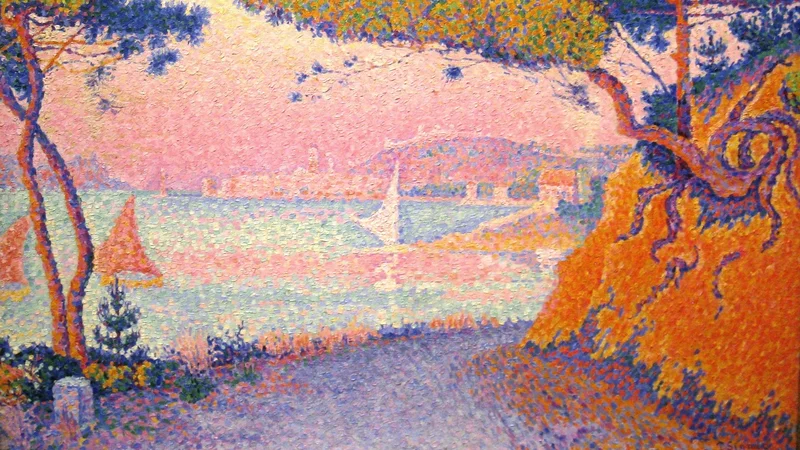
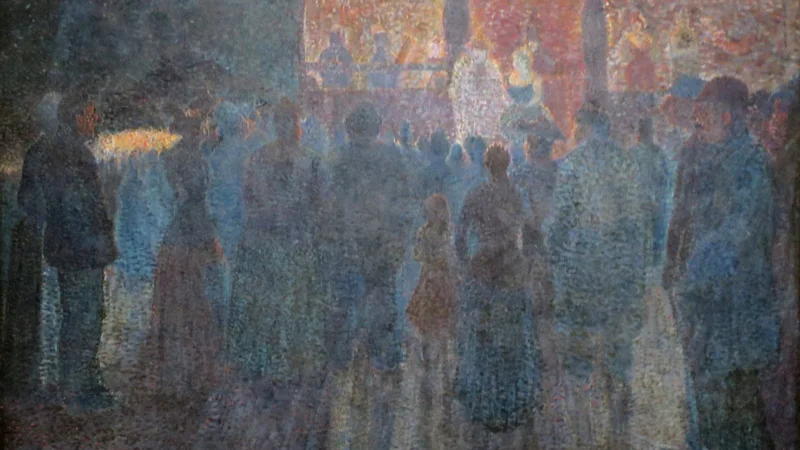
Surgido en la Francia de la década de 1880, el Puntillismo representó un alejamiento riguroso de la pincelada intuitiva y espontánea del impresionismo, inclinándose hacia una estética basada en la ciencia óptica y la teoría del color. Encabezado por Georges Seurat y Paul Signac, el movimiento empleó un método sistemático de aplicar pequeños puntos distintos de pigmento puro sobre un lienzo, lo que permitía al ojo del espectador sintetizar los colores ópticamente en lugar de mediante la mezcla física en la paleta. Este enfoque deliberado y casi científico —a menudo denominado neoimpresionismo— estuvo fuertemente influenciado por los escritos de Michel Eugène Chevreul, específicamente sus principios de contraste simultáneo, que buscaban maximizar la luminosidad mediante la yuxtaposición de tonos complementarios.
Figuras destacadas y alcance estético.
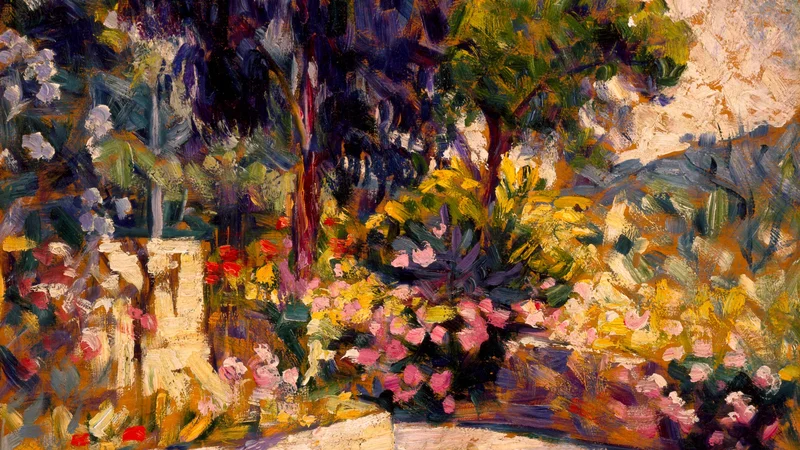
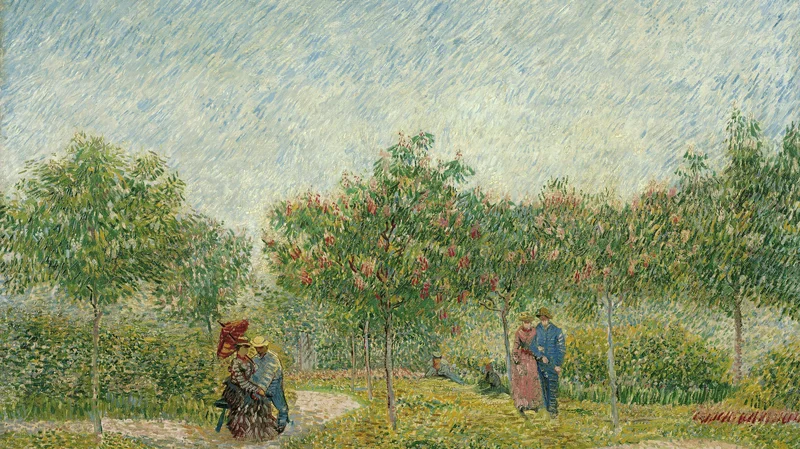
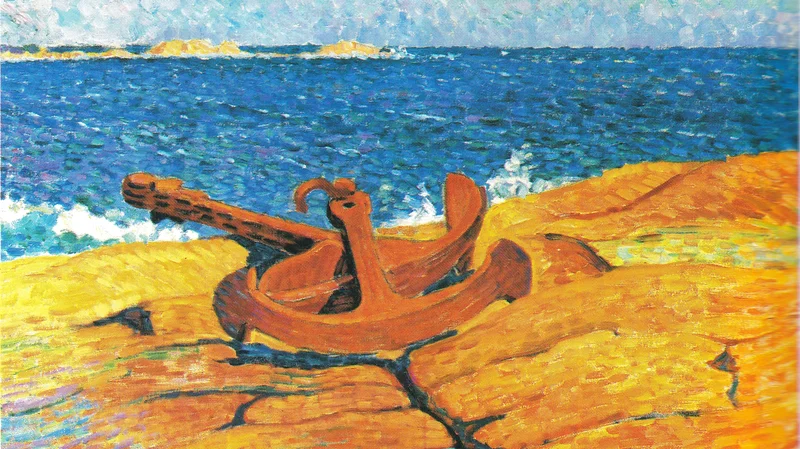
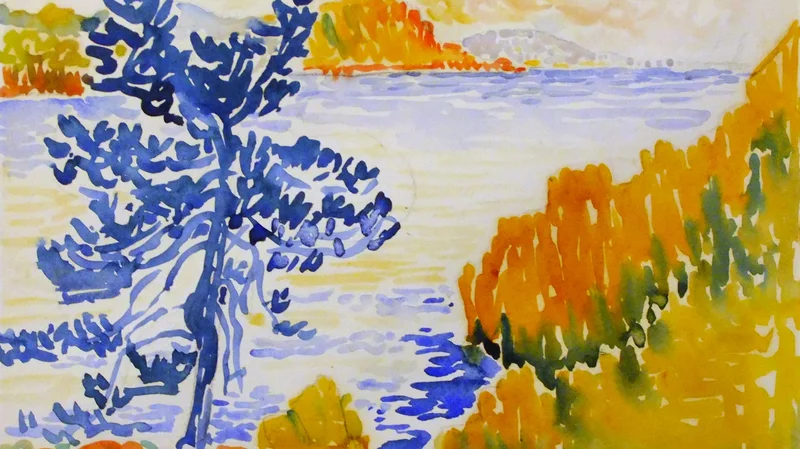
La expansión de esta técnica fue sostenida por figuras clave como Henri-Edmond Cross, Maximilien Luce y Alfred William Finch, cuyas obras exploraron el potencial emocional y estructural del punto. Obras como las composiciones de Seurat y Sunset over the sea de Signac ejemplifican este compromiso con la precisión formal, mientras que La Plaine de Bormes y Two Women by the Shore de Cross demuestran cómo el método podía evocar serenidad atmosférica. Otras composiciones, incluidas The Pink Cloud, Landscape y Afternoon in the Garden, ilustran la importancia duradera del movimiento, al cerrar la brecha entre la representación tradicional y la eventual abstracción del siglo XX, alterando permanentemente el diálogo entre el artista y el observador.