Nationalmuseum
10 obras
Situated on the prominent peninsula of Blasieholmen in the heart of Stockholm, the Nationalmuseum serves as Sweden’s premier institution for the fine arts. Since its inception, the museum has functioned as the custodian of the nation’s artistic heritage, housed within an architectural landmark that epitomizes 19th-century cultural ambition. Its founding was rooted in the Enlightenment tradition of public education and the preservation of aesthetic legacies, establishing a scholarly foundation that continues to define its institutional mission today.
A Legacy of Masterpieces
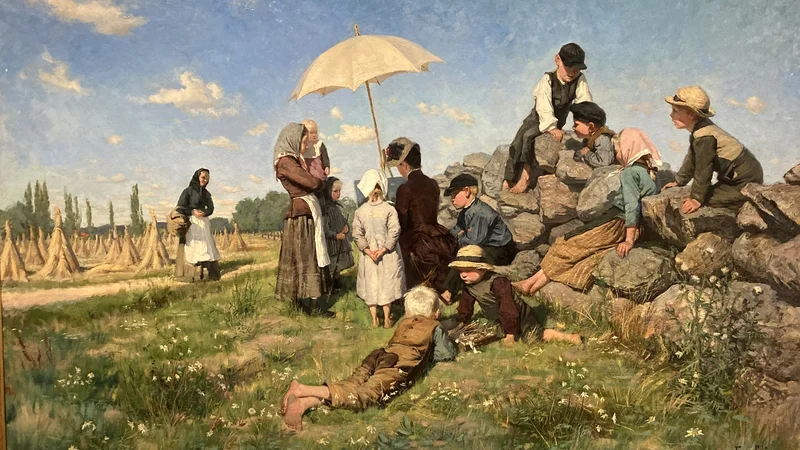
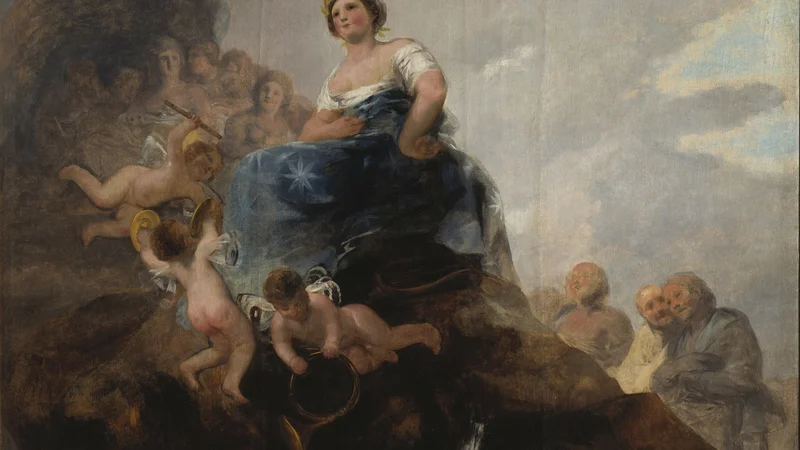
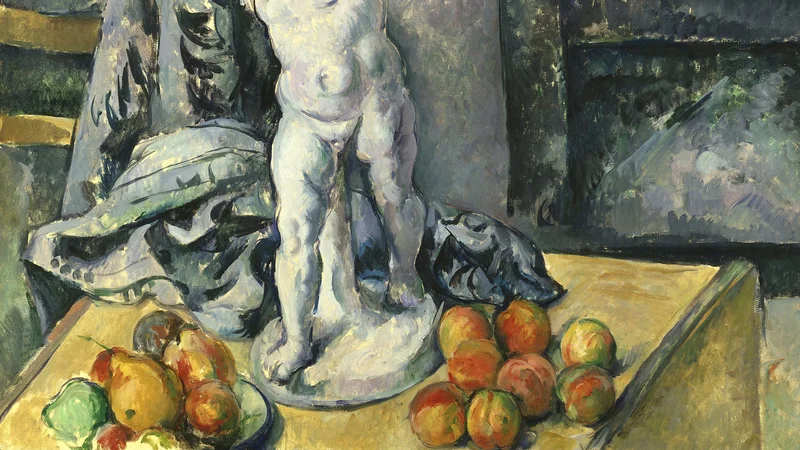
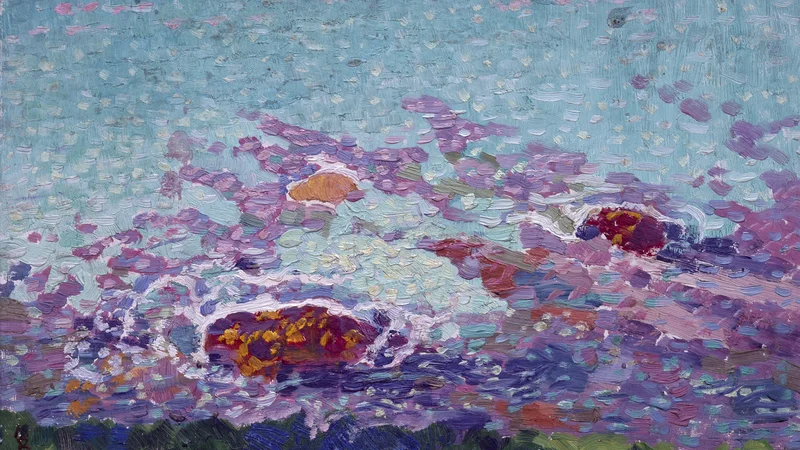
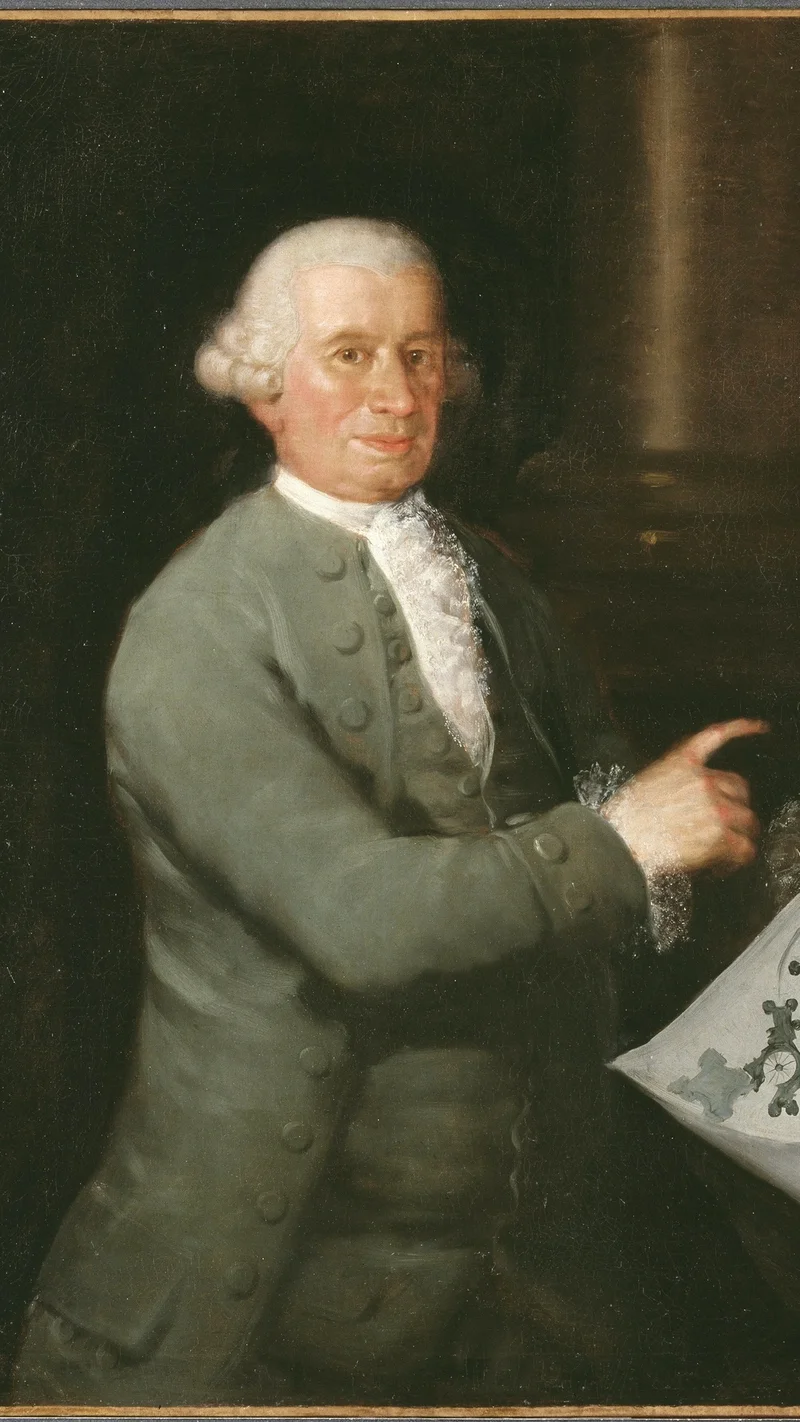
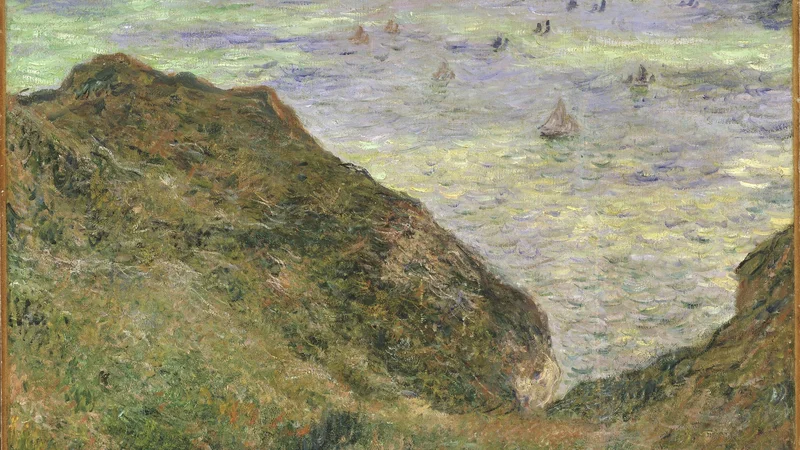
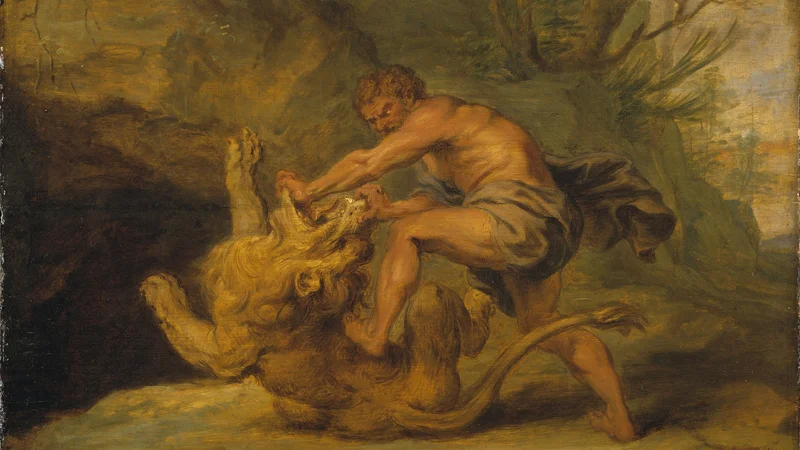
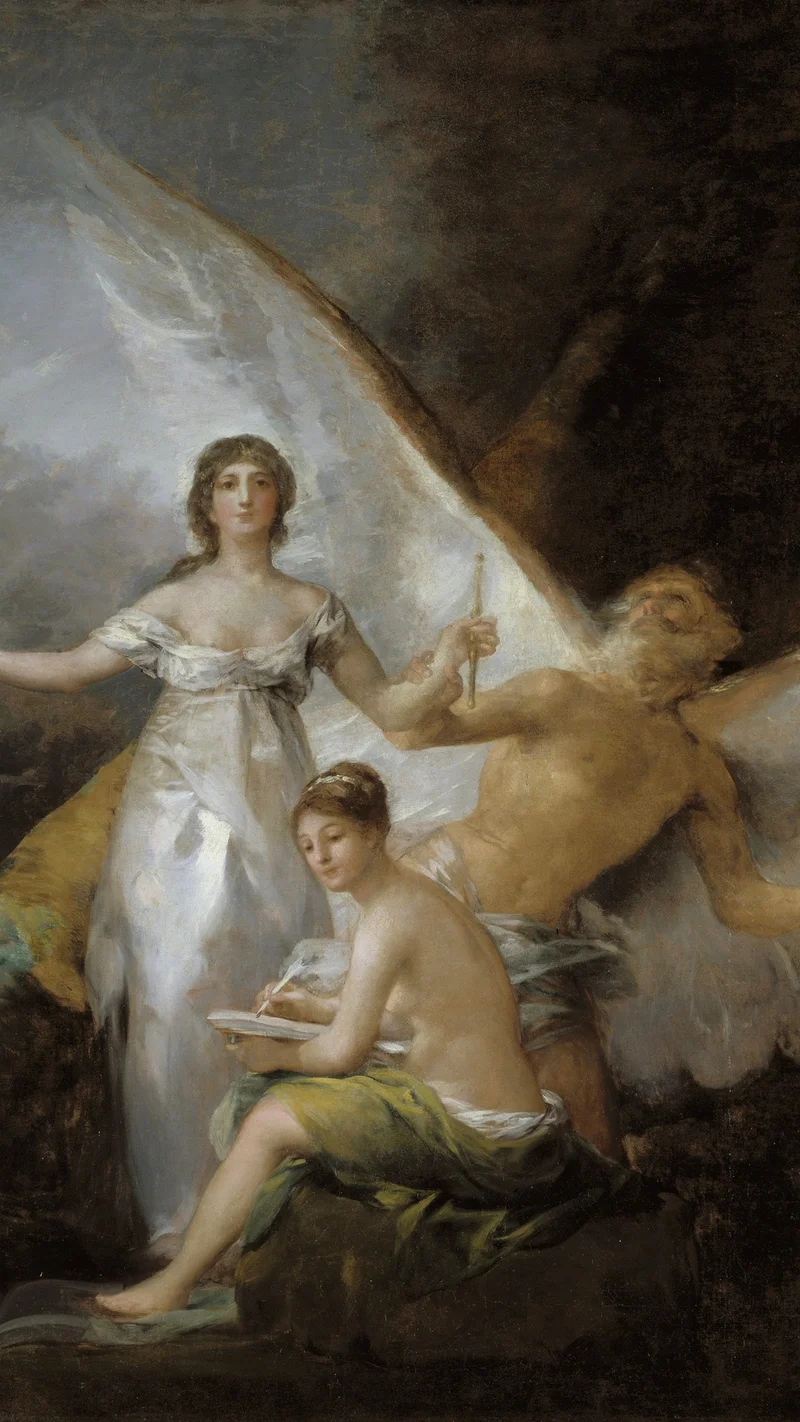
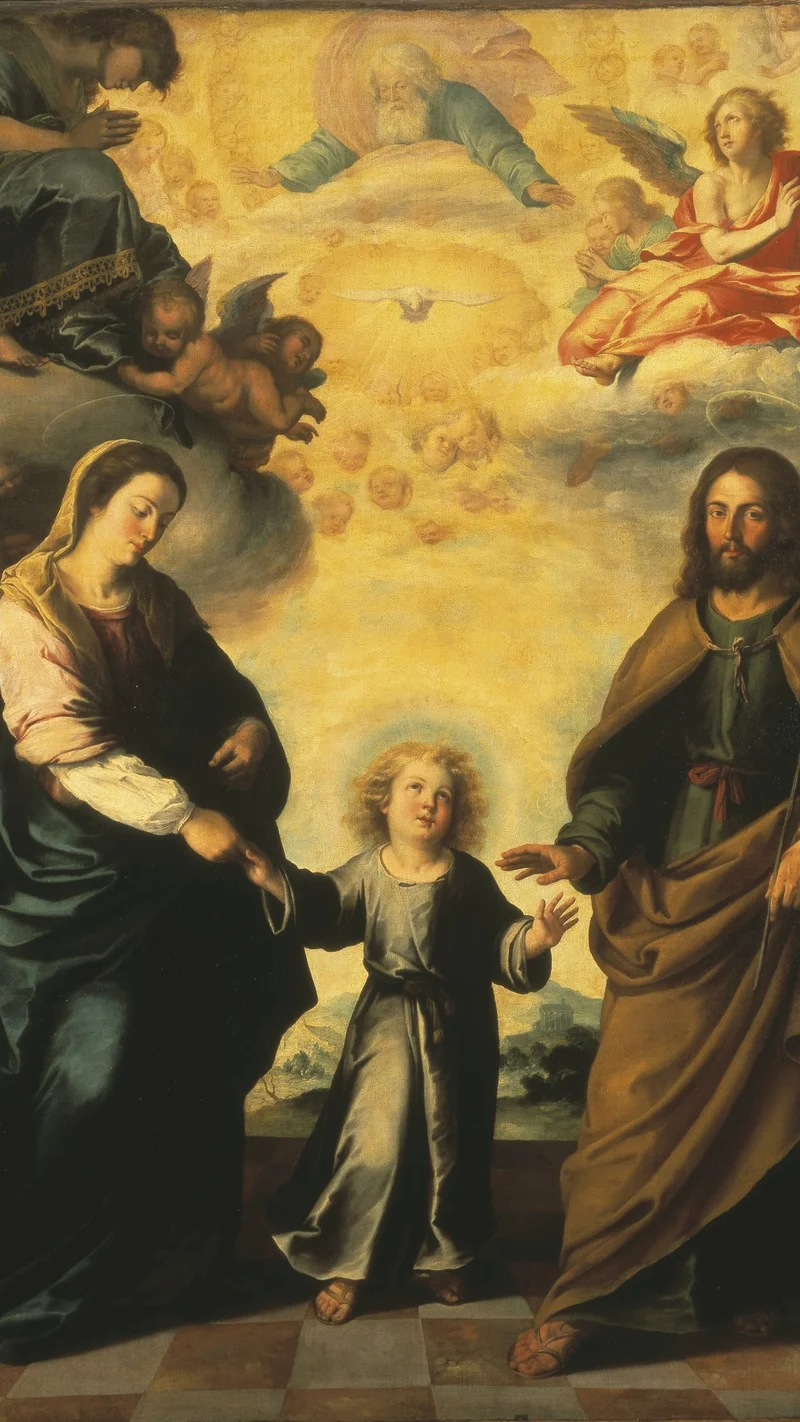
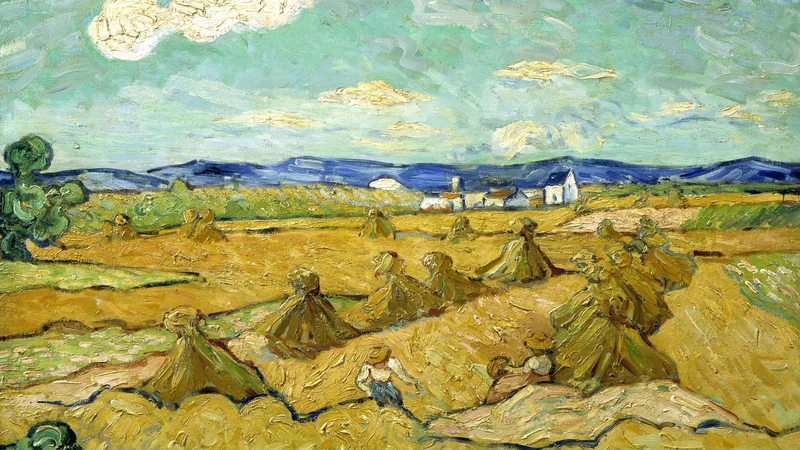
The museum’s holdings represent a sophisticated dialogue between eras, encompassing the dramatic intensity of the Baroque, the emotional depth of Romanticism, and the revolutionary departures of Post-Impressionism. Visitors encounter a rich cross-section of European art history through works such as Peter Paul Rubens’ Samson and the Lion and Bartolomé Esteban Murillo’s The Return of the Holy Family from Egypt. The collection further spans the evocative observations of Francisco Goya and the atmospheric innovations of Claude Monet, alongside the distinct sensibilities of Vincent van Gogh. Iconic pieces such as The Architect Ventura Rodriguez, Ocean Coast, Poetry and Poets, and the group portrait Konstvänner exemplify the museum's role in chronicling the evolving human condition. Through its rigorous commitment to research and curation, the Nationalmuseum maintains a stature of international repute, fostering an enduring intellectual engagement with the history of visual culture.
Background adapted from Wikipedia (CC BY-SA).