São Paulo Museum of Art
11 obras
The São Paulo Museum of Art stands as a definitive monument to twentieth-century ingenuity, housed within a striking concrete and glass structure completed in 1968. Designed by the visionary architect Lina Bo Bardi, the building itself has become a quintessential symbol of modern Brazilian architecture, suspended above the Paulista Avenue landscape. Since its inception, the institution has served as a primary nexus for the preservation and study of Western art in the Southern Hemisphere, reflecting a sophisticated commitment to global cultural dialogue.
The Breadth of the Permanent Collection
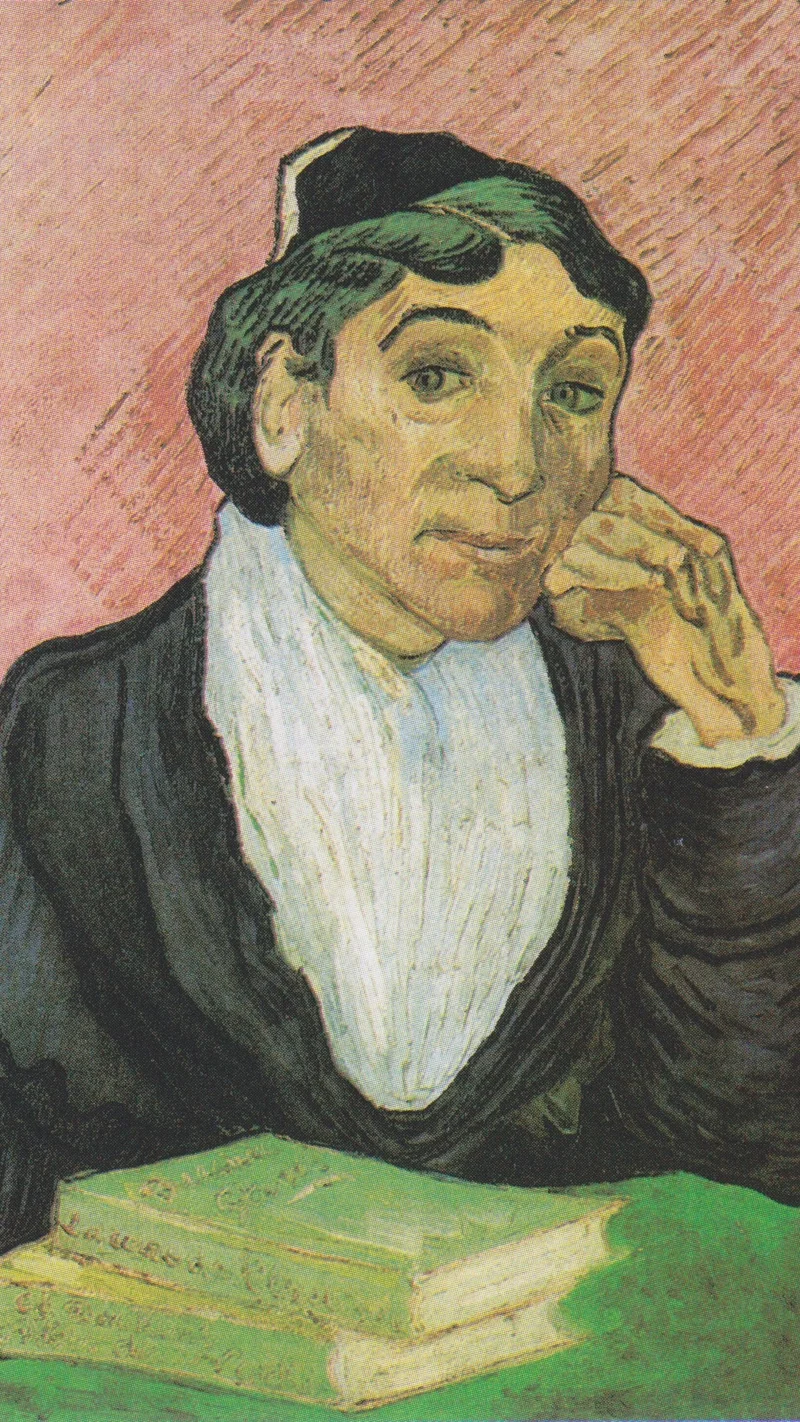
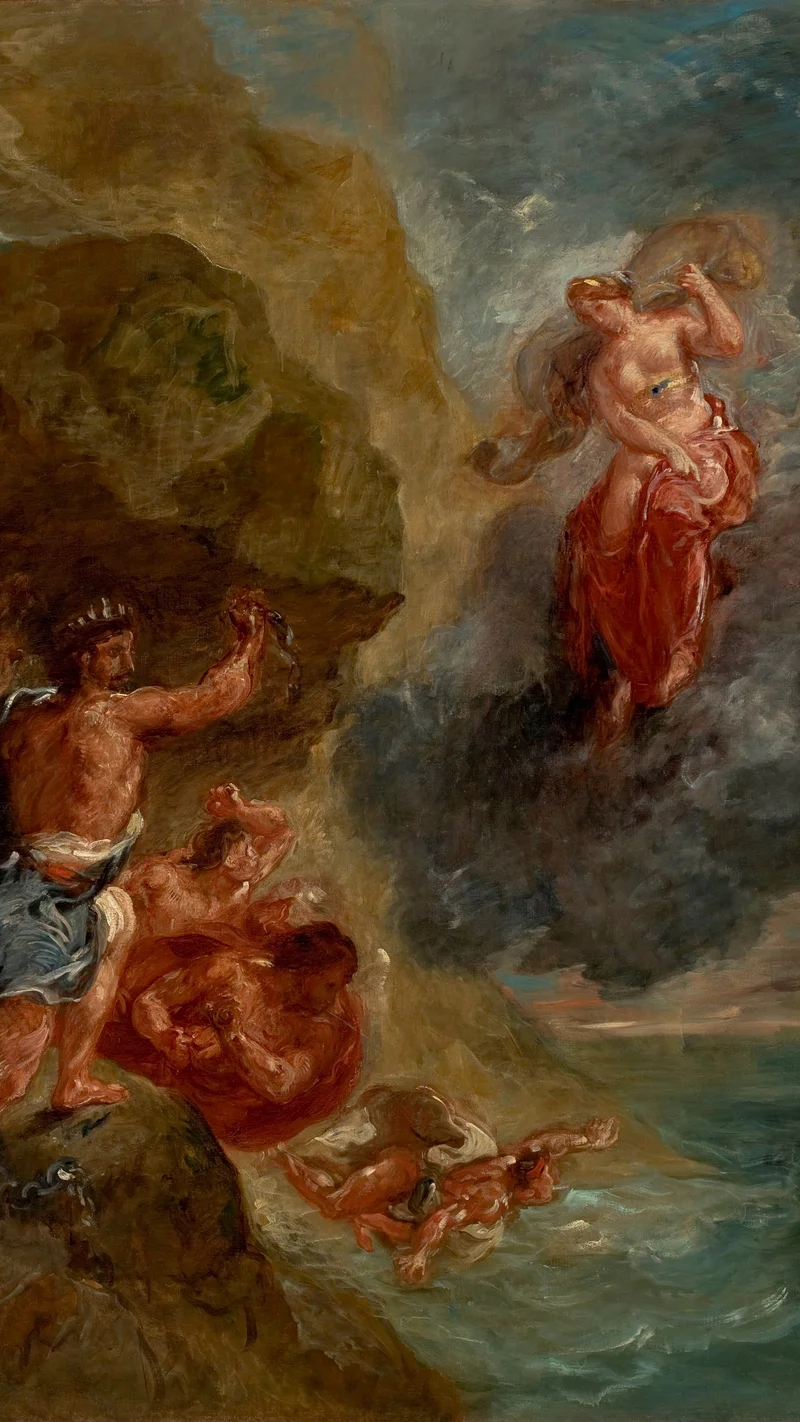
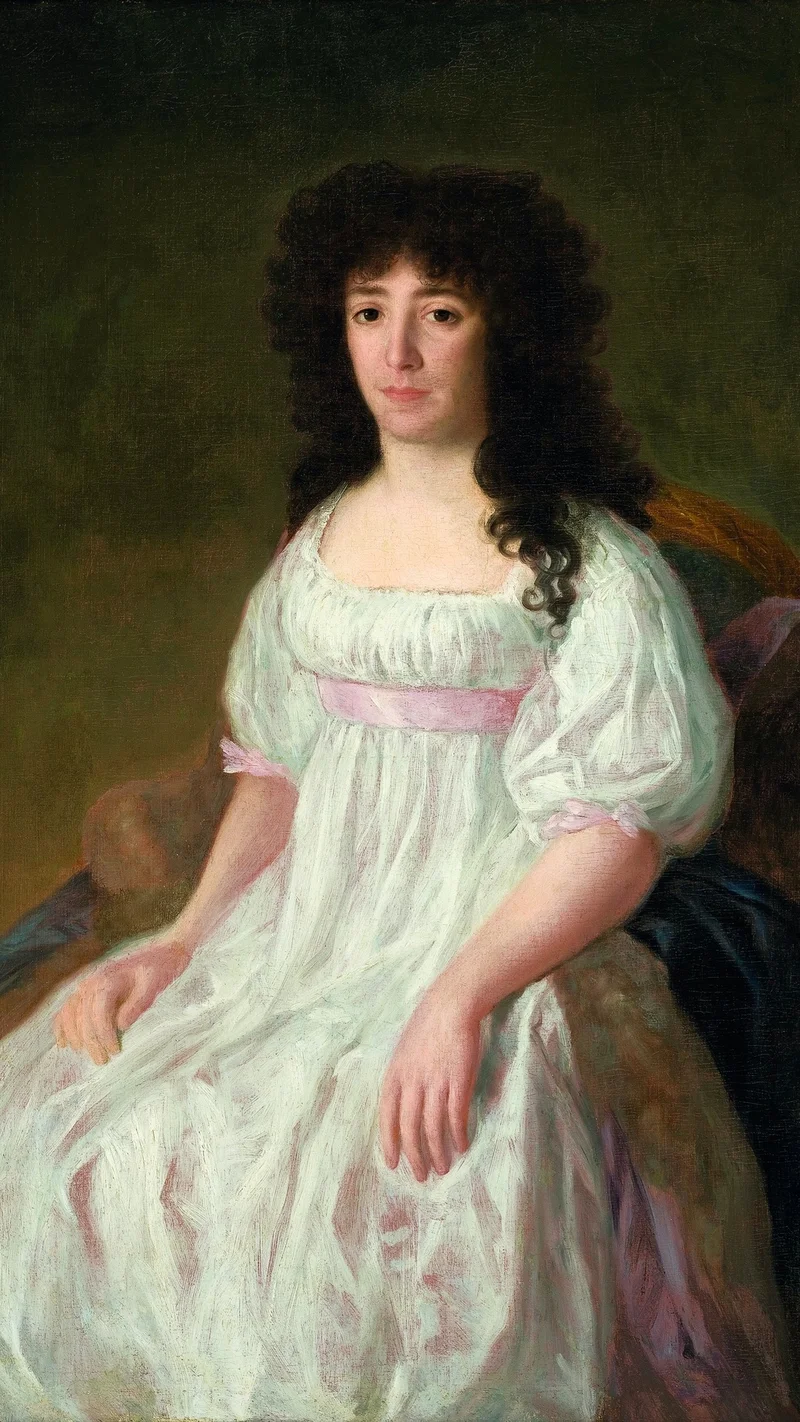
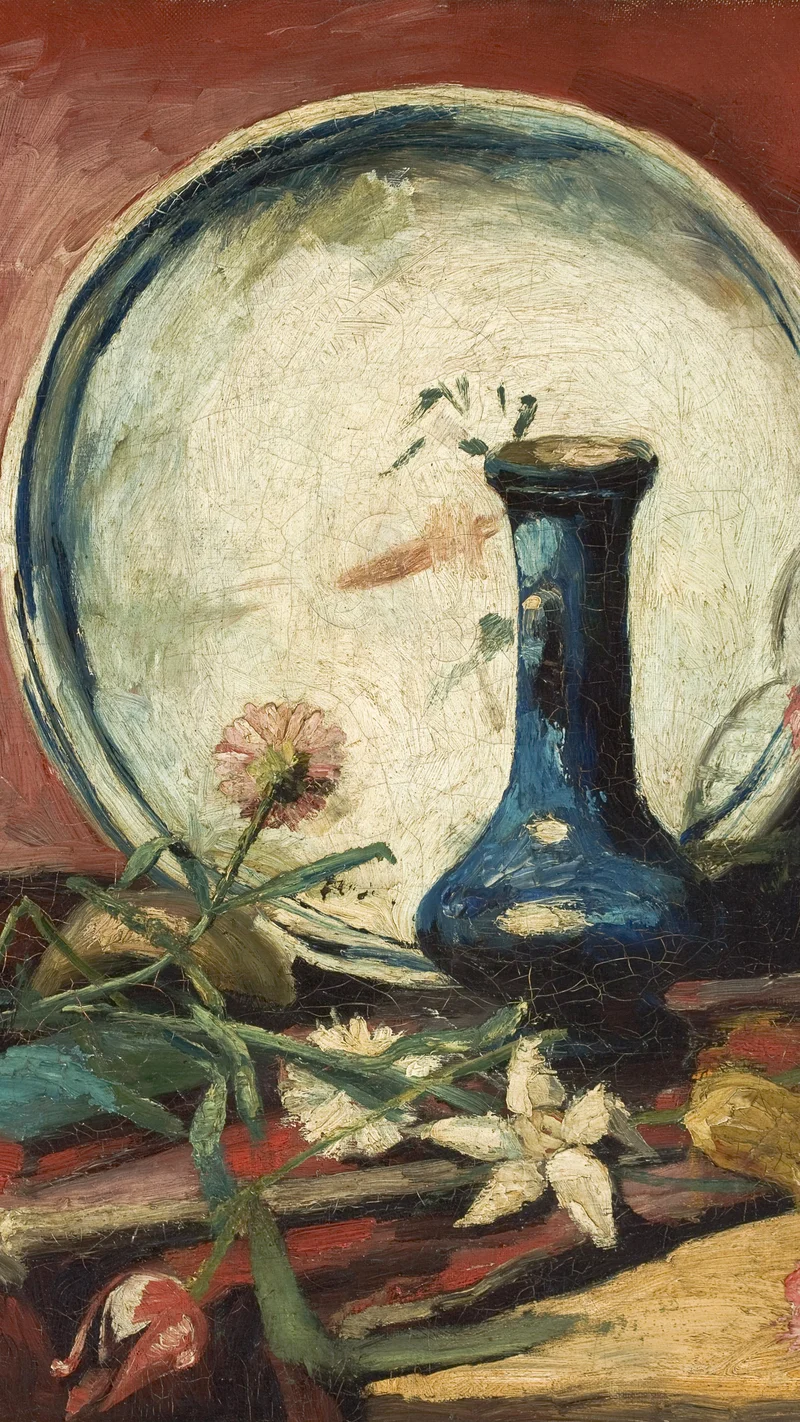
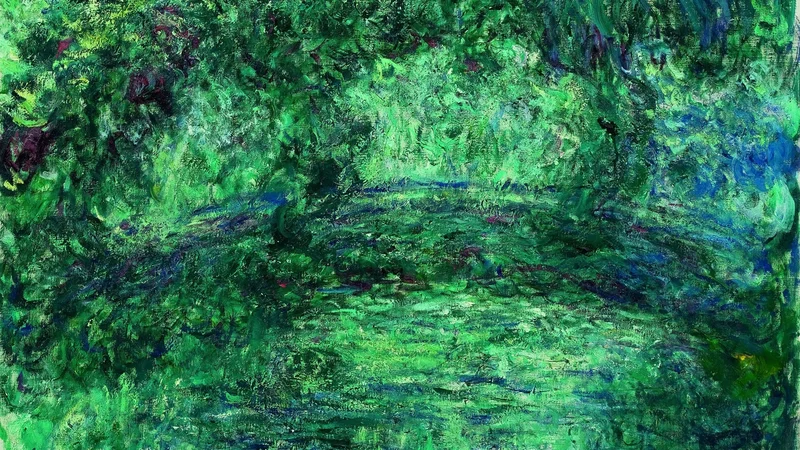
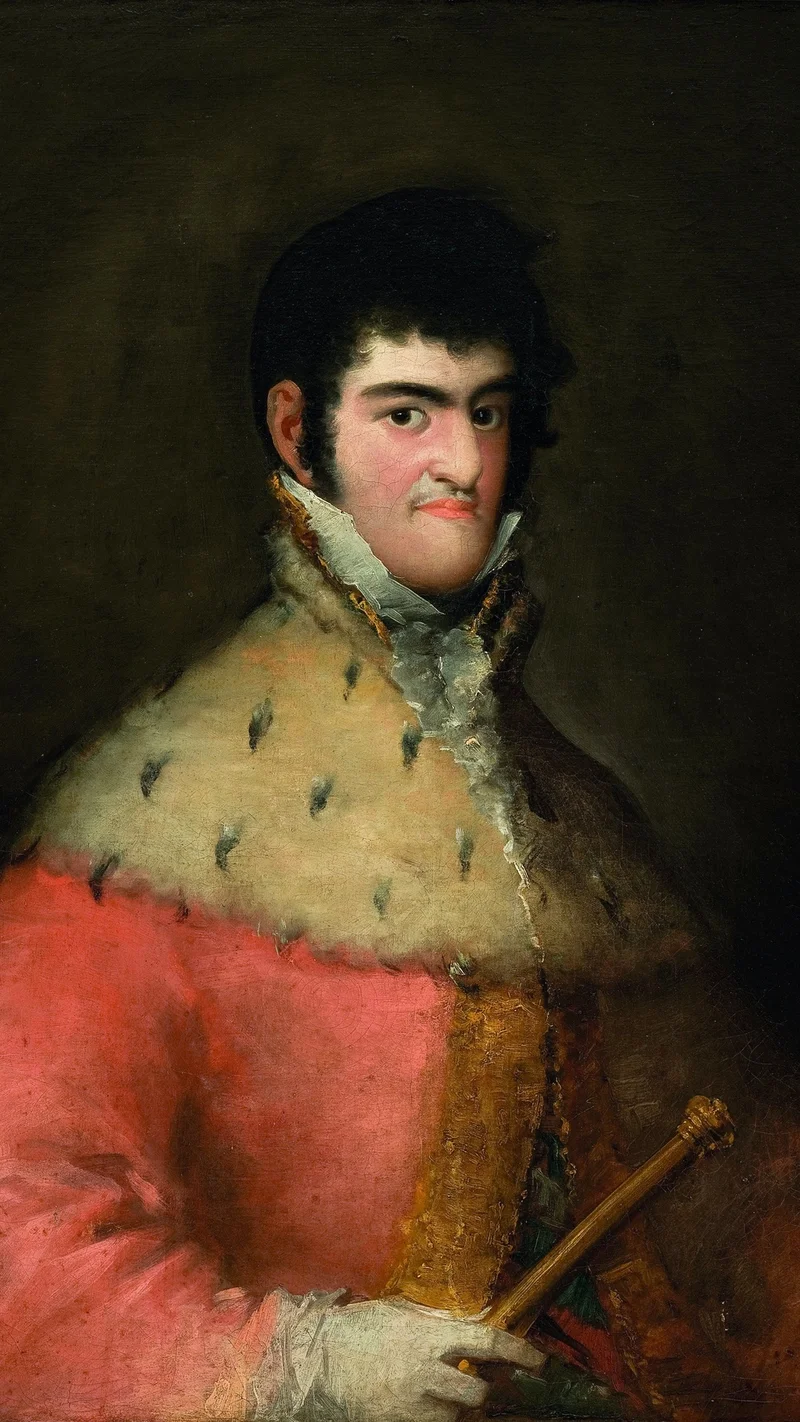
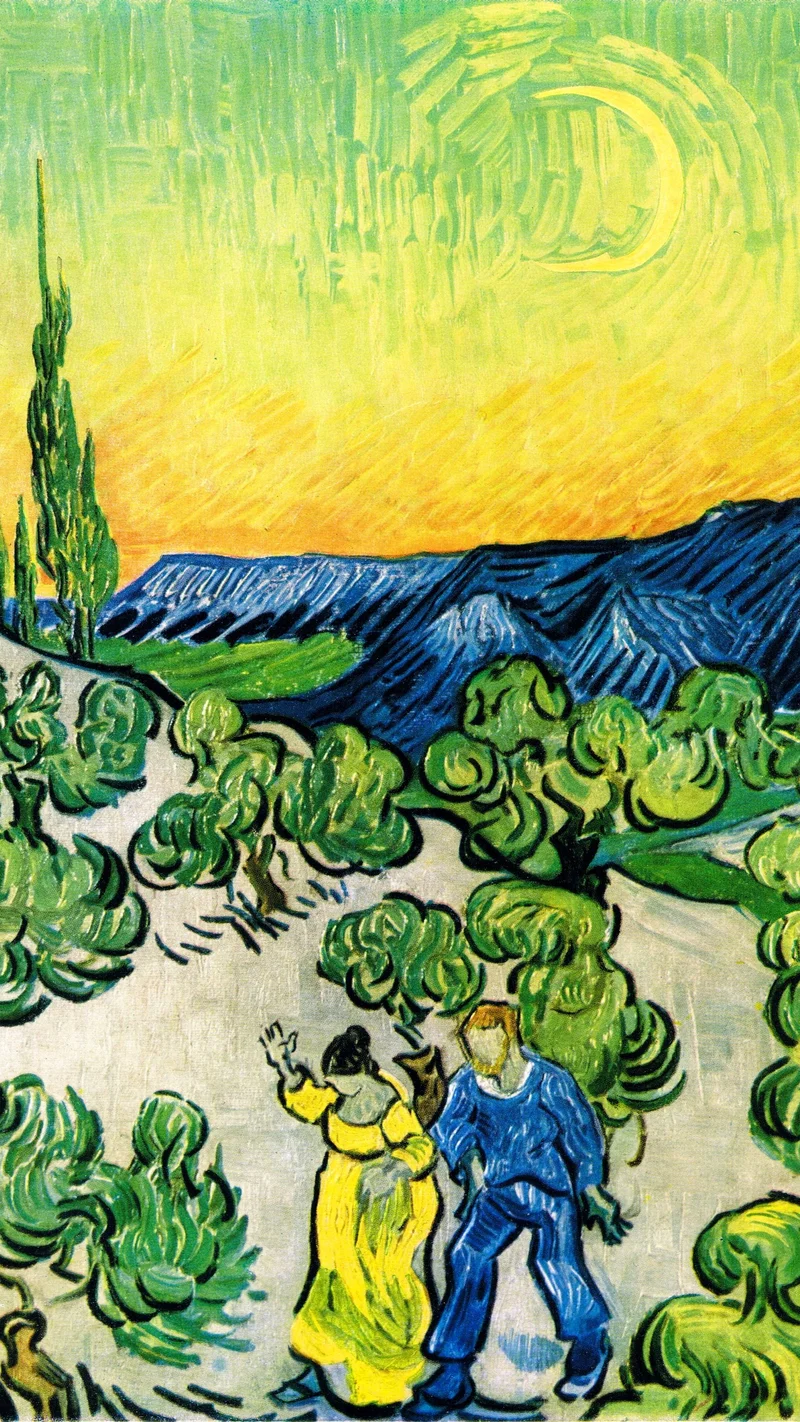
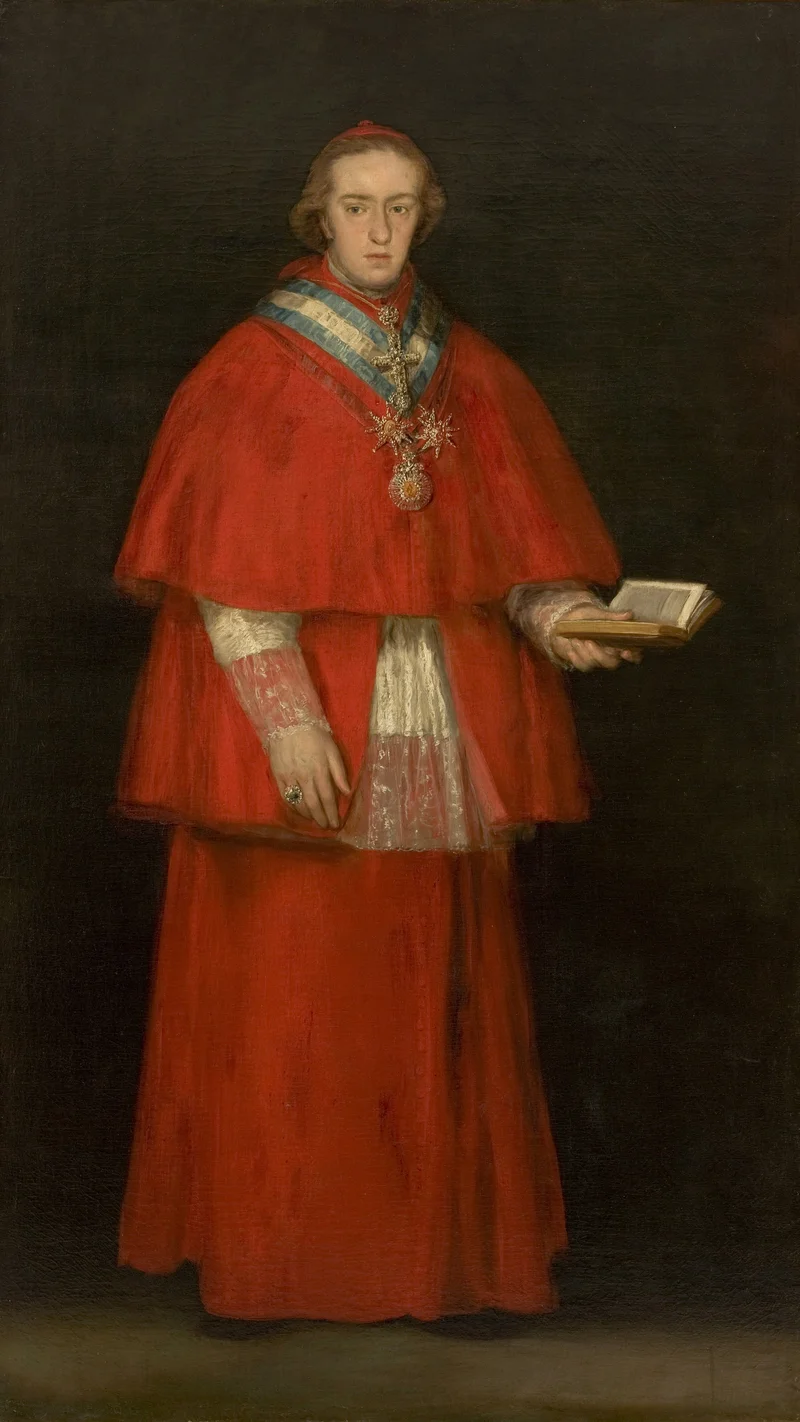
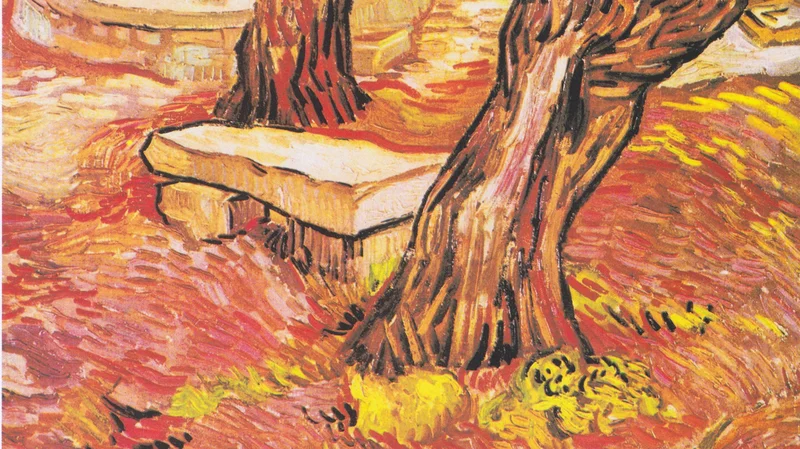
The museum’s holdings offer a profound survey of European artistic evolution, spanning from the emotional intensity of Romanticism to the revolutionary light of Impressionism and the structural innovations of Post-Impressionism. The collection is anchored by seminal works from masters such as Eugène Delacroix and Francisco Goya, the latter represented by the formal gravity of Portrait of Ferdinand VII of Spain and Portrait of Cardinal Luis María de Borbón y Vallabriga. The nineteenth-century transition toward modernism is captured through the delicate brushwork of Claude Monet and the psychological depth of Henri de Toulouse-Lautrec, exemplified by Madame Countess Adèle de Toulouse-Lautrec in the Garden of Malromé. Furthermore, the collection provides an intimate look at the output of Vincent van Gogh, notably through the evocative L'Arlésienne and his Still Life with Plate, Vase and Flowers. By bridging these distinct historical movements, the museum maintains its status as an essential site for the scholarly appreciation of global art history.
Background adapted from Wikipedia (CC BY-SA).