Department of Paintings of the Louvre
17 œuvres
The Department of Paintings serves as a cornerstone of the Louvre, representing one of the eight foundational pillars of the museum’s vast institutional structure. Housed within the historic walls of the former royal palace, this department chronicles the evolution of European artistic expression from the medieval period through the early twentieth century. Its origins are deeply intertwined with the royal collections and the subsequent democratization of art during the revolutionary era, establishing a lineage that preserves the visual heritage of France and the broader Western canon within the architectural splendor of the Palais du Louvre.
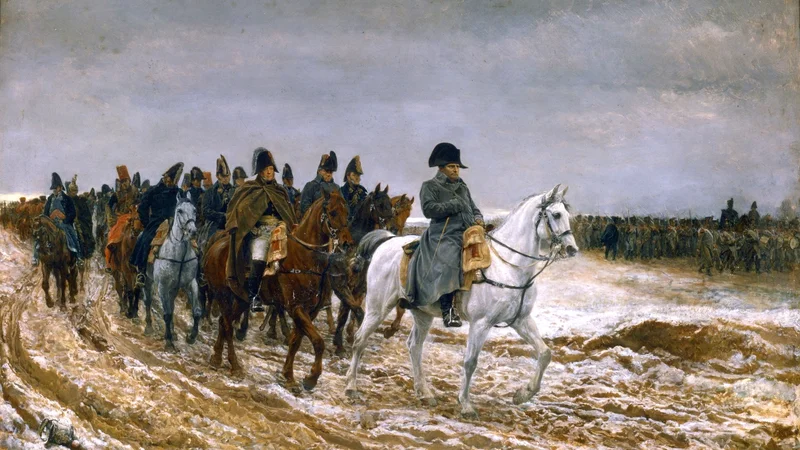
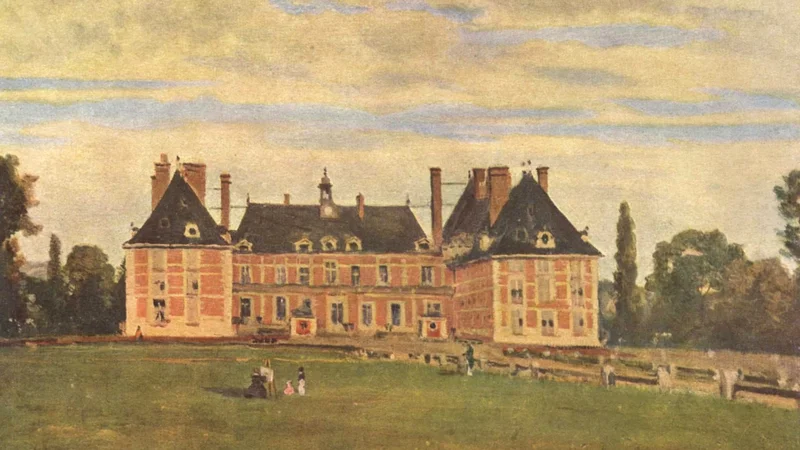
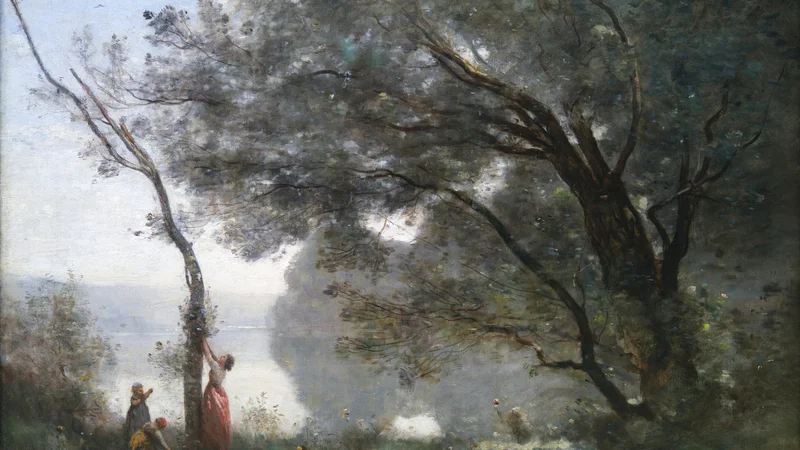
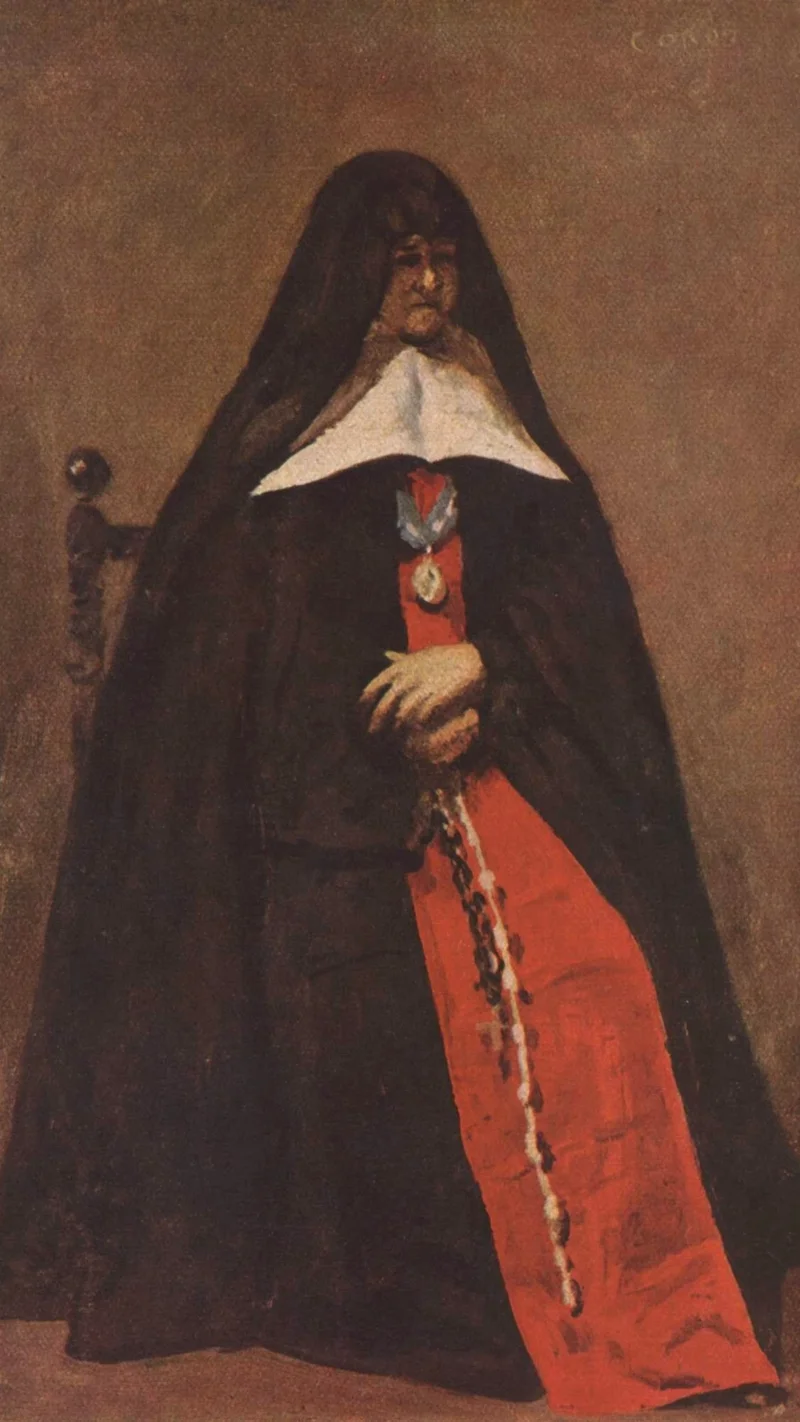
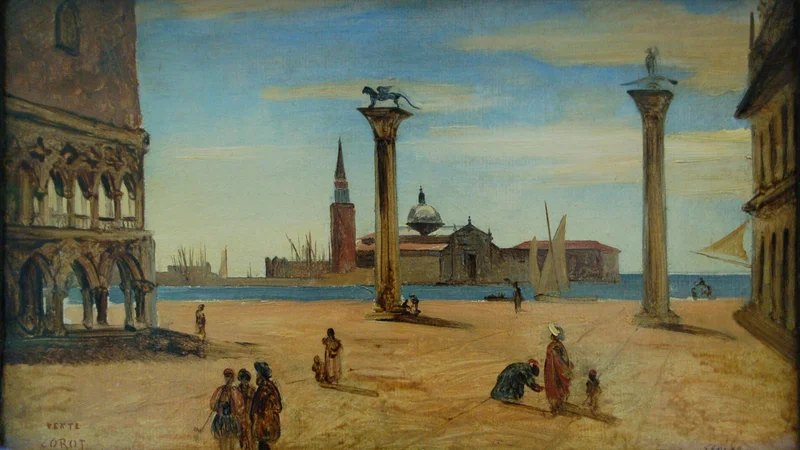
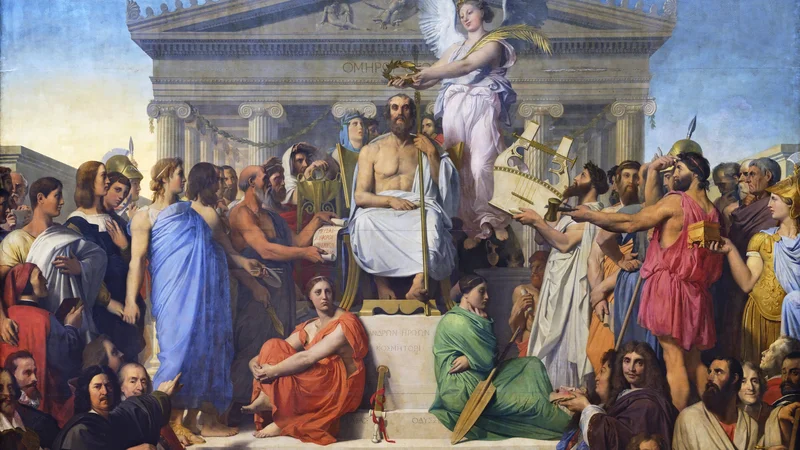
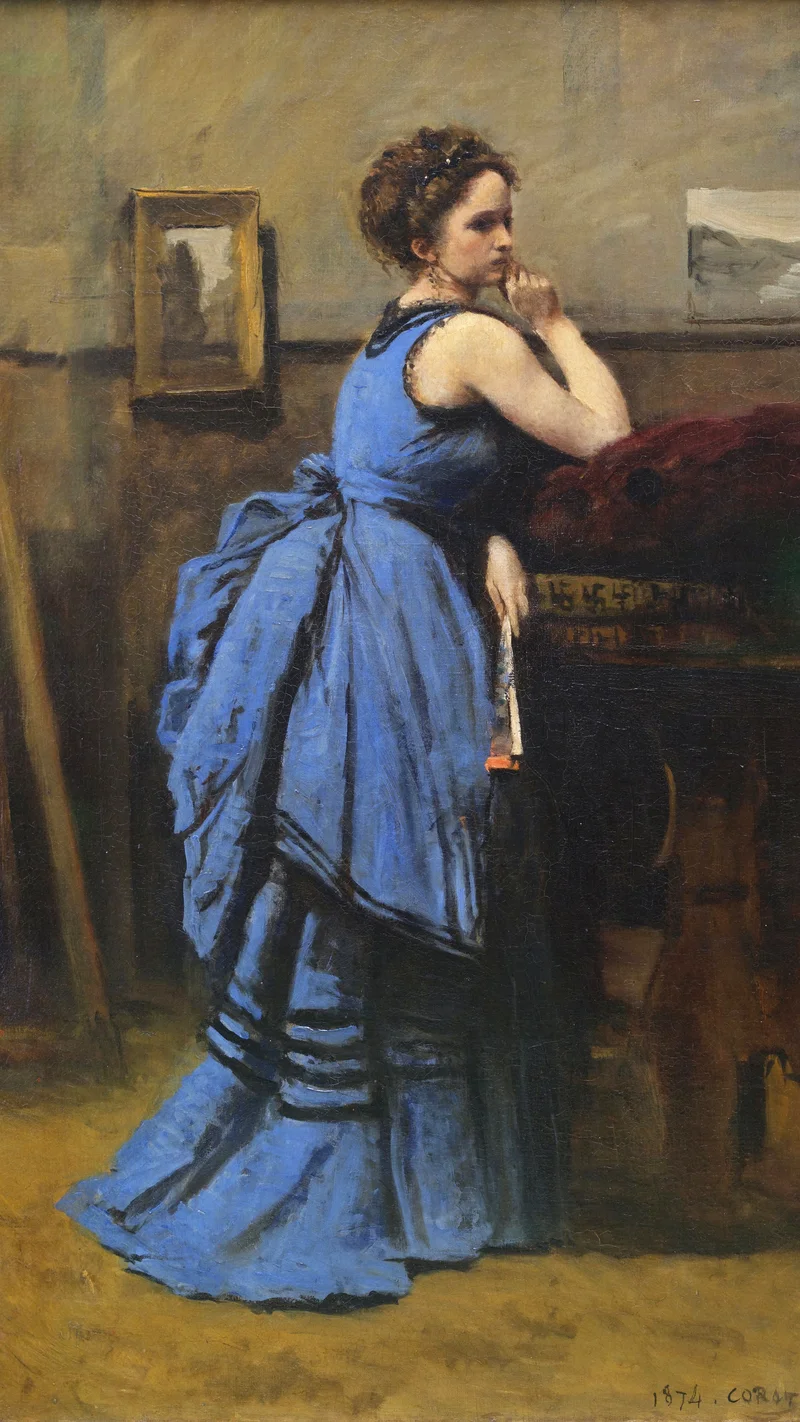
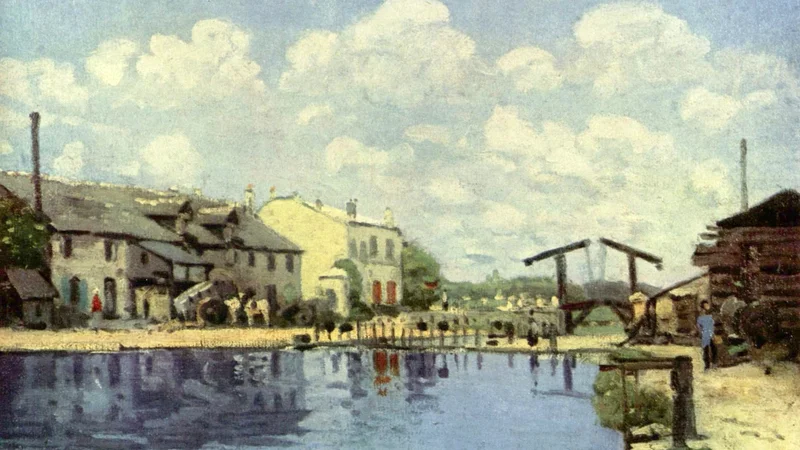
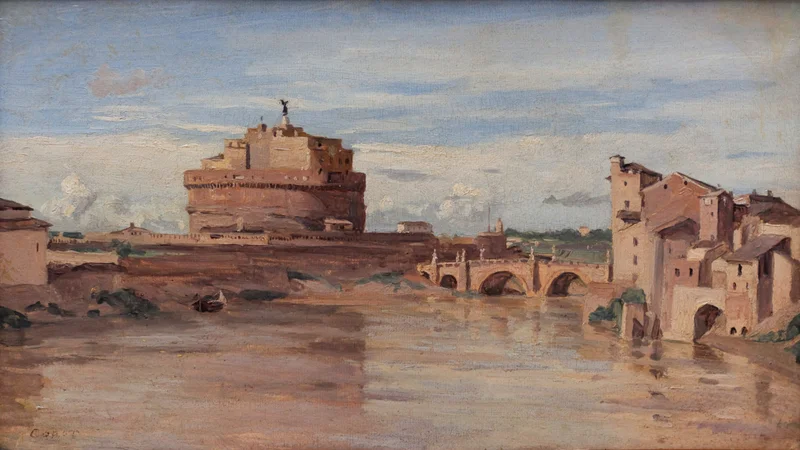
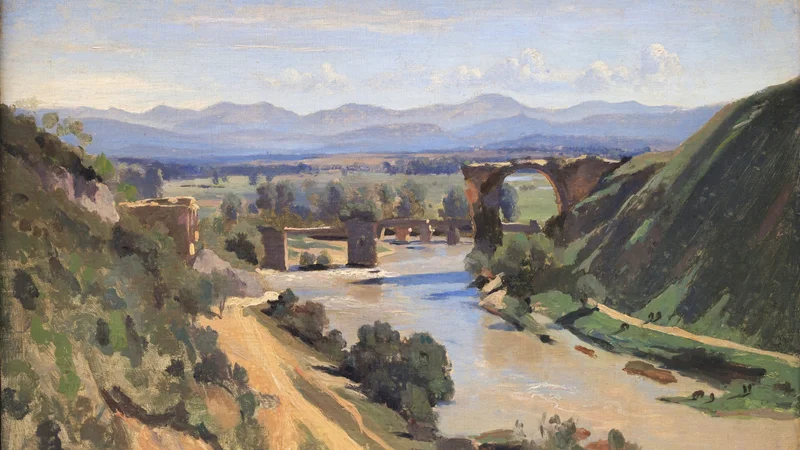
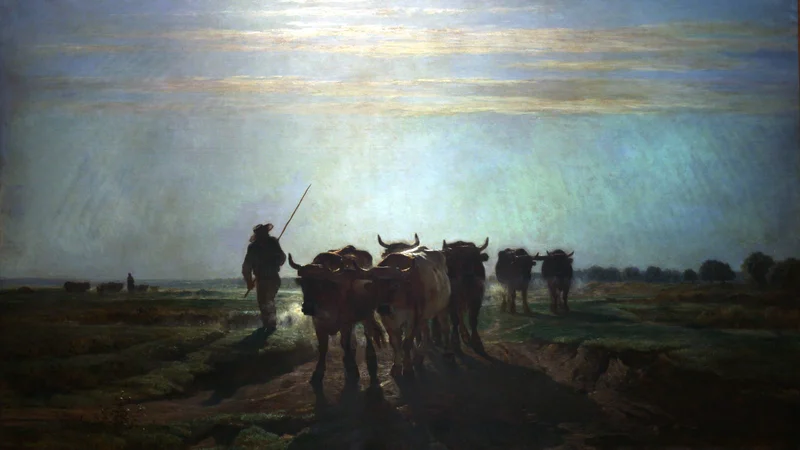
The collection offers a profound dialogue between disparate movements, ranging from the rigorous observation of Realism to the emotive breakthroughs of Post-Impressionism. Visitors encounter the meticulous brushwork of Jean-Louis-Ernest Meissonier in 1814, The Campaign of France and the atmospheric depth of Jean-Baptiste Camille Corot’s Castel Sant'Angelo and Tiber and Château de Rosny. The holdings also encompass the nuanced character studies of the Barbizon School, exemplified by works such as Mère Marie-Héloïse des Dix Vertus and Mother Superior of a convent in Boulogne-sur-Mer. Through the inclusion of masters such as Alfred Sisley, Henri de Toulouse-Lautrec, and Vincent van Gogh, the department illustrates the continuous transition of the painterly tradition, capturing the shift from academic rigor to the avant-garde sensibilities that defined the modern era.
Background adapted from Wikipedia (CC BY-SA).