Detroit Institute of Arts
16 œuvres
Situated in the heart of Detroit’s Cultural Center Historic District, the Detroit Institute of Arts stands as a monumental pillar of American civic and cultural identity. Established to serve as a beacon of aesthetic enlightenment, the museum has evolved significantly since its inception, most notably through a comprehensive expansion completed in 2007. Its architecture, located in proximity to the Detroit Public Library and Wayne State University, anchors a precinct dedicated to intellectual pursuit. The institution’s mission has remained steadfast: to preserve and interpret human creativity through an encyclopedic lens that bridges disparate eras and geographies.
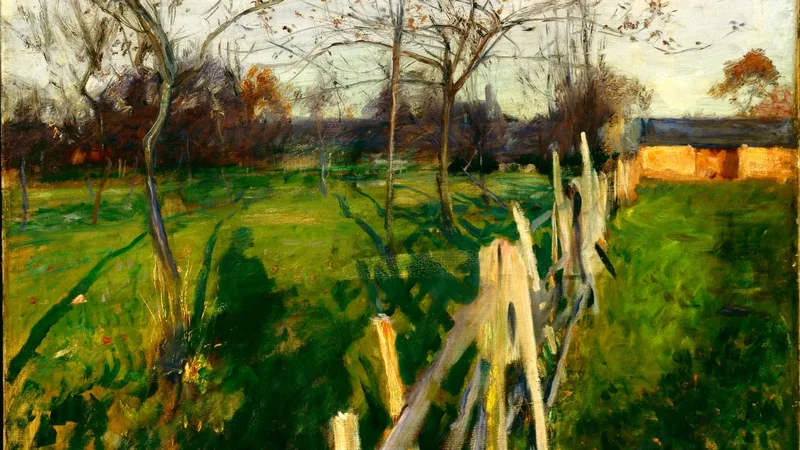
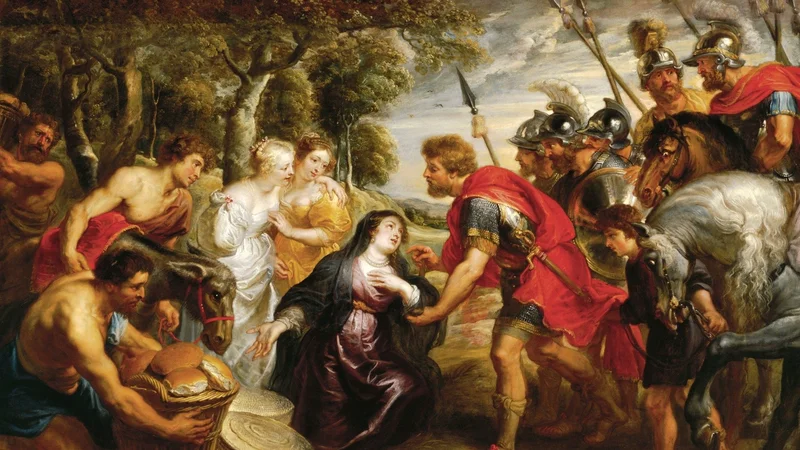
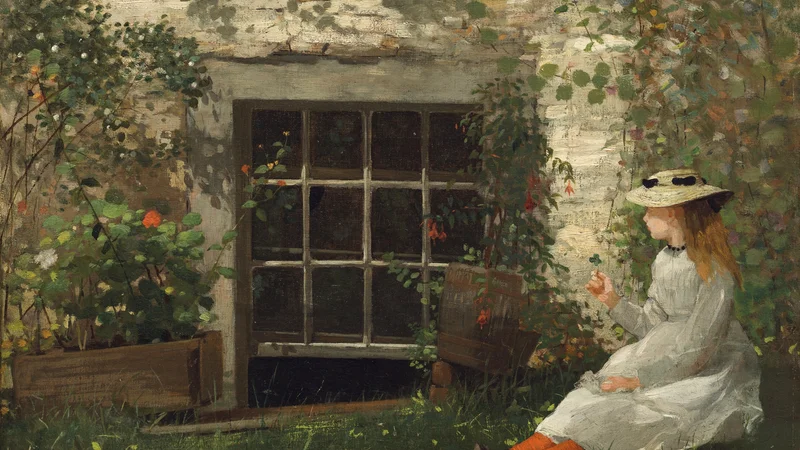
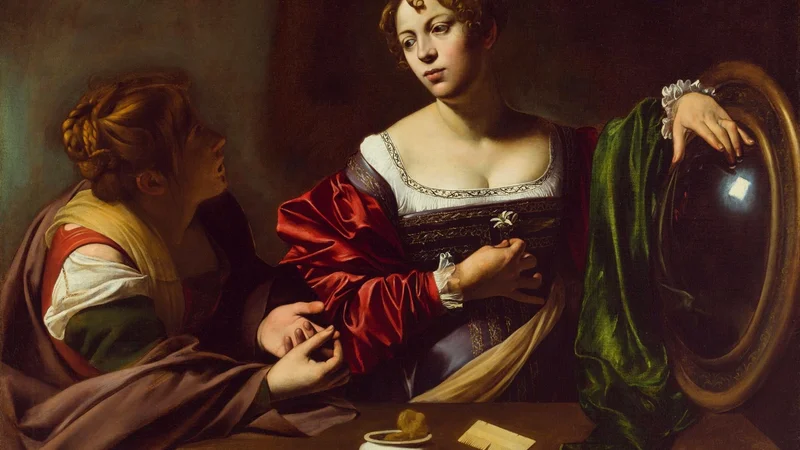
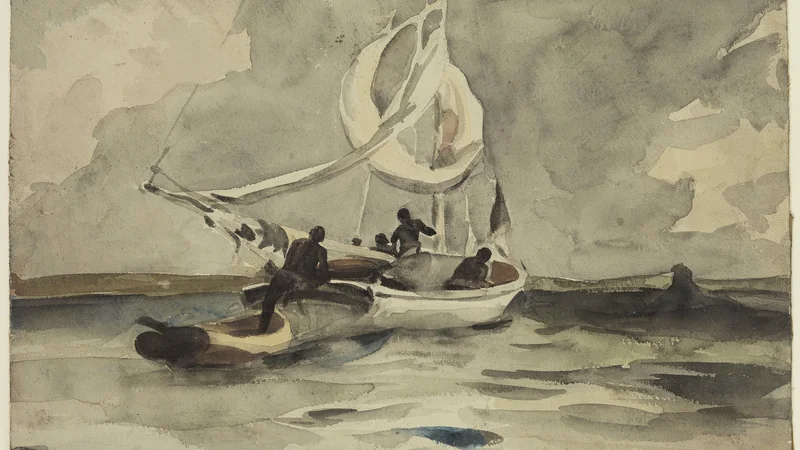
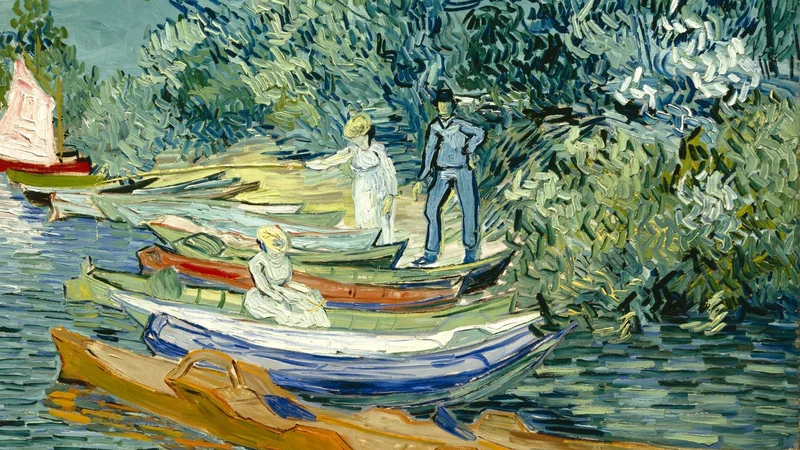
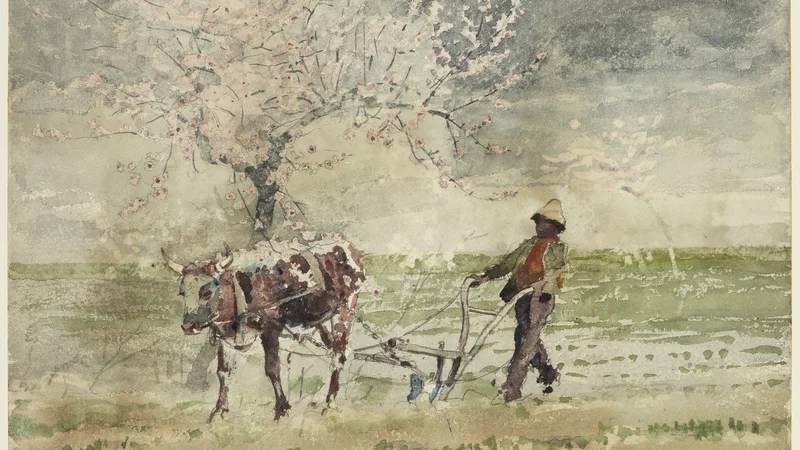
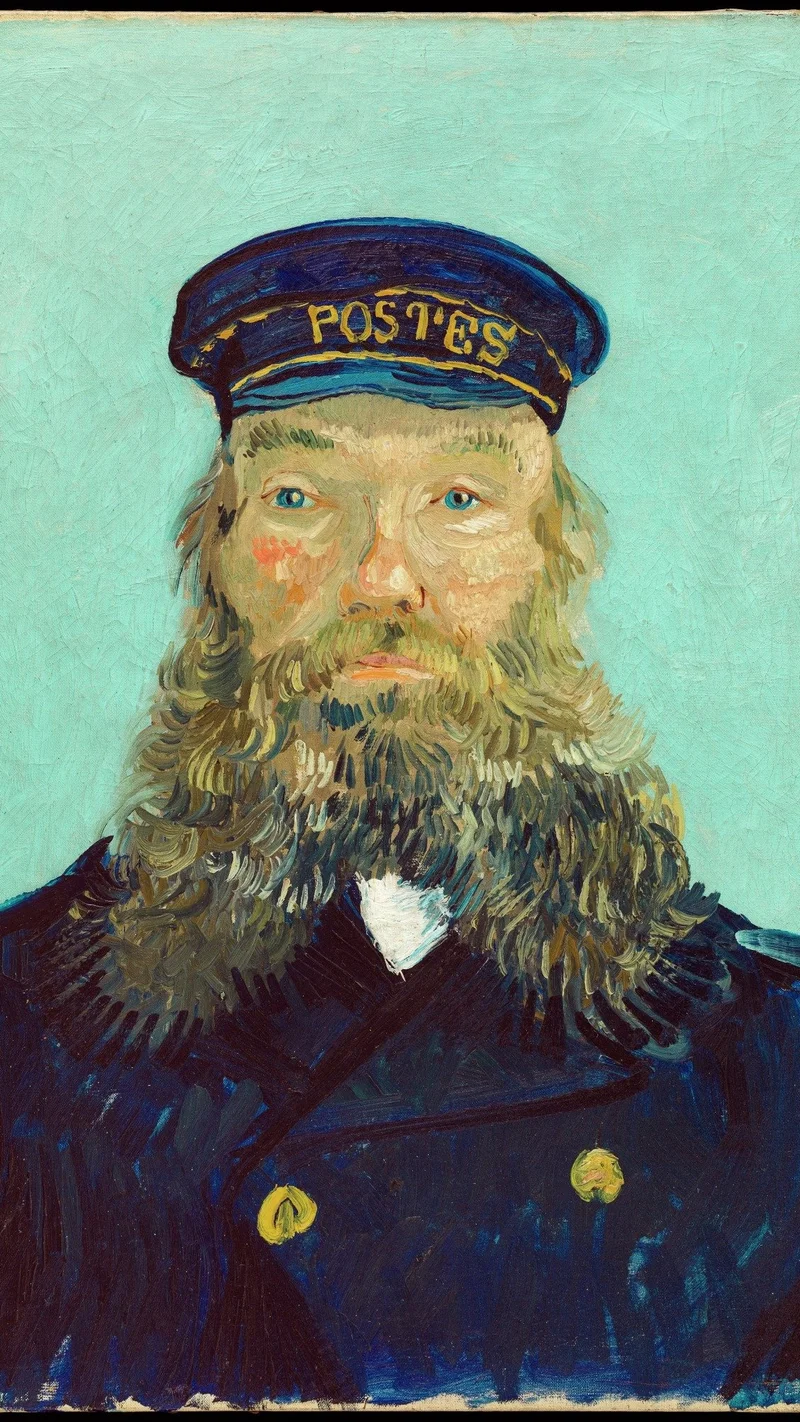
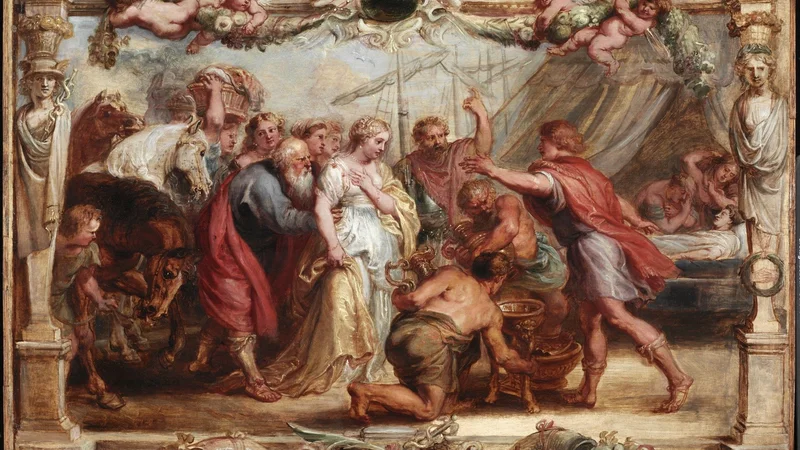
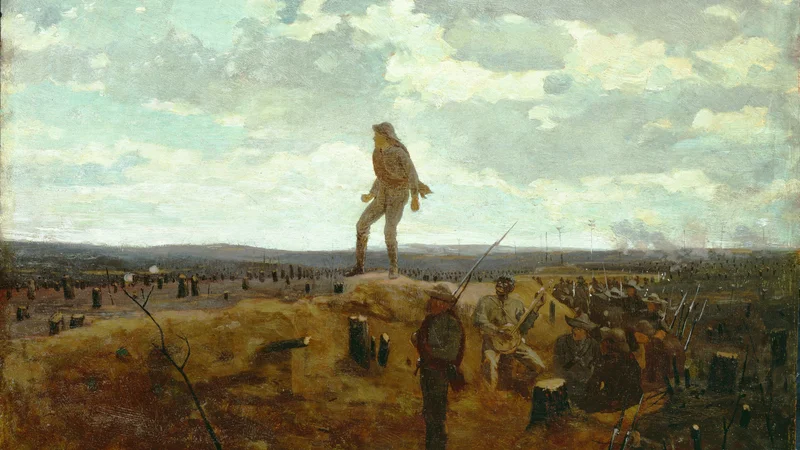
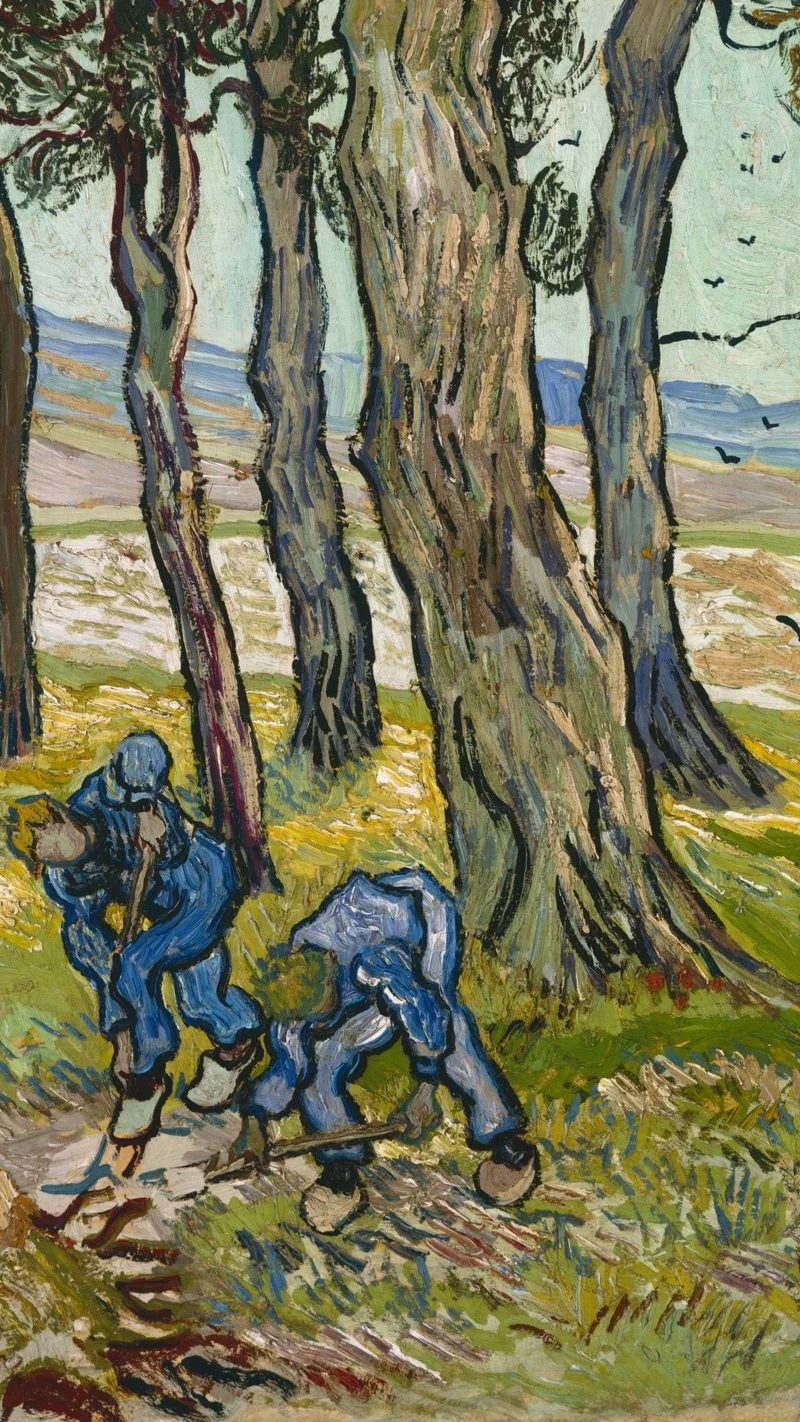
The museum’s holdings reflect a profound commitment to the evolution of Western and global art history. The galleries showcase the dramatic intensity of the Baroque period through works such as Peter Paul Rubens’ The Meeting of David and Abigail and the evocative Martha and Mary Magdalene. The collection transitions seamlessly into the nineteenth century, where the precise observation of Realism is exemplified by Rosa Bonheur and the evocative maritime scenes of Winslow Homer’s Bahama Boatmen. Further exploration reveals the vibrant transition into Post-Impressionism, highlighted by the luminous textures of Claude Monet’s Bank of the Oise at Auvers and the expressive brushwork of Vincent van Gogh. By safeguarding these masterworks, the institution continues to function as a vital repository of global heritage, offering scholars and the public alike a rigorous dialogue with the past.
Background adapted from Wikipedia (CC BY-SA).