Finnish National Gallery
21 œuvres
The Finnish National Gallery stands as the preeminent institutional steward of Finland’s visual heritage, encompassing a tripartite structure that bridges centuries of artistic evolution. Its identity is defined by the Ateneum, a bastion of classical art; the Kiasma, a bold architectural statement dedicated to contemporary discourse; and the Sinebrychoff Art Museum, which preserves the intimate atmosphere of a historic house collection. Founded to cultivate a national identity through the visual arts, the institution serves as the primary repository for the aesthetic legacy of the nation, housing works that reflect both the rugged character of the Nordic landscape and the shifting tides of international modernism.
A Legacy of Artistic Movements
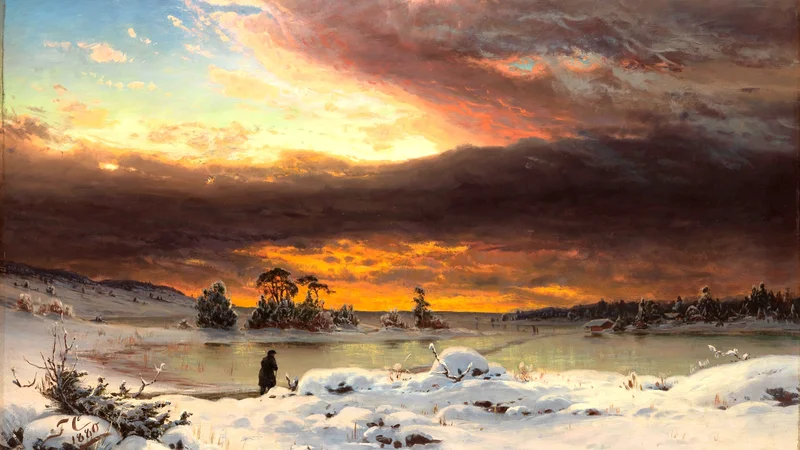
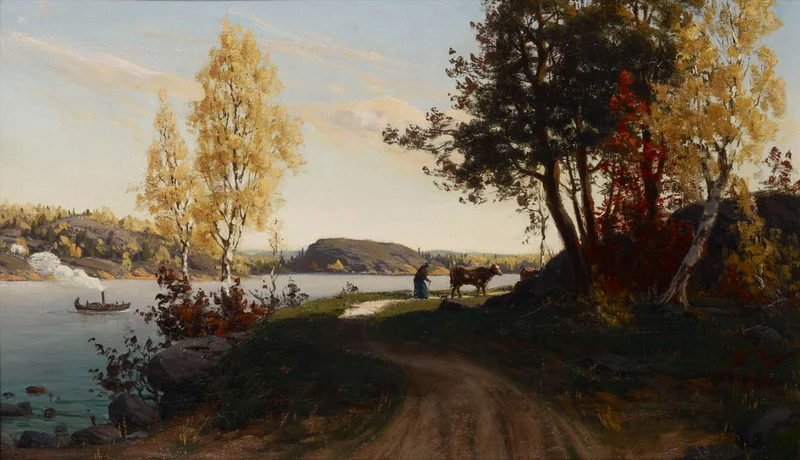
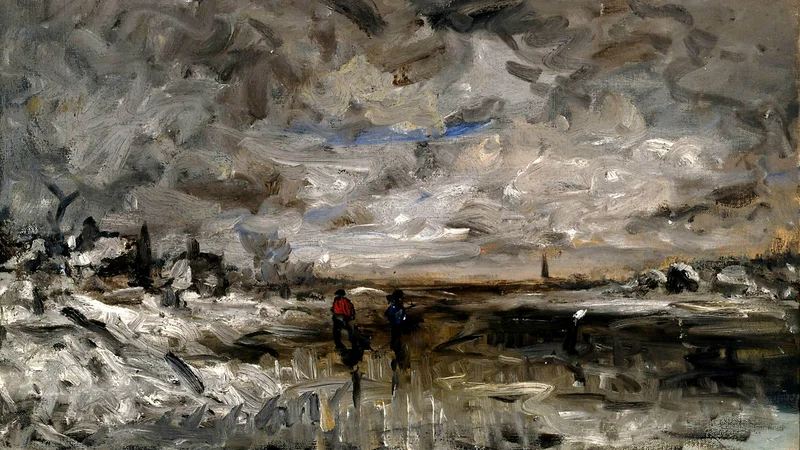
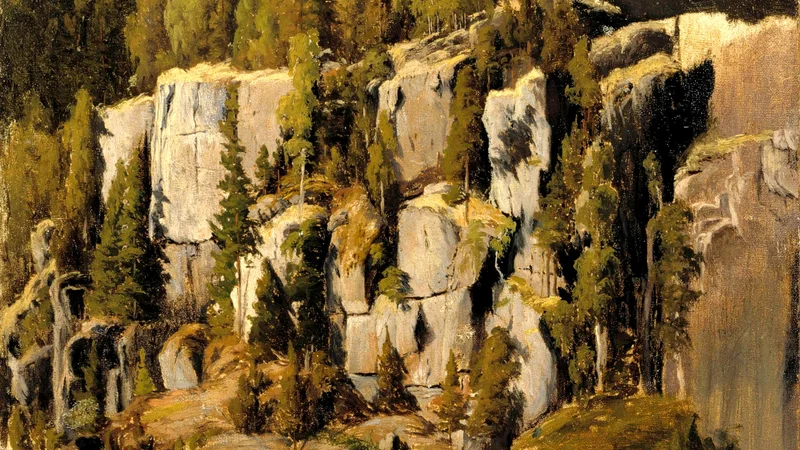
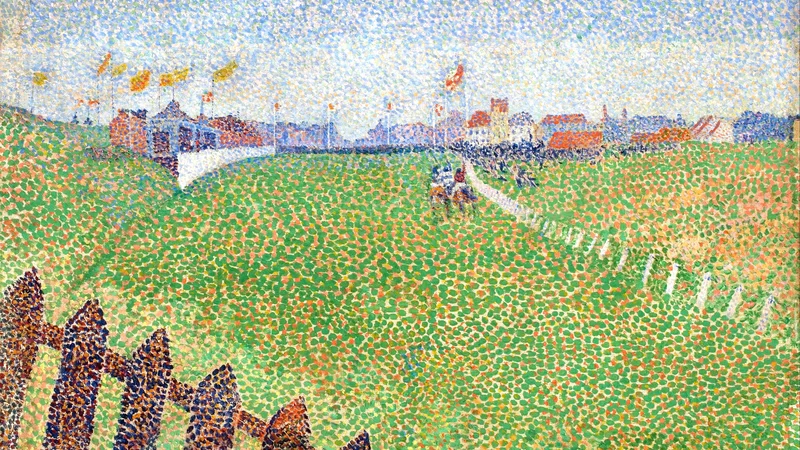
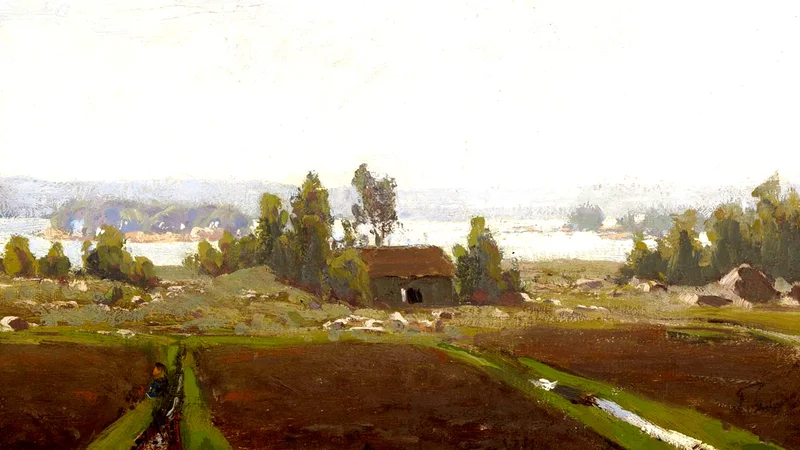
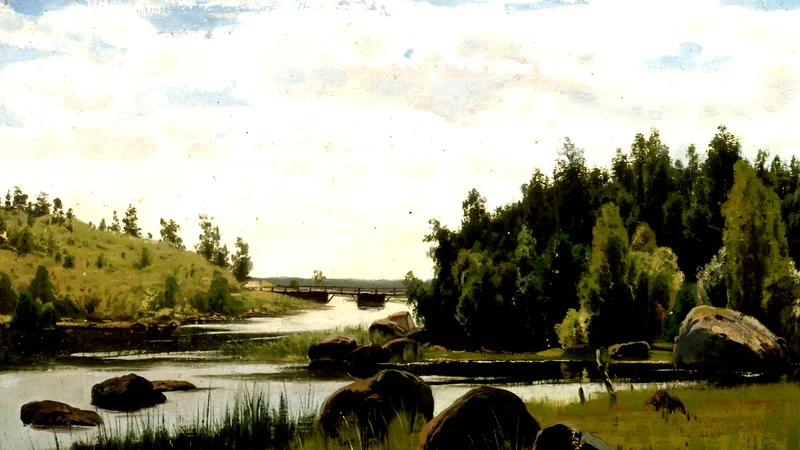
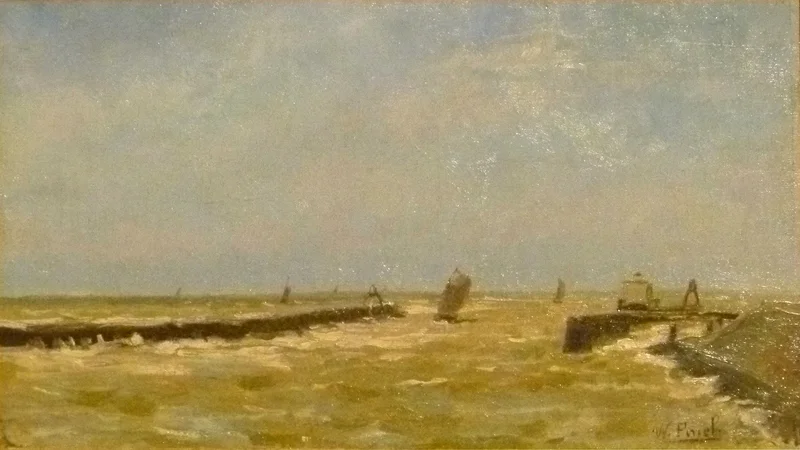
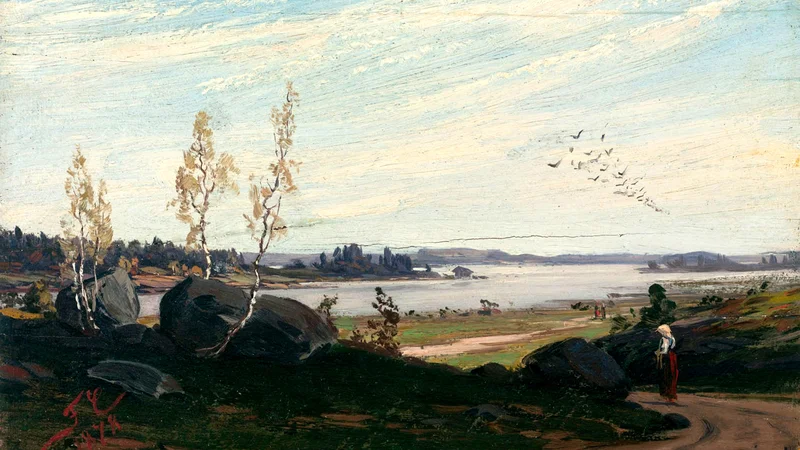
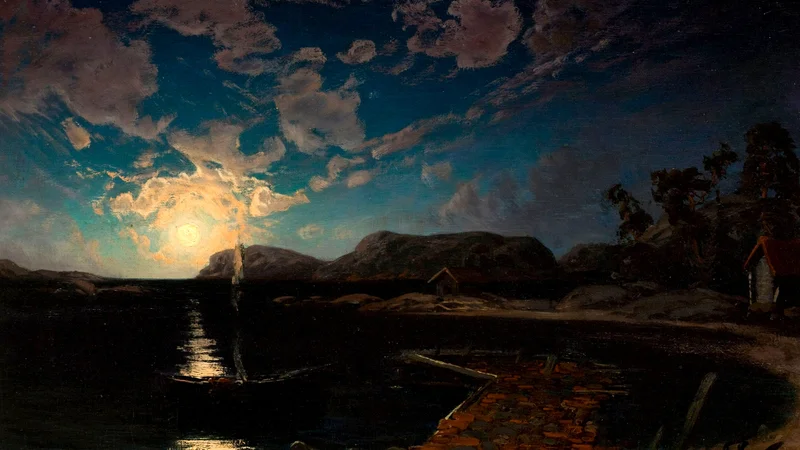
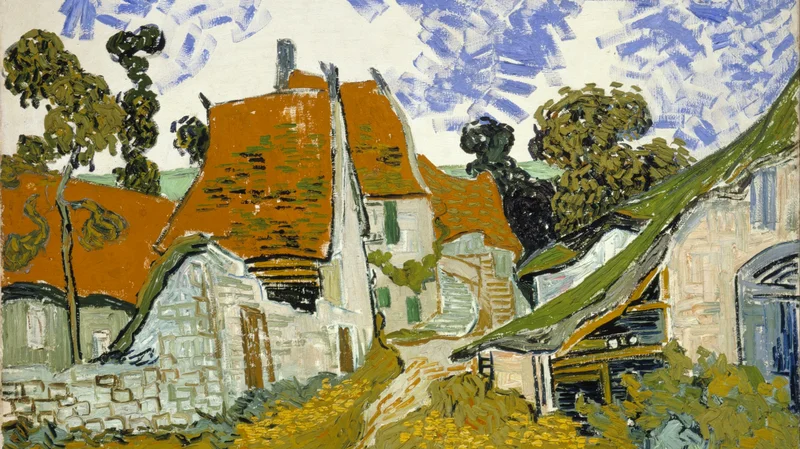
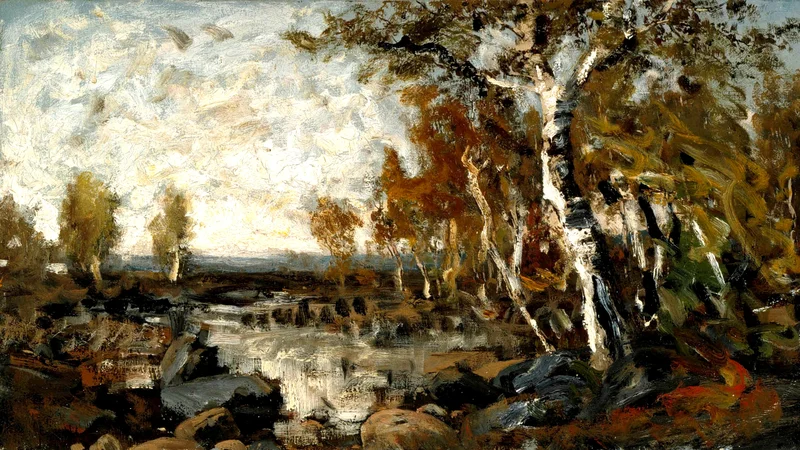
The collections are anchored by a profound engagement with Romanticism, Impressionism, and Post-Impressionism. The evocative landscapes of Fanny Churberg, such as Winter Landscape, Evening Atmosphere, and Rapakivi Rocks, exemplify a deeply atmospheric approach to the Finnish wilderness. This national focus is complemented by the international breadth of the gallery, which includes the pioneering pointillist techniques of Alfred William Finch in works like Weathered Rocks and Summer's Verdure. The institution further provides a critical vantage point for European developments, featuring the nuanced light and texture of Moonlight Landscape and Autumn Landscape, alongside the vivid, atmospheric precision of Vincent van Gogh’s The Wellington Racecourse in Drizzle (Ostende). Through these acquisitions, the gallery maintains a rigorous dialogue between local expression and the broader trajectory of Western art history.
Background adapted from Wikipedia (CC BY-SA).