Musée d'Orsay
172 œuvres
Situated on the Left Bank of the Seine, the Musée d'Orsay occupies the former Gare d'Orsay, a magnificent Beaux-Arts railway terminus constructed between 1898 and 1900. This architectural landmark, which once served as a grand gateway to the 1900 Exposition Universelle, was transformed into an institution dedicated to the preservation of French artistic production from 1848 to 1914. Since its inauguration in 1986, the museum has consolidated a vast array of works previously dispersed across Parisian institutions, most notably those formerly housed at the Galerie nationale du Jeu de Paume, establishing itself as a premier destination for European art history.
The Evolution of Modern Vision
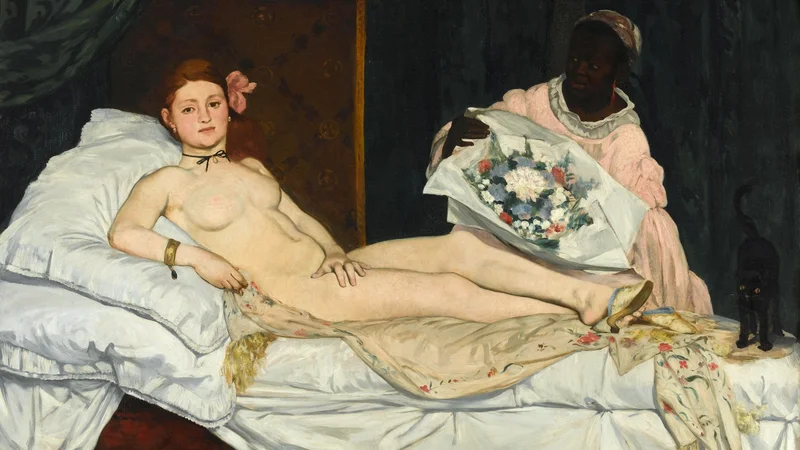
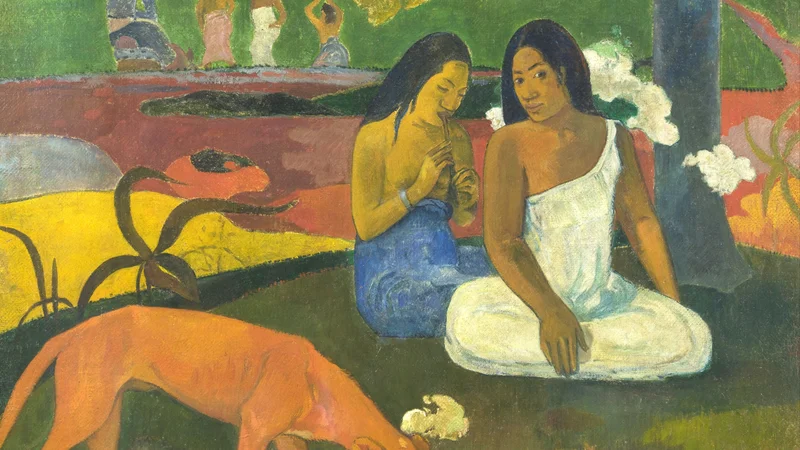
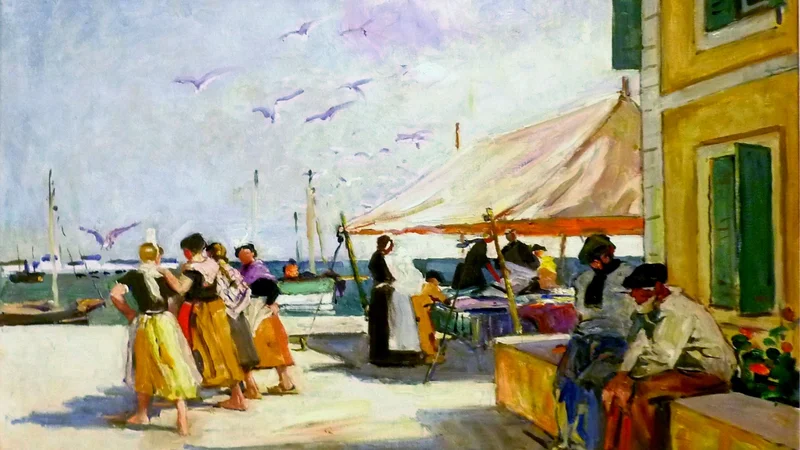
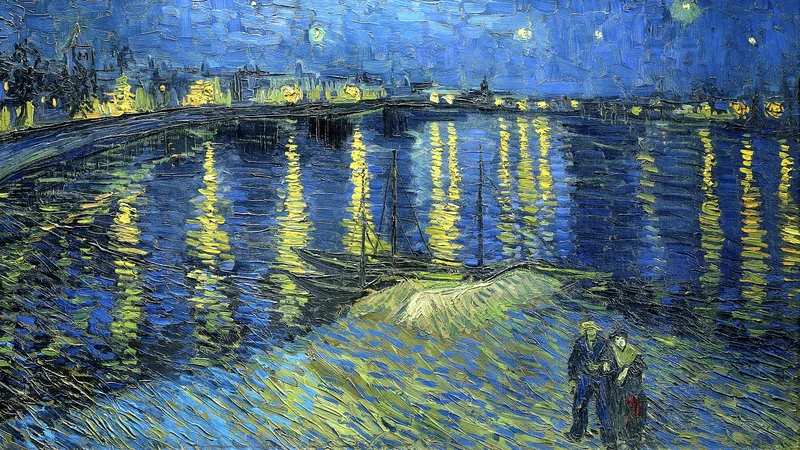
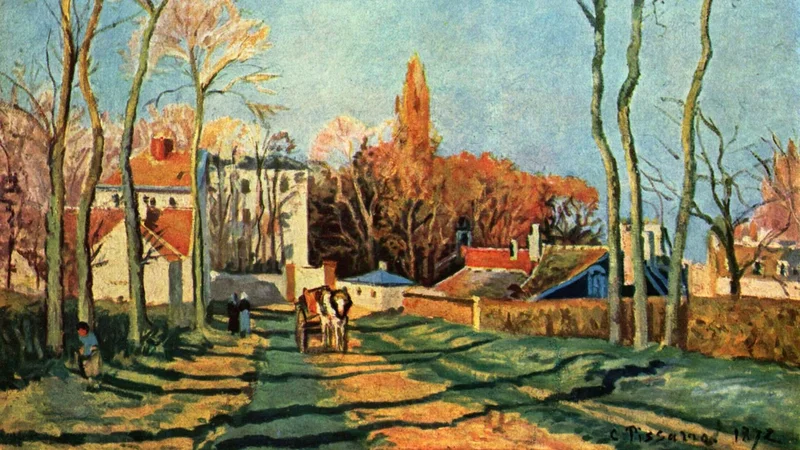
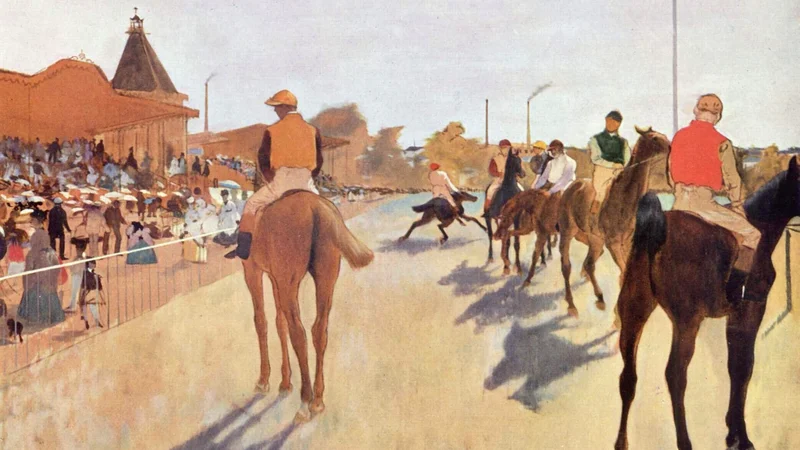
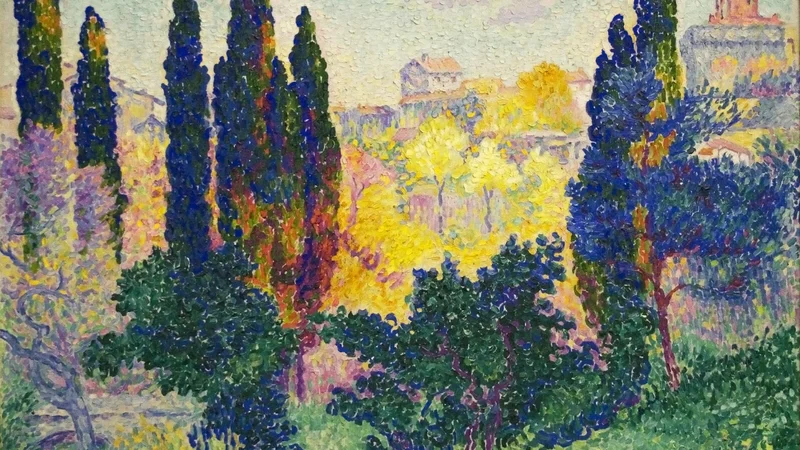
The museum serves as the definitive custodian of Impressionism and Post-Impressionism, showcasing the radical shift toward modern subjectivity. The galleries present a profound narrative of innovation, featuring the foundational canvases of Claude Monet, such as The Poppy Field near Argenteuil and The Magpie, alongside the delicate precision of Camille Pissarro and Alfred Sisley. The collection also highlights the rigorous structural experiments of the movement, including the intimate, kinetic studies of Edgar Degas in The Floor Scrapers and the evocative, textured brilliance of Vincent van Gogh’s Starry Night Over the Rhone. Beyond these iconic movements, the museum maintains a comprehensive survey of the era, from the rural realism of Ploughing in the Nivernais to the exoticism of Gauguin’s Arearea, illustrating the rapid stylistic transitions that defined the dawn of the twentieth century.
Background adapted from Wikipedia (CC BY-SA).