National Gallery, London
10 œuvres
The National Gallery, London, stands as a preeminent repository of Western European painting, serving as a vital nexus for the study and appreciation of artistic development from the medieval period through the early twentieth century. Situated at the heart of the city, the institution functions as a custodian of cultural memory, preserving the intellectual and aesthetic heritage of the continent. Its mission is anchored in the belief that the history of art is a continuous dialogue, where the evolution of technique and philosophy is reflected in the physical permanence of the painted surface.
The Evolution of Masterpieces
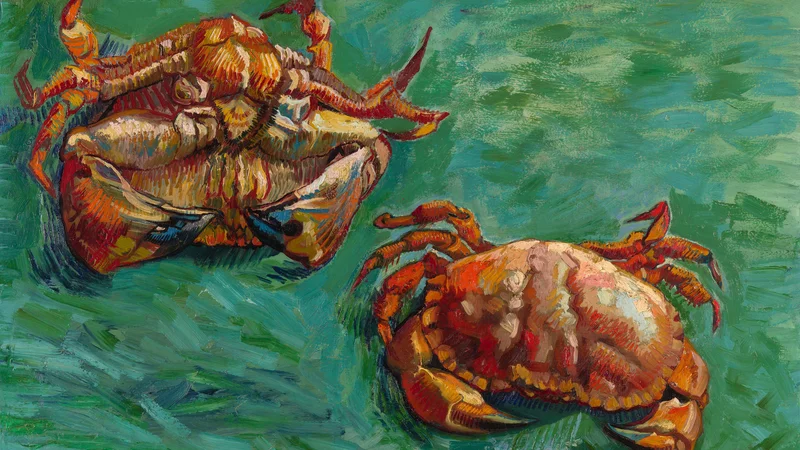
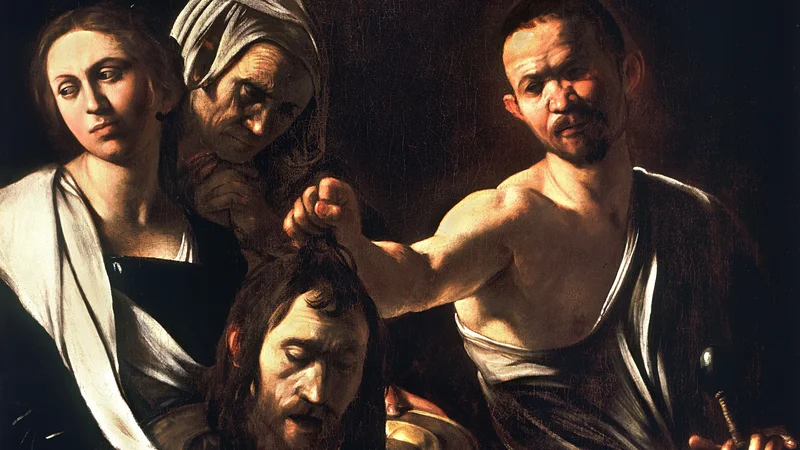
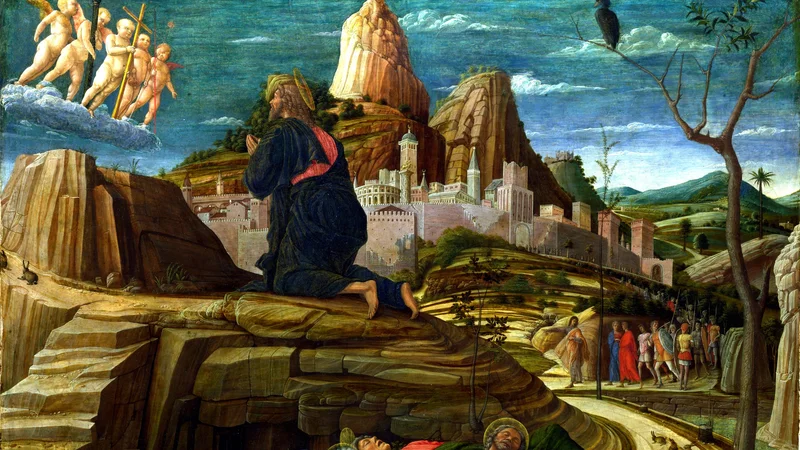
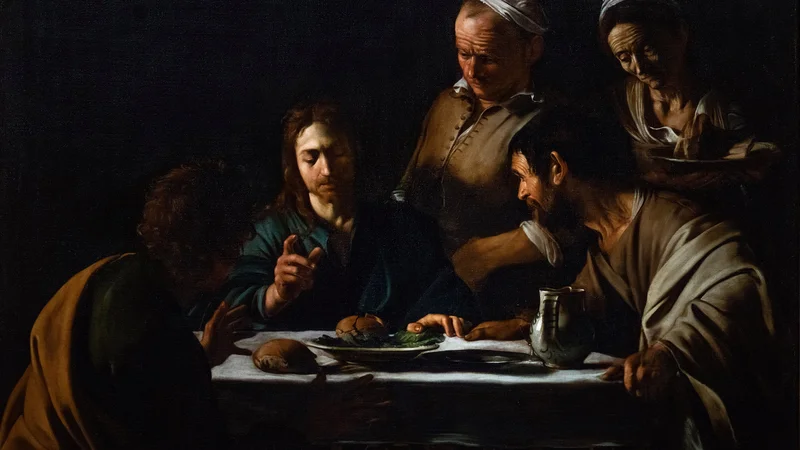
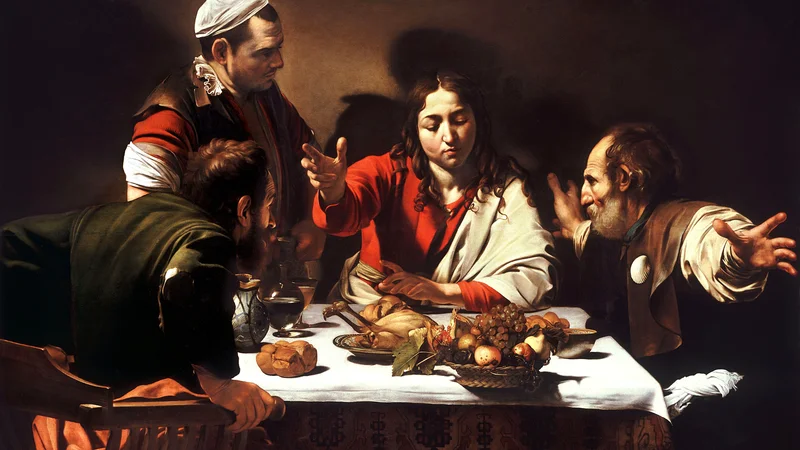
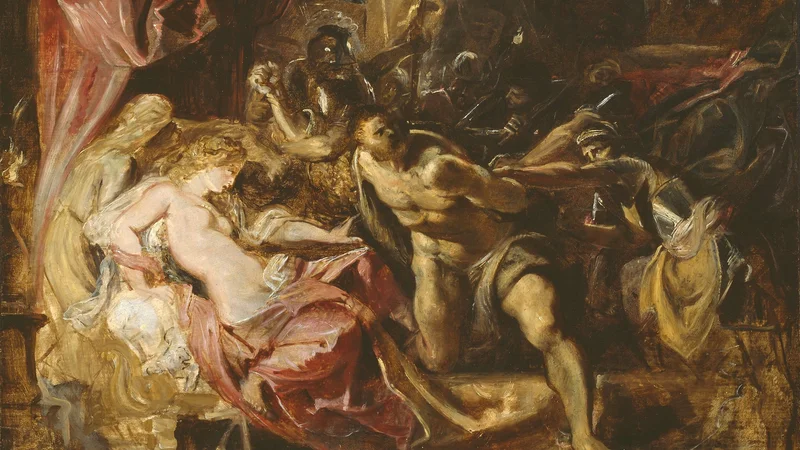
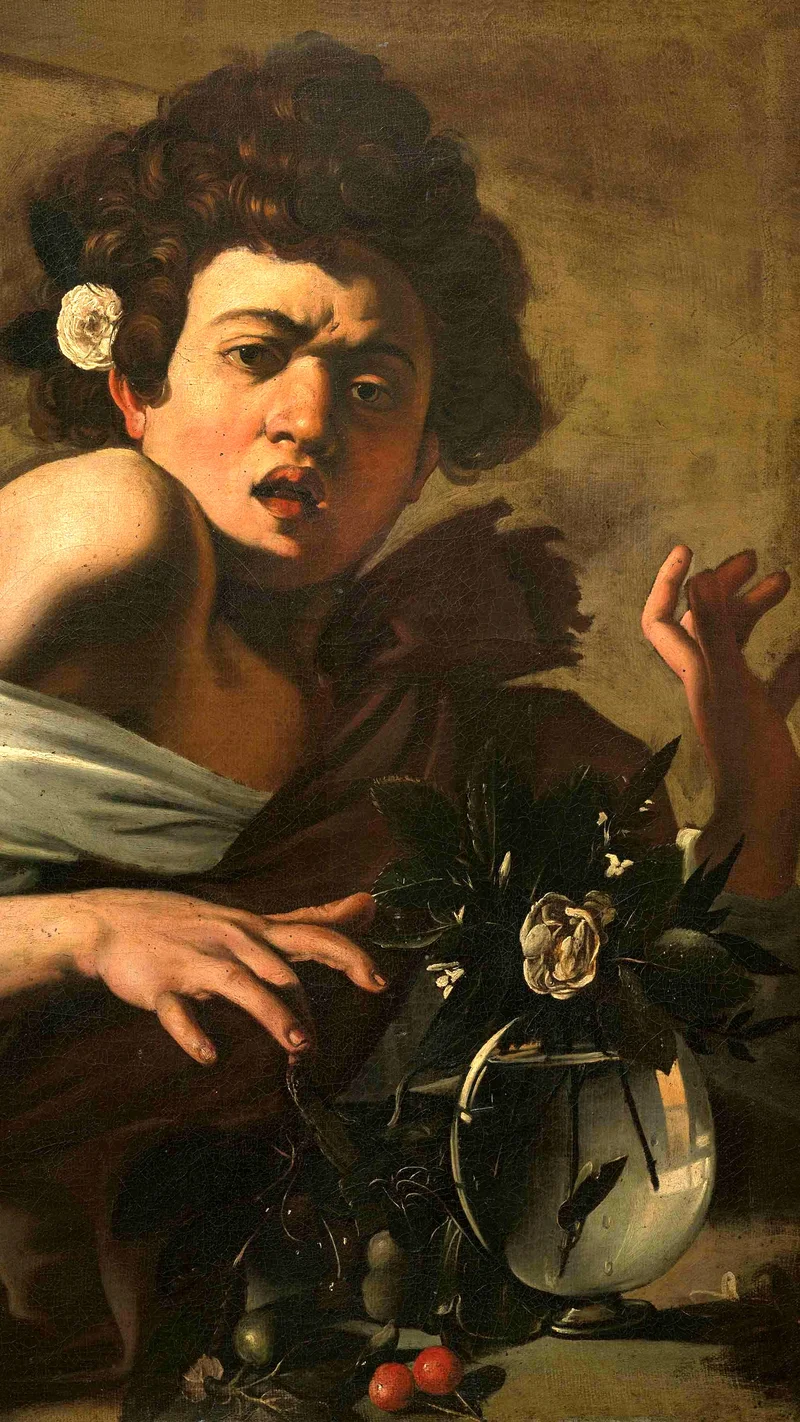
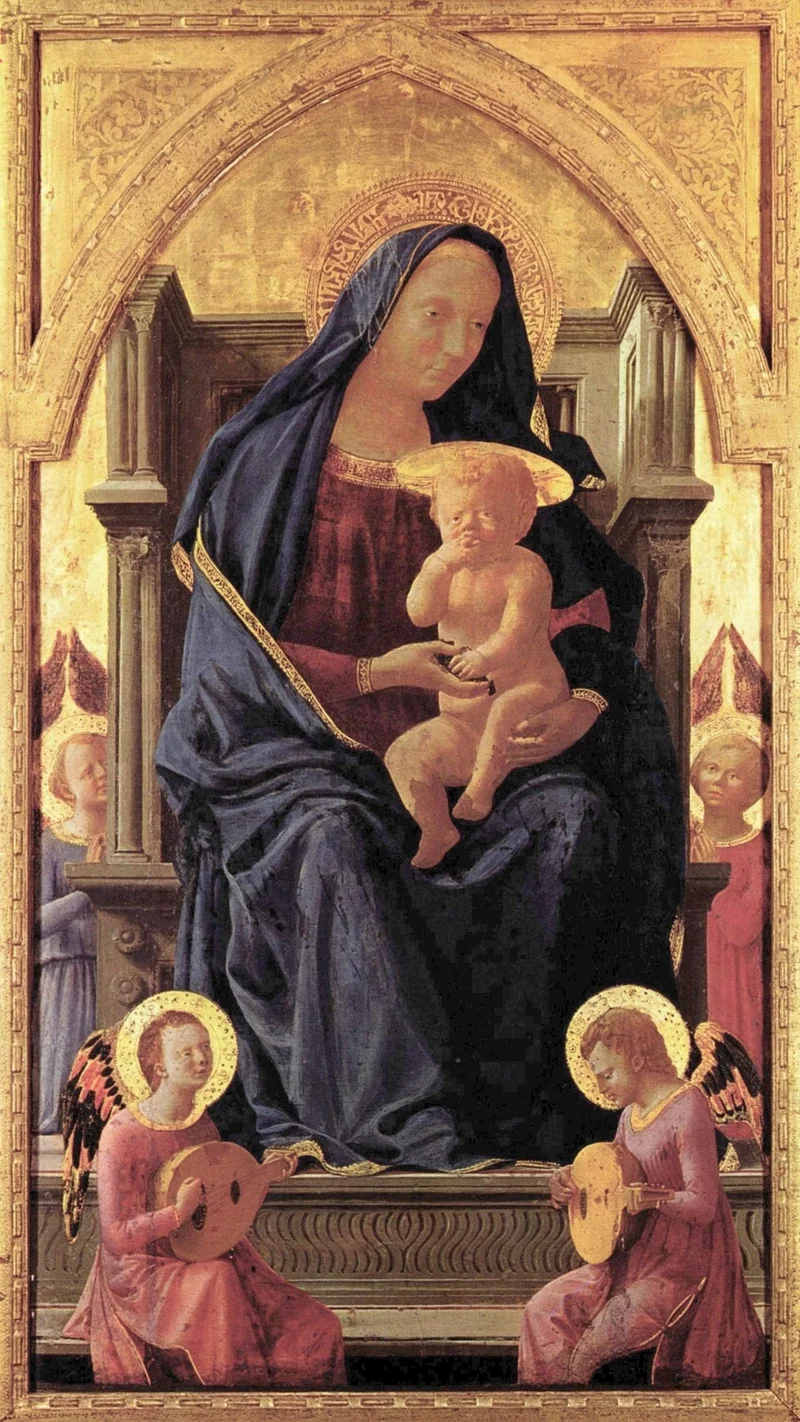
The collection spans centuries of innovation, charting the trajectory of the Early Renaissance through the dramatic intensity of the Baroque and the emotive power of Post-Impressionism. Visitors encounter the structural precision of Masaccio and the rigorous perspective of Andrea Mantegna, which set the stage for later developments in light and shadow. The gallery’s holdings of Baroque masters are particularly distinguished; the works of Michelangelo da Caravaggio, such as Supper at Emmaus and Boy Bitten by a Lizard, alongside Peter Paul Rubens’ Samson and Delilah, exemplify the period's preoccupation with theatricality and psychological depth. This narrative of artistic transformation culminates in the vibrant, expressive canvases of Vincent van Gogh, notably Two Crabs, which underscore the shift toward individual subjectivity in modern art. By housing these diverse masterpieces, the gallery secures its reputation as an essential site for understanding the synthesis of technical mastery and human expression.