Rijksmuseum
13 œuvres
Situated in the cultural heart of Amsterdam at the Museum Square, the Rijksmuseum stands as the preeminent national institution dedicated to the preservation of Dutch arts and history. Established to chronicle the evolution of the Dutch identity, the museum is housed in a monumental structure that mirrors the grandeur of the nation's Golden Age, neighbor to the Van Gogh Museum, the Stedelijk Museum, and the Royal Concertgebouw. Its architectural presence remains a testament to the country's commitment to scholarly curation and the safeguarding of its cultural heritage.
A Legacy of Artistic Mastery
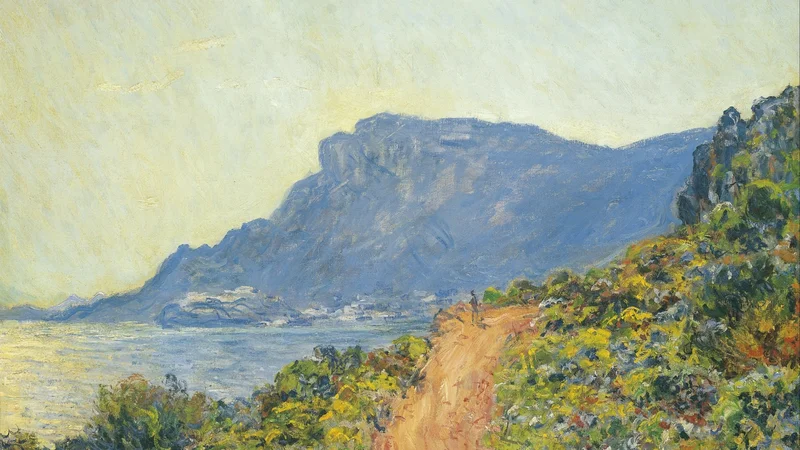
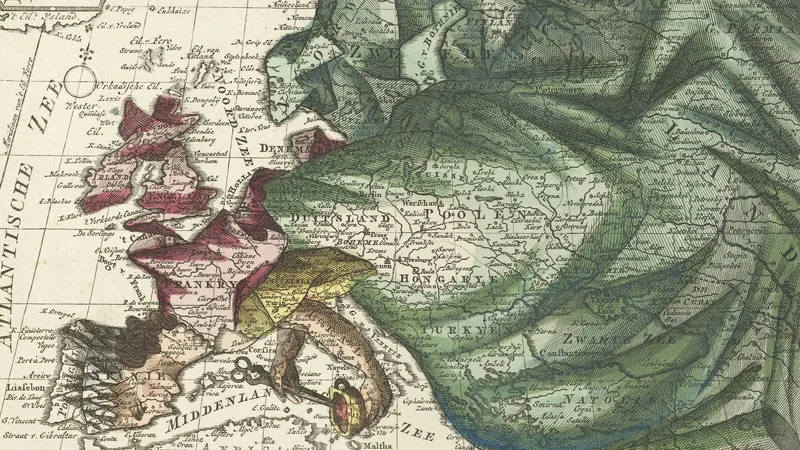
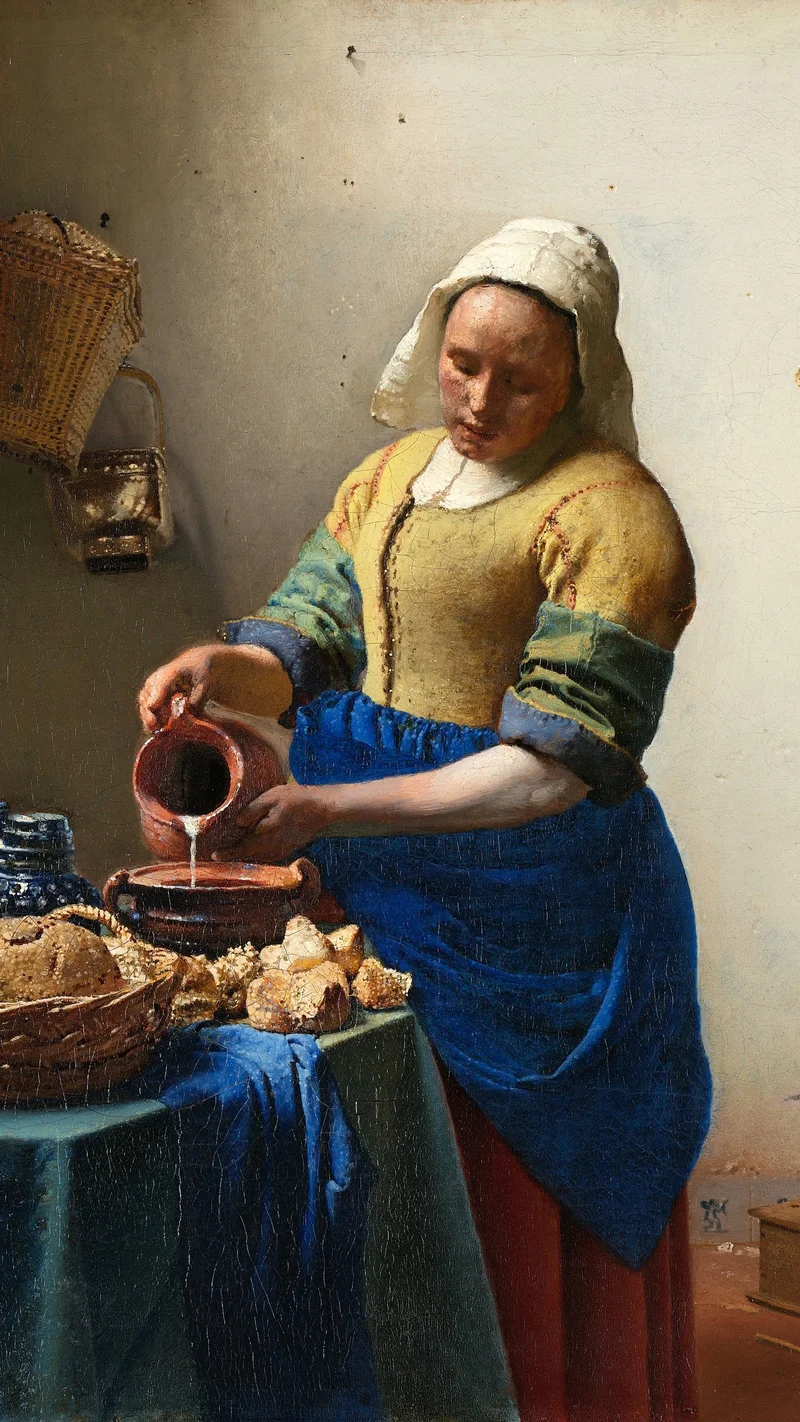
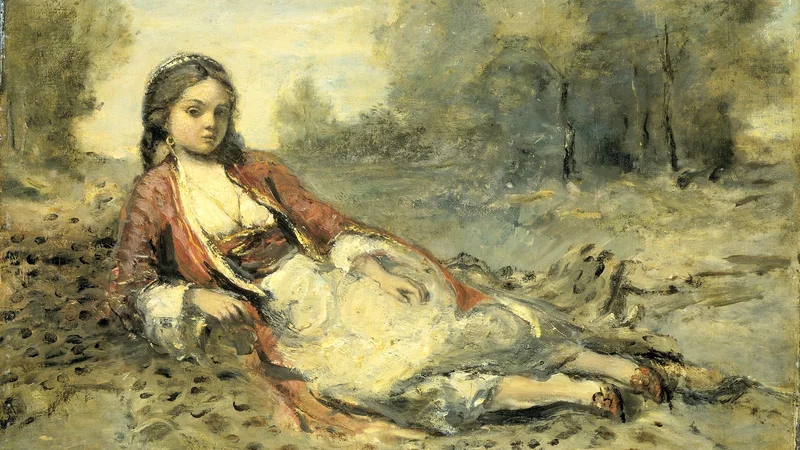
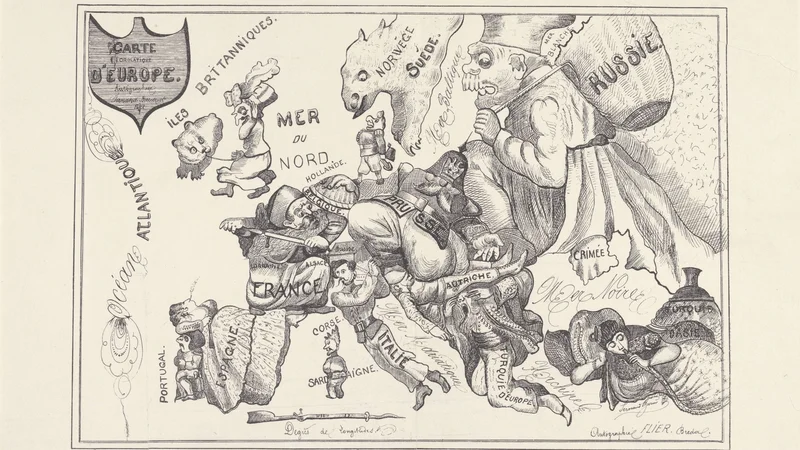
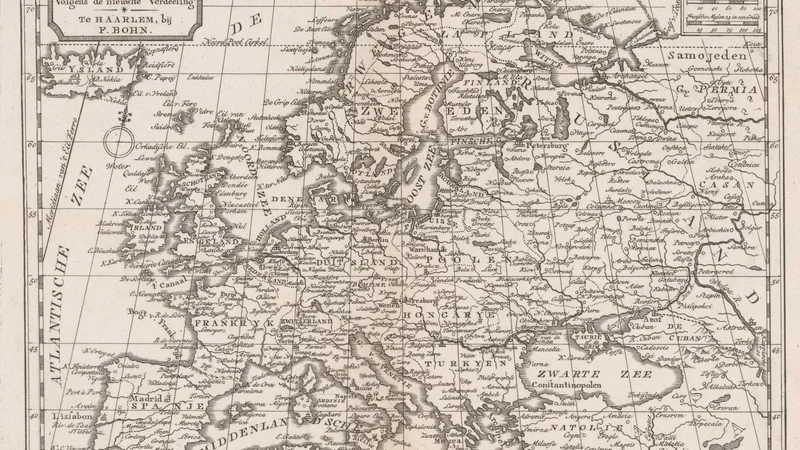
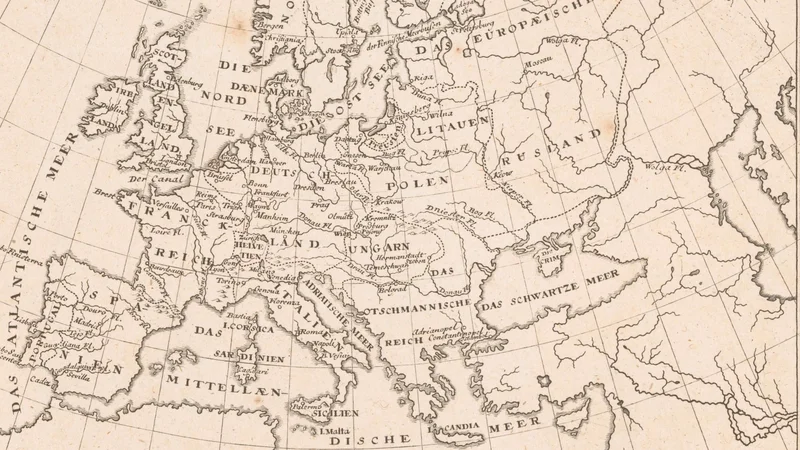
The institution’s holdings offer a profound survey of European art, traversing the precision of the Baroque era through the light-drenched observations of Impressionism. Within these galleries, one encounters the intimate domesticity of Johannes Vermeer’s The Milkmaid alongside the meticulous topographical studies of Jan van der Heyden, exemplified by The Waag (weigh-house) and Crane on the Spaarne, Haarlem and The Stone Bridge. The collection further embraces the evolution of spatial documentation through its significant assemblage of historical maps. Beyond the Dutch masters, the inclusion of works such as Claude Monet’s La Corniche near Monaco and the evocative landscapes of Bohn and others reflects a broader dialogue between local tradition and international artistic movements. Through these masterworks, the Rijksmuseum maintains its enduring role as a global center for historical inquiry and aesthetic scholarship.
Background adapted from Wikipedia (CC BY-SA).