Peter Paul Rubens
62 点の作品
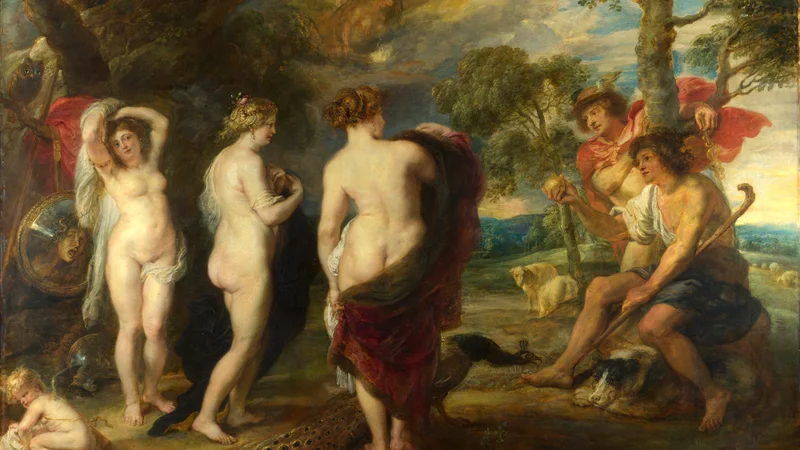
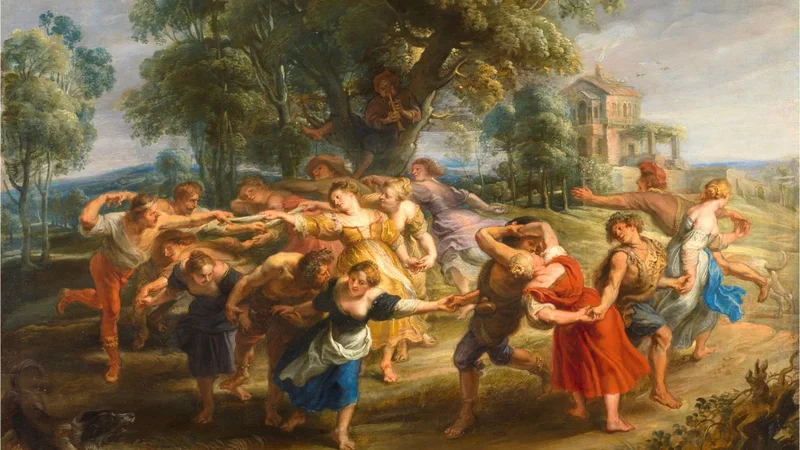
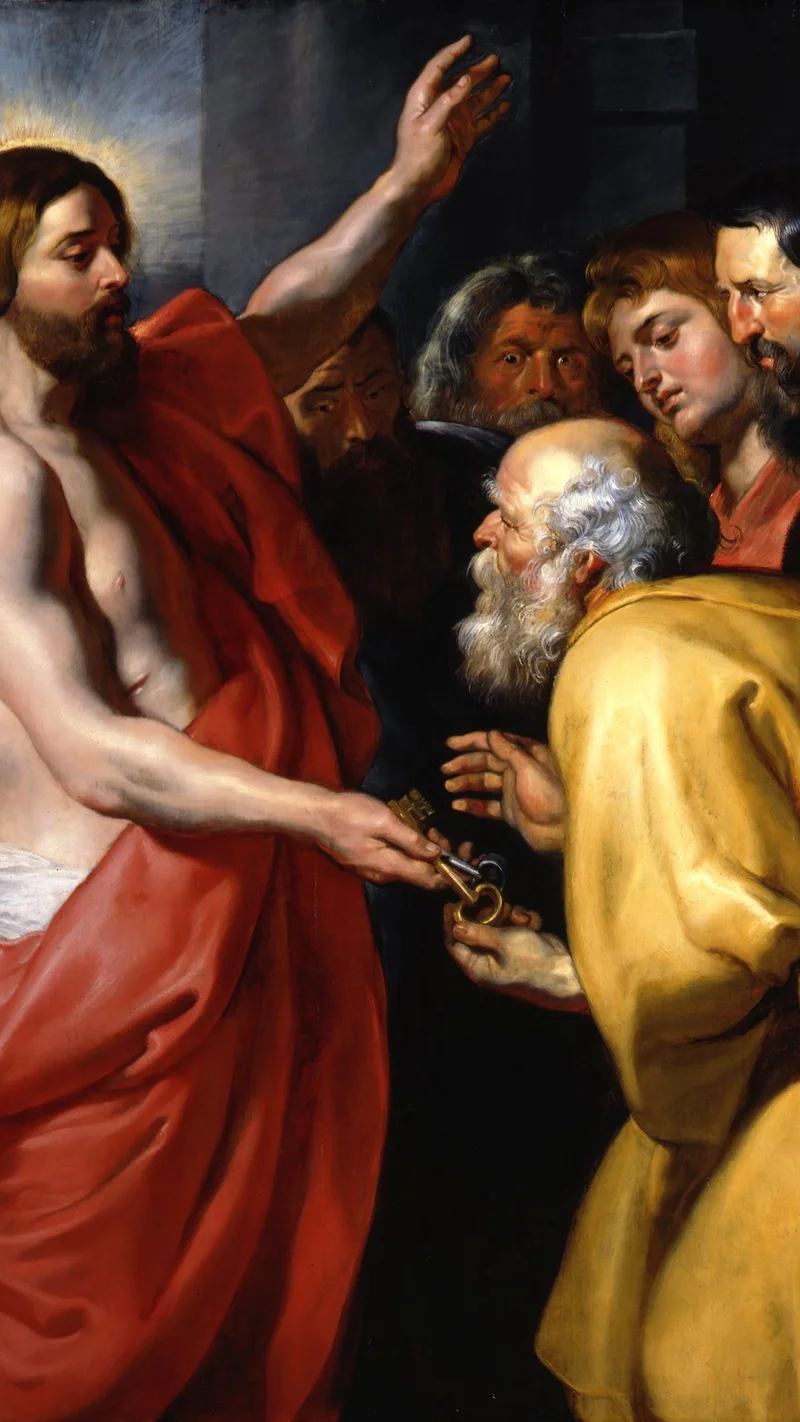
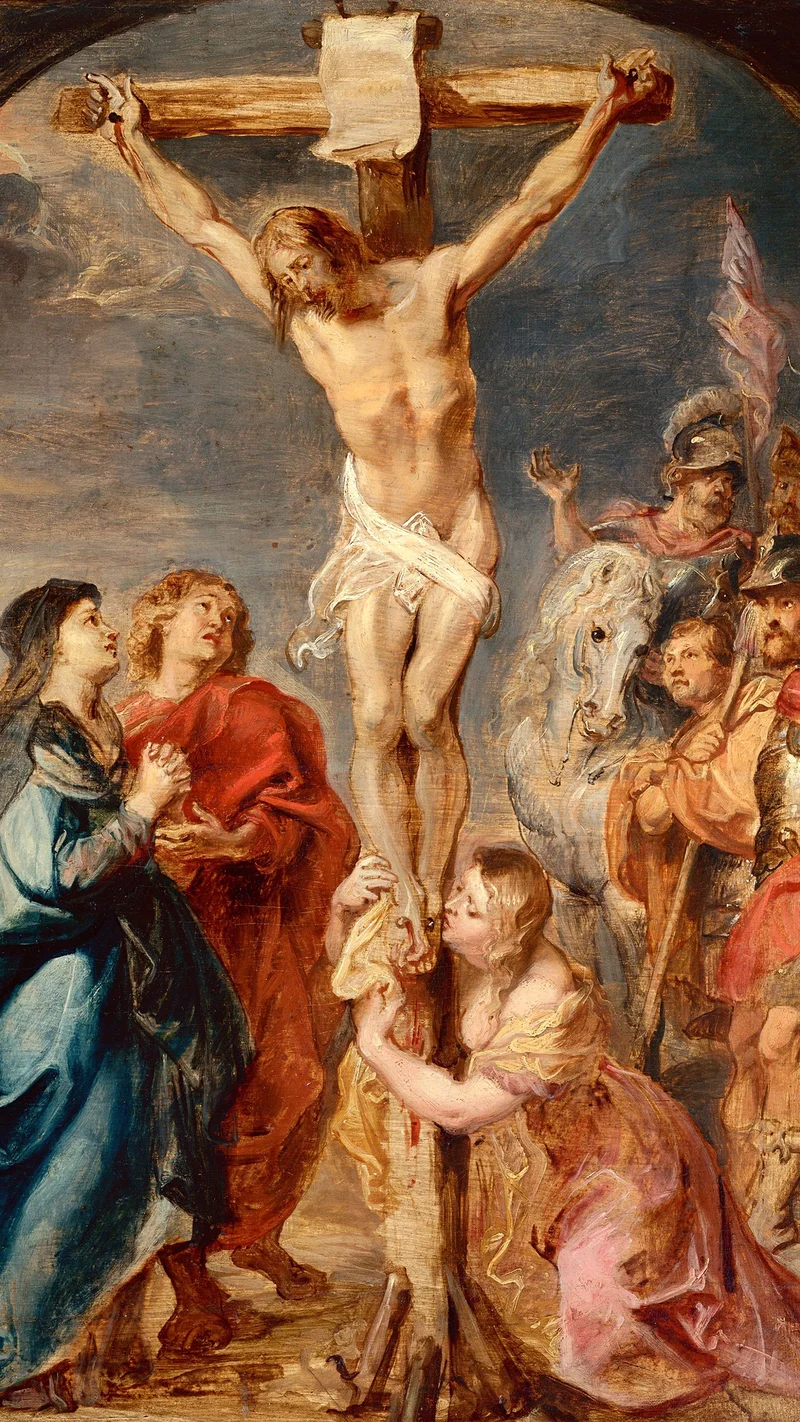
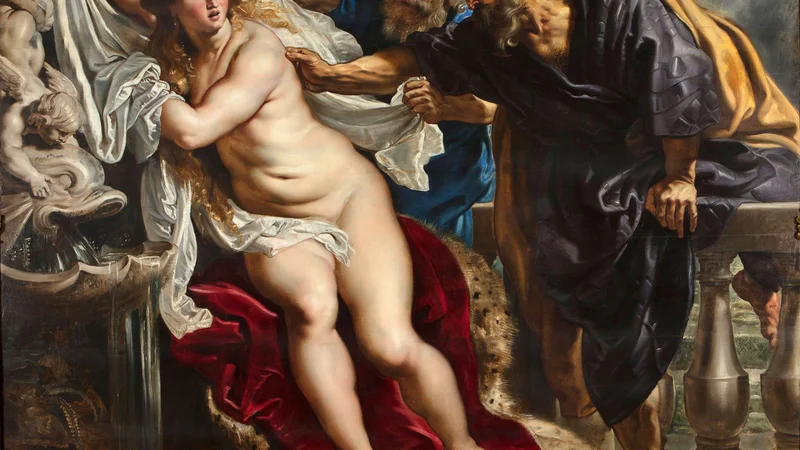
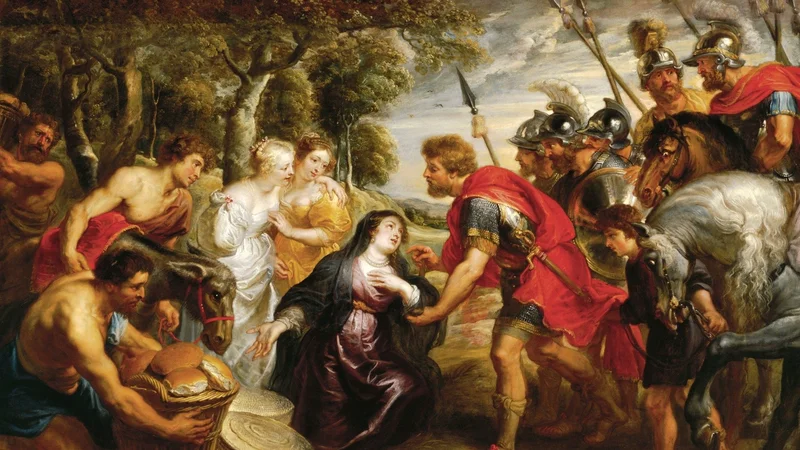
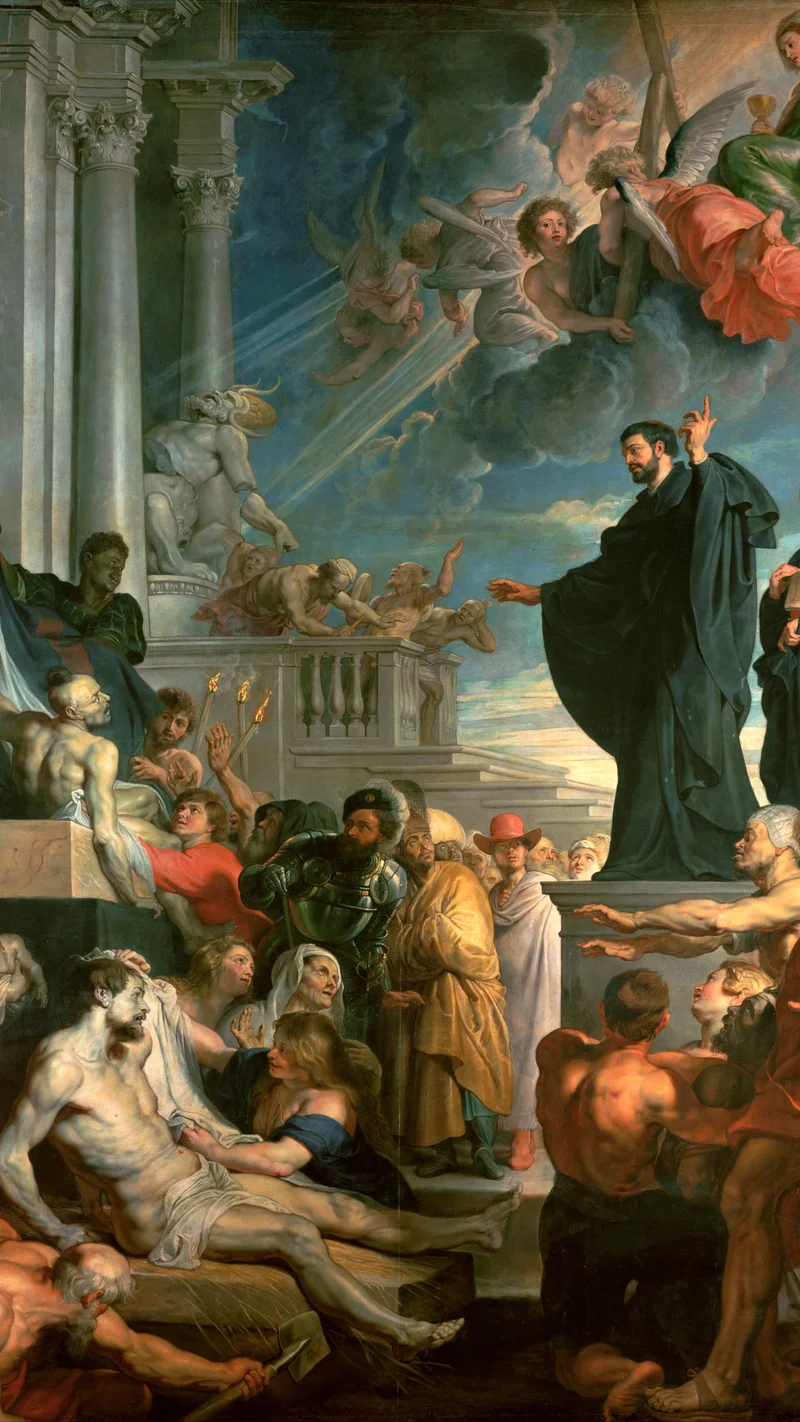
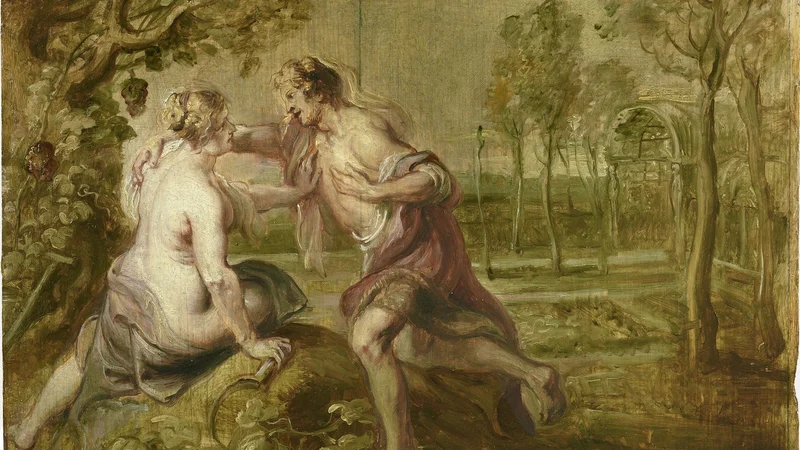
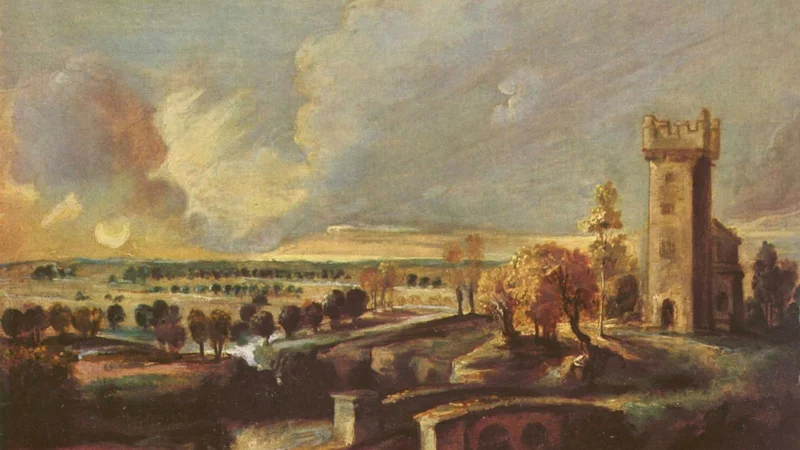
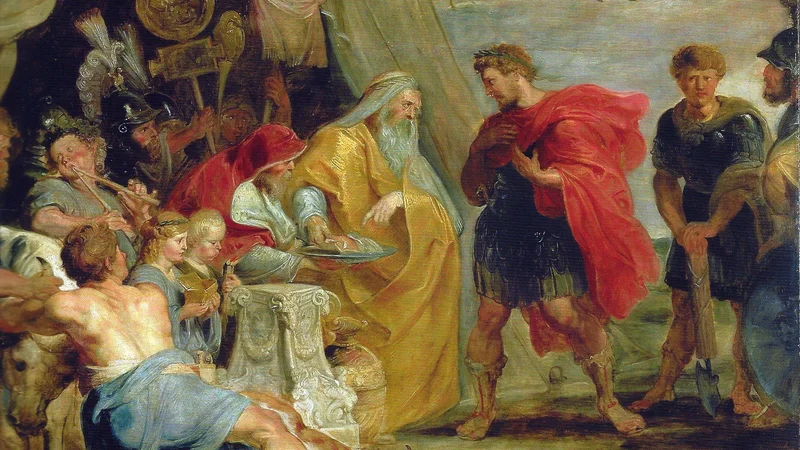
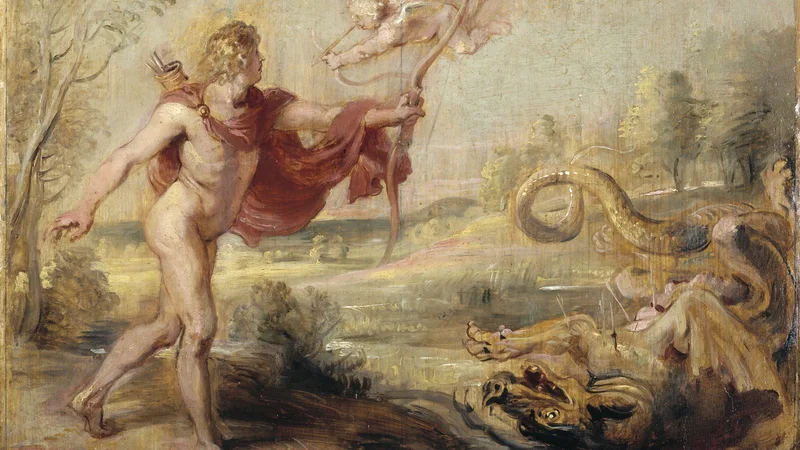
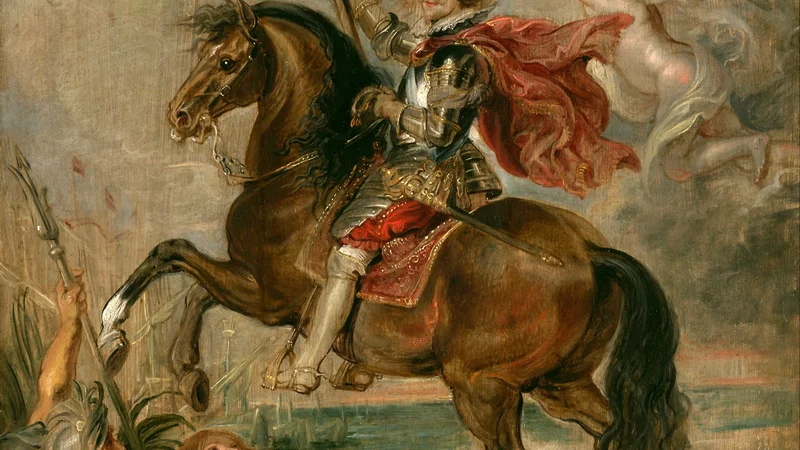
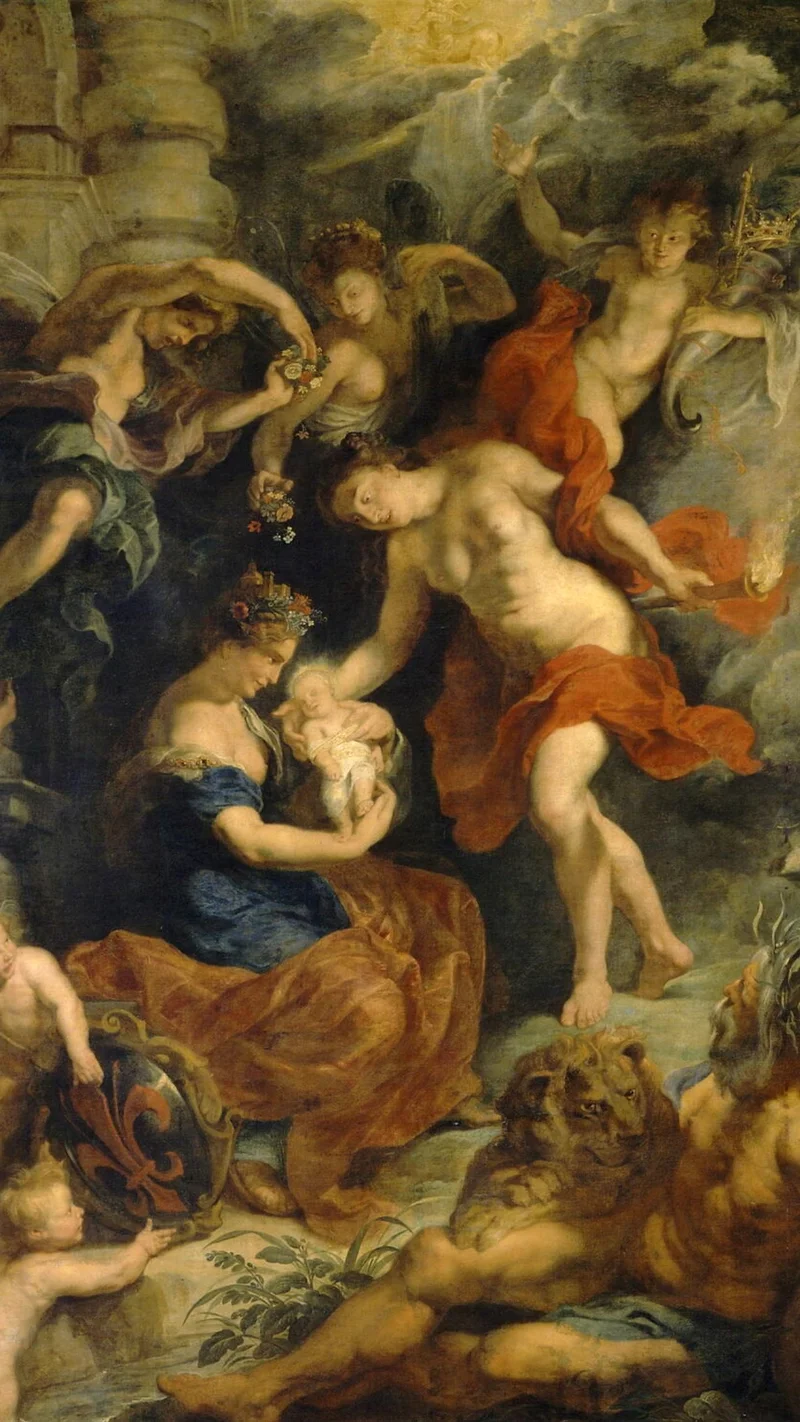
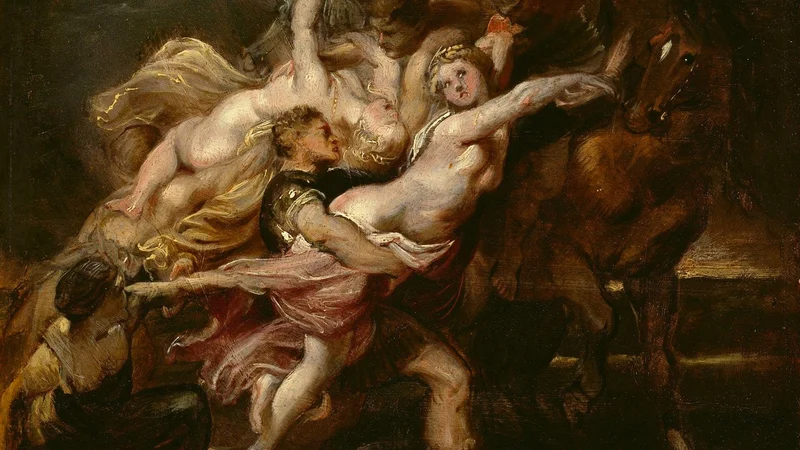
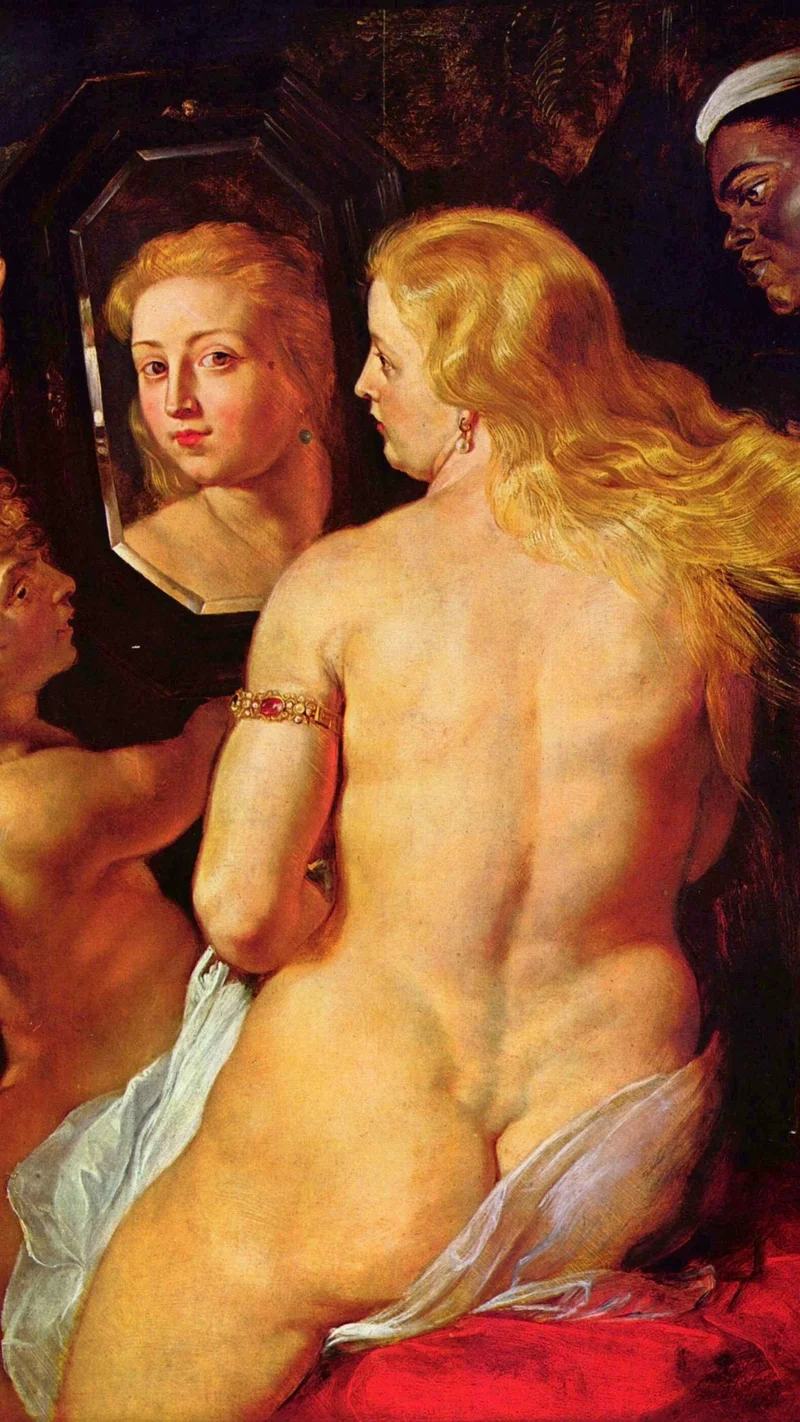
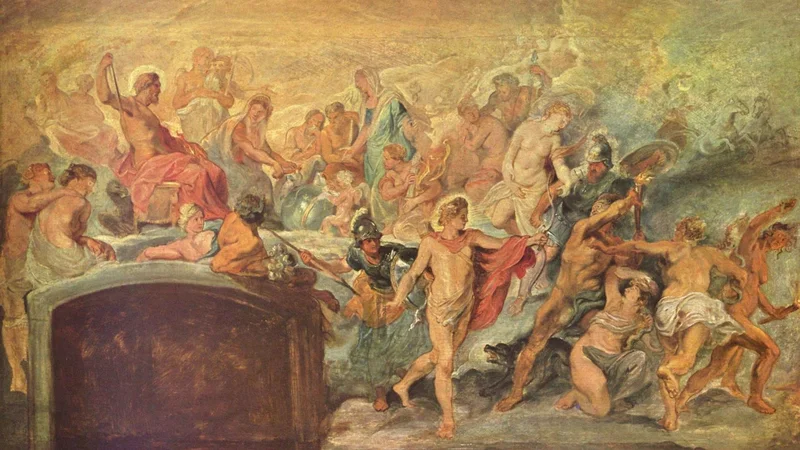
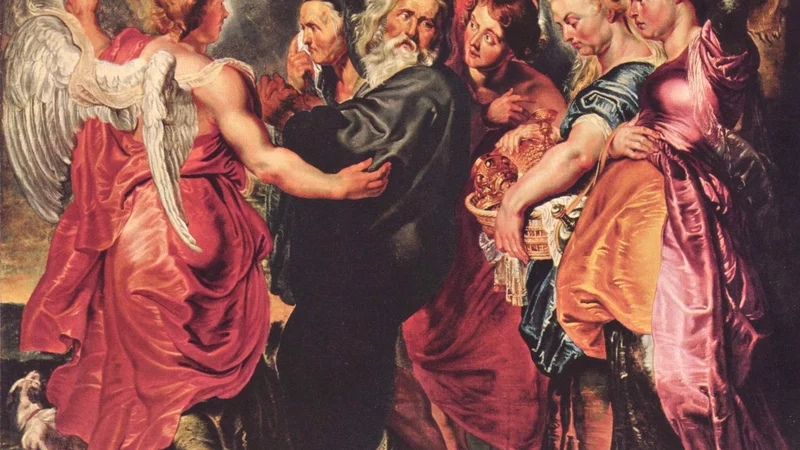
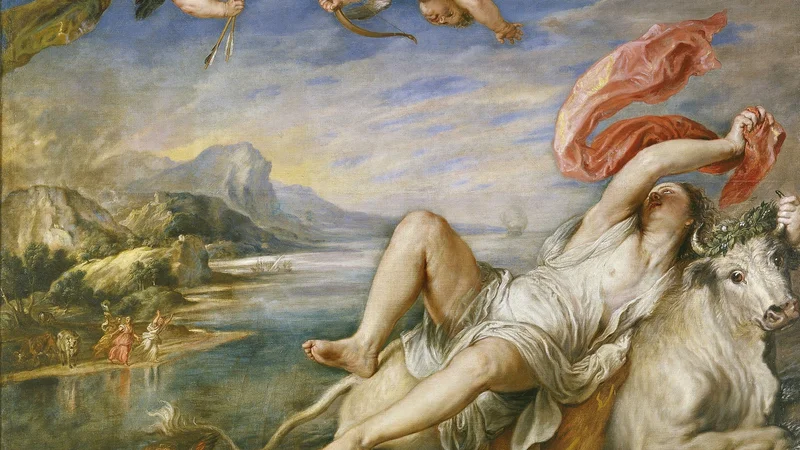
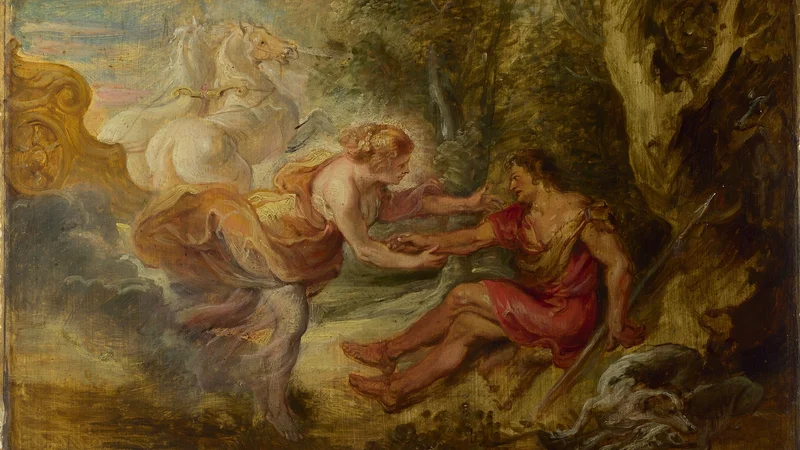
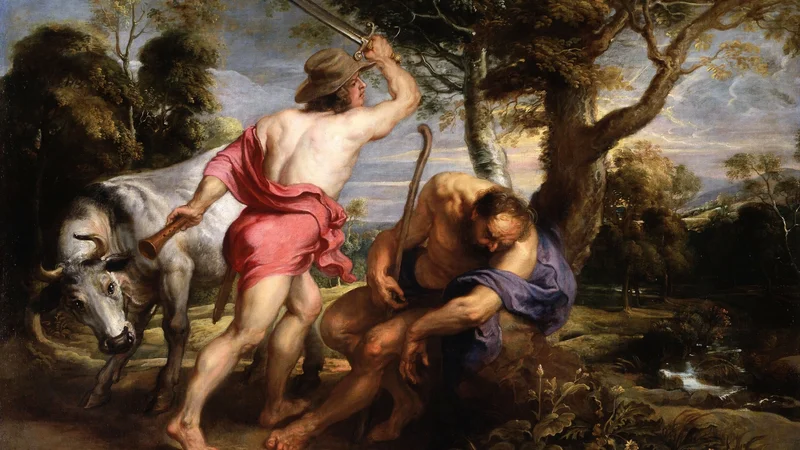
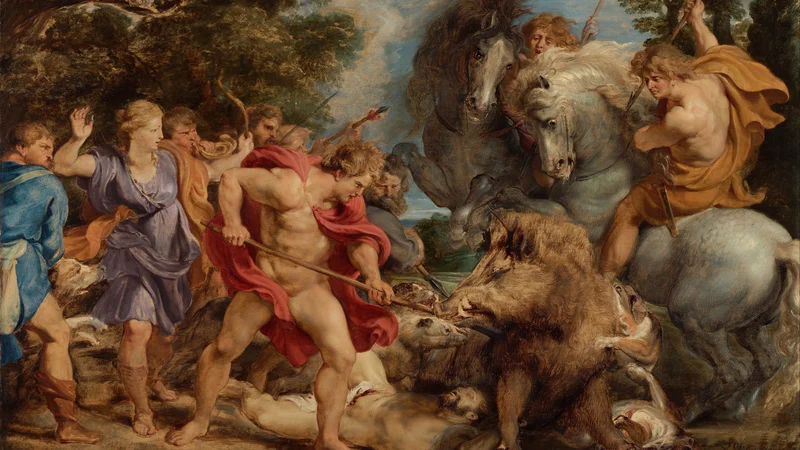
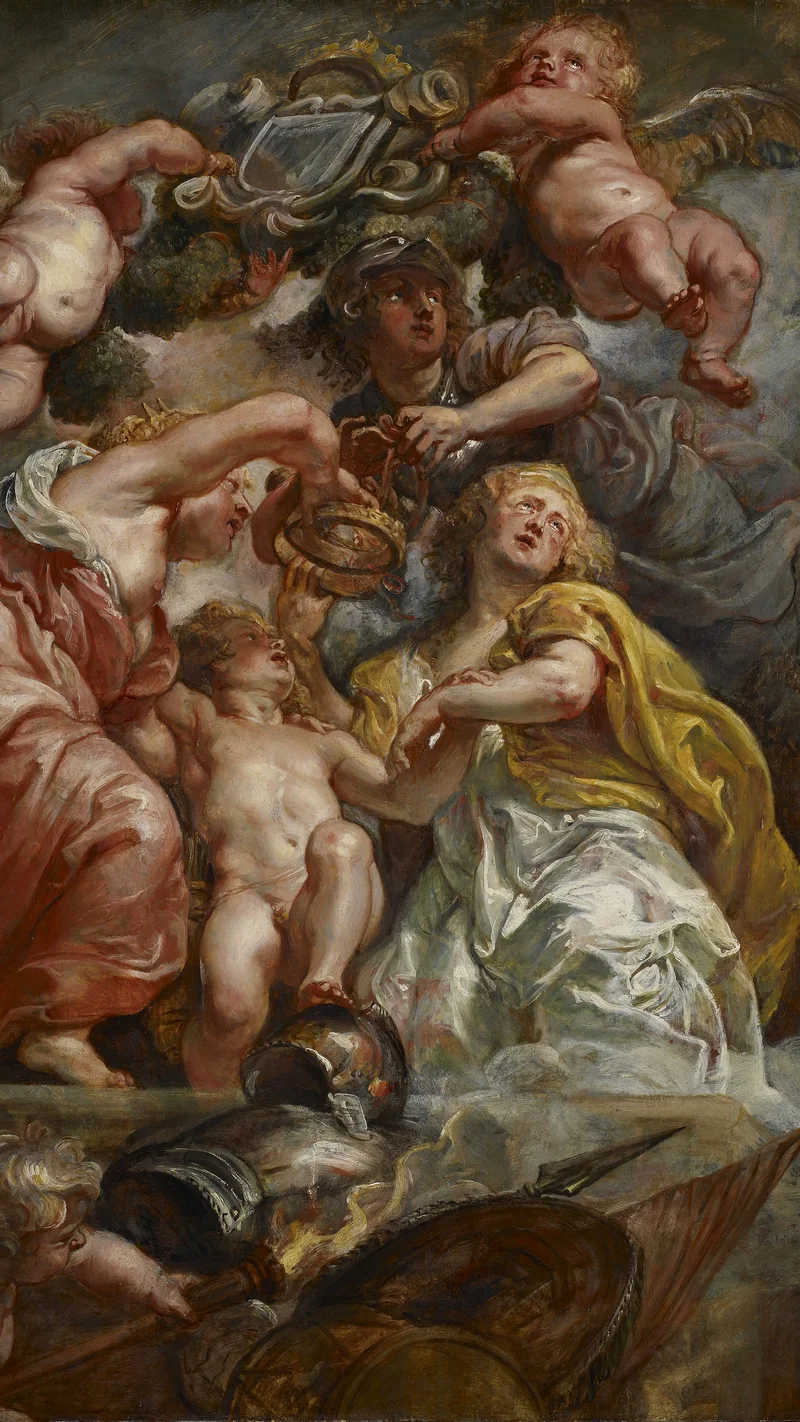
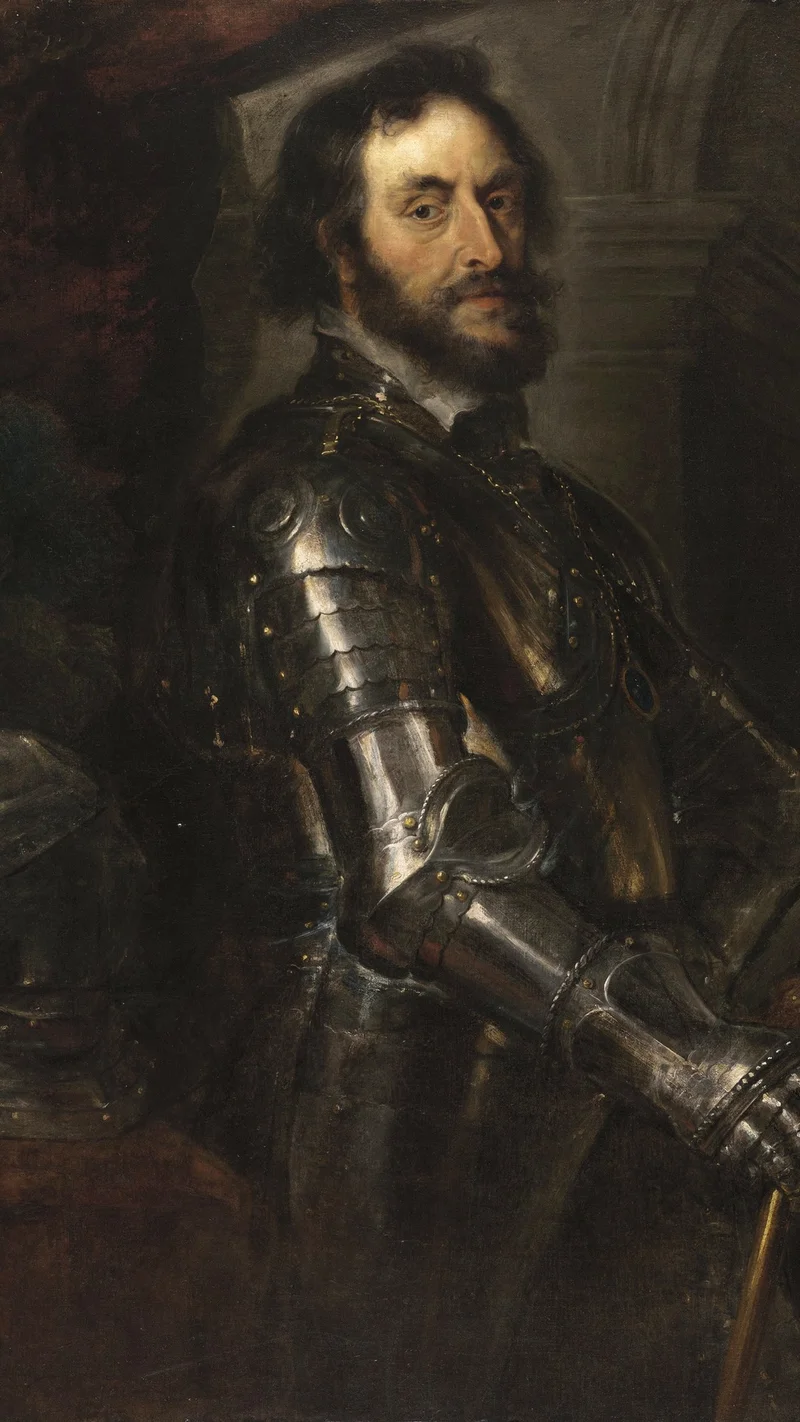
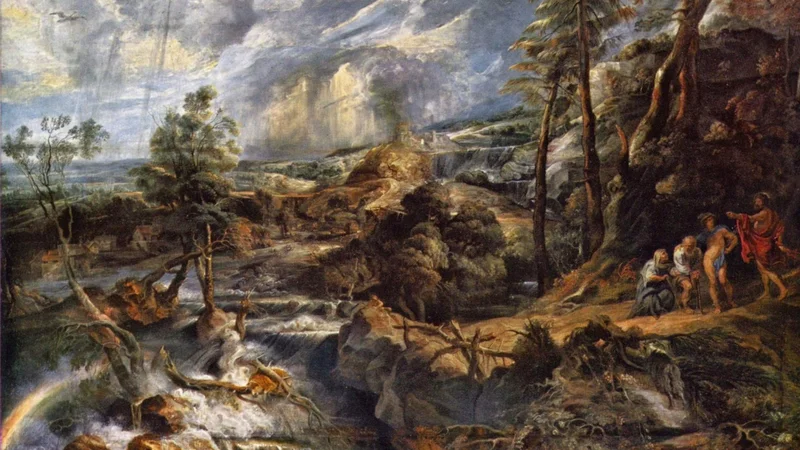
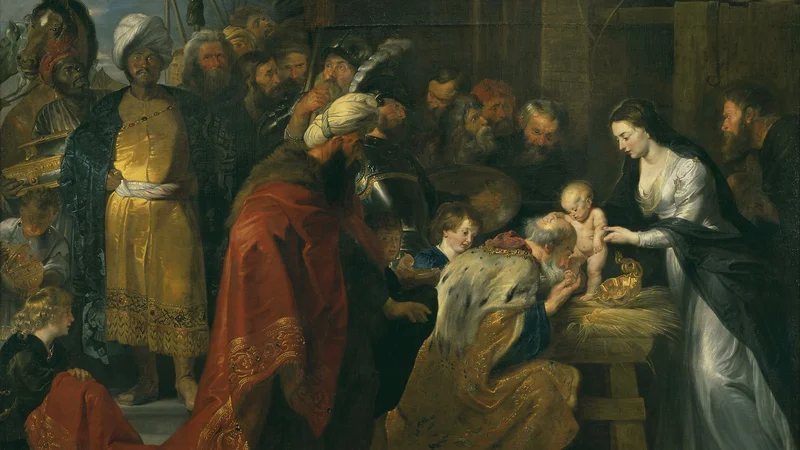
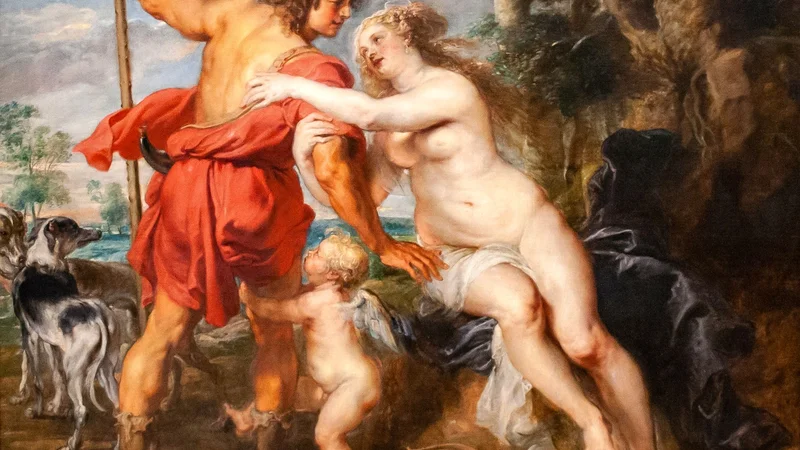
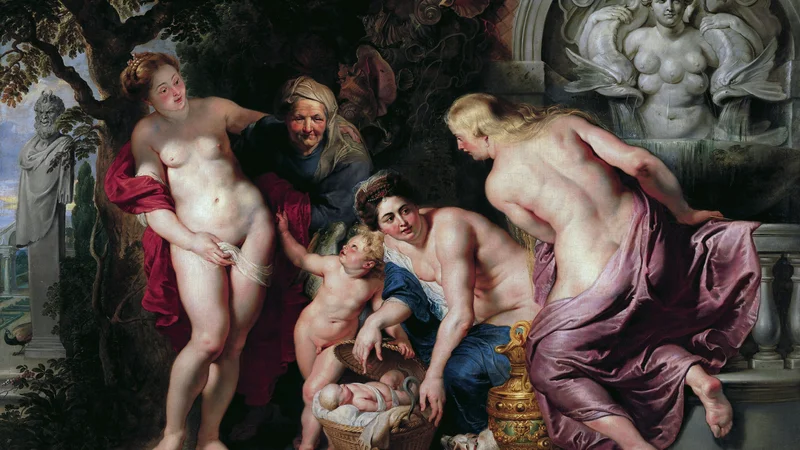
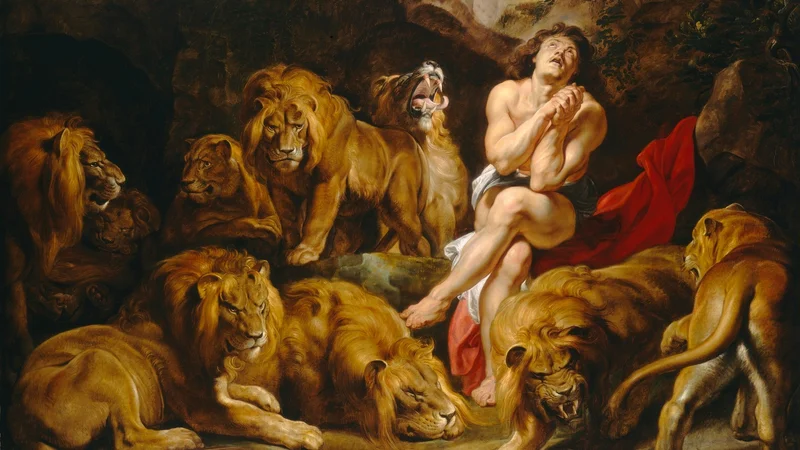
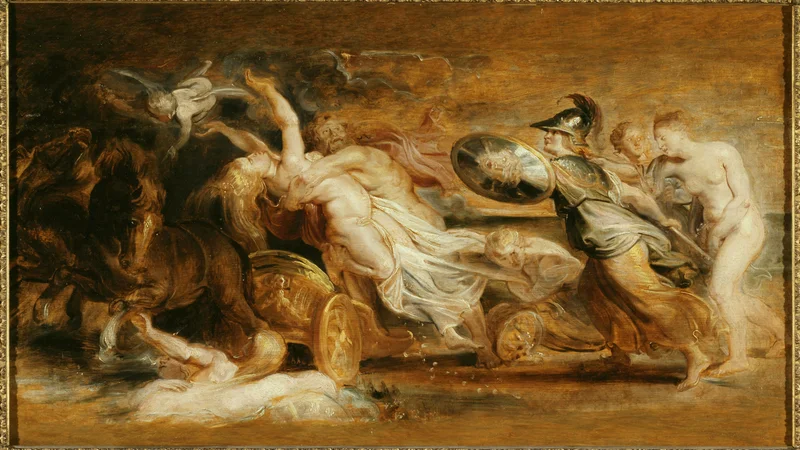
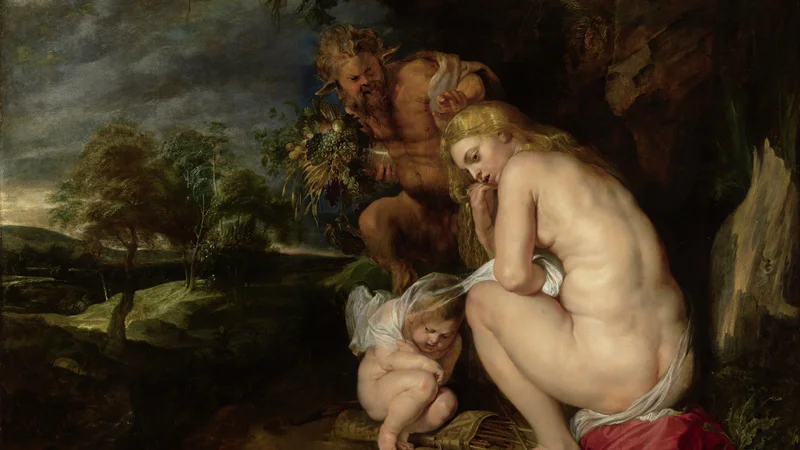
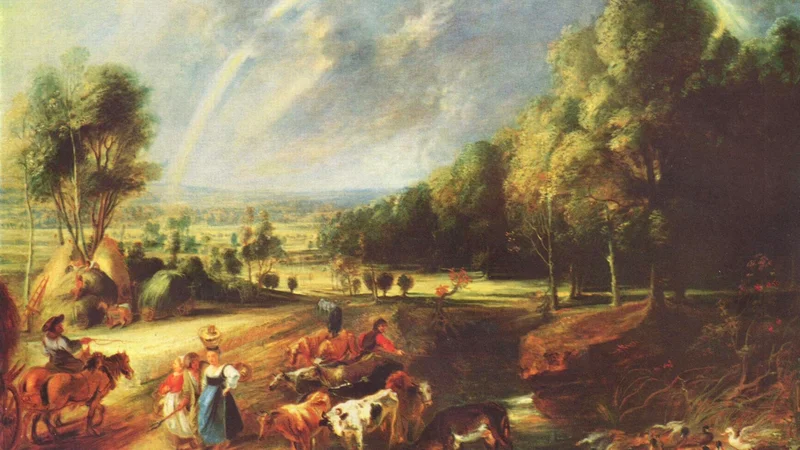
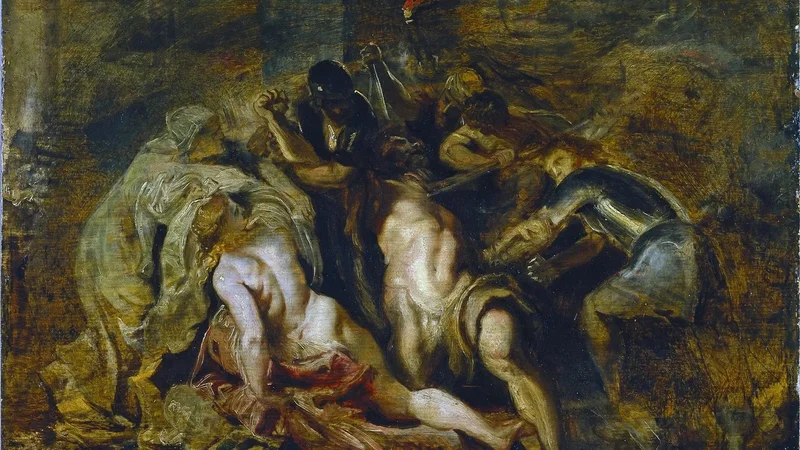
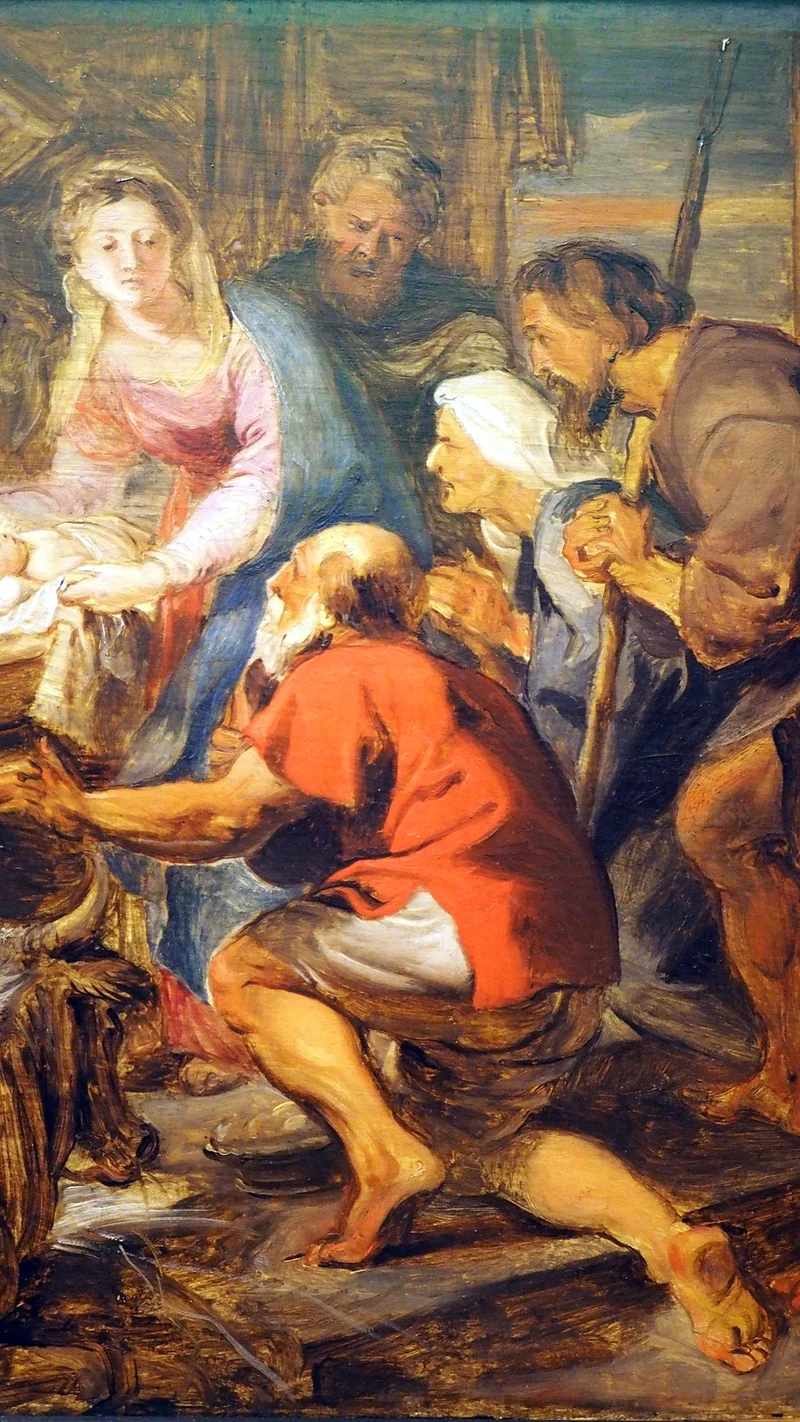
Peter Paul Rubens (1577–1640) stands as the preeminent figure of the Flemish Baroque tradition. After completing his formative training in Antwerp and spending eight influential years in Italy absorbing the lessons of the Renaissance masters, he returned to the Southern Netherlands to establish a prolific workshop. His synthesis of Venetian colorism and classical humanism, combined with a profound understanding of diplomatic statecraft, solidified his position as the most sought-after painter in Europe during the early 17th century. His output during key periods such as 1615, 1630, and 1635 demonstrates a singular ability to translate complex theological and mythological narratives into compositions of immense intellectual and visual weight.
Technical Mastery and Compositional Energy
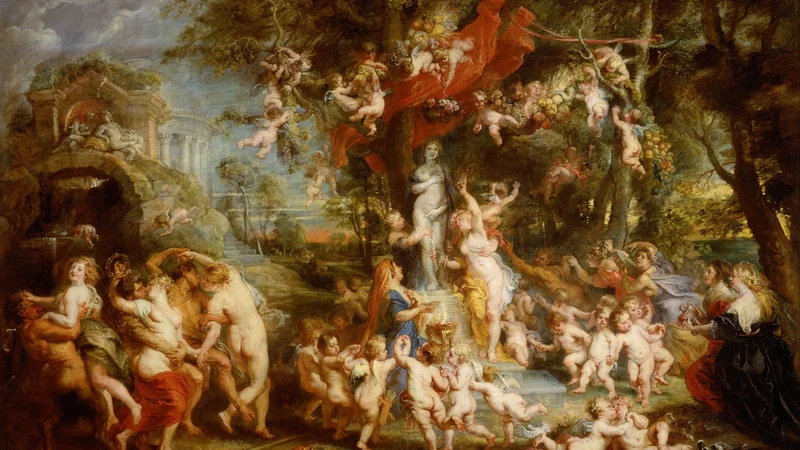
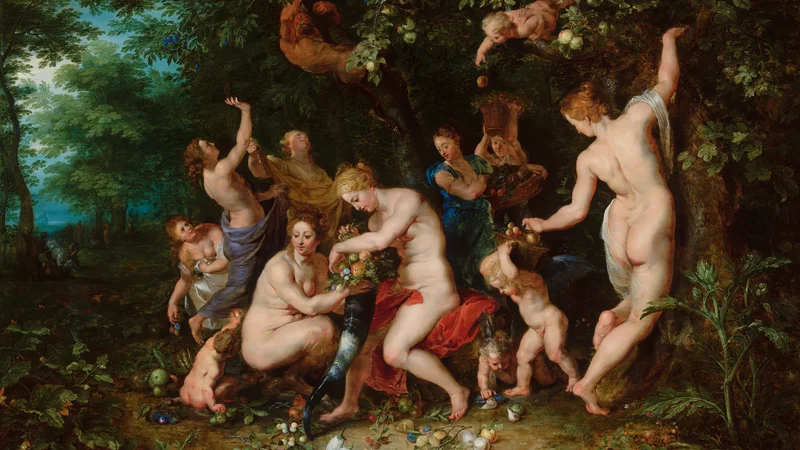
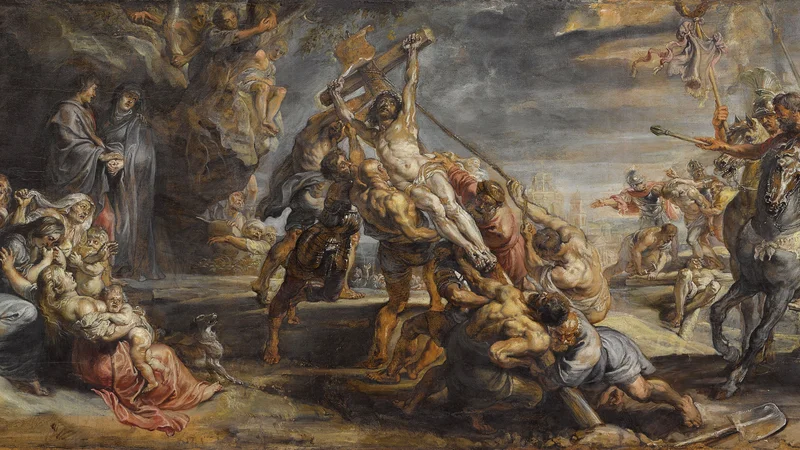
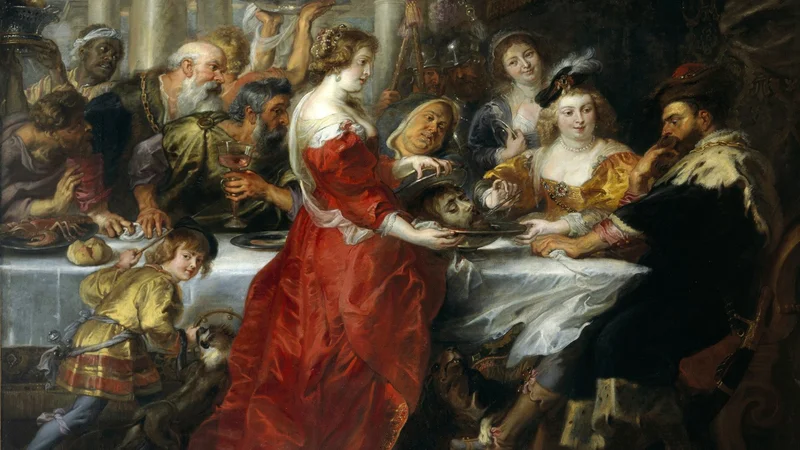
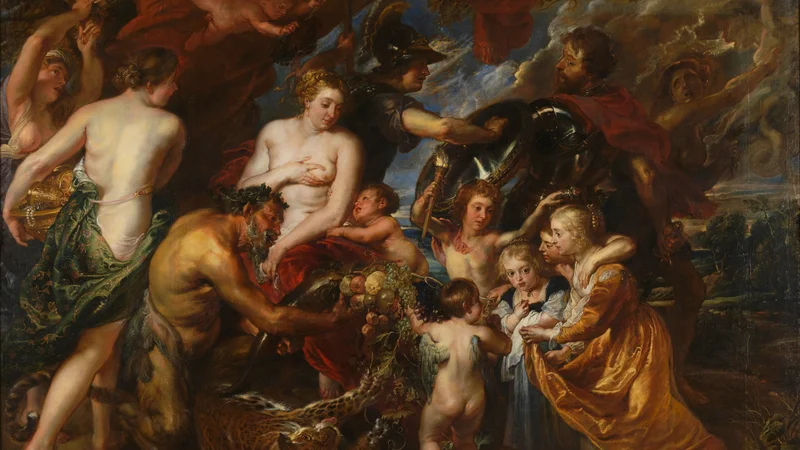
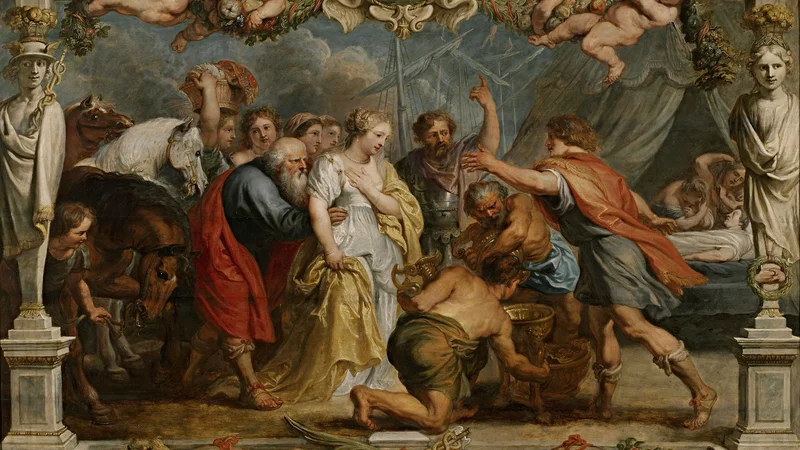
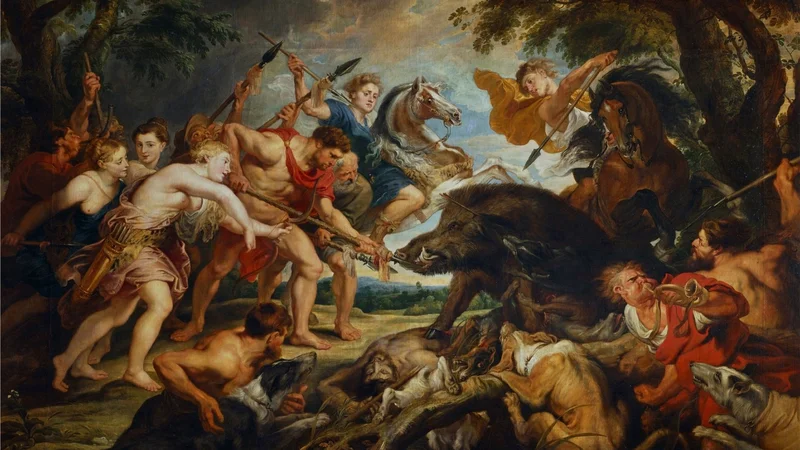
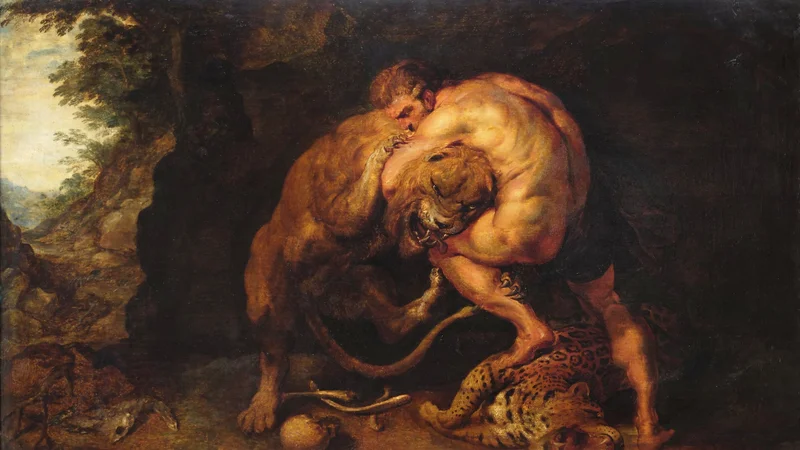
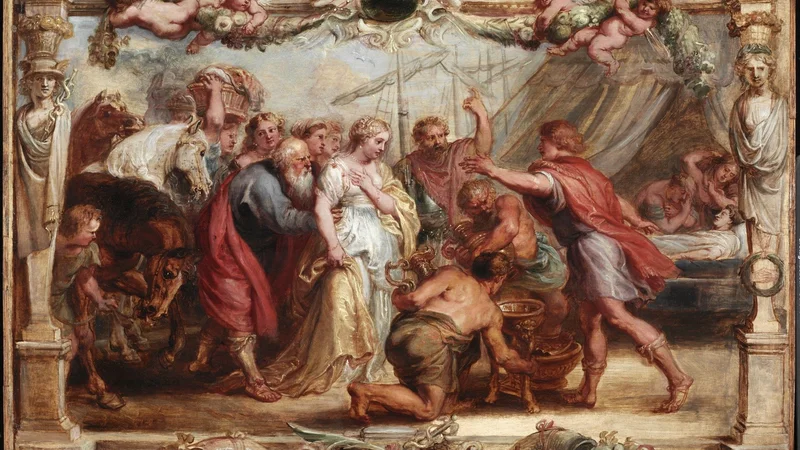
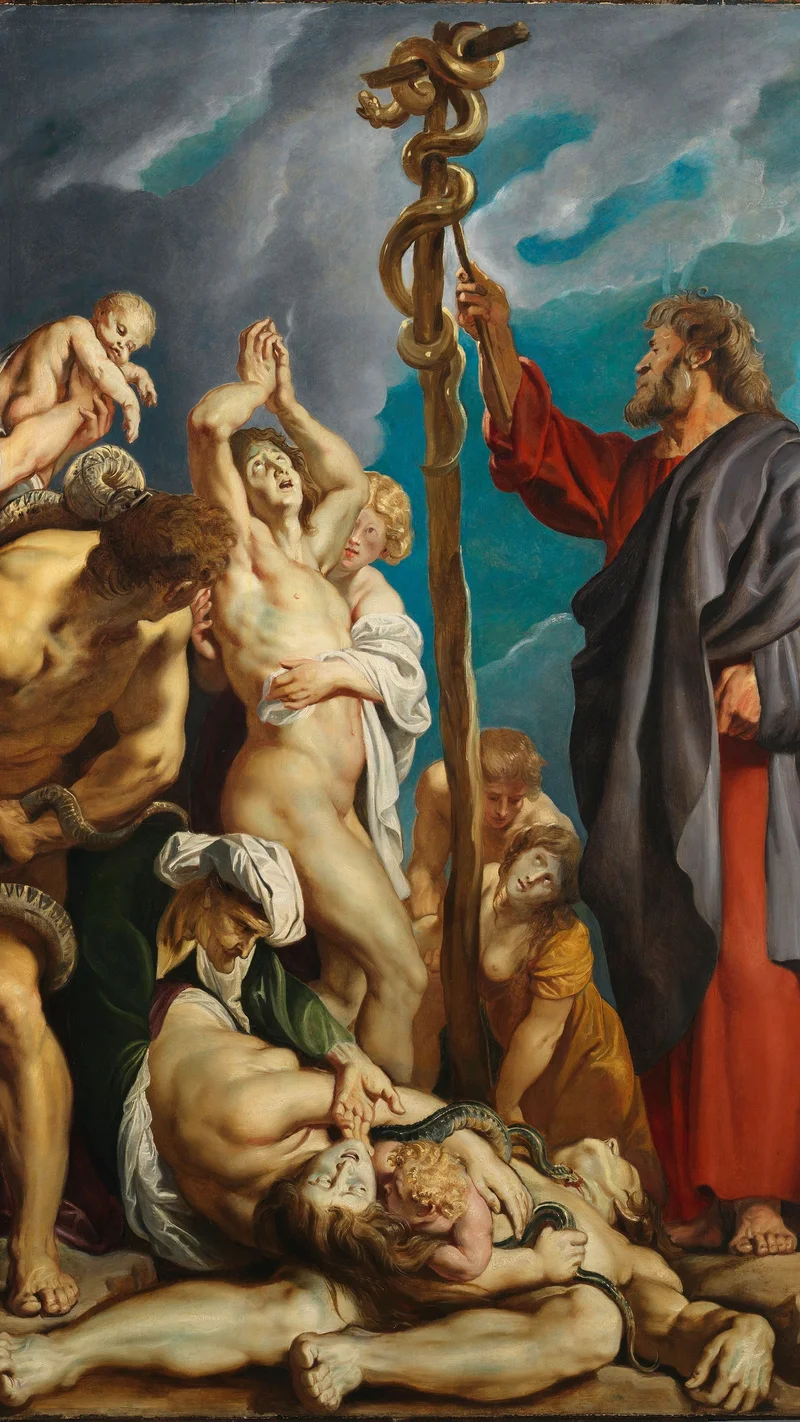
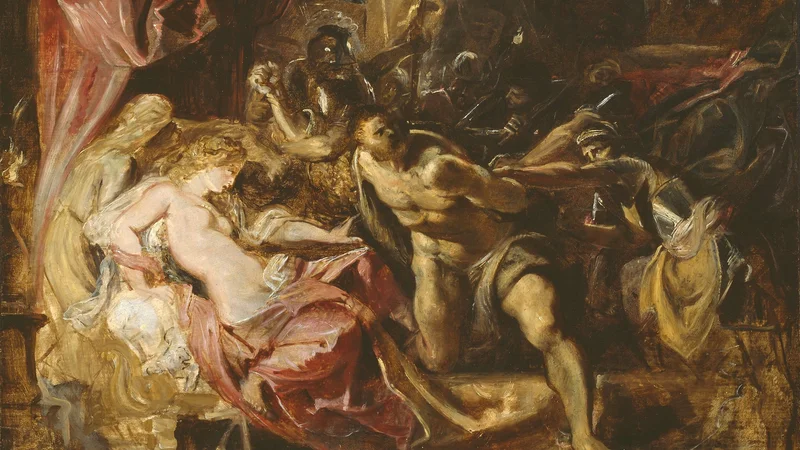
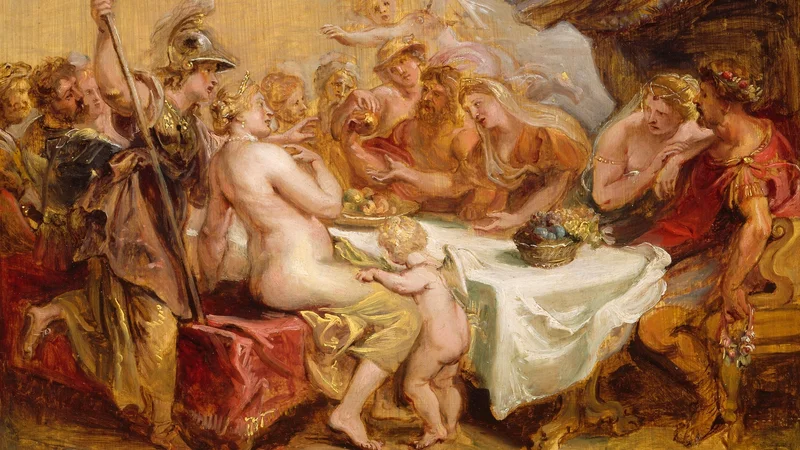
Rubens utilized a robust impasto and a dynamic, rhythmic brushwork that imbued his figures with unprecedented vitality. His mastery of the human form is evident in the muscular dynamism of Hercules and the Nemean Lion and the dramatic tension found in The Raising of the Cross. Whether depicting the opulent sensuality of The Feast of Venus and Nymphs Filling the Cornucopia or the narrative precision of Briseis returned to Achilles by Nestor and The Feast of Herod, he balanced large-scale decorative ambition with rigorous anatomical study. By integrating fluid light effects with a sophisticated palette, Rubens defined the visual language of his era, leaving an indelible imprint on the trajectory of Western painting.