Museo del Prado
129 点の作品
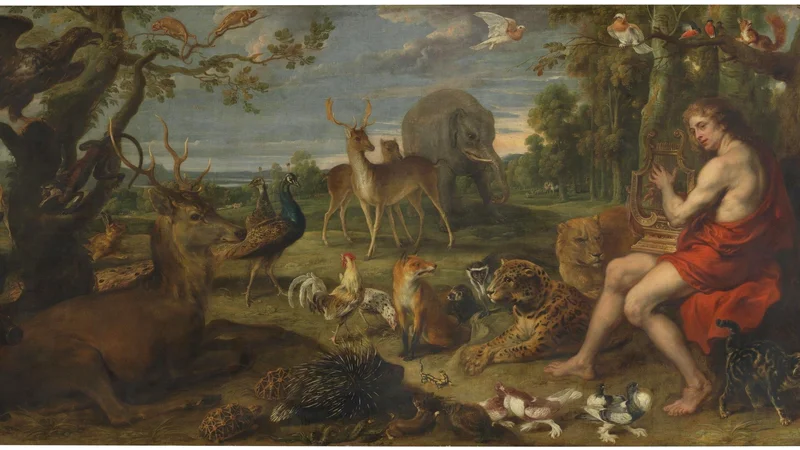
The Museo Nacional del Prado, situated in the heart of Madrid, serves as the preeminent repository of Spanish cultural heritage. Established in 1819, the institution originated from the extensive holdings of the Spanish royal collection, a lineage of patronage that cultivated an unparalleled concentration of European masterworks. Housed in a building that stands as a testament to neoclassical architectural aspirations, the museum was conceived to provide a permanent home for the nation’s artistic treasures, effectively democratizing access to a collection that spans from the 12th century to the dawn of the 20th century.
A Legacy of European Mastery
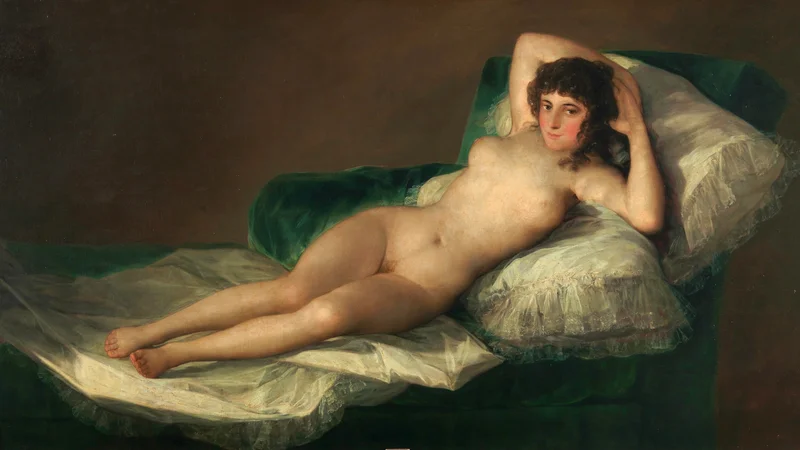
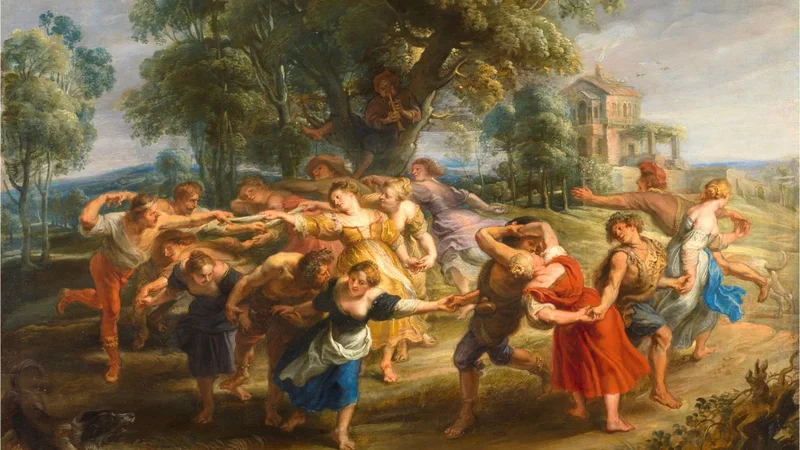
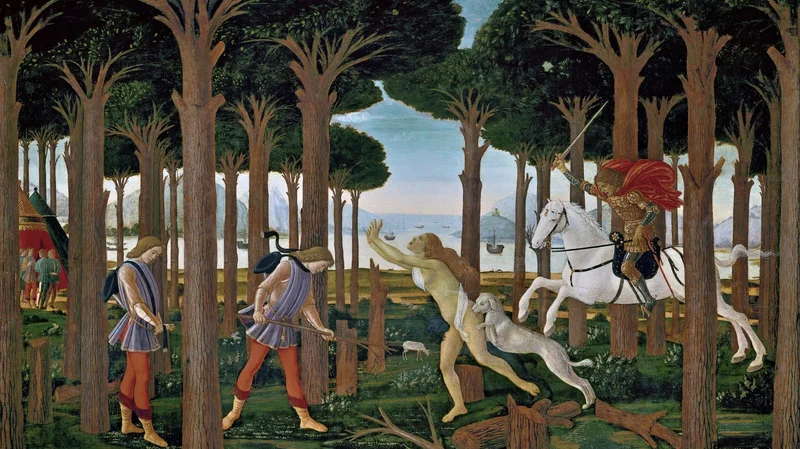
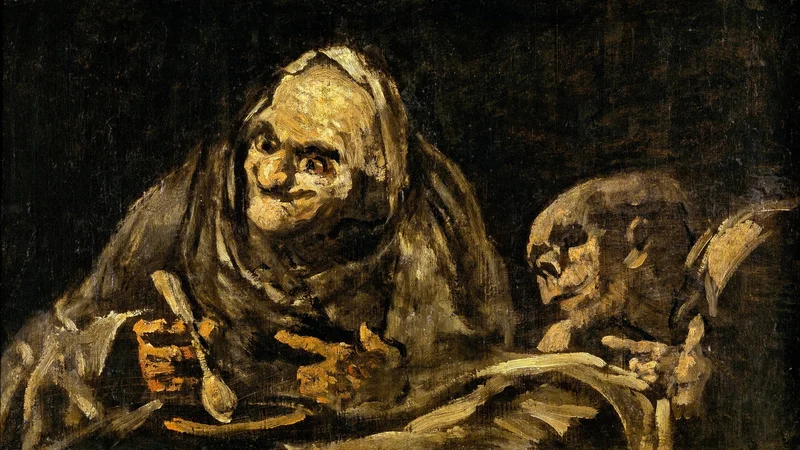
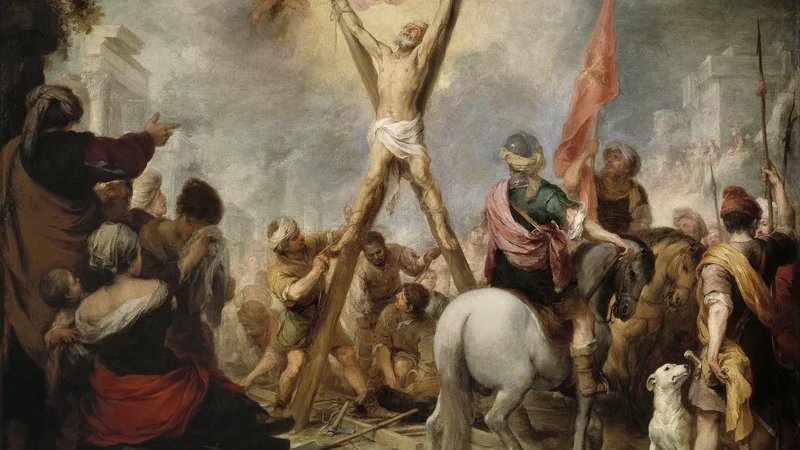
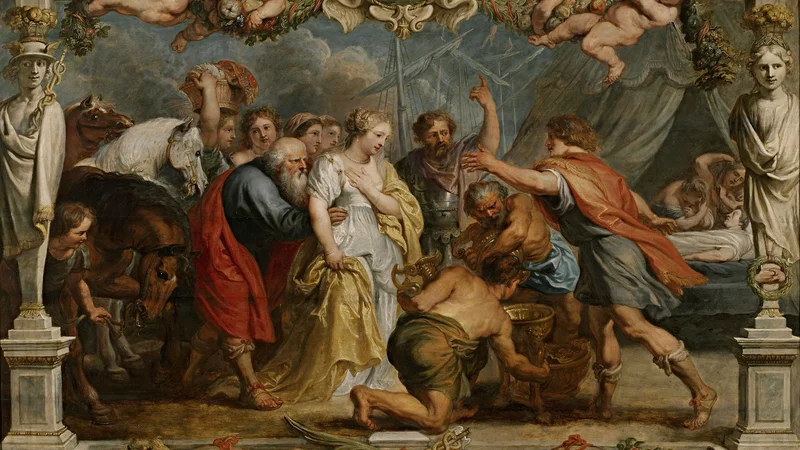
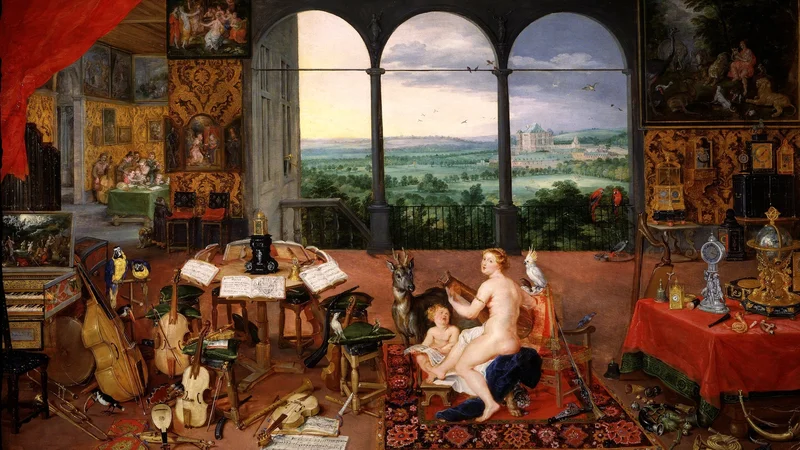
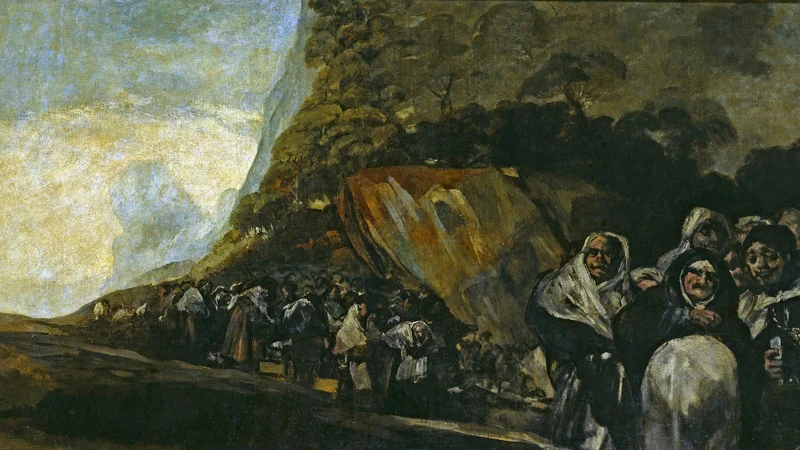
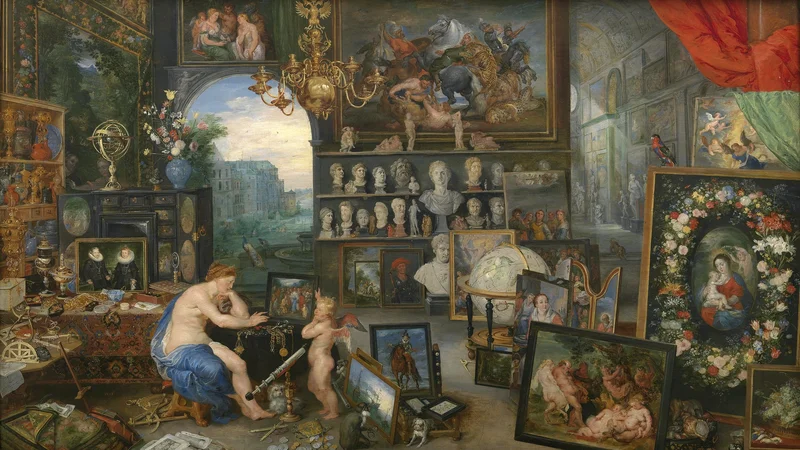
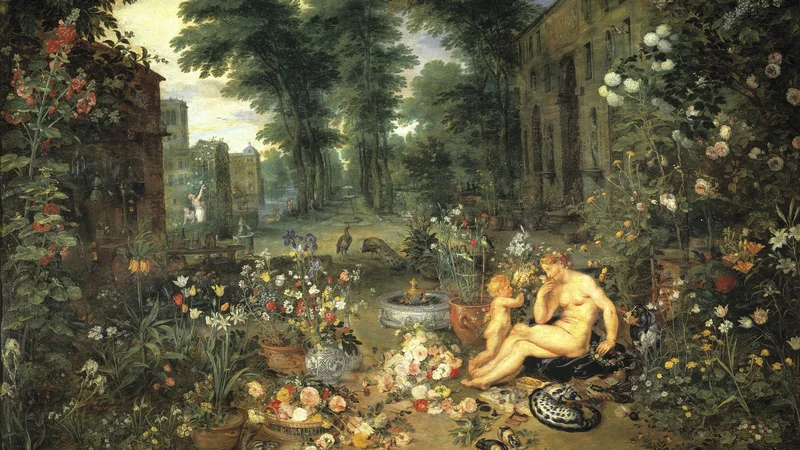
The collection is defined by its profound depth in the Baroque tradition, while also encompassing the delicate sensibilities of the Rococo and the emotive intensity of Romanticism. The museum holds the world’s most significant assemblage of works by Francisco Goya, ranging from the enigmatic The Nude Maja to the haunting Pilgrimage to the Fountain of San Isidro and Two Old Men Eating Soup. Beyond its Spanish core, the museum excels in its representation of Italian and Flemish masters. Visitors encounter the meticulous narrative of Sandro Botticelli’s The Story of Nastagio Degli Onesti, part one, the dramatic tension in Bartolomé Esteban Murillo’s The Martyrdom of Saint Andrew, and the vibrant compositions of Peter Paul Rubens and Jan Brueghel the Elder. Through the historical influence of Diego Velázquez—whose discerning eye secured many of the Italian masterpieces now held within these walls—the Prado maintains its status as an essential center for the study and preservation of Western art history.
Background adapted from Wikipedia (CC BY-SA).