Bartolomé Esteban Murillo
24 œuvres
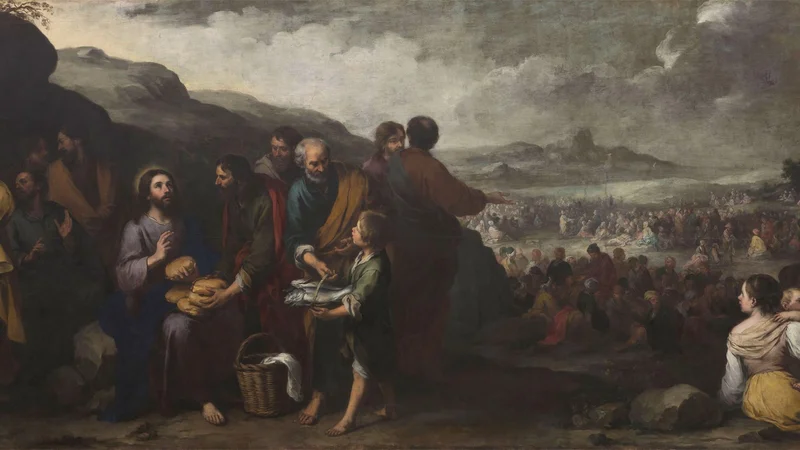
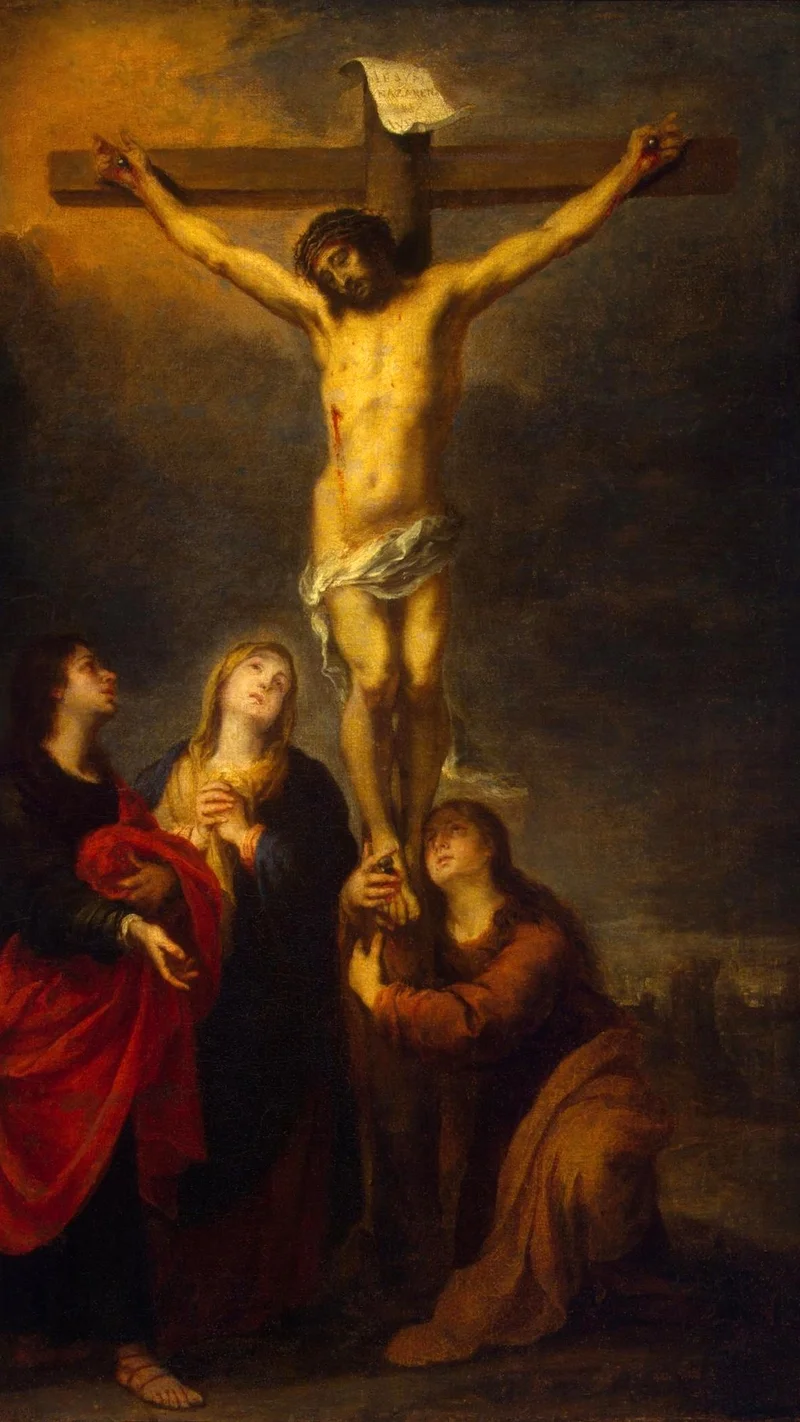
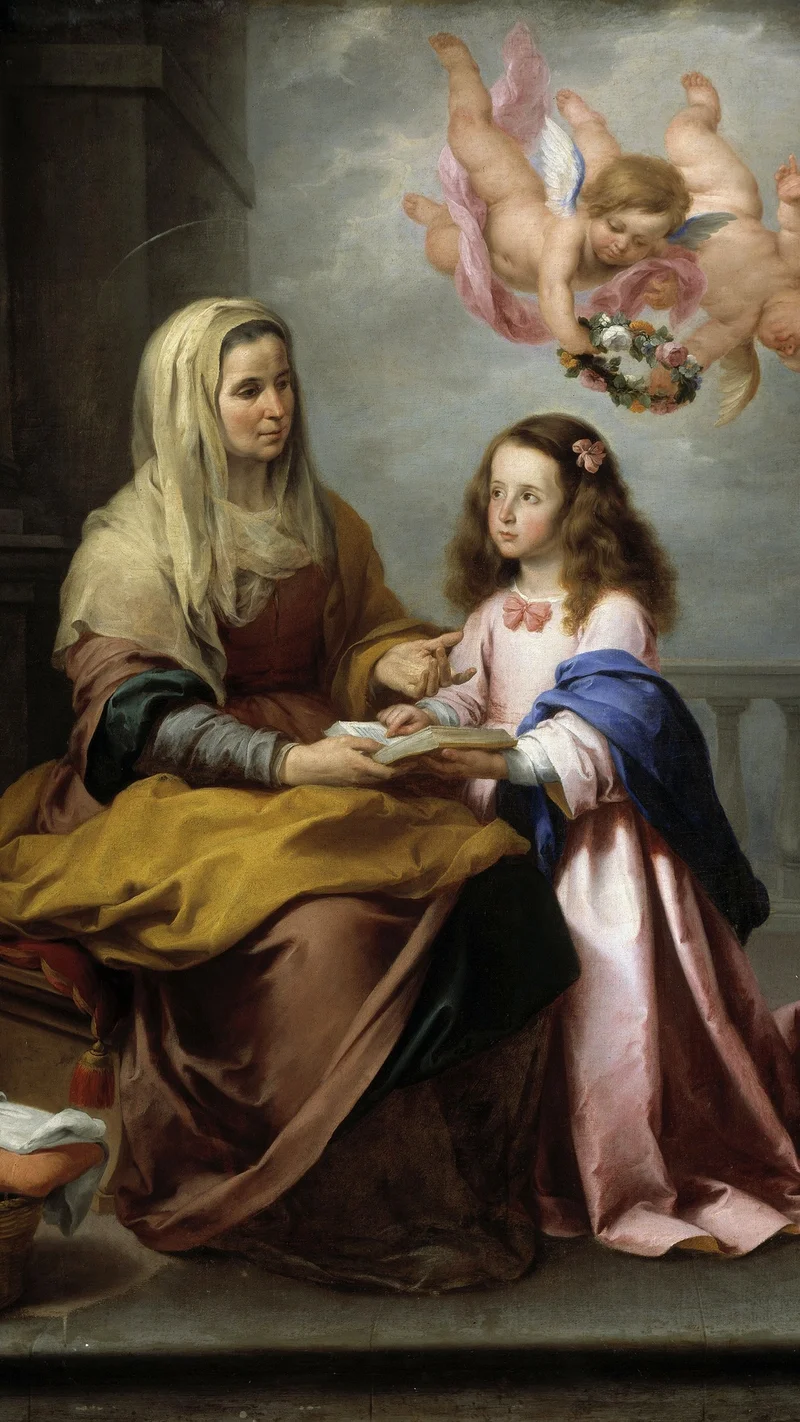
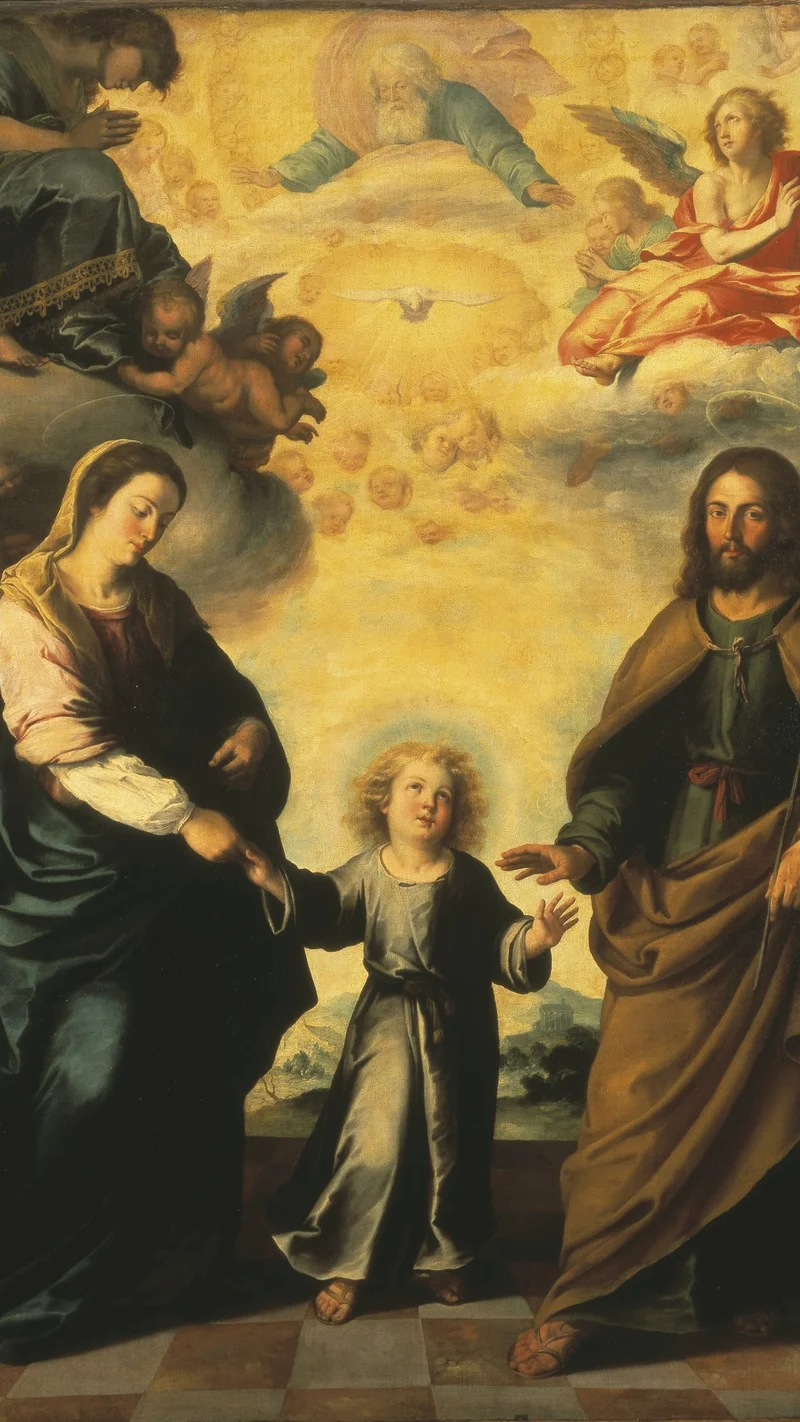
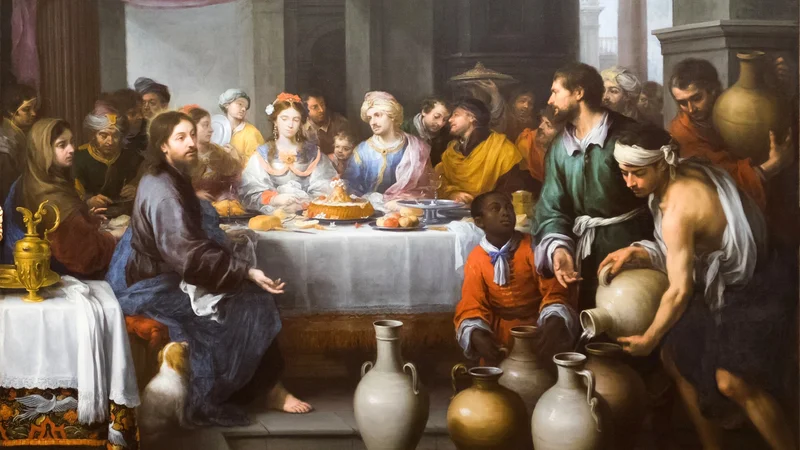
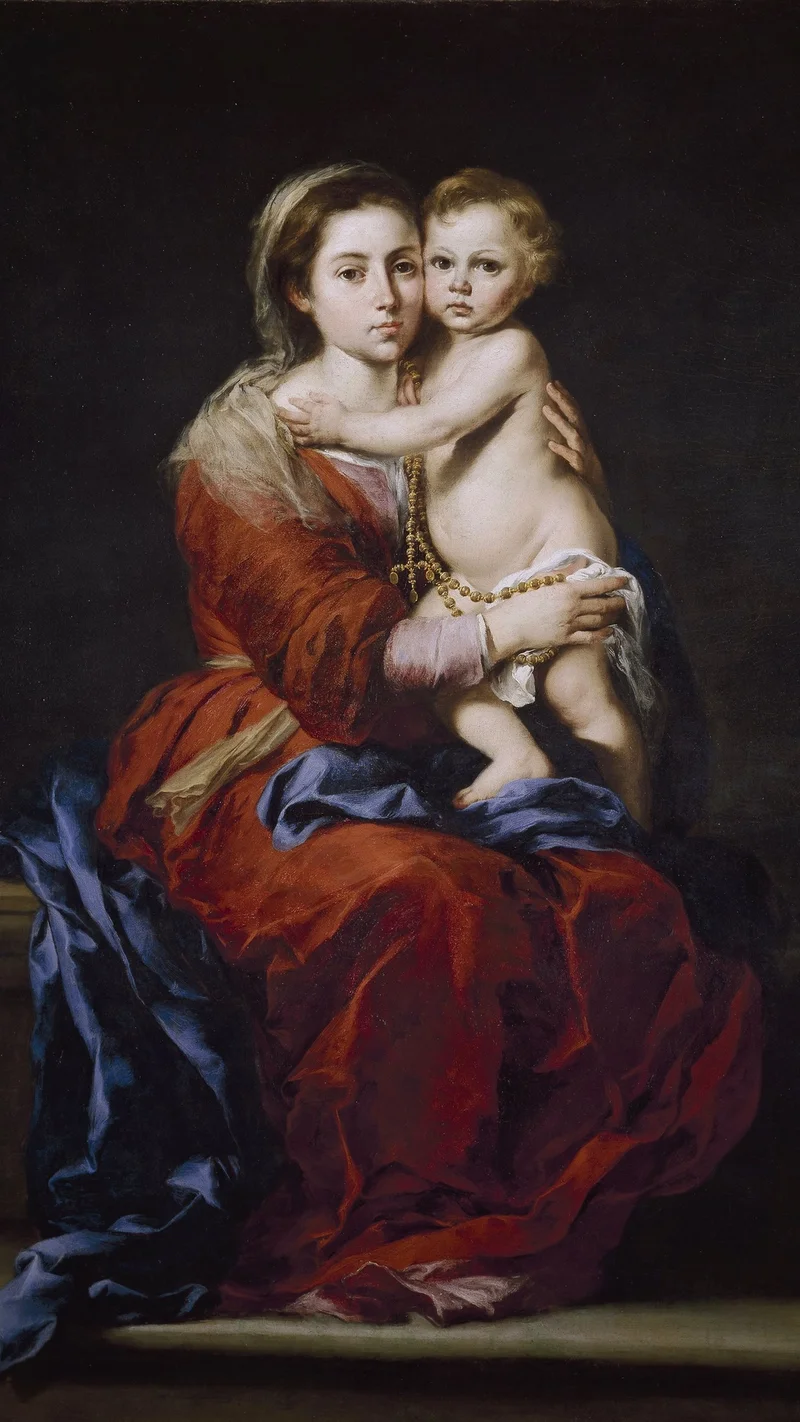
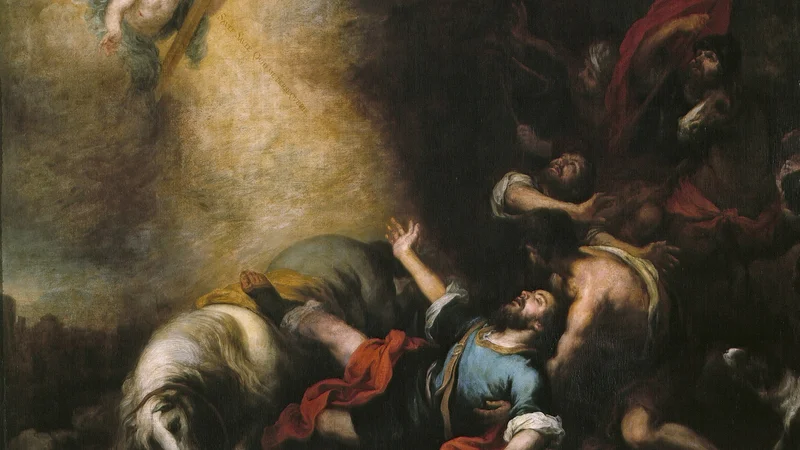
Bartolomé Esteban Murillo (1617–1682) était un peintre espagnol prééminent de la période Baroque, principalement actif à Séville. Après une formation initiale auprès de Juan del Castillo, il a développé un style singulier qui s'éloignait du naturalisme rigide de ses prédécesseurs pour adopter un langage visuel plus lyrique et émotif. Au milieu du XVIIe siècle, Murillo s'est imposé comme la figure de proue de l'école andalouse, façonnant profondément l'iconographie religieuse et profane du Siècle d'or espagnol par sa maîtrise de la lumière et de l'ombre.
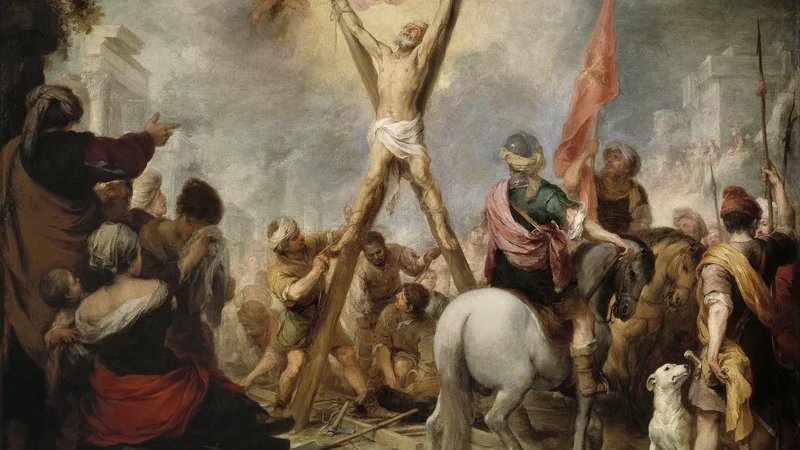
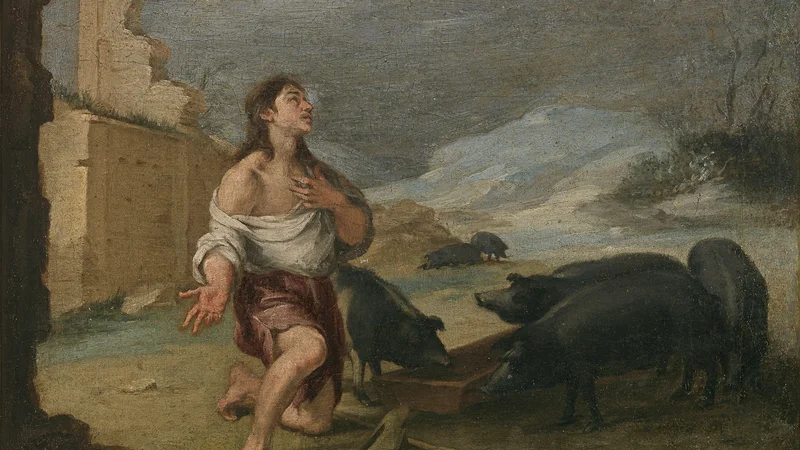
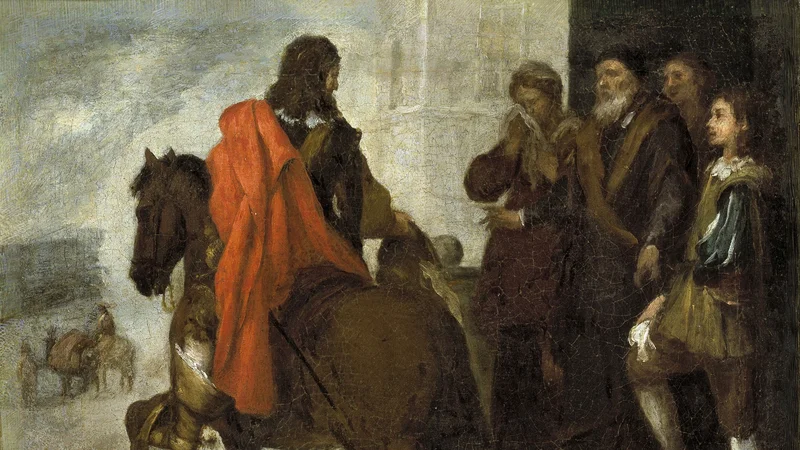
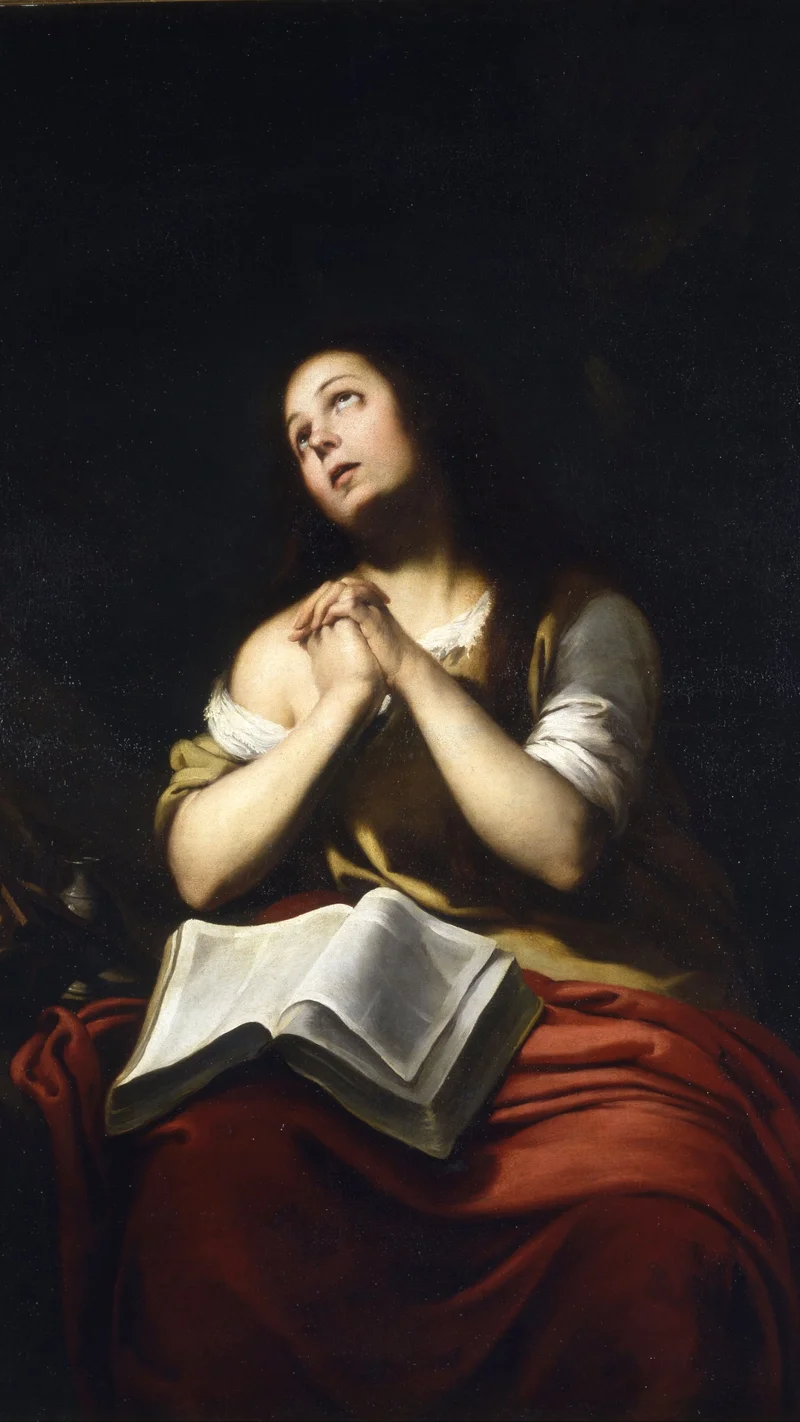
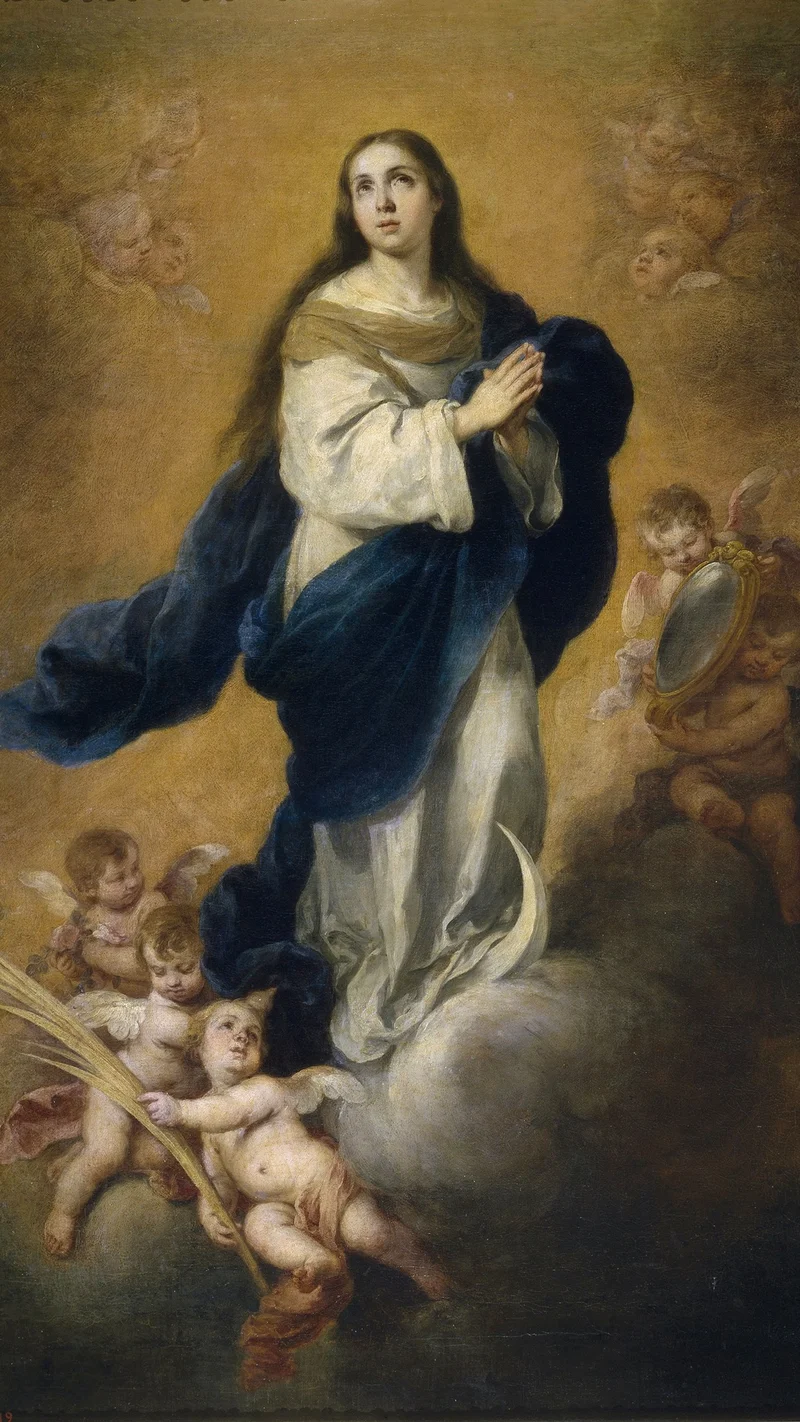
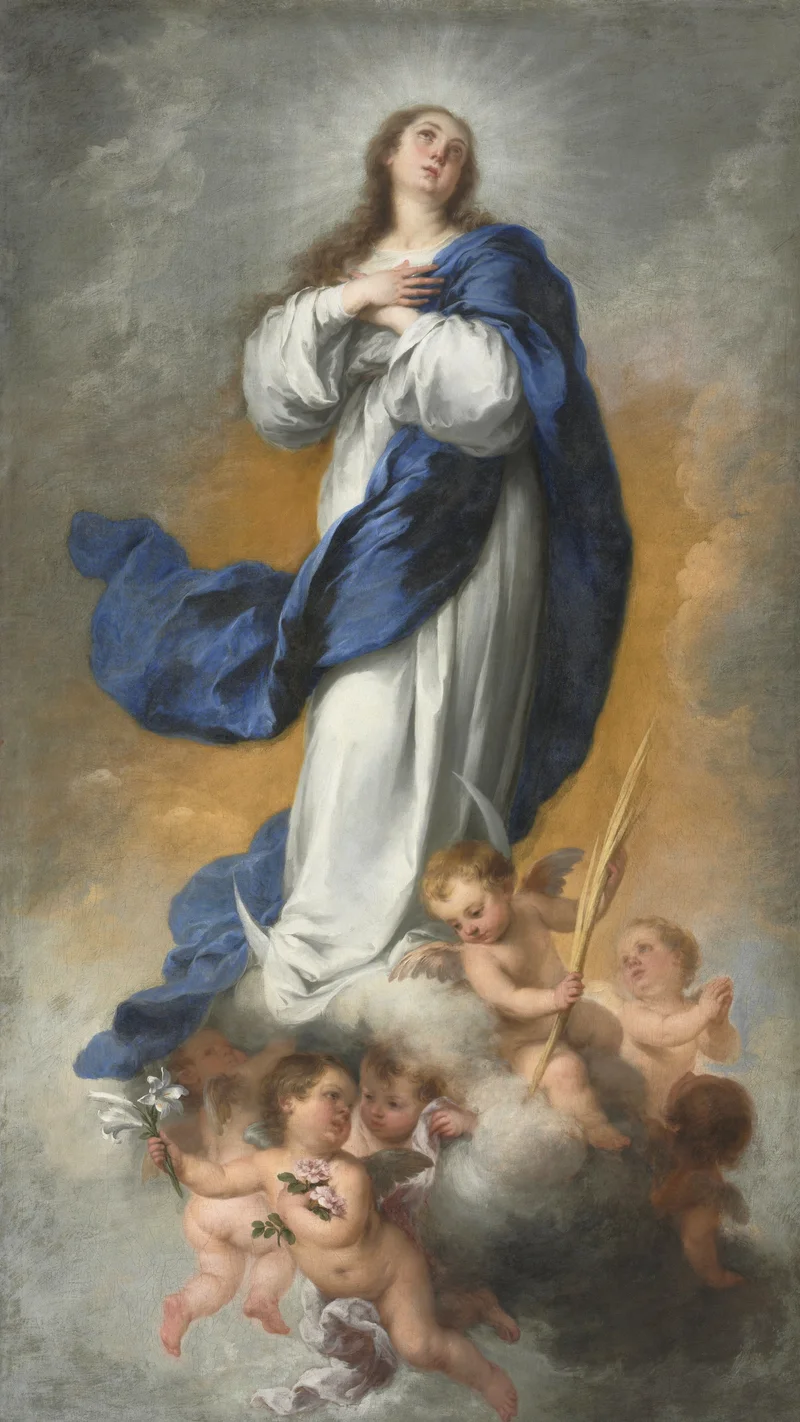
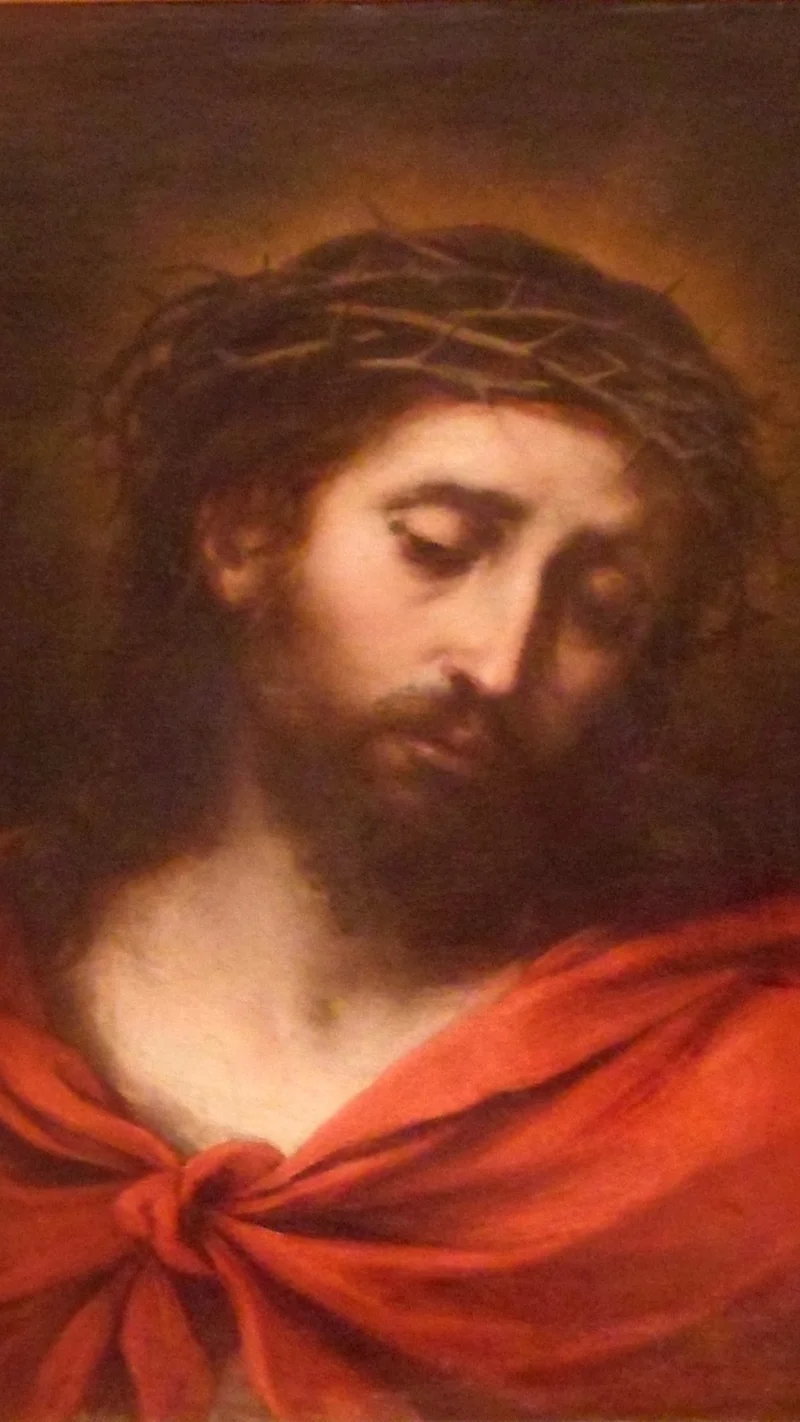
Son évolution technique est marquée par le passage d'un modelé ferme à ses débuts à une application de peinture douce et vaporeuse connue sous le nom de estilo vaporoso. Cette technique mature est évidente dans l'éclat éthéré de The Immaculate Conception, un sujet qu'il a traité avec une ferveur dévotionnelle inégalée. Son registre s'étendait aux récits dramatiques et au portrait psychologique, comme le montre l'intensité viscérale de The Martyrdom of Saint Andrew, la douleur introspective de Mary Magdalene Penitent, et la gravité tranquille d'Ecce Homo. De plus, sa capacité narrative à conter des histoires morales est captivée avec émotion dans sa série sur The Prodigal Son among the Pigs, qui démontre son observation aiguë de la condition humaine et de la réalité humble.
L'importance historique de Murillo réside dans sa capacité à combler le fossé entre les exigences ecclésiastiques rigoureuses et une sensibilité humaniste qui rendait les figures sacrées accessibles. Son influence a persisté jusqu'au XIXe siècle, notamment auprès des artistes européens qui admiraient sa grâce sentimentale et sa palette raffinée. En élevant la représentation de la vie quotidienne aux côtés de thèmes théologiques complexes, Murillo a assuré sa position comme l'un des contributeurs les plus significatifs à l'évolution de la peinture européenne.