Winslow Homer
421 œuvres
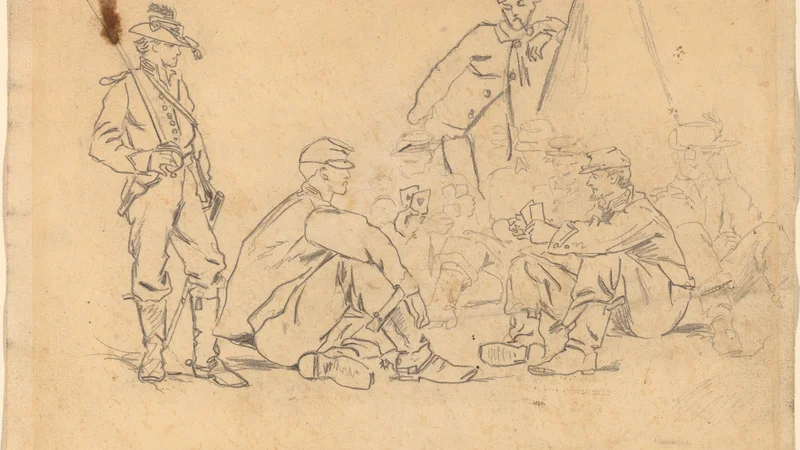
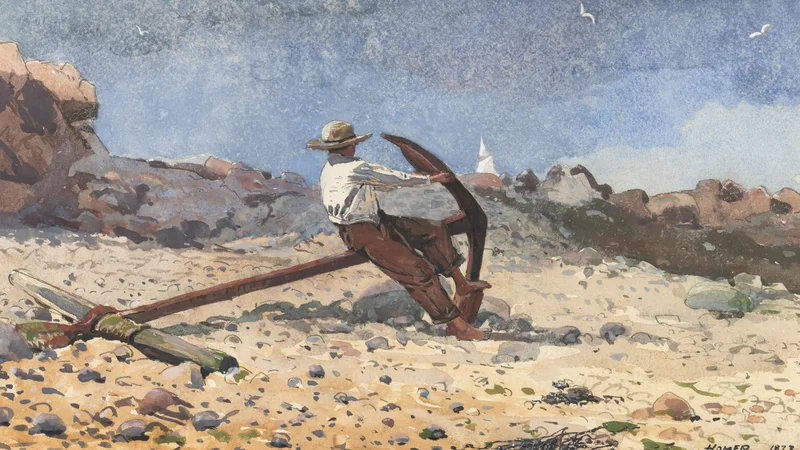
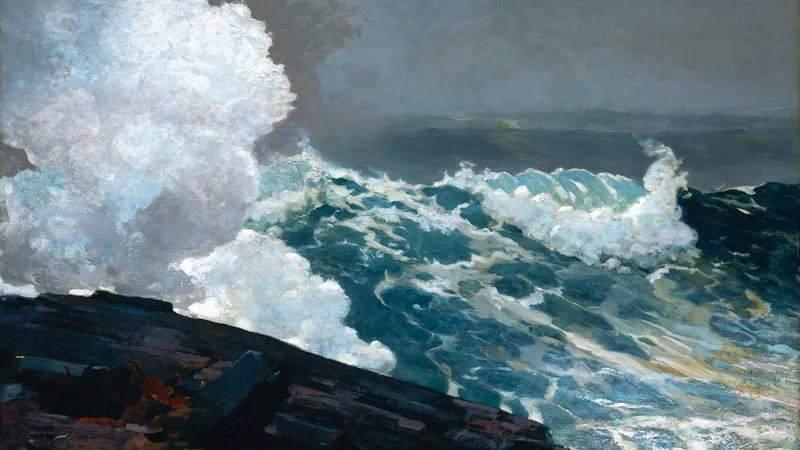
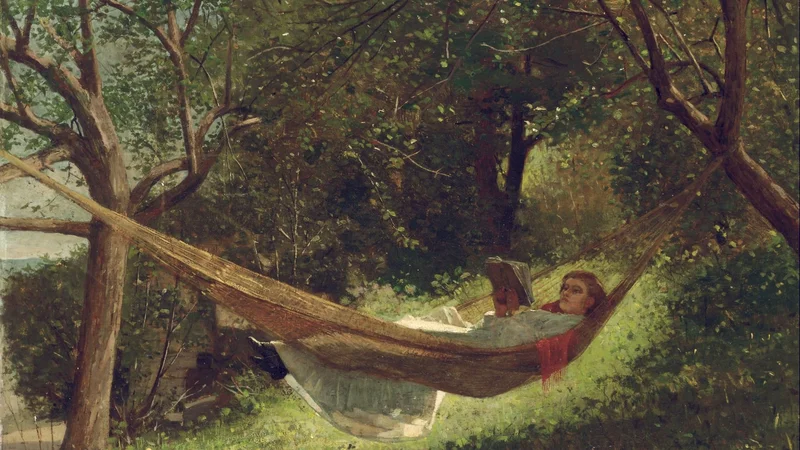
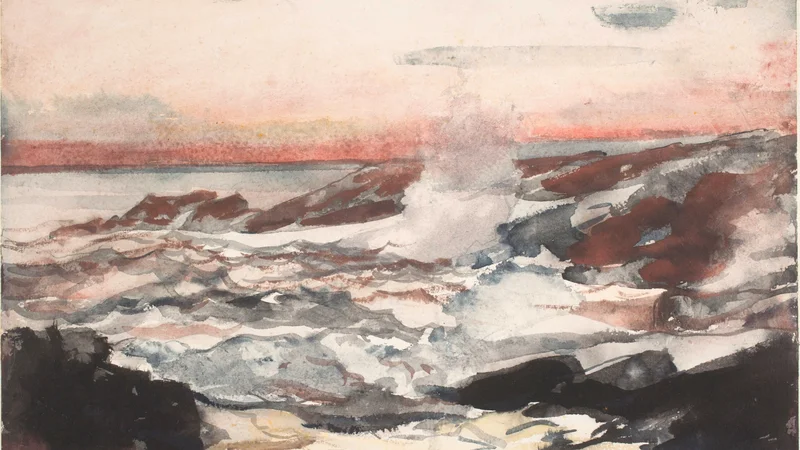
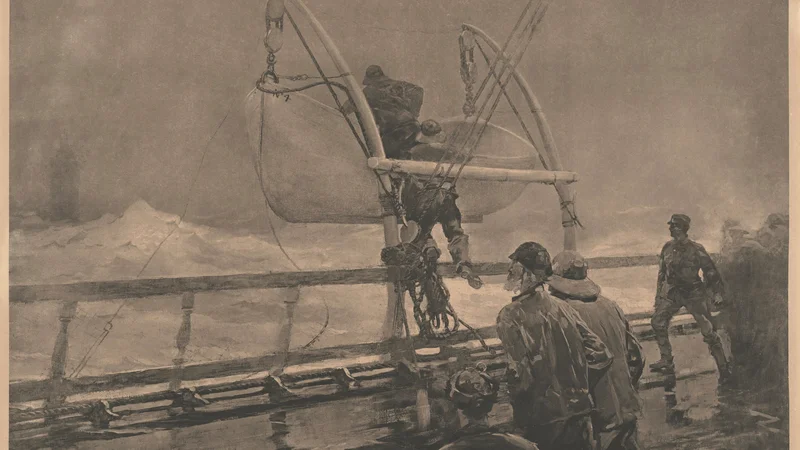
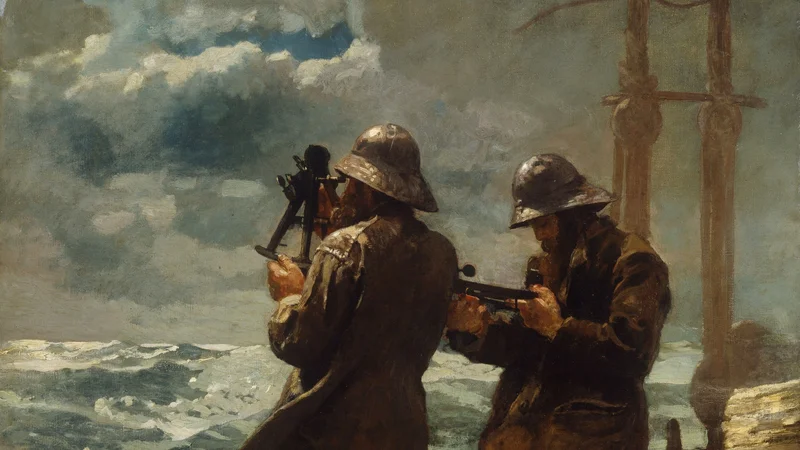
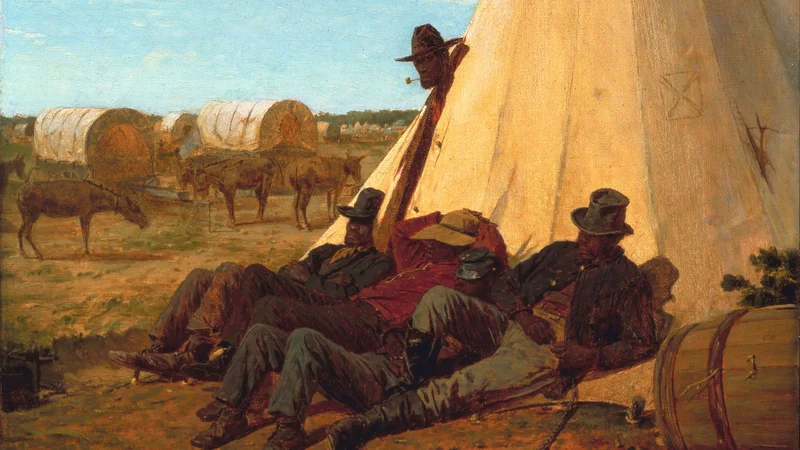
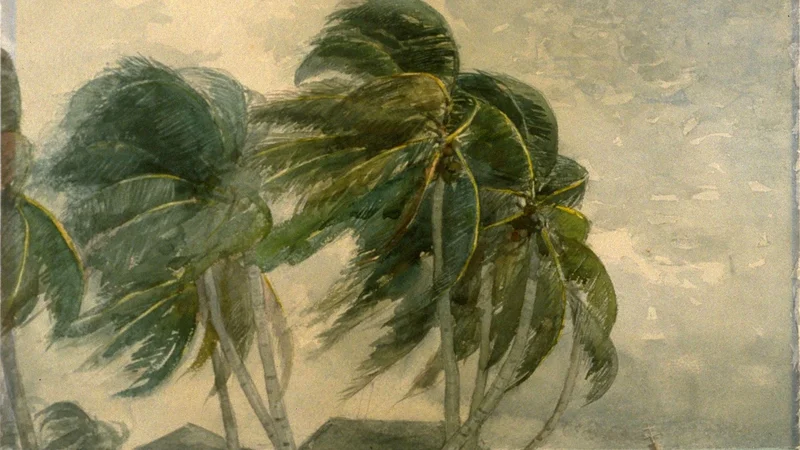
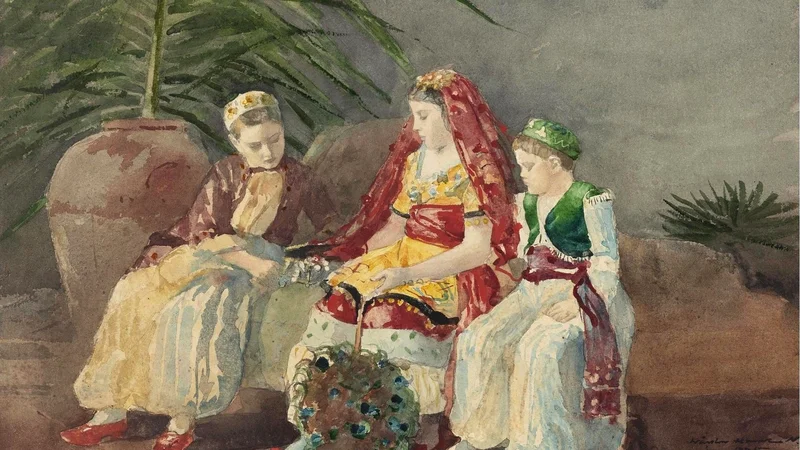
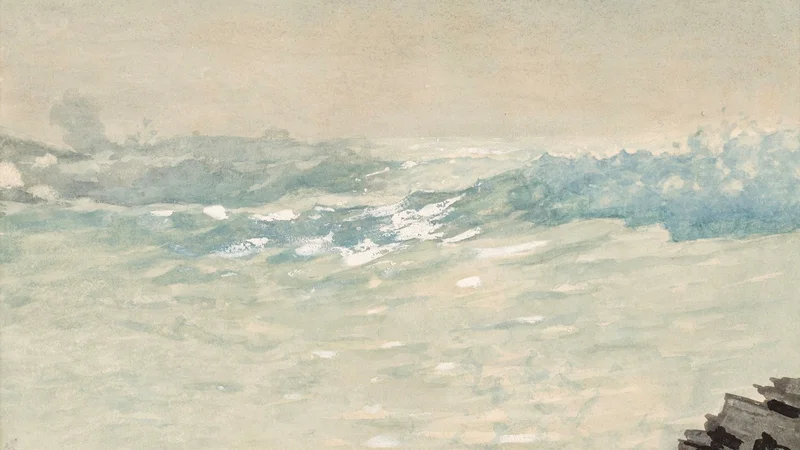
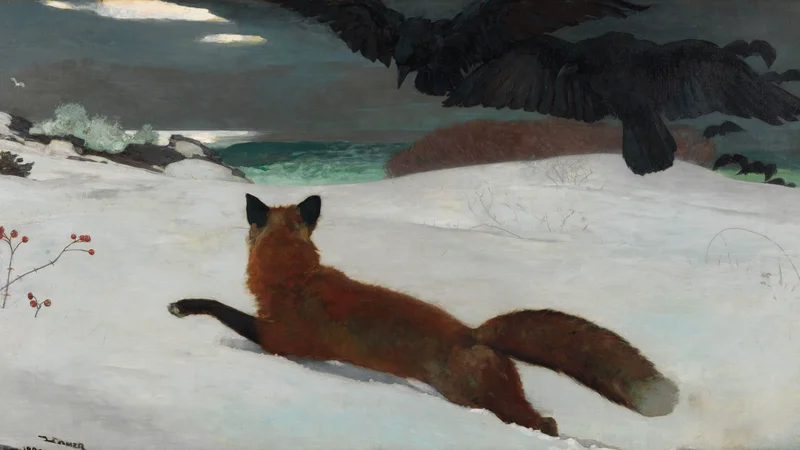
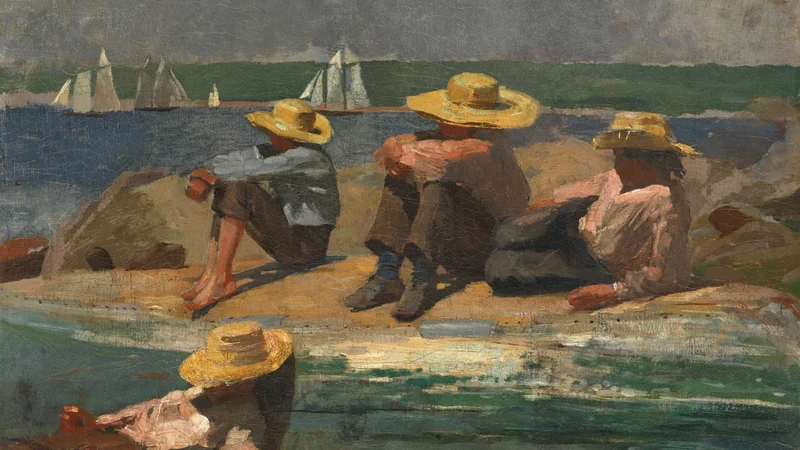
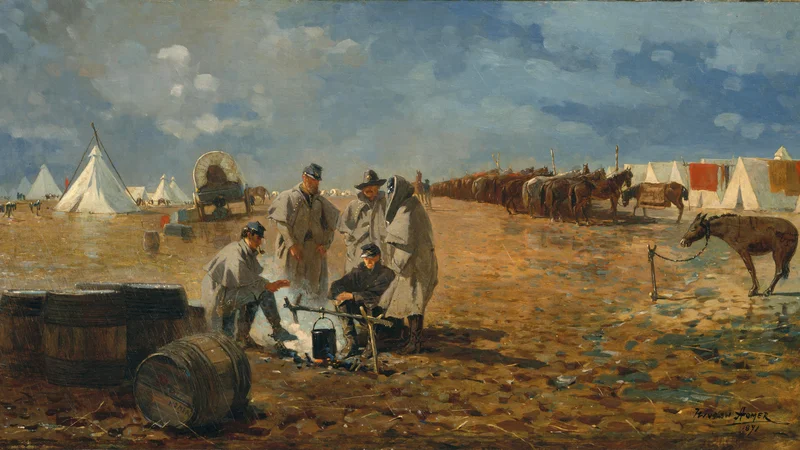
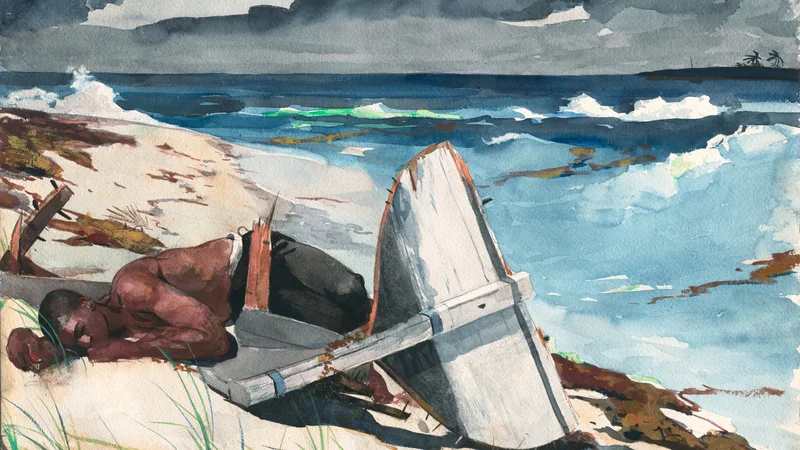
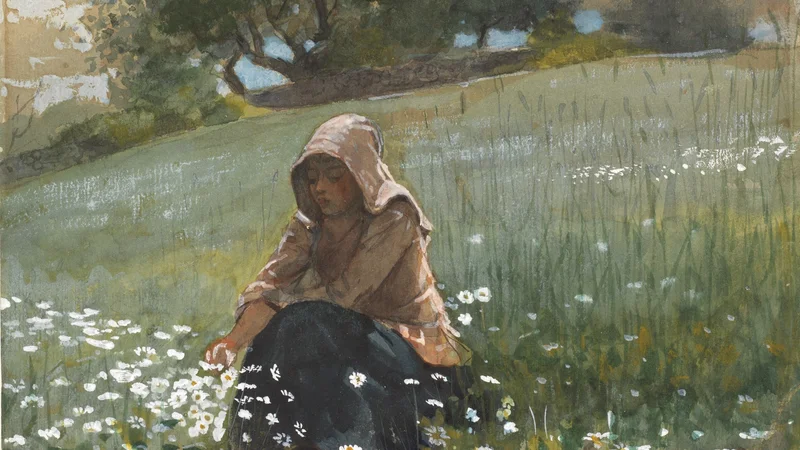
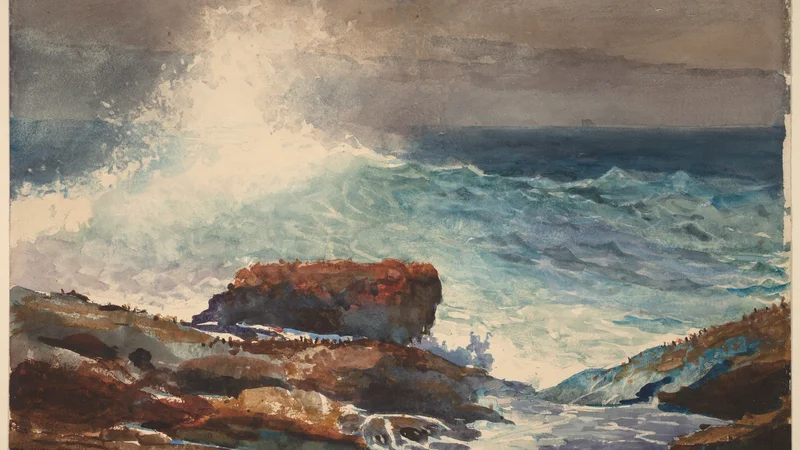
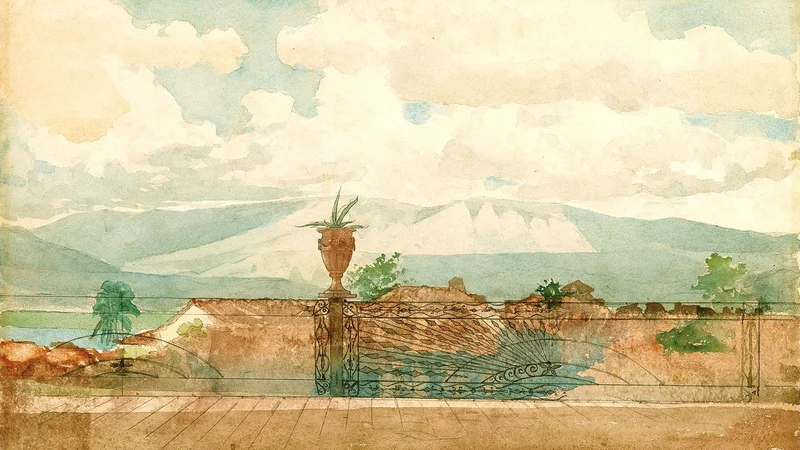
Winslow Homer (1836–1910) stands as a preeminent figure in 19th-century American Realism, renowned for his profound engagement with the natural world. Trained initially as a lithographer, Homer transitioned to oil and watercolor with remarkable facility, establishing a career that spanned the late 19th century. His work, particularly his output during the 1876, 1882–83, and 1895–96 periods, reflects a rigorous commitment to observational accuracy and the objective documentation of the American landscape.
Mastery of Medium and Observation
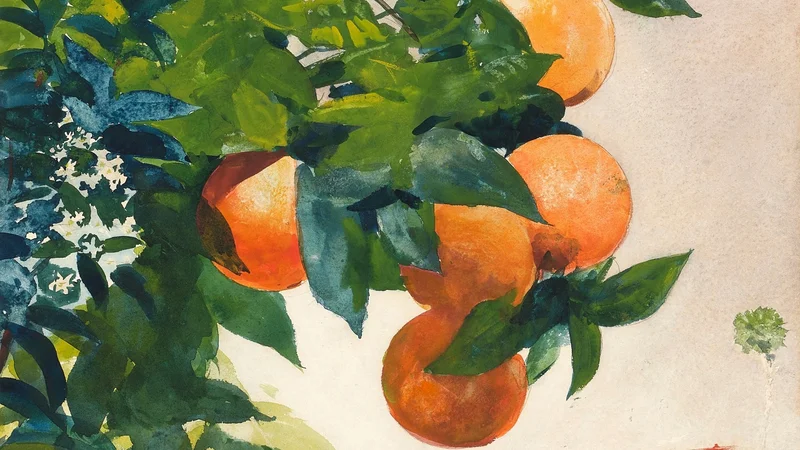
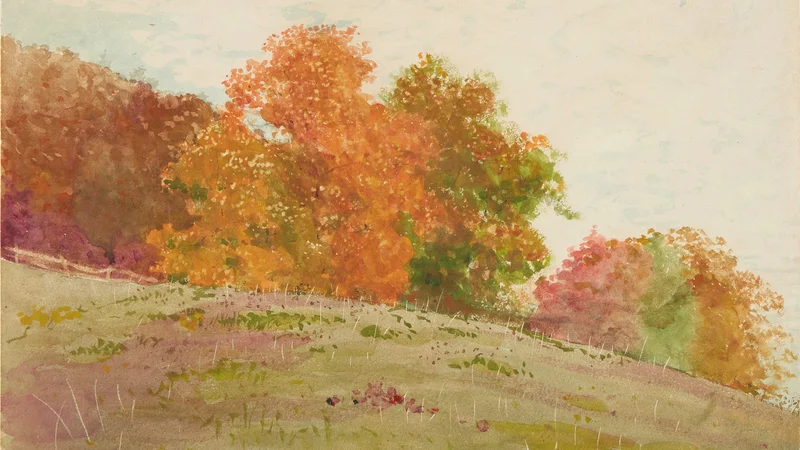
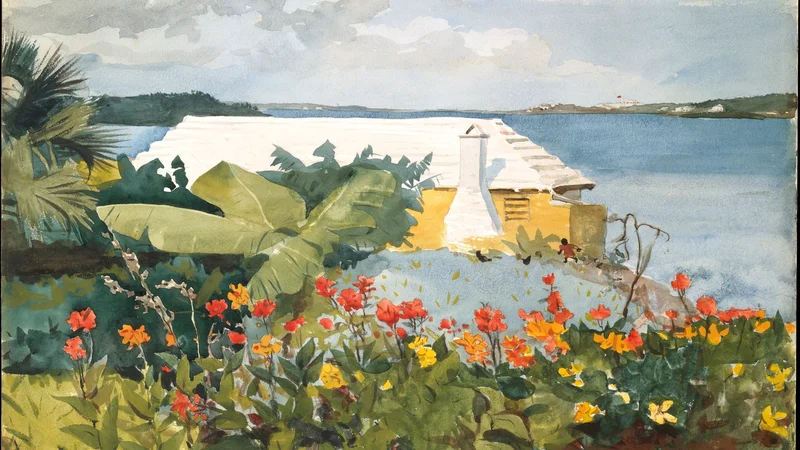
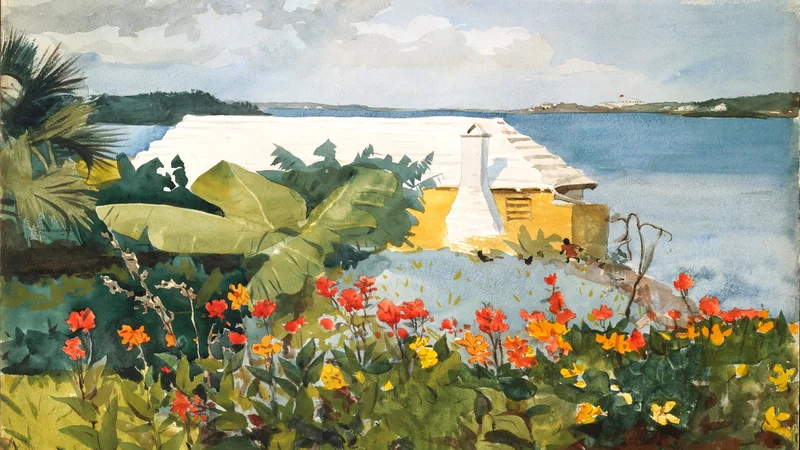
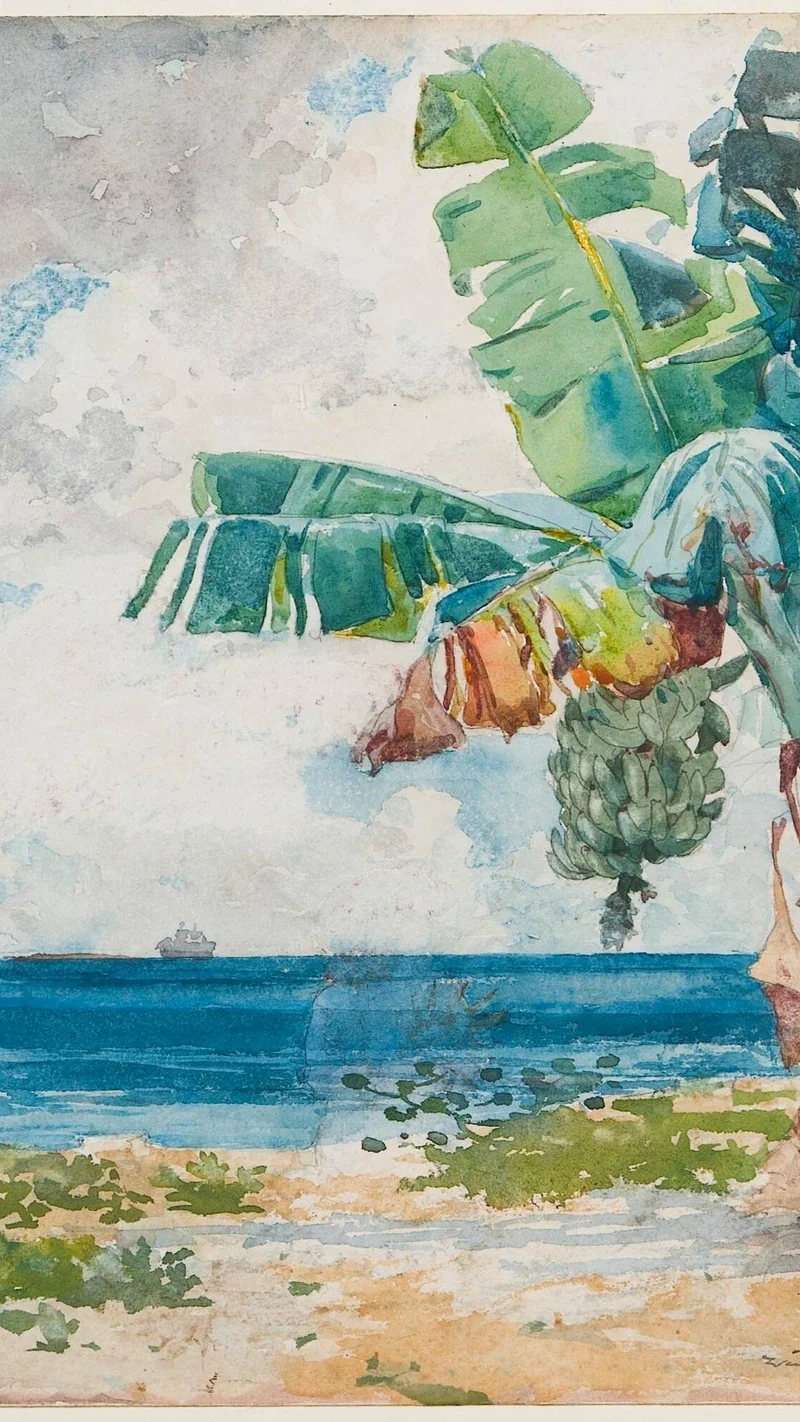
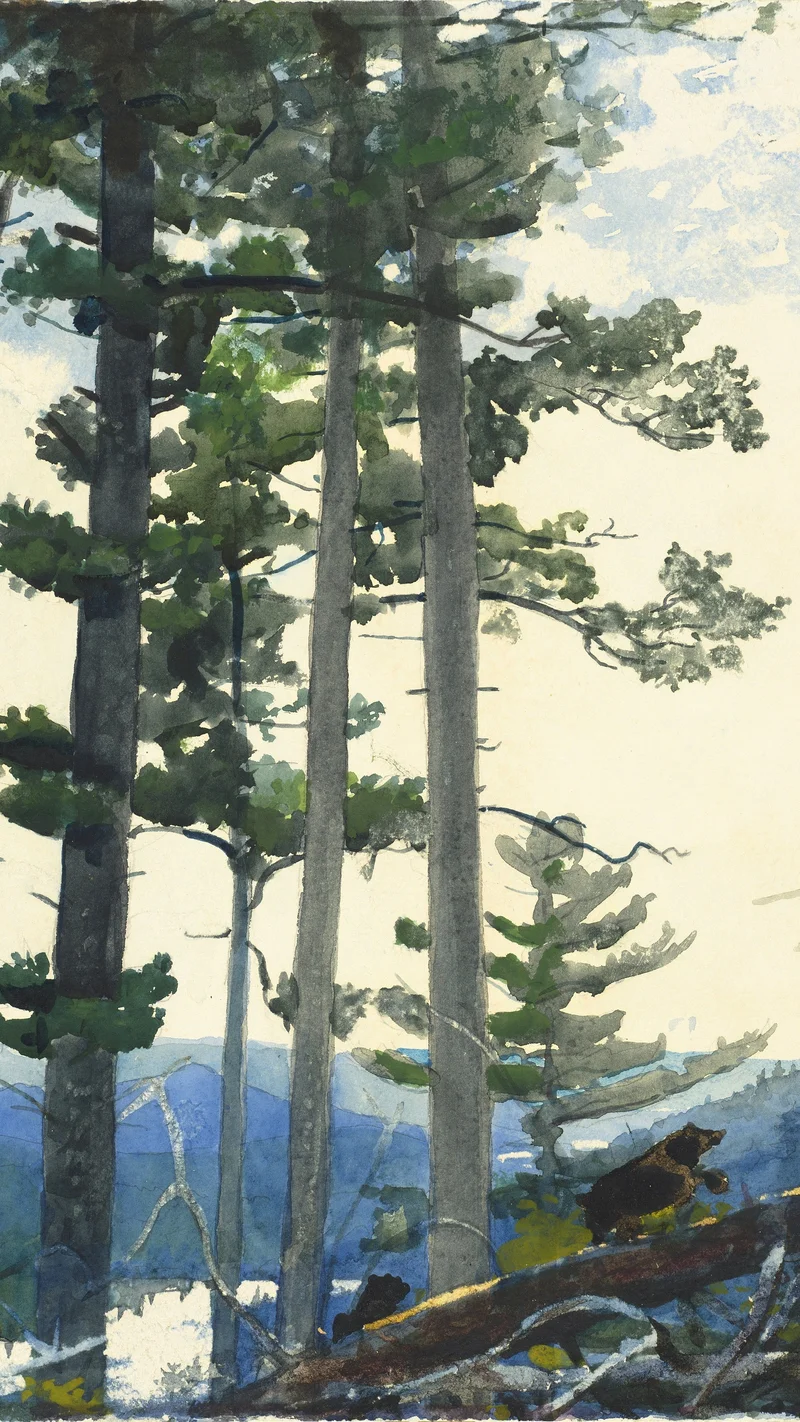
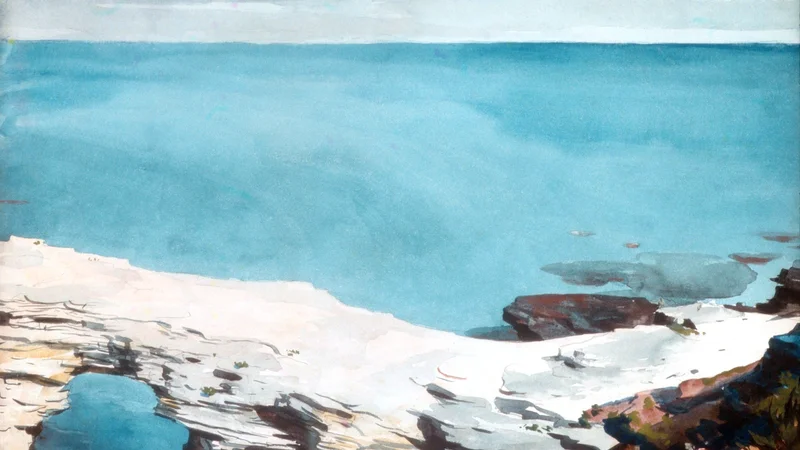
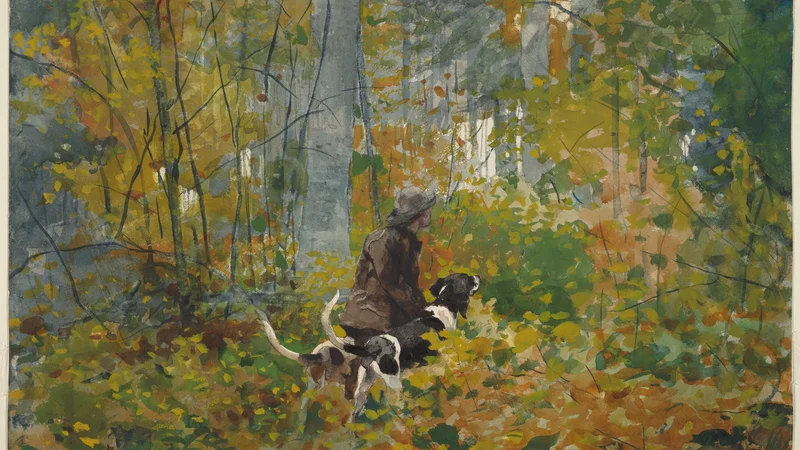
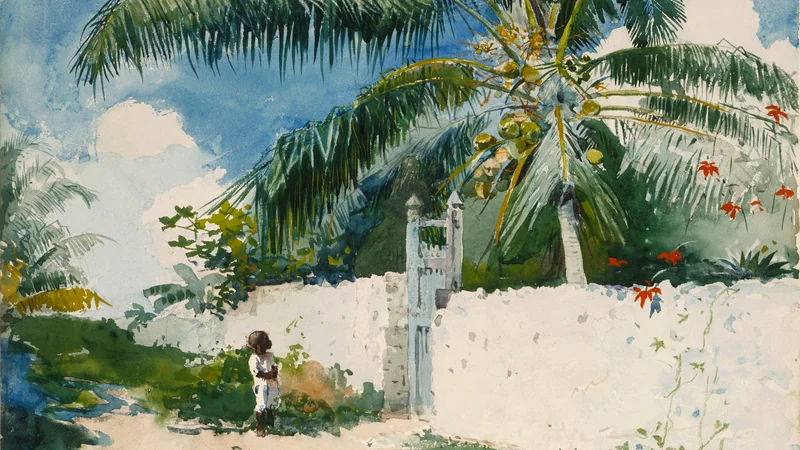
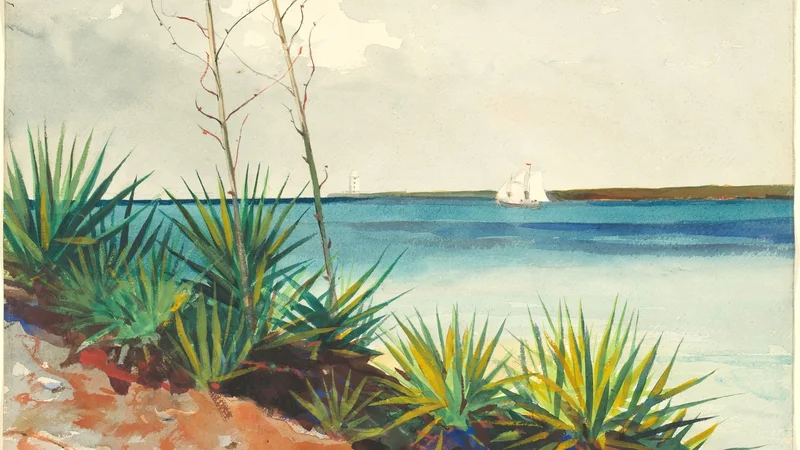
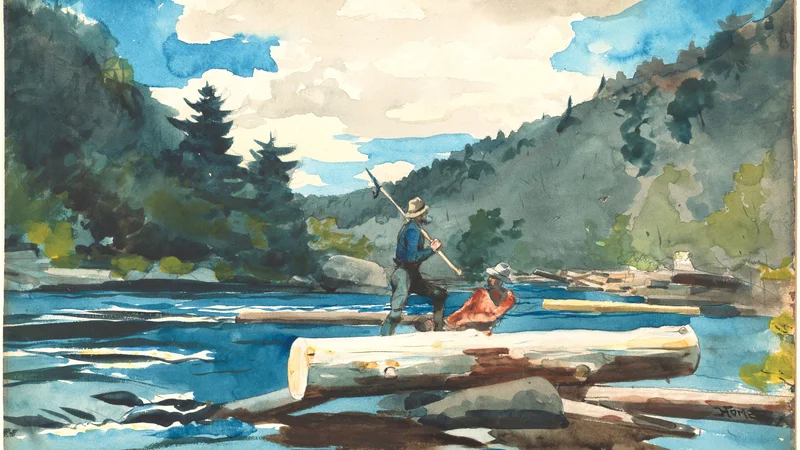
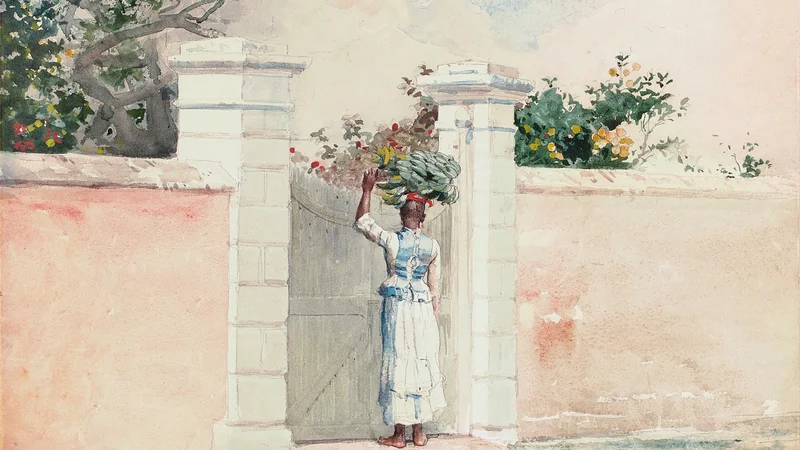
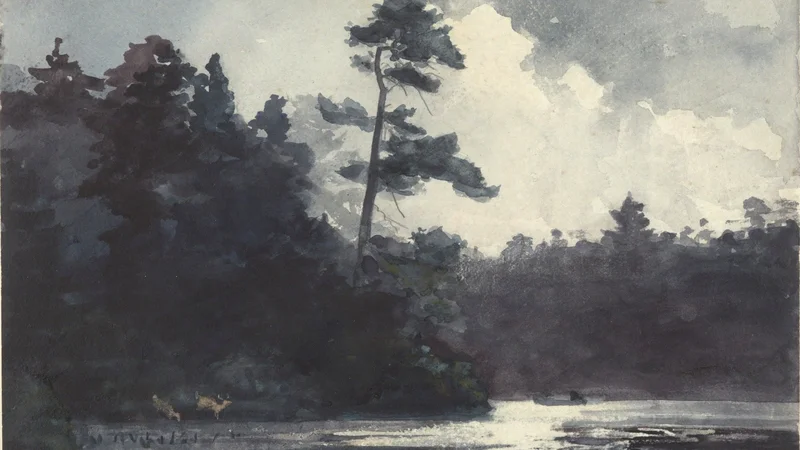
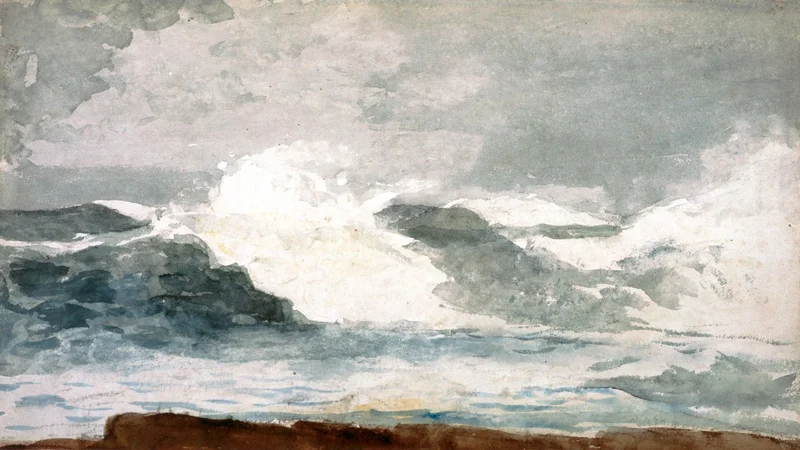
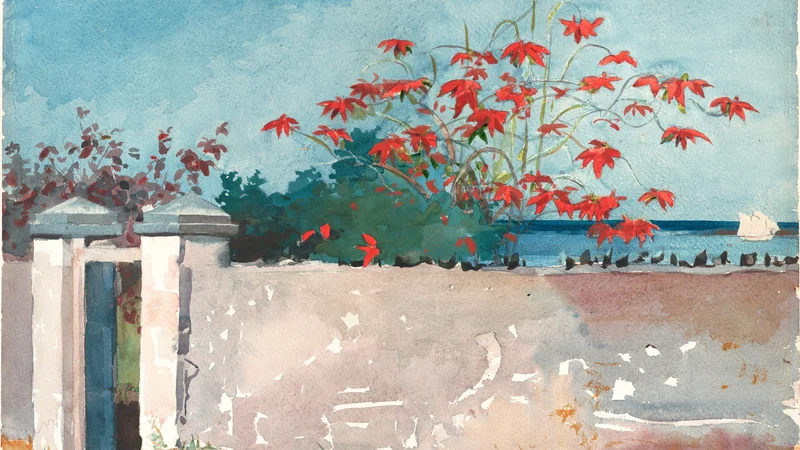
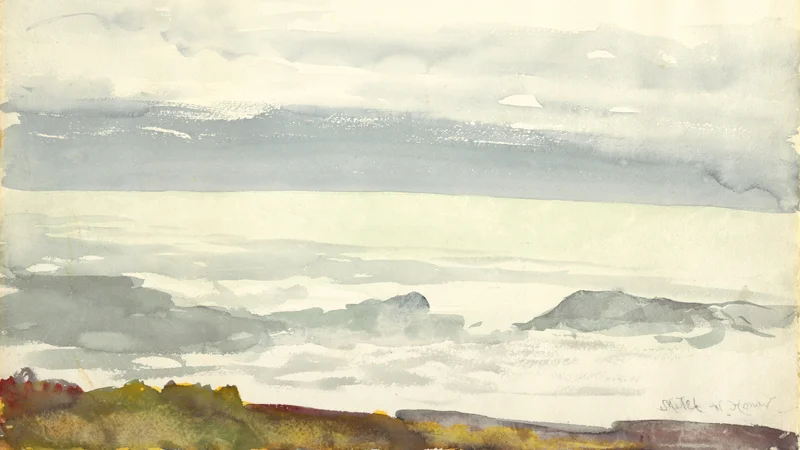
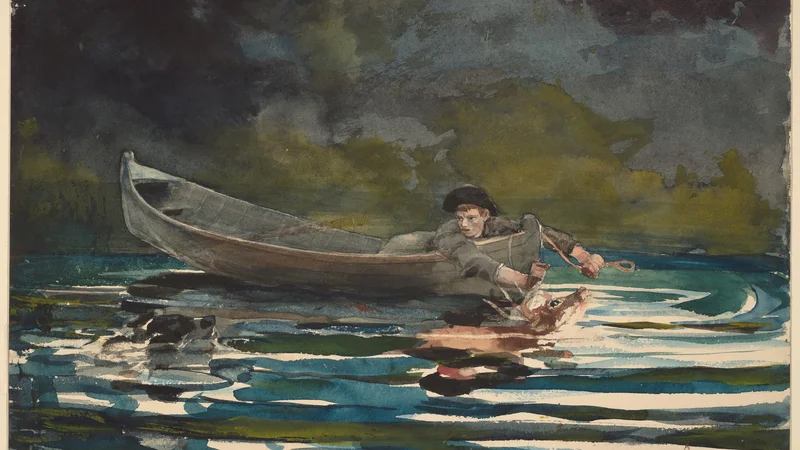
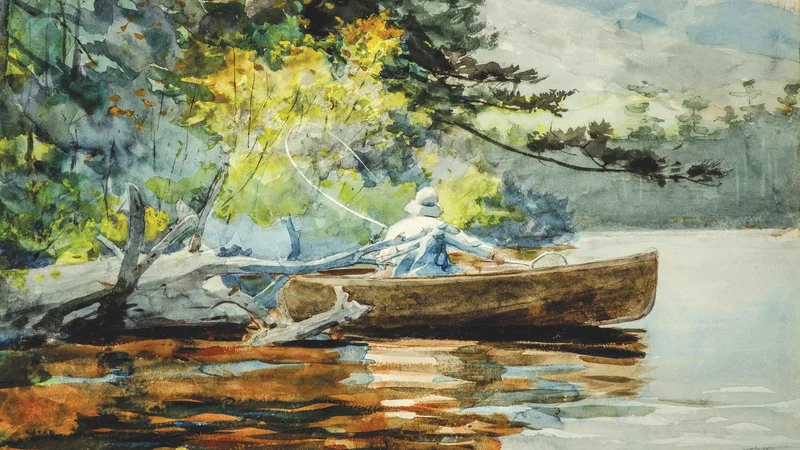
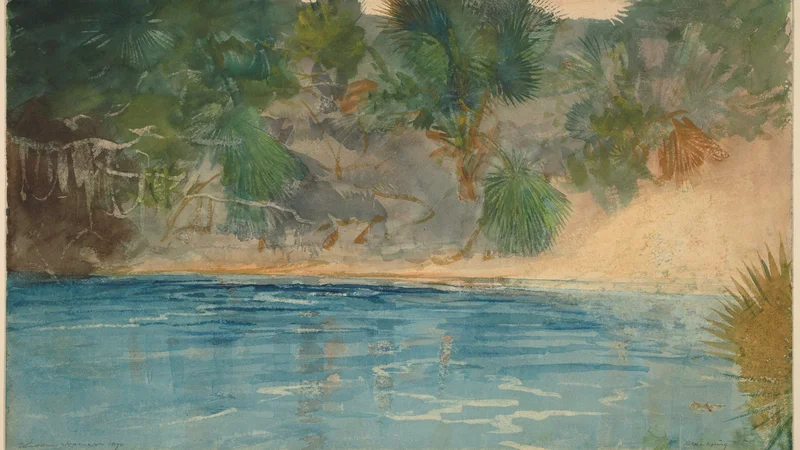
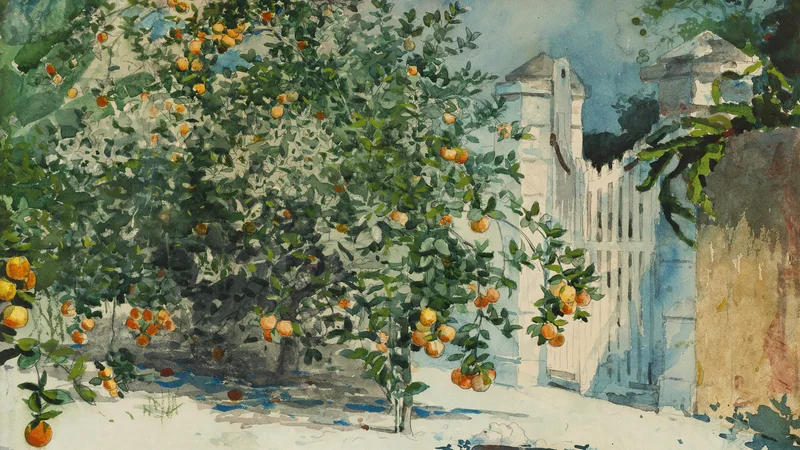
Homer’s technical approach is defined by a sophisticated handling of light and an economical application of color. His watercolors, such as Adirondack Lake, A Good One, Adirondacks, and Autumn Trees, exhibit a mastery of transparency and fluid wash techniques that capture the specific atmospheric conditions of the wilderness. In his landscape studies like Natural Bridge, Bermuda and On the Trail, Homer utilized a disciplined palette to articulate the geological and botanical specifics of his subjects. His still life studies, exemplified by Oranges on a branch, further demonstrate his ability to render texture and form with clinical precision. By prioritizing direct observation over idealized composition, Homer solidified his influence as a cornerstone of the American realist tradition.