Franz Anton Schraembl
5 obras
Franz Anton Schraembl fue un cartógrafo austriaco del siglo XVIII cuyo trabajo permanece como un pináculo de la documentación geográfica de la era de la Ilustración. Activo principalmente durante el año 1790, Schraembl operó dentro de una tradición que exigía tanto precisión empírica como rigor estético. Sus contribuciones al campo de la cartografía reflejan los rigurosos estándares científicos de la era de los Habsburgo, posicionándolo como una figura significativa en la transición hacia registros topográficos europeos más detallados y estandarizados.
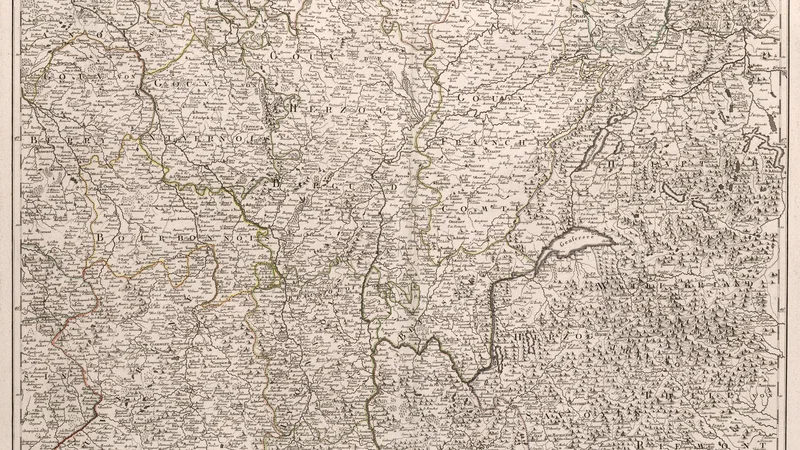
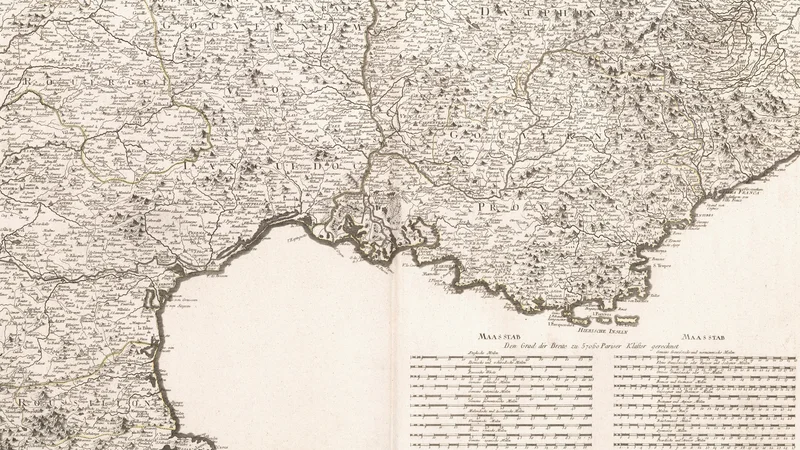
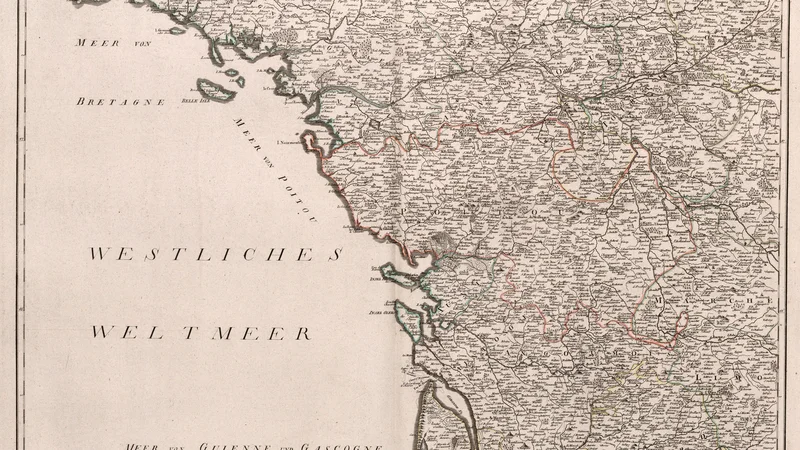
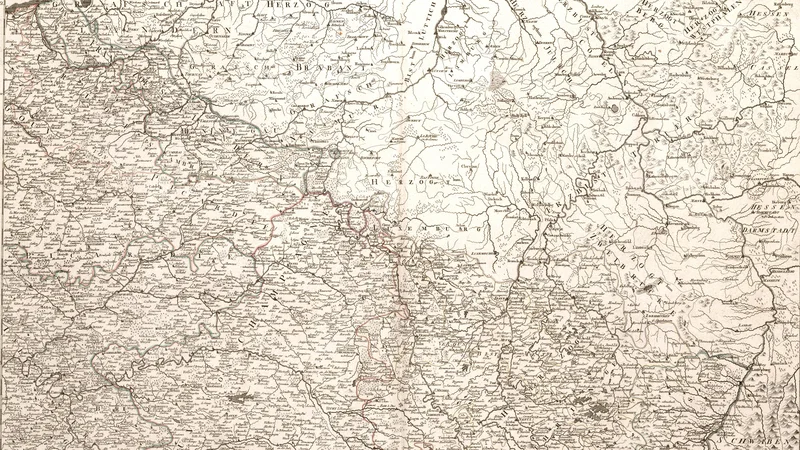
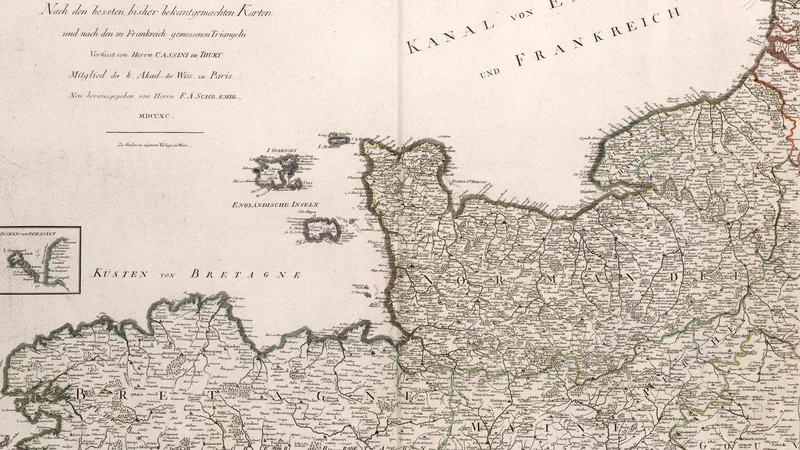
El enfoque de Schraembl para la creación de mapas se definió por un ritmo visual calculado y una organización estructural disciplinada. Sus composiciones, tales como la Neueste Generalkarte von Frankreich, central eastern sheet, la Neueste Generalkarte von Frankreich, central western sheet, la Neueste Generalkarte von Frankreich, northeastern sheet, la Neueste Generalkarte von Frankreich, northwestern sheet, y la Neueste Generalkarte von Frankreich, southeastern sheet, demuestran una maestría sofisticada en el grabado en cobre. Al equilibrar la densa notación geográfica con un trazo claro y legible, logró una claridad compositiva que permitió la difusión eficiente de datos espaciales complejos, tratando el paisaje continental como un arreglo armonioso de topografía política y física.
La importancia histórica de la obra de Schraembl reside en su consistencia técnica y en el papel que sus mapas desempeñaron en la formalización de las fronteras nacionales. Su trabajo proporcionó un marco esencial tanto para académicos contemporáneos como para viajeros, uniendo la brecha entre la geografía teórica y la utilidad práctica. A través de su documentación metódica del paisaje francés, Schraembl consolidó un legado estilístico definido por la claridad, el rigor intelectual y un compromiso inquebrantable con la representación objetiva del mundo natural y político.