자연주의
165점의 작품
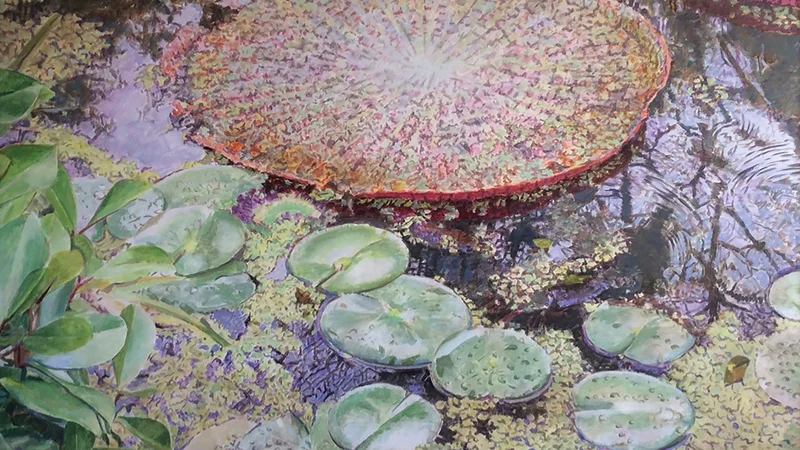
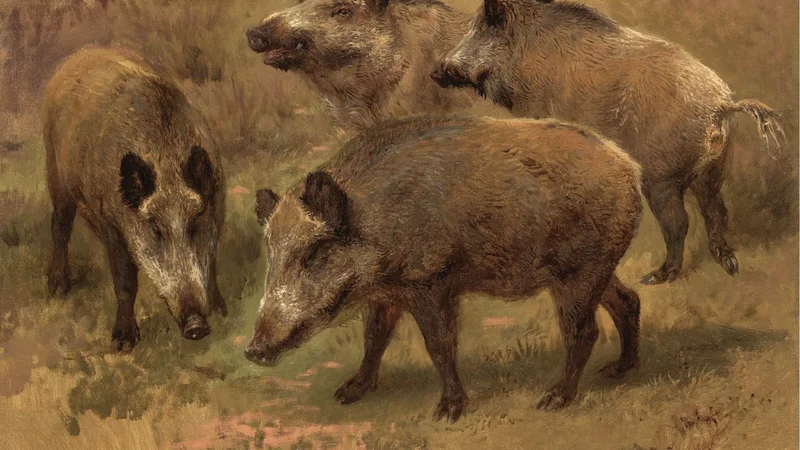
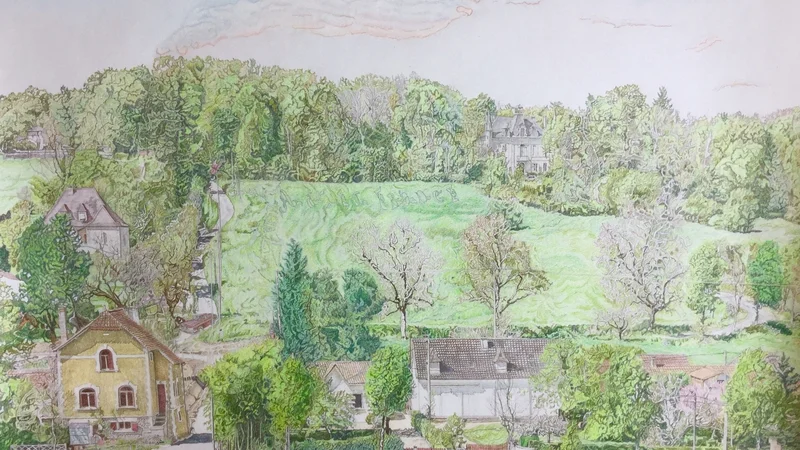
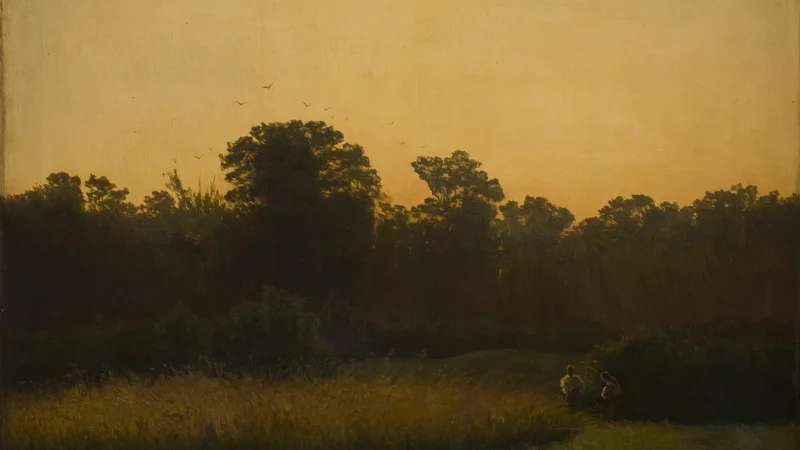
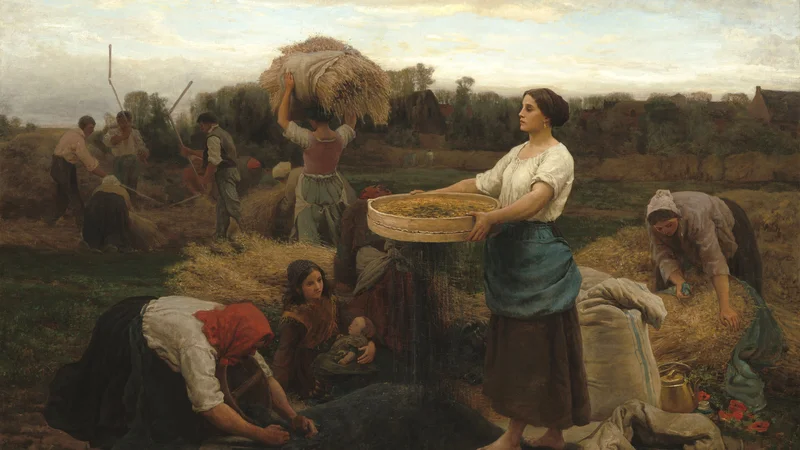
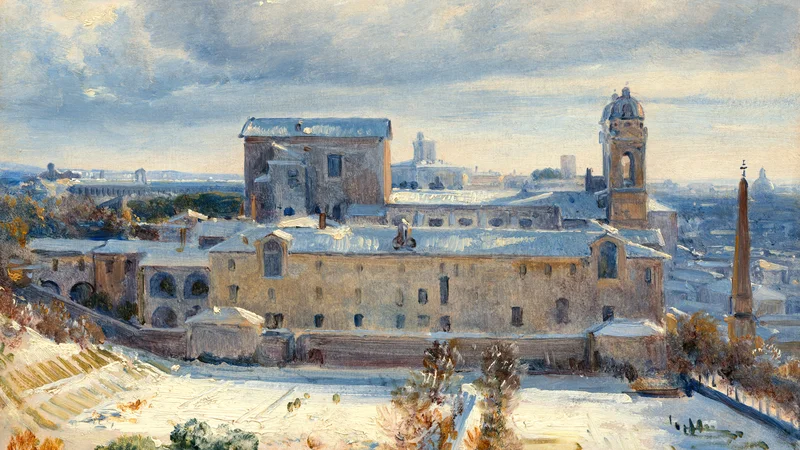
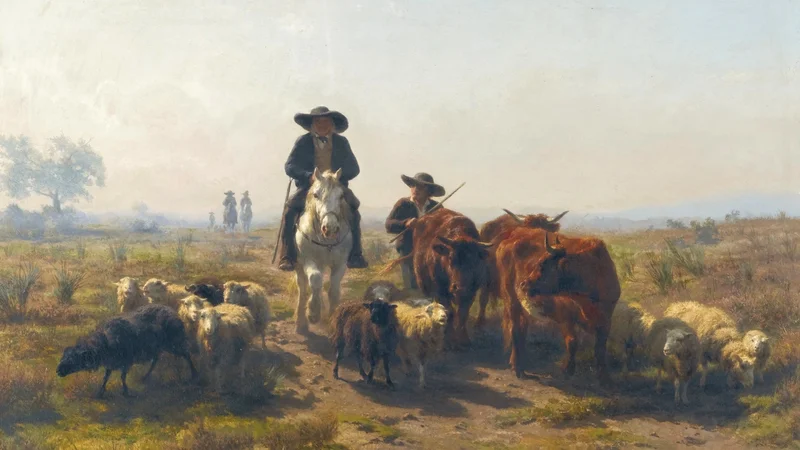
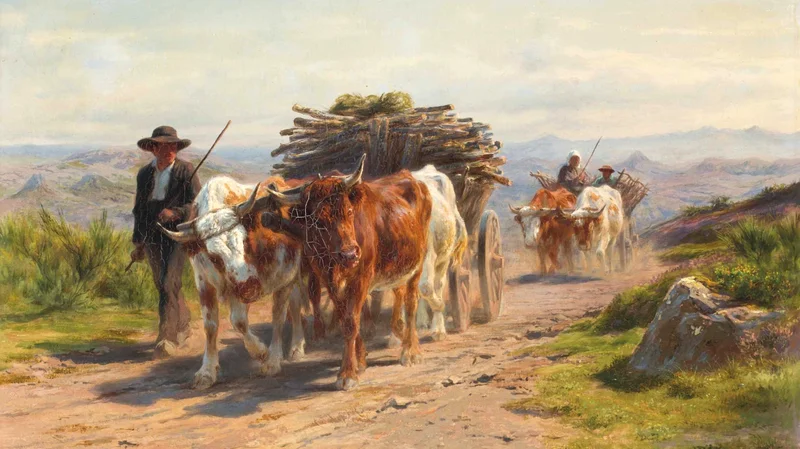
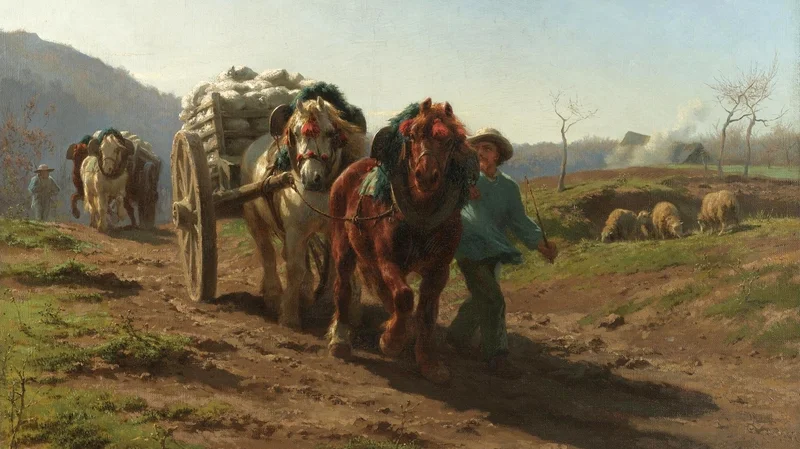
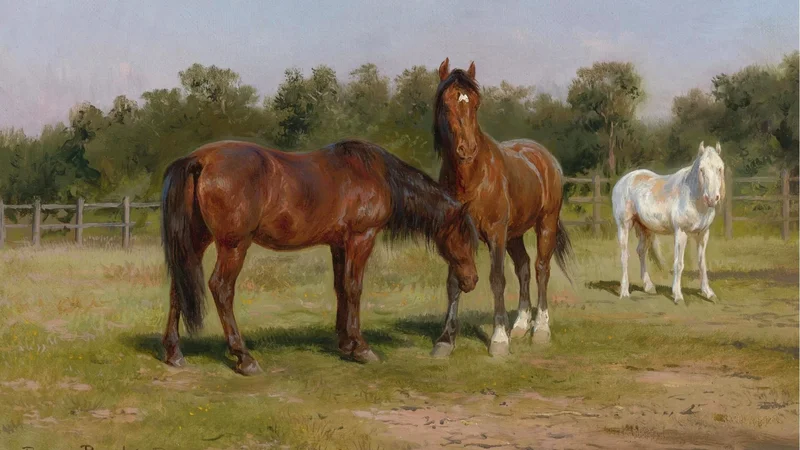
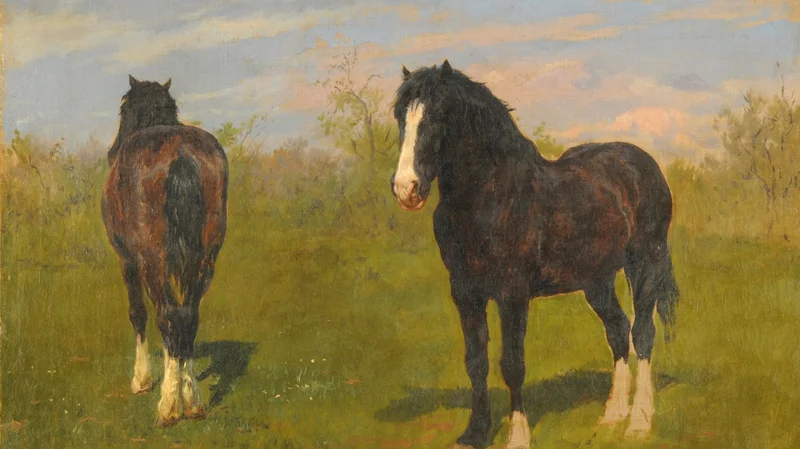
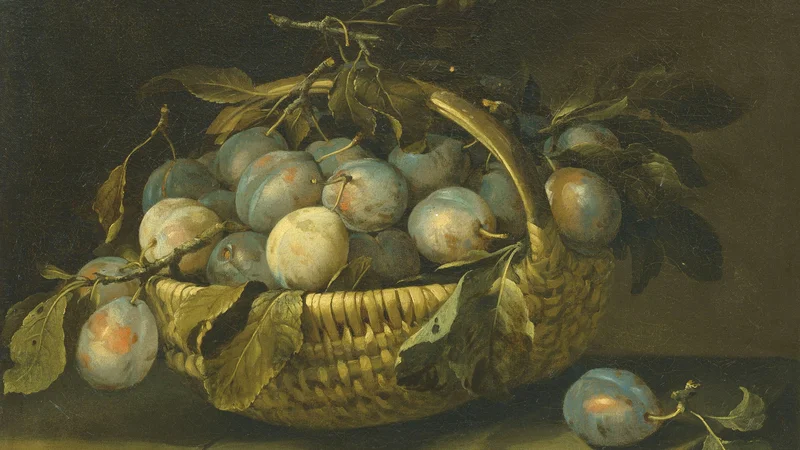
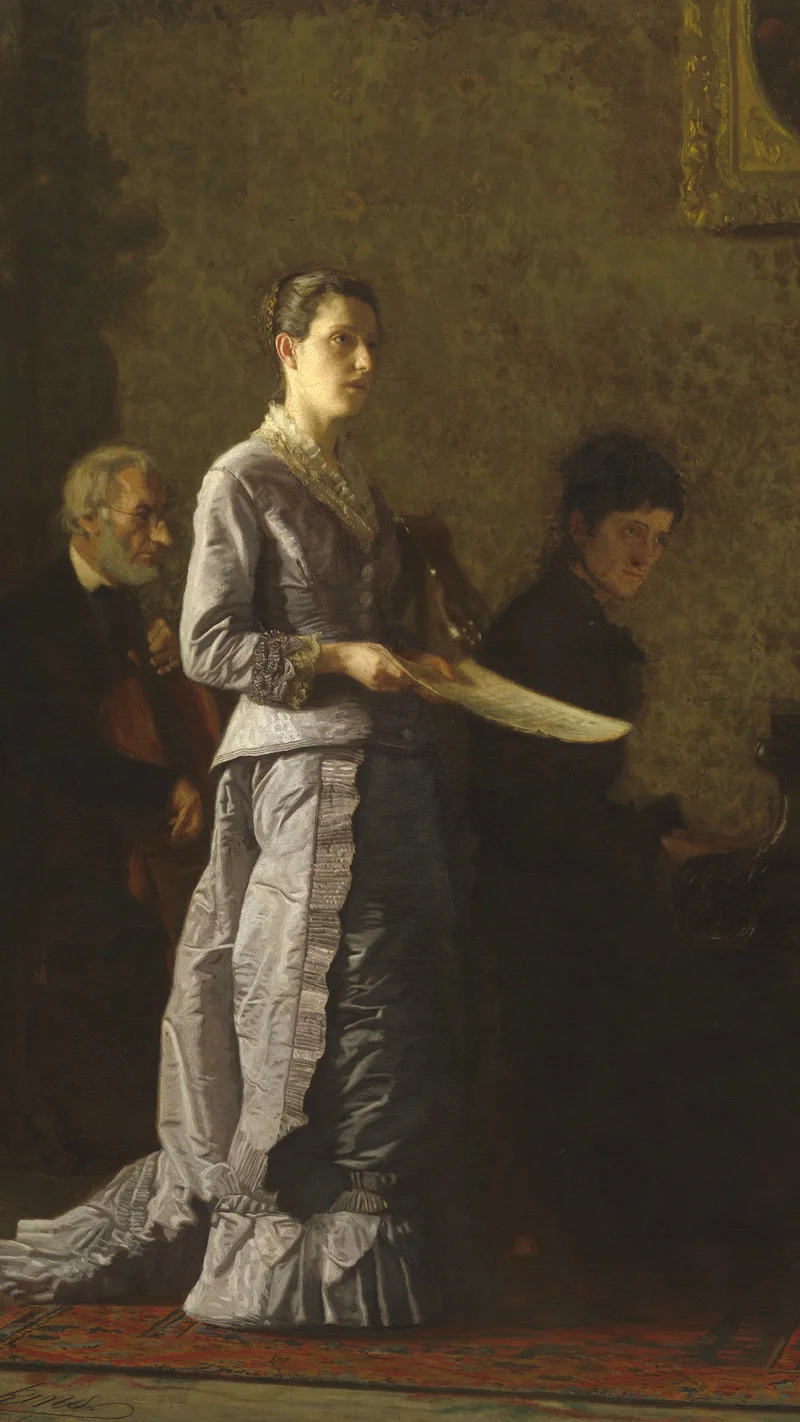
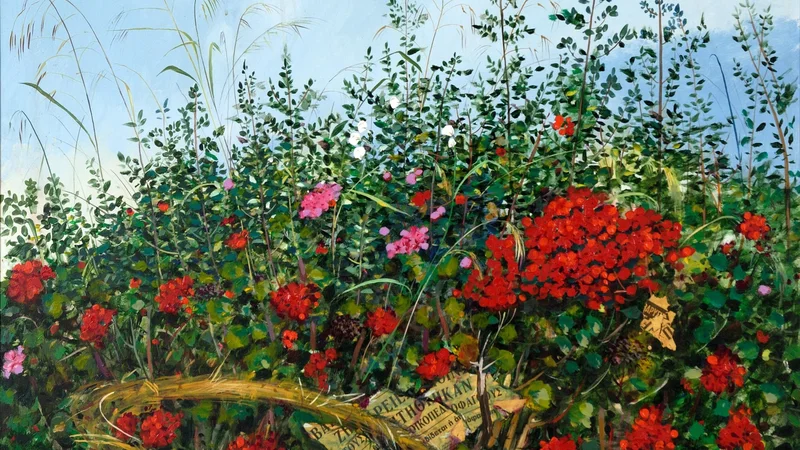
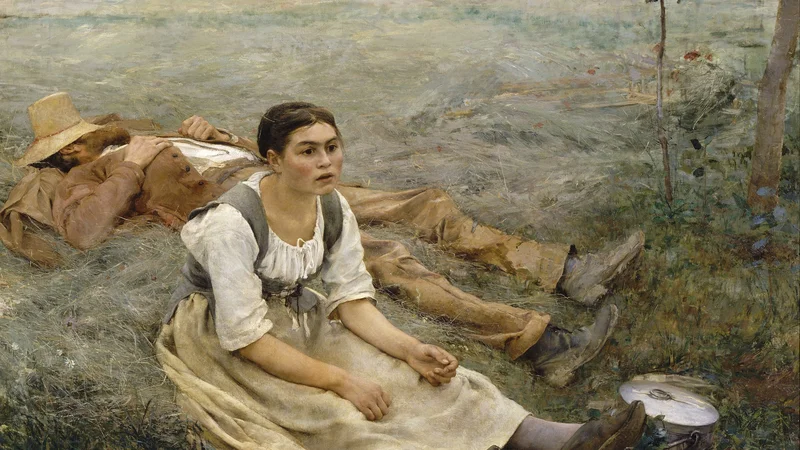
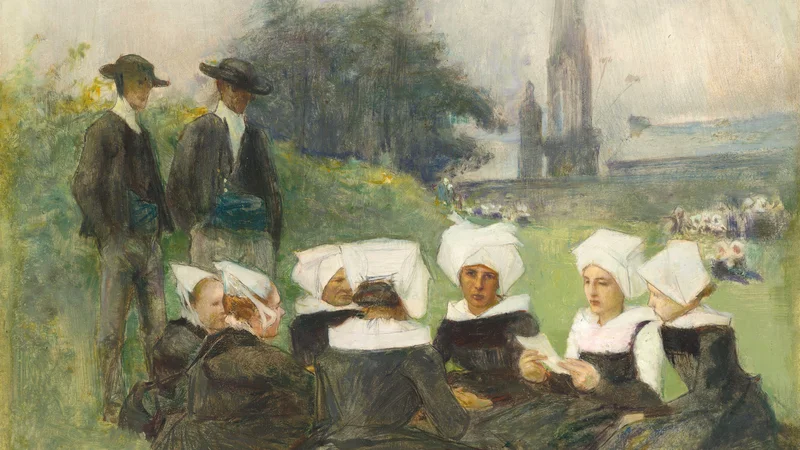
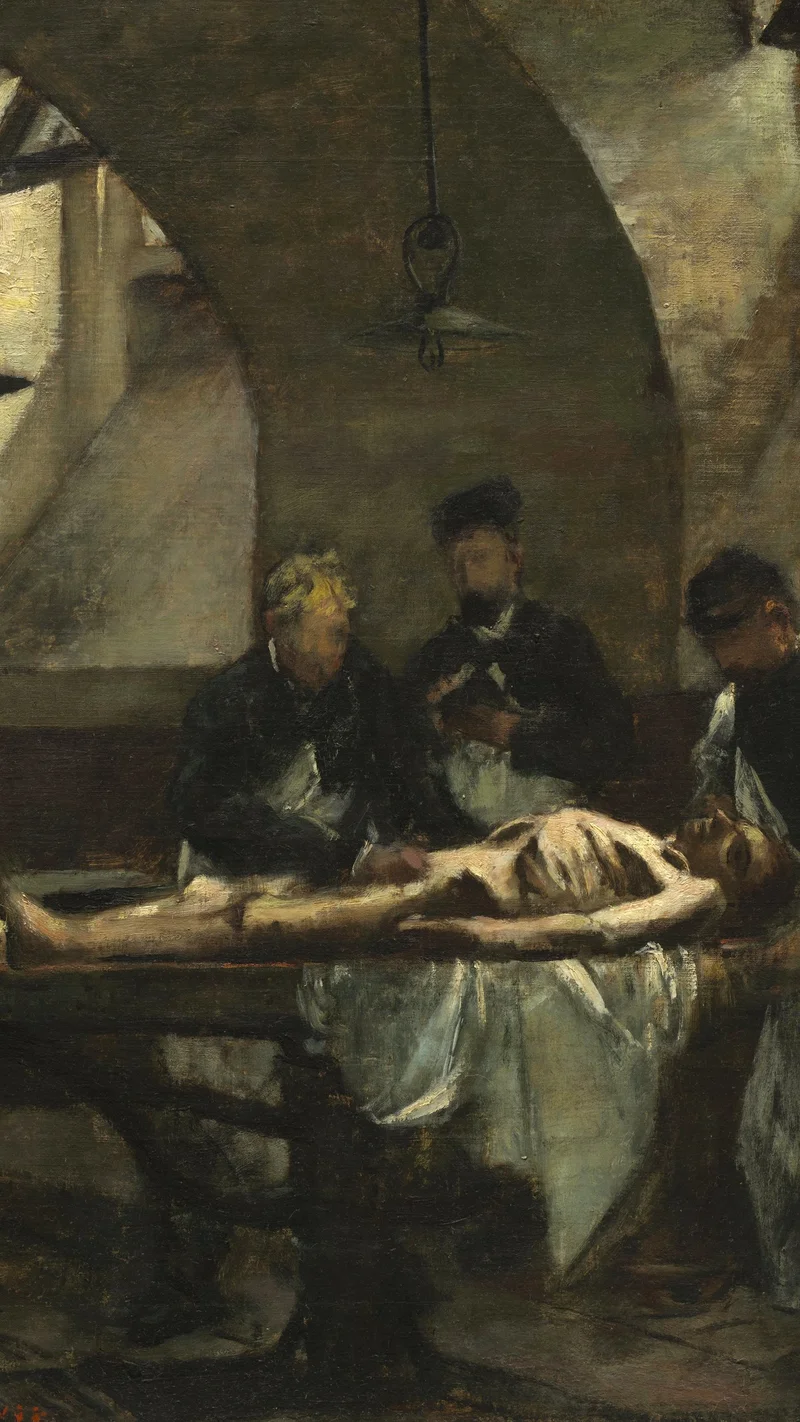
19세기 중반 아카데미 미술의 이상화된 구성에서 벗어나 엄격한 이탈로 등장한 자연주의는 인간 조건과 물리적 세계의 객관적 현실을 실증적 정확성으로 기록하고자 했습니다. 실증주의를 향한 철학적 전환과 그 시대의 급성장하는 과학적 탐구에 뿌리를 둔 이 운동은 예술가들에게 예술적 기교를 배제하고 꾸밈없는 관찰을 지향할 것을 요구했습니다. 실천가들은 빛, 질감, 그리고 노동과 자연의 평범한 리듬의 촉각적 특성에 집중하여 평범한 것을 심오한 미적 탐구의 주제로 효과적으로 격상시켰습니다.
관찰의 거장들과 리얼리즘의 유산
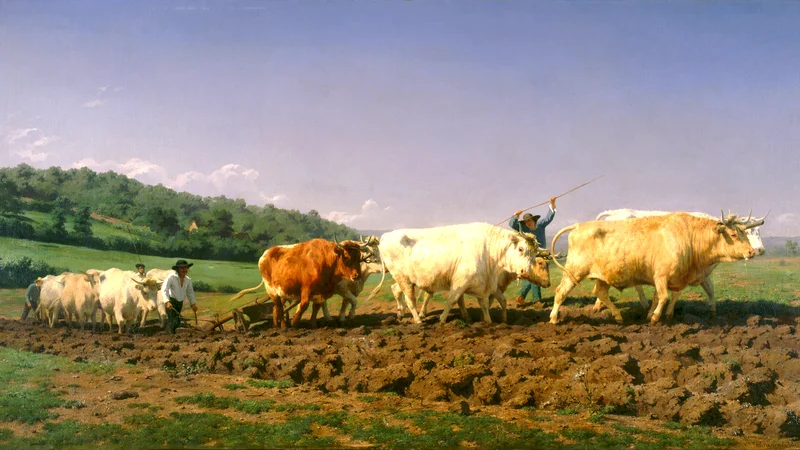
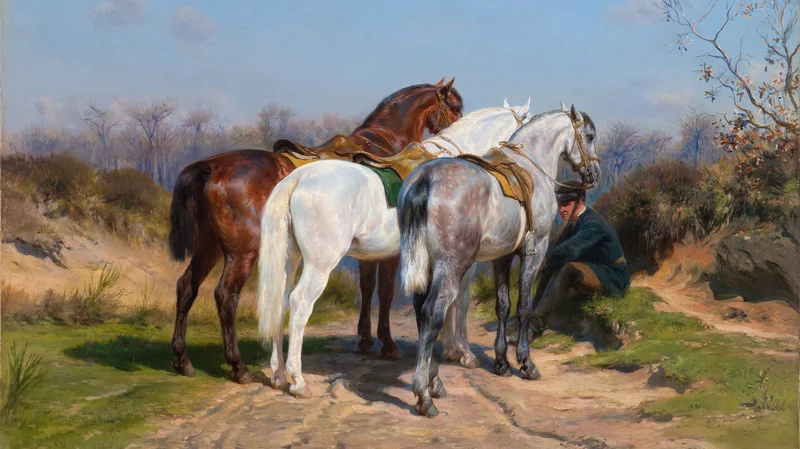
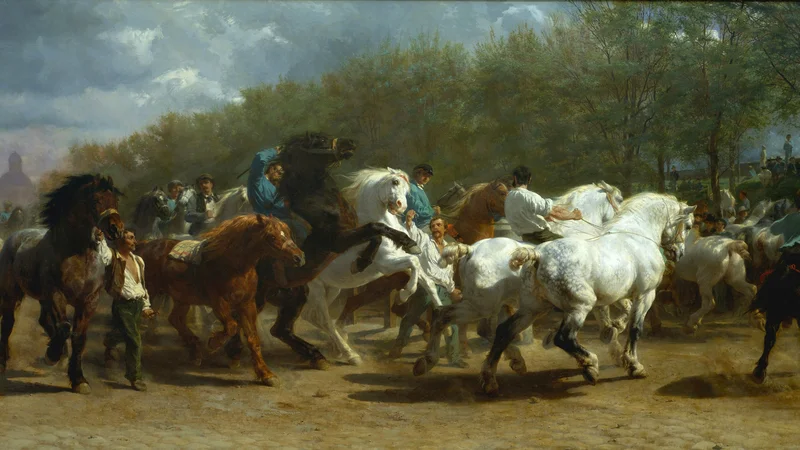
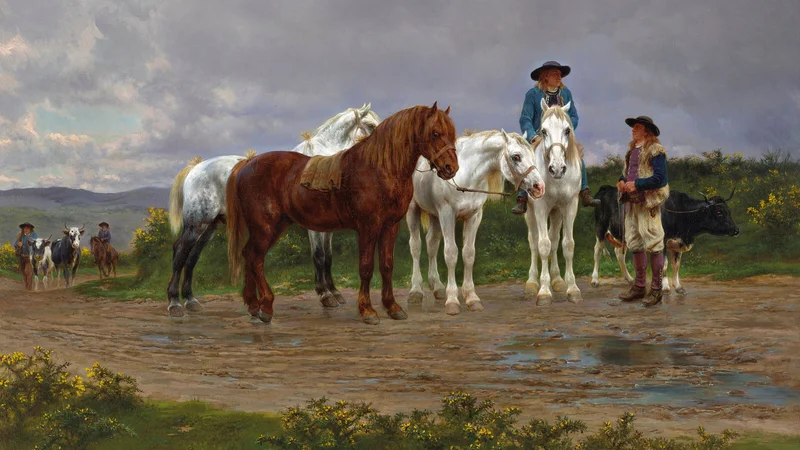
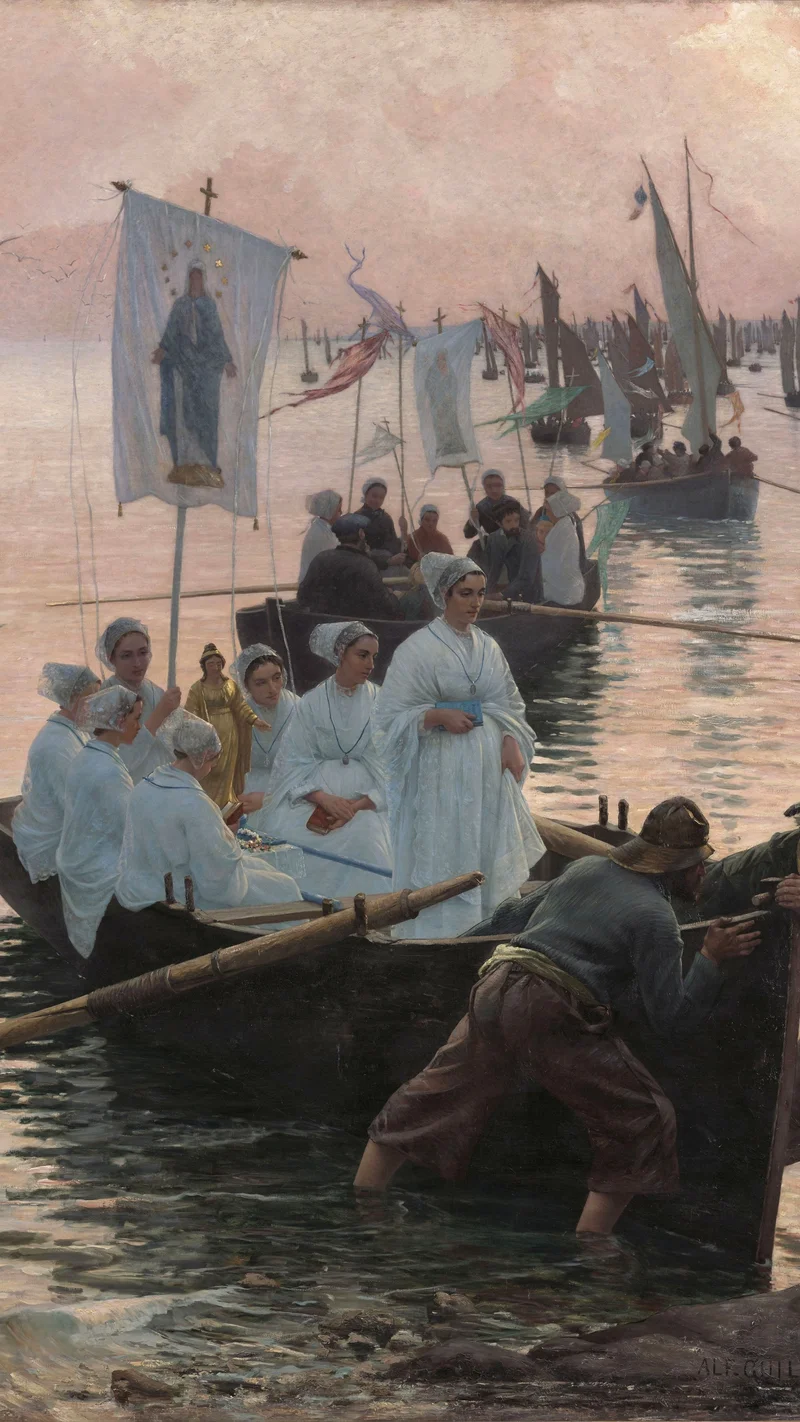
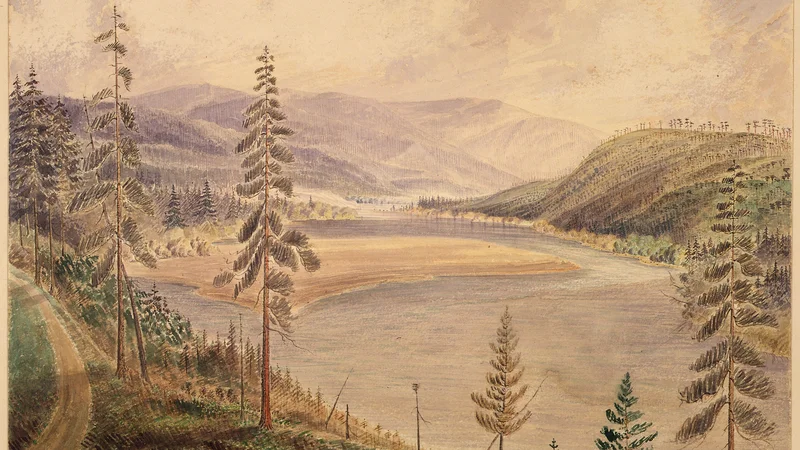
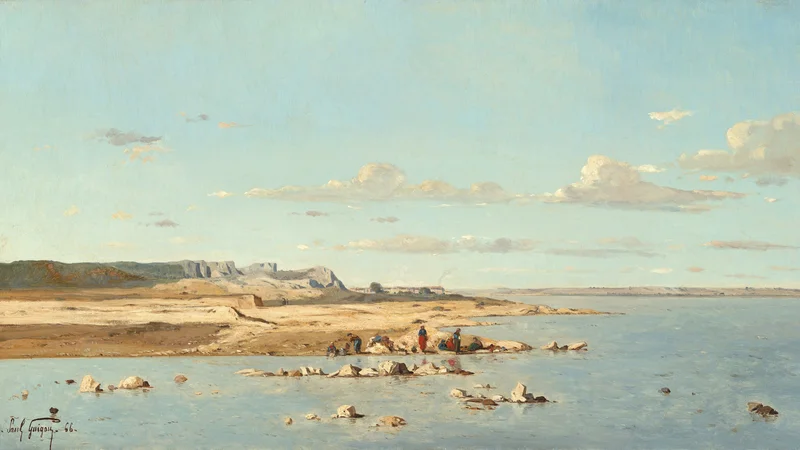
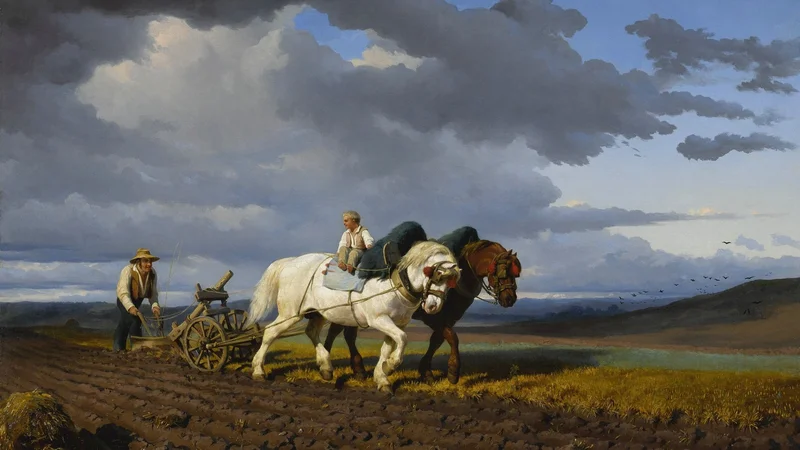
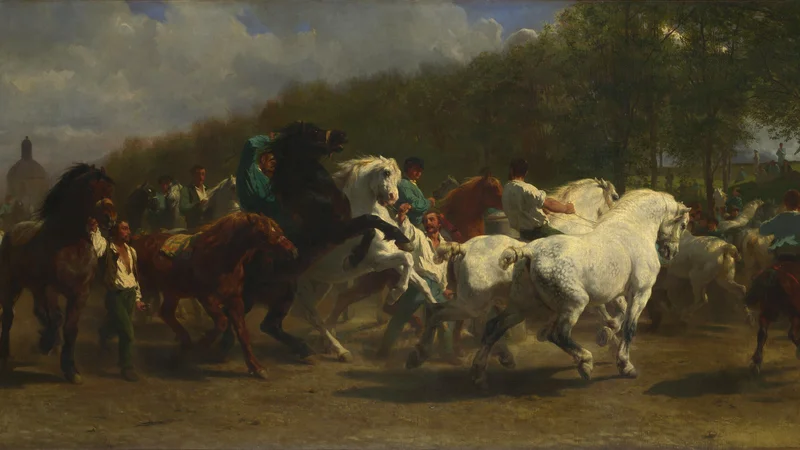
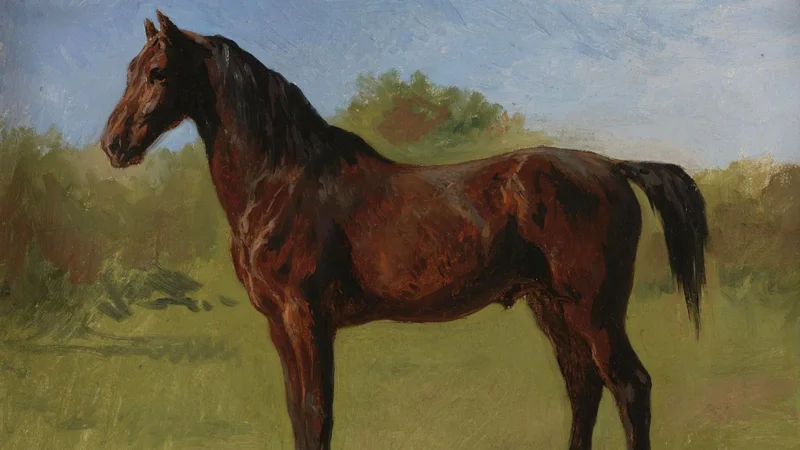
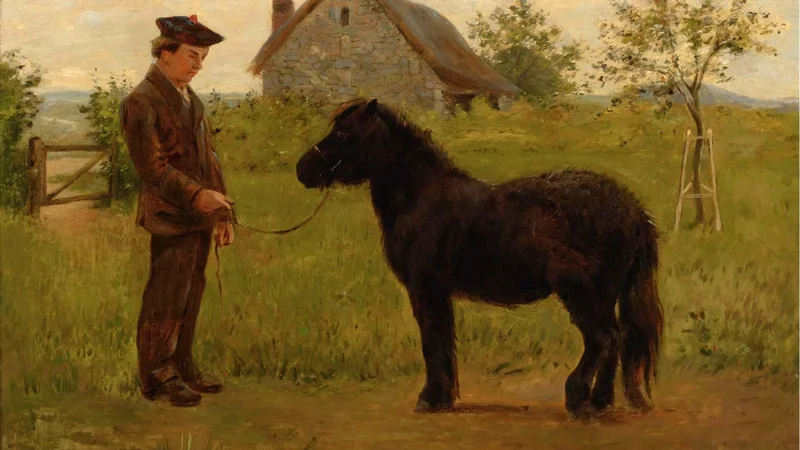
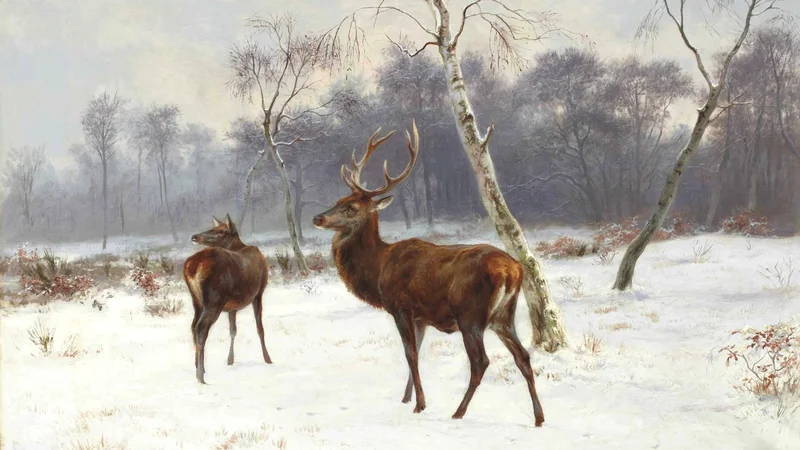
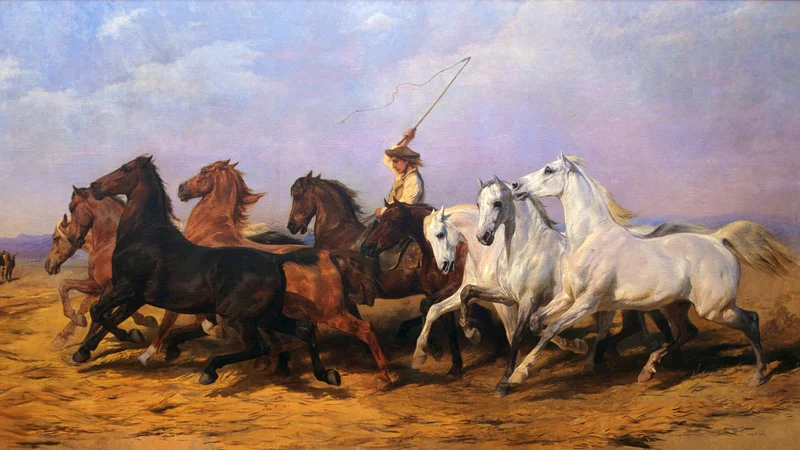
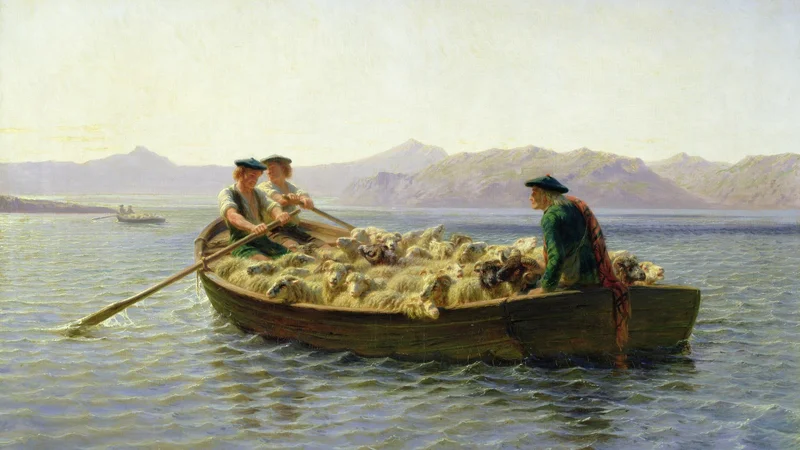
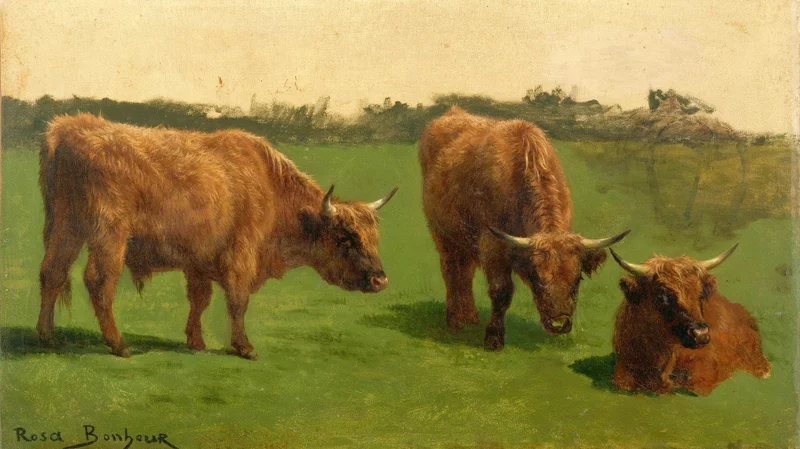
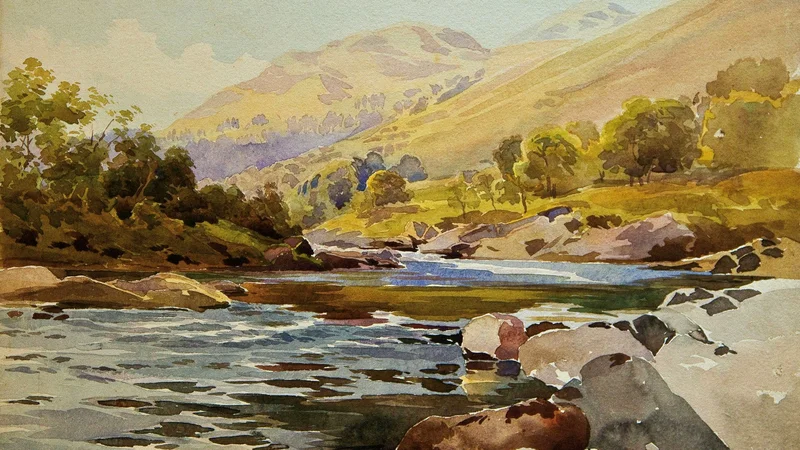
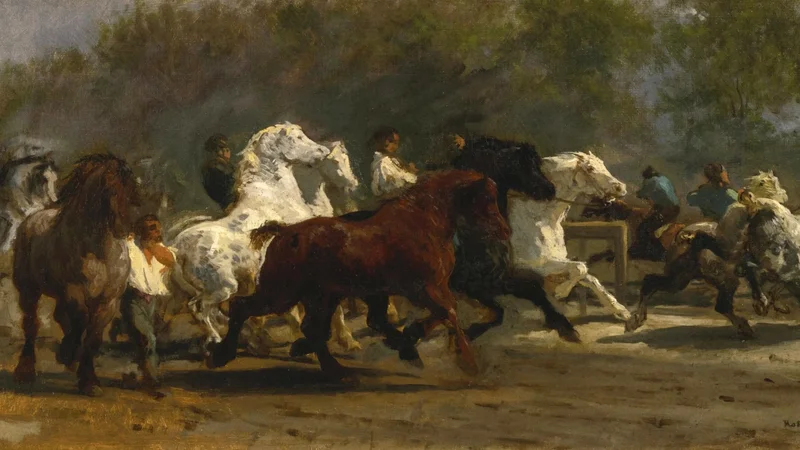
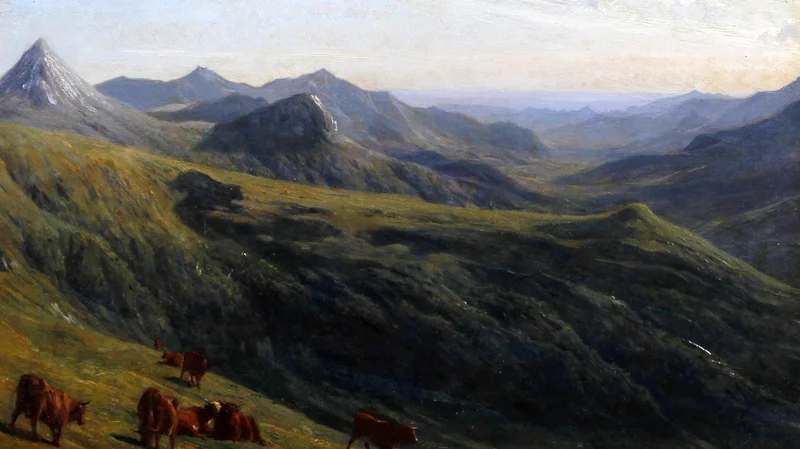
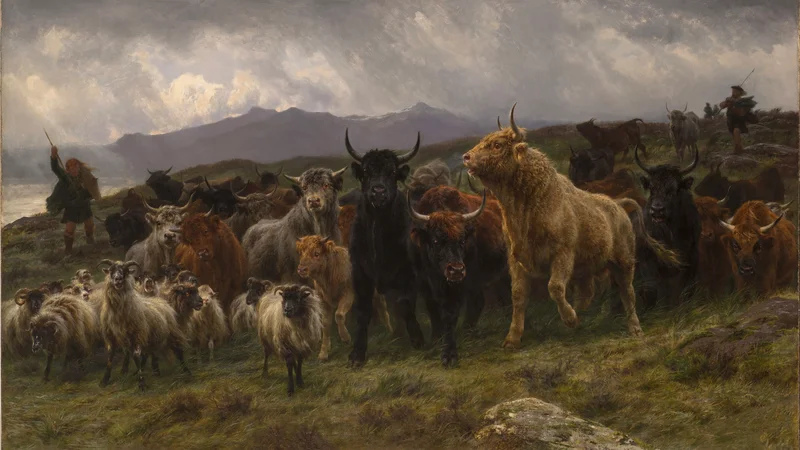
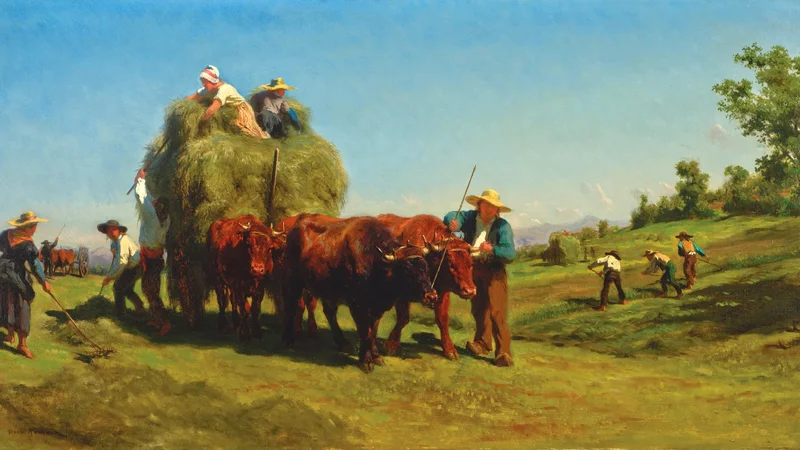
이 운동은 로자 보뇌르와 같은 인물들의 작품을 통해 가장 강력하게 표현되었으며, 그녀의 걸작인 The Horse Fair 와 Ploughing in the Nivernais 은 해부학적 정확성과 동물 생명의 존엄성에 대한 세심한 헌신을 보여줍니다. 마찬가지로, 알렉상드르 프랑수아 데포르트, 해리엇 바커, 메리 커샛 등의 기여는 자연주의적 팔레트와 가식 없는 구성을 선호하여 연극적 기교를 배제함으로써 이 운동의 시각적 언어를 다듬는 데 도움을 주었습니다. Les Muletiers, River landscape, Le labourage, Relay Hunting 과 같은 작품들은 이 시대의 필수적인 지표로 남아 있으며, 예술가들이 빛과 대기를 어떻게 활용하여 물리적 환경에 진정성 있고 실체적인 존재감을 불어넣었는지 보여줍니다. 시각적 경험의 진실성을 우선시함으로써, 자연주의는 현대 미술의 궤적을 근본적으로 바꾸어 놓았으며, 관찰 가능한 세계와 직접 대면하도록 다음 세대에게 도전하는 표현적 성실함의 초석을 마련했습니다.