상징주의
48점의 작품
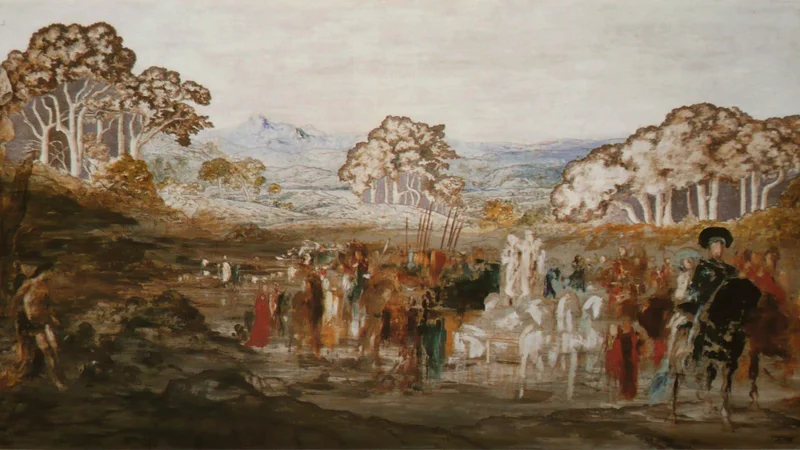
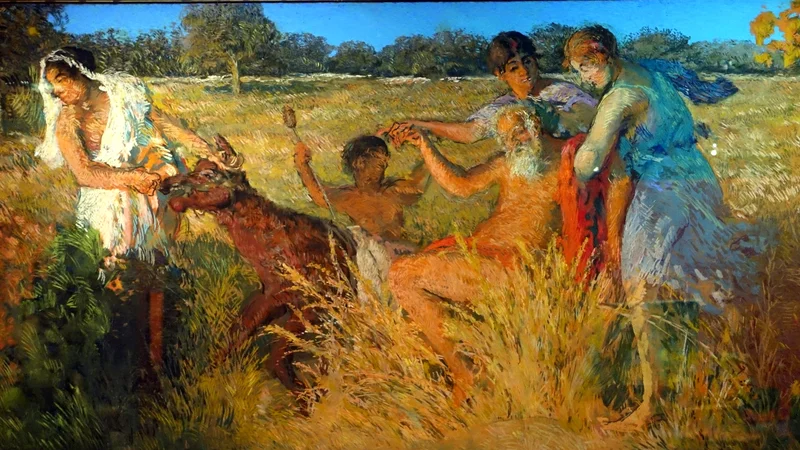
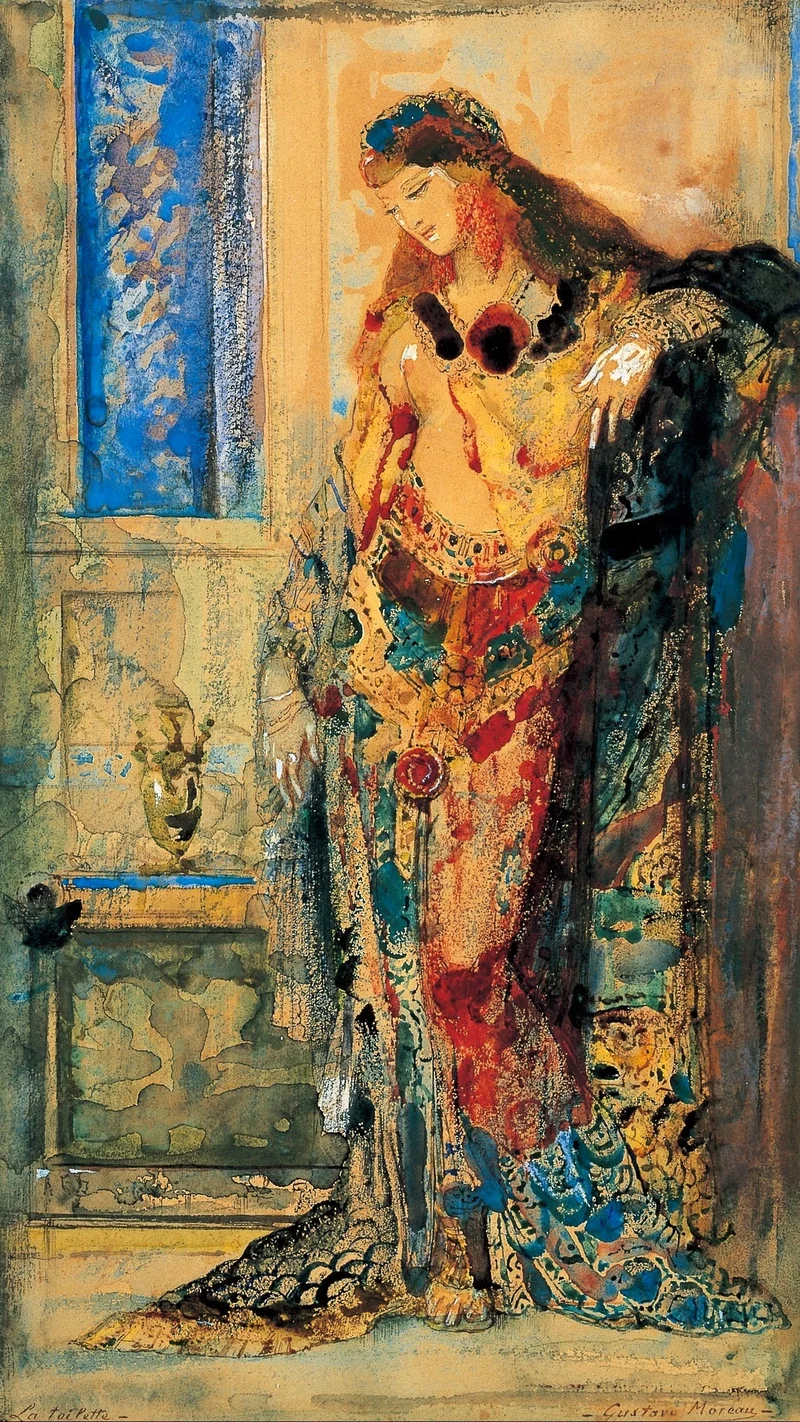
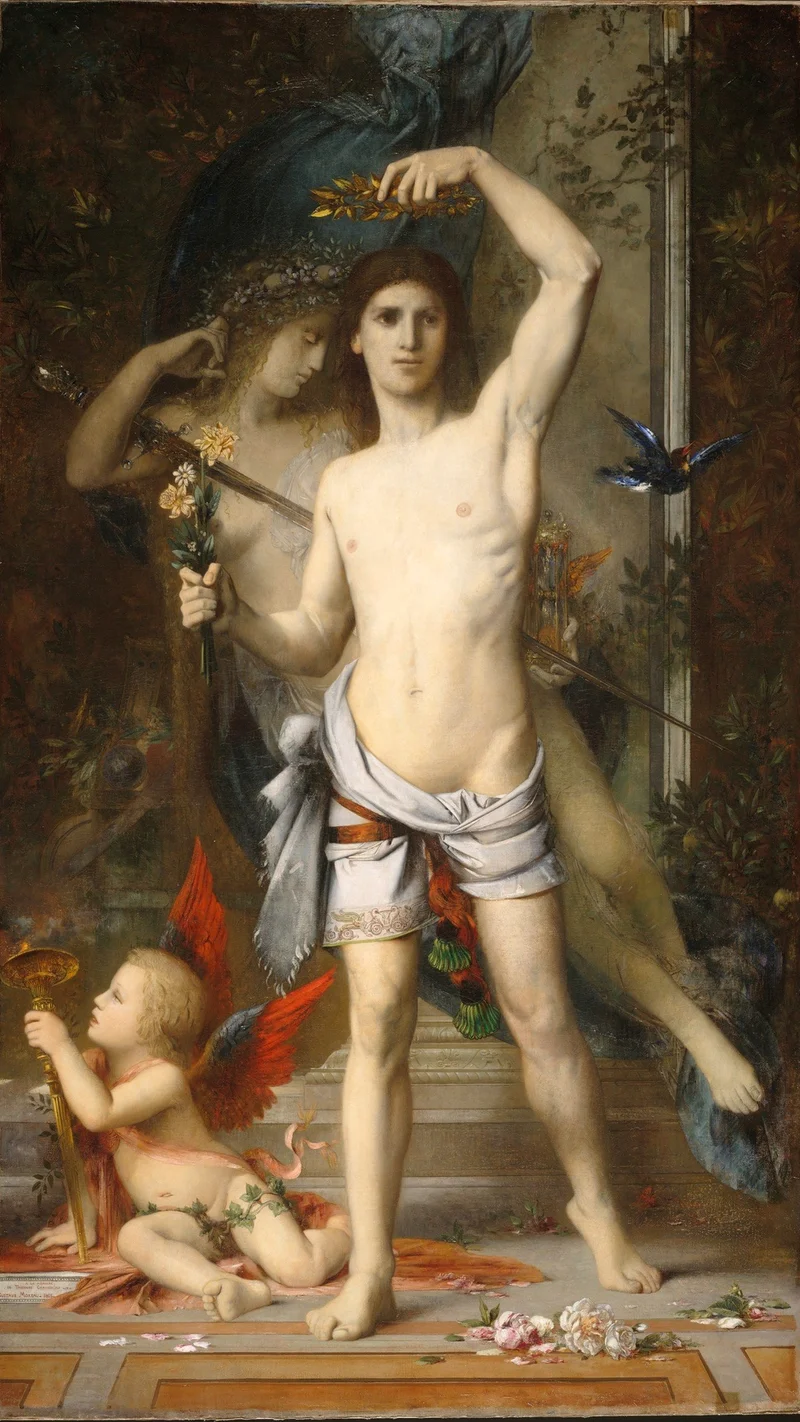
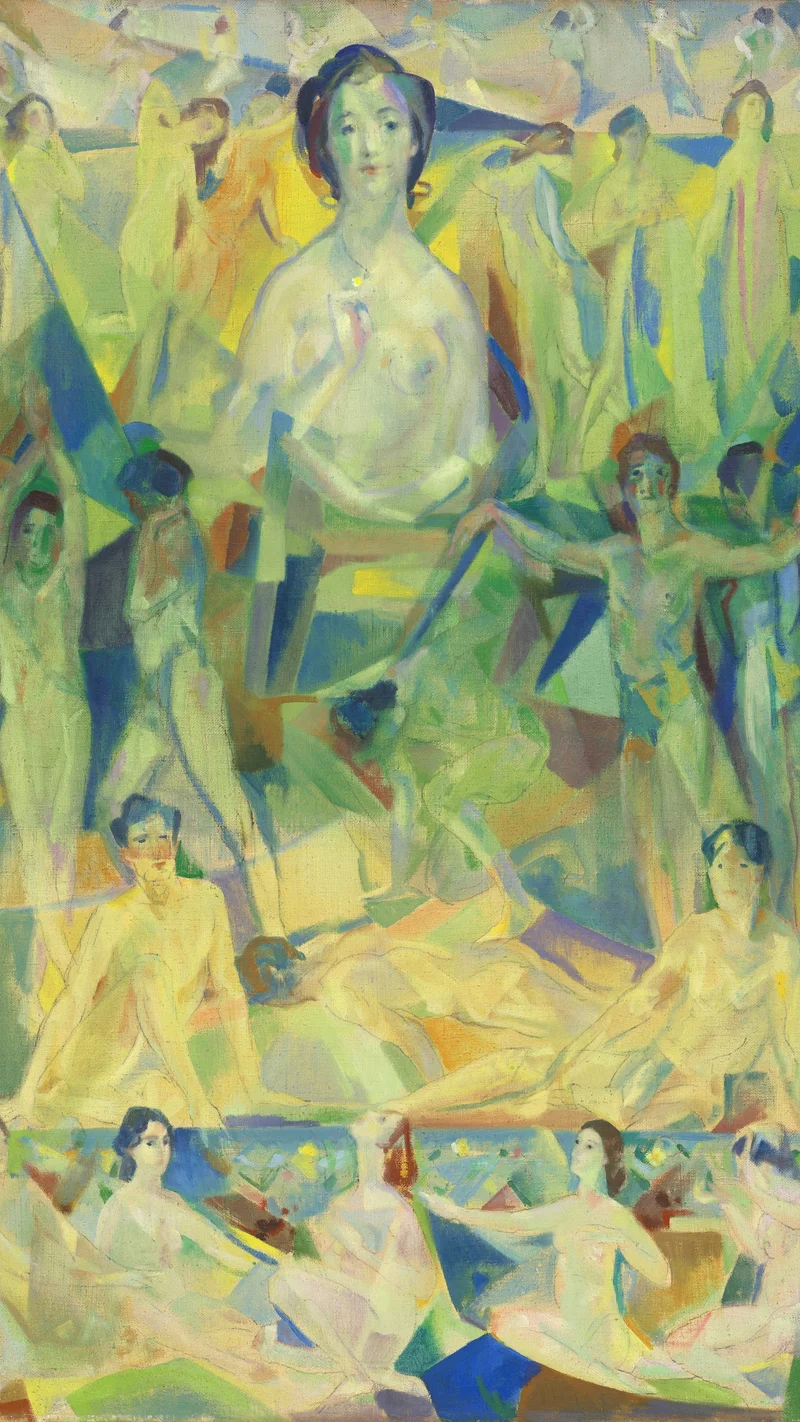
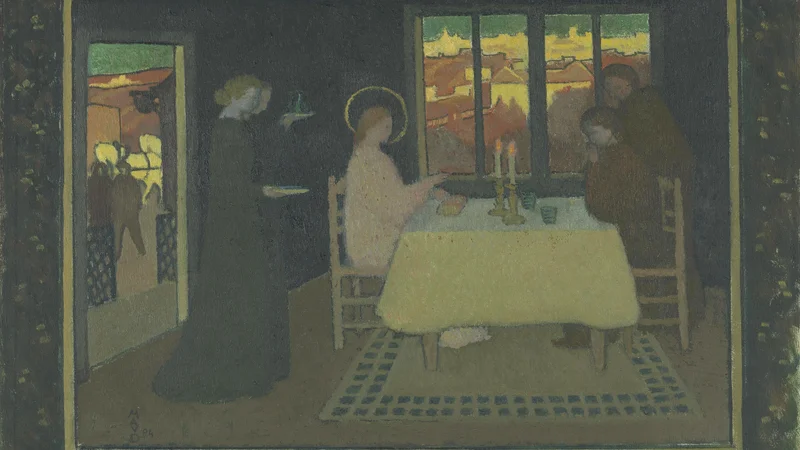
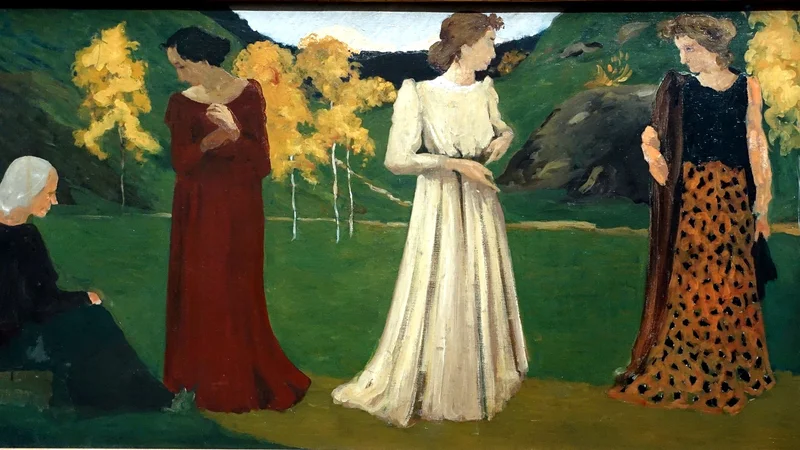
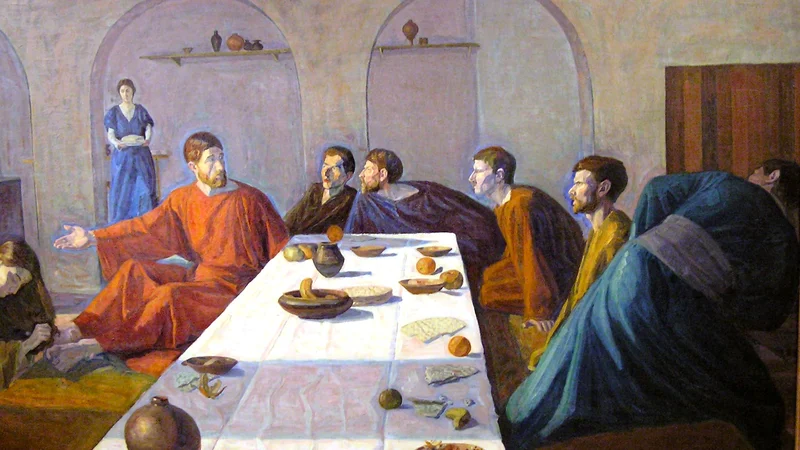
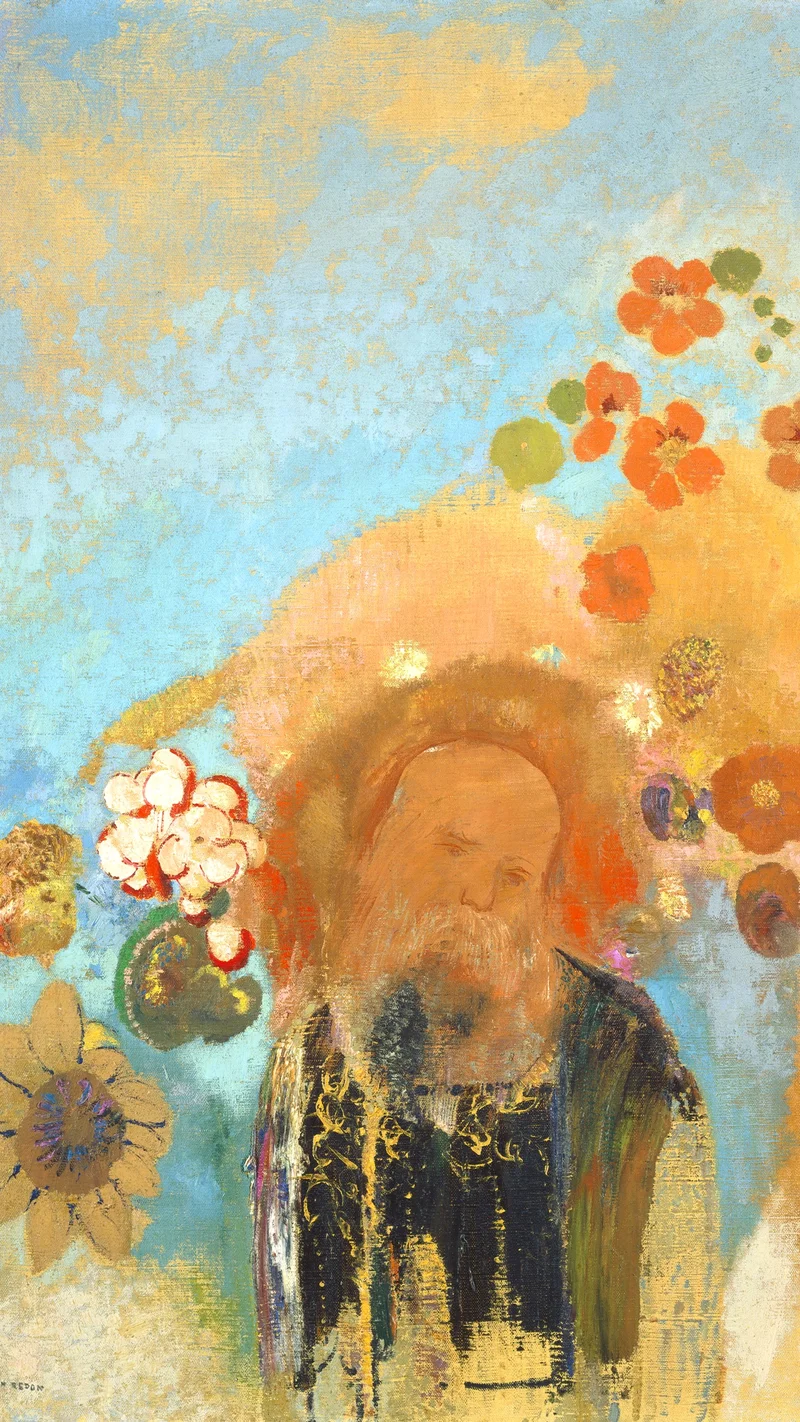
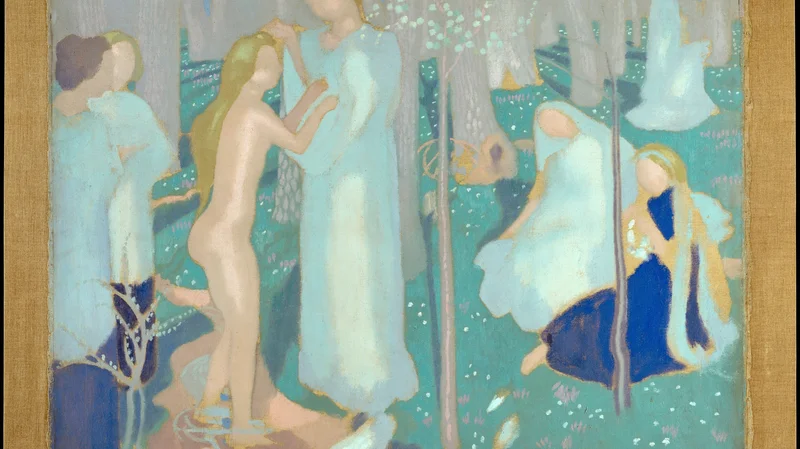
19세기 후반 프랑스에서 자연주의와 인상주의의 객관적 제약에 대한 반작용으로 등장한 상징주의는 외부 현실의 묘사보다 주관적 상상력의 우위를 옹호했습니다. 이러한 지적 전환은 당시의 철학적 이상주의에 깊이 뿌리를 두고 있으며, 스테판 말라르메의 시와 데카당스 운동의 미적 신비주의로부터 큰 영향을 받았습니다. 예술가들은 은유와 암시로 이루어진 정교한 시각 언어를 통해 무형의 정신 상태, 영적 갈망, 그리고 정신의 심오한 신비를 표현하고자 했습니다. 귀스타브 모로의 La Vierge Consolatrice와 모리스 드니의 Apotheosis of the Rose 같은 작품들은 이러한 합성적 스타일로의 전환을 보여줍니다. 여기서 형태와 색채는 기술적 기능으로부터 해방되어 물리적 정확성보다는 정서적 공명을 불러일으키는 역할을 했습니다.
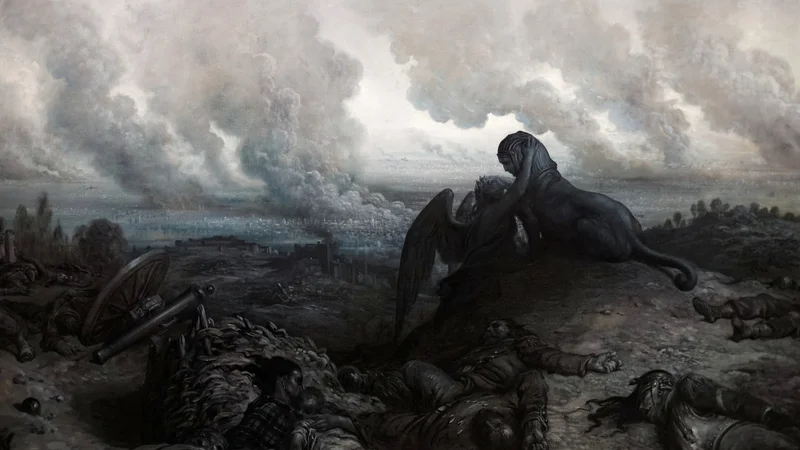
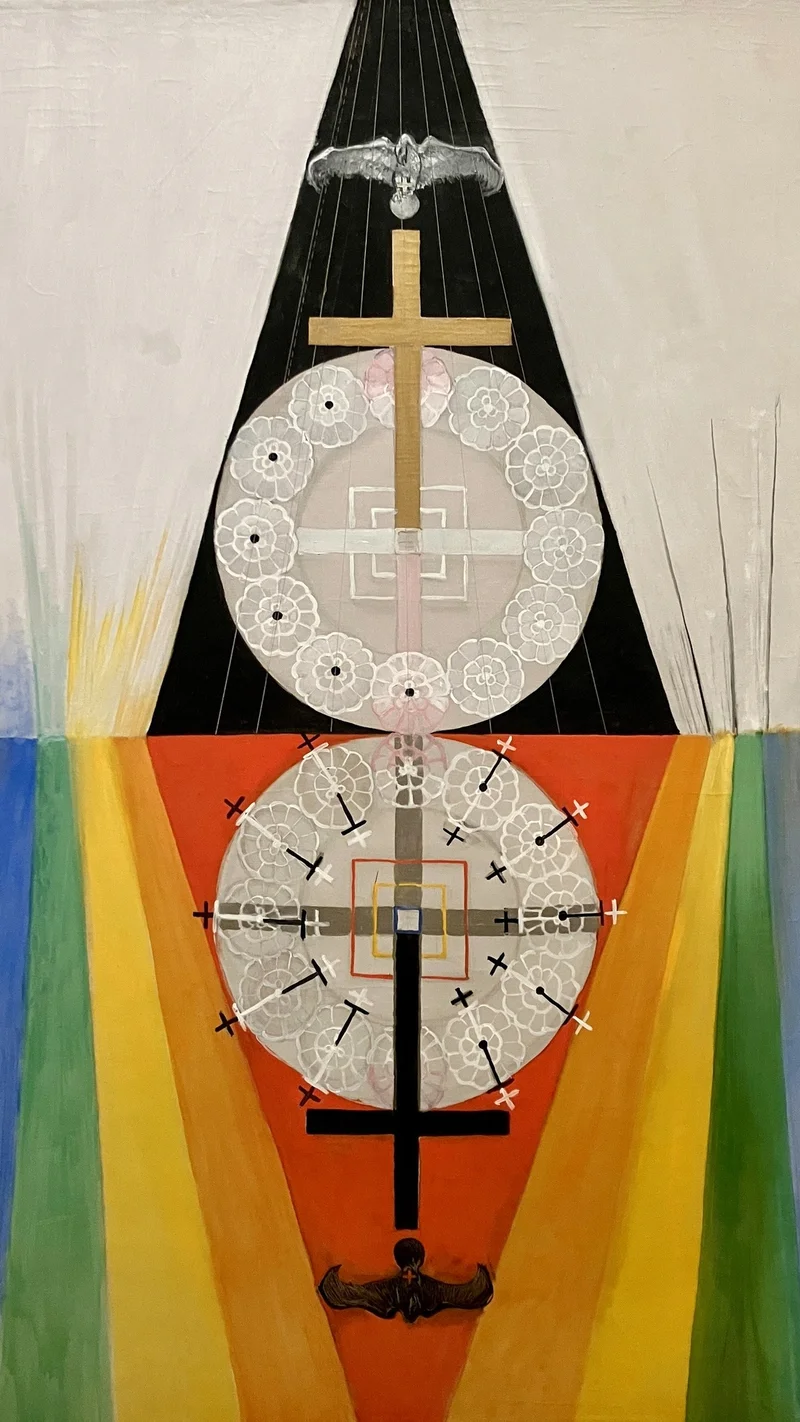
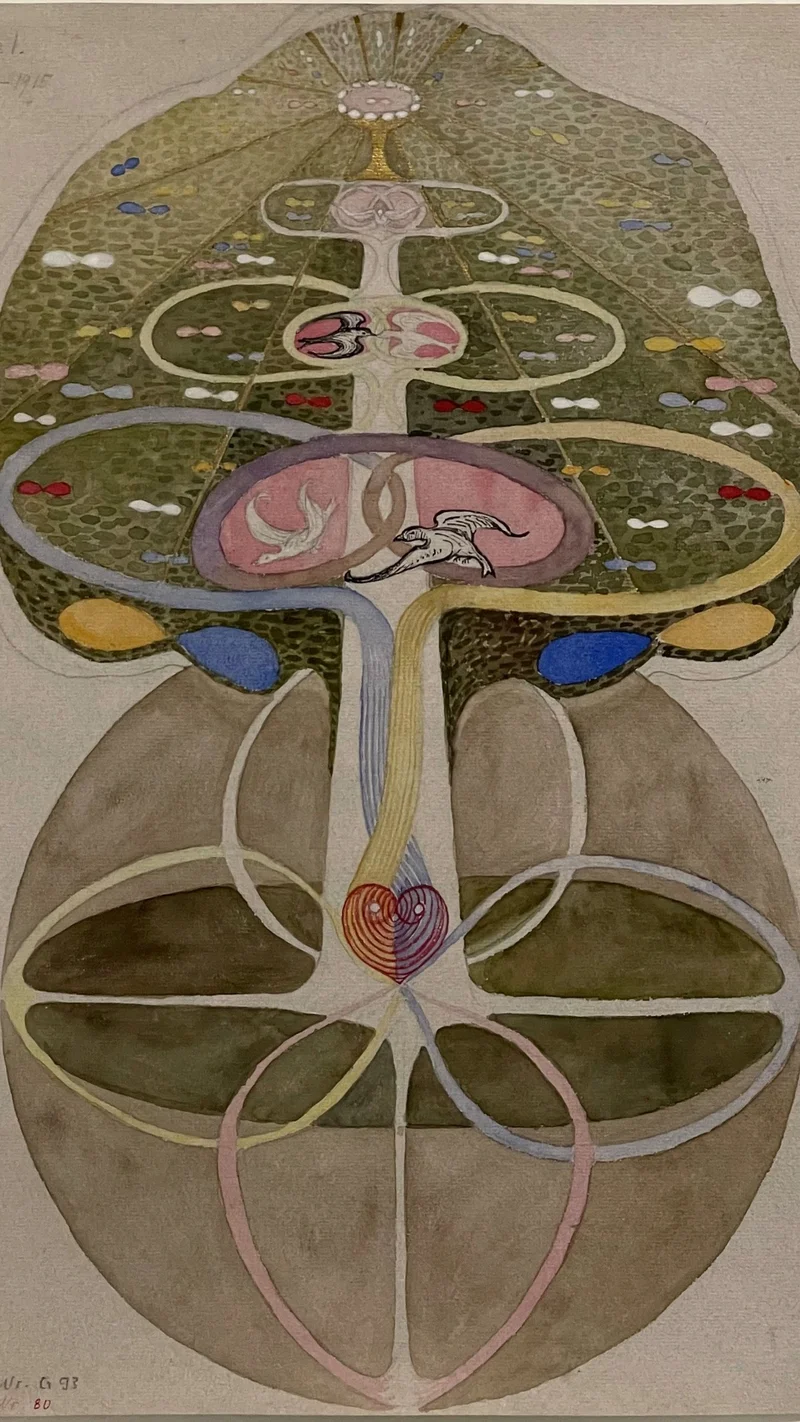
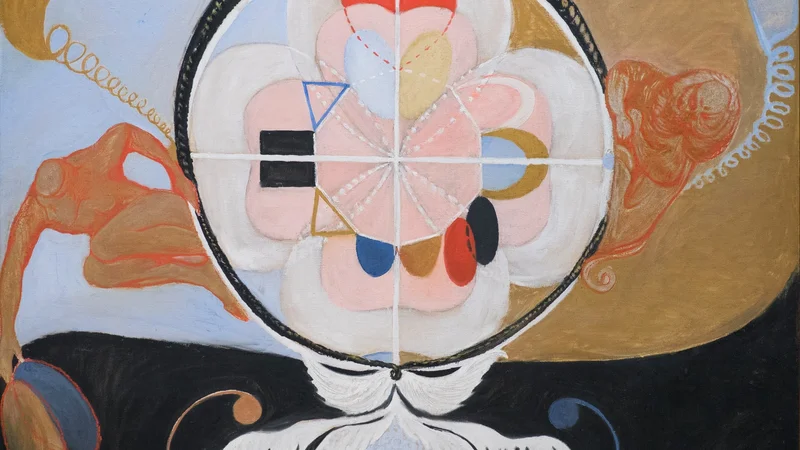
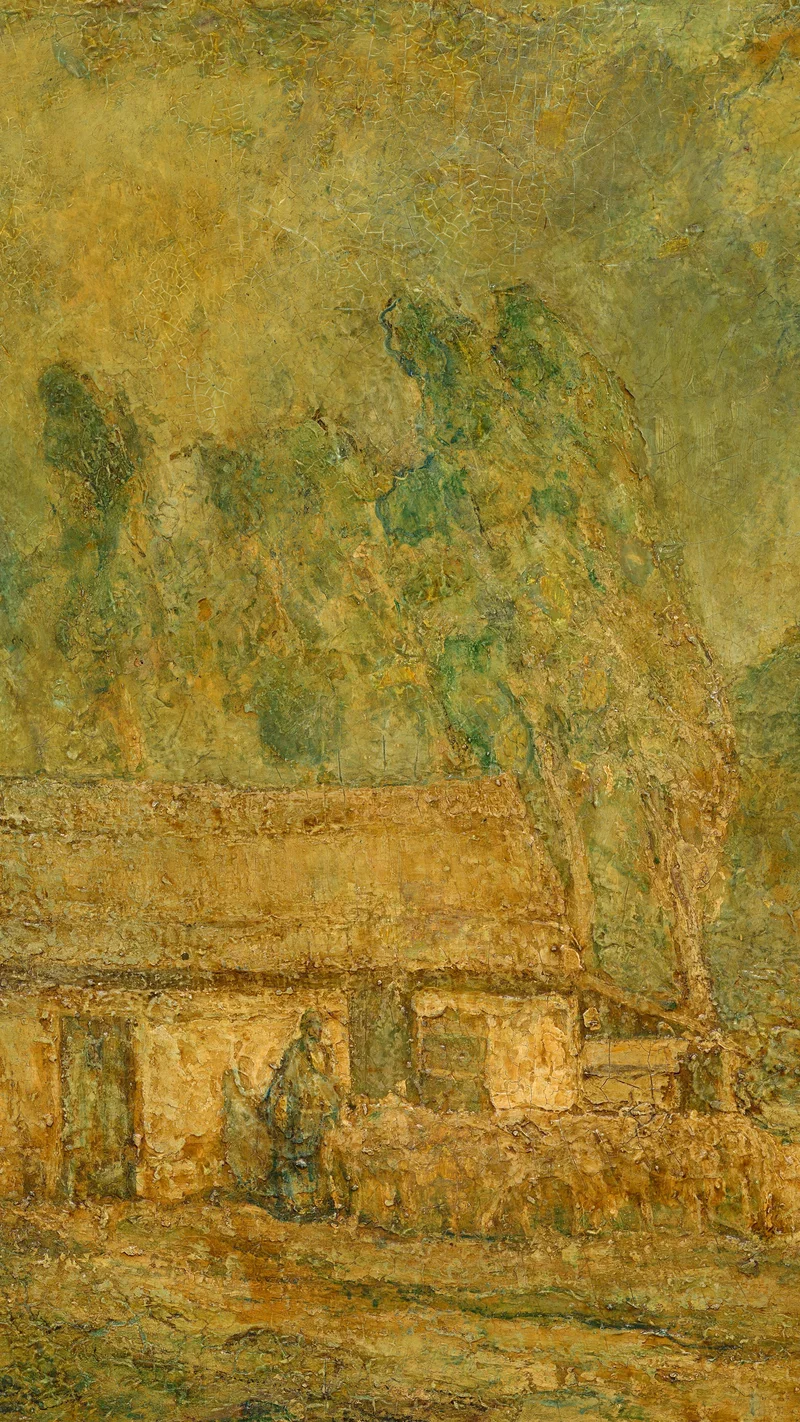
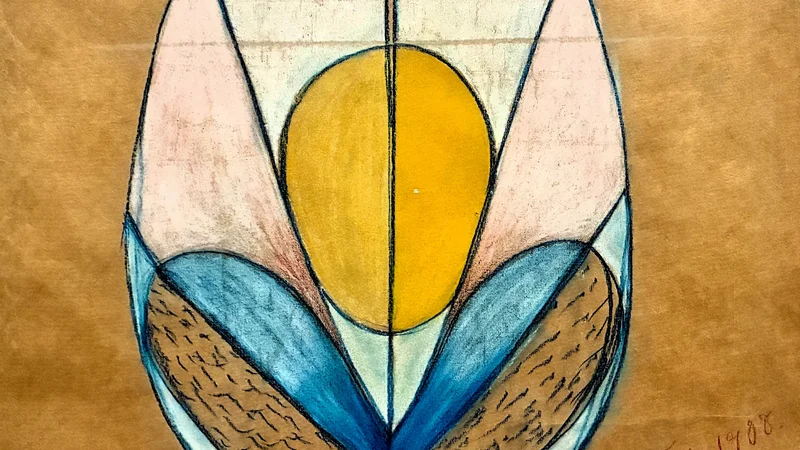
이 운동은 전 세계적으로 확산되어 다양한 추상화 양식과 비전적 탐구로 나타났습니다. 힐마 아프 클린트의 획기적인 심령주의적 구성은 케르 자비에 루셀의 Reverie au Clair de Lune의 미묘한 표현, 그리고 Enigma와 The White Heron의 환기적 형태와 함께 눈에 보이지 않는 것에 대한 운동의 관심을 보여줍니다. 조셉 스텔라의 Purissima는 상징주의의 원칙이 현대성과 종교적 도상을 탐구하기 위해 어떻게 적용될 수 있었는지를 더욱 명확히 보여줍니다. 예술가의 내면 풍경을 우선시함으로써, 상징주의는 20세기 초 아방가르드를 위한 필수적인 존재론적 틀을 제공했으며, 캔버스가 형이상학적 영역으로 향하는 다리 역할을 해야 한다고 주장함으로써 현대 미술의 궤적을 영원히 바꾸어 놓았습니다.