로코코
83점의 작품
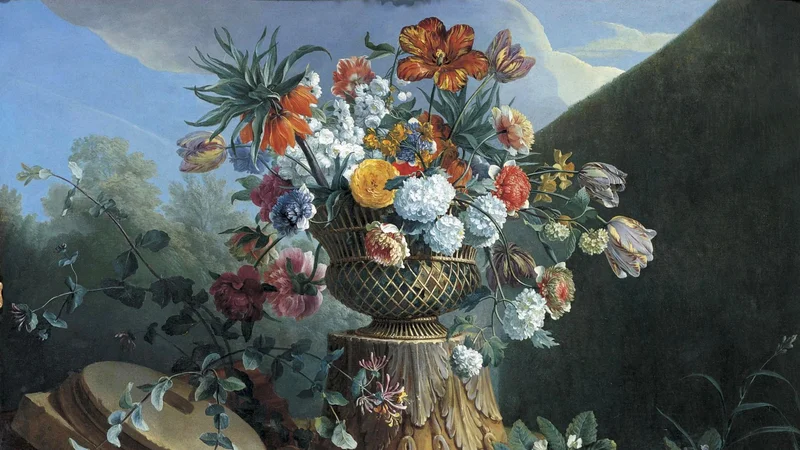
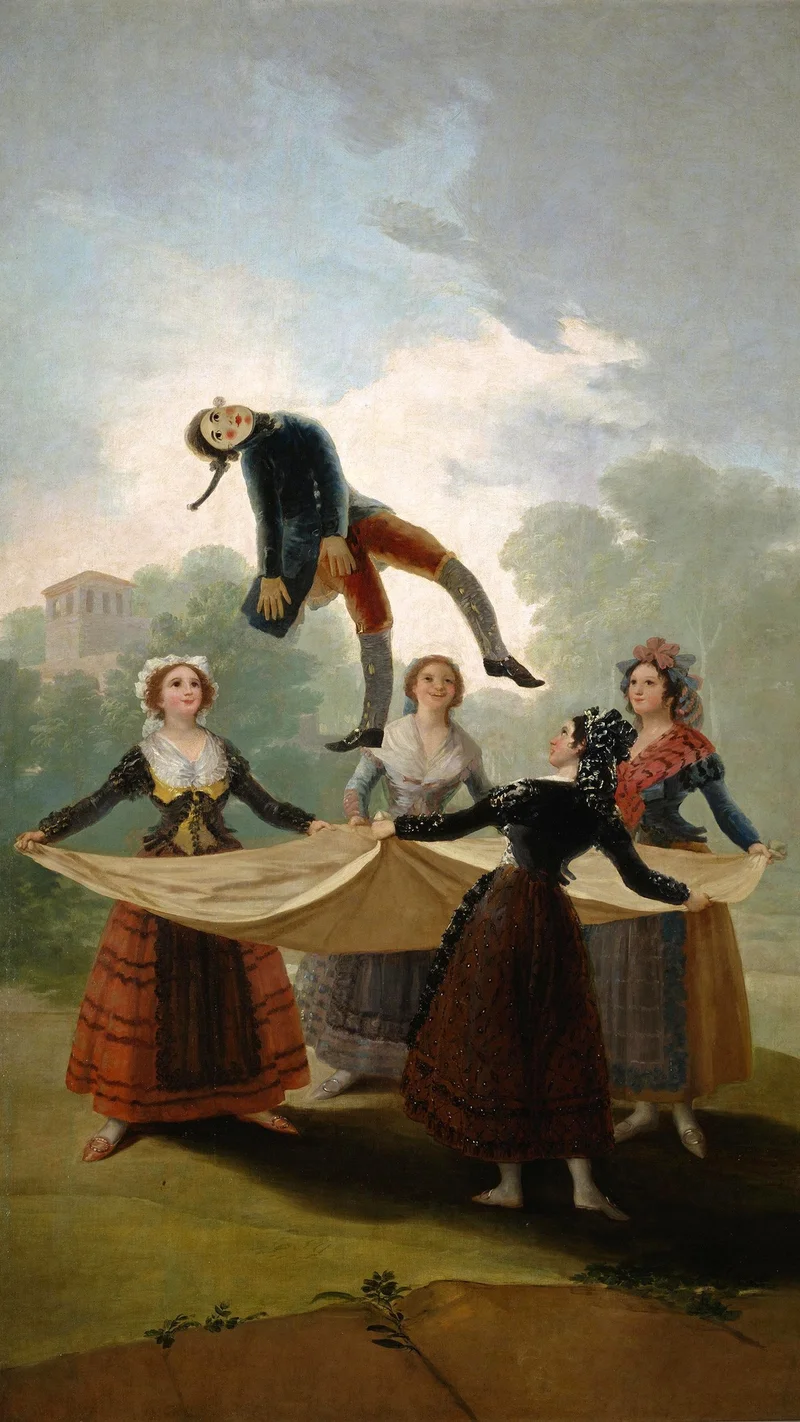
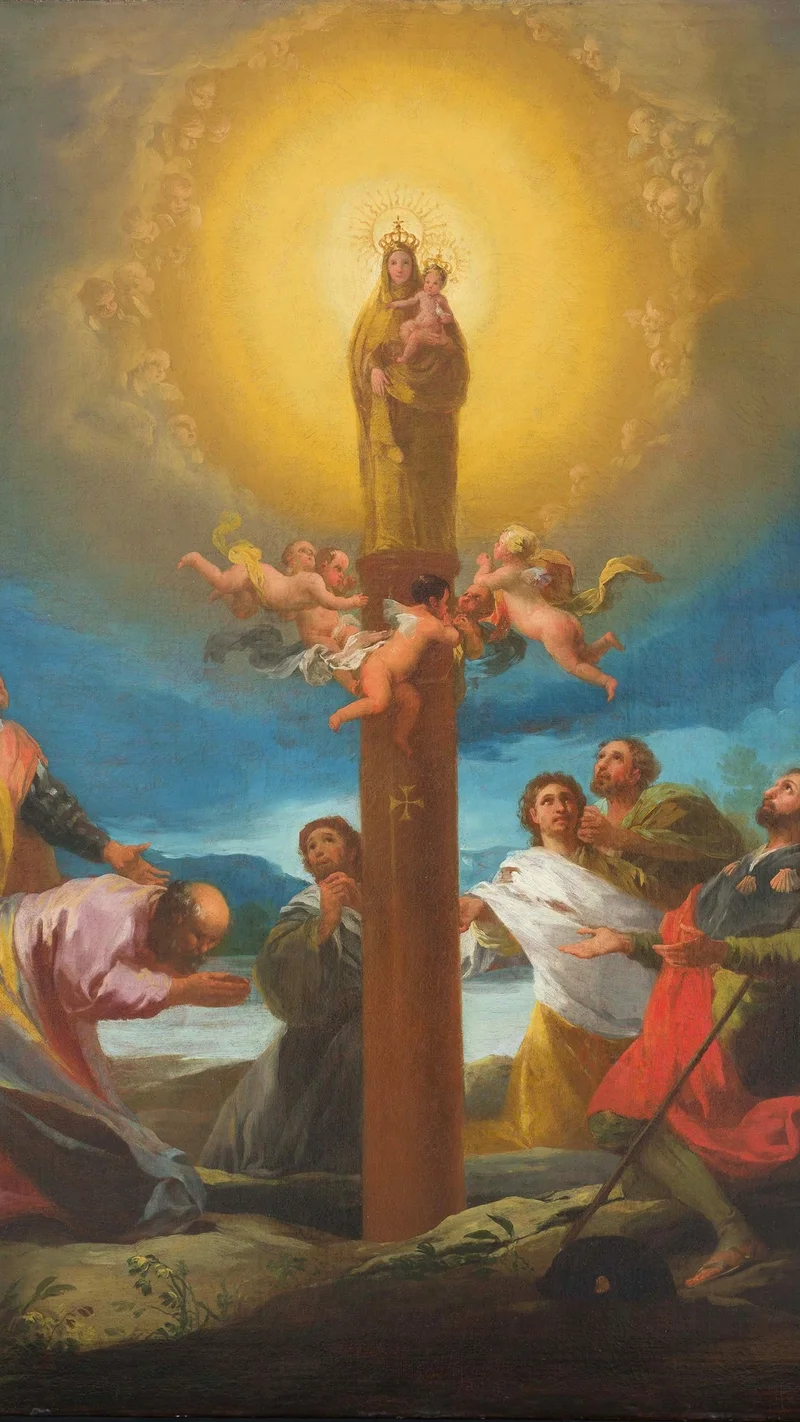
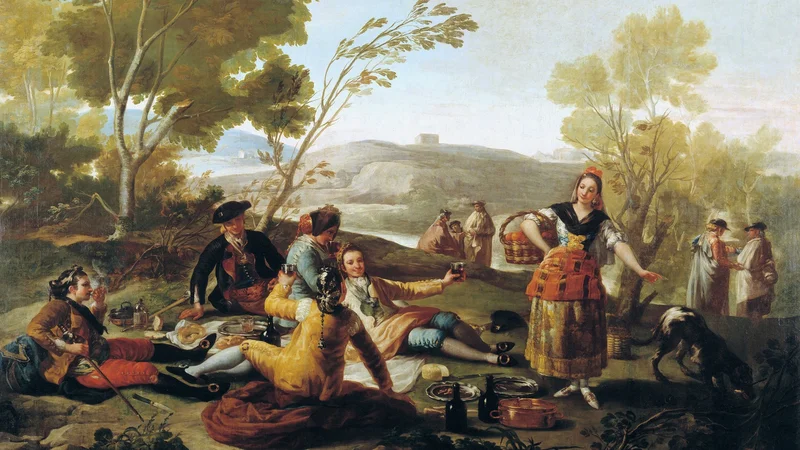
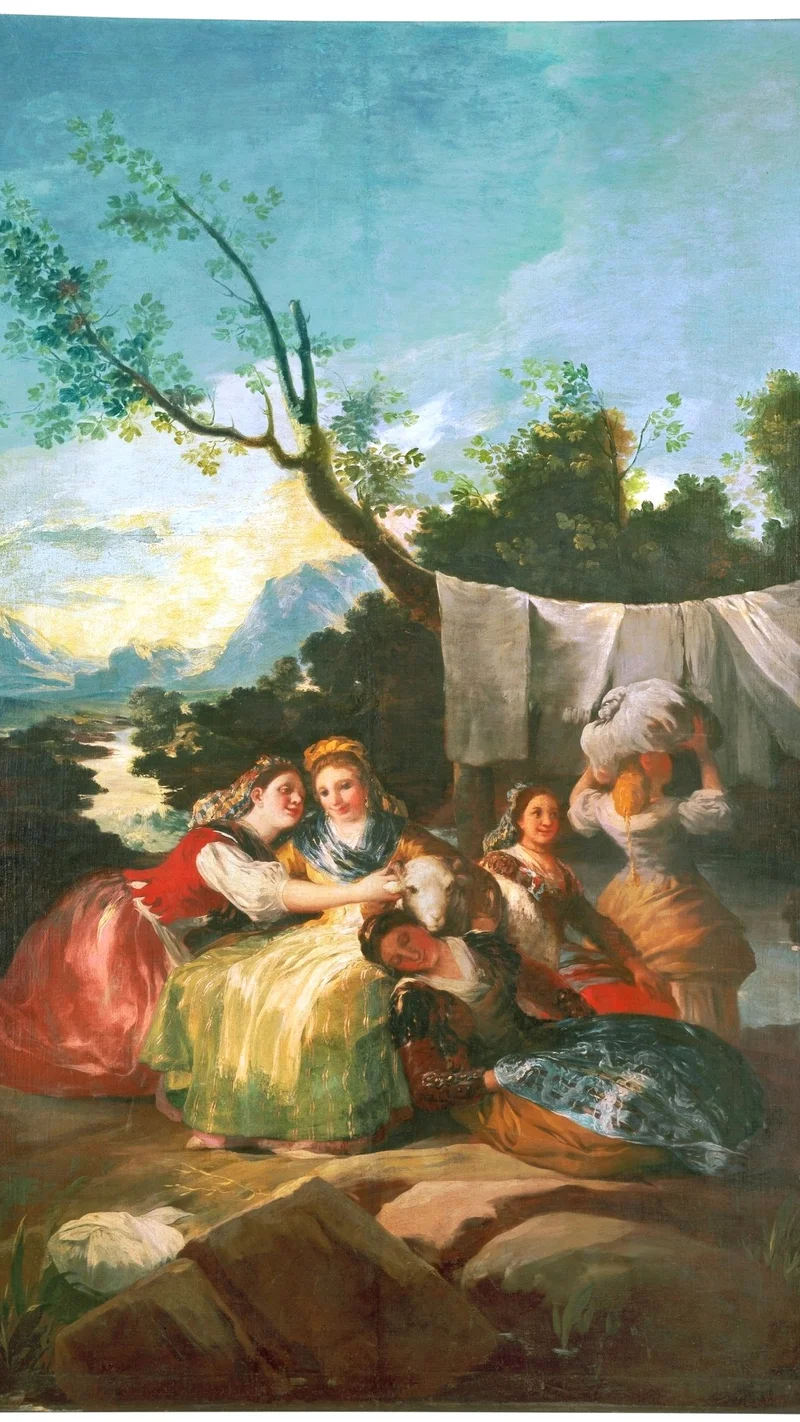
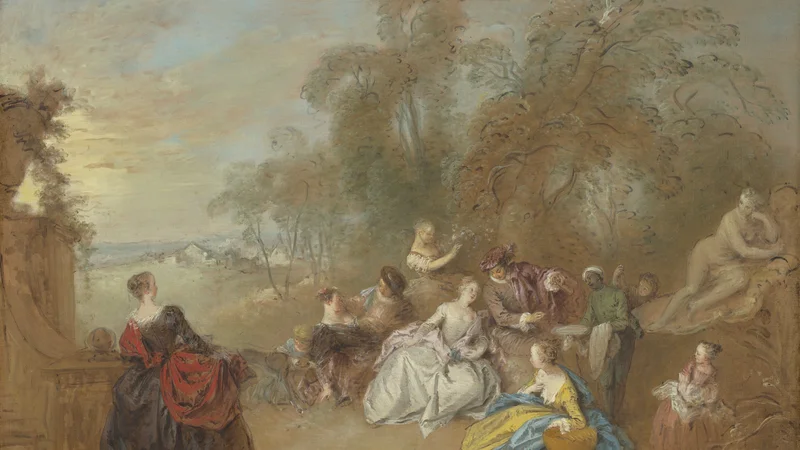
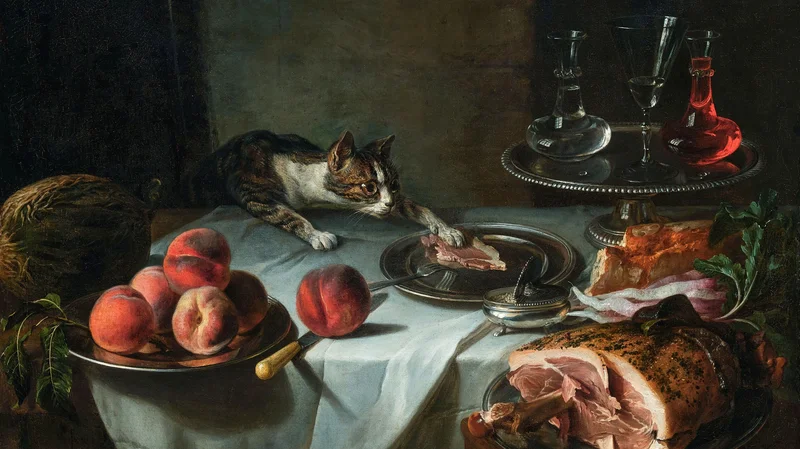
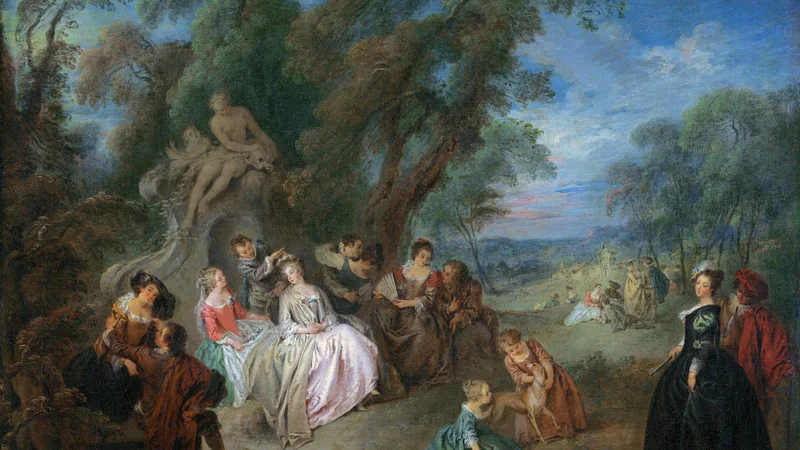
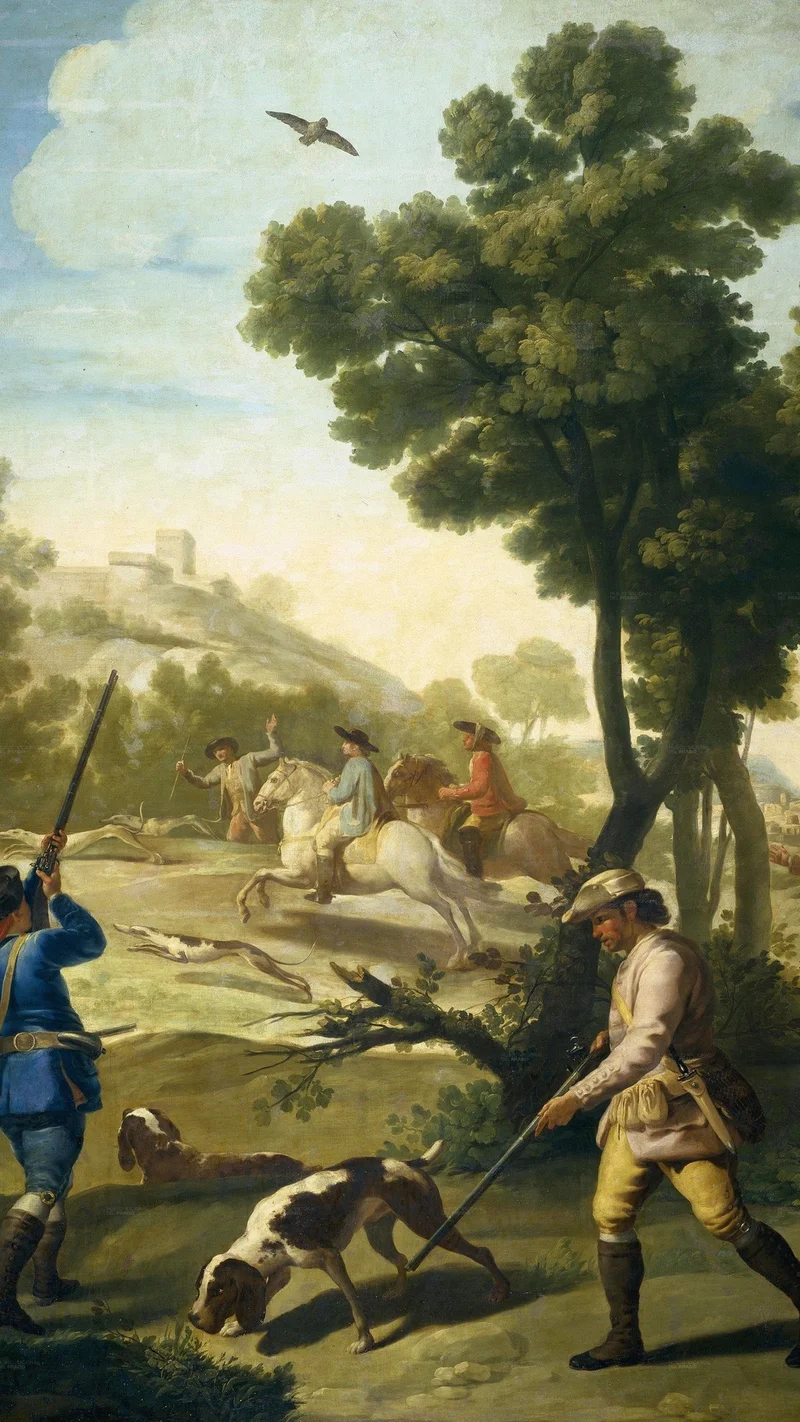
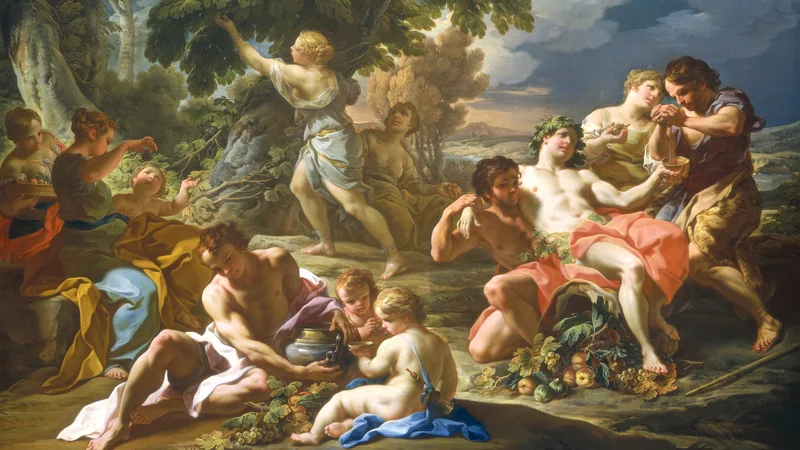
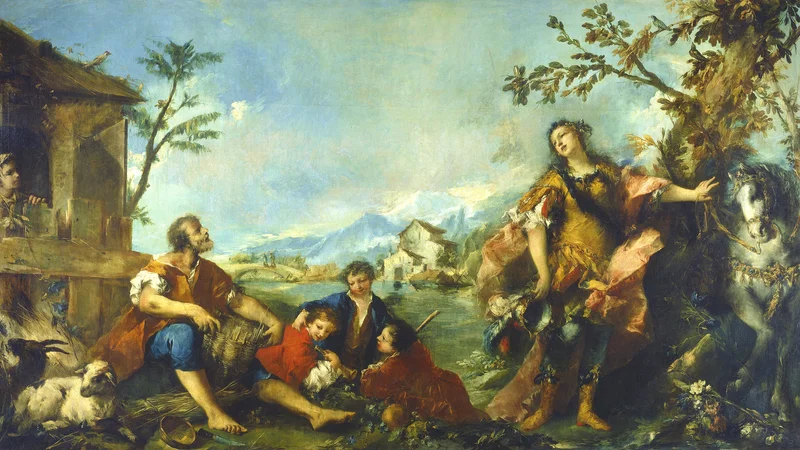
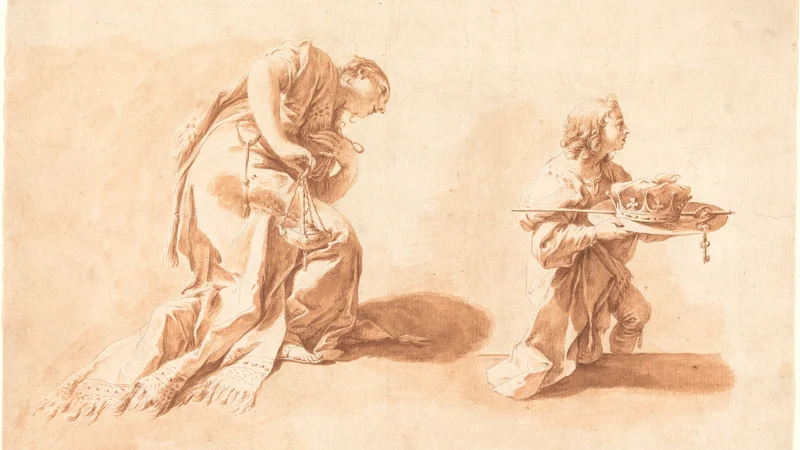
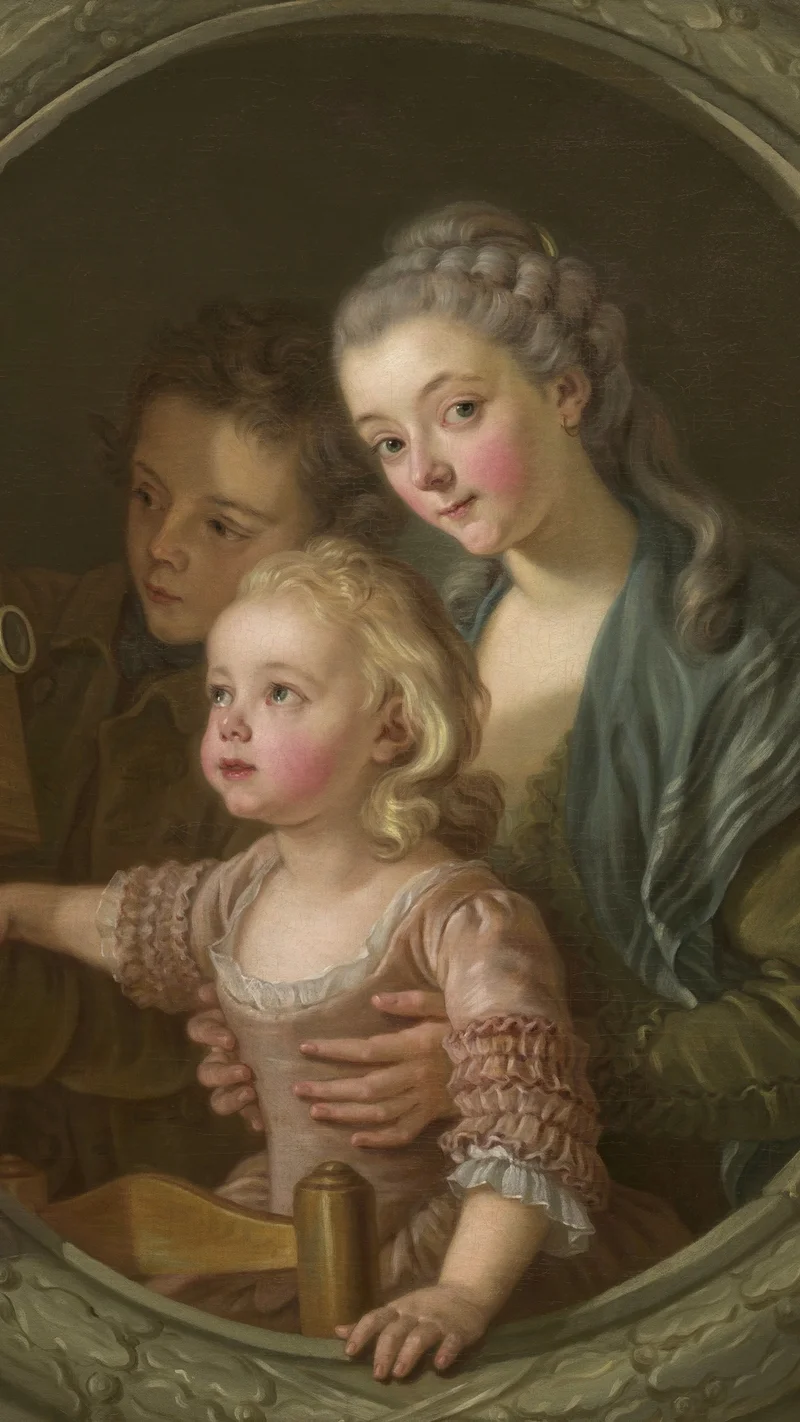
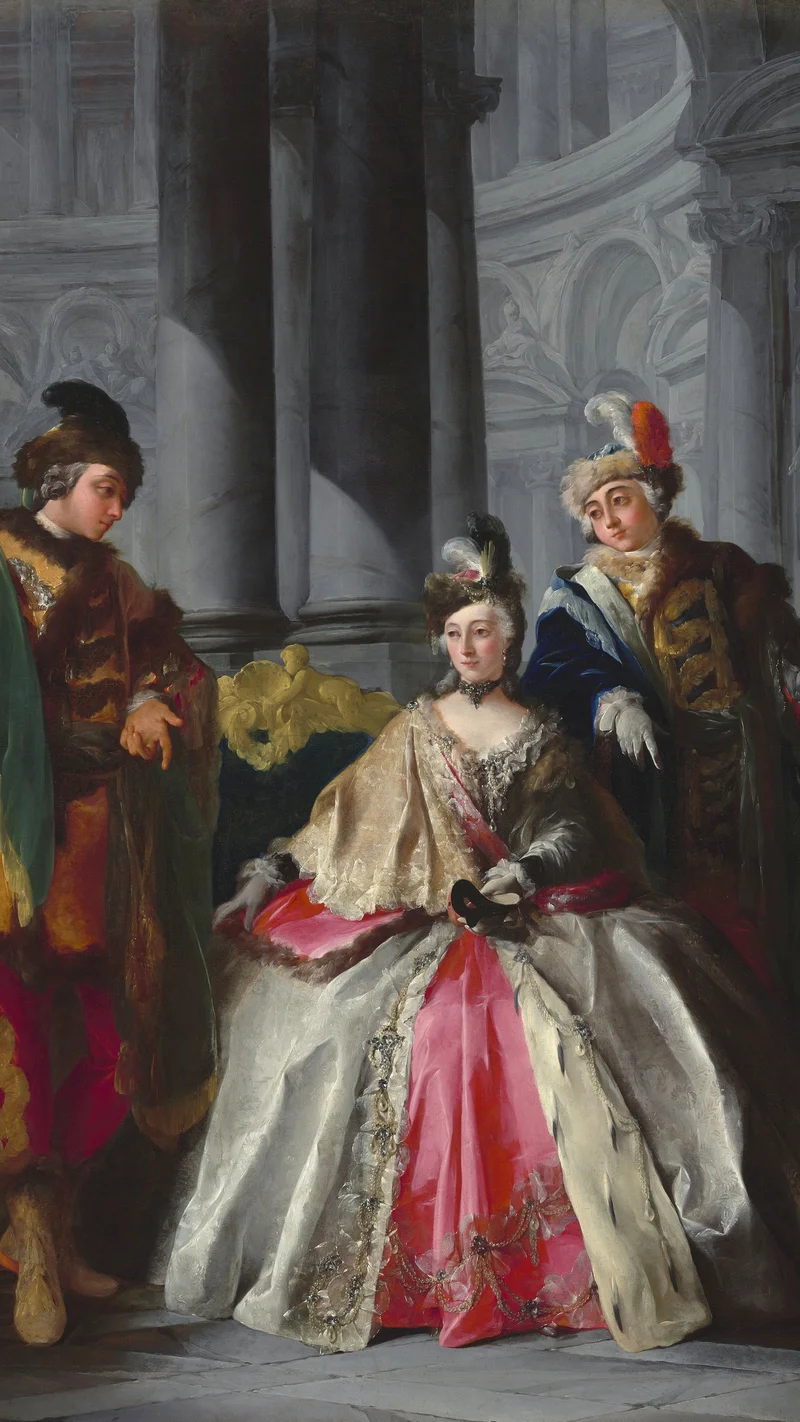
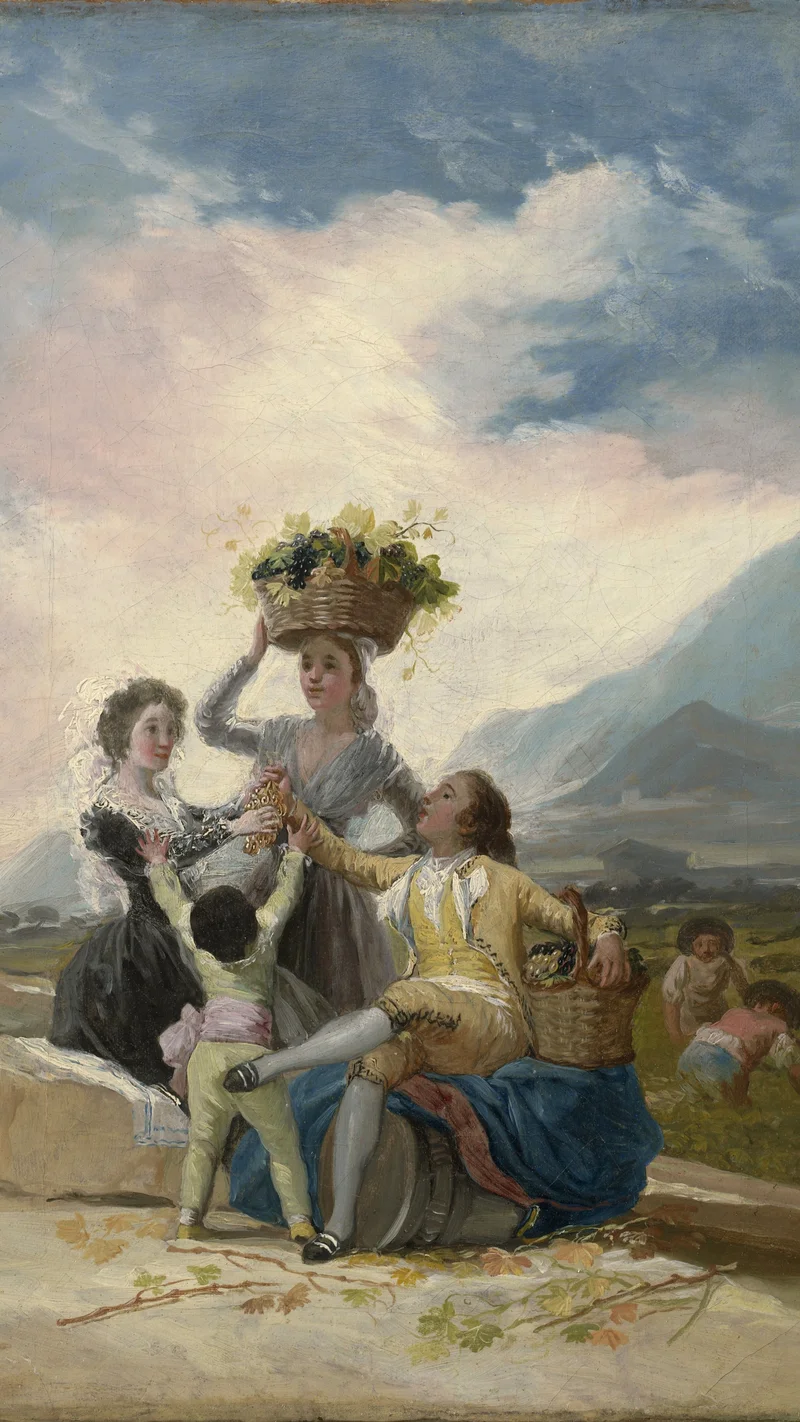
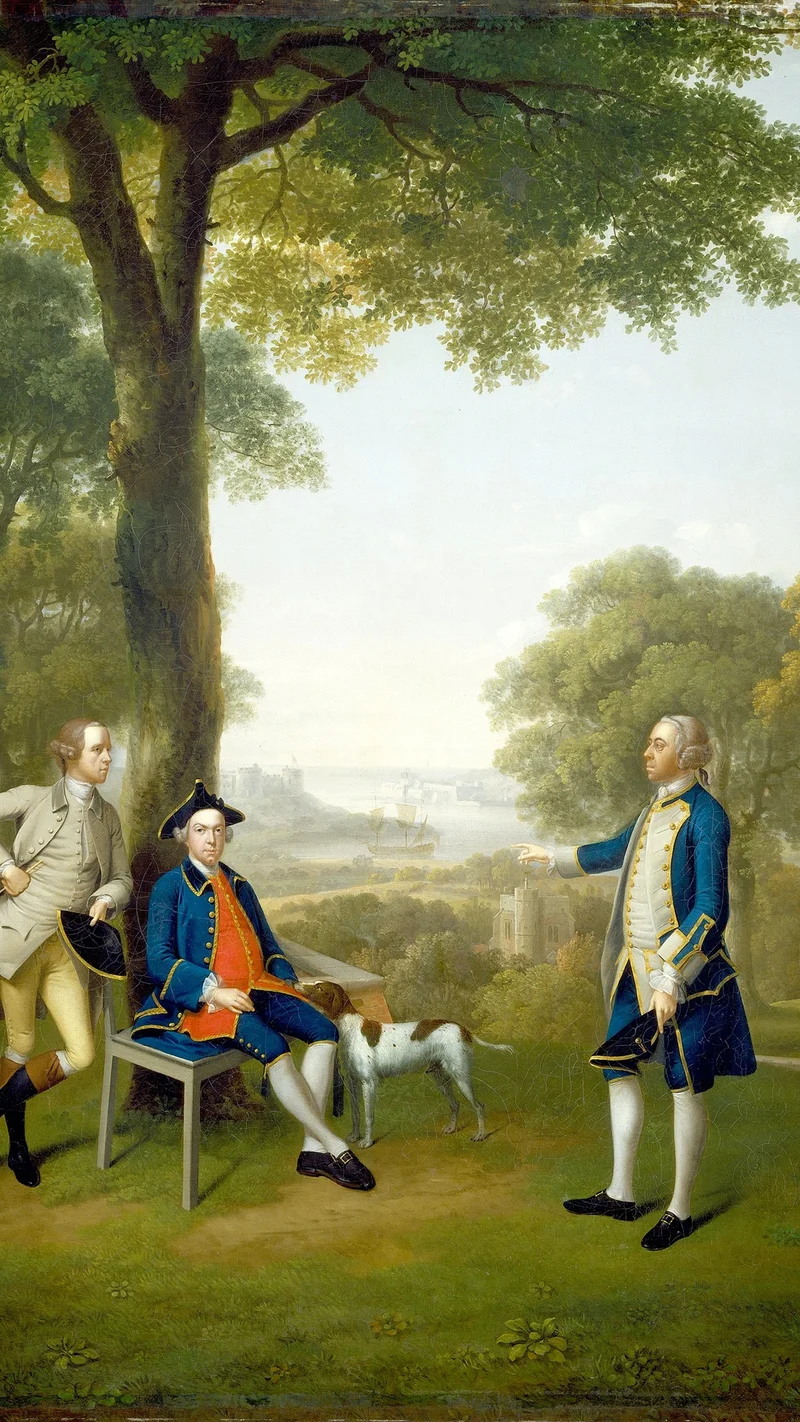
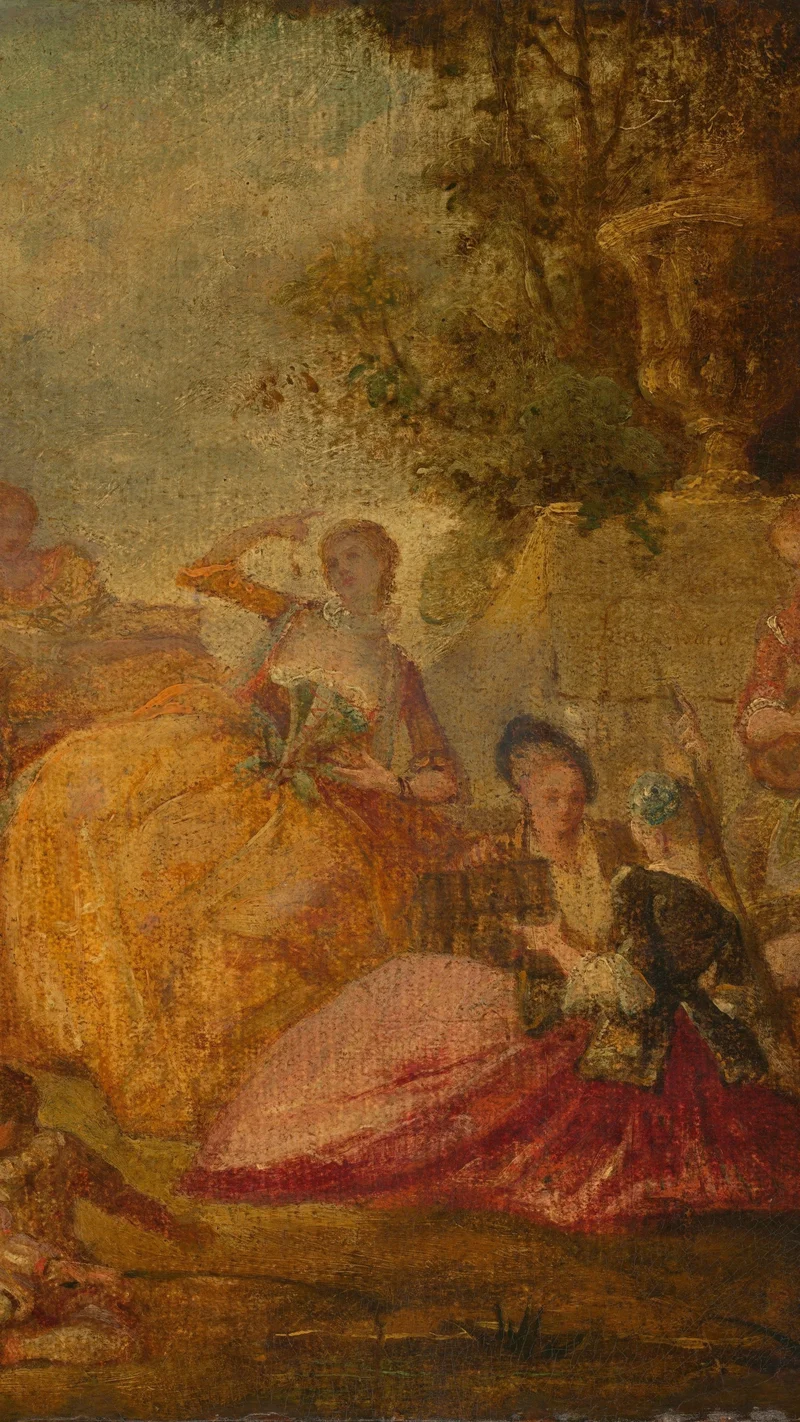
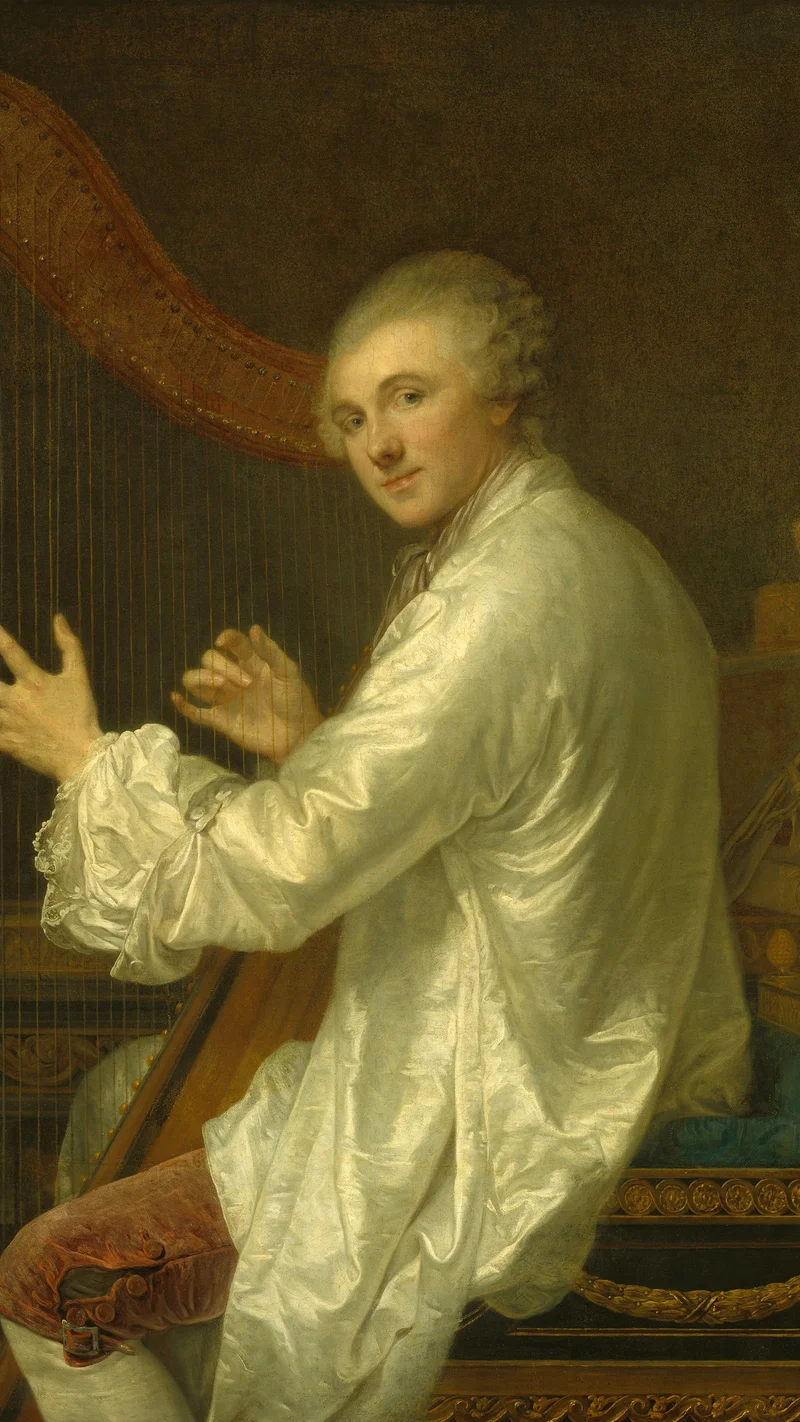
18세기 초 프랑스에서 바로크 양식의 엄격한 형식으로부터의 탈피로 등장한 로코코는 가벼움, 우아함, 비대칭의 미학을 우선시했습니다. 이 운동은 색채 변조의 정교한 적용을 통해 회화적 표면을 재정의하며, 깊은 키아로스쿠로(명암법)에서 벗어나 빛이 나는 파스텔 톤의 팔레트로 나아갔습니다. 니콜라 랑크레와 알렉상드르 프랑수아 데포르트 같은 예술가들은 이러한 섬세한 빛의 처리에 탁월했으며, 이는 『Still Life of the Remnants of a Meal with a Lunging Cat』의 질감 정밀도와 『Fête Champêtre』의 분위기 있는 매력에서 증명됩니다. S자형 곡선으로 특징지어지는 당시의 구성적 어휘는 유동적인 움직임의 감각을 촉진하여 캔버스를 세련된 기교의 극장으로 변모시켰습니다.
기술적 숙달과 이론적 범위
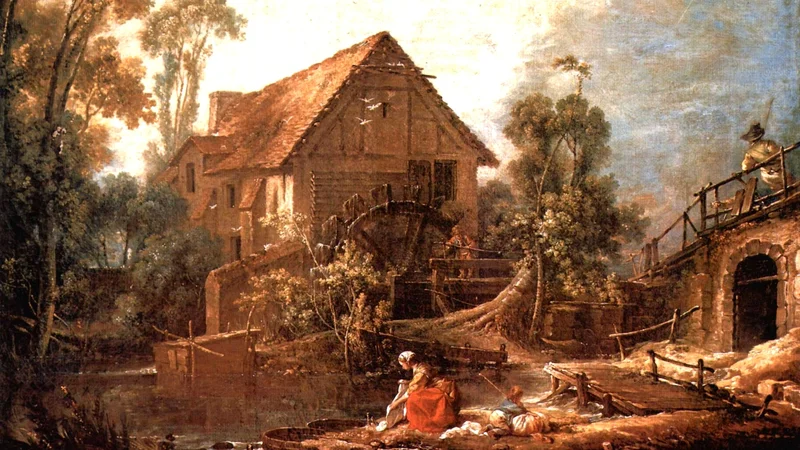
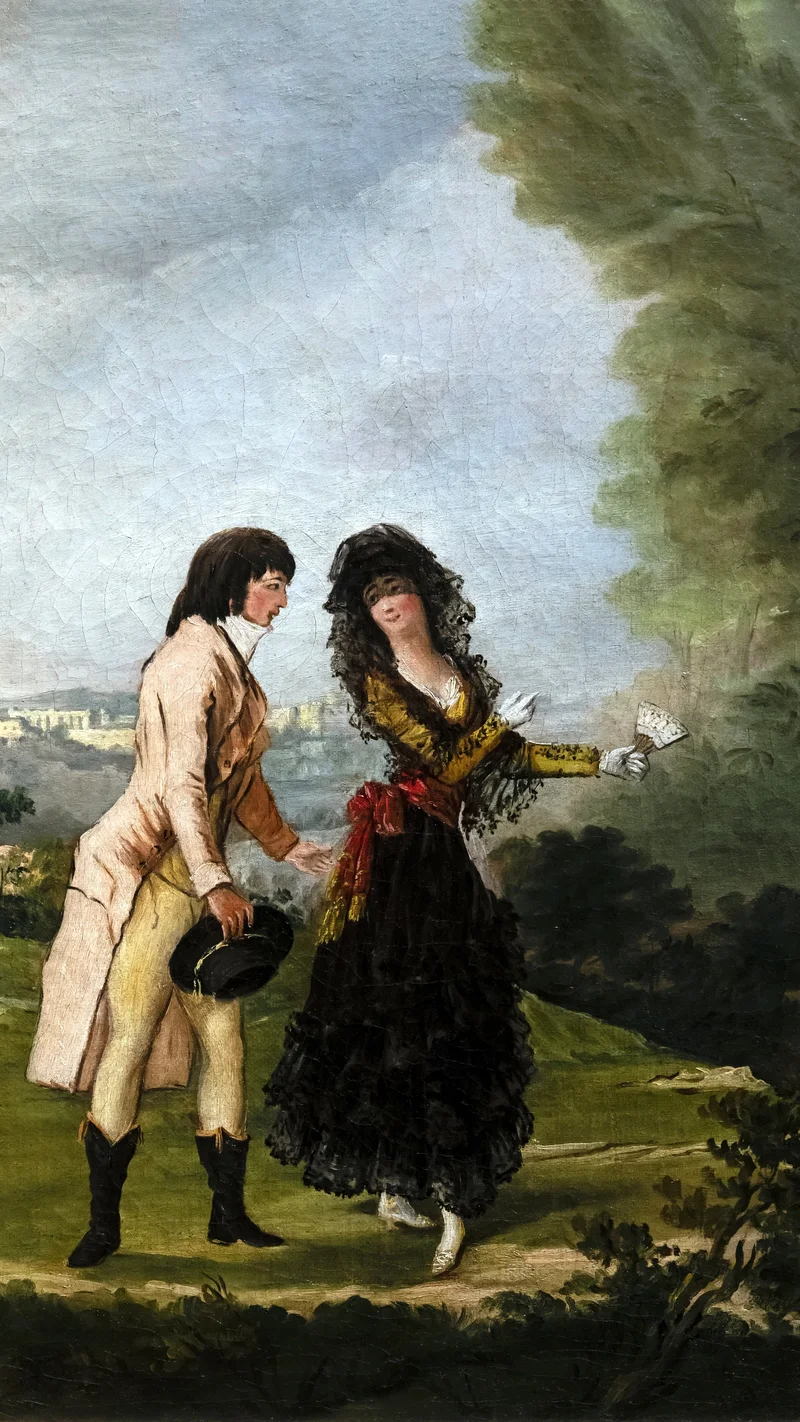
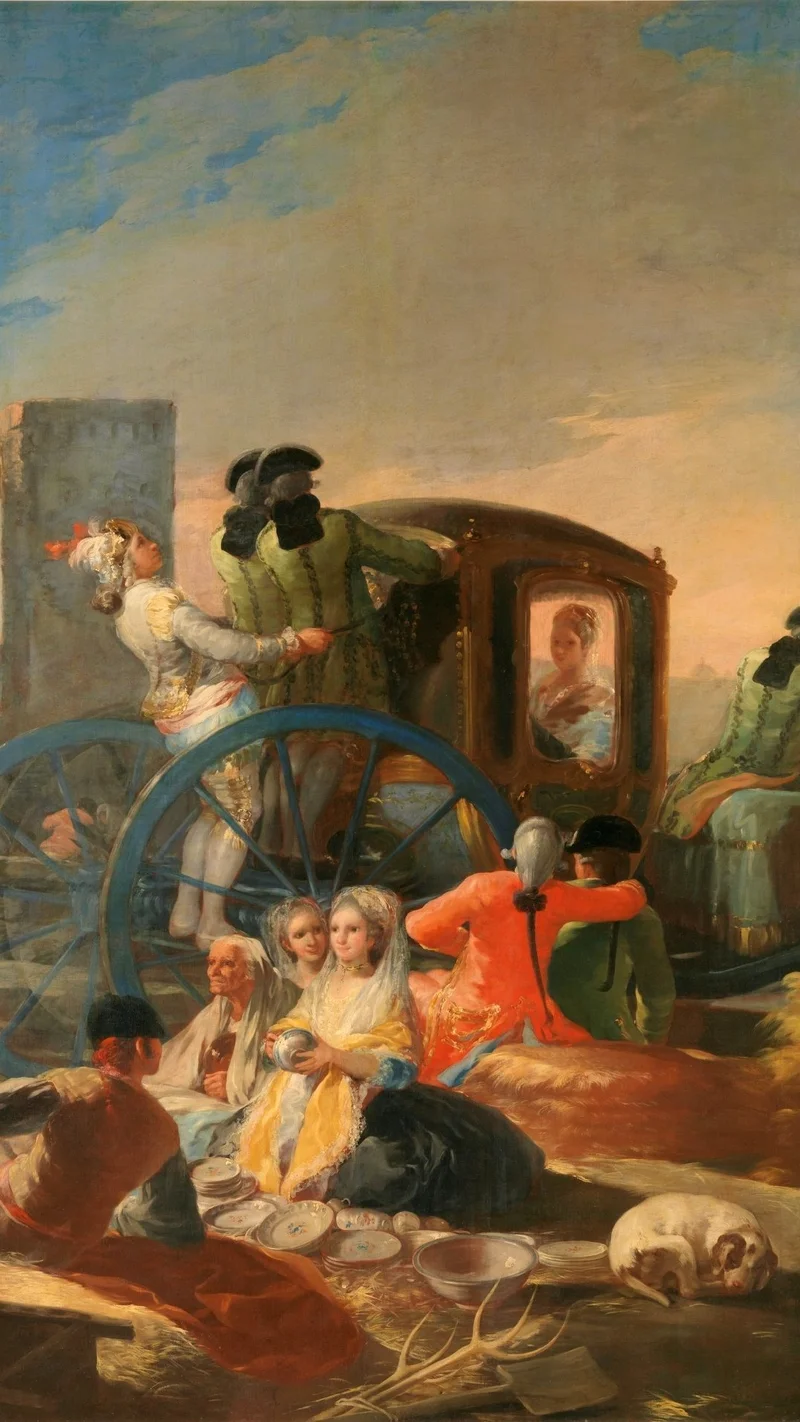
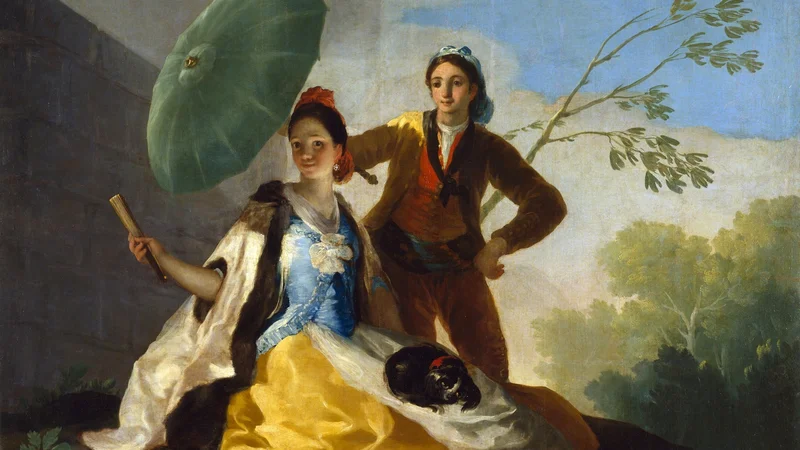
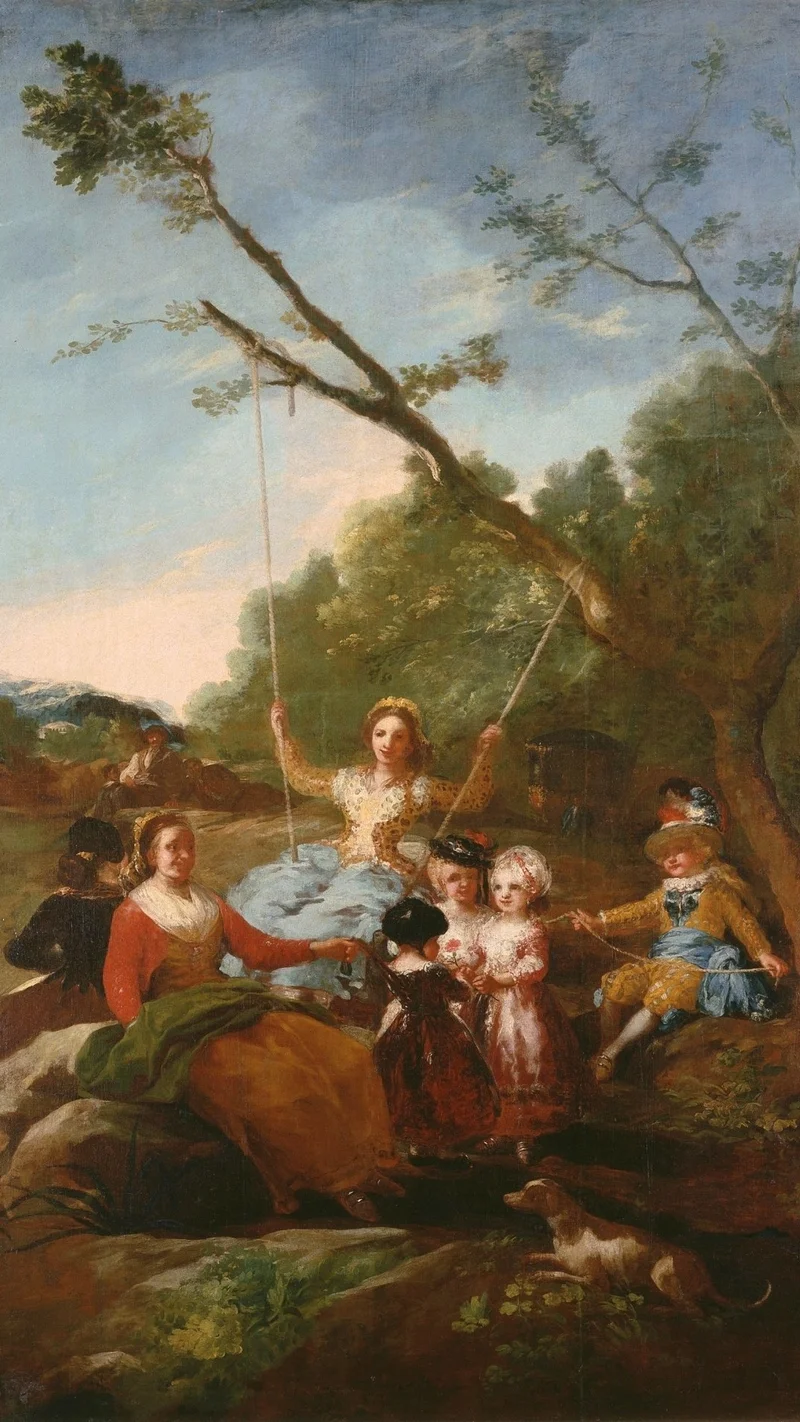
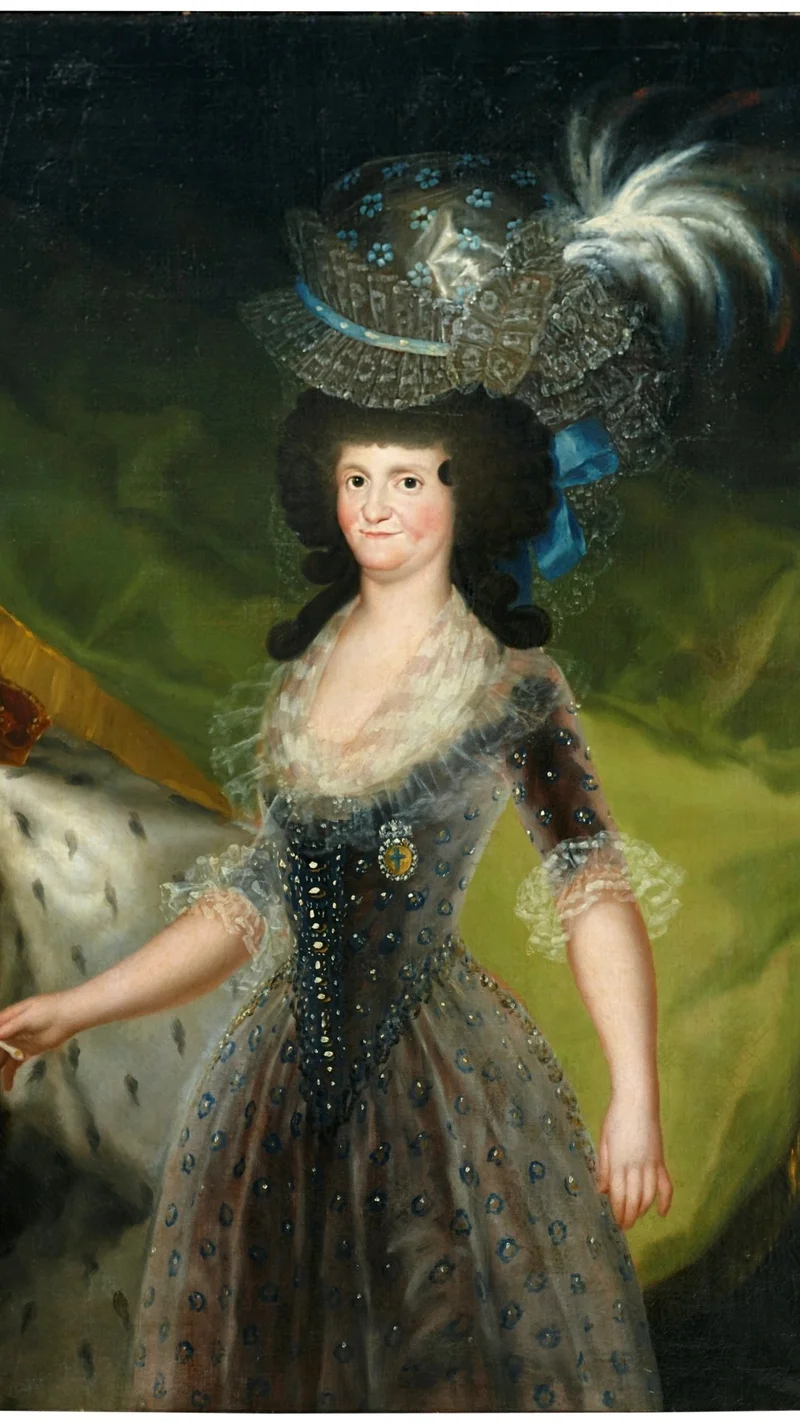
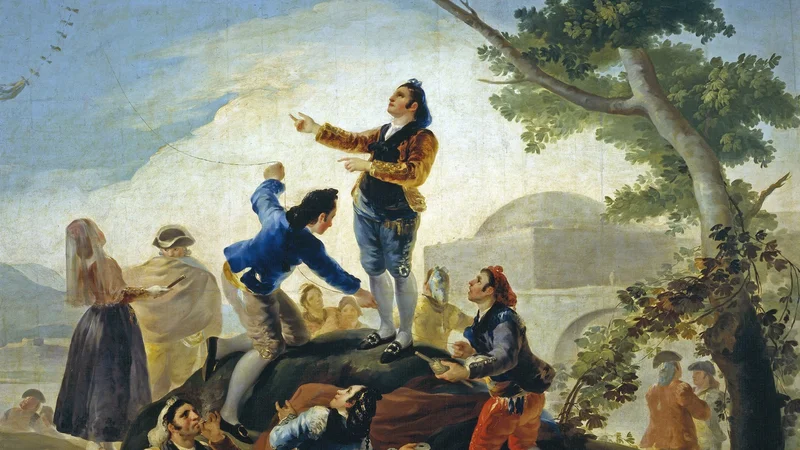
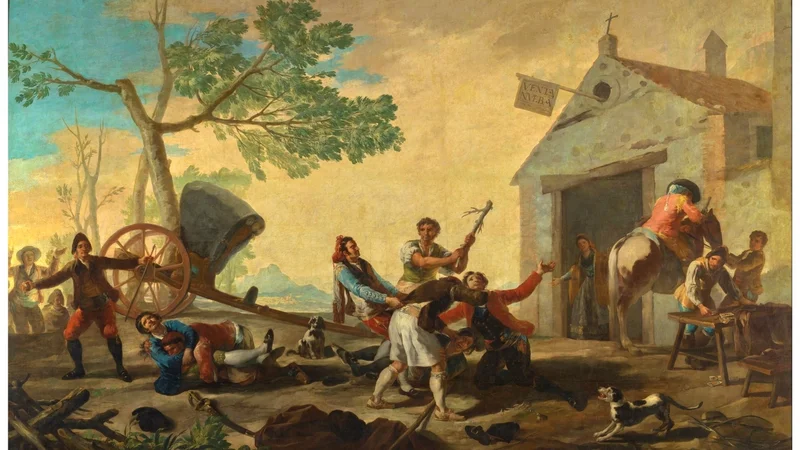
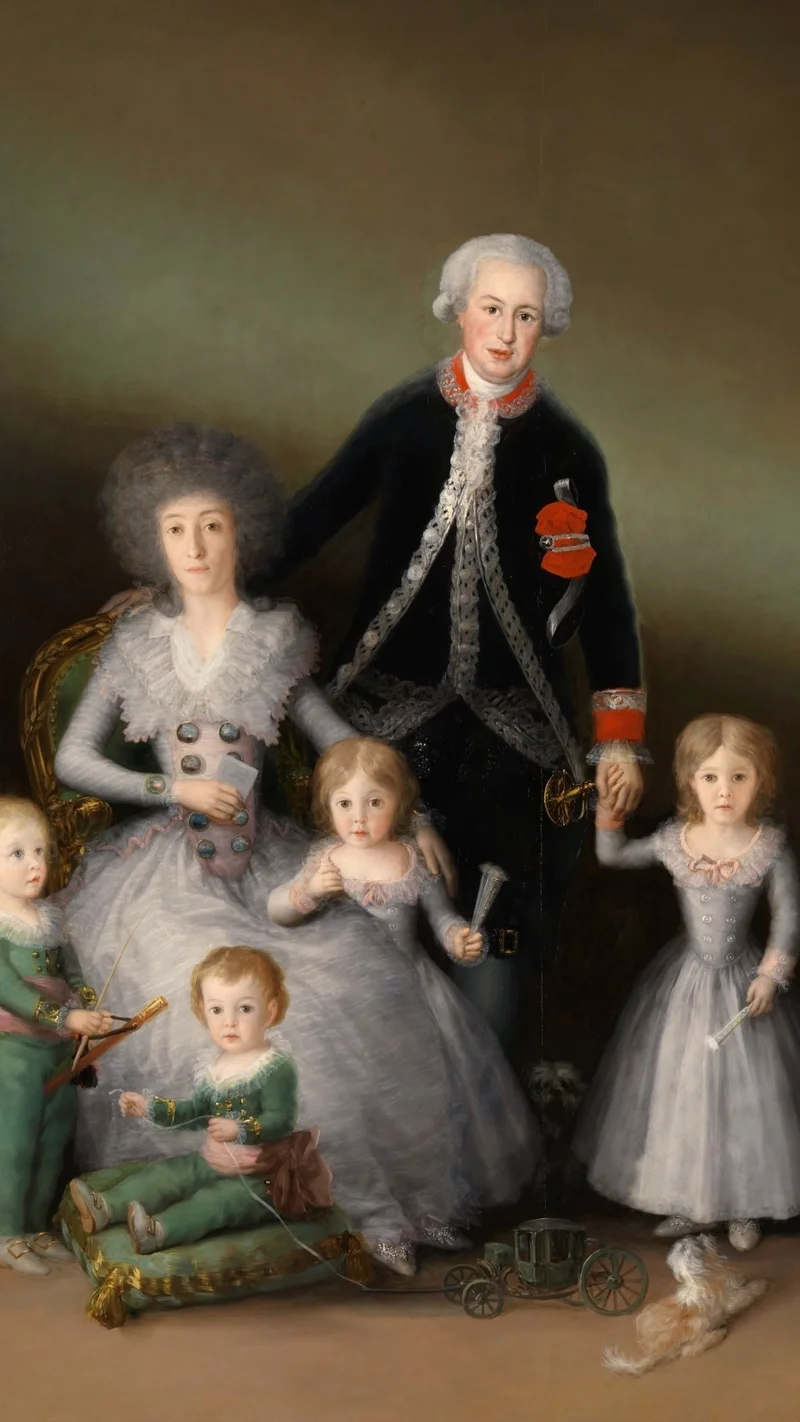
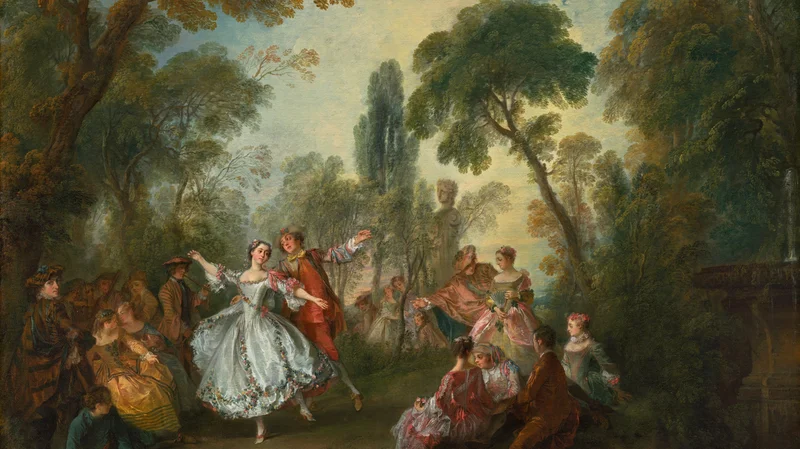
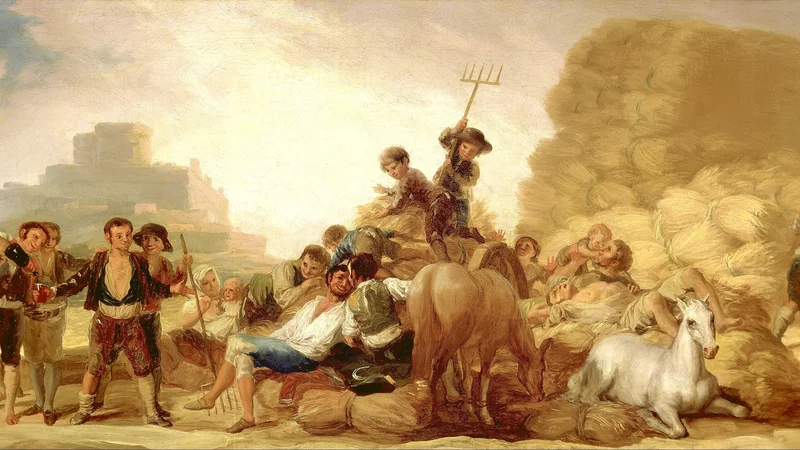
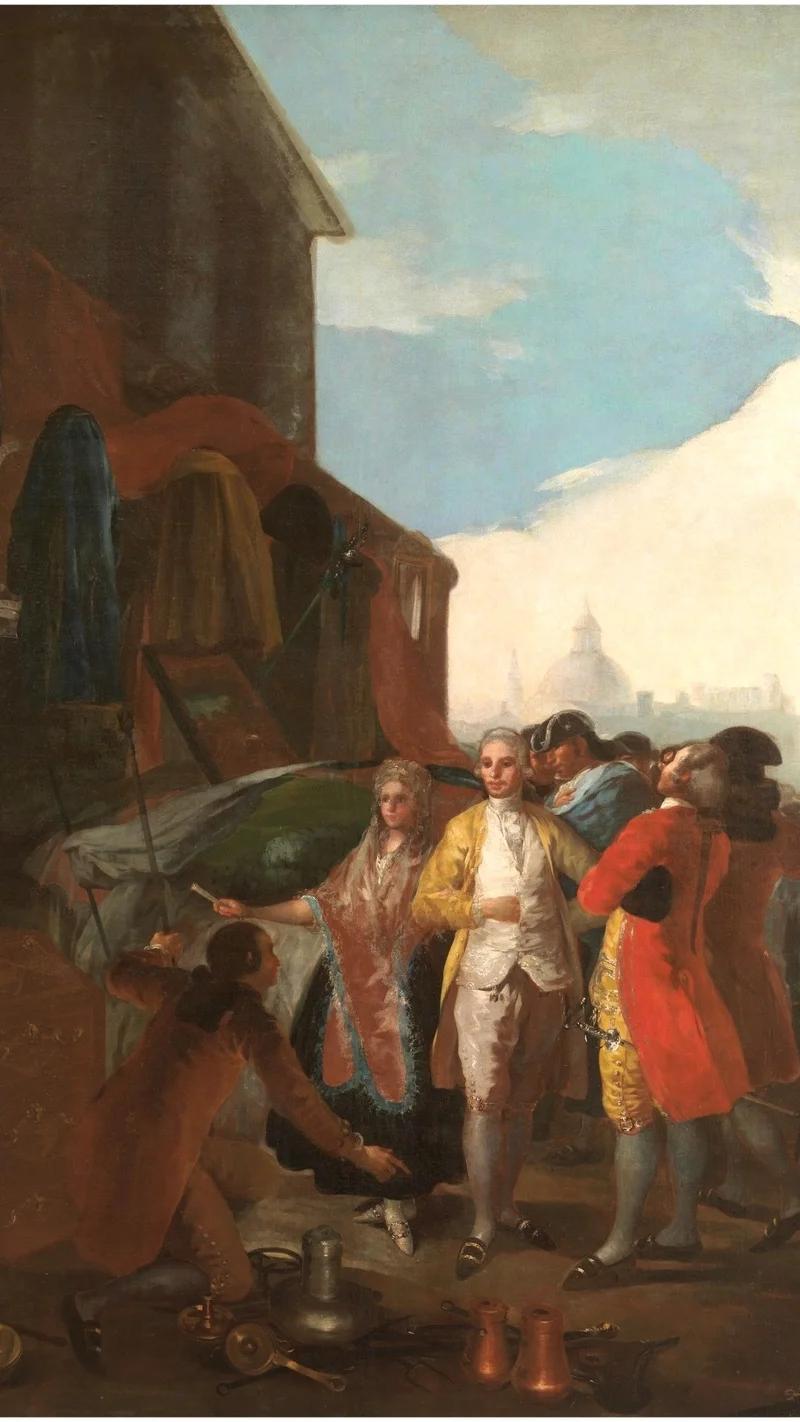
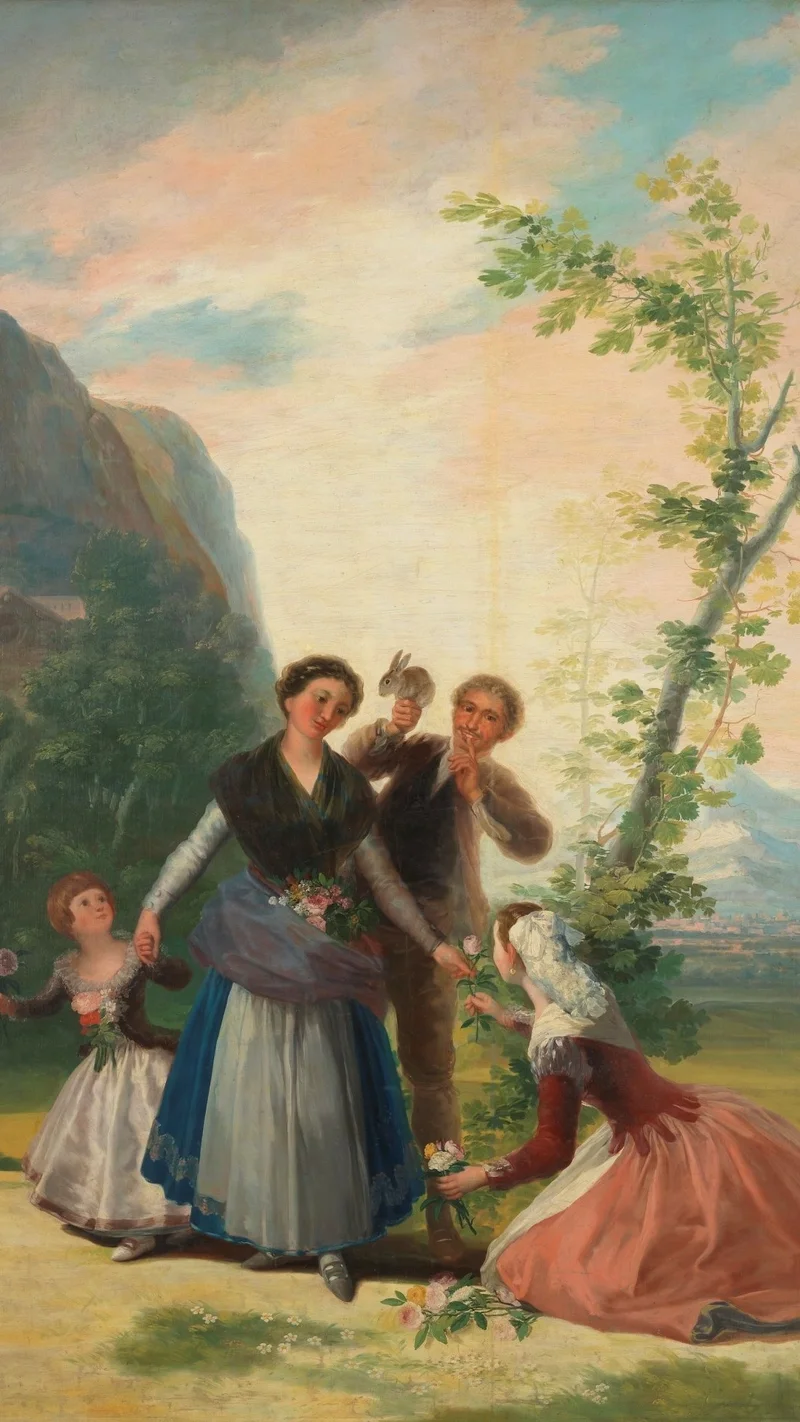
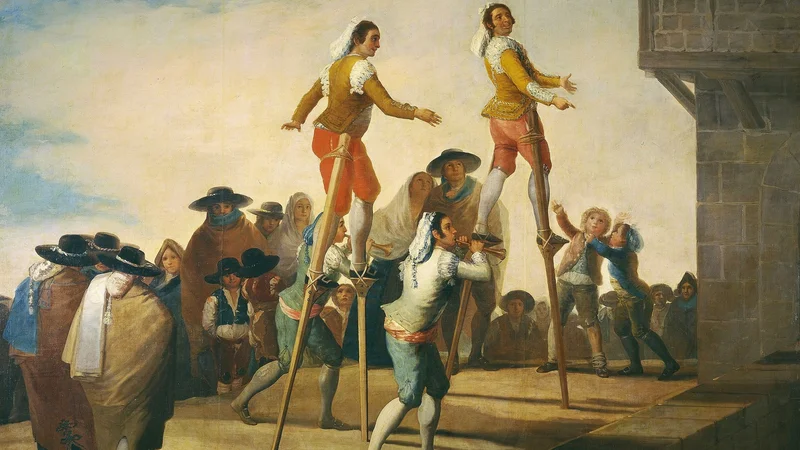
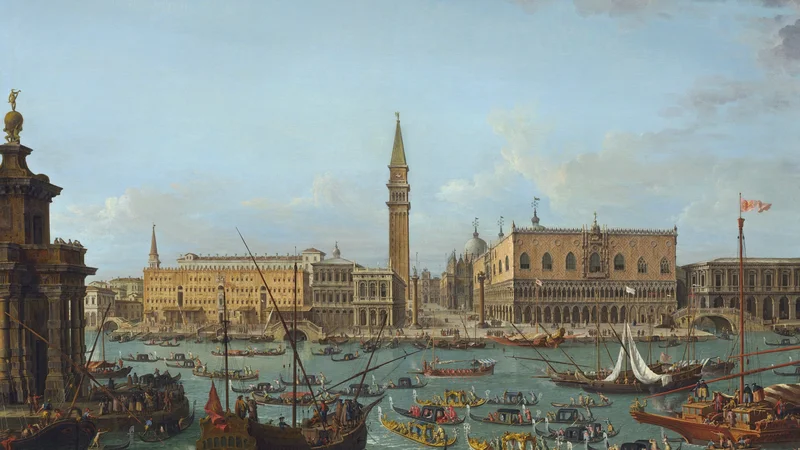
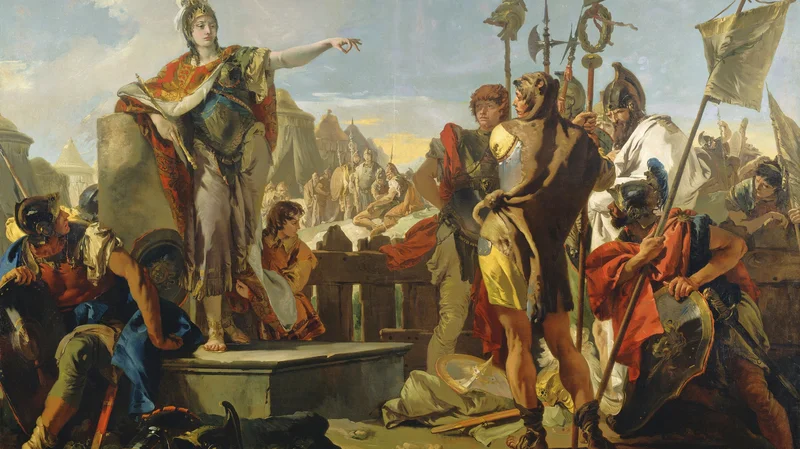
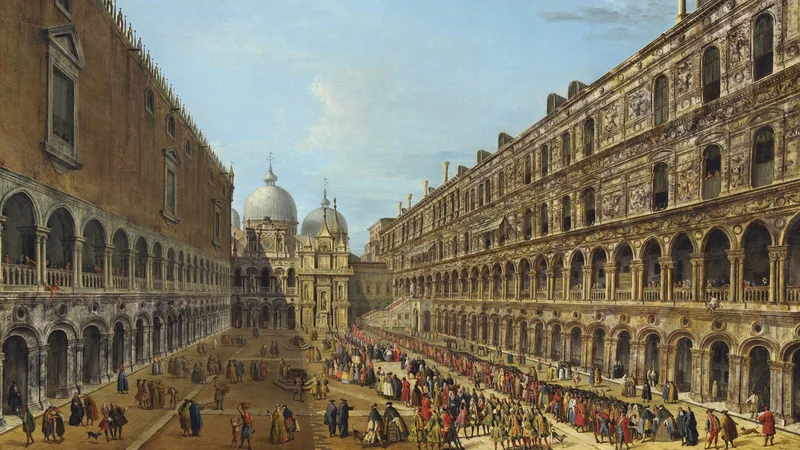
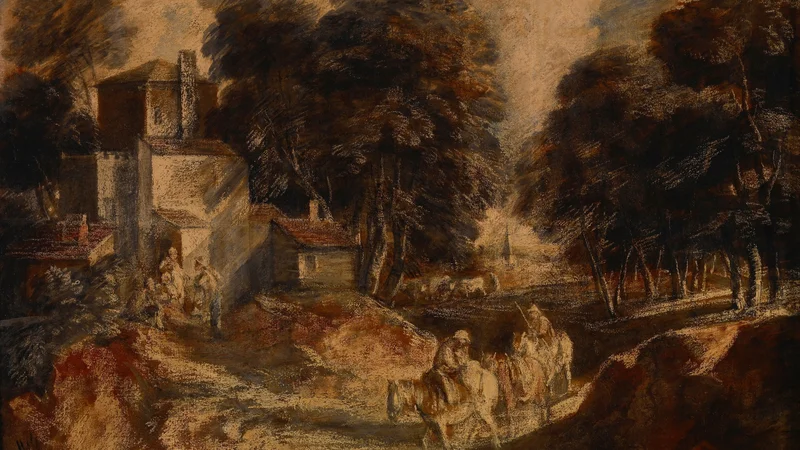
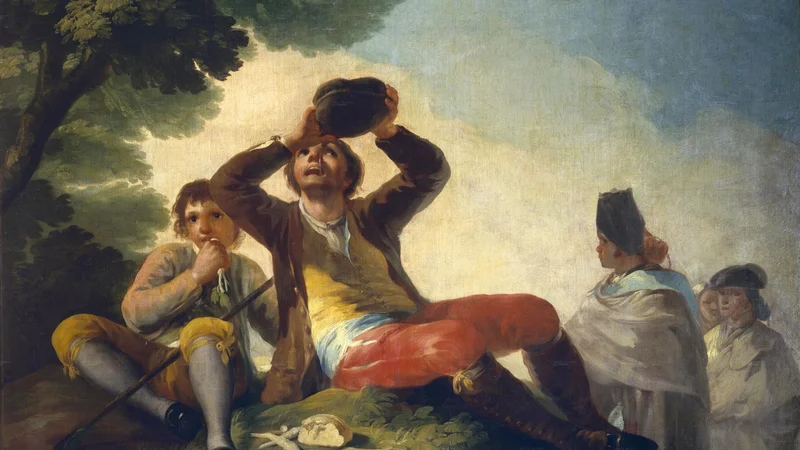
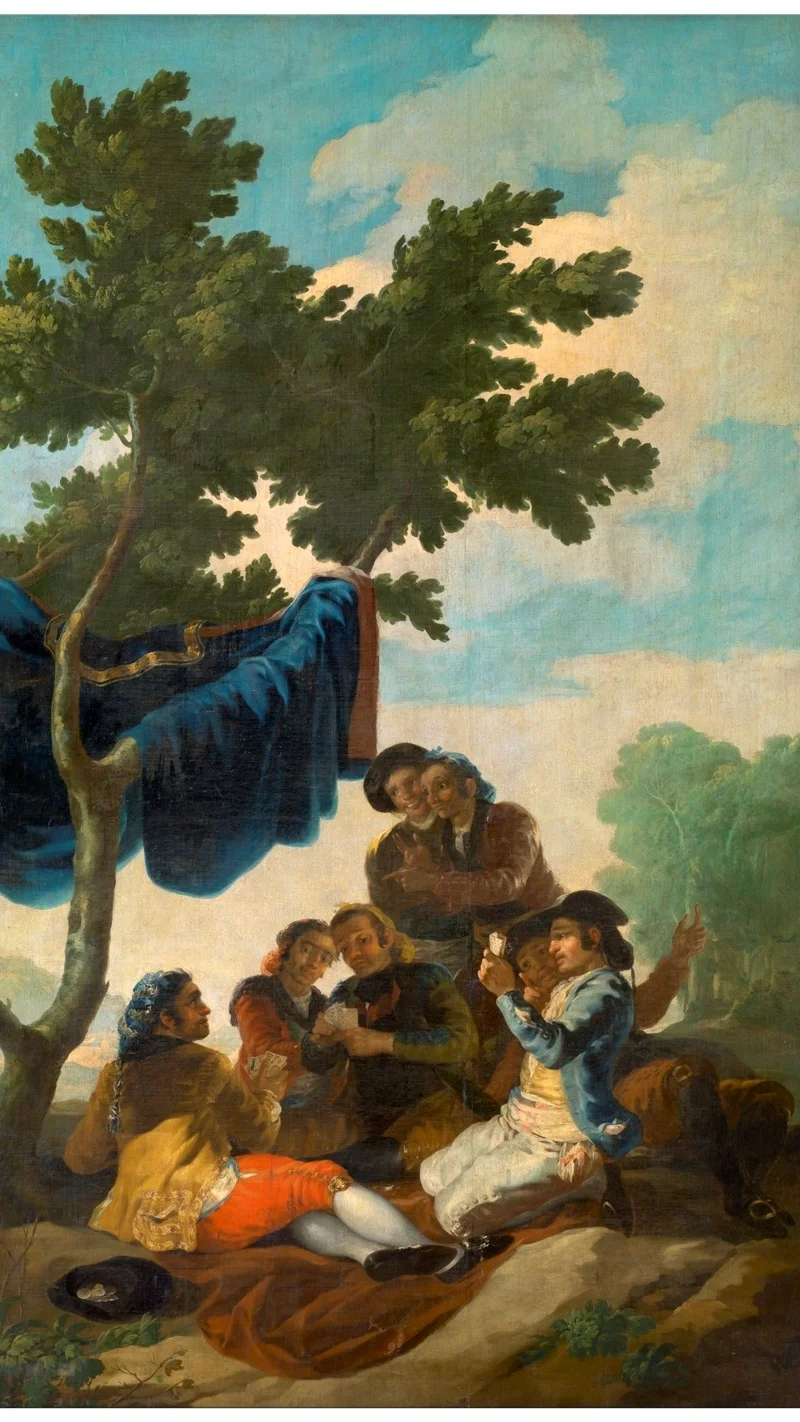
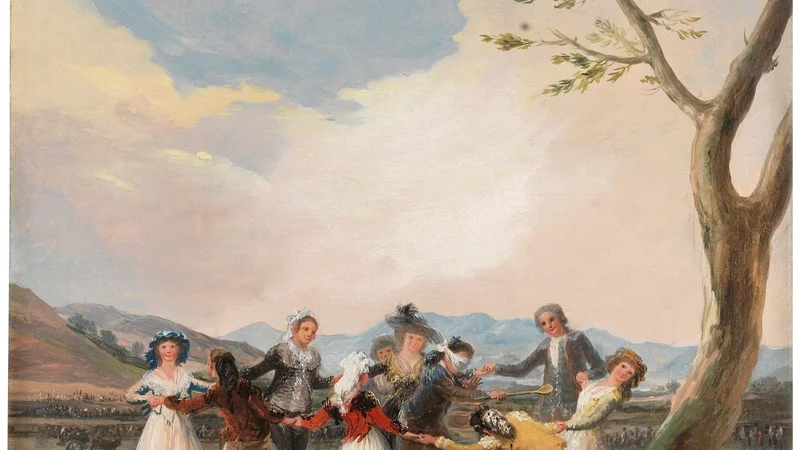
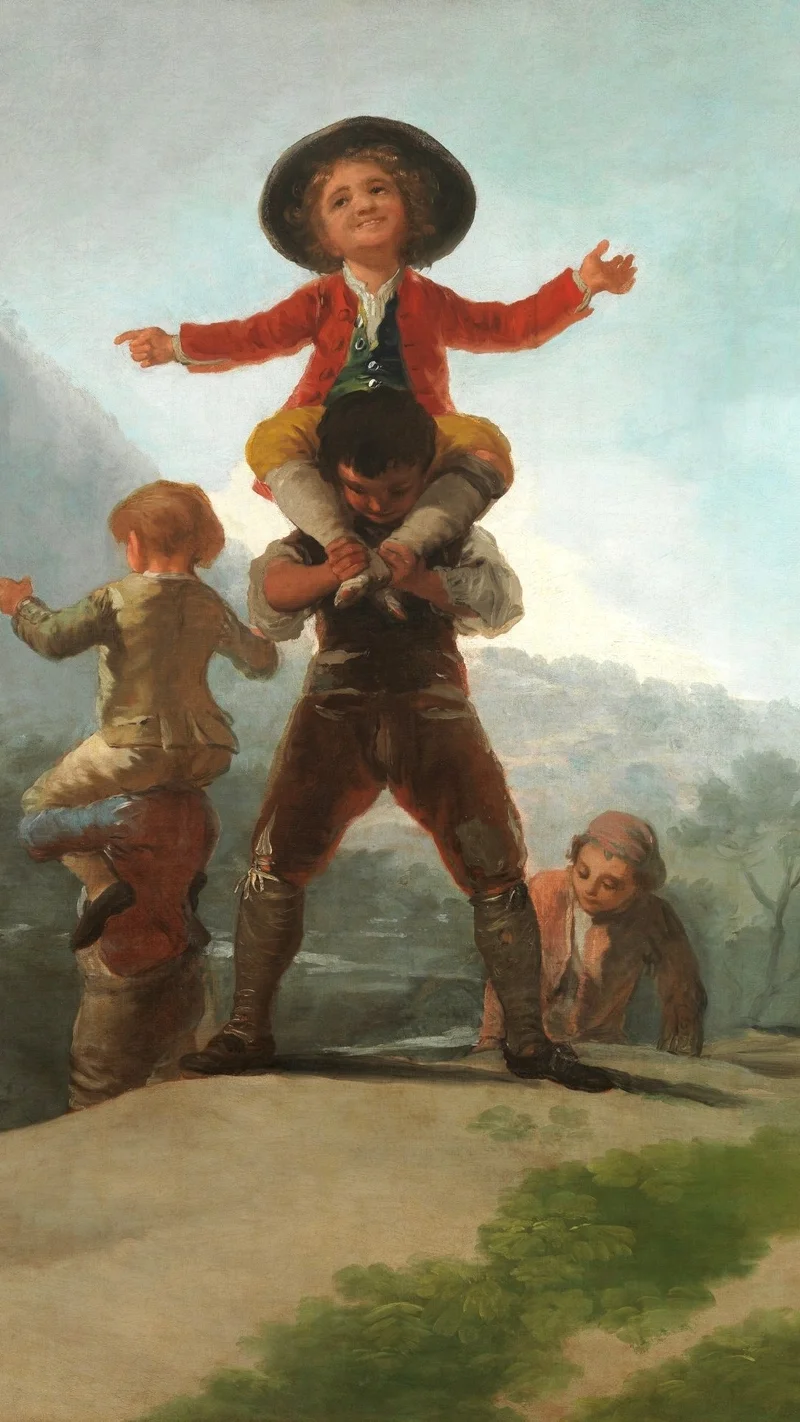
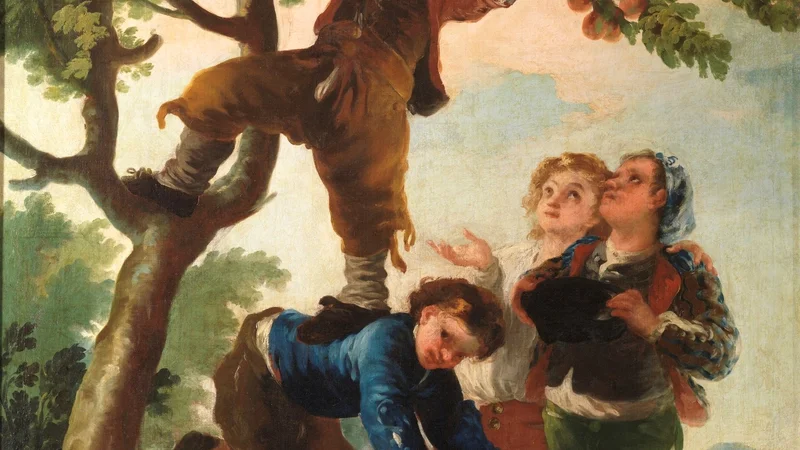
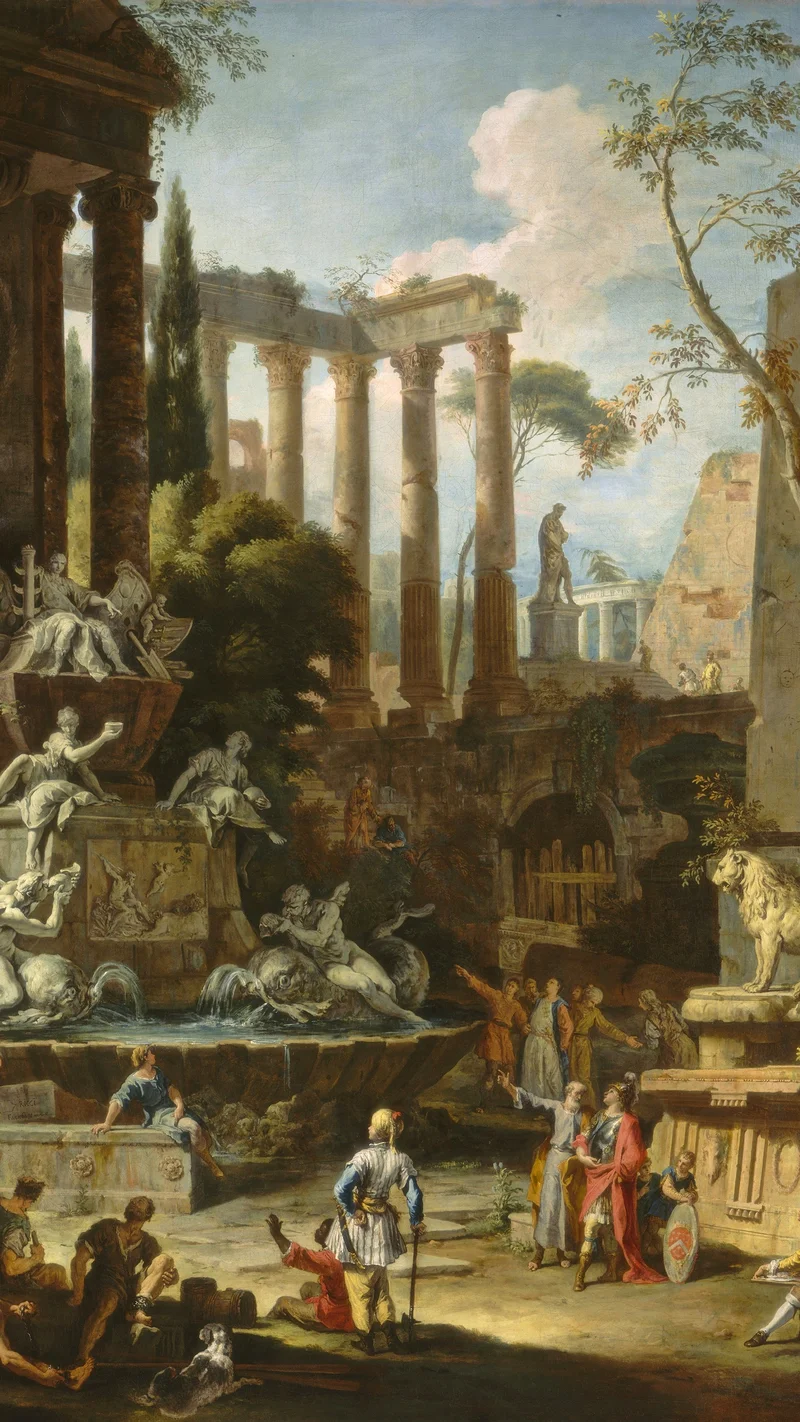
로코코의 영향력은 유럽 전역으로 확산되어 조반니 바티스타 티에폴로의 『Procession in the Courtyard of the Ducal Palace, Venice』와 같은 하늘을 향해 펼쳐지는 에테르 같은 프레스코화와, 토머스 게인즈버러의 탁월한 초상화(특히 『The Mill』)에 나타났습니다. 로코코 운동은 장식 예술과 연관 지어지는 경우가 많지만, 그 기술적 혁신, 특히 '붓터치의 해방'은 후대 회화적 표현의 발전에 토대를 마련했습니다. 프란시스코 고야의 작품 『La Camargo Dancing』에서조차 로코코가 가졌던 수행적 우아함과 빛에 대한 관심을 엿볼 수 있습니다. 형태의 의도적인 부드러움과 교훈적인 엄숙함의 포기를 통해 로코코 예술가들은 감각적 즐거움과 엄격한 구조적 혁신을 성공적으로 결합했으며, 서양 미술의 궤적에 지울 수 없는 흔적을 남겼습니다.