지역주의
8점의 작품
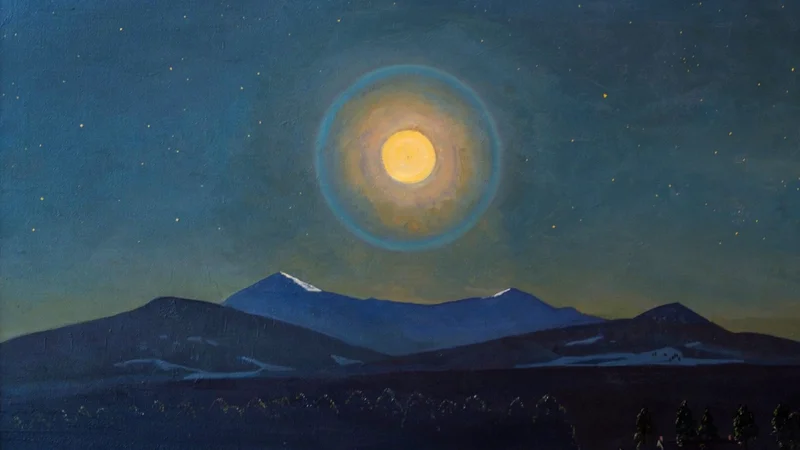
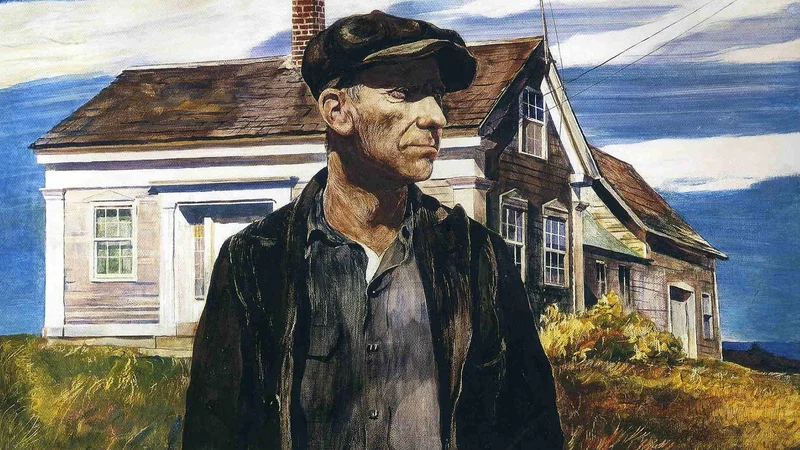
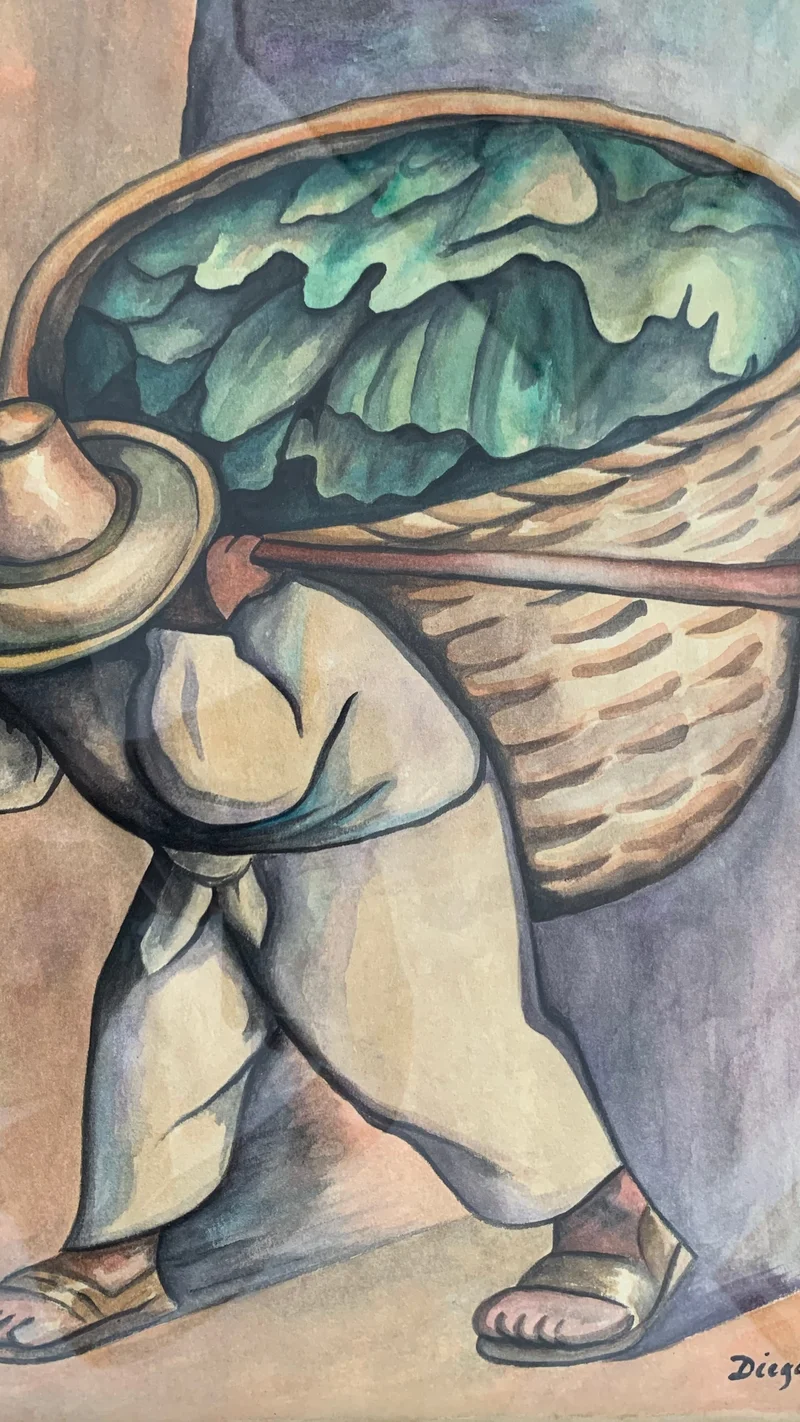
Regionalism emerged in the United States during the 1930s as a deliberate aesthetic reaction against the encroaching tide of European abstraction and the urban-centric focus of the early modernists. Rooted in a profound commitment to the American scene, the movement sought to document the cultural, social, and topographical idiosyncrasies of the nation's heartland. Artists such as Rockwell Kent, Diego Rivera, and Andrew Wyeth captured the vernacular landscapes and labor-intensive lives of rural inhabitants, imbuing their compositions with a somber, grounded realism. Significant works like Moonlight, Winter, and Oregon City on the Willamette River exemplify this preoccupation with the distinct atmospheric and structural character of specific locales, elevating the provincial to a subject of serious national inquiry.
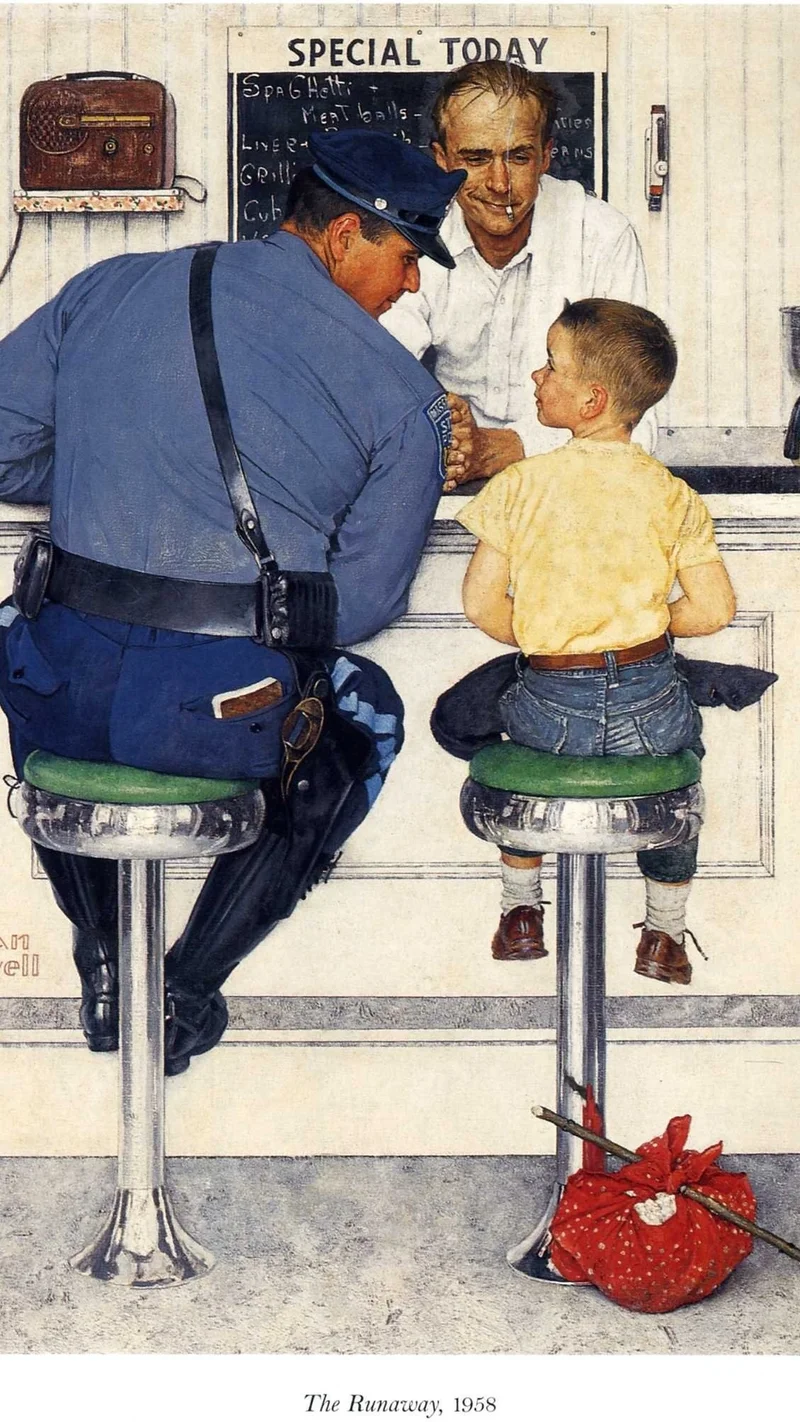
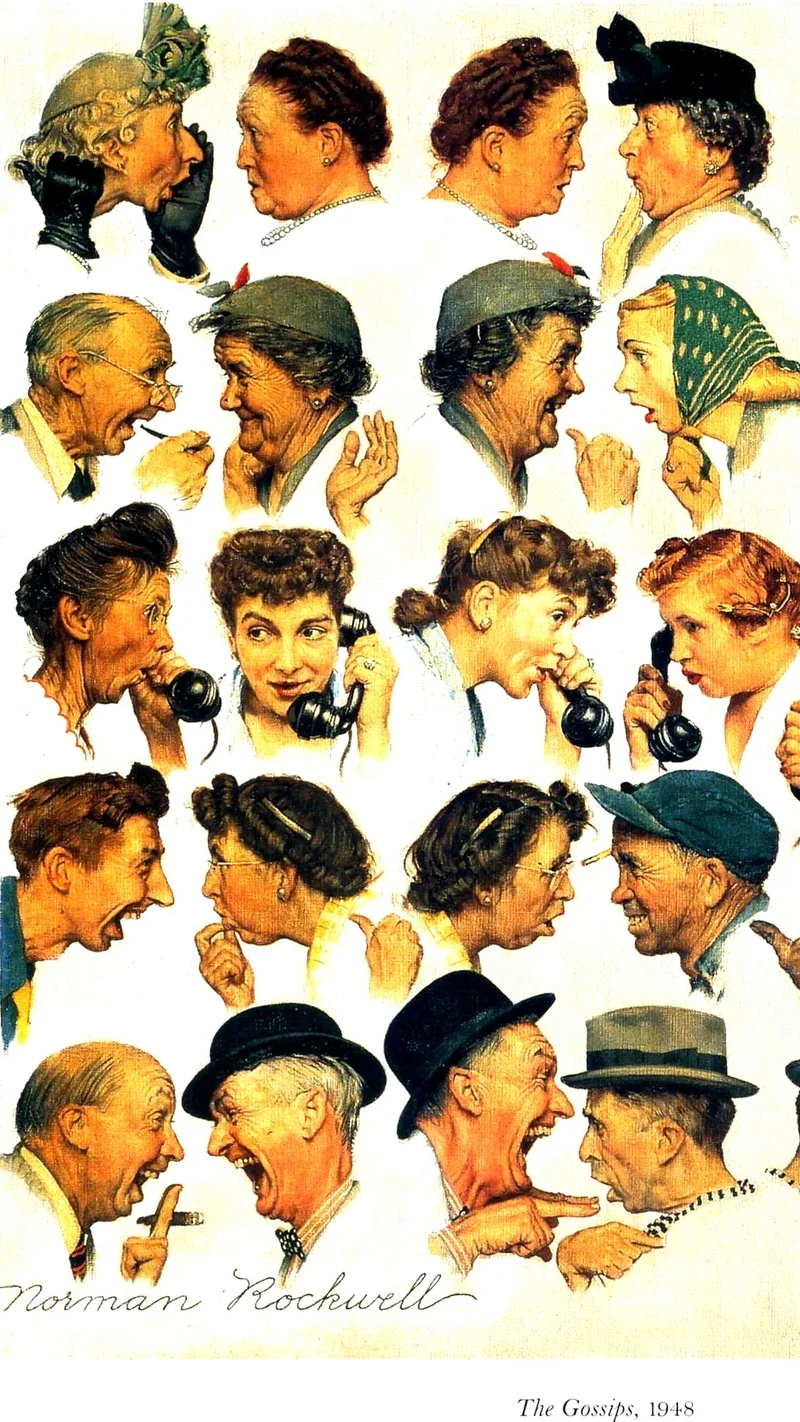
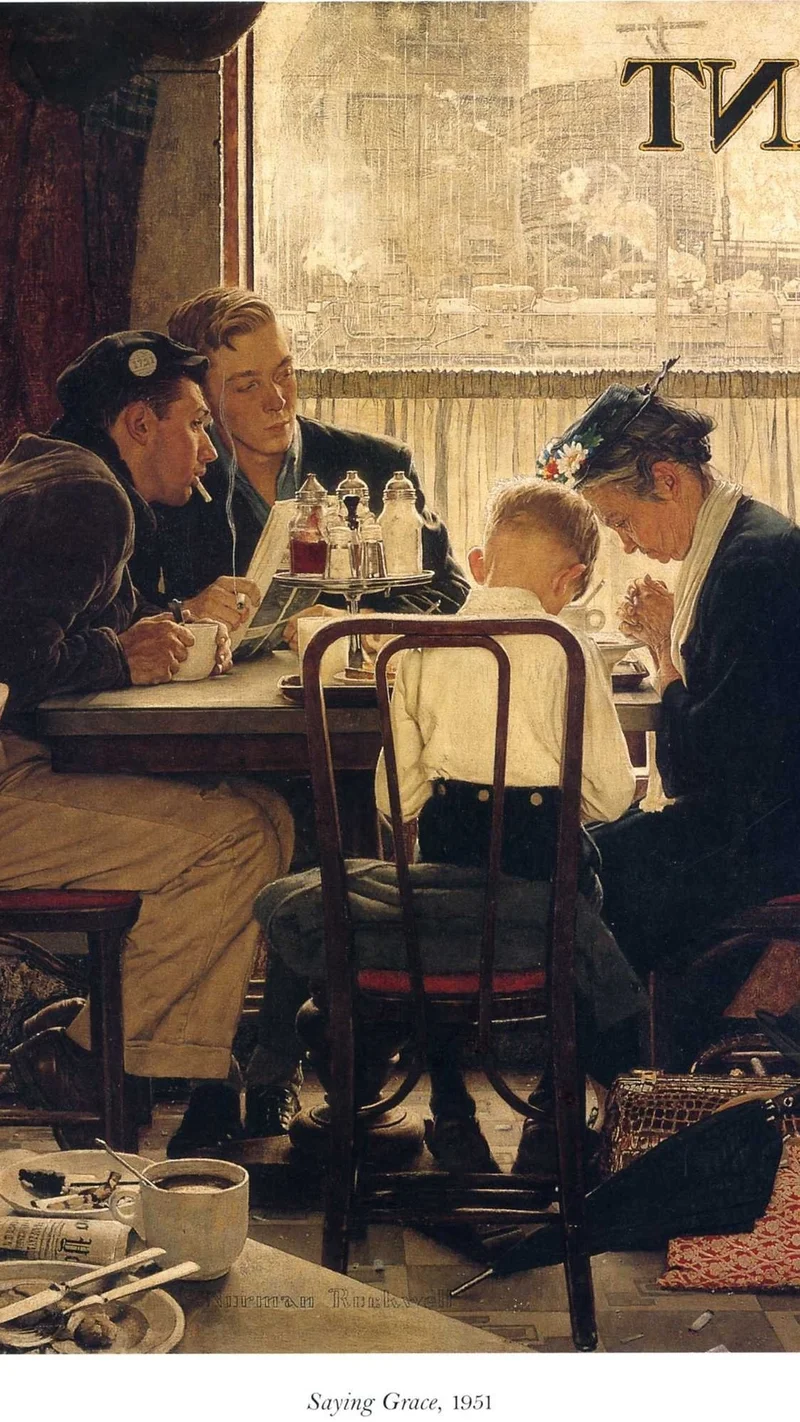
While critics sometimes derided the movement for its perceived isolationism, figures like Norman Rockwell—through iconic narratives such as The Runaway, The Gossips, and Saying Grace—and John Stanley bridged the divide between fine art and accessible social storytelling. These artists refined a visual language that prioritized clarity and narrative resonance, often highlighting the dignity and hardship found in everyday existence. By focusing on the mythos of the American spirit, the movement created an enduring record of a nation in transition. The legacy of Regionalism persists as a vital cornerstone of 20th-century art, providing a necessary counterweight to internationalism and establishing a foundation for later developments in contemporary figurative painting.