Albertina
6 artworks
Situated in the historic heart of Vienna, the Albertina occupies a site of significant architectural heritage that reflects the city's imperial past. Founded upon a foundation that bridges the gap between historical aristocratic residence and modern institutional prestige, the museum is housed within a complex that serves as a monument to European cultural legacy. Since its inception, the institution has been dedicated to the meticulous preservation of graphic arts, evolving from an intimate princely collection into a globally recognized repository of human creative achievement.
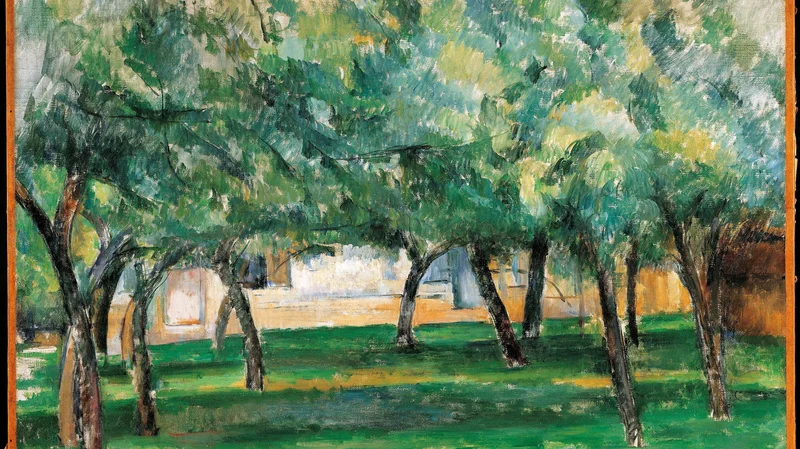
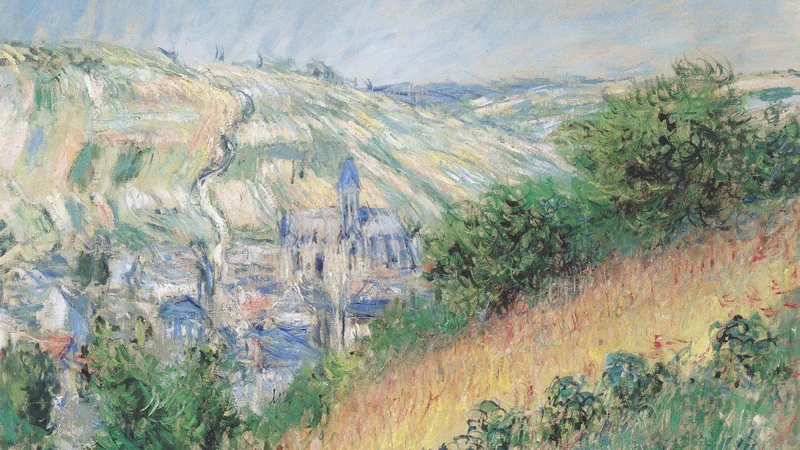
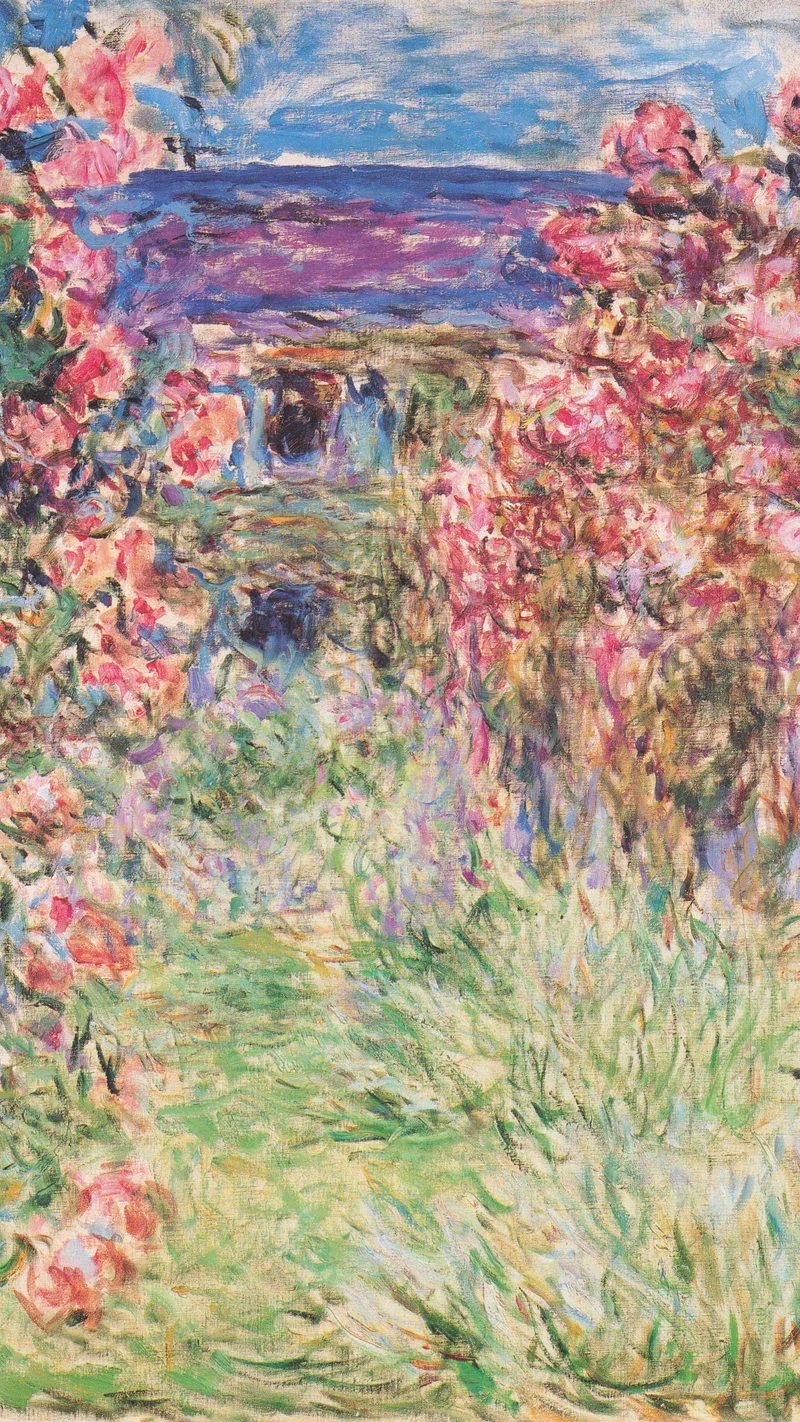
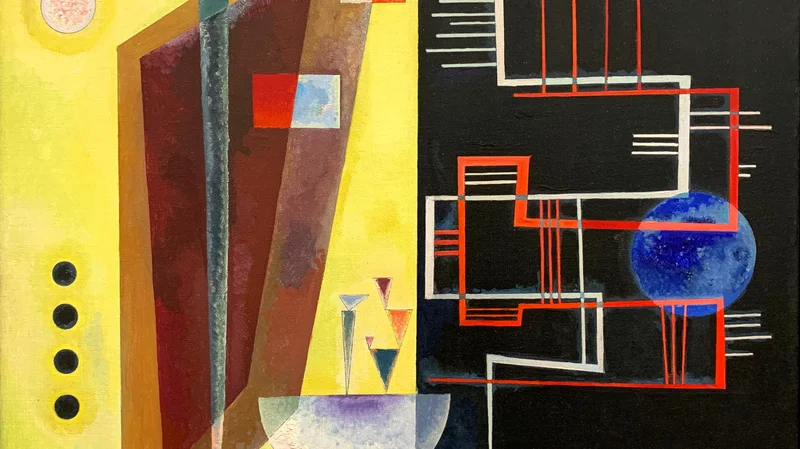
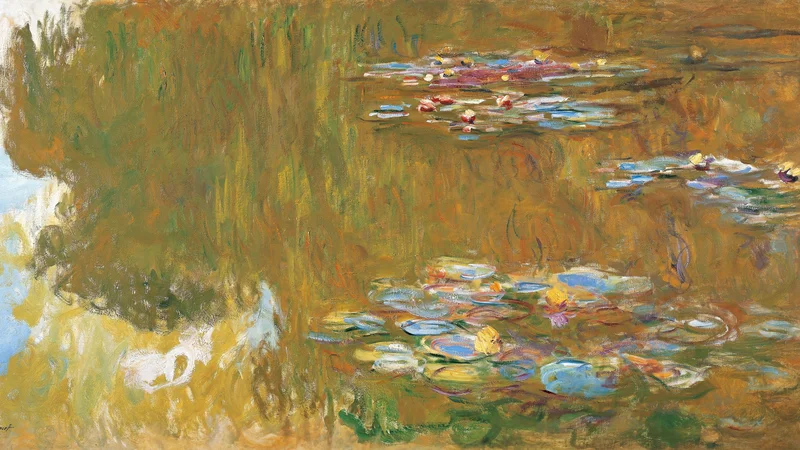
Within its walls, the institution holds an extraordinary breadth of material, ranging from old master prints to the revolutionary aesthetic shifts of the 20th century. The collection is particularly distinguished by its deep engagement with Impressionism and Post-Impressionism, showcasing pivotal works such as The Water Lily Pond and View of Vétheuil by Claude Monet, alongside the structural brilliance of Paul Cezanne’s Farm in Normandy and The House among the Roses. Furthermore, the museum bridges the transition into the Abstract movement through the visionary compositions of Wassily Kandinsky, exemplified by pieces like Inner Alliance, and the evocative graphic output of artists such as Henri de Toulouse-Lautrec and the haunting imagery of The White Horse Gazelle.
Today, the Albertina functions as a vital nexus for the study and appreciation of art history, balancing the weight of its historical archives with a robust program of temporary exhibitions. By maintaining a rigorous standard of scholarship and curation, it continues to serve as an essential reference point for the global art community, ensuring that these foundational works remain accessible for critical study and public enrichment.
Background adapted from Wikipedia (CC BY-SA).