Neo-Impressionism
34 artworks
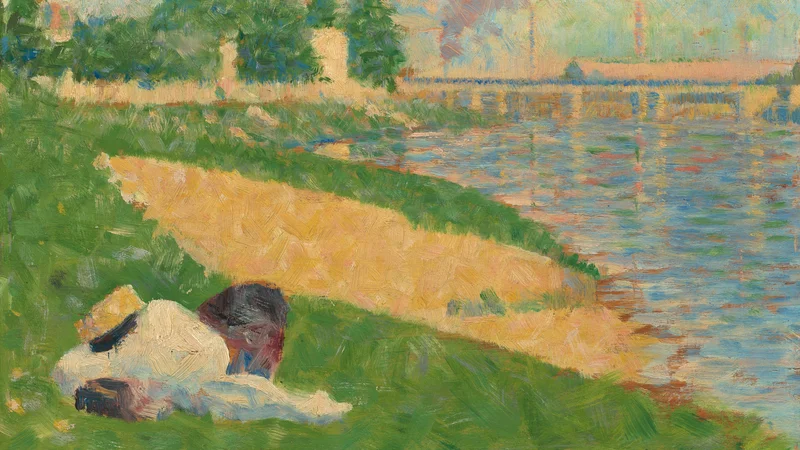
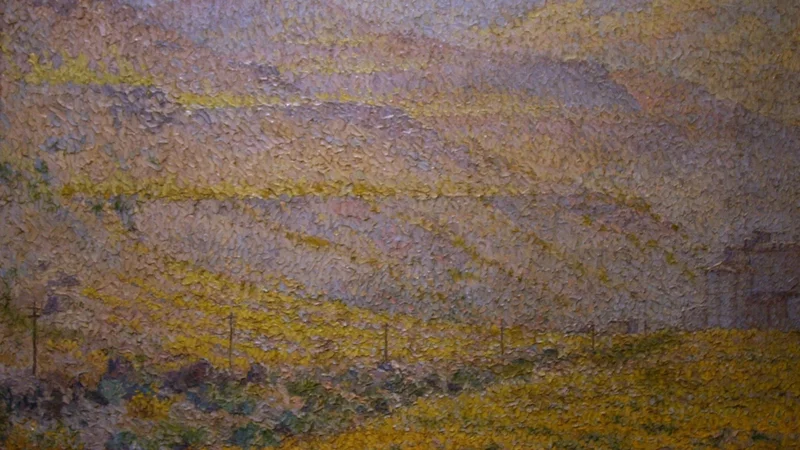
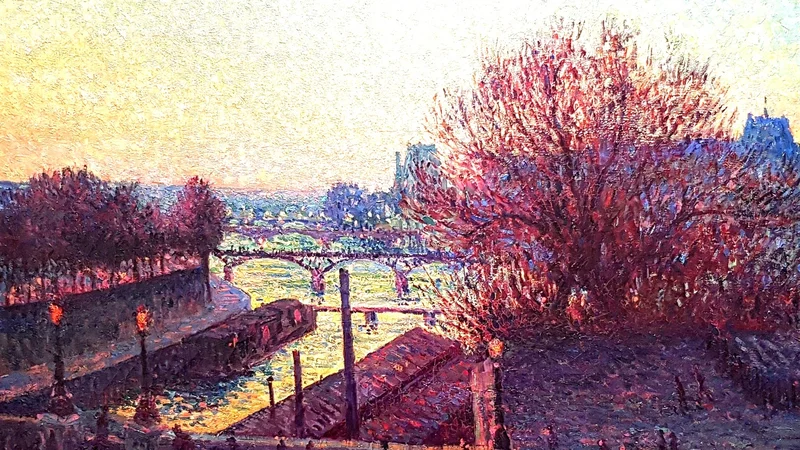
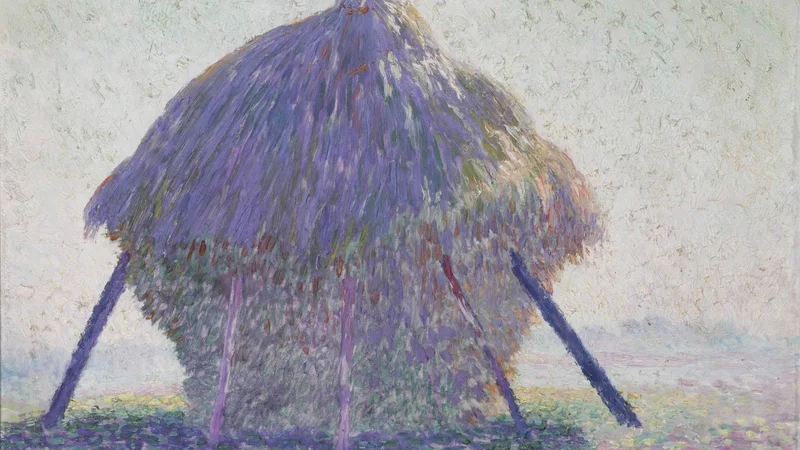
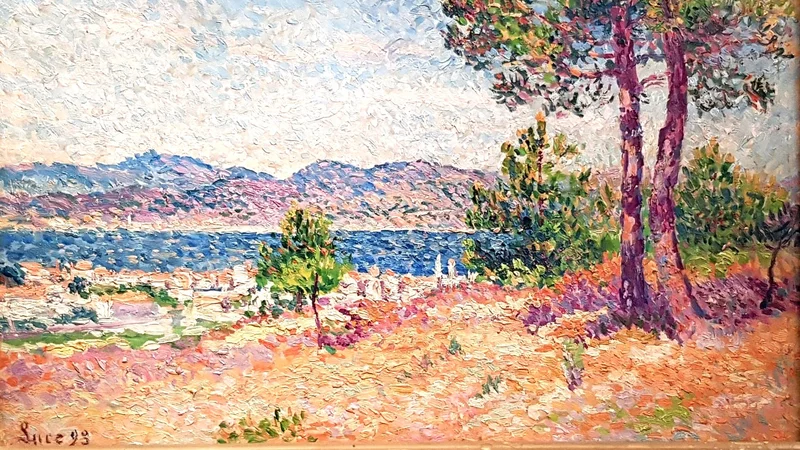
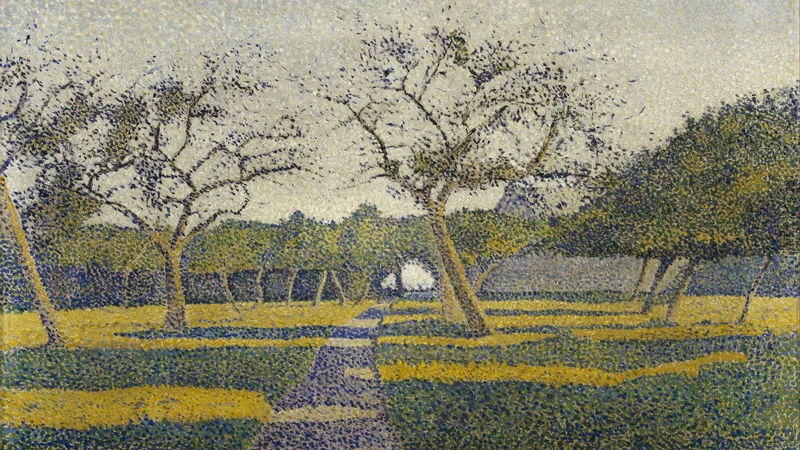
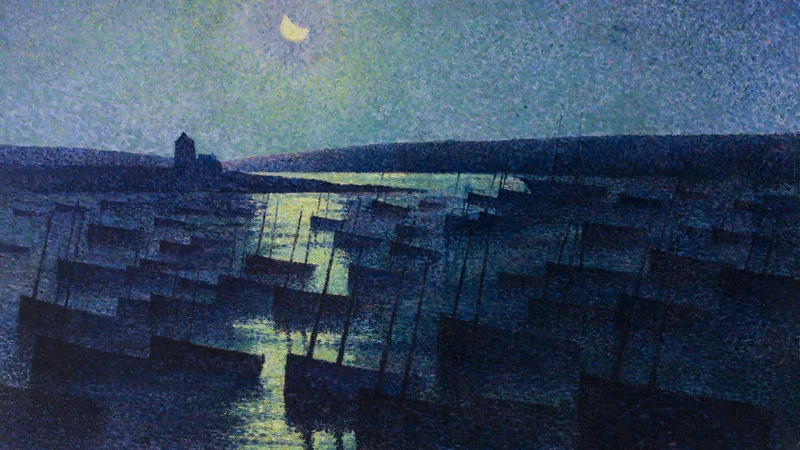
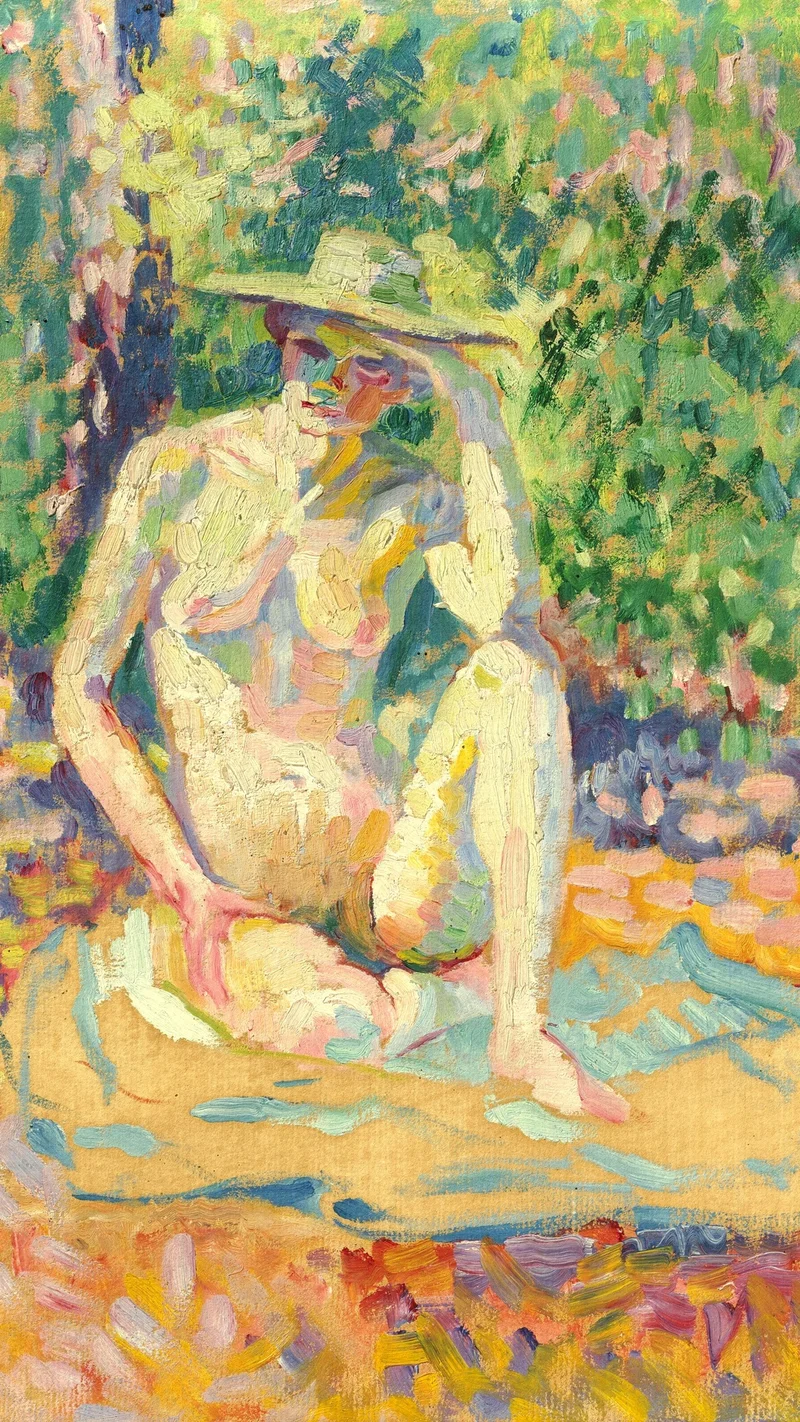
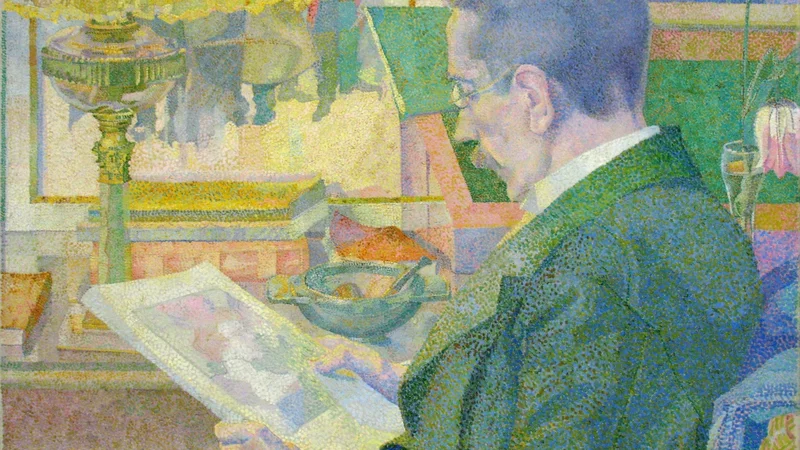
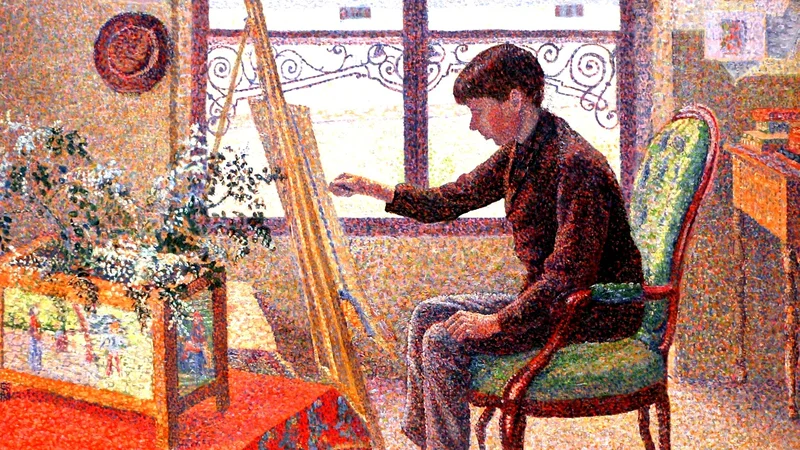
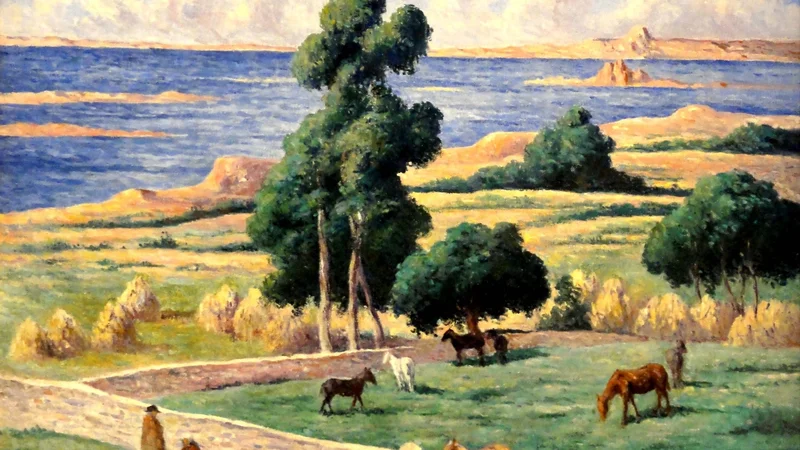
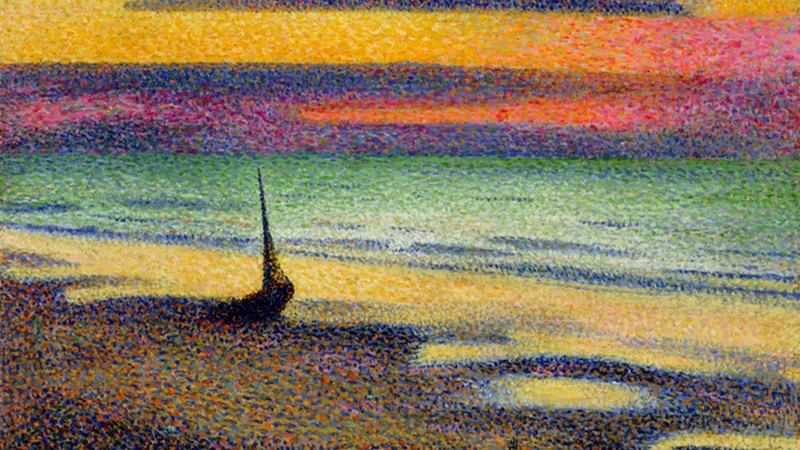
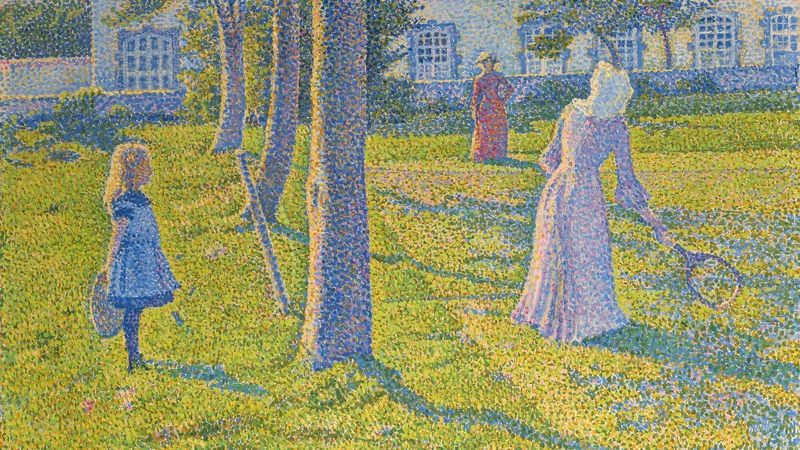
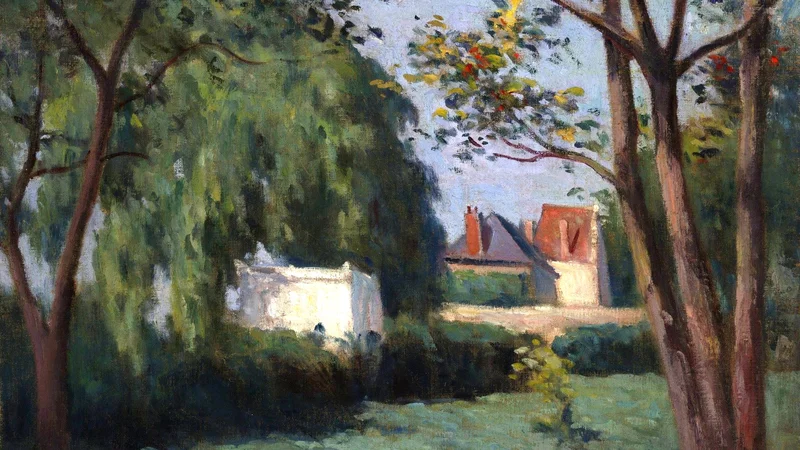
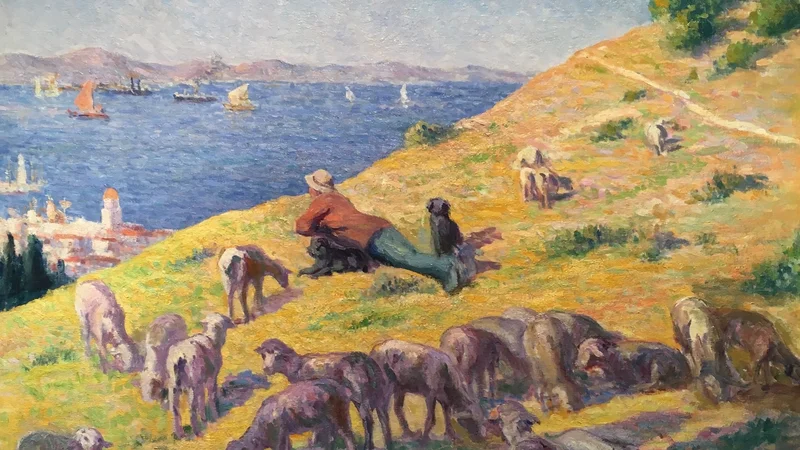
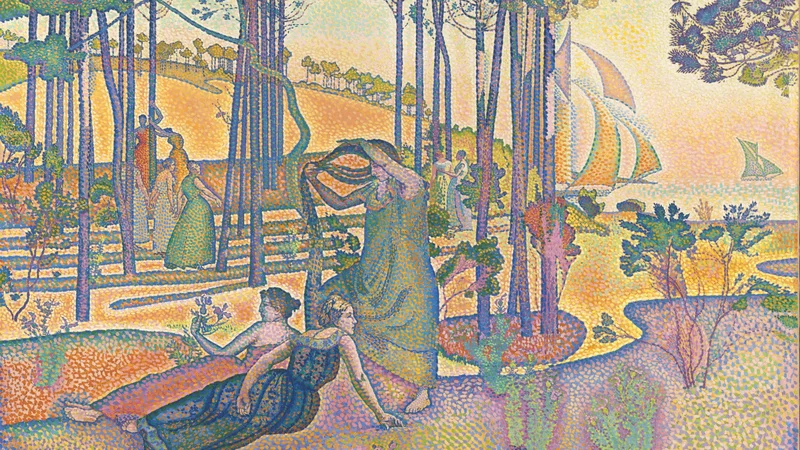
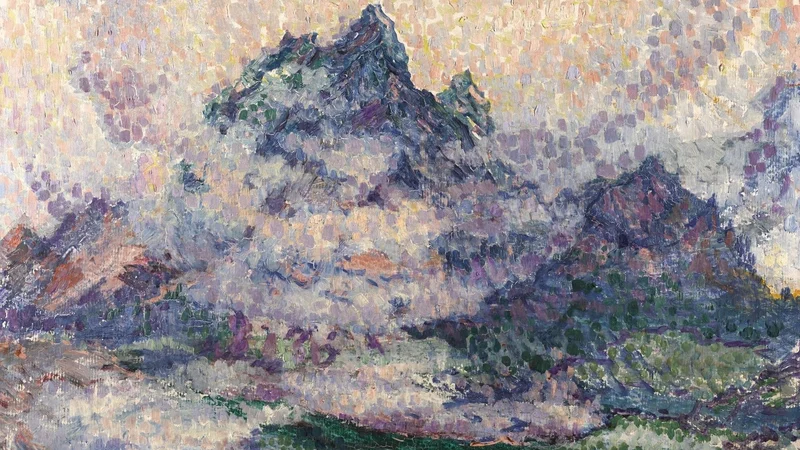
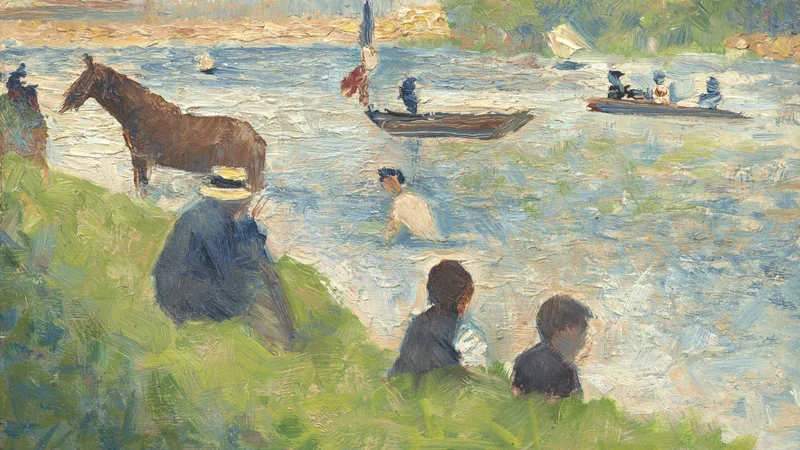
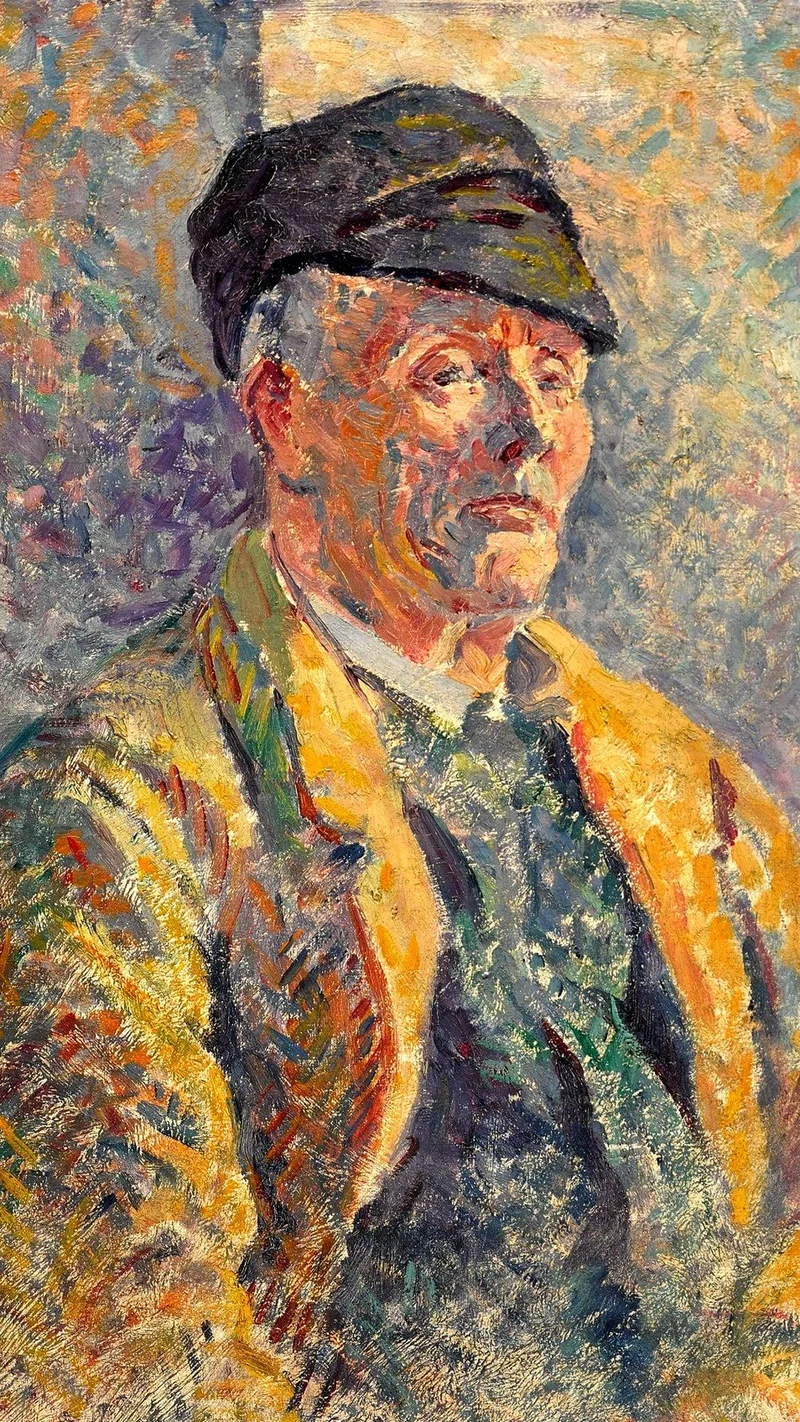
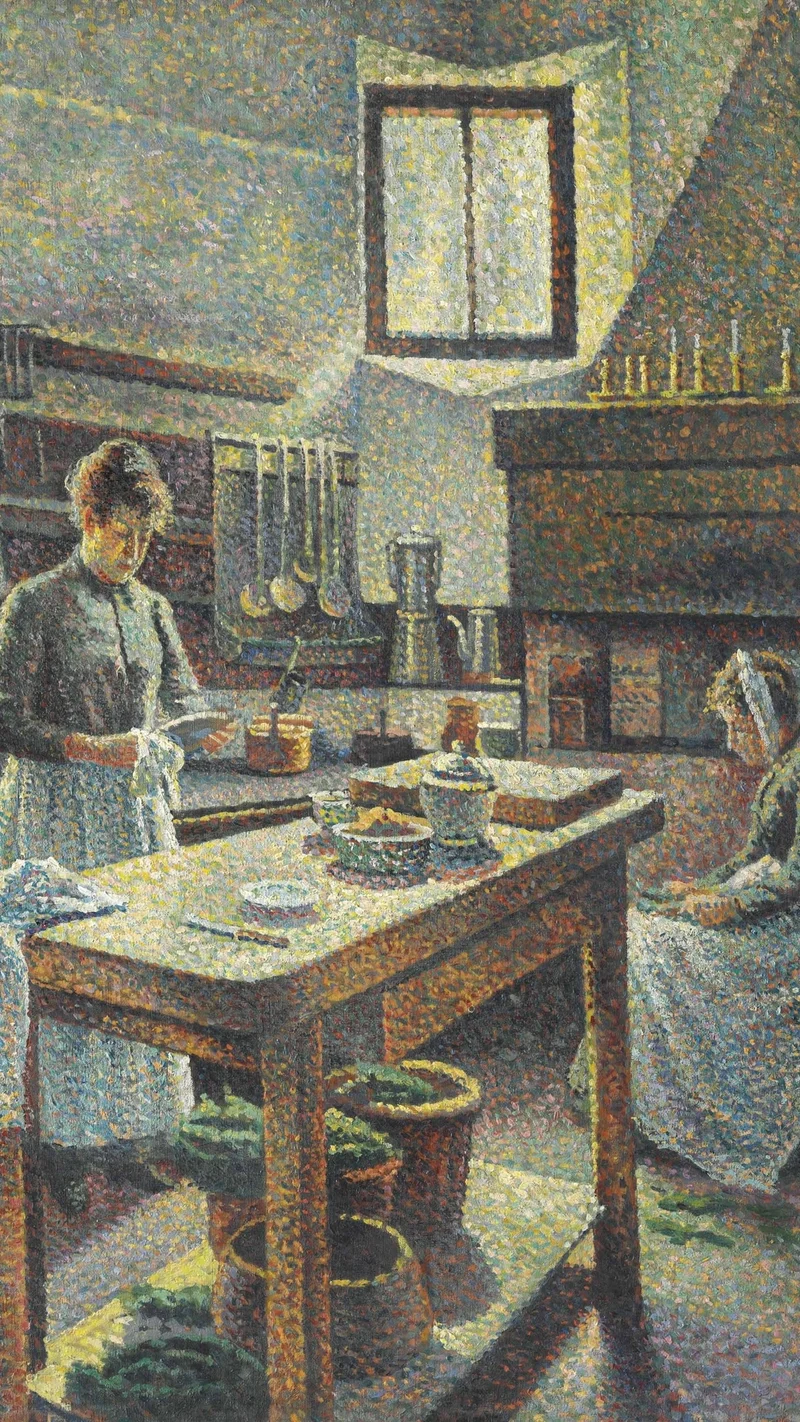
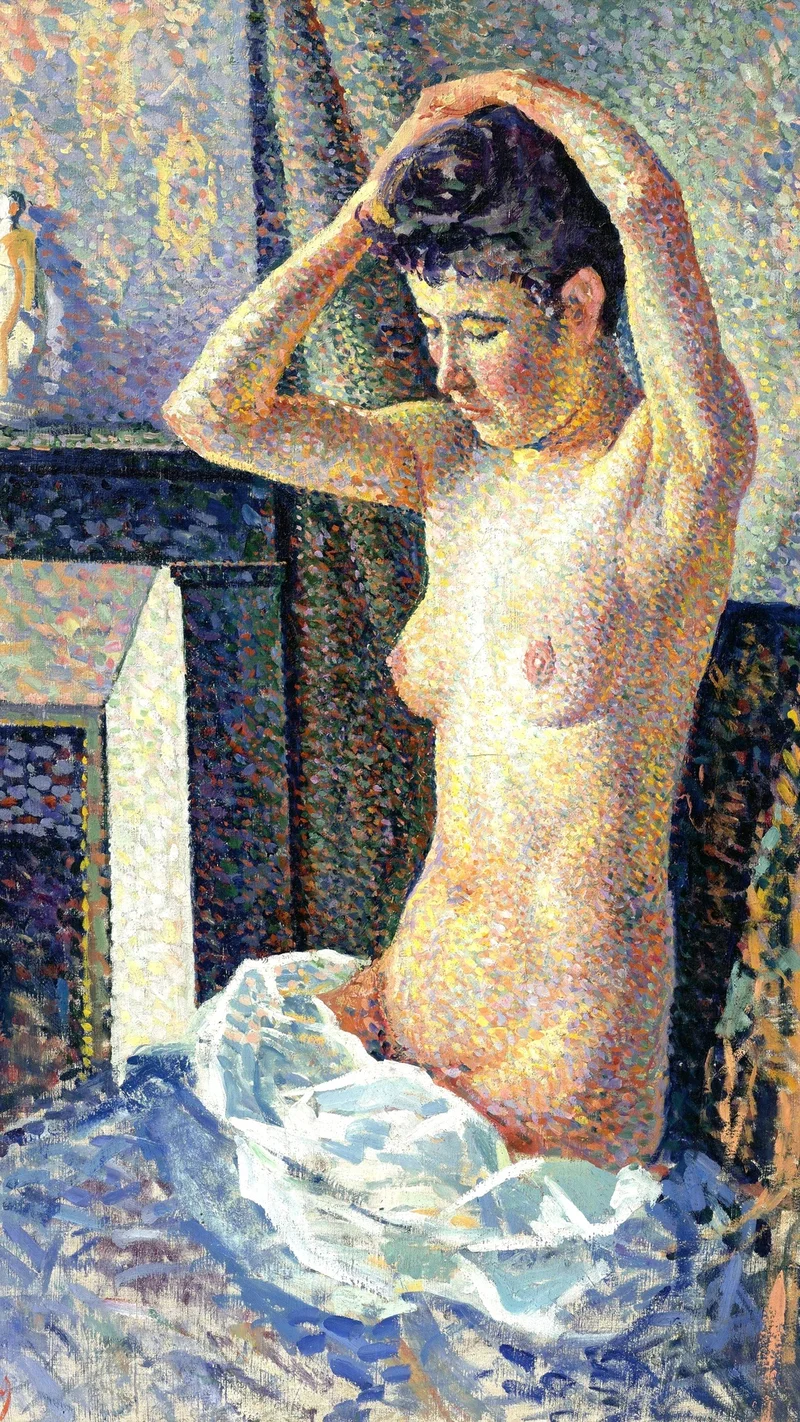
Emerging in late 19th-century France, Neo-Impressionism represented a deliberate departure from the intuitive, spontaneous brushwork of the Impressionists in favor of a rigorous, scientifically grounded approach to color and light. Often categorized under the umbrella of Divisionism or Pointillism, the movement sought to systematize optical perception through the application of small, discrete strokes of pigment designed to achieve maximum luminosity through optical mixture rather than physical blending on the palette. Rooted in the color theories of Michel Eugène Chevreul and Ogden Rood, this methodology demanded a disciplined intellectual rigor that transformed the canvas into a calculated field of chromatic vibrations.
Philosophical Underpinnings and Artistic
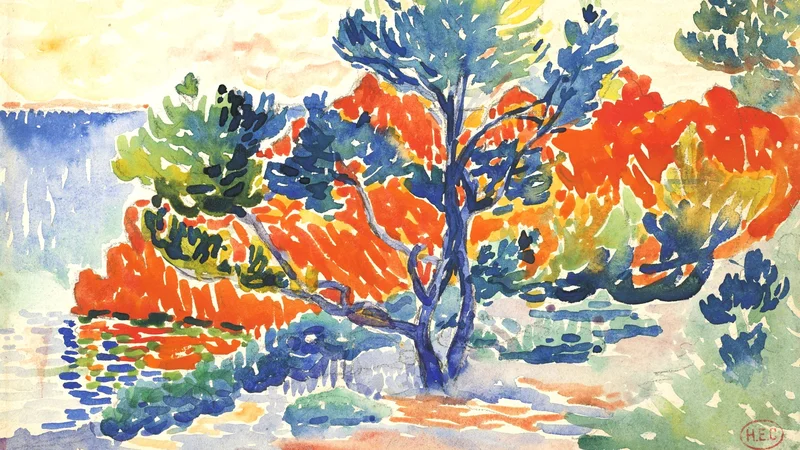
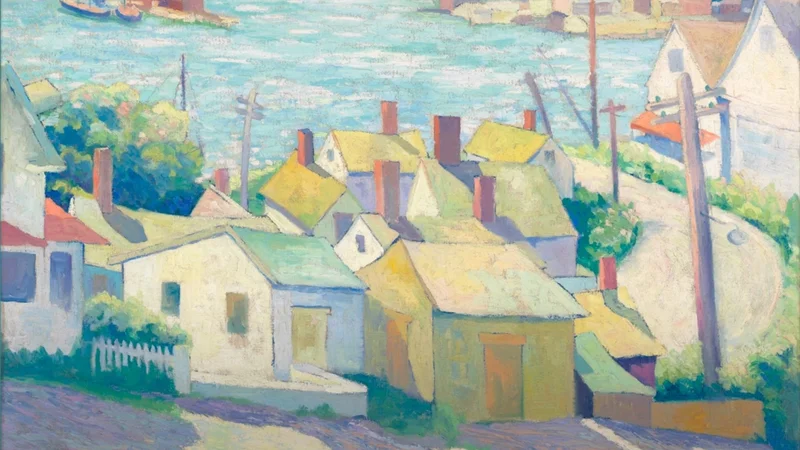
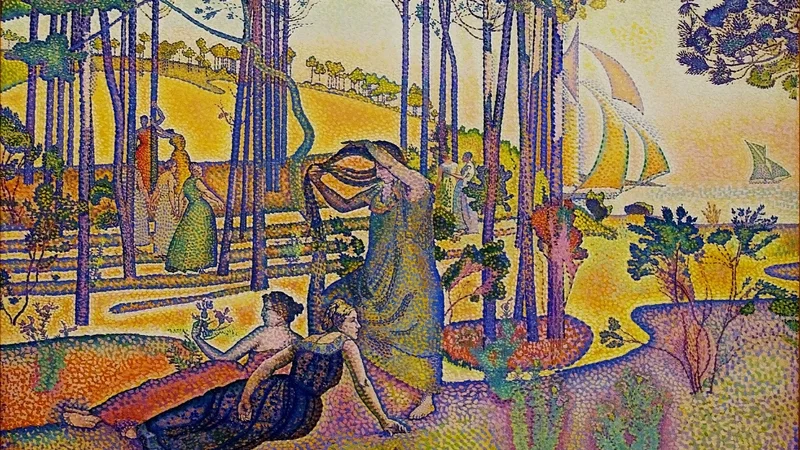
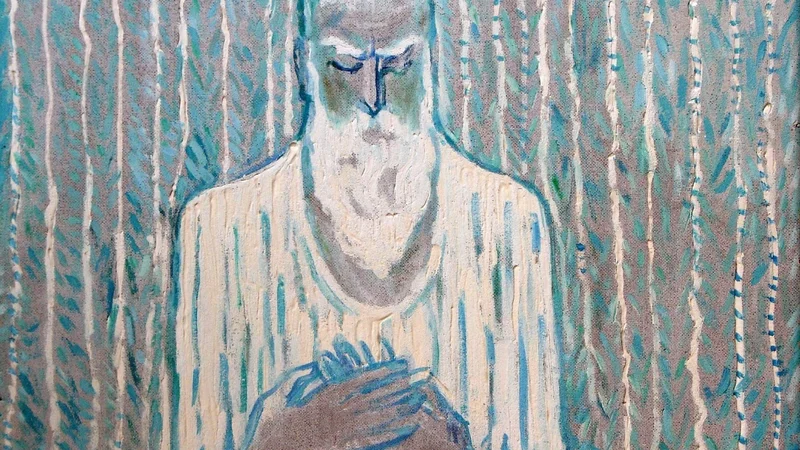
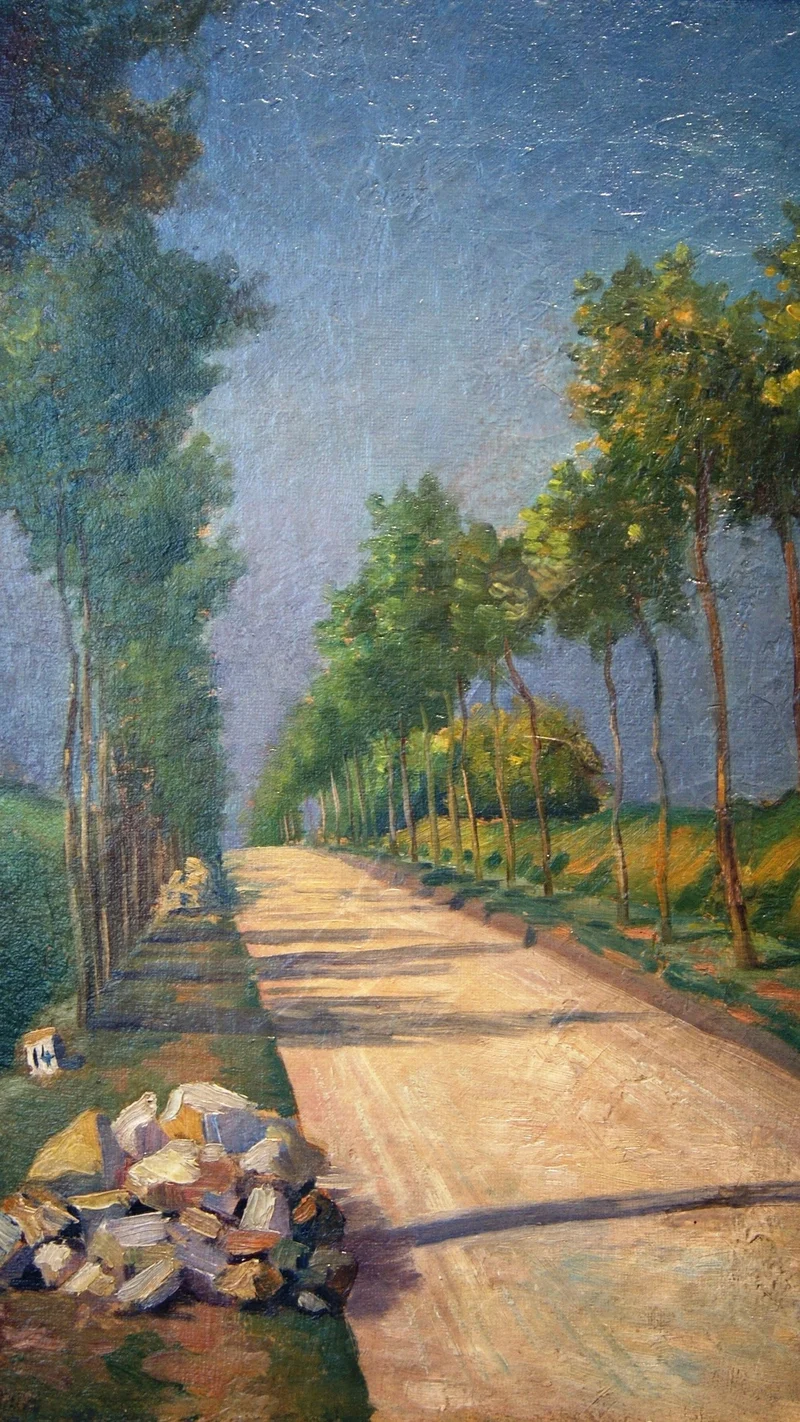
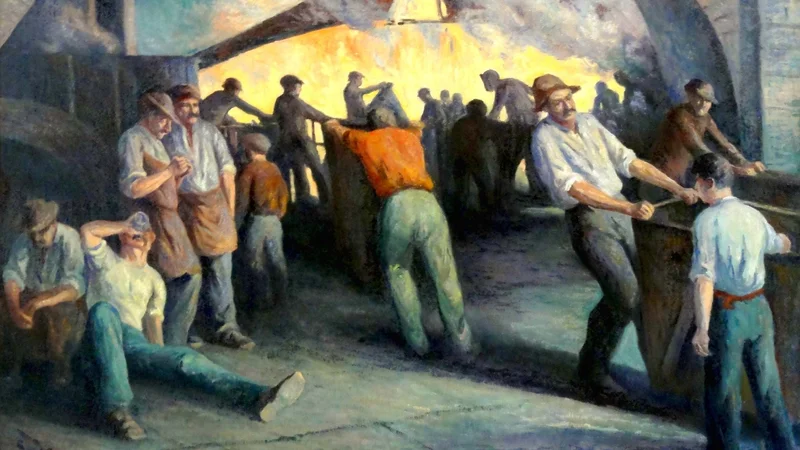
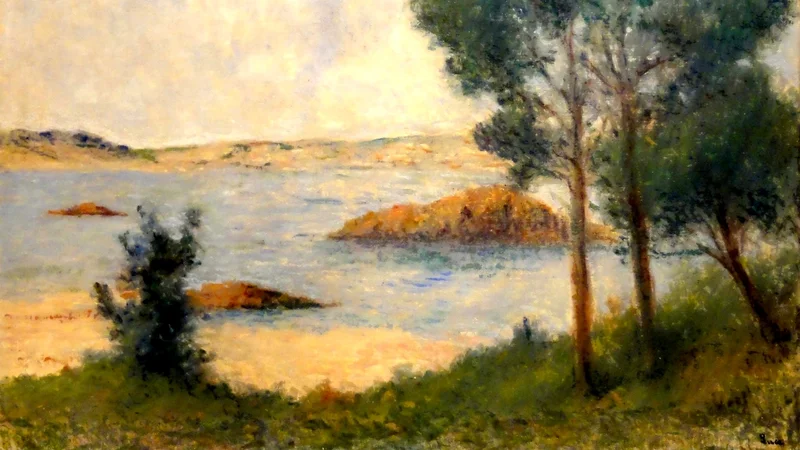
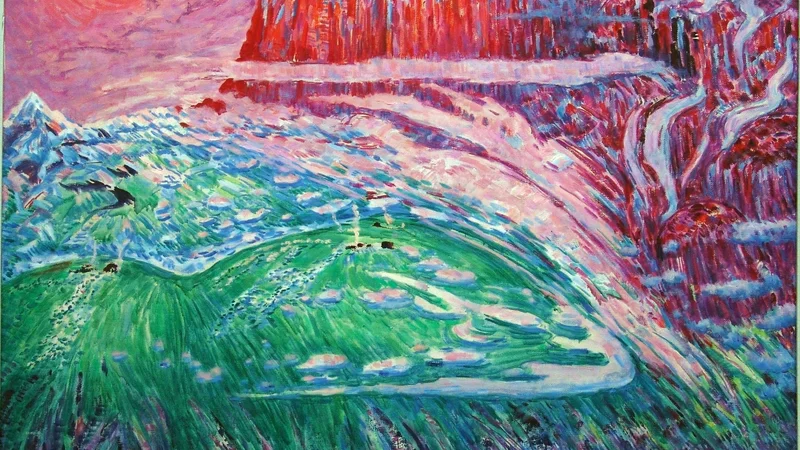
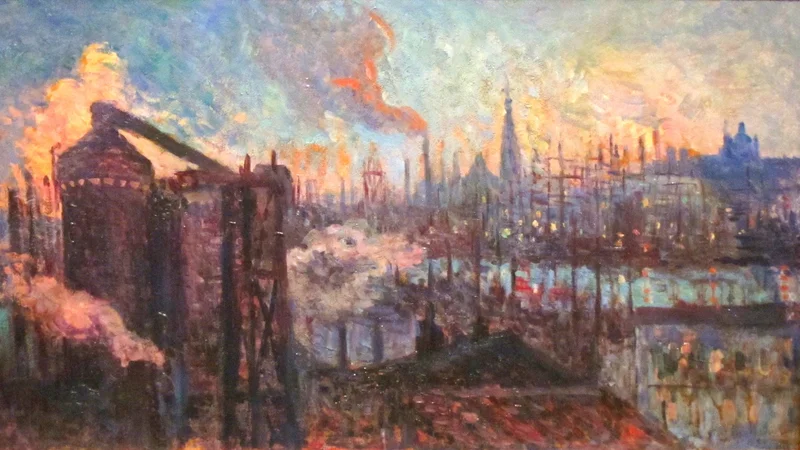
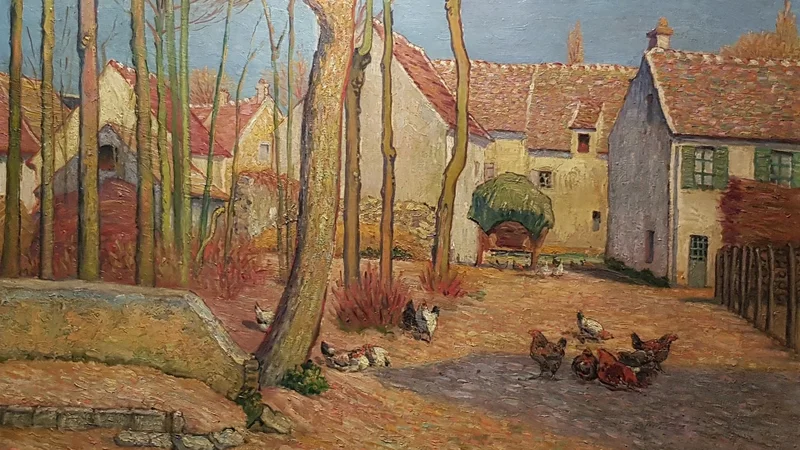
Legacy Central figures such as Henri-Edmond Cross, Maximilien Luce, and Léo Gausson expanded the movement’s geographical and thematic boundaries beyond the Parisian avant-garde, applying its tenets to evocative seascapes and industrial landscapes. Works like Cross’s Les Roches rouges à Agay and Landscape in Saint-Tropez exemplify the transition toward a more decorative, synthetic structure, while the contributions of Jan Toorop, notably in Beach at Heist, integrated symbolic depth with pointillist precision. The movement’s influence extended to diverse contexts, including the atmospheric landscapes of Sattar Bahlulzade, such as Orchard at La Louvière, and the varied regional interpretations seen in Gloucester Harbor and Evening Air. By prioritizing the objective mechanics of sight, Neo-Impressionism served as a crucial bridge between nineteenth-century naturalism and the subsequent formal abstractions of the twentieth century.