Baroque
260 artworks
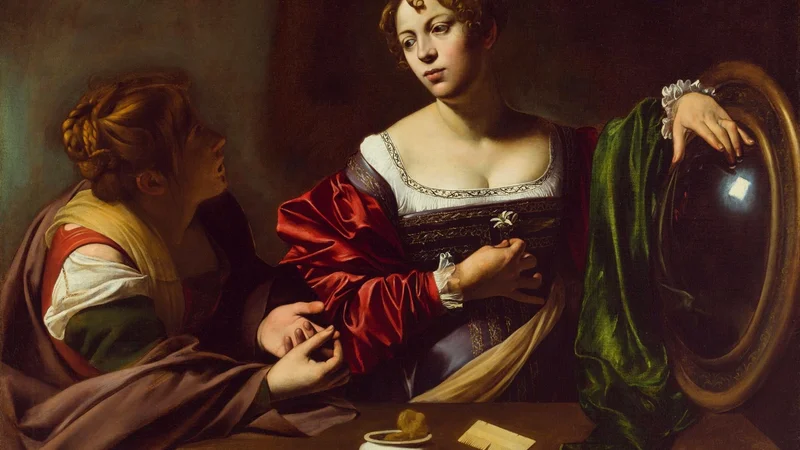
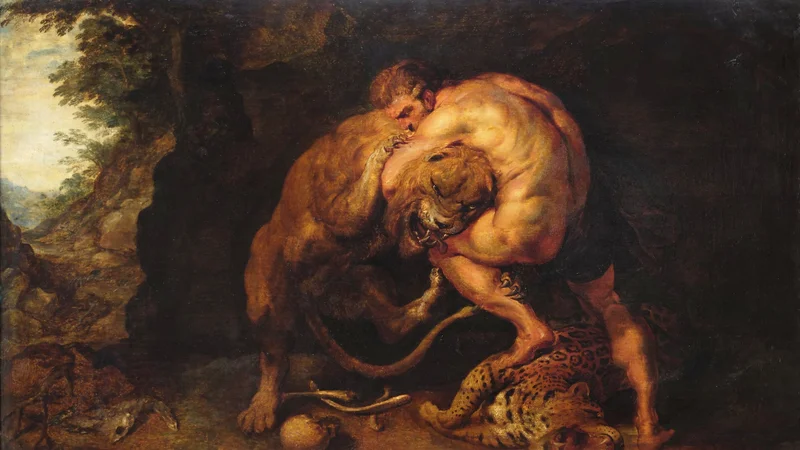
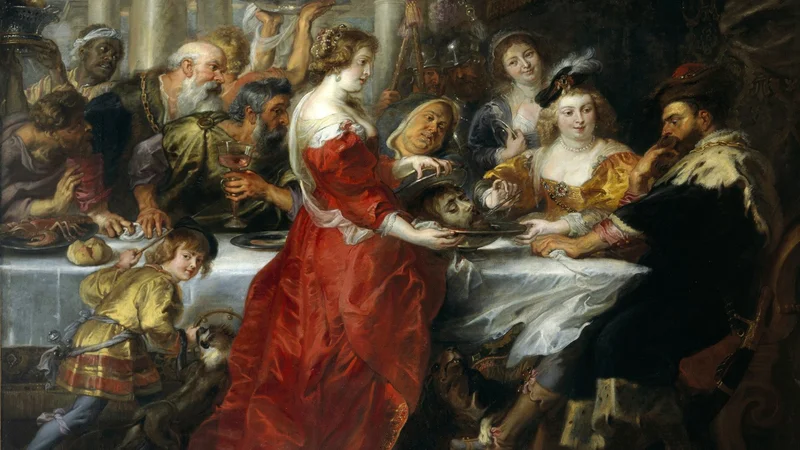
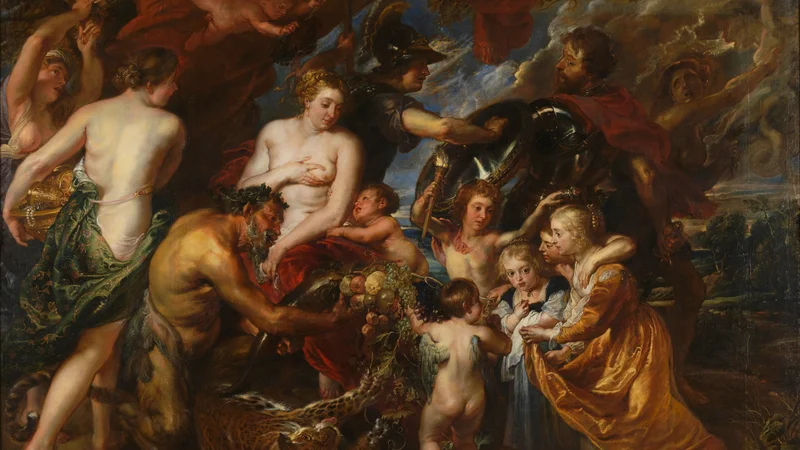
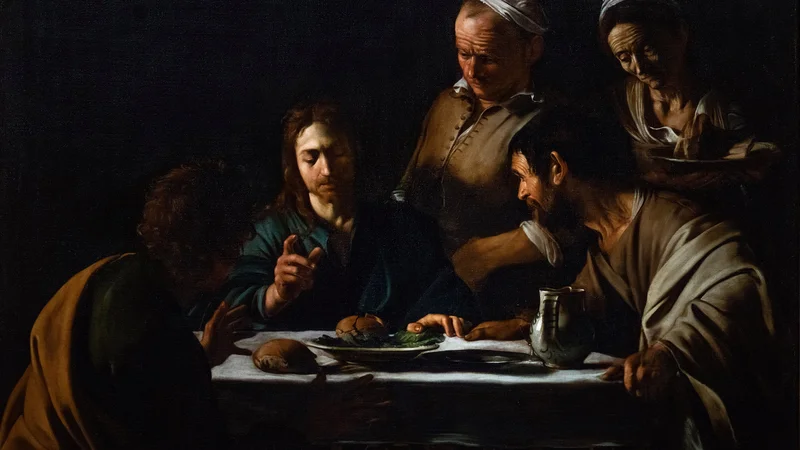
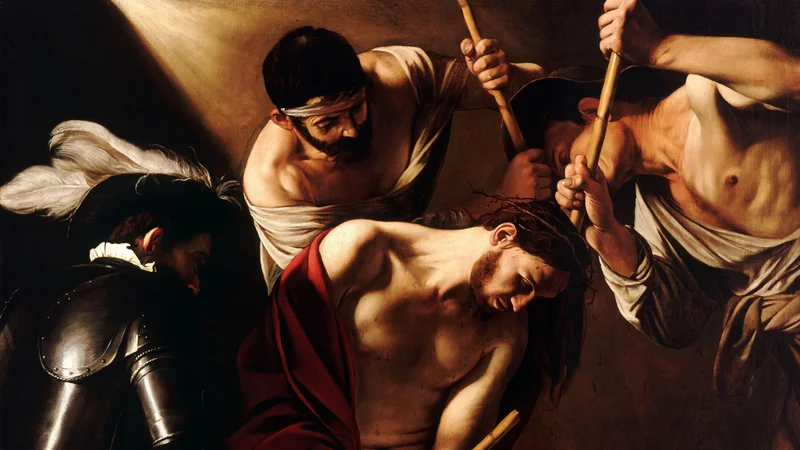
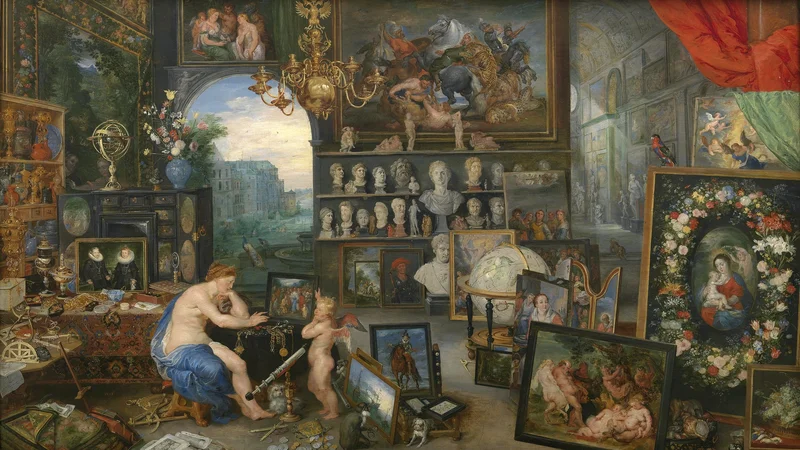
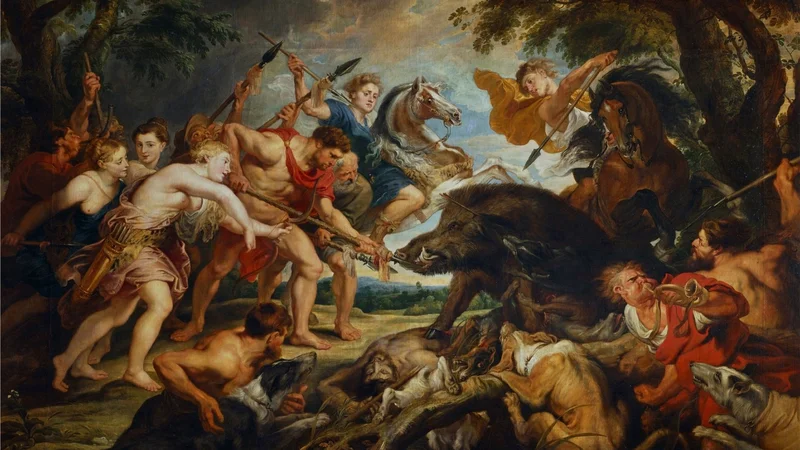
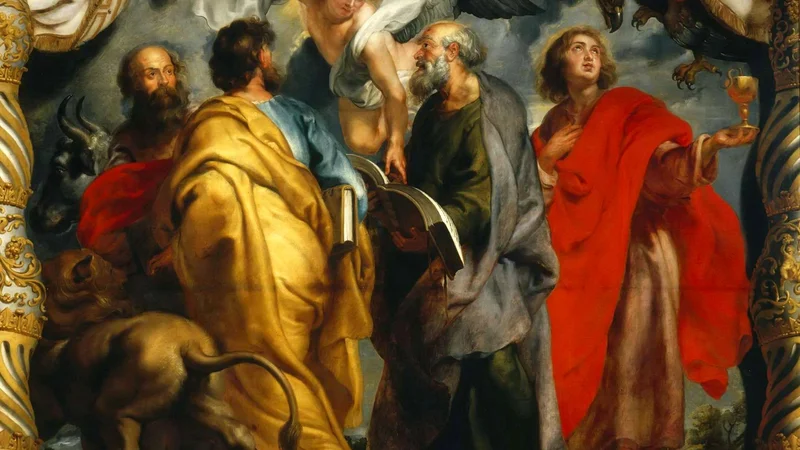
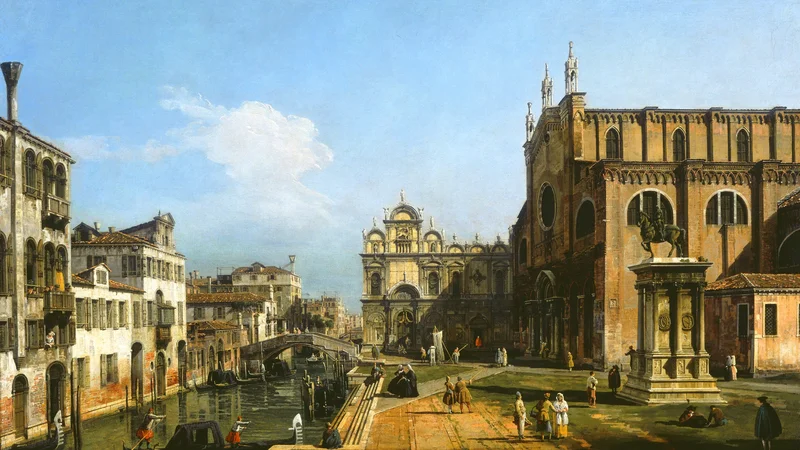
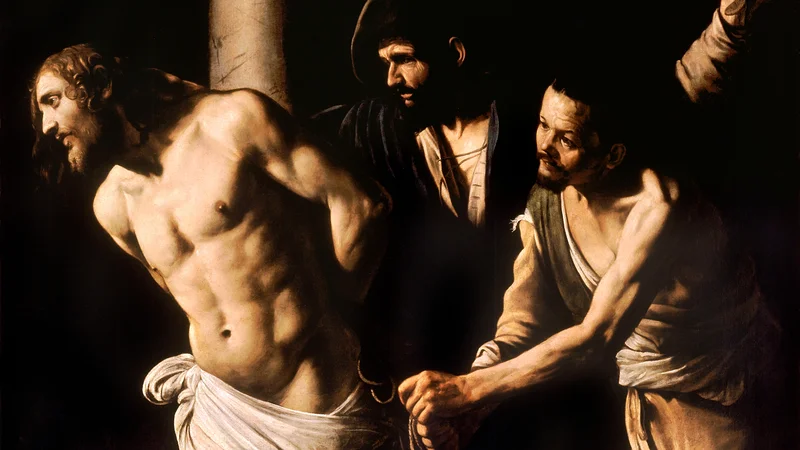
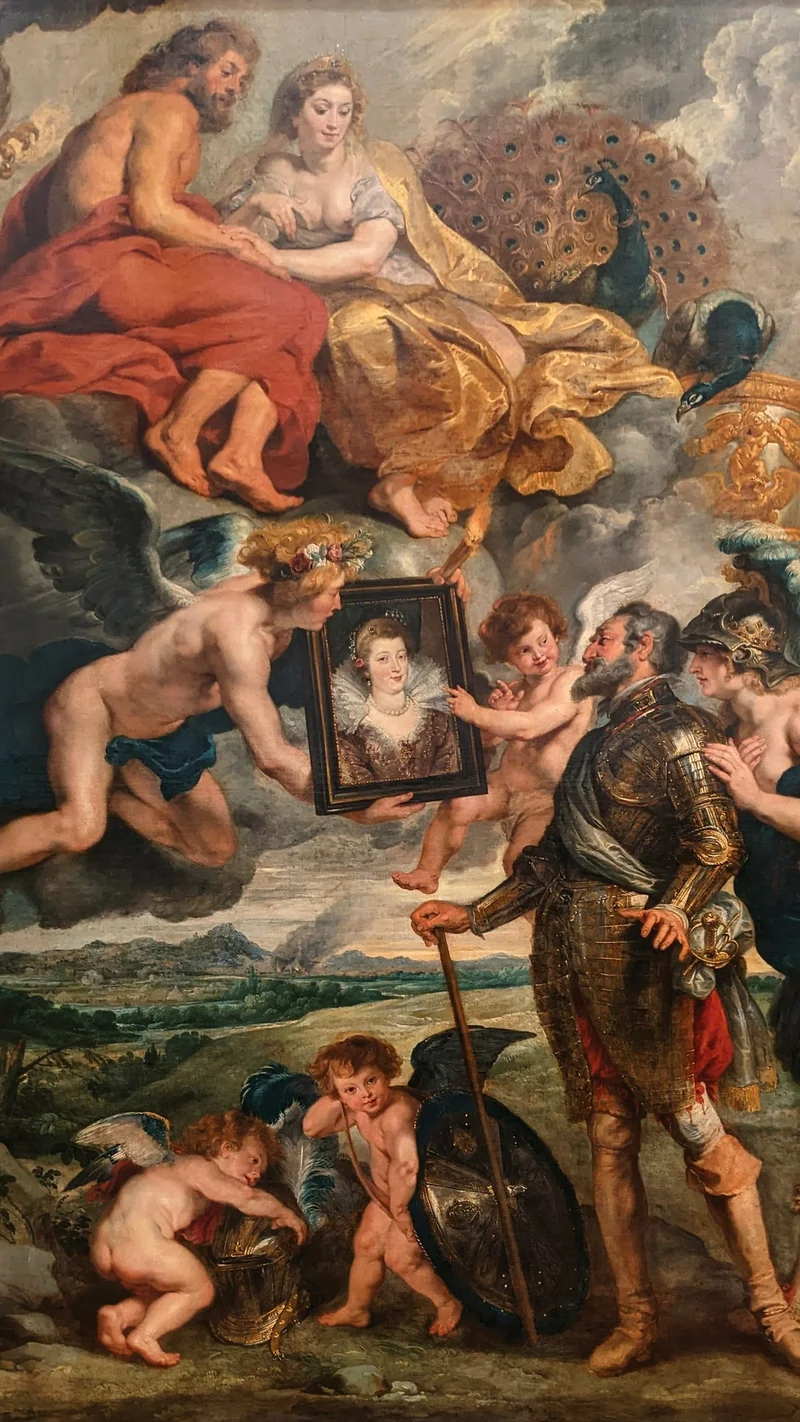
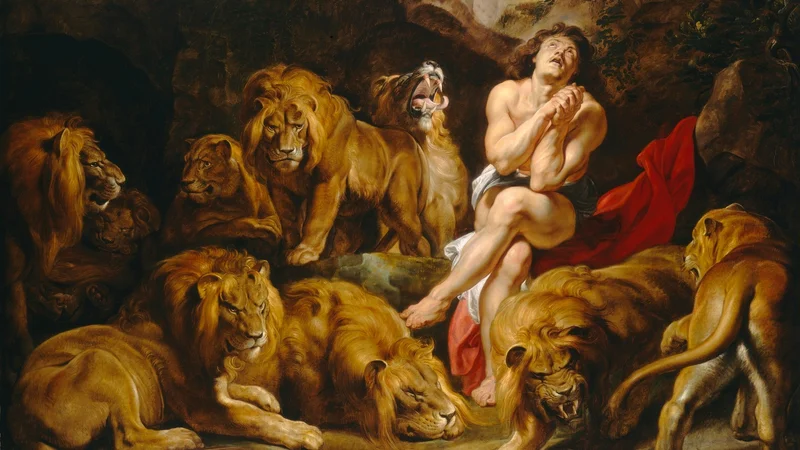
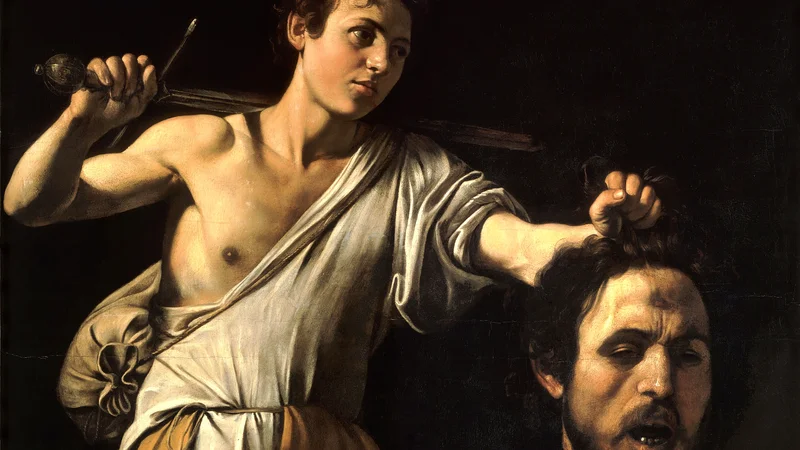
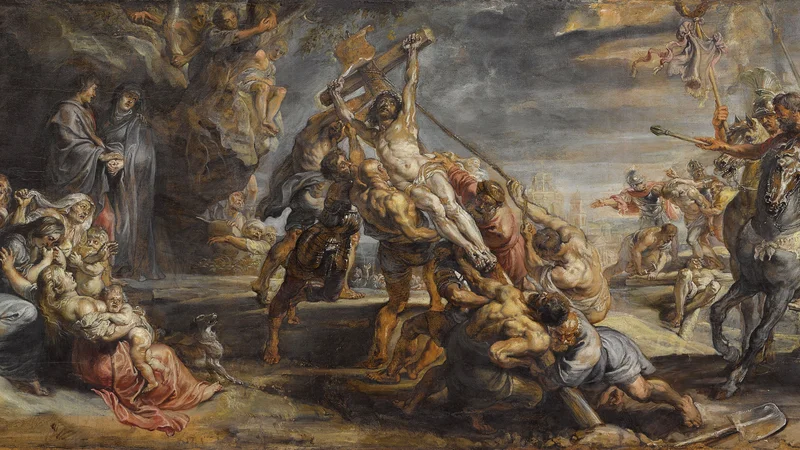
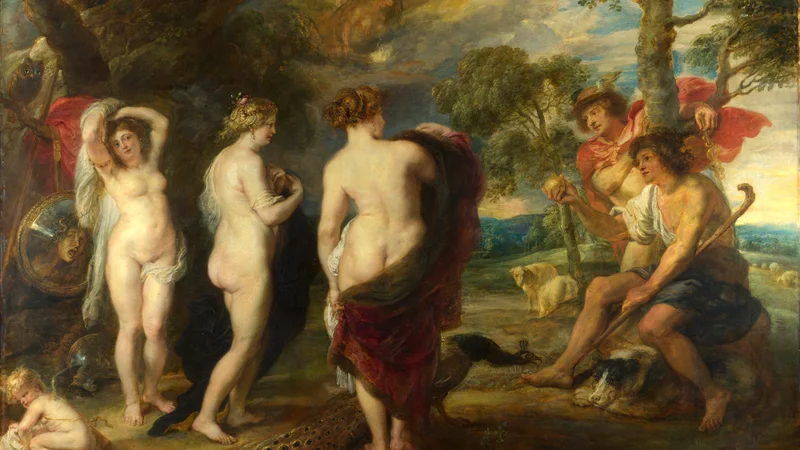
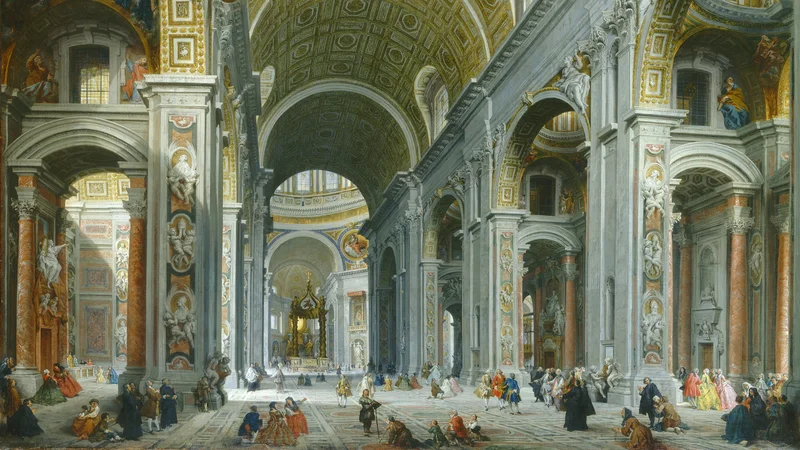
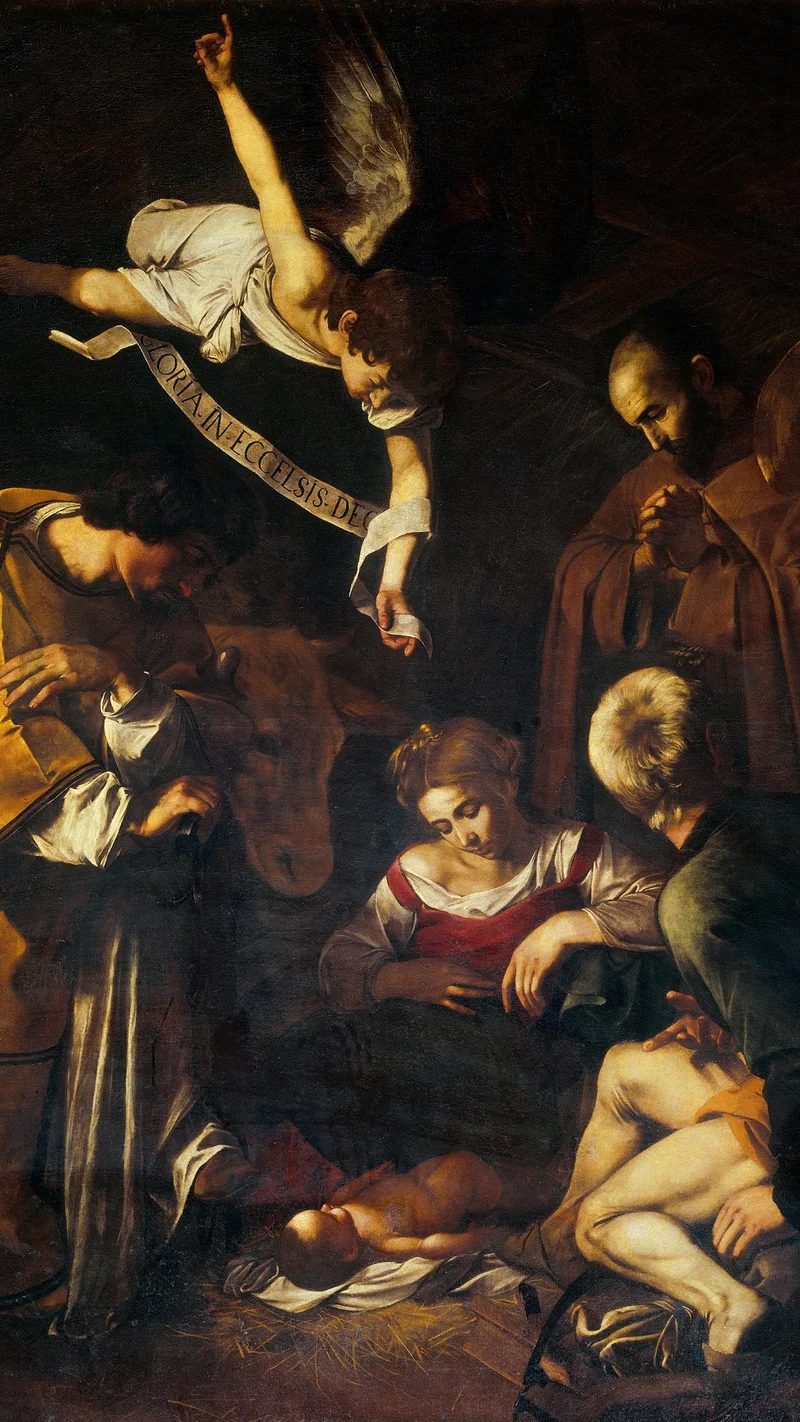
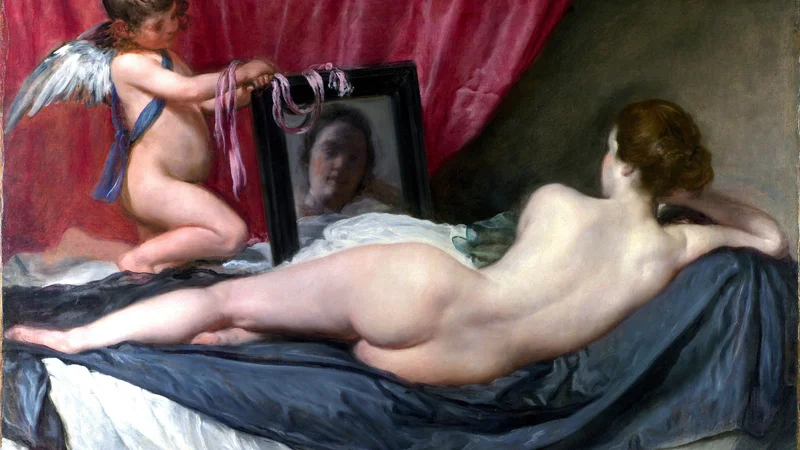
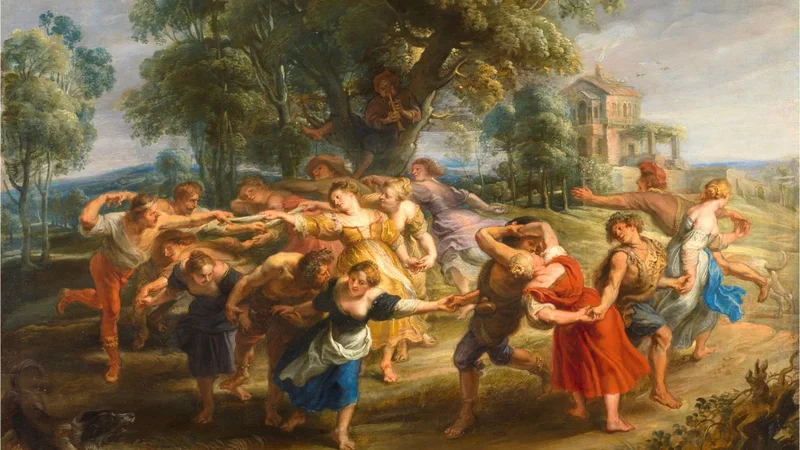
Emerging in Rome at the turn of the 17th century, the Baroque movement served as a powerful instrument of the Counter-Reformation, reflecting the Catholic Church's desire to inspire awe and religious fervor through sensory engagement. Characterized by chiaroscuro—the profound interplay of light and shadow—and an emphasis on emotional intensity, the style broke from Renaissance equilibrium in favor of dynamic movement and grandiosity. Artists like Michelangelo da Caravaggio pioneered this tenebrism in works such as The Crowning with Thorns, while Peter Paul Rubens defined the Northern tradition with the visceral muscularity of The Raising of the Cross.
The Expansion of Baroque Expression
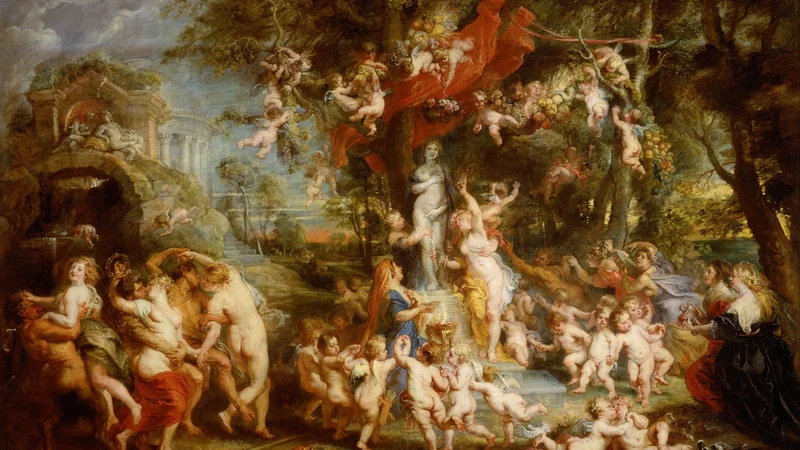
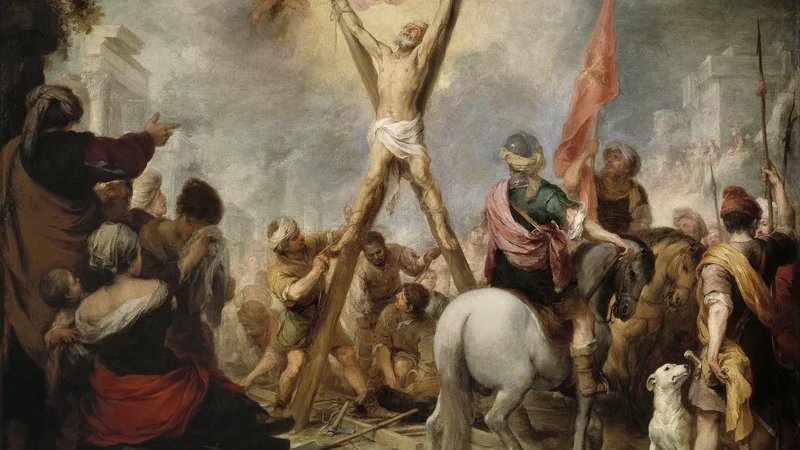
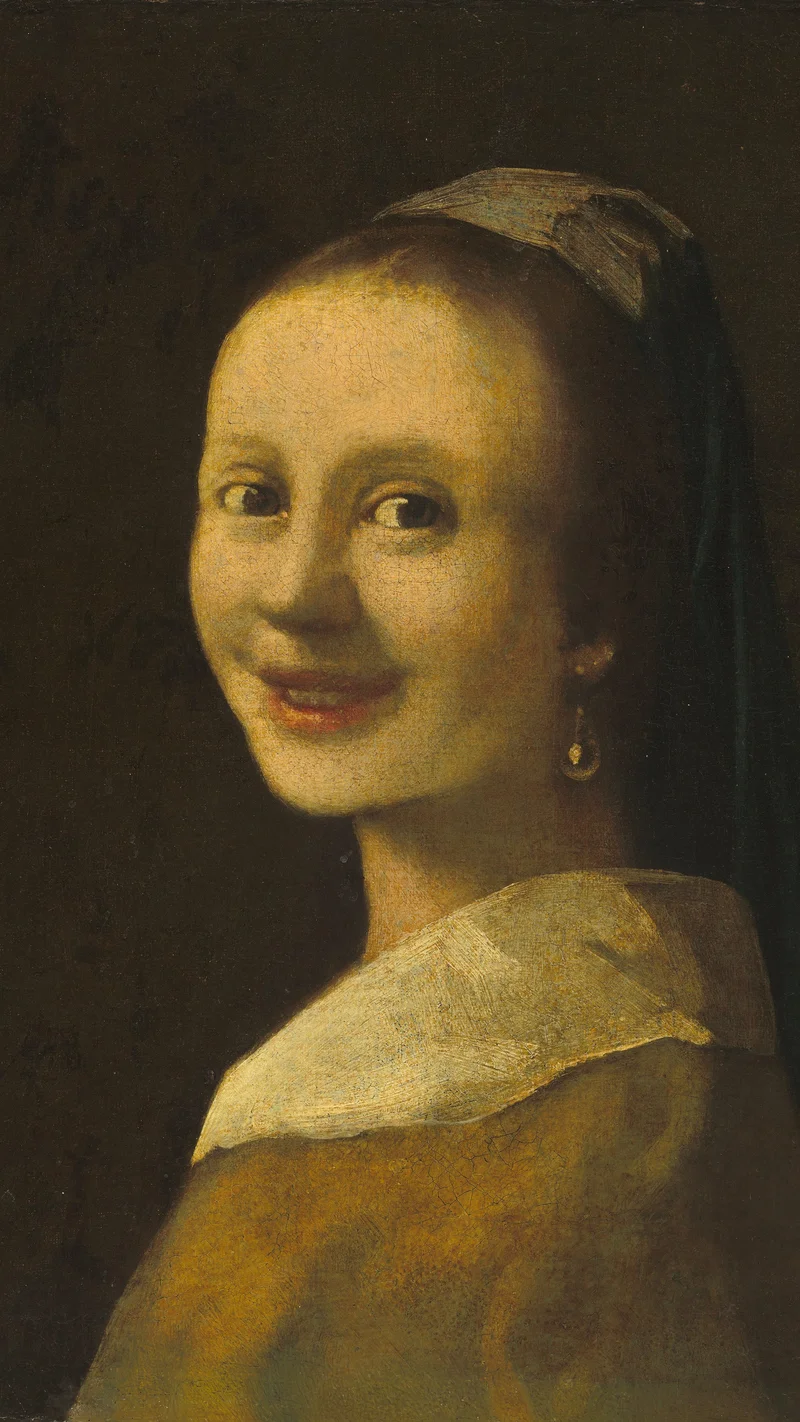
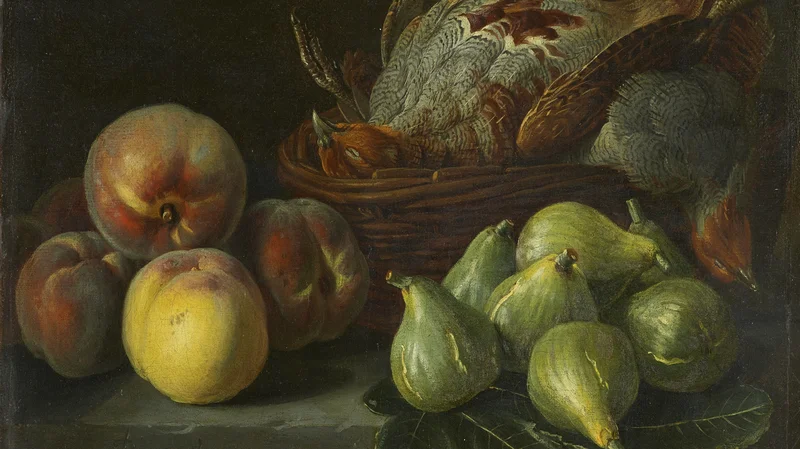
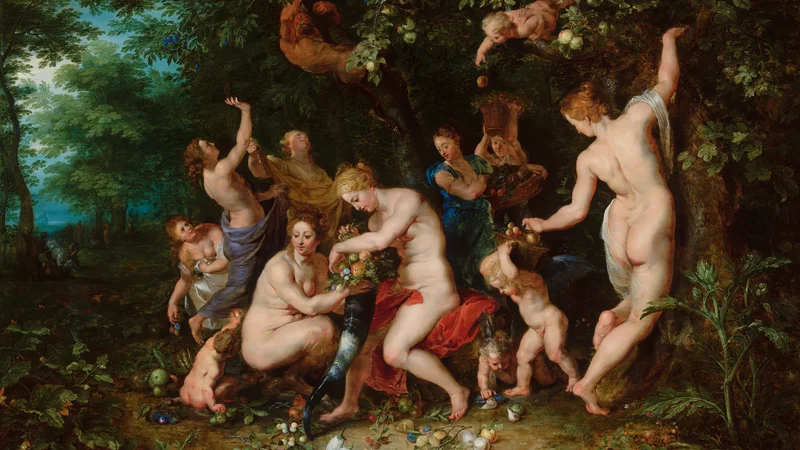
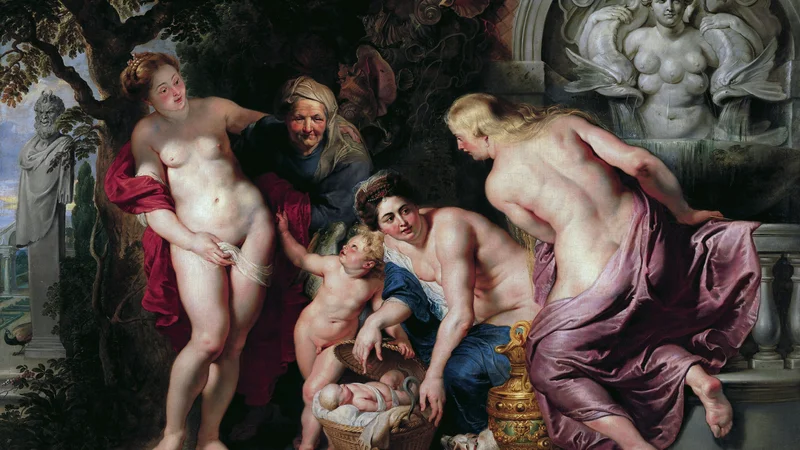
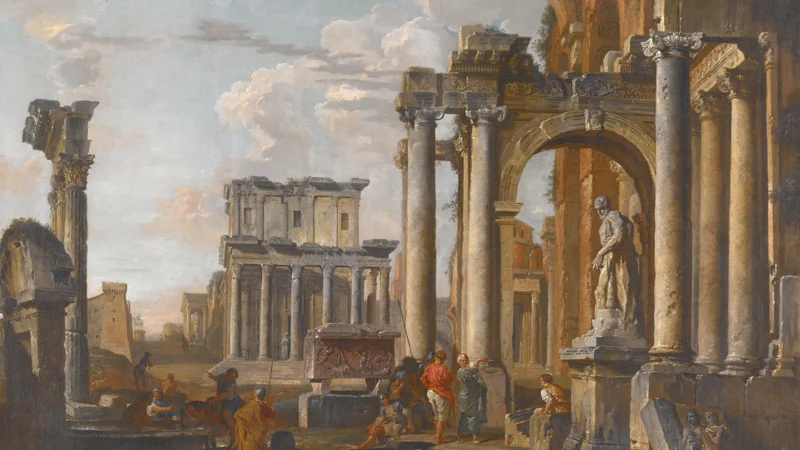
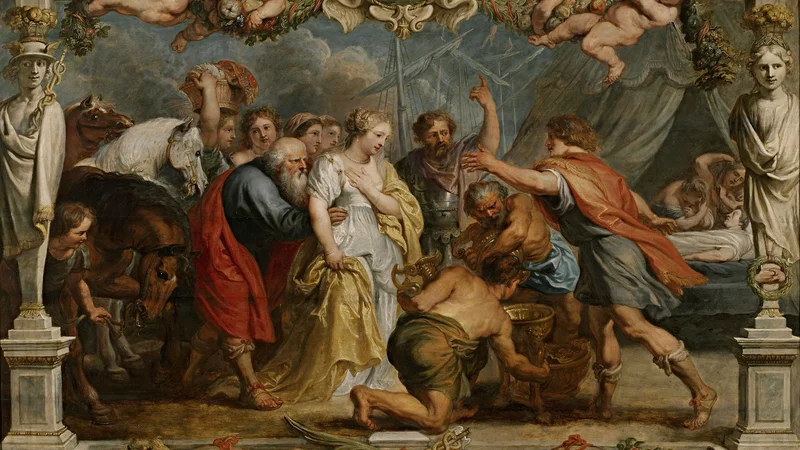
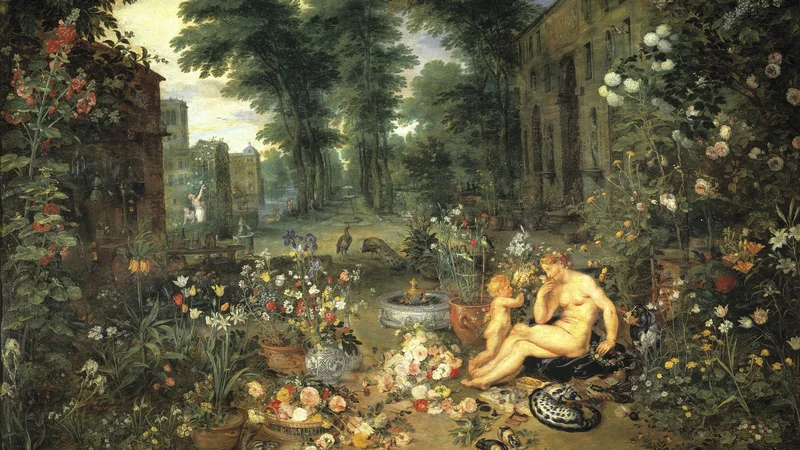
Beyond ecclesiastical patronage, the movement encompassed an expansive breadth of subject matter, from the domestic quietude of Bartolomé Esteban Murillo’s The Martyrdom of Saint Andrew to the meticulous observation of nature found in Jan Brueghel the Elder’s Ruins with the Temple of Antoninus and Faustina. The evolution of genre painting and still life, exemplified by Alexandre-François Desportes’ Still Life with Figs and Game, demonstrated a shift toward the material world as an object of sophisticated study. By synthesizing classical mythological themes, as seen in Rubens’ The Feast of Venus, with an unprecedented level of theatricality, the Baroque period permanently altered the trajectory of Western art, prioritizing the subjective experience and the dramatic potential of the human narrative.