Genre art
118 artworks
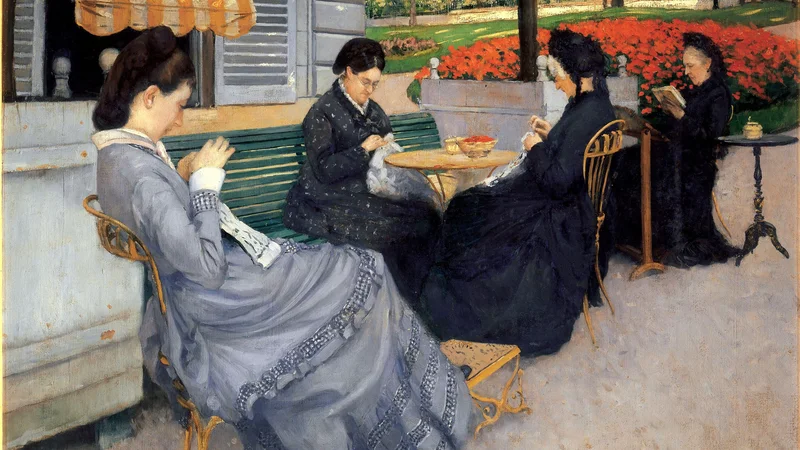
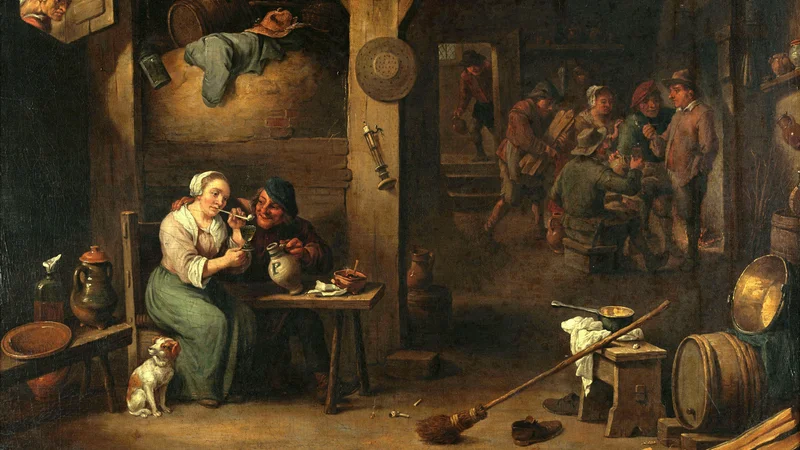
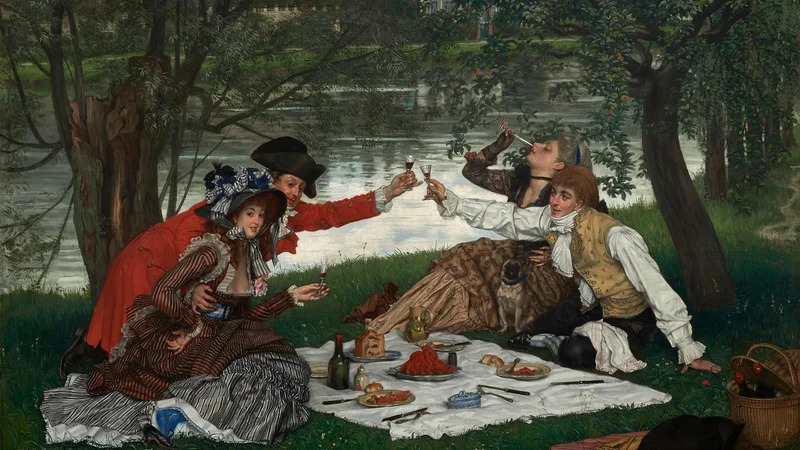
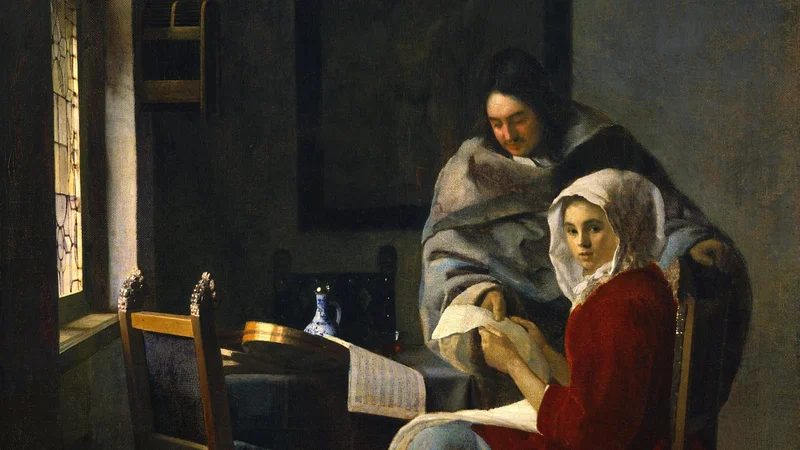
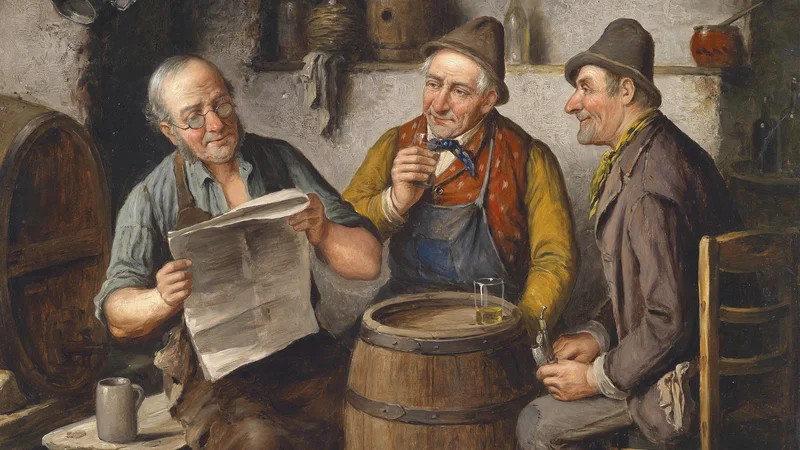
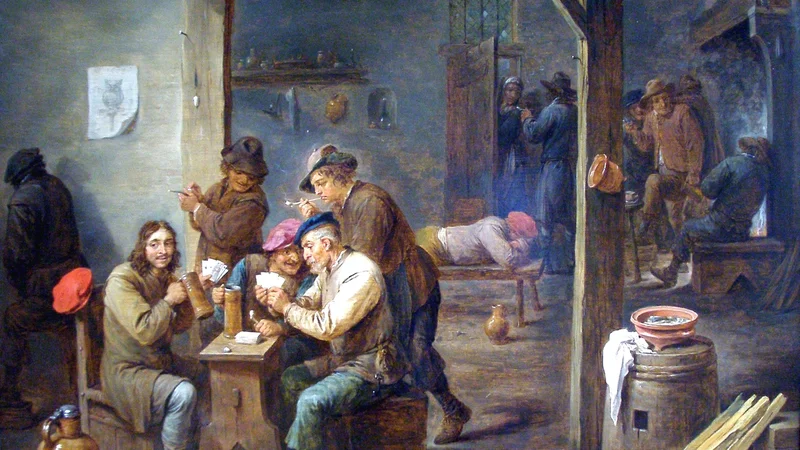
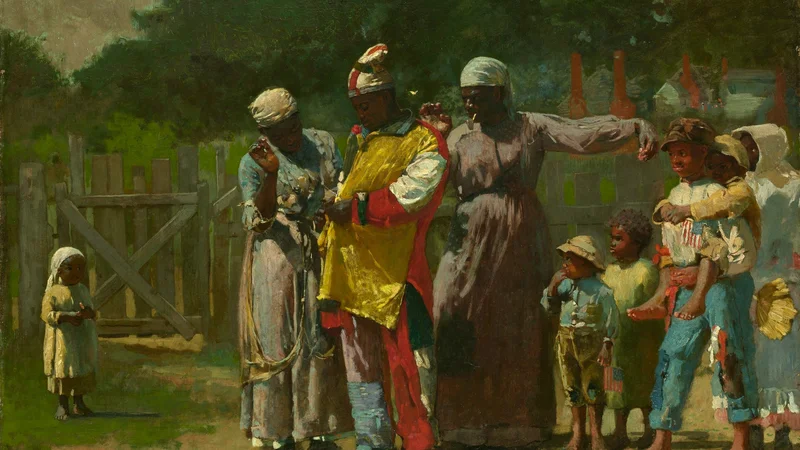
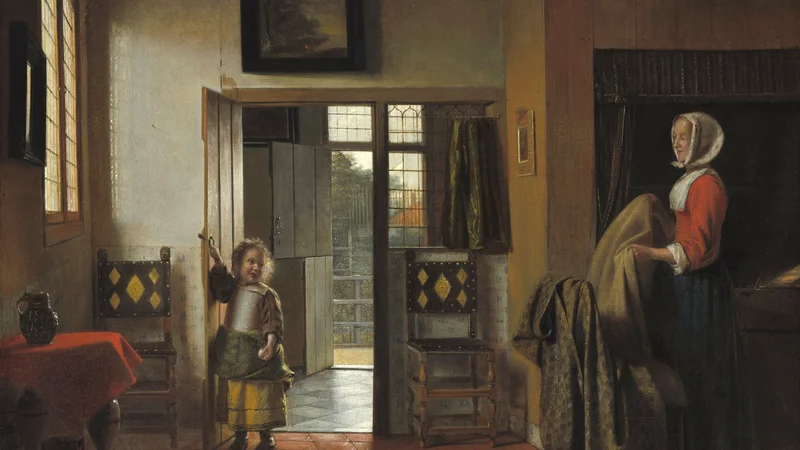
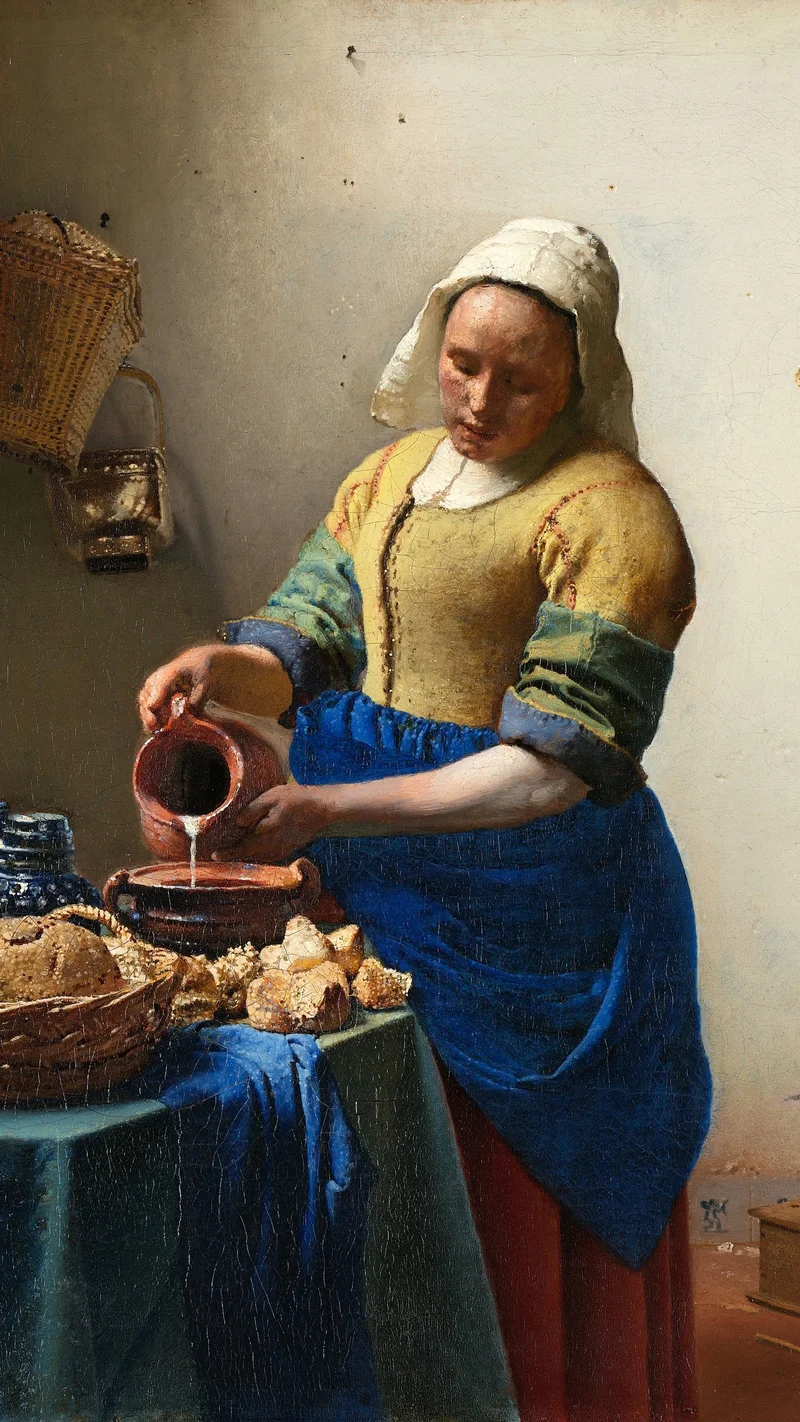
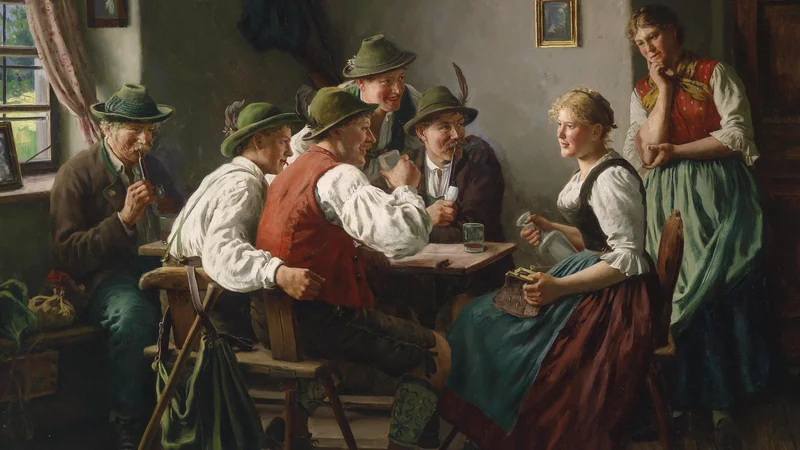
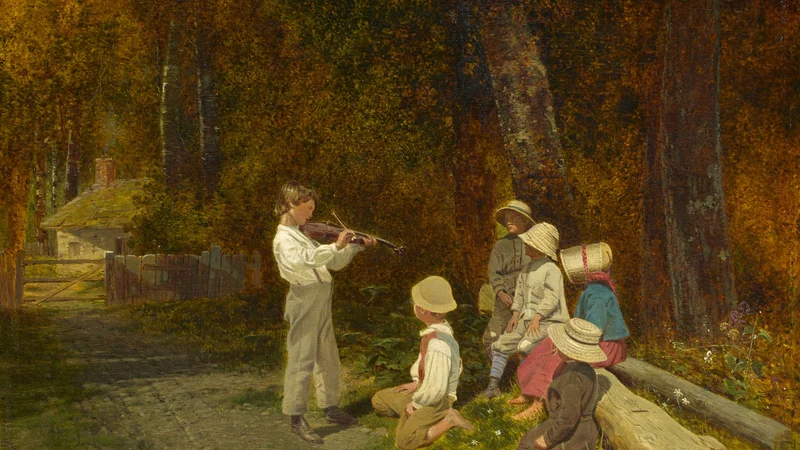
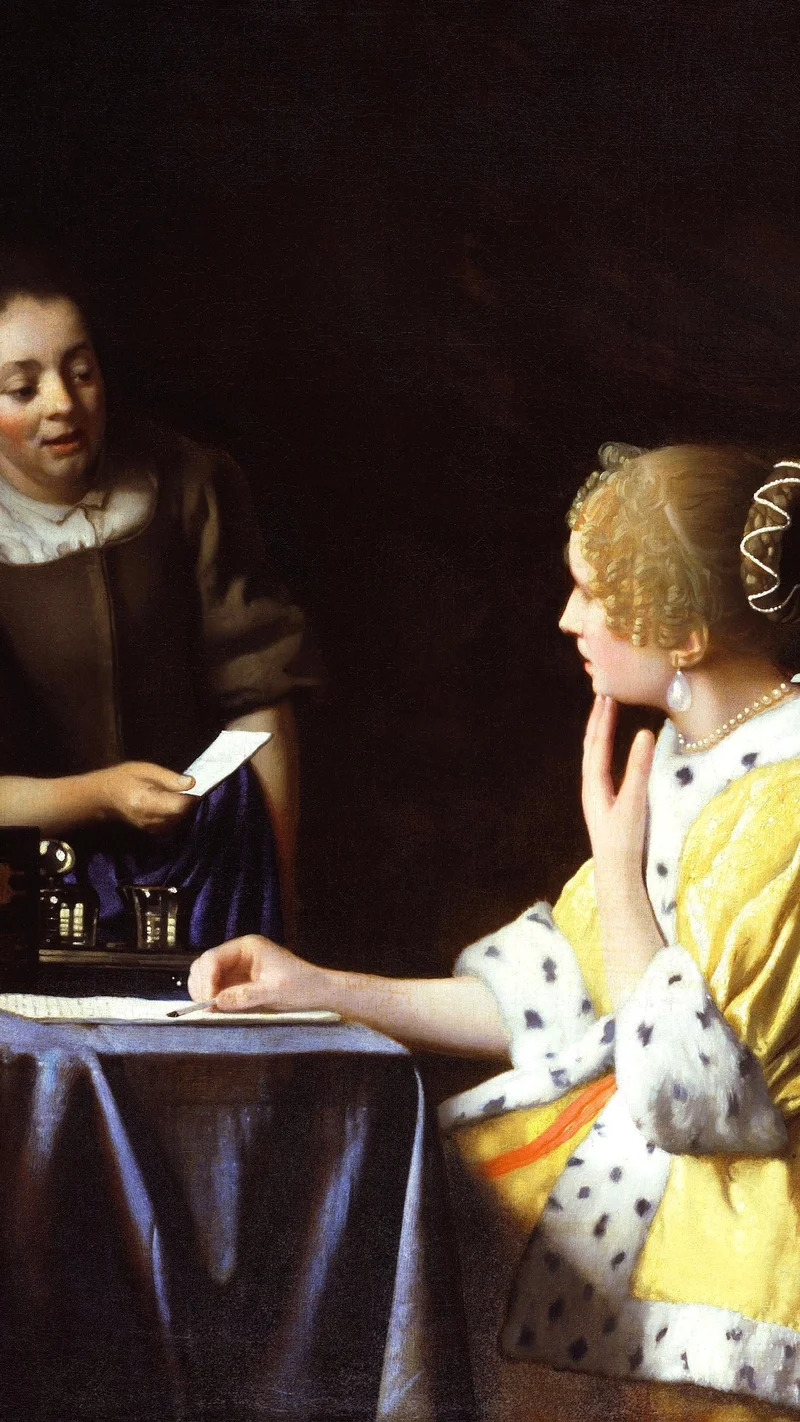
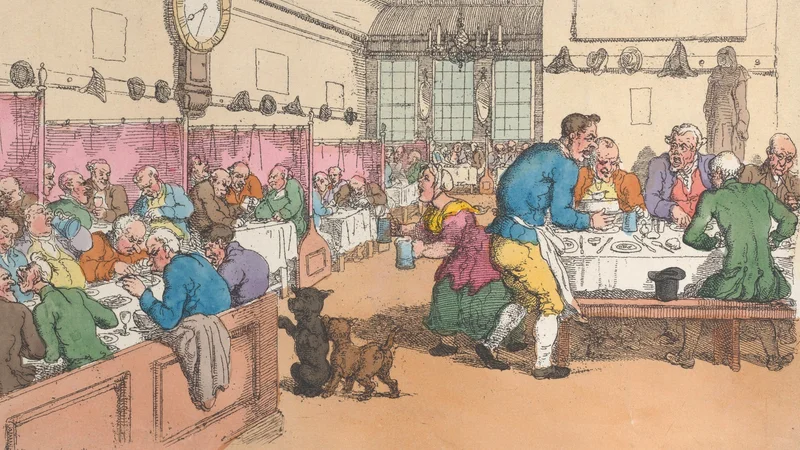
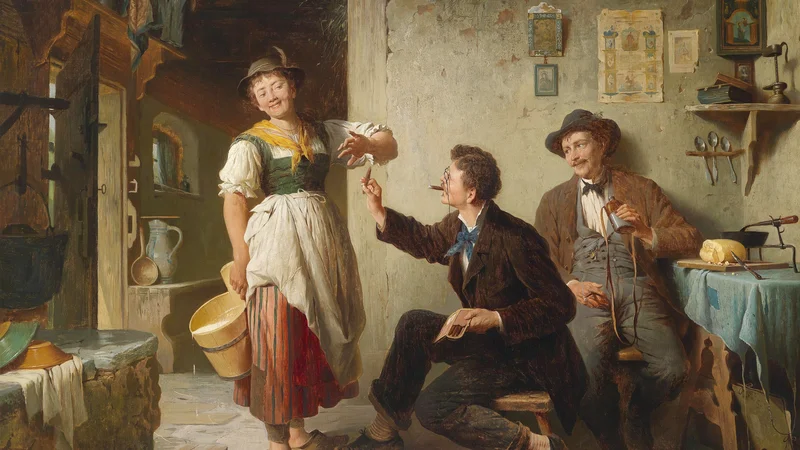
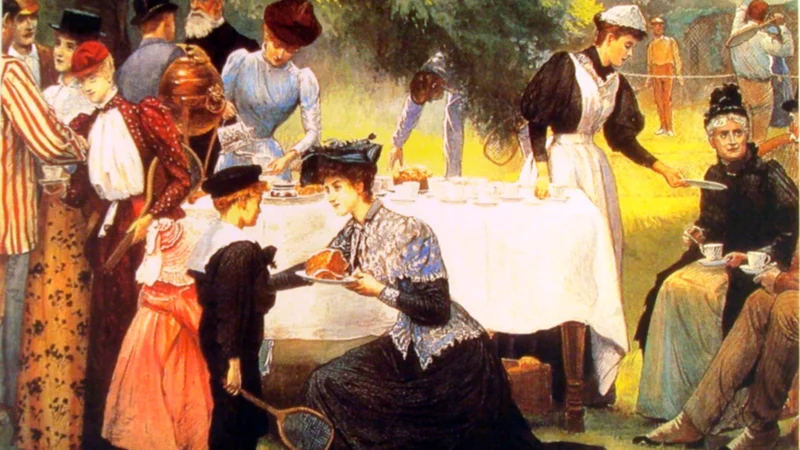
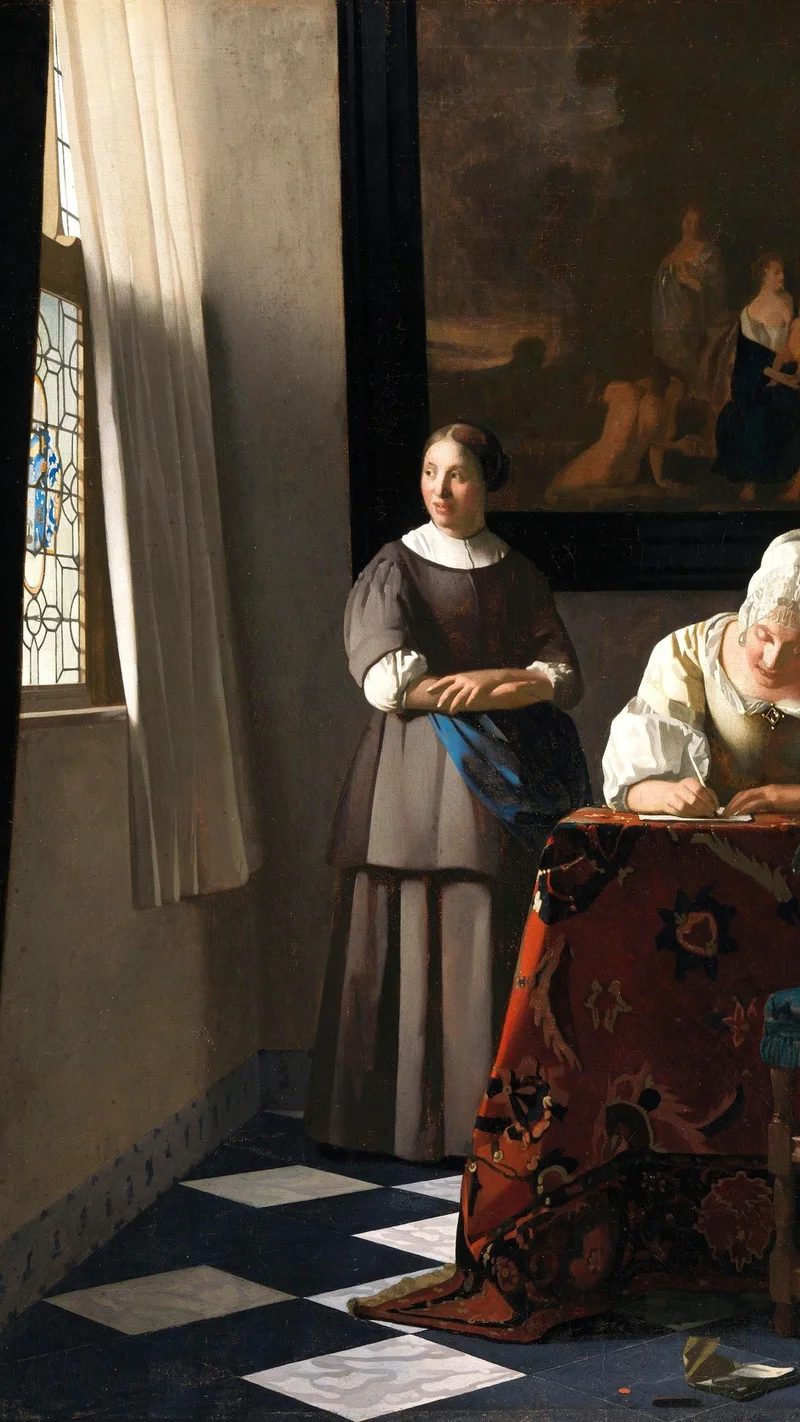
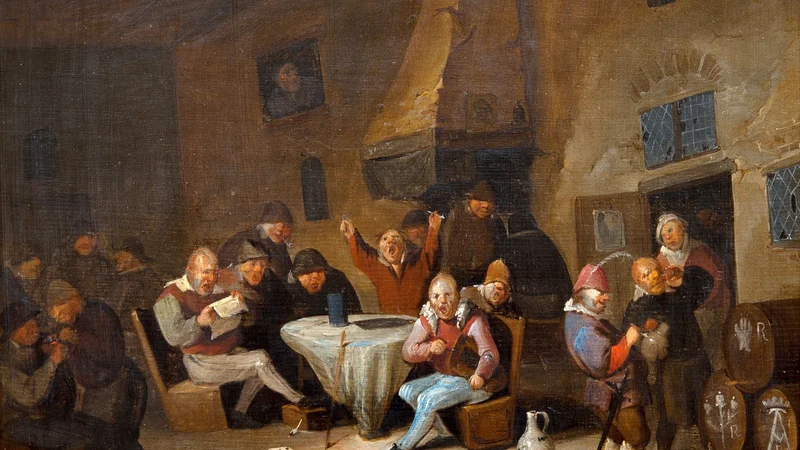
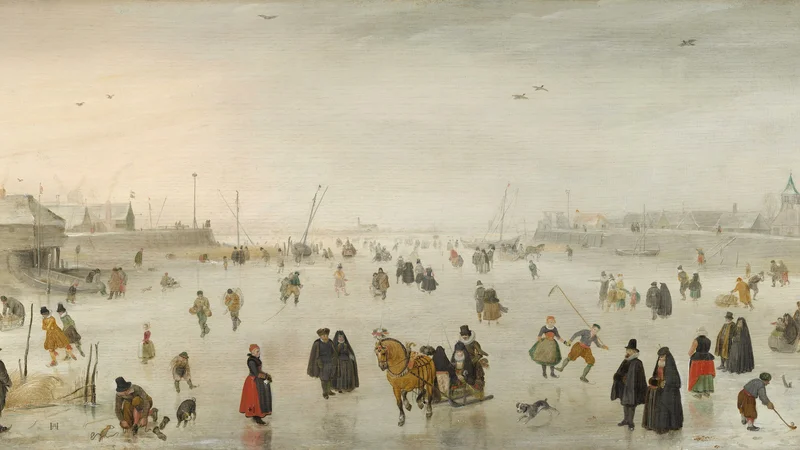
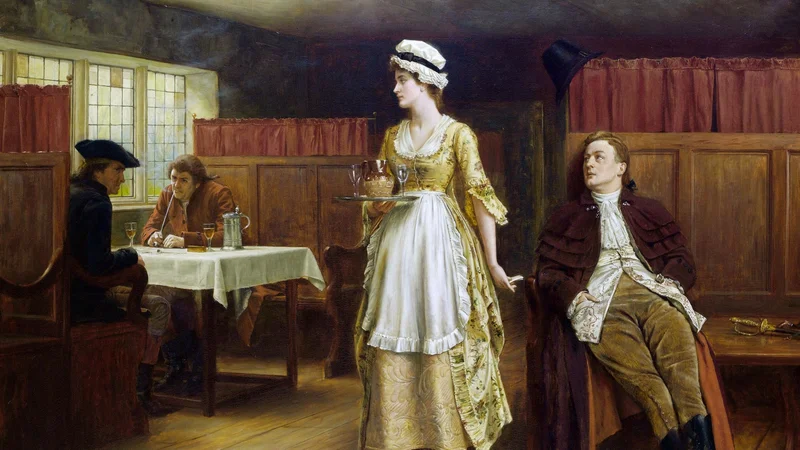
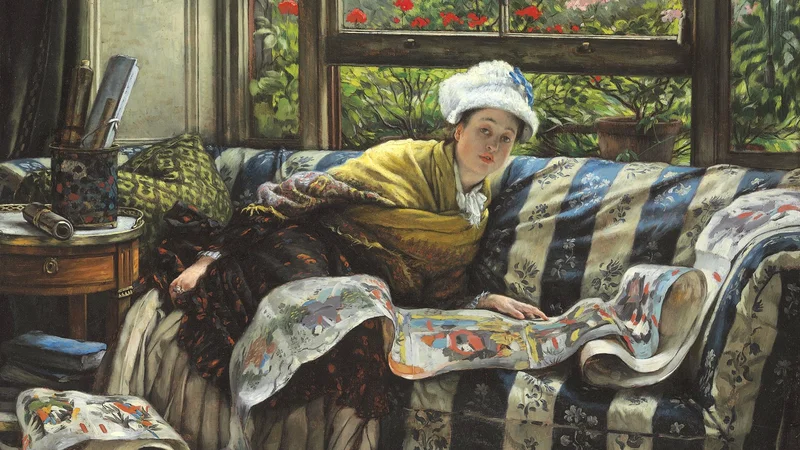
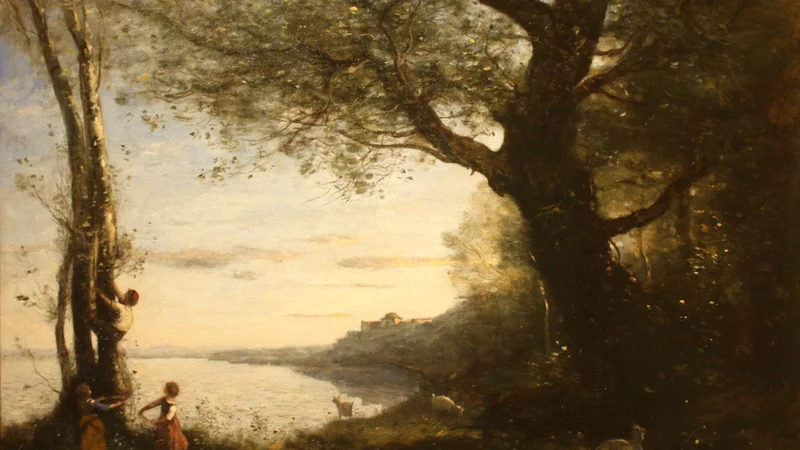
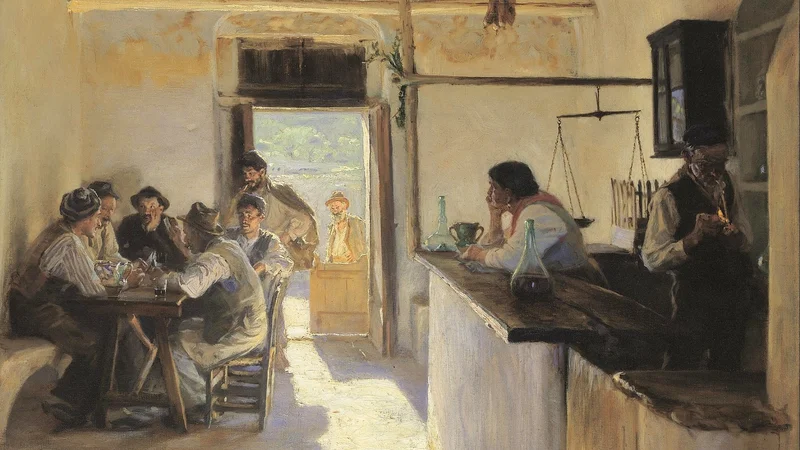
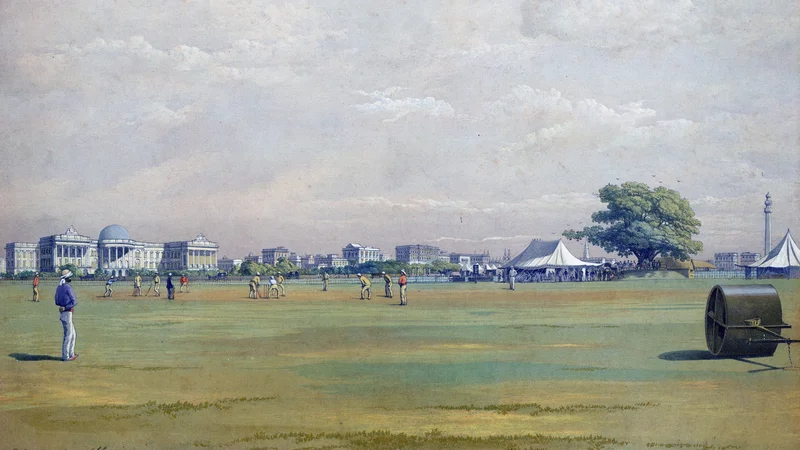
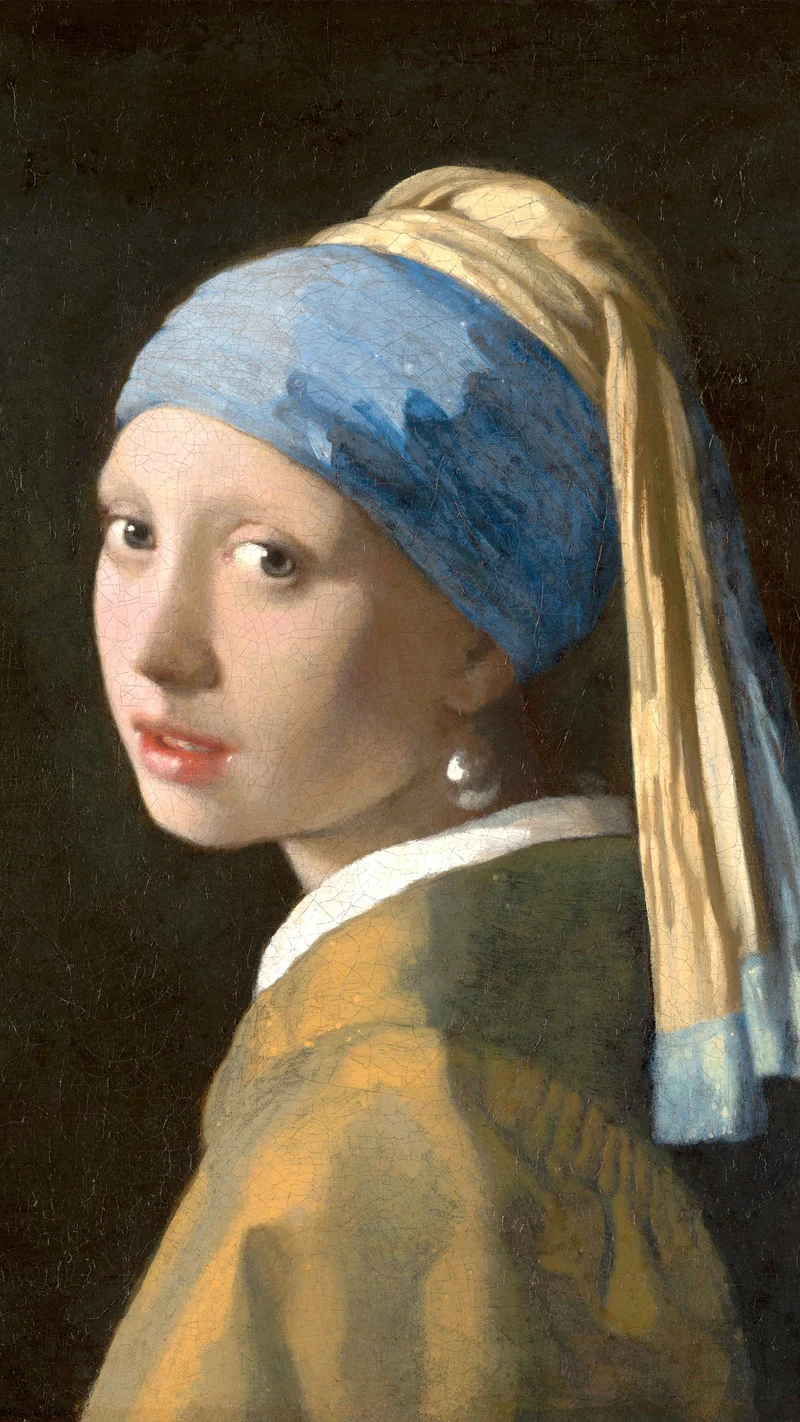
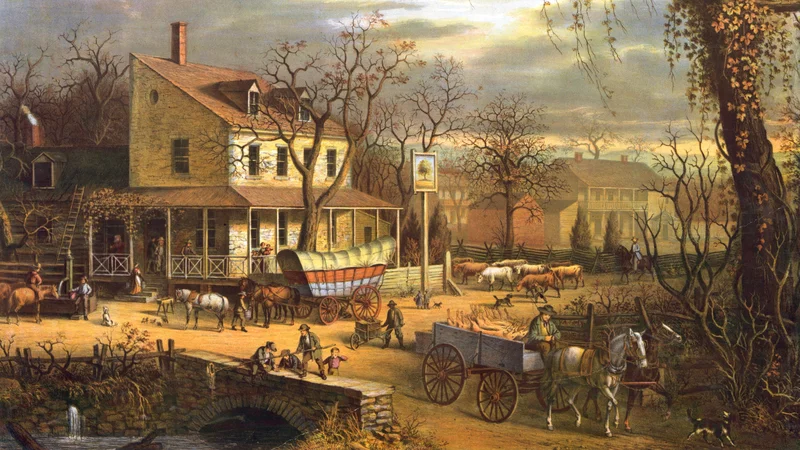
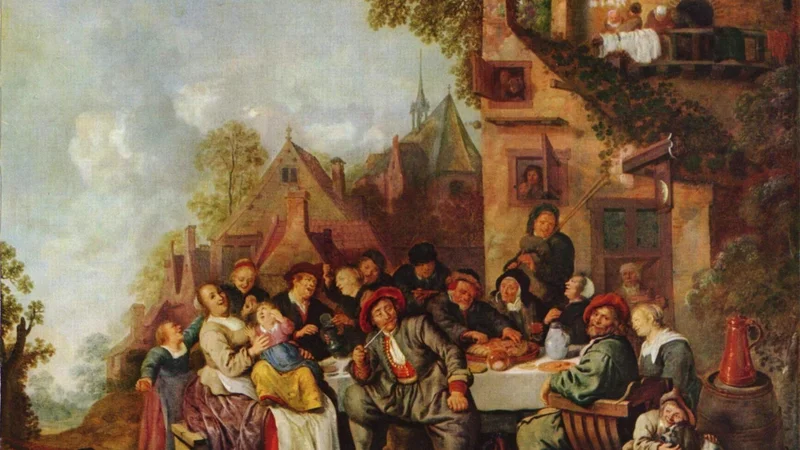
Emerging as a distinct category in the early modern period, genre art shifted the focus of Western painting from the idealized realms of history, religion, and mythology to the nuanced observation of everyday life. By elevating the mundane—domestic chores, labor, and leisure—to the status of fine art, practitioners challenged the established hierarchy of genres. Johannes Vermeer’s The Milkmaid epitomizes this elevation, utilizing light and meticulous composition to imbue a simple kitchen task with profound stillness and dignity. Throughout the 17th-century Dutch Republic and beyond, the movement provided a lens through which the social fabric of contemporary society could be scrutinized and preserved.
The Evolution of Daily Life and Human Condition
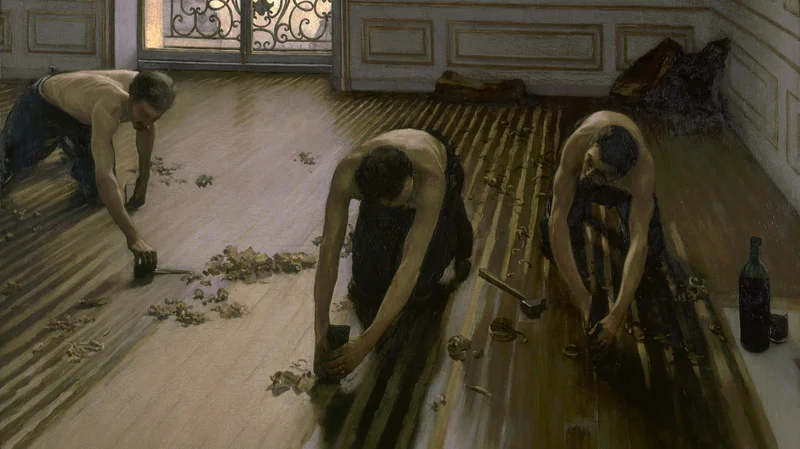
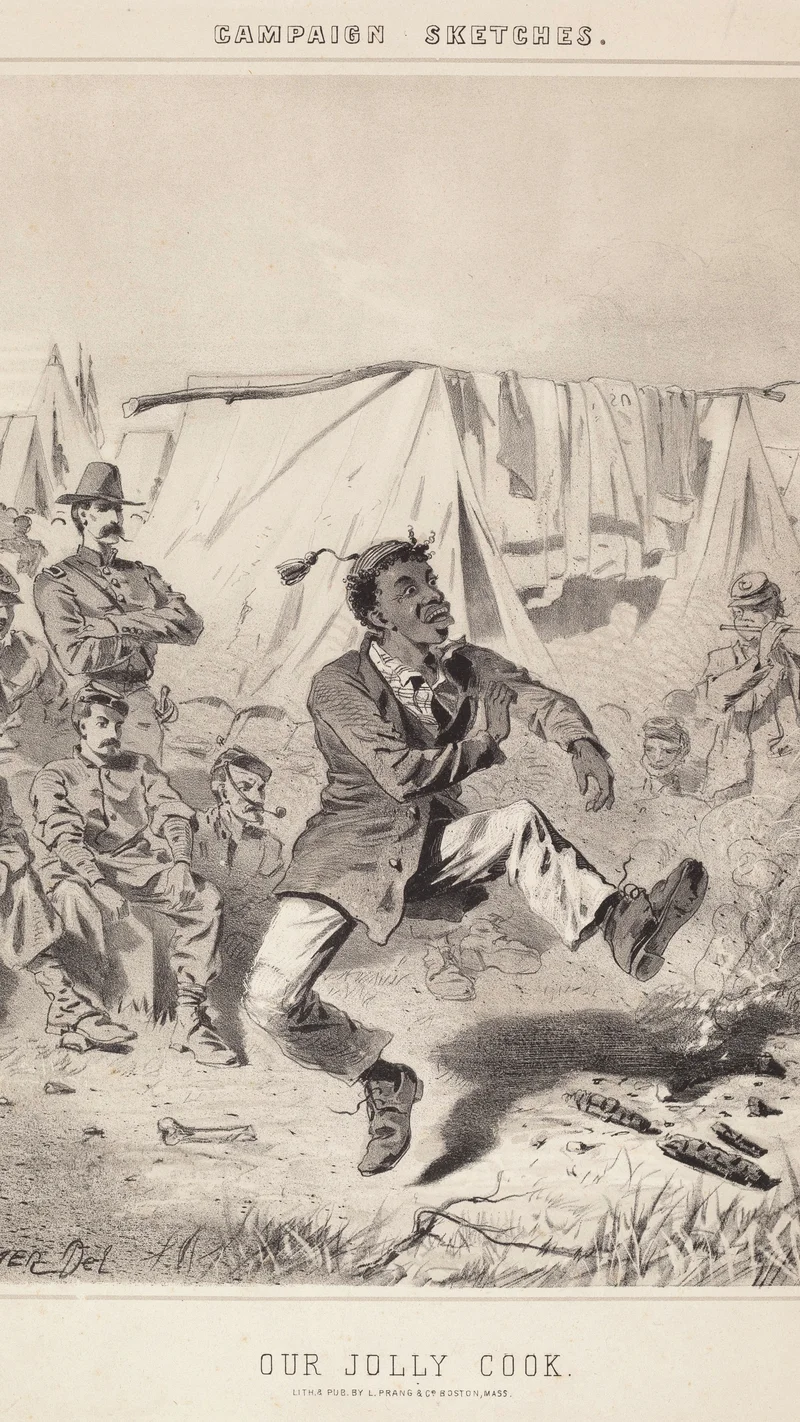
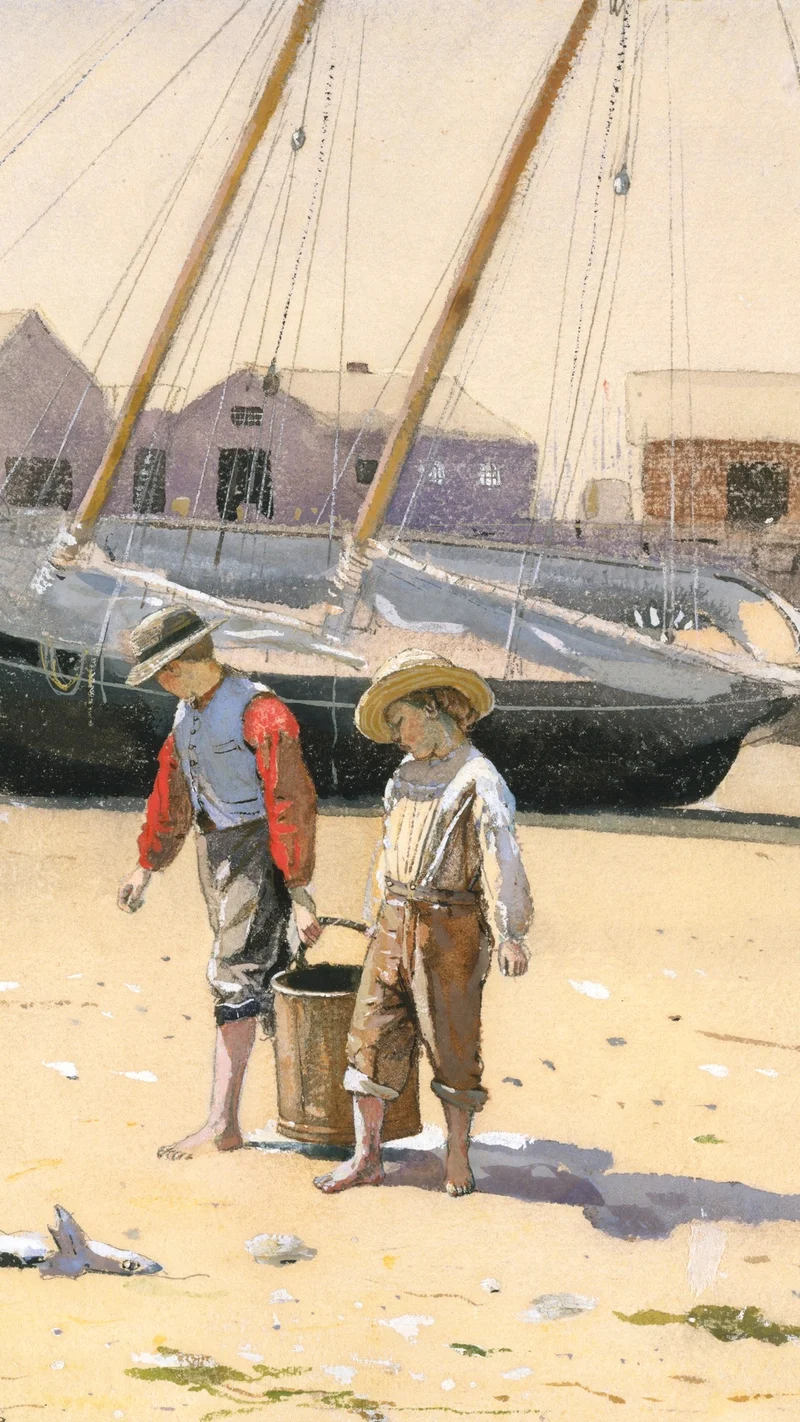
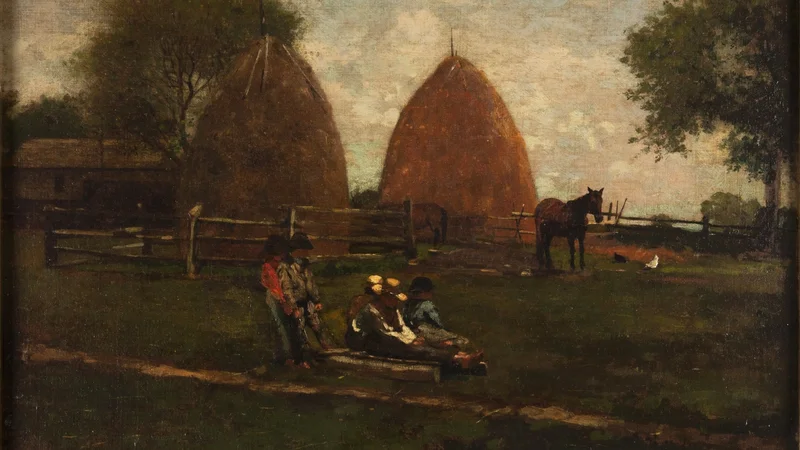
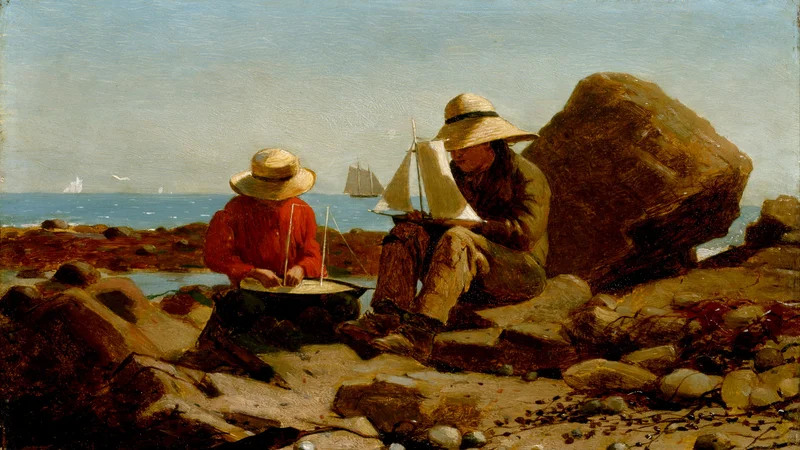
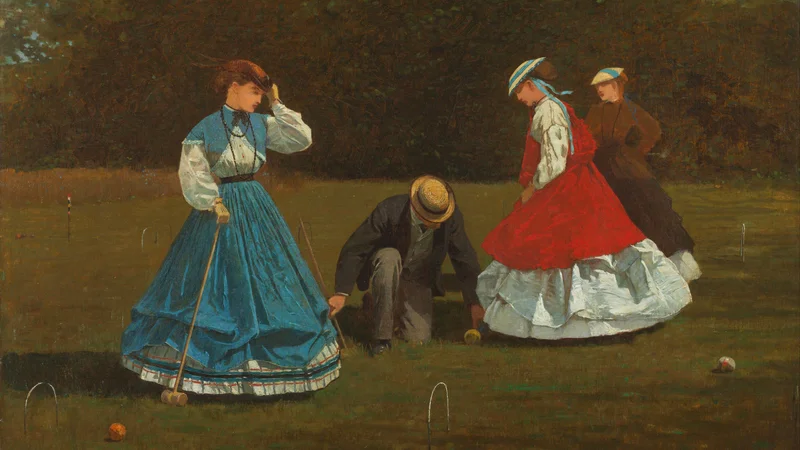
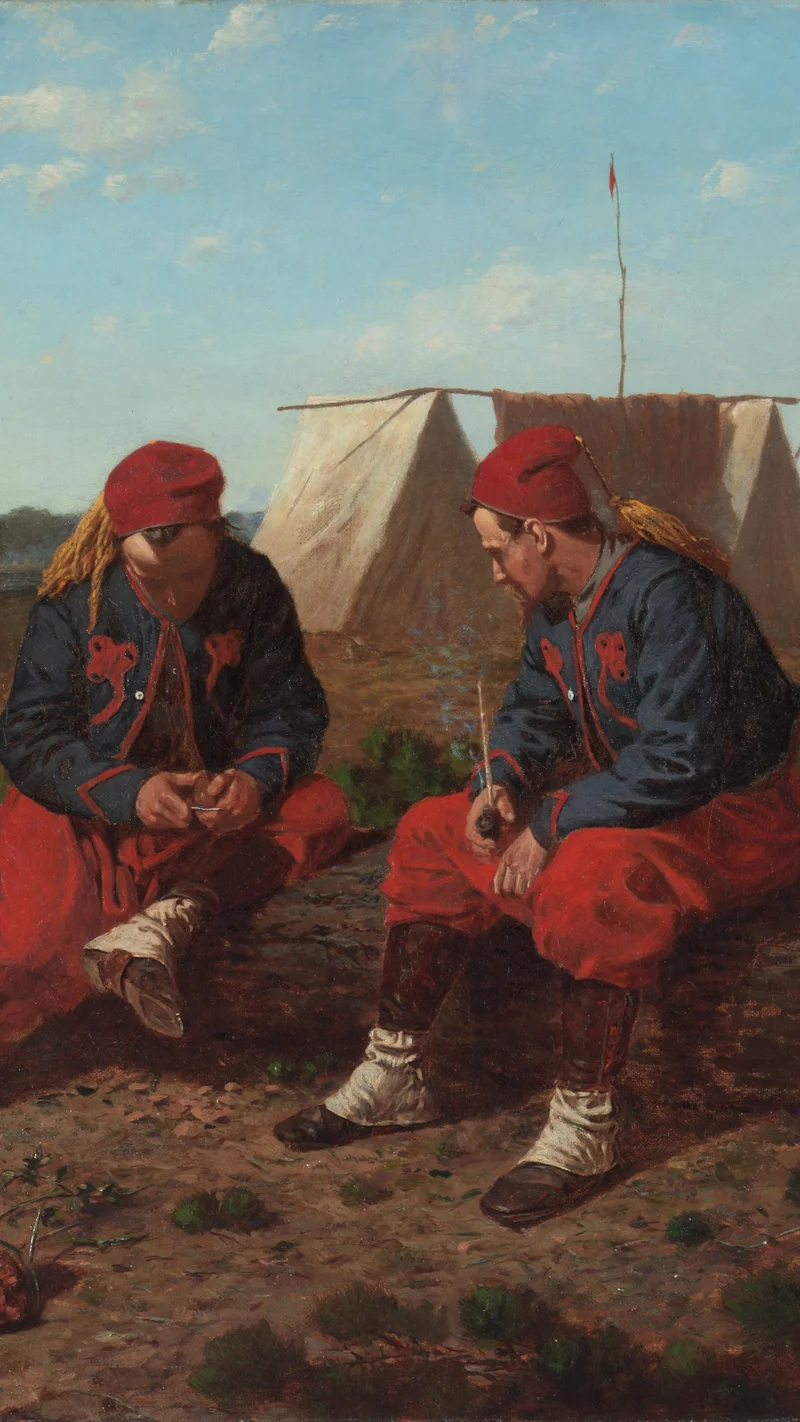
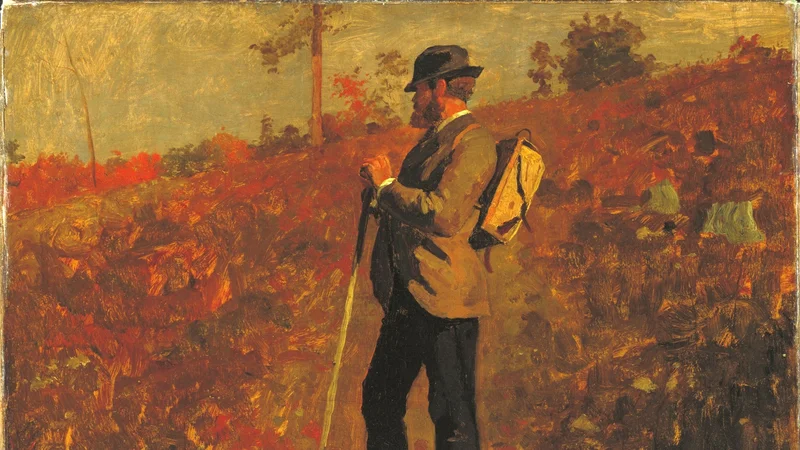
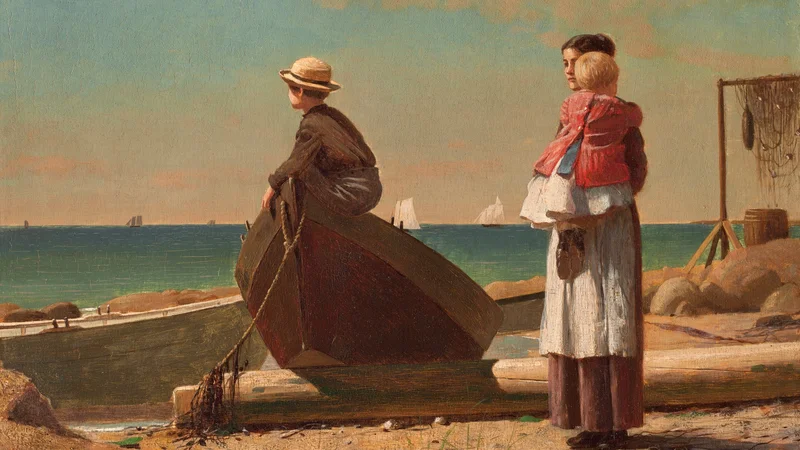
Subsequent centuries saw the genre evolve from quiet observation to poignant social commentary. While Francisco Goya captured the intimate, often raw traditions of local culture in works like The Little Bird Nesters, the 19th century demanded a more rigorous engagement with industrial and social realities. Eastman Johnson’s The Floor Scrapers and Winslow Homer’s The Boat Builders exemplify this shift, documenting the grit and physical exertion of American life. Similarly, Vincent van Gogh’s The Bedroom reveals how the genre could be transformed into a psychological space, where domestic surroundings serve as an index of the artist’s internal state. By prioritizing the human experience in its most authentic form, genre art dismantled the barriers between the observer and the observed, laying the foundation for modern realism and shaping the trajectory of narrative painting.