Jean-Baptiste Camille Corot
80 artworks
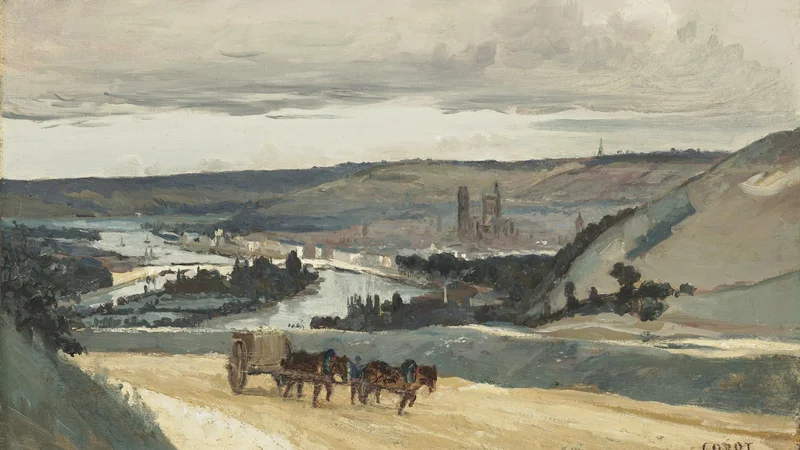
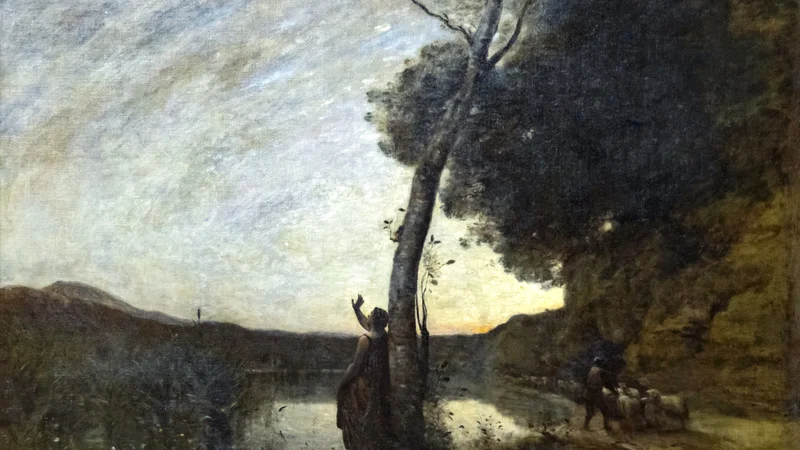
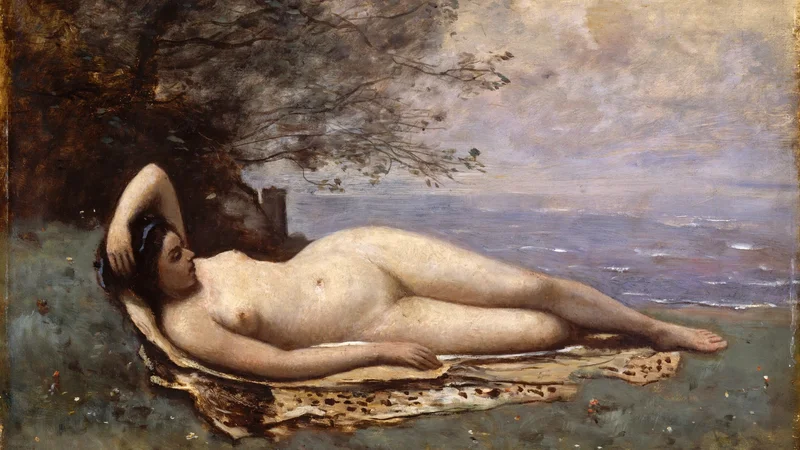
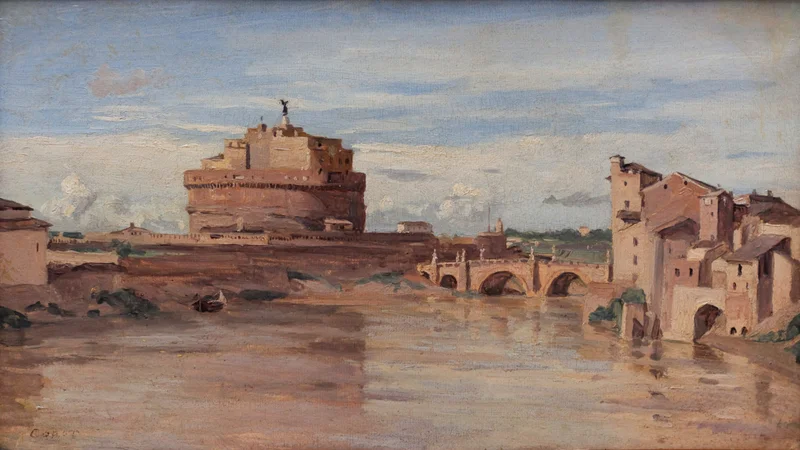
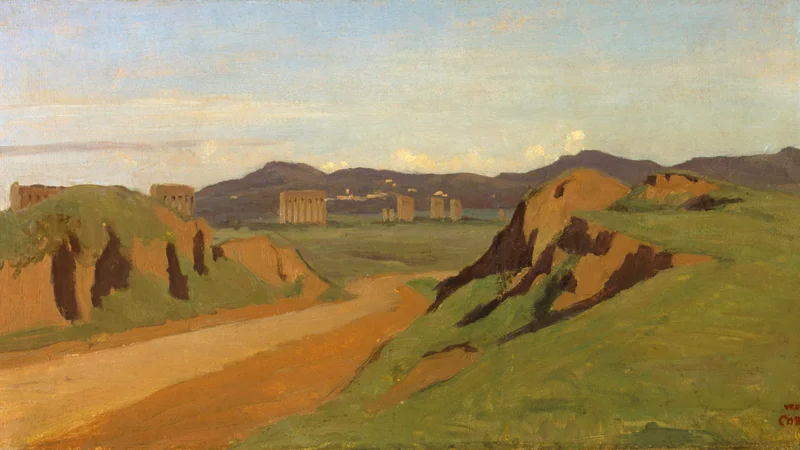
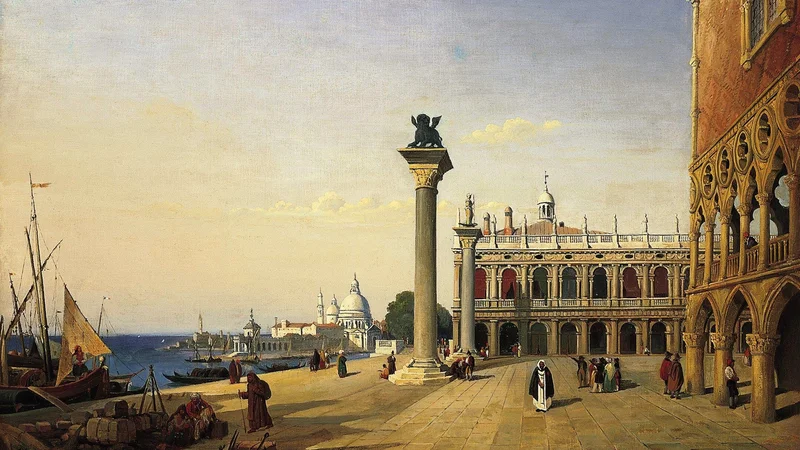
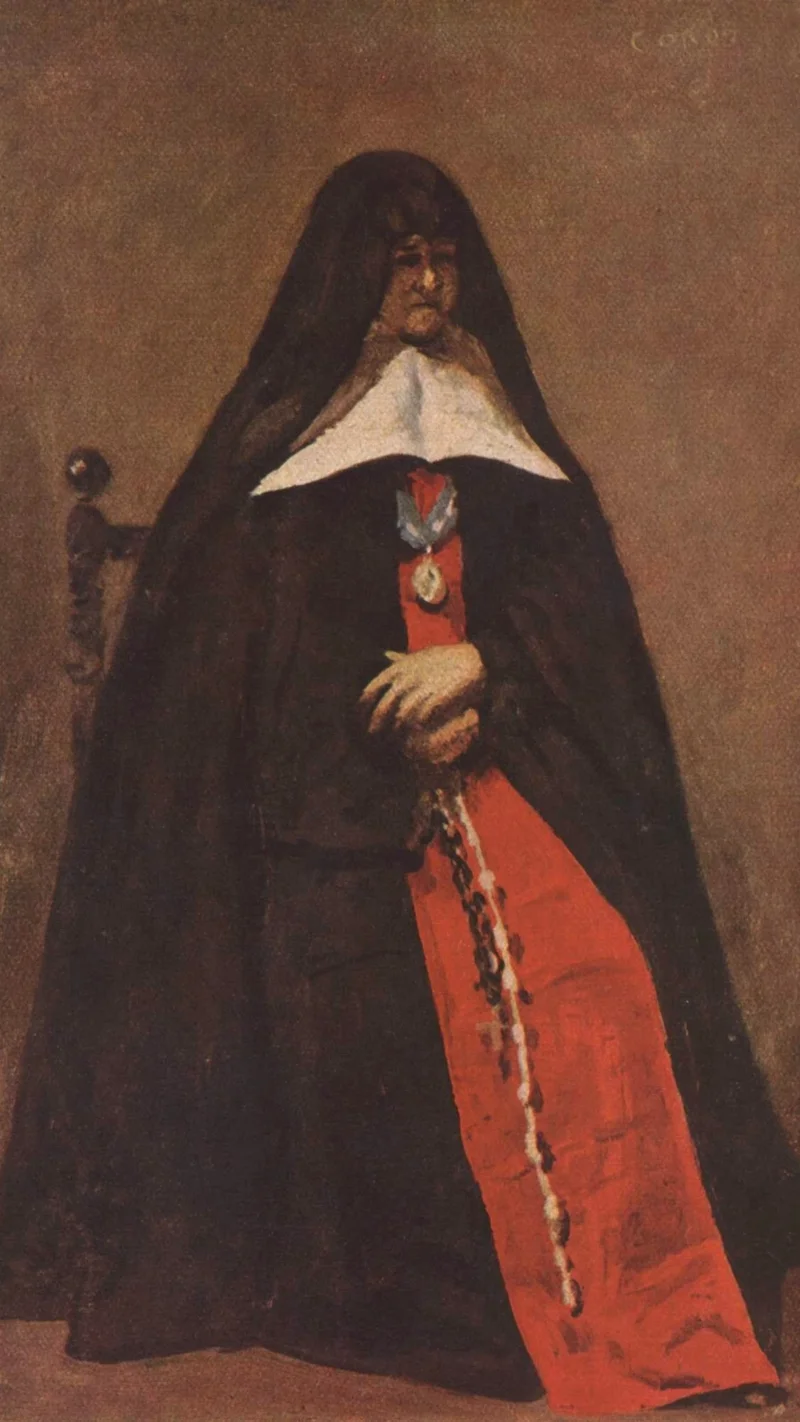
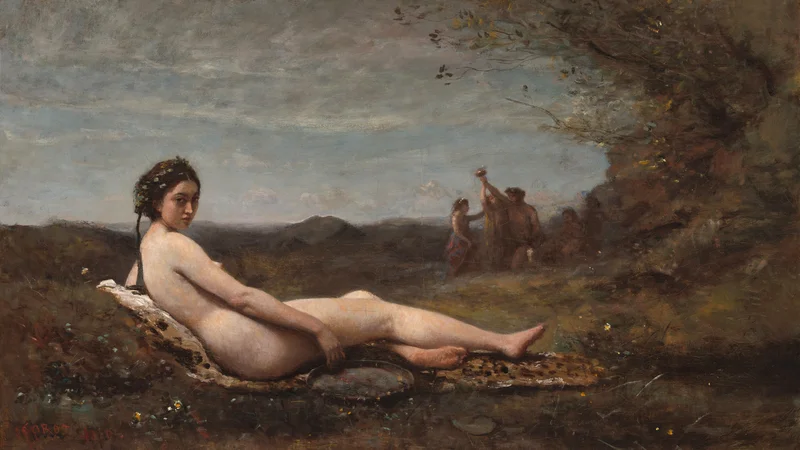
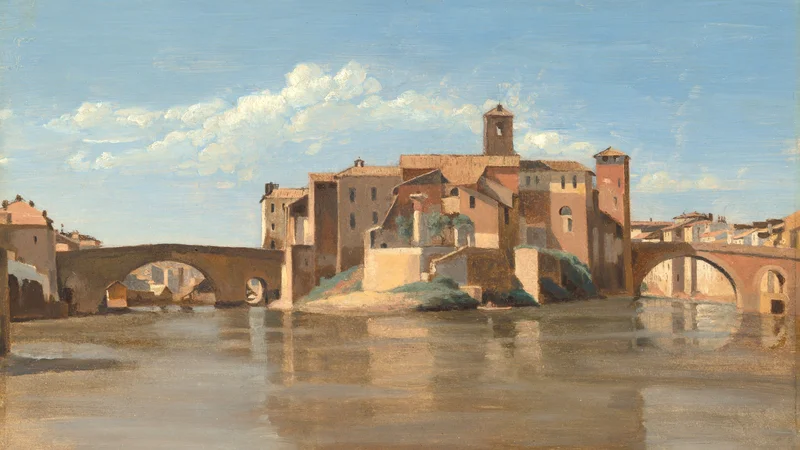
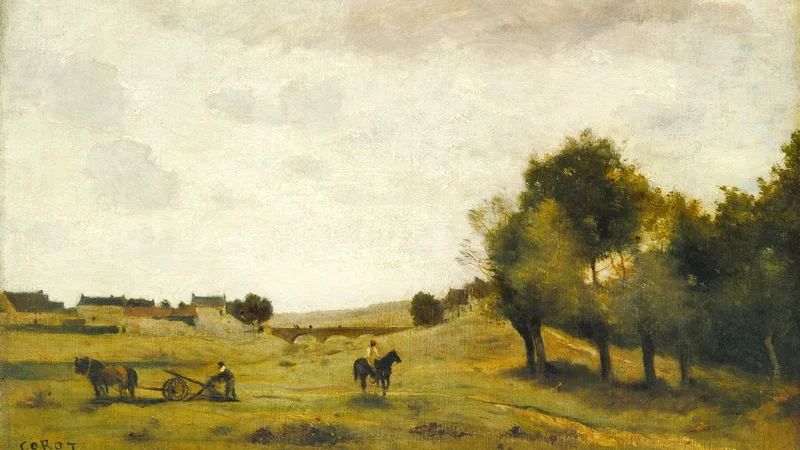
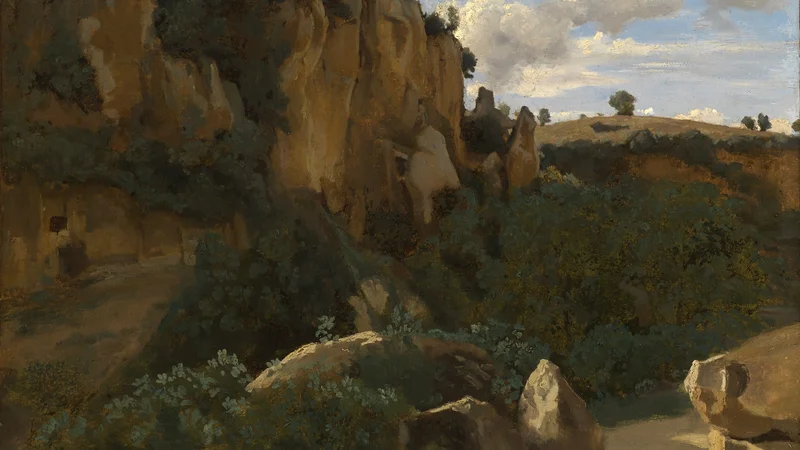
Jean-Baptiste Camille Corot (1796–1875) was a seminal French landscape painter whose work bridged the transition from Neoclassical rigor to the emotive realism of the Barbizon School. Trained under Achille-Etna Michallon and Victor Bertin, Corot departed from the rigid studio conventions of his predecessors, instead favoring the direct observation of nature during his formative travels to Italy in 1823 and 1834. His insistence on plein-air sketching allowed him to capture the nuanced play of light and atmosphere, establishing a foundational approach that would eventually influence the development of Impressionism.
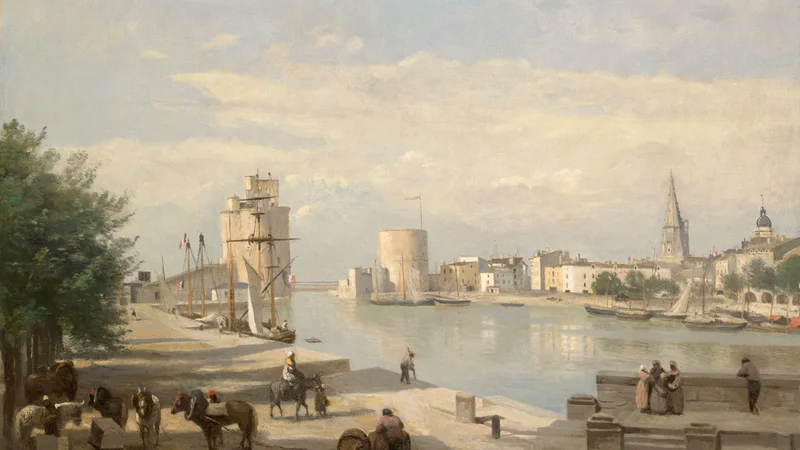
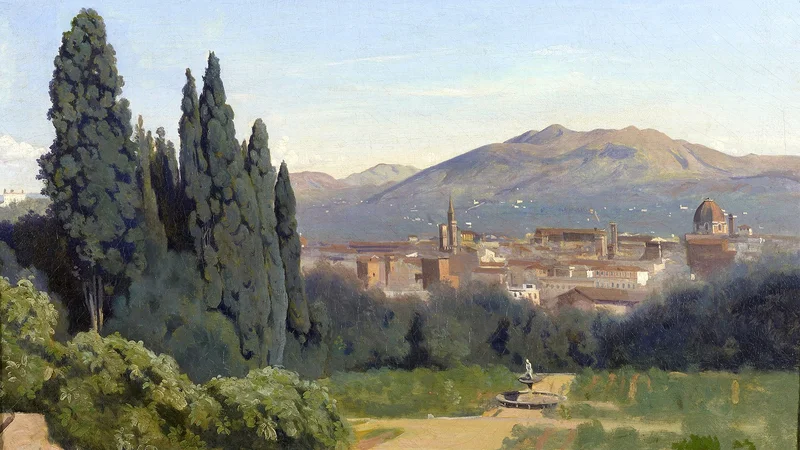
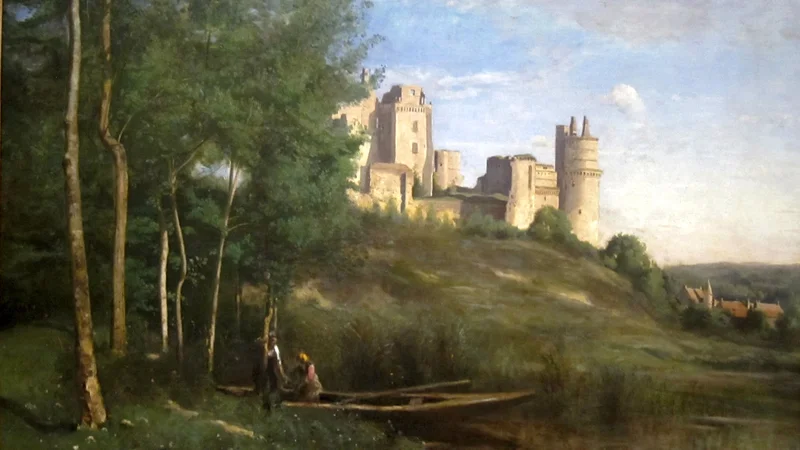
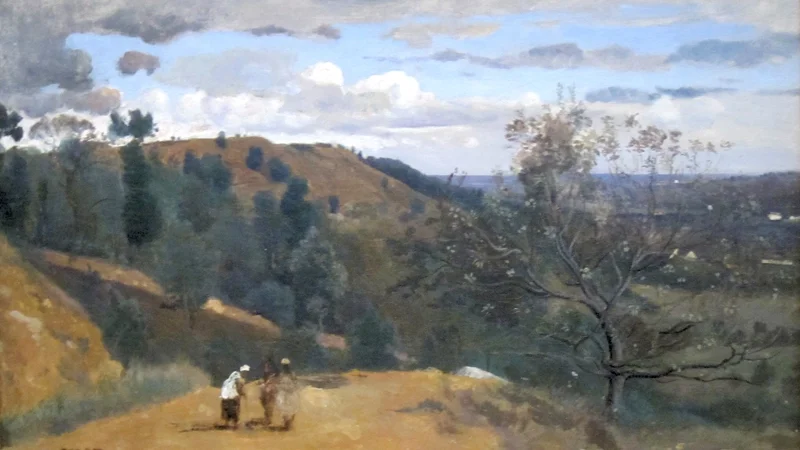
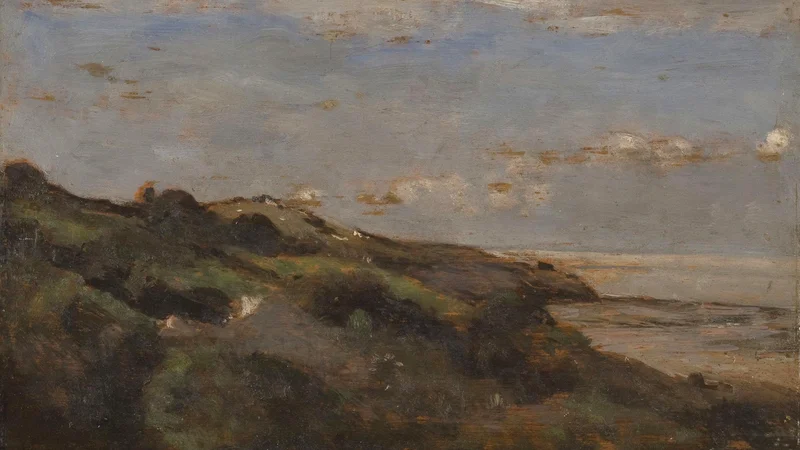
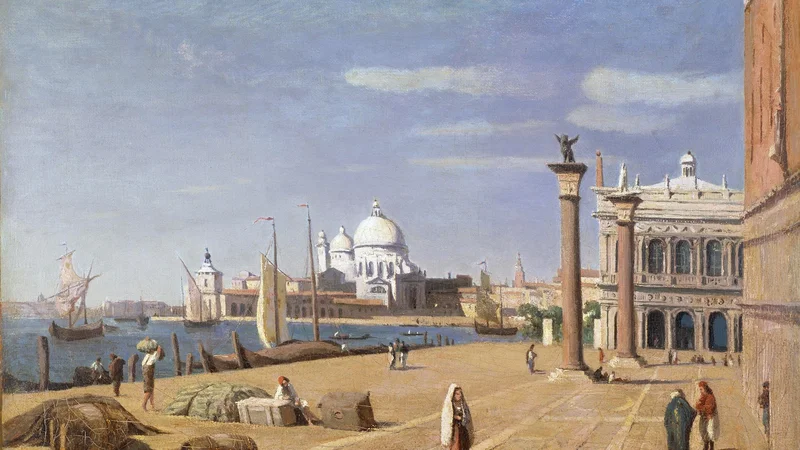
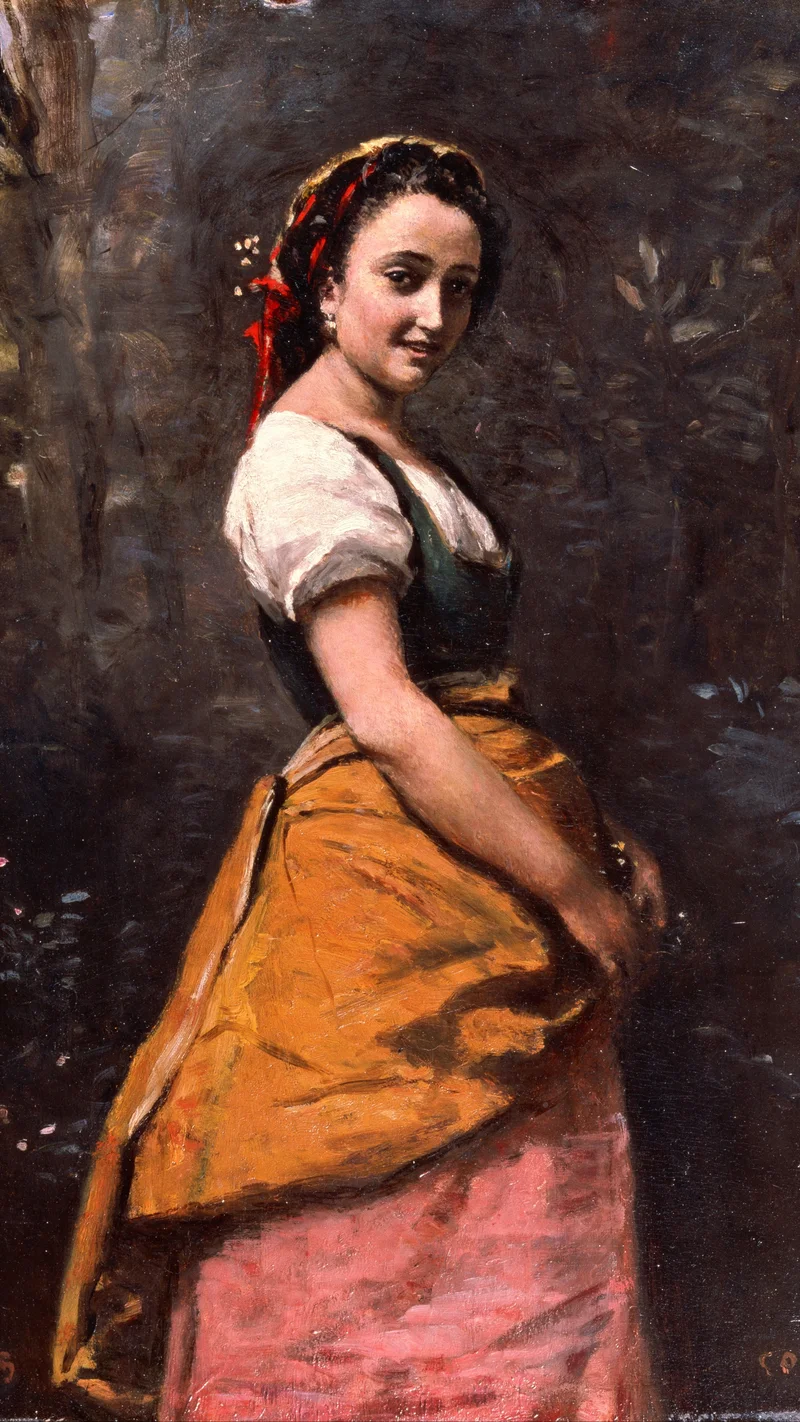
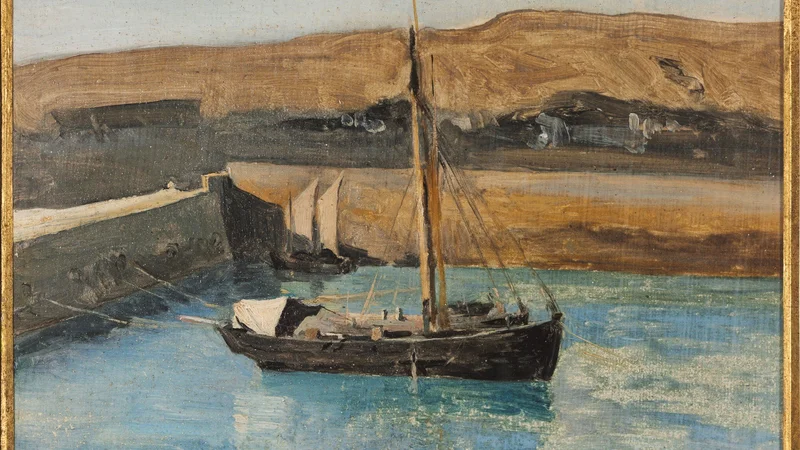
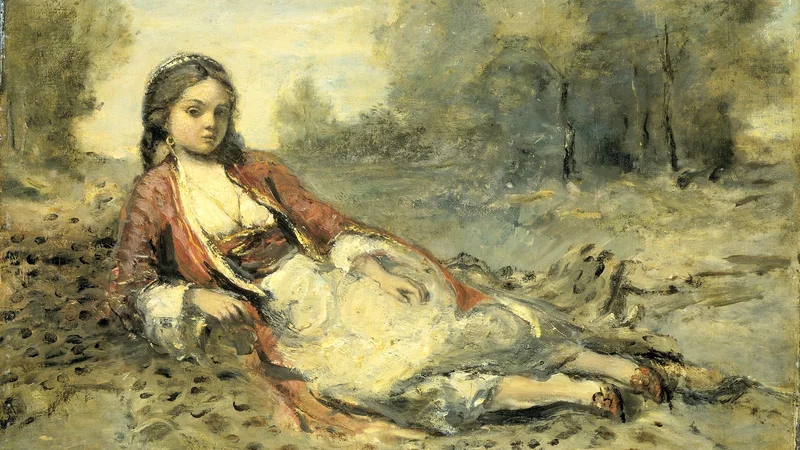
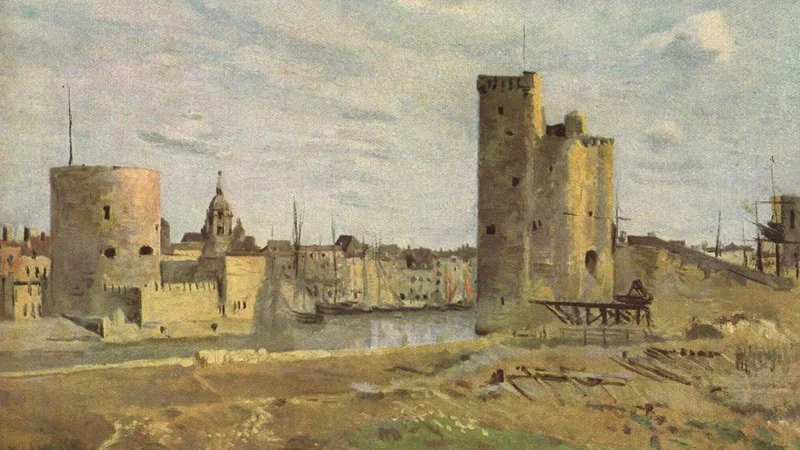
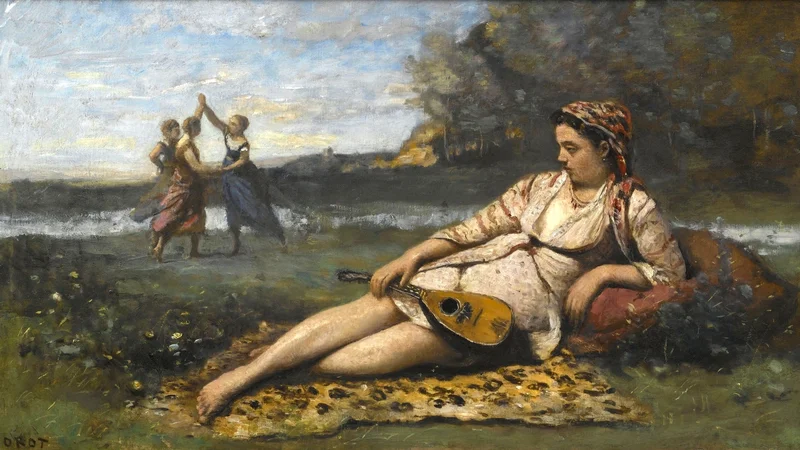
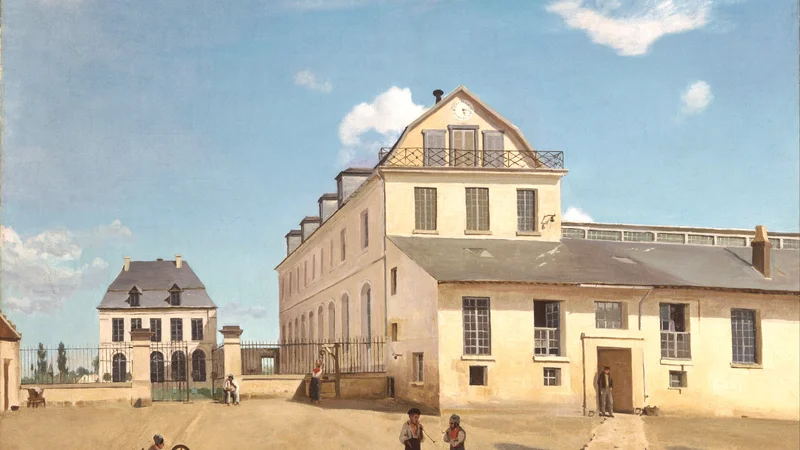
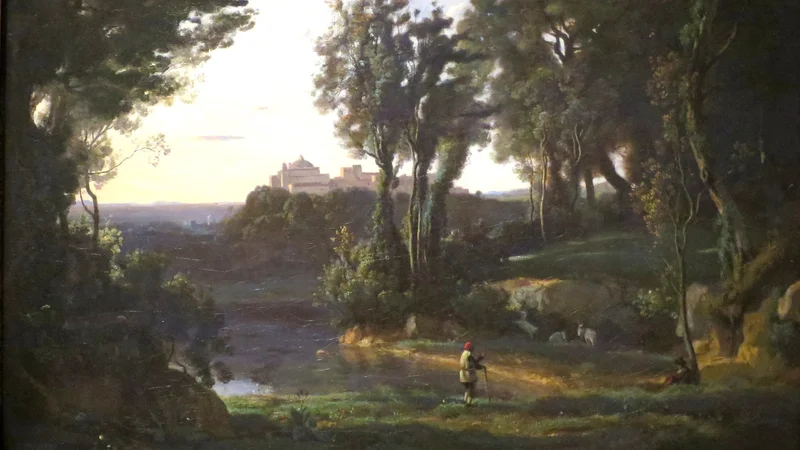
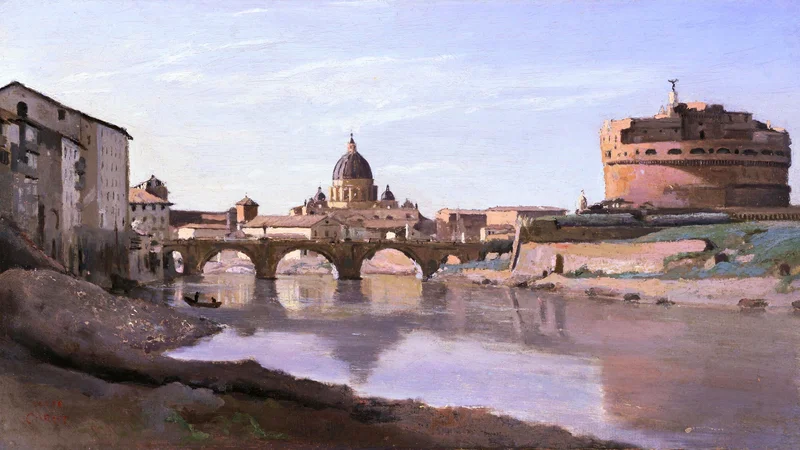
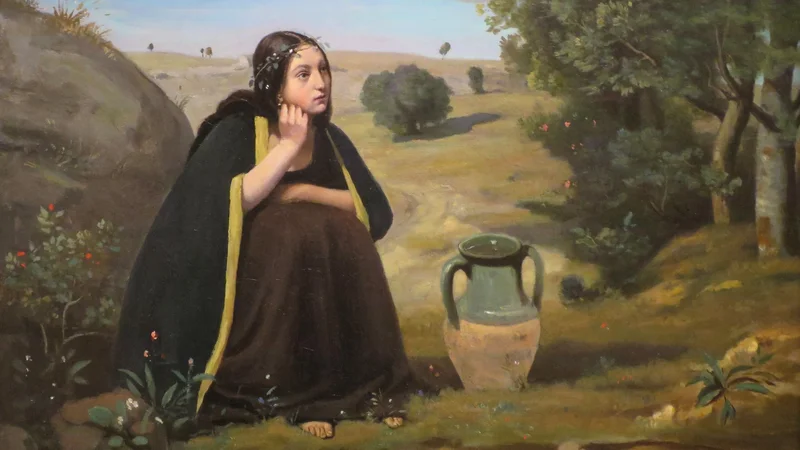
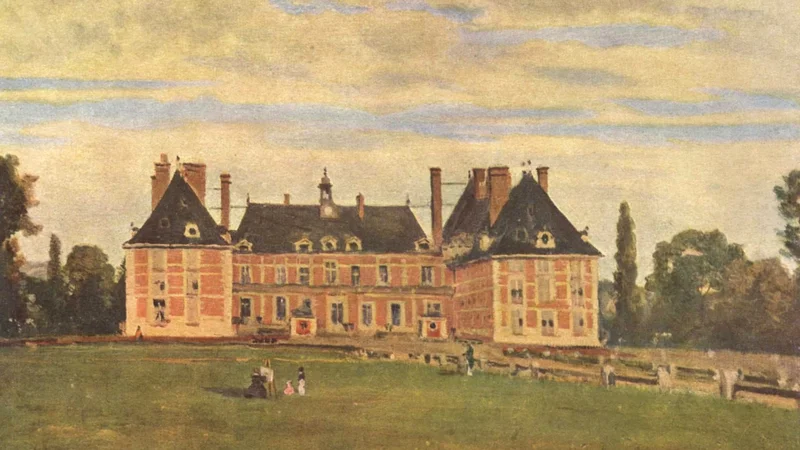
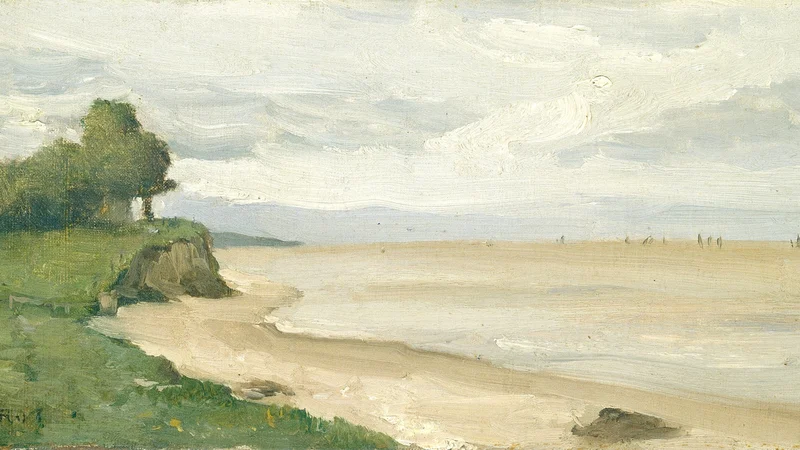
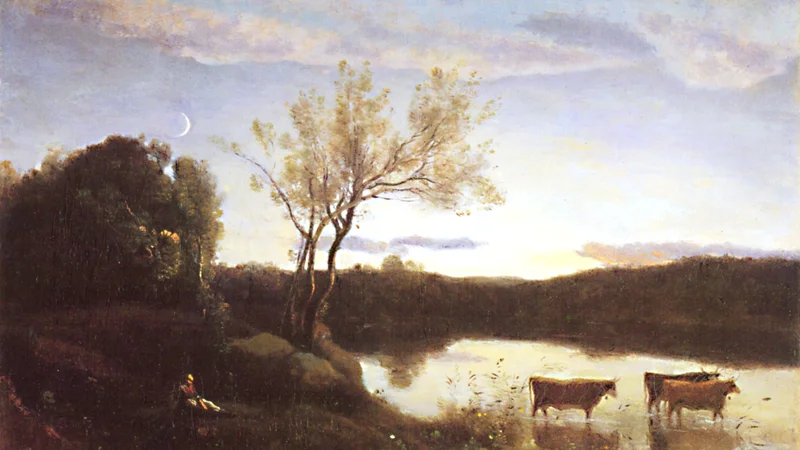
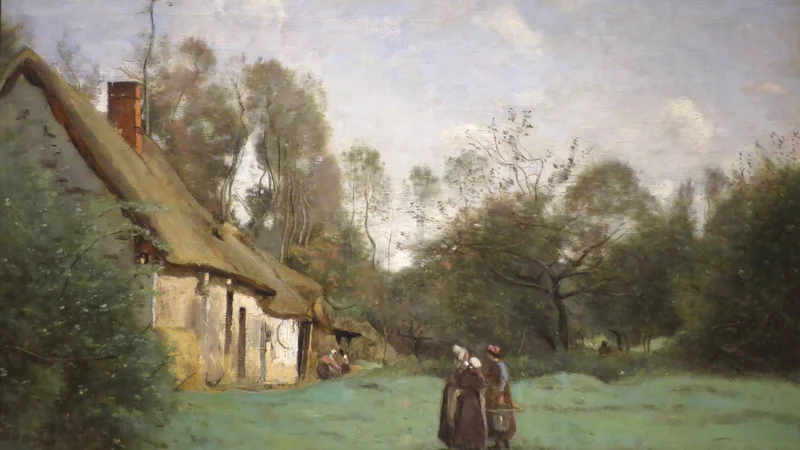
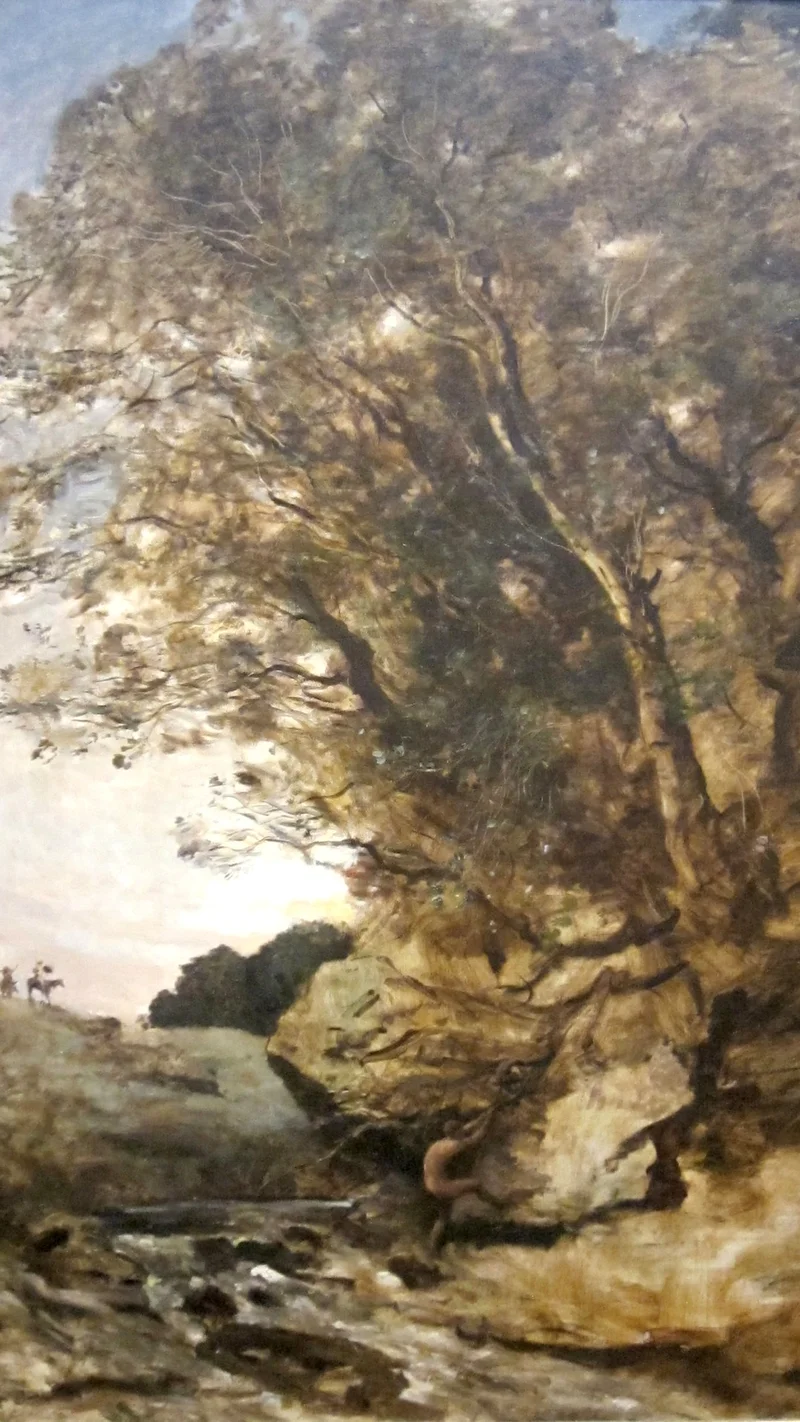
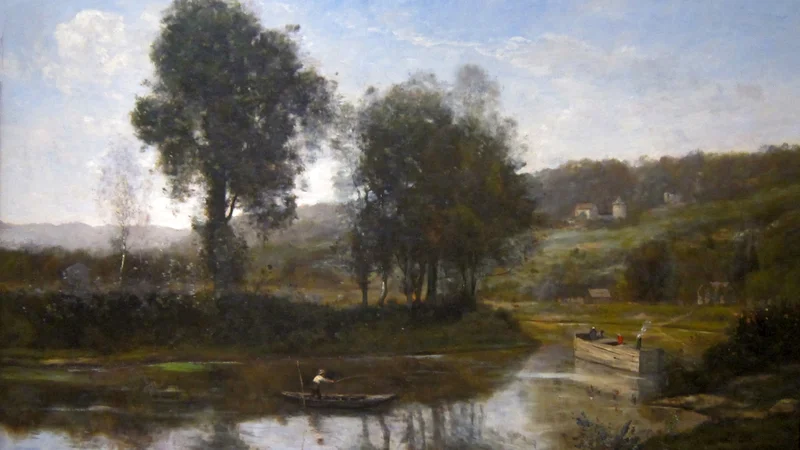
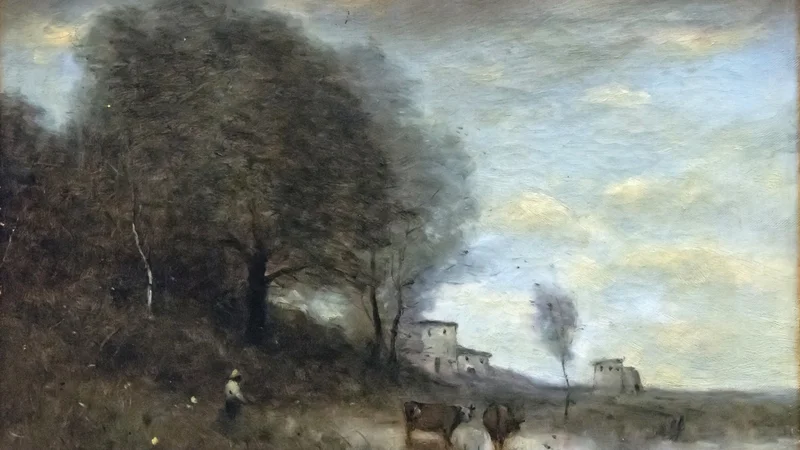
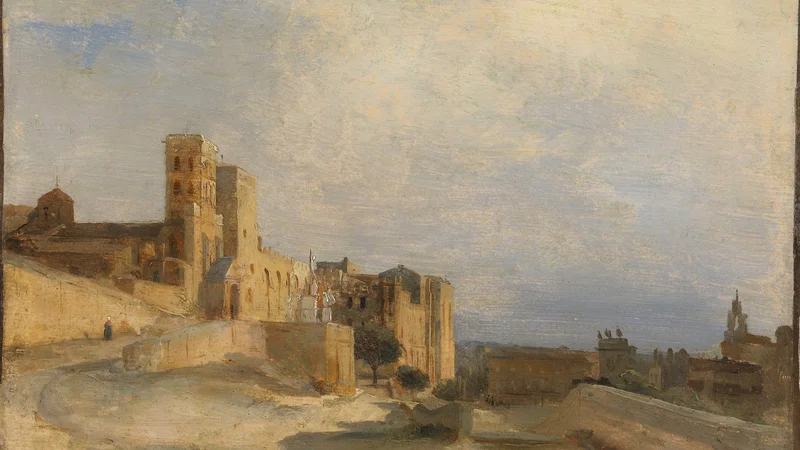
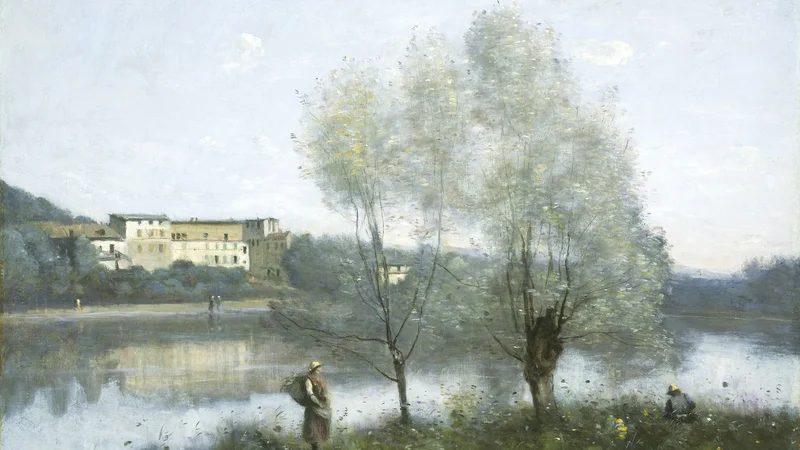
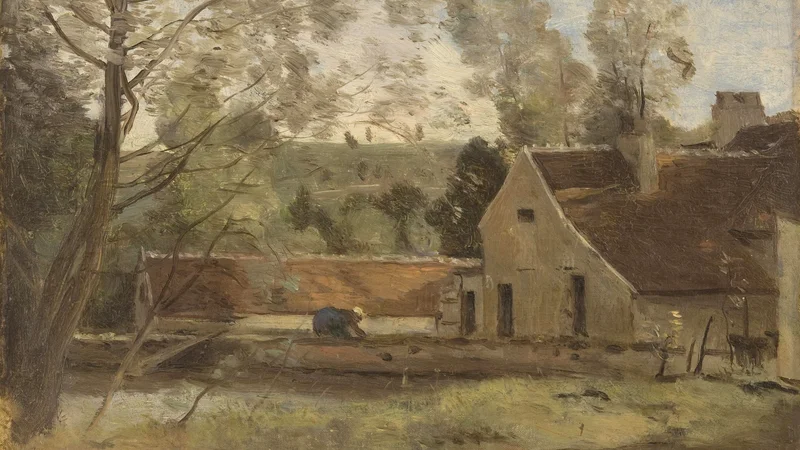
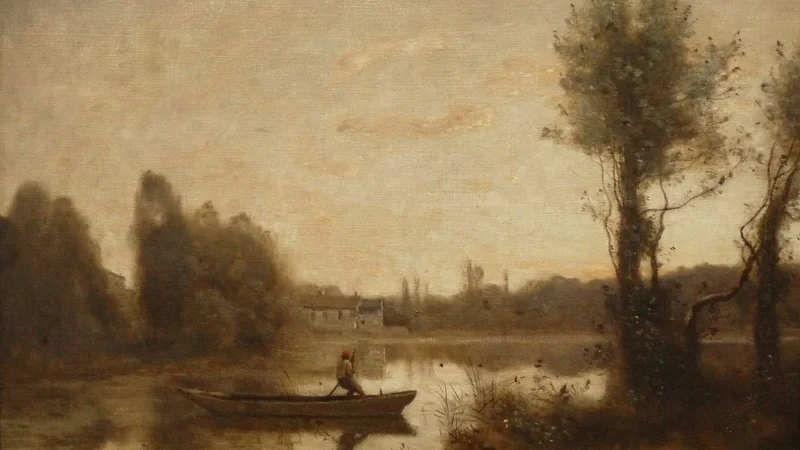
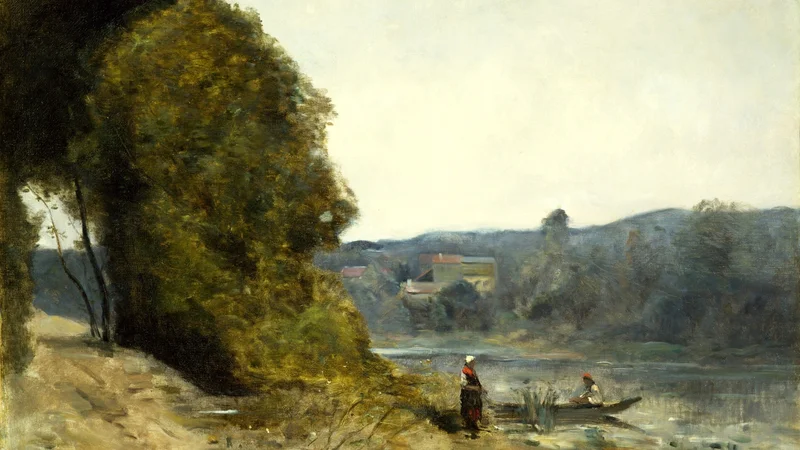
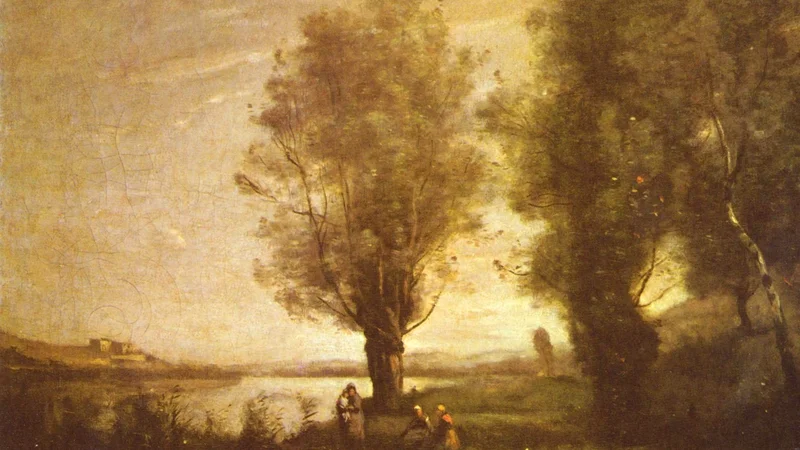
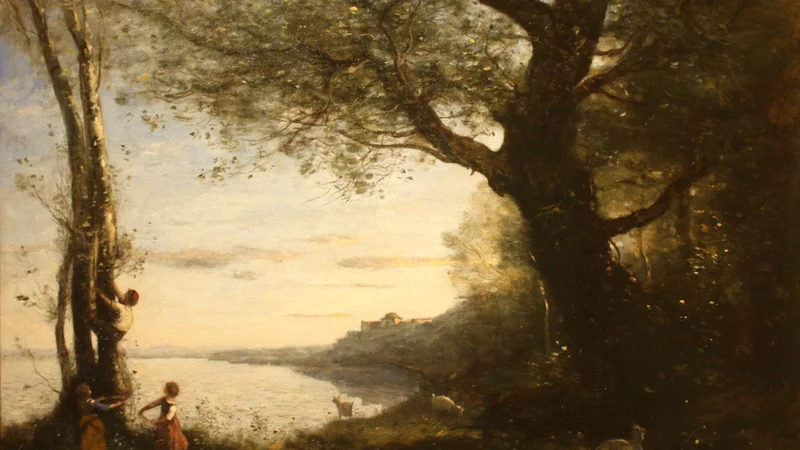
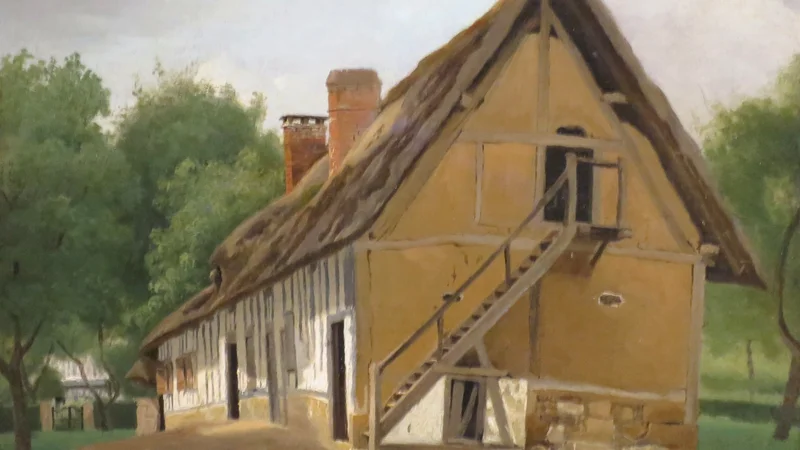
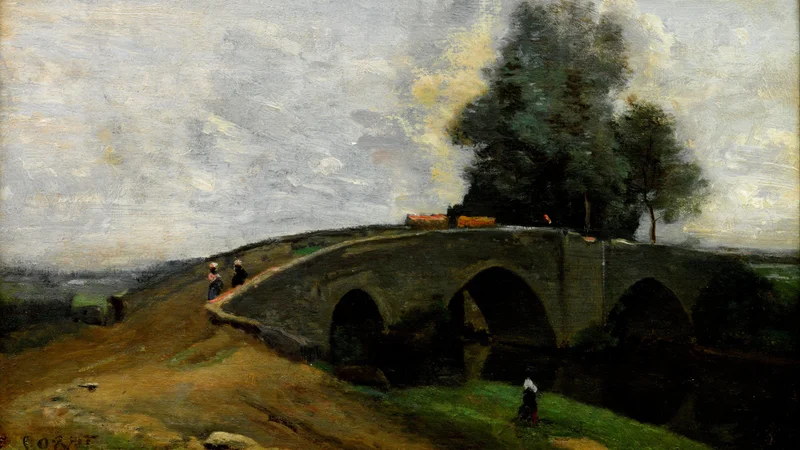
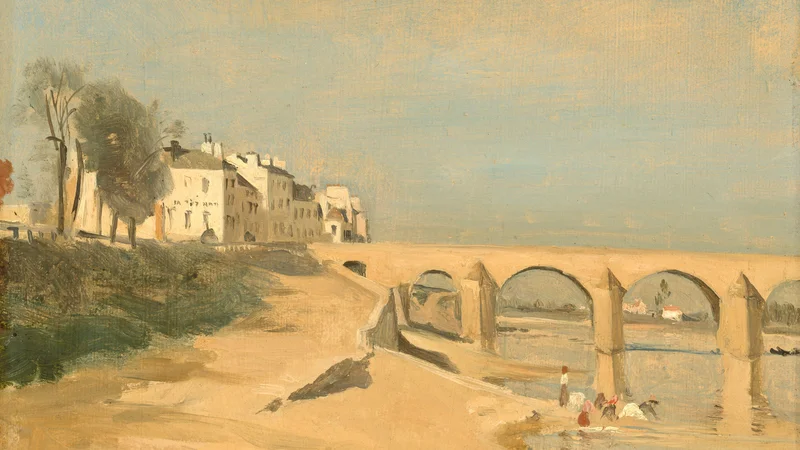
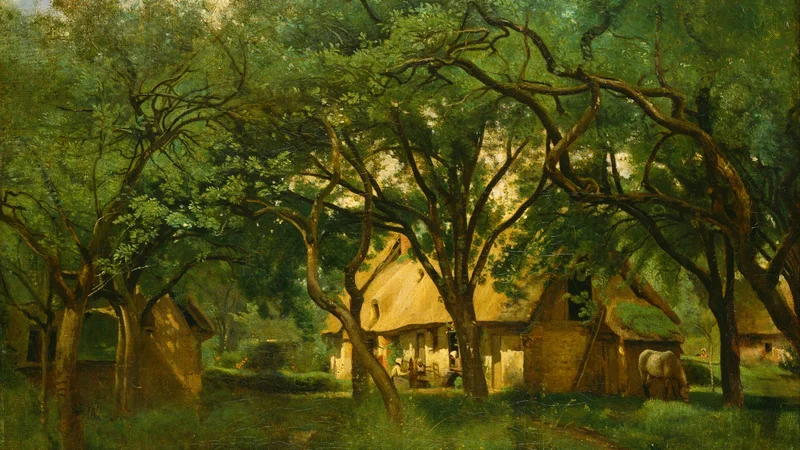
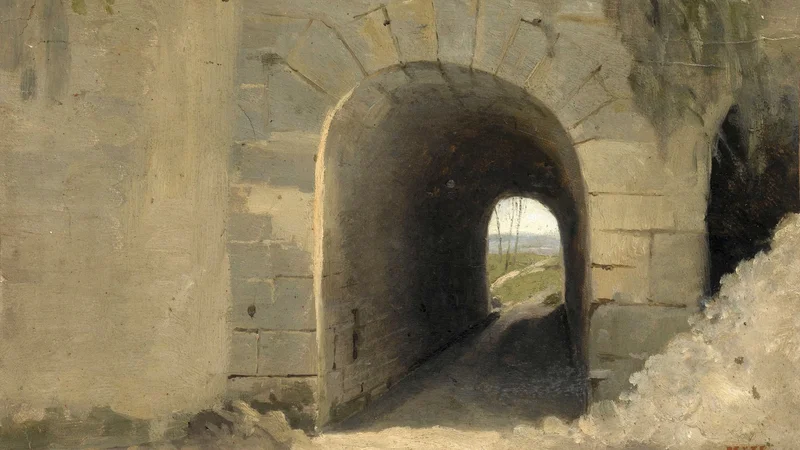
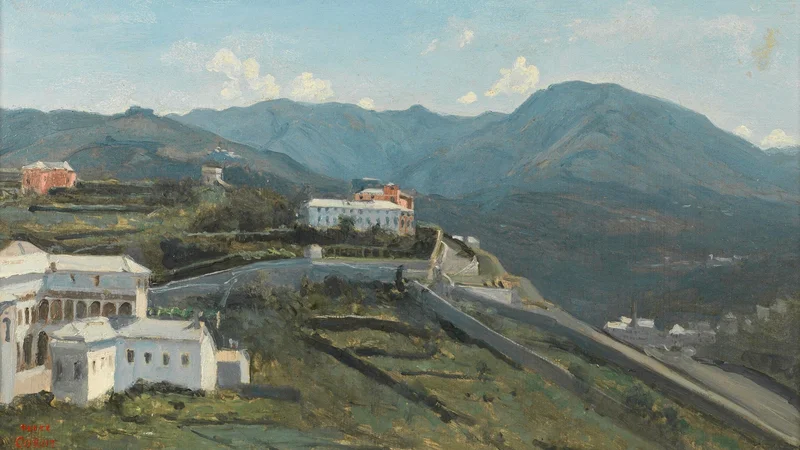
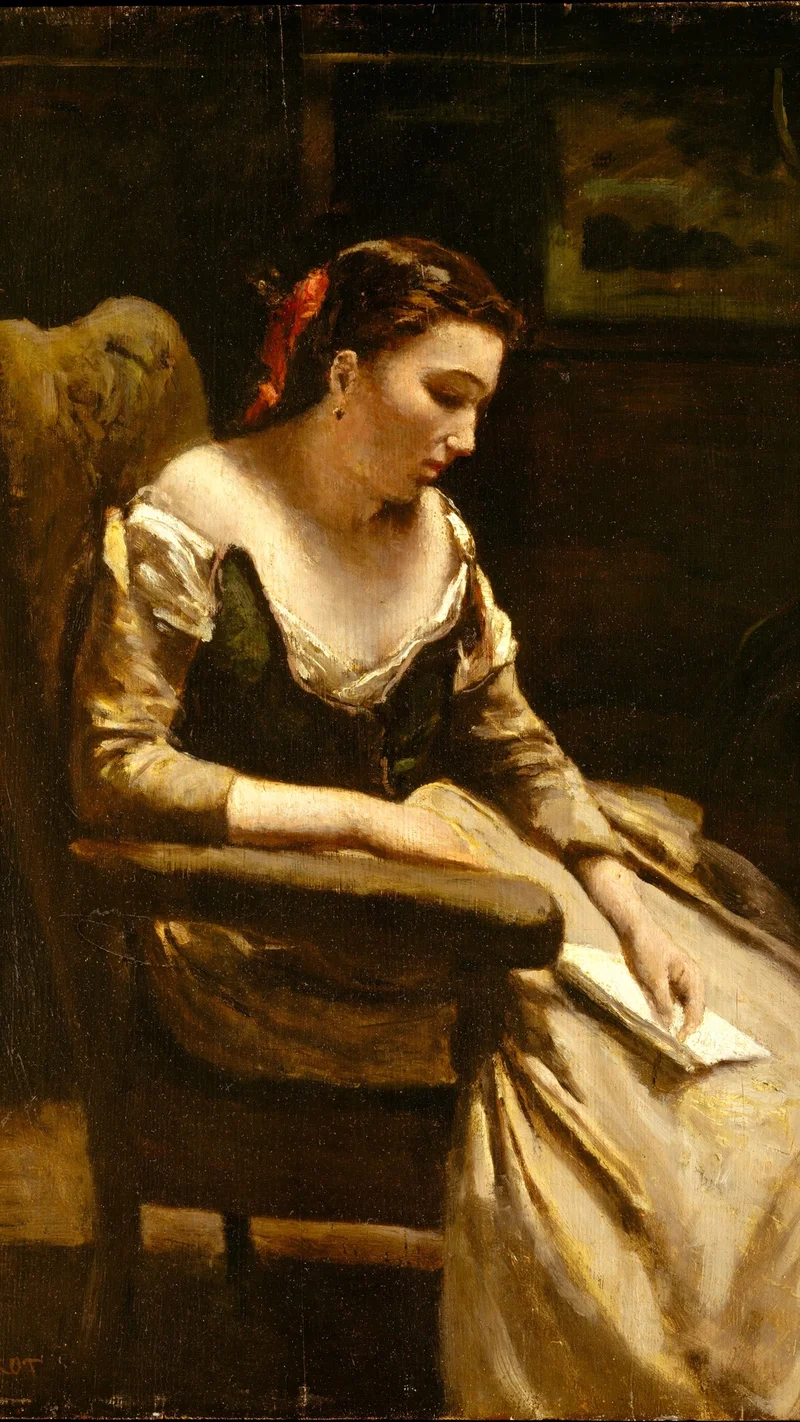
Corot’s mature style is defined by a soft, silvery palette and a lyrical treatment of form, often described as souvenirs—poetic recollections of landscapes rather than mere topographical records. This is evident in the structured clarity of Florence, View from the Boboli Gardens and the rugged topographical honesty of Site in Italy. Throughout his career, he balanced precise architectural rendering, as seen in House and Factory of Monsieur Henry, with the rhythmic, atmospheric compositions of The Pond and The Harbor of La Rochelle. Works such as Three Cows and a Crescent Moon and The Little Bird Nesters demonstrate his capacity to imbue pastoral scenes with a quiet, monumental stillness. By the time of his significant late-career production around 1868, Corot had solidified his reputation as a master of tonal harmony, leaving an indelible mark on the trajectory of Western landscape painting.