Expressionism
191 artworks
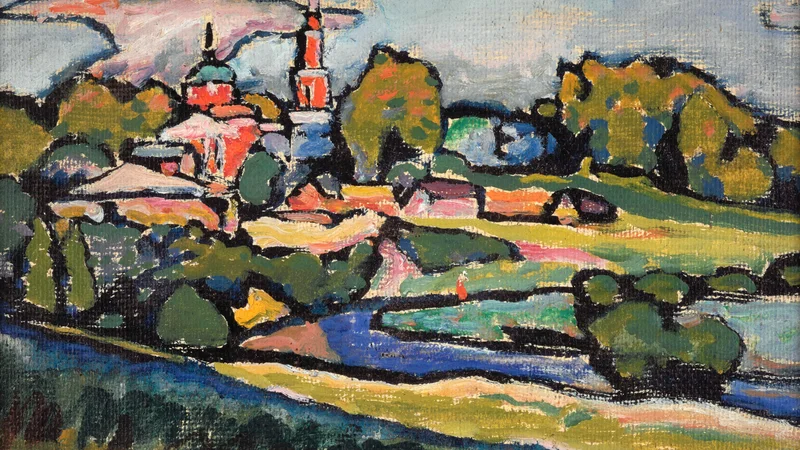
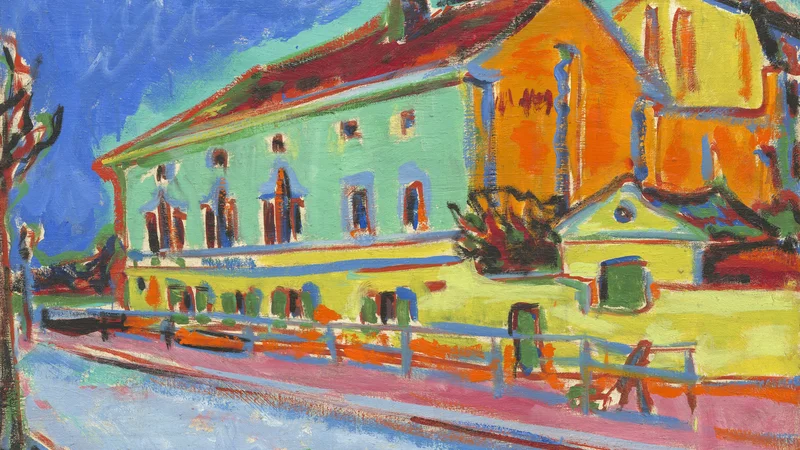
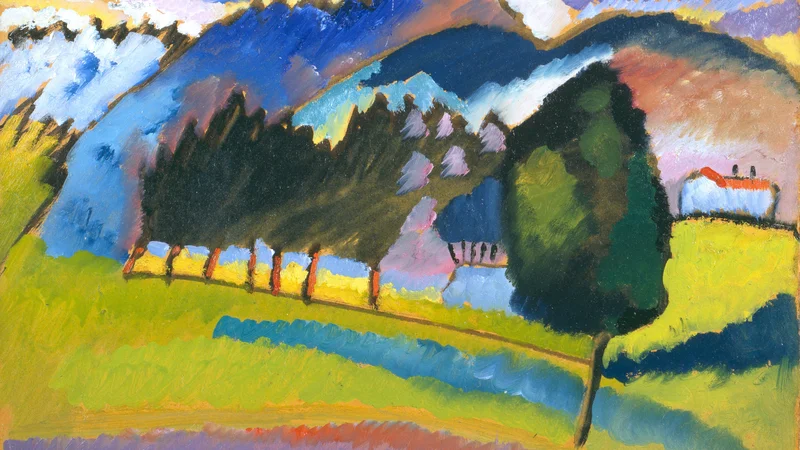
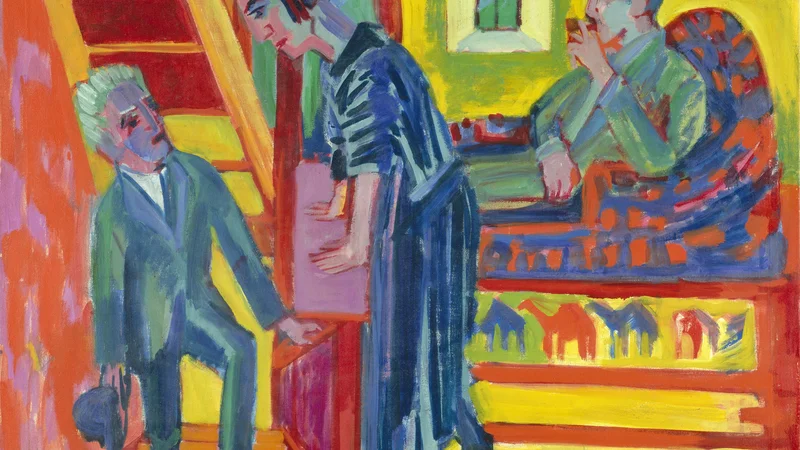
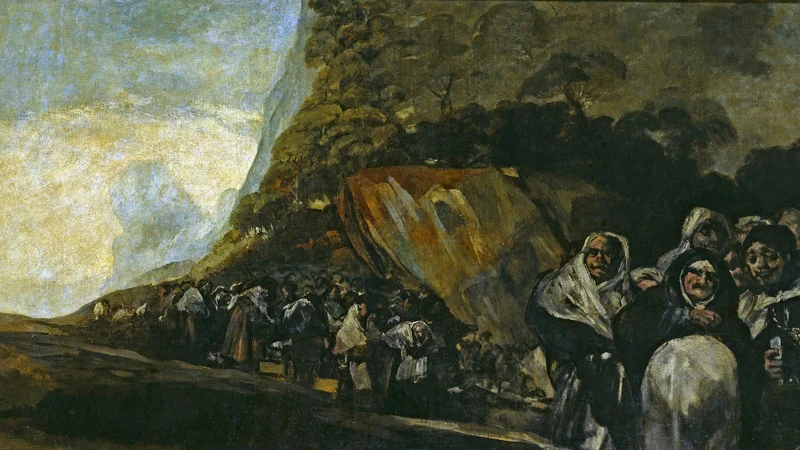
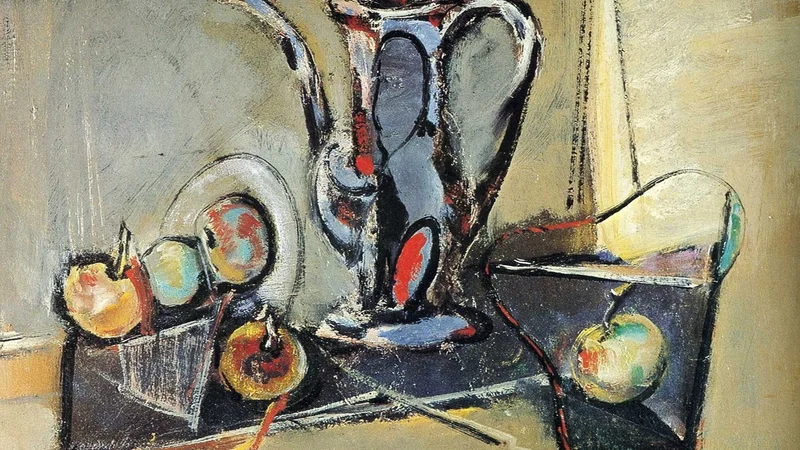
Emerging in Germany at the dawn of the twentieth century, Expressionism represented a radical departure from the objective representation of the natural world, prioritizing the artist's subjective internal experience over mimetic accuracy. By utilizing distorted forms, jarring color palettes, and intense, emotive brushwork, practitioners sought to capture the psychological anxieties and existential turbulence of the modern era. Early manifestations, such as the formation of Die Brücke, laid the groundwork for this aesthetic rebellion, which soon expanded into a broader international discourse on the visceral potential of abstraction and color theory.
Leading Figures and Lasting Impact
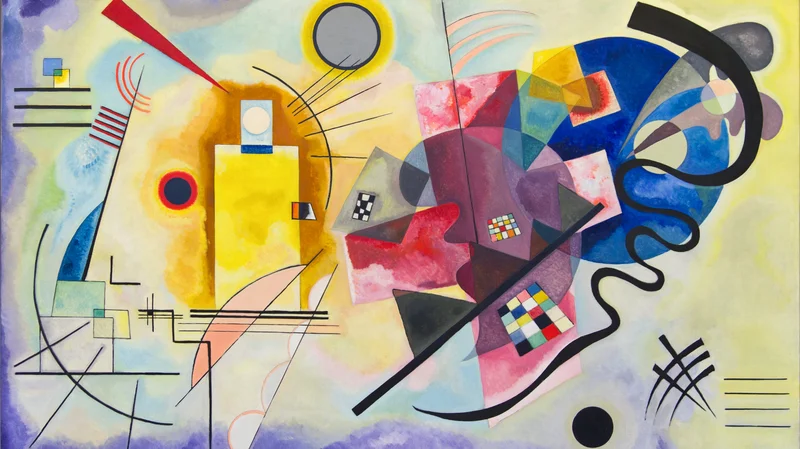
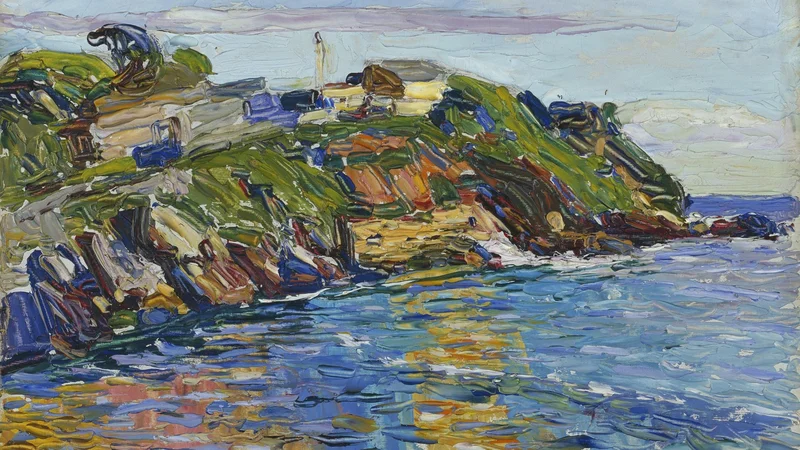
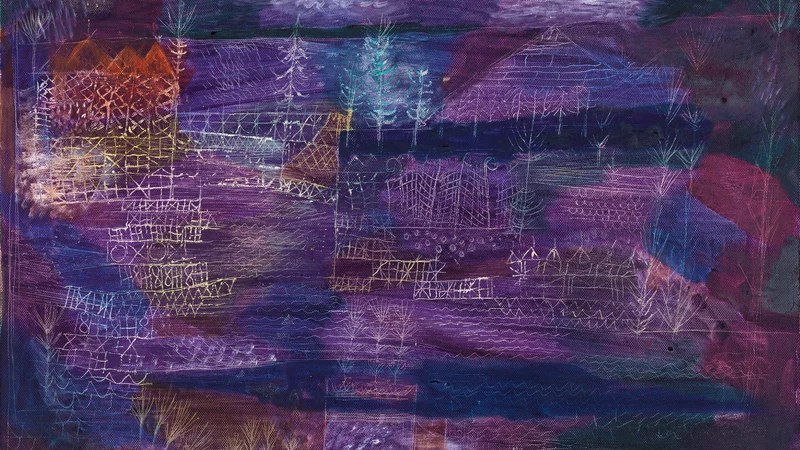
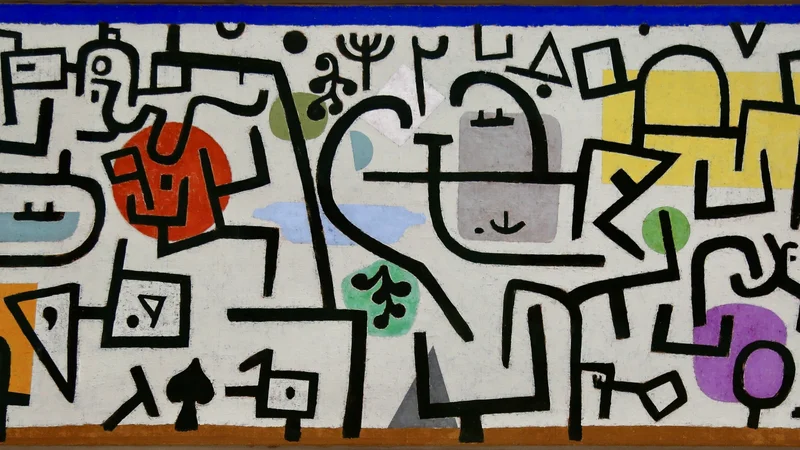
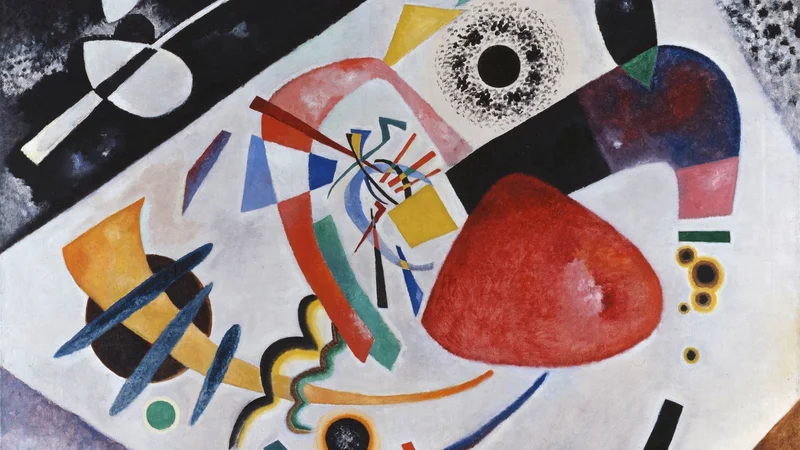
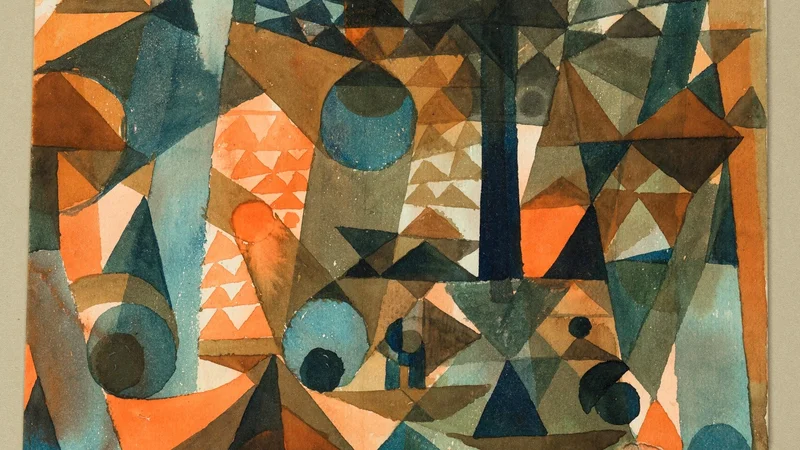
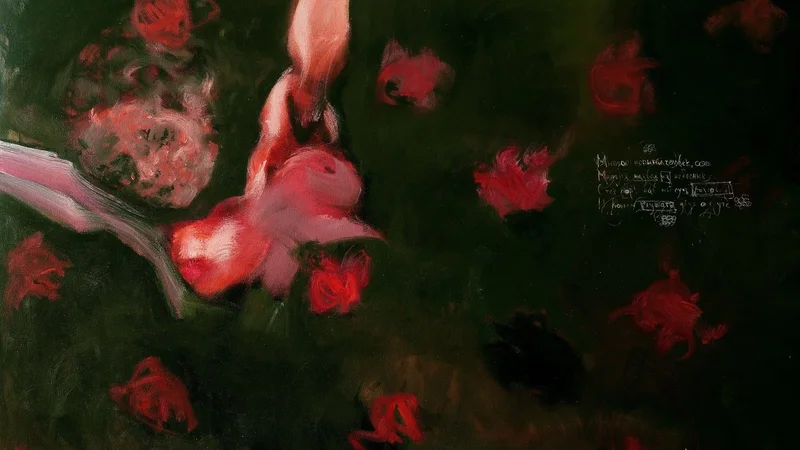
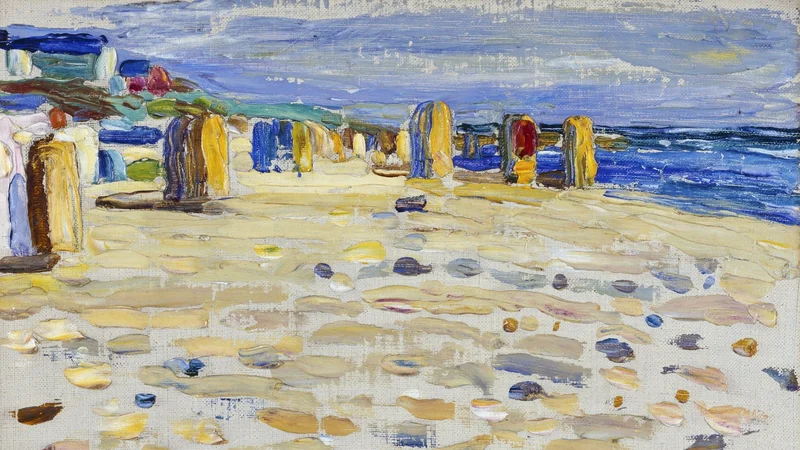
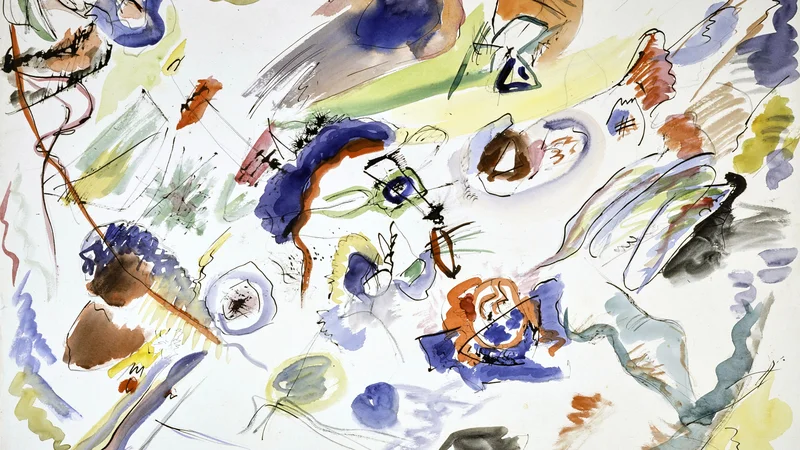
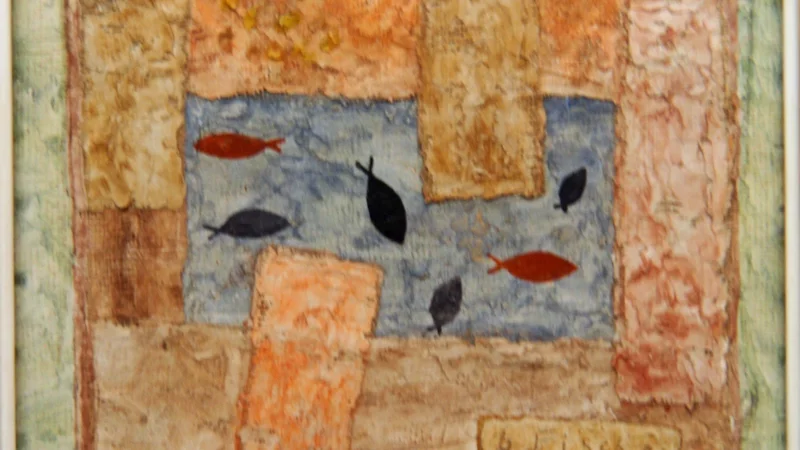
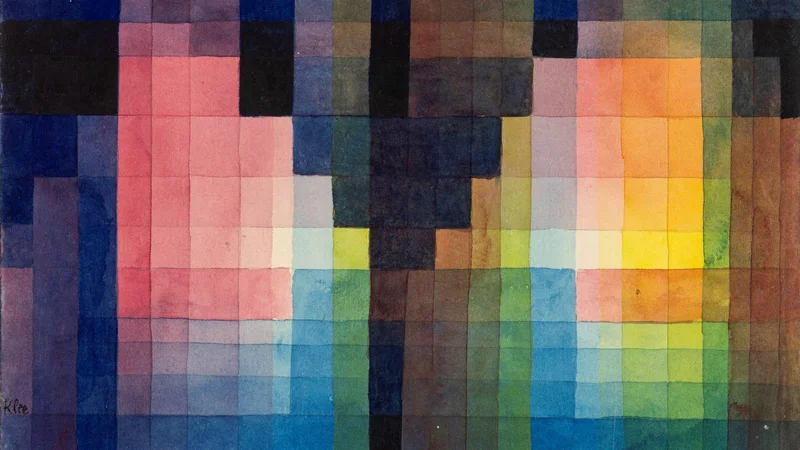
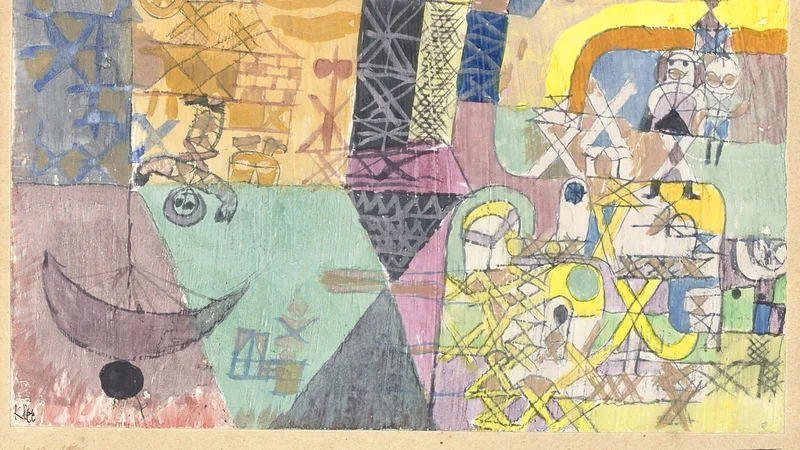
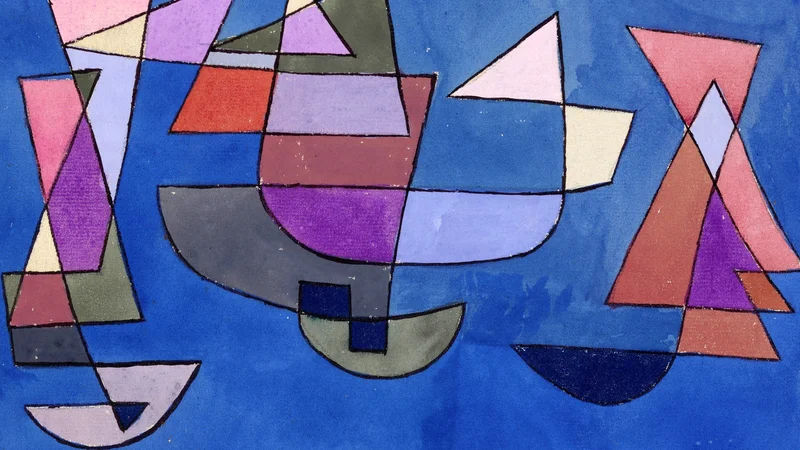
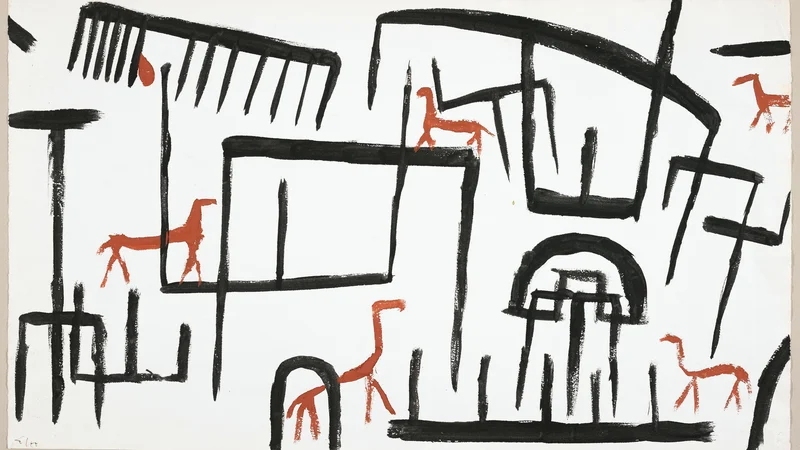
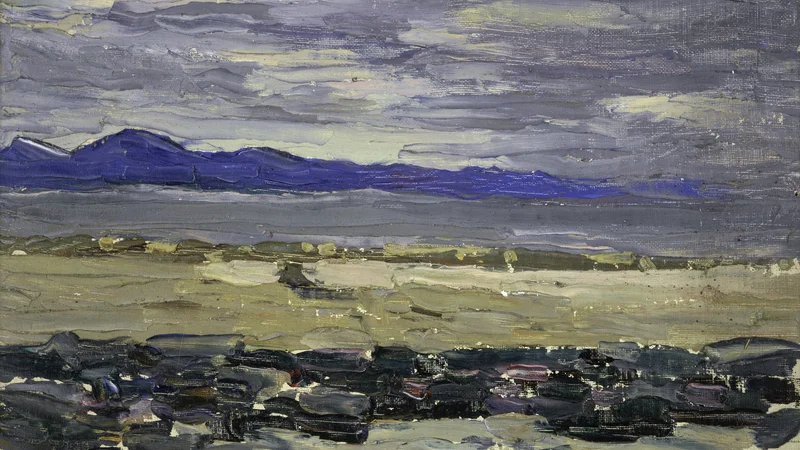
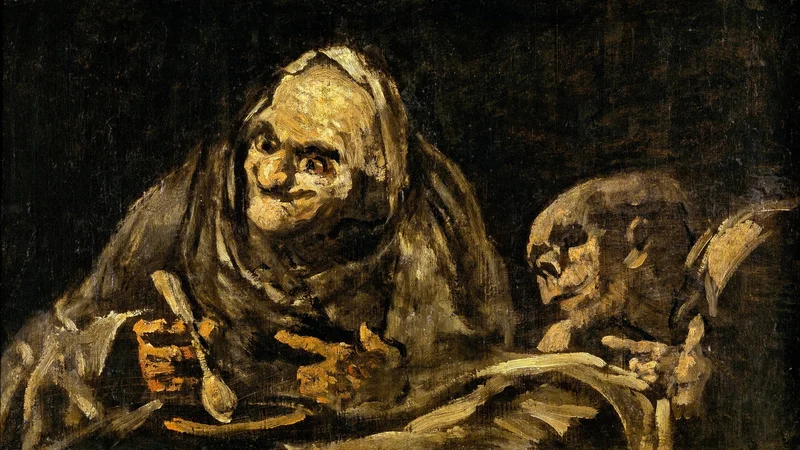
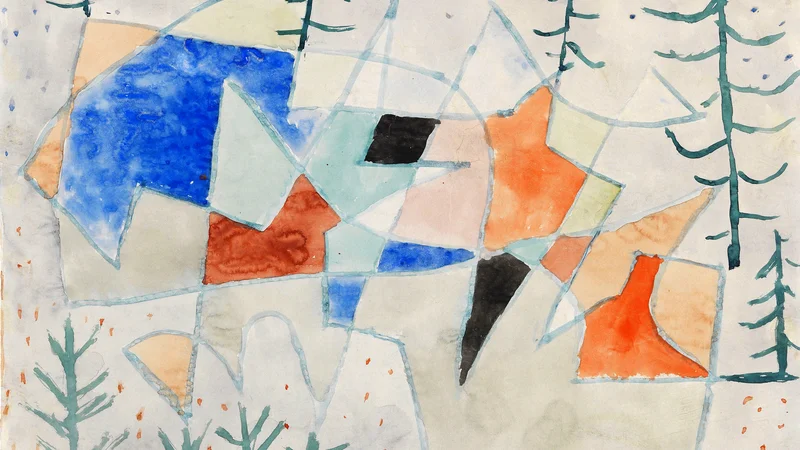
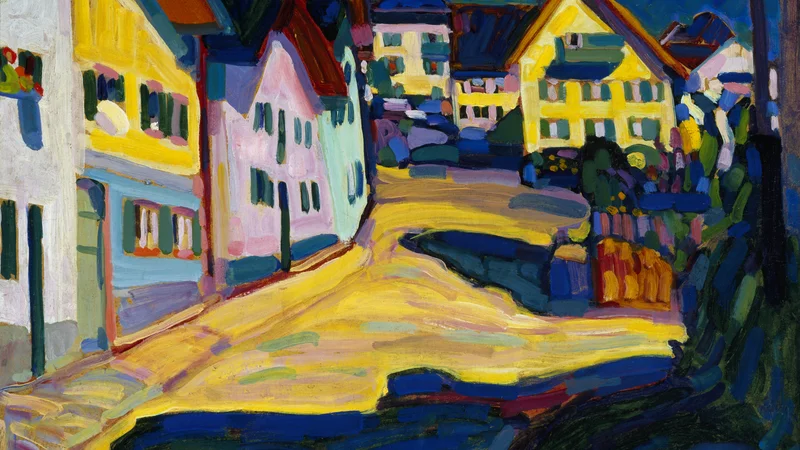
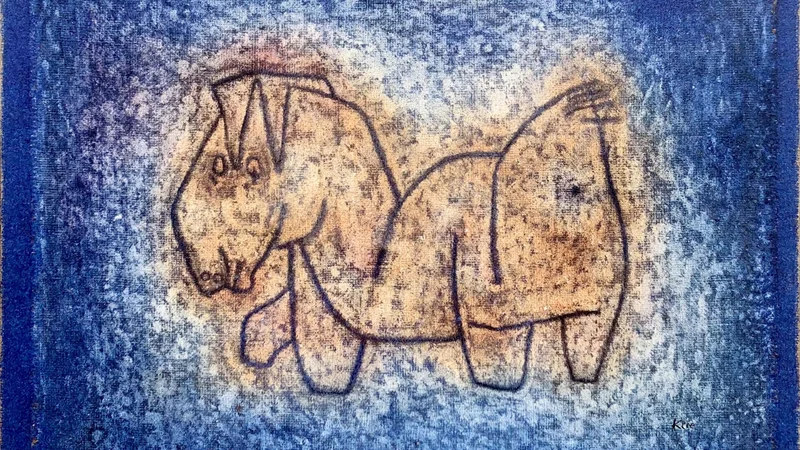
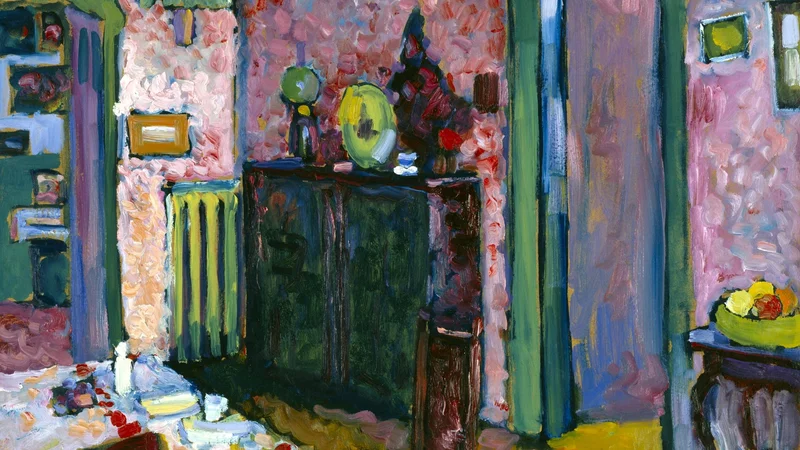
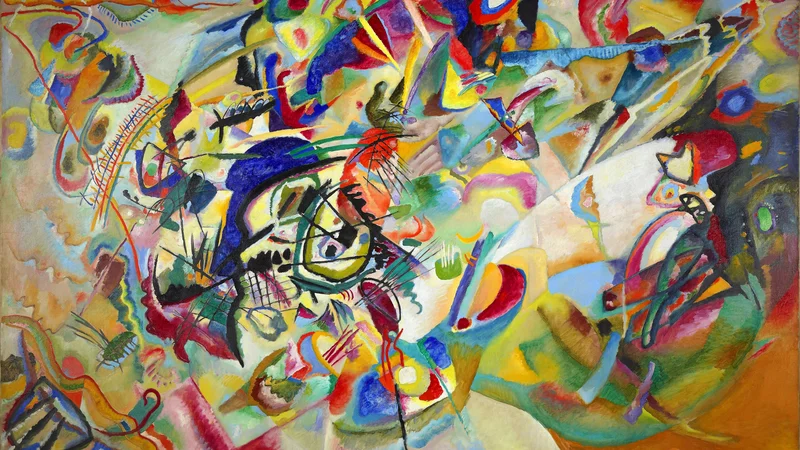
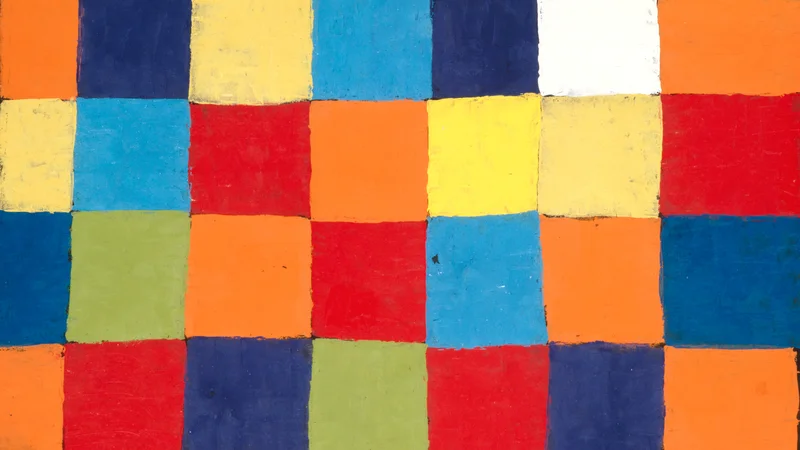
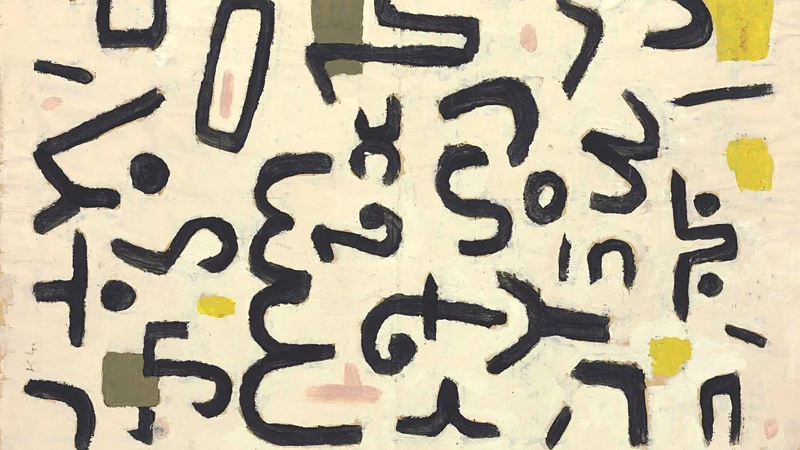
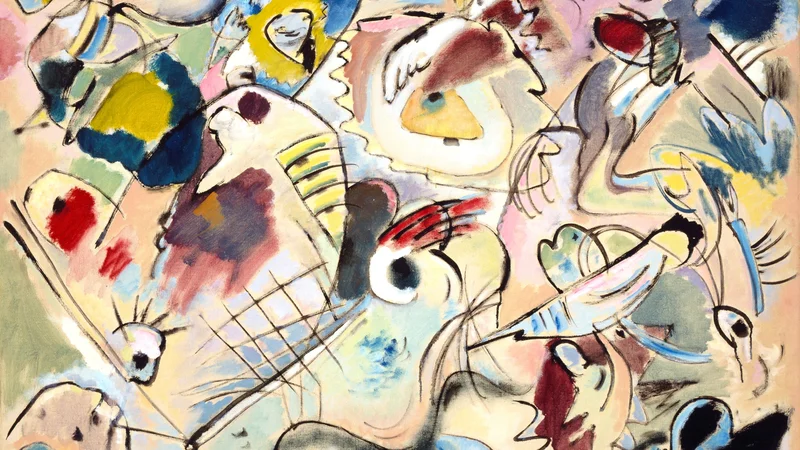
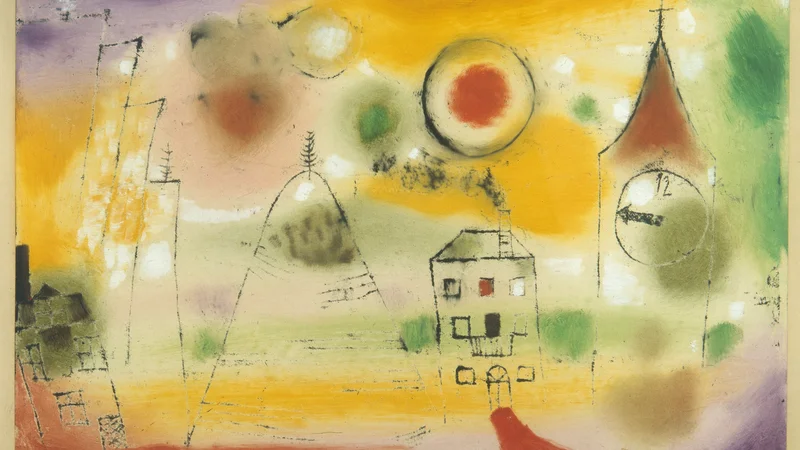
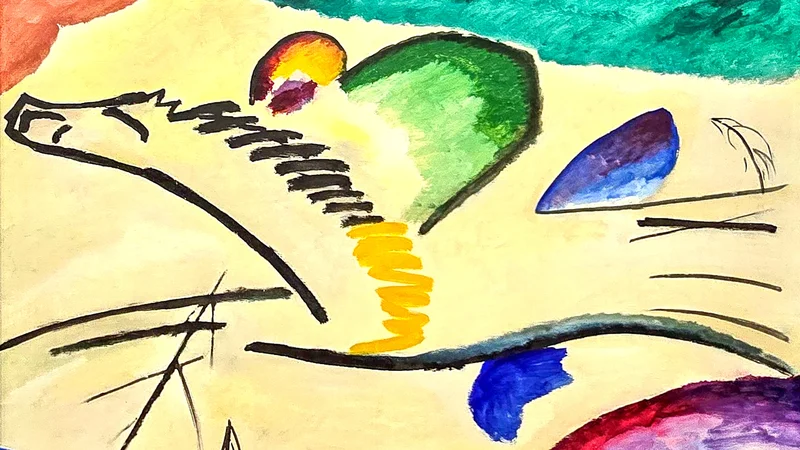
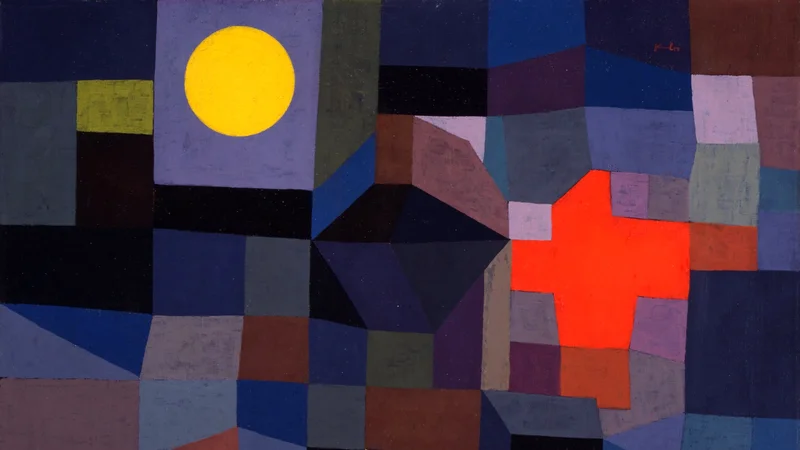
Key proponents such as Wassily Kandinsky, whose work Composition VII and Yellow-Red-Blue pushed the boundaries of non-objective art, were complemented by the raw, jagged intensity of Ernst Ludwig Kirchner’s Holland - Beach chairs and the melancholic depth of Chaïm Soutine. Paul Klee further refined this language, integrating poetic introspection with structural rigor, while artists like Giulio Aristide Sartorio, evidenced in works such as Sailing Ships and Rapallo - Bay, navigated the movement's aesthetic tensions. This shift toward the primacy of personal vision fundamentally recalibrated the trajectory of Western art, liberating subsequent generations of painters from the constraints of realism and establishing the emotional resonance of the canvas as a paramount objective.