Early Renaissance
58 artworks
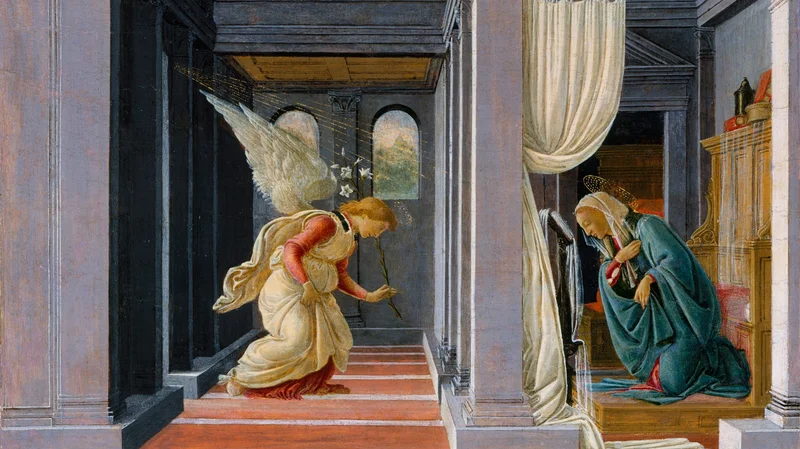
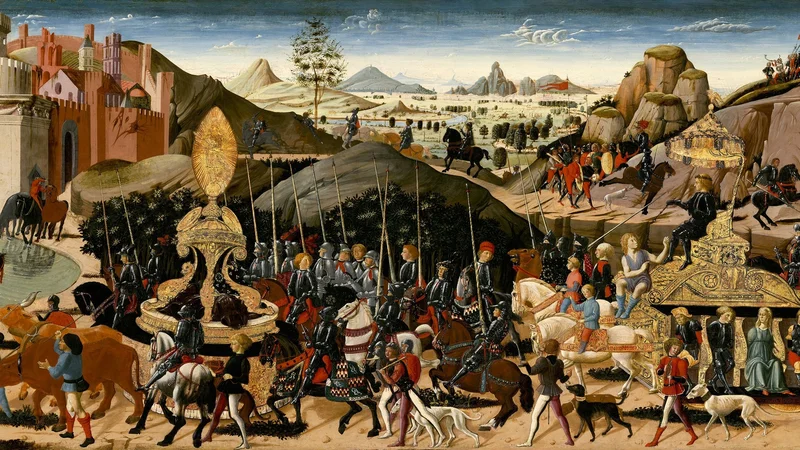
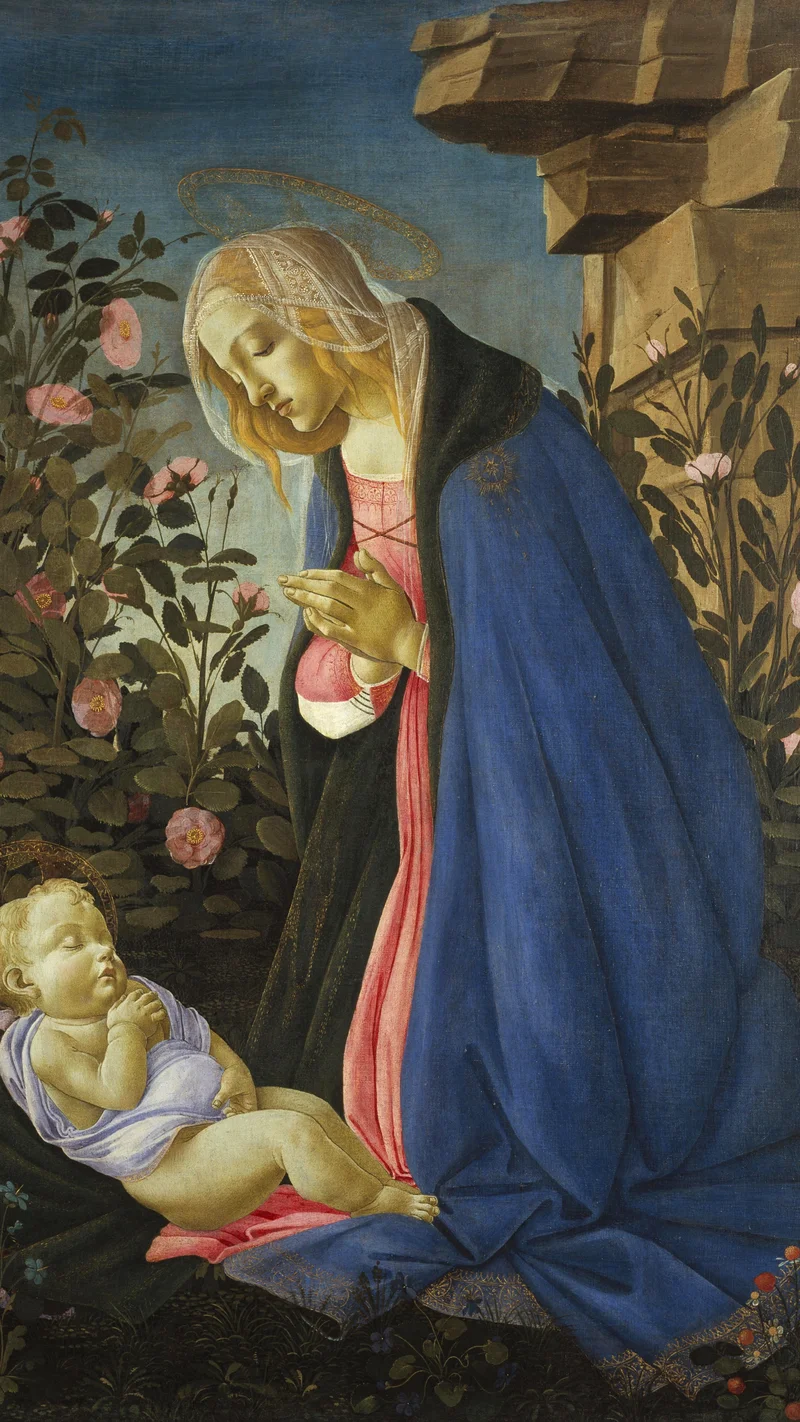
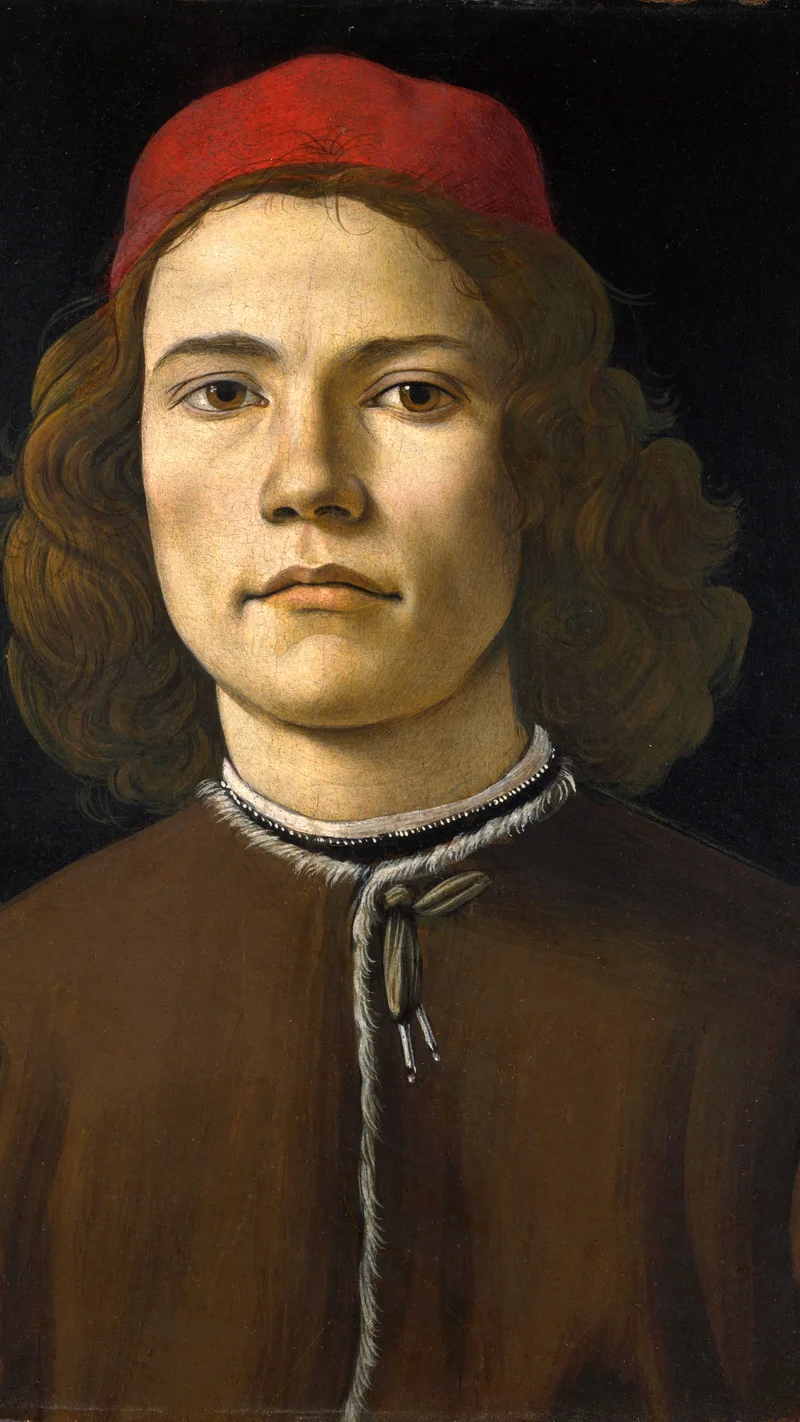
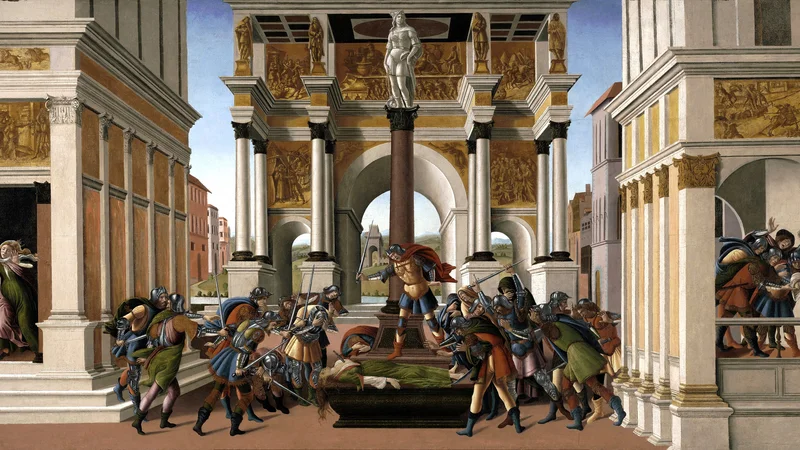
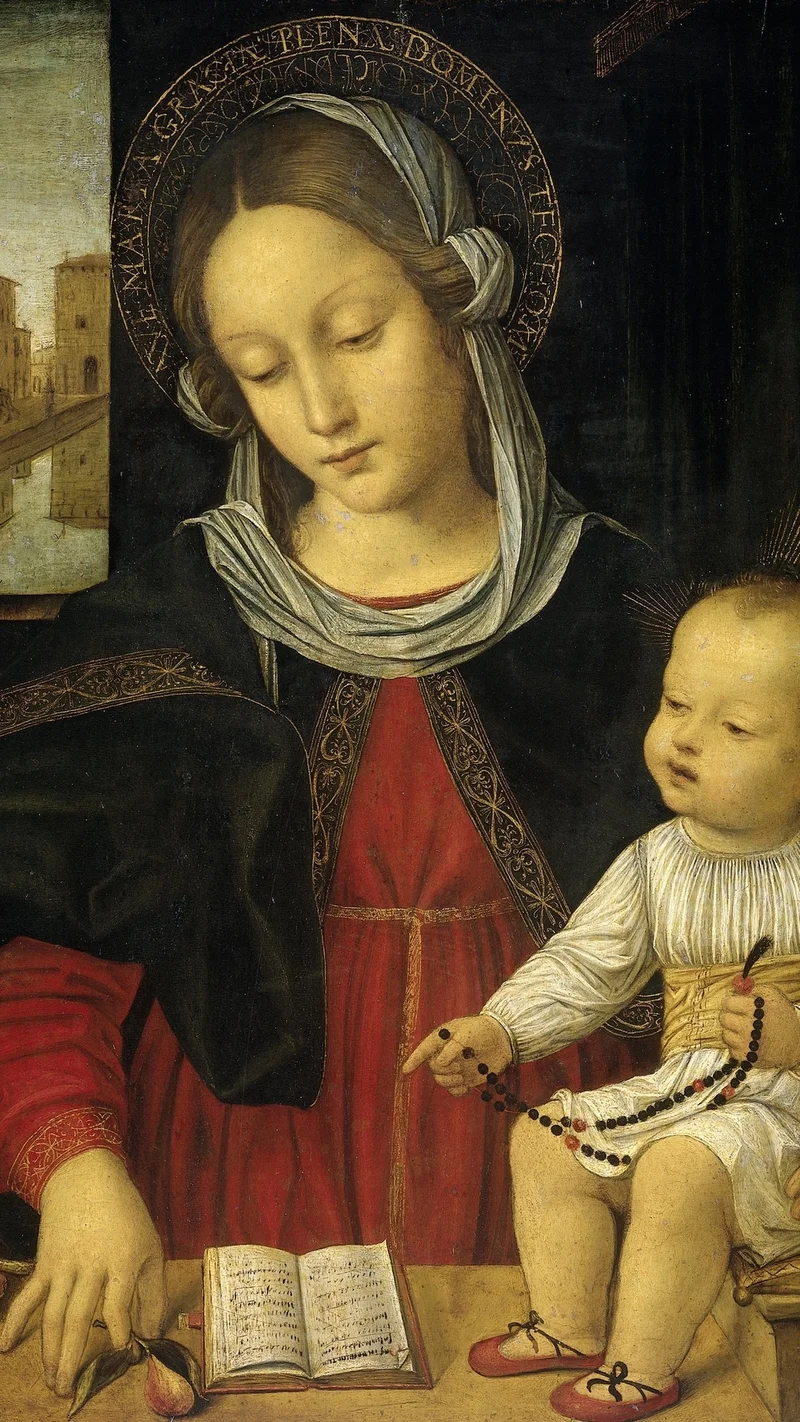
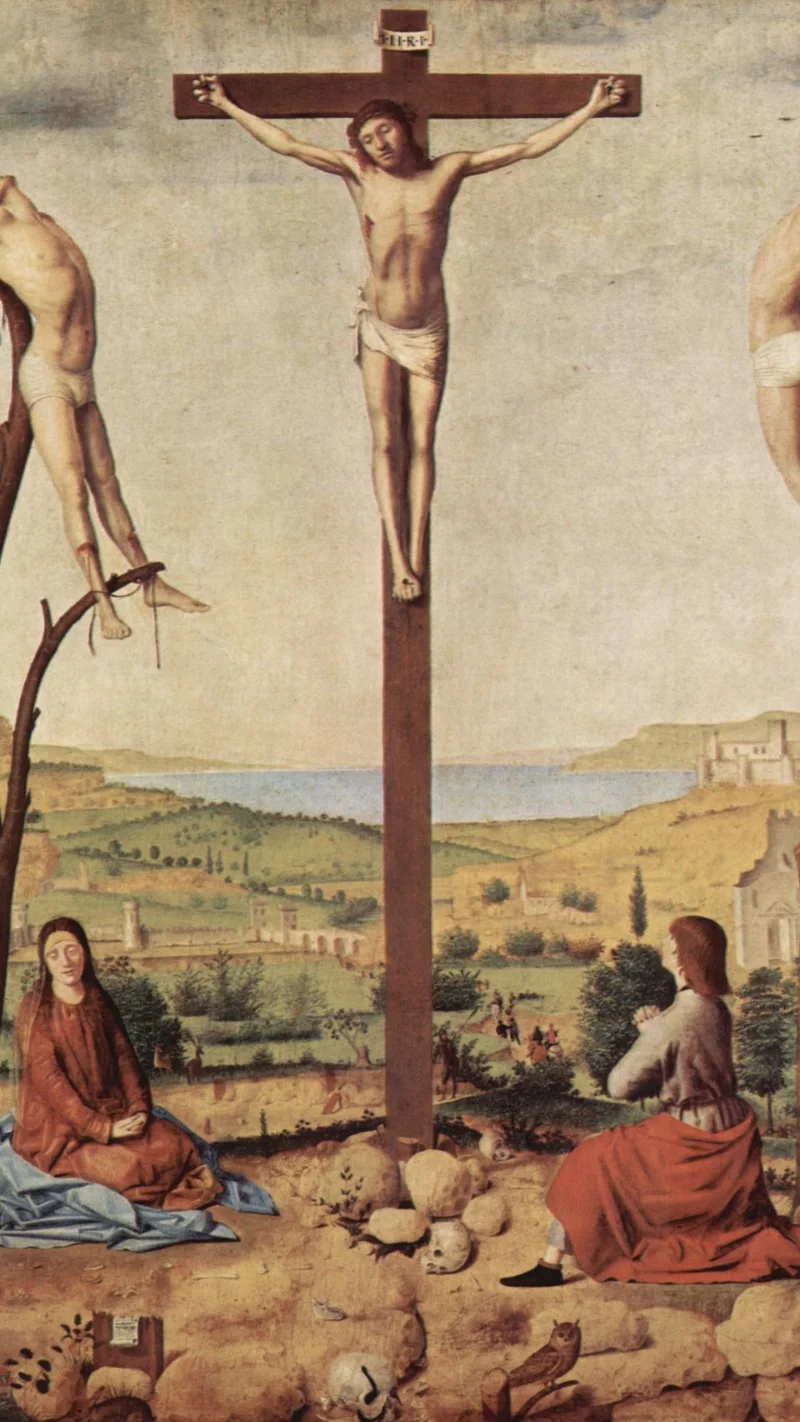
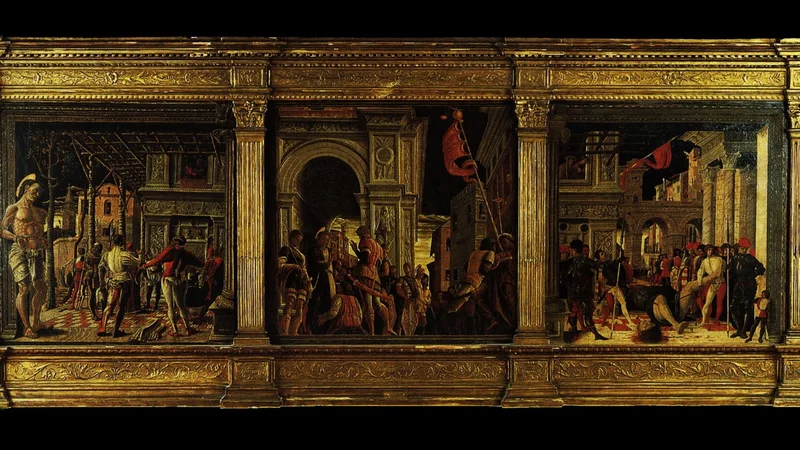
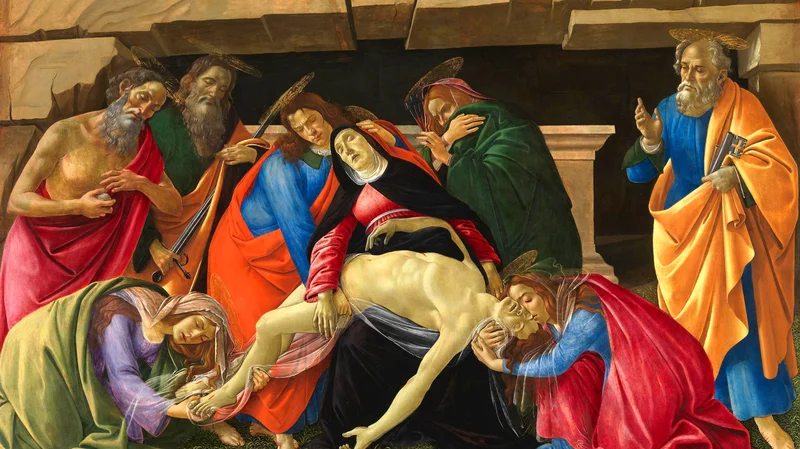
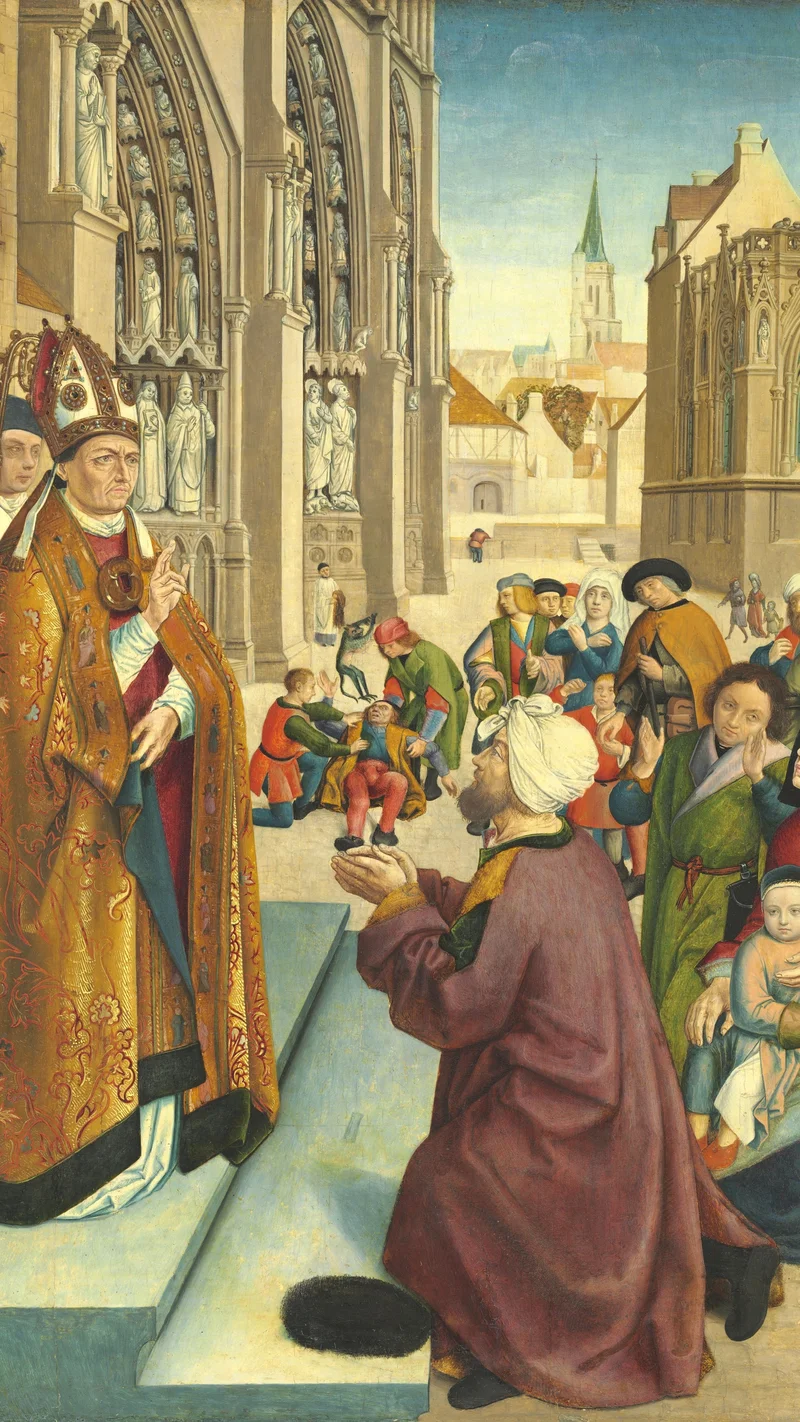
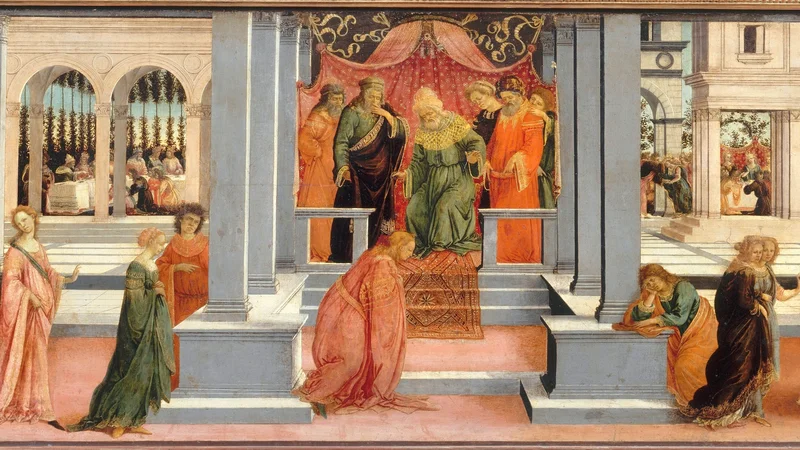
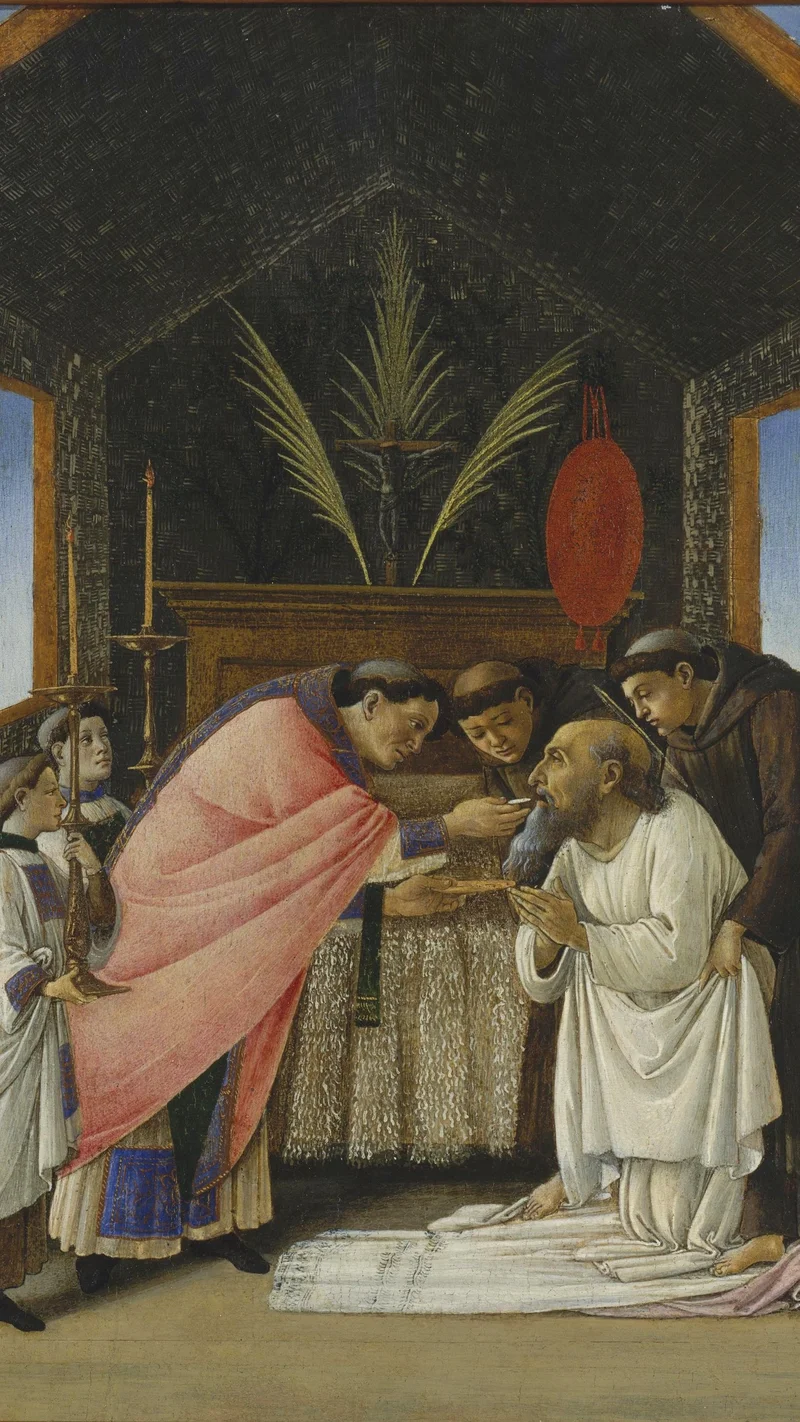
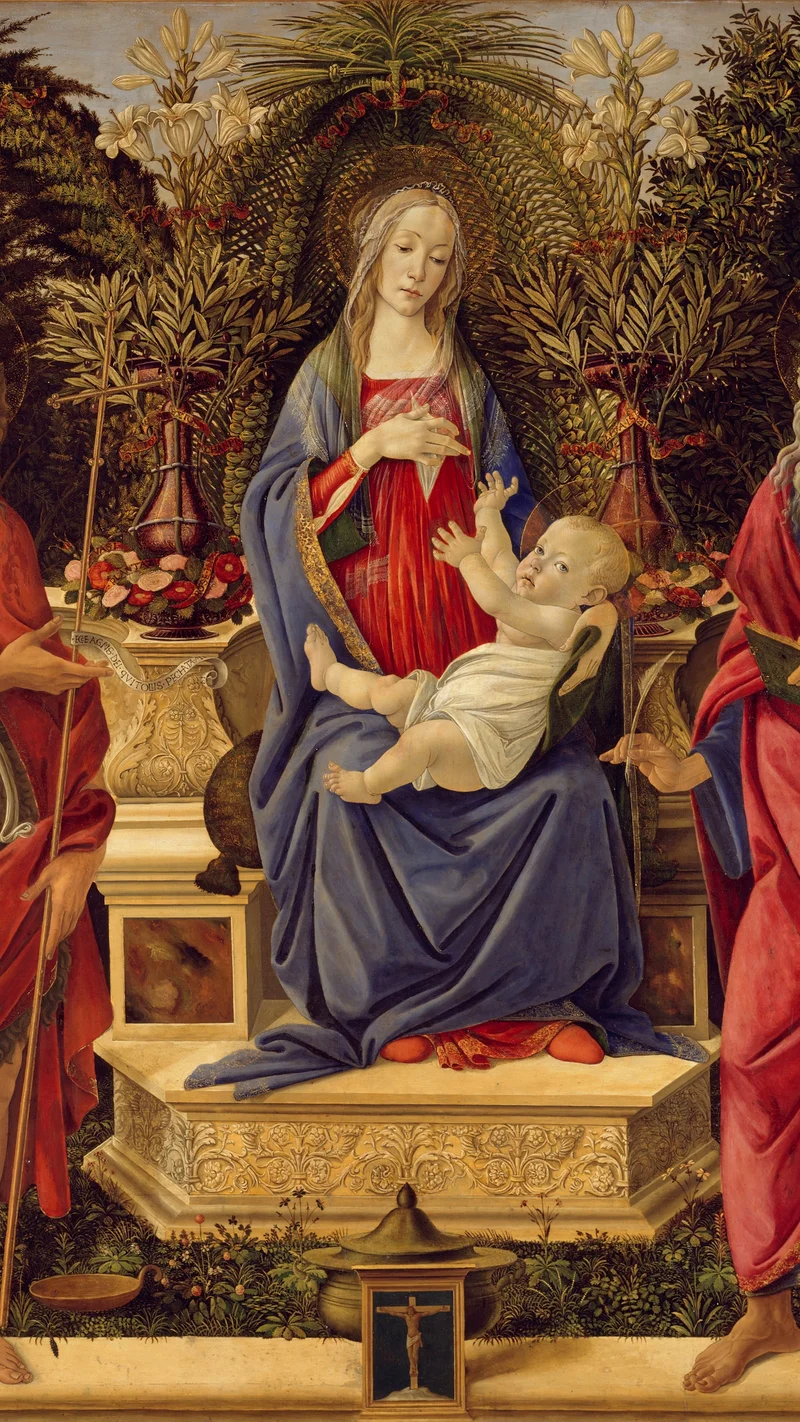
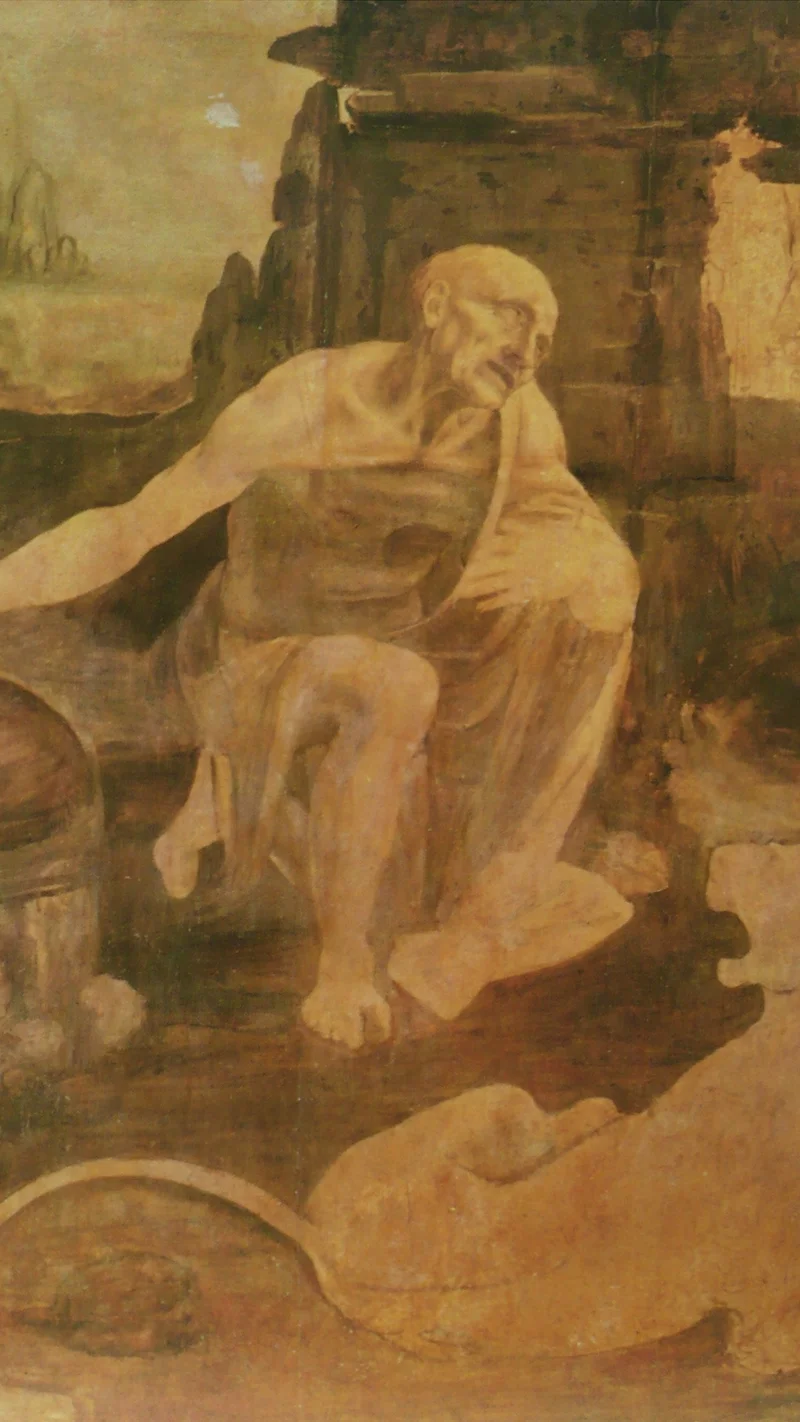
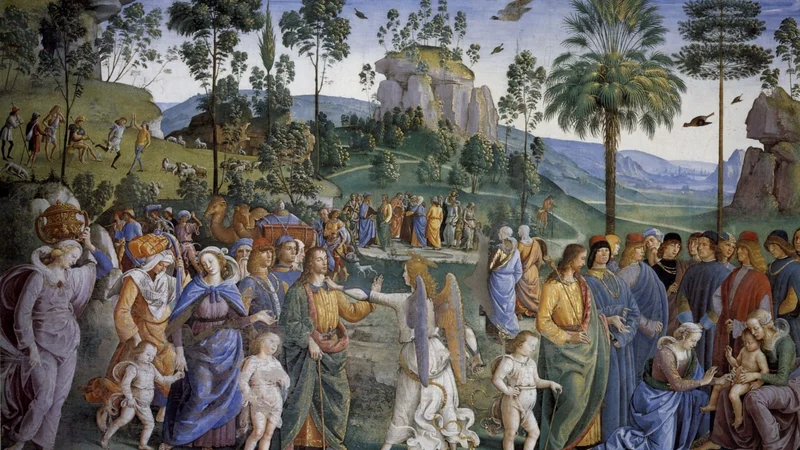
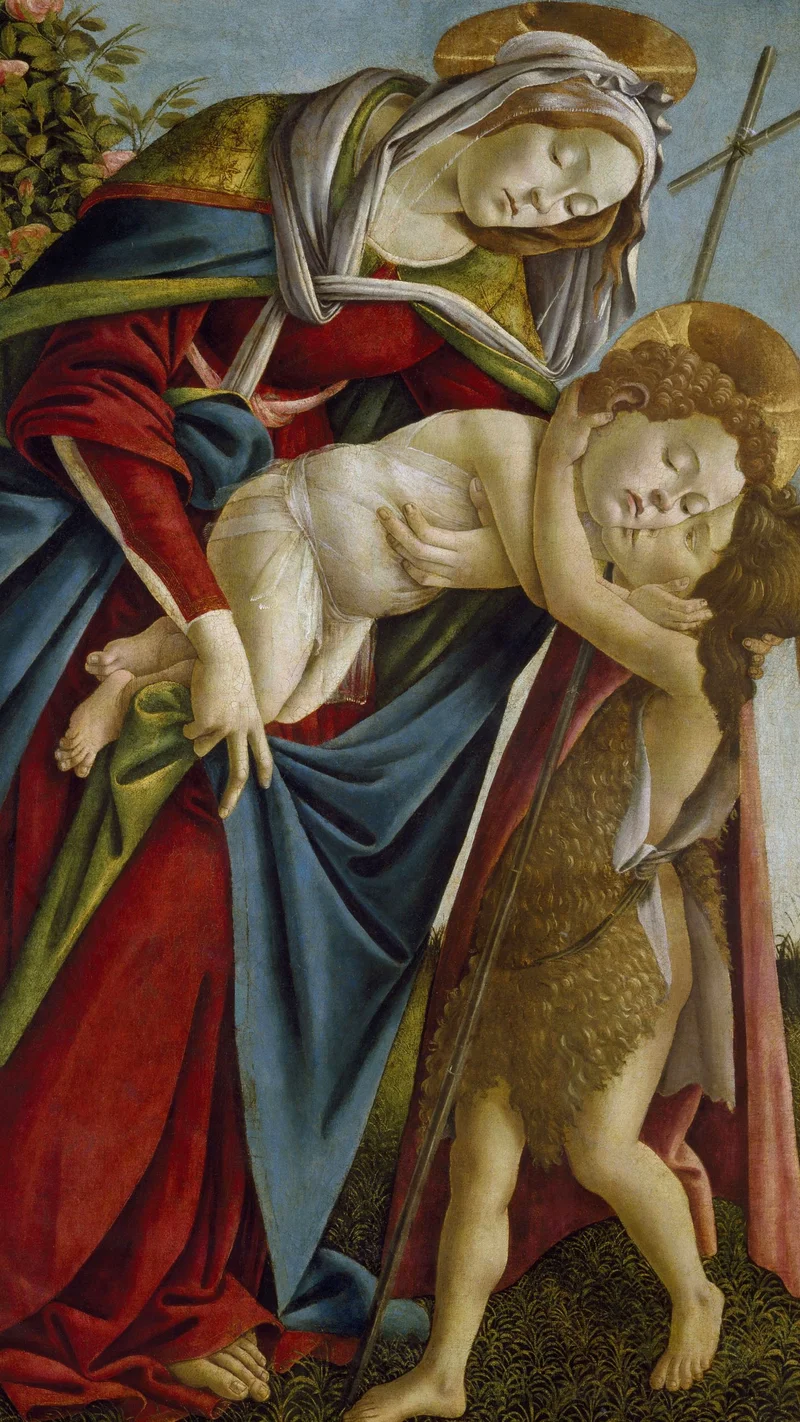
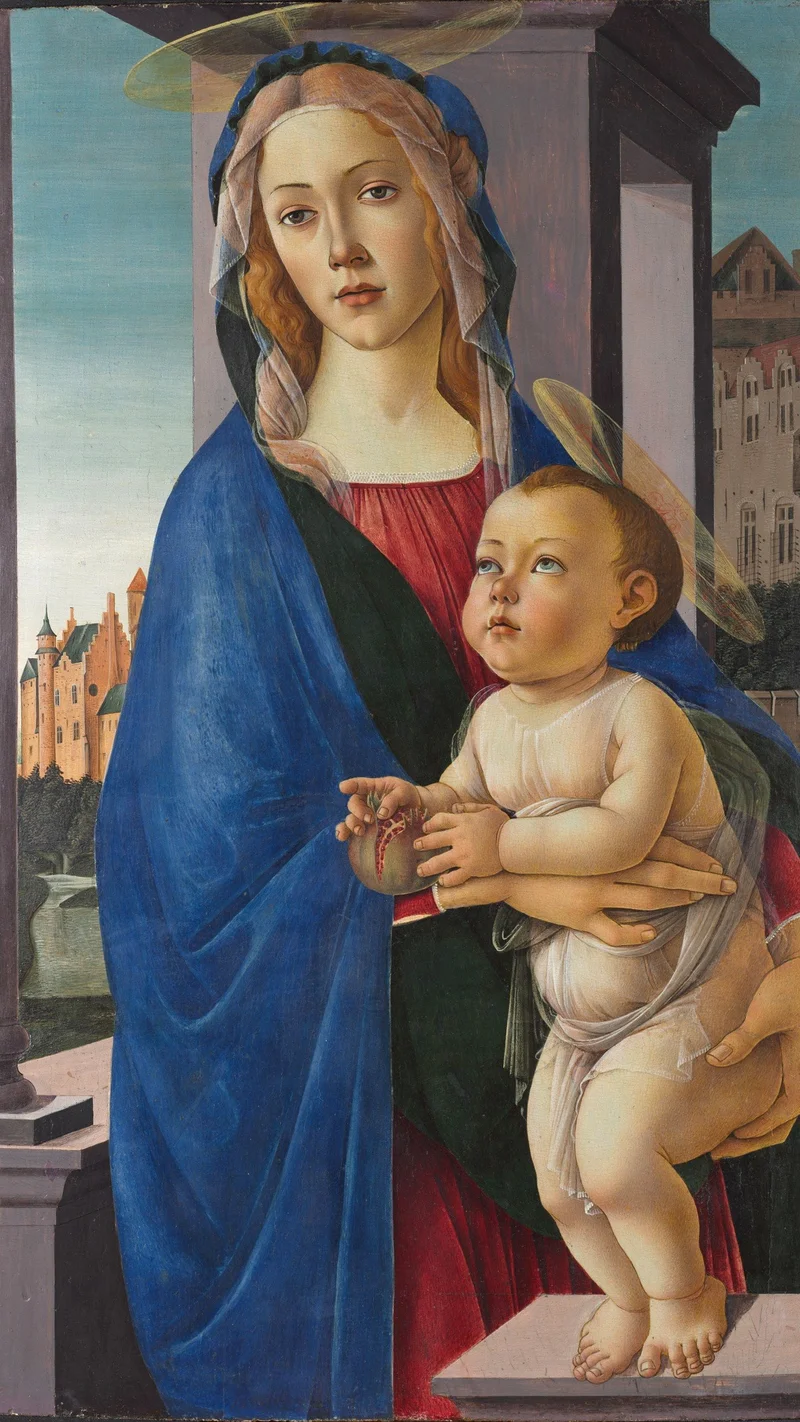
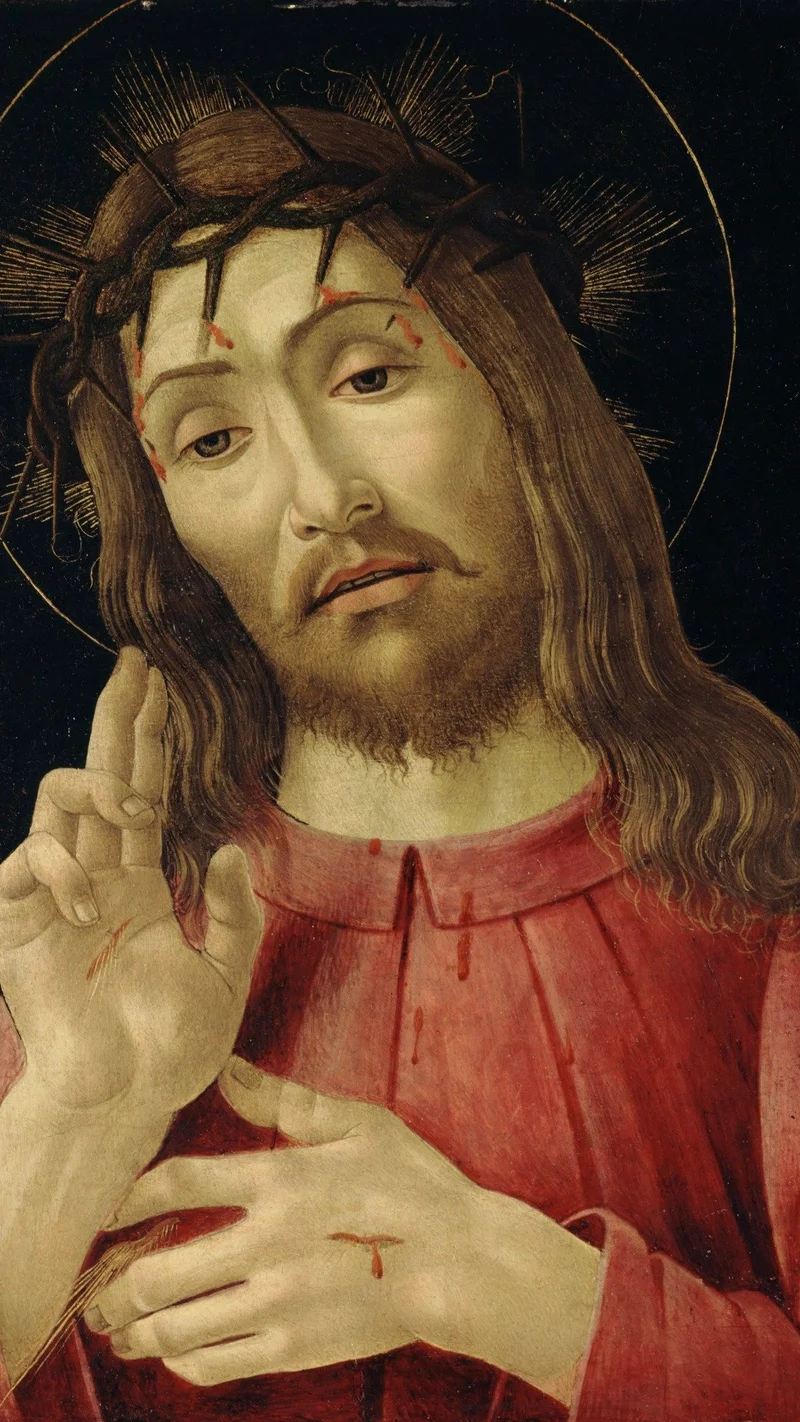
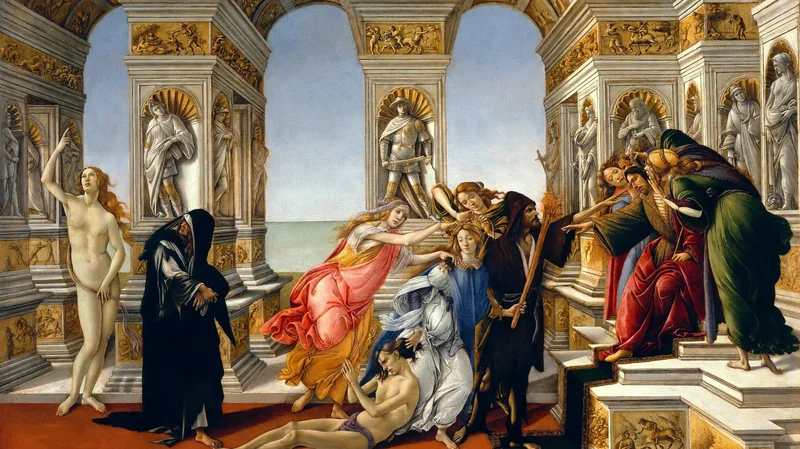
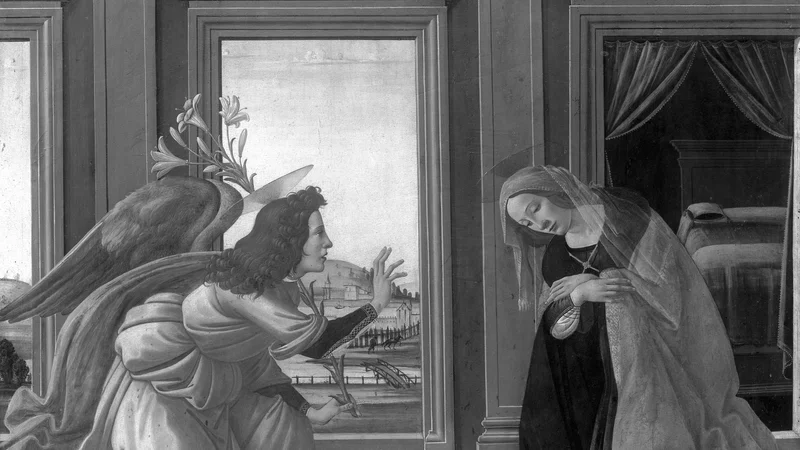
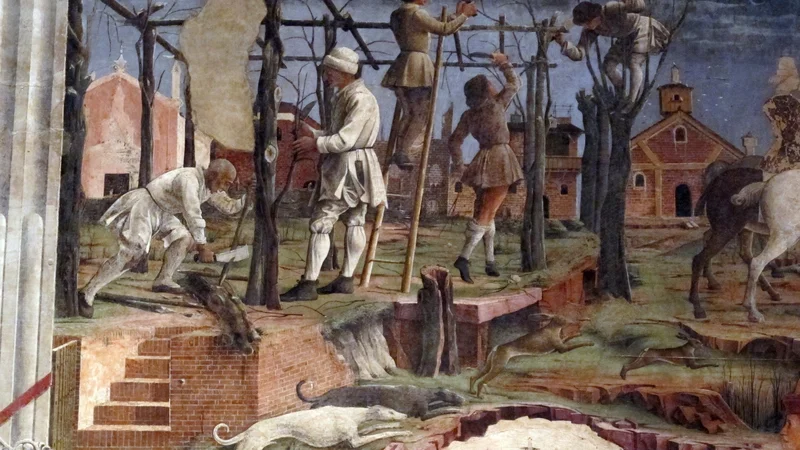
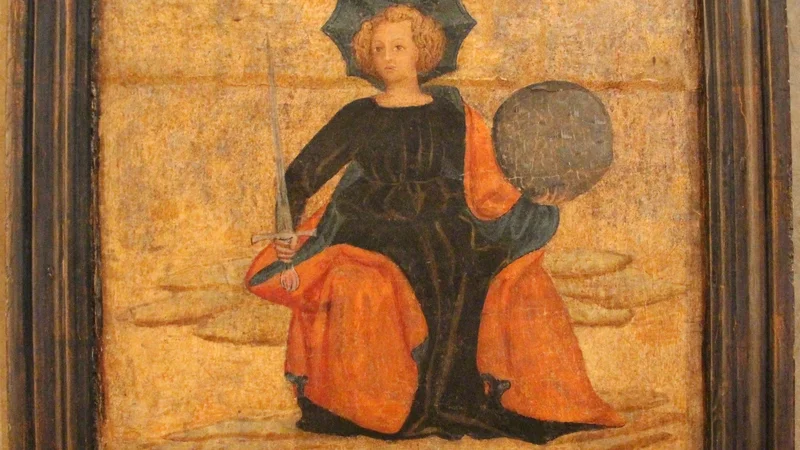
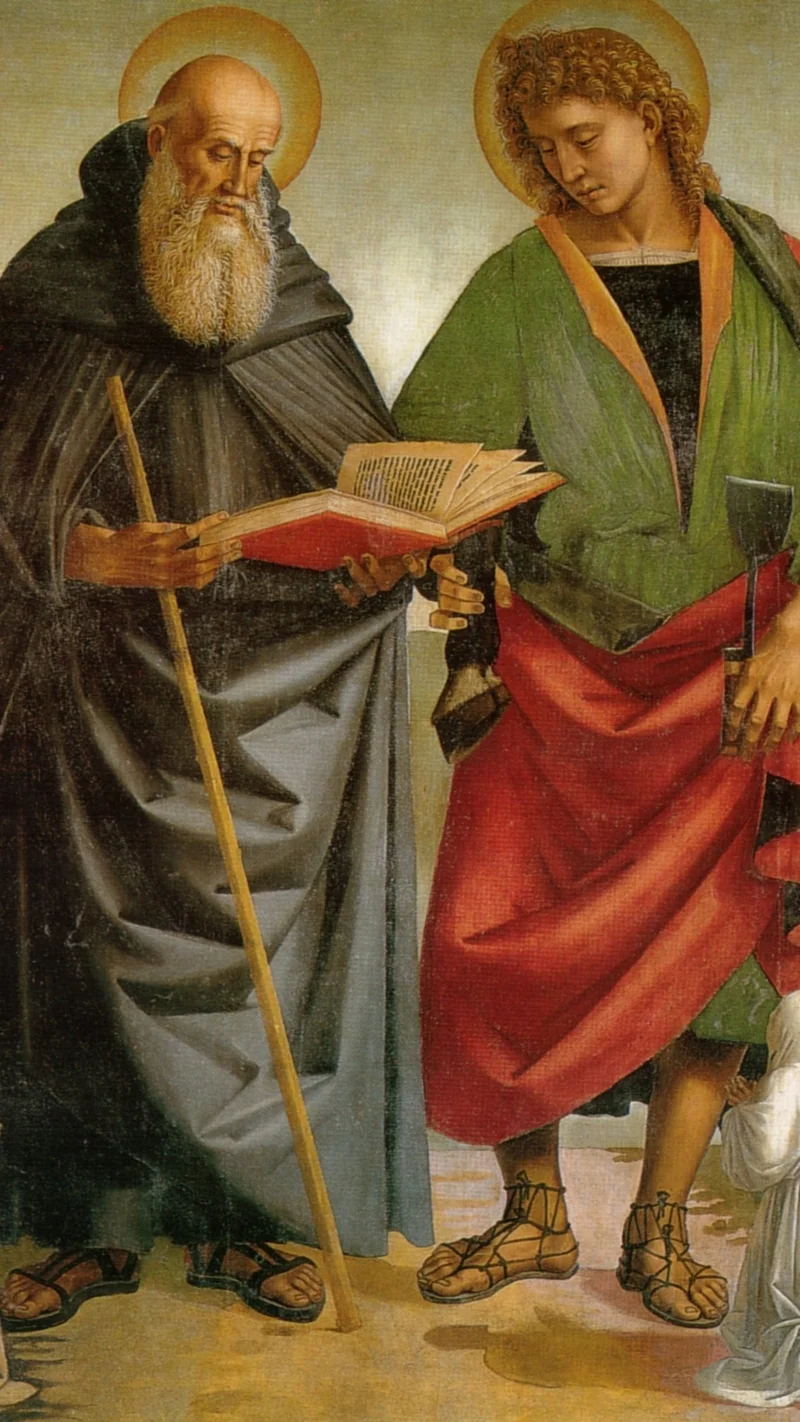
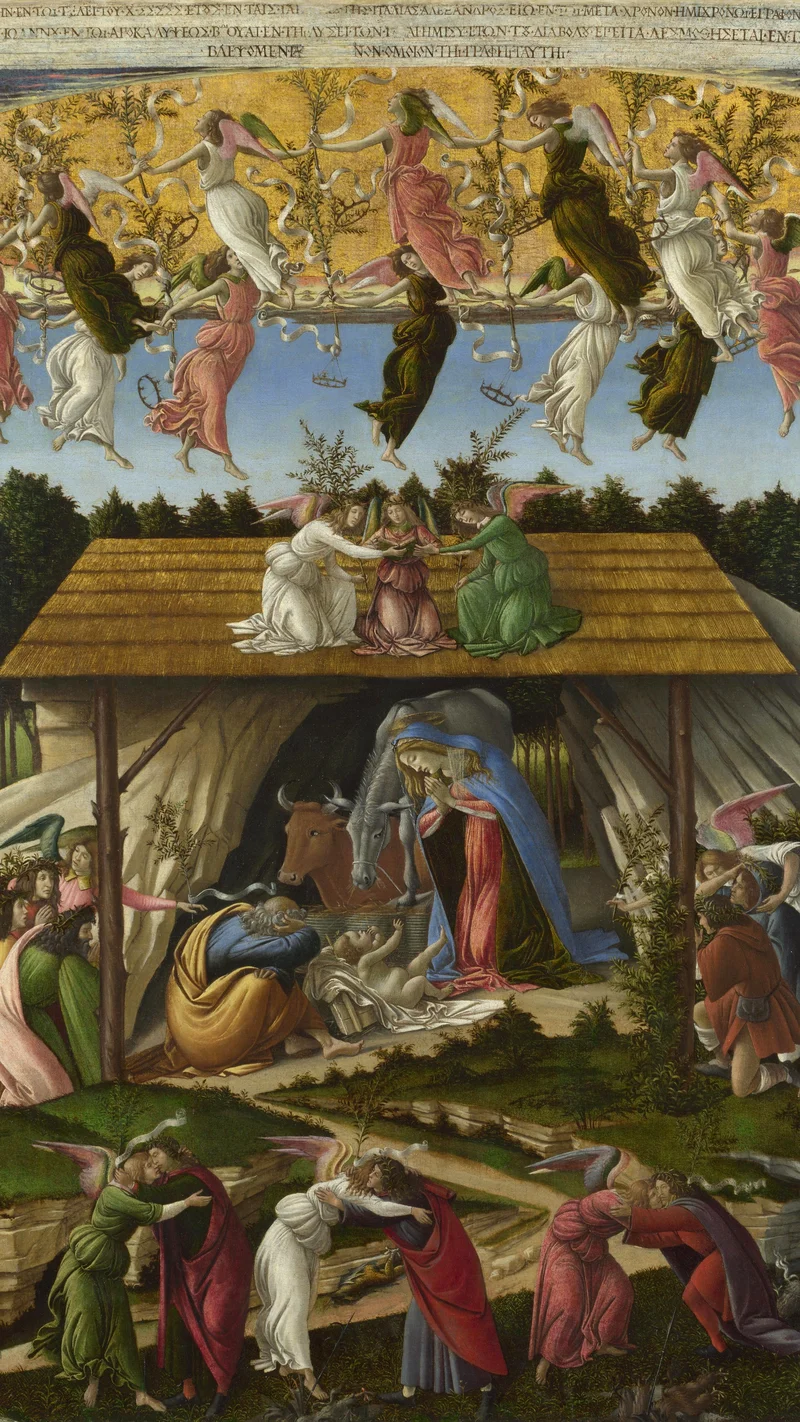
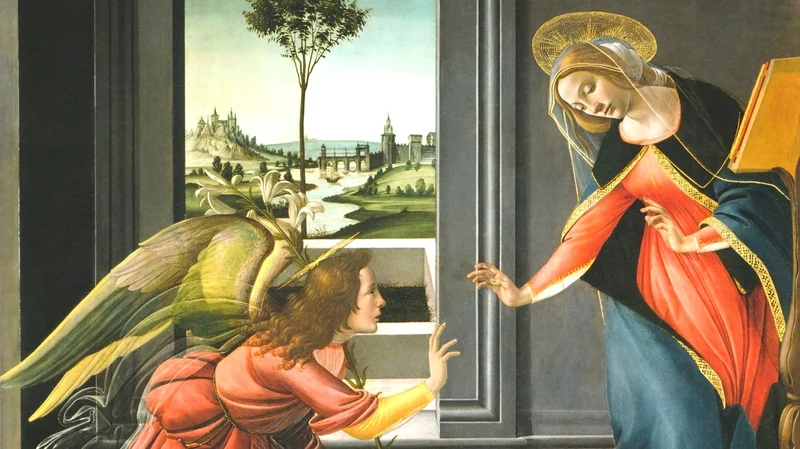
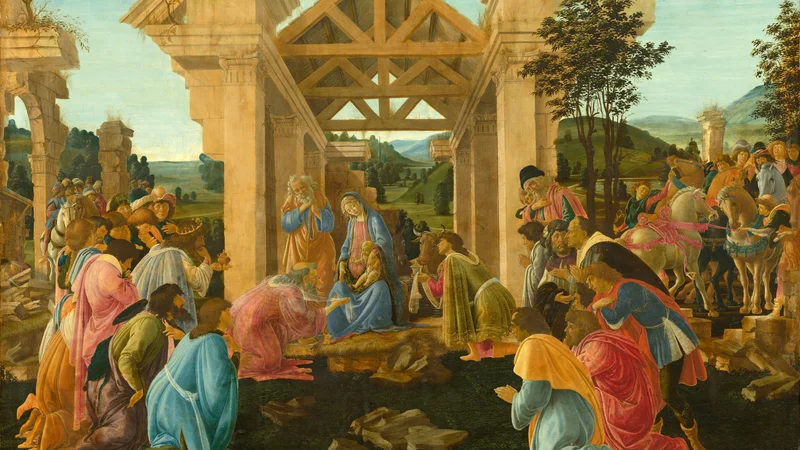
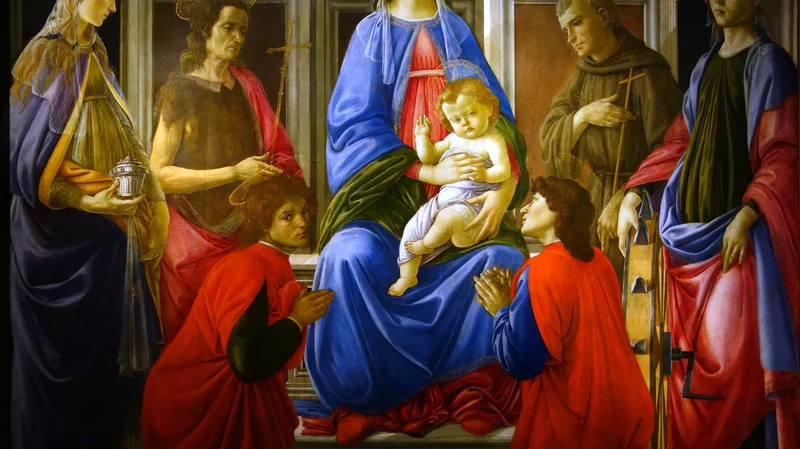
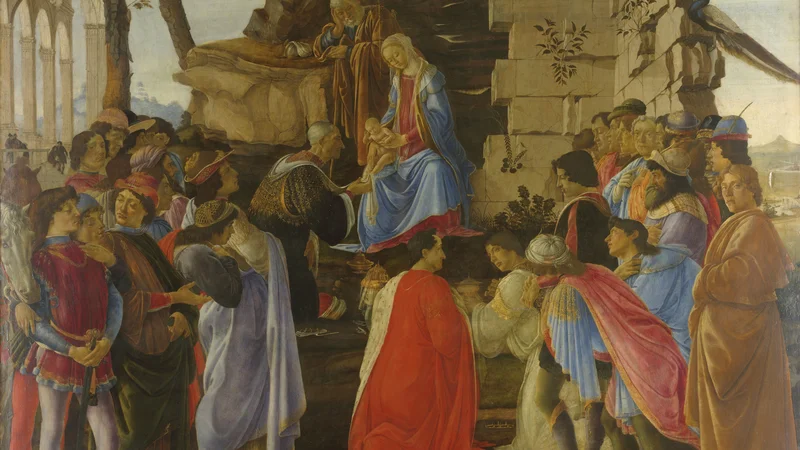
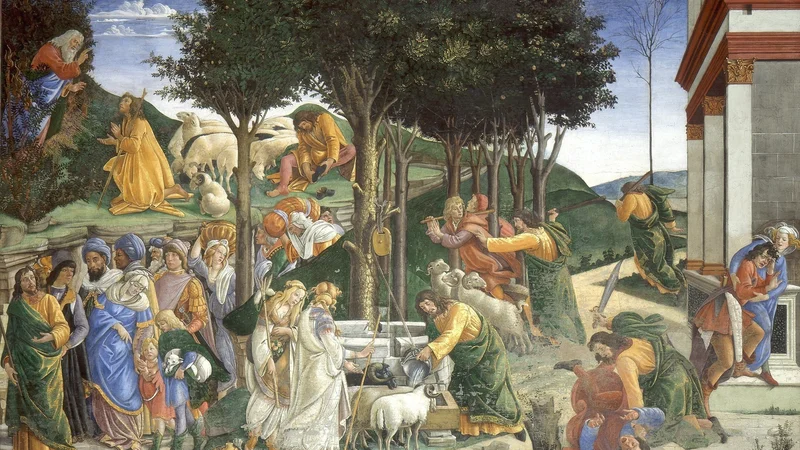
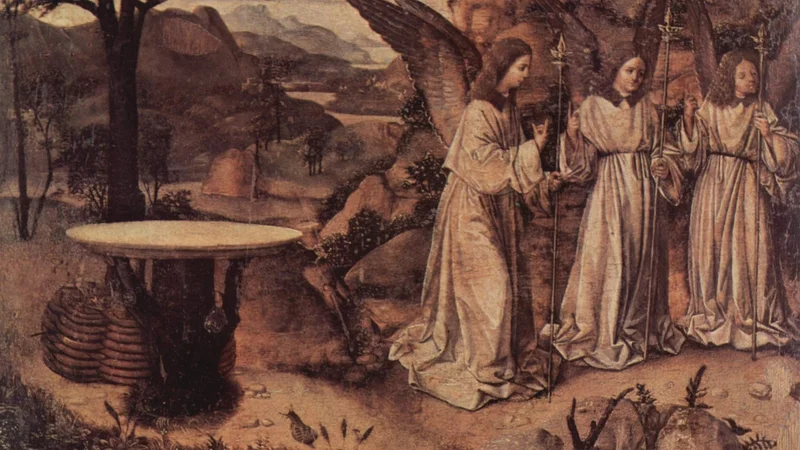
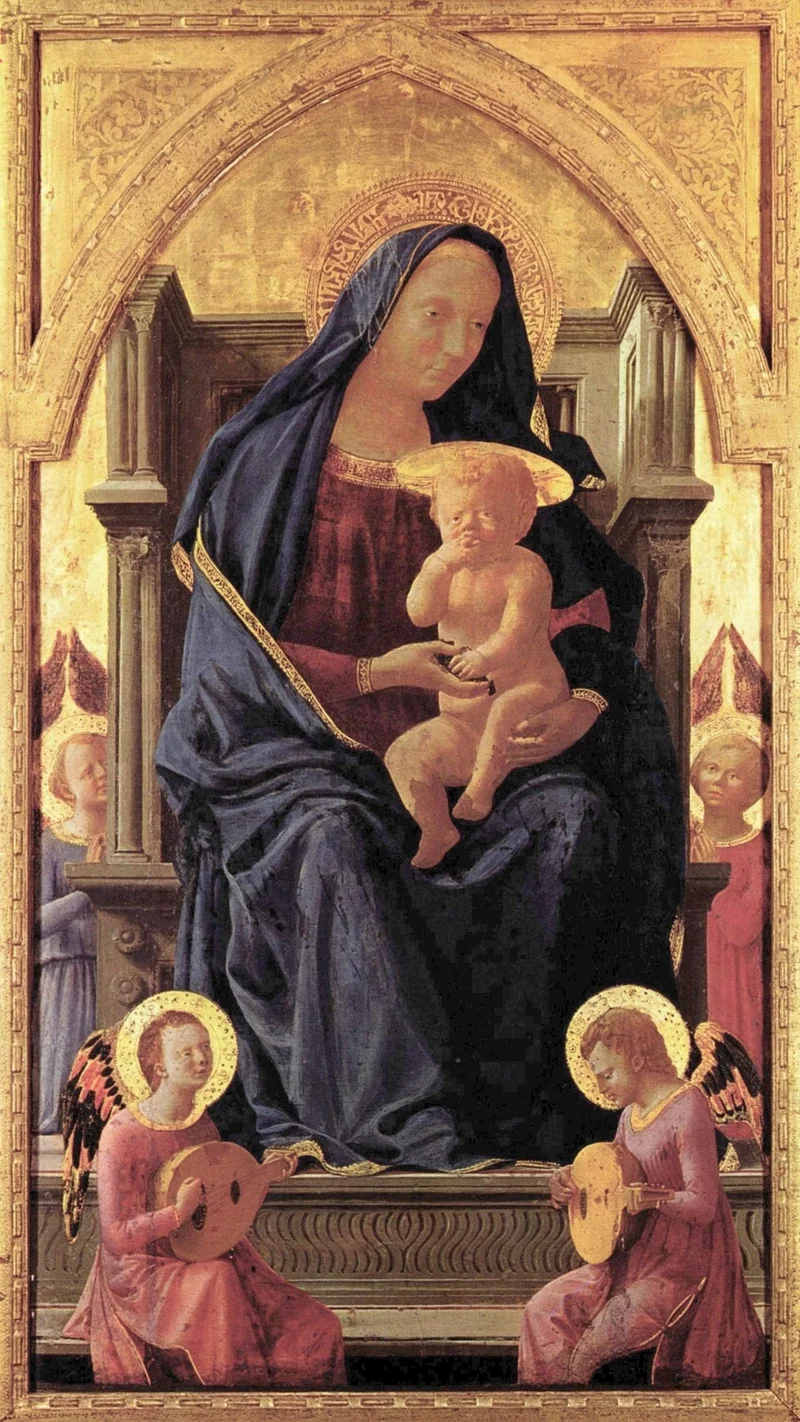
Emerging in early 15th-century Florence, the Early Renaissance represented a radical departure from the flat, symbolic hierarchies of the Gothic period, driven by a burgeoning Humanist fascination with the classical antiquity of Greece and Rome. This intellectual pivot prioritized empirical observation, the mathematical precision of linear perspective, and the anatomical integrity of the human form. Artists sought to bridge the chasm between the terrestrial and the divine, anchoring religious narratives in tangible, architectural, and naturalistic environments that mirrored the growing secular inquiry of the Italian city-states.
The Synthesis of Form and Philosophy
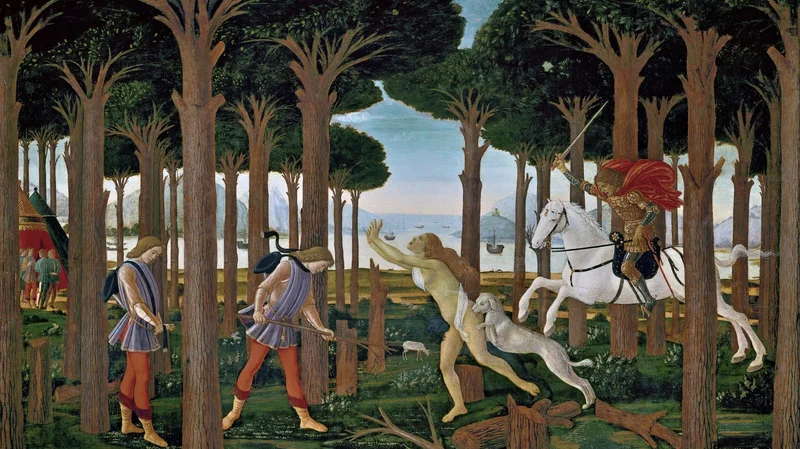
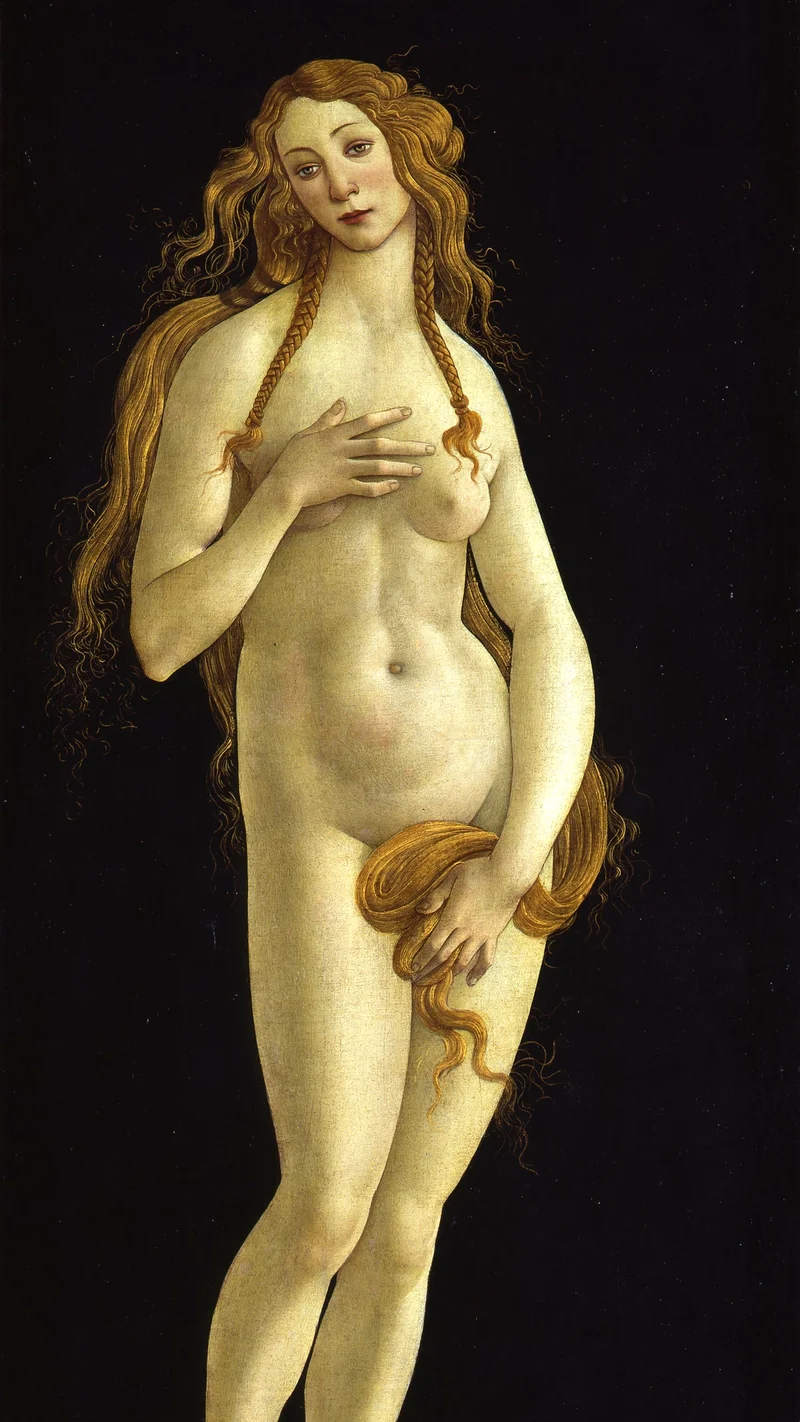
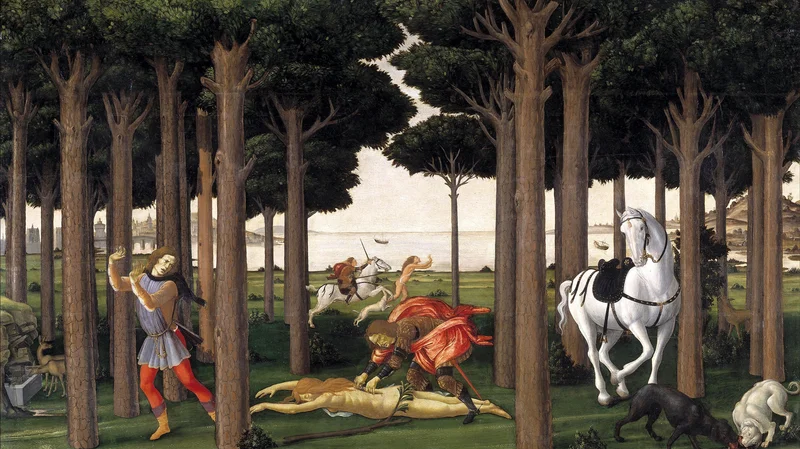
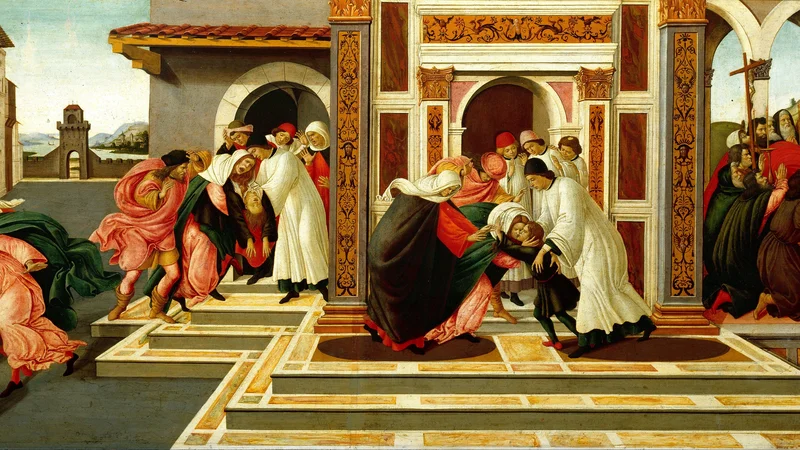
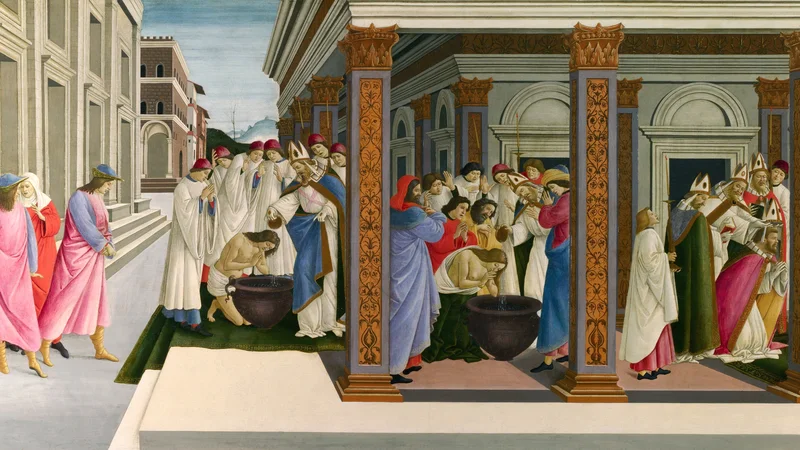
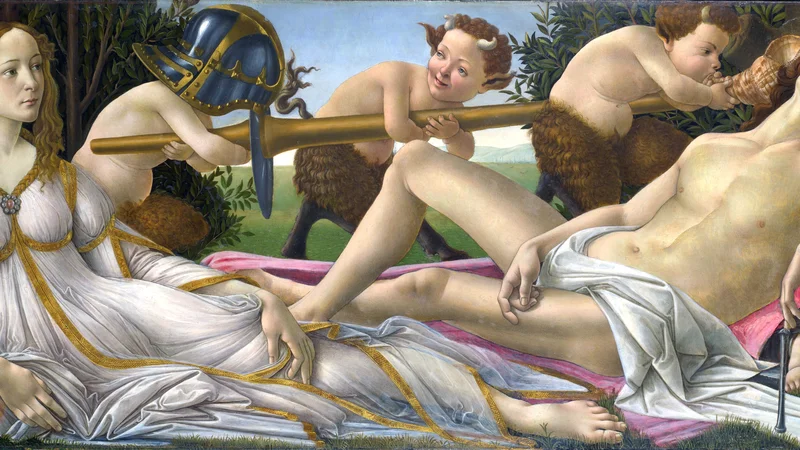
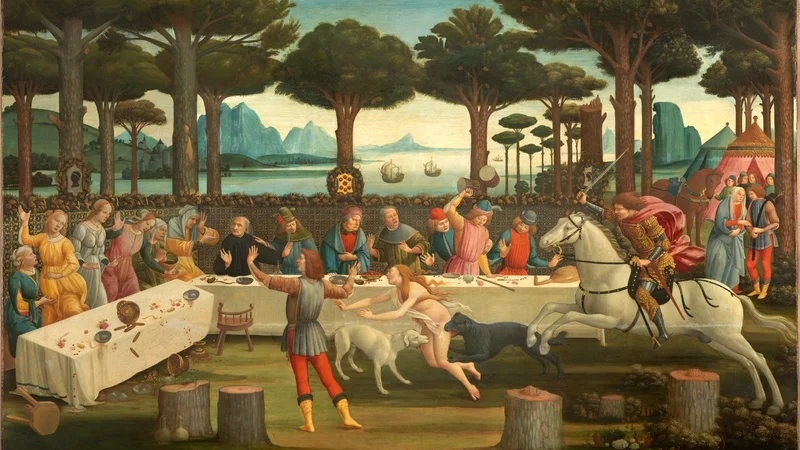
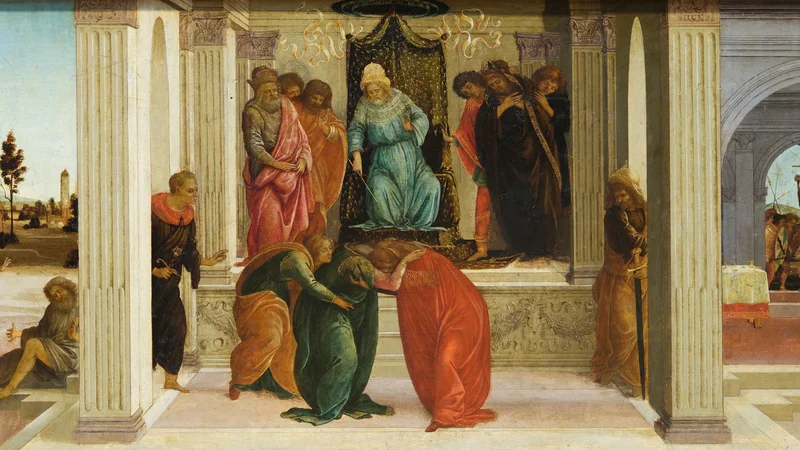
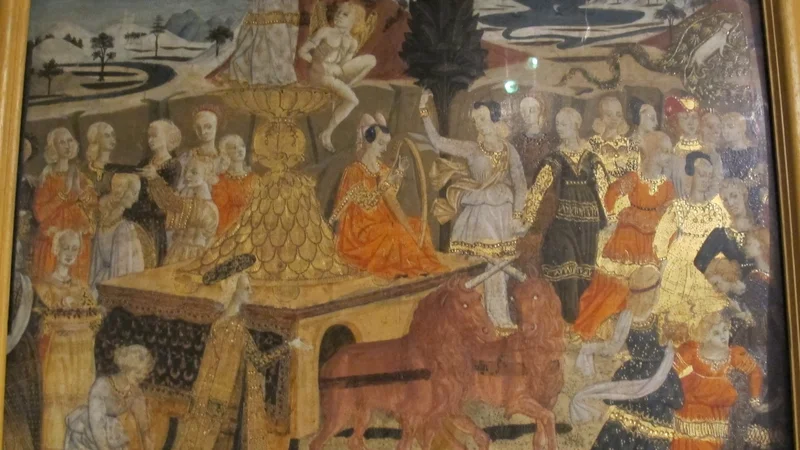
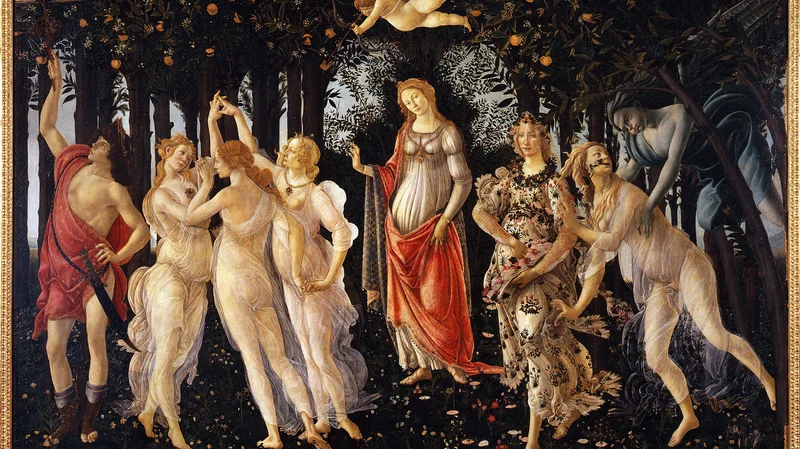
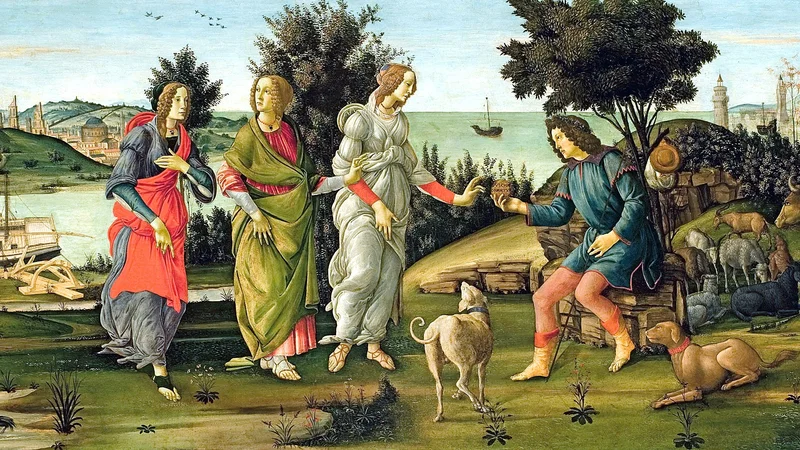
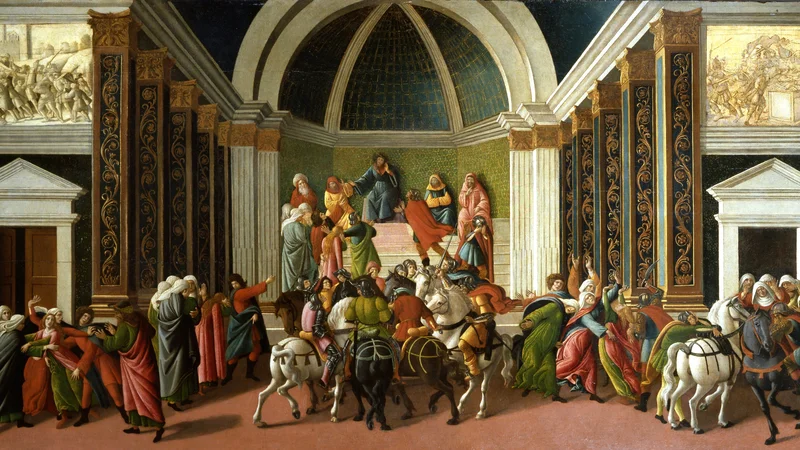
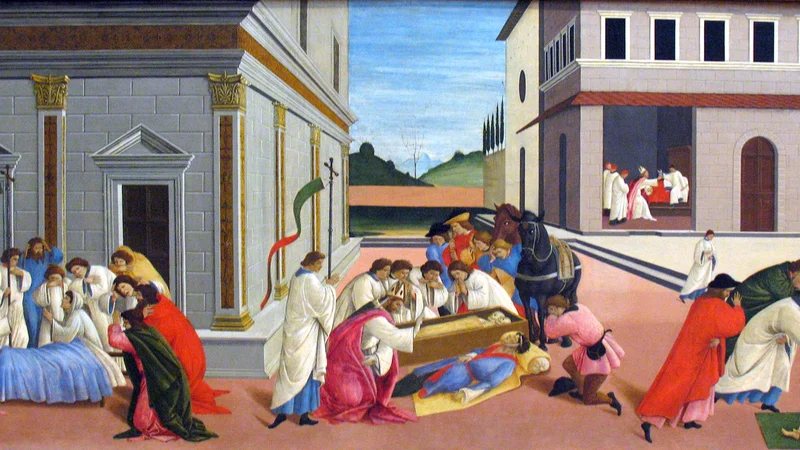
The movement reached a zenith of aesthetic complexity through figures such as Sandro Botticelli, whose Primavera and Venus and Mars embody the Neoplatonic synthesis of myth and morality, and Andrea Mantegna, whose command of foreshortening redefined pictorial space. Simultaneously, the contributions of Ambrogio Bergognone, Antonello da Messina, and Francesco del Cossa expanded the movement's reach beyond Tuscany, integrating Northern European attention to light with Mediterranean structural rigor. Masterworks such as the Baptism of Saint Zenobius and The Story of Nastagio Degli Onesti demonstrate an unprecedented narrative sophistication, utilizing complex geometry and emotive characterization. These advancements solidified the Early Renaissance as a foundational epoch, permanently altering the trajectory of Western art by establishing the artist as a conscious, intellectual participant in the construction of reality.