Scientific Illustration
485 artworks
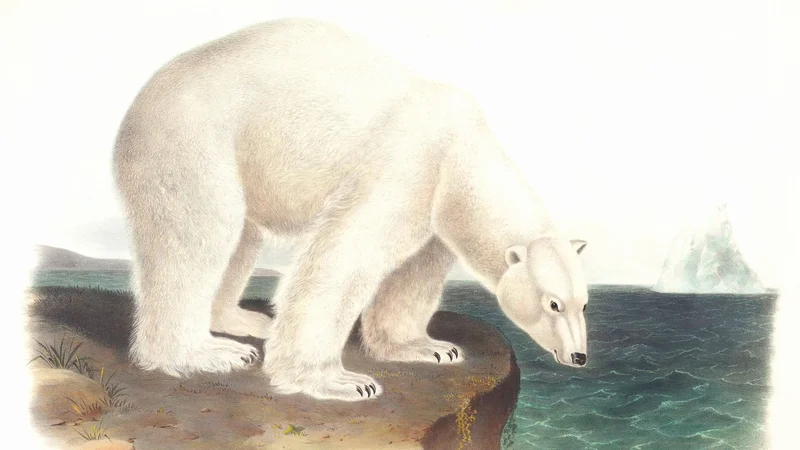
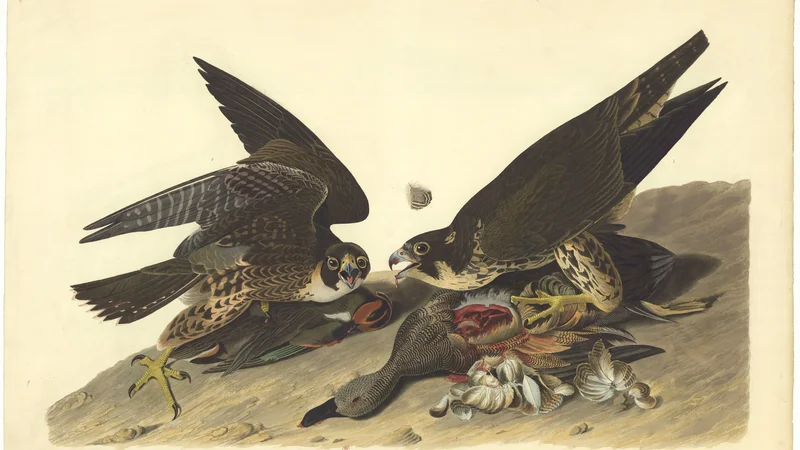
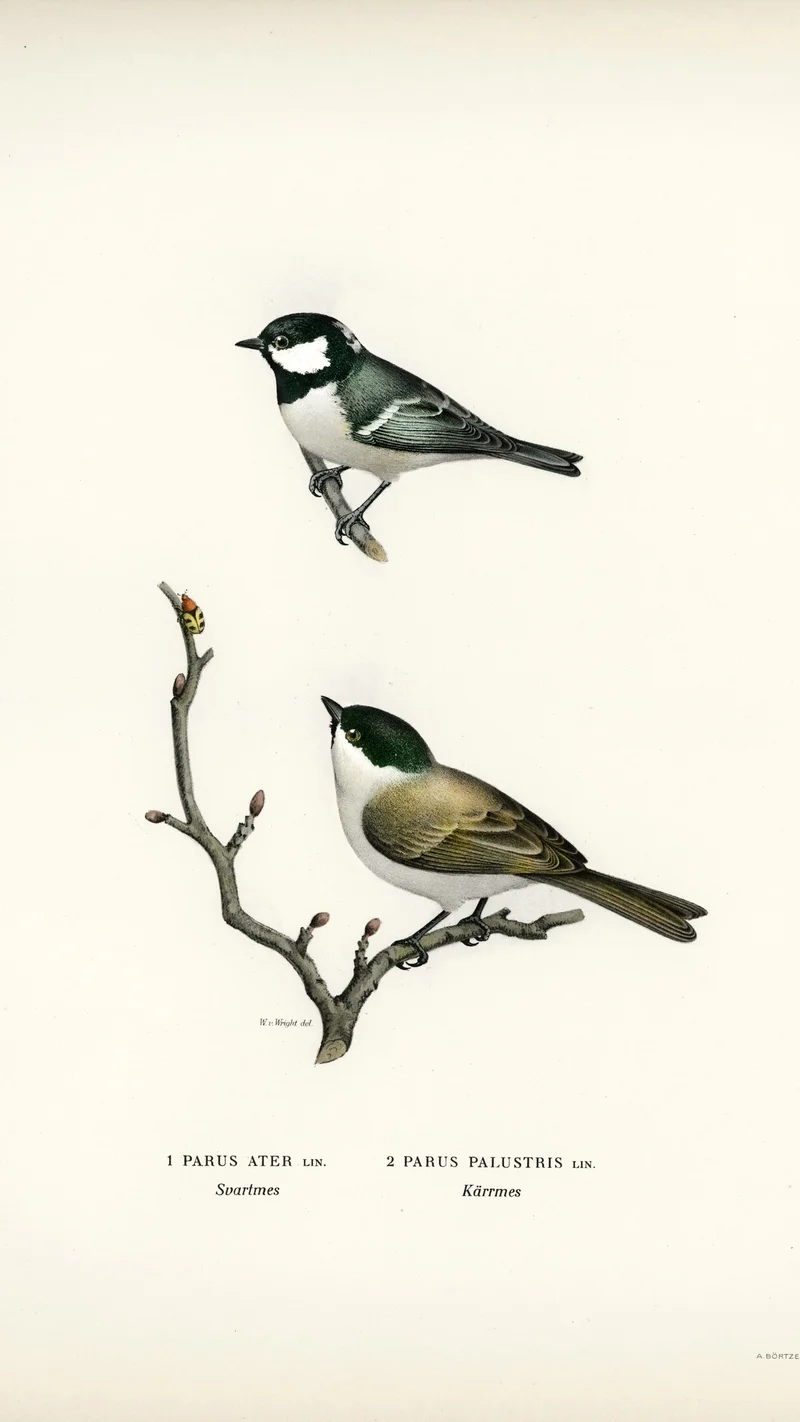
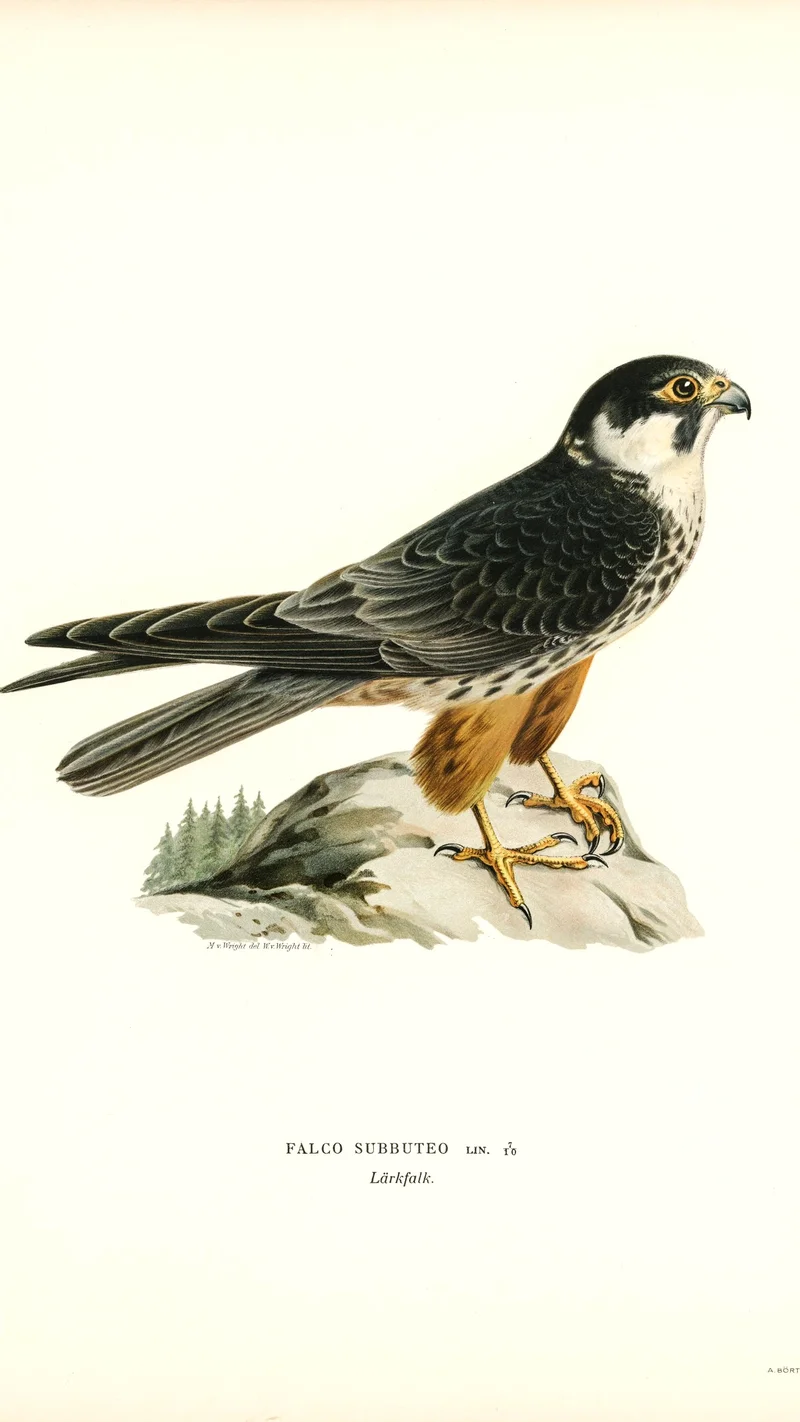
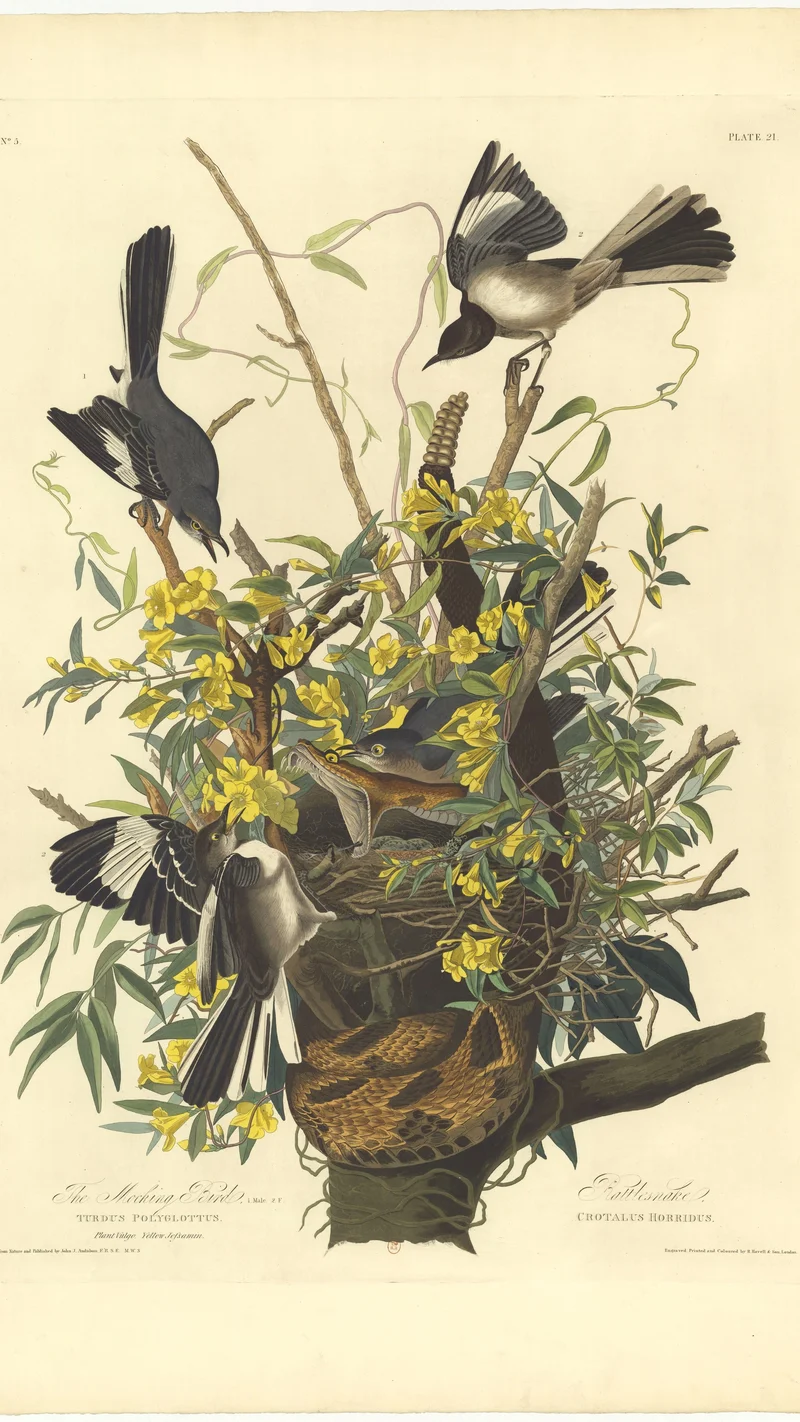
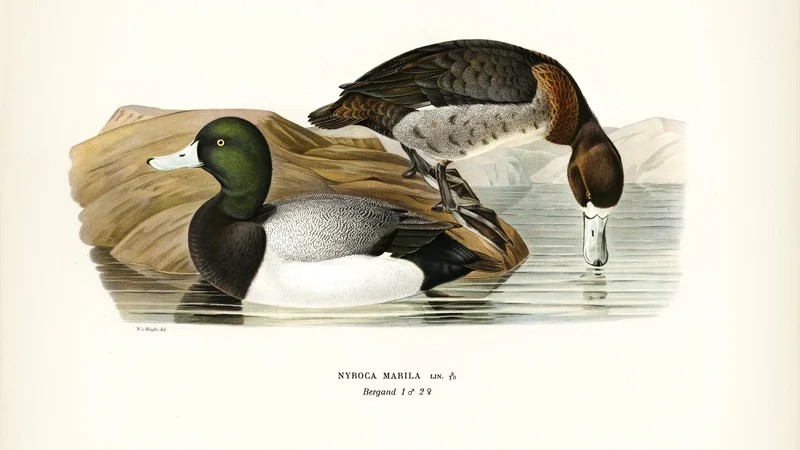
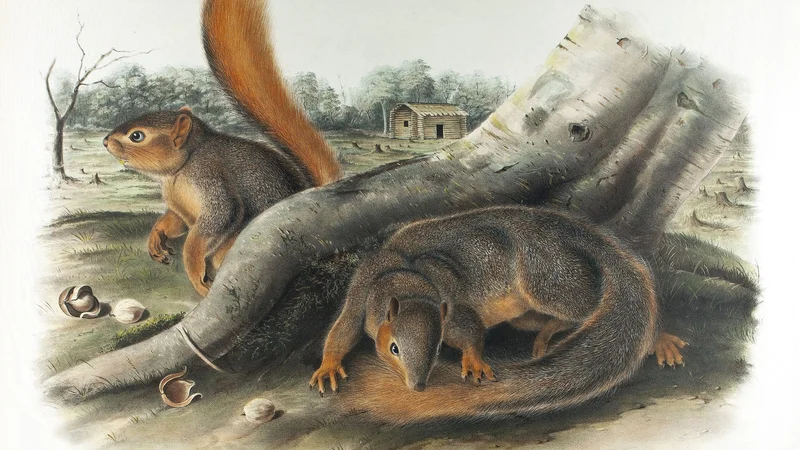
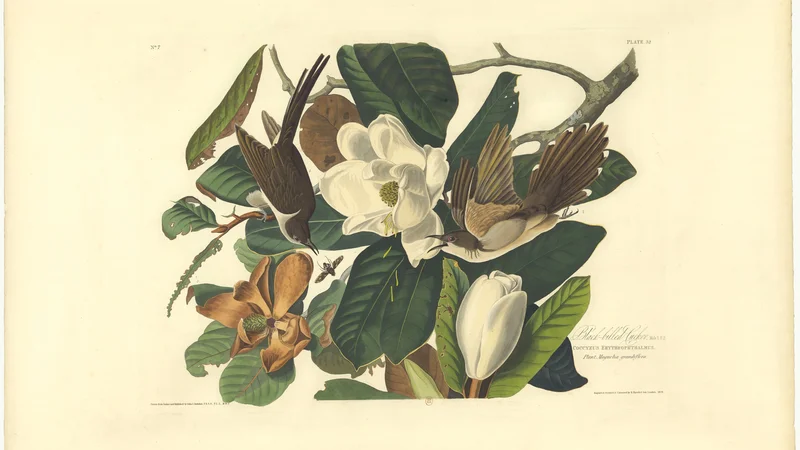
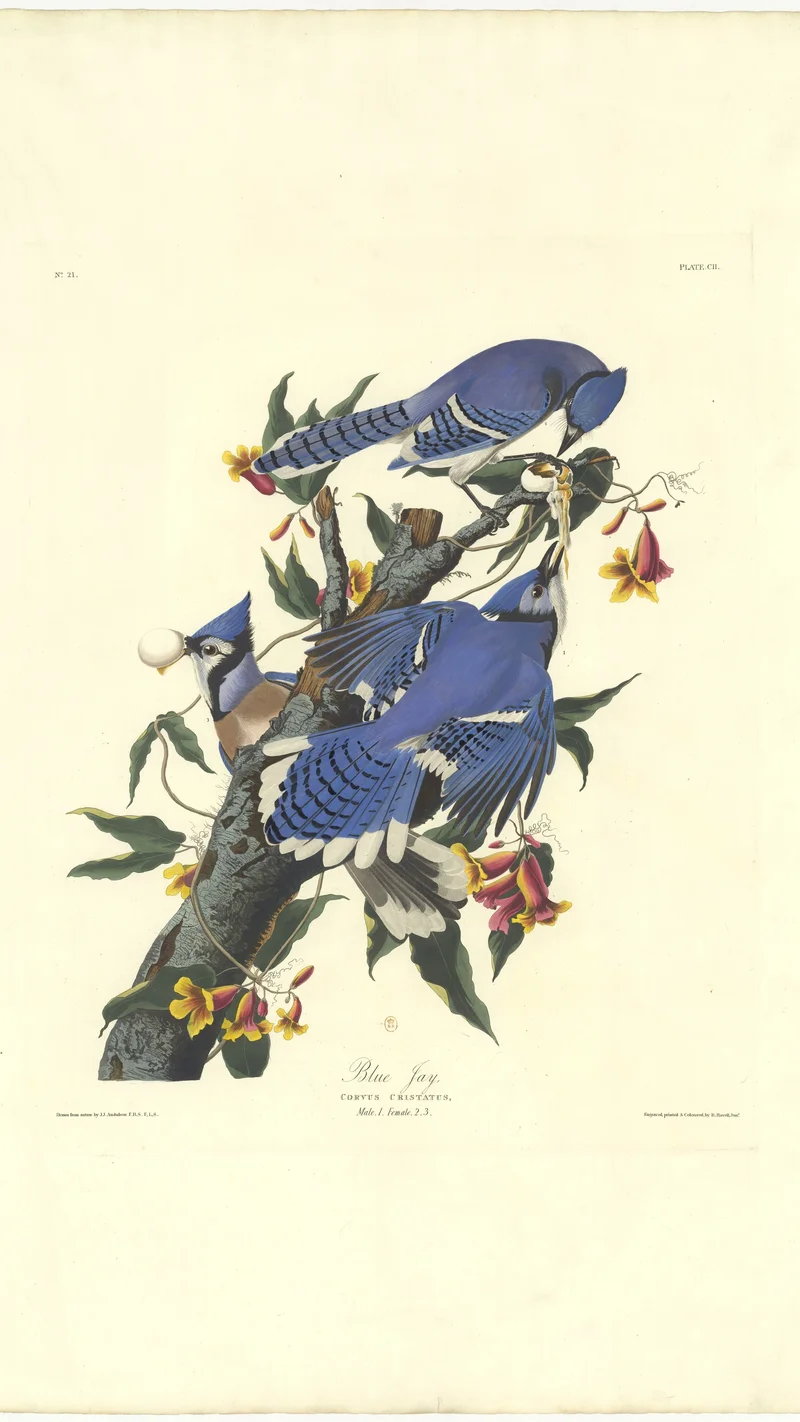
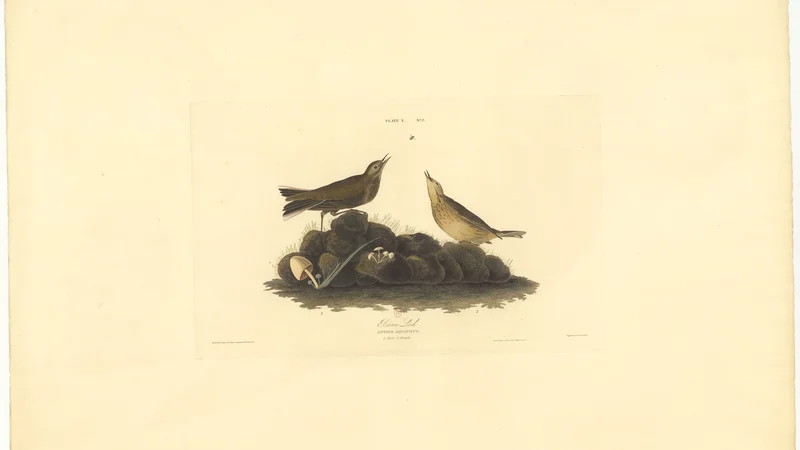
Scientific illustration emerged as the essential bridge between empirical observation and visual record, formalizing the taxonomy of the natural world through rigorous aesthetic discipline. By prioritizing anatomical accuracy and environmental context, artists such as John James Audubon elevated the field from mere auxiliary documentation to high art. Works like The Fox Squirrel and the meticulous Illustrations of Coal Tit and Marsh Tit demonstrate a synthesis of field observation and structured composition, where the biological subject is rendered with clarity that transcends simple mimesis. This tradition found profound expression in the ornithological precision of Louis Agassiz Fuertes and the exacting studies of Wilhelm Wright, whose Polar Bear on a Rocky Shore remains a hallmark of atmospheric and zoological fidelity.
The Evolution of Observational Precision
Beyond the confines of natural history, the techniques of scientific illustration adapted to document complex mechanical and historical phenomena, evidenced by the technical specificity required in works such as Air Attack on Japanese Carriers Kagi and Akagi, Midway Battle. The enduring significance of this movement lies in its commitment to objective truth; the disciplined hand of the illustrator, often represented by both renowned masters and the anonymous rigor of unknown authors, remains the foundational visual language for our collective understanding of biodiversity and historical events. Through this intersection of art and empirical study, scientific illustration established an analytical framework that continues to influence contemporary graphic documentation and visual inquiry.