Wihelm Wright
302 artworks
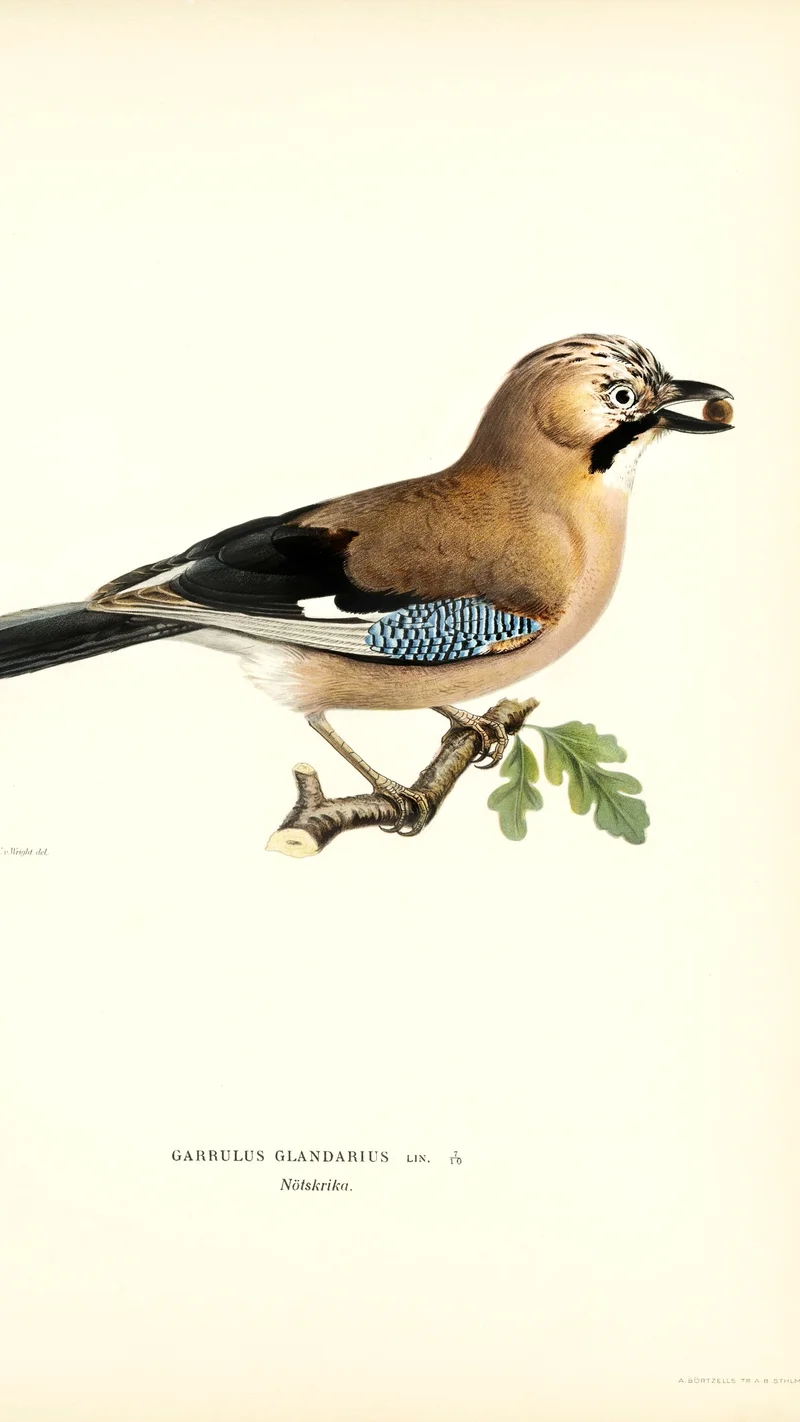
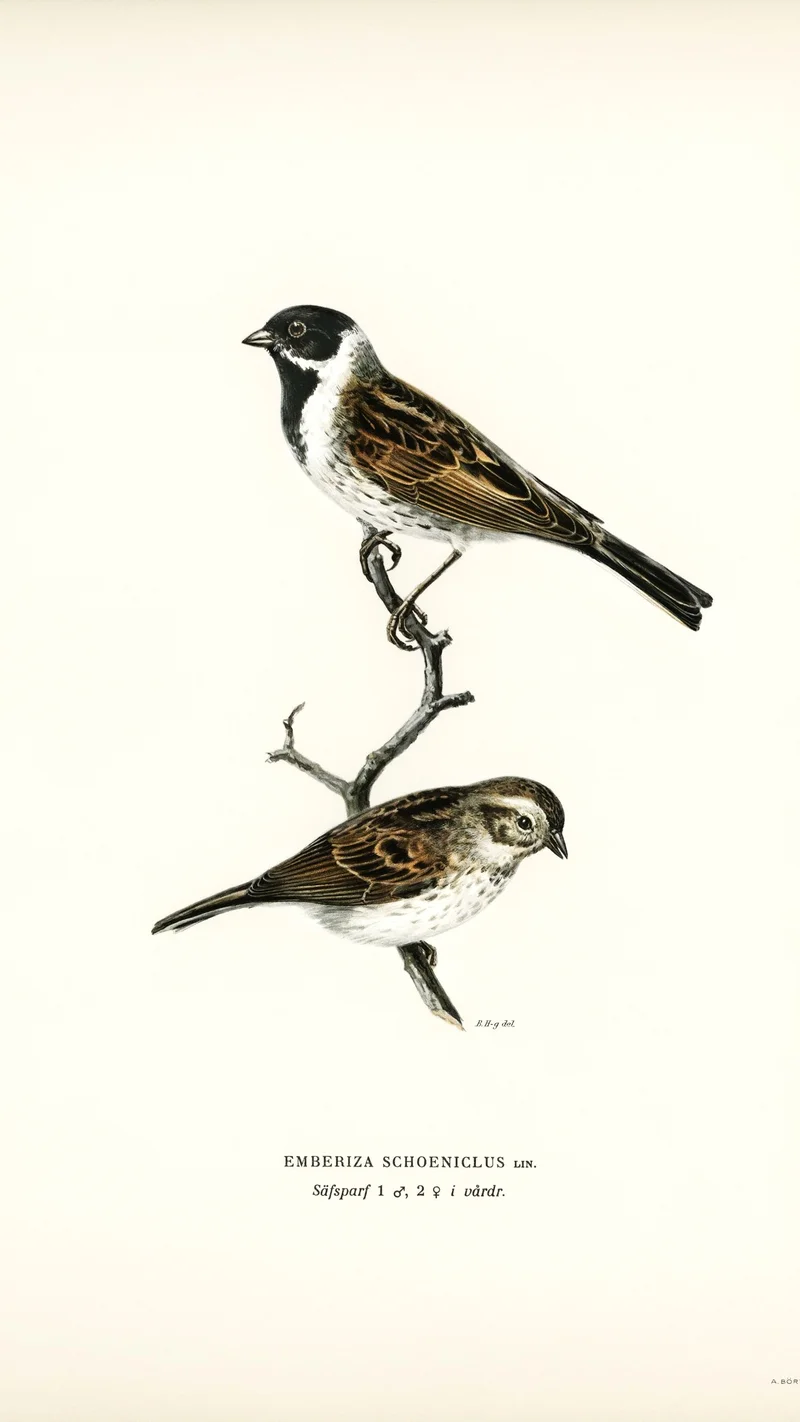
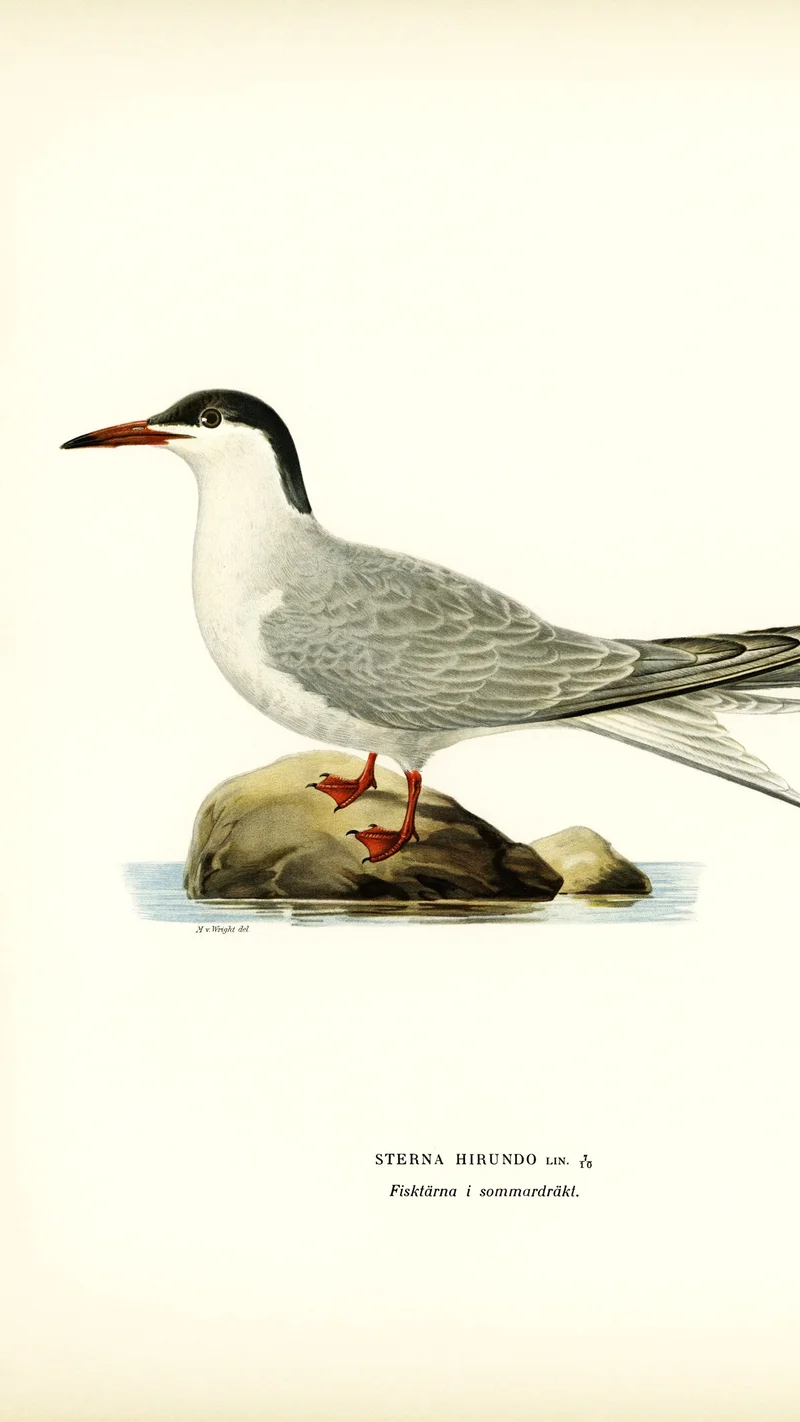
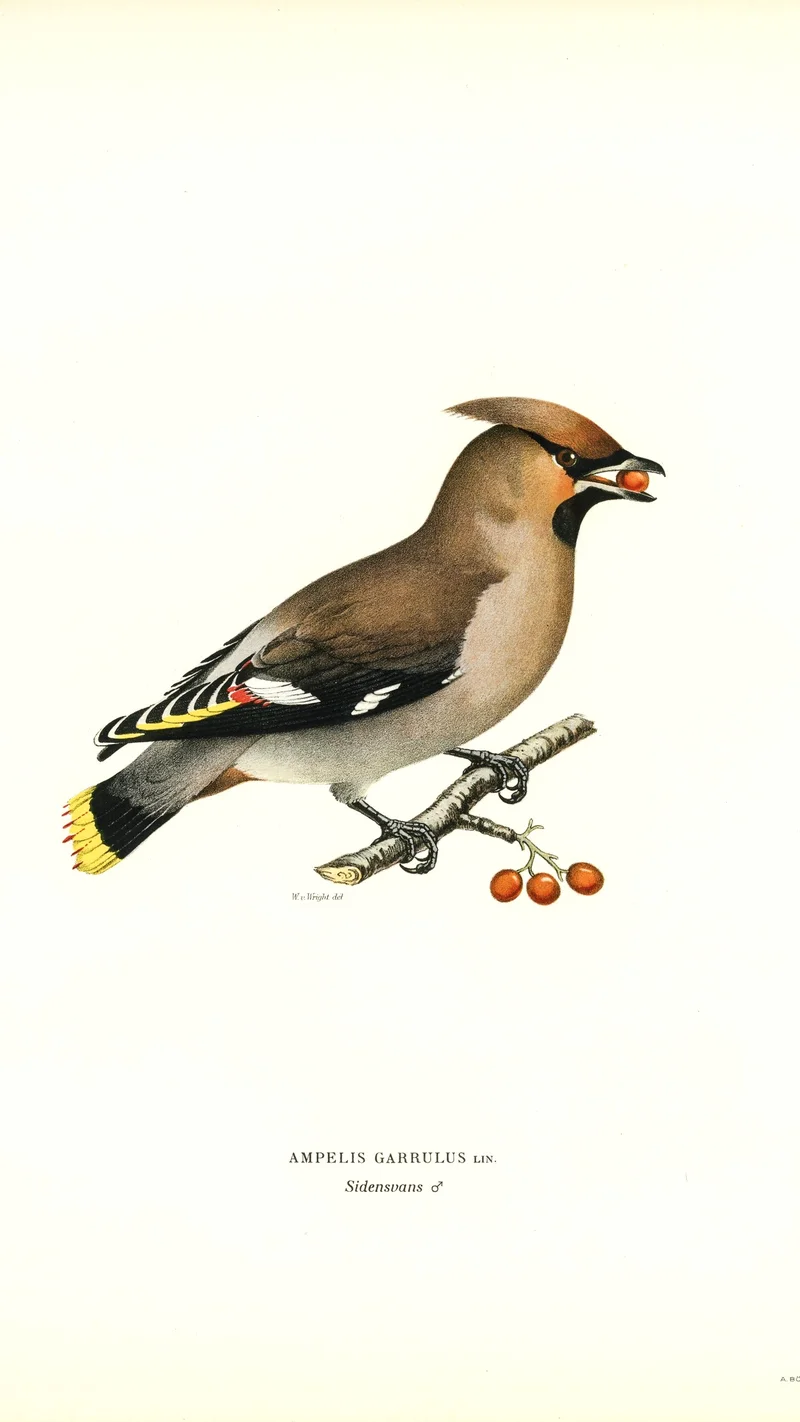
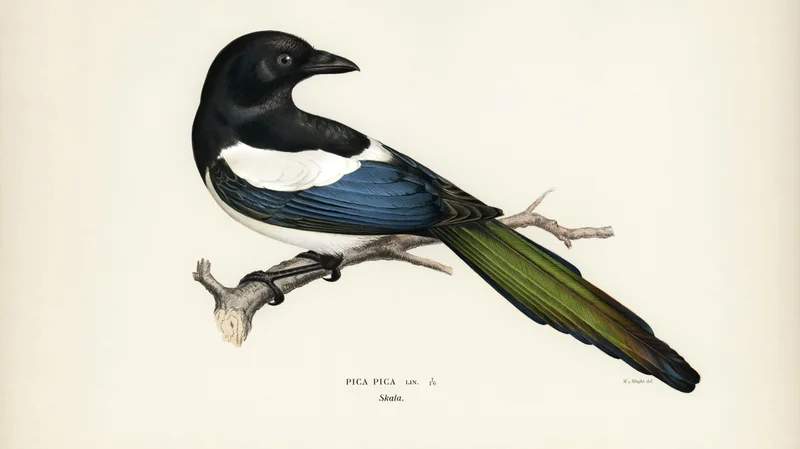
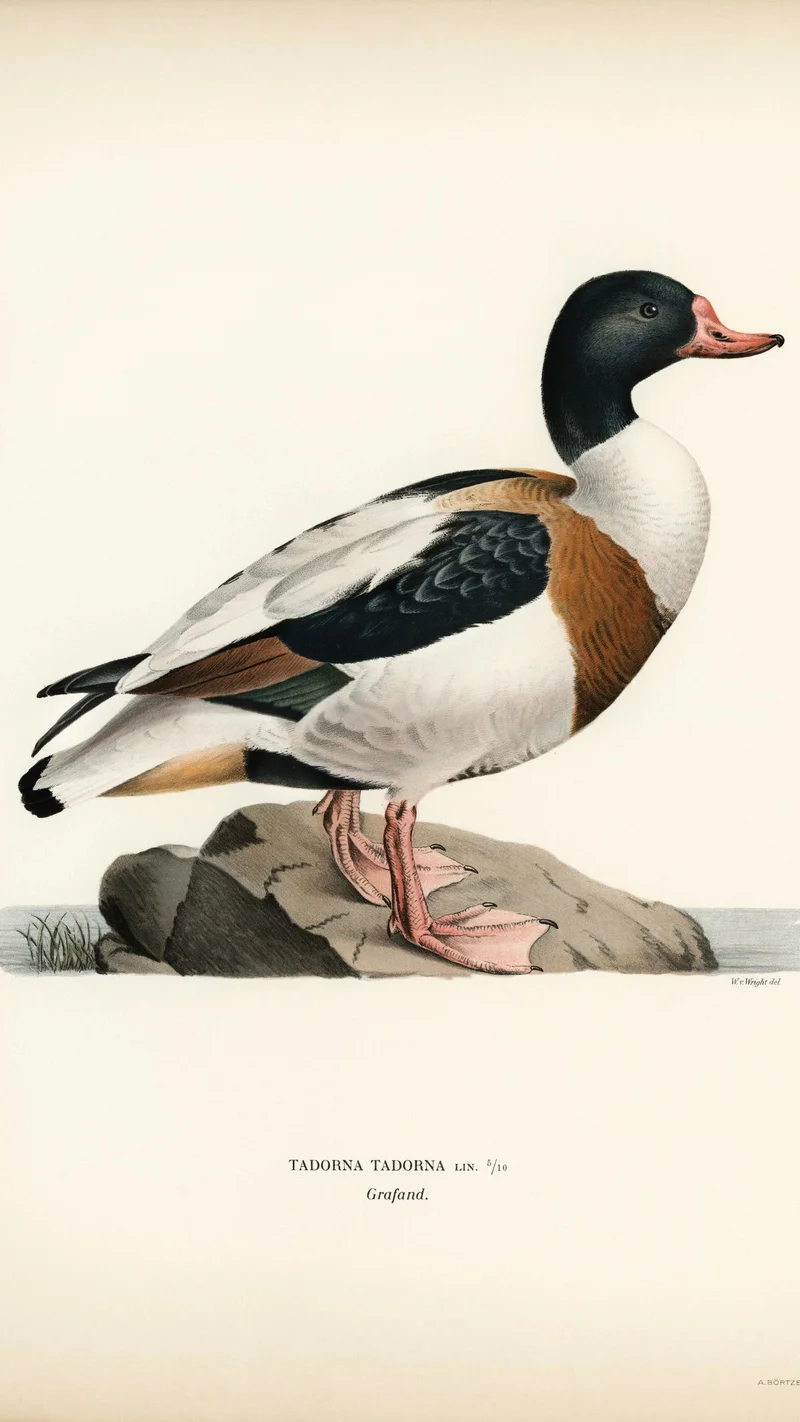
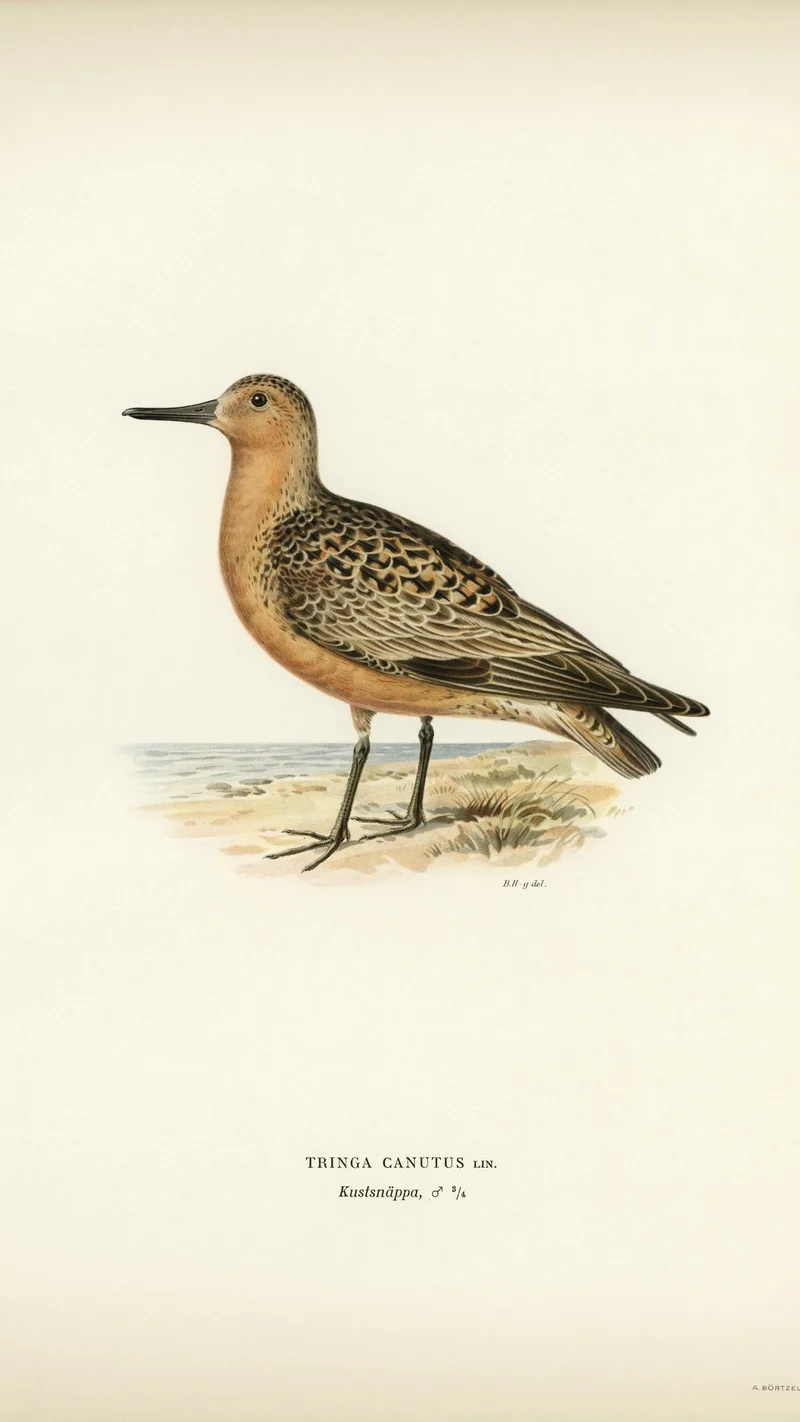
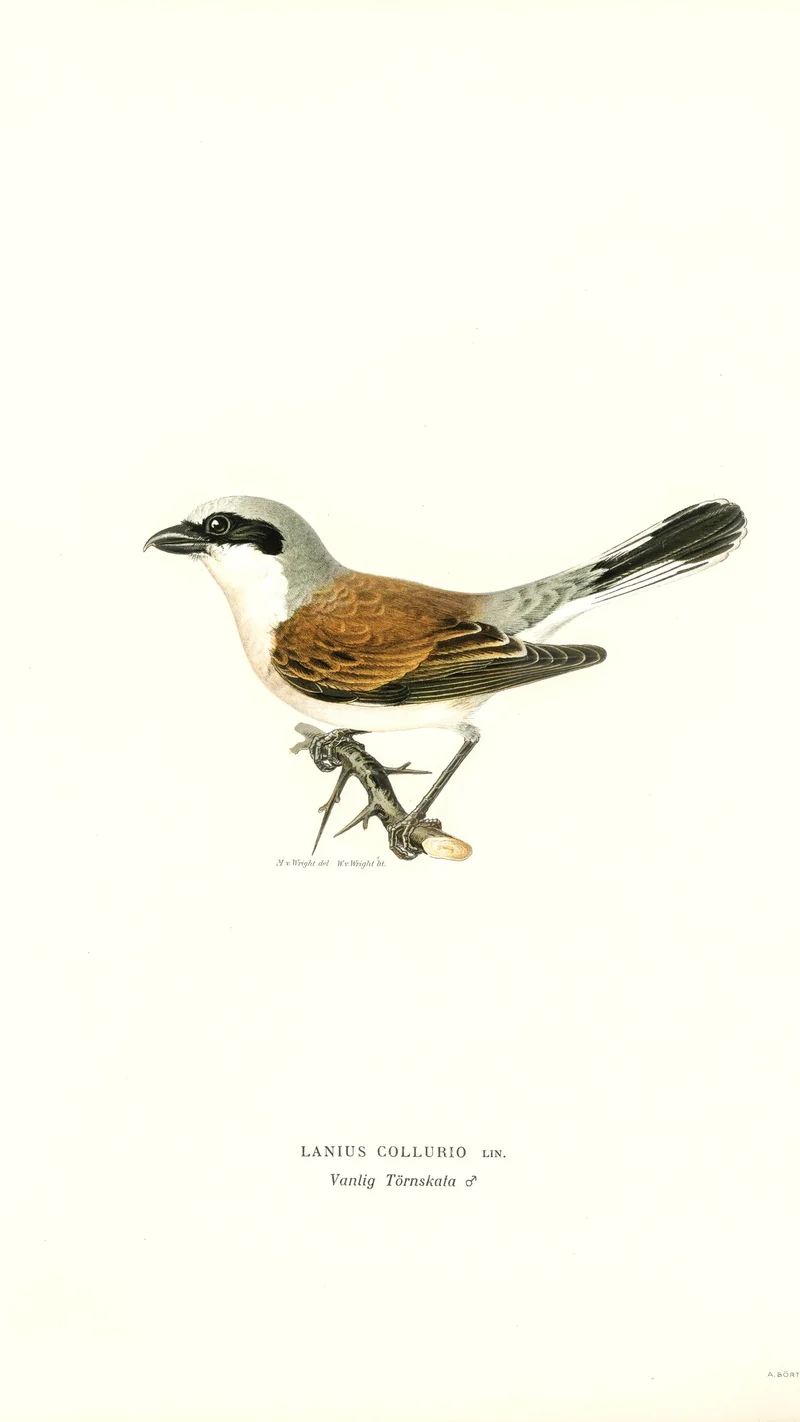
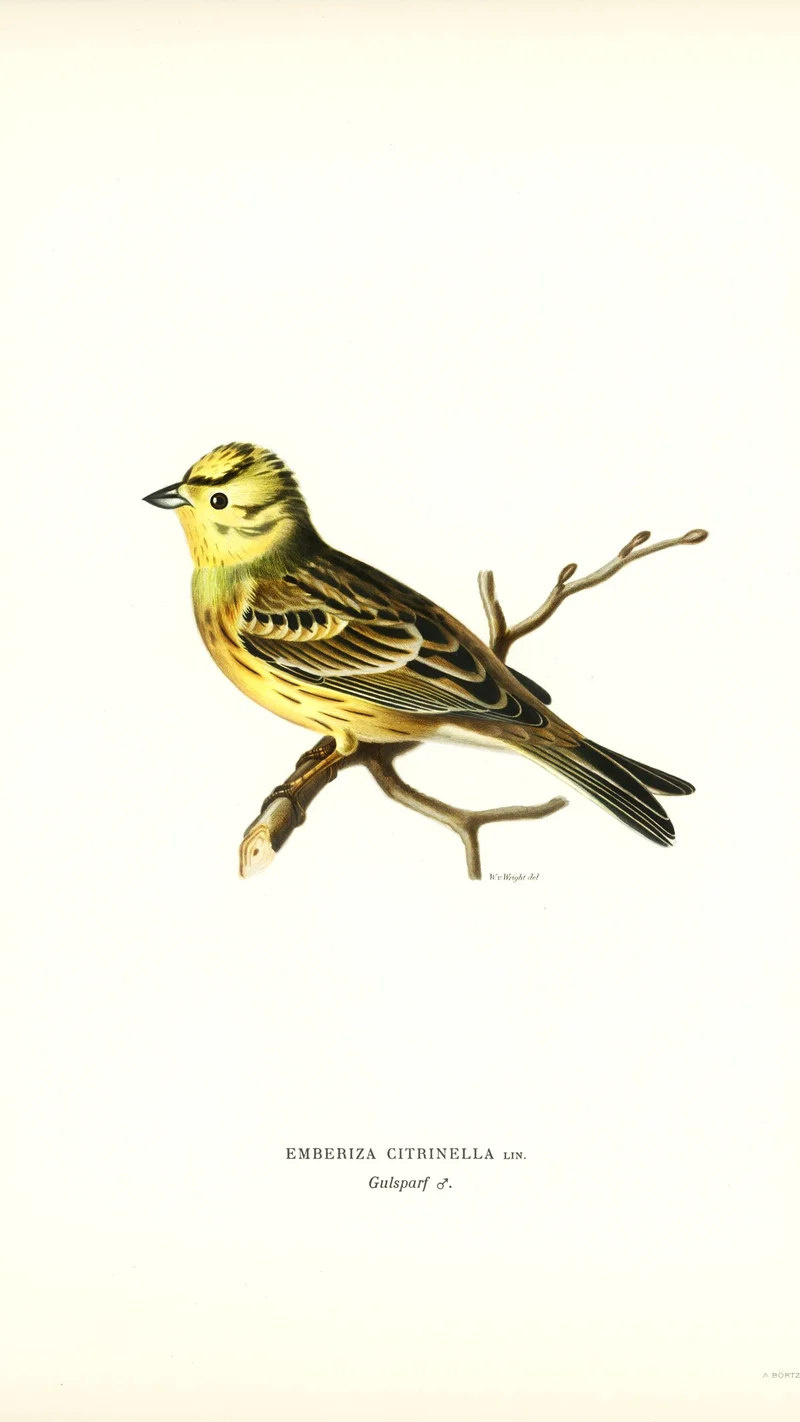
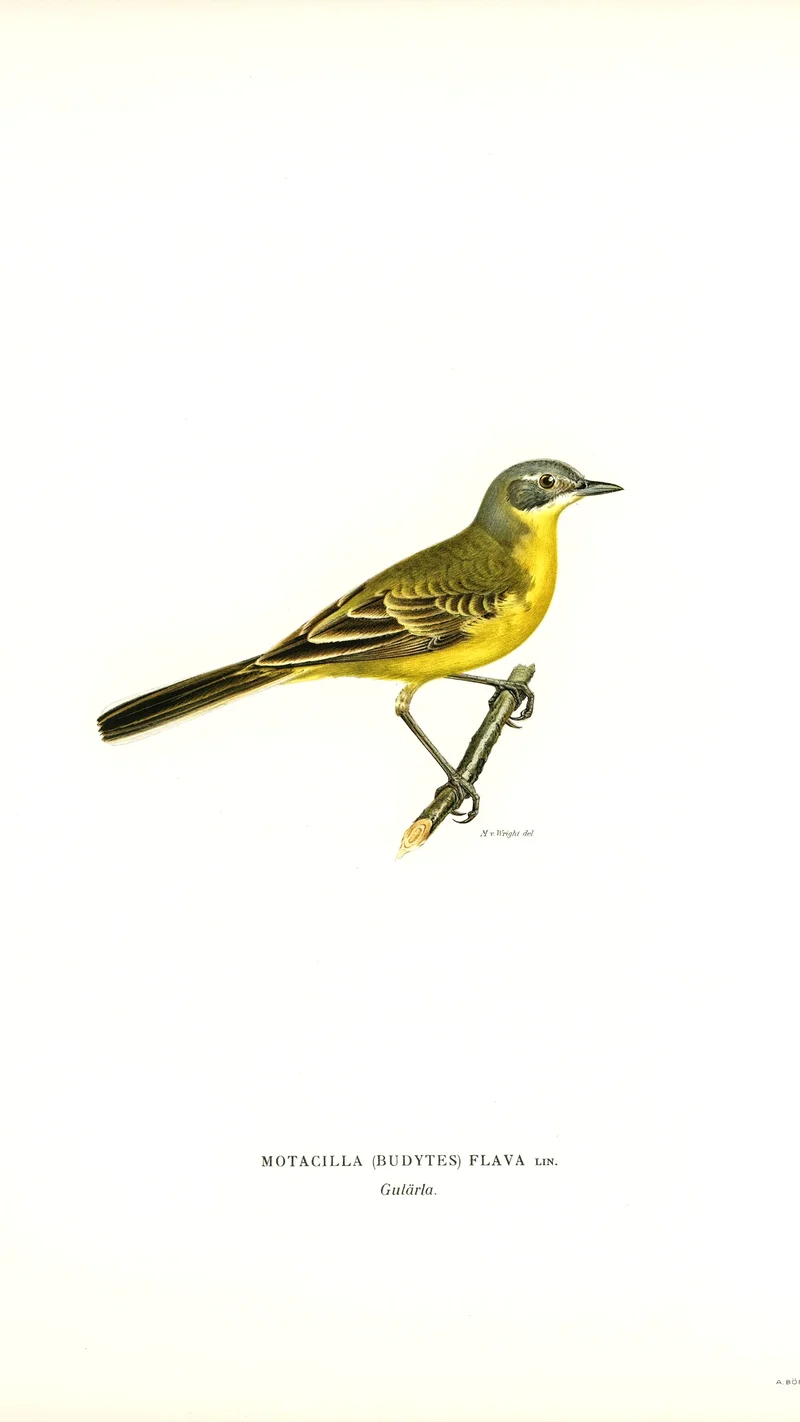
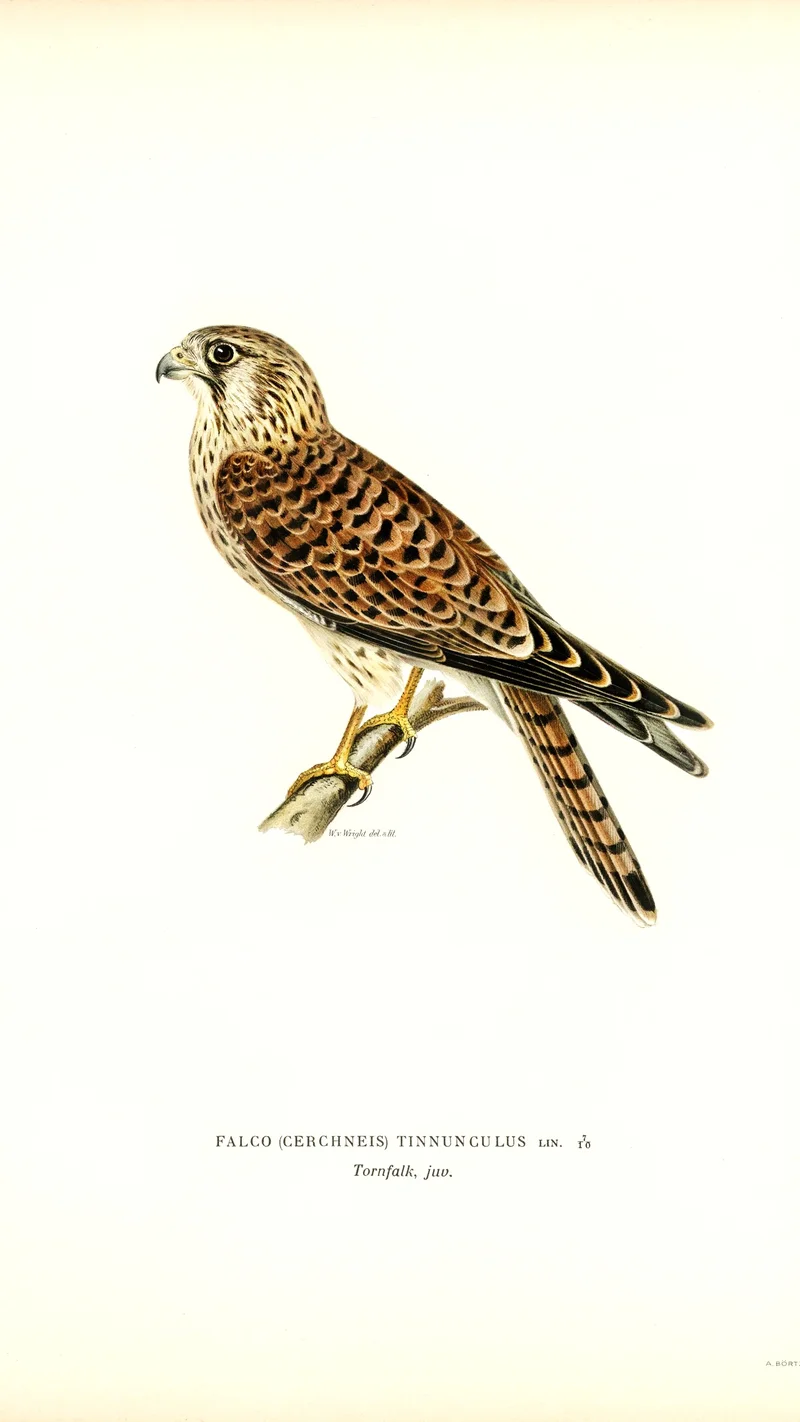
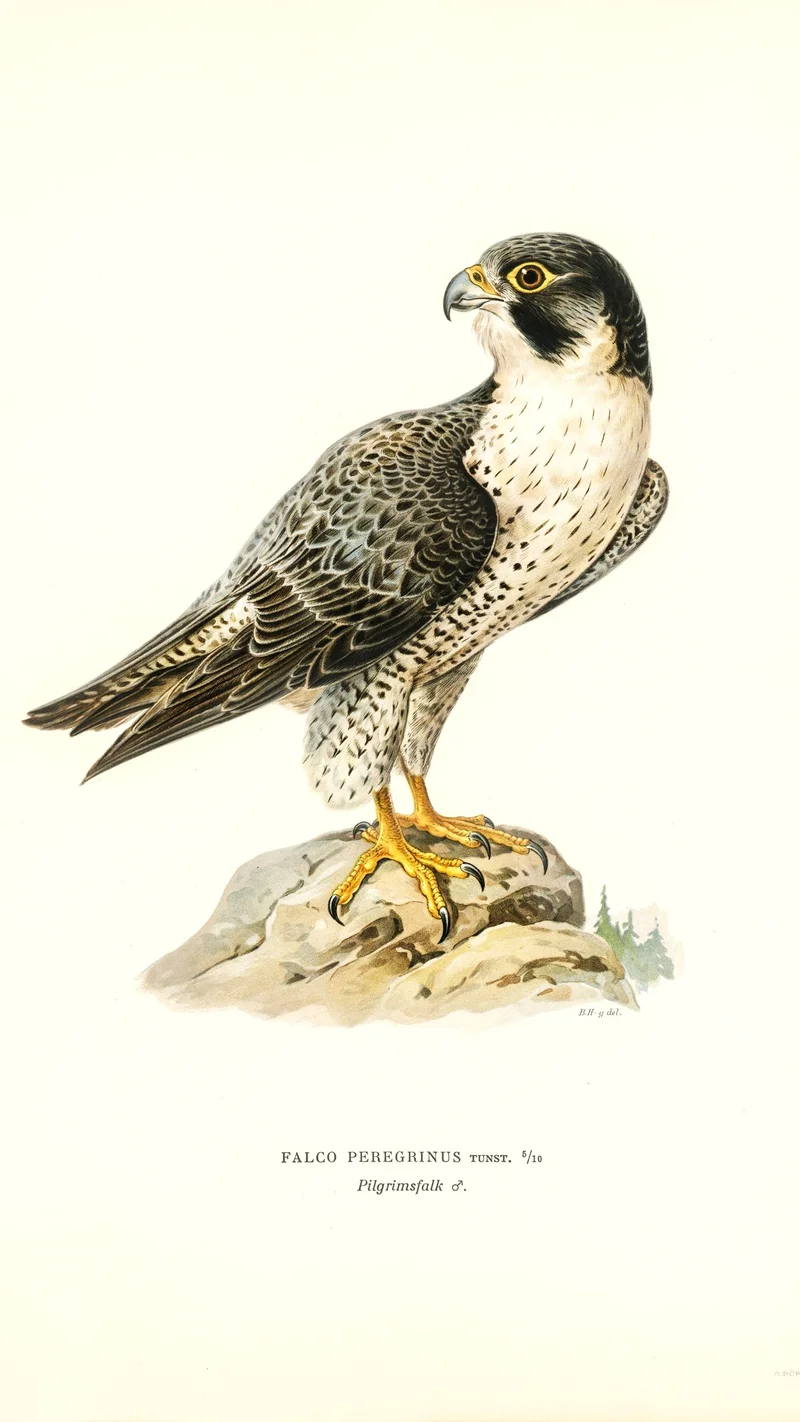
Wihelm Wright was a prominent figure in nineteenth-century Scientific Illustration, active during the late 1820s. His work exemplifies the rigorous intersection of ornithological study and artistic documentation that characterized the period's natural history movement. Trained to observe with clinical precision, Wright contributed significantly to the visual record of avian life, capturing the morphological nuances of species with a systematic approach favored by contemporary naturalists. His dedication to accuracy provided a vital bridge between empirical observation and the aesthetic traditions of the era.
Technical Precision and Avian Studies
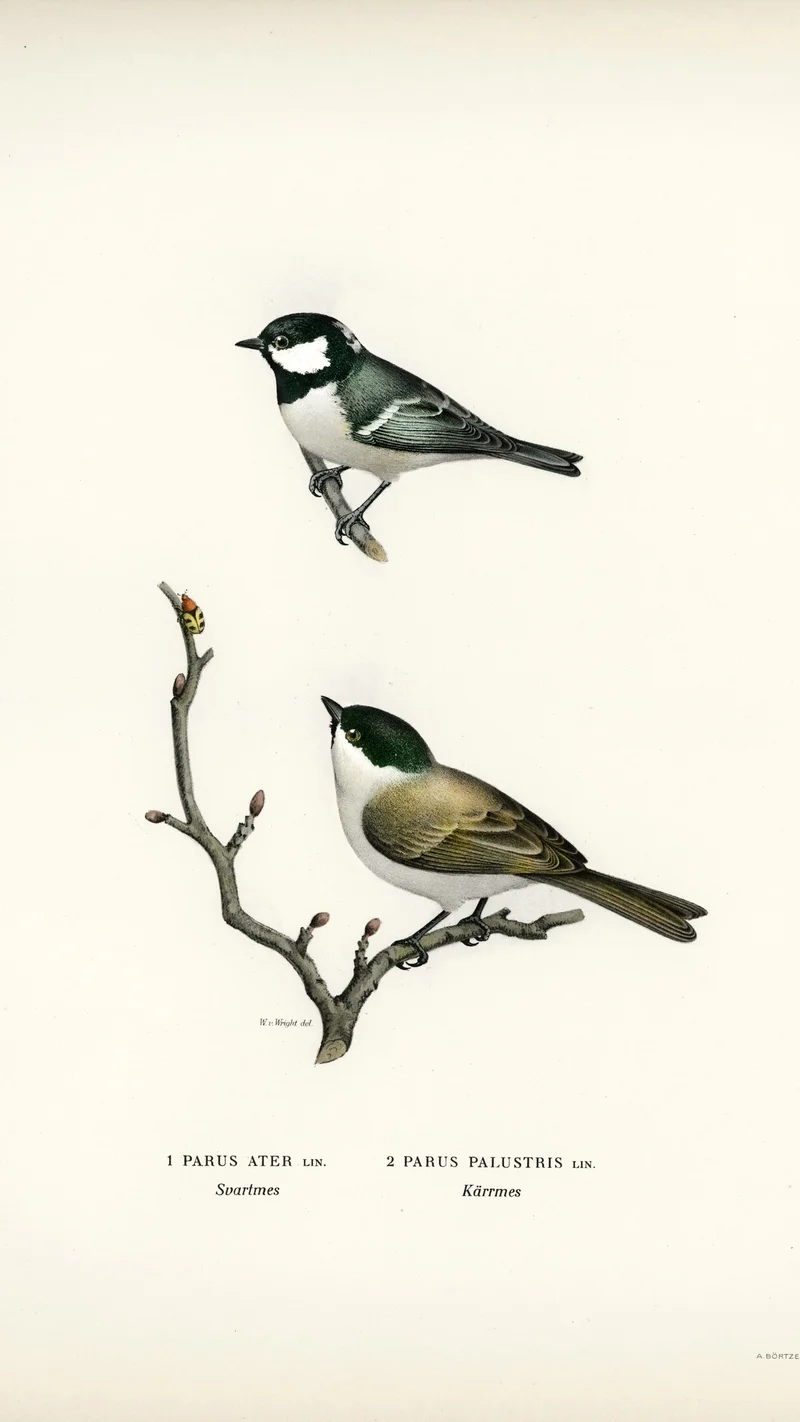
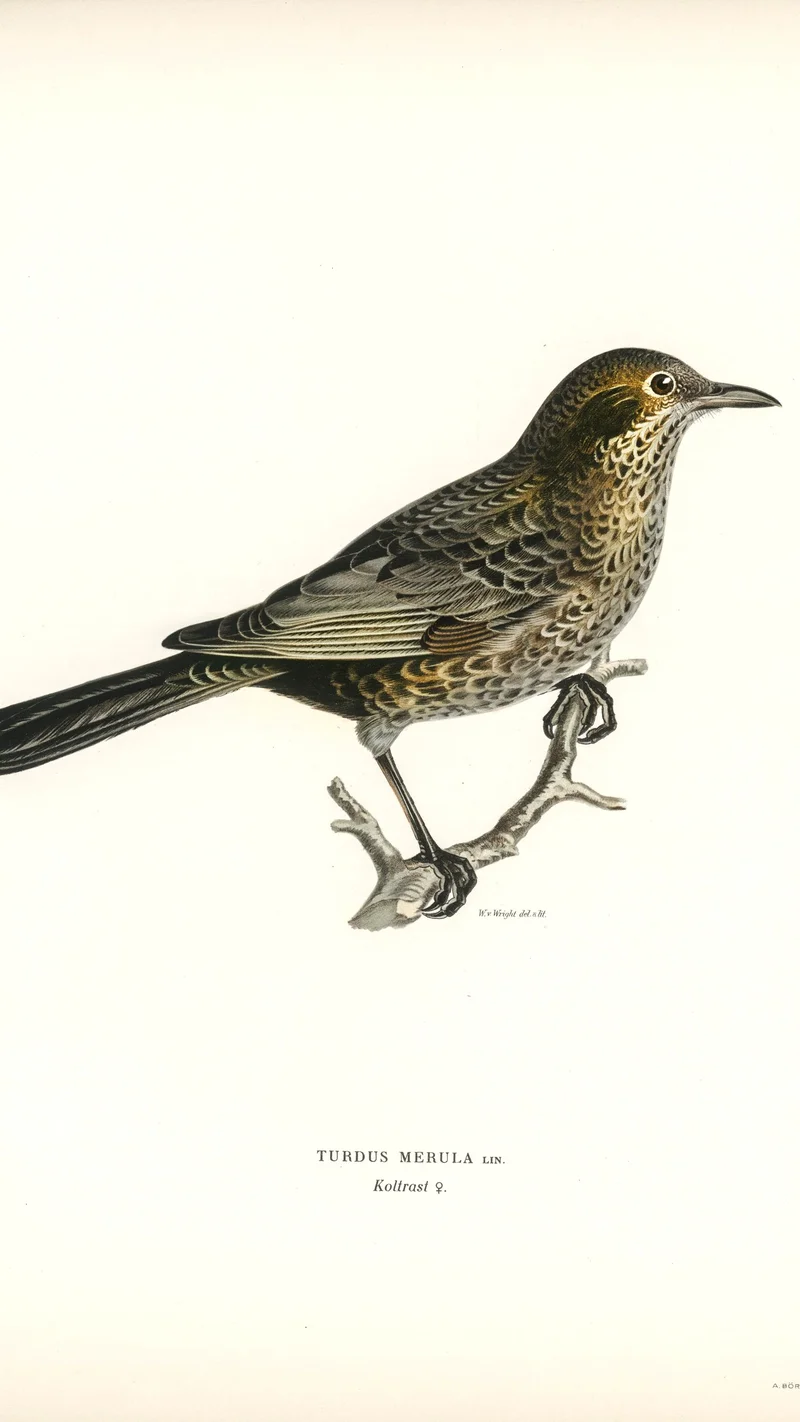
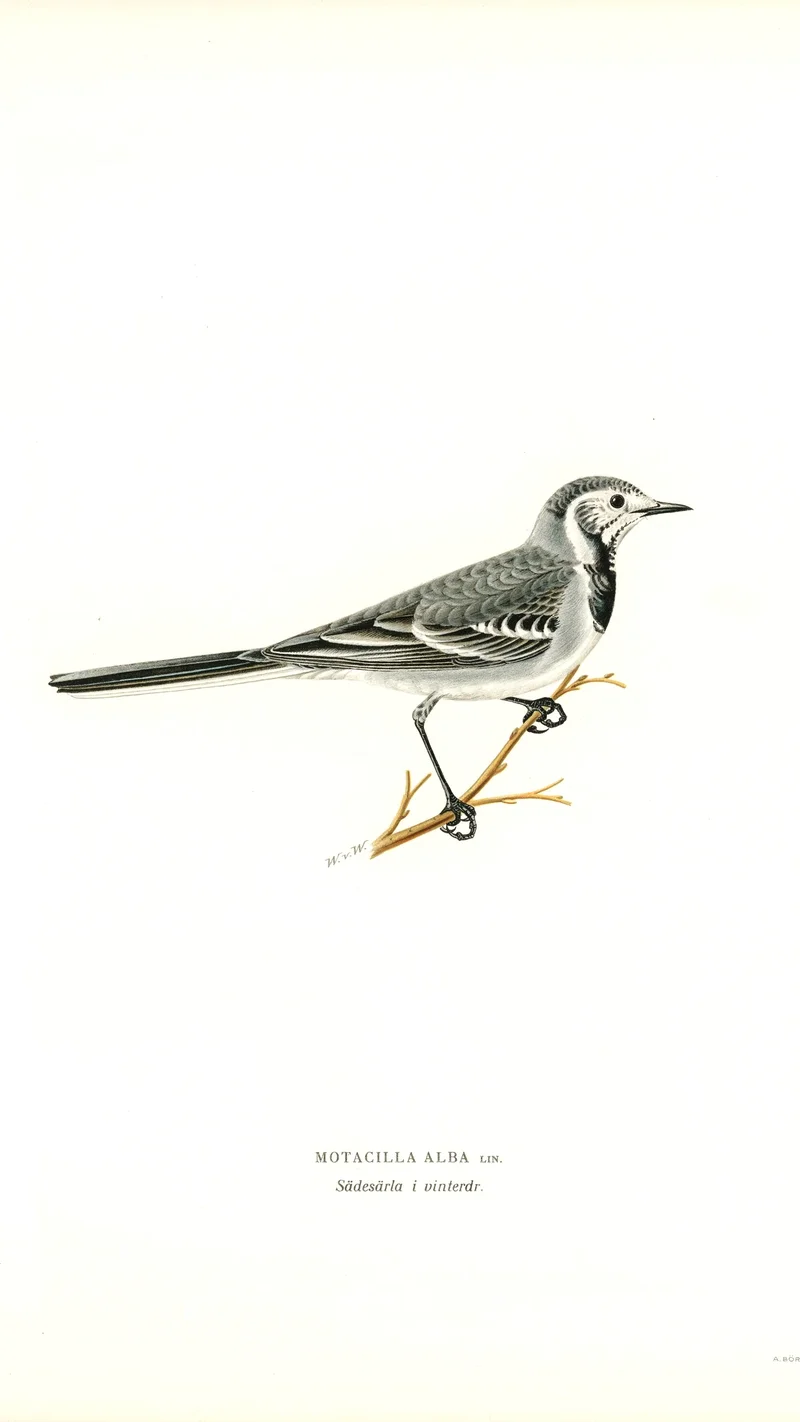
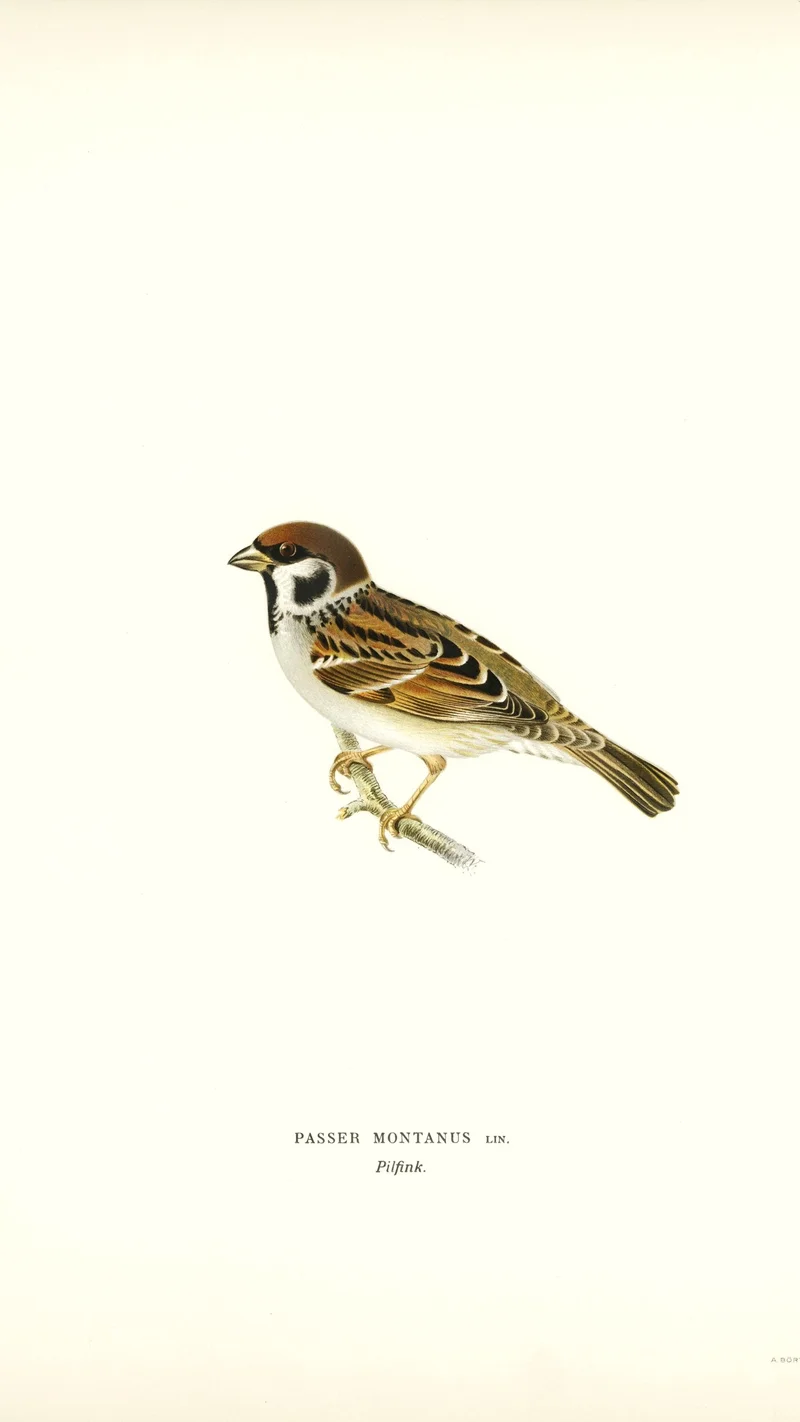
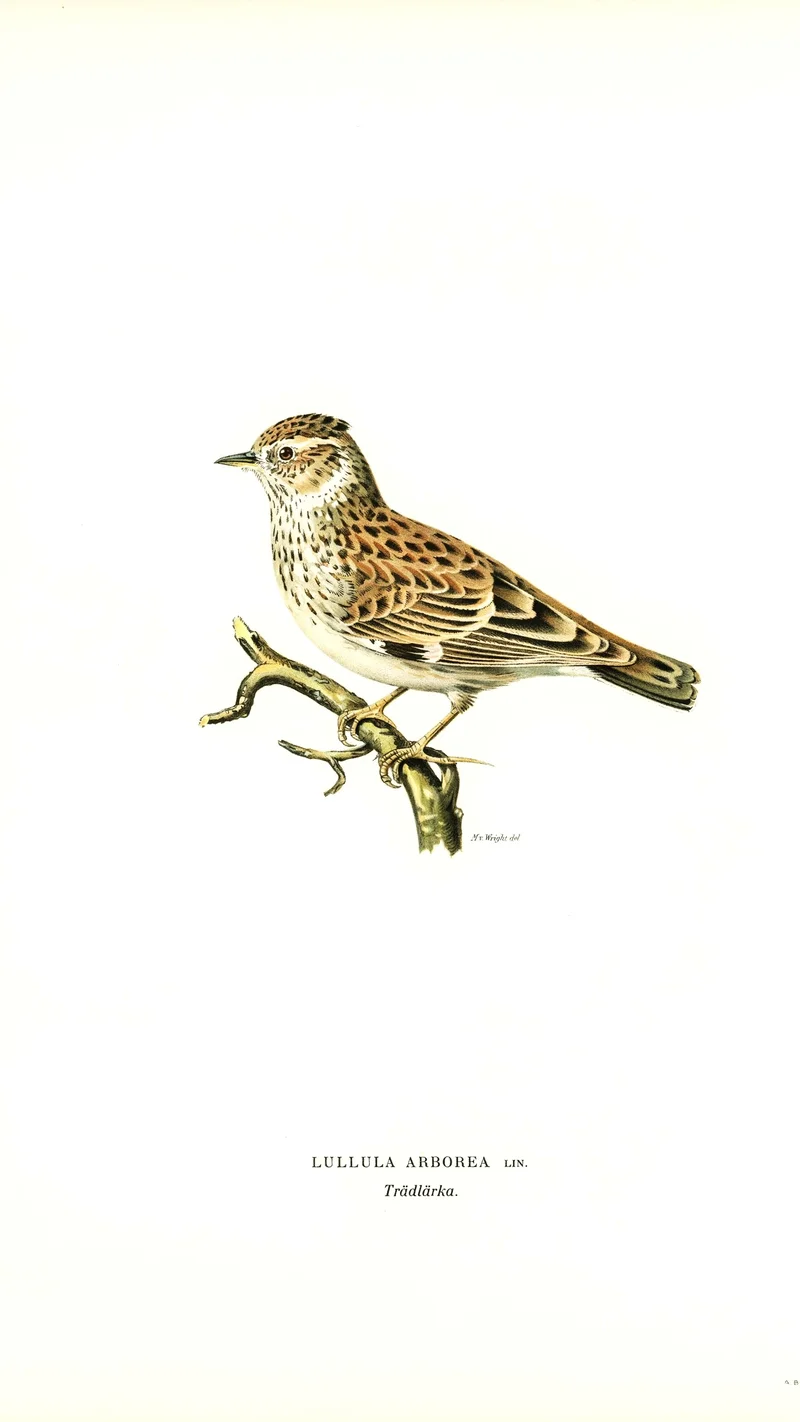
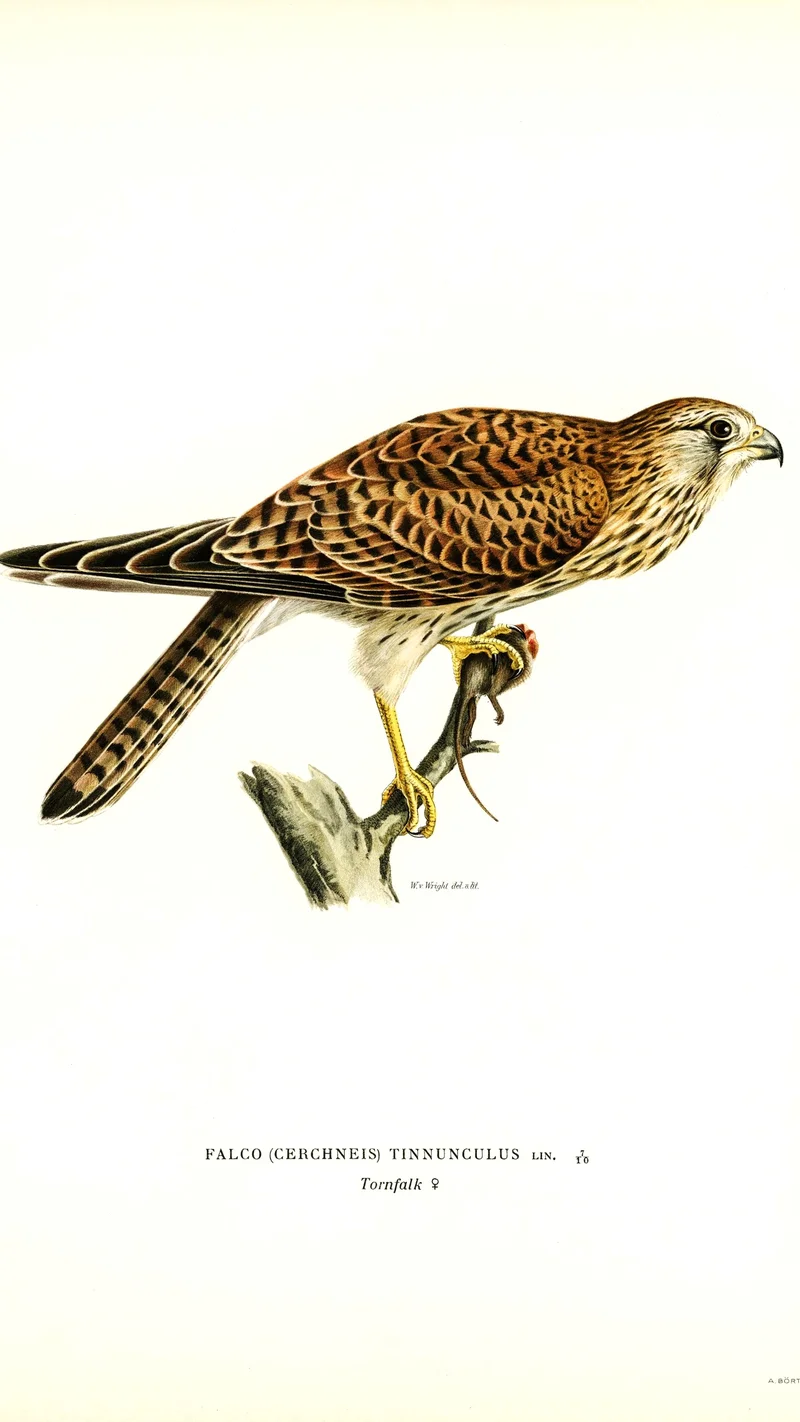
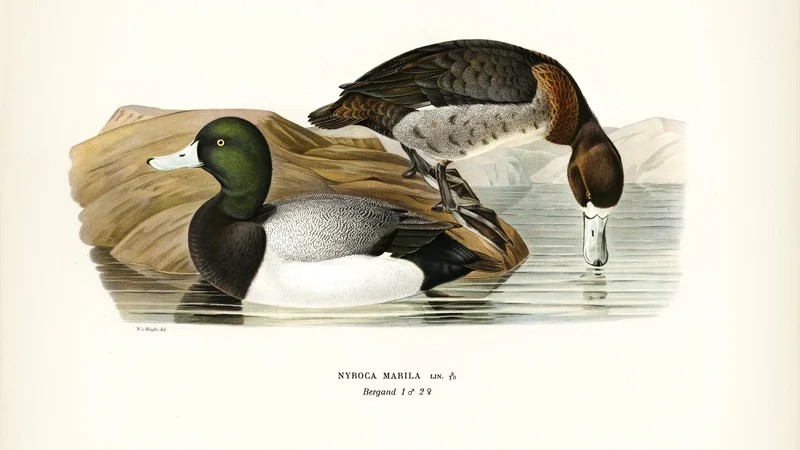
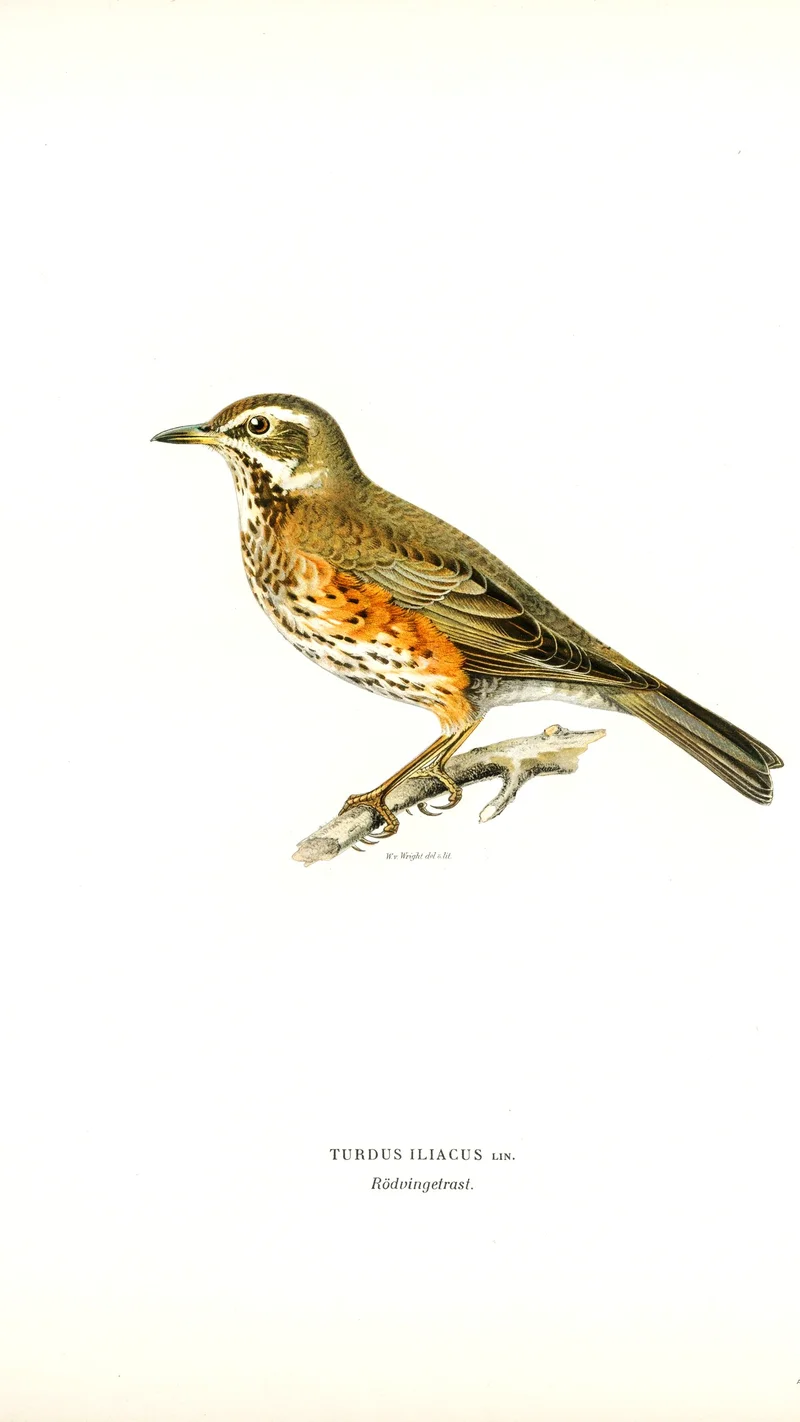
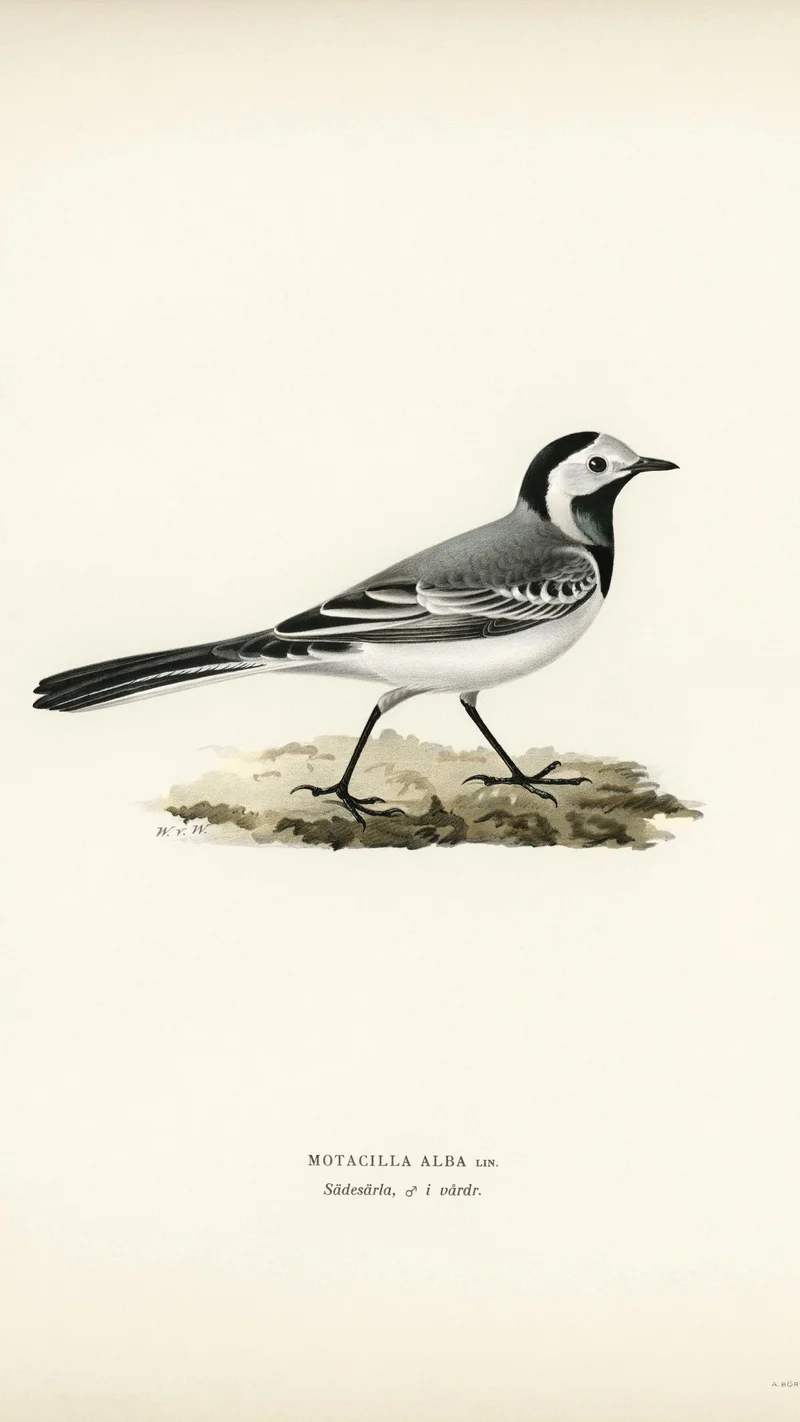
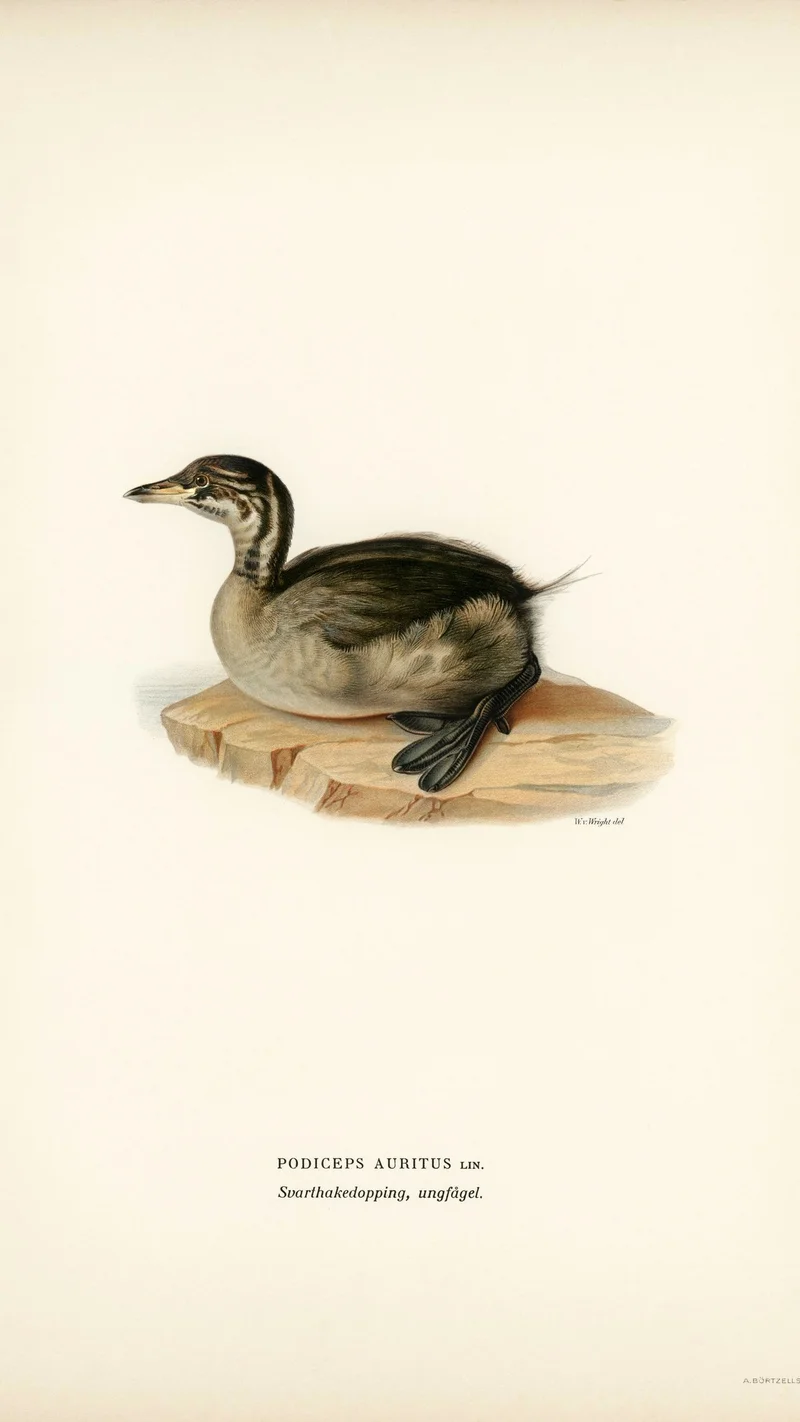
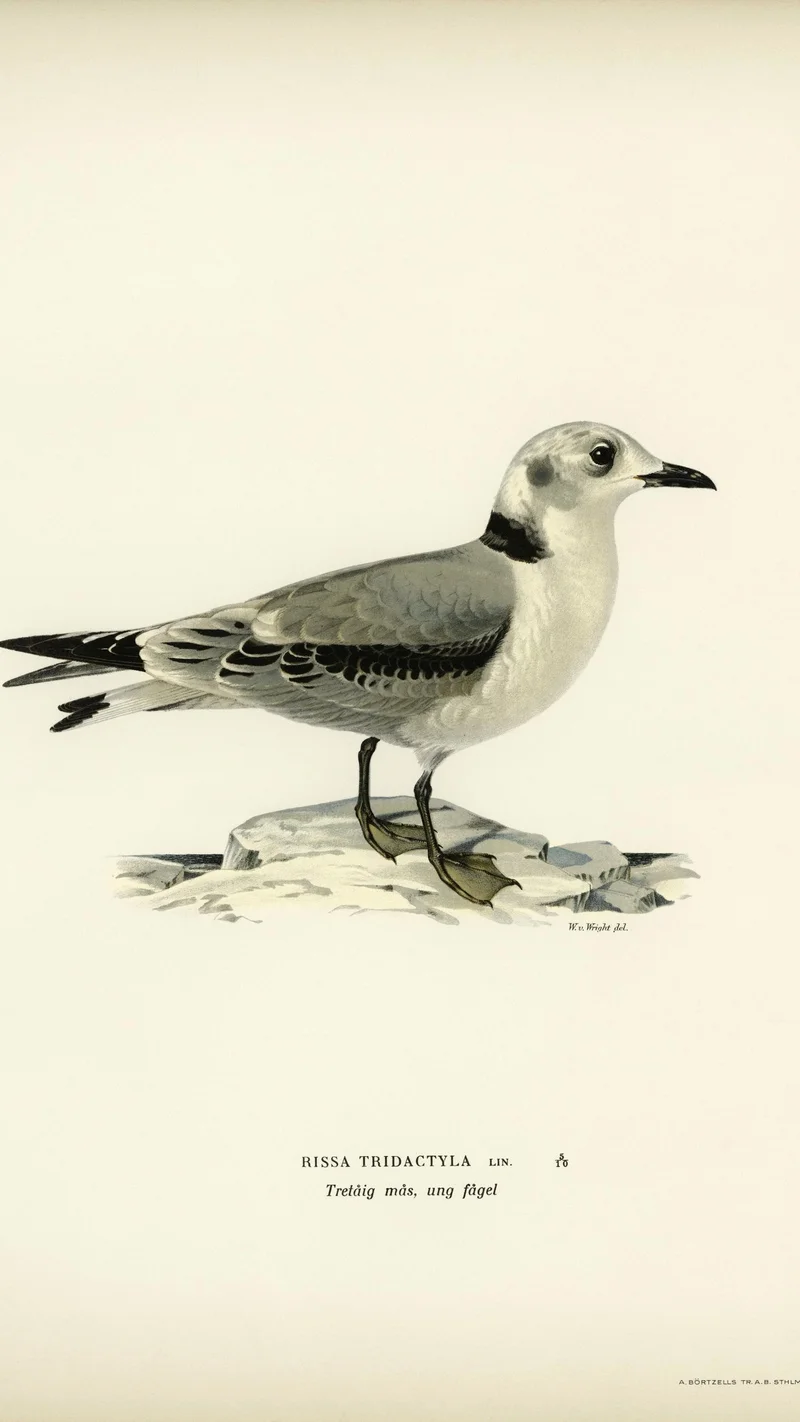
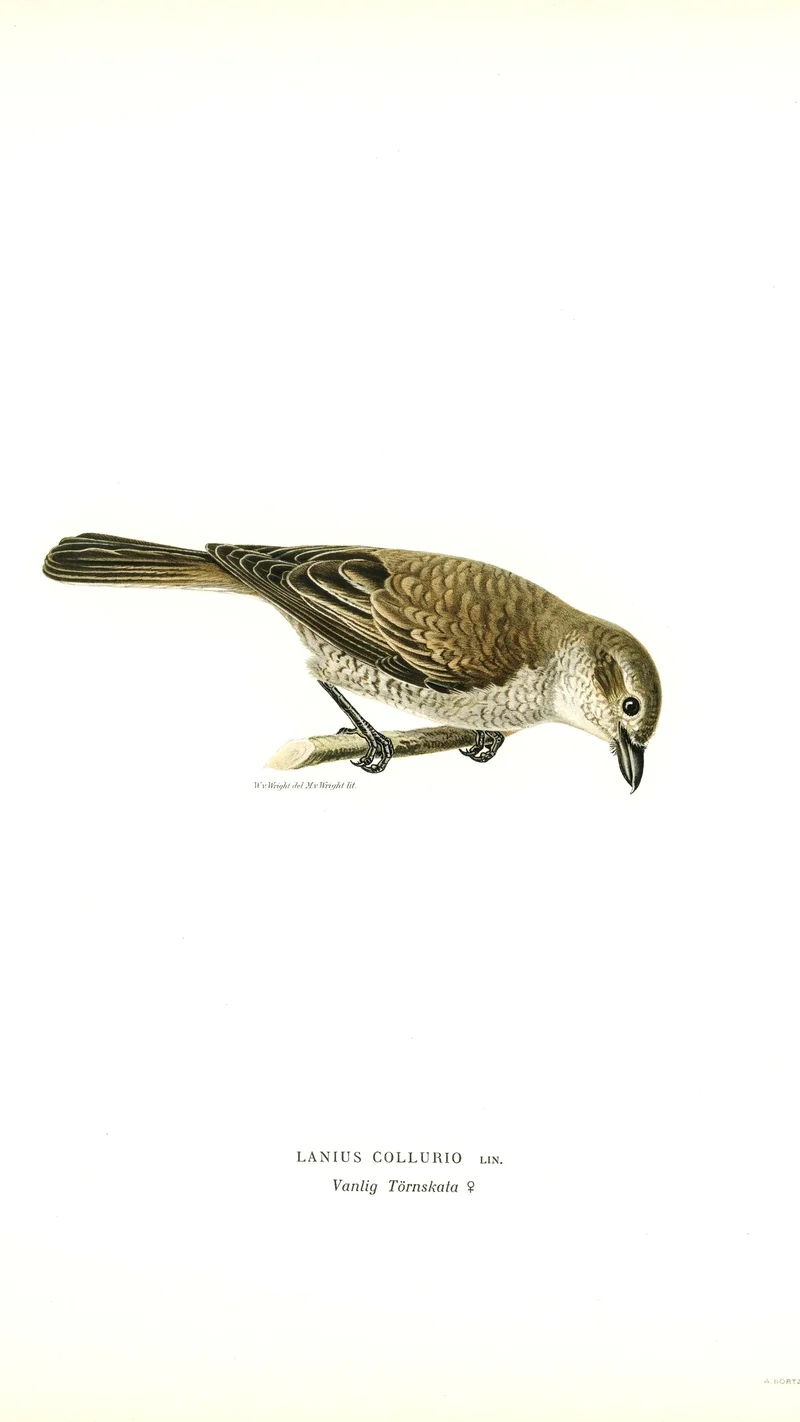
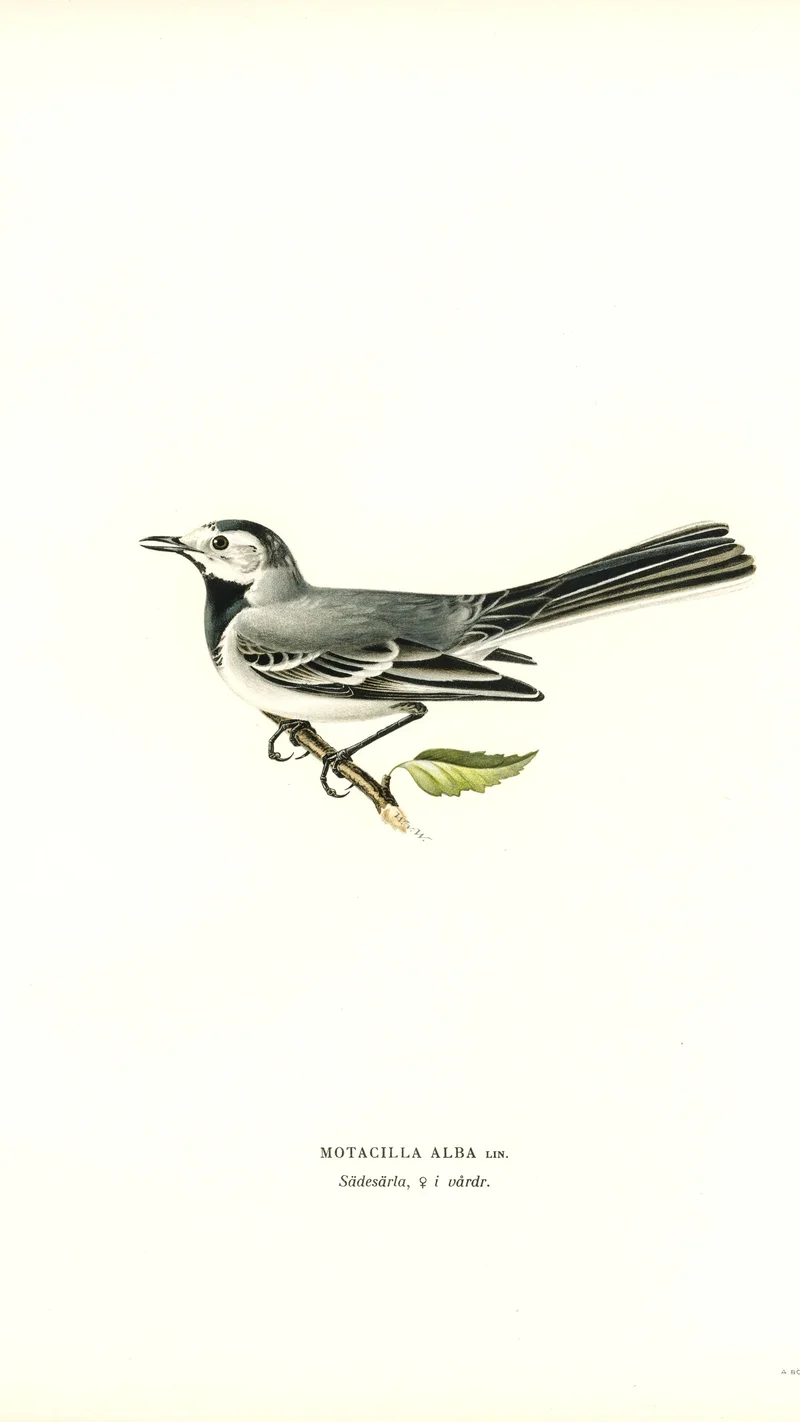
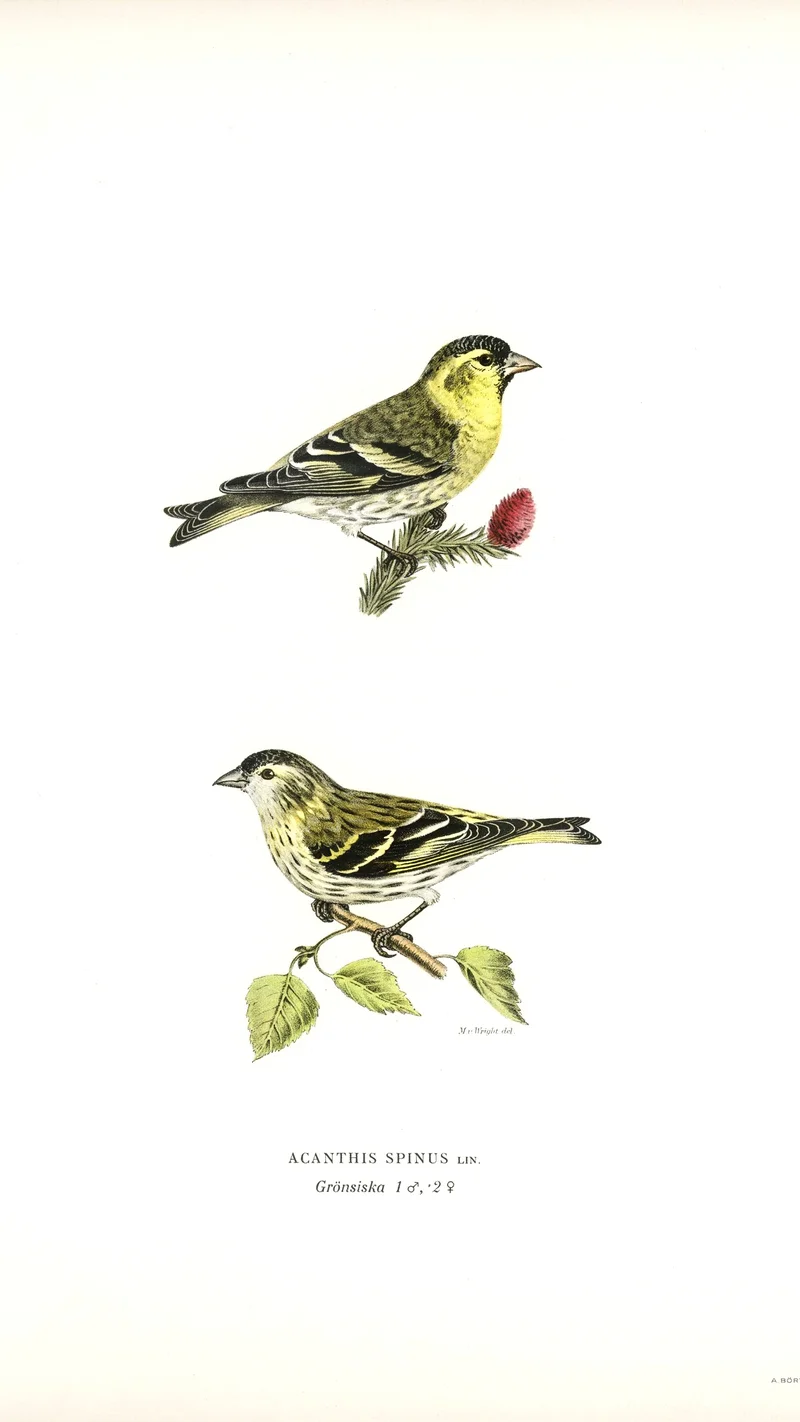
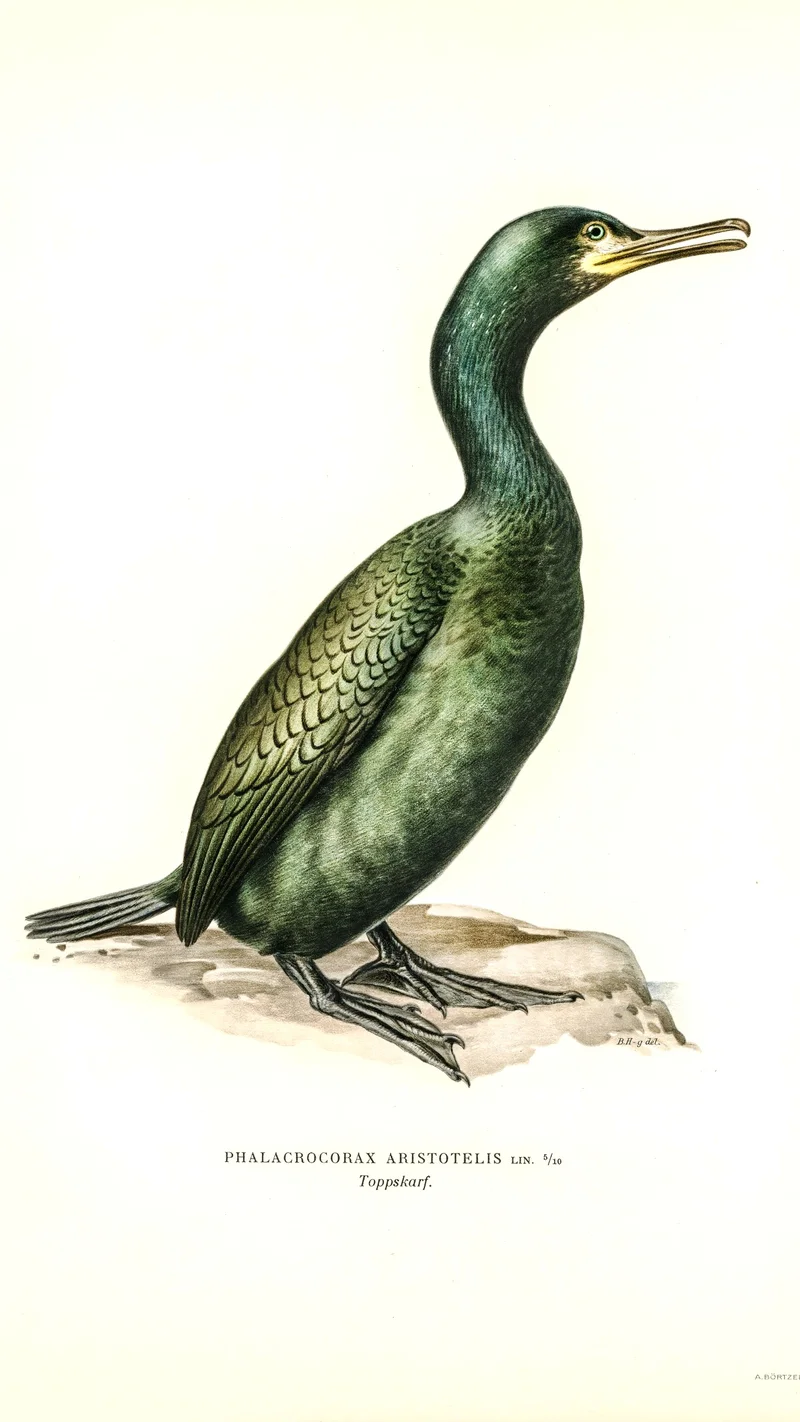
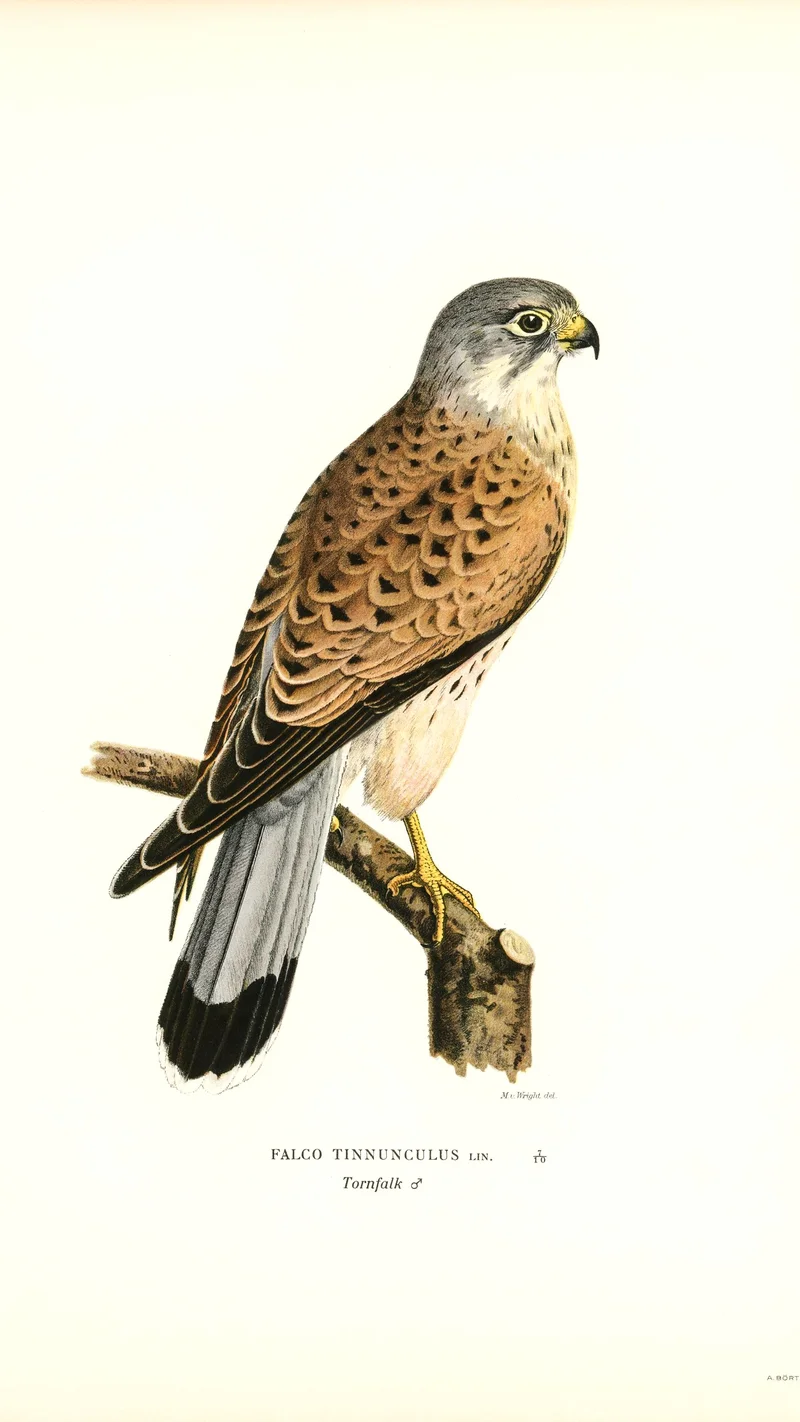
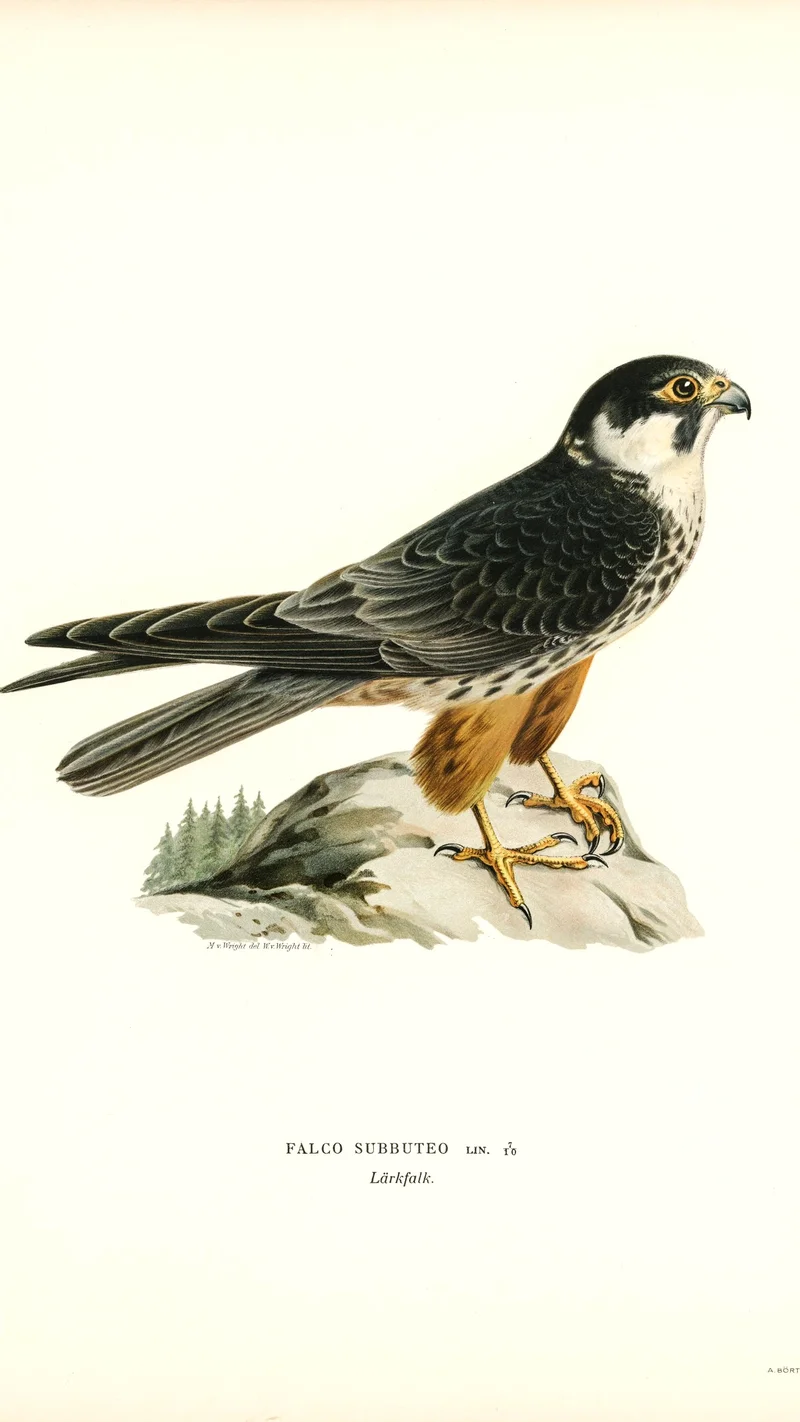
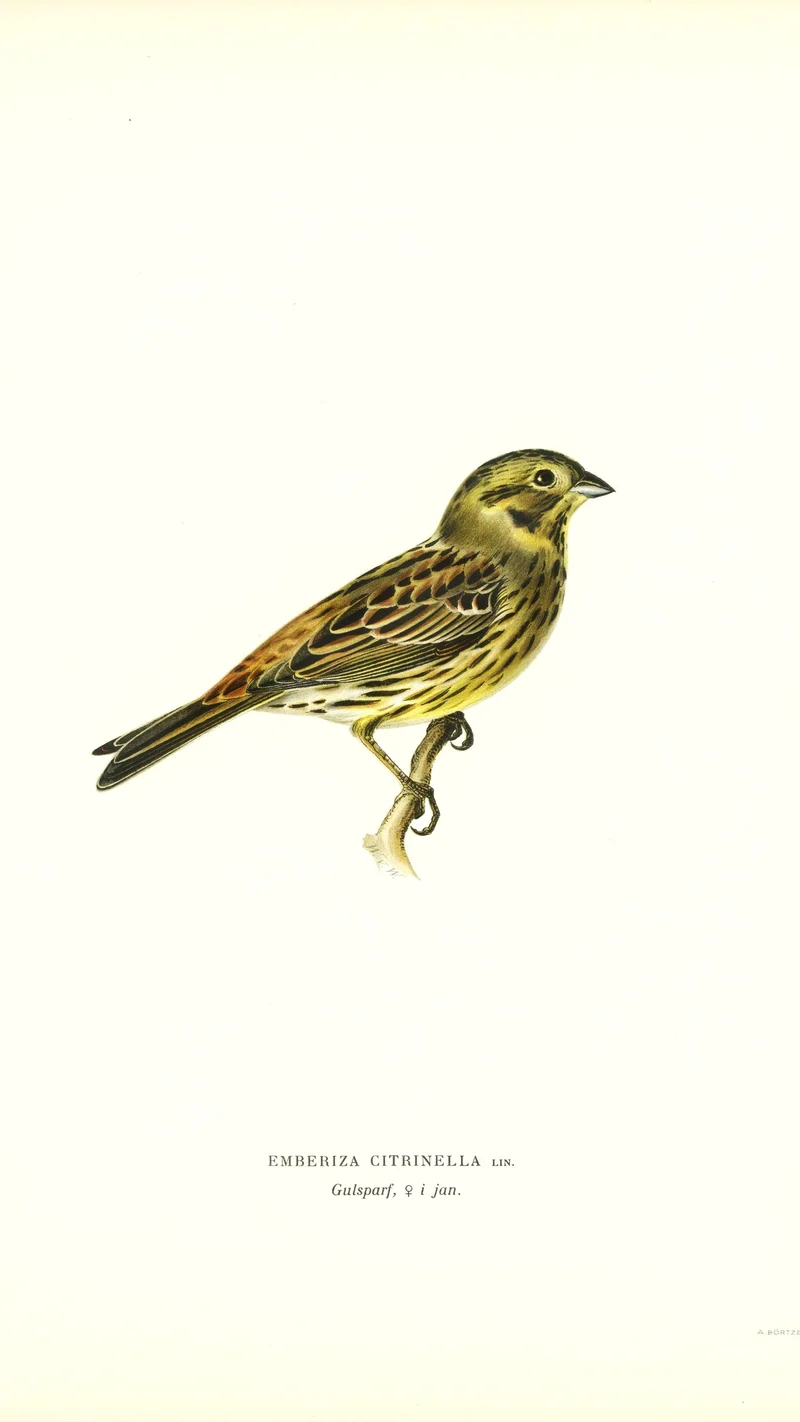
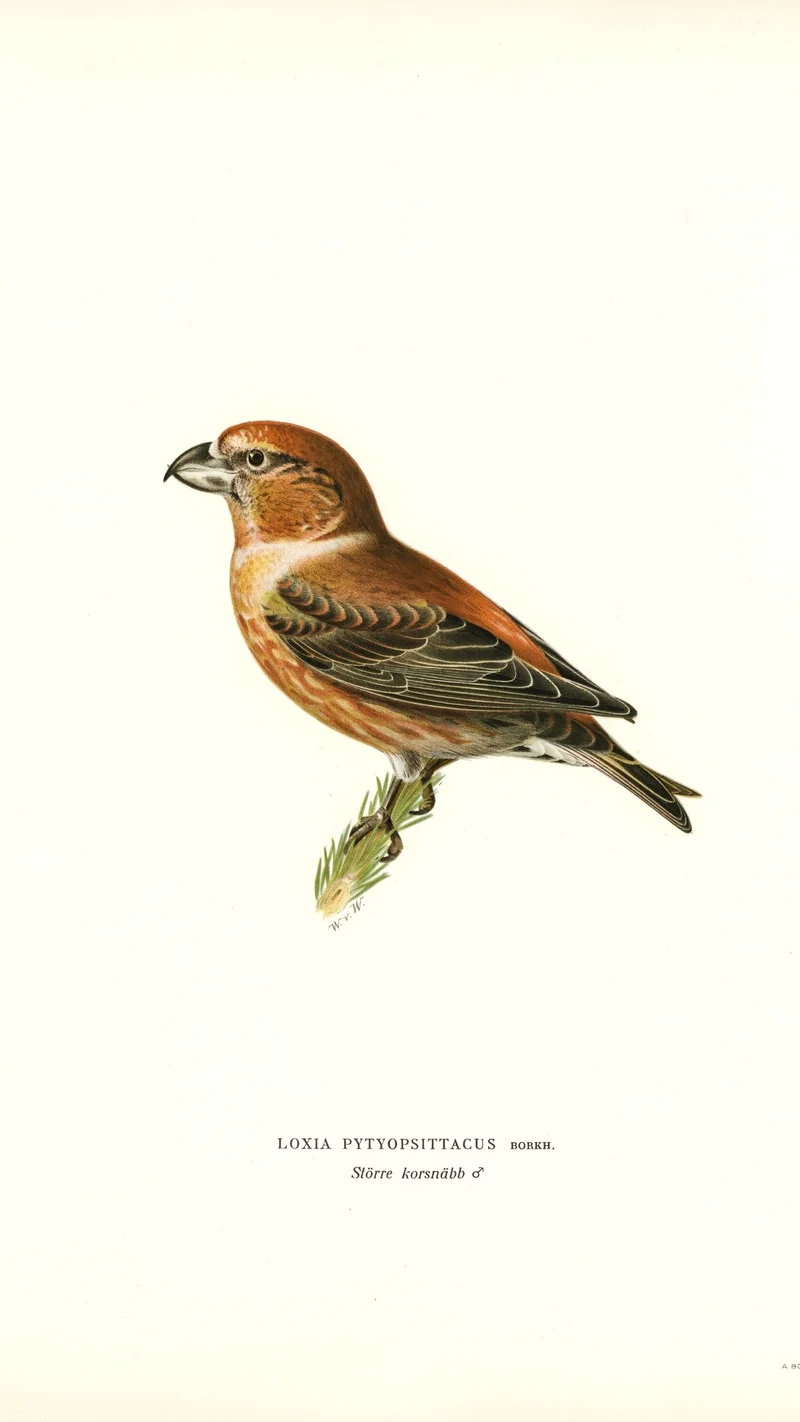
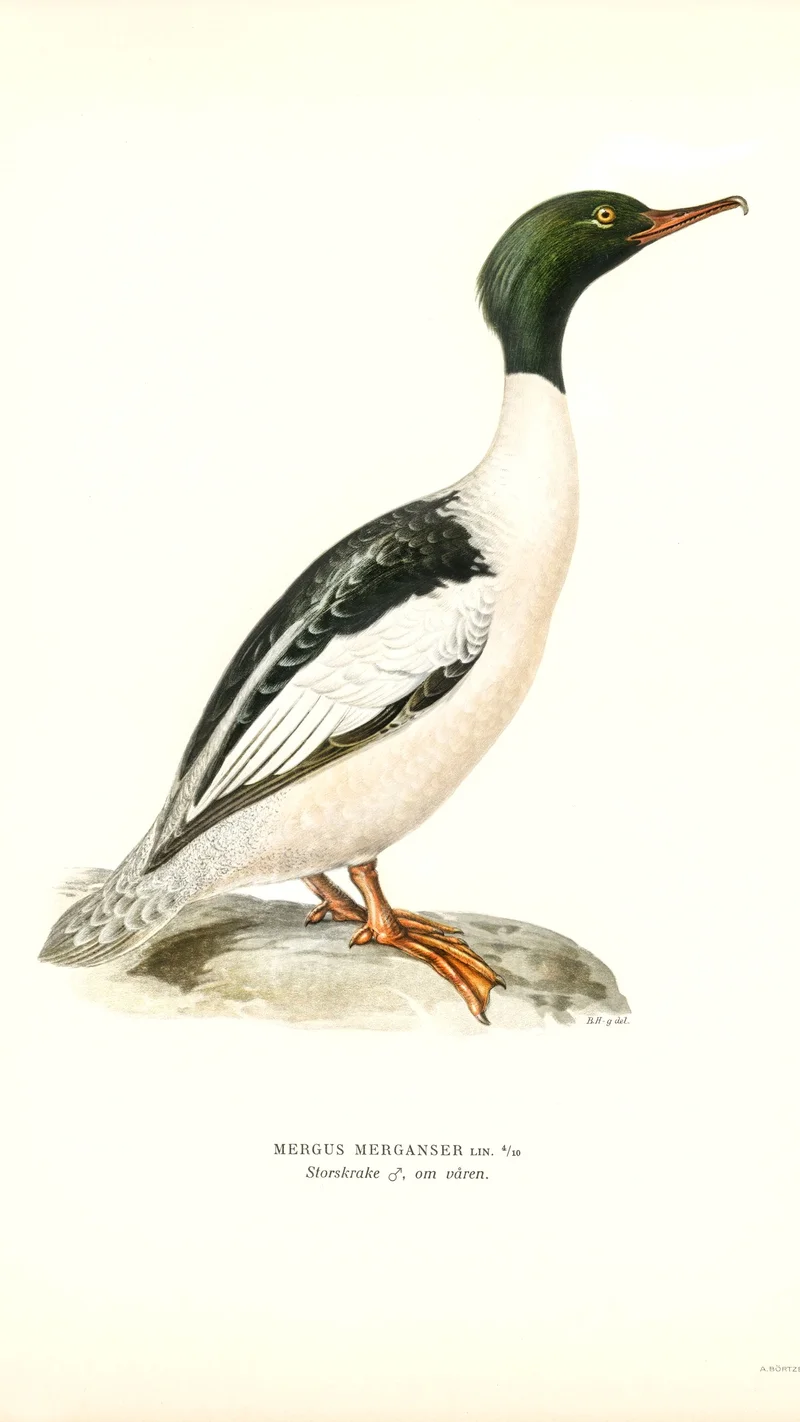
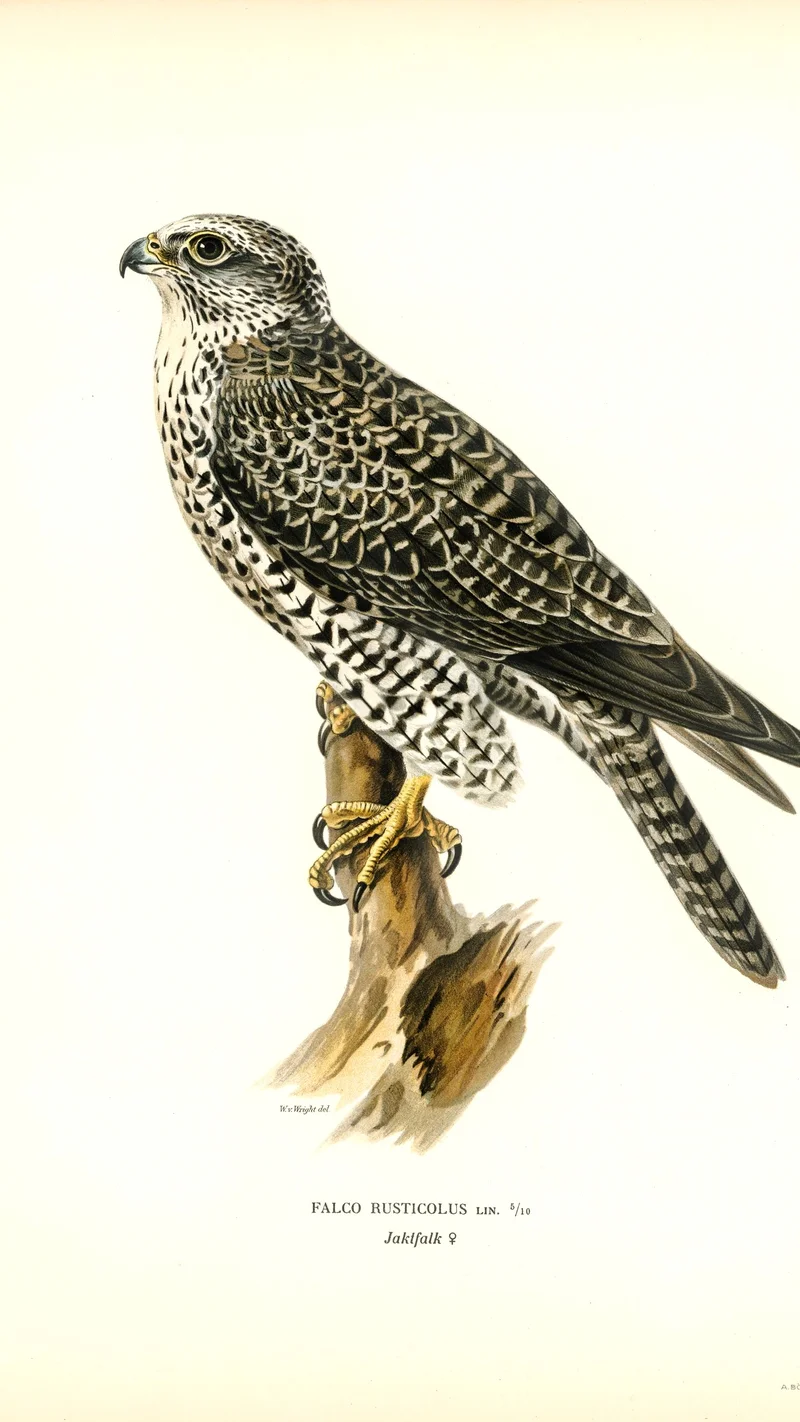
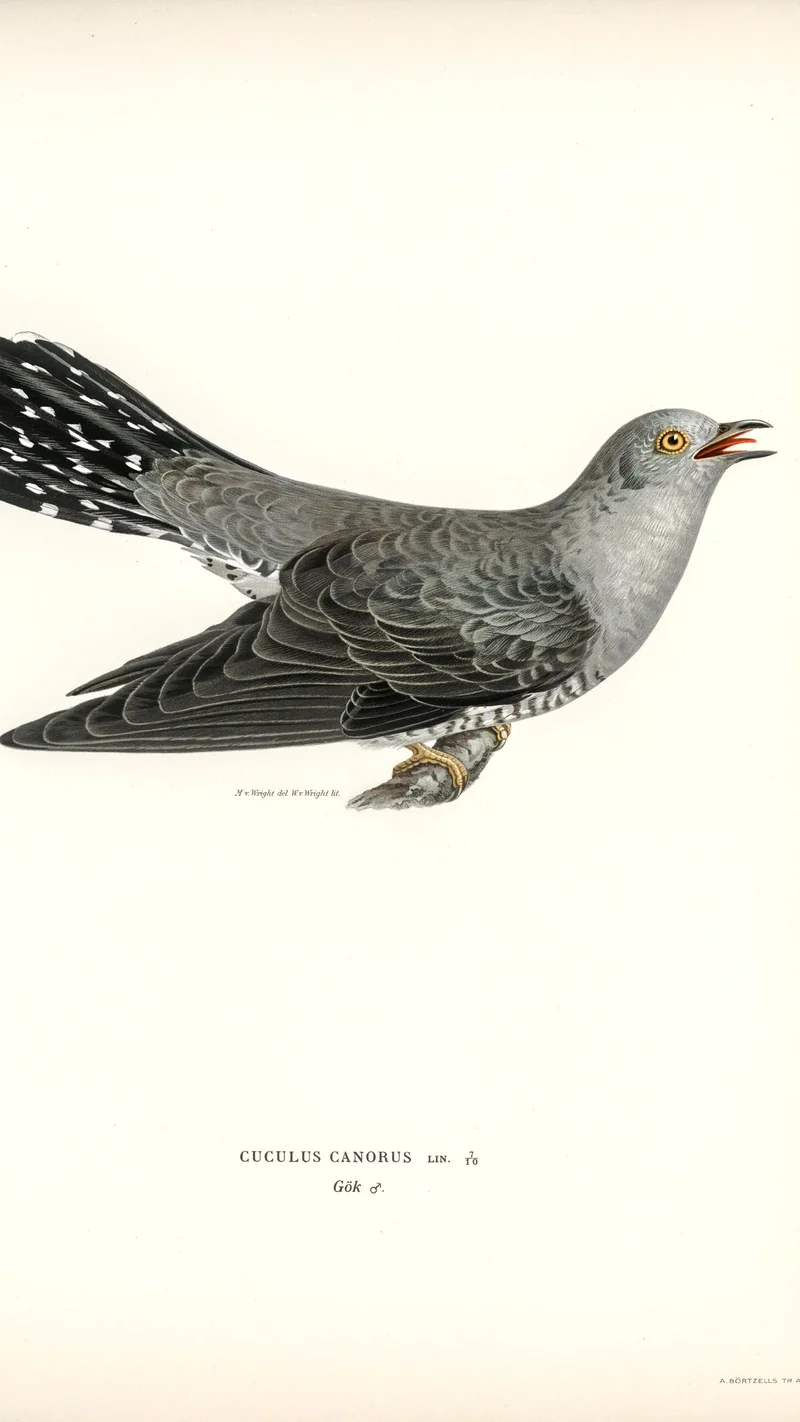
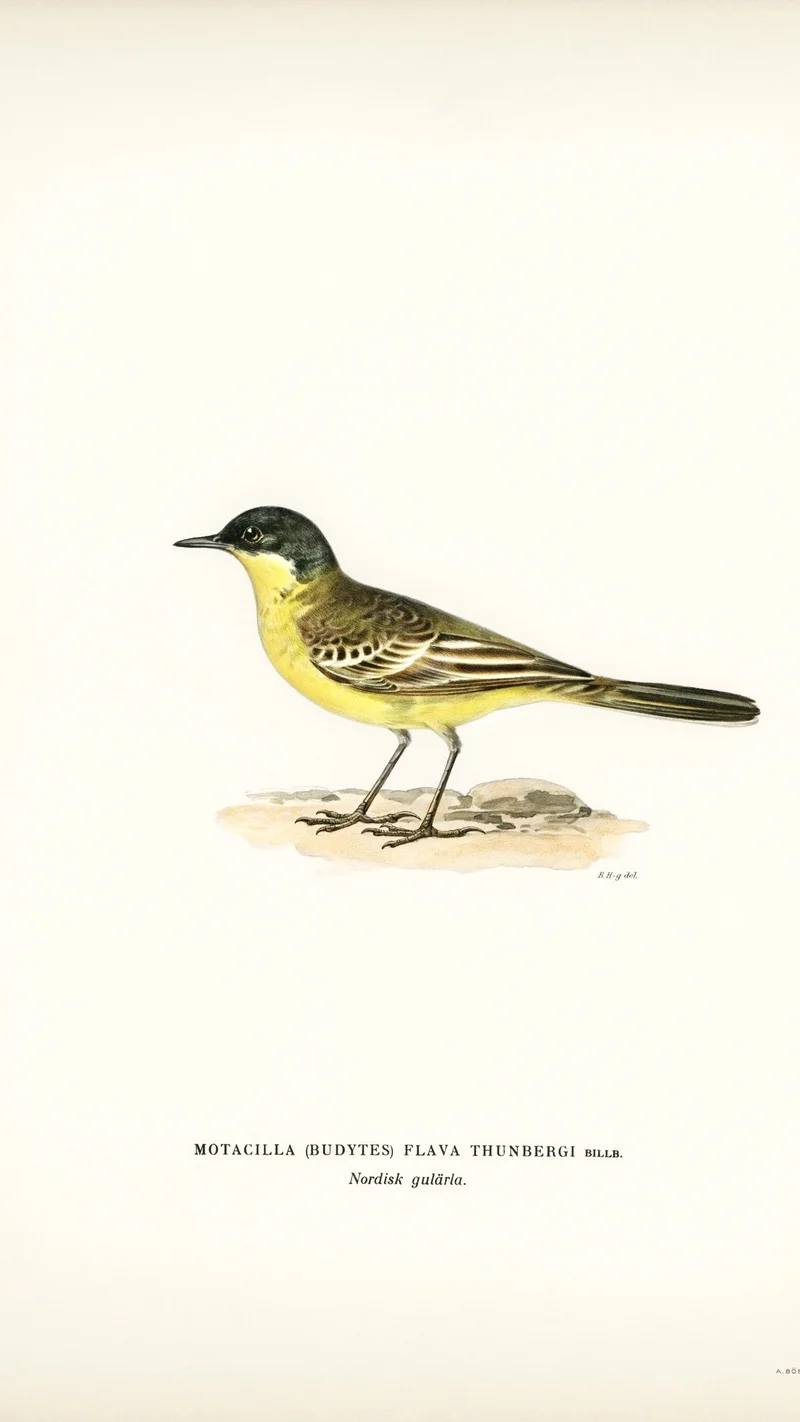
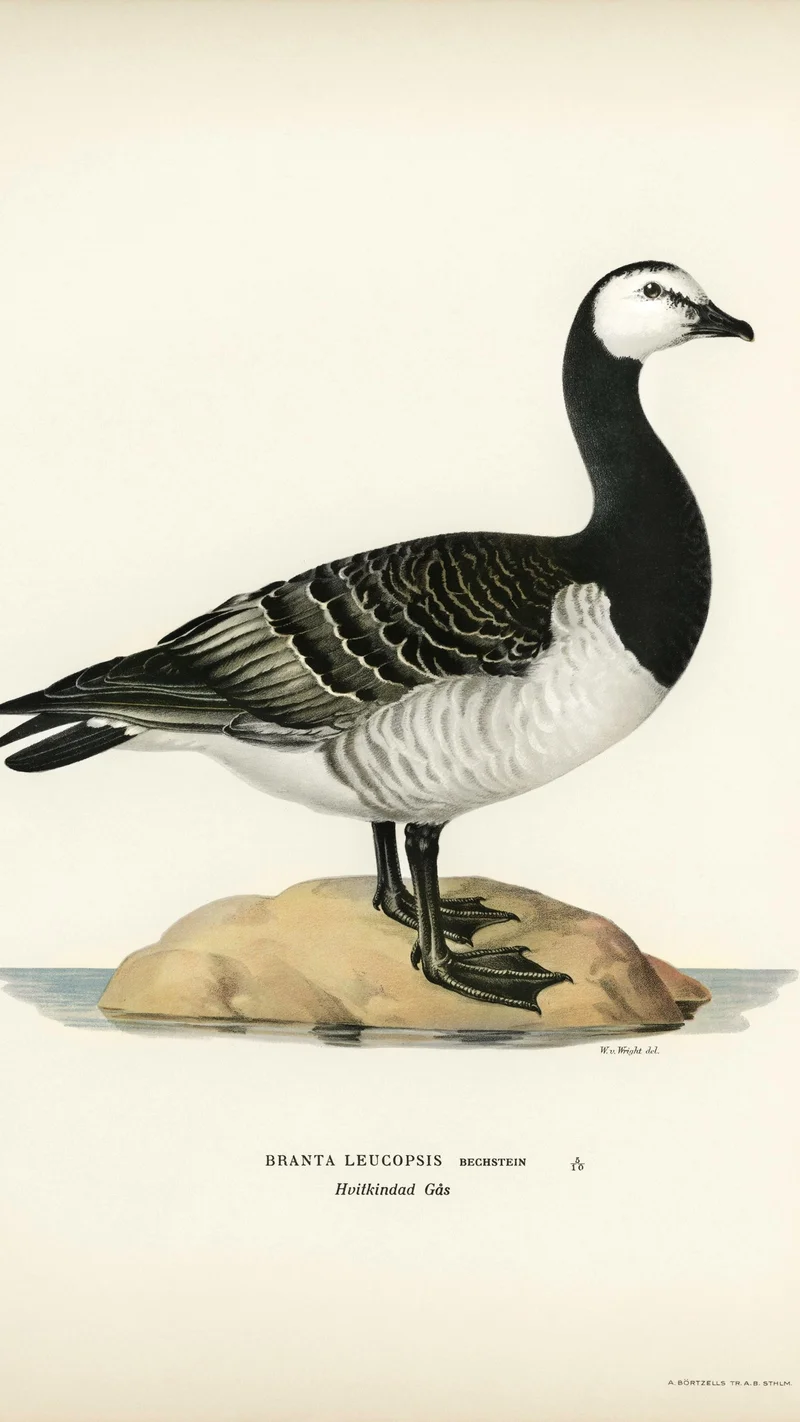
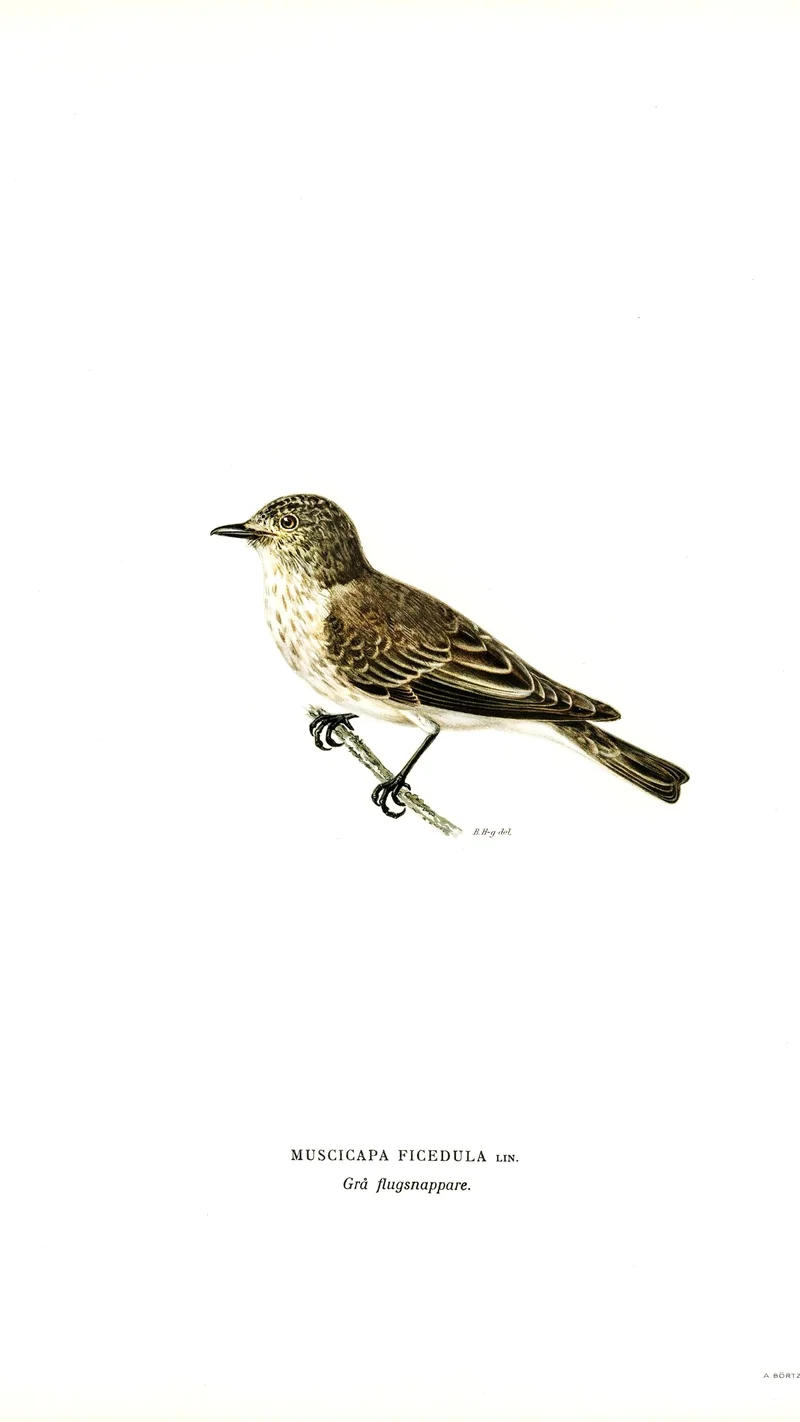
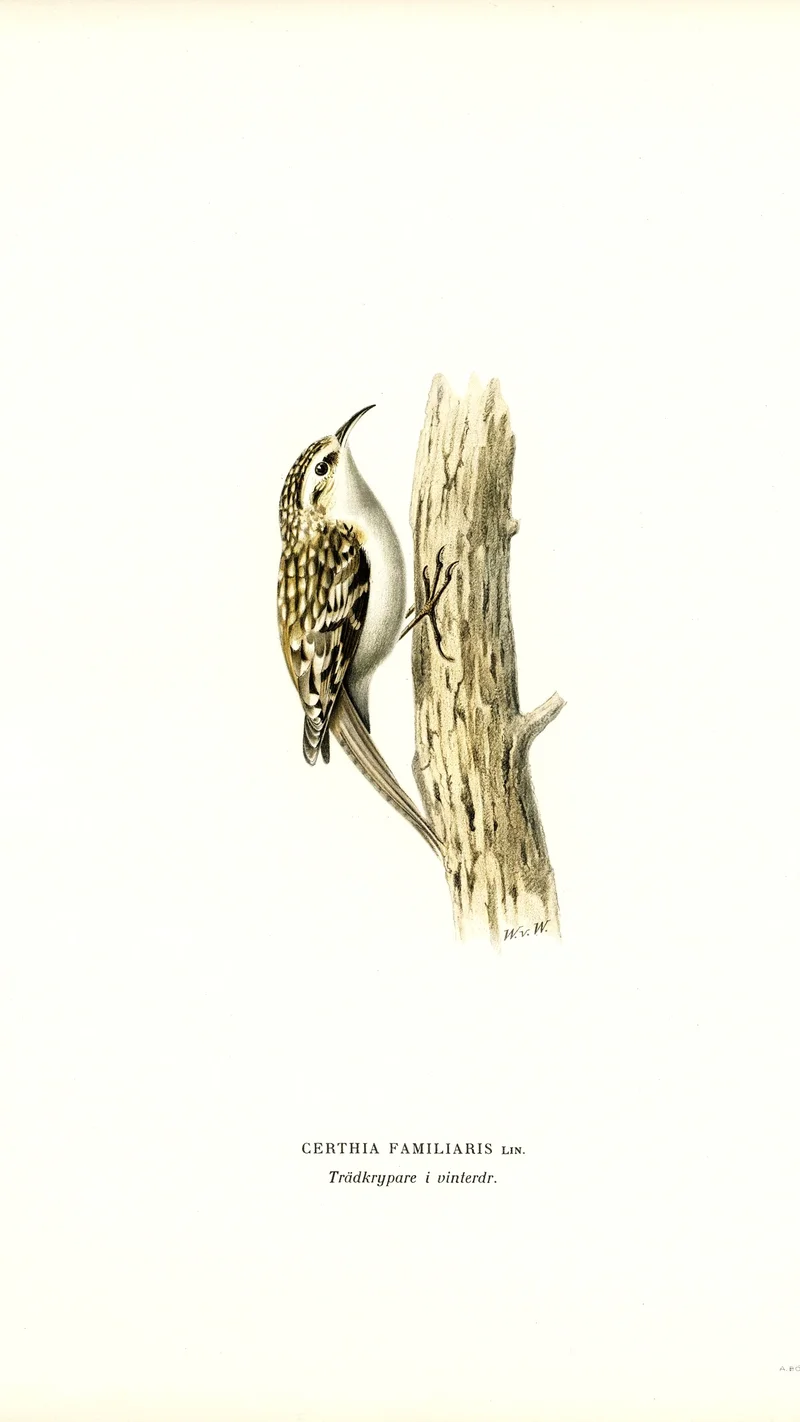
Wright’s technique is defined by a meticulous rendering of plumage and anatomical structure. His series from 1828 demonstrate this mastery, particularly in the detailed Illustrations of Coal Tit and Marsh Tit. His ability to differentiate subtle biological traits is further evident in his Nyroca Marila (Greater Scaup) - Illustration of Male and Female, where he emphasizes sexual dimorphism, and his precise rendering of the Eurasian Hobby (Falco subbuteo). Other significant works, such as the Common Cuckoo (Cuculus canorus), the Illustration of a Female Blackbird (Turdus Merula), and the Redwing (Turdus iliacus), highlight his commitment to capturing the specific character of each subject. Wright’s legacy persists through these works, which remain essential references for historical ornithology, demonstrating the enduring value of blending artistic discipline with scientific inquiry.