Academicism
70 artworks
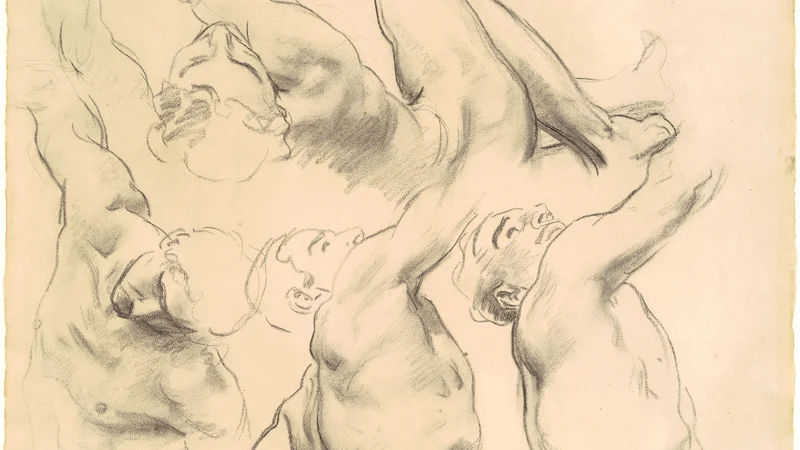
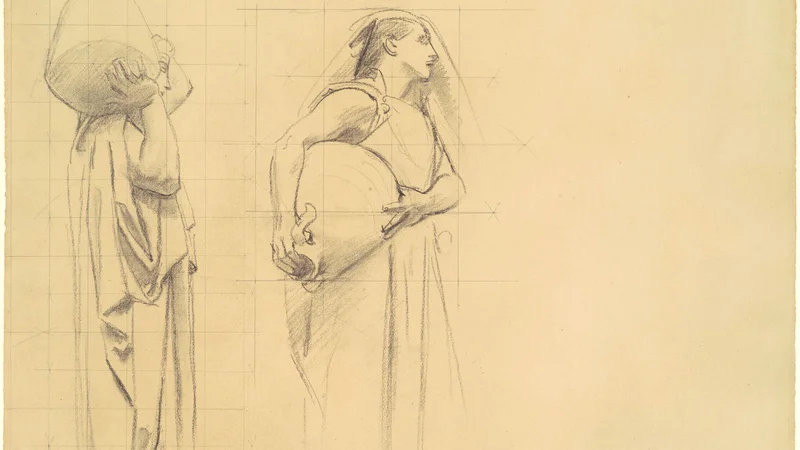
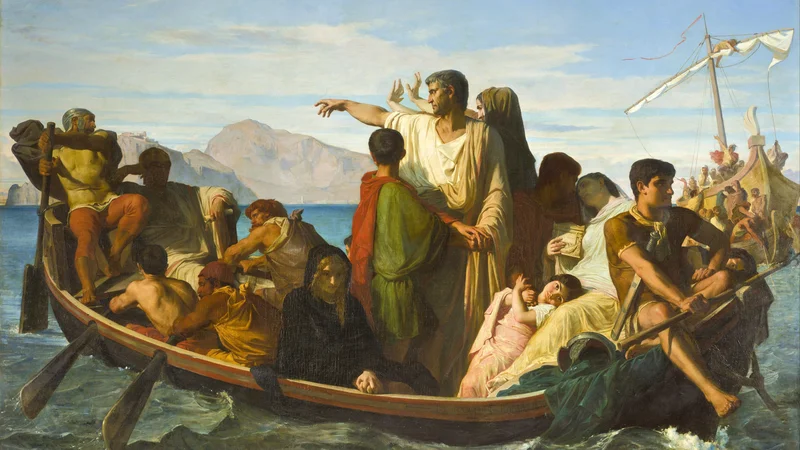
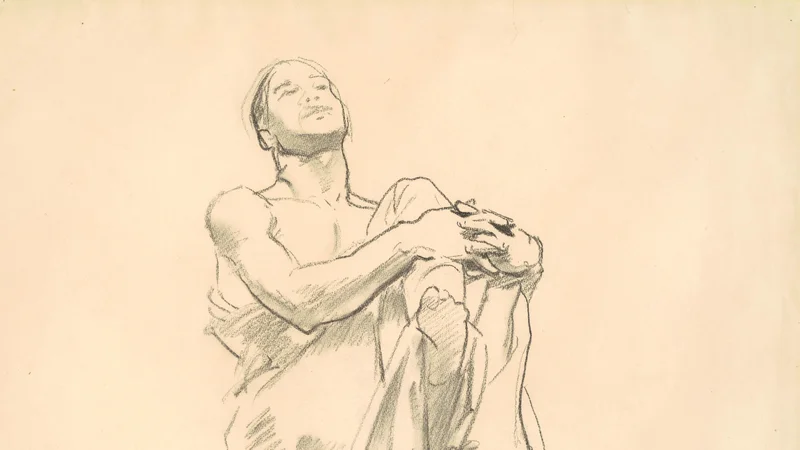
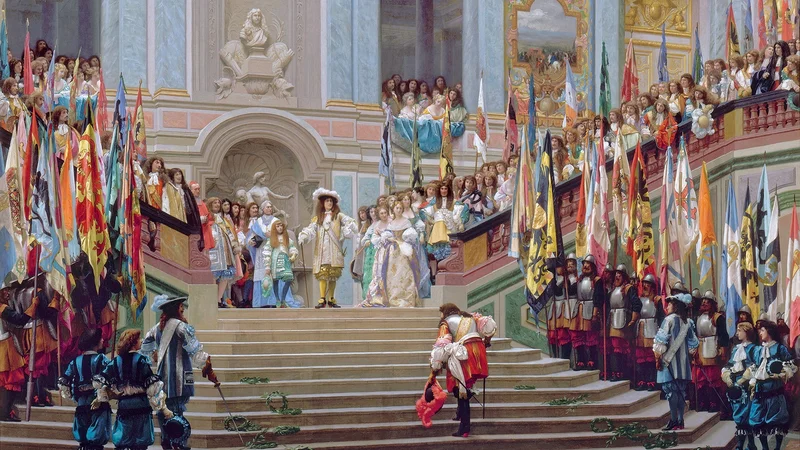
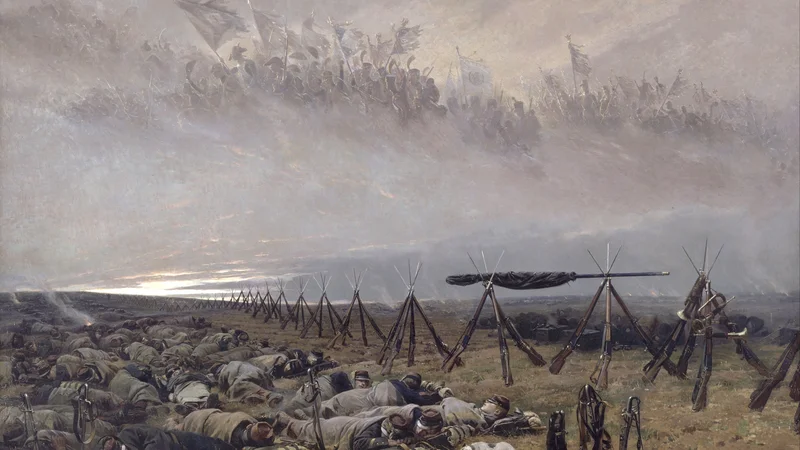
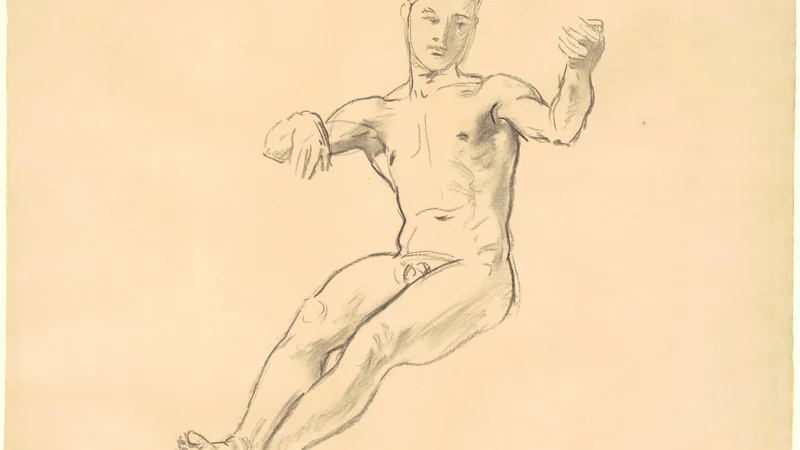
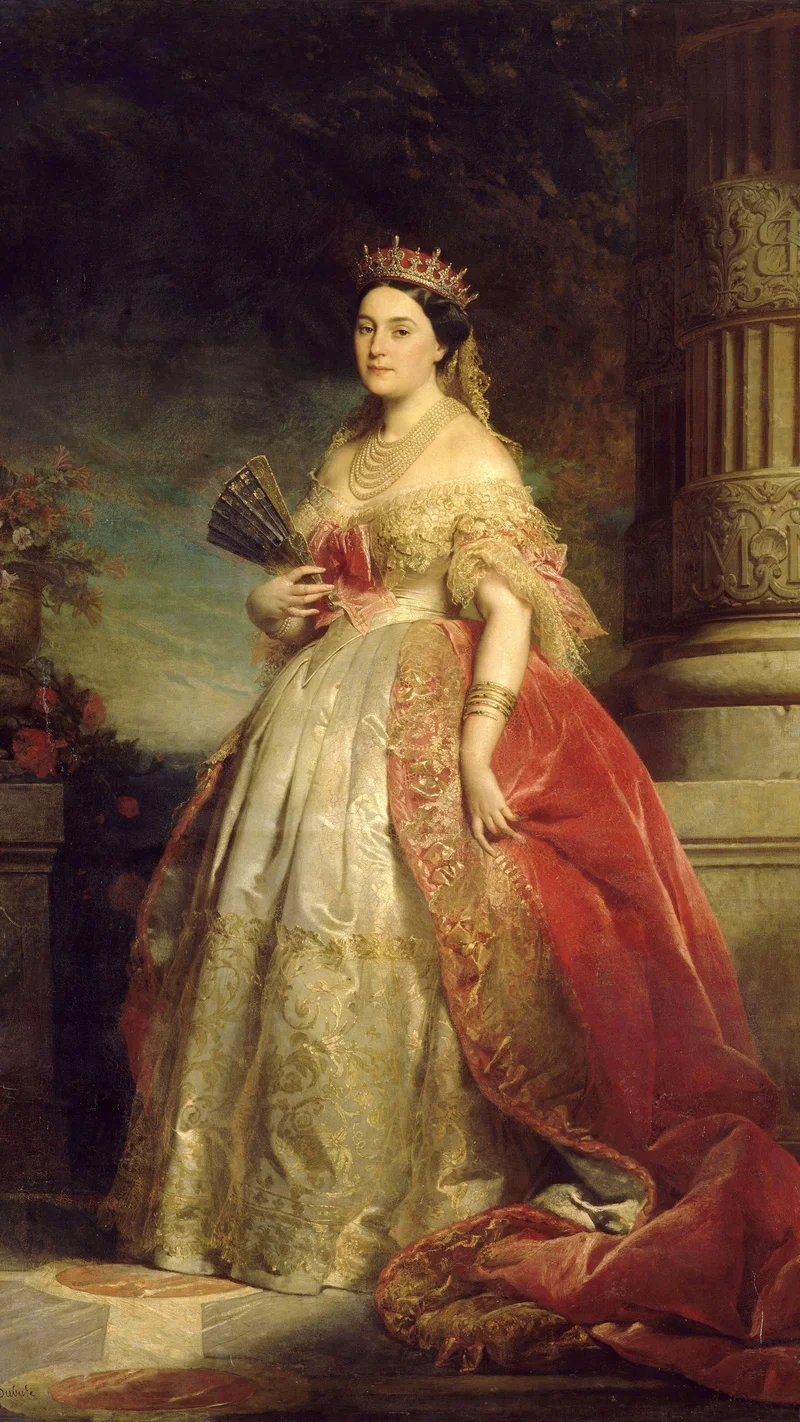
Academicism emerged from the rigorous pedagogical frameworks of European art academies, most notably the French Académie des Beaux-Arts, serving as the arbiter of aesthetic standards from the 17th through the late 19th centuries. The movement was defined by a strict adherence to idealized form, historical narrative, and a refined technical finish that sought to obscure the labor of the brush. Artists such as John Singer Sargent and Henryk Siemiradzki mastered a complex interplay of light and shadow, utilizing precise anatomical knowledge and sophisticated color theory to elevate the human figure in works like The Virgin, Saint John, and Saint Mary Magdalene at the Foot of the Crucifix. Compositional clarity was paramount, governed by classical proportions and balanced arrangements that prioritized legibility and moral gravity.
Technical Precision and Legacy
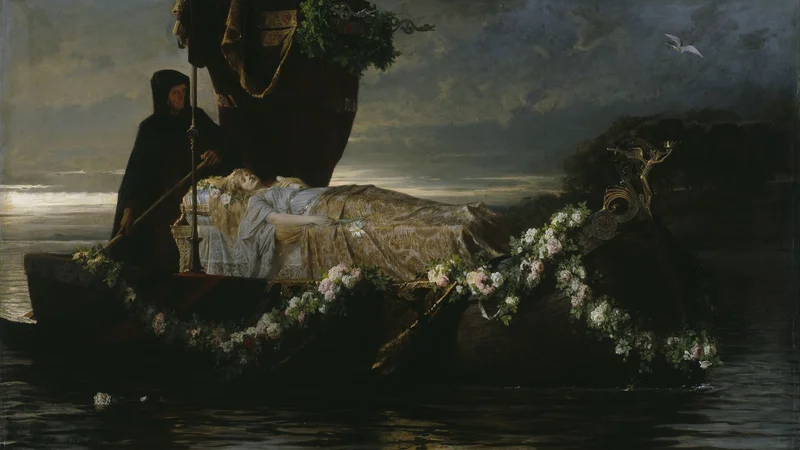
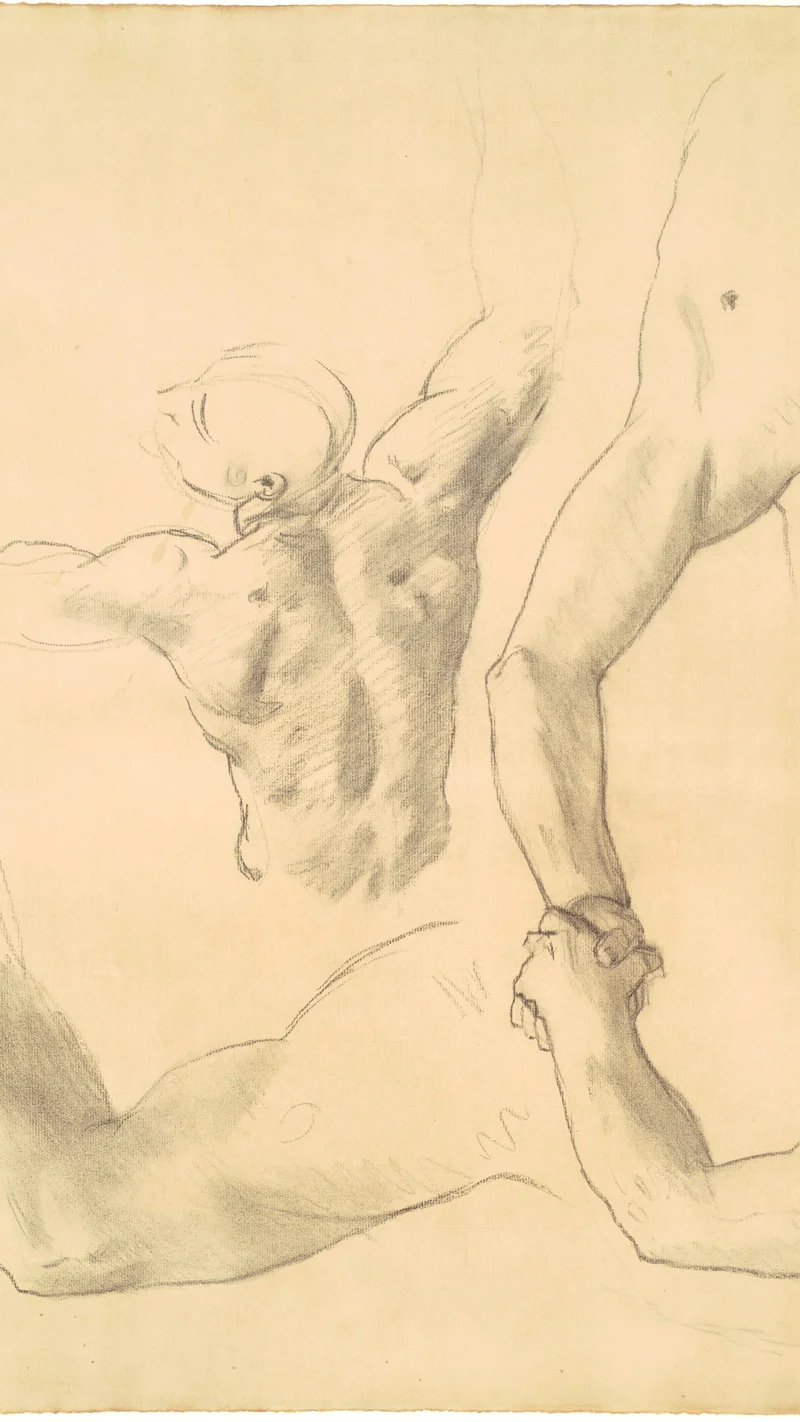
The technical innovations of the era are visible in the structural draftsmanship of John Vanderpoel and the dramatic narrative tension achieved by Toby Edward Rosenthal in pieces like Elaine. Alfred Freddy Krupa further underscores the movement’s technical endurance, emphasizing the mastery of line and light. Academicism functioned as an intellectual bridge, codifying the principles of perspective and anatomy while preparing the groundwork for the modern era’s technical evolution. By demanding a synthesis of historical erudition and virtuoso execution—exemplified by works such as The Dream and He ran toward the horse and seized the bridle—Academicism solidified the artist’s role as a scholar-practitioner, leaving a profound impact on the trajectory of Western figurative art.