Fauvism
92 artworks
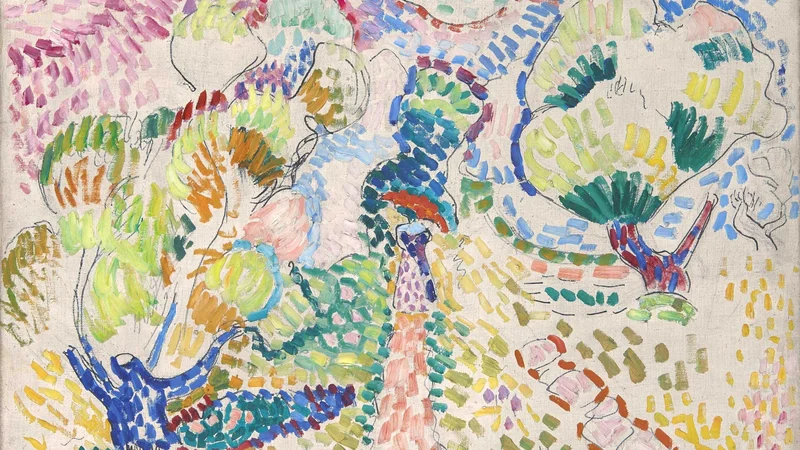
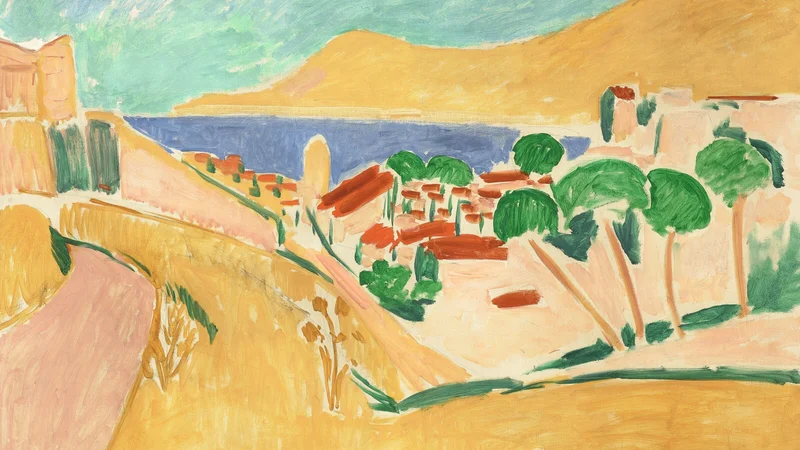
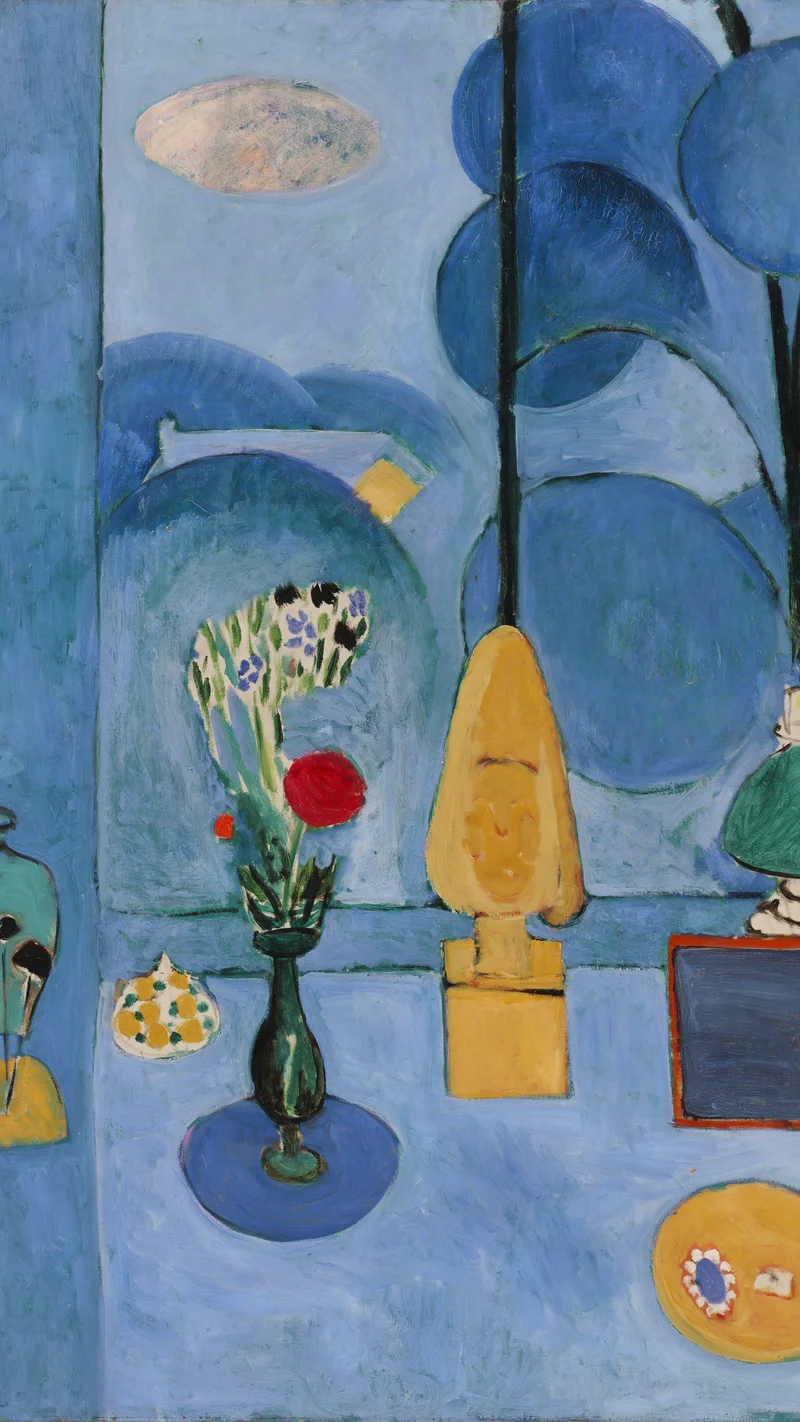
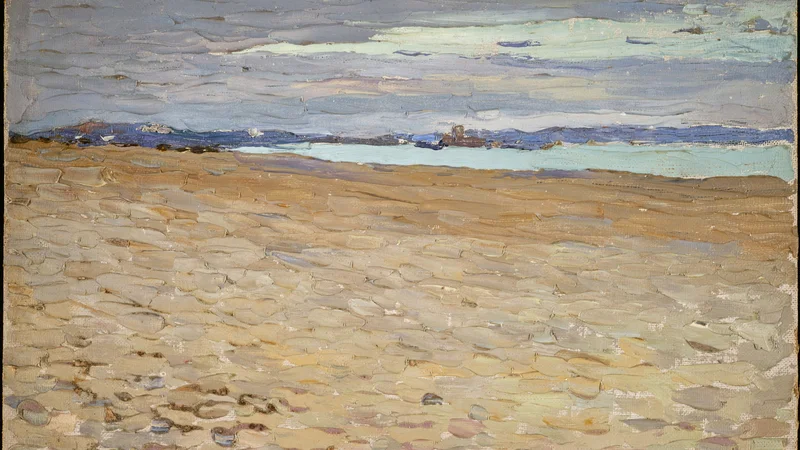
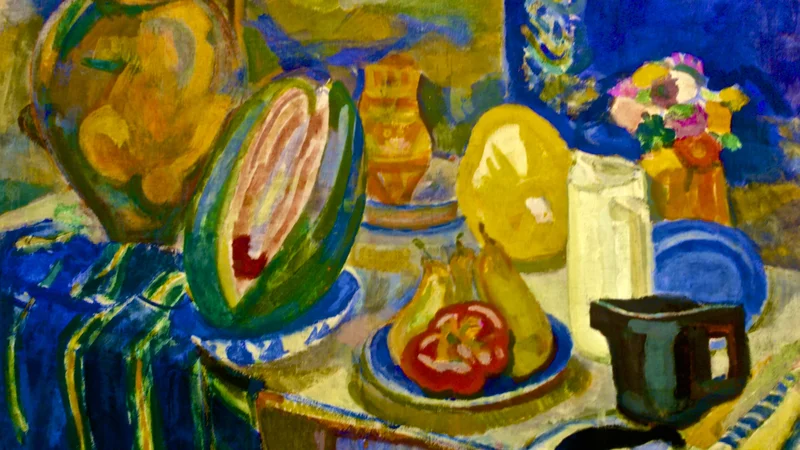
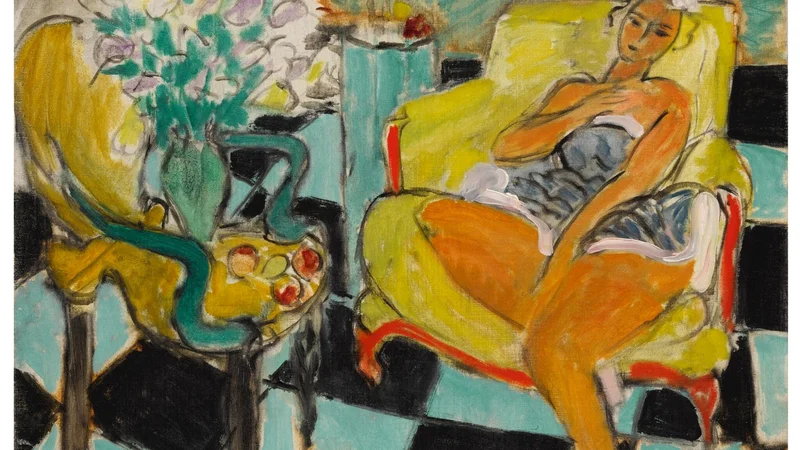
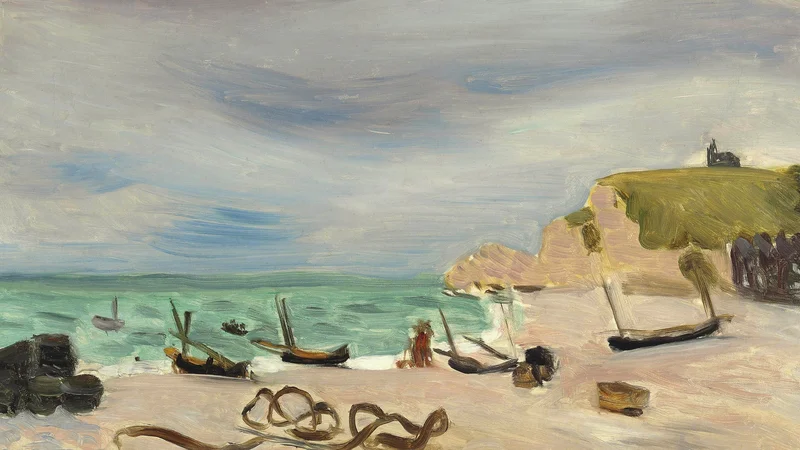
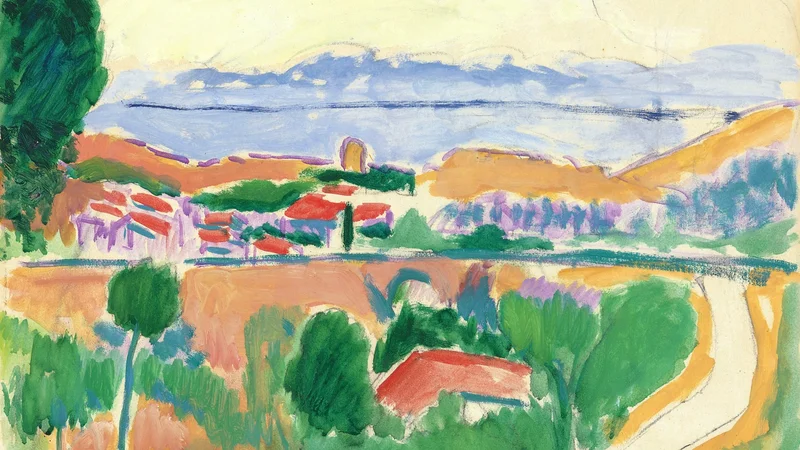
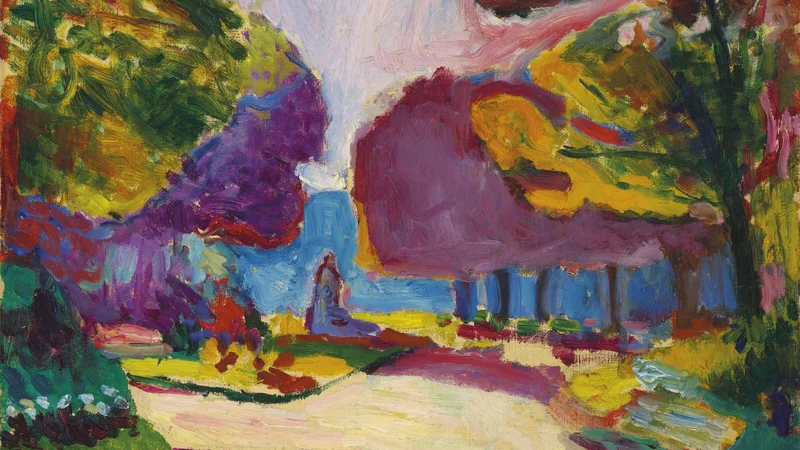
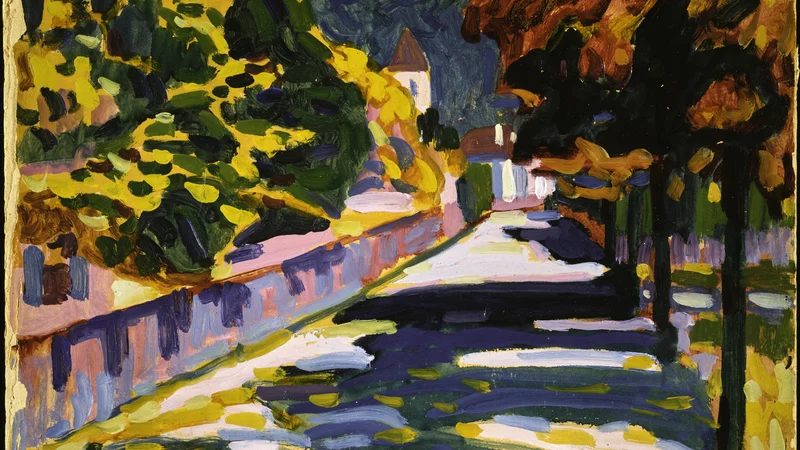
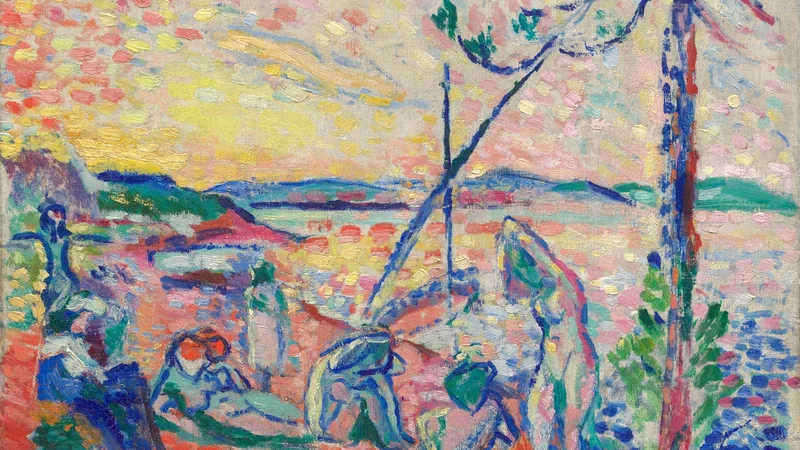
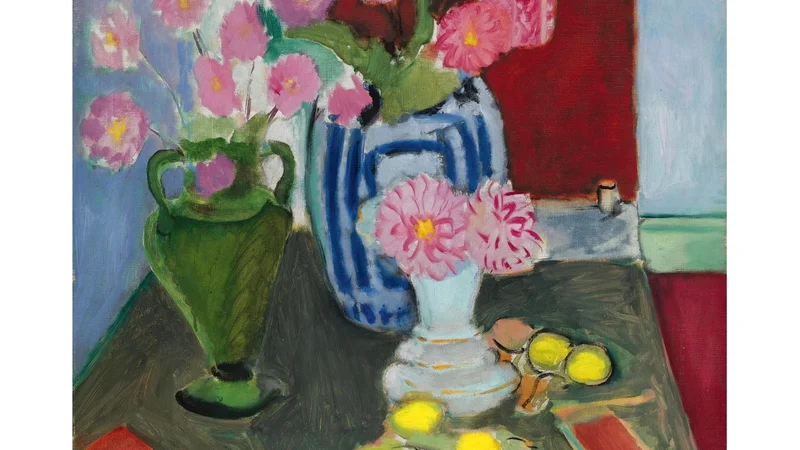
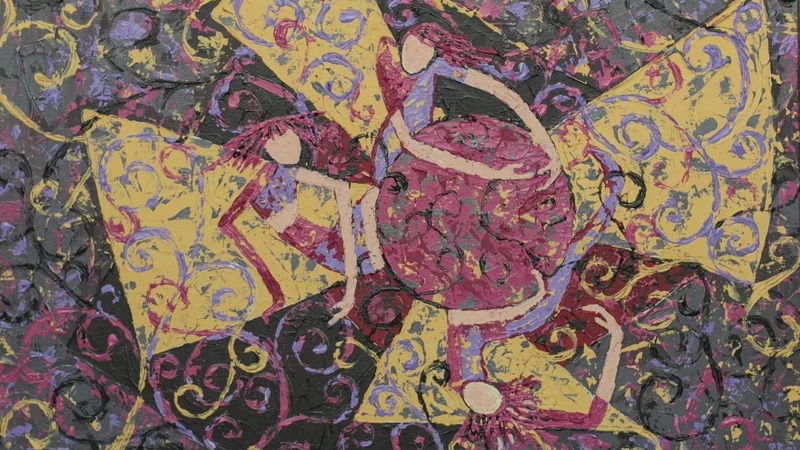
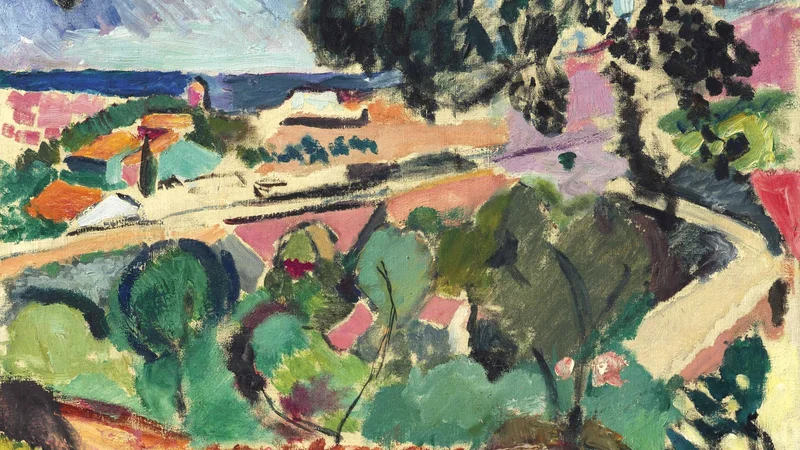
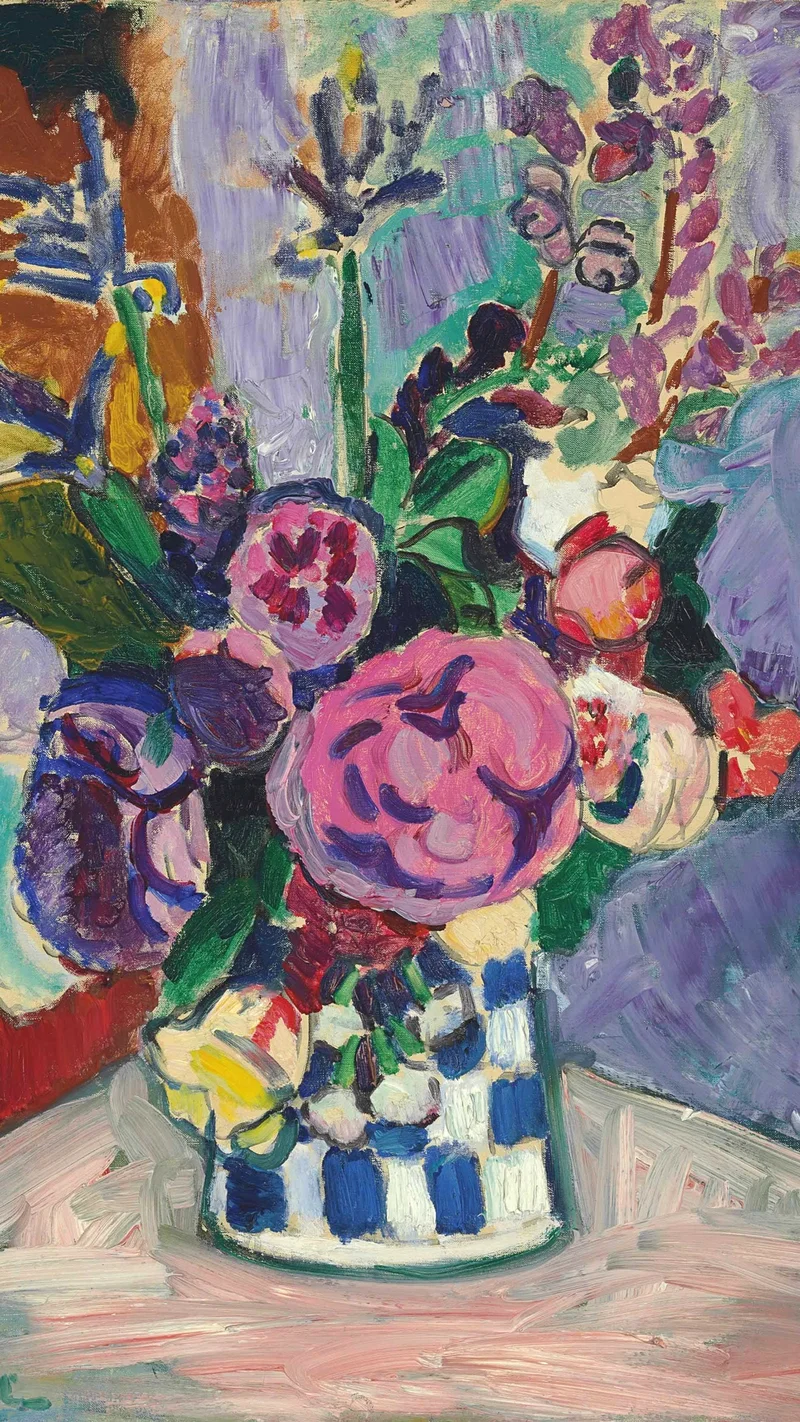
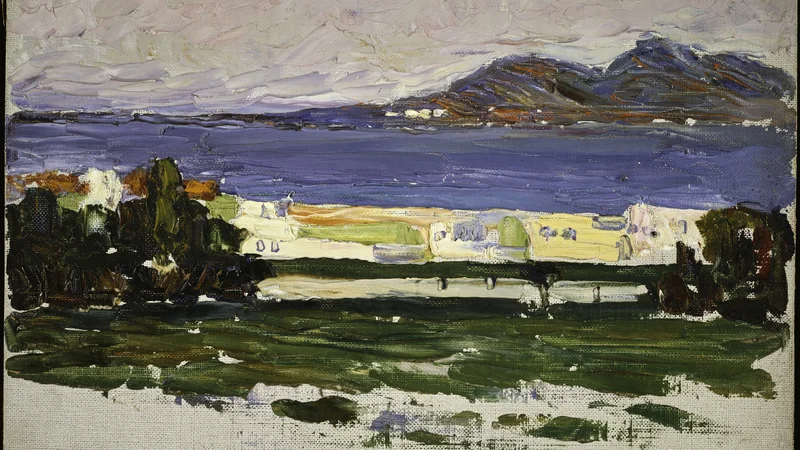
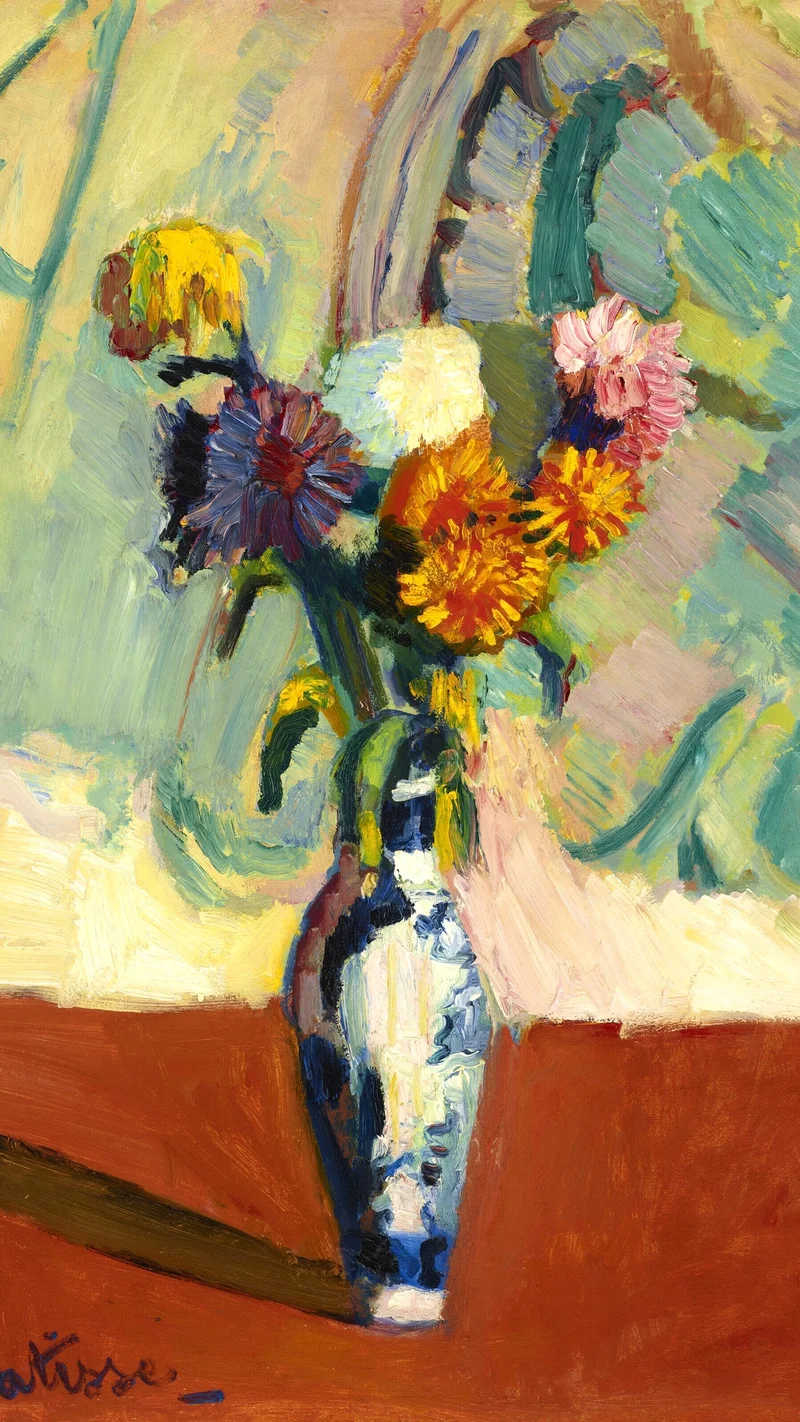
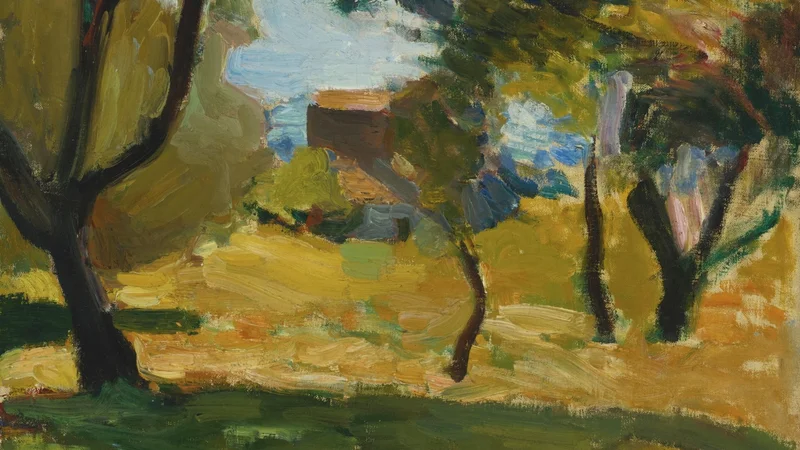
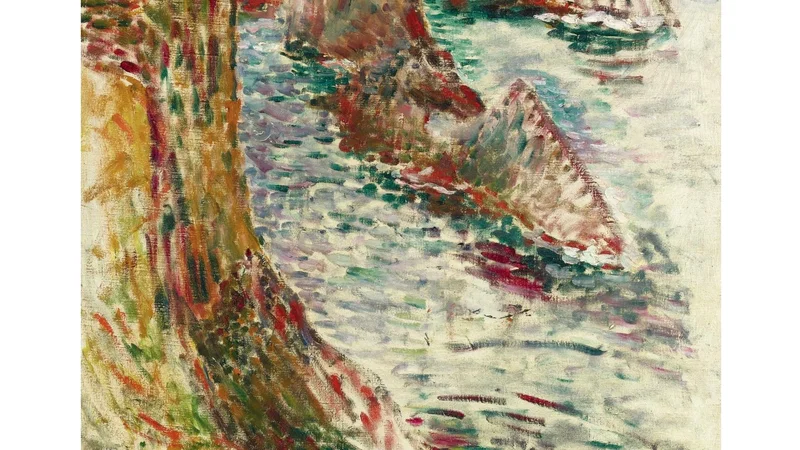
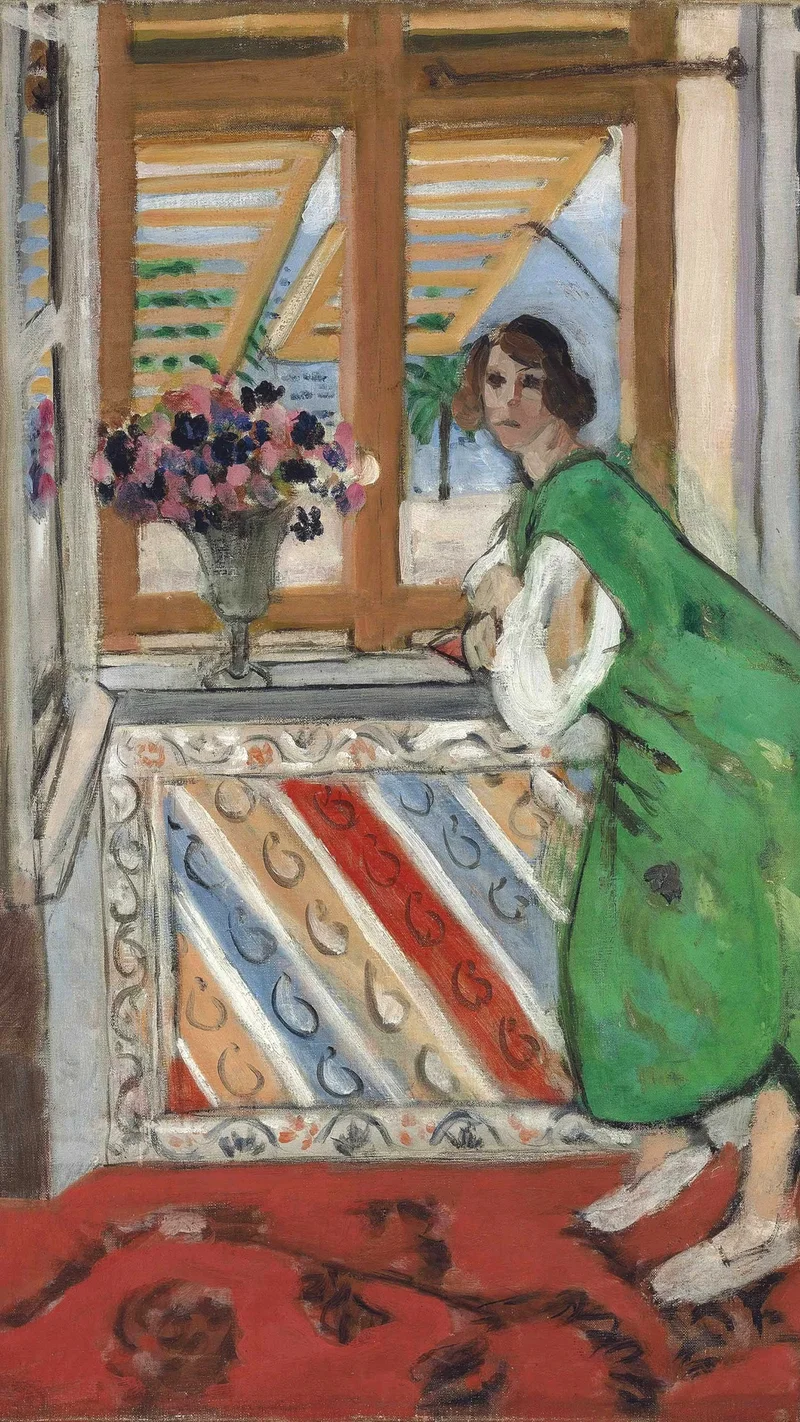
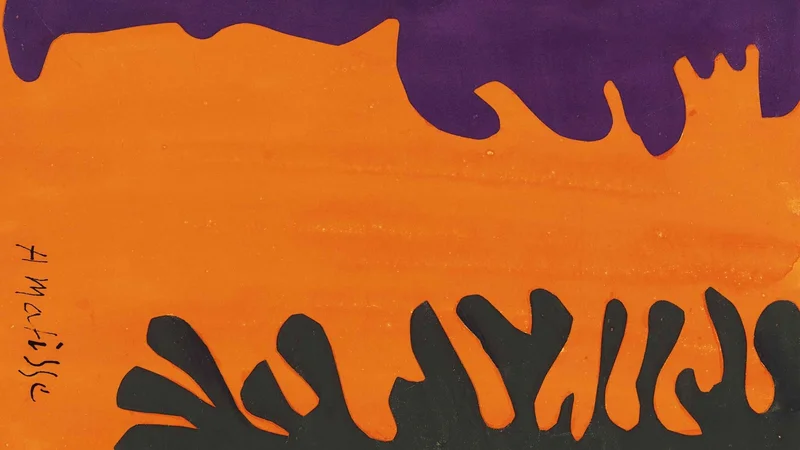
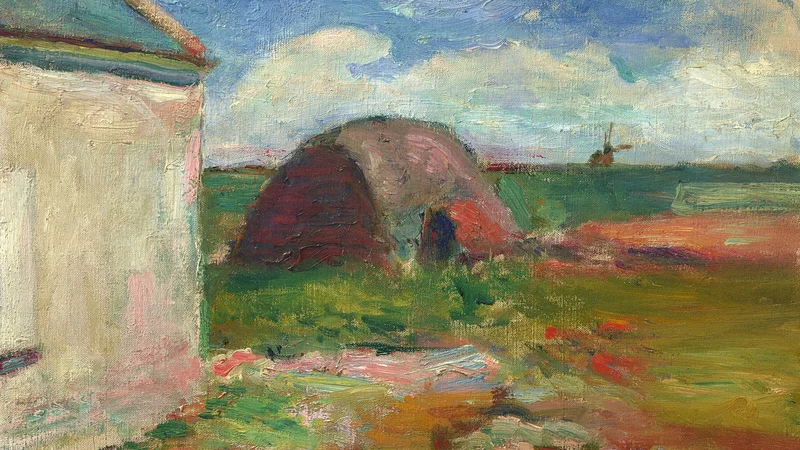
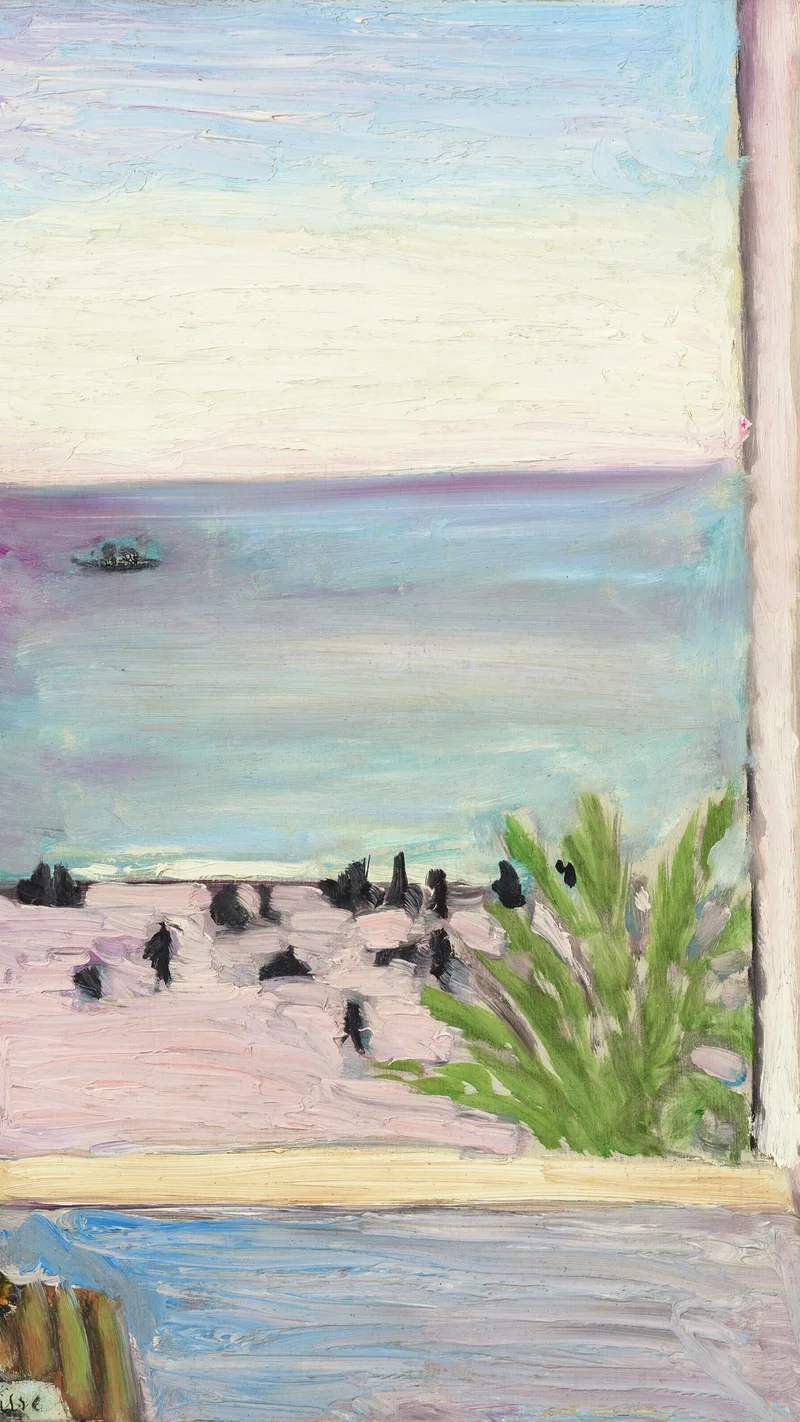
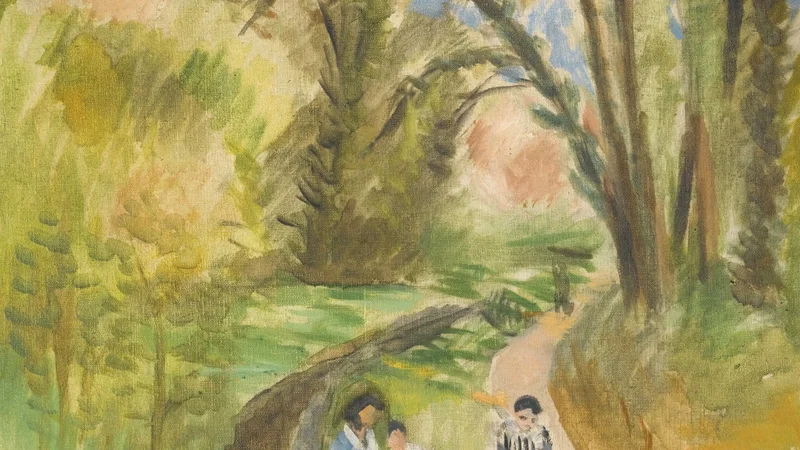
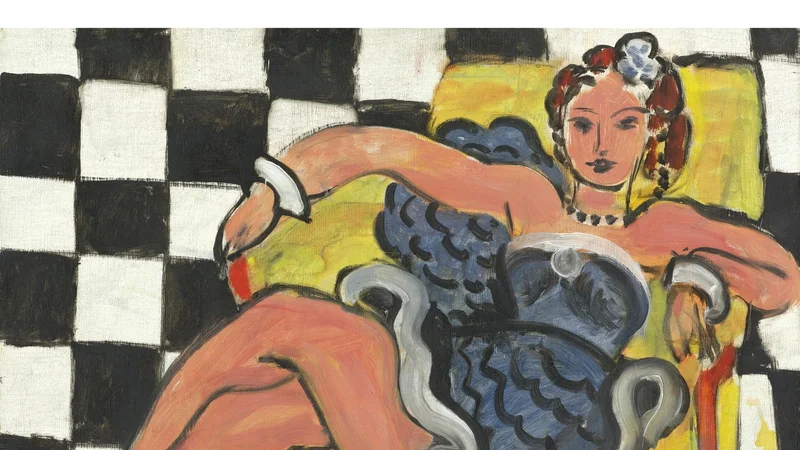
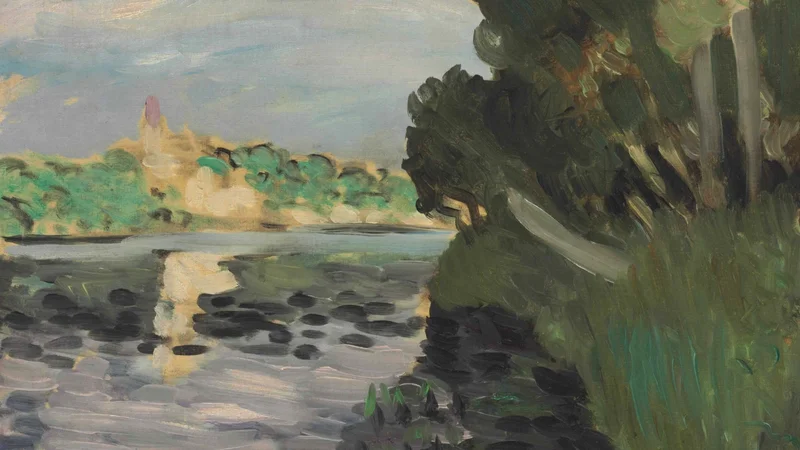
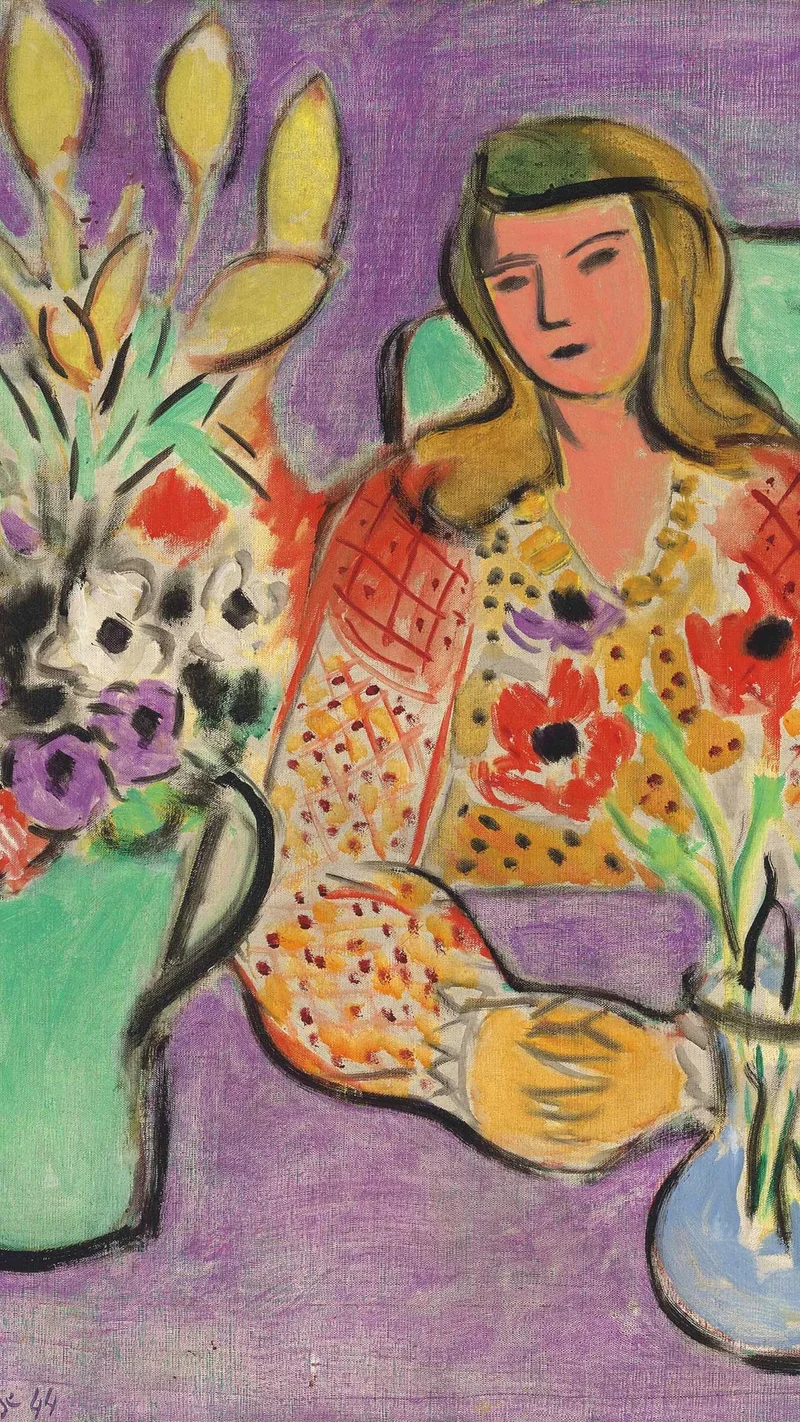
Emerging in the early 20th century, primarily centered in the sun-drenched environs of Collioure, Fauvism represented a radical departure from the descriptive naturalism of the preceding century. Led by Henri Matisse, alongside contemporaries such as Maurice Denis, Wassily Kandinsky, Robert Delaunay, and Marina Raiskina, these painters prioritized the autonomy of color over representational fidelity. Works such as Olive Trees at Collioure and View of Collioure exemplify this aesthetic, where discordant, saturated pigments were applied with unmodulated intensity to liberate the canvas from the constraints of traditional modeling and perspective.
The Philosophical Catalyst
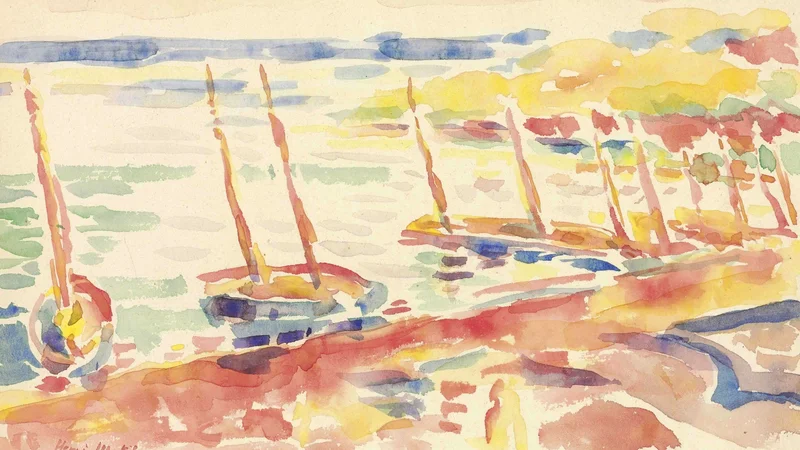
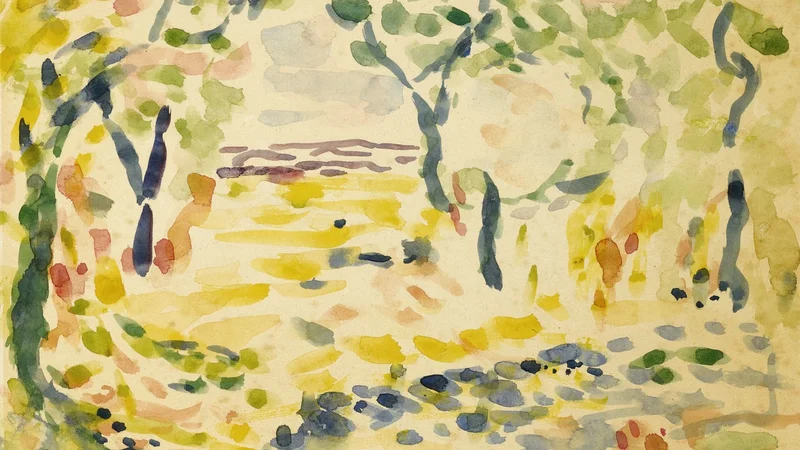
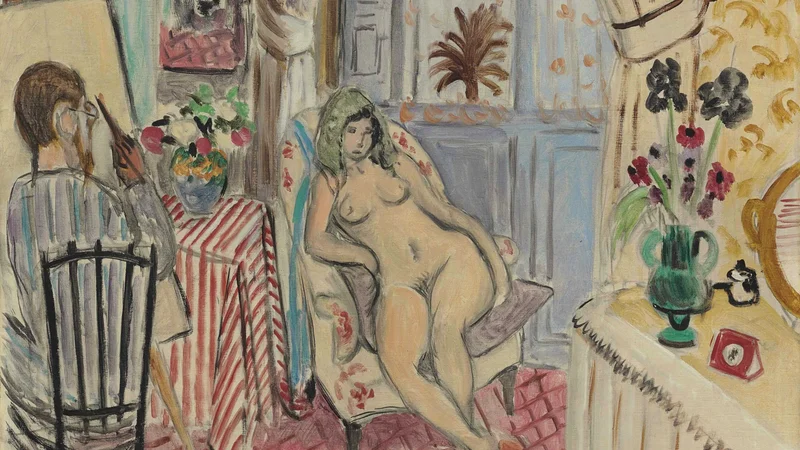
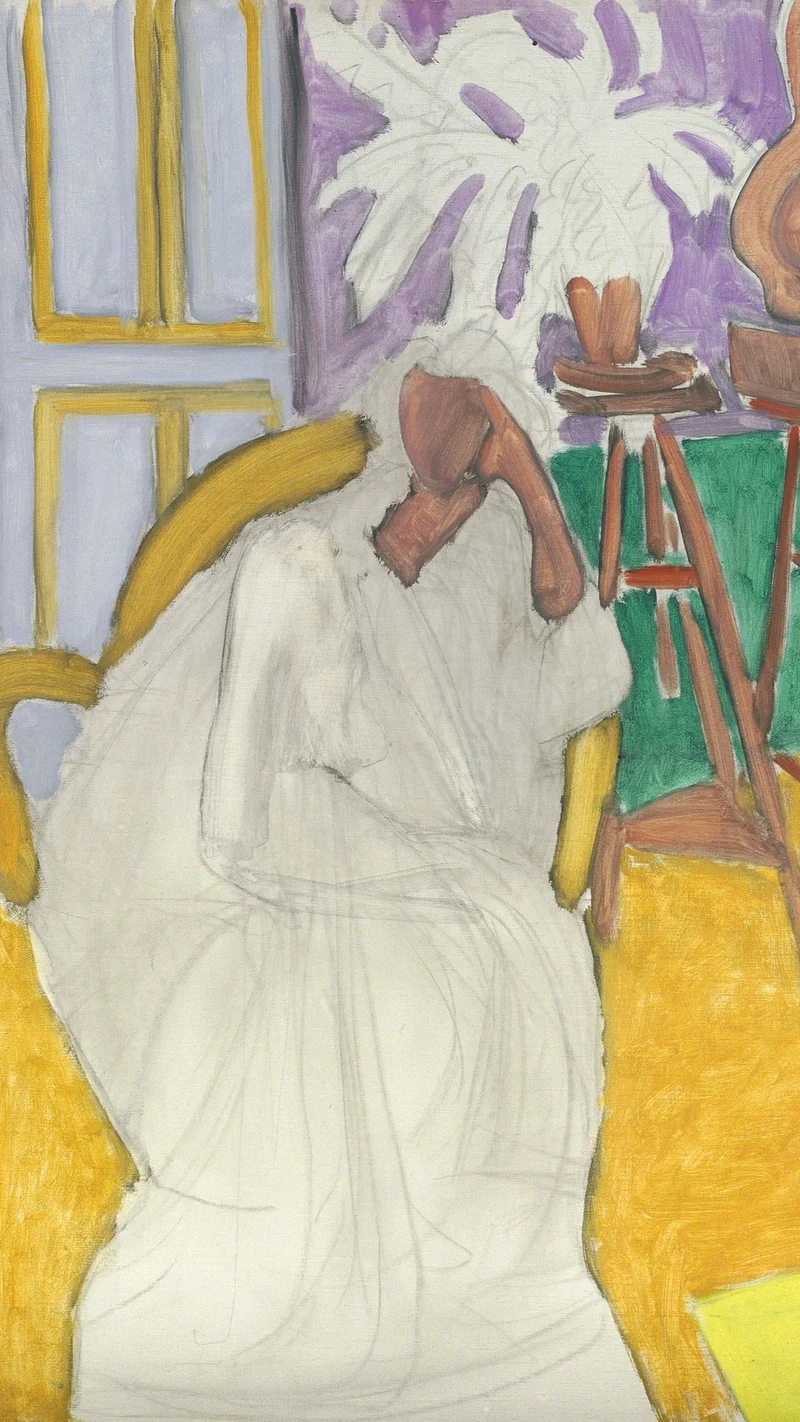
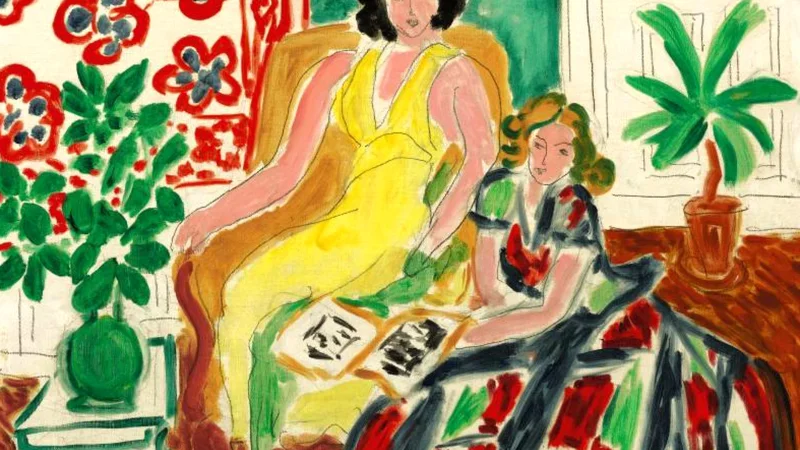
This movement, characterized by the critics of the time as that of the fauves or 'wild beasts,' sought to express emotional resonance through the structural application of pure color. In compositions like Landscape at Collioure, Collioure in August, and the complex interplay of figures in The Artist and the Nude Model and Yellow Dress and Harlequin Dress (Nezy and Lydia), the artists replaced local color with an intuitive, subjective palette. By elevating the act of painterly expression above mimicry, Fauvism functioned as a critical bridge between Post-Impressionism and the subsequent development of abstraction, fundamentally altering the trajectory of modern art by asserting that the artist’s inner vision superseded the objective observation of reality.