Robert Delaunay
16 artworks
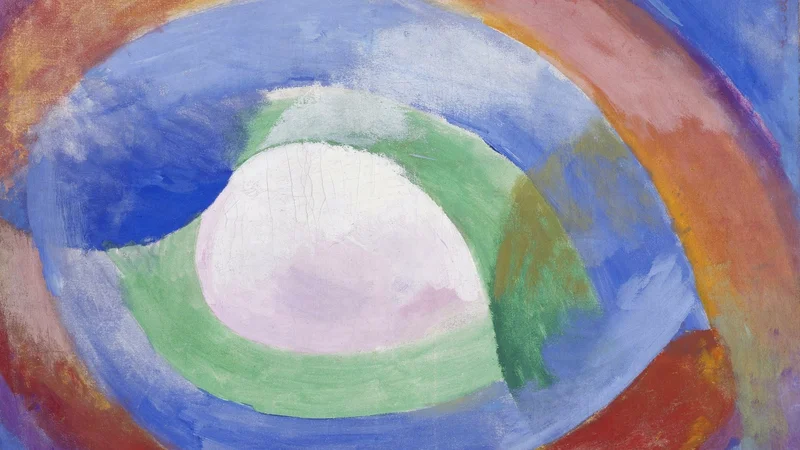
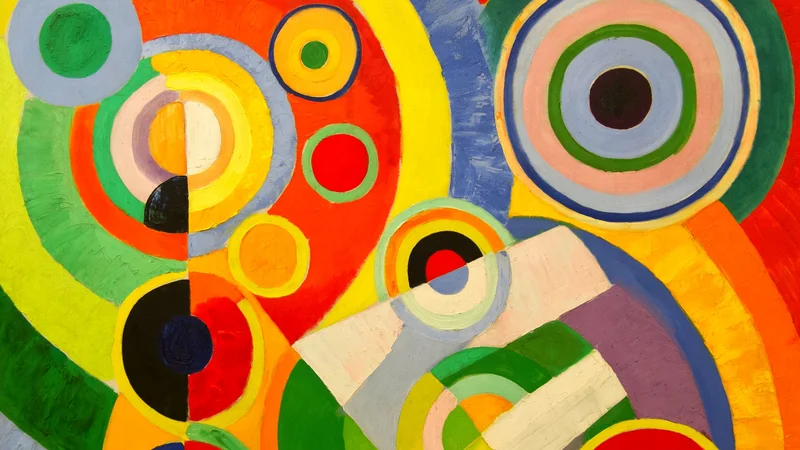
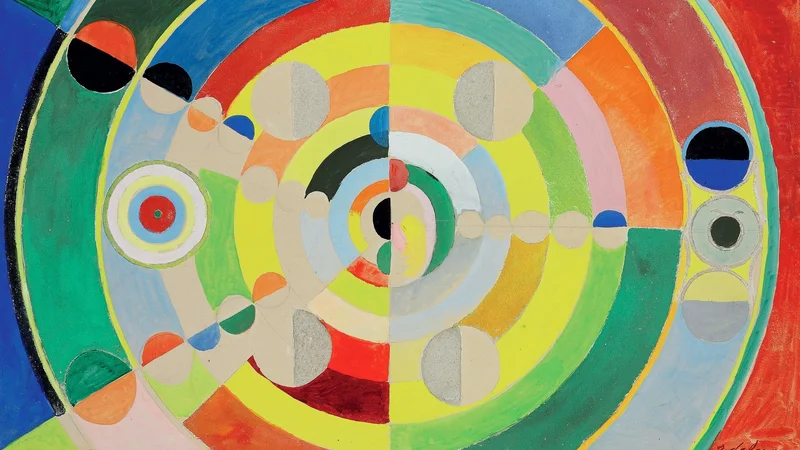
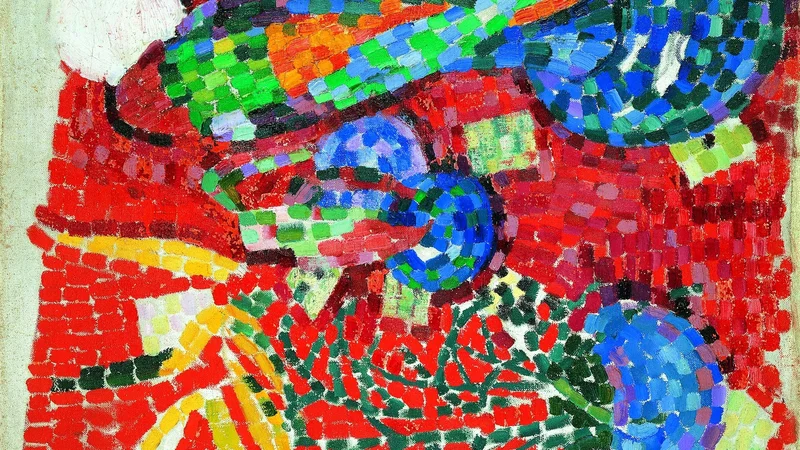
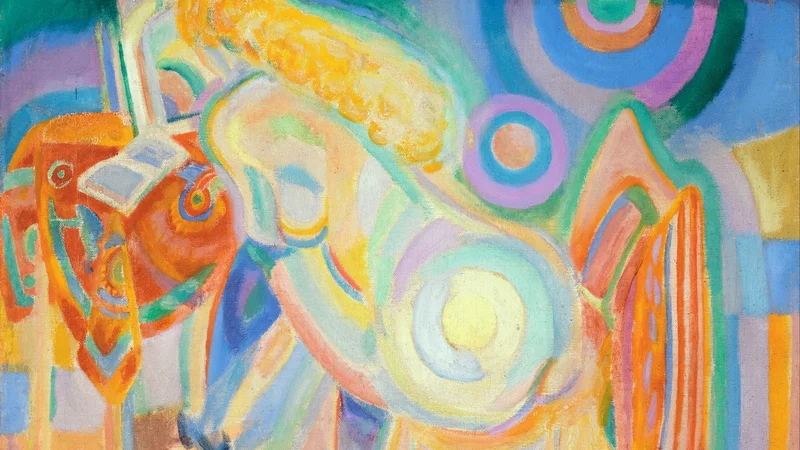
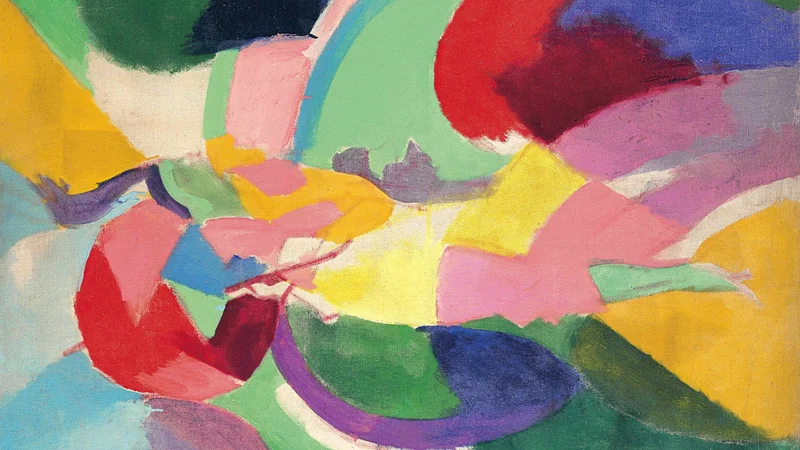
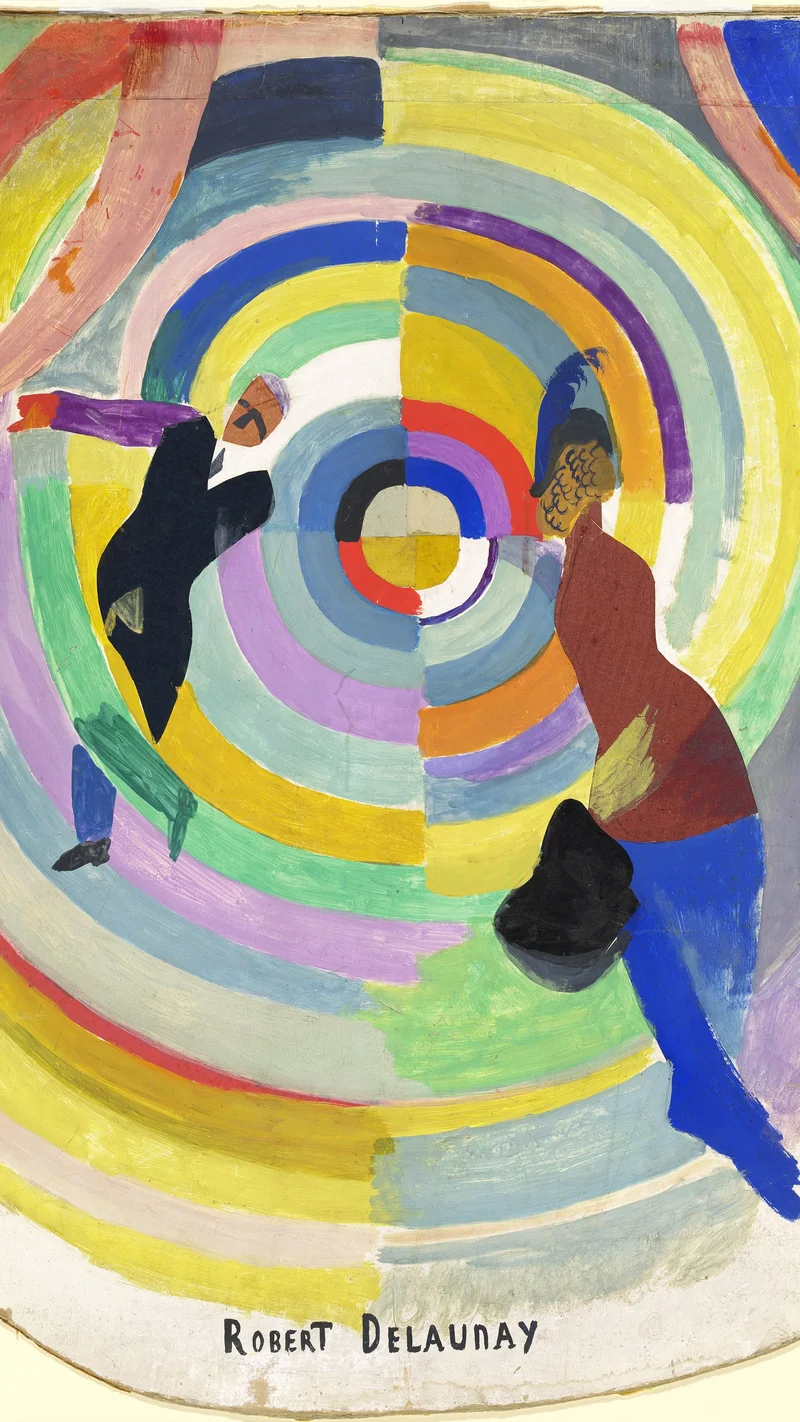
Robert Delaunay (1885–1941) was a French painter whose contributions were instrumental in the transition from Cubism to more lyrical, color-centric modes of expression. Active during the early 20th century, with significant developments occurring around 1911, 1916, and 1930, Delaunay rejected the monochromatic austerity of his contemporaries in favor of a vibrant investigation into the properties of light and color. He is most recognized as the pioneer of Orphism, a movement that emphasized the musicality of color through the simultaneous contrast of hues, effectively liberating painting from the necessity of objective representation.
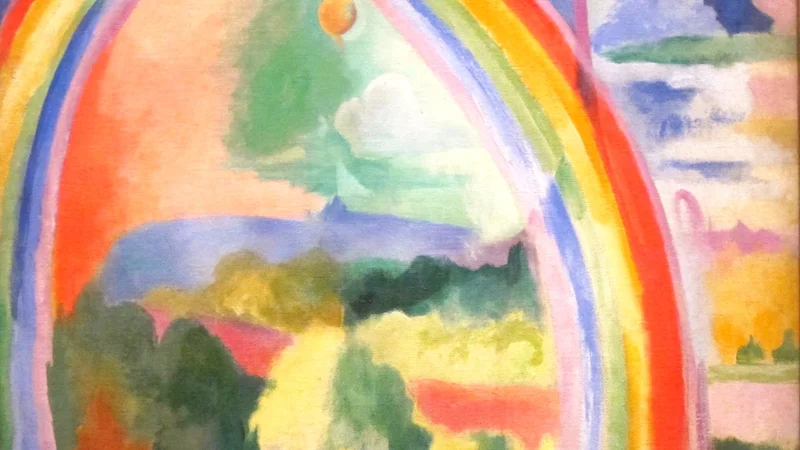
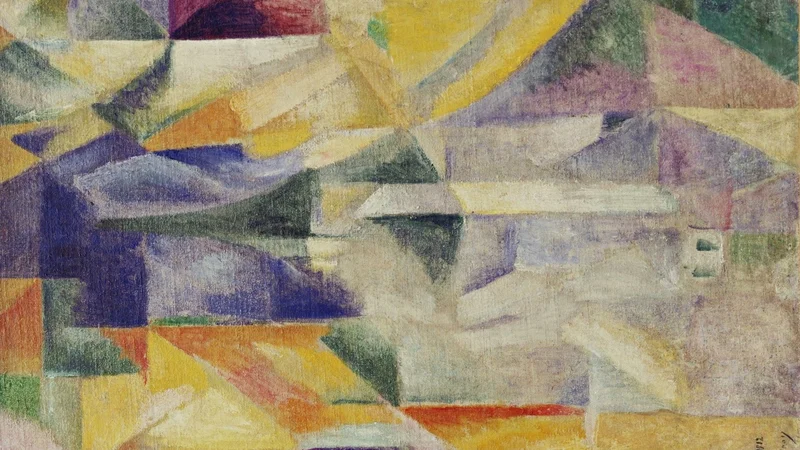
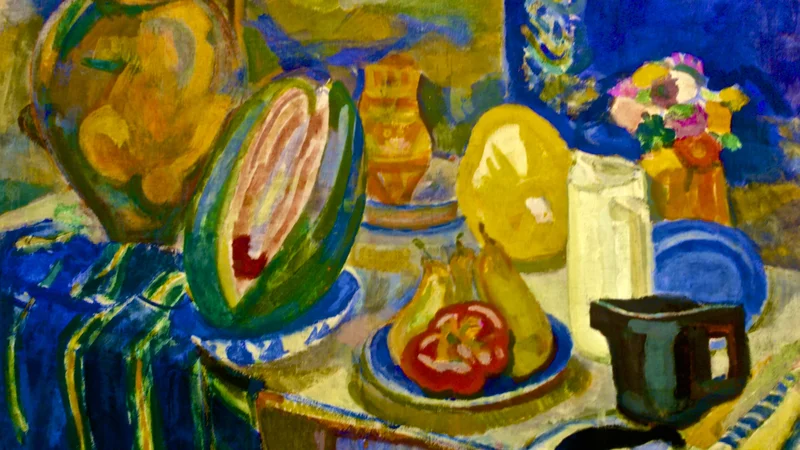
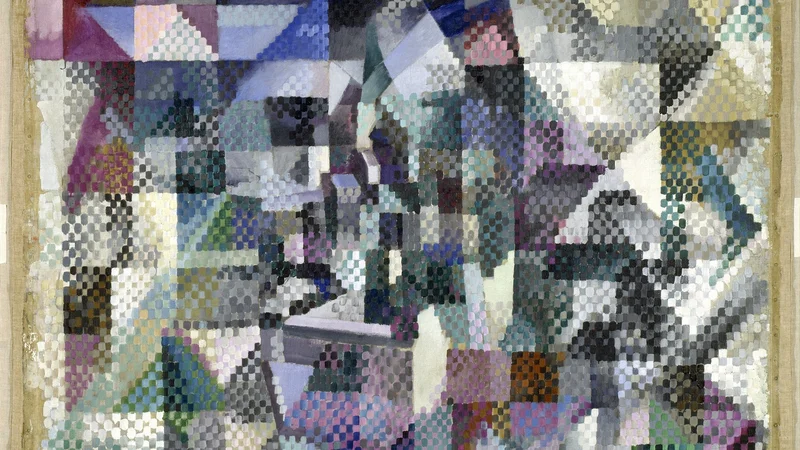
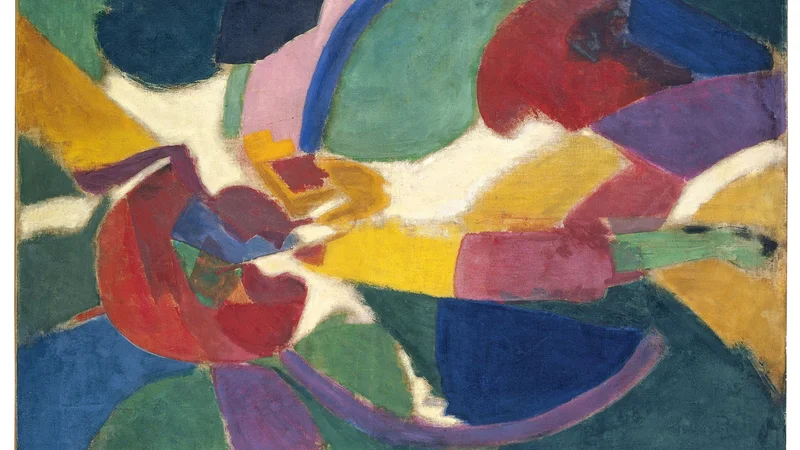
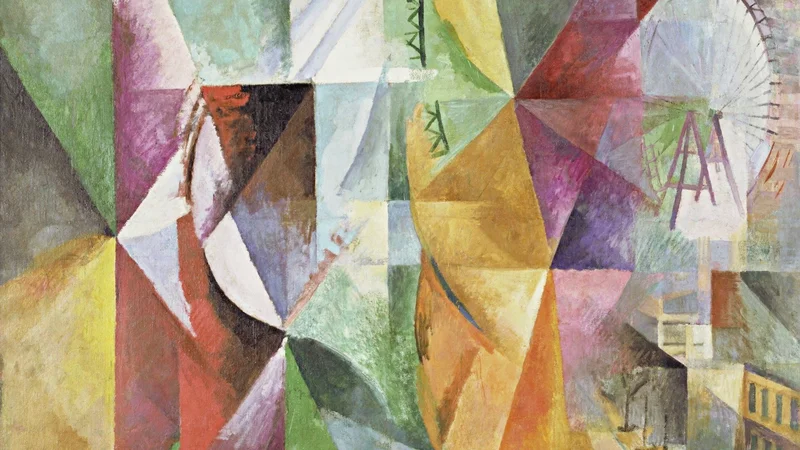
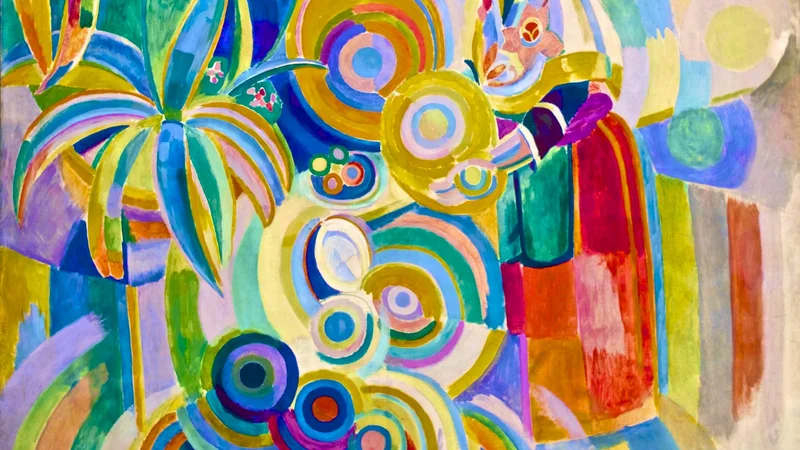
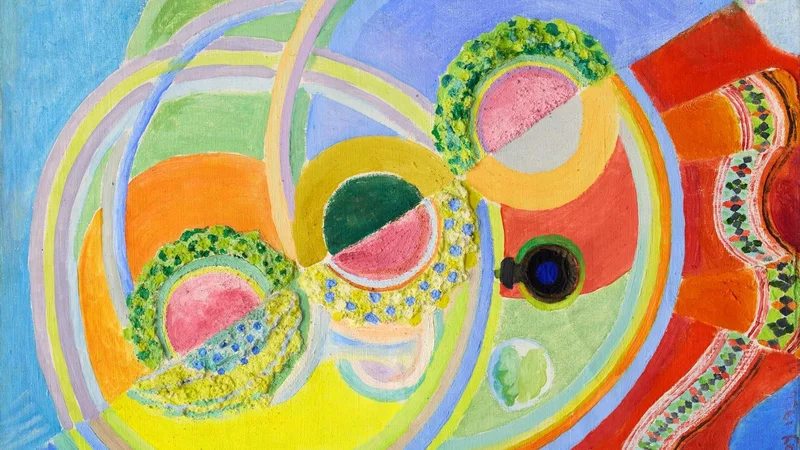
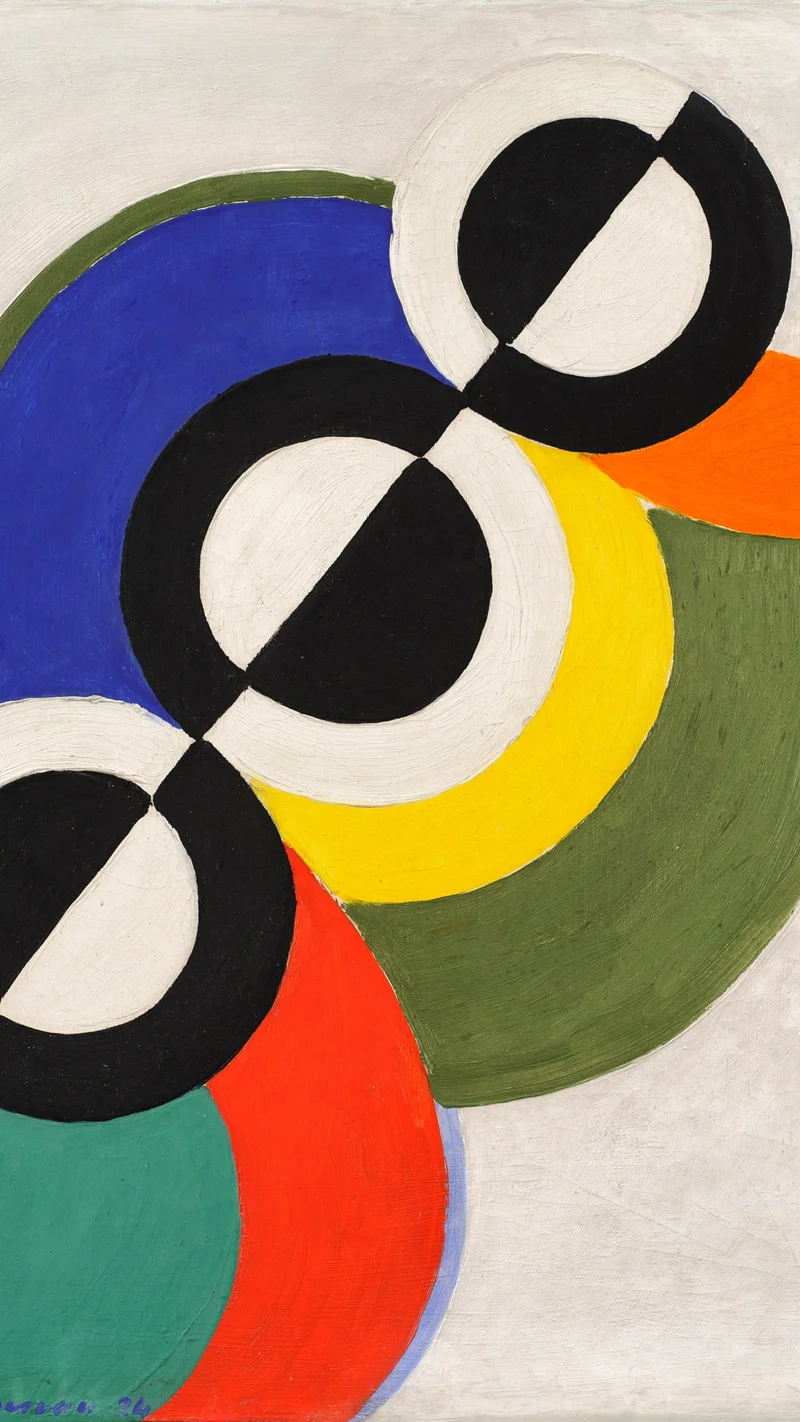
Delaunay’s technique focused on the breakdown of form through light, a process best observed in his series of Windows and Window on the City No. 3. His fascination with modernity and movement is articulated through works such as The Three Windows, the Tower and the Wheel, where the Eiffel Tower becomes a recurring motif, symbolizing the dynamism of the urban landscape. His evolution toward pure abstraction is evidenced in the rhythmic color arrangements of Rhythm and The Rainbow, while his later compositions like Joie de vivre and Still Life with Parrot demonstrate his enduring commitment to the emotive power of saturated color fields.
The historical significance of Delaunay lies in his role as a bridge between the analytical rigor of early Cubism and the total abstraction of later avant-garde movements. By prioritizing color as the primary structural element rather than a secondary decorative layer, he fundamentally altered the trajectory of modern painting. His theoretical work and practice influenced not only his peers in the Parisian avant-garde but also provided a conceptual framework for future generations of non-objective artists who sought to explore the relationship between optics, space, and time.