Neo-classicism
38 artworks
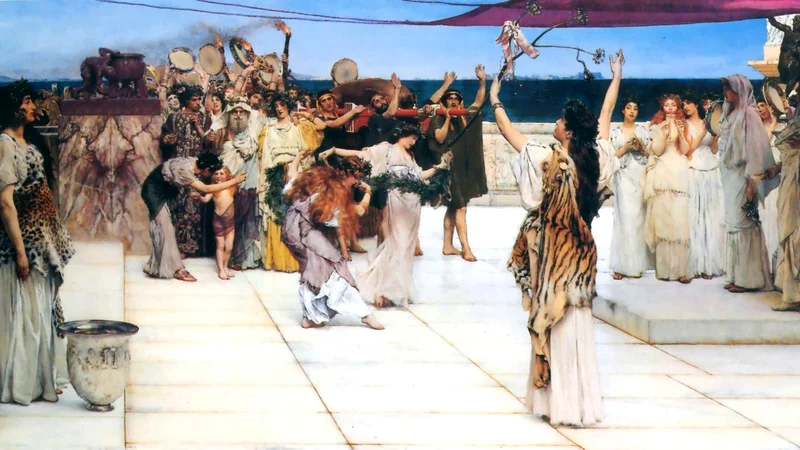
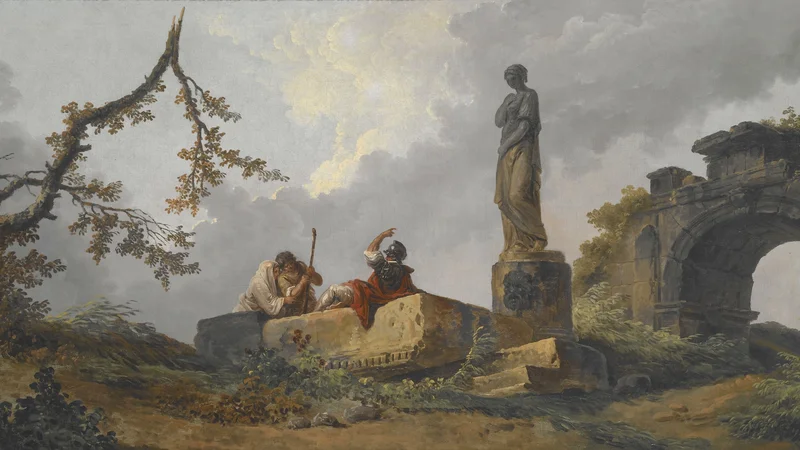
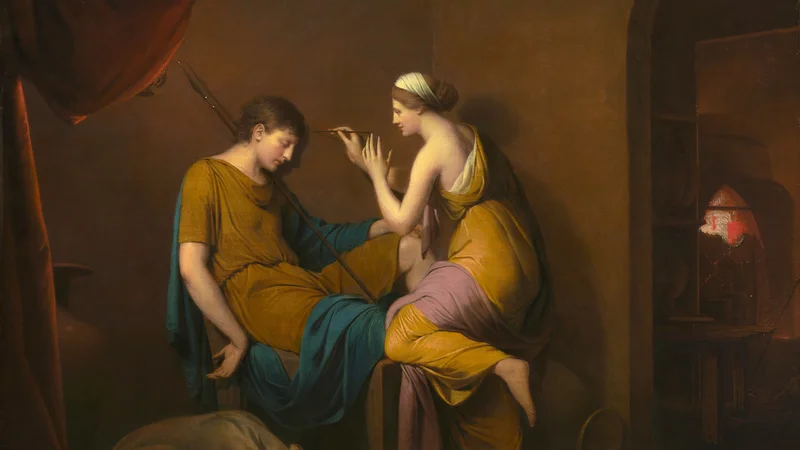
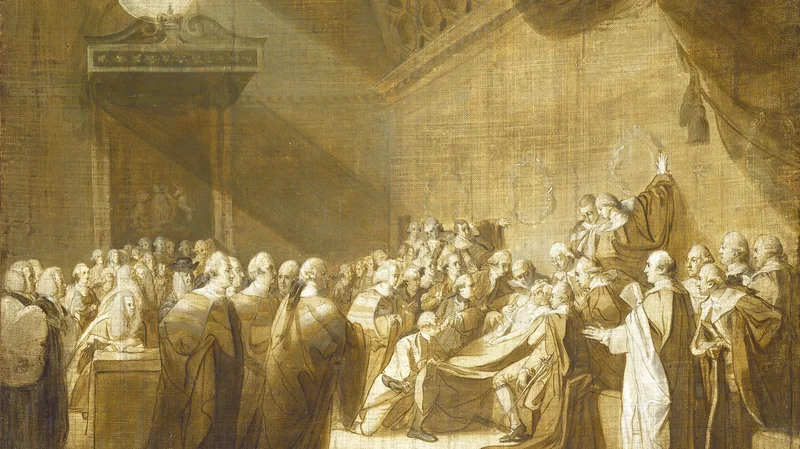
Emerging in the mid-18th century as a reaction against the perceived excesses of the Rococo, Neoclassicism sought to reclaim the moral gravity and aesthetic austerity of classical antiquity. Driven by archaeological discoveries at Pompeii and Herculaneum, the movement championed clarity of line, sculptural form, and the subordination of color to structural composition. This intellectual shift reflected Enlightenment ideals, where the visual arts served as a vehicle for civic virtue and rational order, drawing heavily upon the precedents of Greek and Roman antiquity.
A Legacy of Academic Rigor and Form.
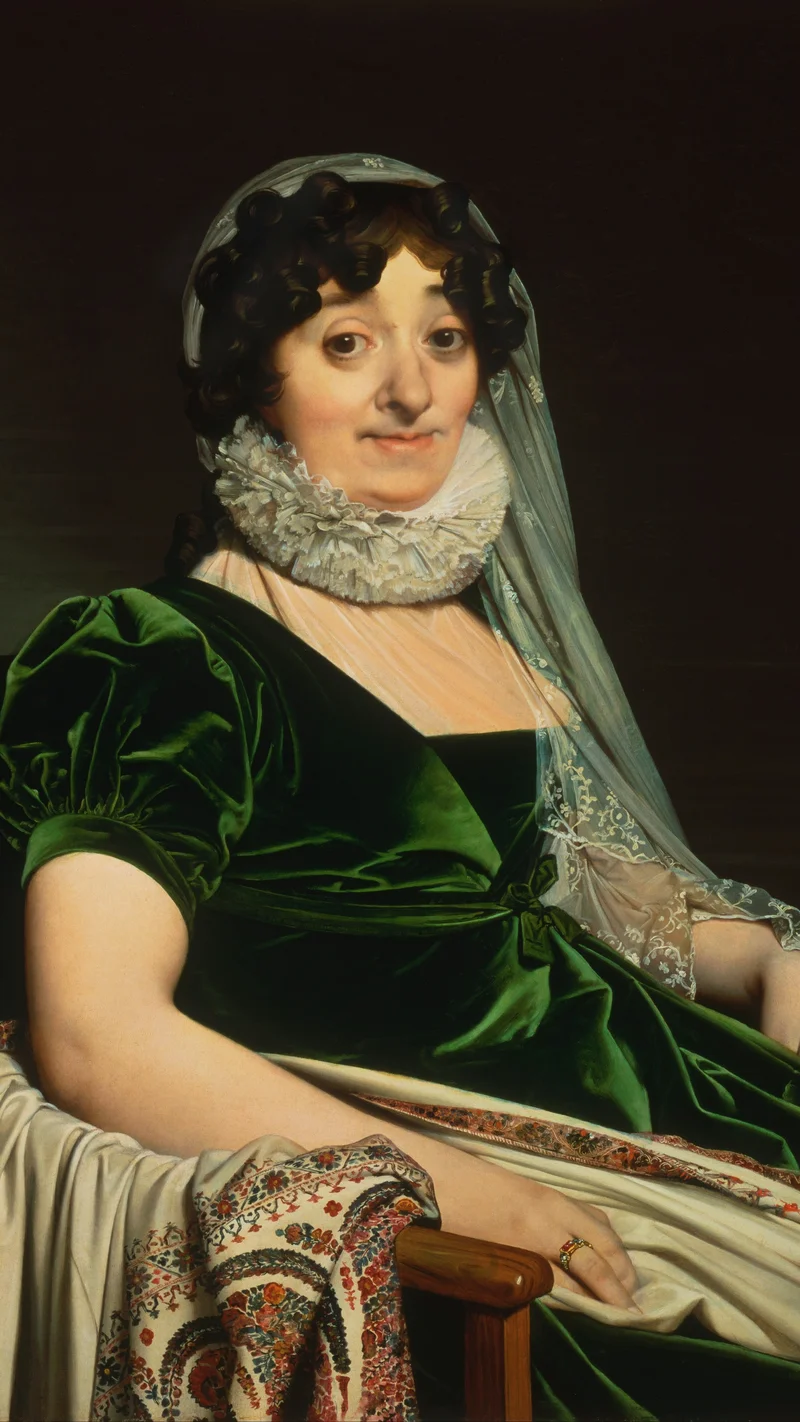
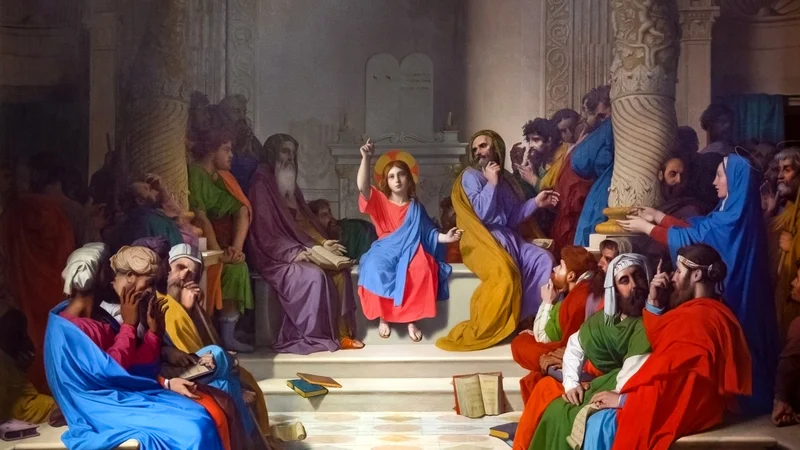
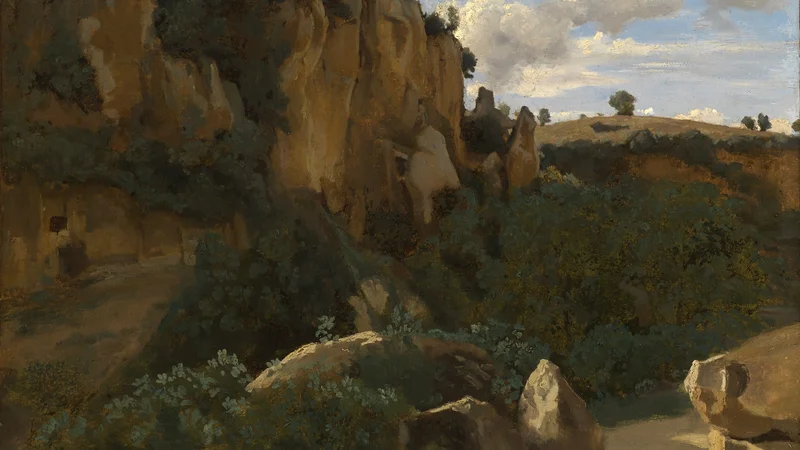
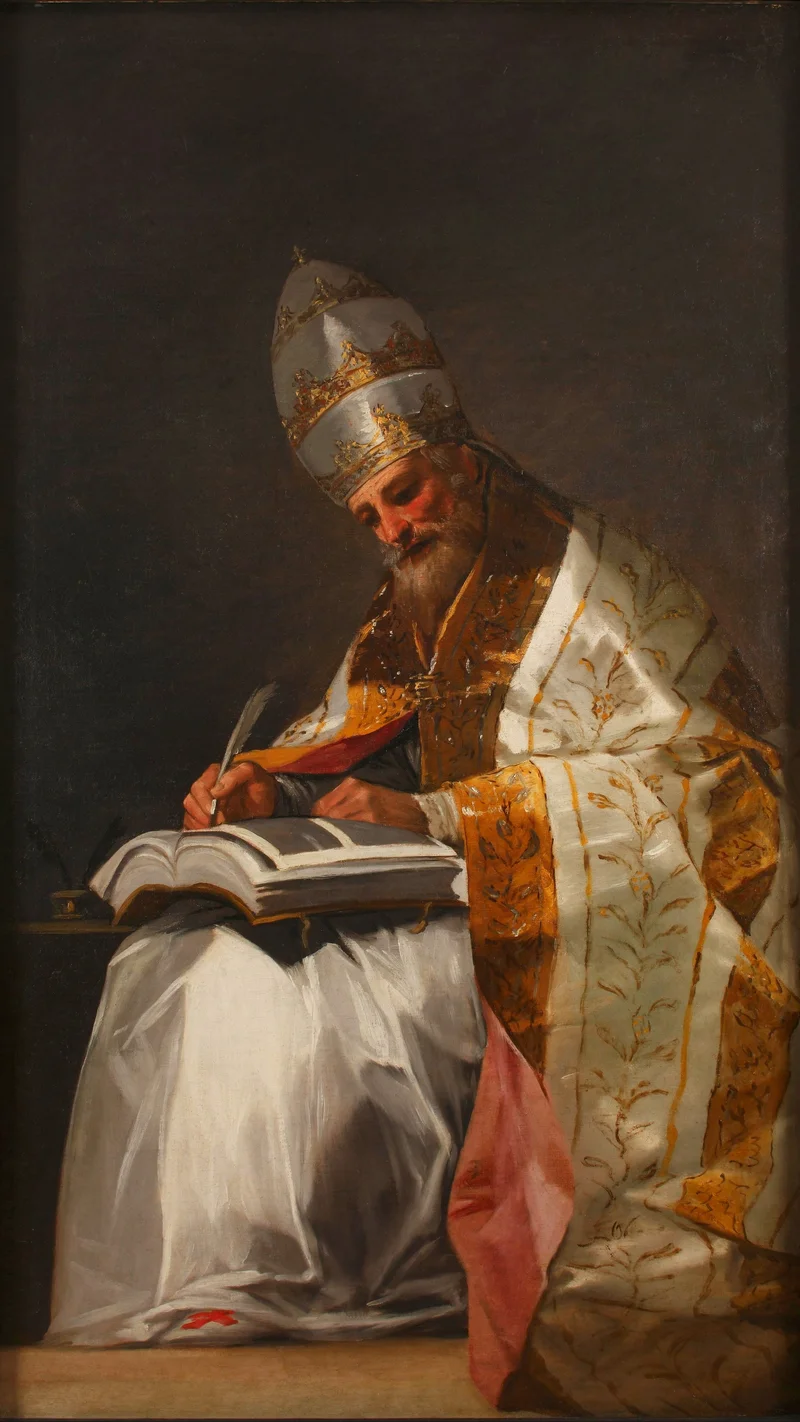
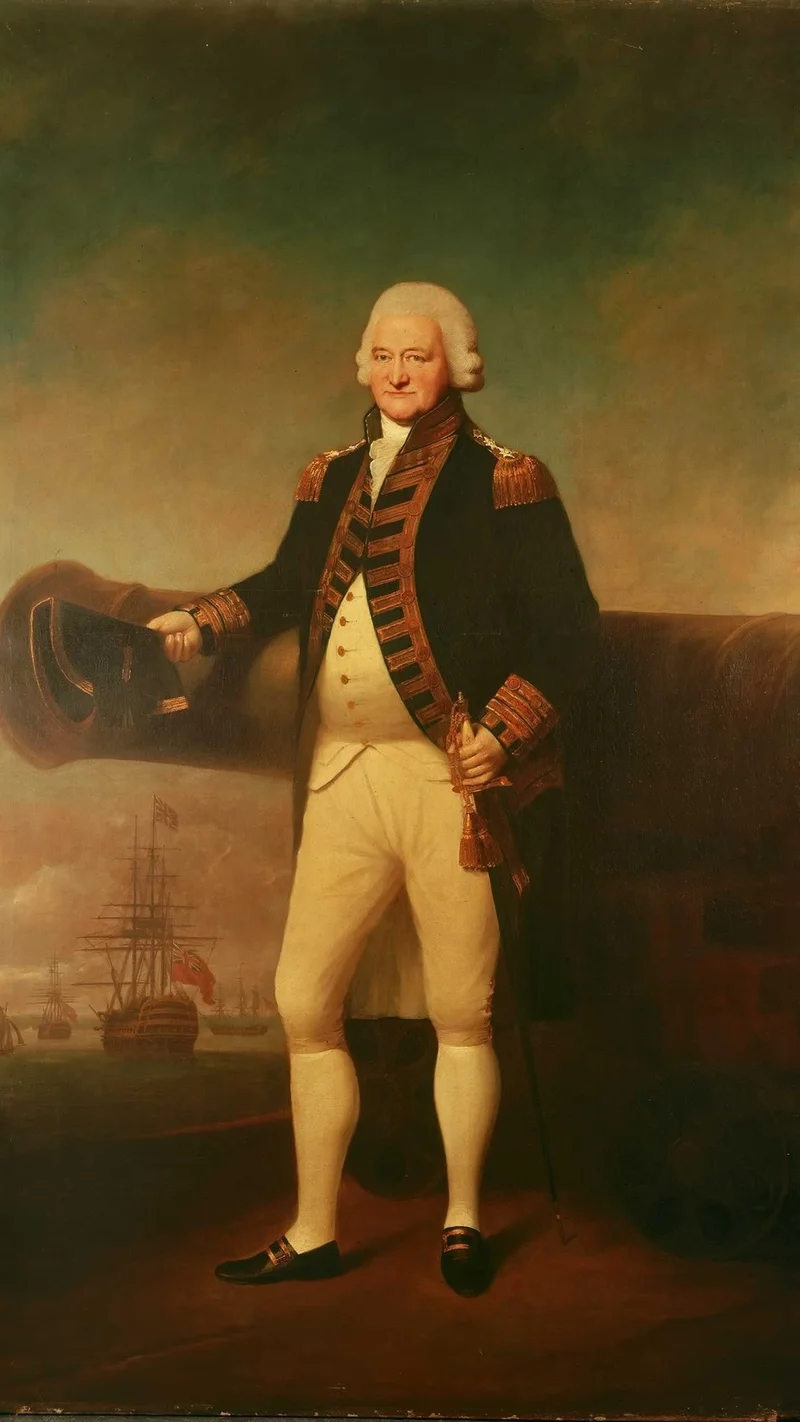
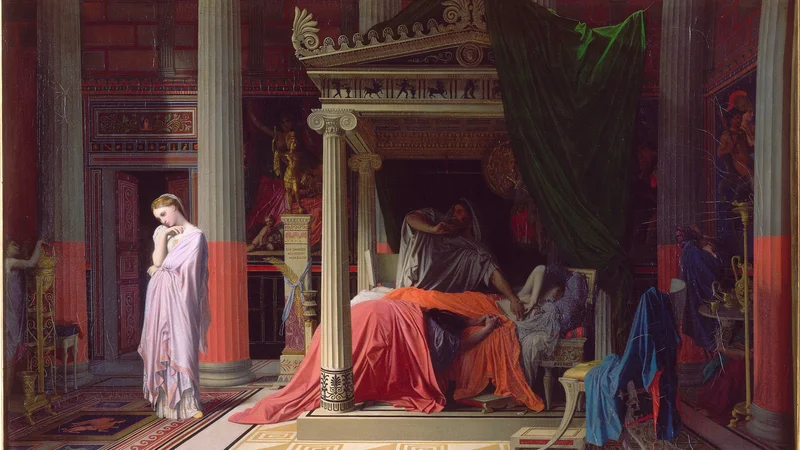
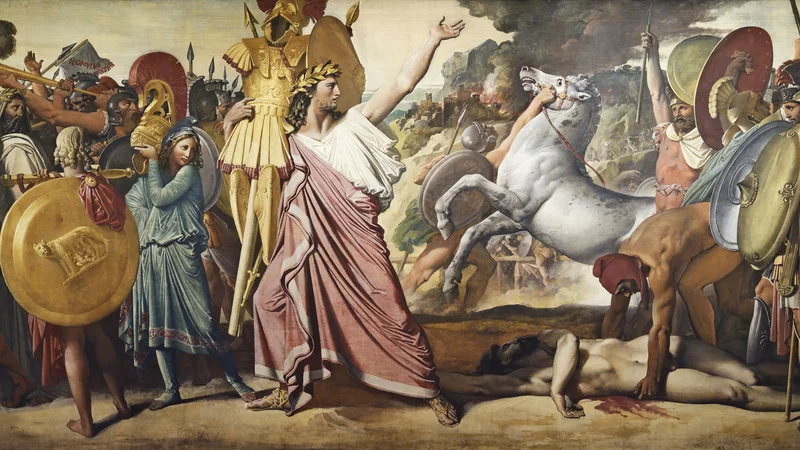
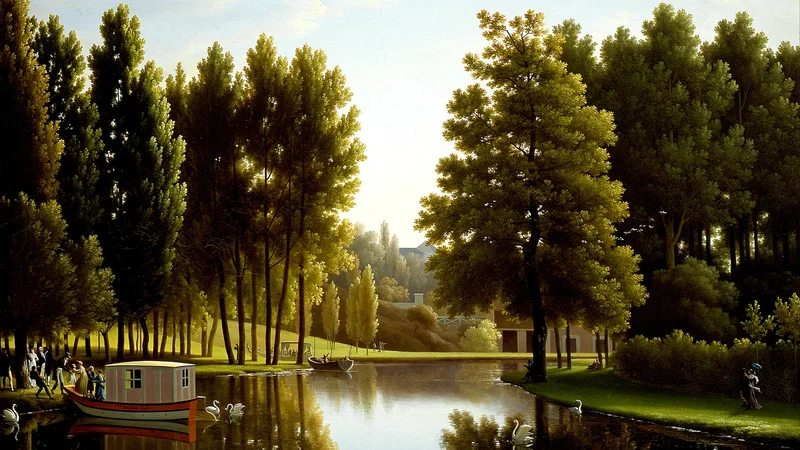
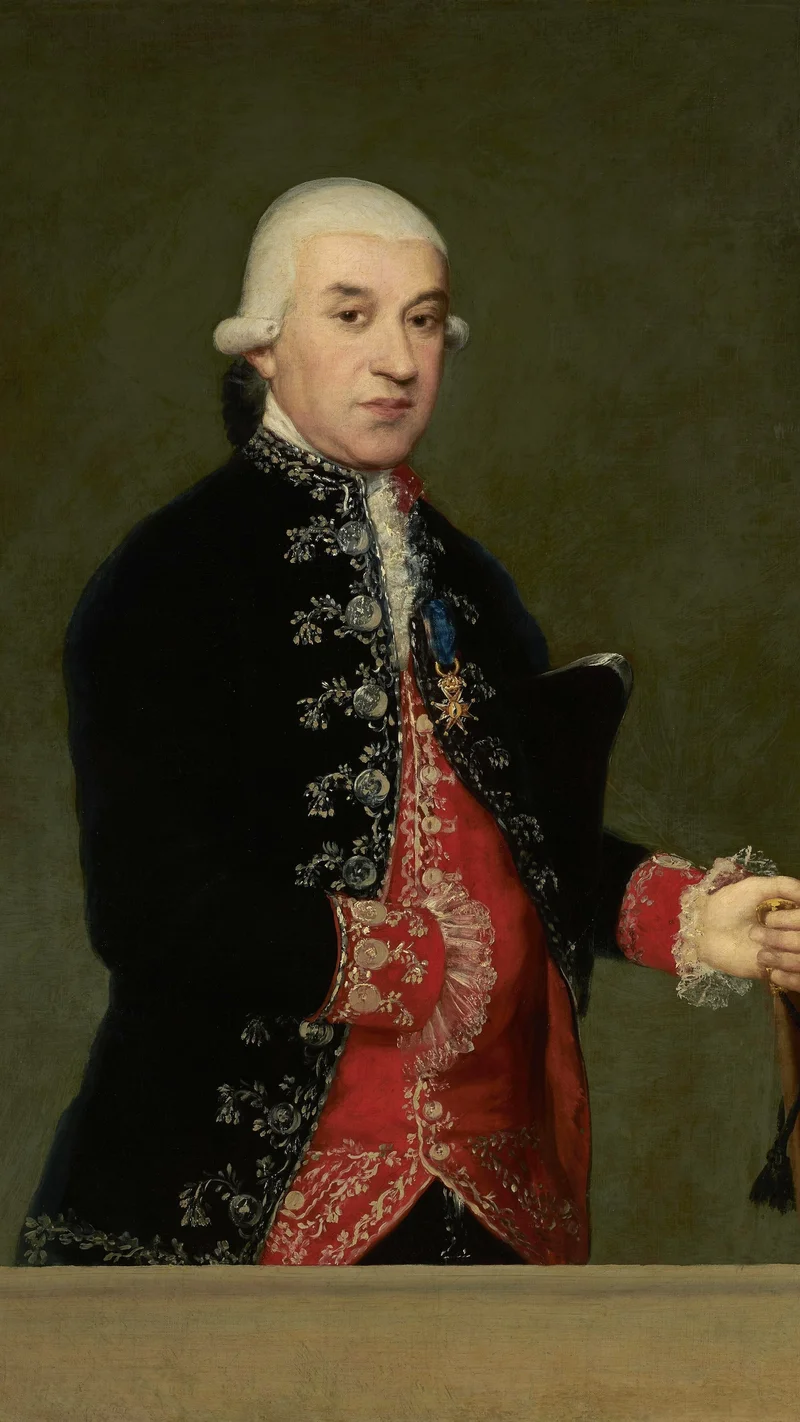
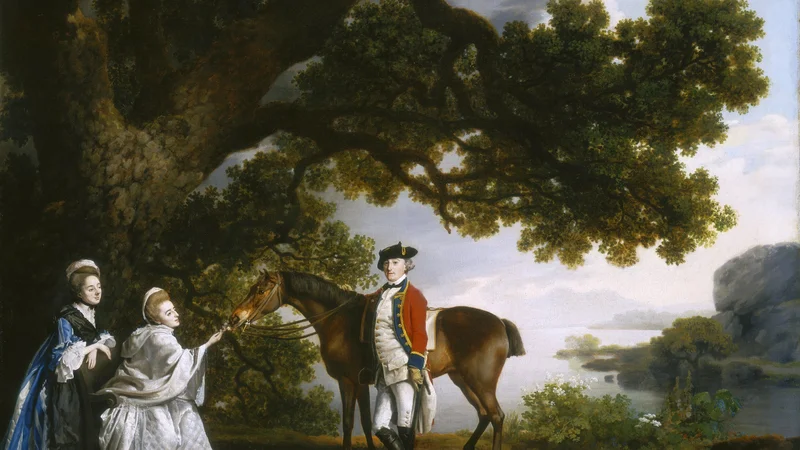
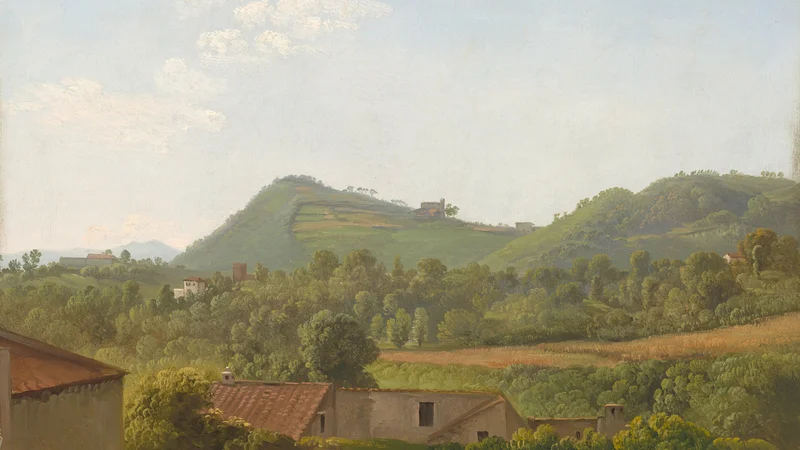
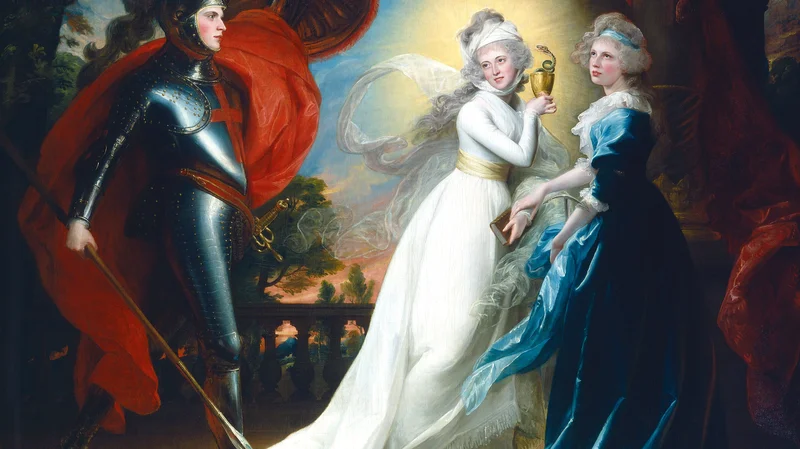
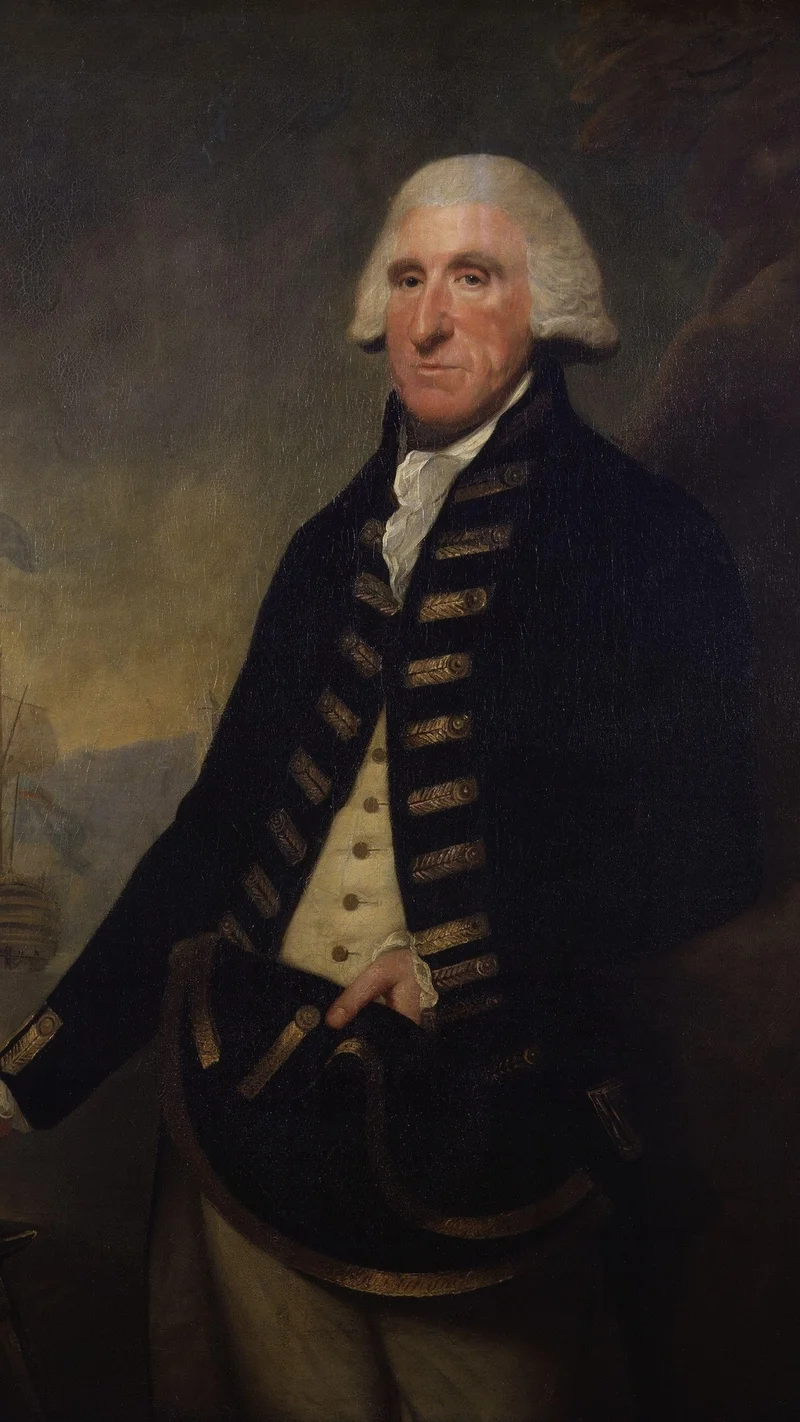
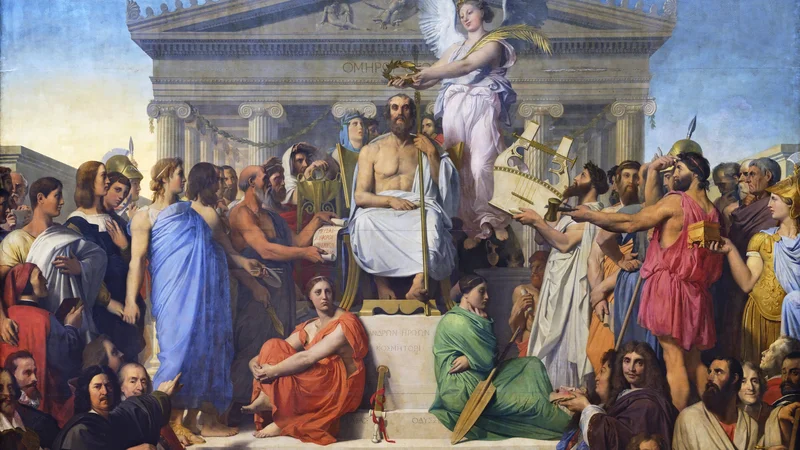
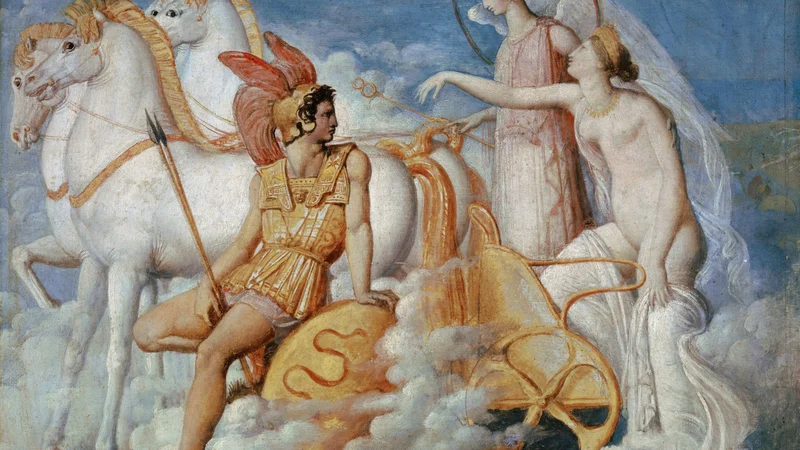
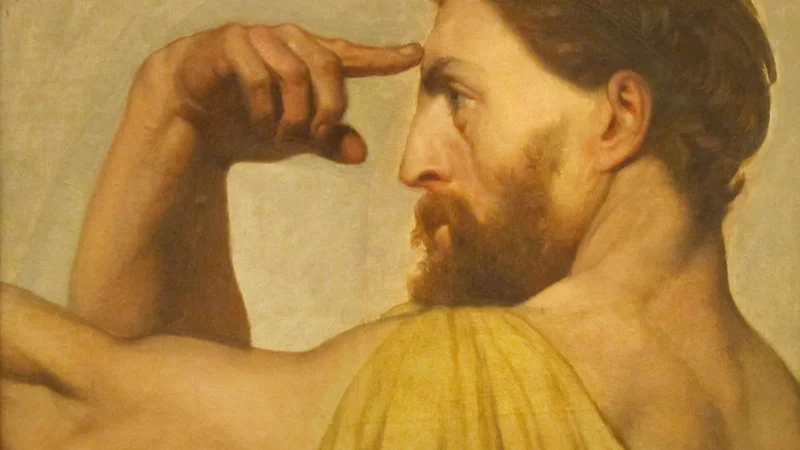
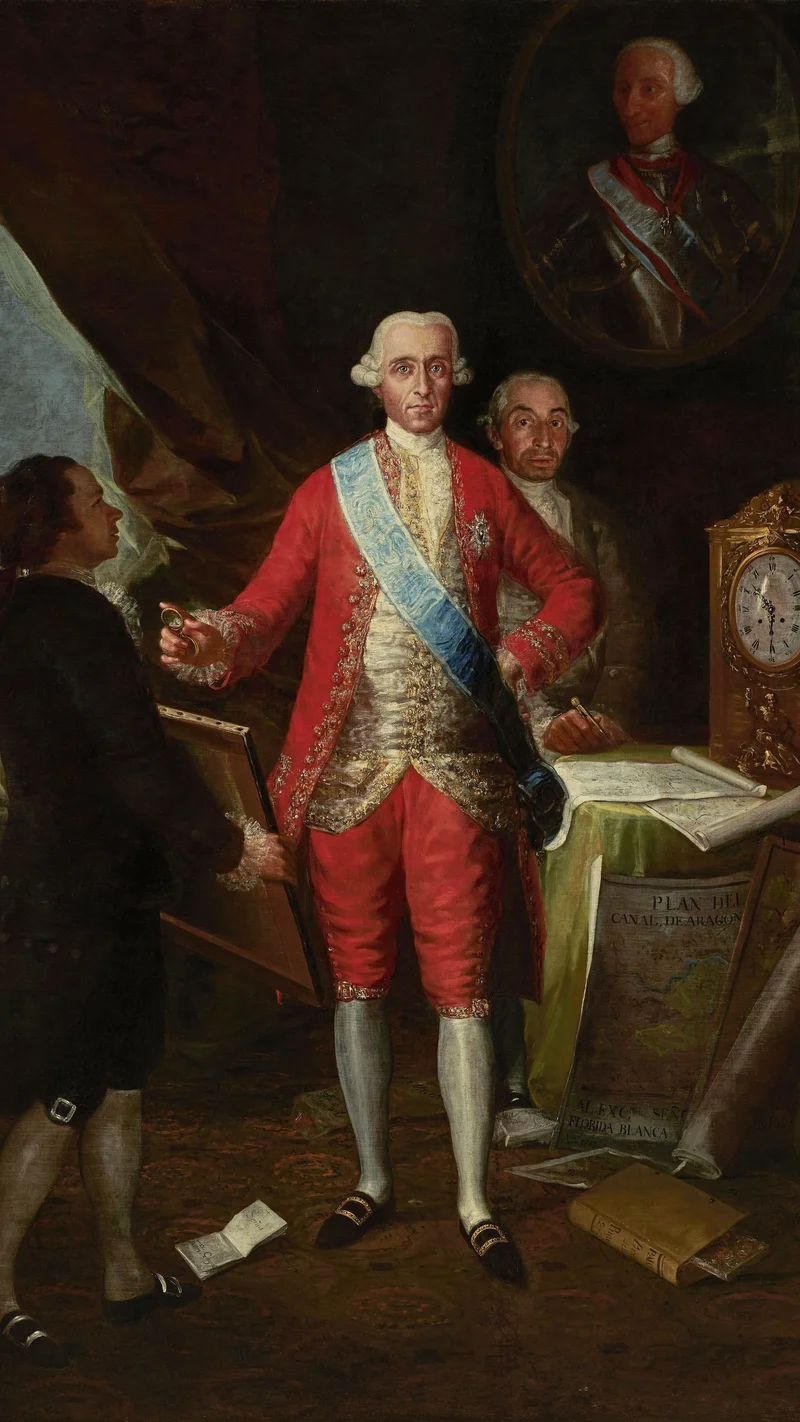
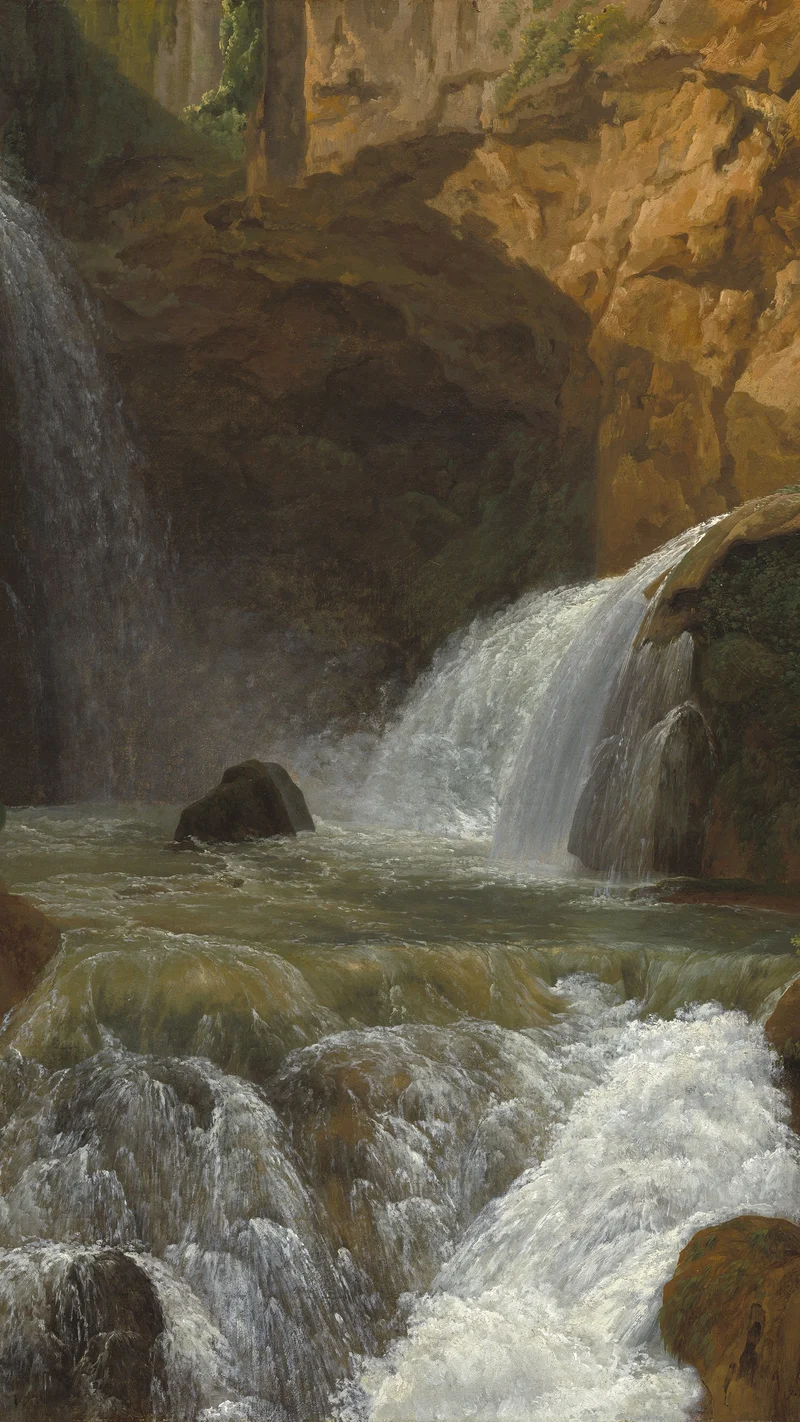
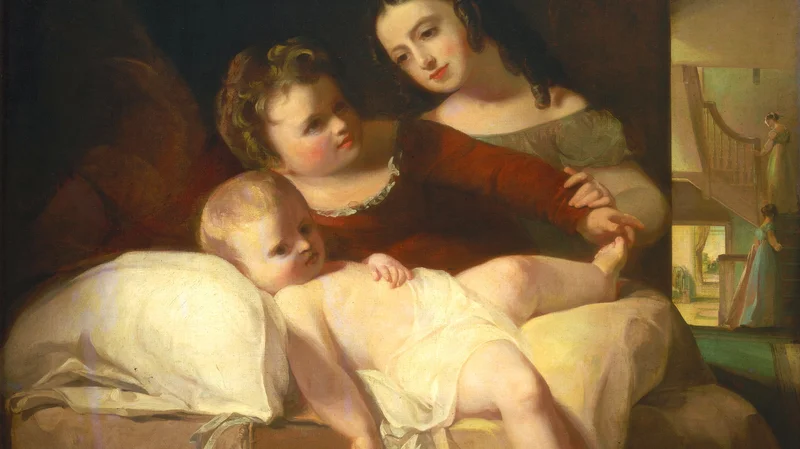
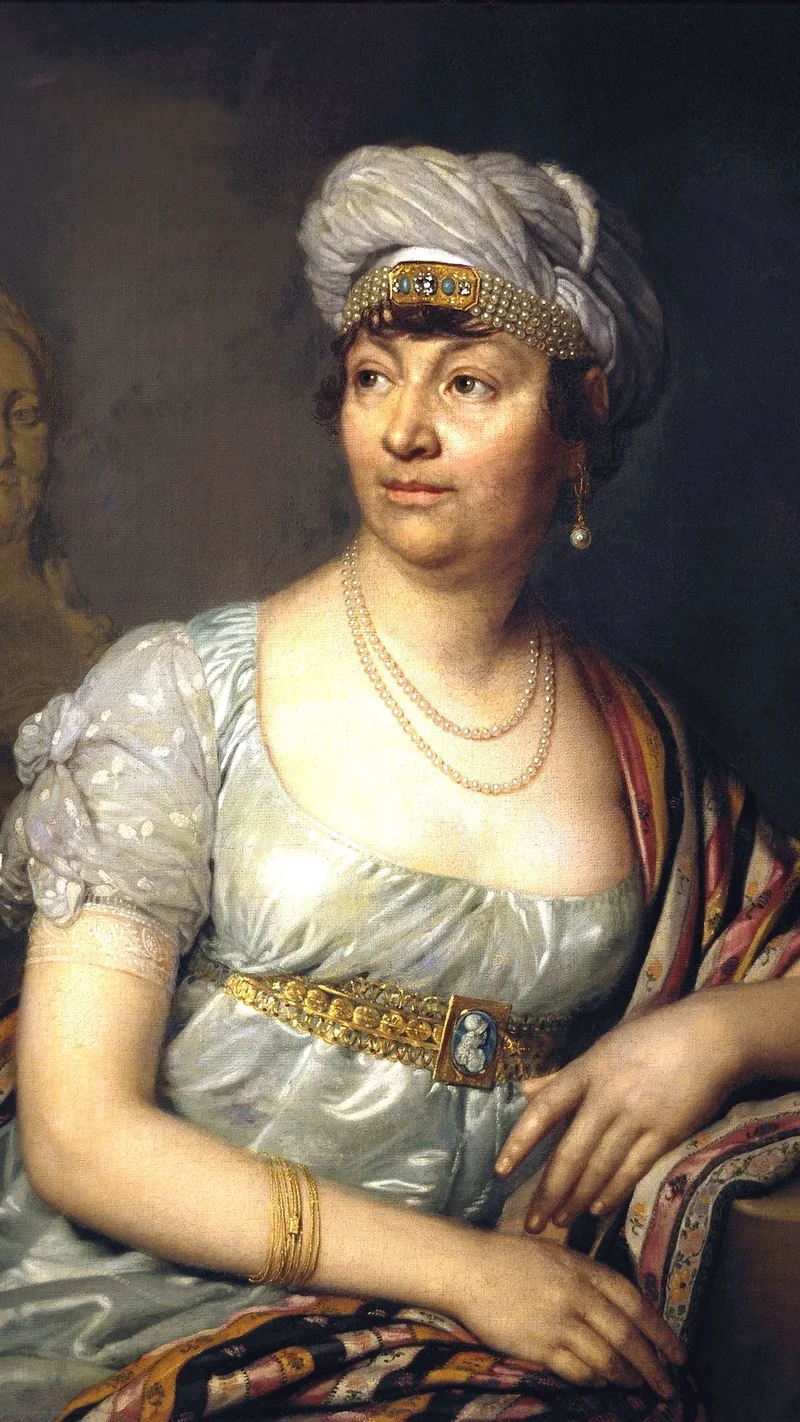
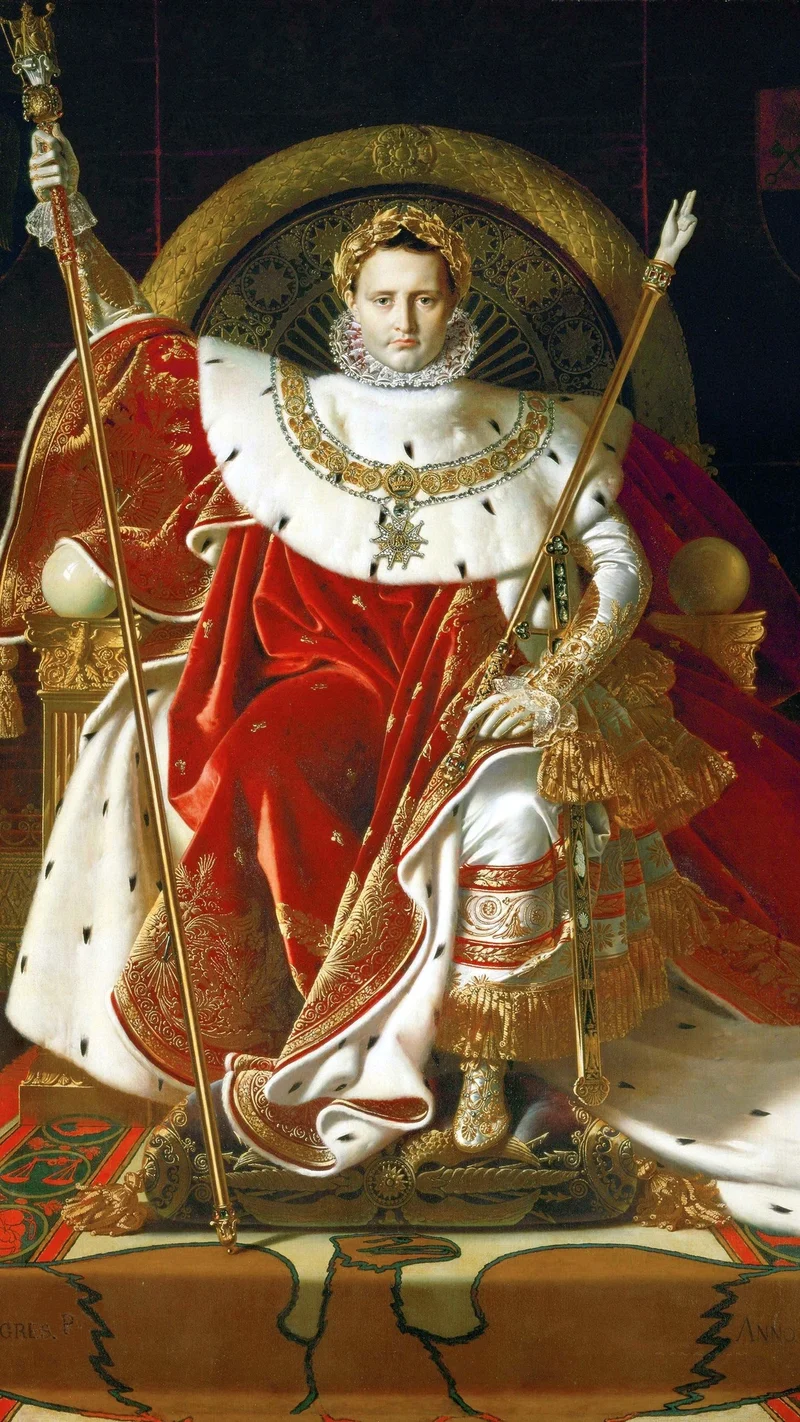
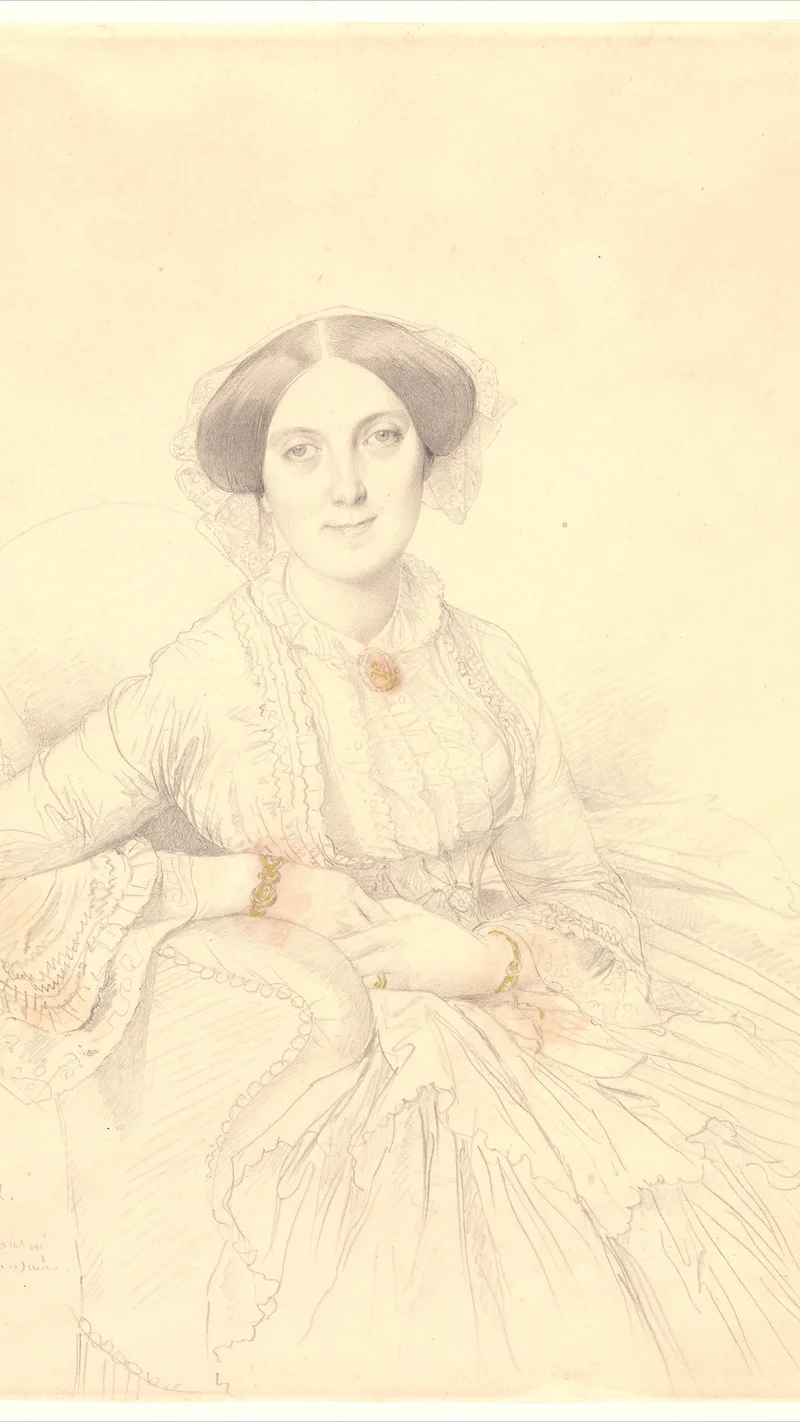
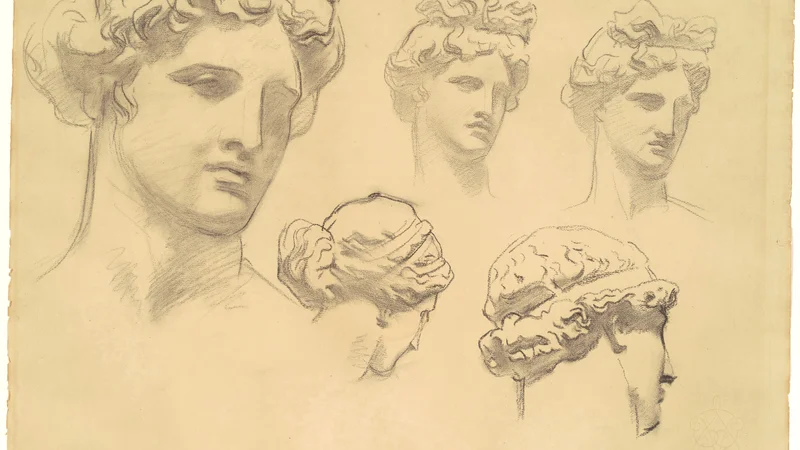
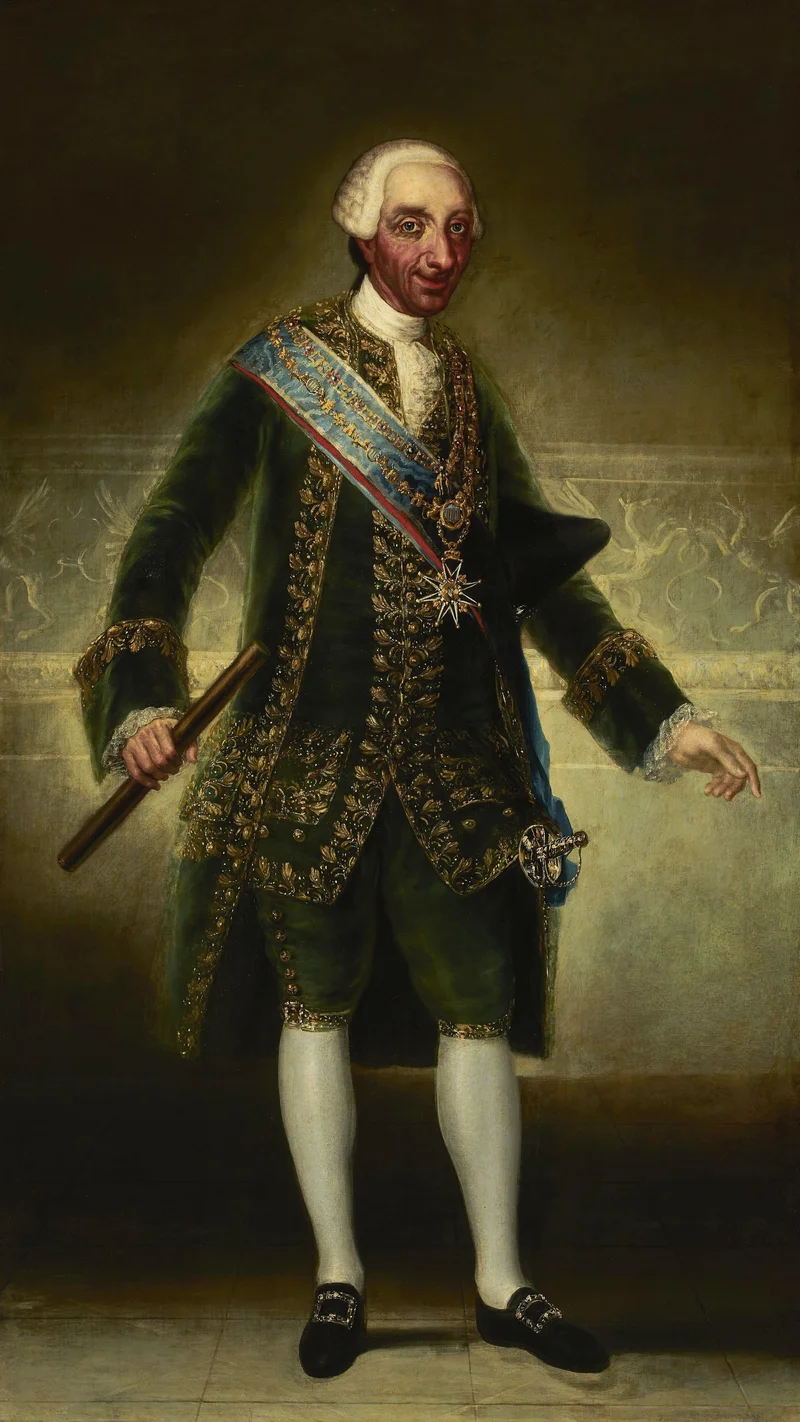
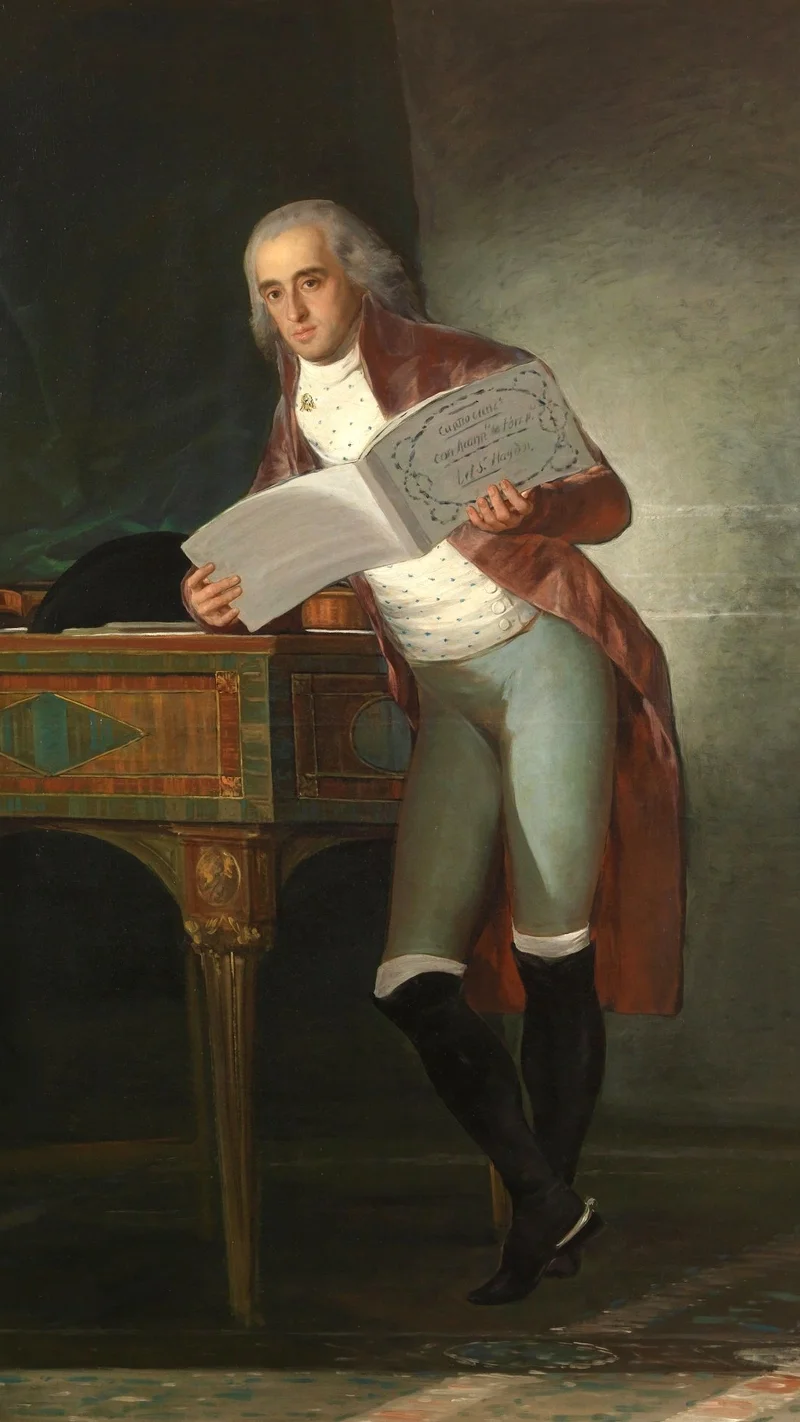
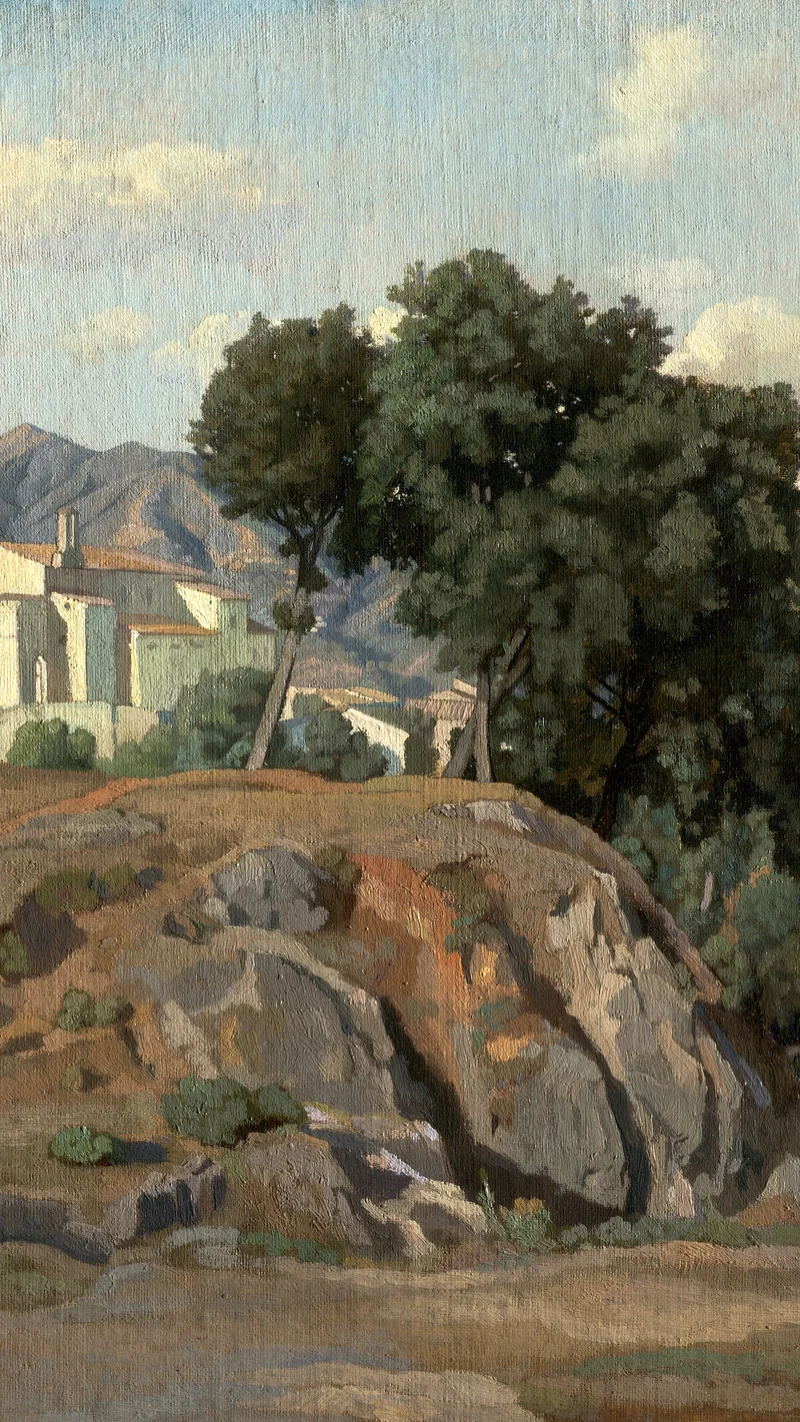
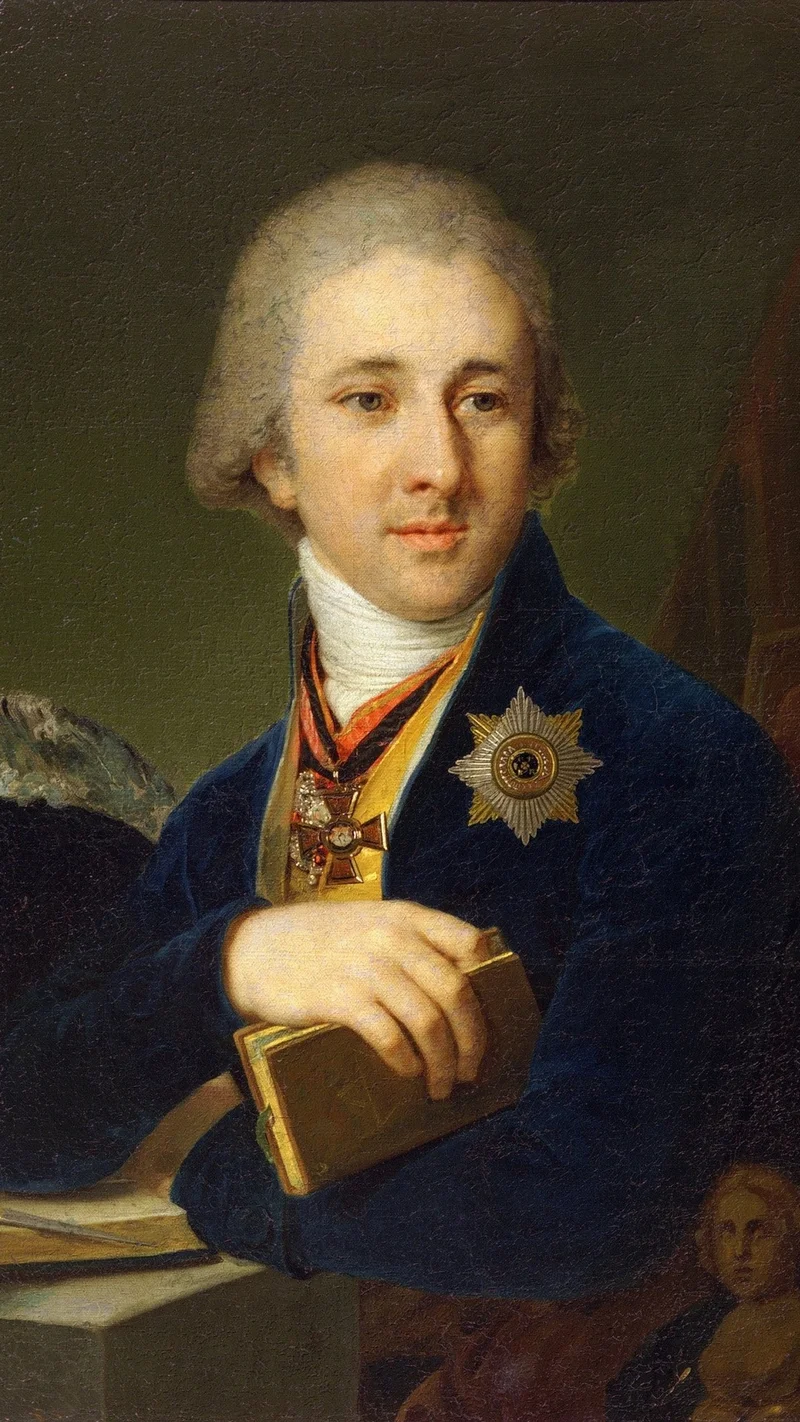
The trajectory of the movement is punctuated by the mastery of artists such as Jean-Auguste-Dominique Ingres, whose The Apotheosis of Homer and Napoleon I on his Imperial Throne exemplify the rigorous draughtsmanship and idealized precision central to the movement. Other figures, including Lemuel Francis Abbott, Jean-Joseph-Xavier Bidauld, and Vladimir Borovikovsky, expanded this stylistic vocabulary across portraiture and landscape, while artists like Francisco Goya—despite his later departure into Romanticism—initially engaged with these structured modes of representation in works like Antiochus and Stratonice. Beyond the immediate influence of pieces such as the Female Nude or A Baby going to Heaven, Neoclassicism established a formal bedrock for Western academic training, its emphasis on linear purity and historical gravity continuing to define the parameters of institutional art well into the 19th century.