Post-Impressionism
618 artworks
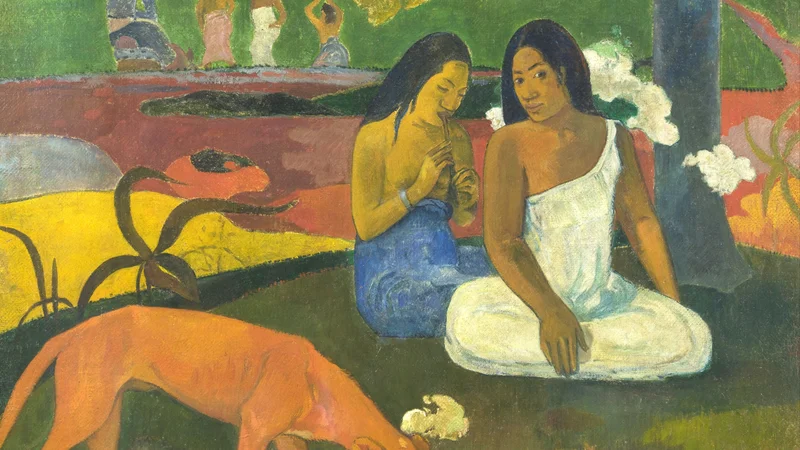
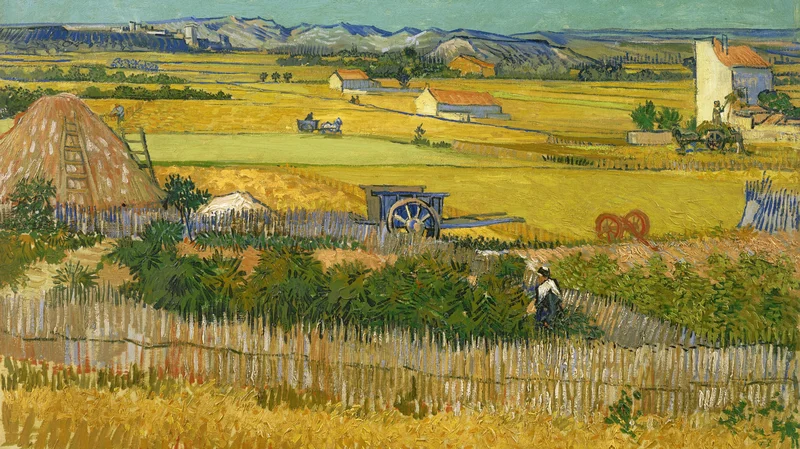
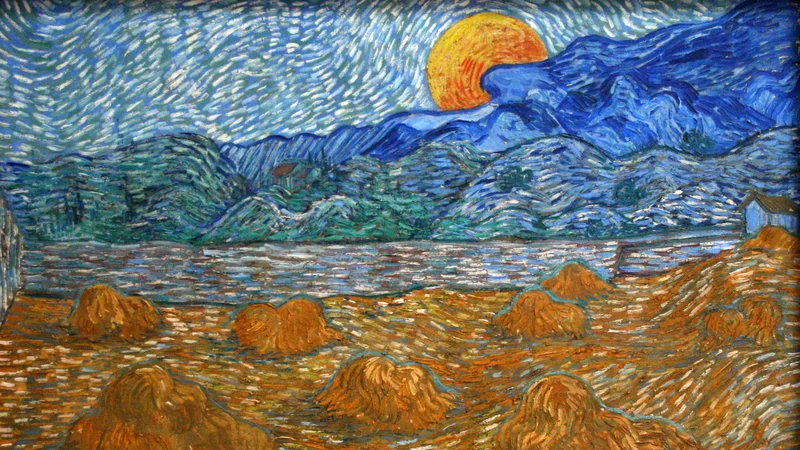
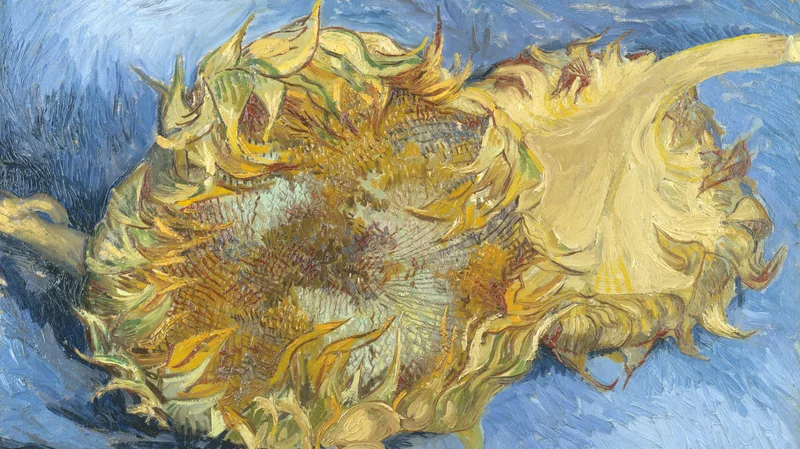
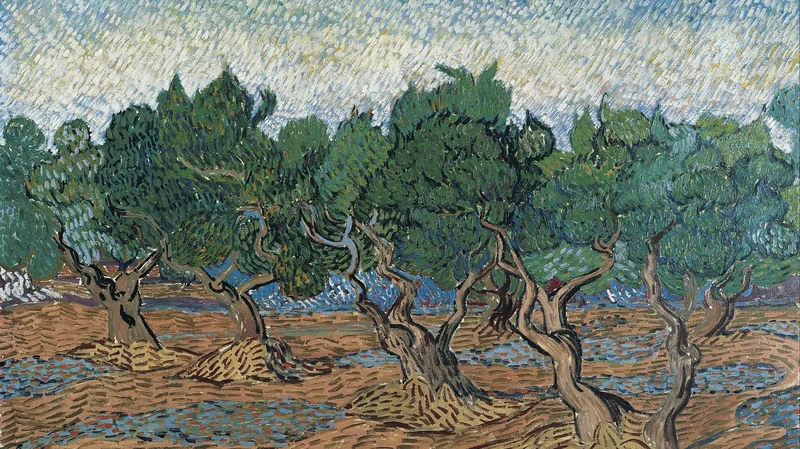
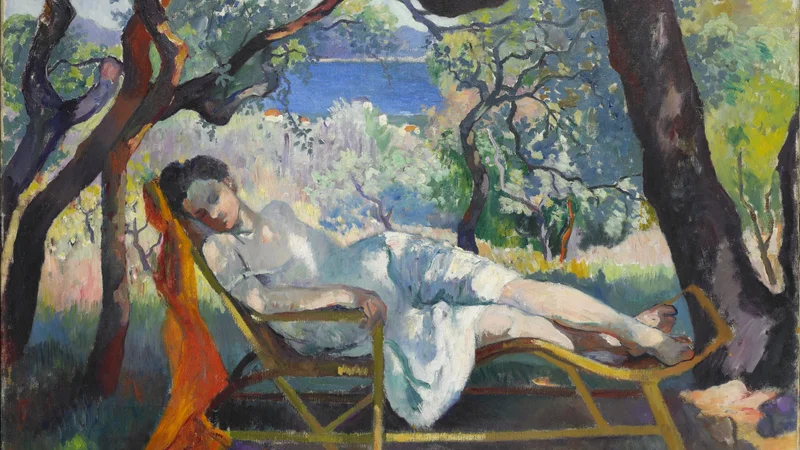
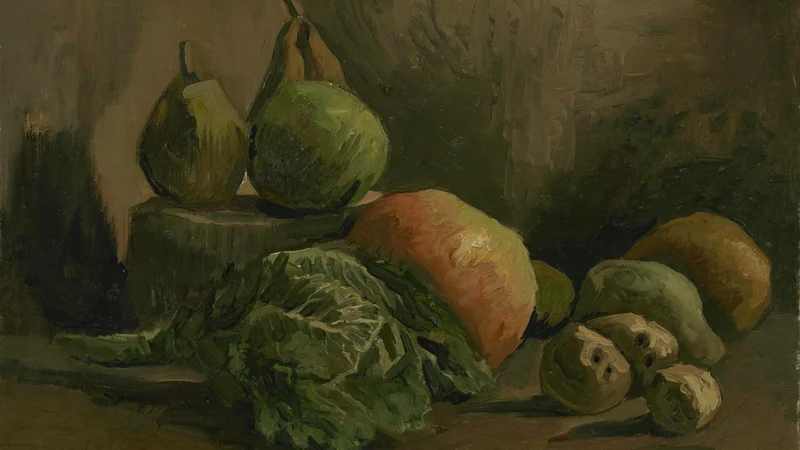
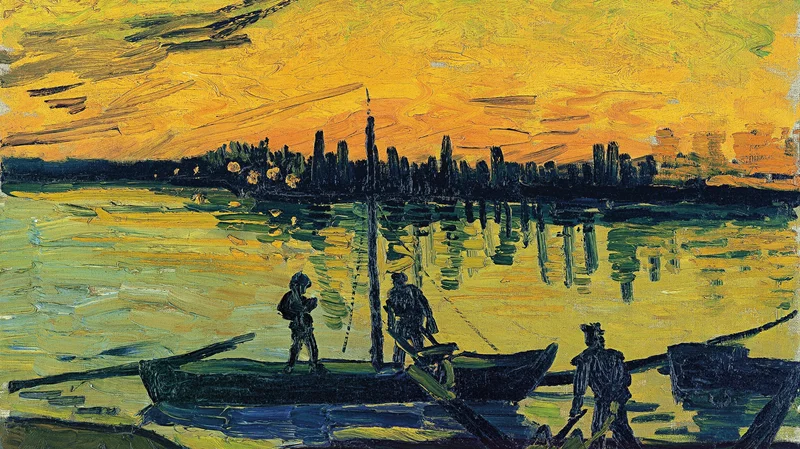
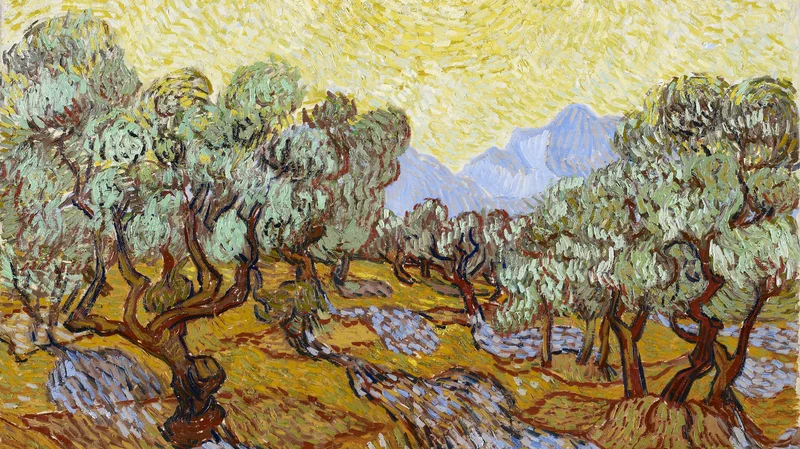
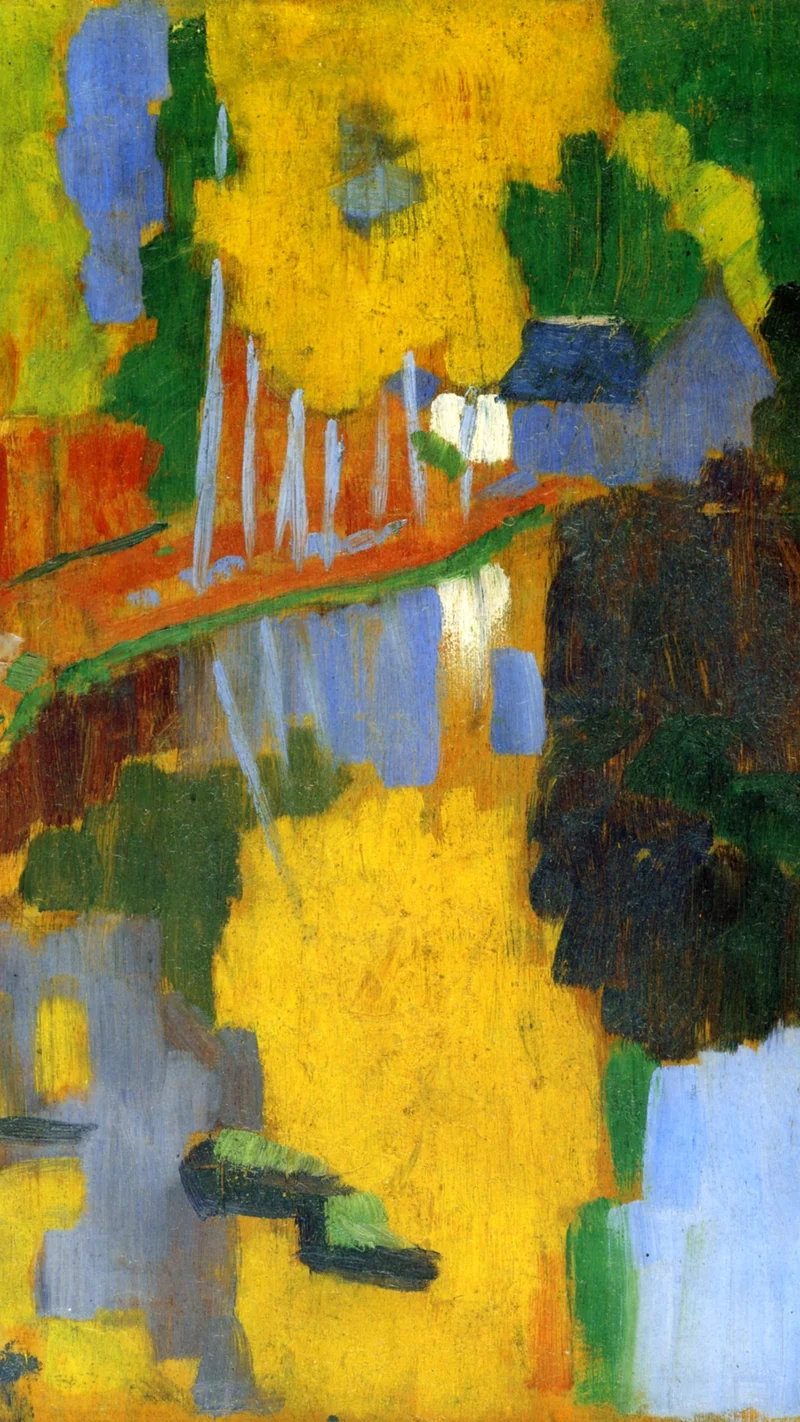
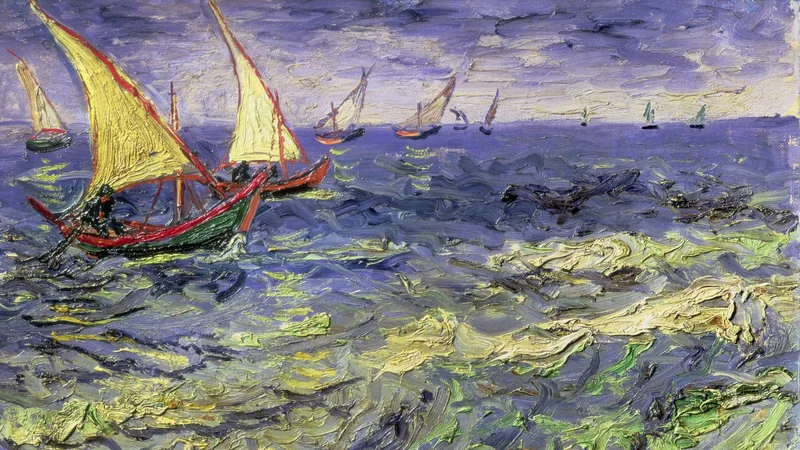
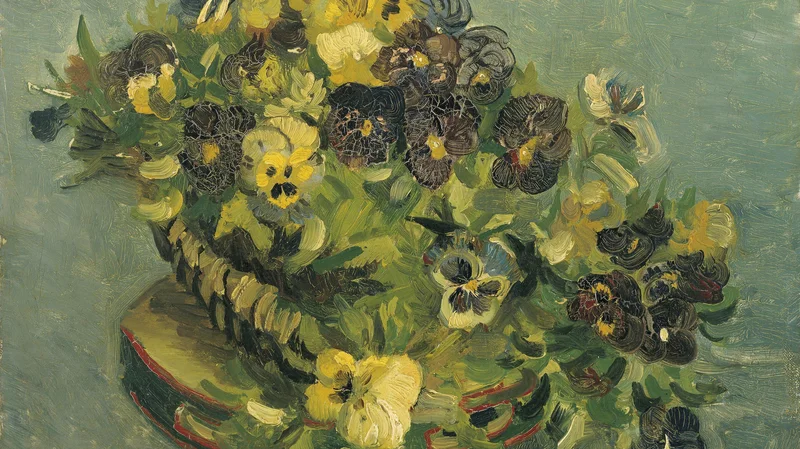
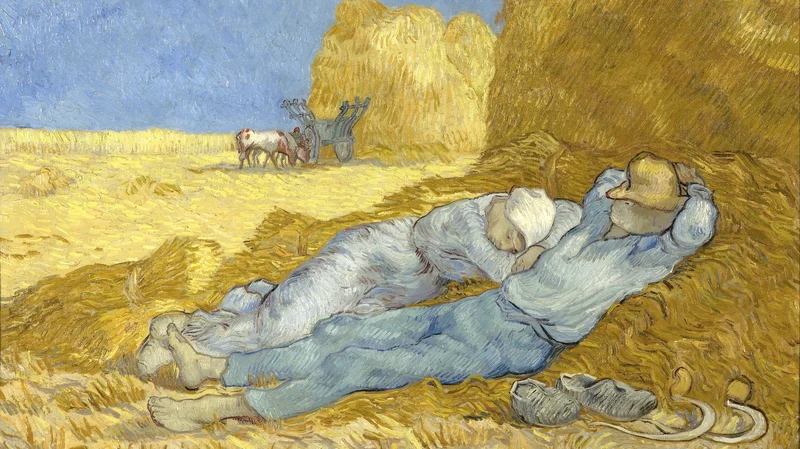
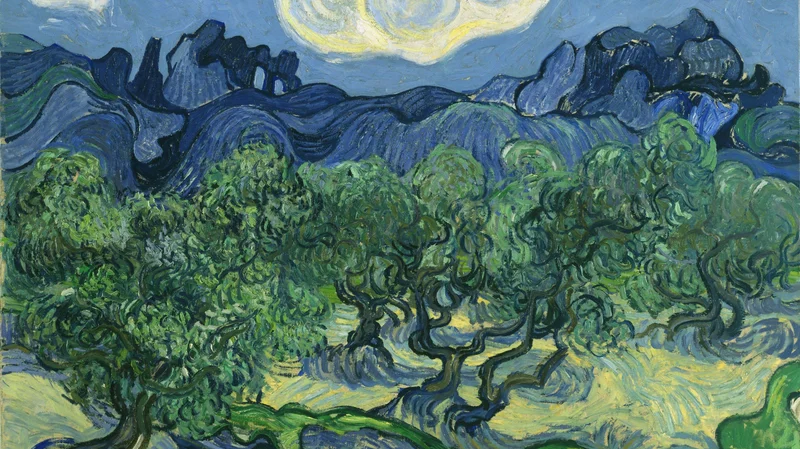
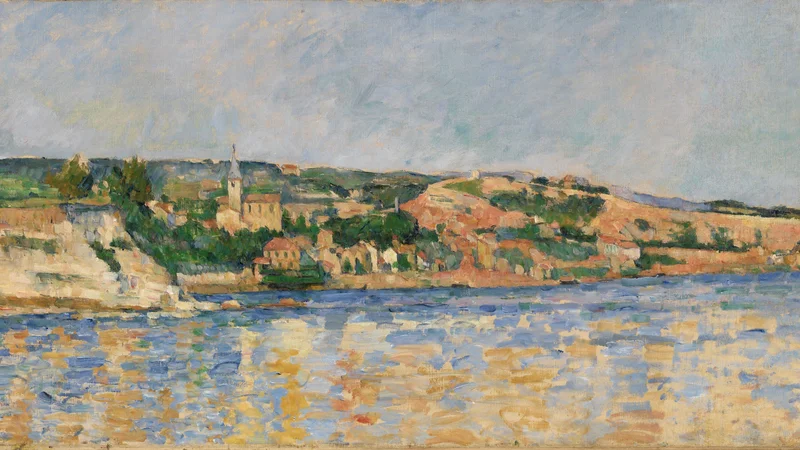
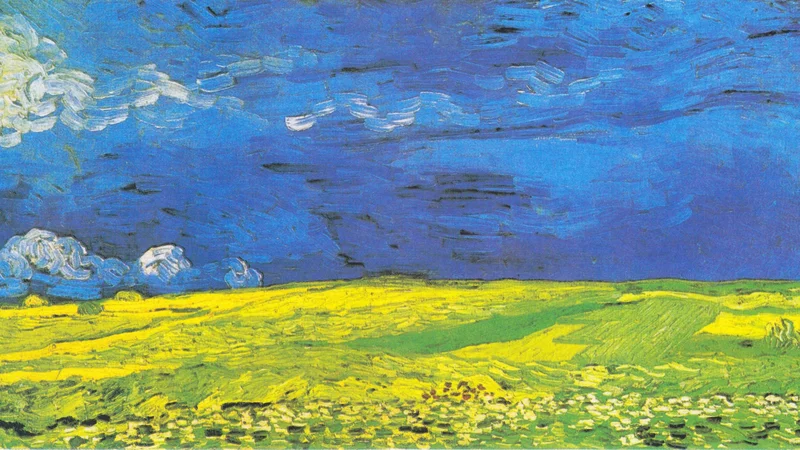
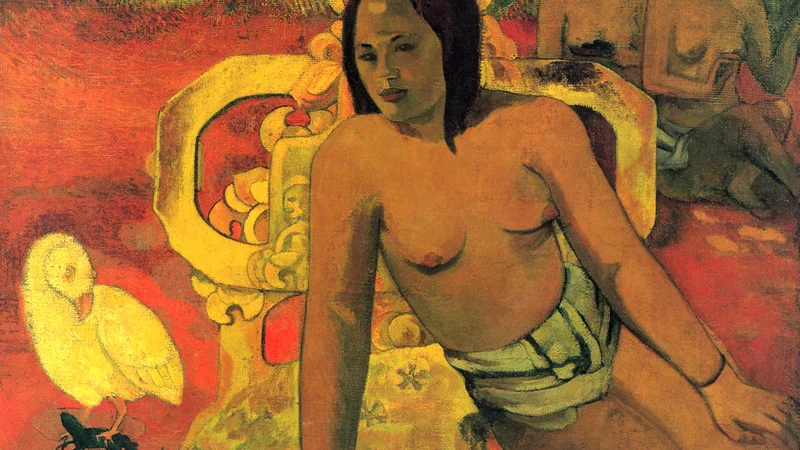
Emerging in France during the late 1880s, Post-Impressionism functioned not as a cohesive stylistic school, but as a diverse, reactionary rejection of the limitations inherent in Impressionism. While their predecessors prioritized the fleeting optical effects of light and atmosphere, these artists sought to restore structure, symbolic weight, and subjective emotional resonance to the canvas. The movement signaled a critical shift toward the autonomy of the picture plane, where color and form became vehicles for individual expression rather than mere objective transcription. This intellectual transition paved the way for the radical abstractions of the twentieth century.
The Evolution of Form and Subjectivity
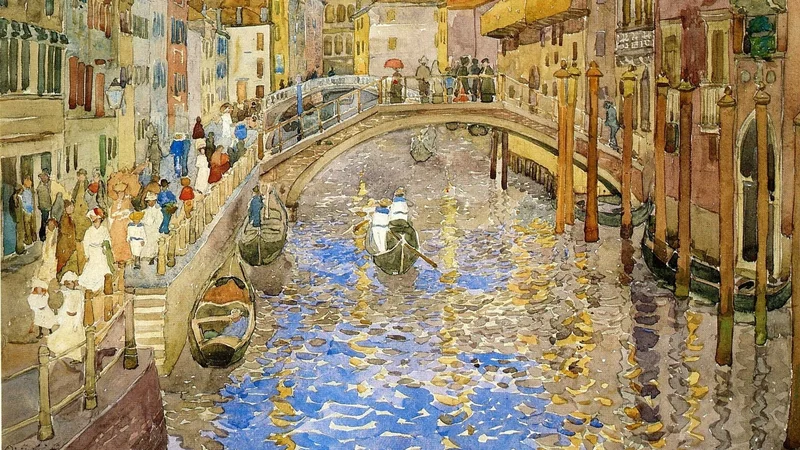
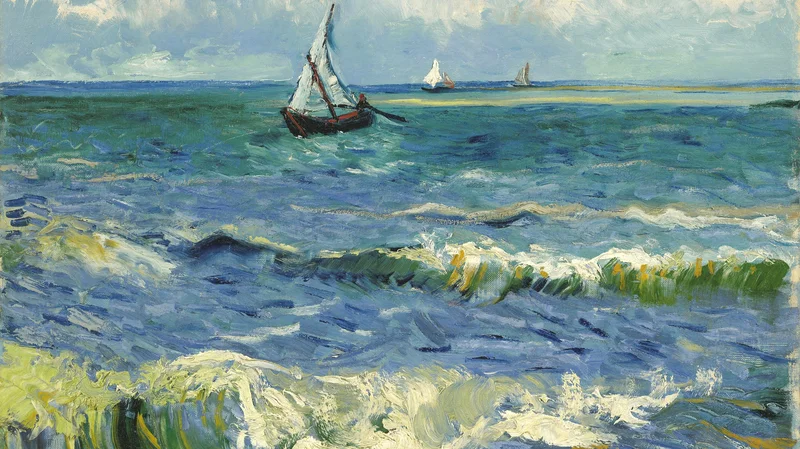
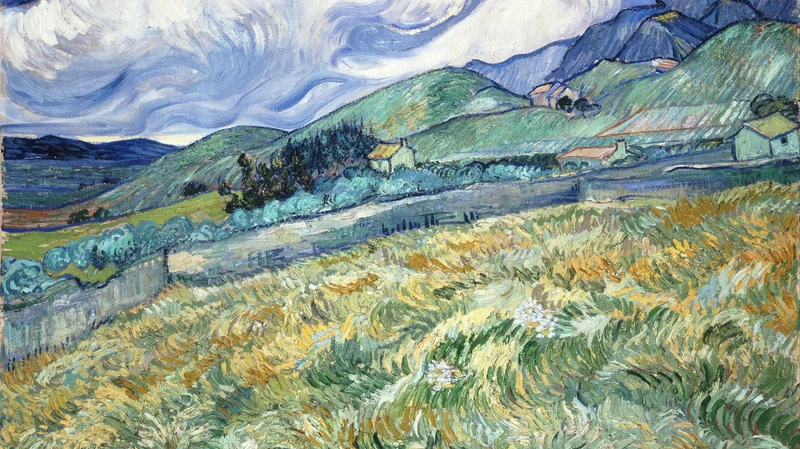
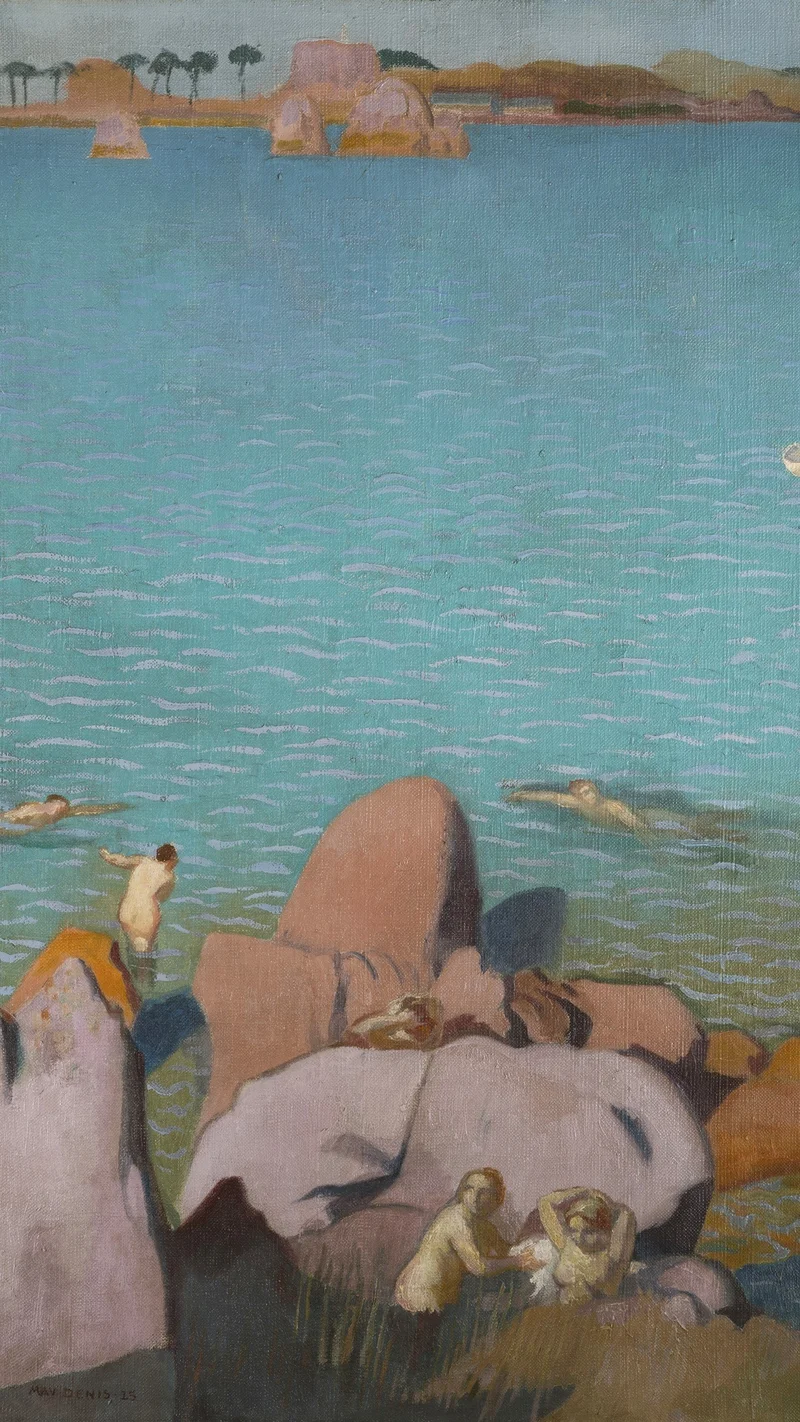
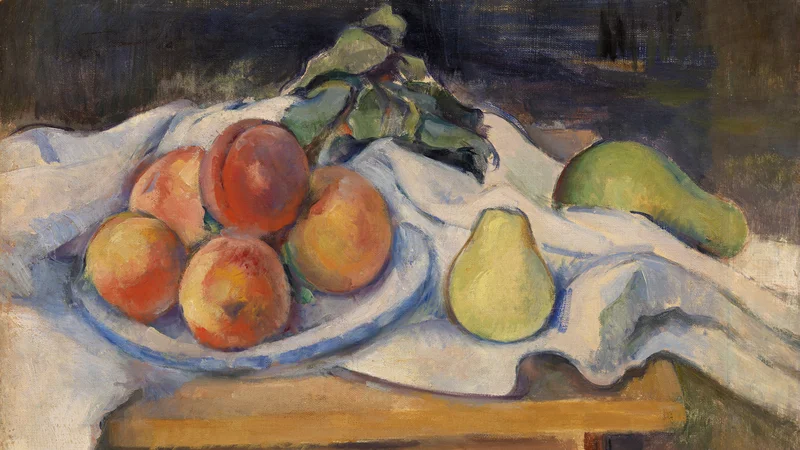
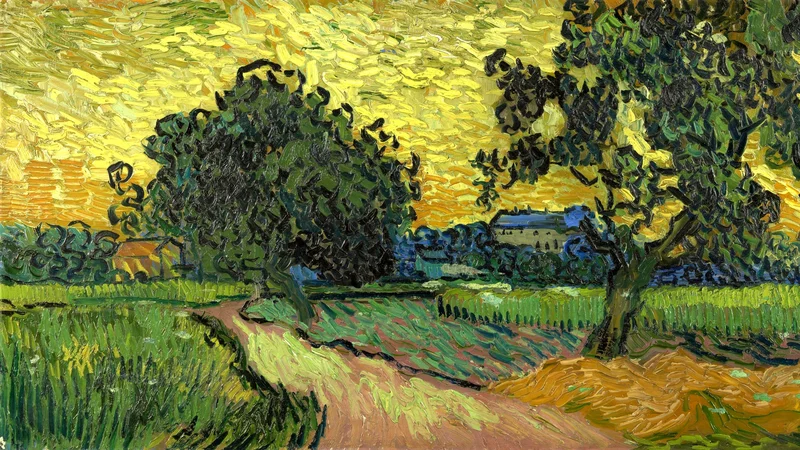
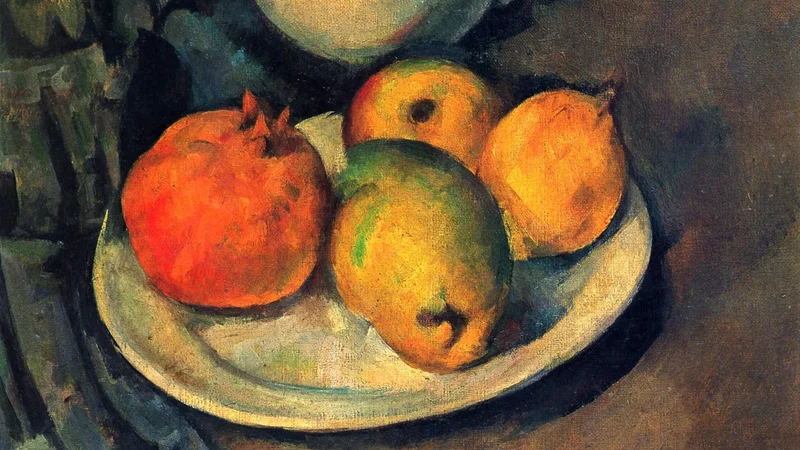
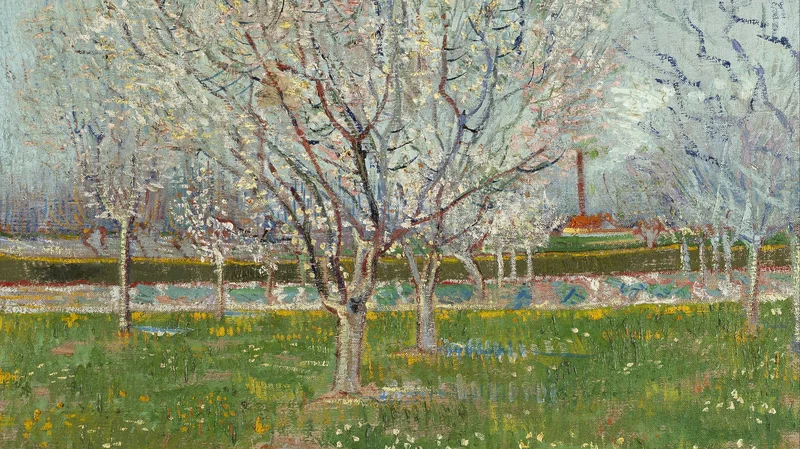
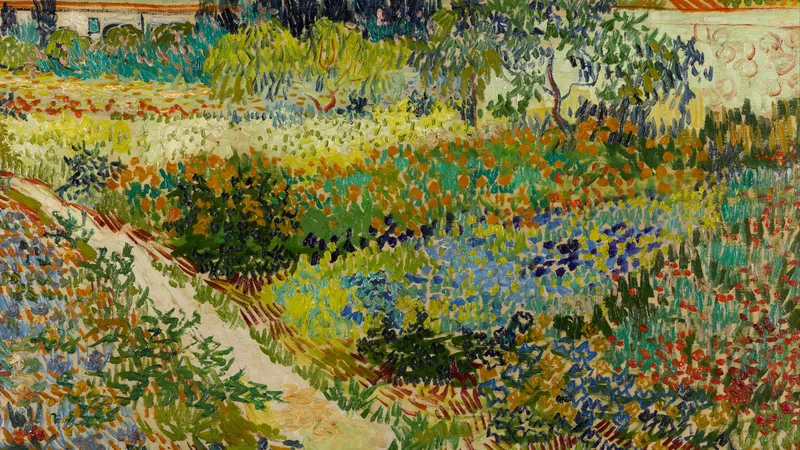
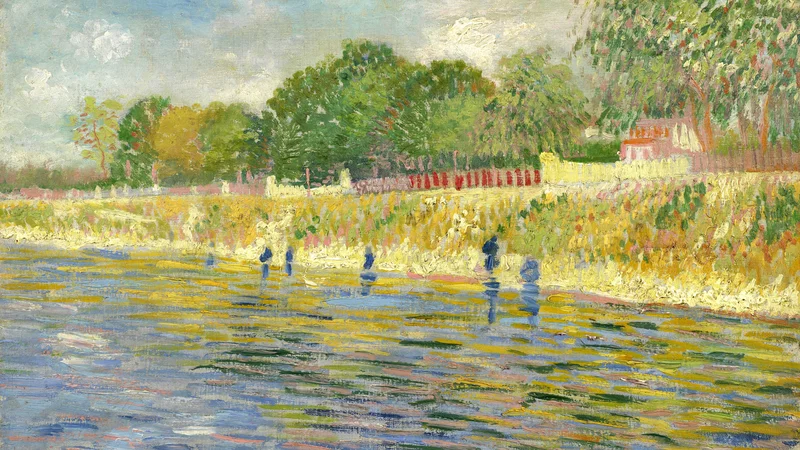
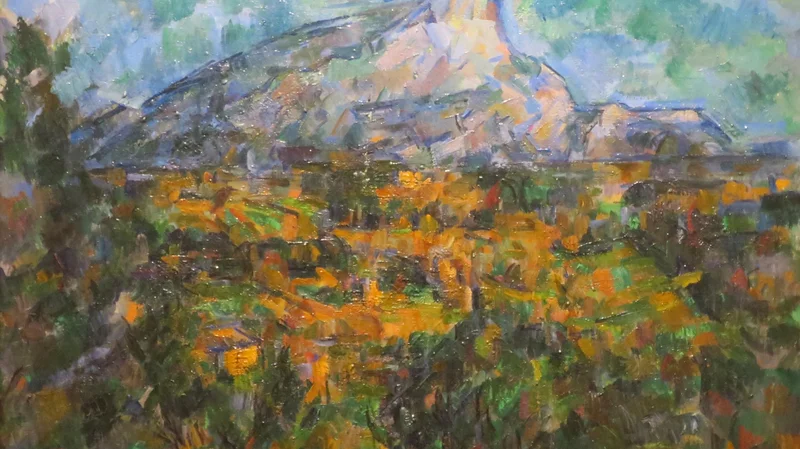
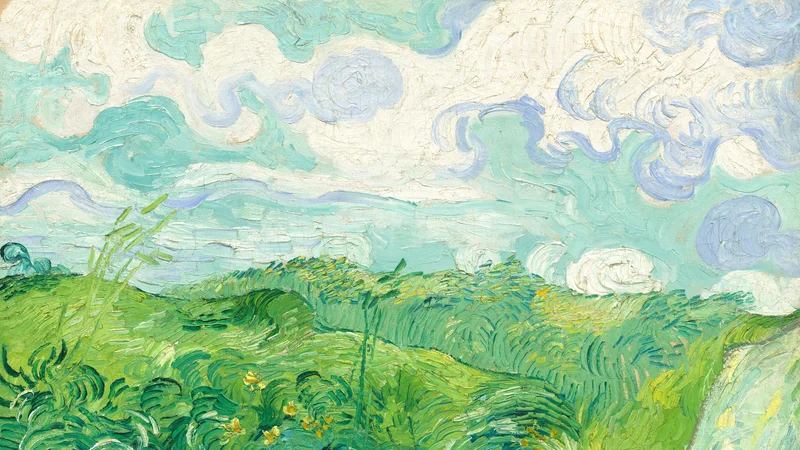
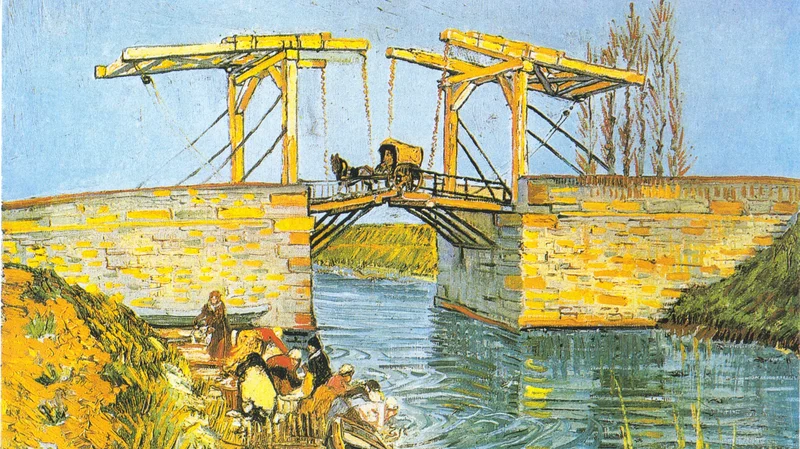
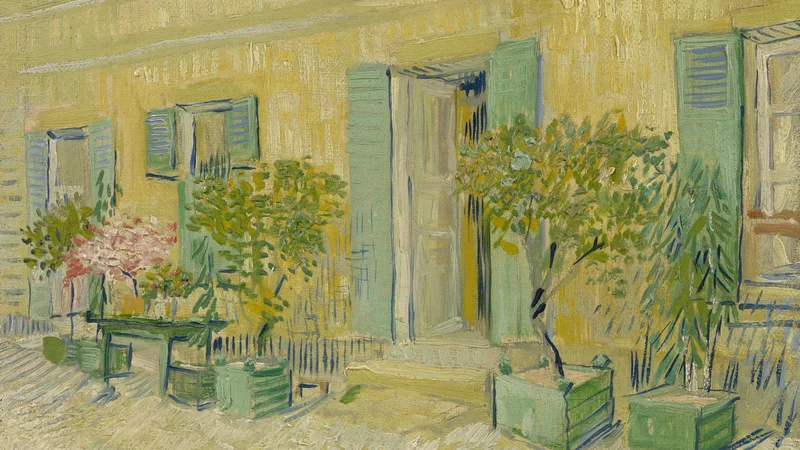
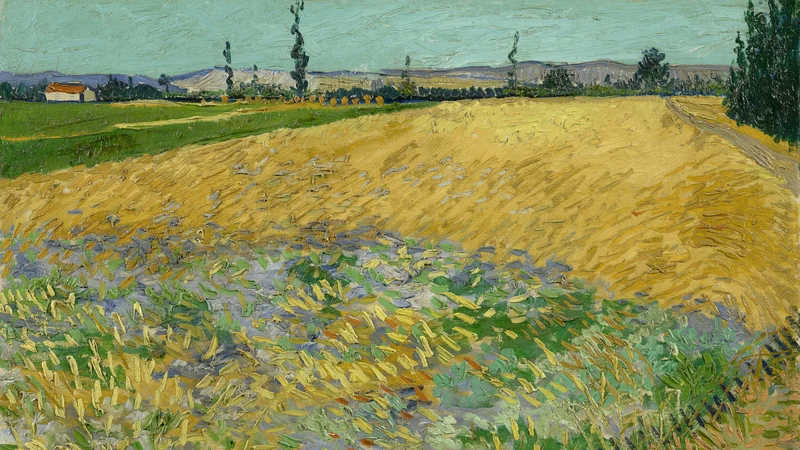
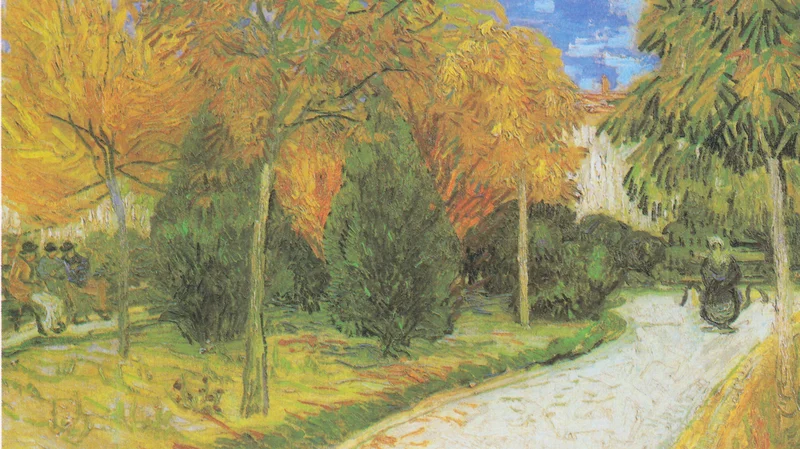
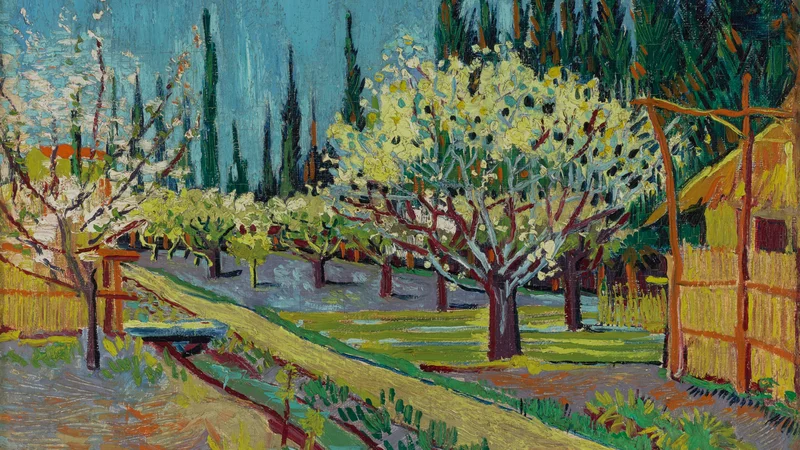
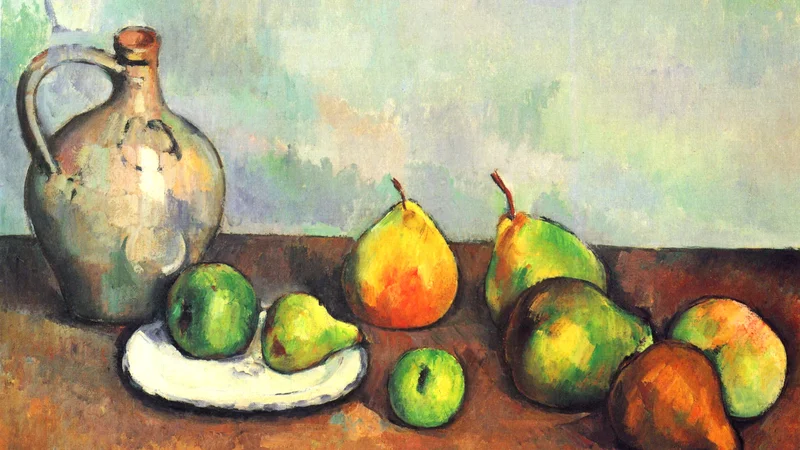
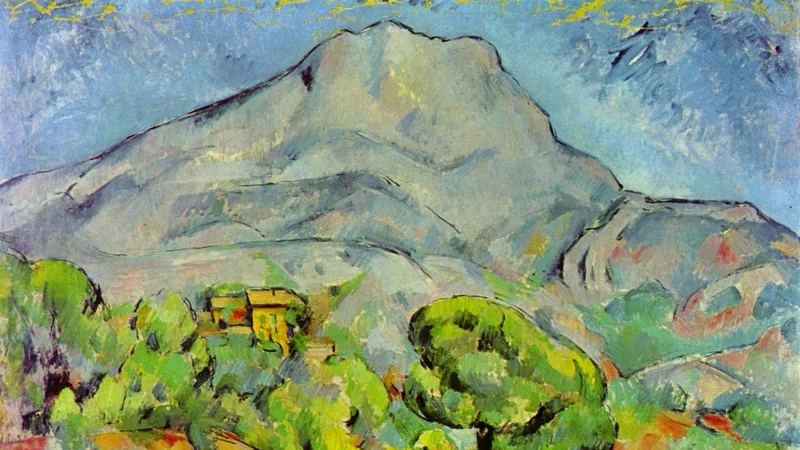
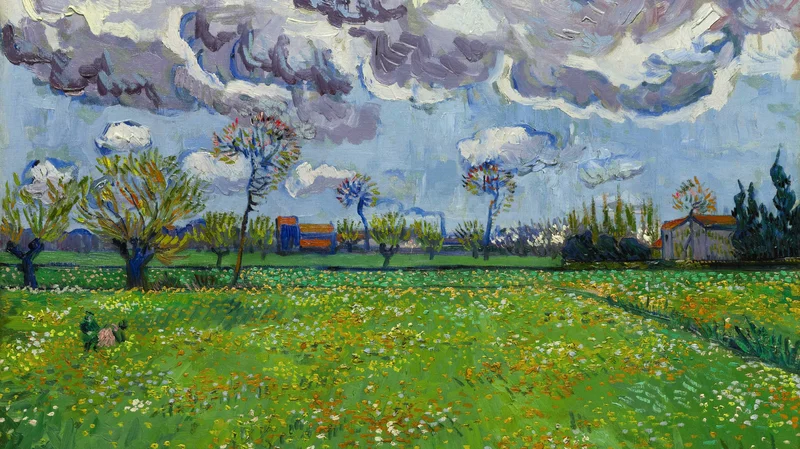
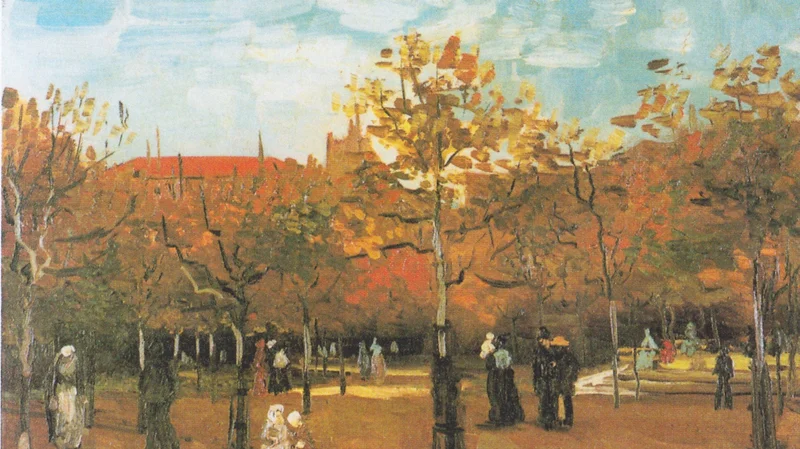
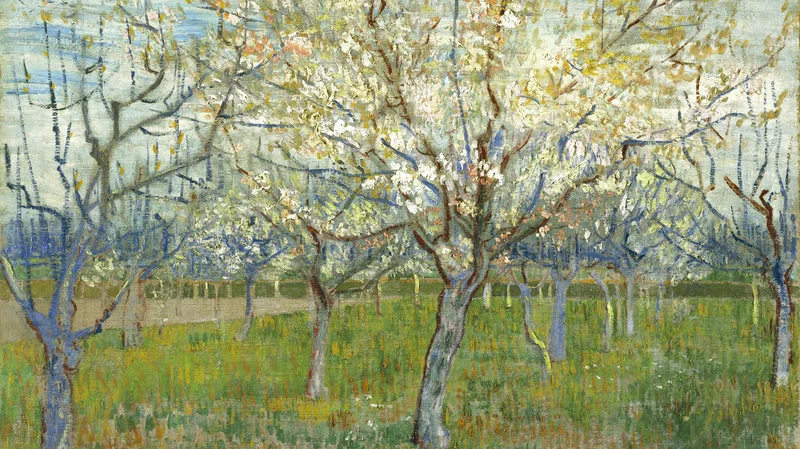
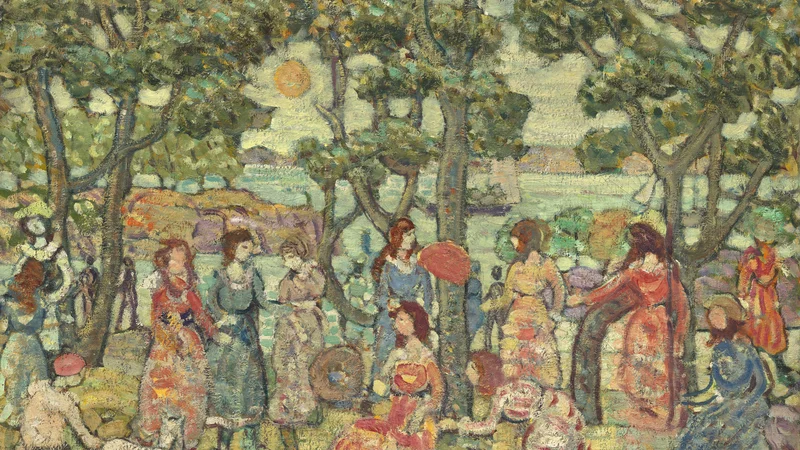
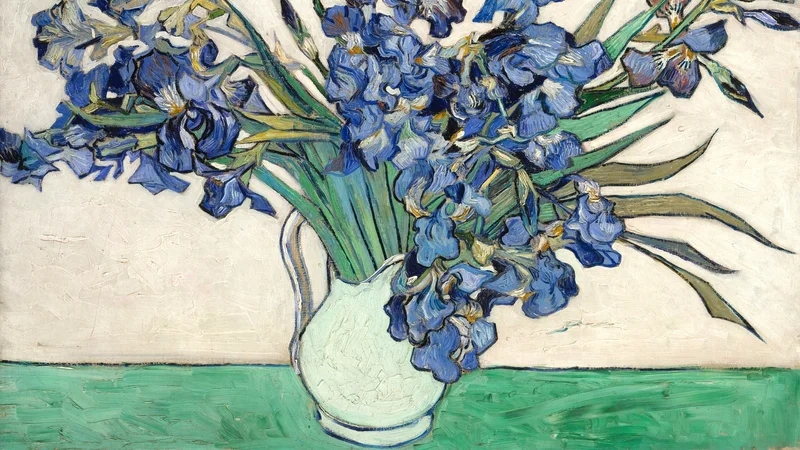
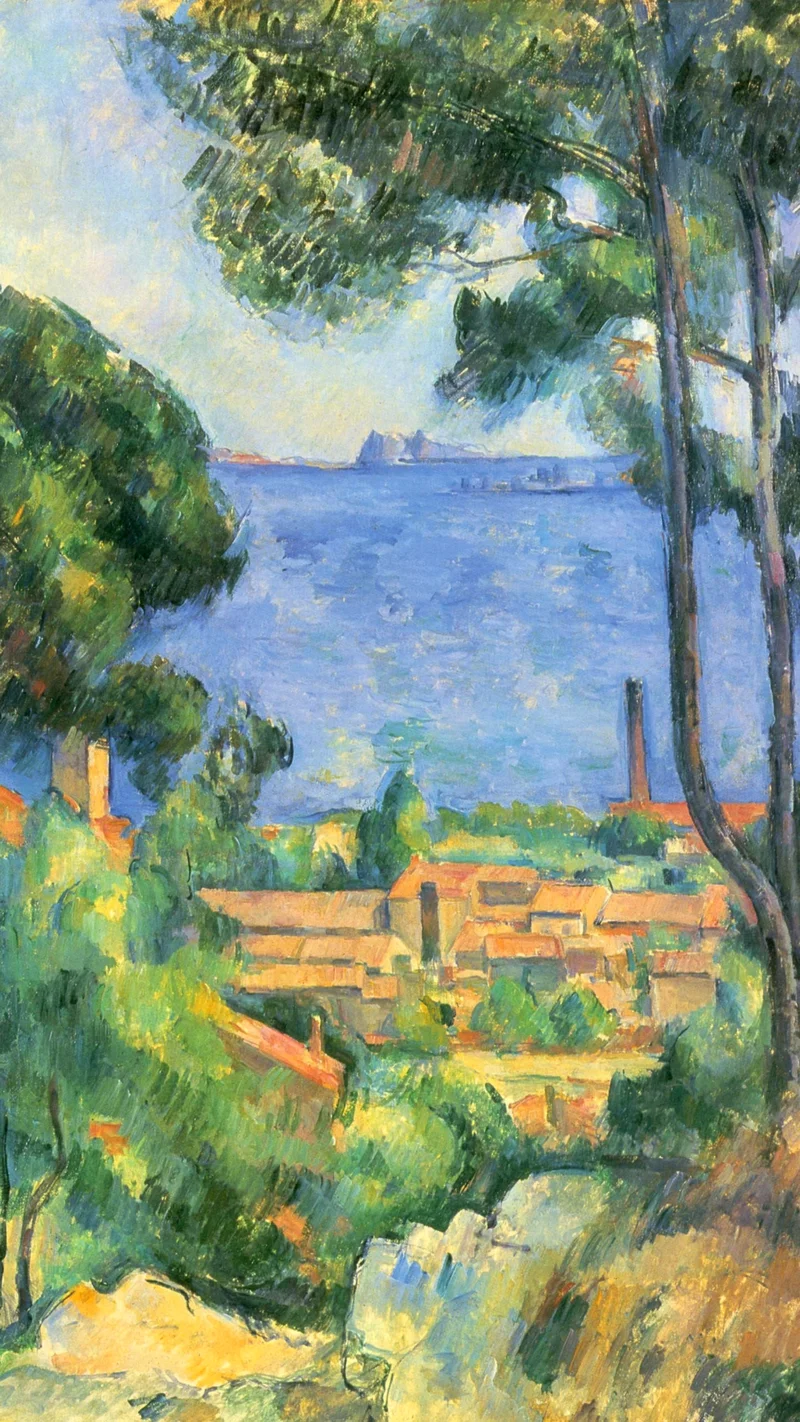
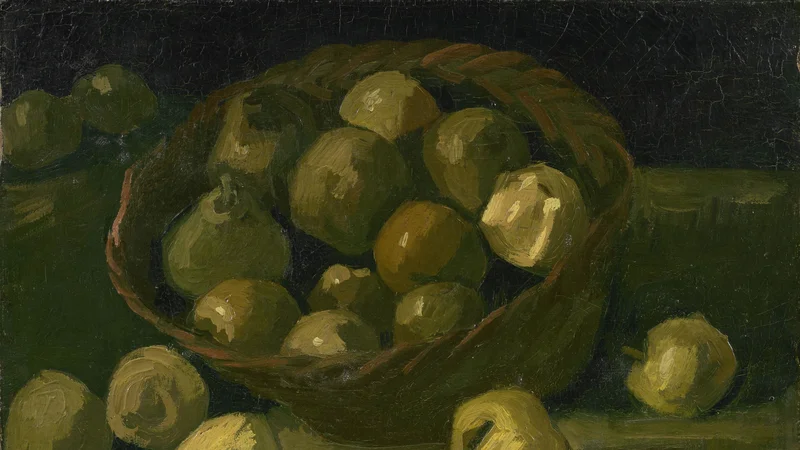
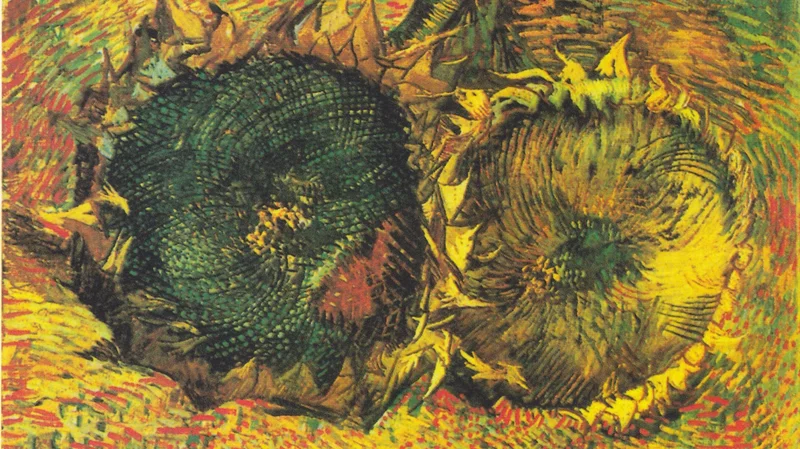
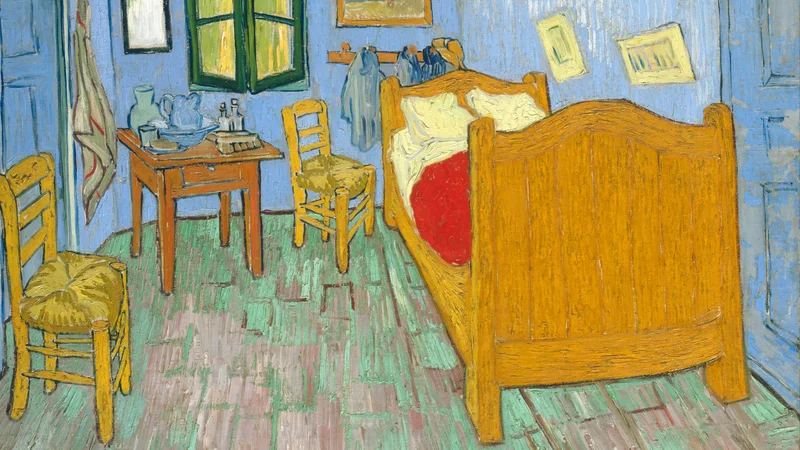
The movement encompassed a spectrum of technical approaches, ranging from the geometric rigor of Paul Cezanne’s Mount Sainte-Victoire and Fruit on a Table to the expressive, vibrant brushwork of Vincent van Gogh, exemplified in The Langlois Bridge at Arles with Women Washing. Figures such as Henri de Toulouse-Lautrec captured the grim urbanity of Parisian life, while Édouard Vuillard and Maurice Denis explored the decorative potential of flattened space and color theory. Works like Still Life with Pitcher and Fruits, Landscape at Twilight, and the evocative Venetian Canal Scene demonstrate a collective movement away from naturalism toward a more rigorous investigation of artistic intent. By prioritizing the artist's internal vision over external observation, these figures fundamentally transformed the trajectory of modern aesthetics.