Paul Gauguin
7 artworks
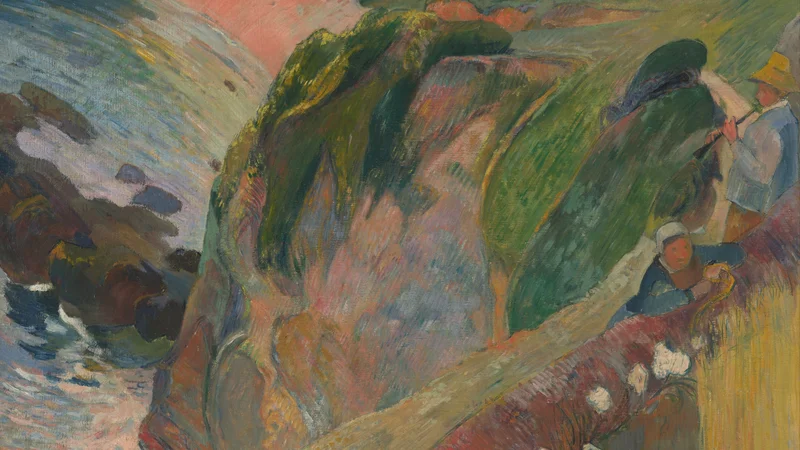
Paul Gauguin (1848–1903) was a French artist who emerged as a pivotal figure in Post-Impressionism, fundamentally altering the trajectory of Western modernism. Abandoning a career as a stockbroker to pursue painting full-time in the 1880s, he transitioned from an early adherence to Impressionist techniques toward a radical, self-defined aesthetic. His development was deeply informed by his time in Pont-Aven, where his work began to prioritize symbolic depth and decorative surface over the objective optical recording of the natural world.
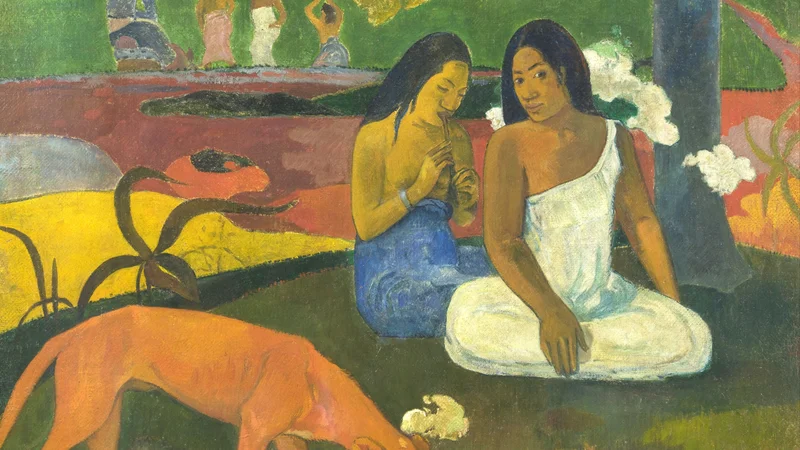
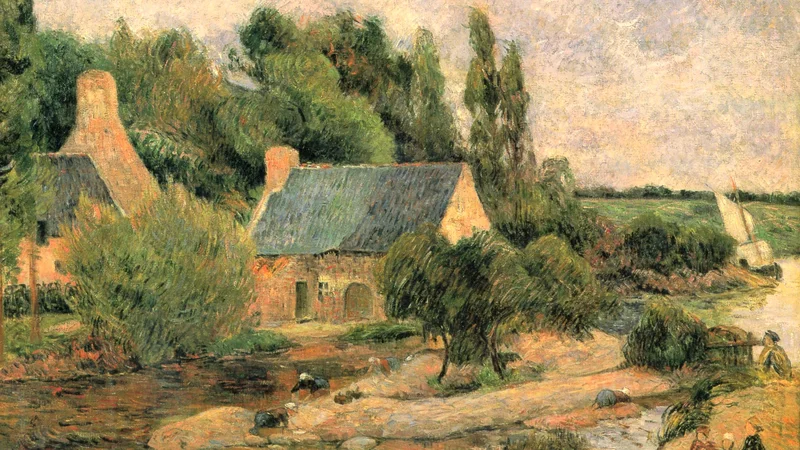
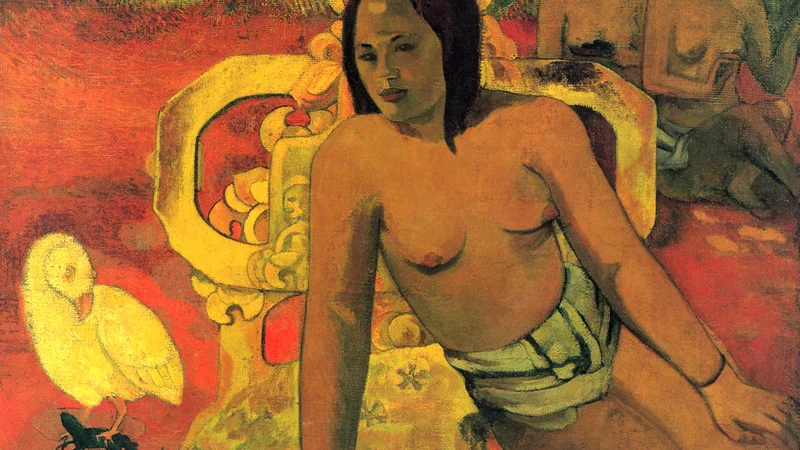
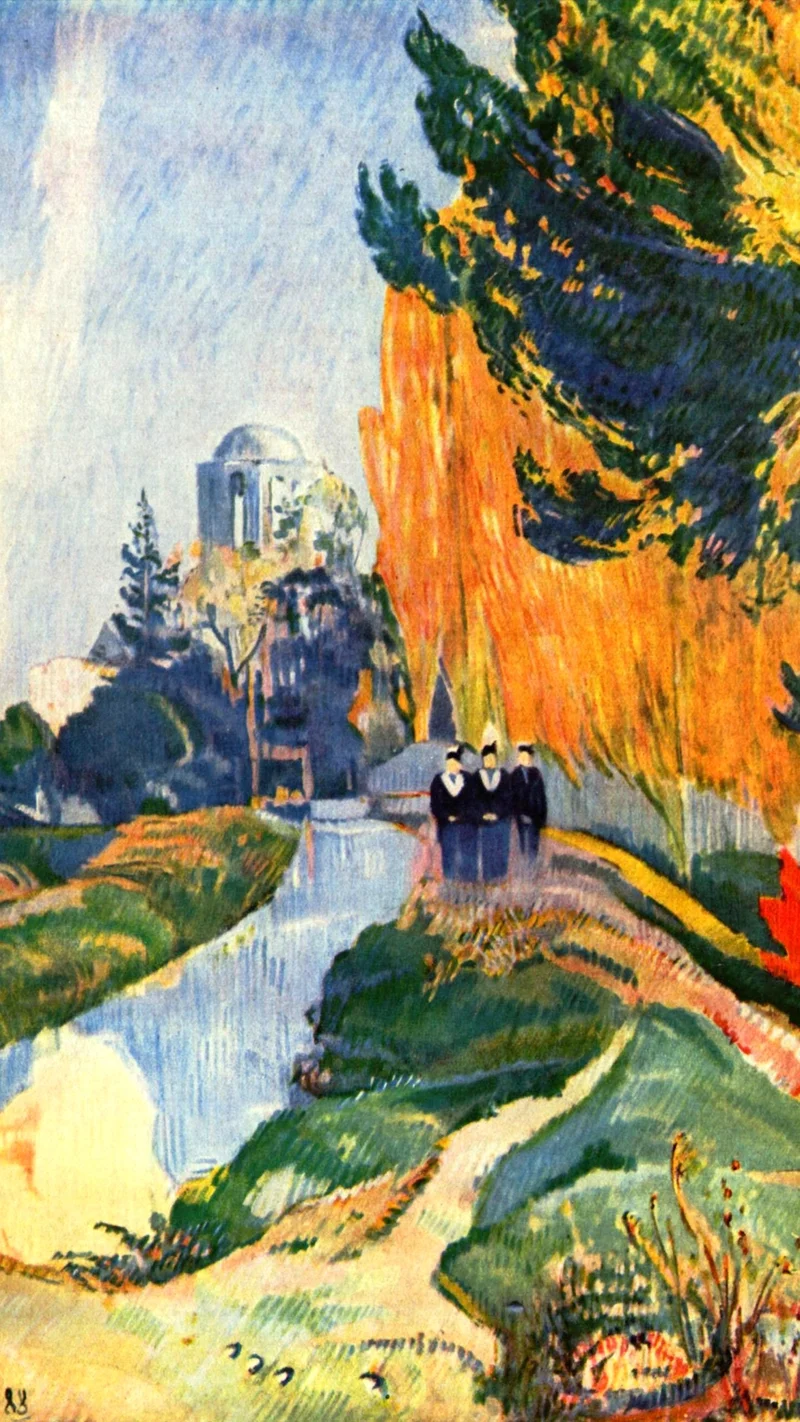
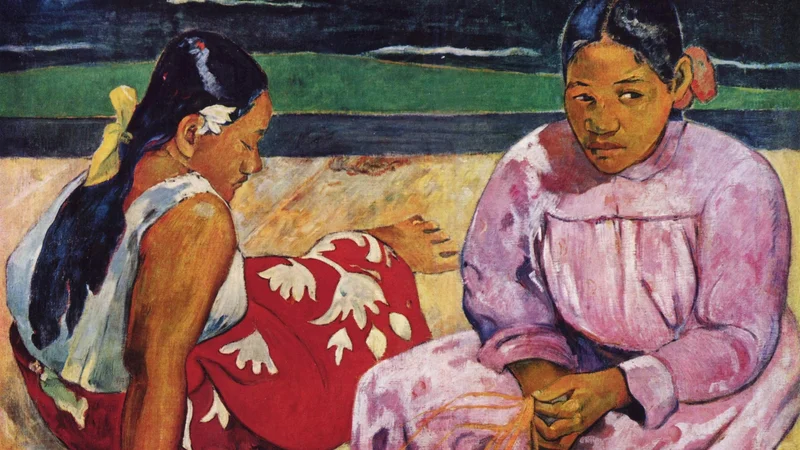
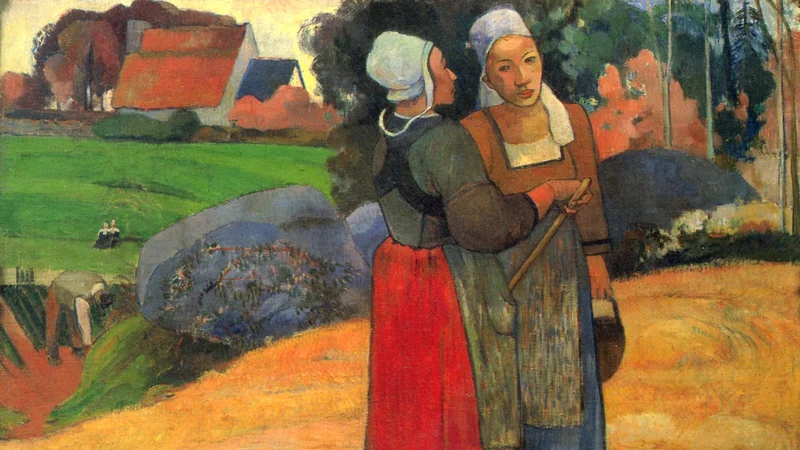
Technically, Gauguin moved away from the fragmented brushwork of his predecessors toward a methodology characterized by bold, flat areas of color, heavy outlines, and a rejection of traditional perspective. This stylistic shift is evident in early works such as Breton Peasant Women and Washerwomen at Pont-Aven, which utilize rhythmic composition to evoke a sense of rural stasis. During his periods in Oceania, specifically around 1892 and 1894, he further refined his use of non-naturalistic color and mythic iconography. Canvases such as Arearea, Vairumati, and Tahitian Women on the Beach demonstrate his mastery of synthetic form, while Les Alyscamps showcases his earlier experimentation with saturated color palettes and expressive light.
His departure from naturalism and his interest in non-Western motifs profoundly influenced the development of Fauvism and subsequent avant-garde movements. By emphasizing the psychological and emotive potential of color, Gauguin provided a vital framework for 20th-century artists to move toward abstraction. His rigorous commitment to subjective expression continues to be recognized as a cornerstone of the modern artistic tradition.