High Renaissance
35 artworks
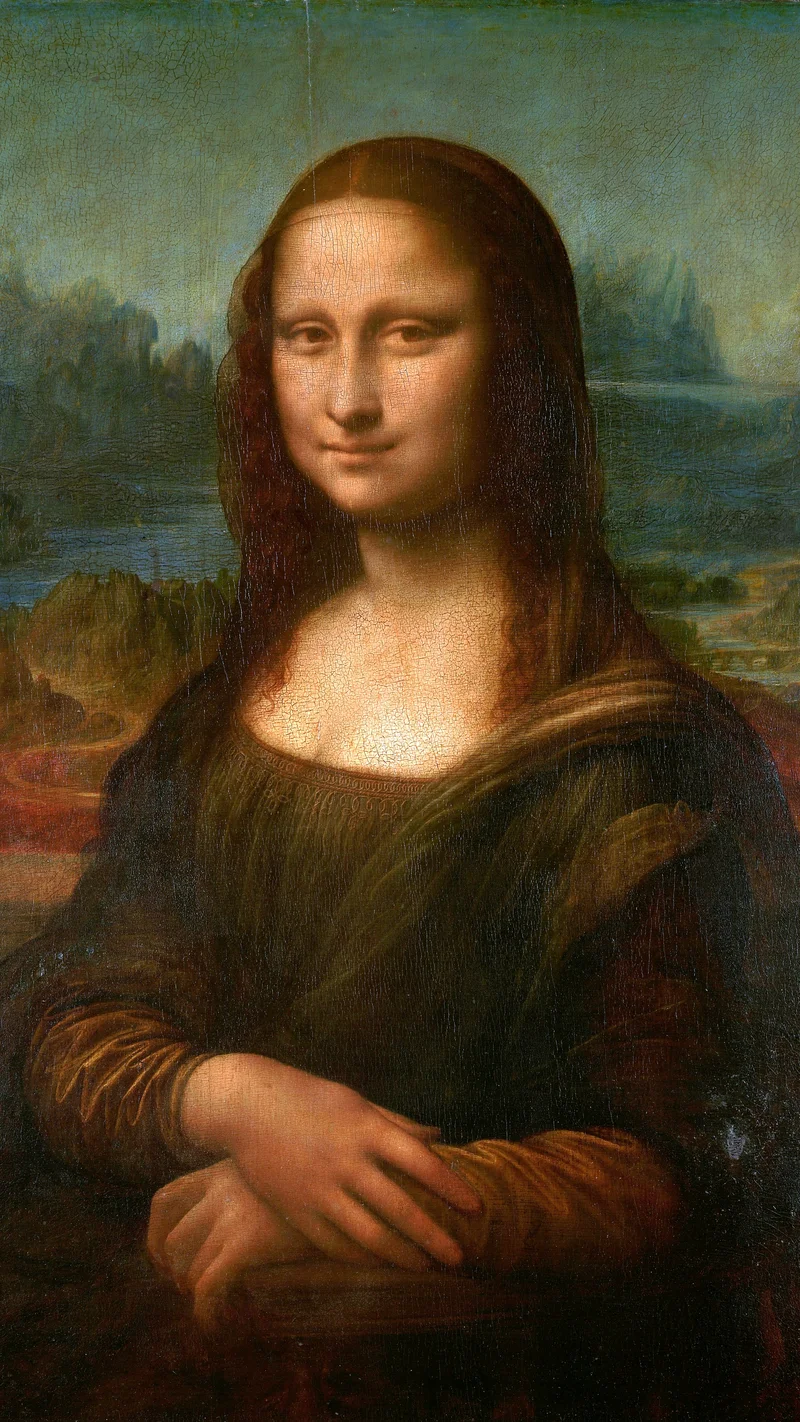
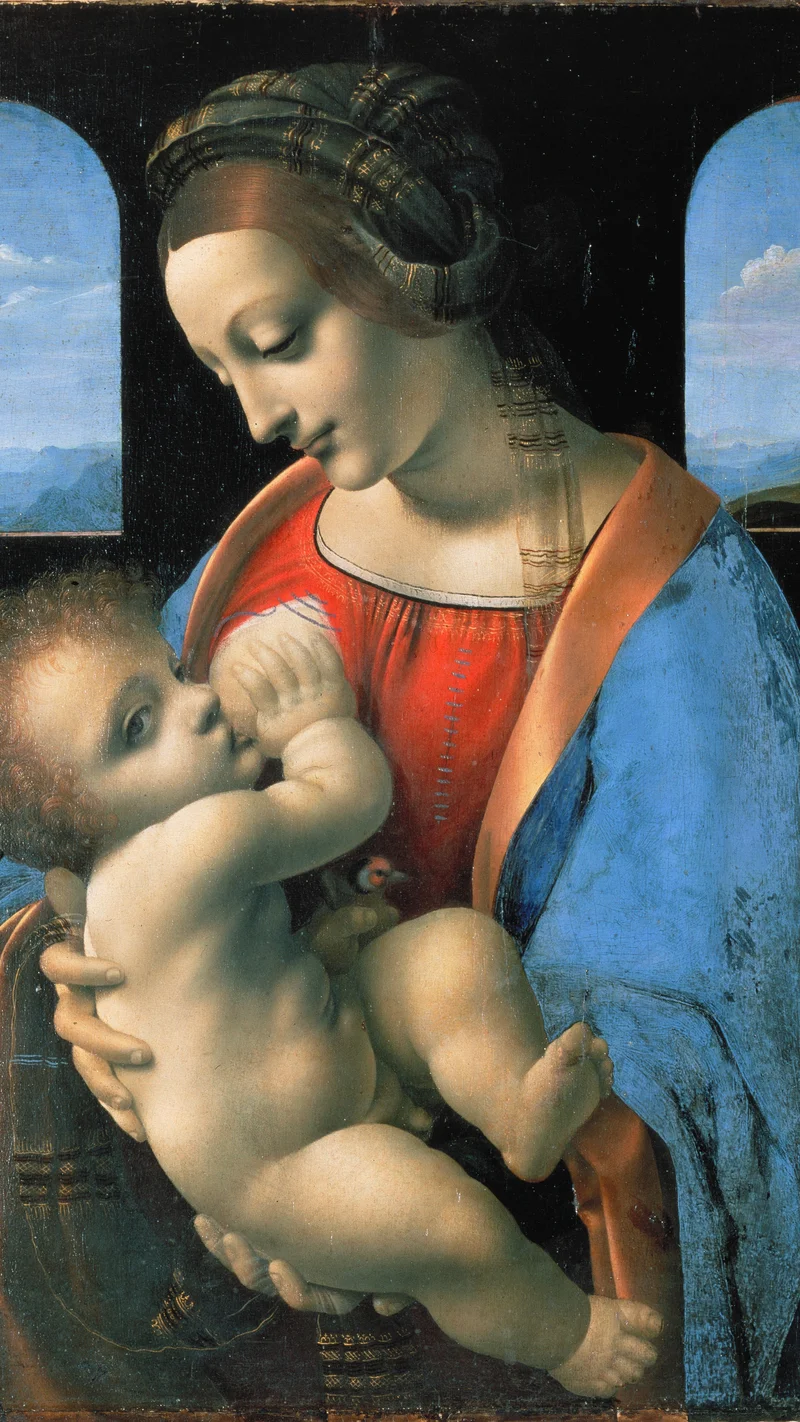
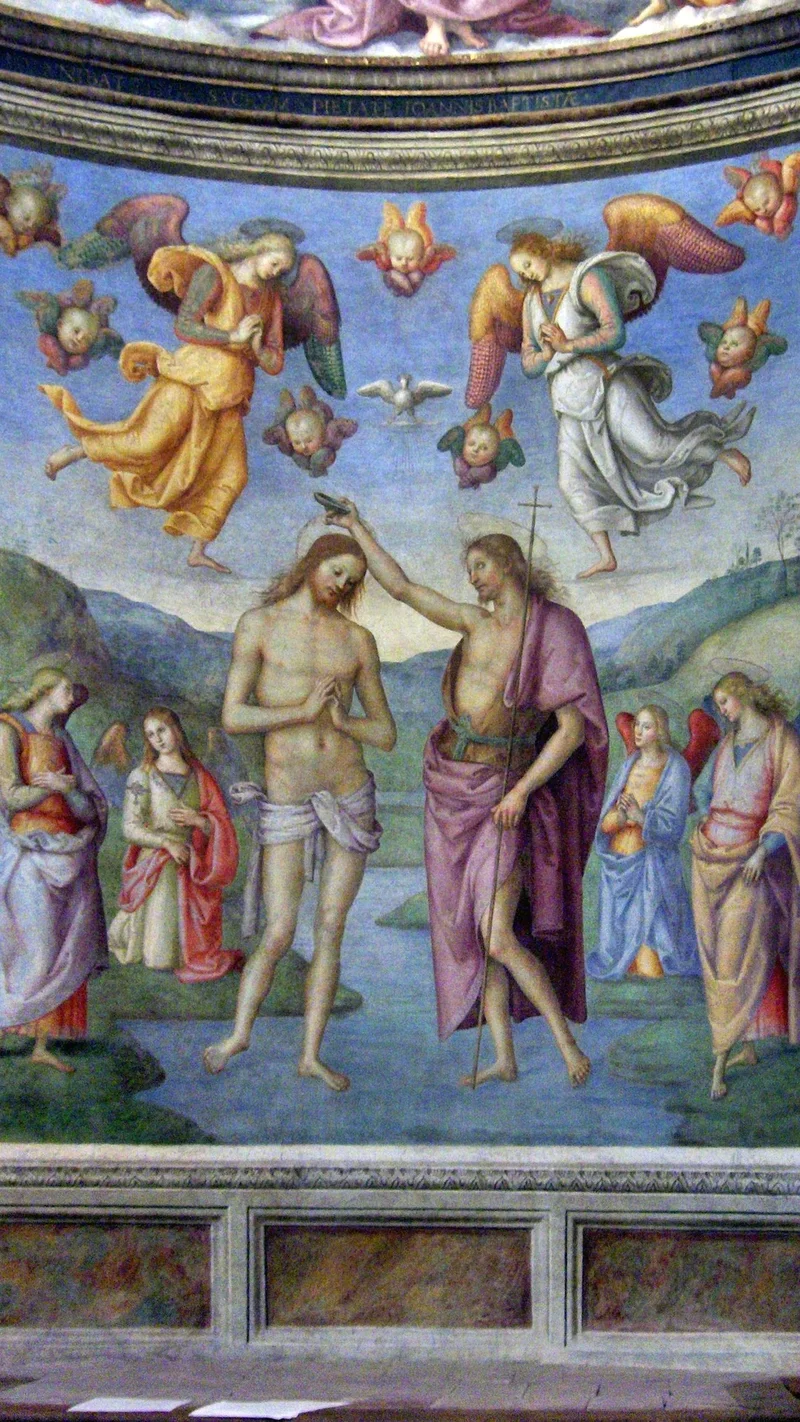
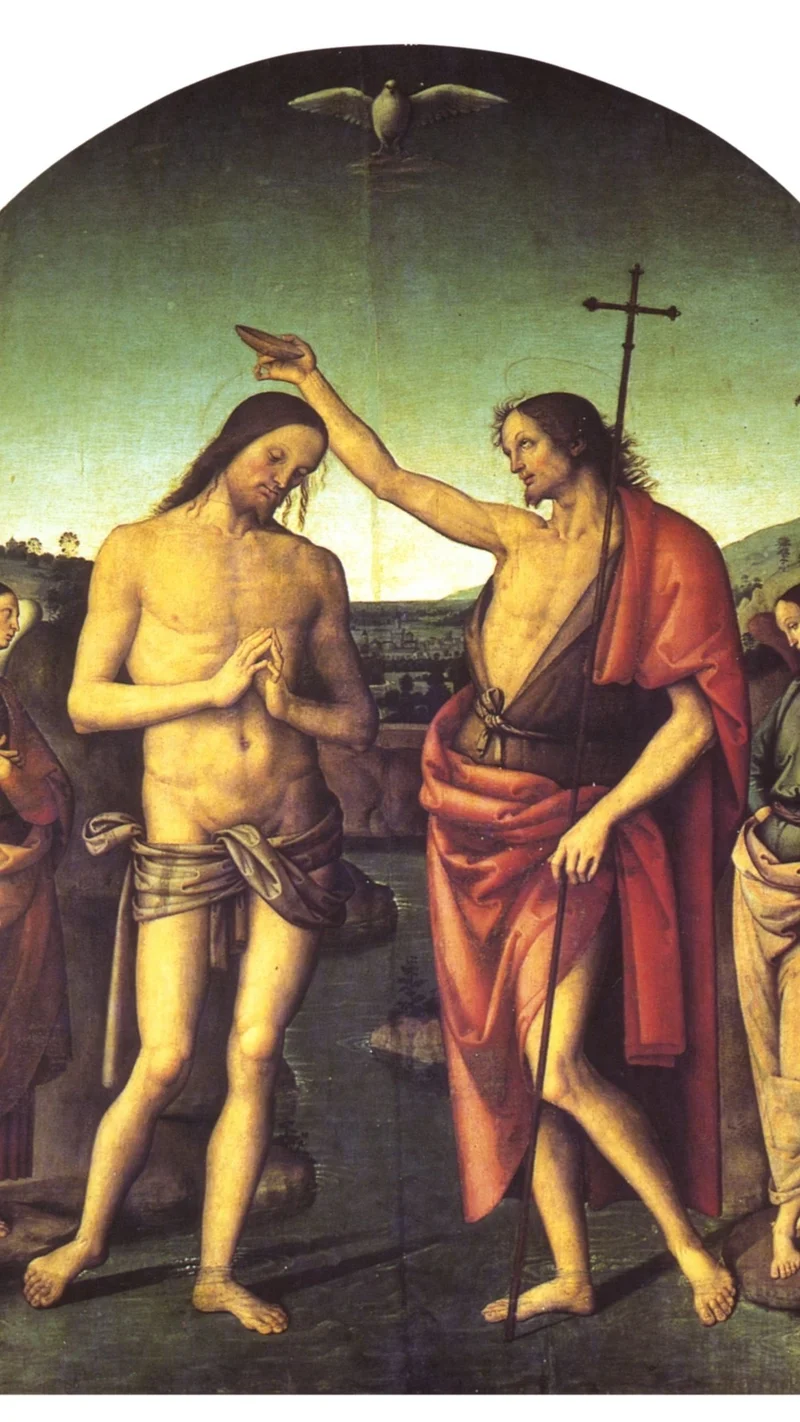
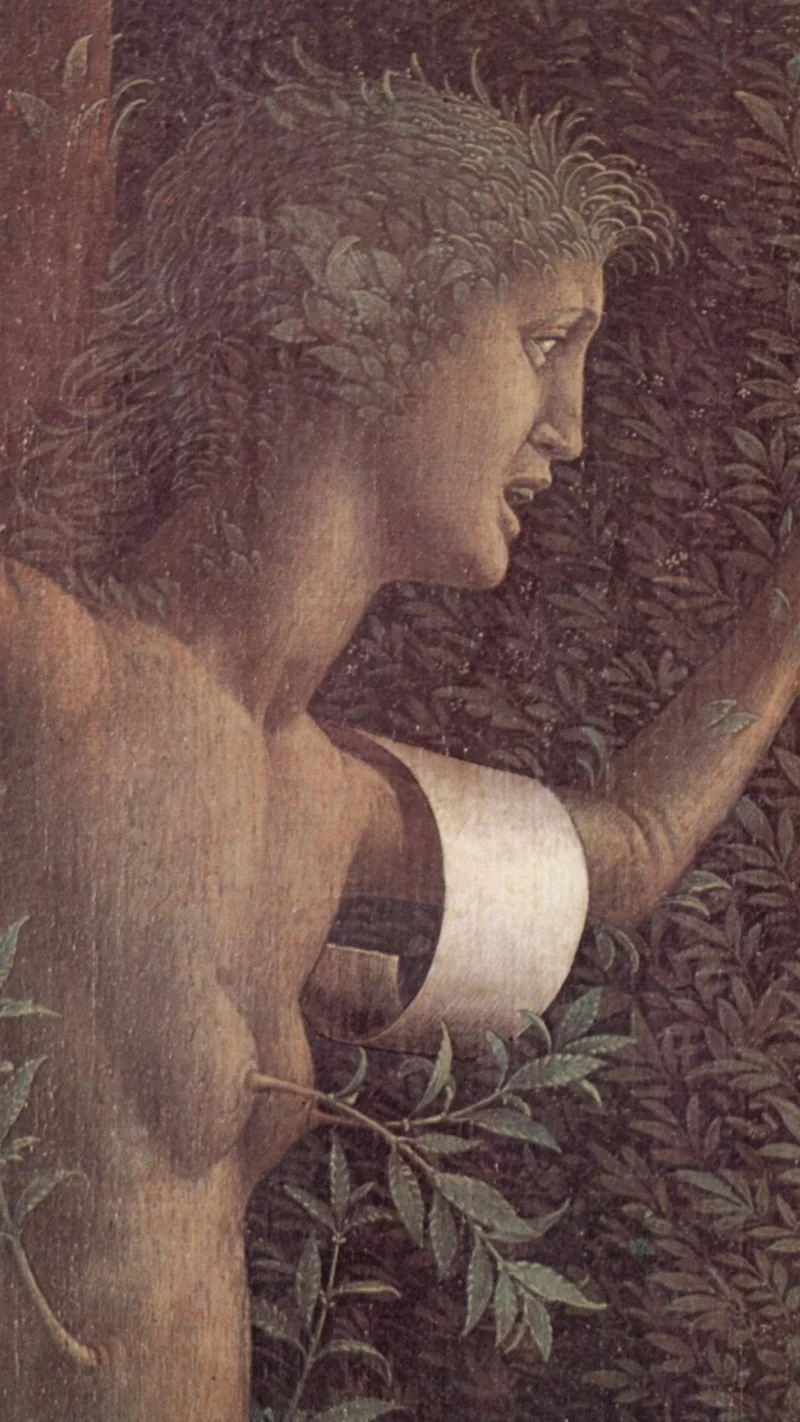
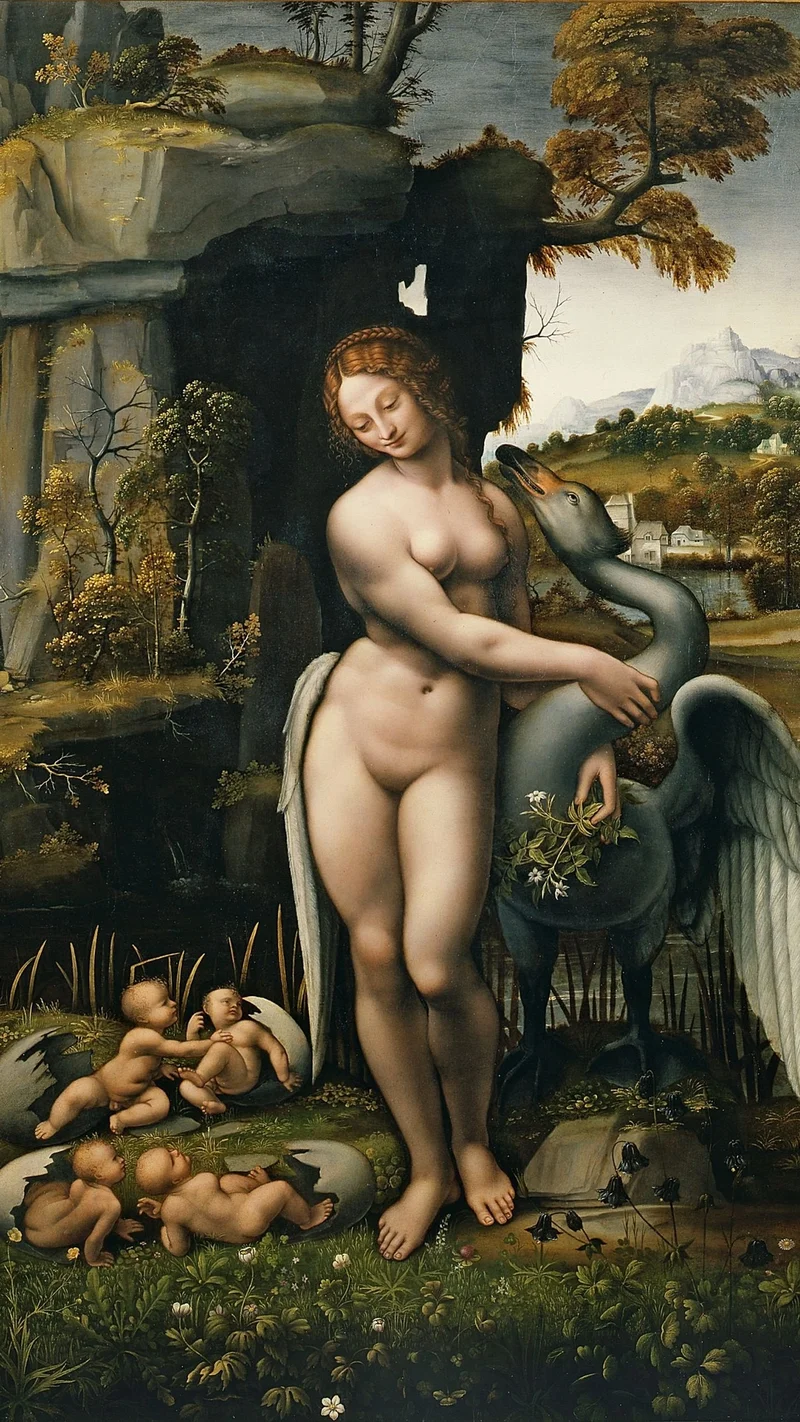
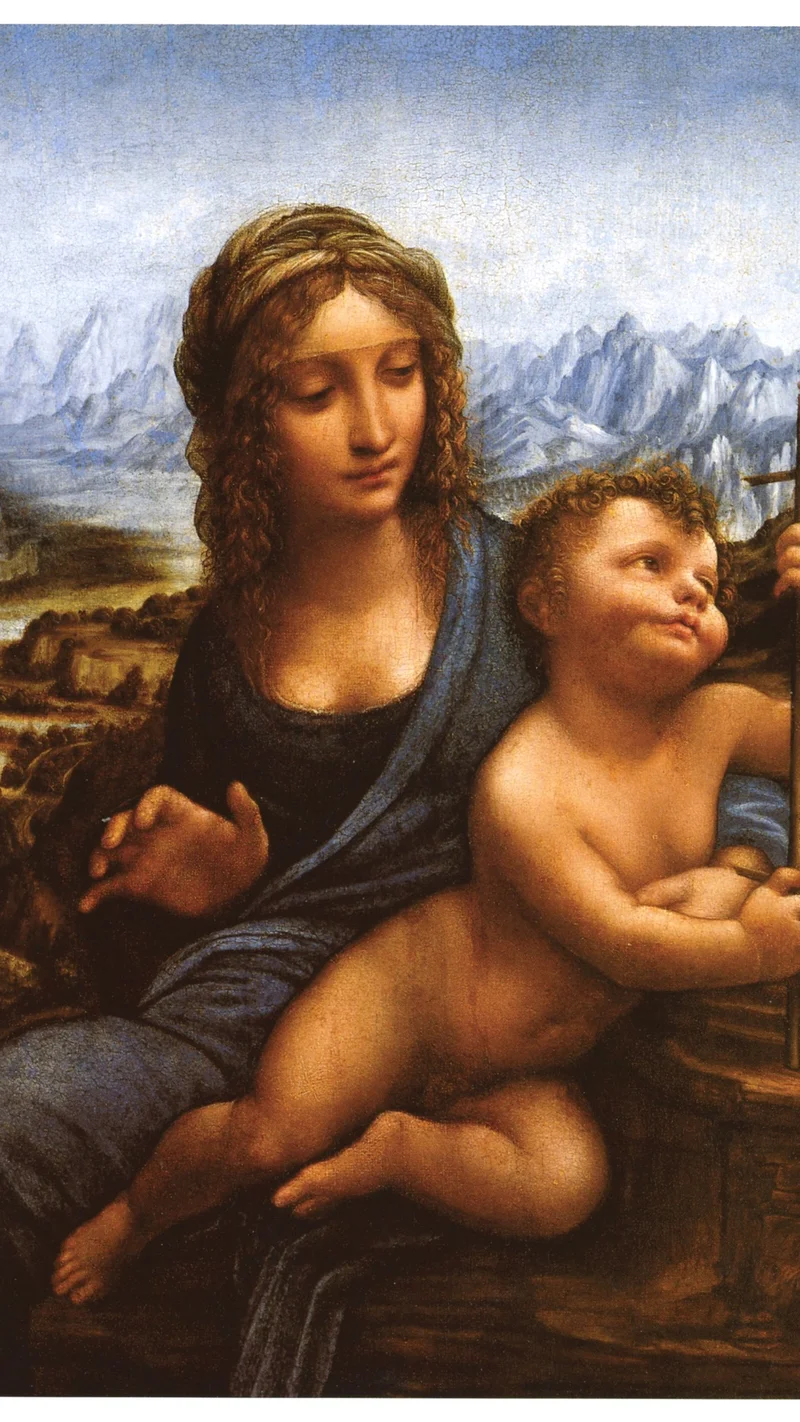
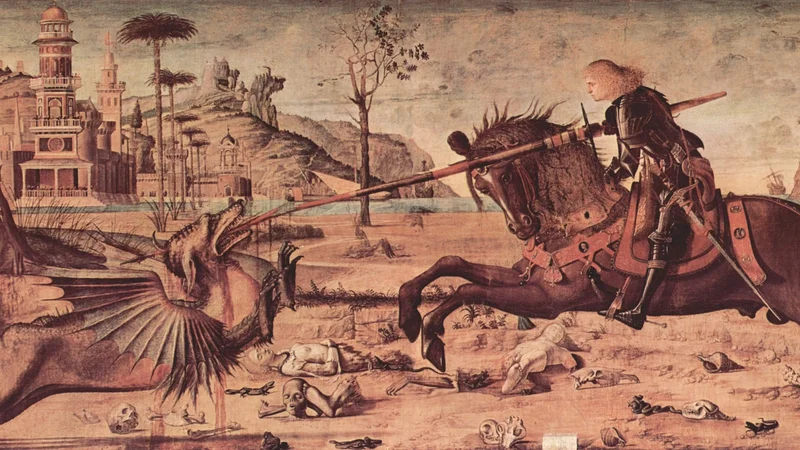
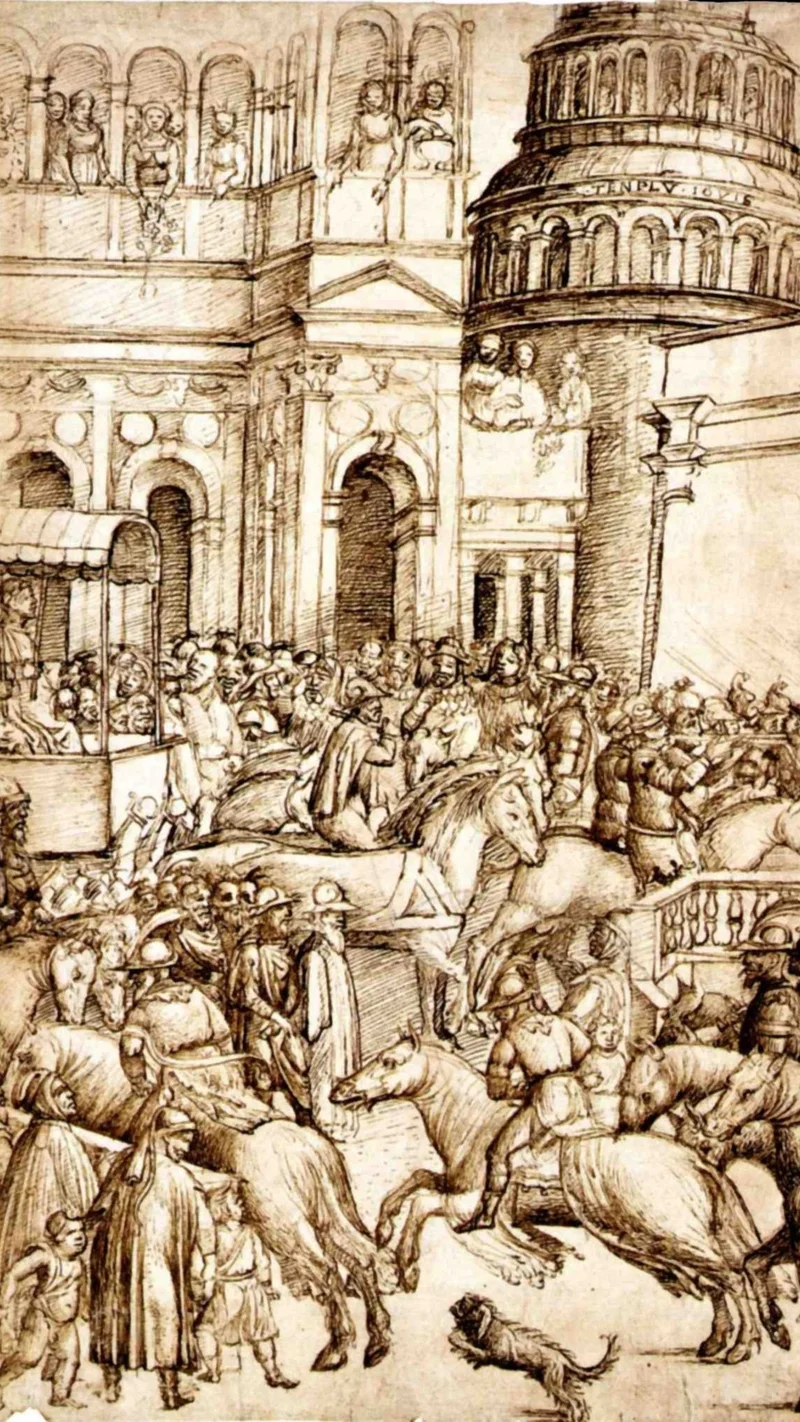
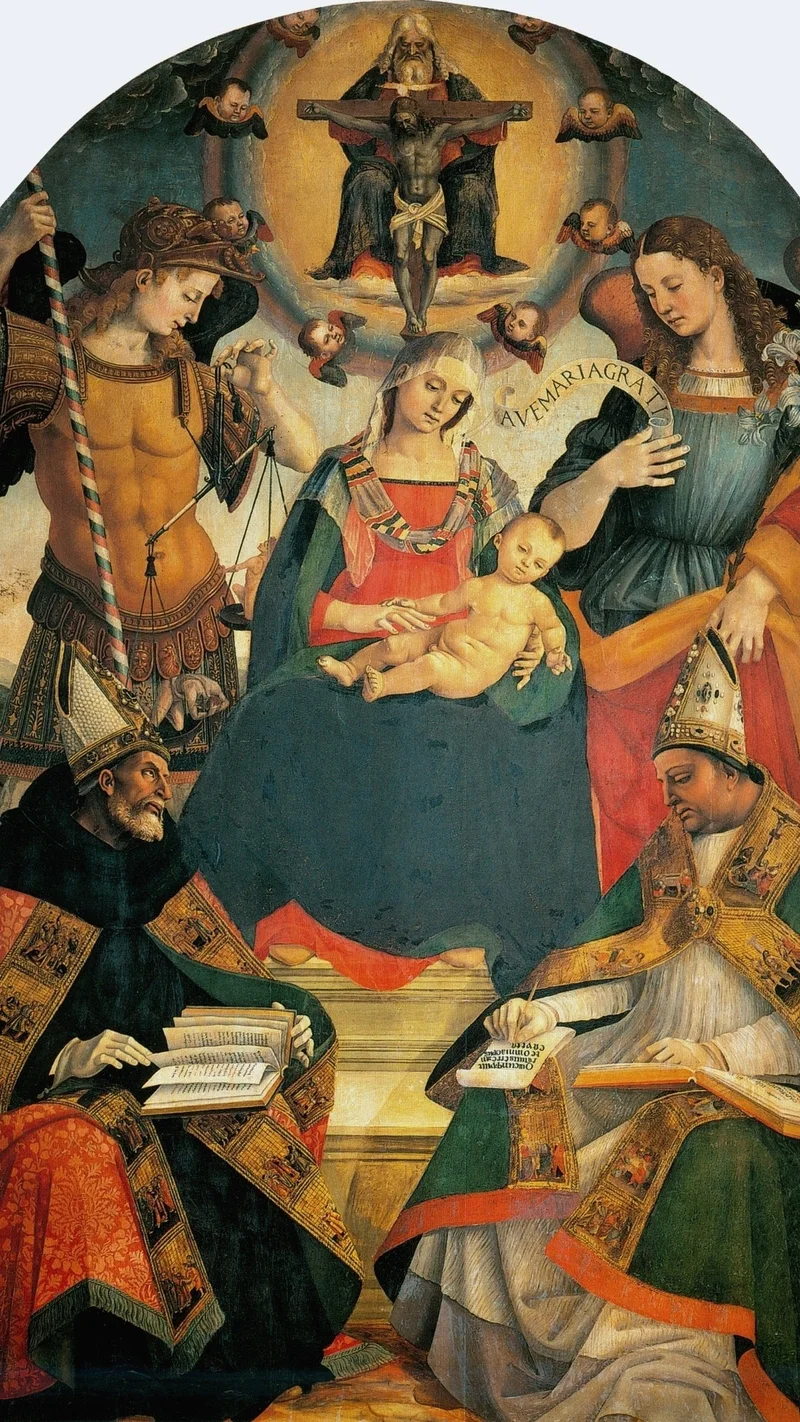
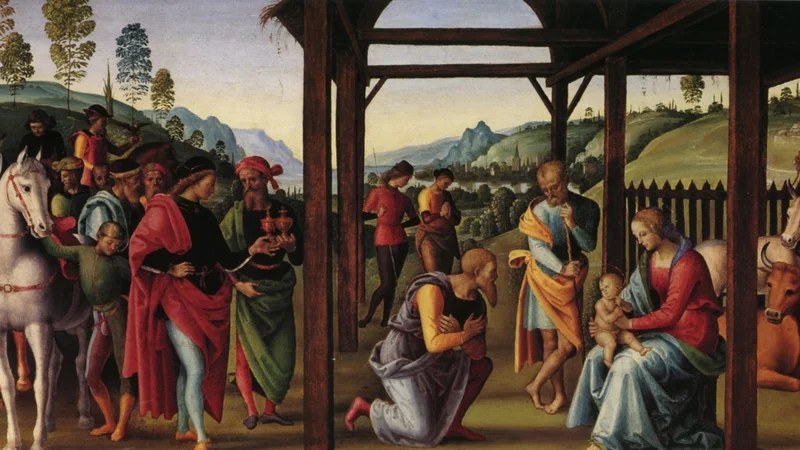
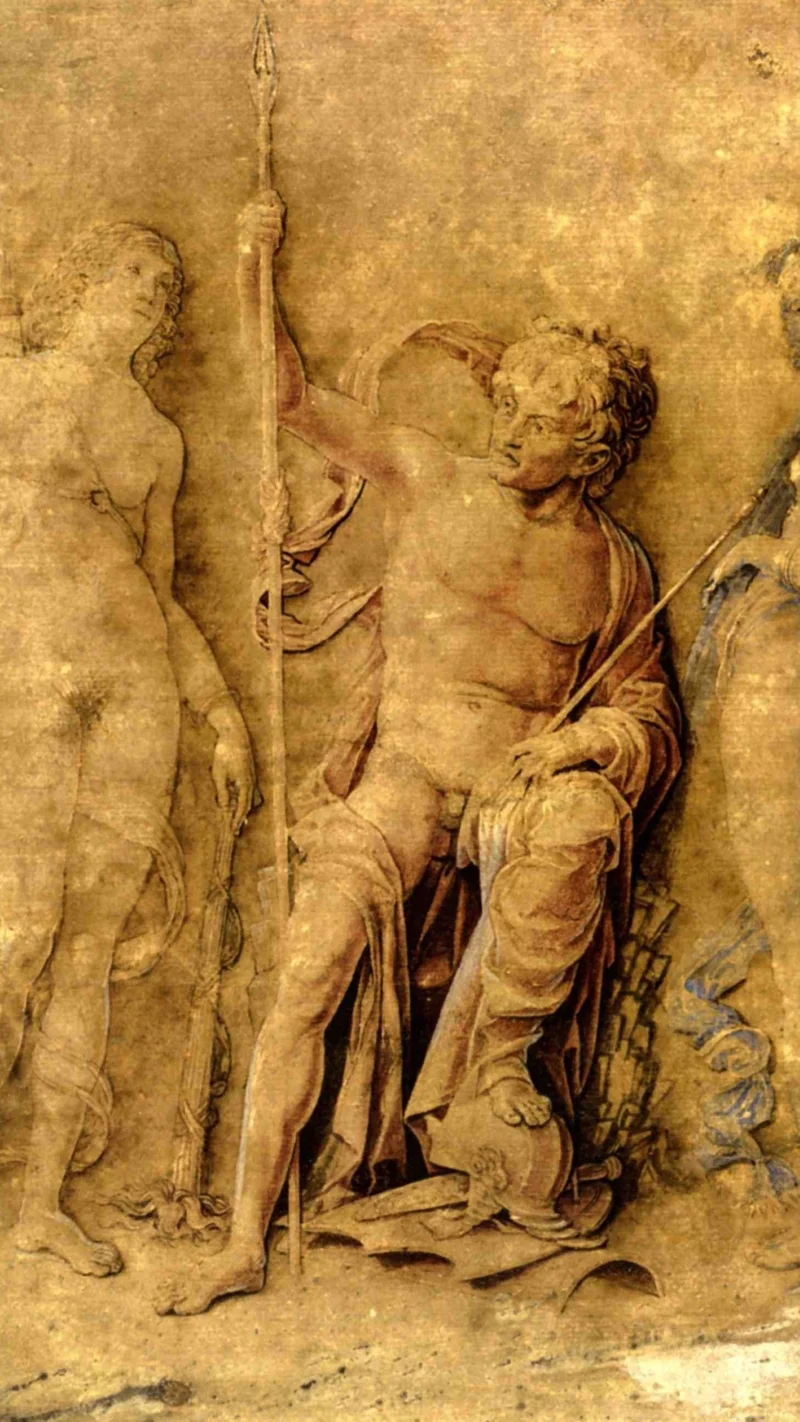
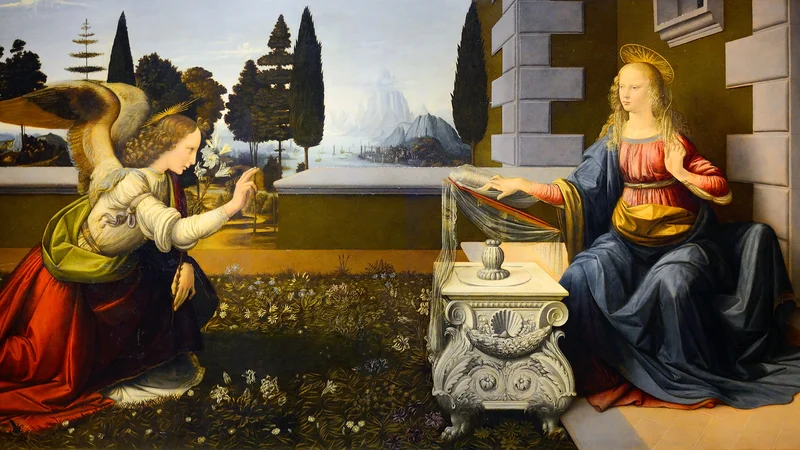
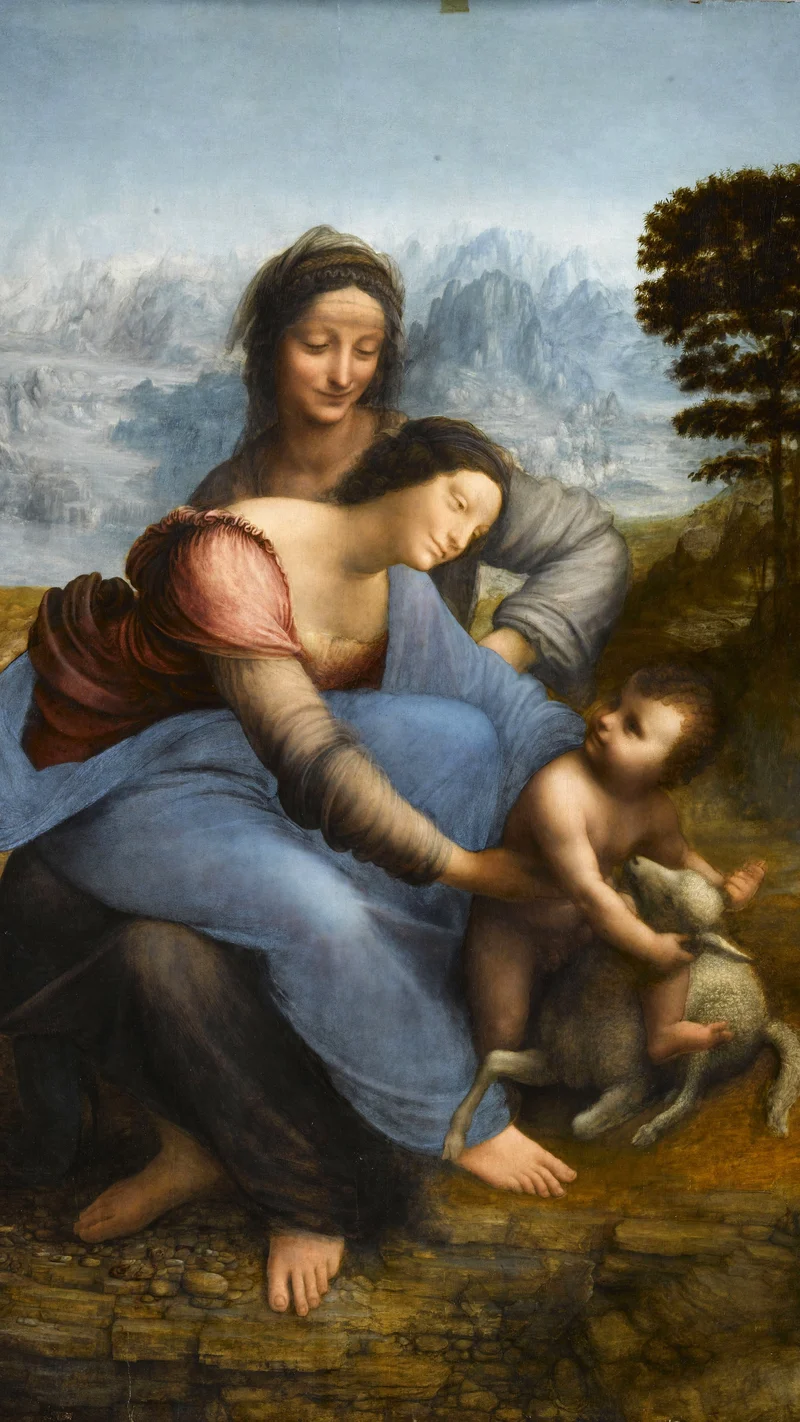
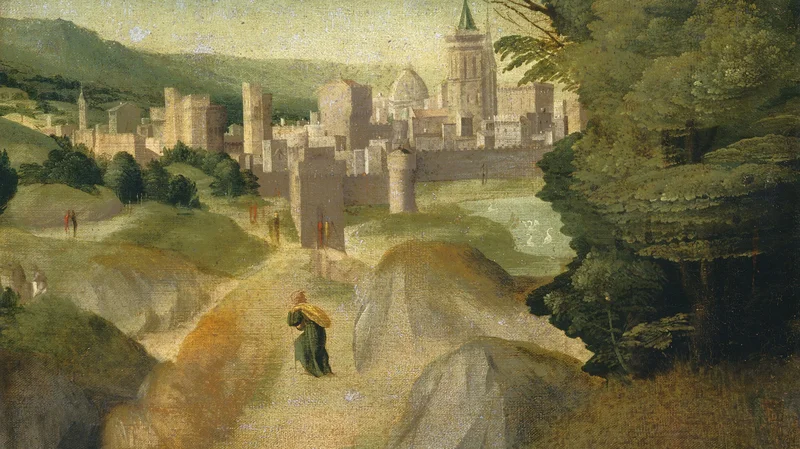
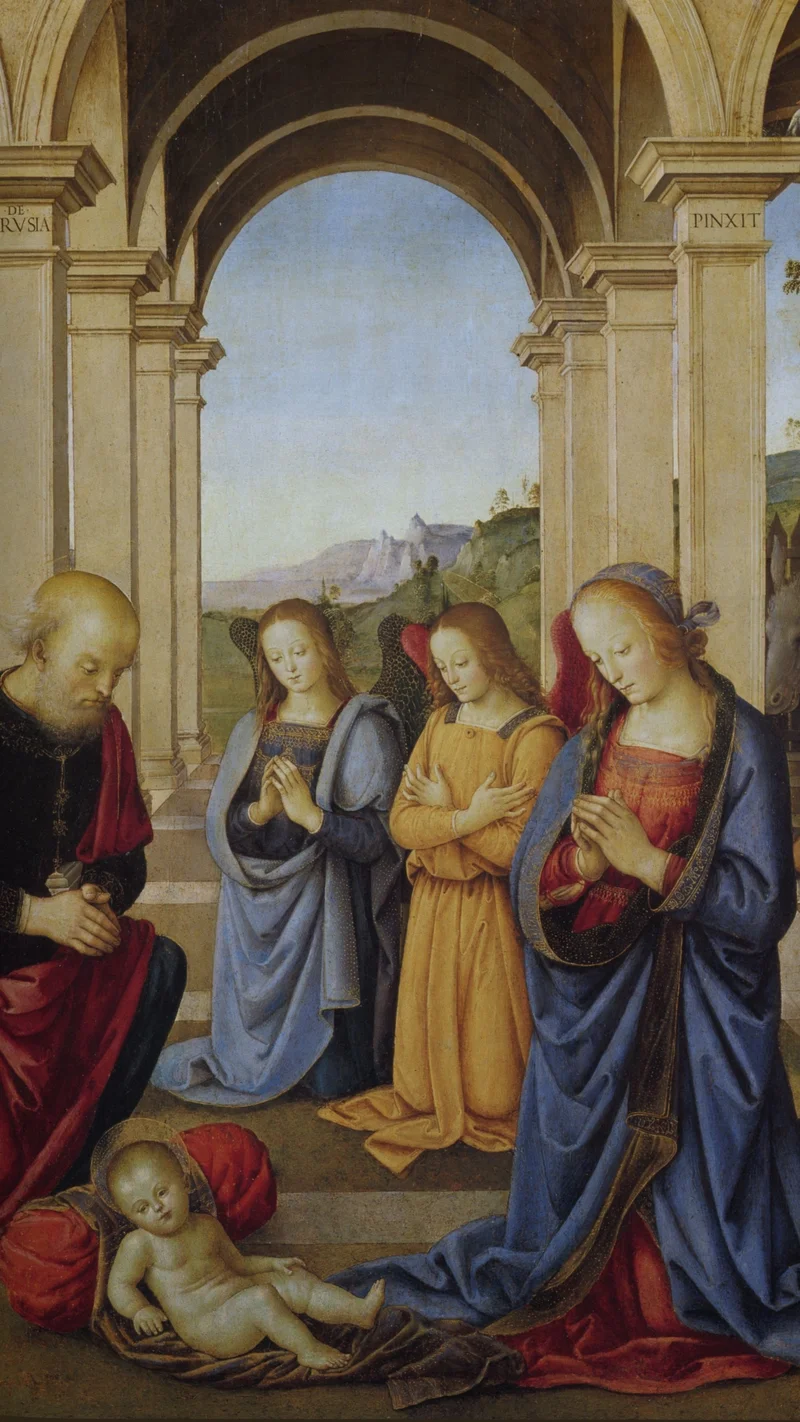
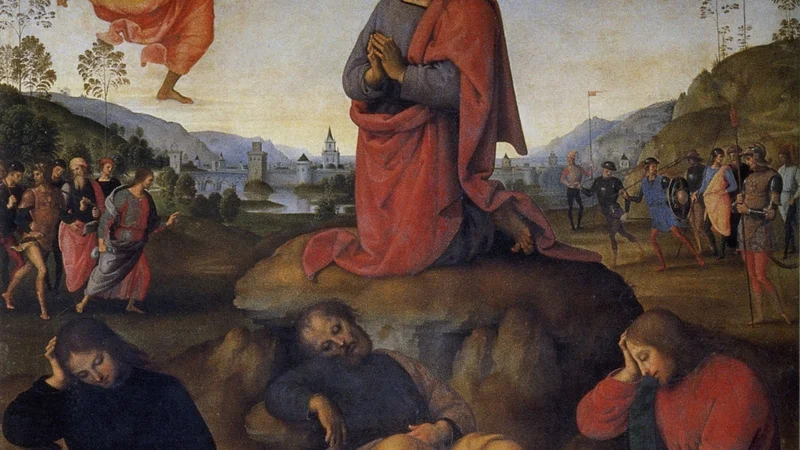
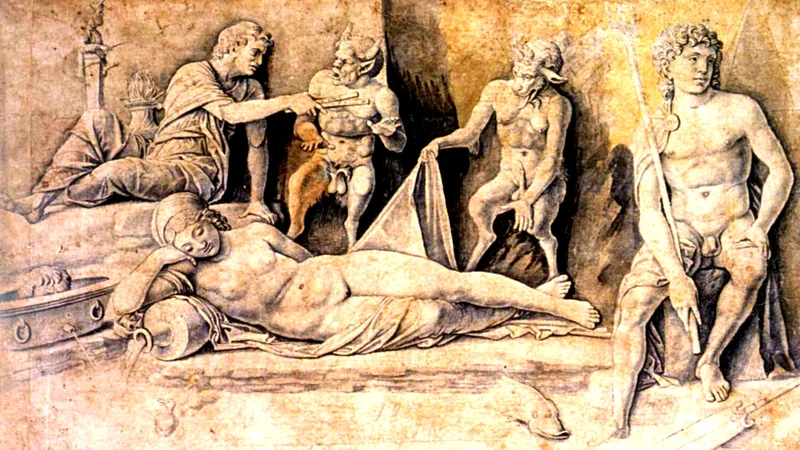
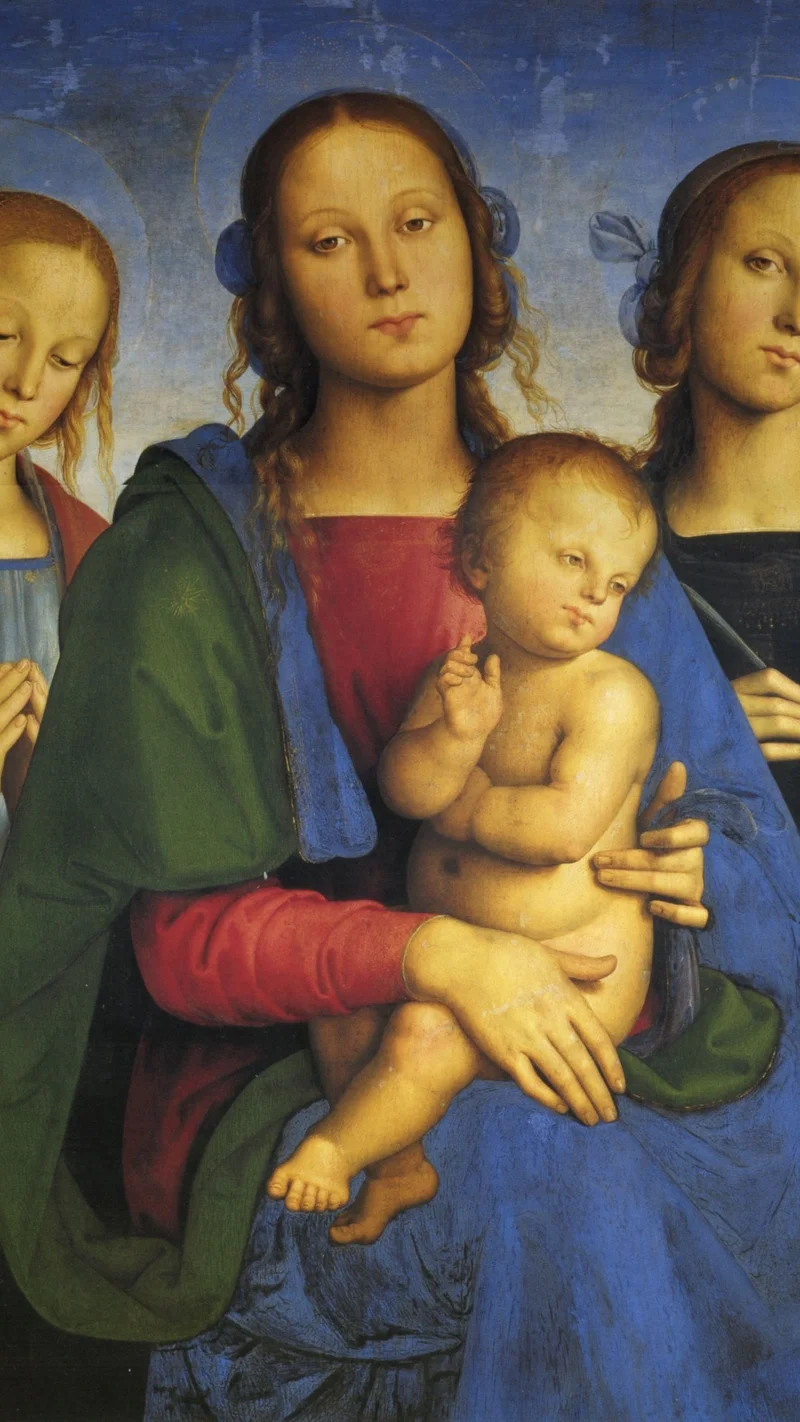
The High Renaissance, spanning roughly from the 1490s to 1527, represents the apogee of the Italian Renaissance, characterized by a synthesis of classical humanism, mathematical harmony, and unprecedented technical mastery. Centered primarily in Rome, Florence, and Milan, the period witnessed the perfection of linear perspective, anatomical precision, and the delicate application of sfumato. Artists such as Leonardo da Vinci redefined the limits of portraiture and religious iconography in works like the Mona Lisa, Madonna Litta, and Madonna of the Yarnwinder, establishing a new standard for psychological interiority and structural balance. While figures like Pietro Perugino and Andrea Mantegna provided the essential structural foundations through their rigorous spatial compositions, the era reached a zenith in its ability to reconcile idealized beauty with naturalistic observation.
Evolution and Legacy
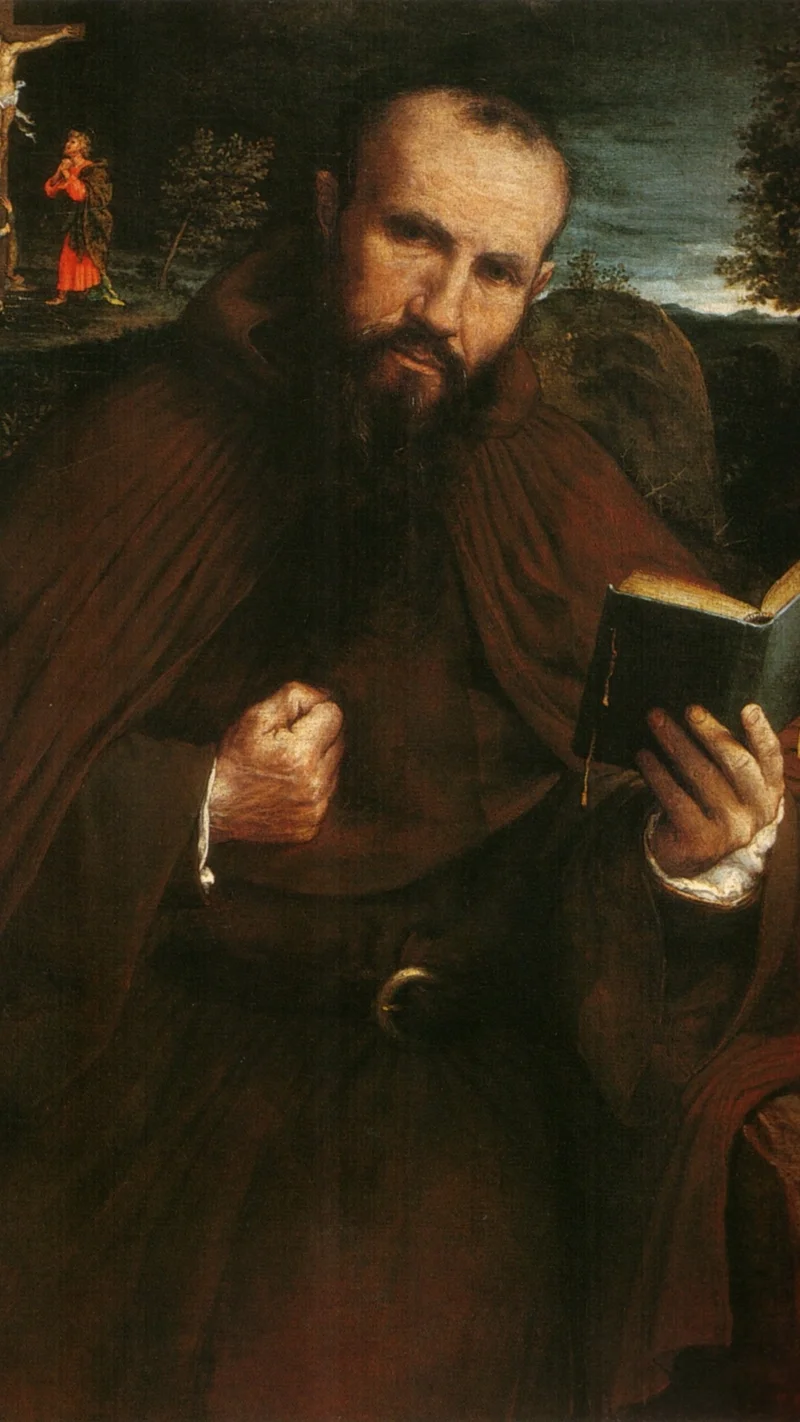
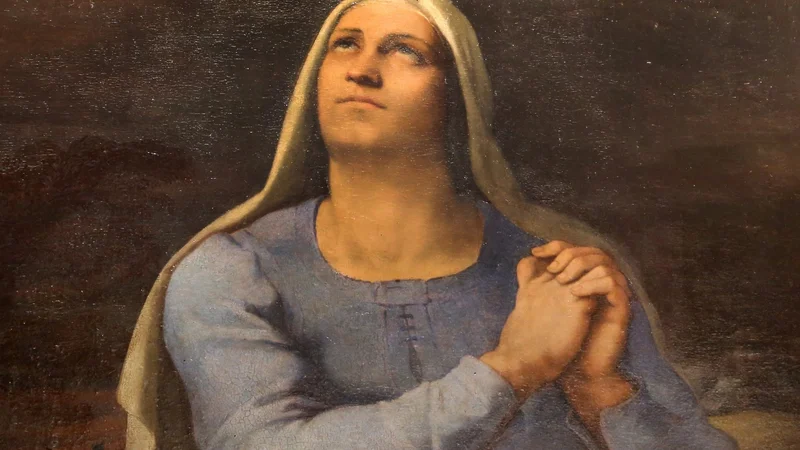
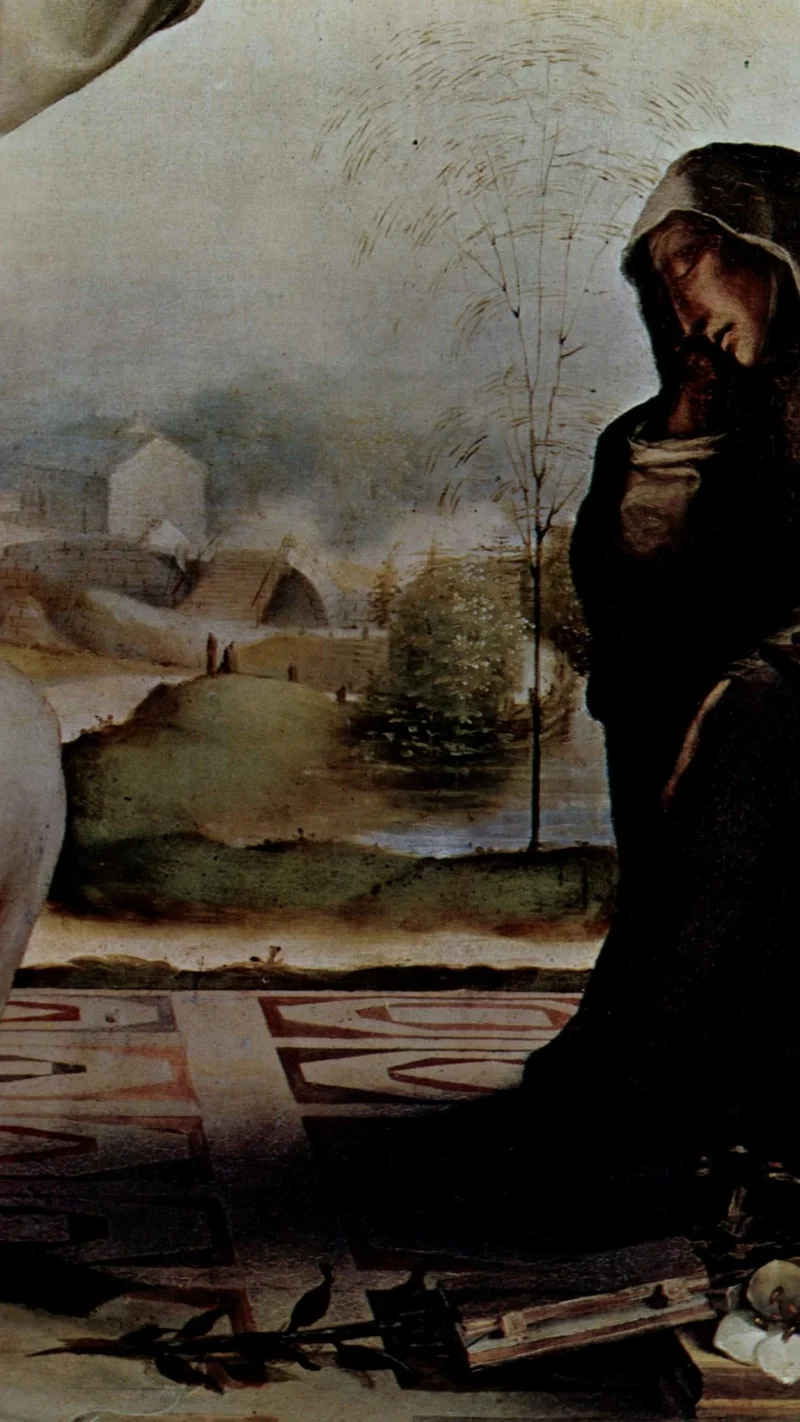
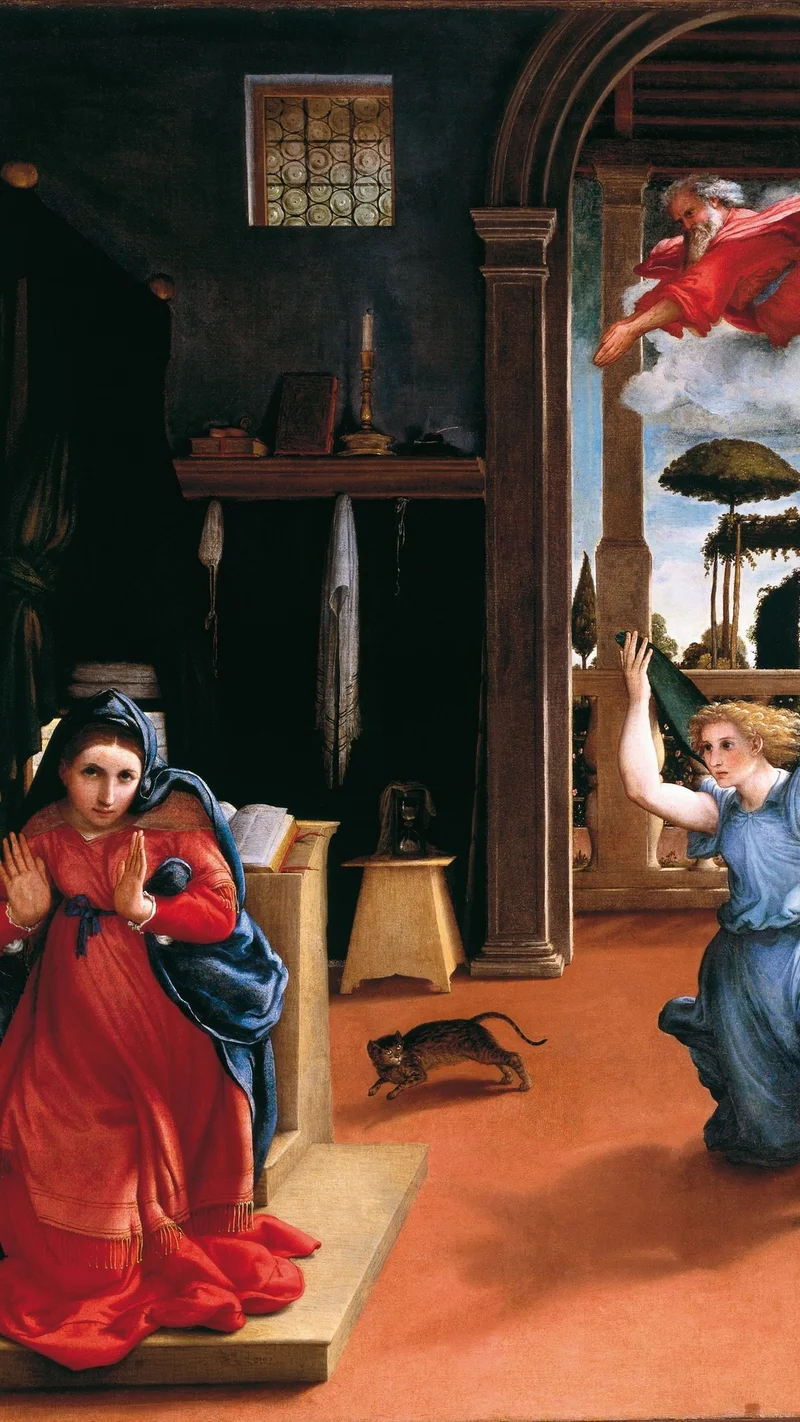
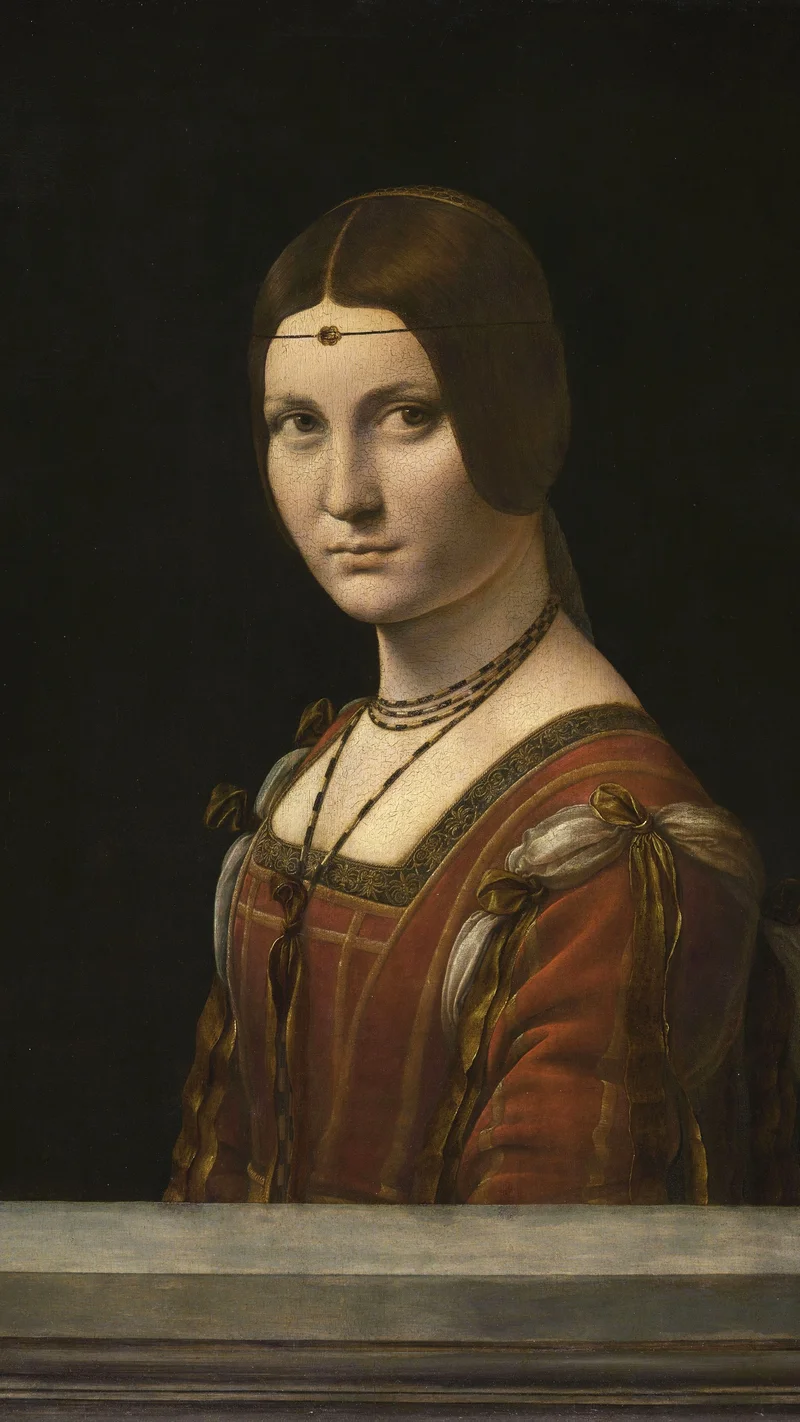
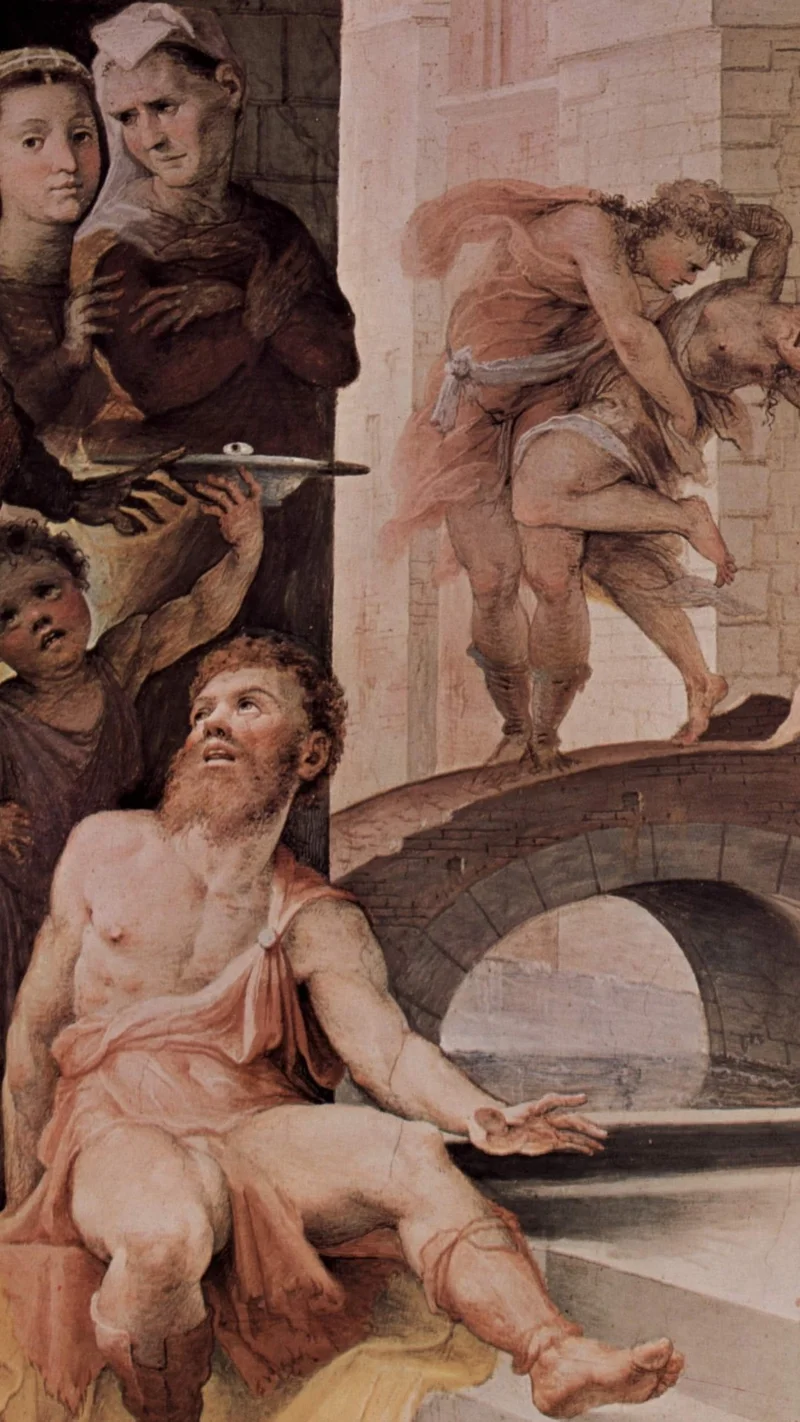
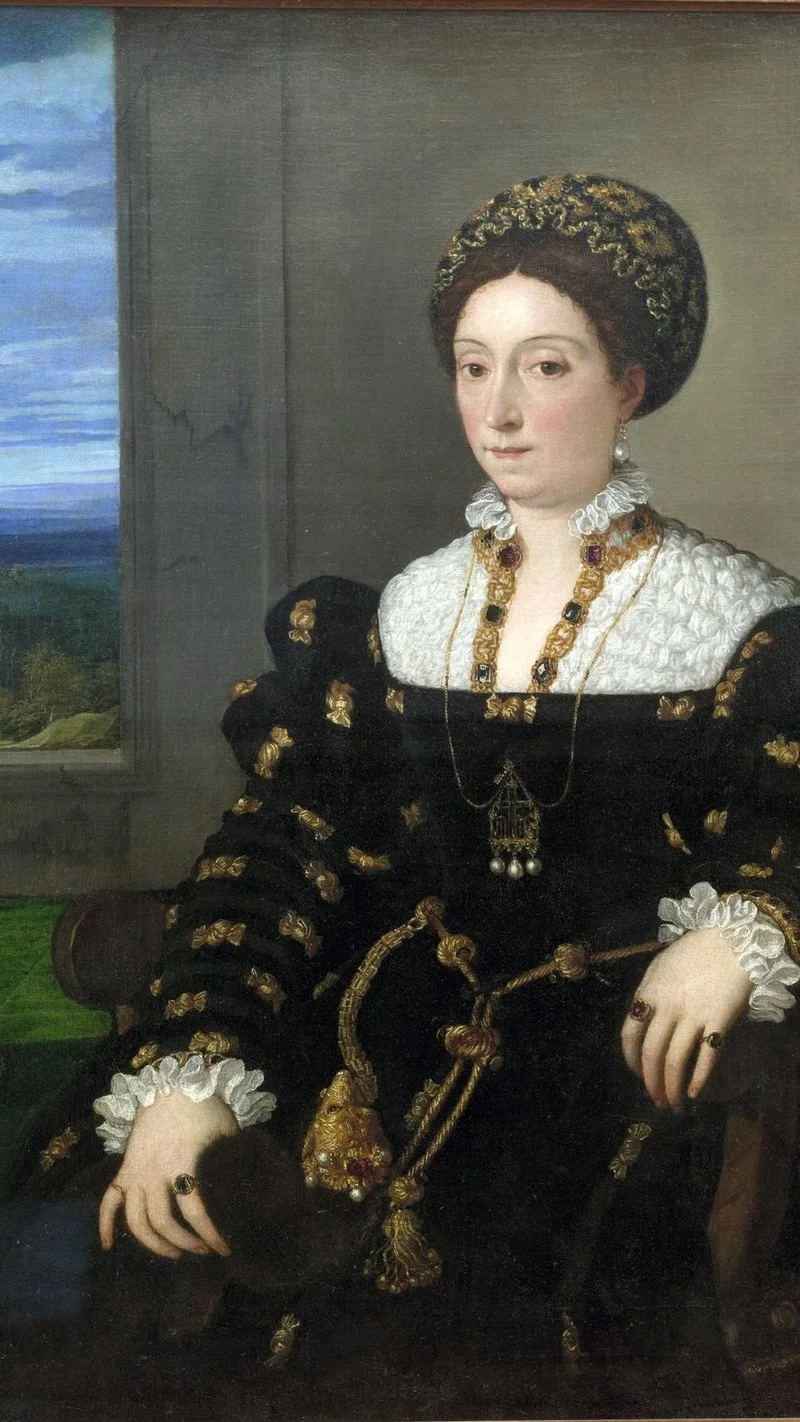
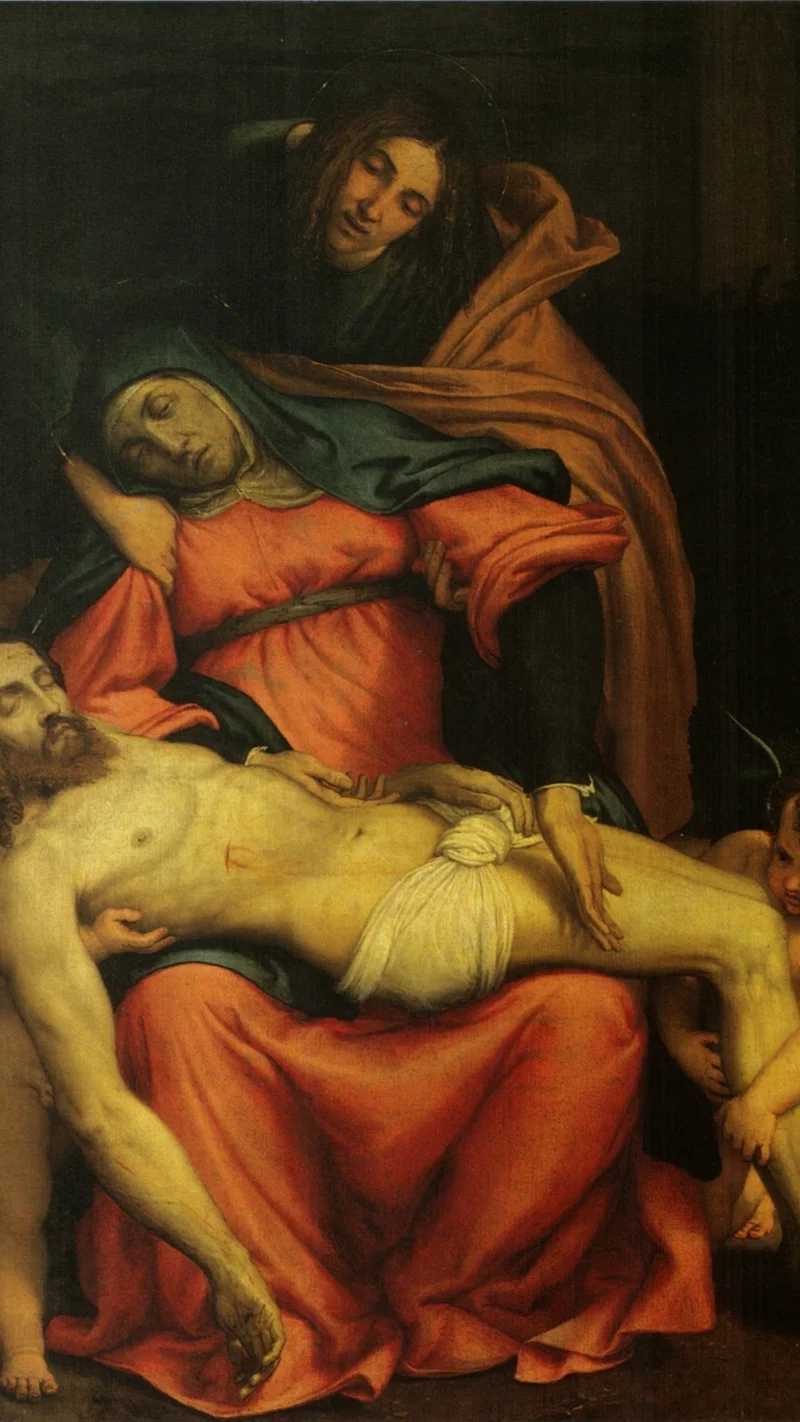
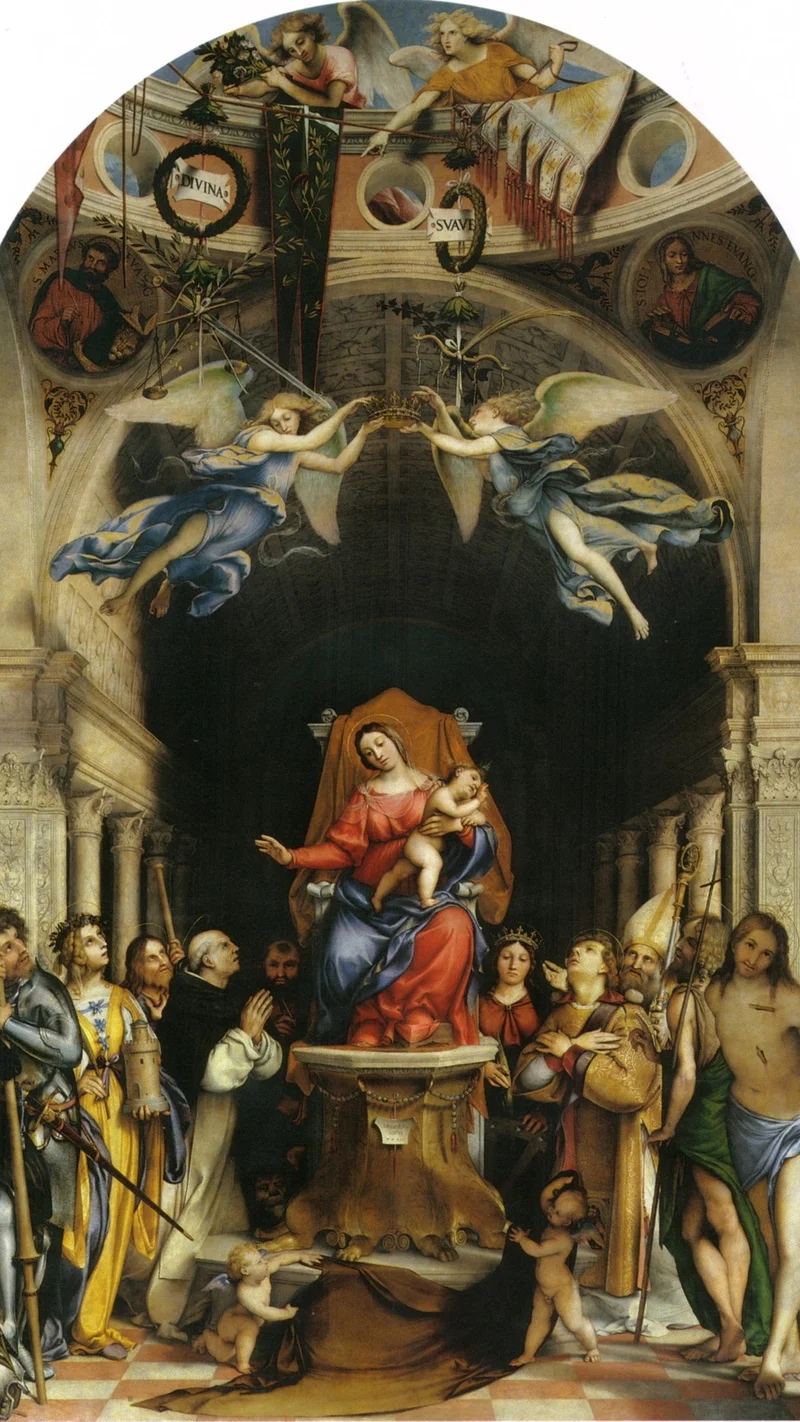
Beyond the central figures, the movement’s trajectory encompassed diverse regional expressions that prefigured the transition toward Mannerism. Domenico Beccafumi’s idiosyncratic use of light and color, alongside Lorenzo Lotto’s expressive, often restless compositions like Portrait of a Lady (La Belle Ferronnière) or the profound Annunciation, illustrate the period's growing complexity and departure from strict classical equilibrium. The High Renaissance exerted an indelible influence on Western art history, standardizing the principles of composition and form that would dominate European academic training for centuries. By prioritizing the artist as an intellectual architect of visual reality, the movement permanently elevated the status of the visual arts within the broader landscape of humanistic inquiry.