Leonardo da Vinci
8 artworks
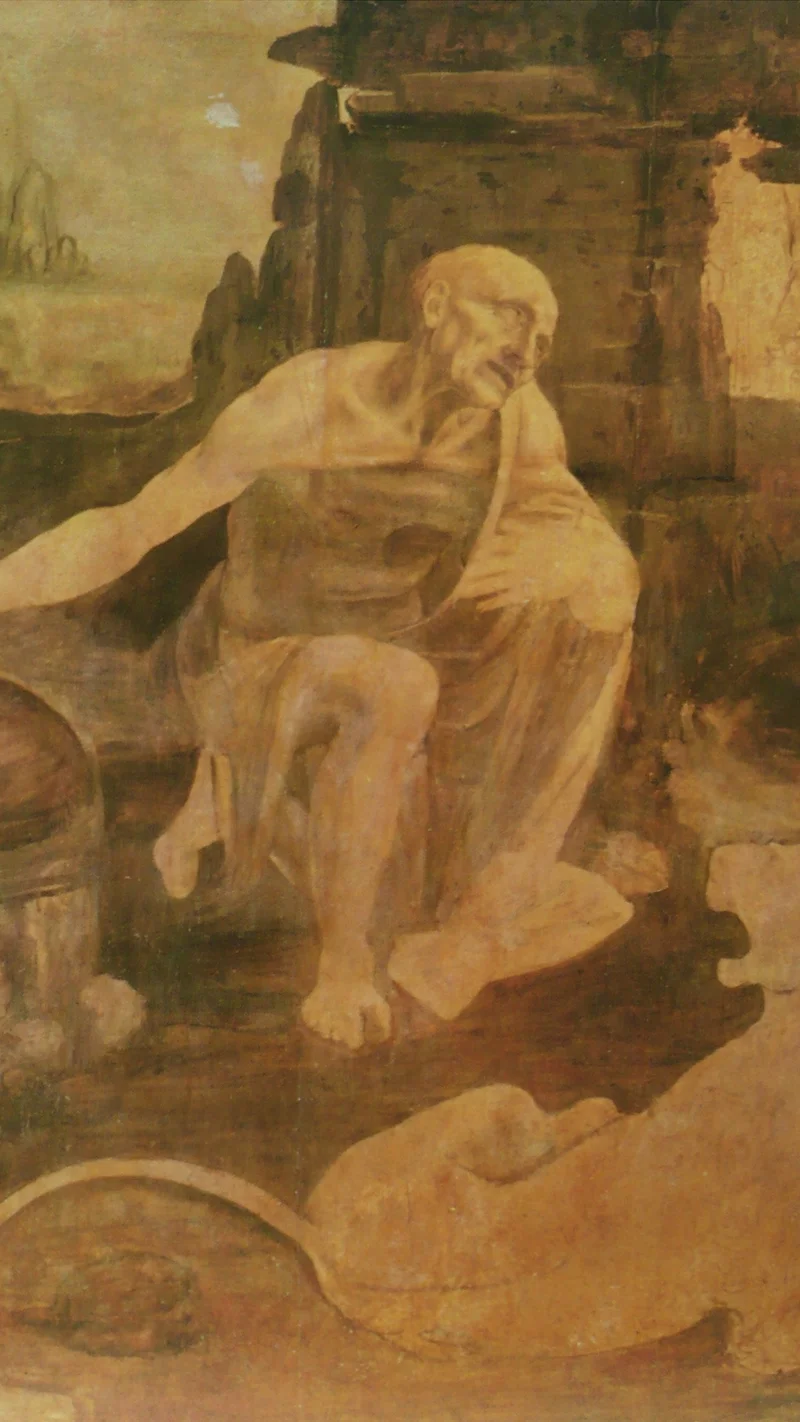
Leonardo da Vinci, the preeminent figure of the High Renaissance, was an Italian polymath whose artistic practice redefined the potential of visual representation. Trained in the Florentine workshop of Andrea del Verrocchio, Leonardo synthesized scientific observation with aesthetic refinement, establishing a new paradigm for European painting. His career, marked by notable activity between 1472 and 1496, reflects a profound dedication to capturing the underlying mechanics of nature, anatomy, and light.
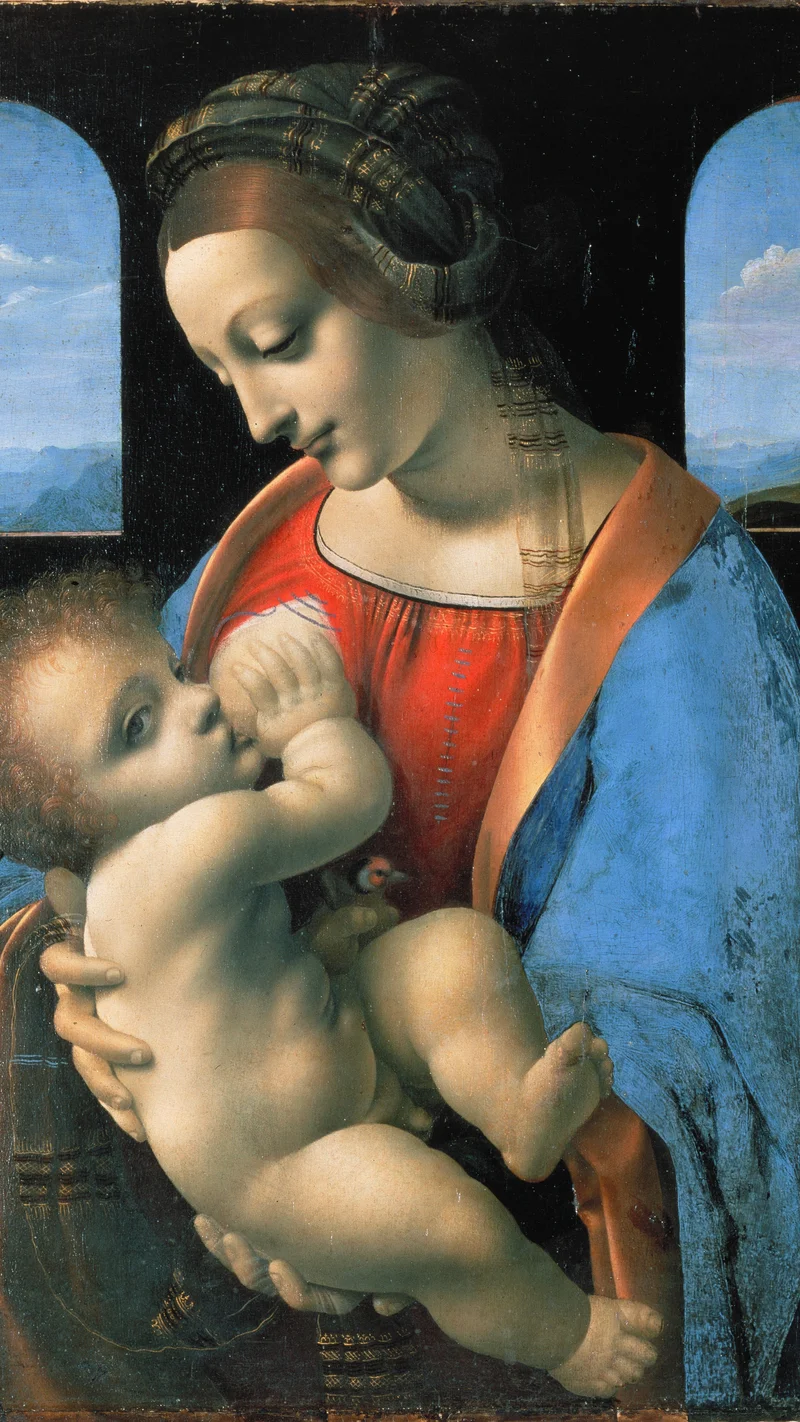
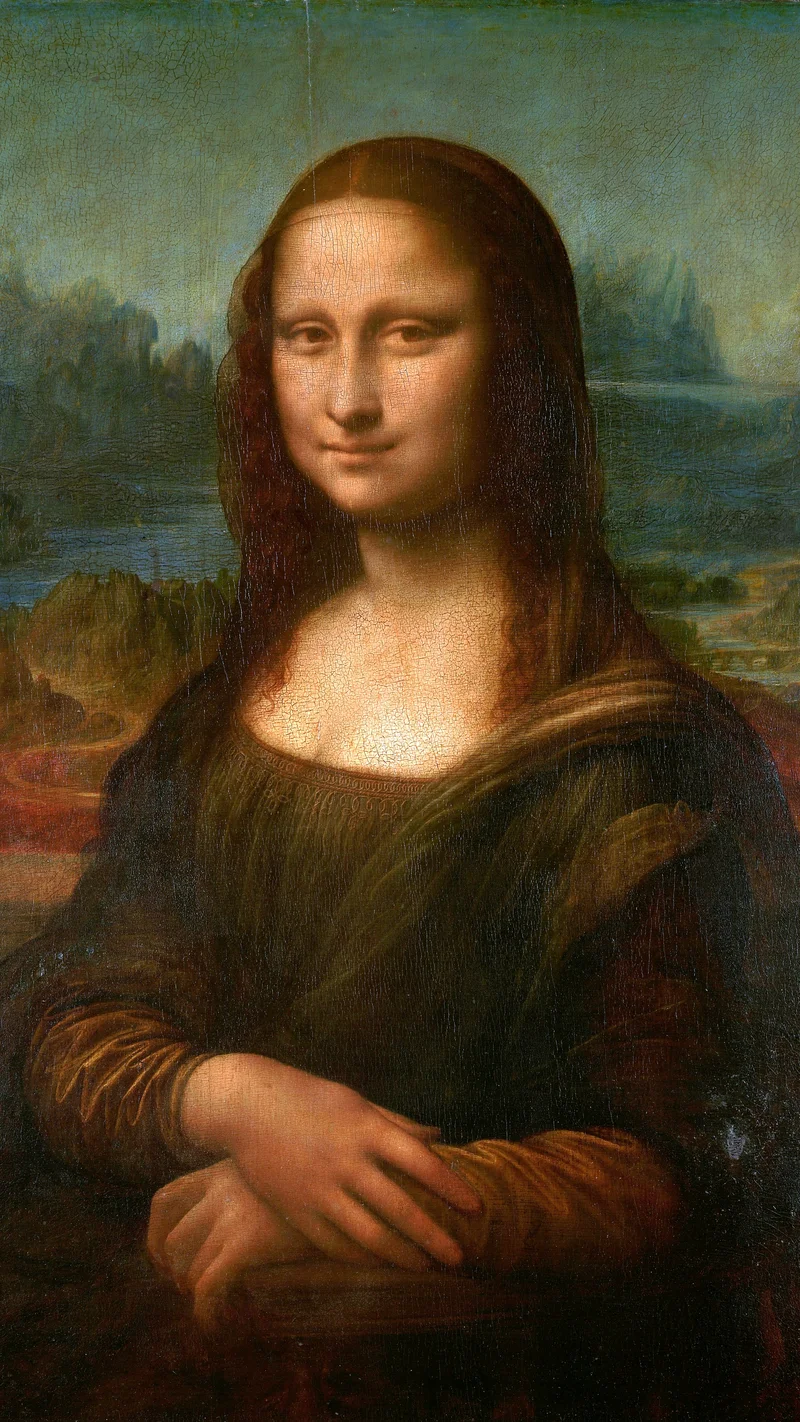
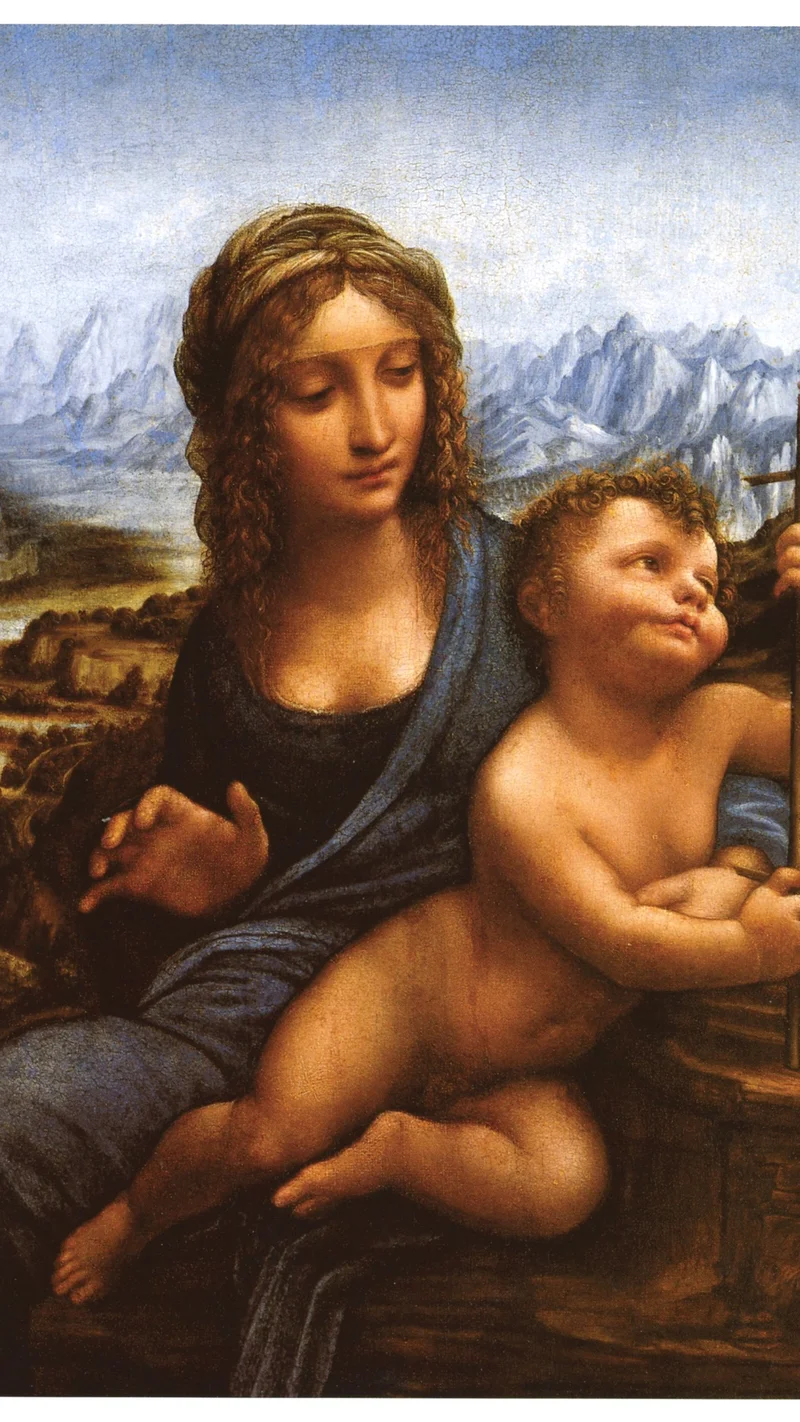
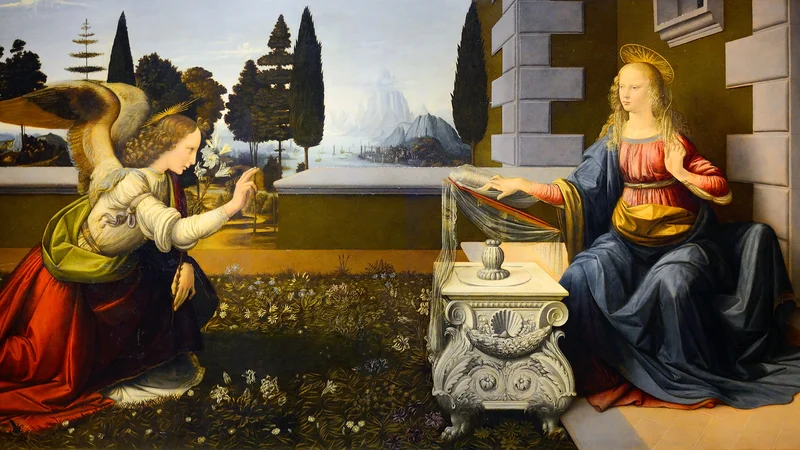
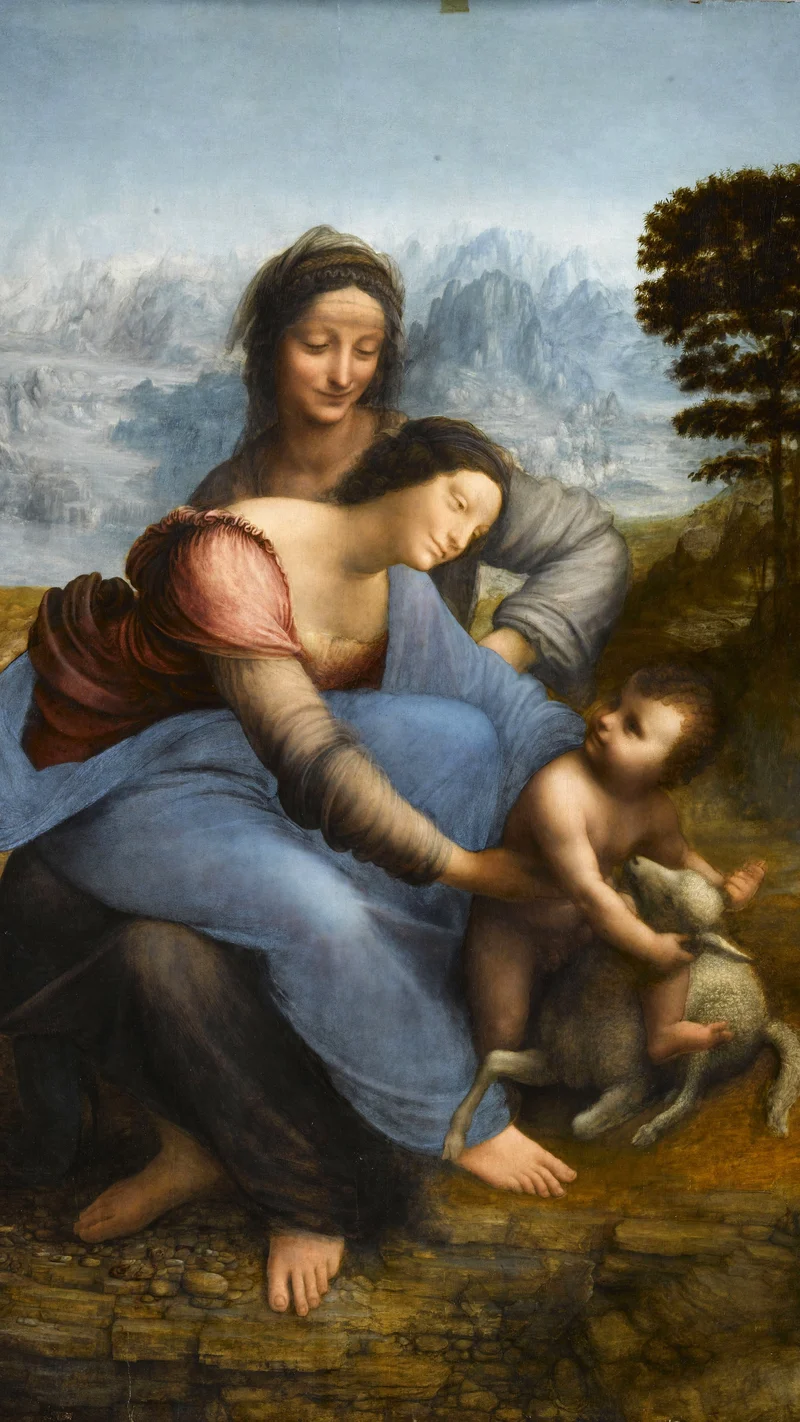
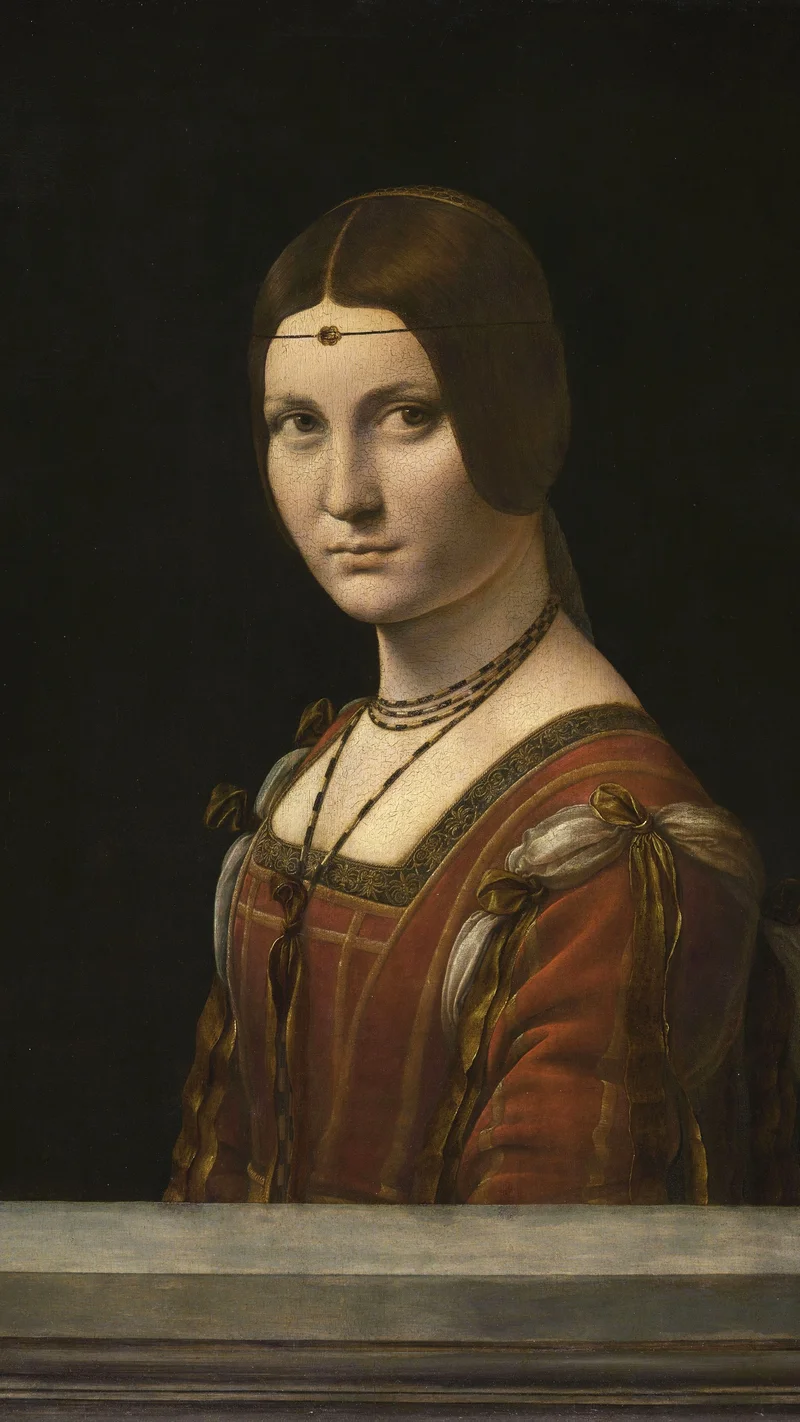
Leonardo’s technical legacy is defined by his masterful use of sfumato, a subtle gradation of tone that dissolves harsh outlines to create a atmospheric, emotive presence. This technique is evident in the delicate modeling of Annunciation and the psychological intensity of Portrait of a Lady (La Belle Ferronnière). His compositions, such as the Madonna Litta and the Madonna of the Yarnwinder, frequently employ a pyramidal structure to ground the figures in a stable yet dynamic visual rhythm. The Mona Lisa and The Virgin and Child with Saint Anne further demonstrate his ability to imbue portraits and devotional scenes with complex narrative depth and a singular, lifelike vitality.
By integrating empirical inquiry with artistic intuition, Leonardo catalyzed a fundamental shift in how artists approached the depiction of three-dimensional space. His influence permeated the development of Western art, setting a standard for composition and humanistic expression that remained unchallenged for centuries. His commitment to precision and the pursuit of universal knowledge secured his status as a foundational architect of the Western canon.
![Leonardo da Vinci — Wreath of Laurel, Palm, and Juniper with a Scroll inscribed Virtutem Forma Decorat [reverse]](https://cdn.wall-art-frame.com/thumbnails/800/d41fc217-9591-460b-baa8-38b446c77ff4_800.webp)