Cubism
18 artworks
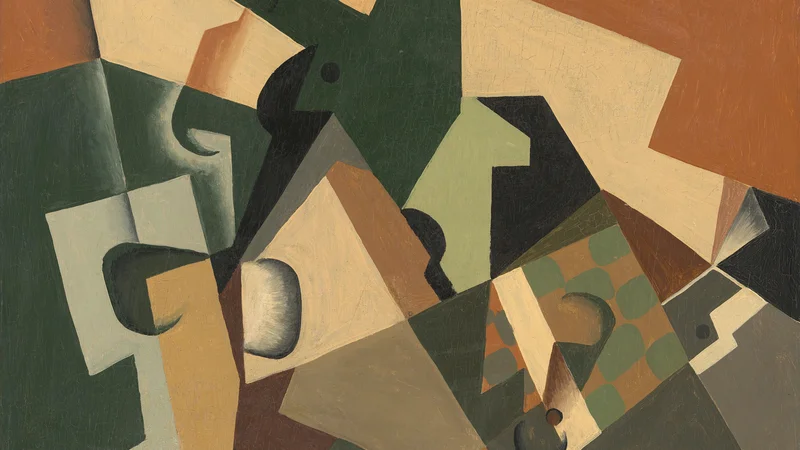
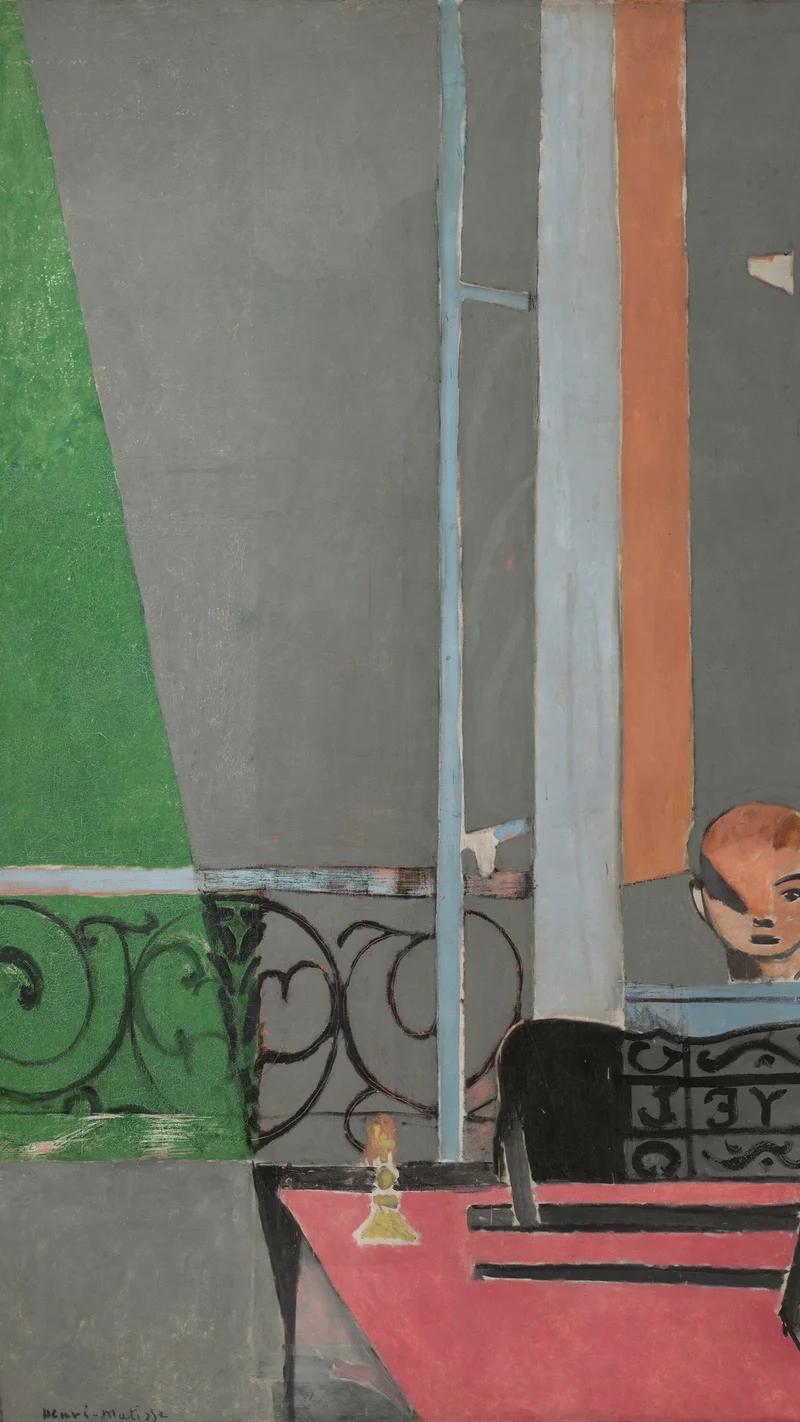
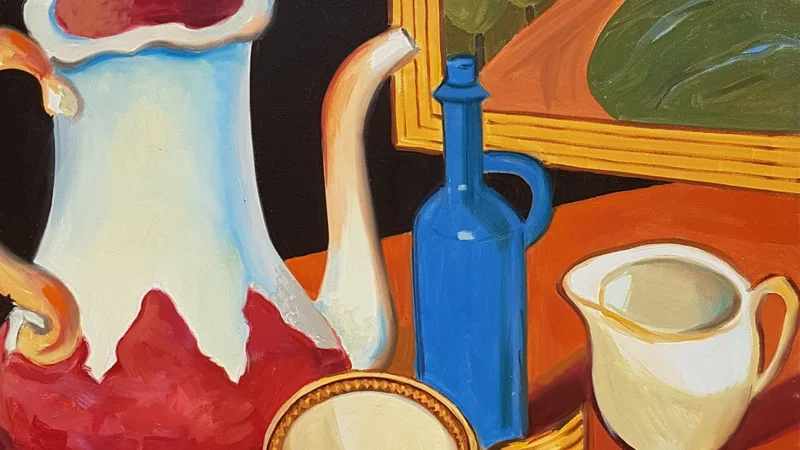
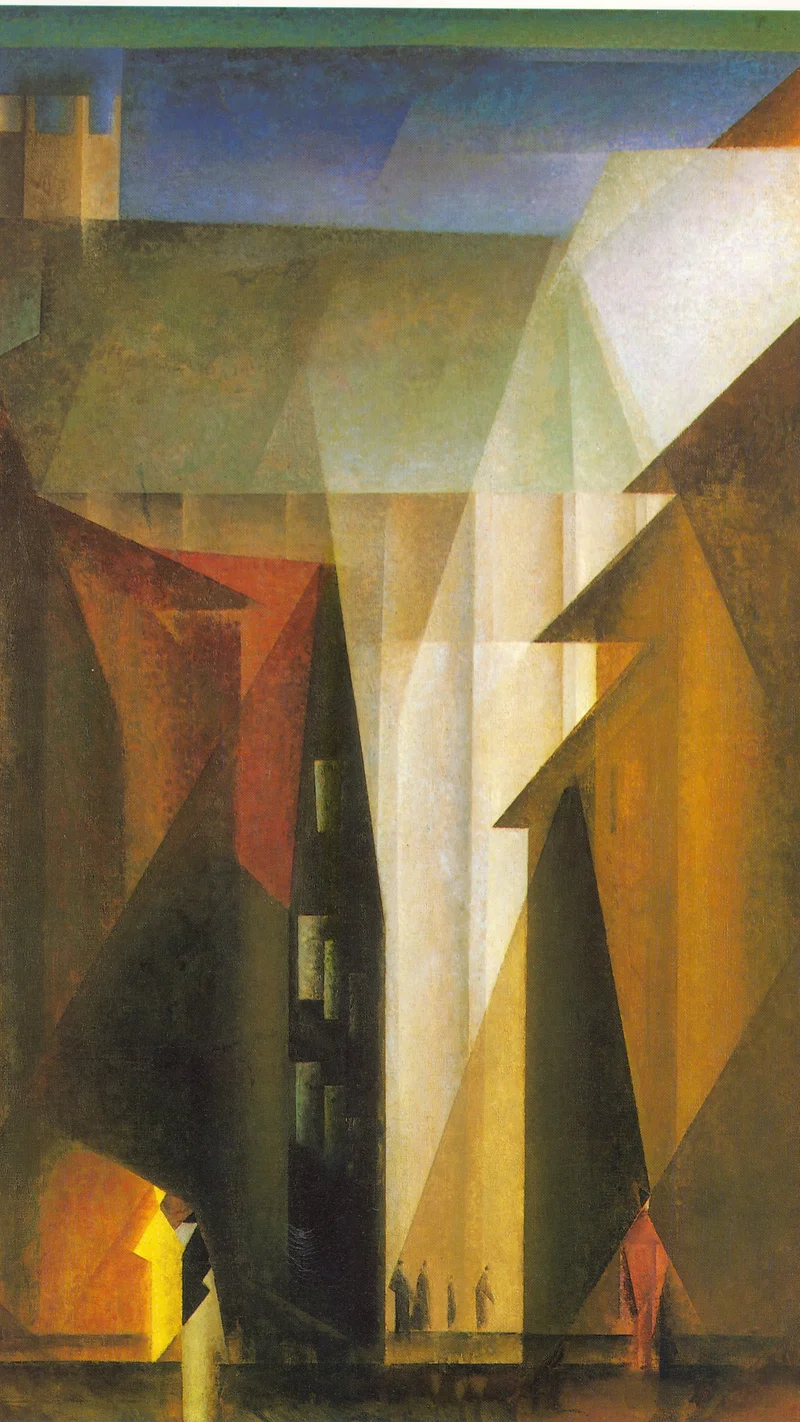
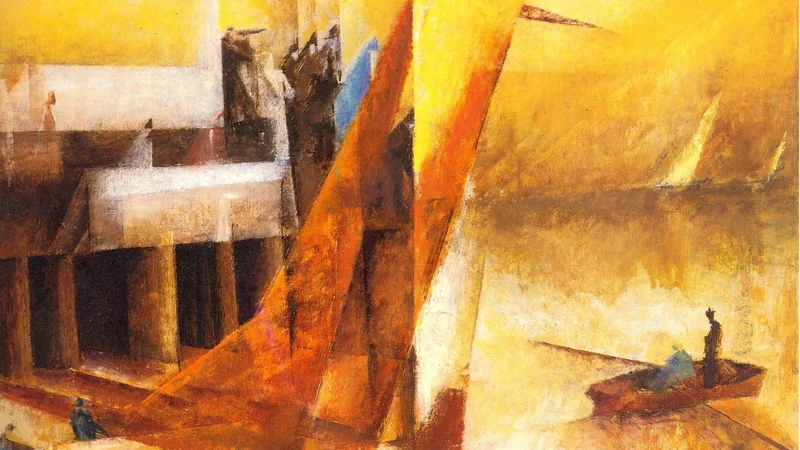
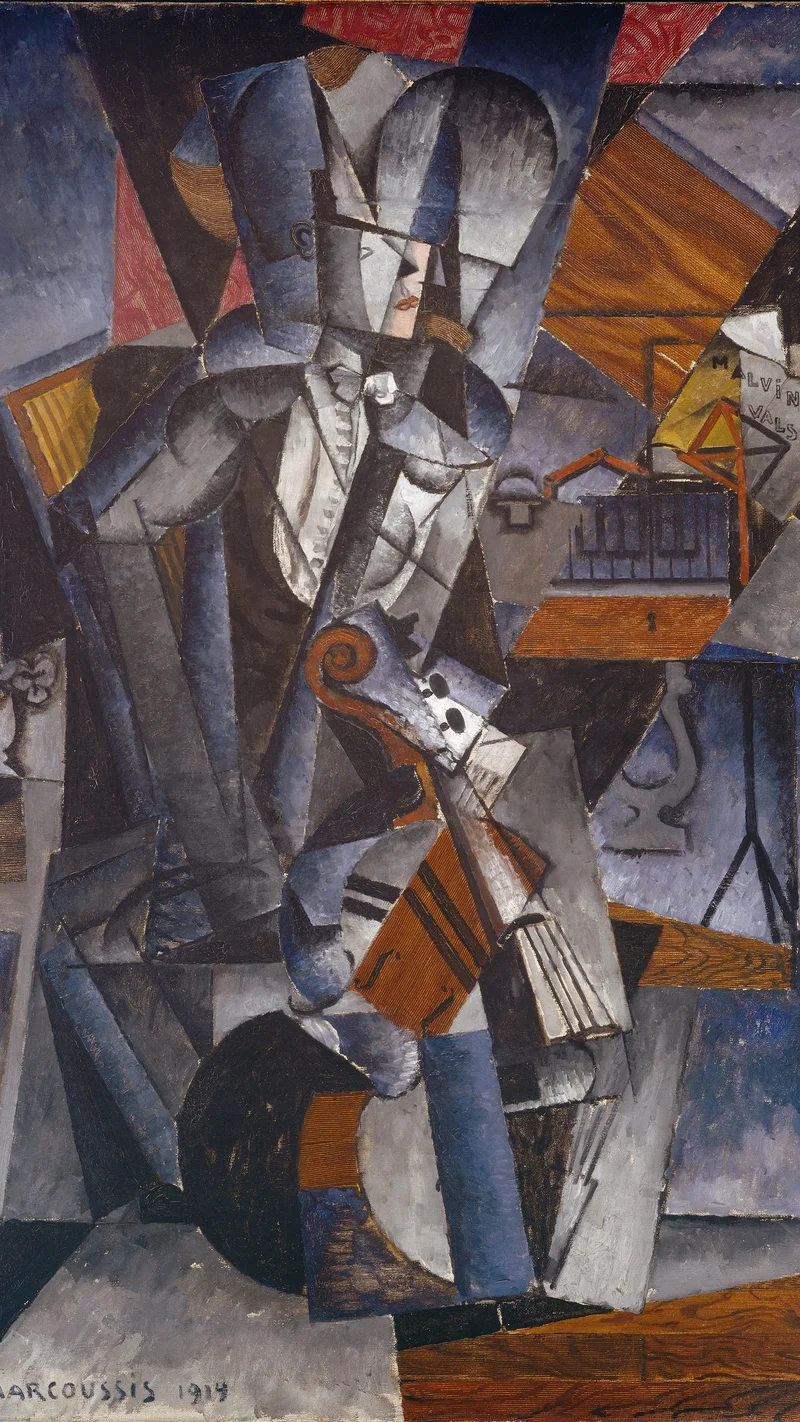
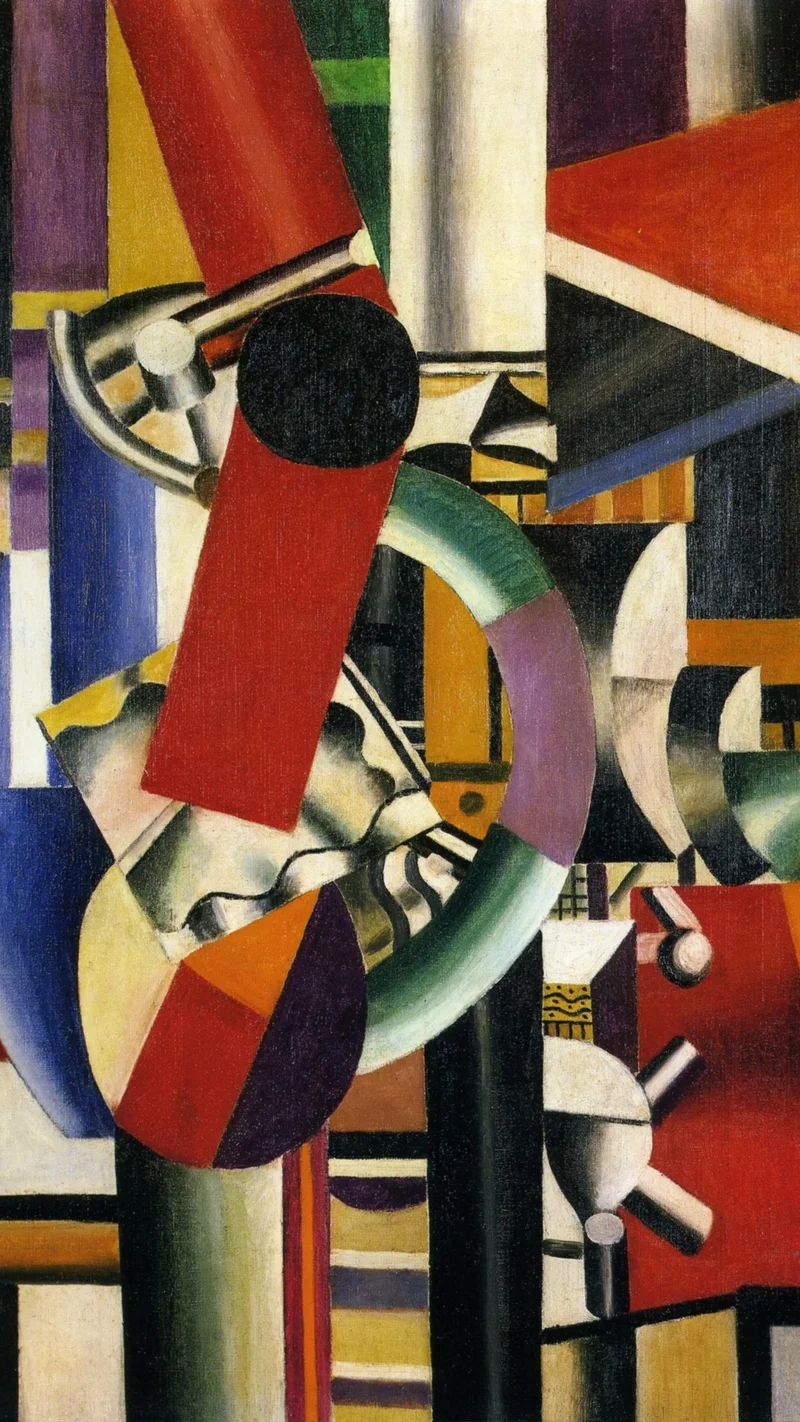
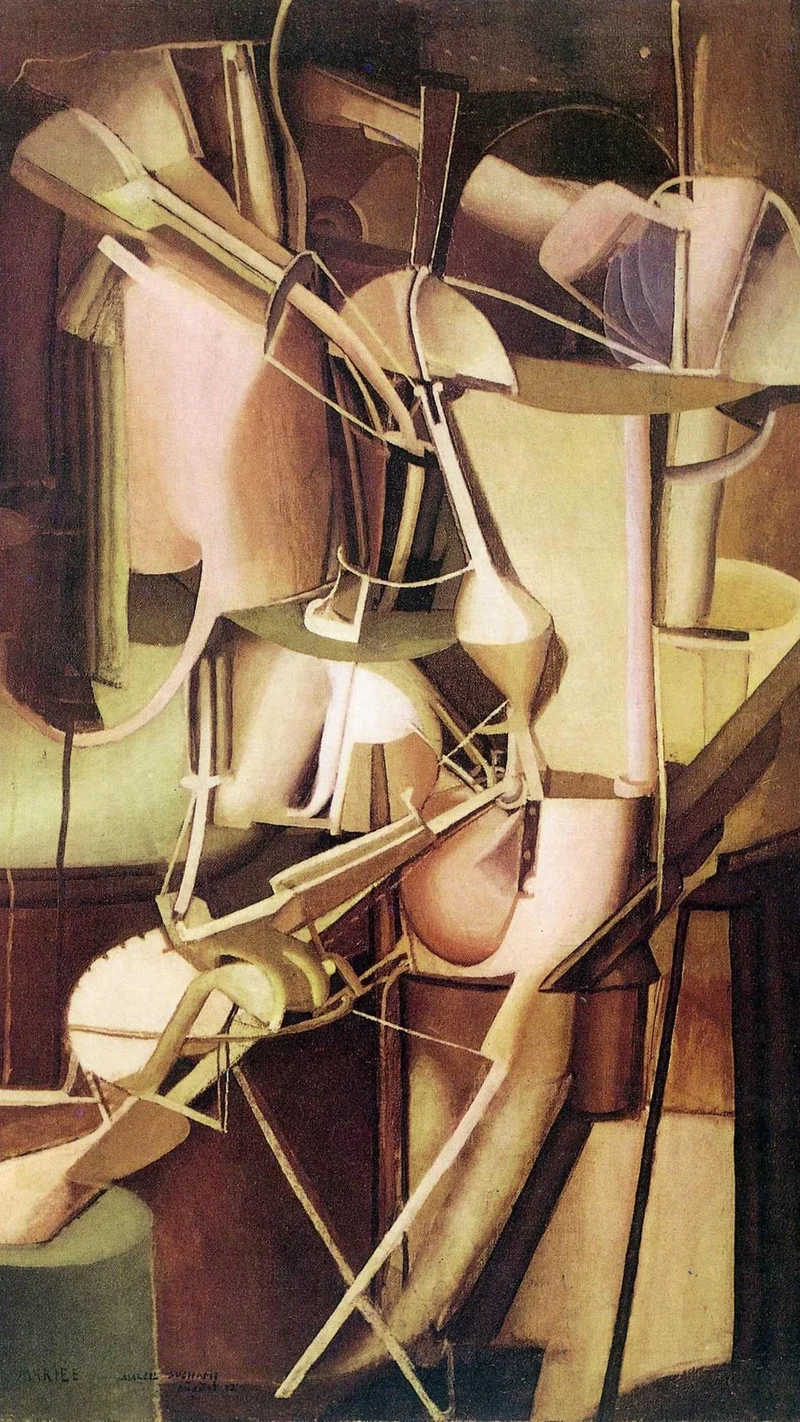
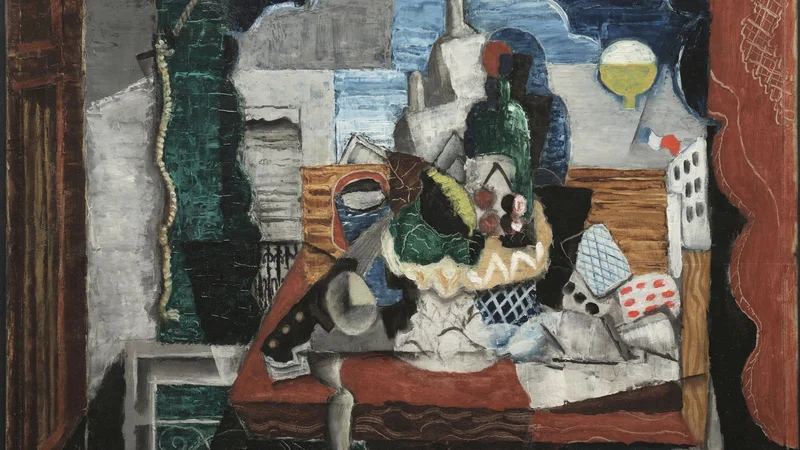
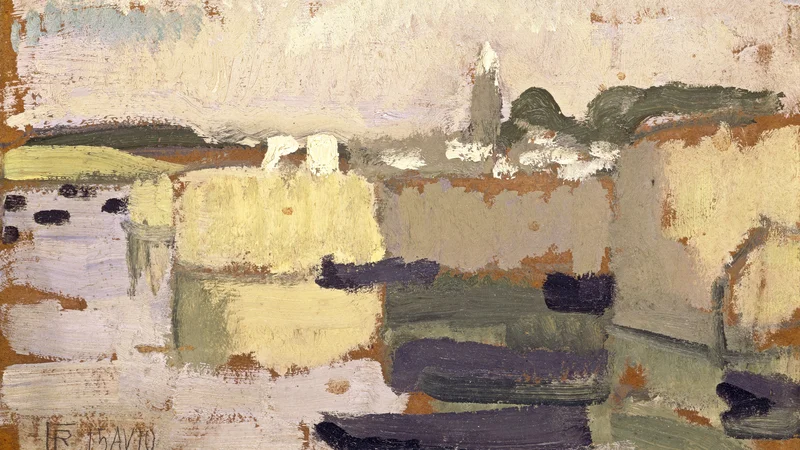
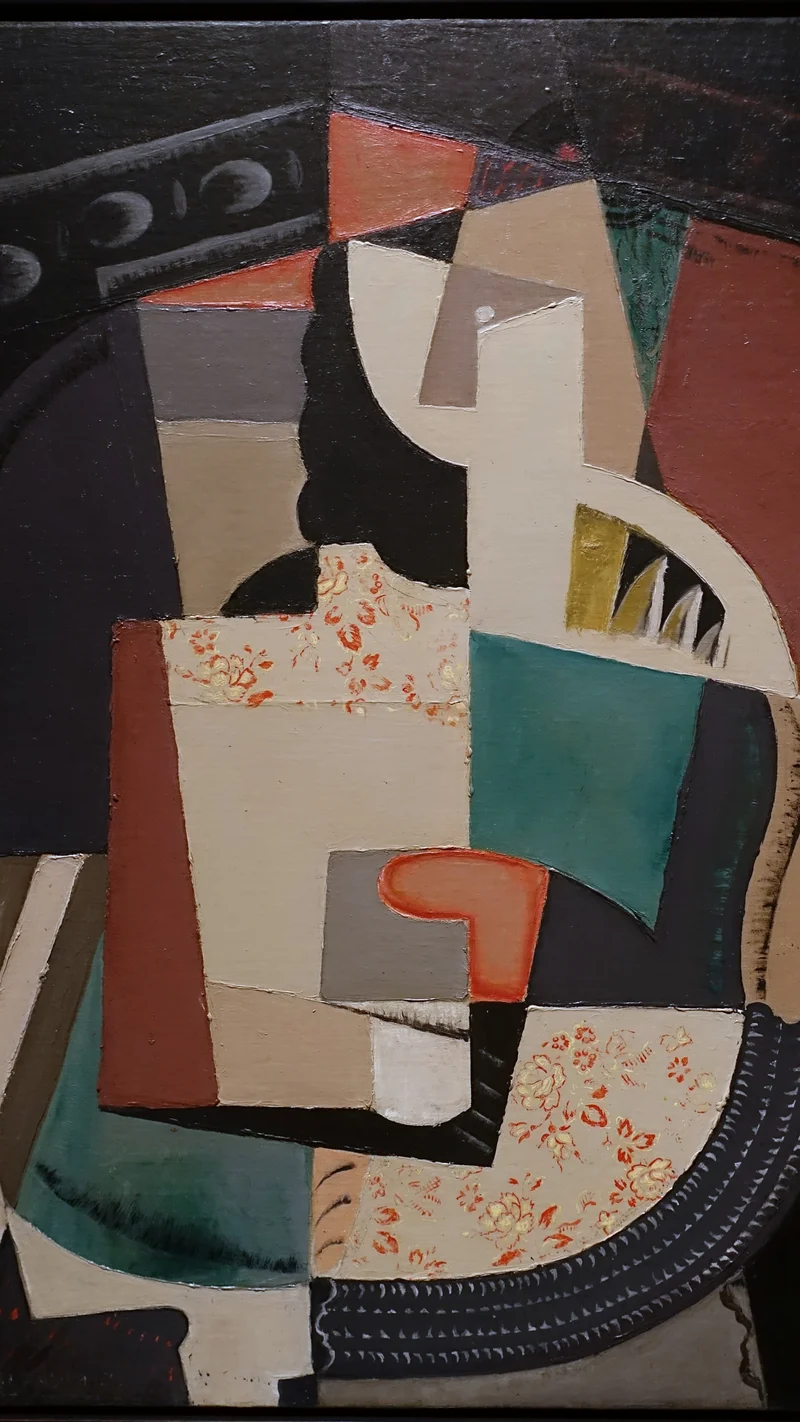
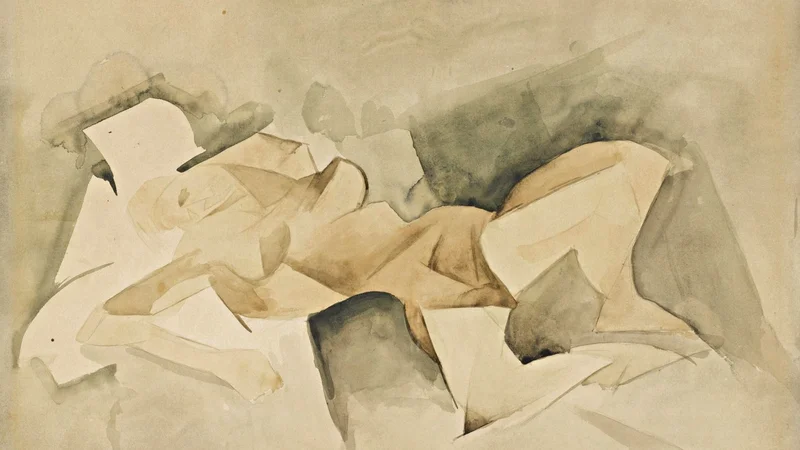
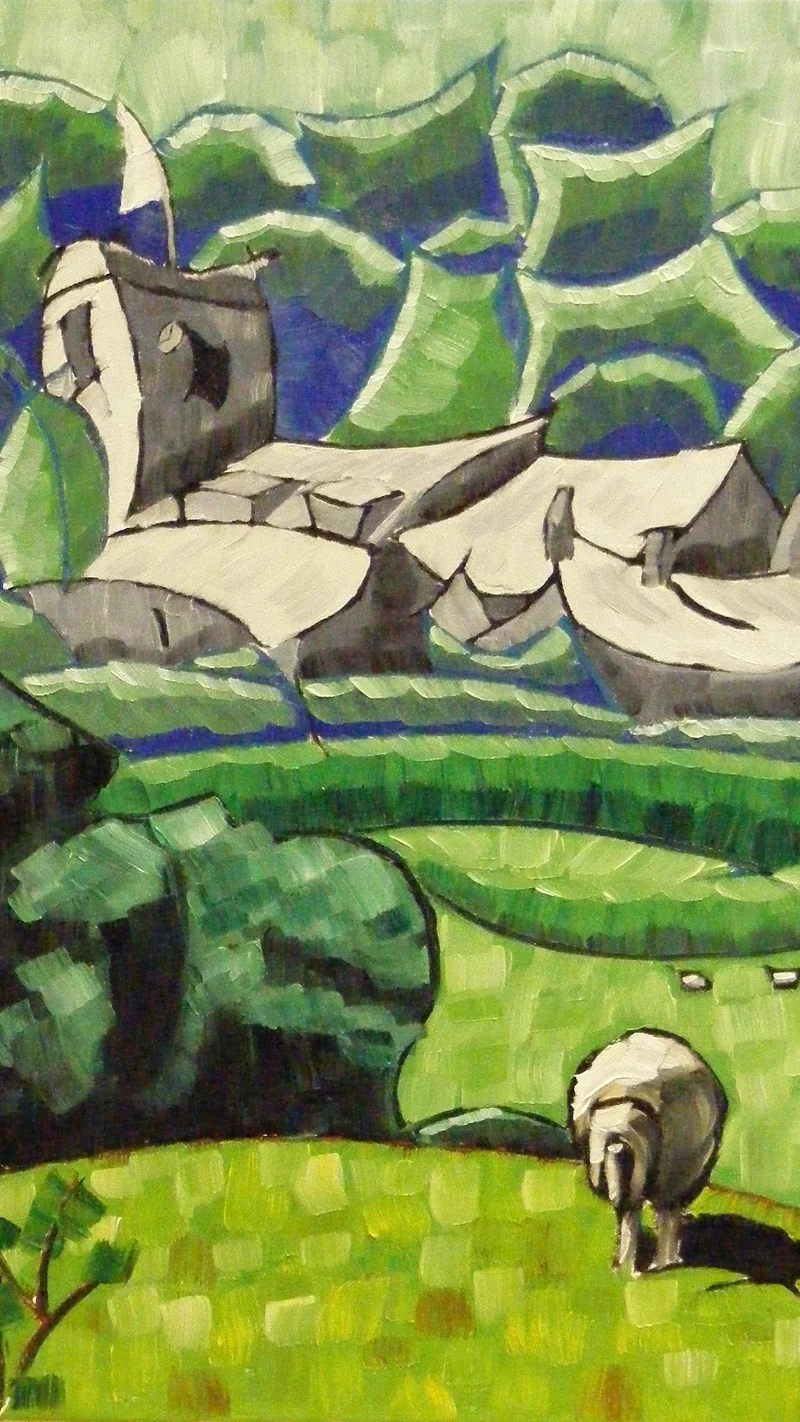
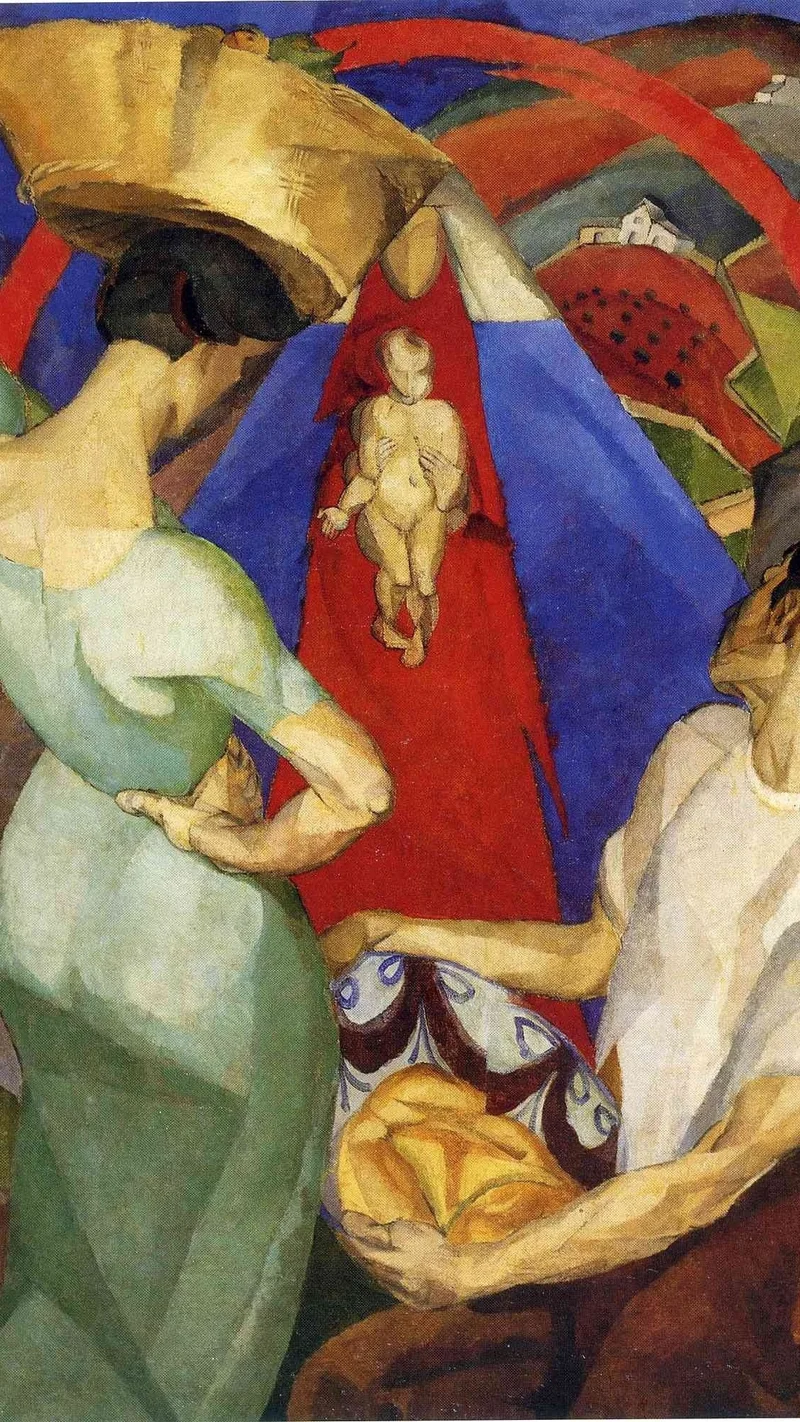
Cubism emerged in early 20th-century Paris as a radical departure from the long-standing tradition of perspectival representation. By deconstructing objects into geometric components and reassembling them within a fragmented, multi-dimensional pictorial space, artists sought to capture the totality of form and time rather than a singular, static vantage point. This intellectual rigor is evident in the works of Juan Gris, whose Glass and Checkerboard exemplifies the movement’s analytical precision, and in the structured, architectural compositions of Lyonel Feininger’s Houses in a landscape. These artists, alongside figures such as Louis Marcoussis, Diego Rivera, and Gil Nicolescu, pushed the boundaries of visual language to challenge the viewer’s perception of reality.
The movement’s influence resonated through works like Night Café, Nude, Portrait of Zamfir Arbore, and Man in a Café, each reflecting the profound shift toward abstraction and conceptual synthesis. By prioritizing the internal logic of the canvas over the imitation of nature, Cubism dismantled the conventions of the Renaissance and laid the foundational principles for modern art. Its legacy persists in the subsequent development of abstraction and conceptualism, as the movement fundamentally altered the relationship between the observer and the observed, establishing a new paradigm that continues to define the evolution of artistic practice.