Orphism
15 artworks
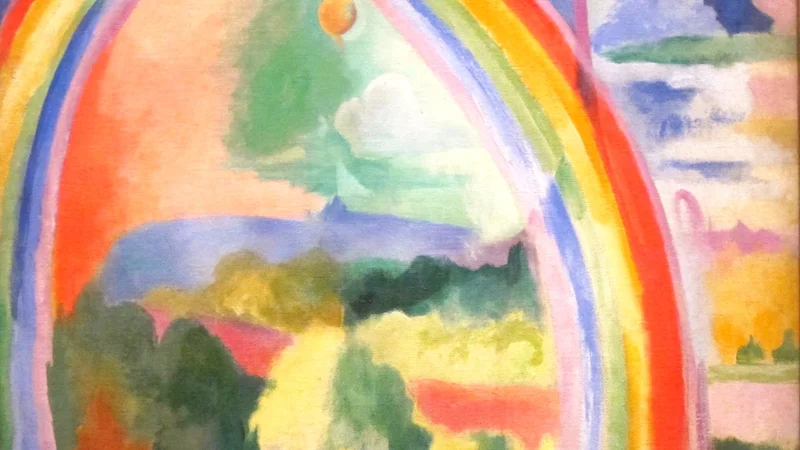
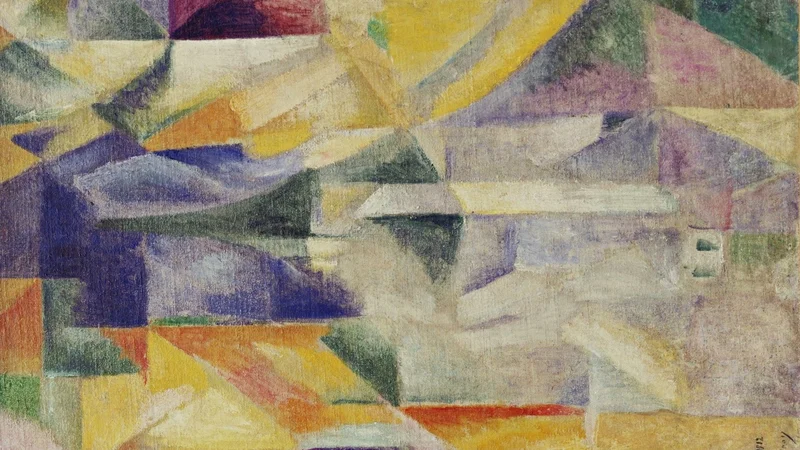
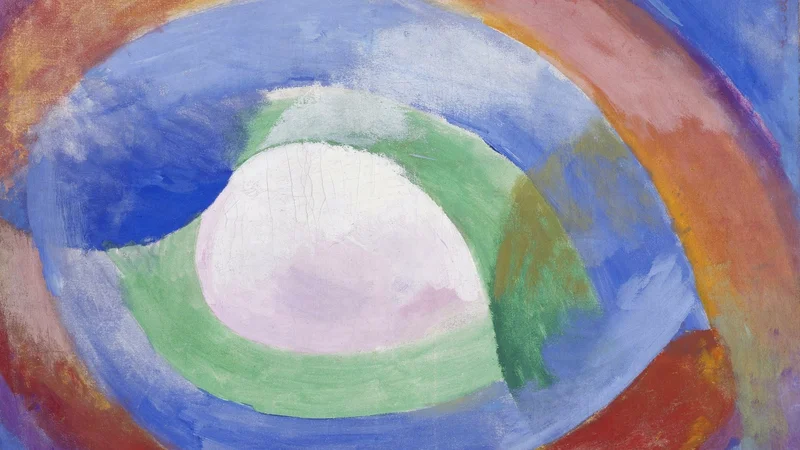
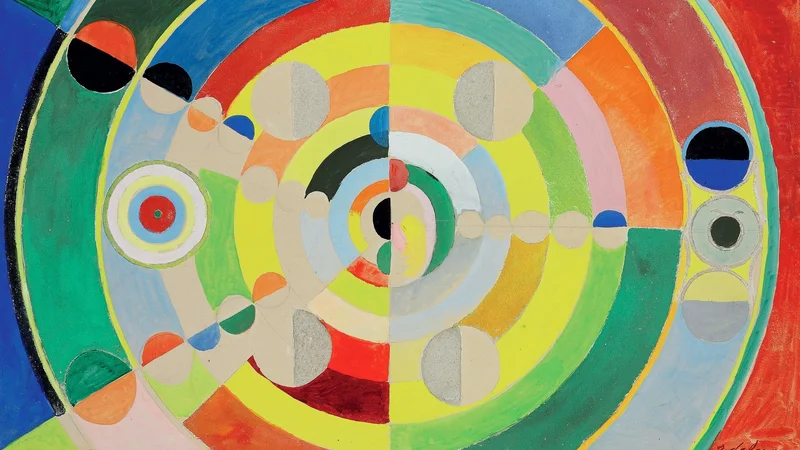
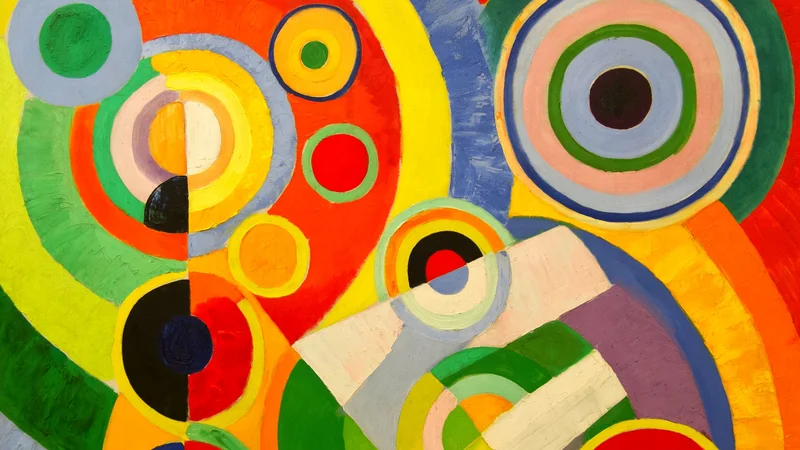
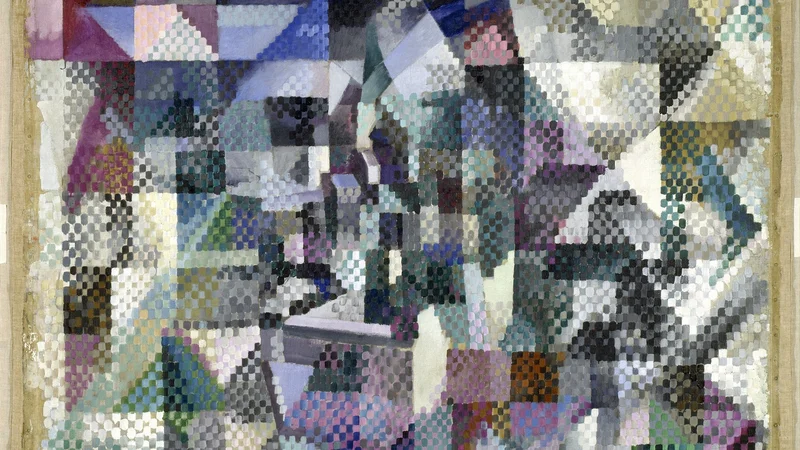
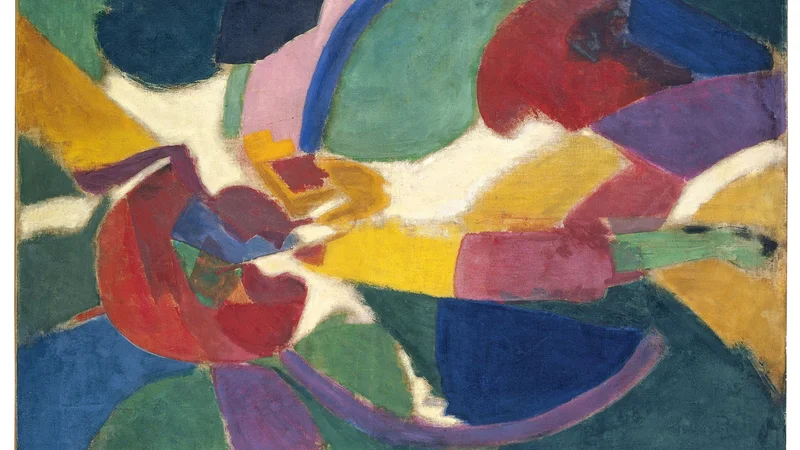
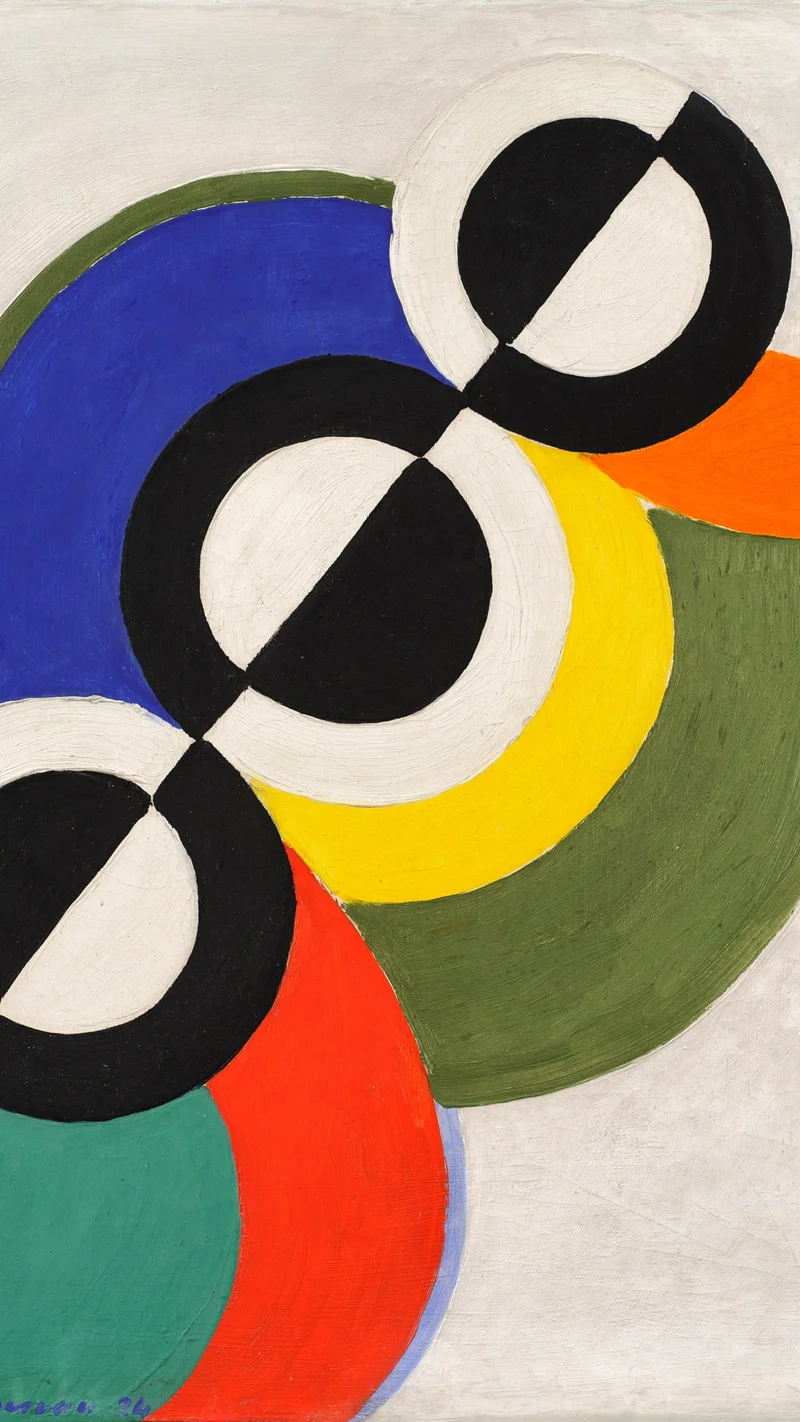
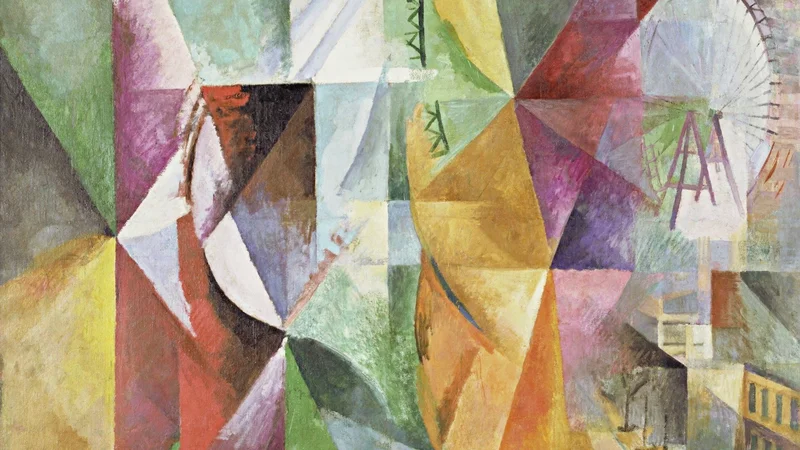
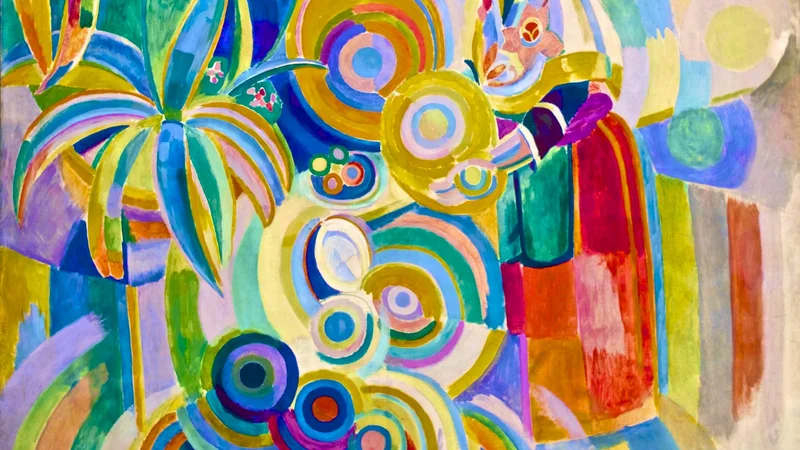
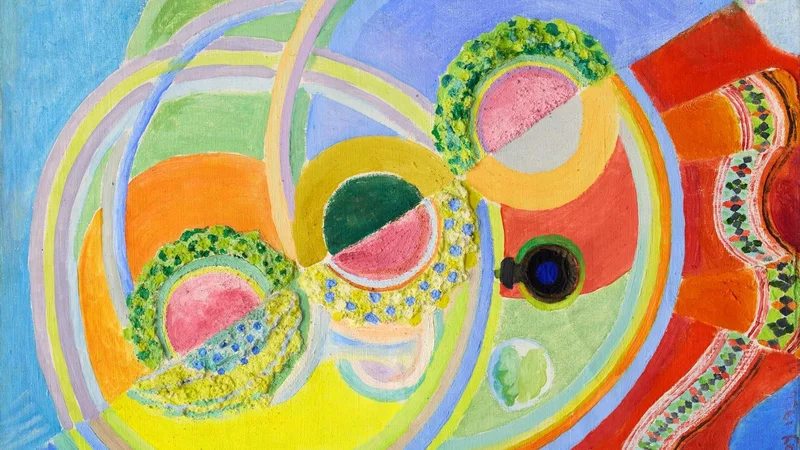
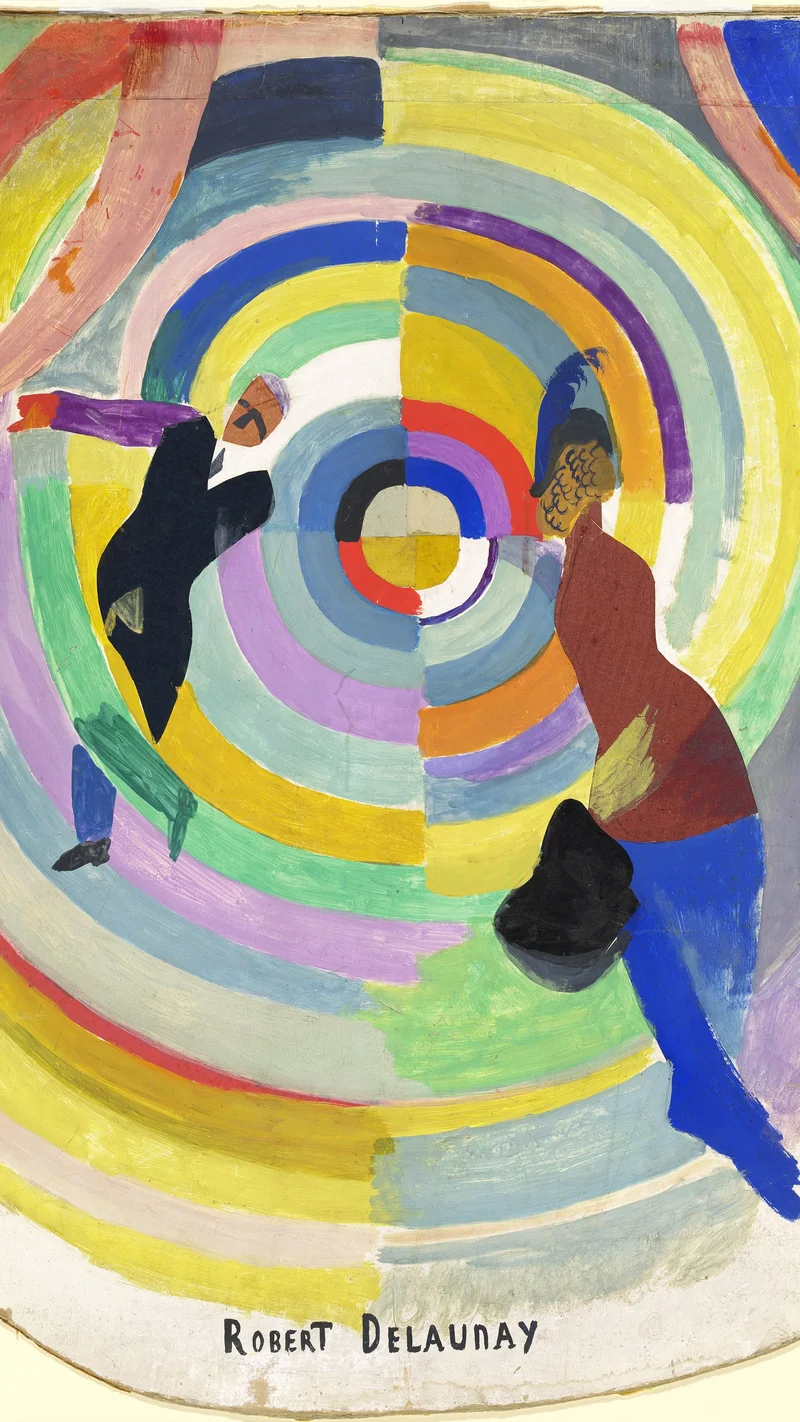
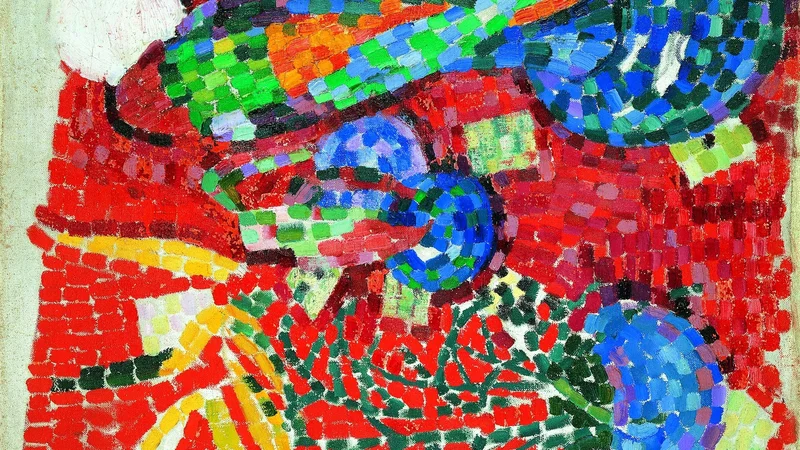
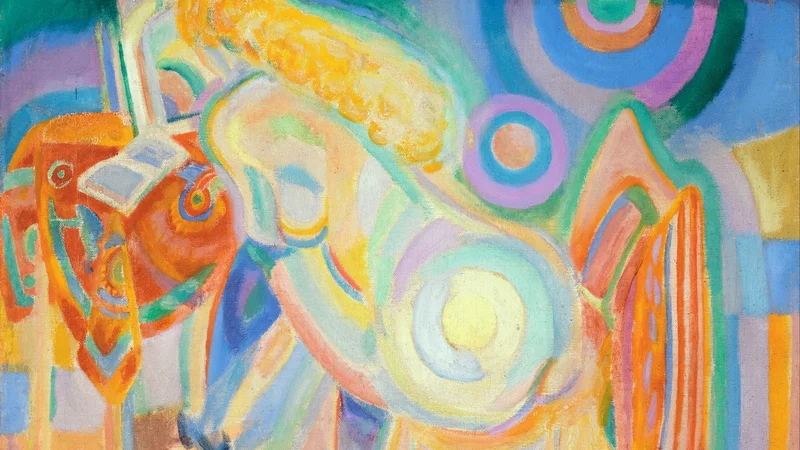
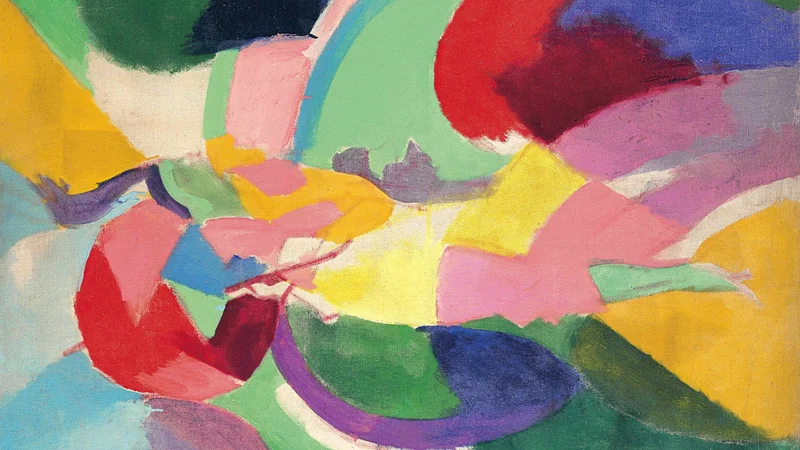
Emerging in Paris around 1912, Orphism represented a critical evolution within the Cubist trajectory, championed primarily by Robert Delaunay. The movement sought to liberate color from its descriptive function, elevating it to the primary structural component of the canvas. By synthesizing the geometric fragmentation of Cubism with a lyrical, rhythmic application of chromatic light, Delaunay moved toward a purely abstract visual language. Key works such as The Rainbow, Rhythm, and his celebrated Windows series—including Window on the City No. 3 and The Three Windows, the Tower and the Wheel—demonstrate this departure from objective representation toward a sensory experience of light and simultaneous contrast. This period of intense innovation also produced pieces like Still Life with Parrot and Joie de vivre, which exemplify the movement's focus on the emotive potential of color harmony.
Orphism functioned as a bridge between the analytical rigor of early twentieth-century modernism and the later developments of pure abstraction. By prioritizing the internal logic of the painting over the external depiction of the subject, Delaunay and his contemporaries fundamentally altered the European avant-garde. The legacy of Orphism persists in the subsequent explorations of color-field painting and lyrical abstraction, as it successfully articulated a vision of art as a rhythmic, musical arrangement of light. Its historical significance lies in the definitive shift it catalyzed, moving the focus of the artistic project away from the imitation of nature and toward the autonomy of the picture plane as an independent, self-referential space.