Realism
404 artworks
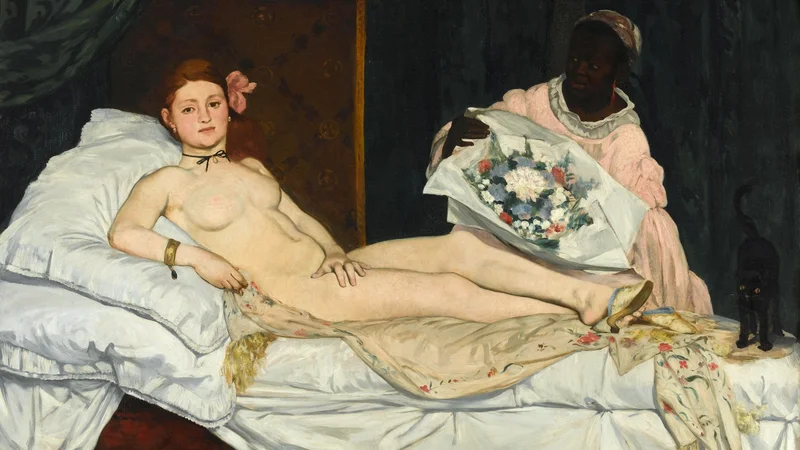
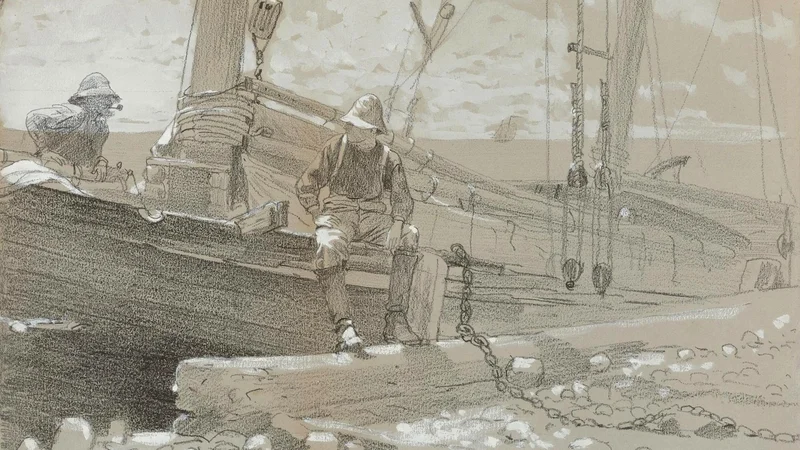
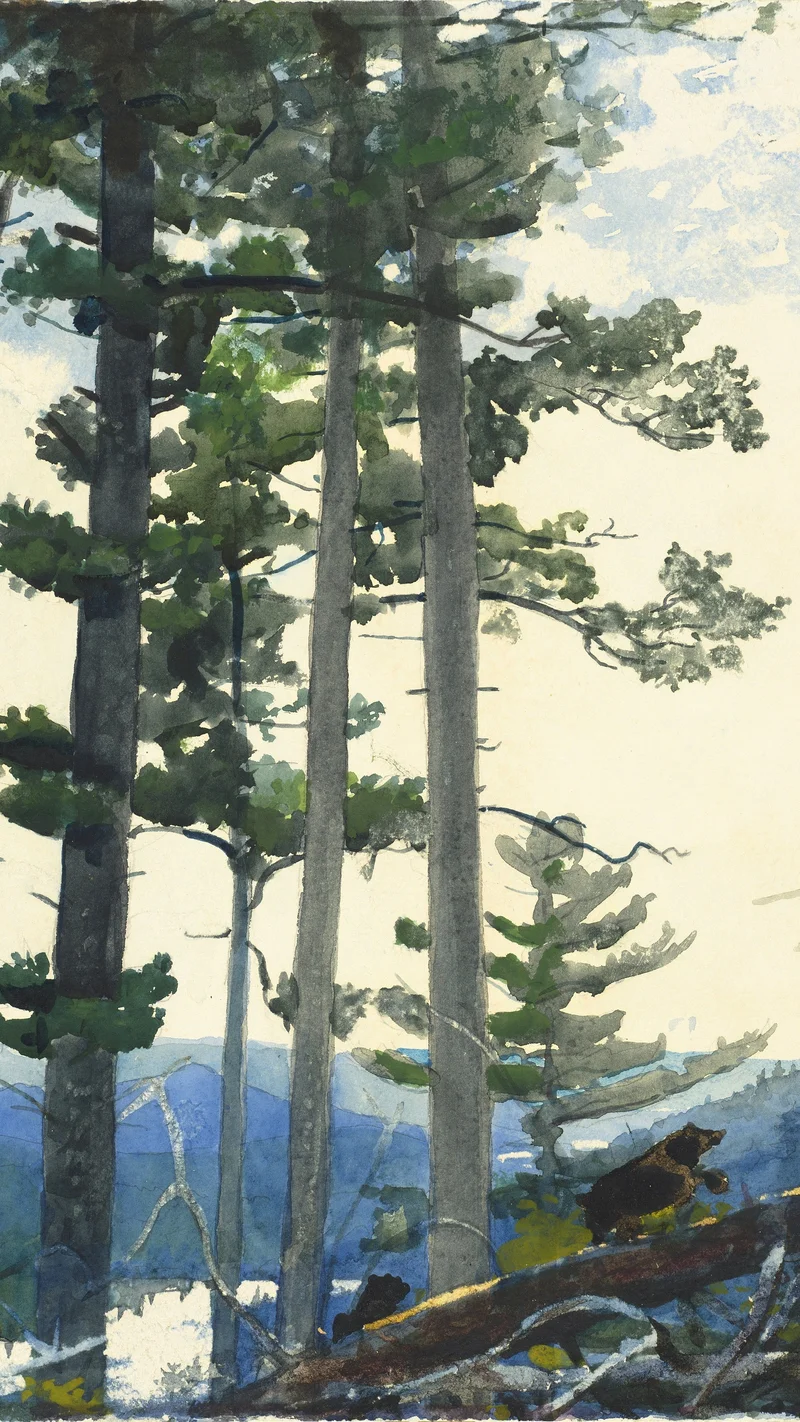
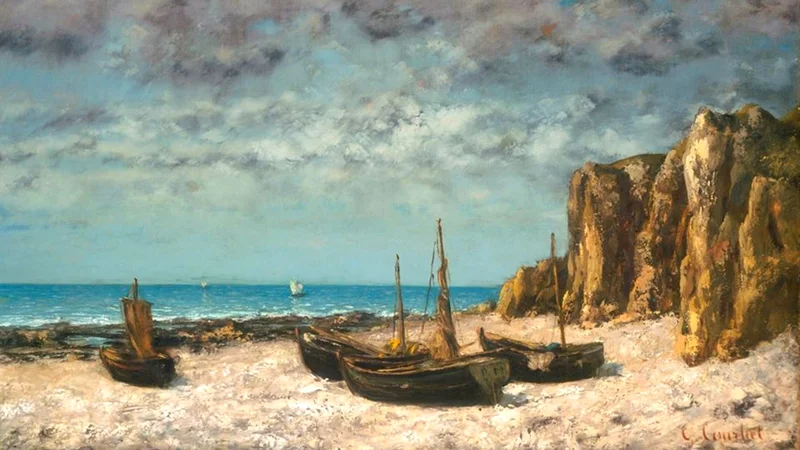
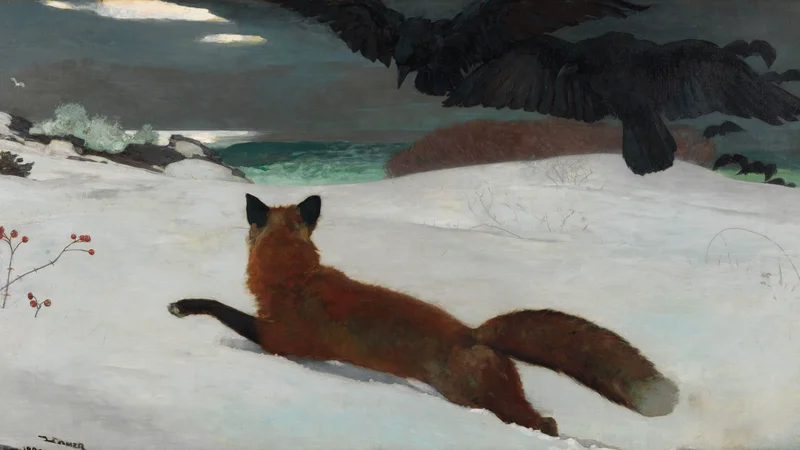
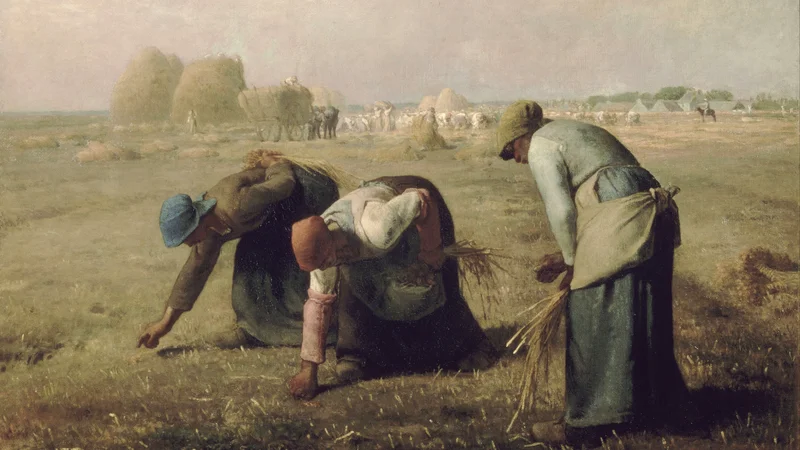
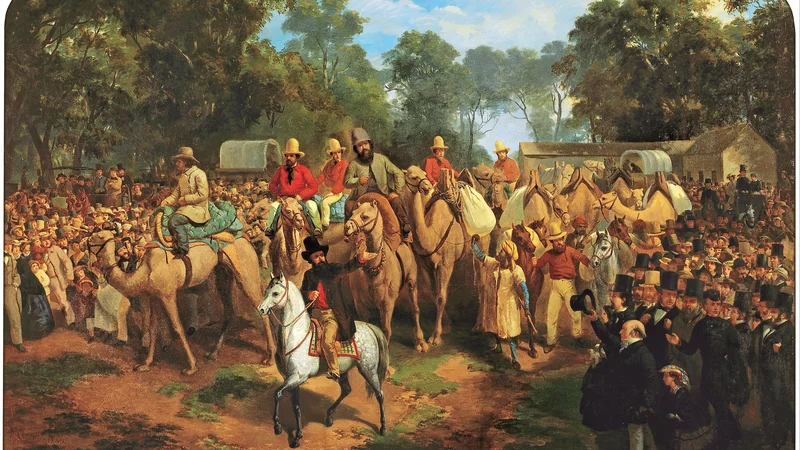
Emerging in mid-19th-century France as a deliberate rupture from the theatricality of Romanticism and the rigid hierarchies of Neoclassicism, Realism sought to document the tangible world with unflinching empirical honesty. This movement shifted the artist’s mandate from the depiction of historical or mythological ideals to the observation of contemporary life, labor, and the vernacular landscape. By prioritizing the mundane and the authentic, practitioners rejected the artifice of the Academy, favoring a direct engagement with their surroundings that prefigured the modern preoccupation with social observation.
The Dialectic of Observation and Craft.
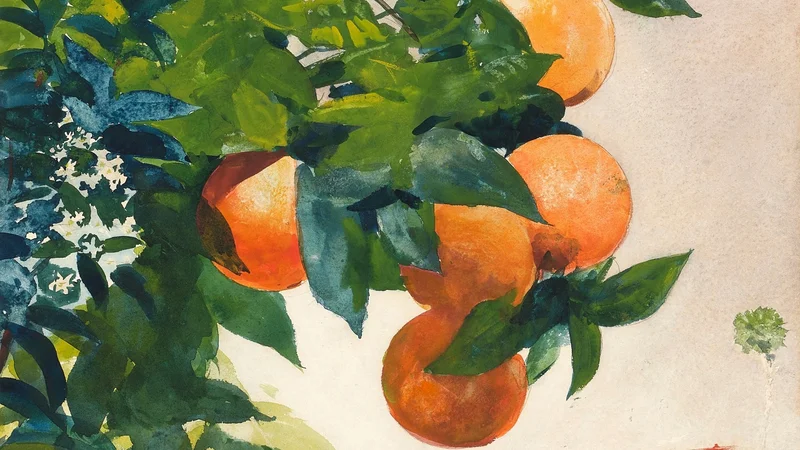
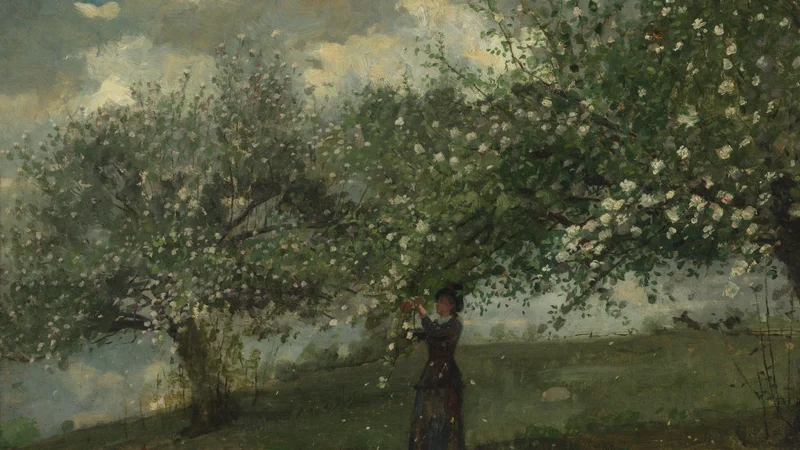
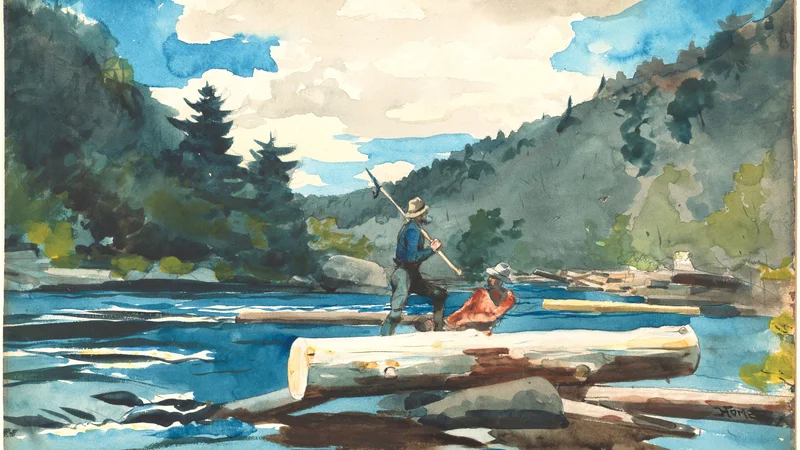
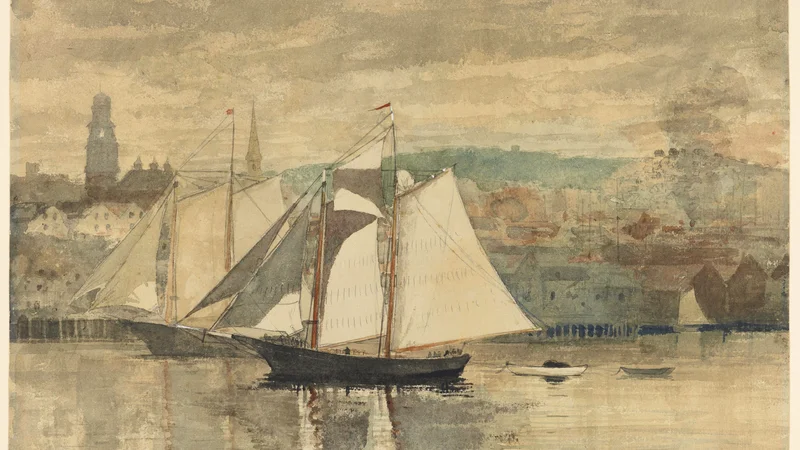
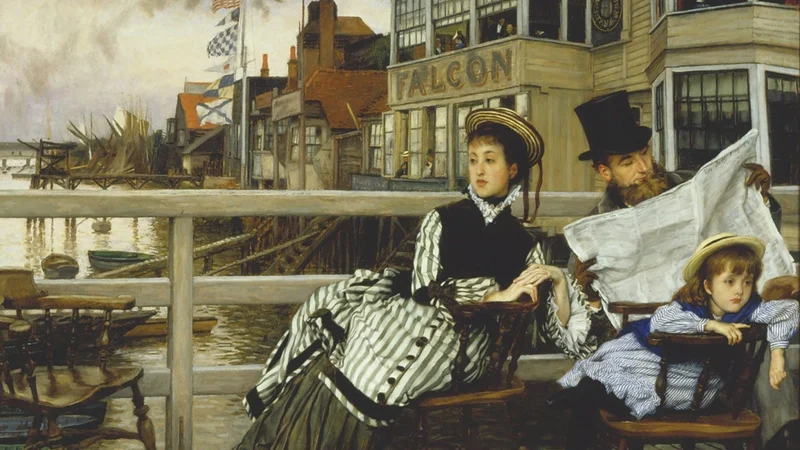
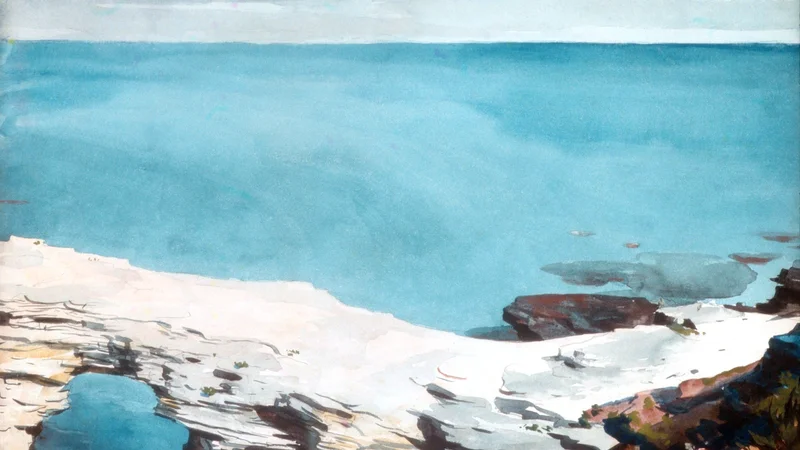
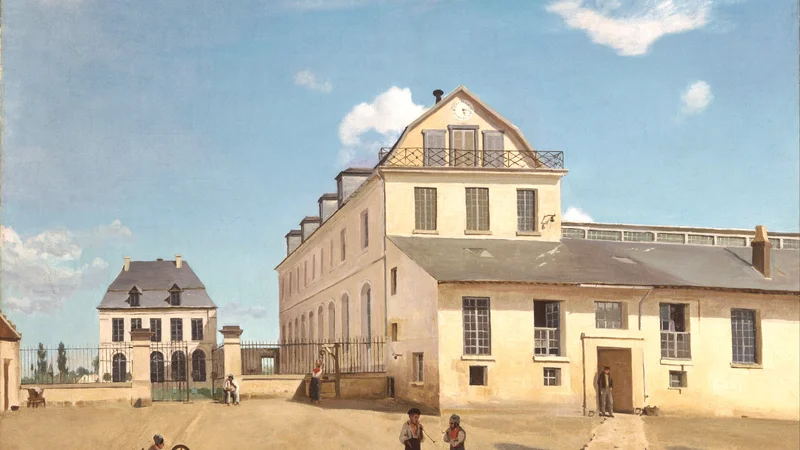
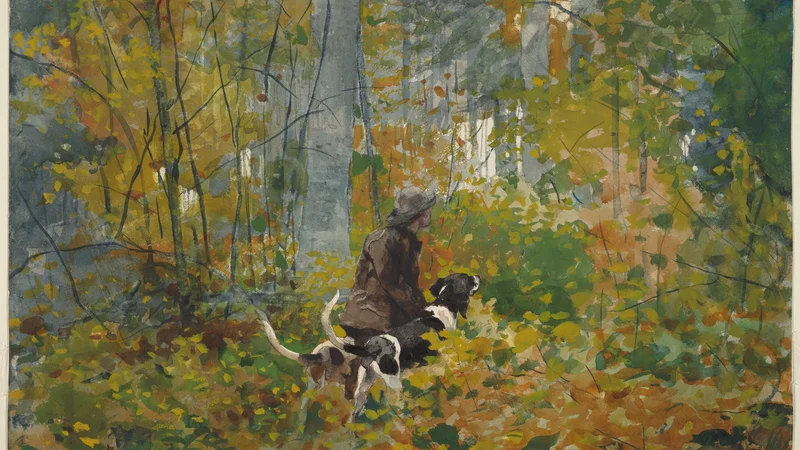
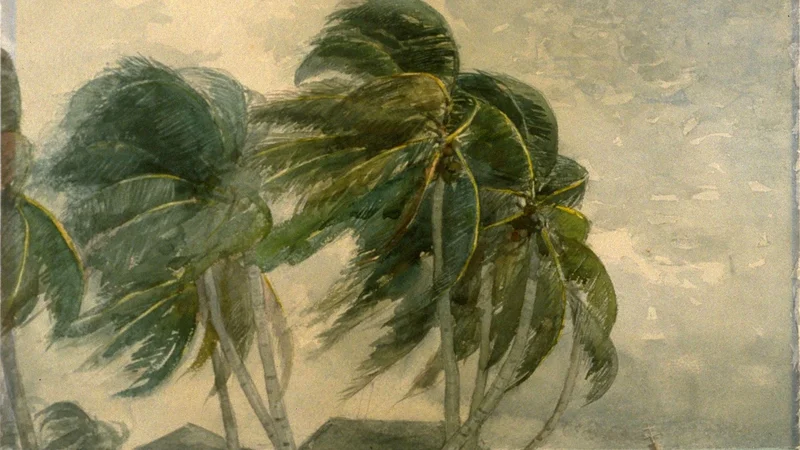
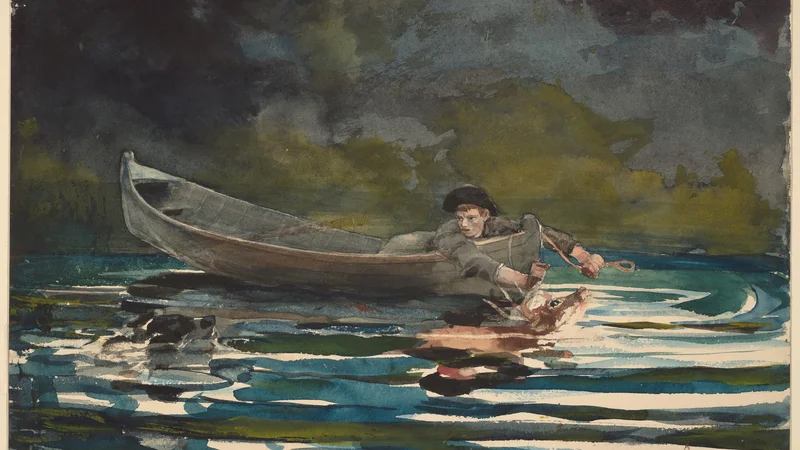
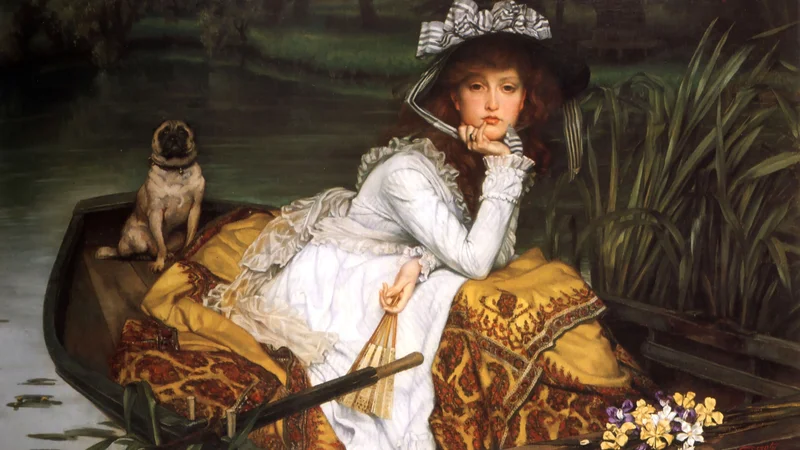
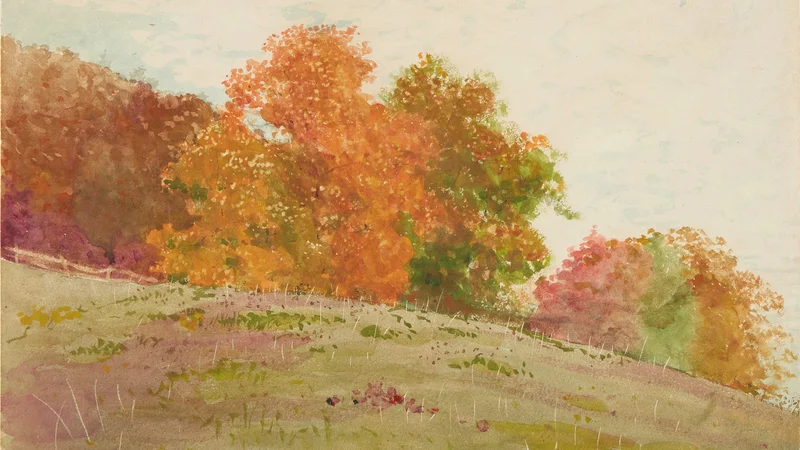
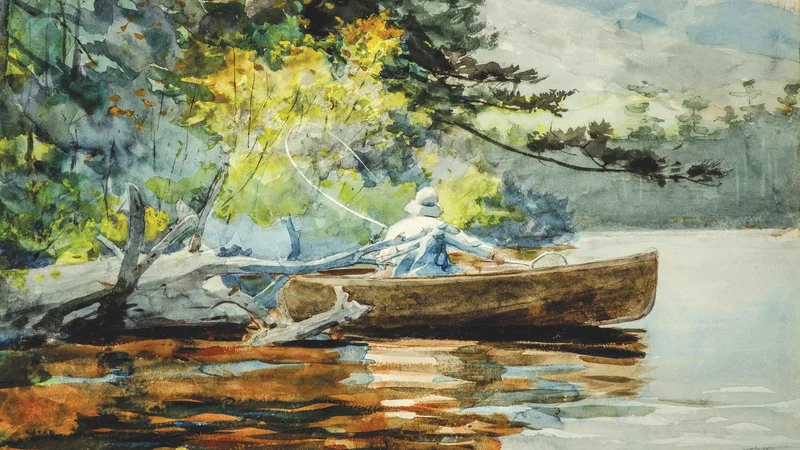
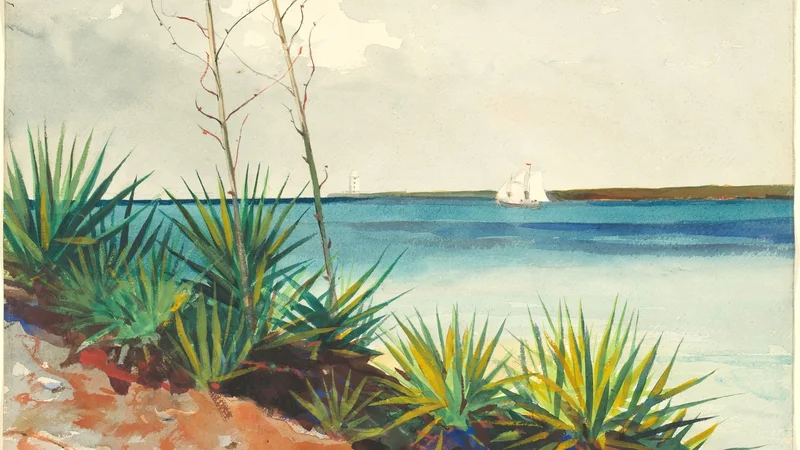
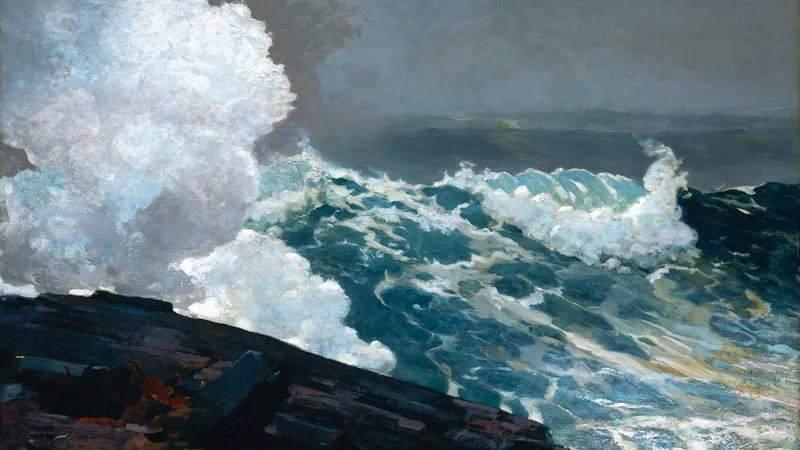
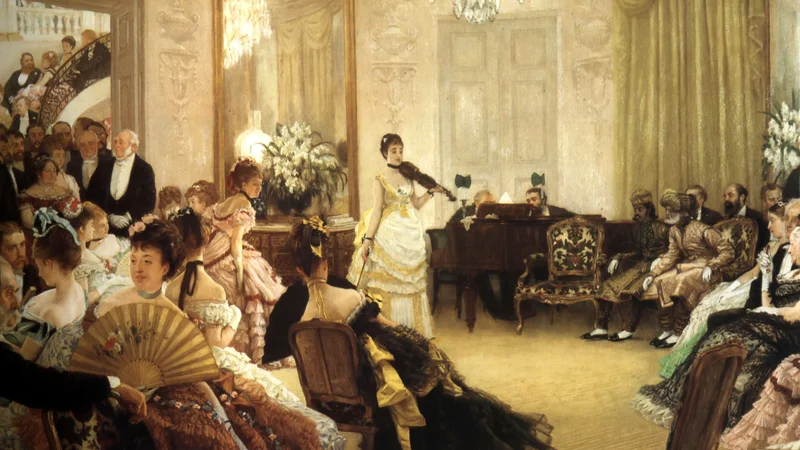
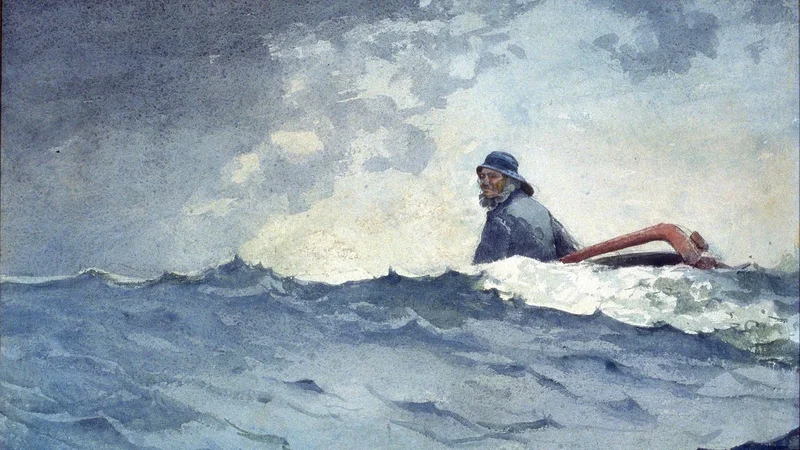
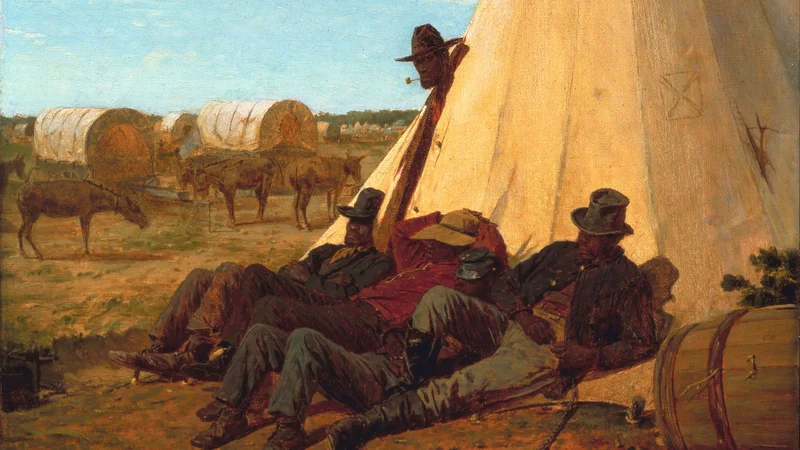
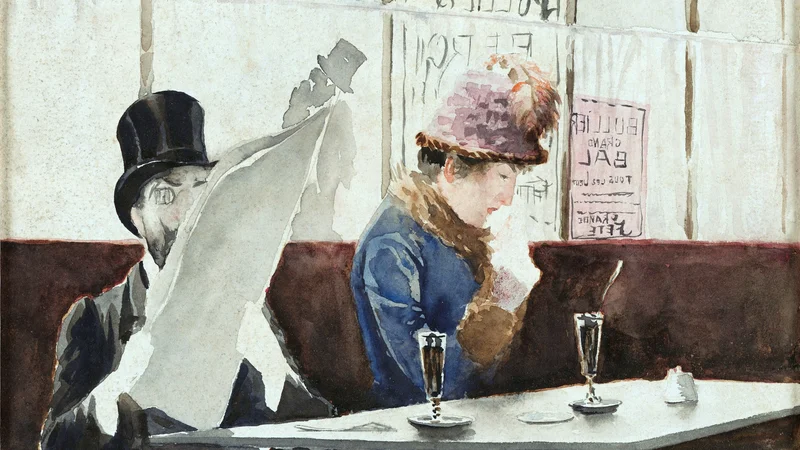
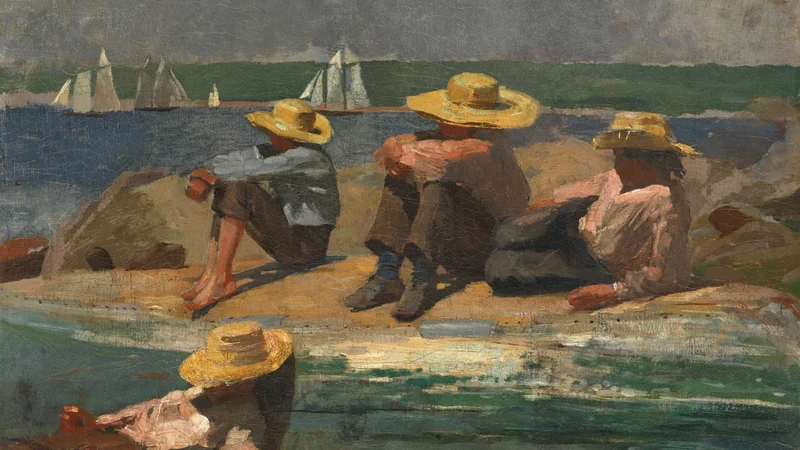
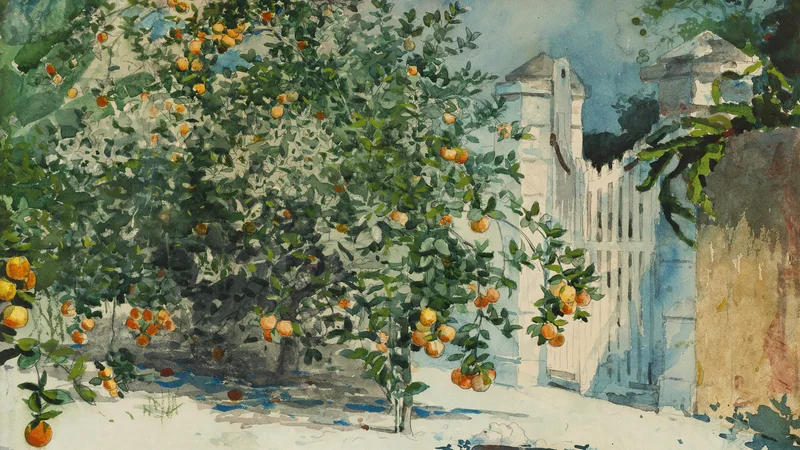
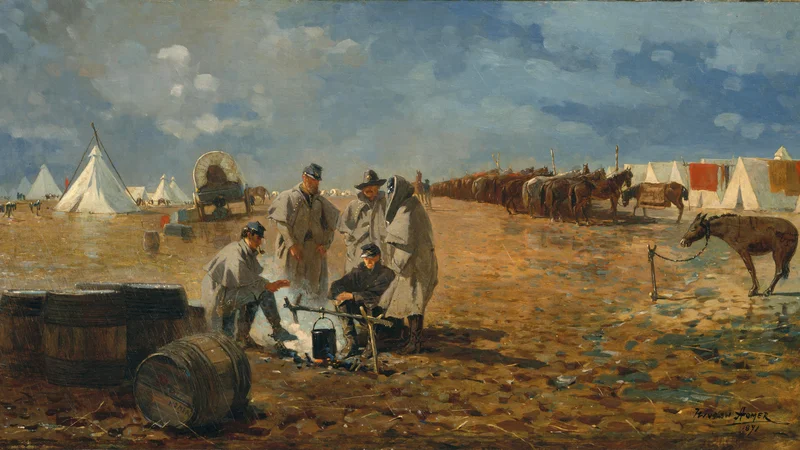
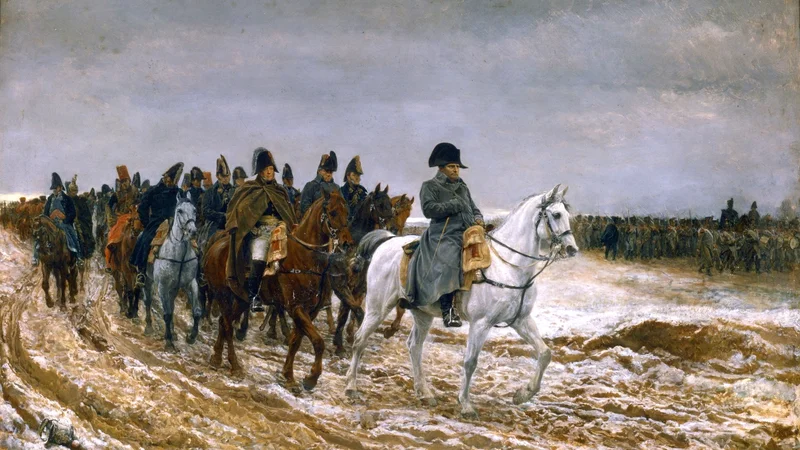
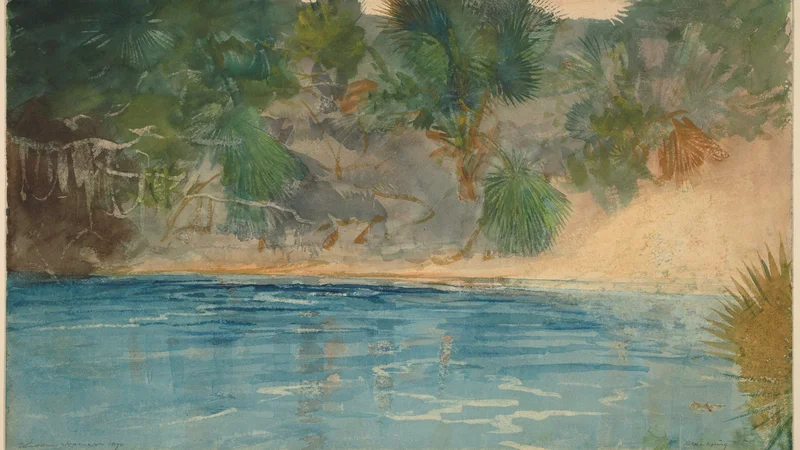
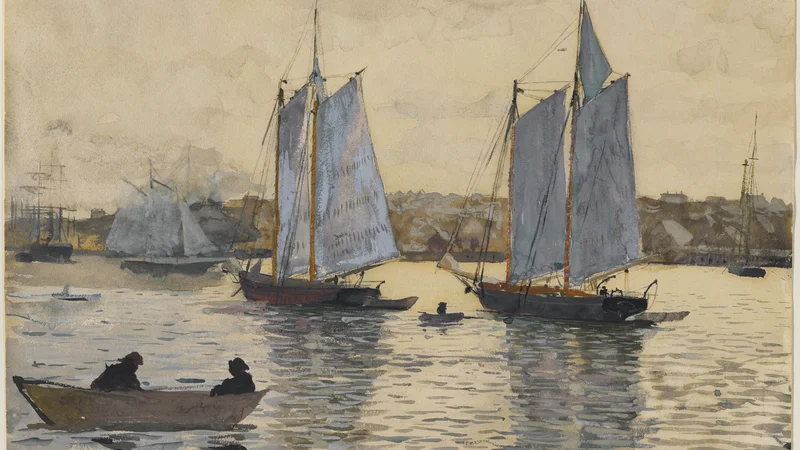
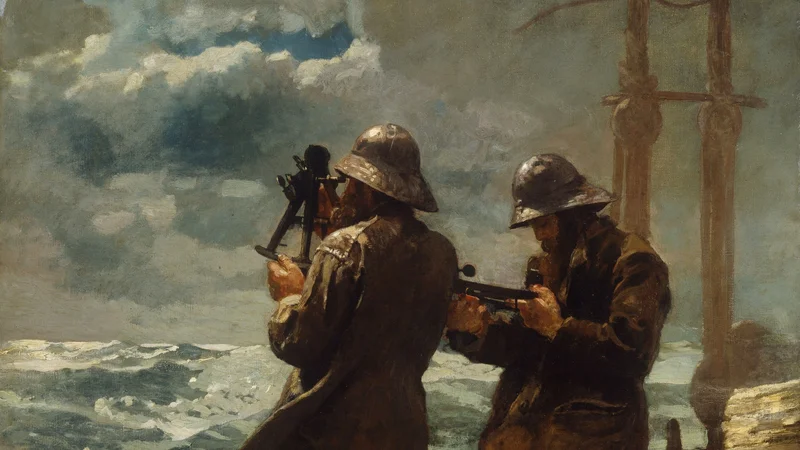
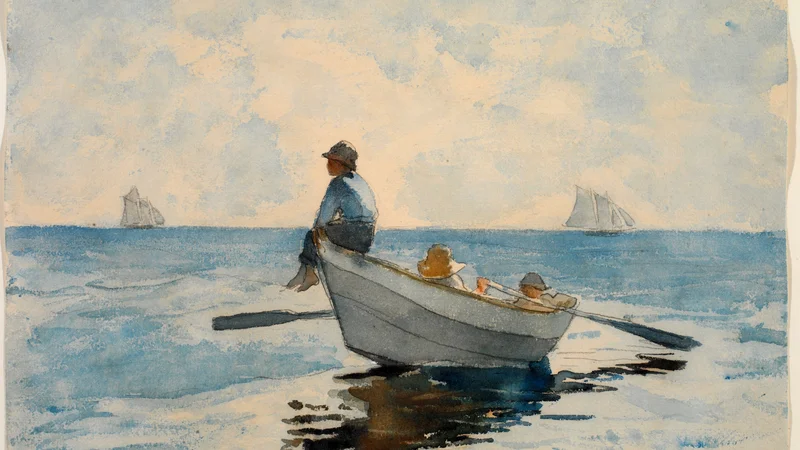
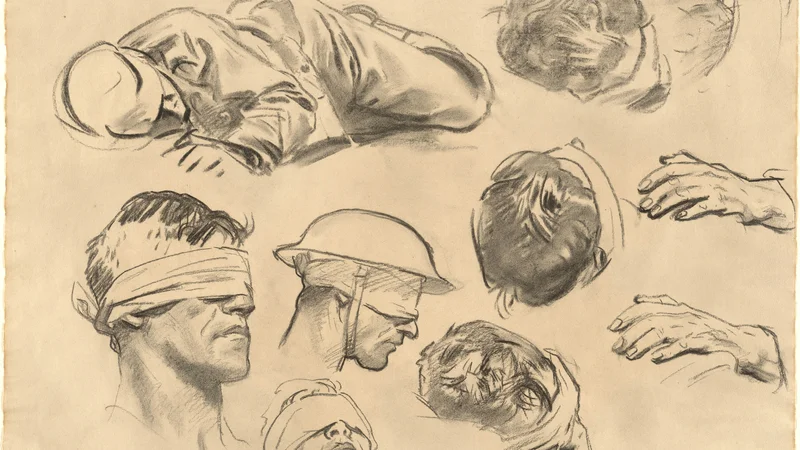
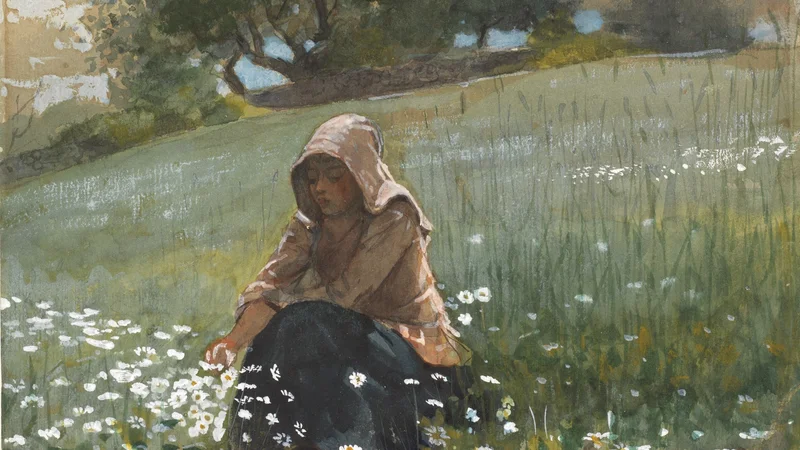
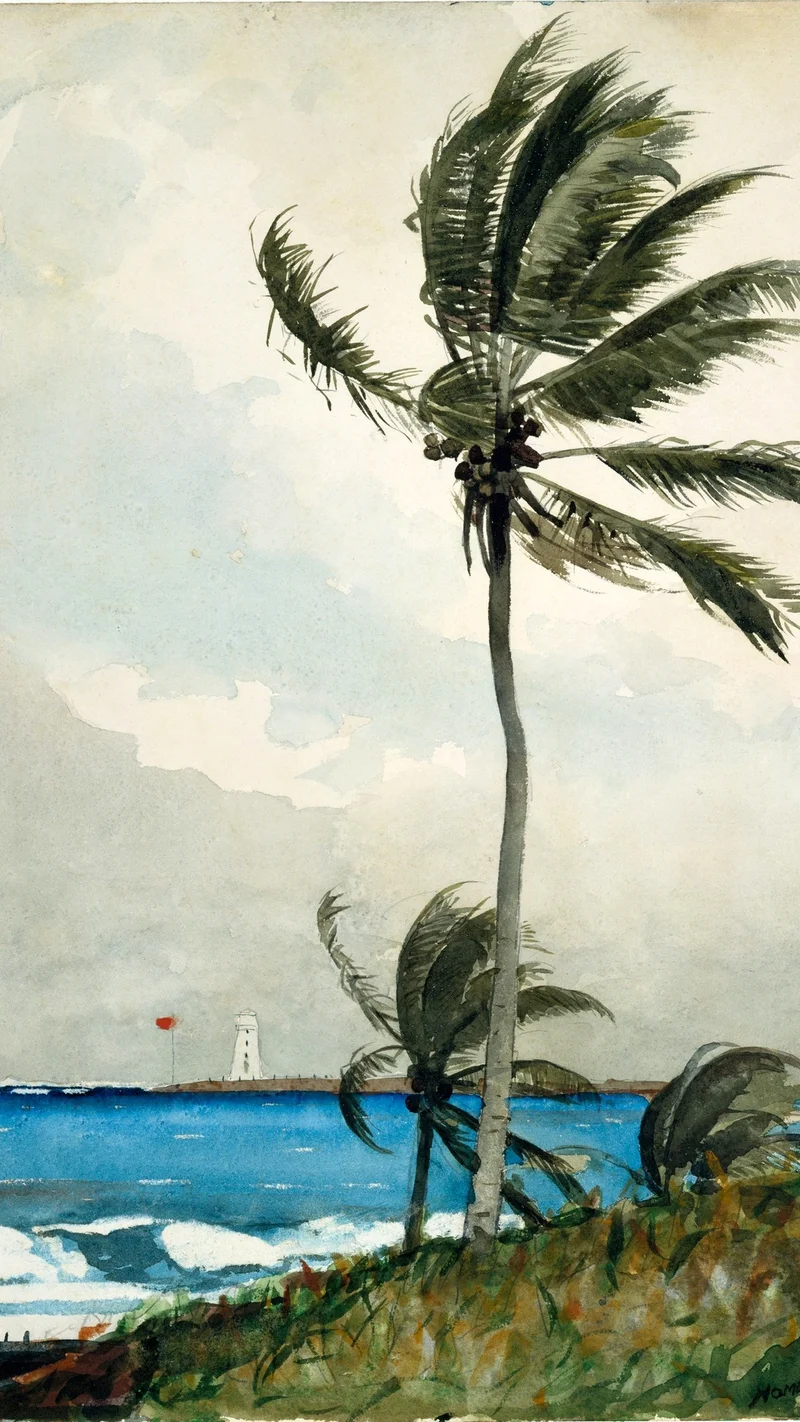
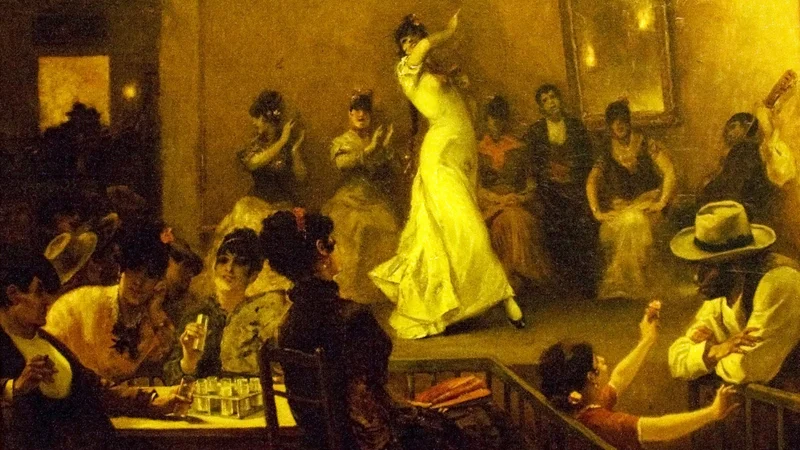
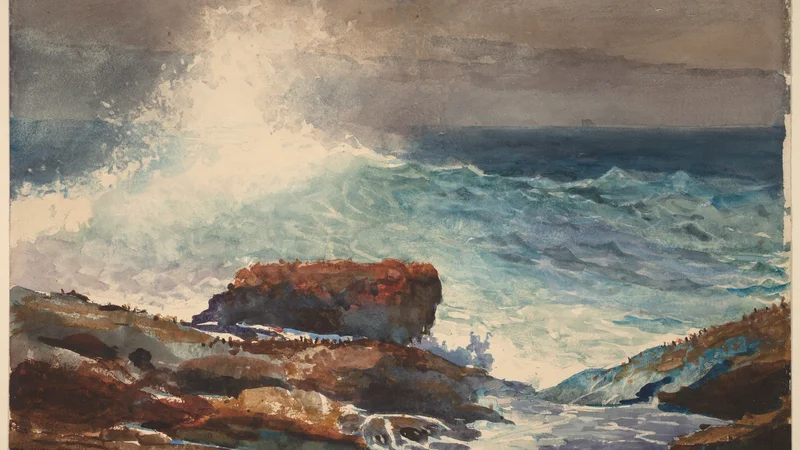
Artists such as Jean-Baptiste Camille Corot and John Singer Sargent exemplified this aesthetic shift, employing a nuanced palette to capture the interplay of light and form within the natural world. Works like Corot’s Autumn Trees or House and Factory of Monsieur Henry demonstrate an acute sensitivity to the structural integrity of the environment. Similarly, the movement’s reach extended across the Atlantic, where Winslow Homer’s Natural Bridge, Bermuda and A Good One, Adirondacks brought a distinct, rugged vitality to the depiction of the American landscape. James Tissot’s meticulous attention to material detail, alongside the work of Francis Hopkinson Smith in pieces like On the Trail and the vibrant study Oranges on a branch, reinforced the movement’s commitment to objective representation. Ultimately, Realism functioned as a visual manifestation of the industrial era’s burgeoning scientific spirit, permanently expanding the parameters of the legitimate subject.