Édouard Manet
7 artworks
Édouard Manet (1832–1883) was a pivotal French painter whose work serves as the critical bridge between Realism and Impressionism. Trained under Thomas Couture, Manet defied the rigid academic constraints of the Paris Salon, instead drawing deep inspiration from the Spanish masters and the life of contemporary Paris. His rejection of traditional chiaroscuro in favor of bold, flattened forms and sharp tonal contrasts established a modern pictorial language that challenged the viewers of the mid-nineteenth century.
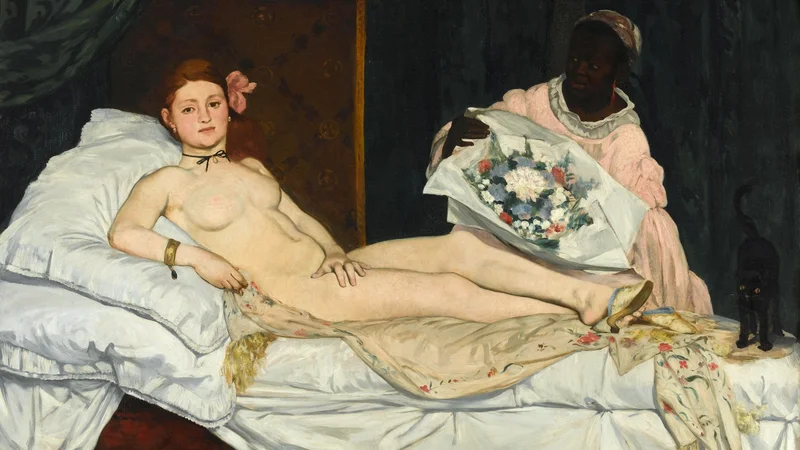
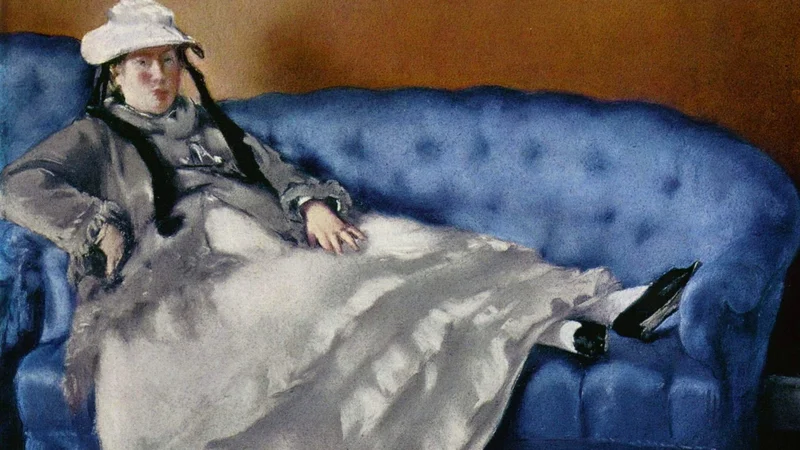
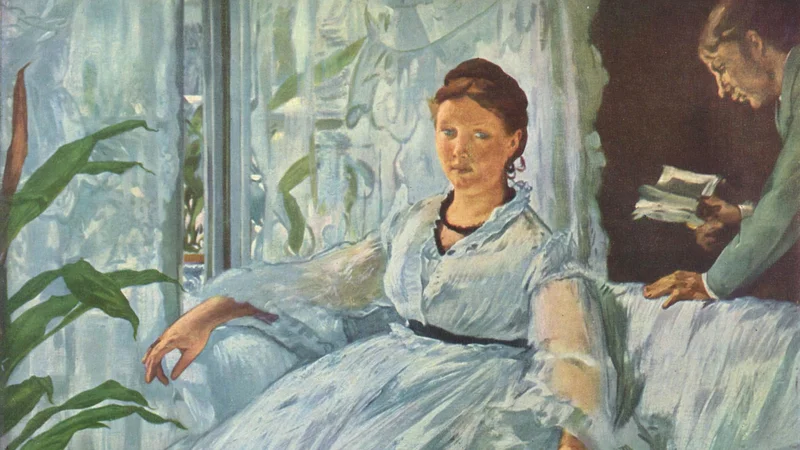
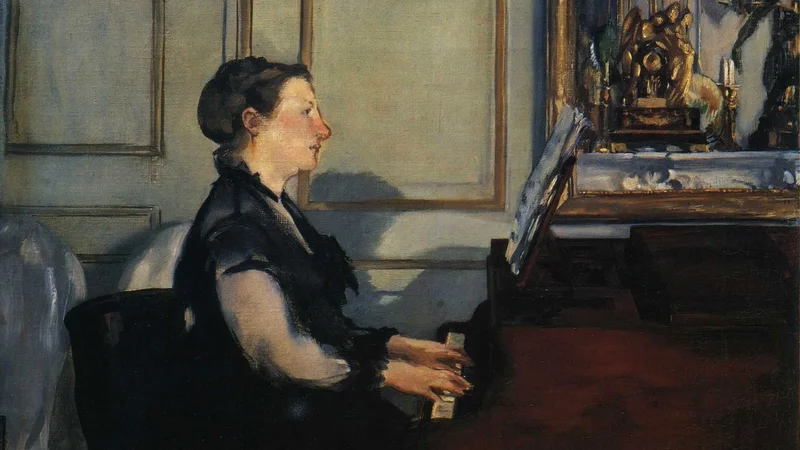
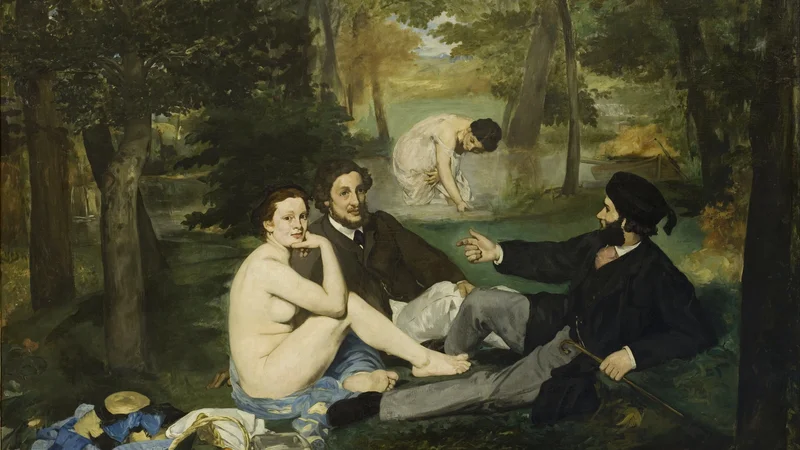
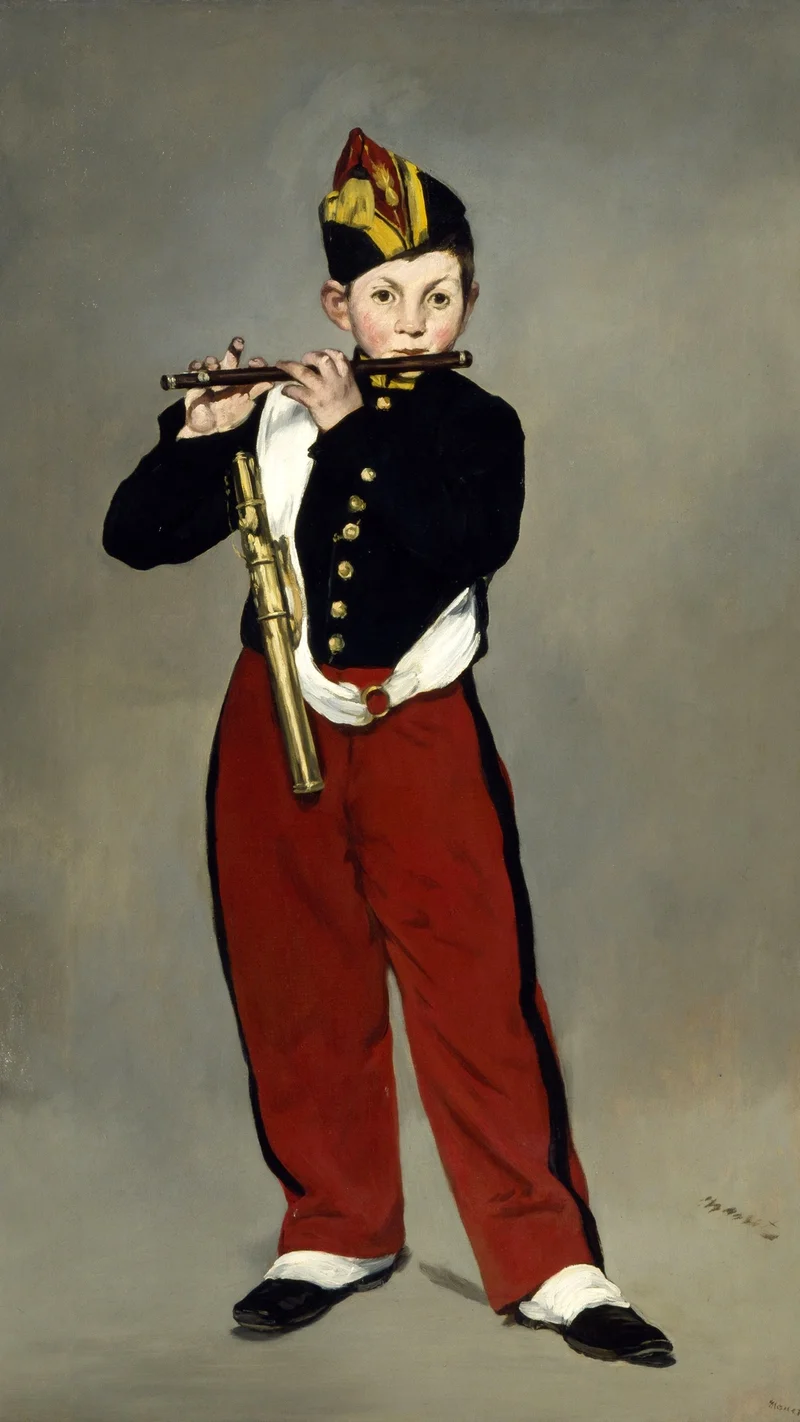
Manet’s technique was defined by a rapid, fluid application of paint and a commitment to capturing the immediacy of modern subjects. Works such as Luncheon on the Grass and Olympia—both unveiled in the 1860s—shattered artistic conventions by placing provocative, contemporary figures within complex, historically-referenced compositions. His domestic portraiture, including The Reading, Portrait of Madame Edouard Manet on a Blue Sofa, and Suzanne Manet at the Piano, demonstrates a mastery of light and intimacy, while The Fifer highlights his ability to isolate figures against neutral, shallow backgrounds. These paintings represent a radical shift toward the objective representation of the urban experience.
By prioritizing the surface of the canvas over traditional illusionism, Manet fundamentally altered the trajectory of Western art. His independence from the formal academies and his mentorship of younger artists provided the catalyst for the Impressionist movement. His lasting contribution remains the liberation of the painter from the requirement of narrative artifice, positioning the act of observation itself as the primary subject of the work.