Romanticism
427 artworks
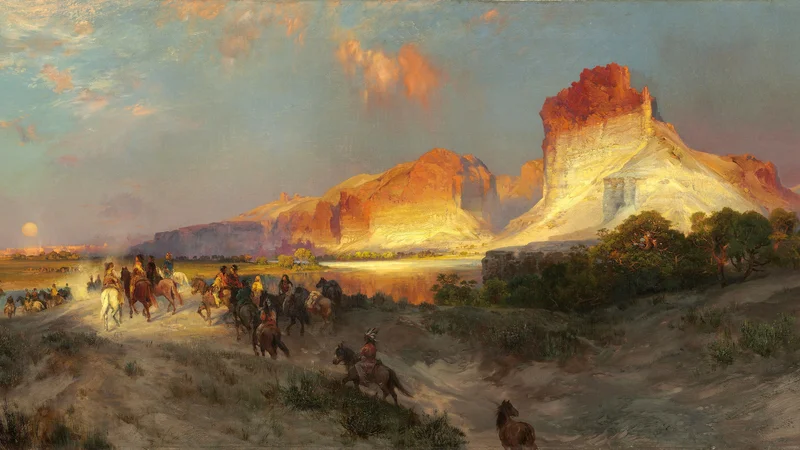
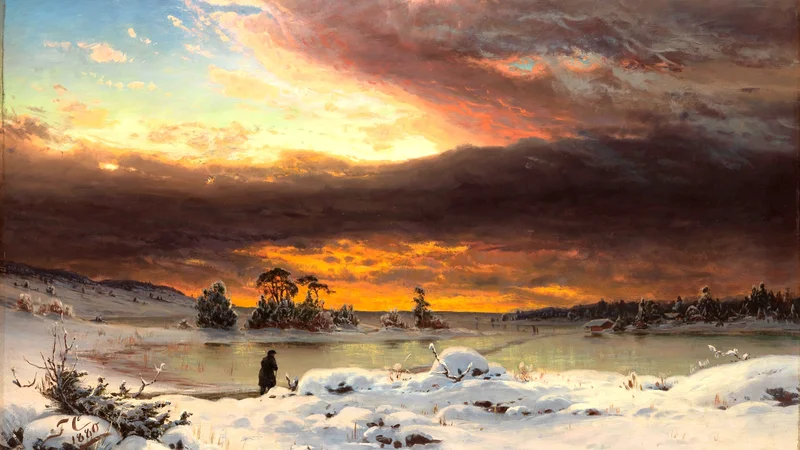
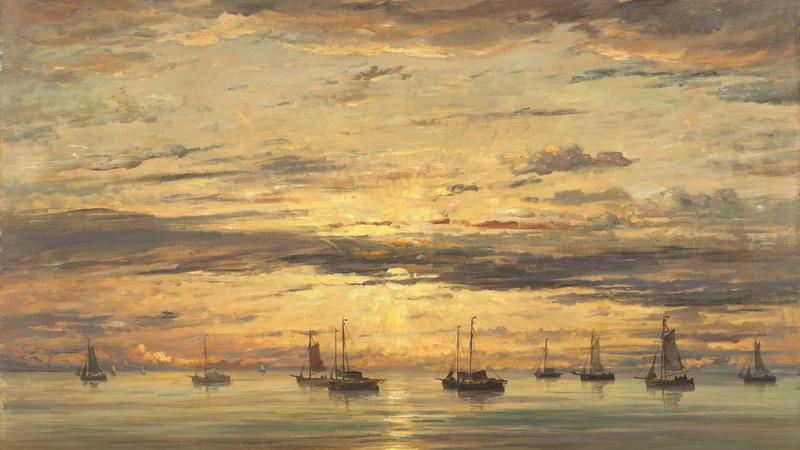
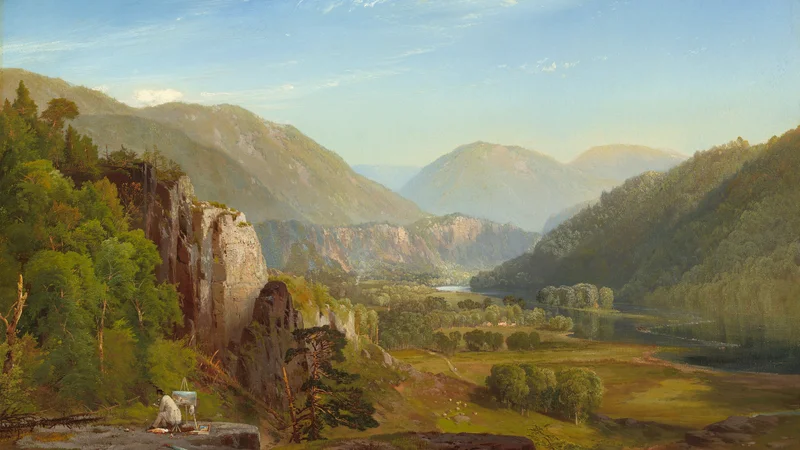
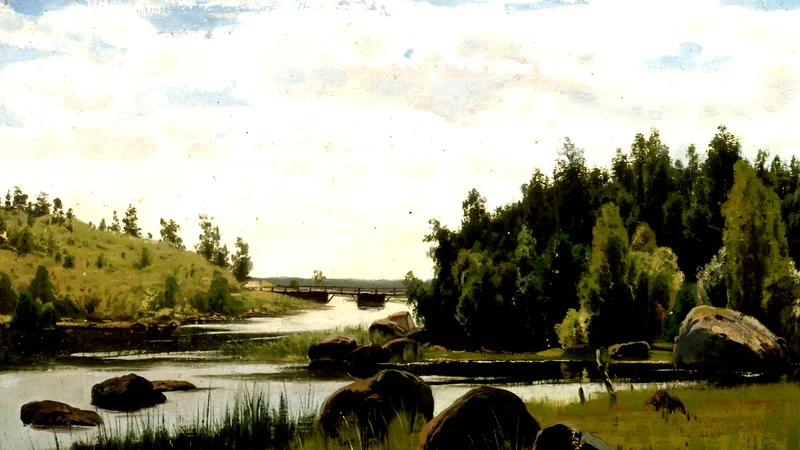
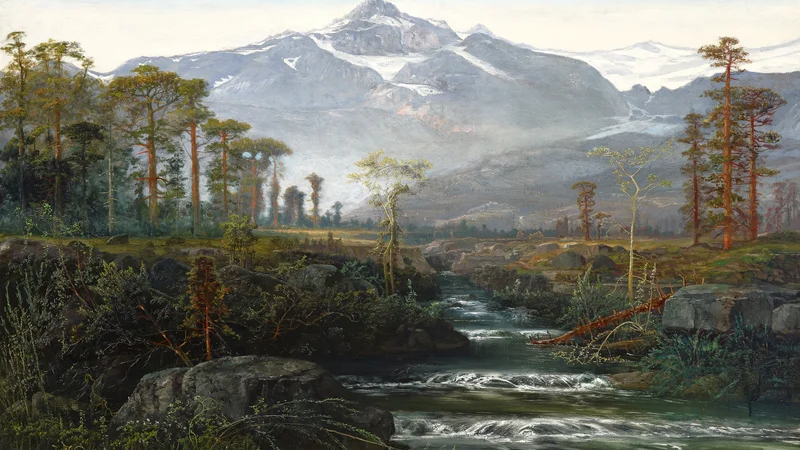
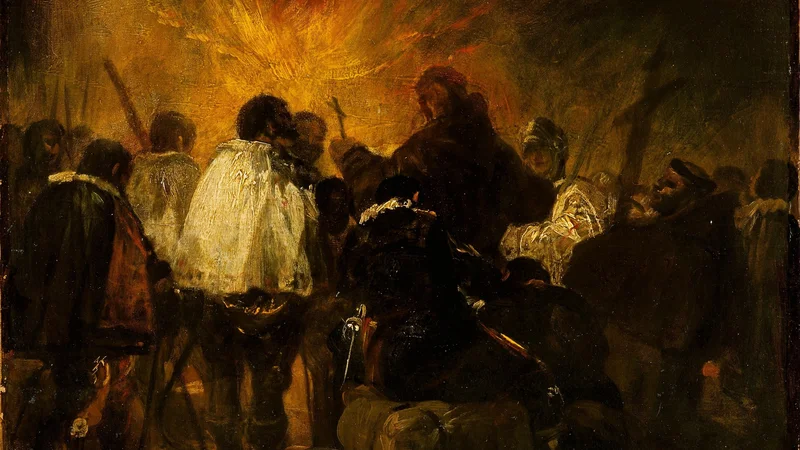
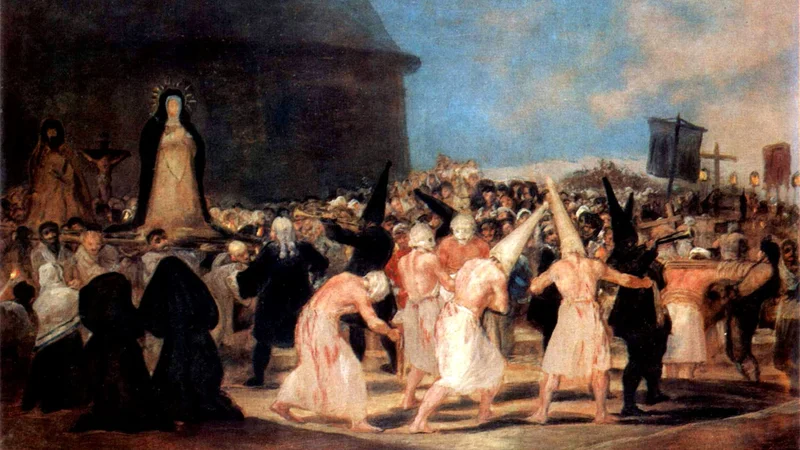
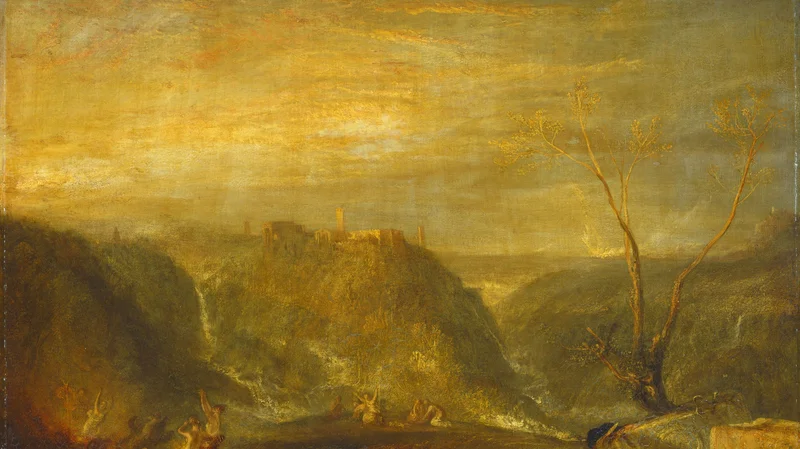
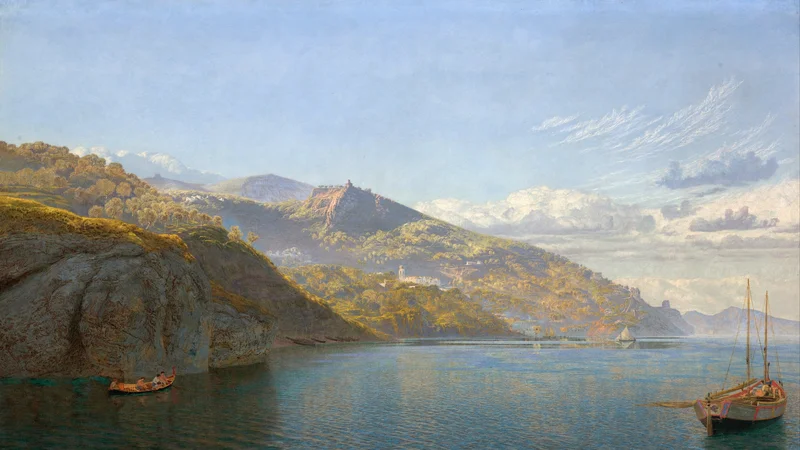
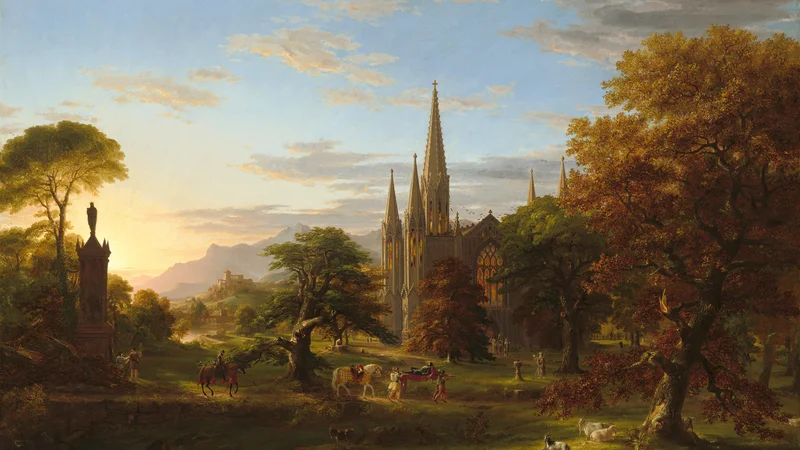
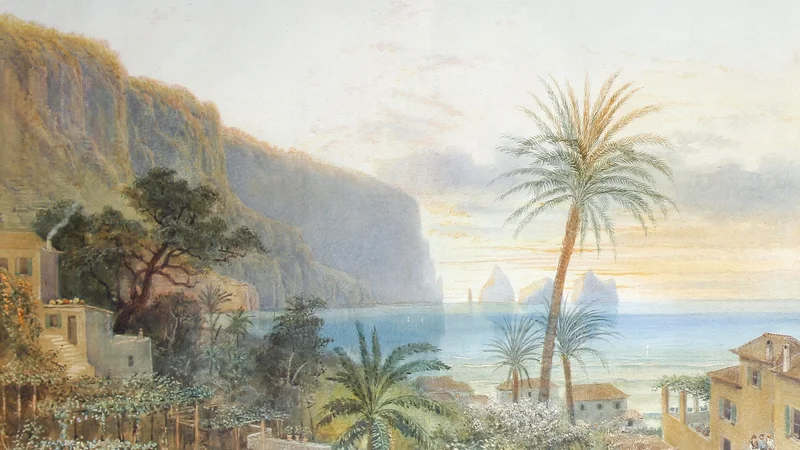
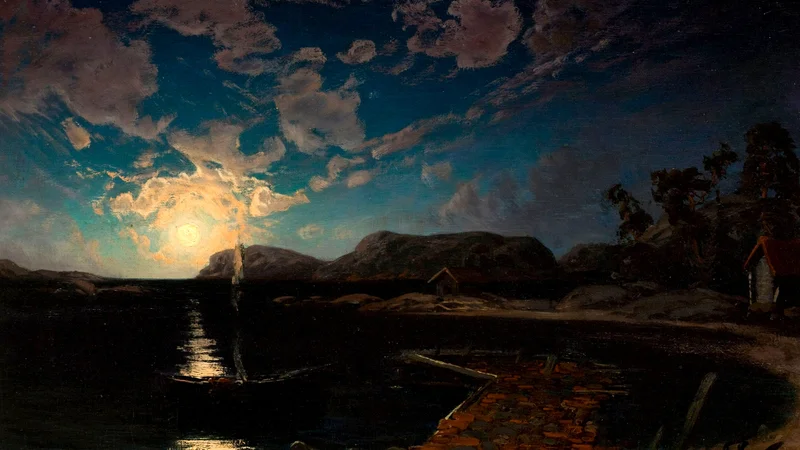
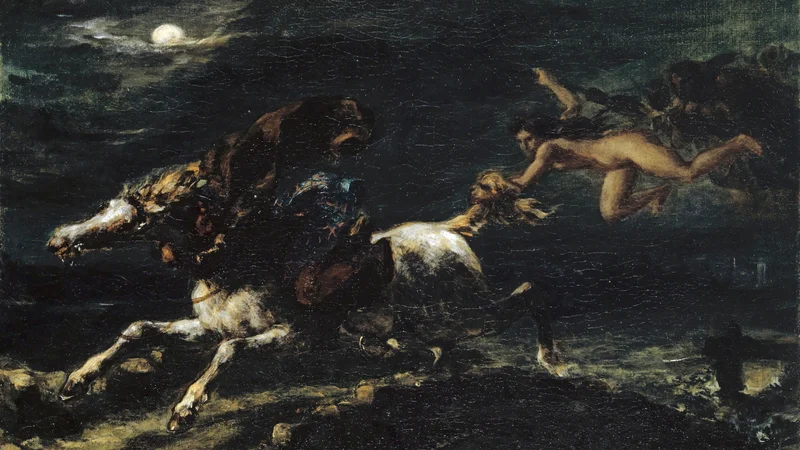
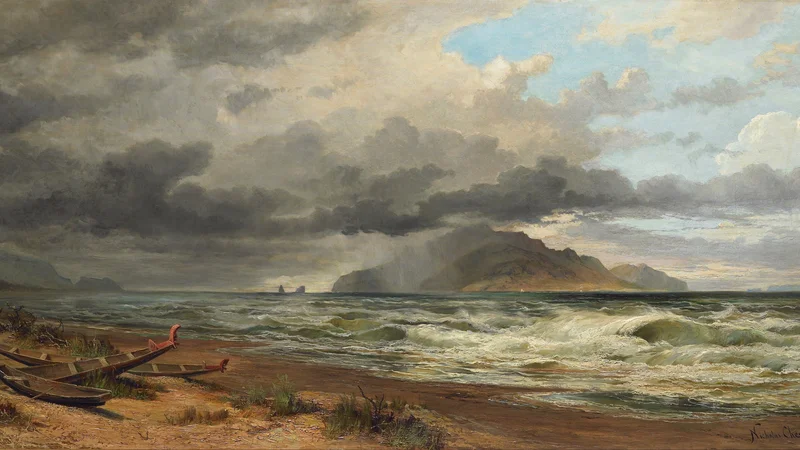
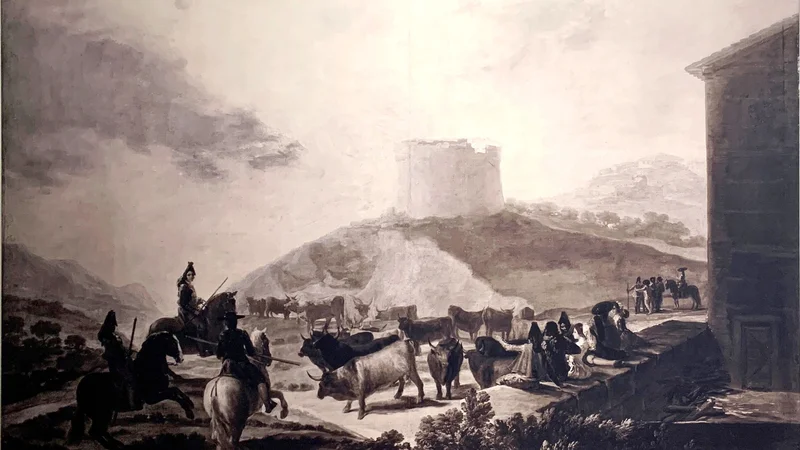
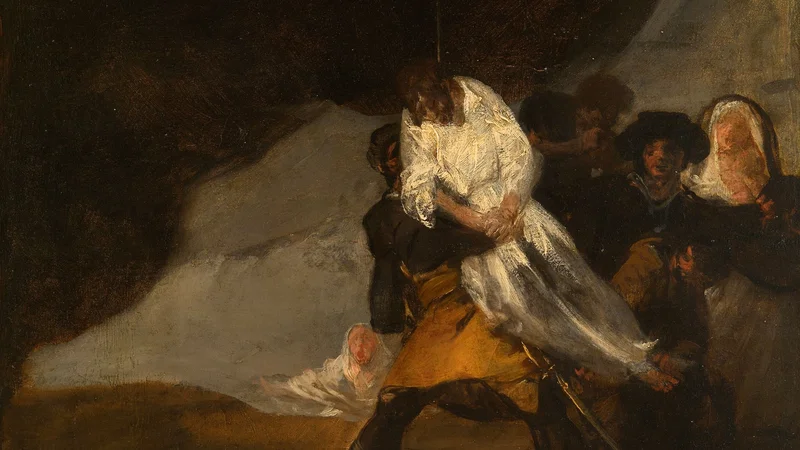
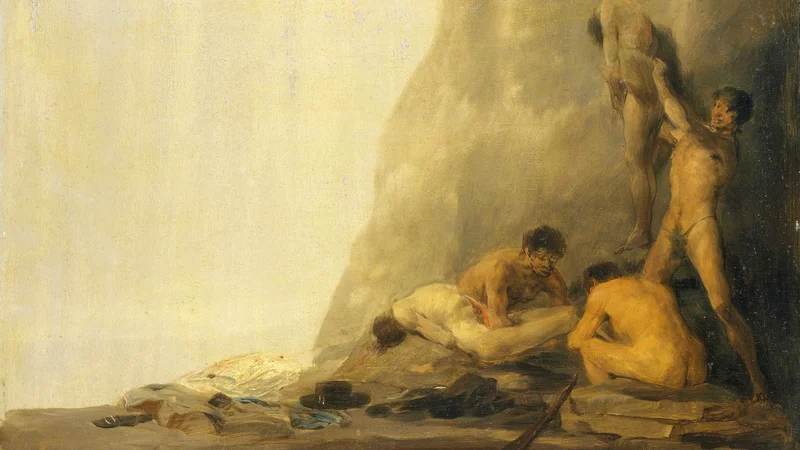
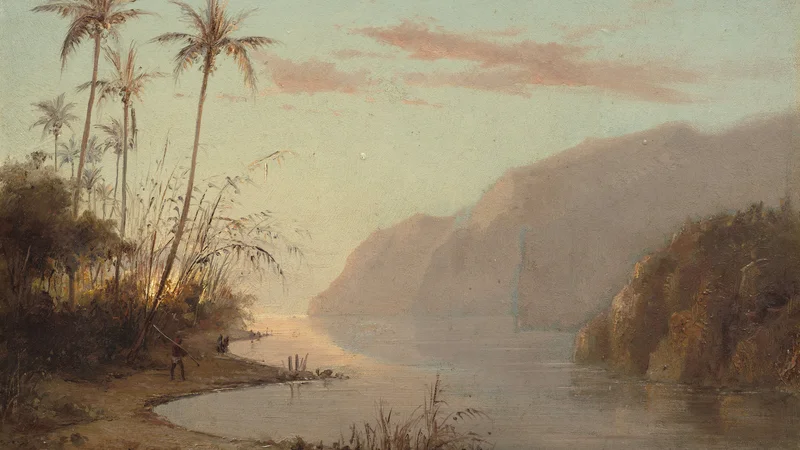
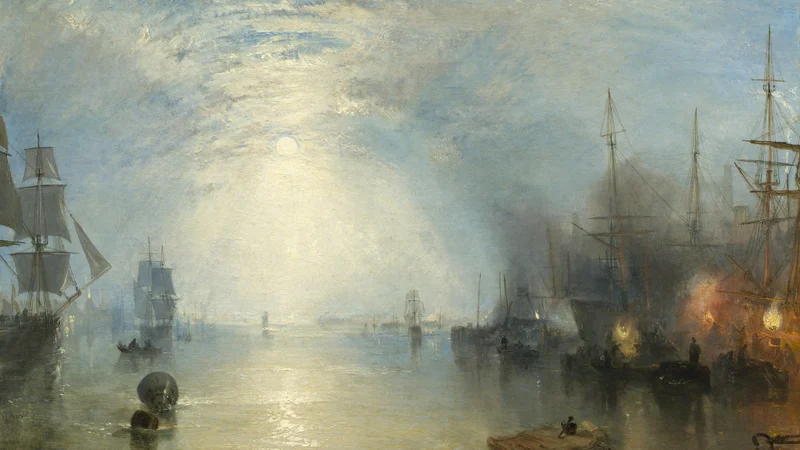
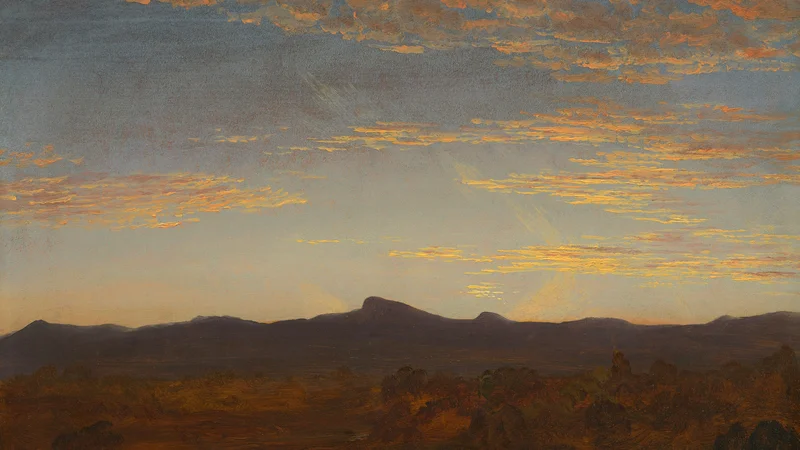
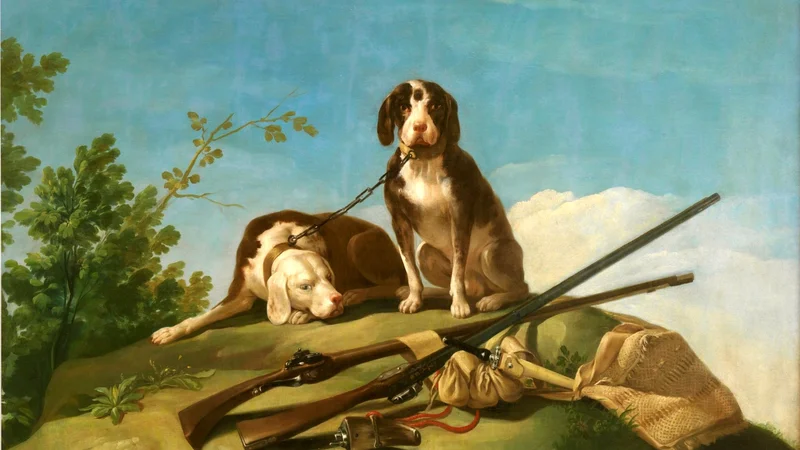
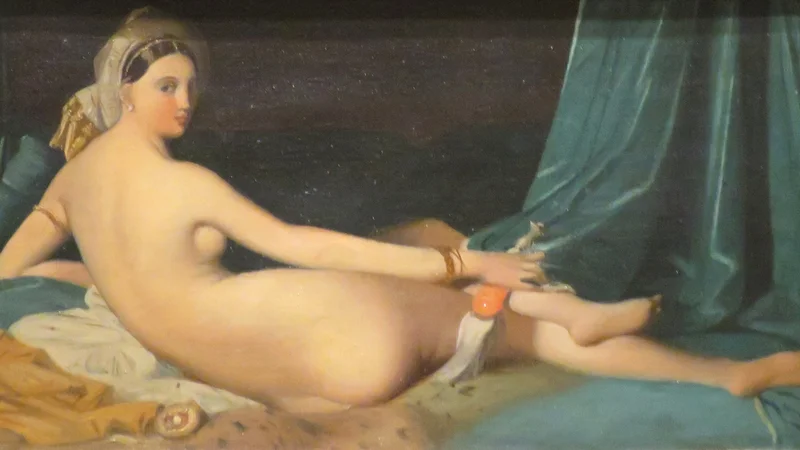
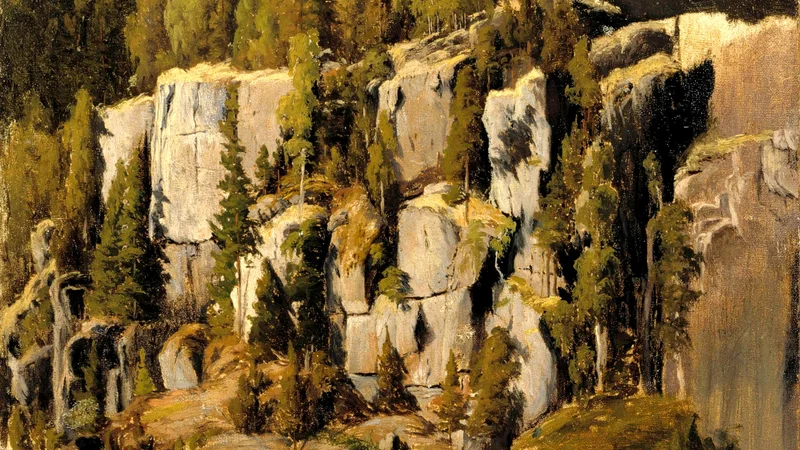
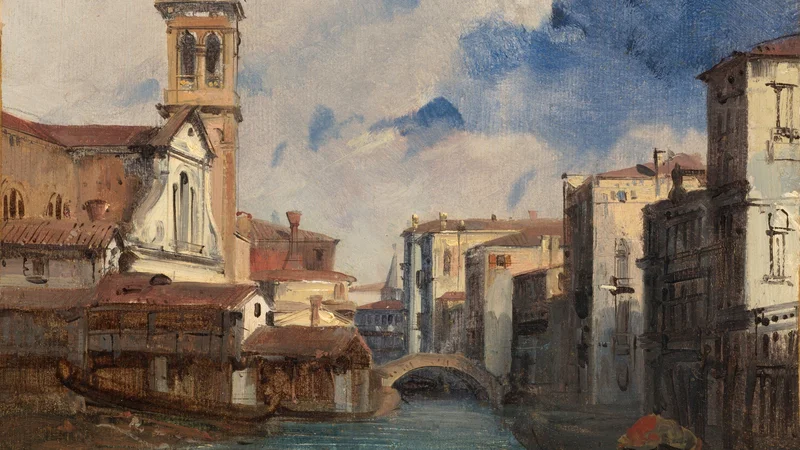
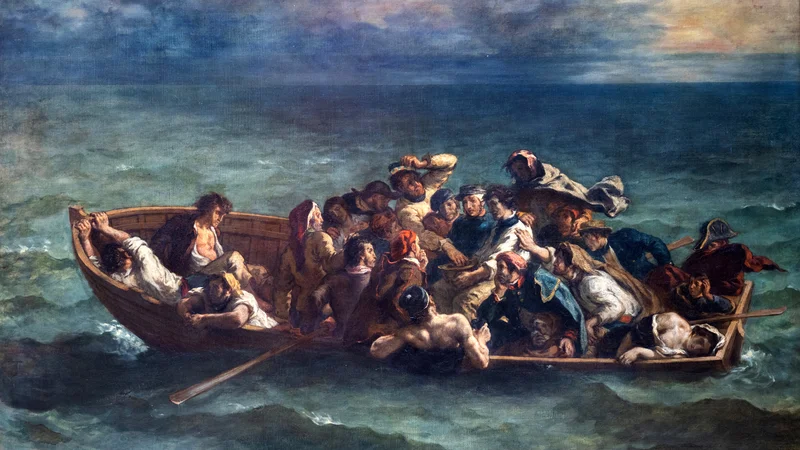
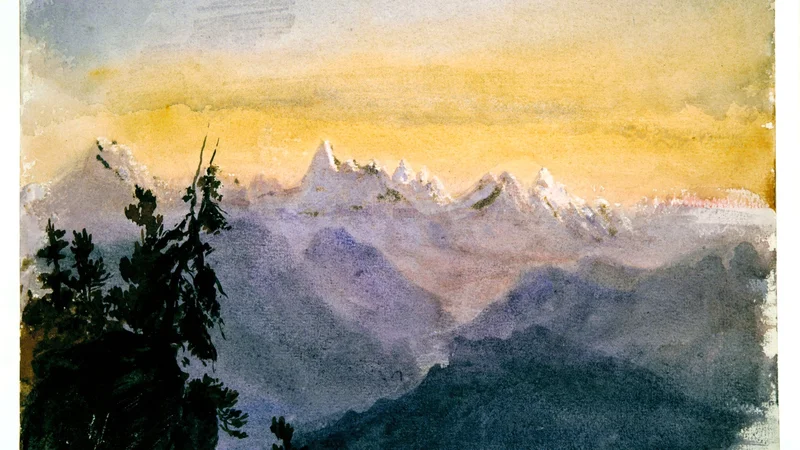
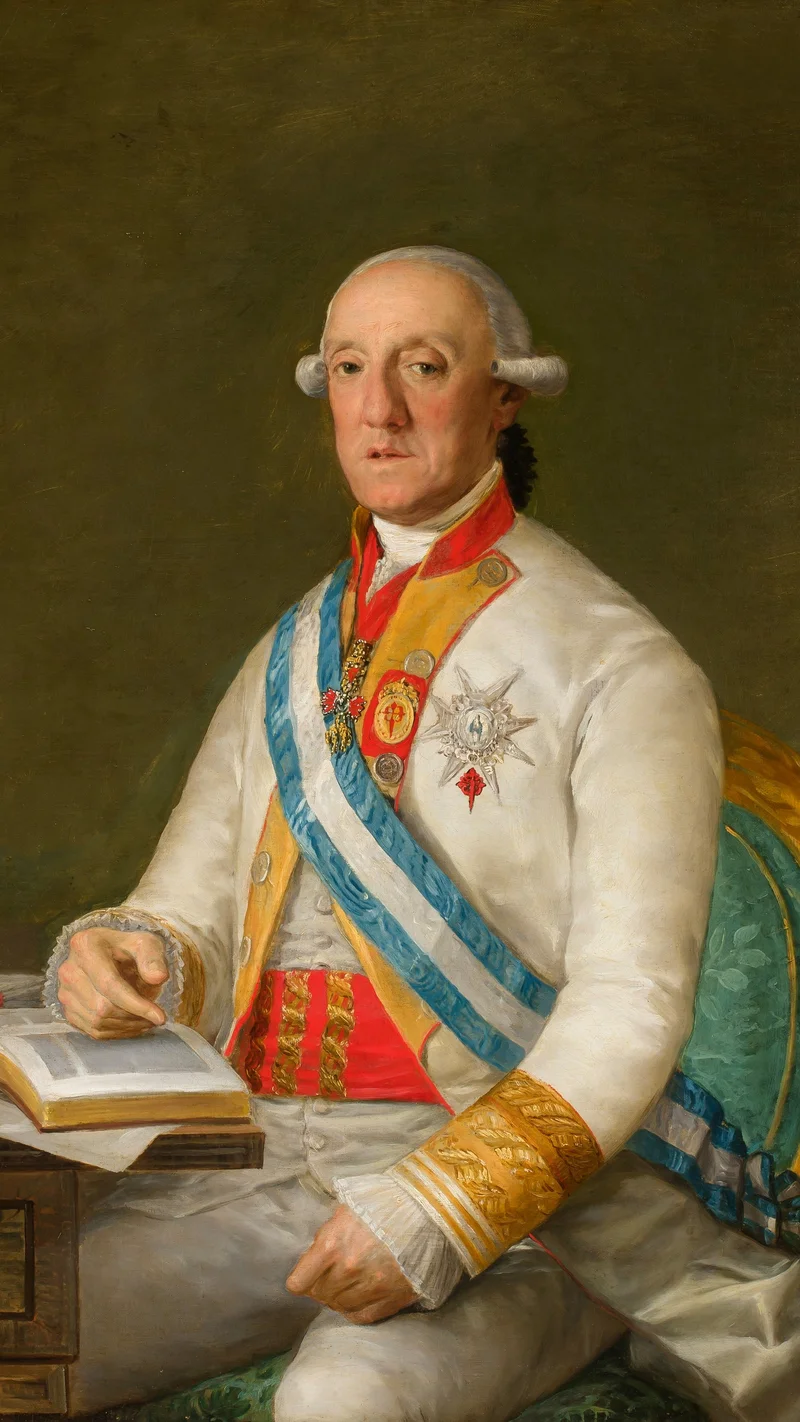
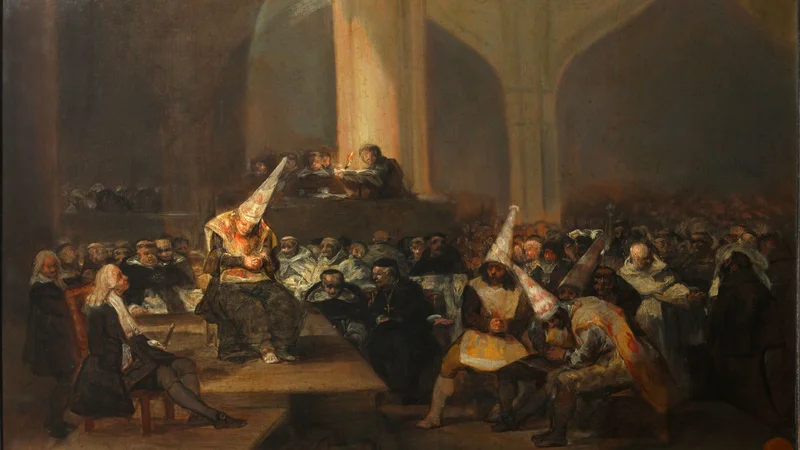
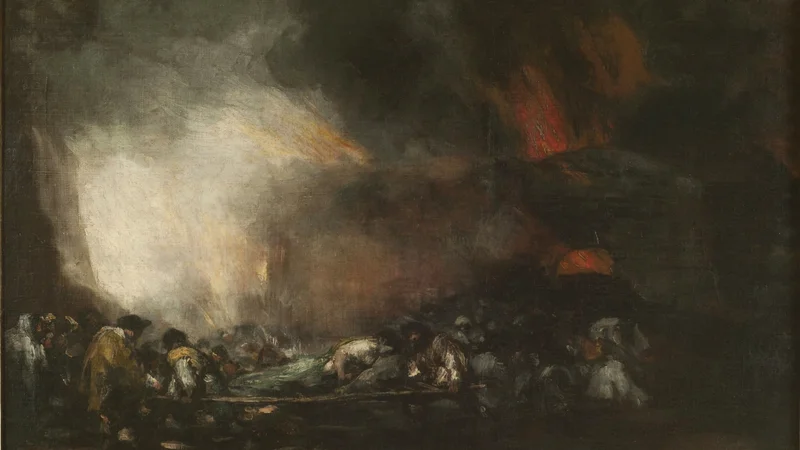
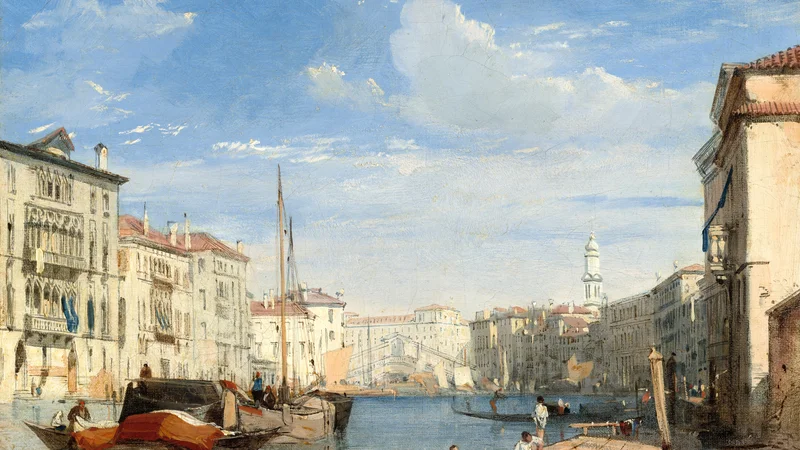
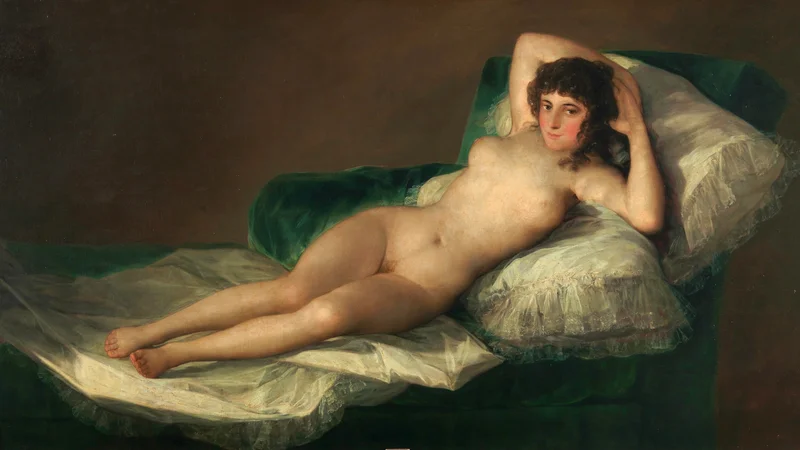
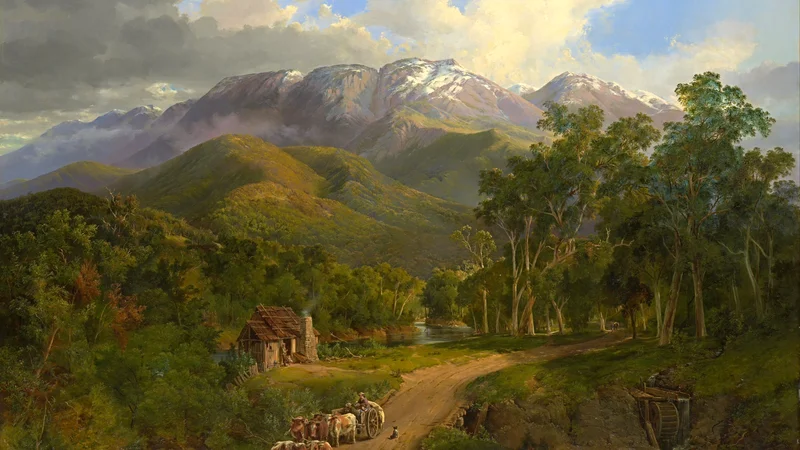
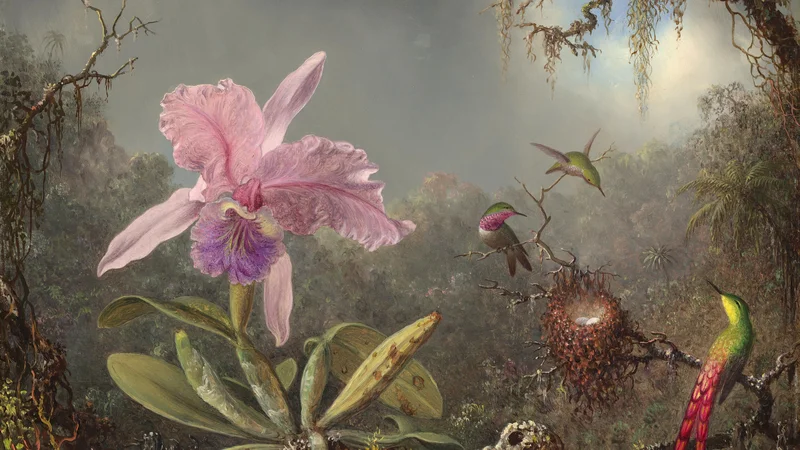
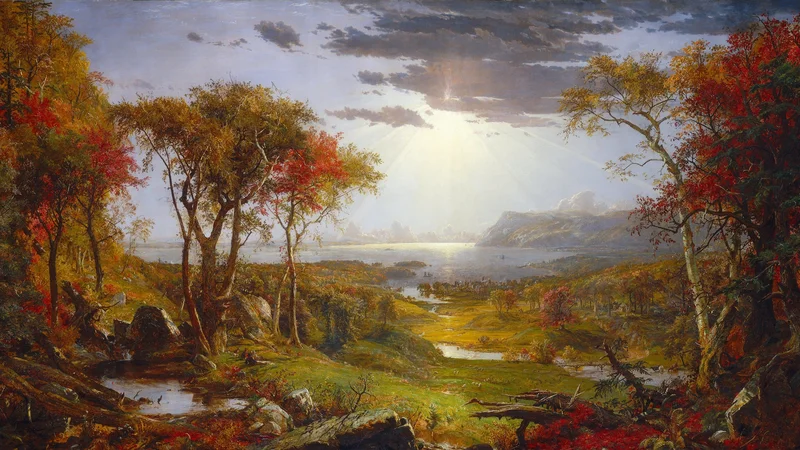
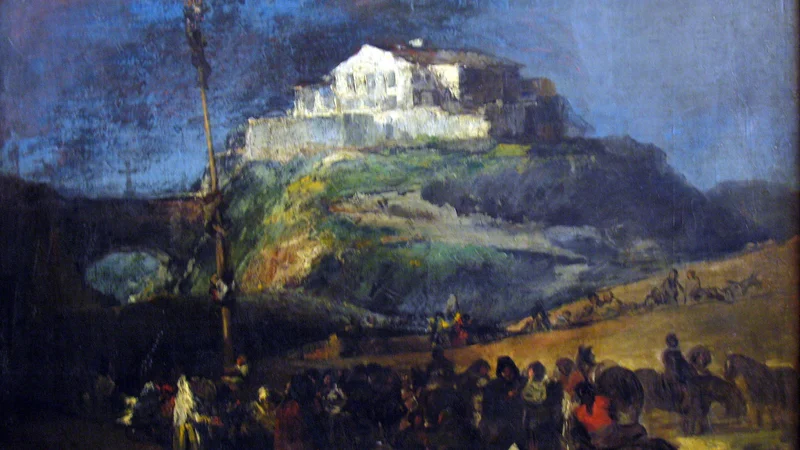
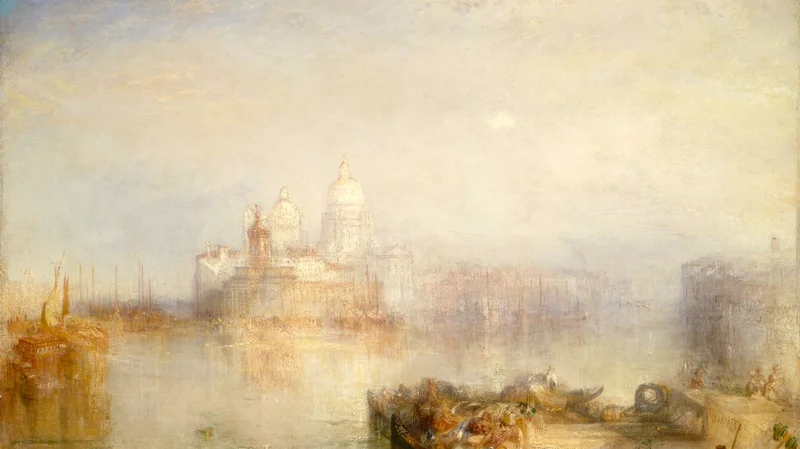
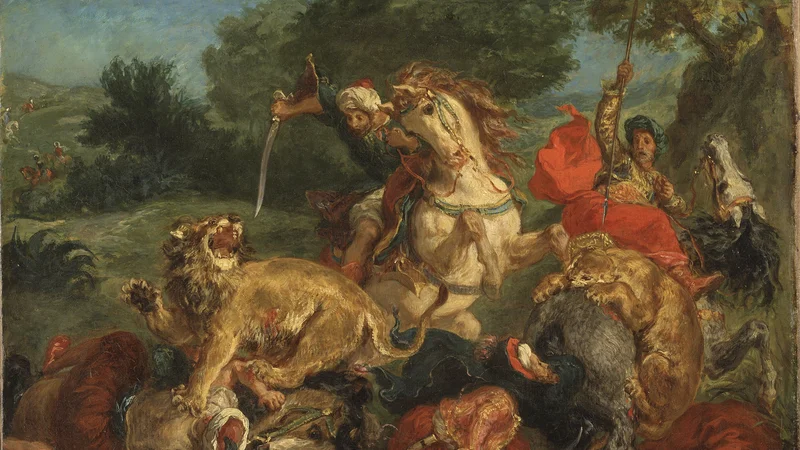
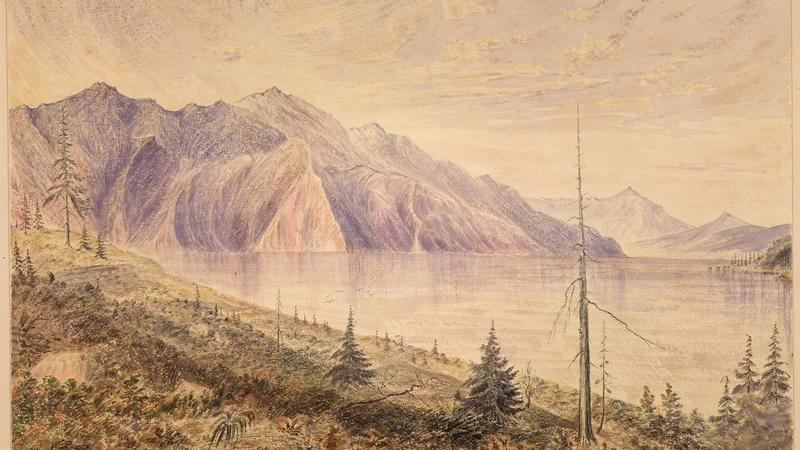
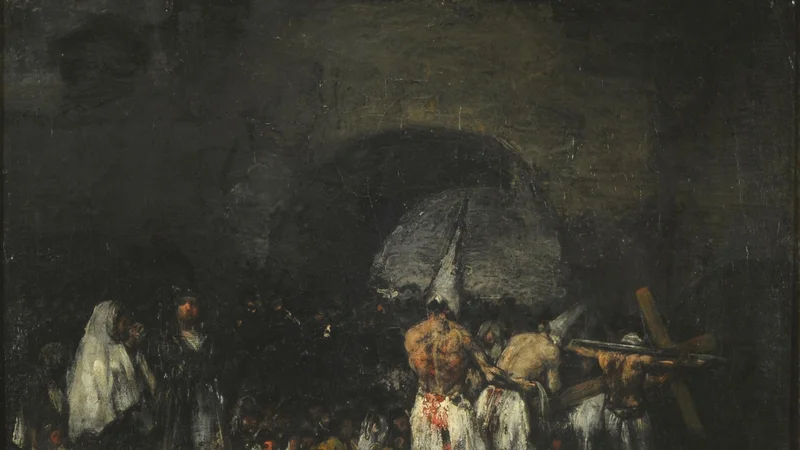
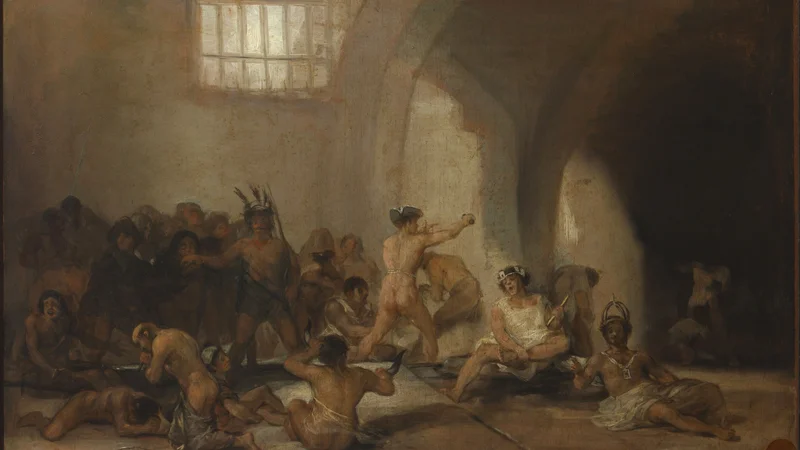
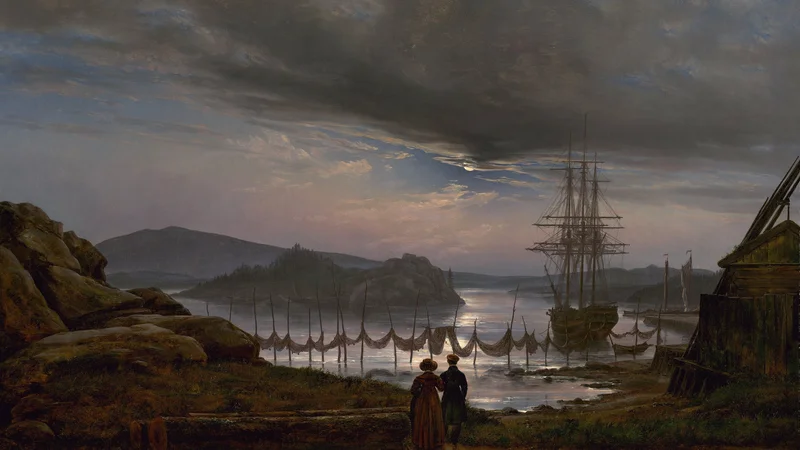
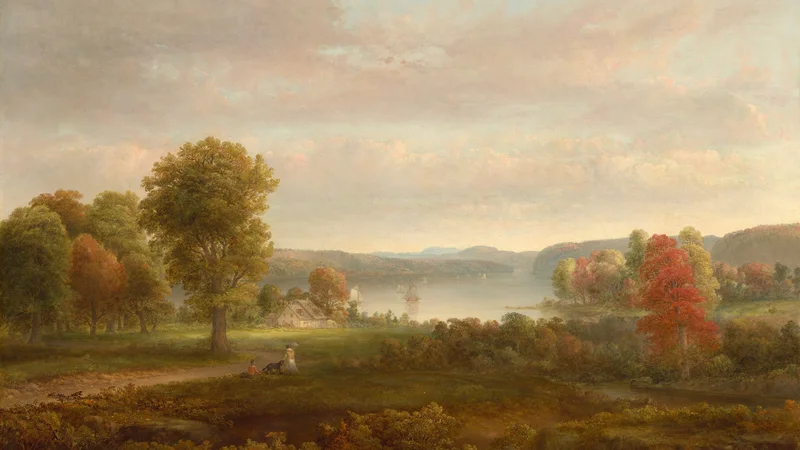
Emerging in the late 18th century as a reactionary force against the rationalism of the Enlightenment and the structured formality of Neoclassicism, Romanticism championed the primacy of individual experience, the sublime power of nature, and the depth of human emotion. This movement redefined the artistic landscape across Europe and the Americas by shifting the focus from objective observation to subjective interpretation. Artists such as Francisco Goya, with his provocative The Nude Maja, and Eugène Delacroix navigated the complexities of the human condition, while the landscape painters of the era, including Joseph Mallord William Turner, James Alden, and Fanny Churberg, sought to capture the untamed majesty of the environment. Works like Green River Cliffs, Wyoming, The Buffalo Ranges, and Bay of Naples illustrate a profound preoccupation with atmosphere, light, and the awe-inspiring scale of the natural world.
The Legacy of Romantic Expression
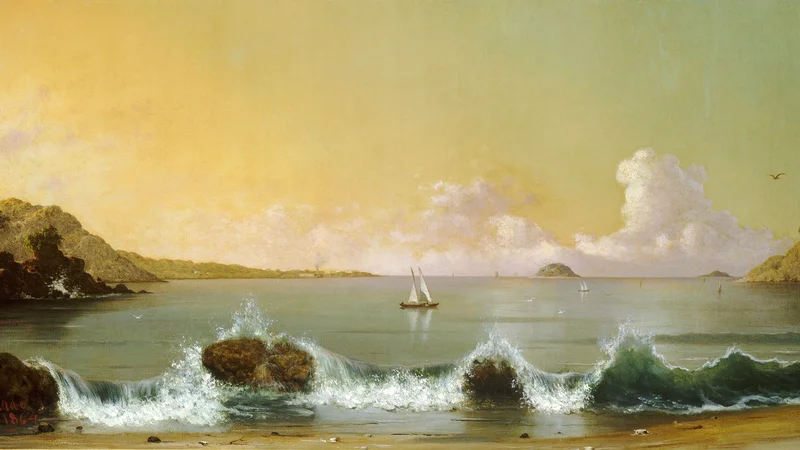
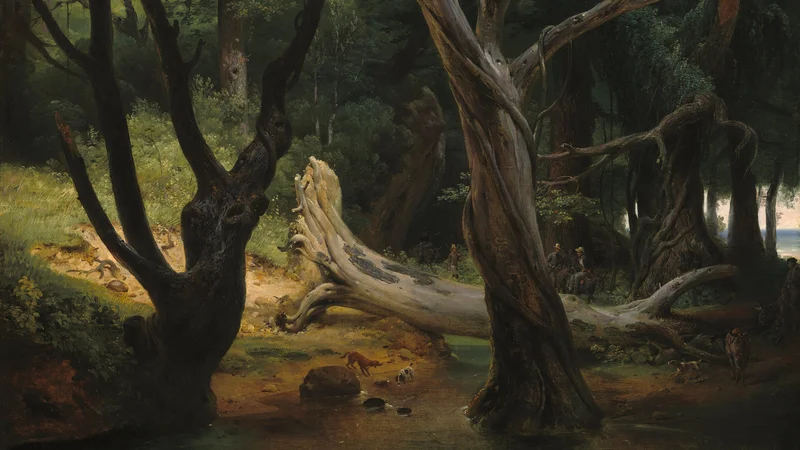
The enduring impact of Romanticism lies in its emancipation of the artist’s inner voice, establishing a precedent for the expressionist movements of the following century. By prioritizing the irrational and the untethered imagination, proponents of the style broke the strictures of academic tradition. Whether through the dramatic topographical studies of Study for "Catskill Creek" or the evocative coastal vistas of Rio de Janeiro Bay, the movement fostered a enduring legacy that prioritized the evocative potential of color and brushwork over mere mimetic accuracy. This pivotal transition remains a cornerstone of modern art history, marking the definitive moment when personal vision became the primary criterion for aesthetic legitimacy.