Joseph Mallord William Turner
11 artworks
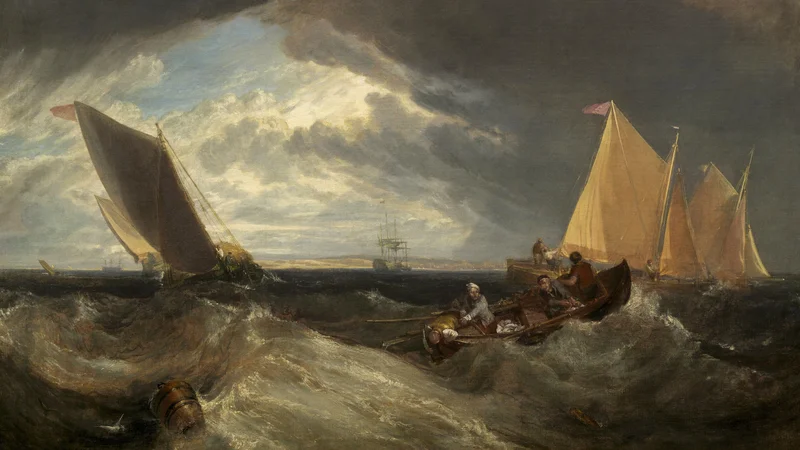
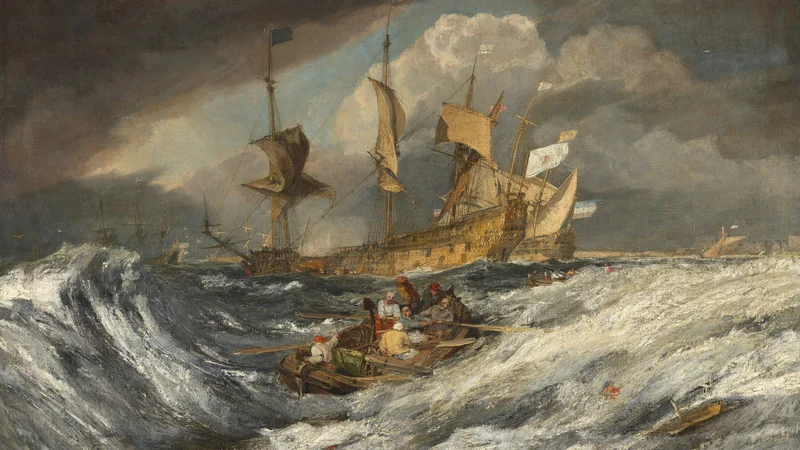
Joseph Mallord William Turner (1775–1851) was a preeminent English landscape painter and printmaker whose work proved fundamental to the development of Romanticism. Entering the Royal Academy Schools in 1789, Turner developed a rigorous technical foundation that allowed him to transition from topographical watercolor traditions to a revolutionary exploration of light and atmosphere. His career, which saw early professional recognition as early as 1792, evolved through a lifelong commitment to observing the interplay between natural phenomena and the built environment.
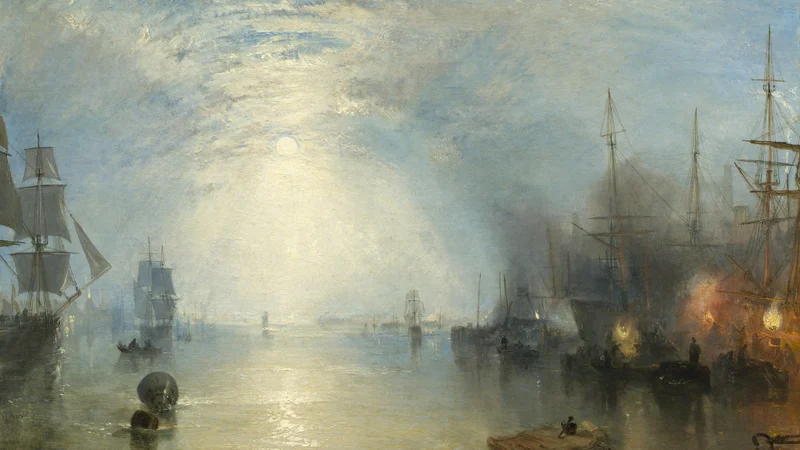
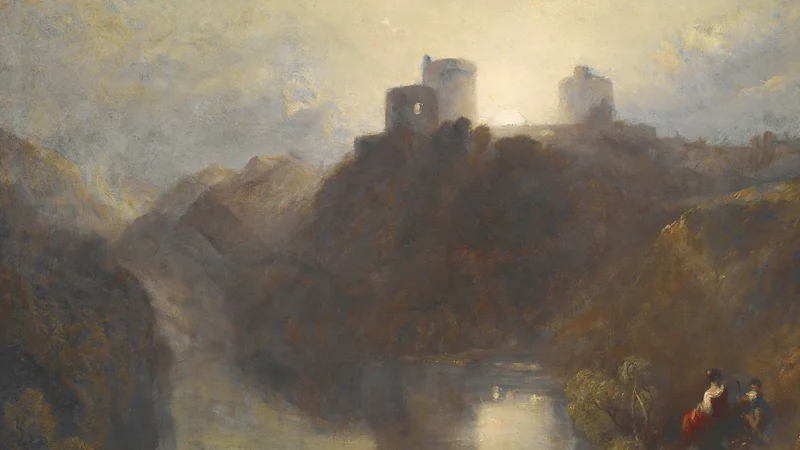
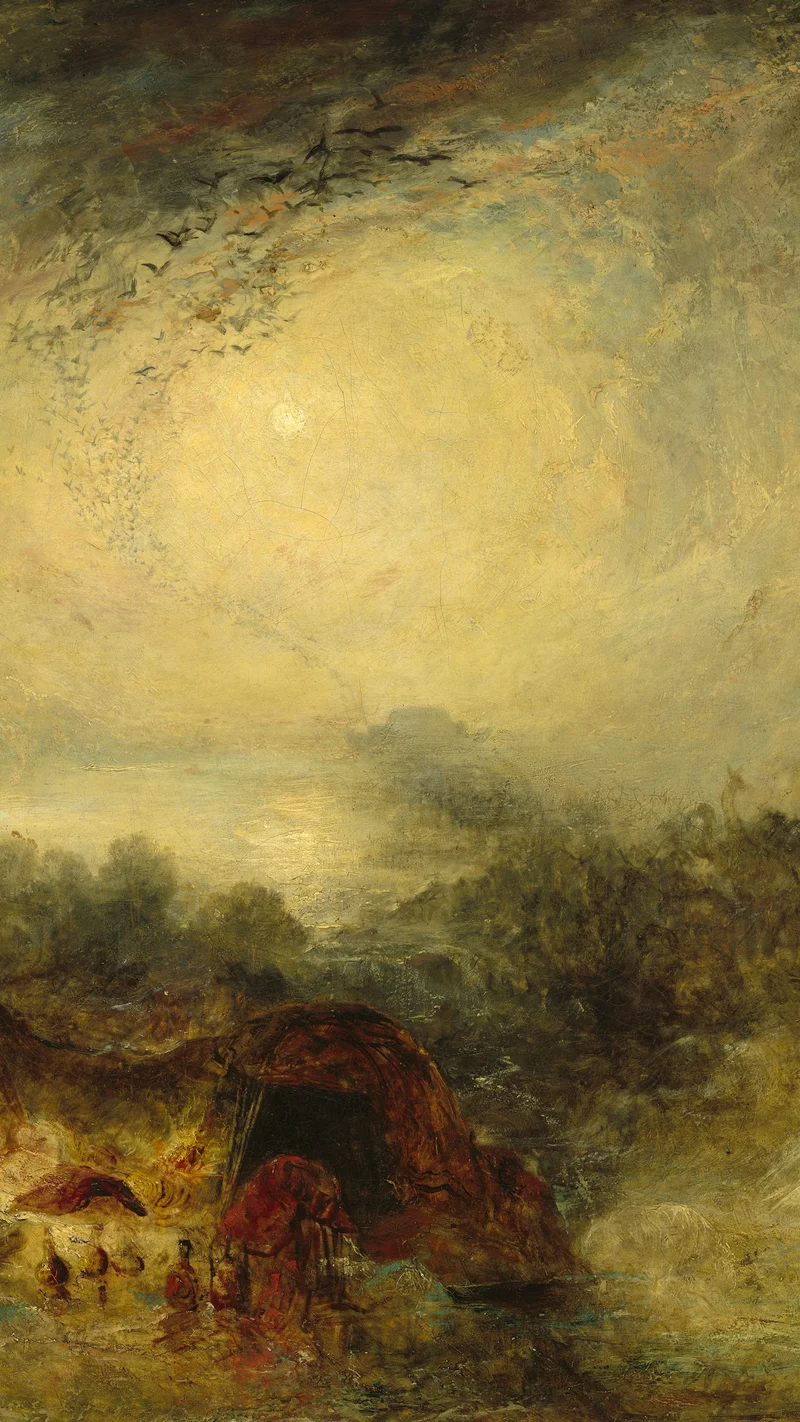
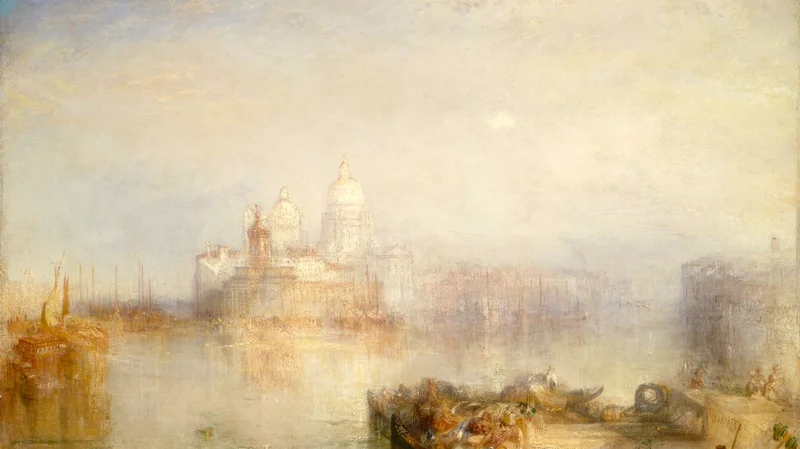
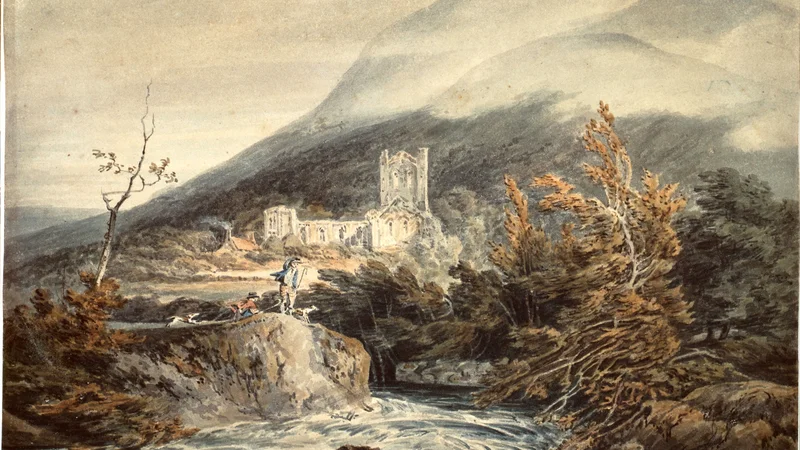
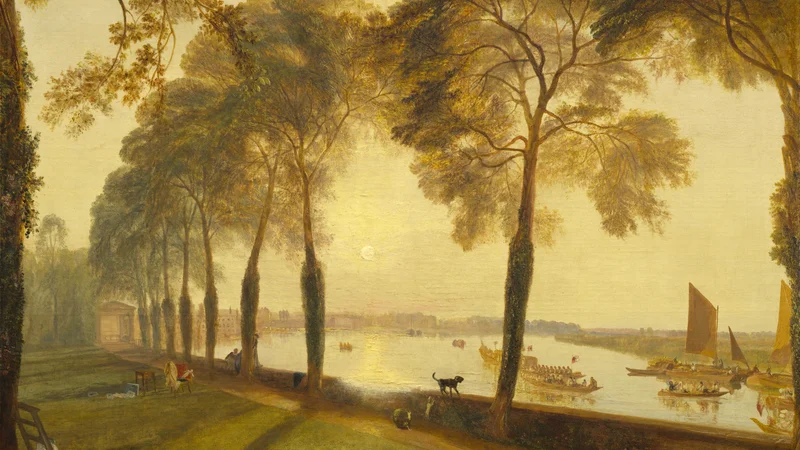
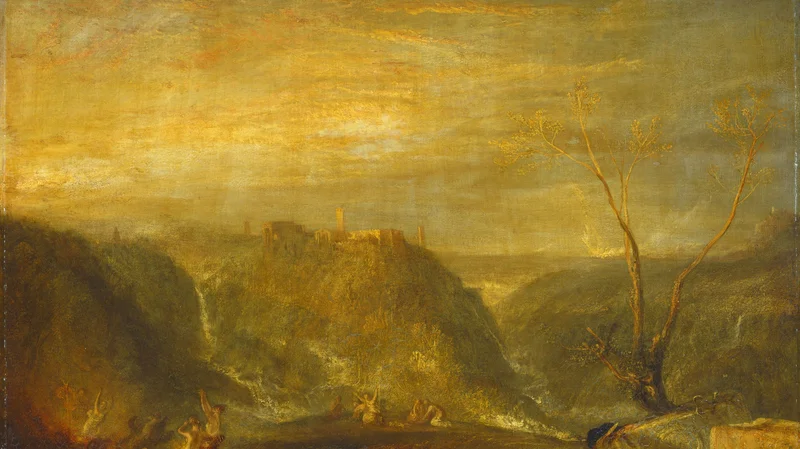
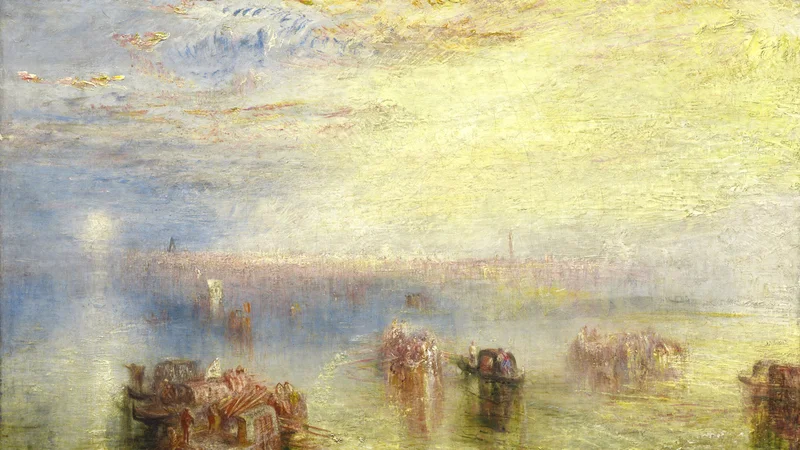
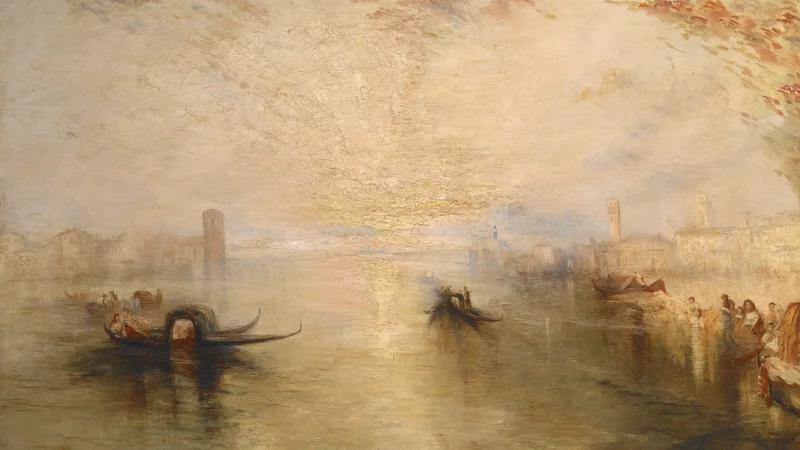
Turner’s mature technique is characterized by an increasingly fluid manipulation of paint and color to evoke the sublime. In works such as Kilgarren Castle and Llanthony Abbey, Monmouthshire, he demonstrated an acute sensitivity to historical ruins and the picturesque. His fascination with the sensory experience of landscape is further evidenced in Keelmen Heaving in Coals by Moonlight, where industrial subjects are elevated by ethereal luminosity. During his travels to Italy, Turner captured the shimmering qualities of light in The Dogana and Santa Maria della Salute, Venice and San Benedetto, Looking towards Fusina, while his mythological interest appeared in pieces like The Rape of Proserpine. These works underscore his shift toward a more abstract representation of form.
By the mid-19th century, particularly in his later output around 1843, Turner had effectively dissolved traditional composition in favor of expressive atmospheric density. His rejection of rigid linear perspective in favor of chromatic intensity anticipated the concerns of later movements, including Impressionism. As an artist who fundamentally altered the trajectory of Western landscape painting, Turner’s legacy lies in his ability to reconcile the physical world with the ephemeral qualities of light, air, and human memory.