Orientalism
41 artworks
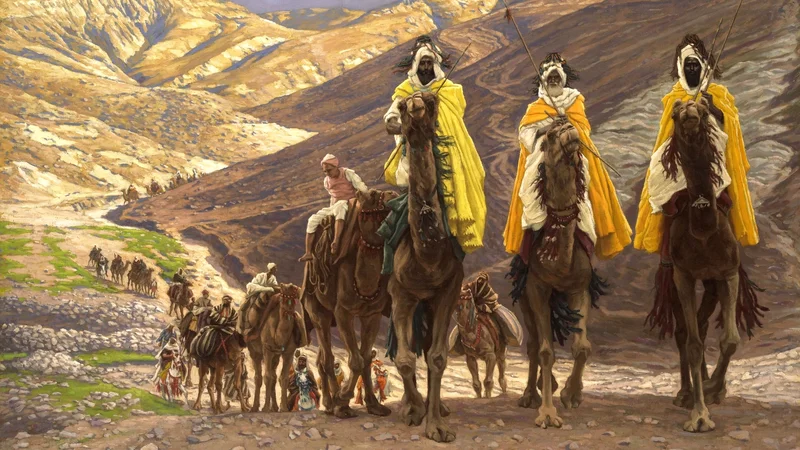
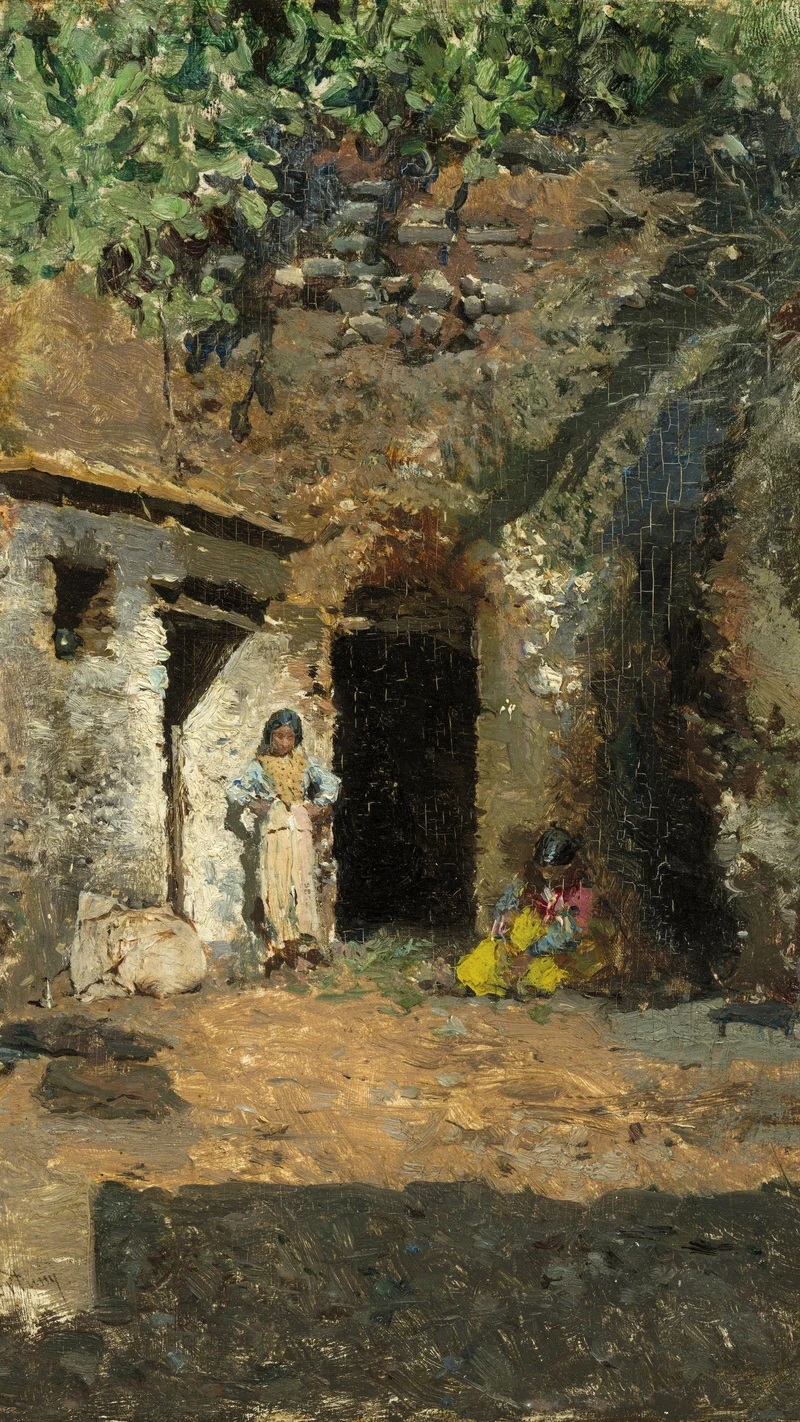
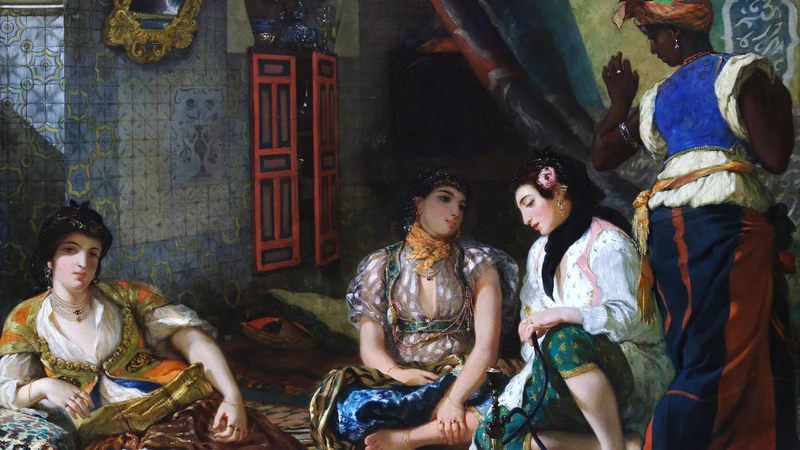
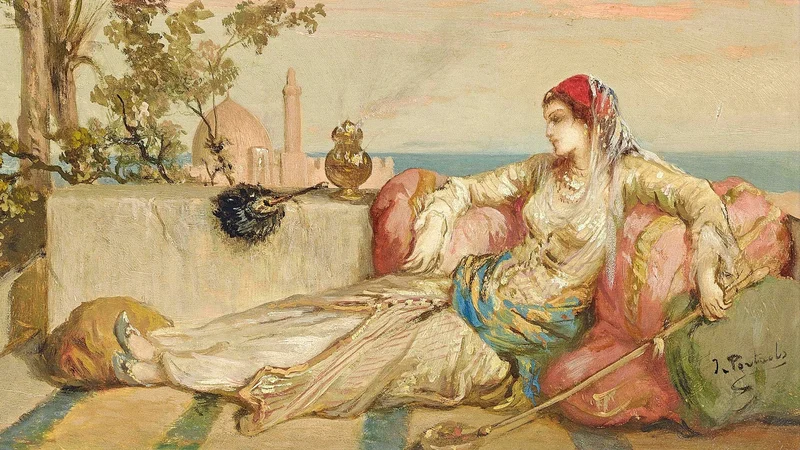
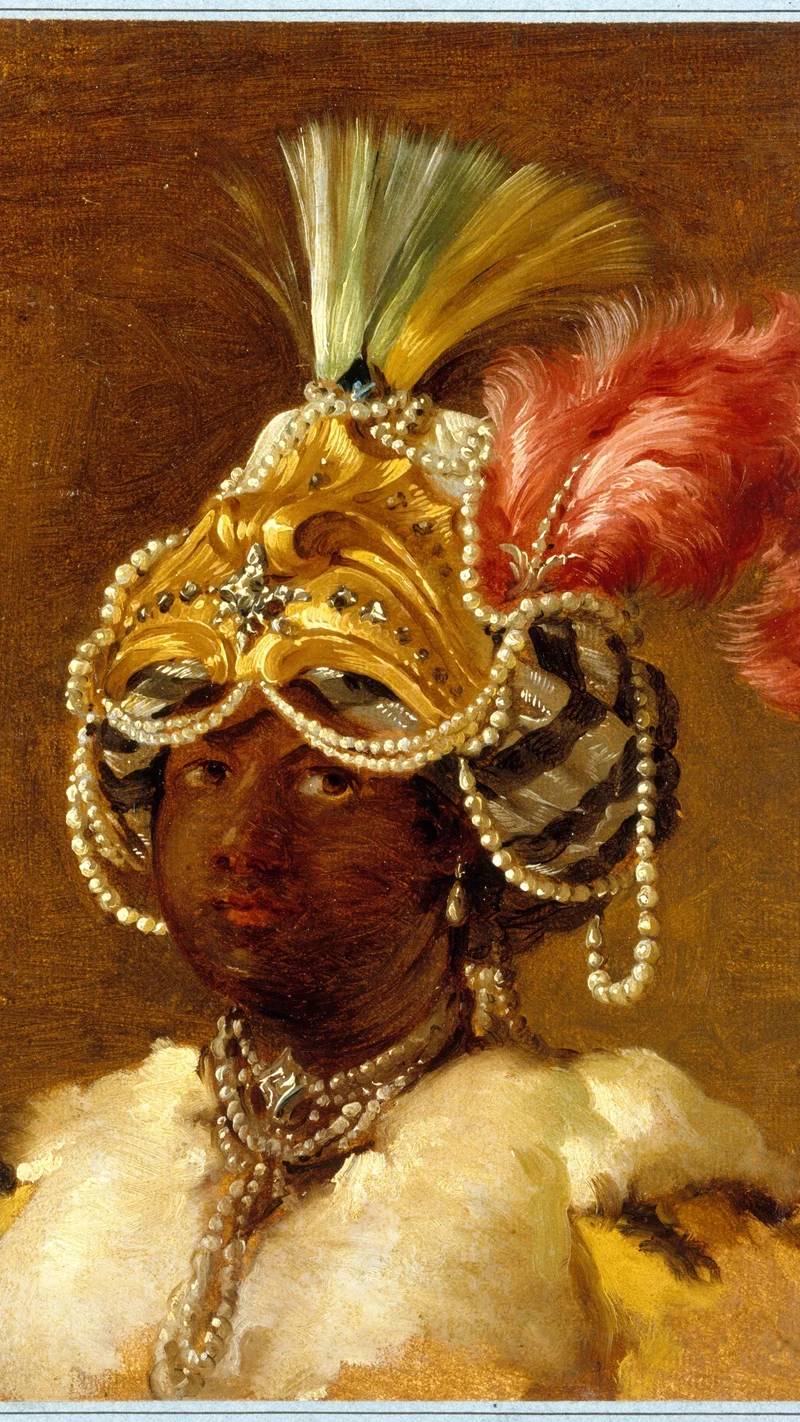
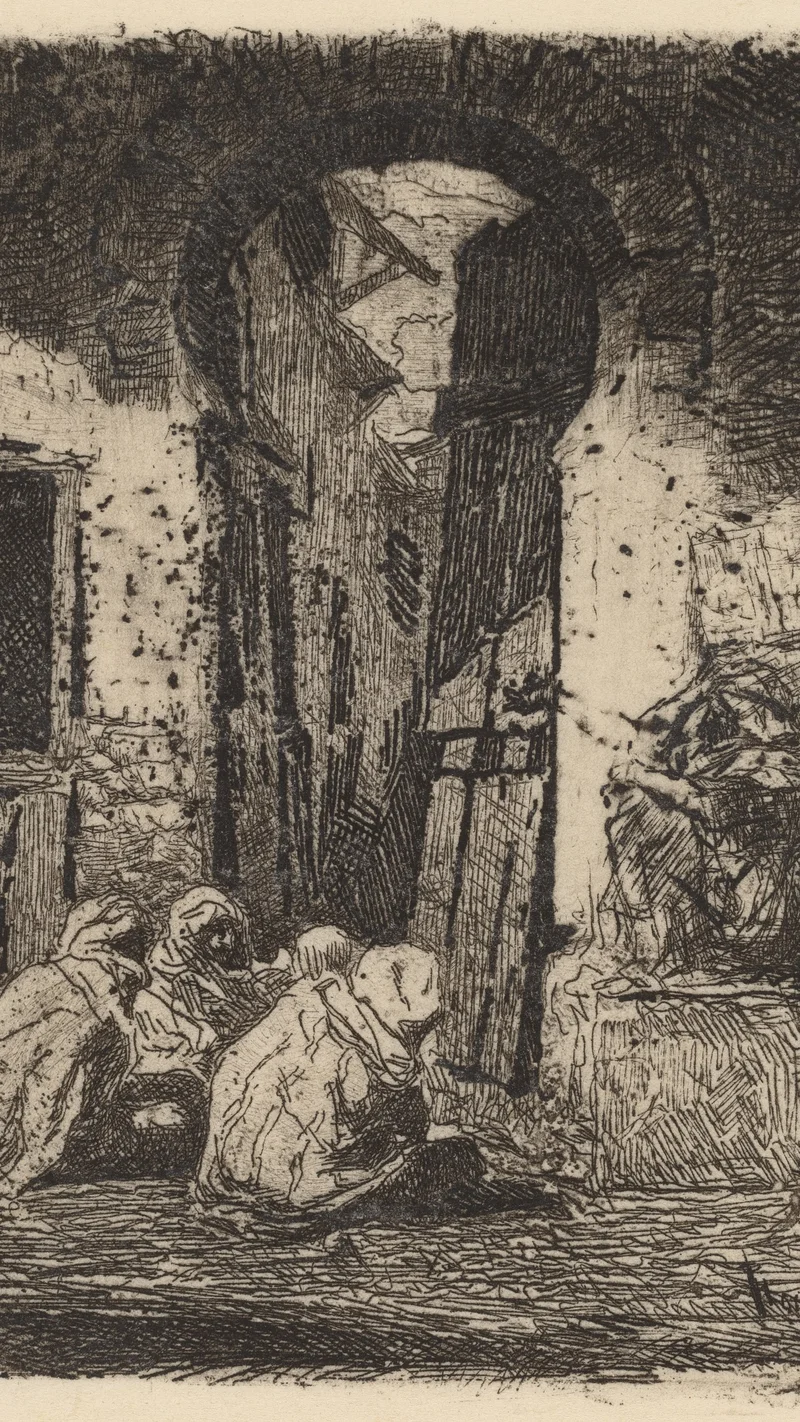
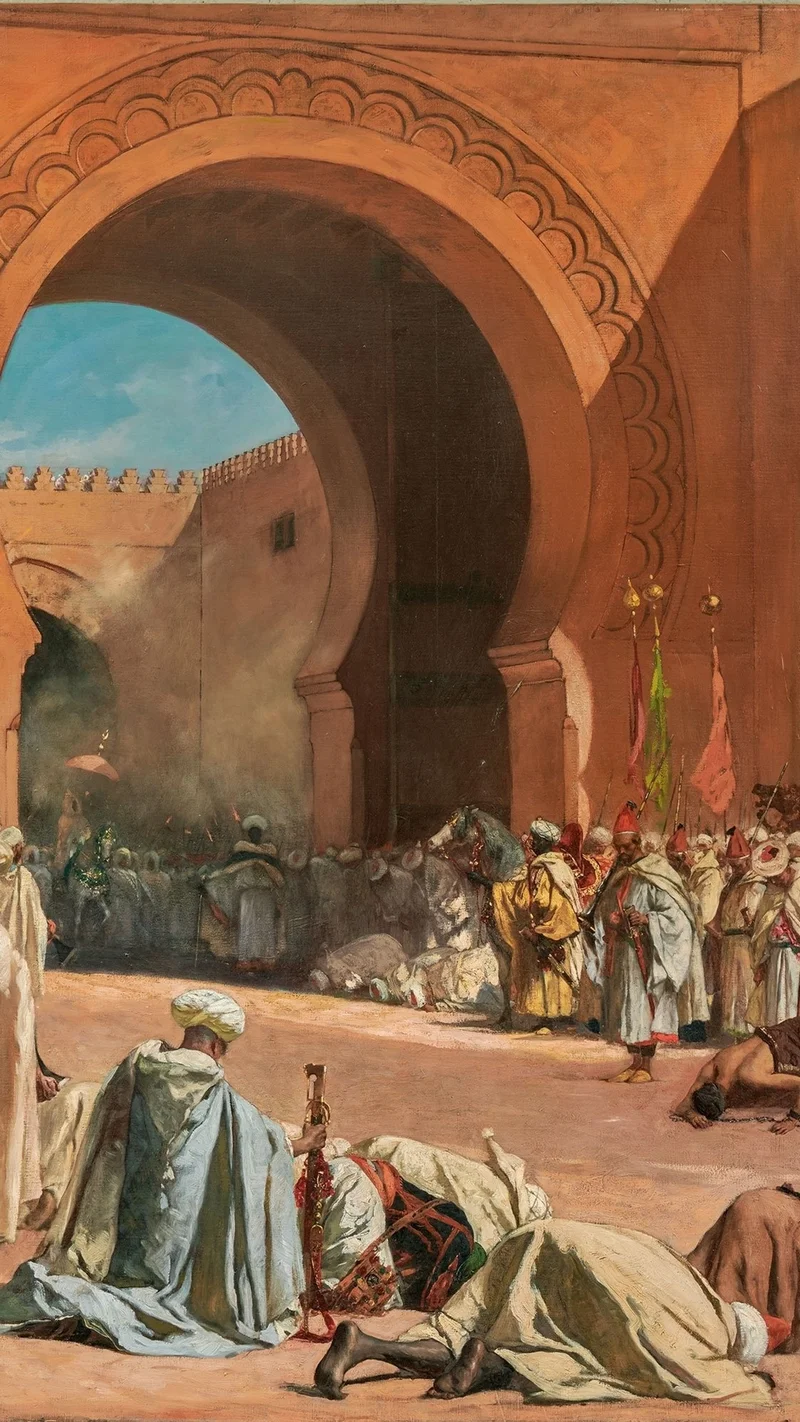
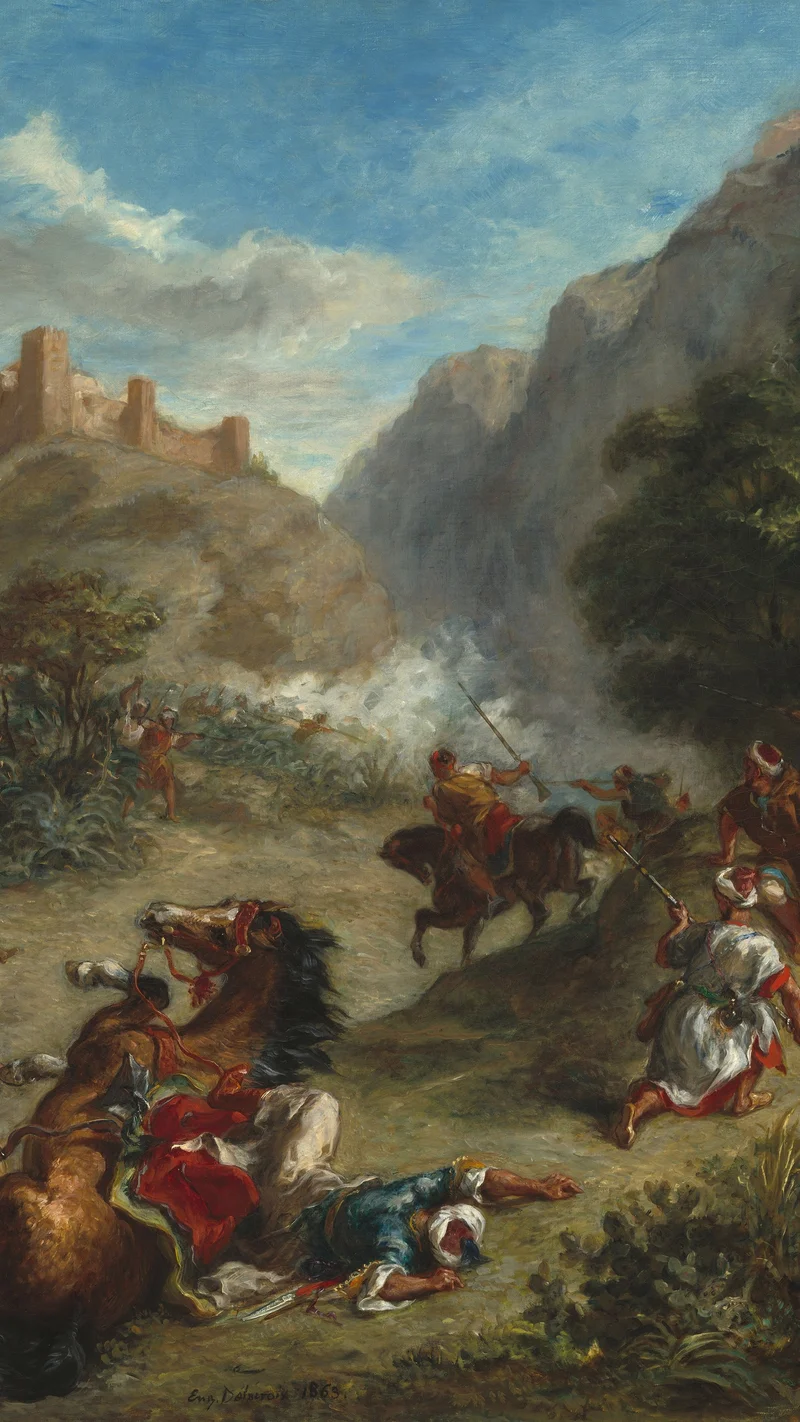
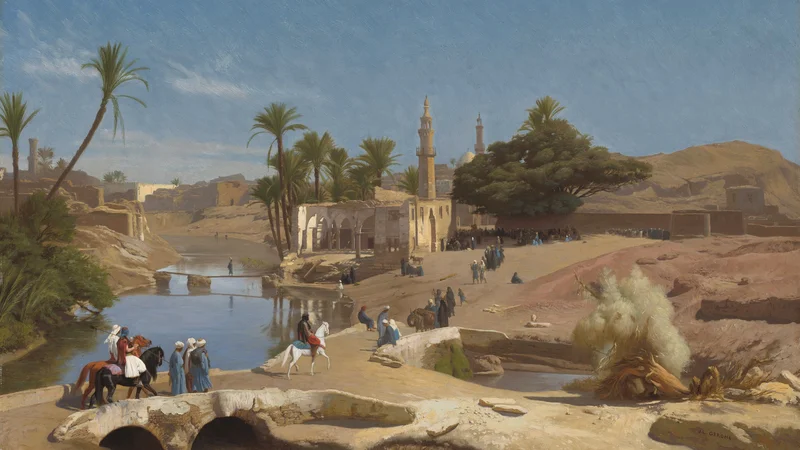
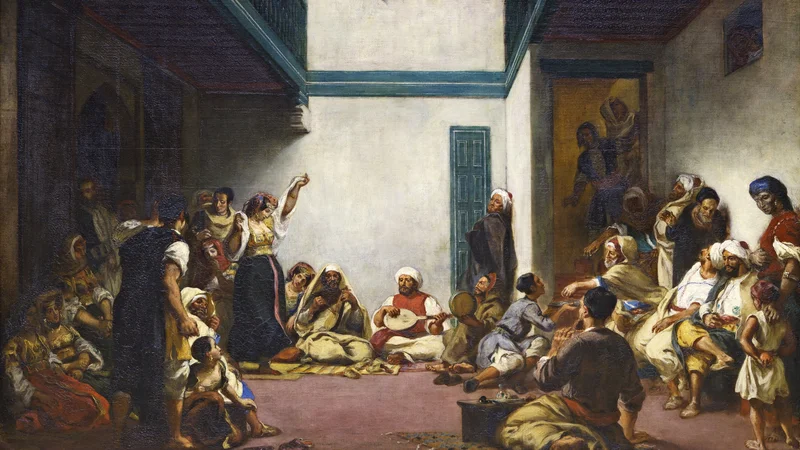
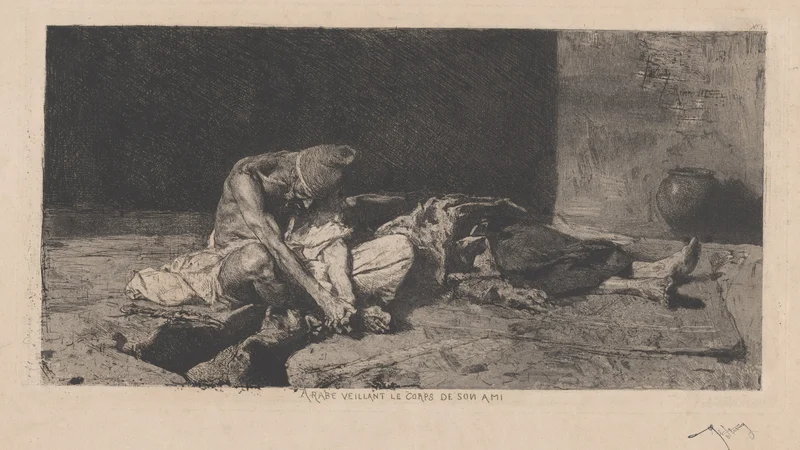
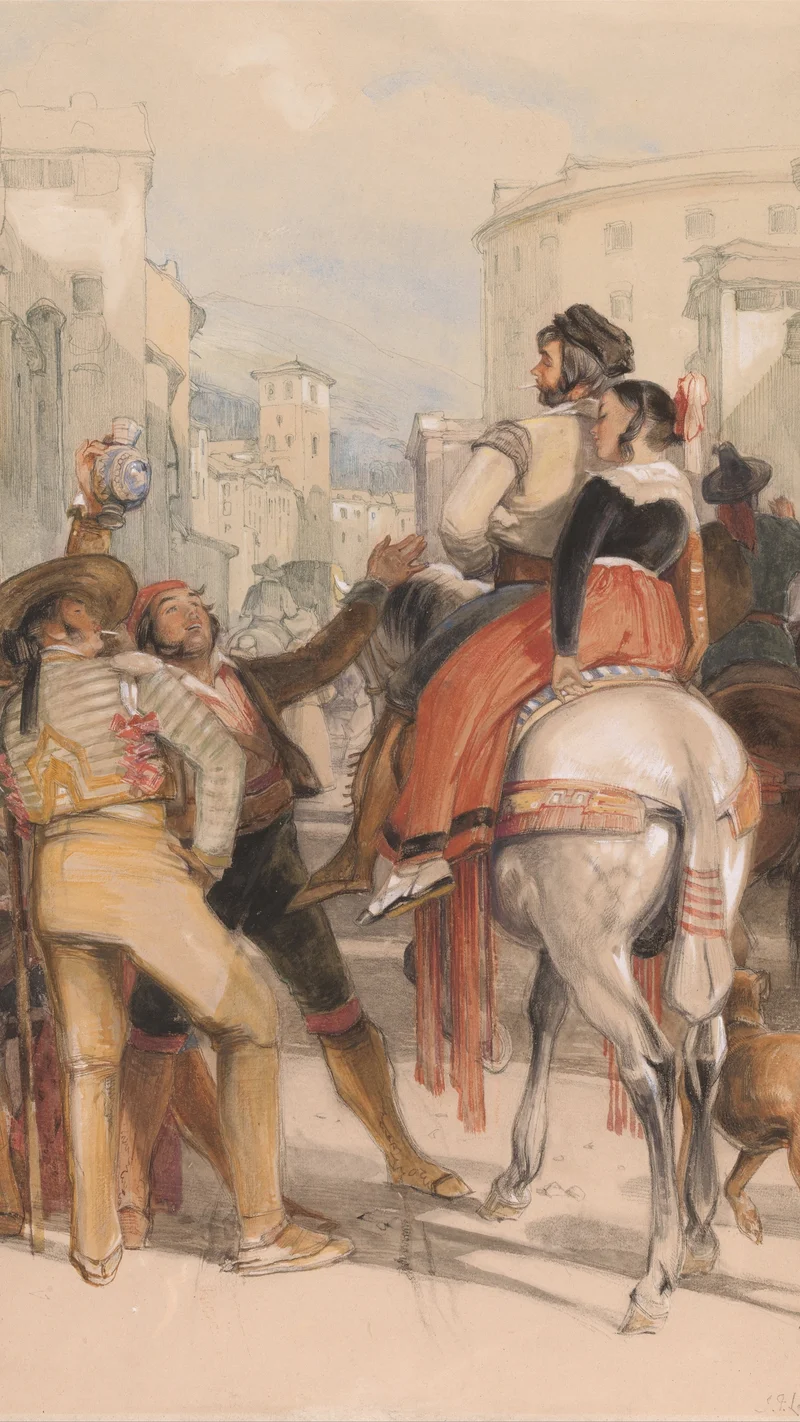
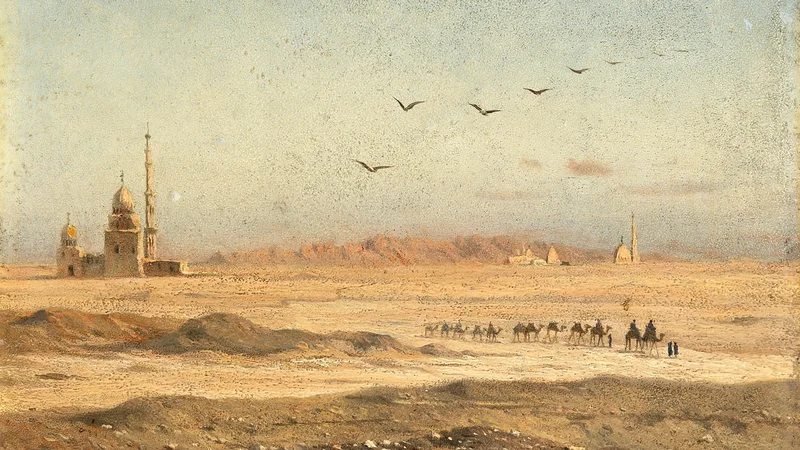
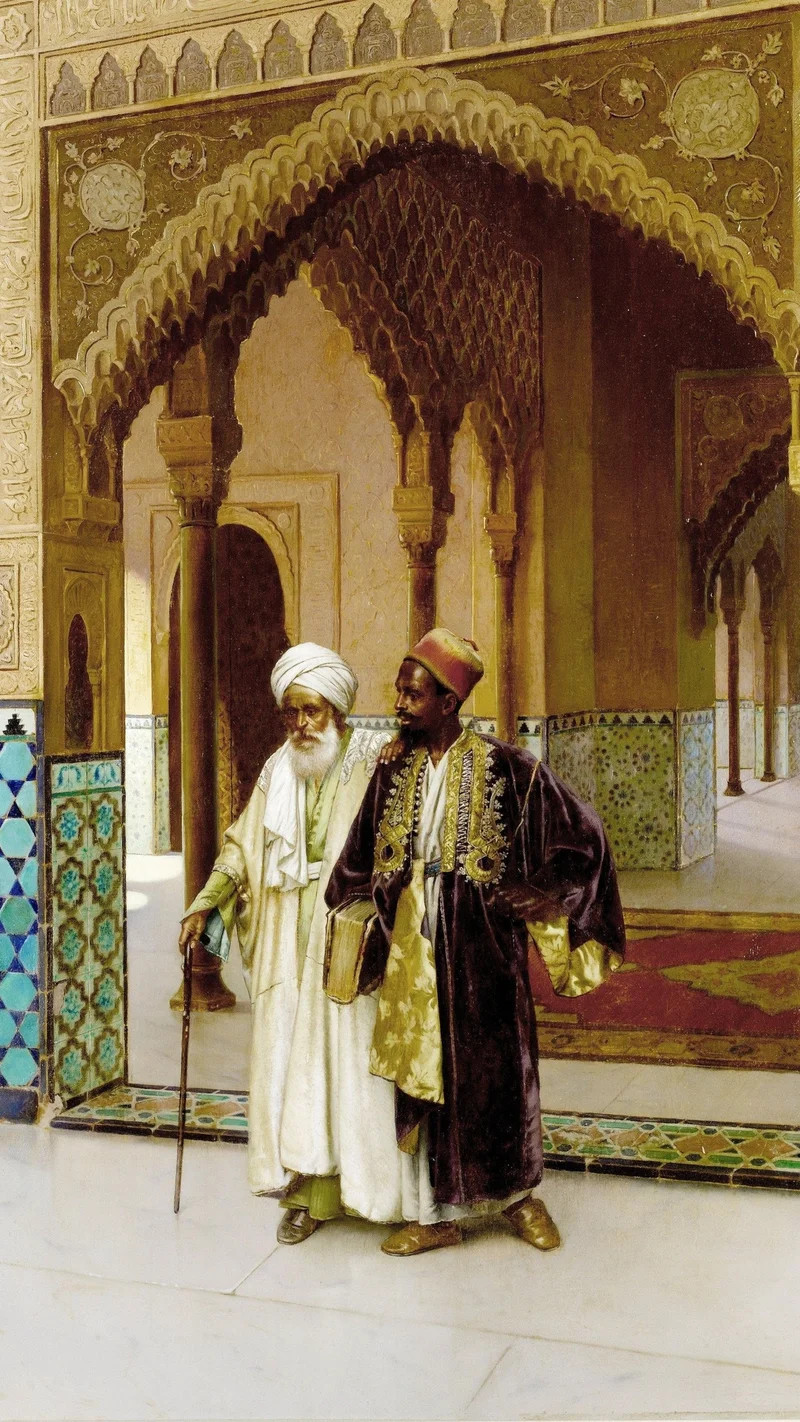
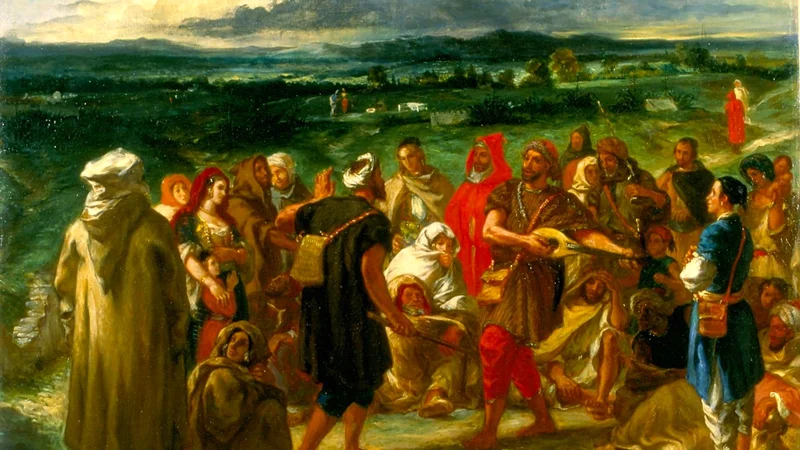
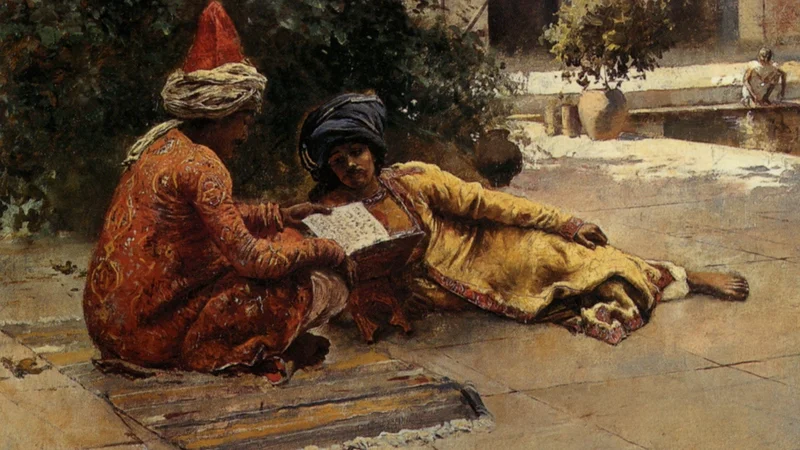
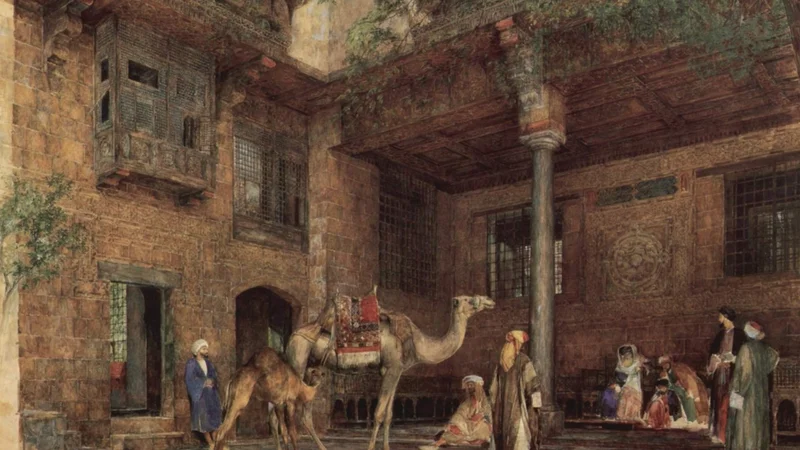
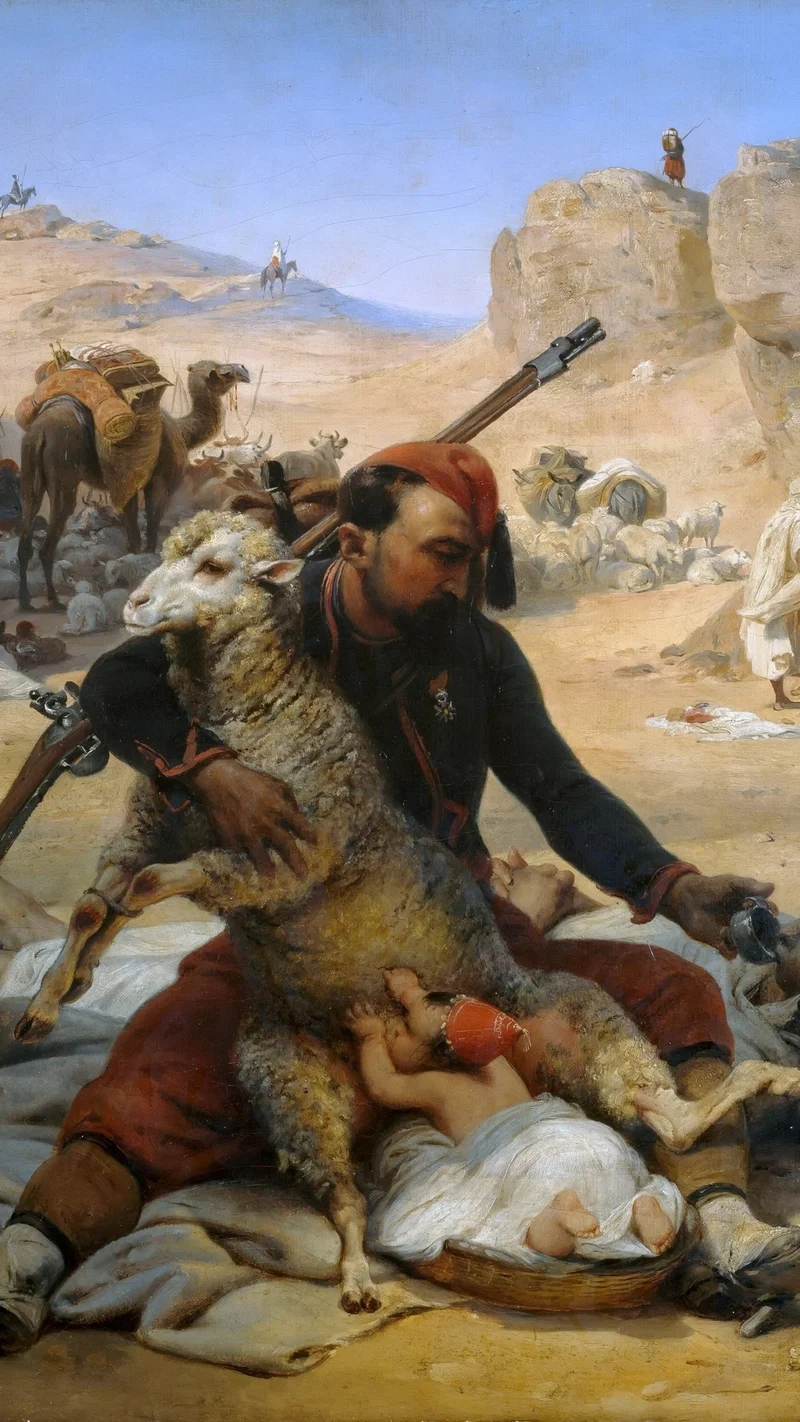
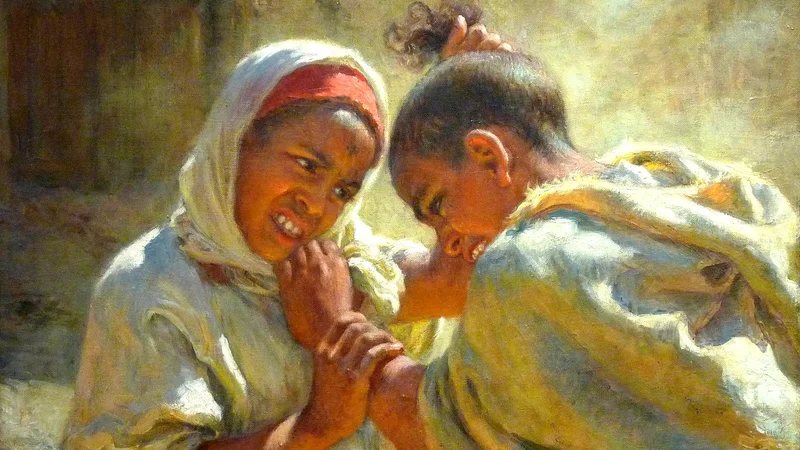
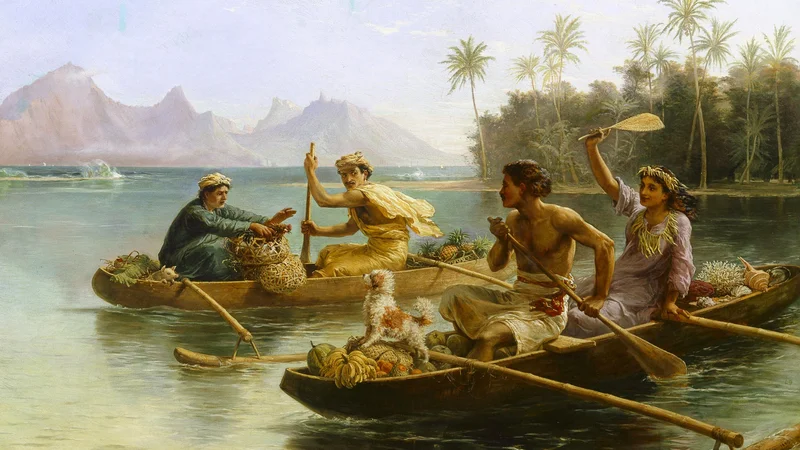
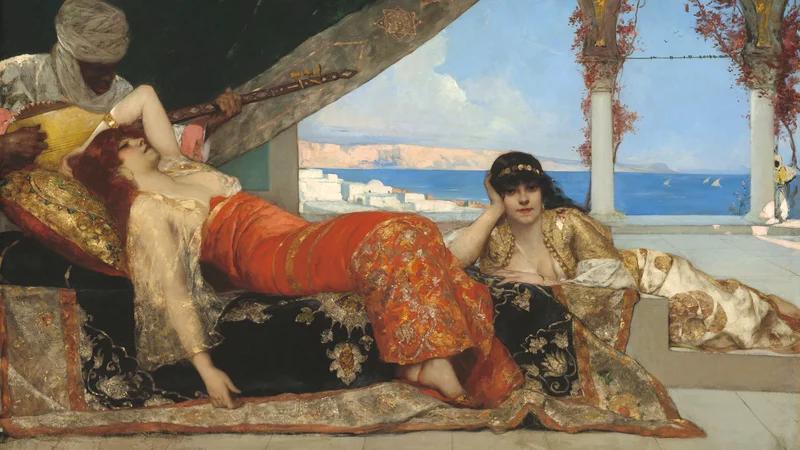
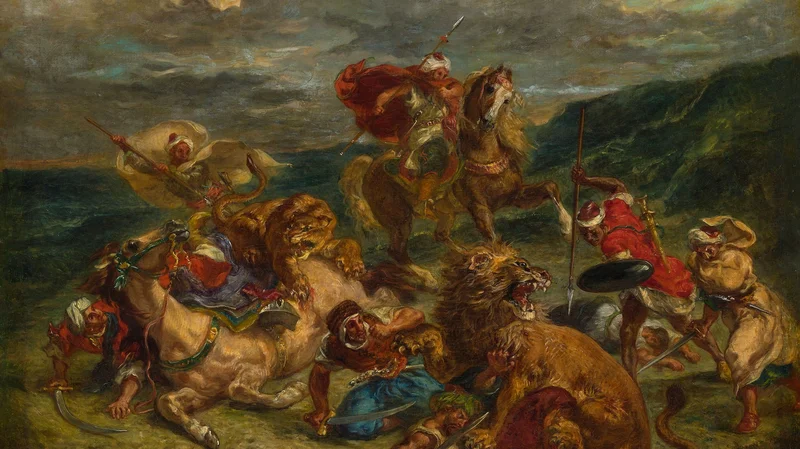
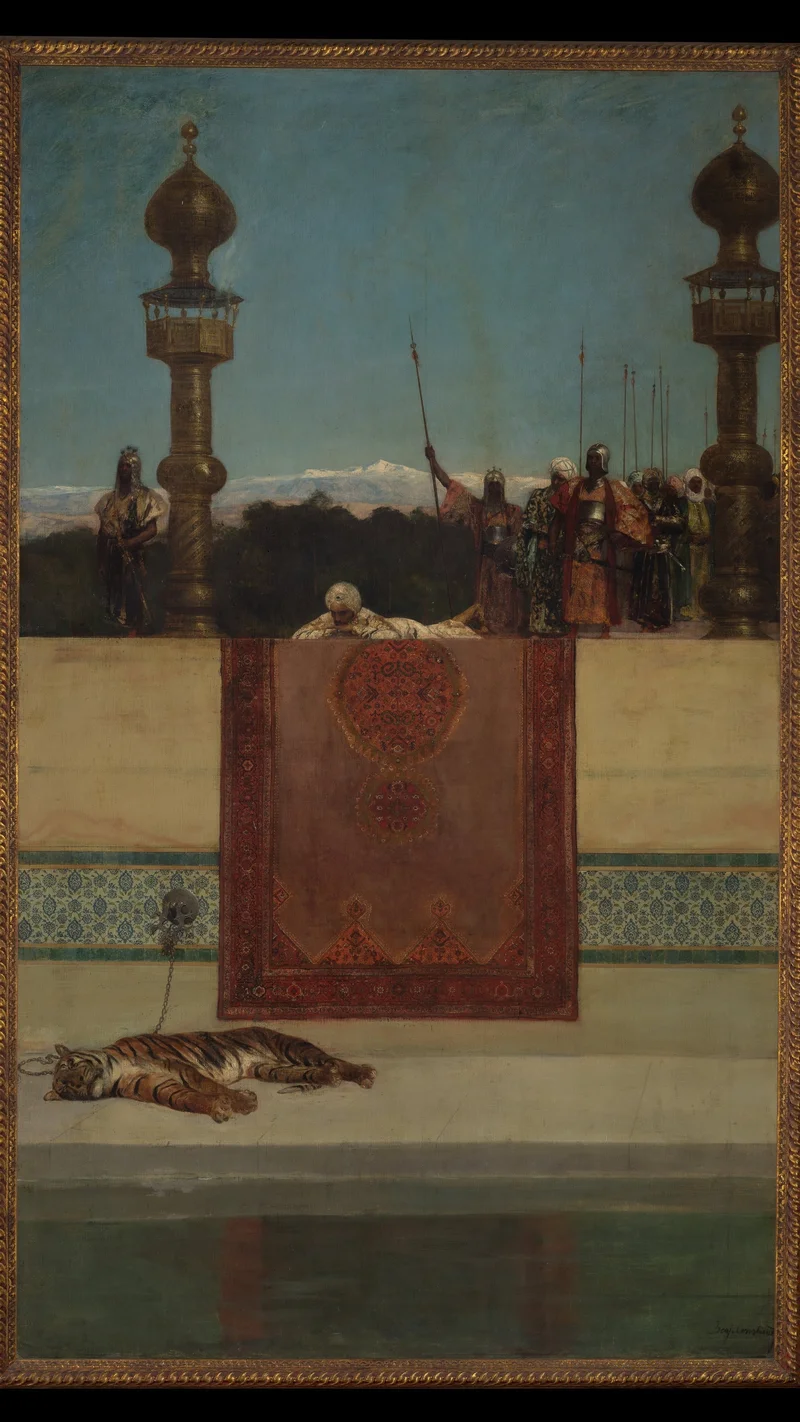
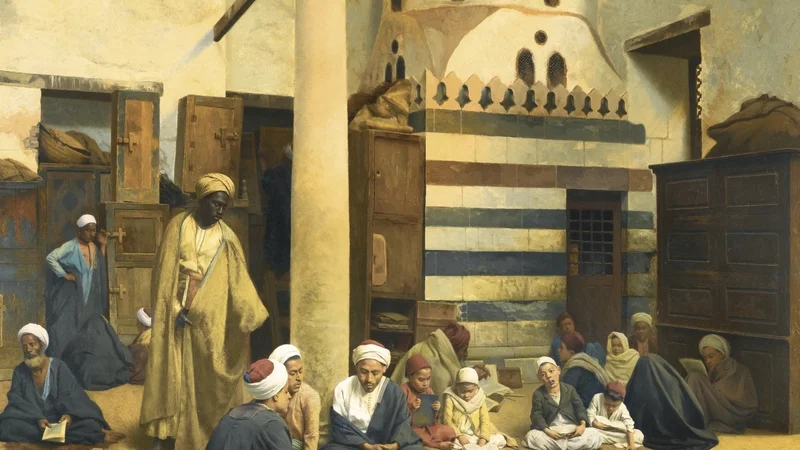
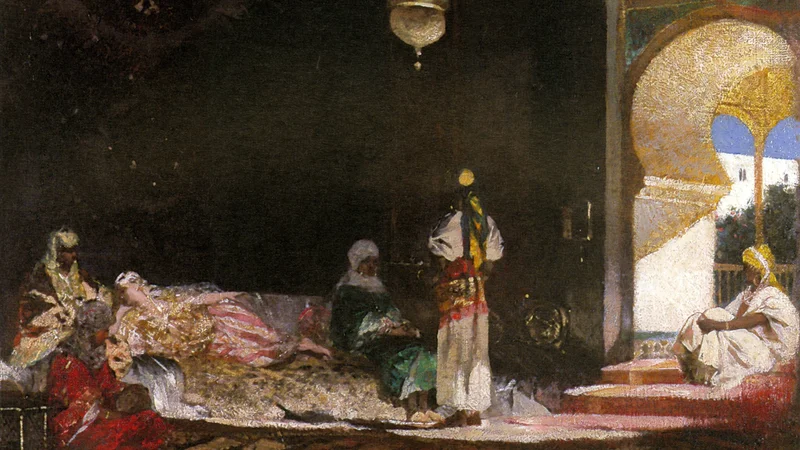
Orientalism emerged in the 19th century as a complex aesthetic and intellectual phenomenon, driven by the expanding geopolitical reach of European colonial powers and the concurrent rise of Romantic and Academic traditions. Artists sought to document and interpret the cultures of the Near East, North Africa, and the Levant, often blending meticulous ethnographic observation with imaginative, sometimes idealized, reconstructions. This movement was characterized by a fascination with the 'exotic,' manifested in vibrant palettes, intricate architectural motifs, and the depiction of daily life, religious rituals, and desert landscapes that stood in stark contrast to the industrializing West.
Leading Practitioners and Thematic Depth.
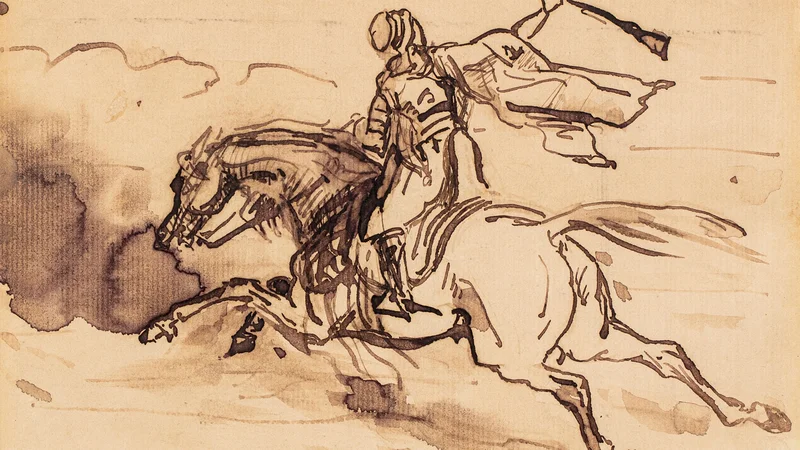
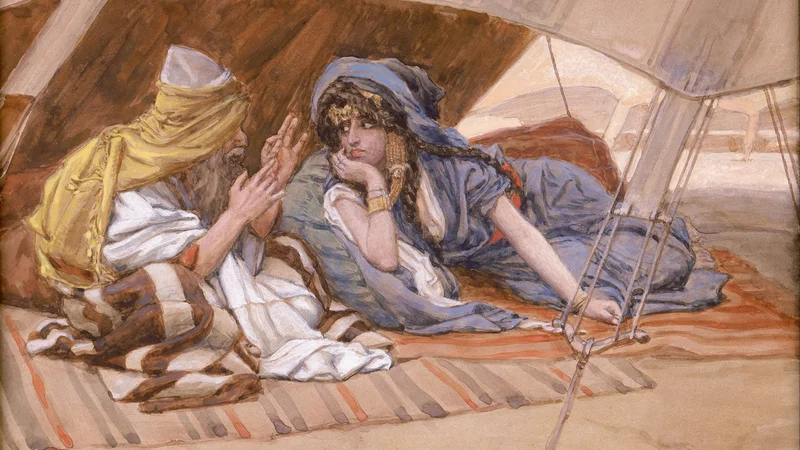
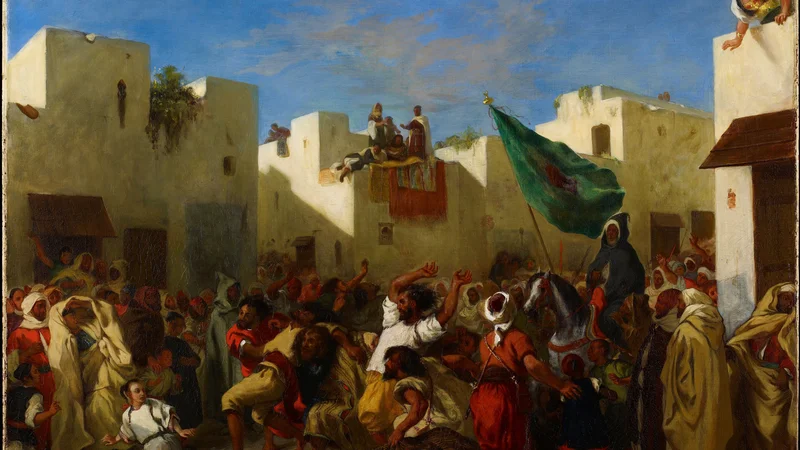
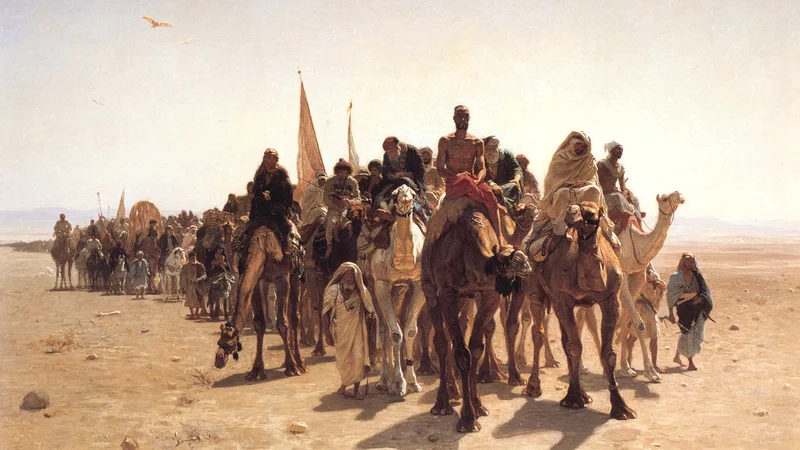
The movement’s visual language was refined by masters such as Eugène Delacroix, whose Convulsionists of Tangier and Study of a Galloping Horseman captured the dynamic energy of North African life, and Jean-Léon Gérôme, whose precise, polished depictions like After Prayers epitomized the Academic interest in cultural specificity. Other key figures, including Benjamin Constant, Alfred Dehodencq, and James Tissot, contributed through works like Pilgrims Going to Mecca, The Desert, and Abram's Counsel to Sarai. These compositions often oscillated between authentic reportage and a stylized vision of the East, leaving a profound, albeit debated, legacy that continues to inform contemporary discourse on cultural representation and the intersection of artistic gaze and political power.