Eugène Delacroix
54 artworks
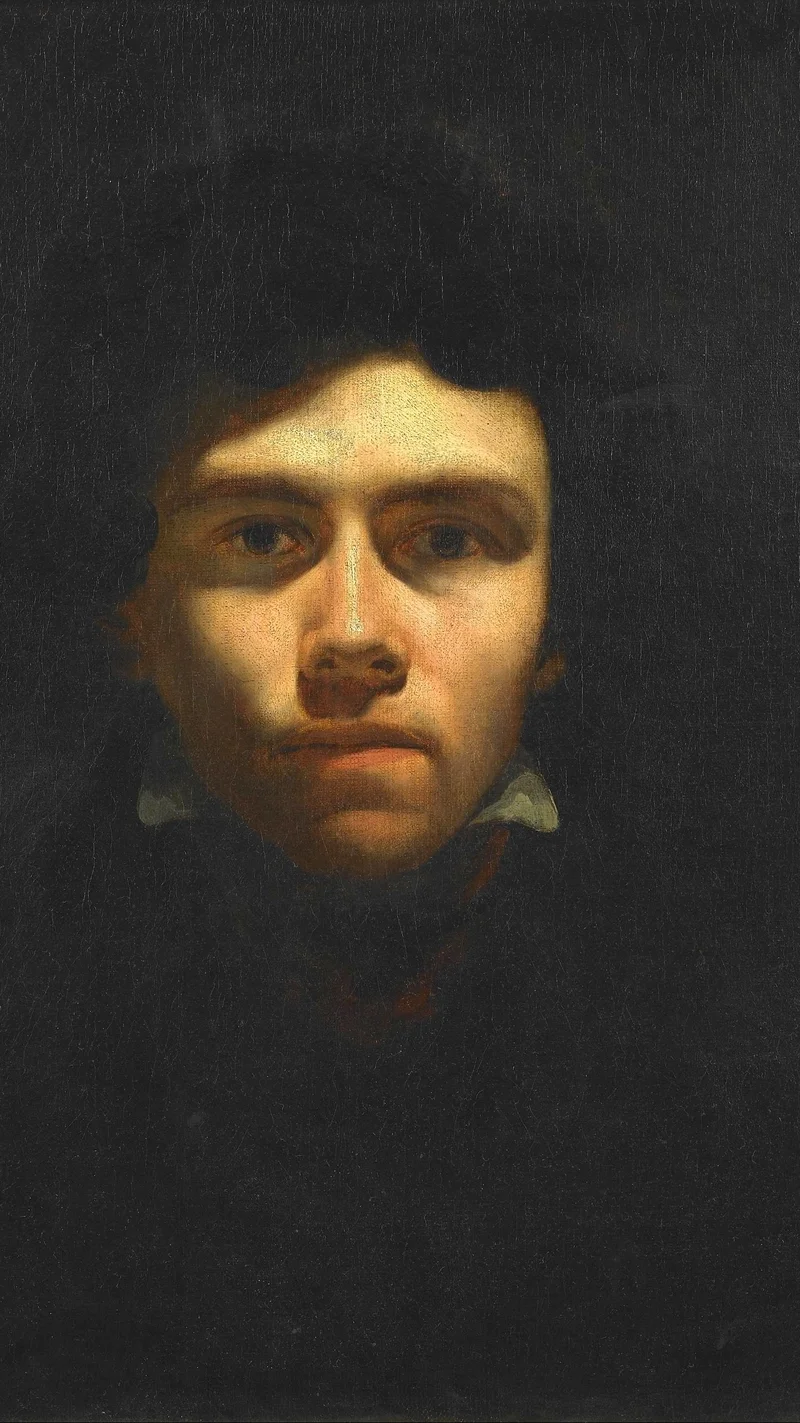
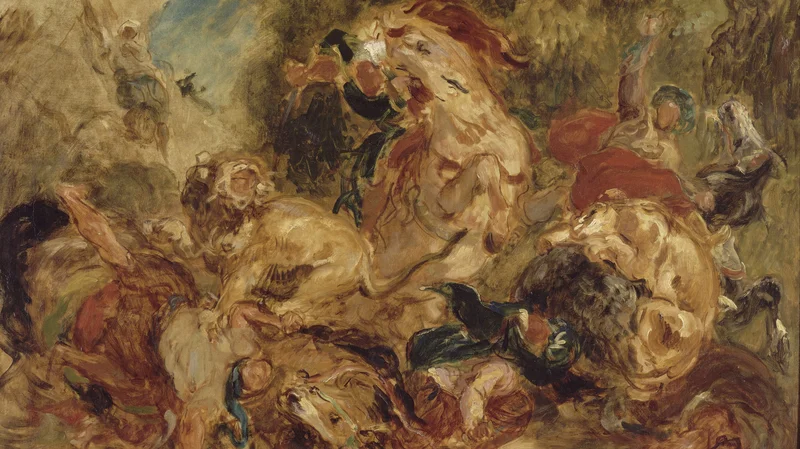
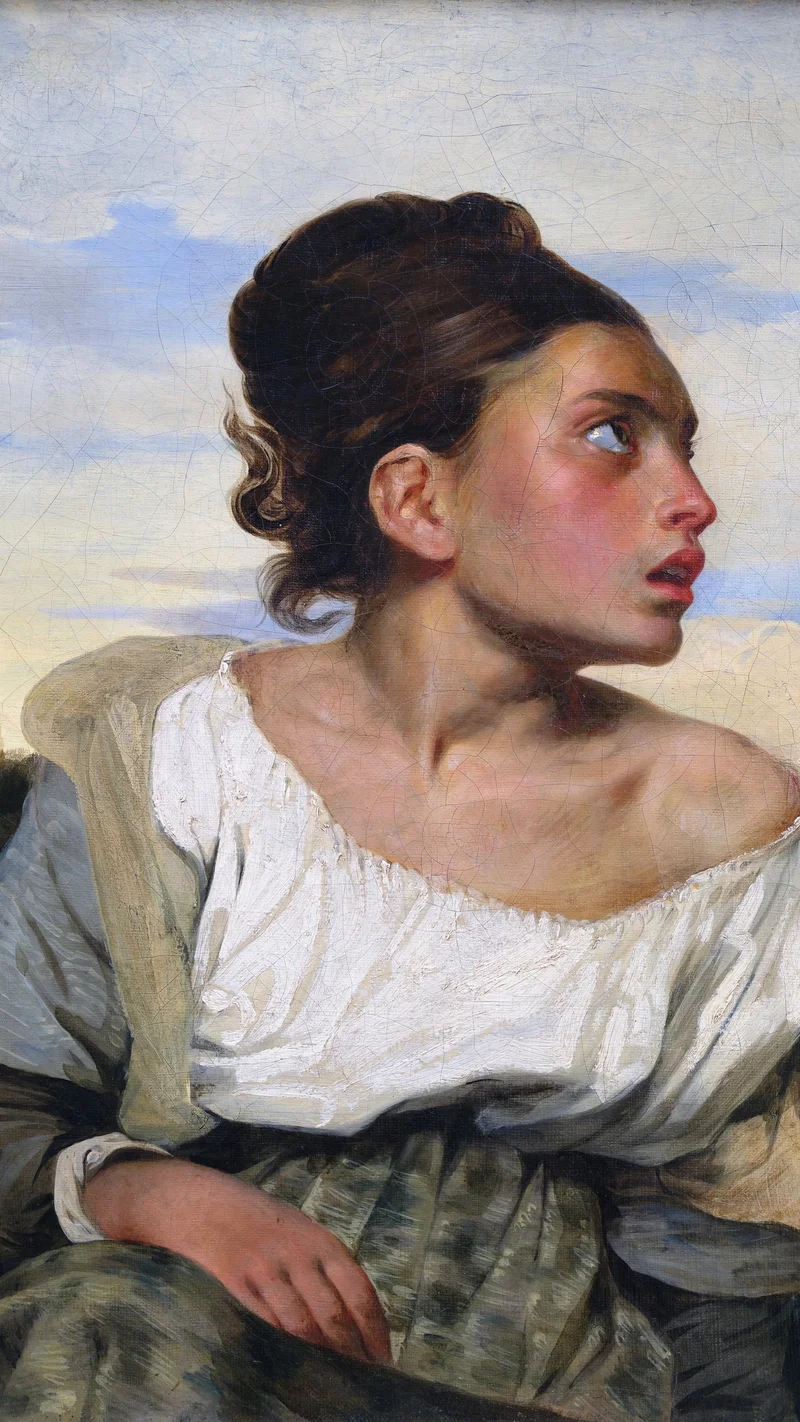
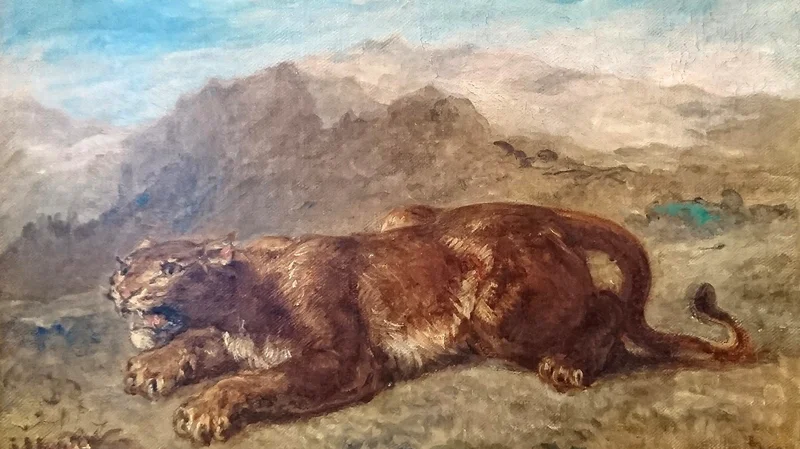
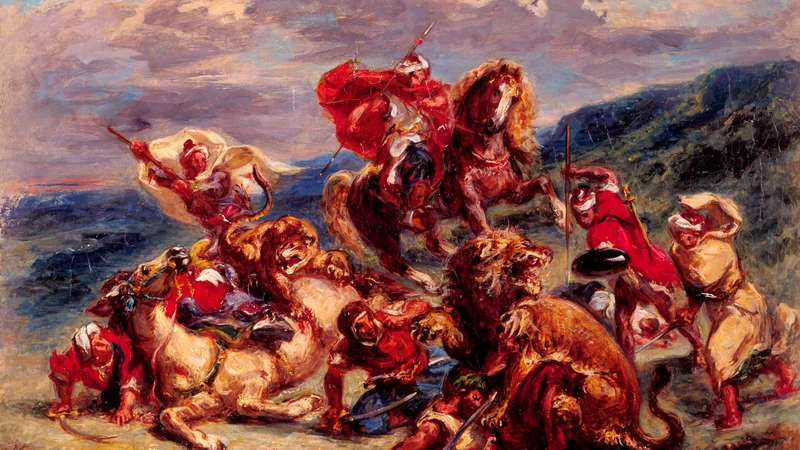
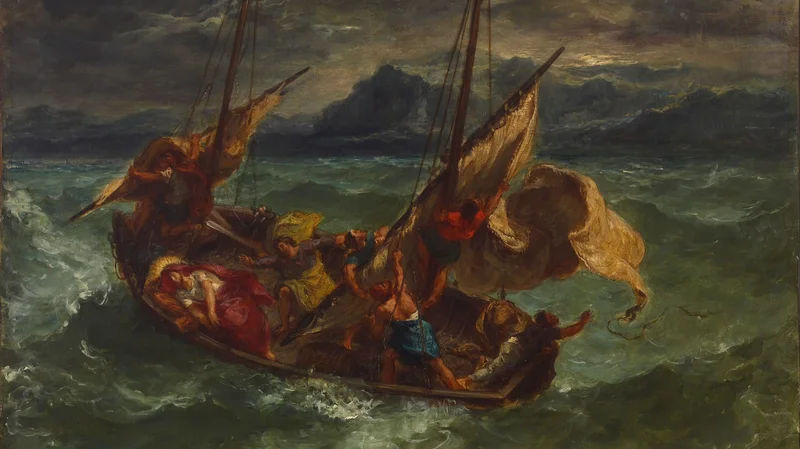
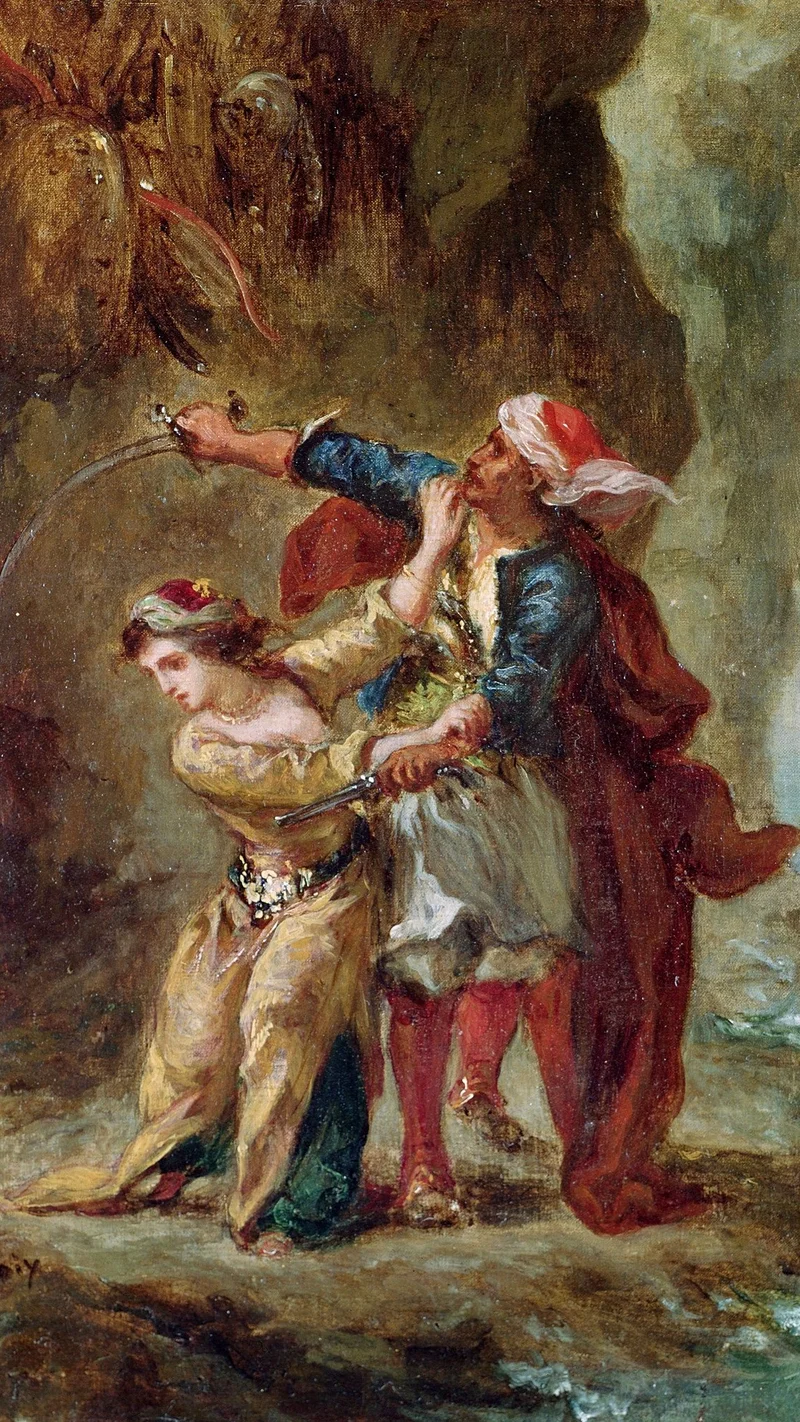
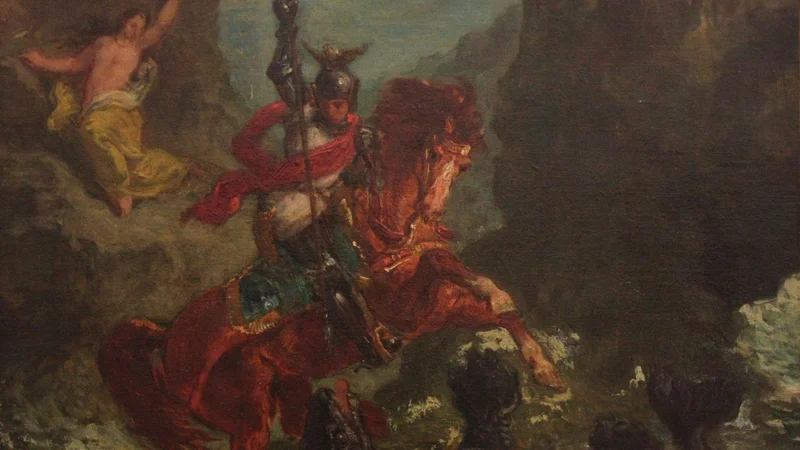
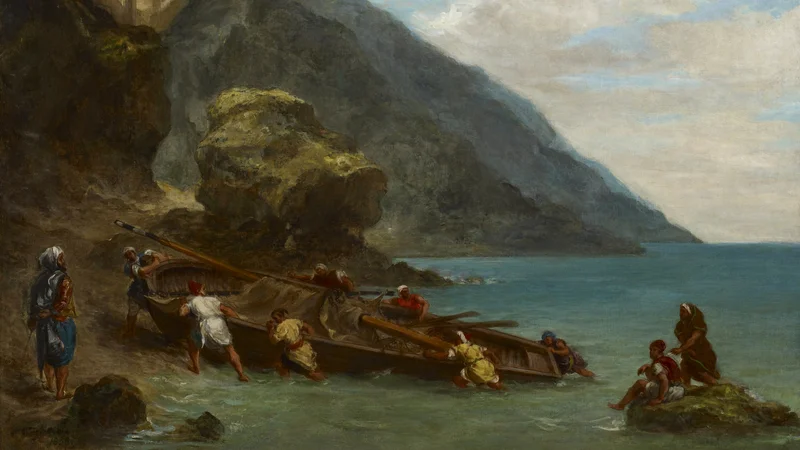
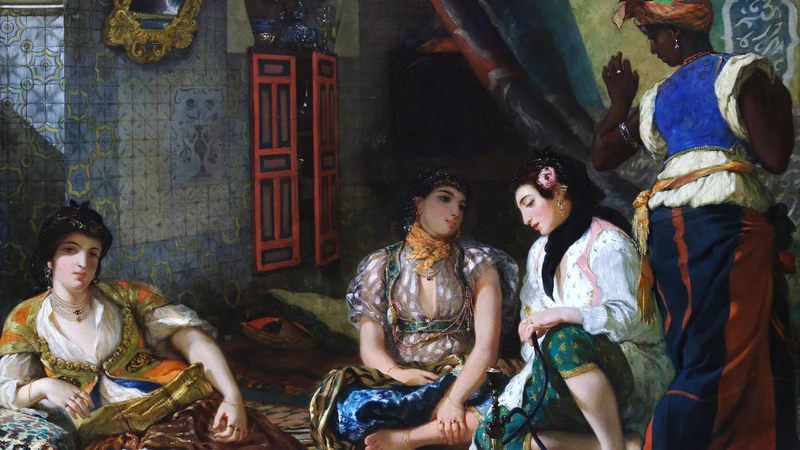
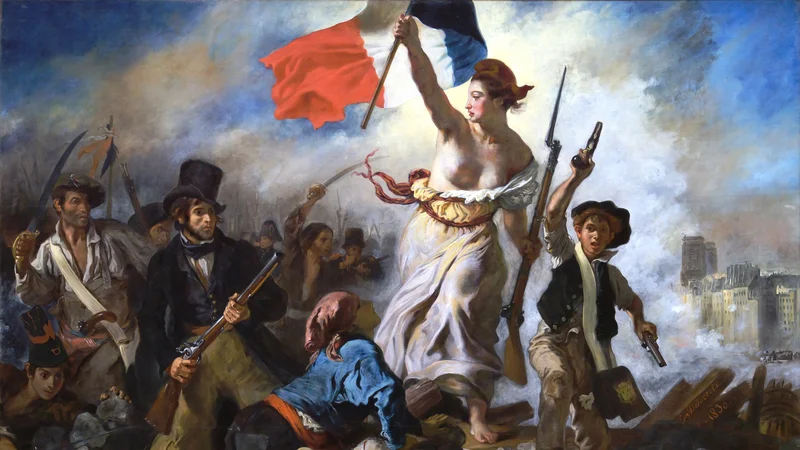
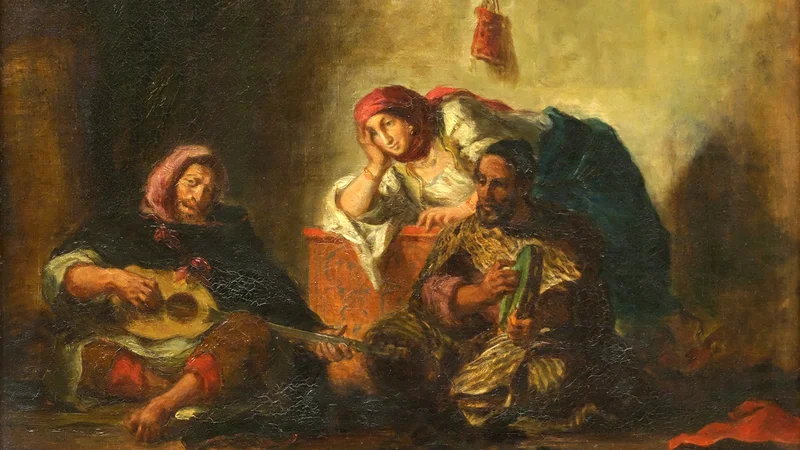
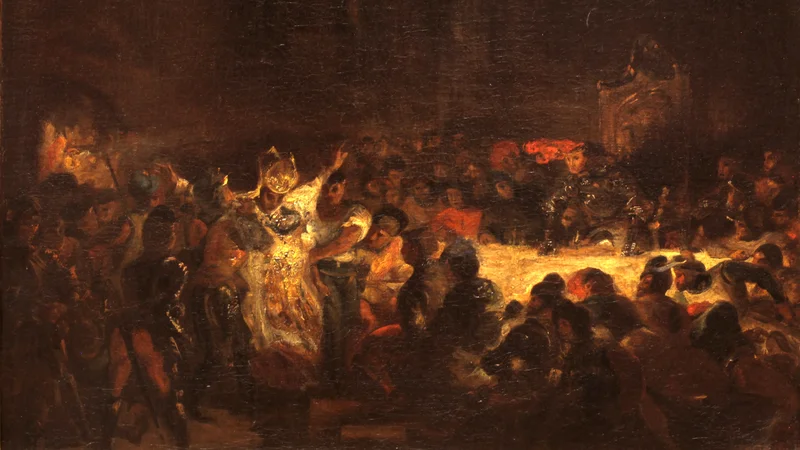
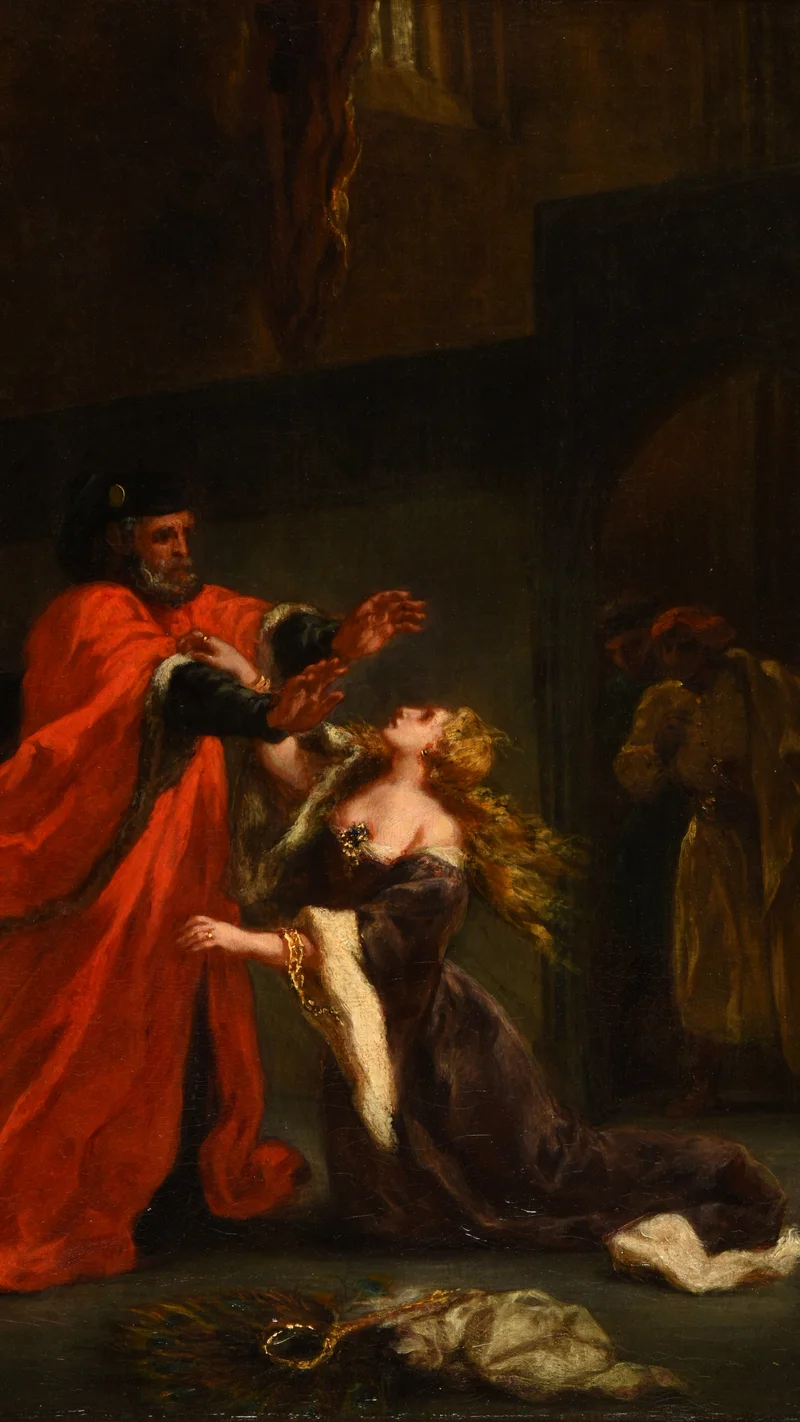
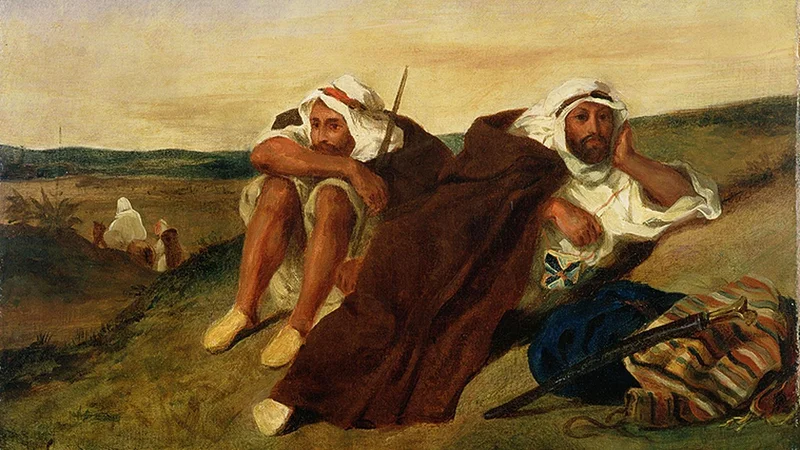
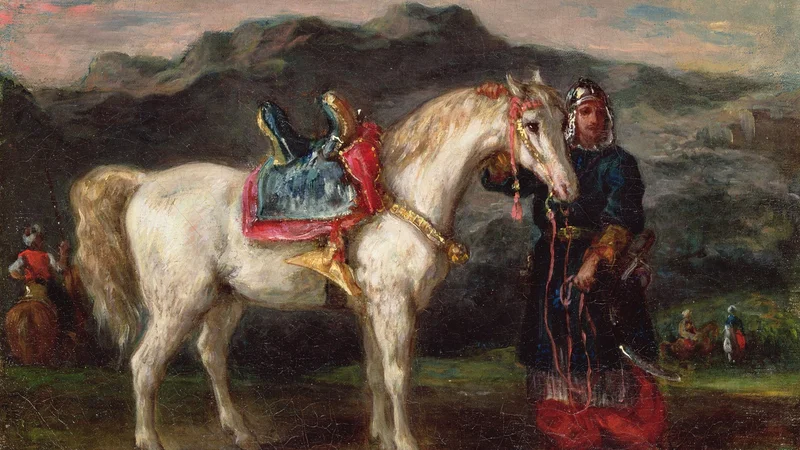
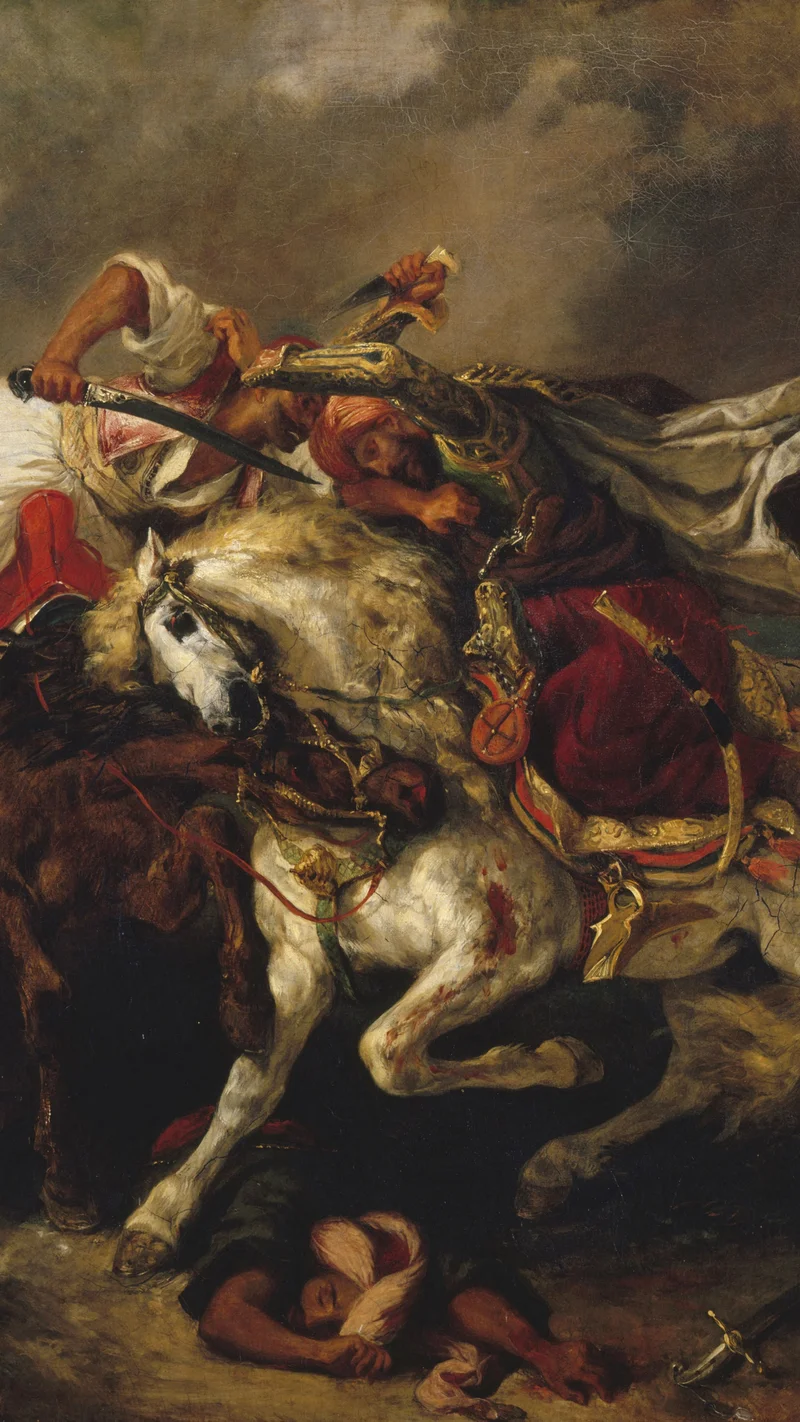
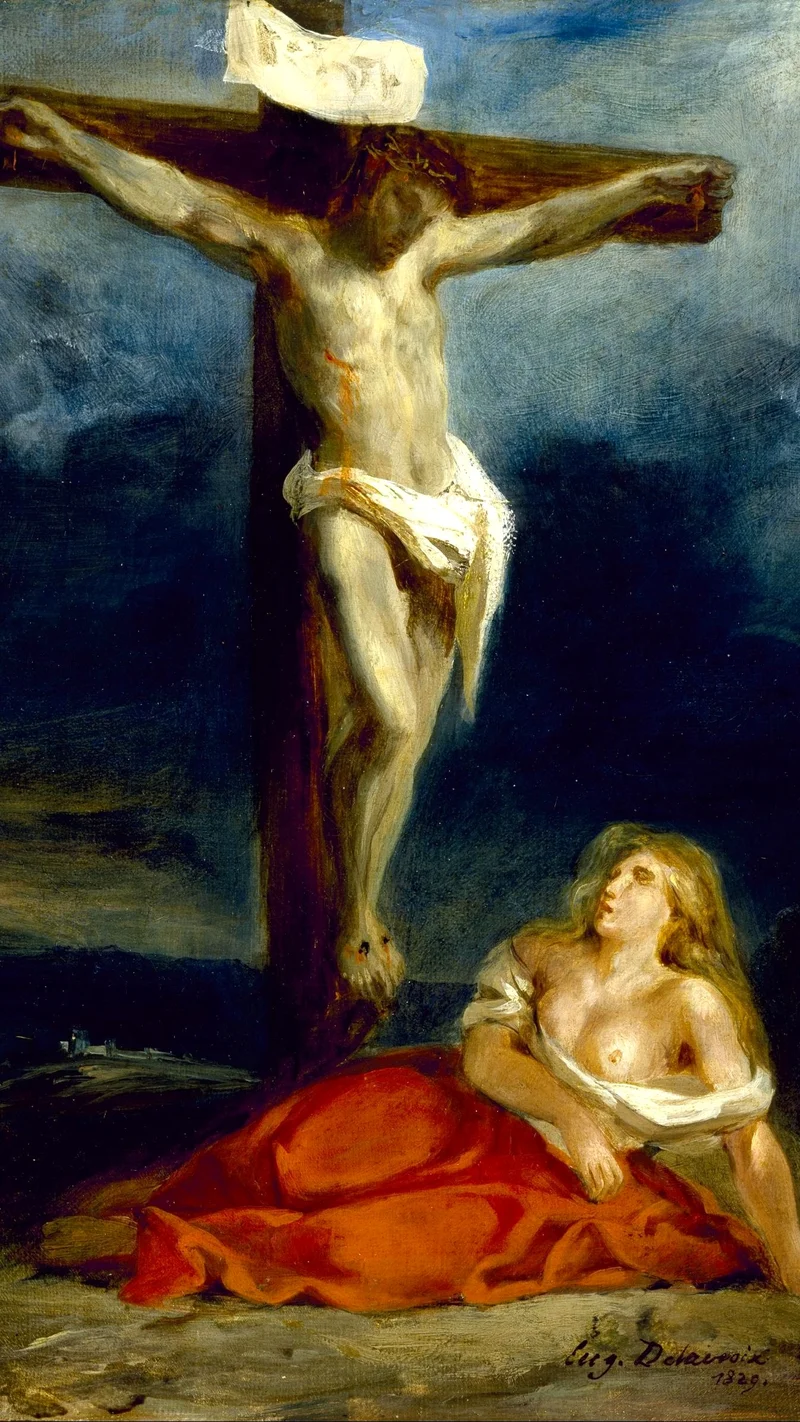
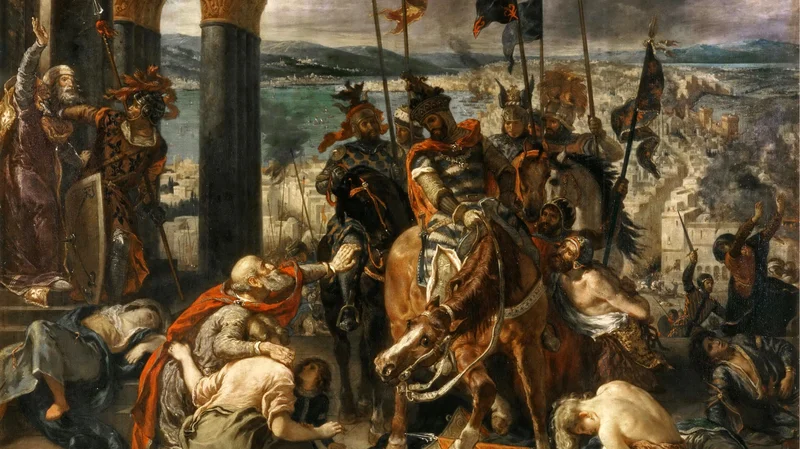
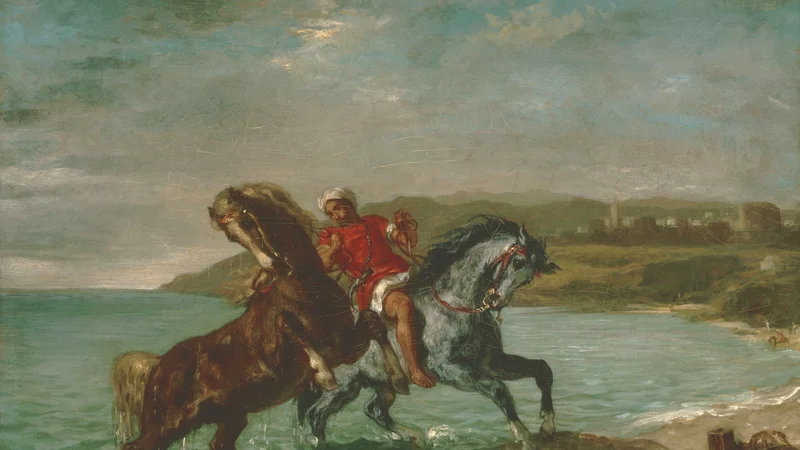
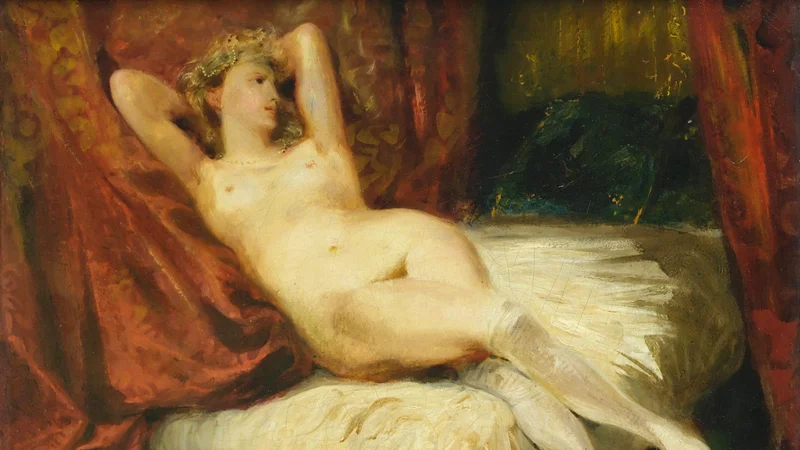
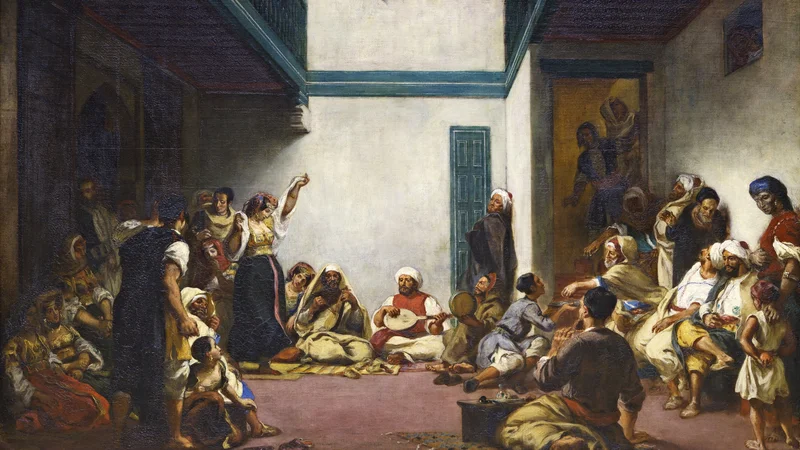
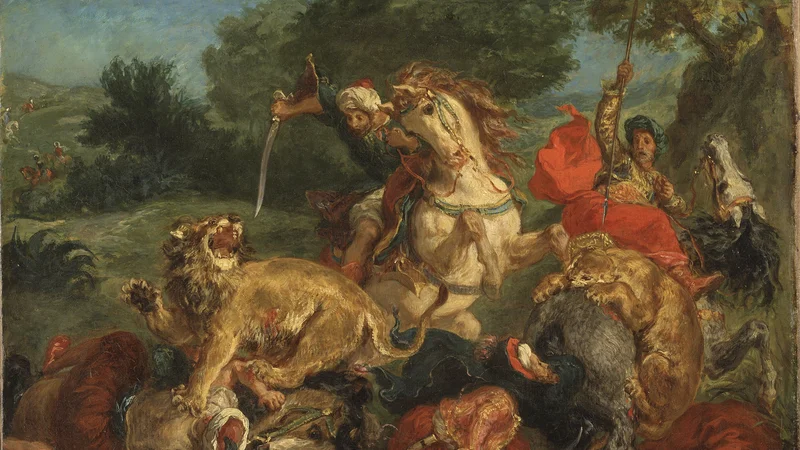
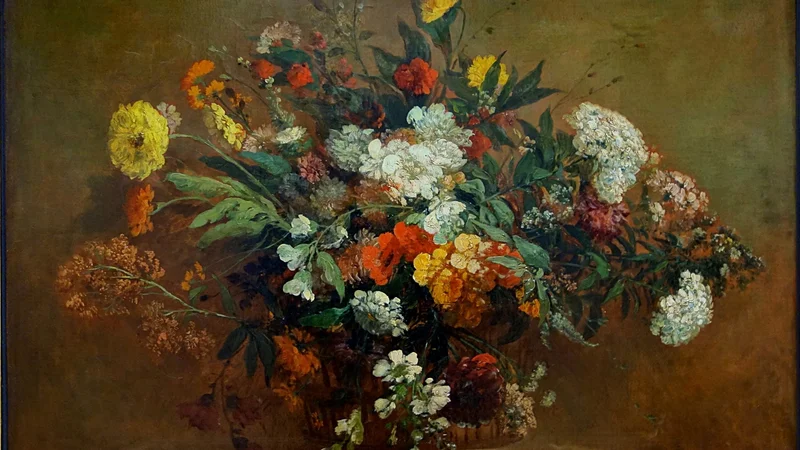
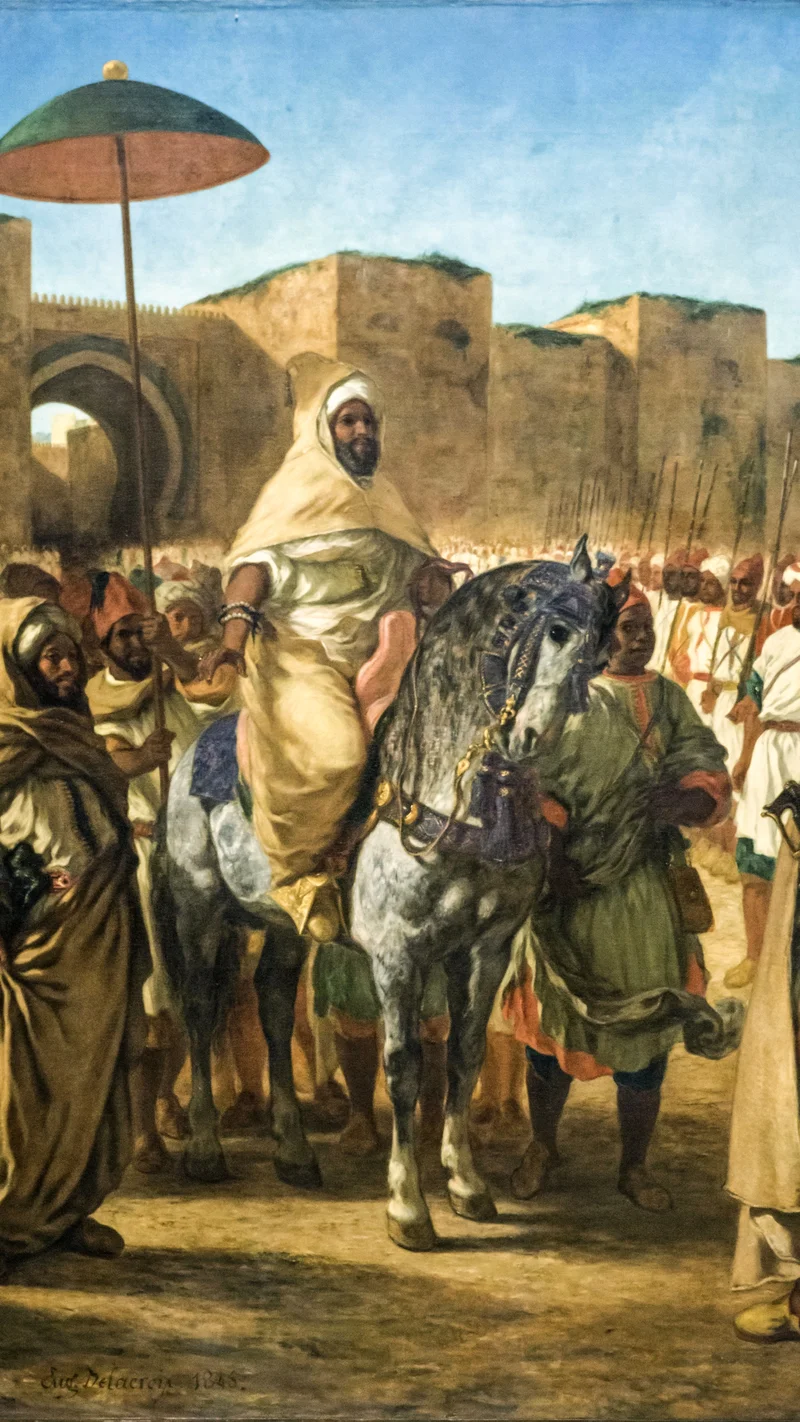
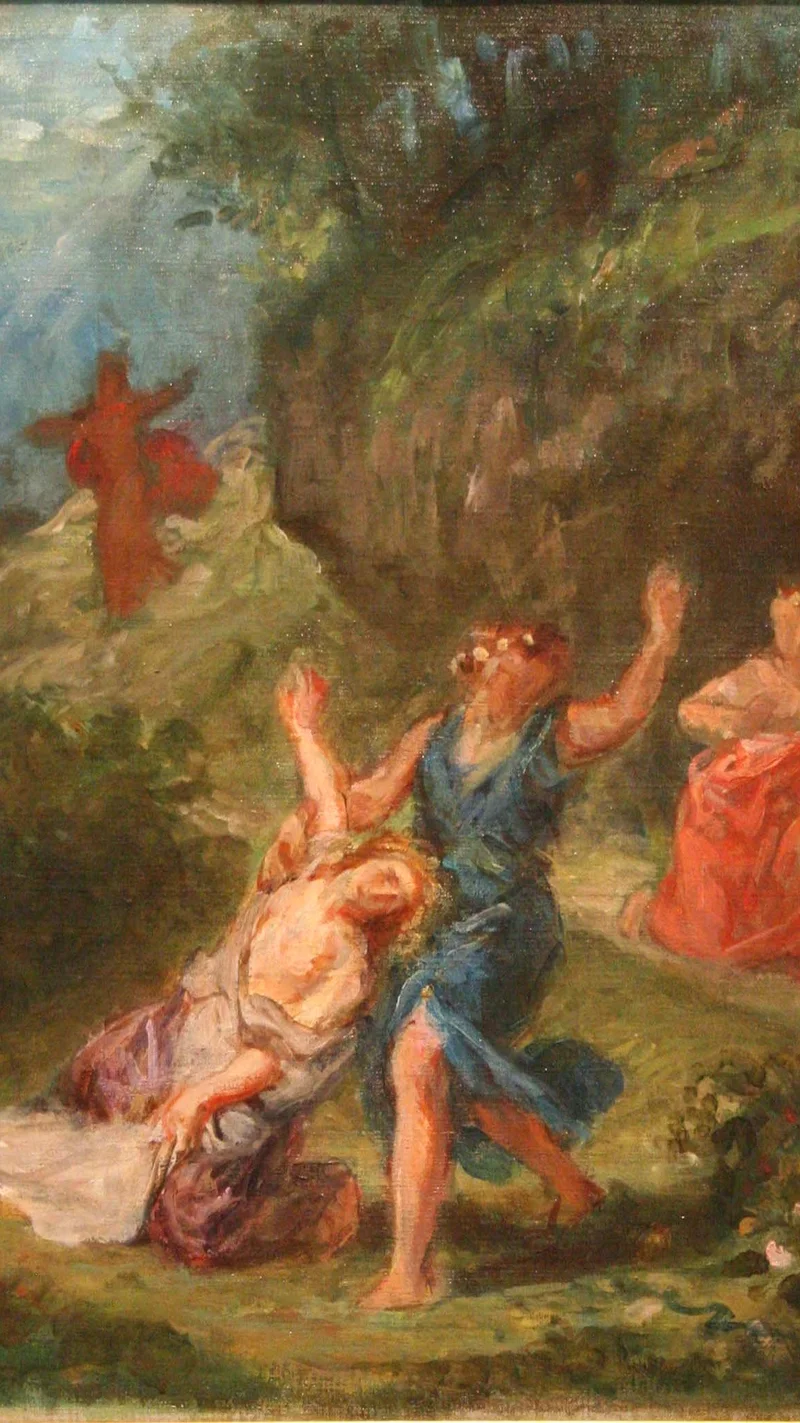
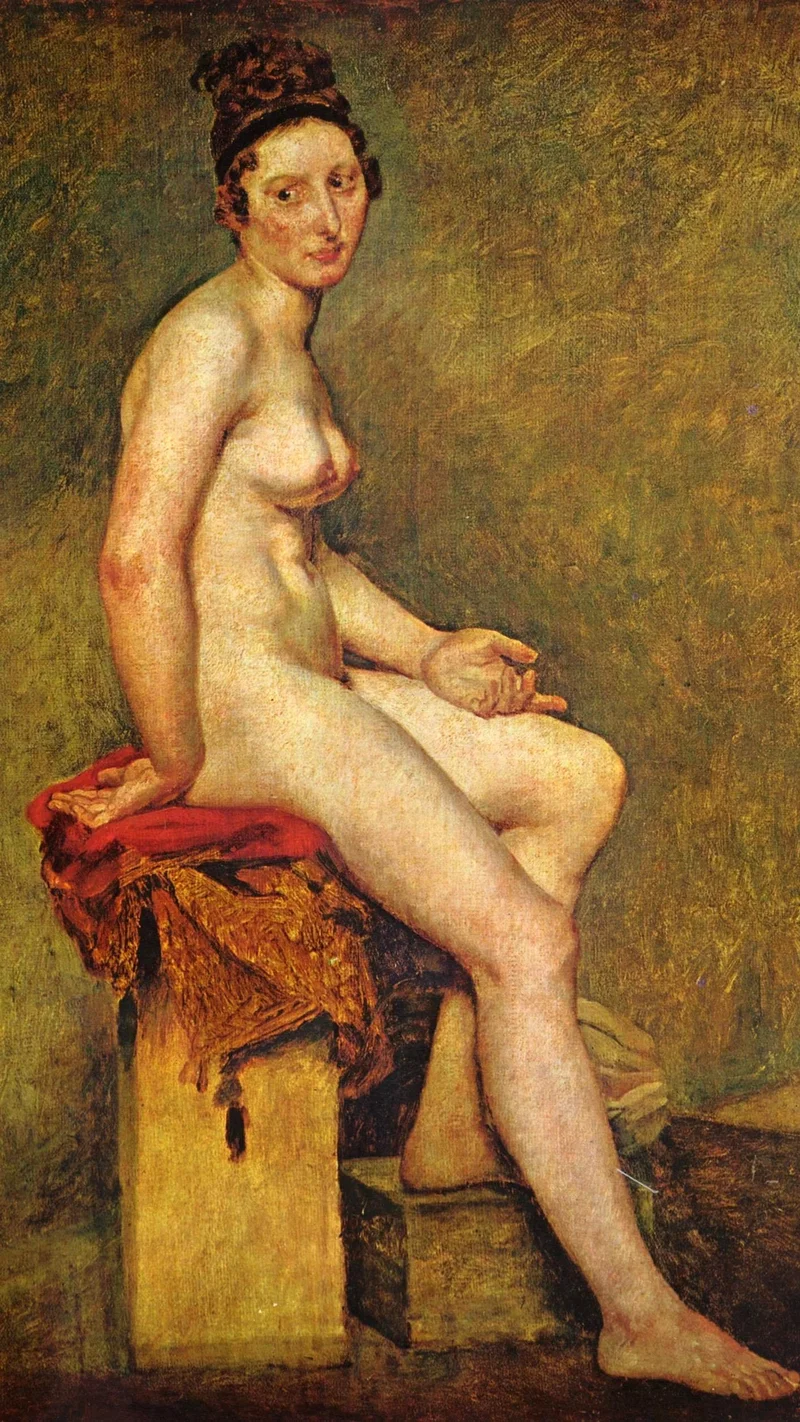
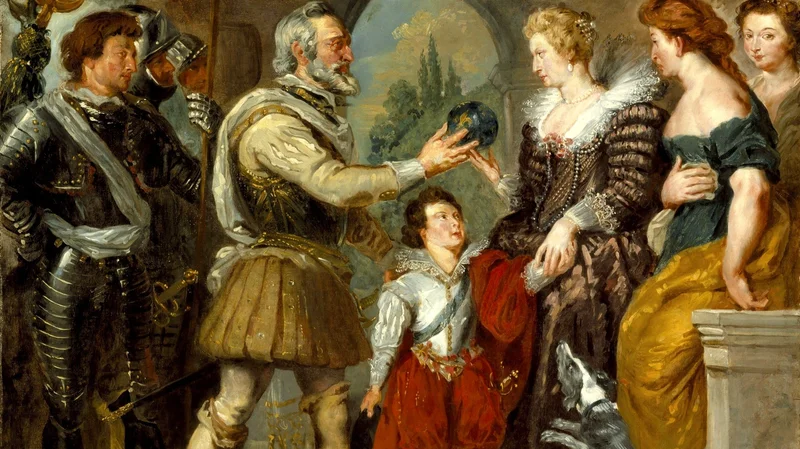
Ferdinand-Victor-Eugène Delacroix (1798–1863) remains the preeminent figure of French Romanticism, a movement he defined through his rejection of Neoclassical rigidity in favor of emotional intensity and chromatic dynamism. Trained under Pierre-Narcisse Guérin, Delacroix drew significant inspiration from the masters of the Venetian school and Peter Paul Rubens. His career, spanning the early nineteenth century until his death in 1863, marked a pivotal departure from academic tradition, establishing a visual language predicated on movement, psychological depth, and the dramatic interplay of light and shadow.
Stylistic Evolution and Narrative Scope
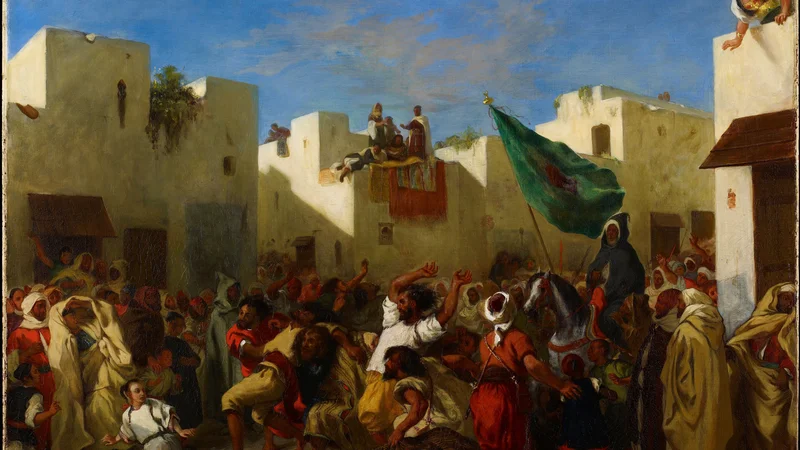
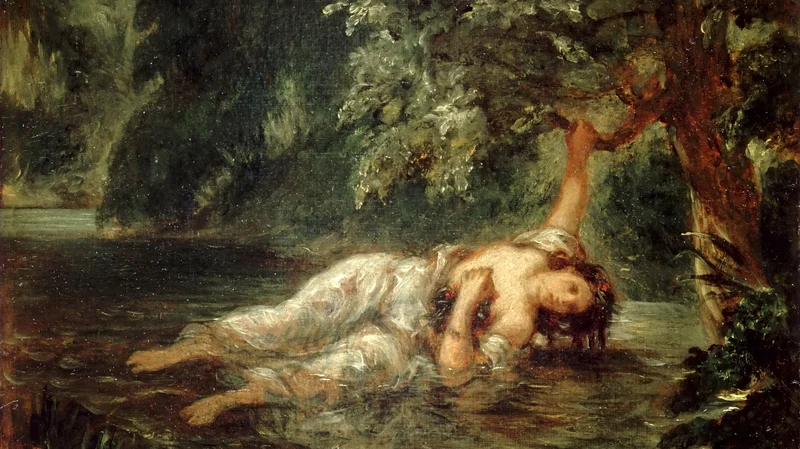
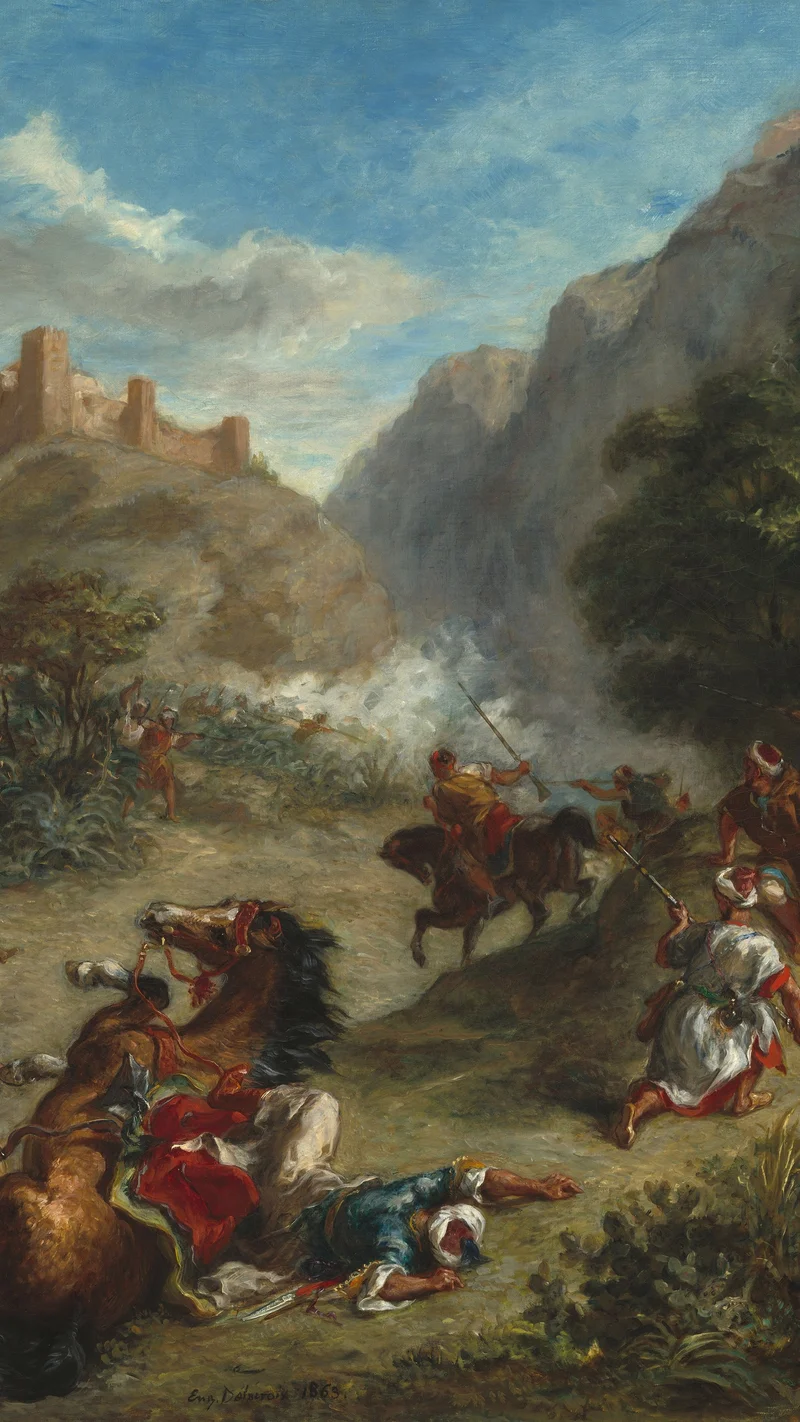
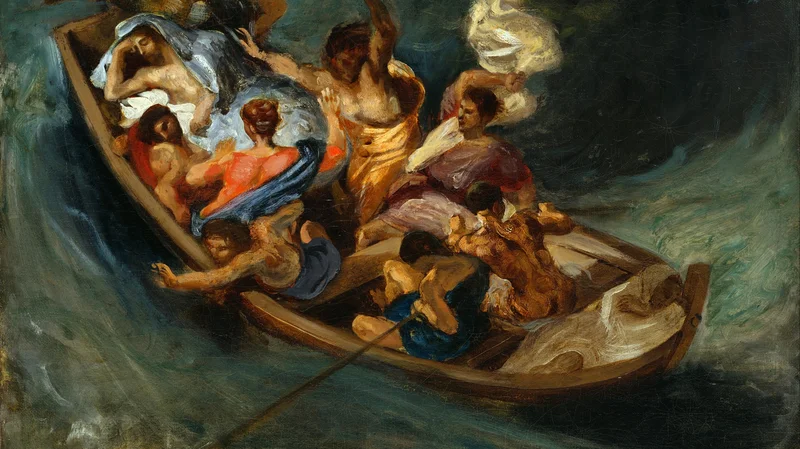
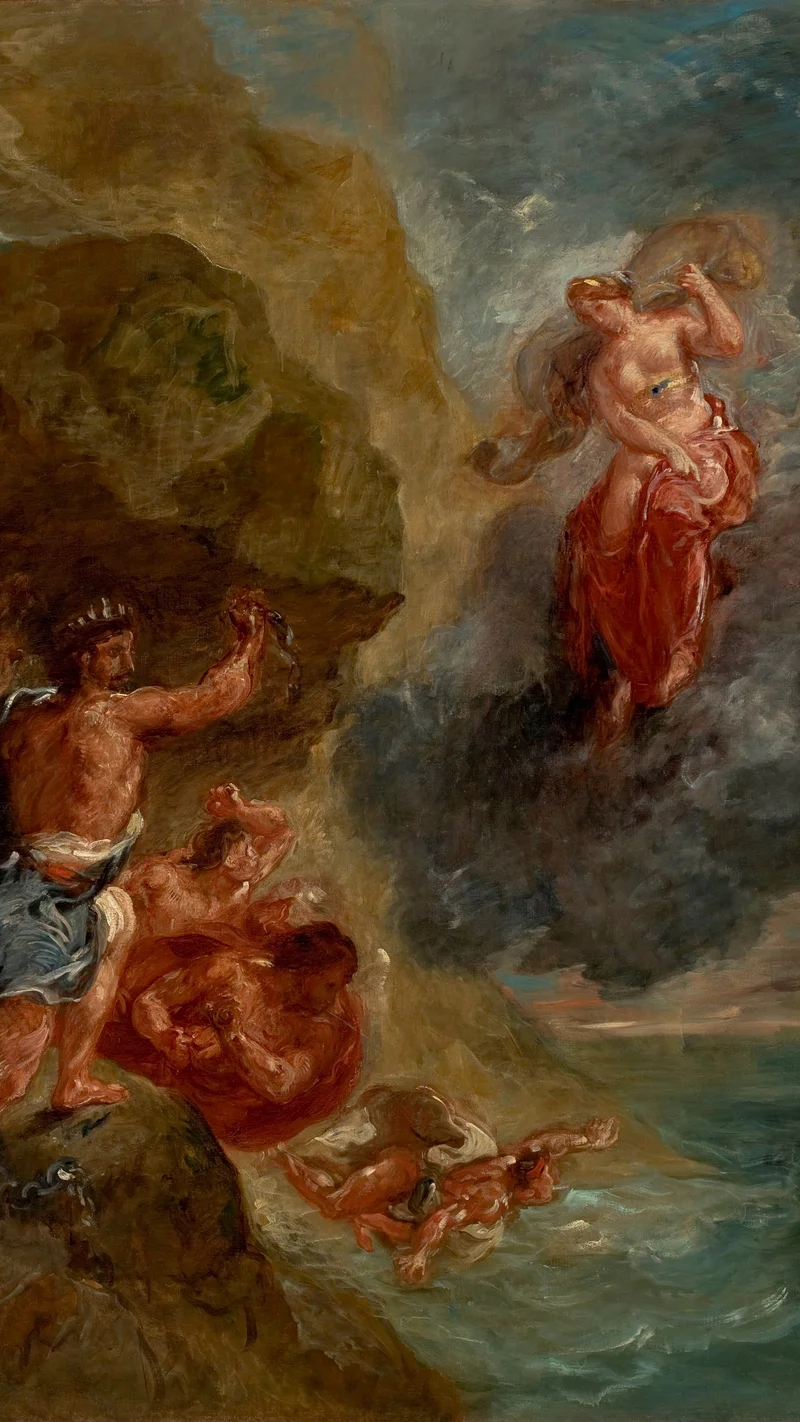
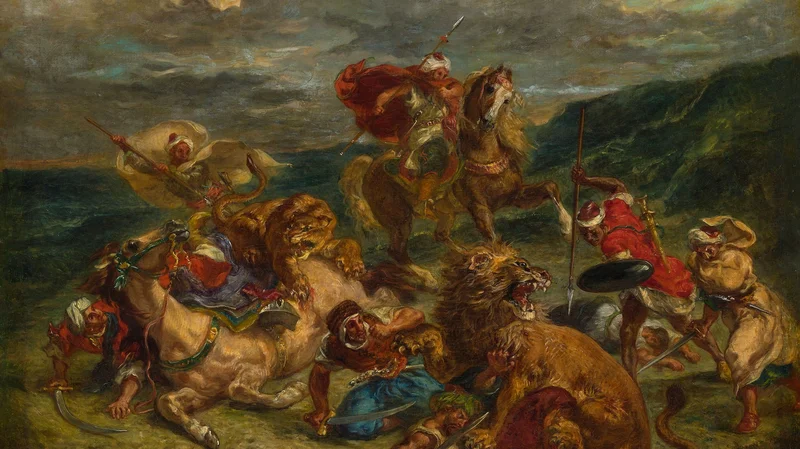
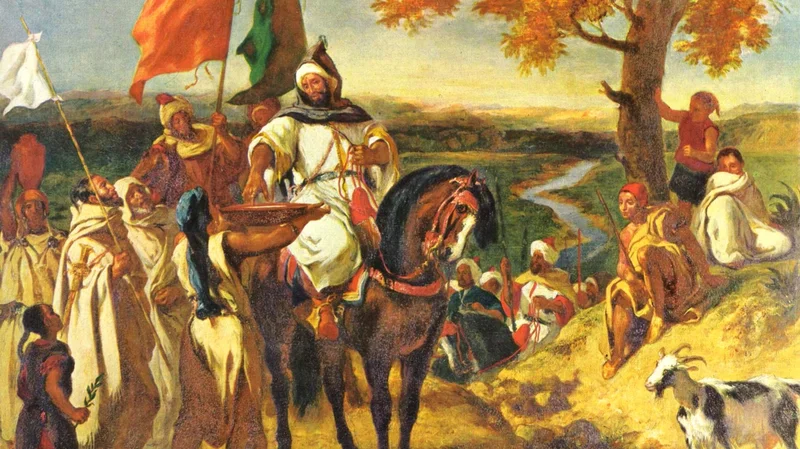
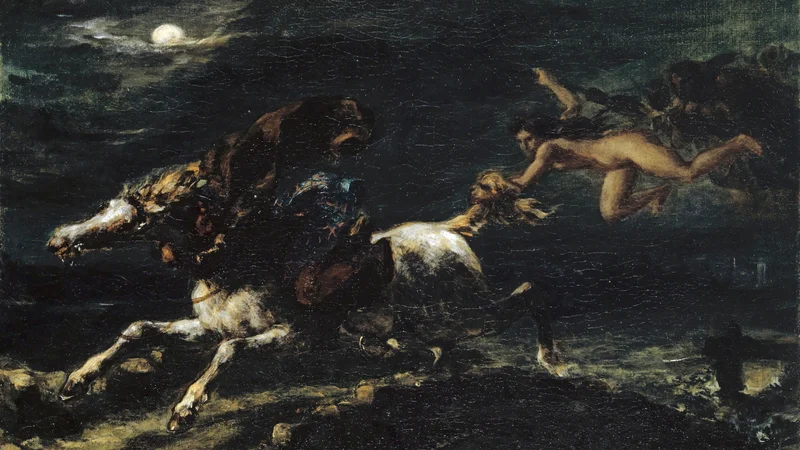
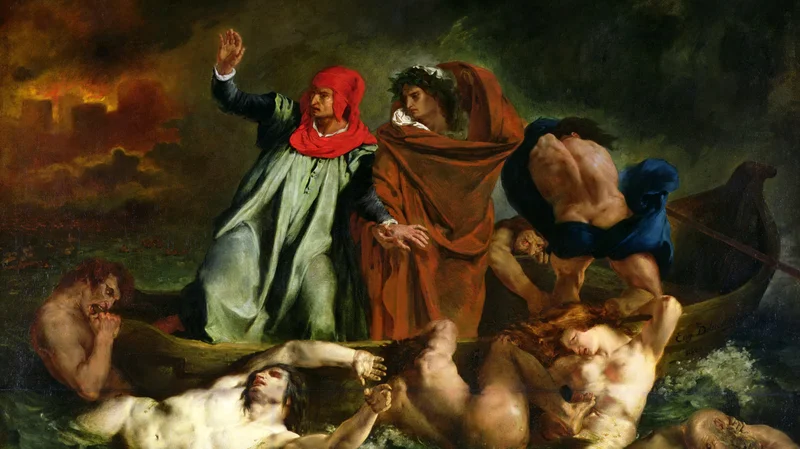
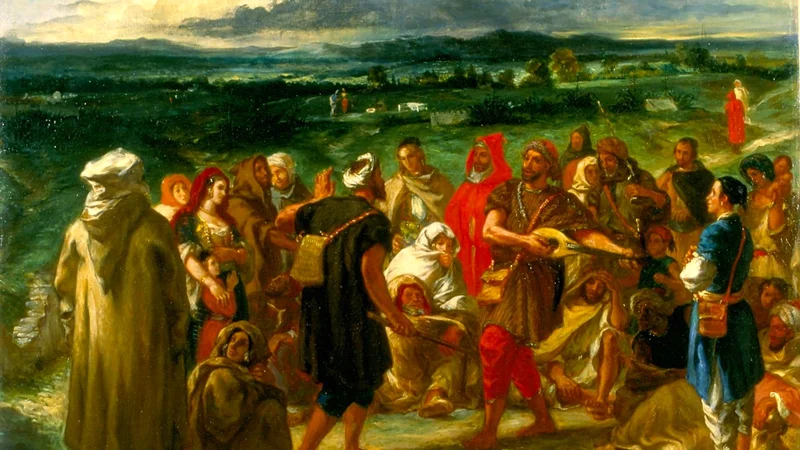
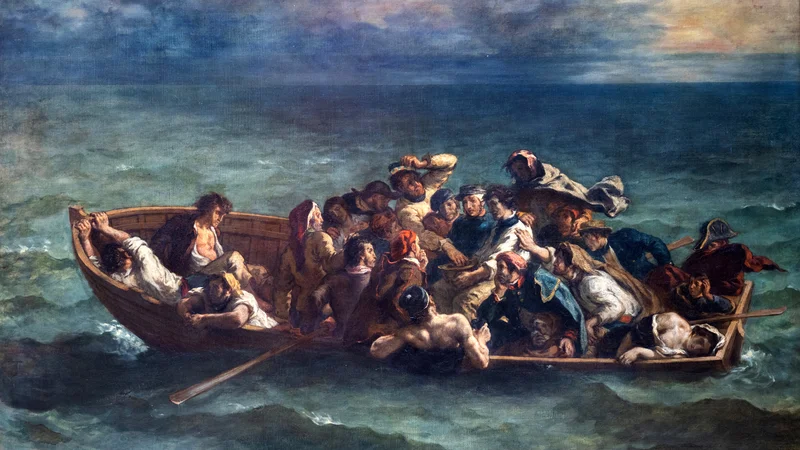
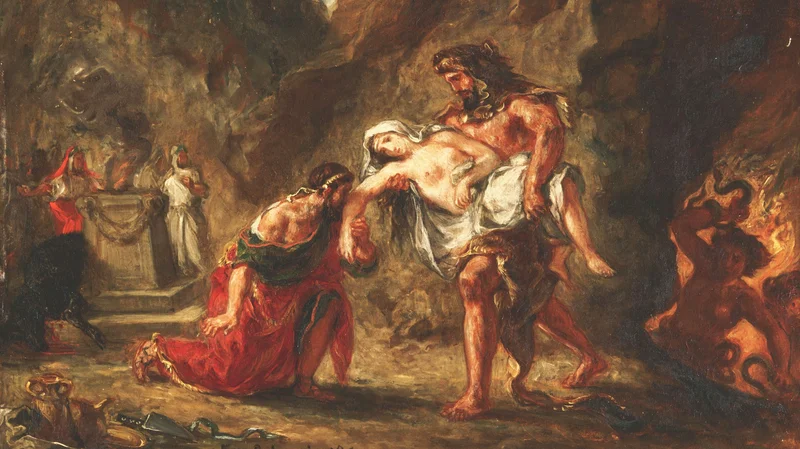
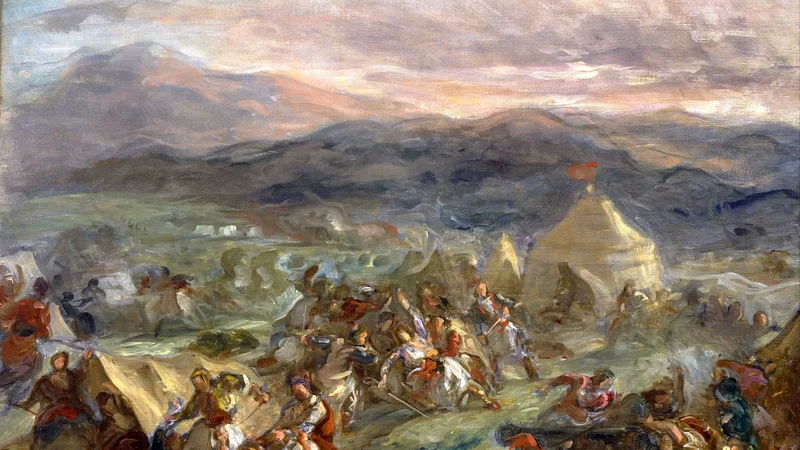
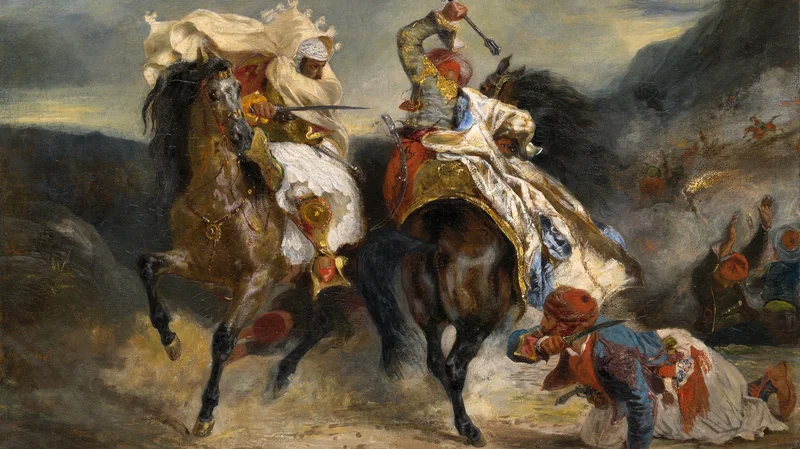
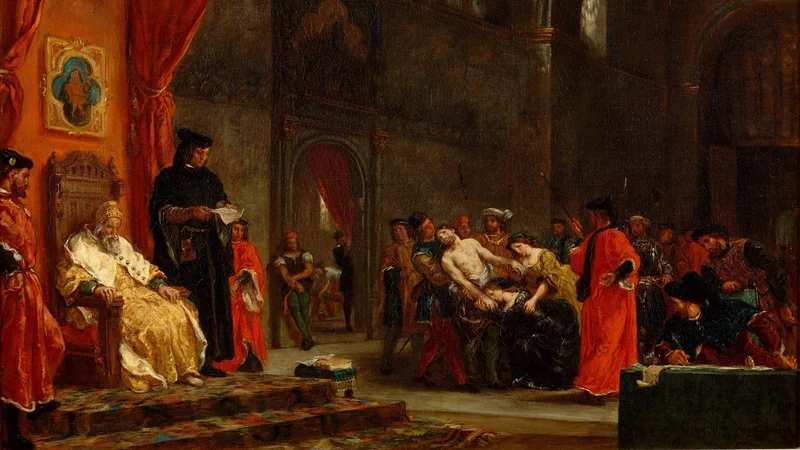
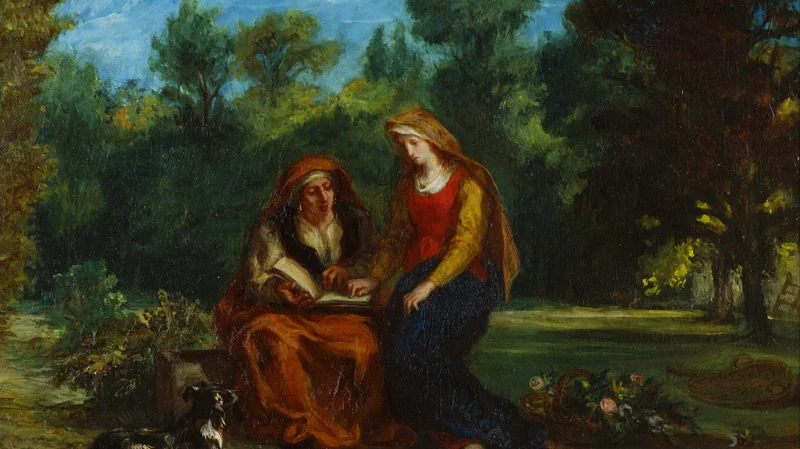
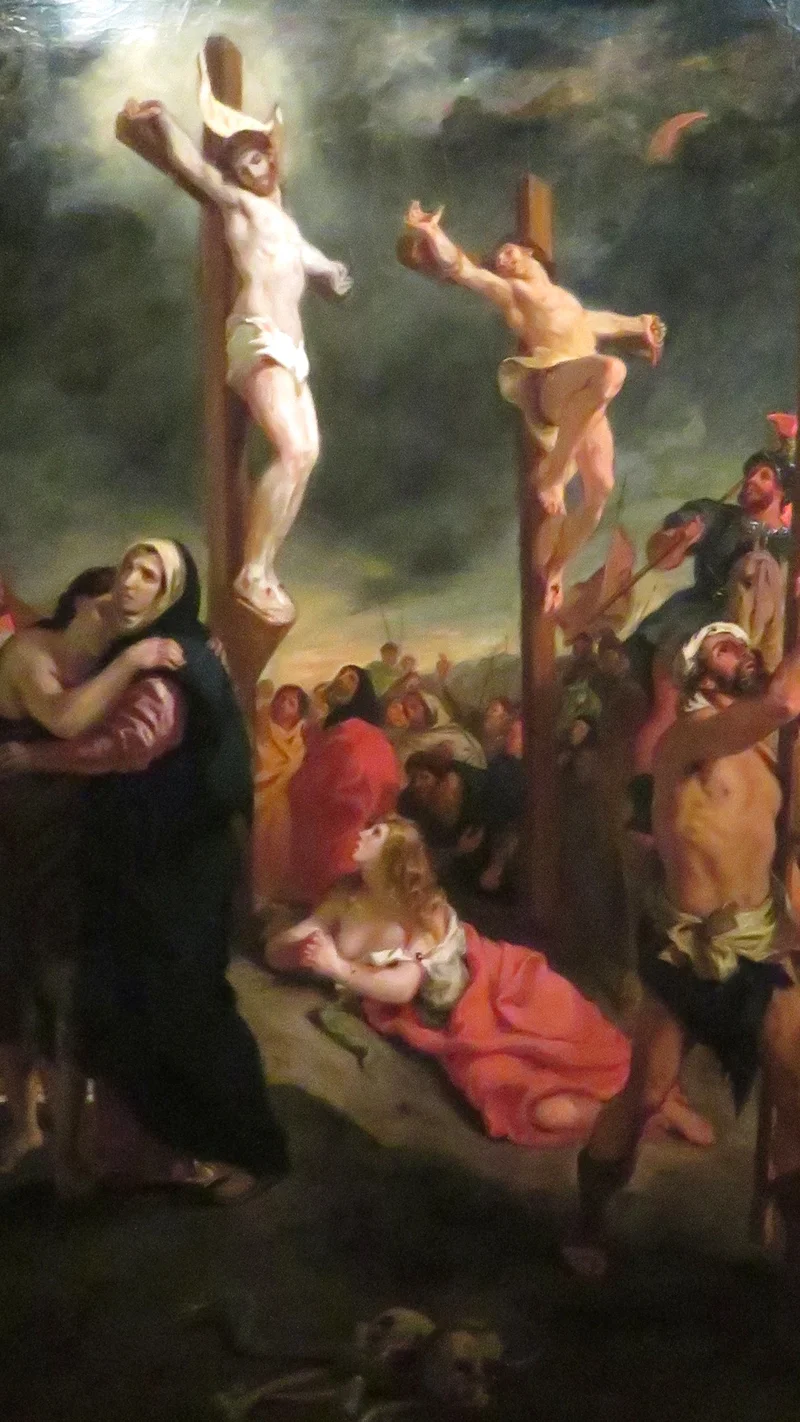
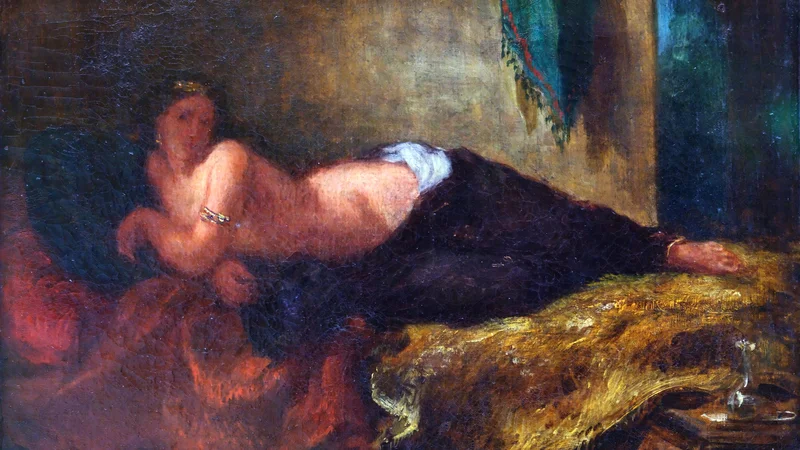
Delacroix’s technique is characterized by fluid, gestural brushwork and a daring use of broken color that anticipated the Impressionist movement. His subject matter was vast, ranging from the literary fervor of Tam O'Shanter pursued by Witches and the tragic isolation depicted in The Death of Ophelia to the complex, turbulent compositions of The Barque of Dante and The Shipwreck of Don Juan. His travels to North Africa profoundly influenced his palette and ethnographic interests, as evidenced by the vivid observation within Convulsionists of Tangier. Furthermore, his explorations of classical mythology, such as Hercules and Alcestis, demonstrate an ability to translate ancient narratives into visceral, contemporary experiences. By prioritizing expressive truth over linear precision, Delacroix transformed the role of the artist, cementing his legacy as a foundational influence on modern painting.