Impressionism
812 artworks
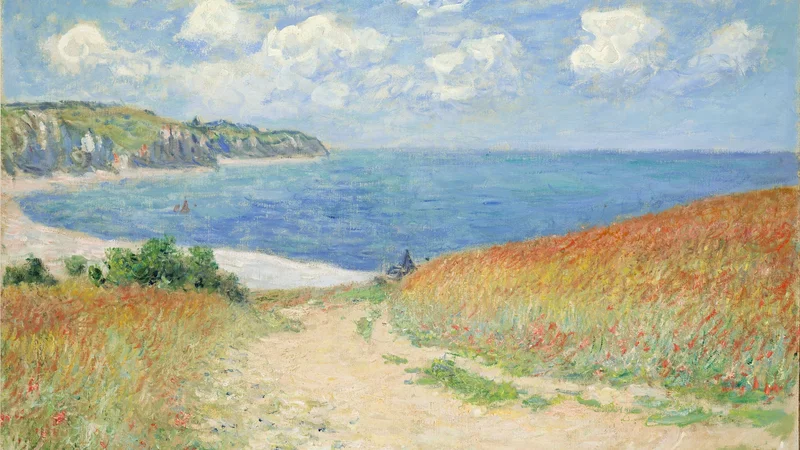
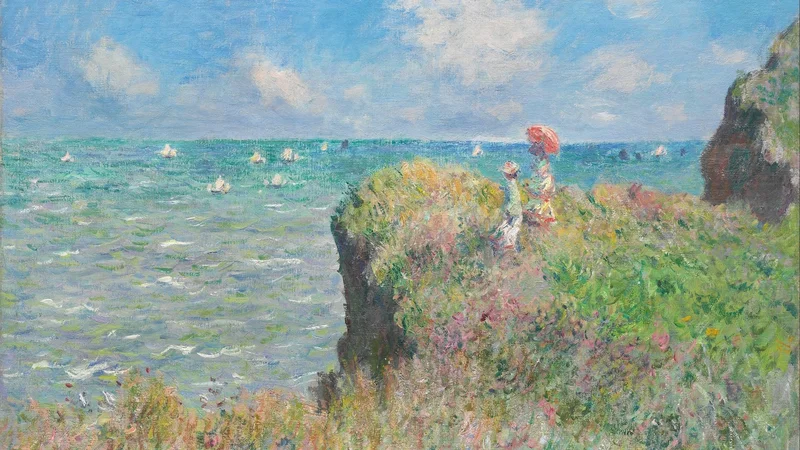
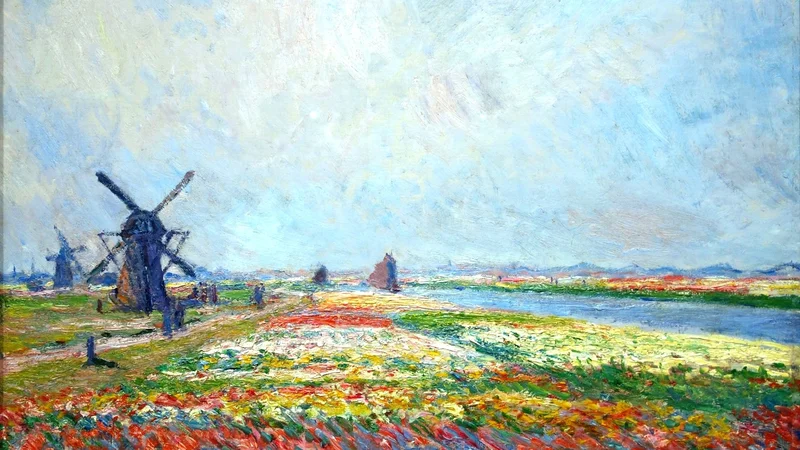
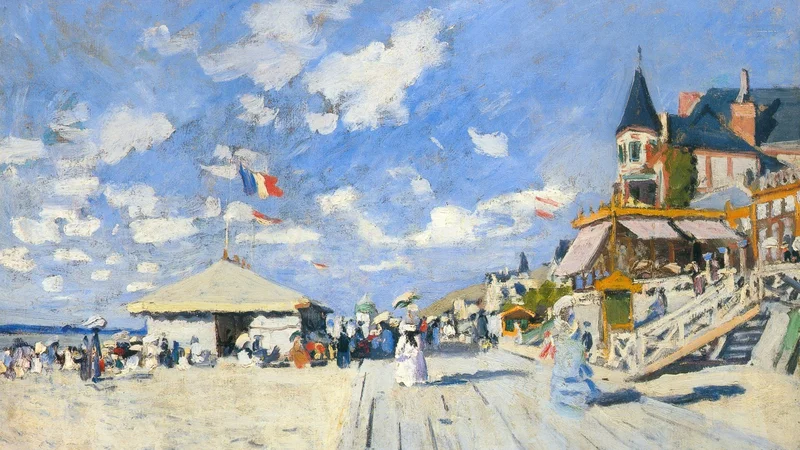
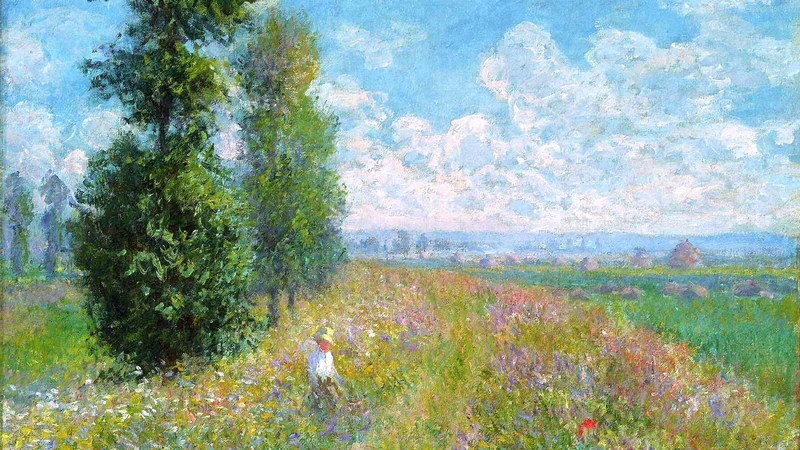
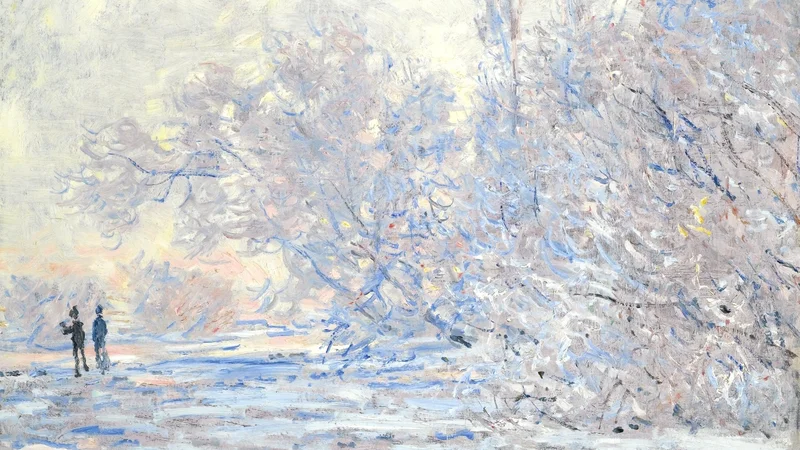
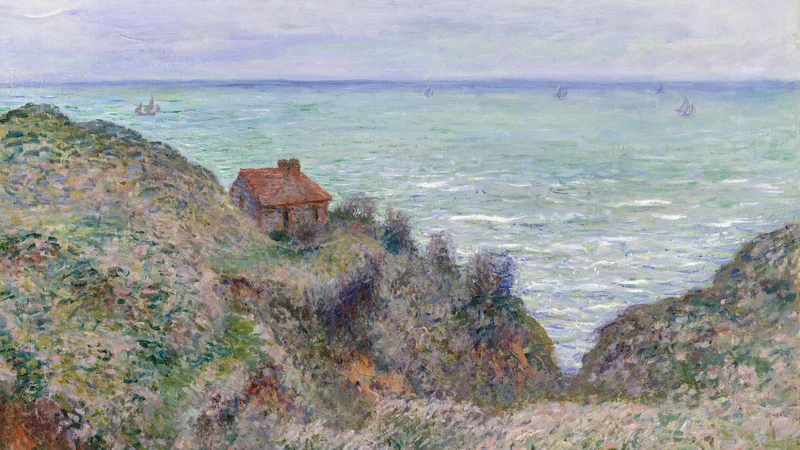
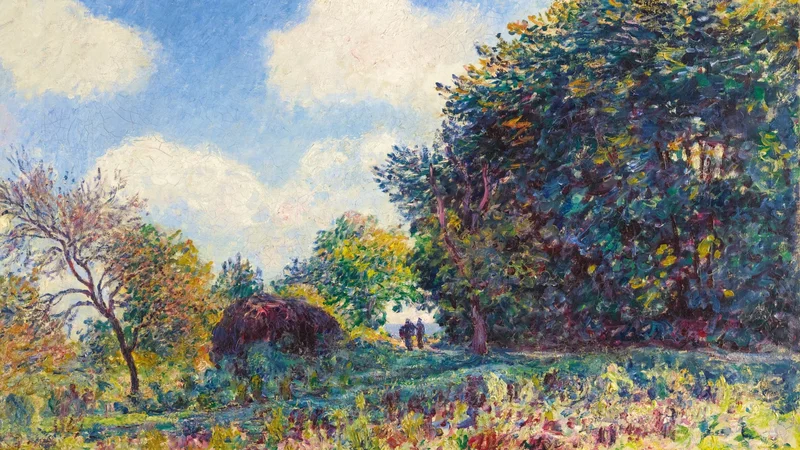
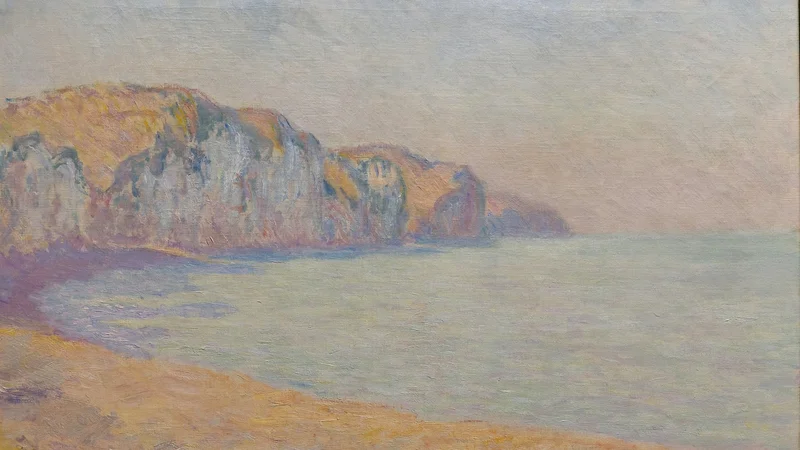
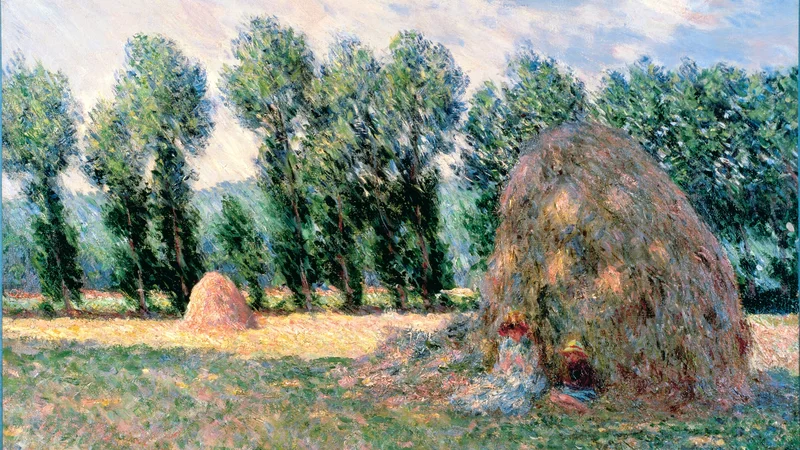
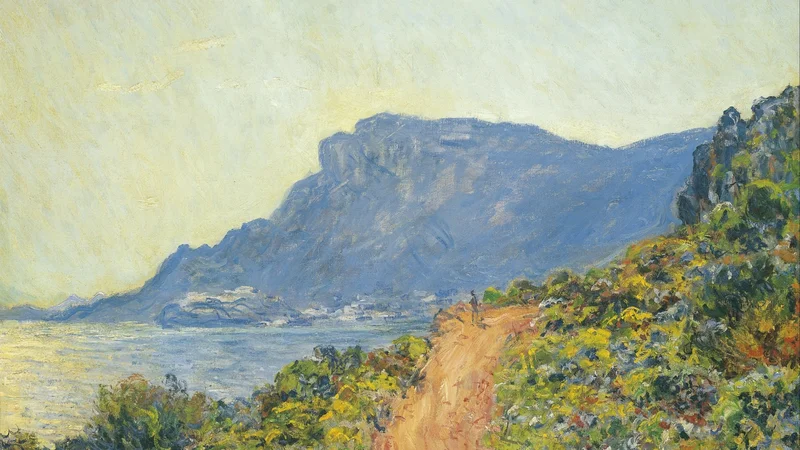
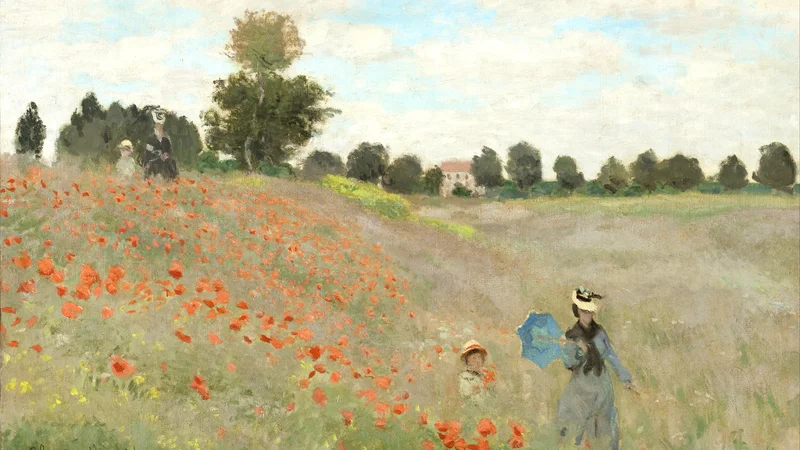
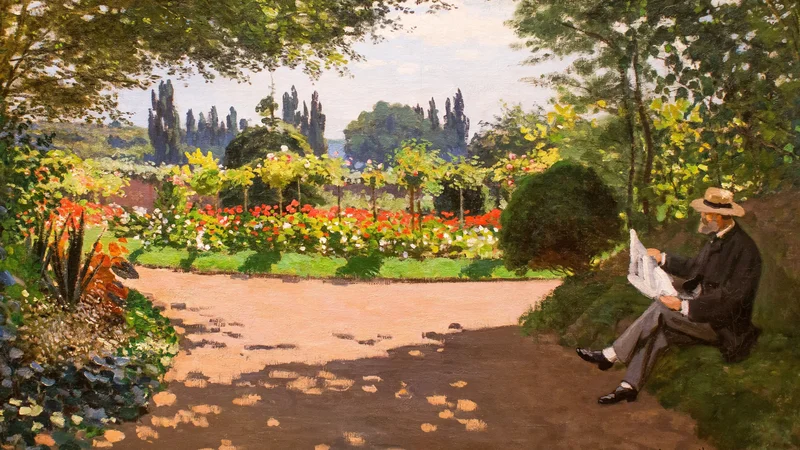
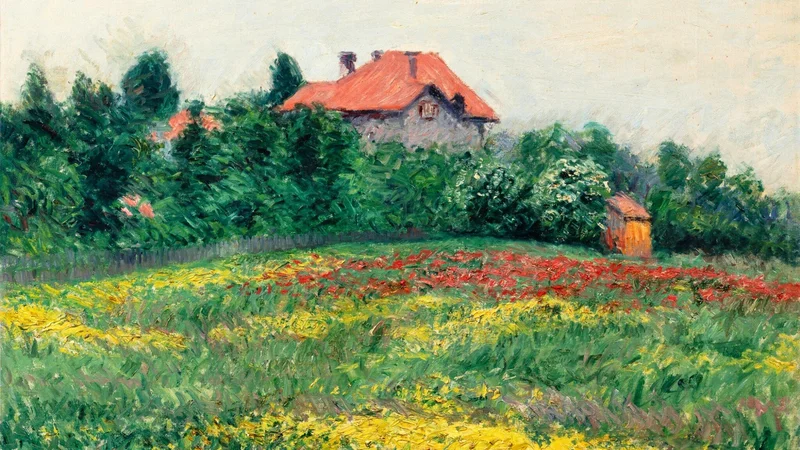
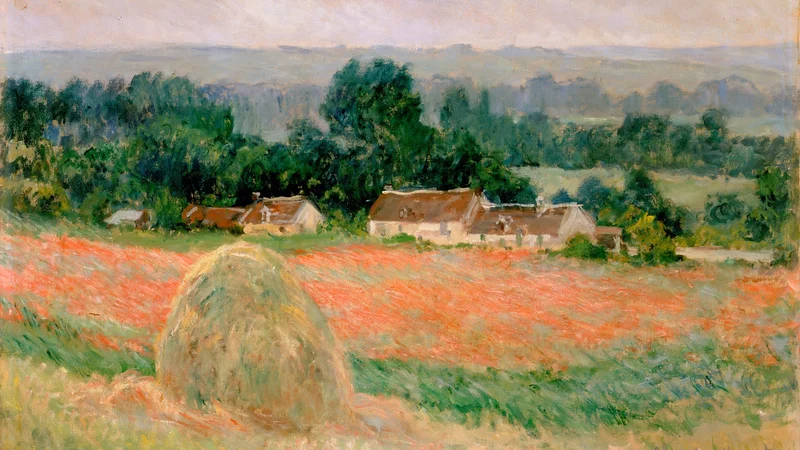
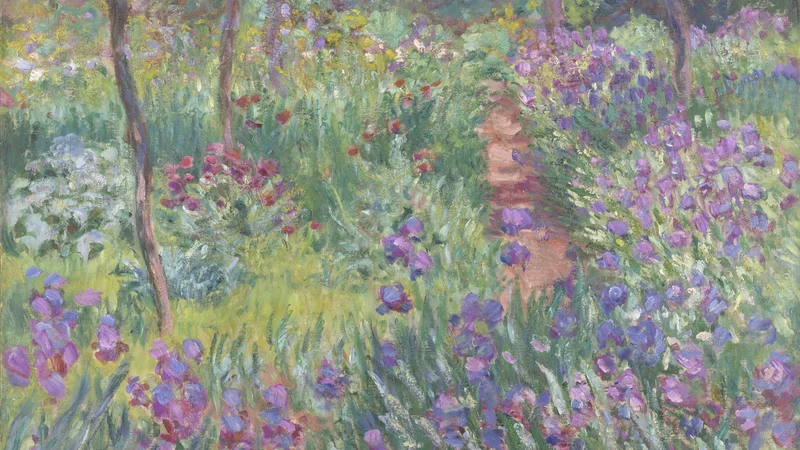
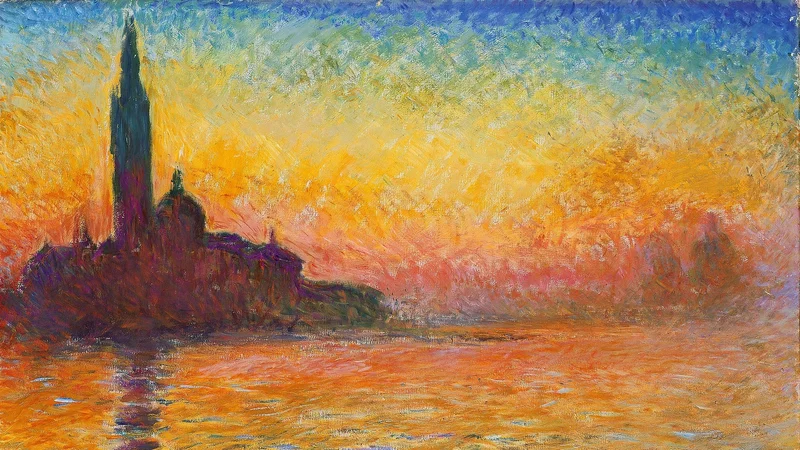
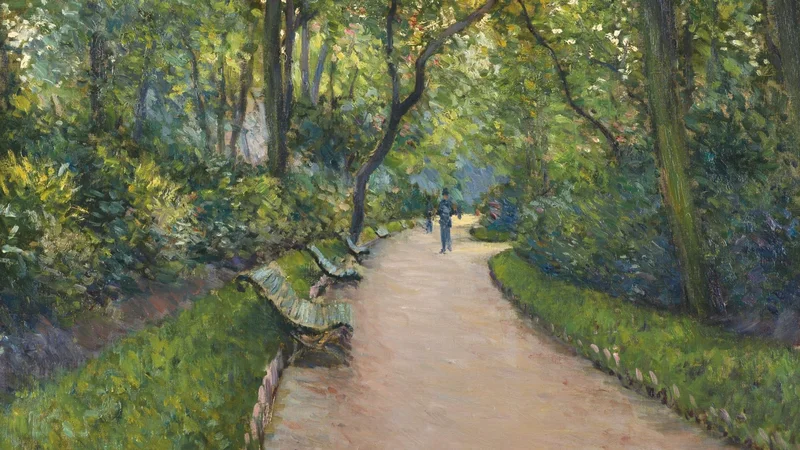
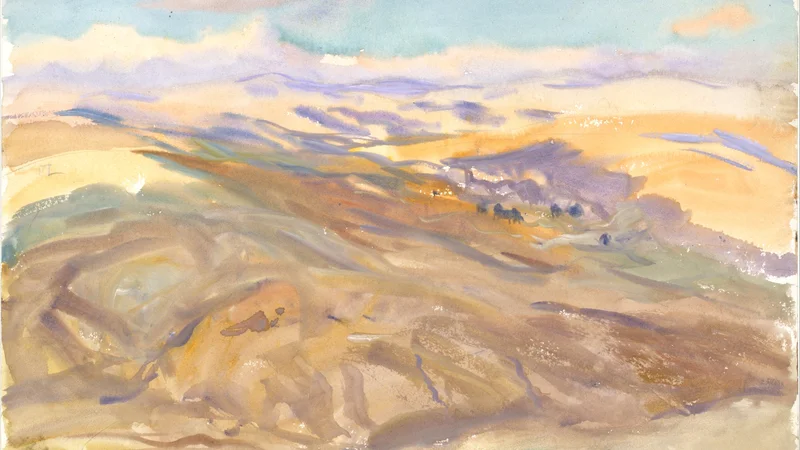
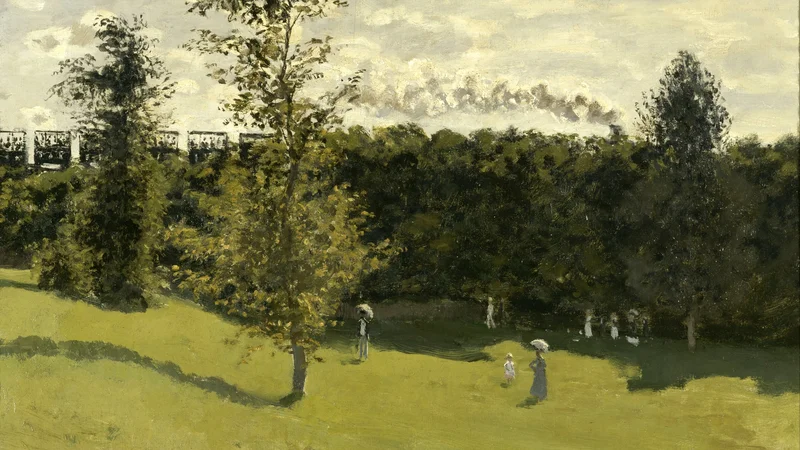
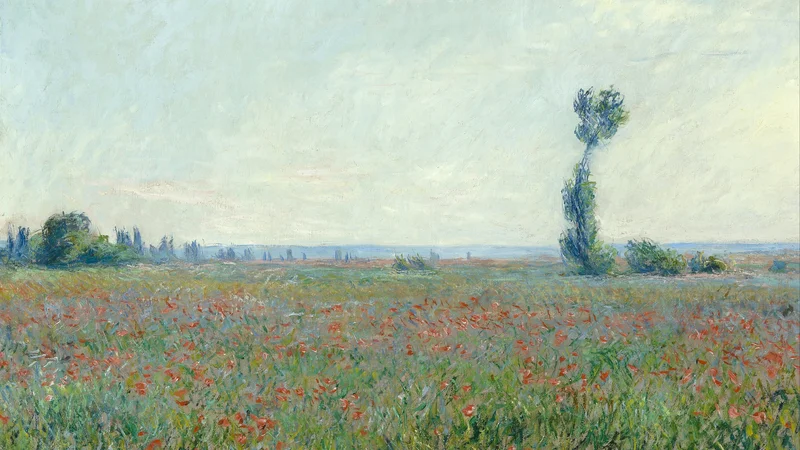
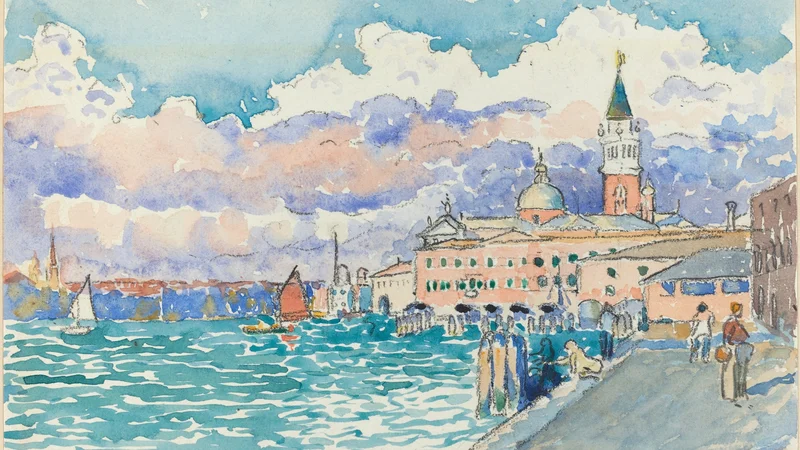
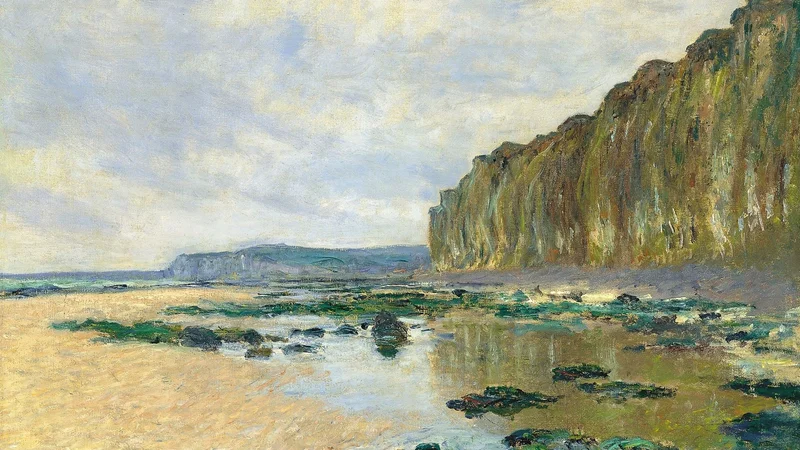
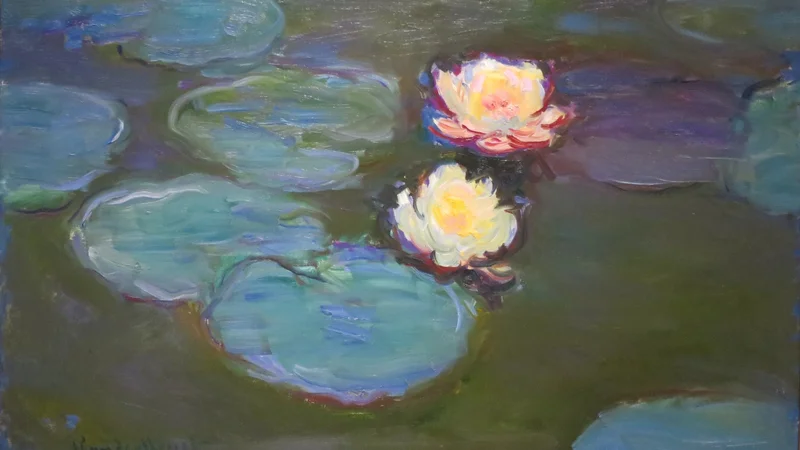
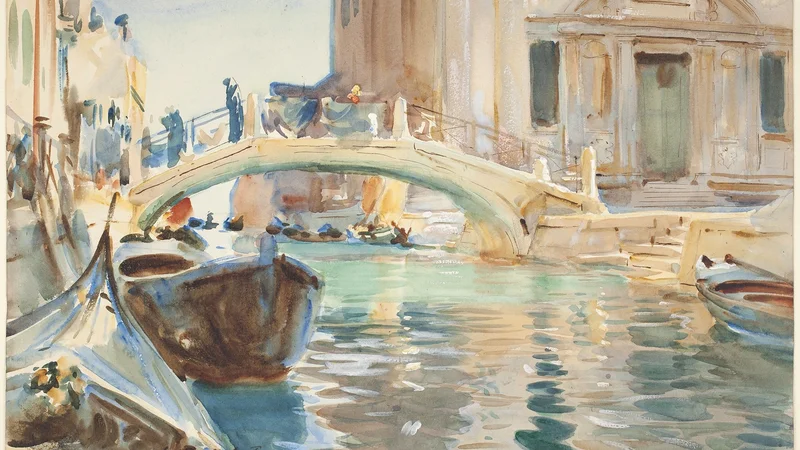
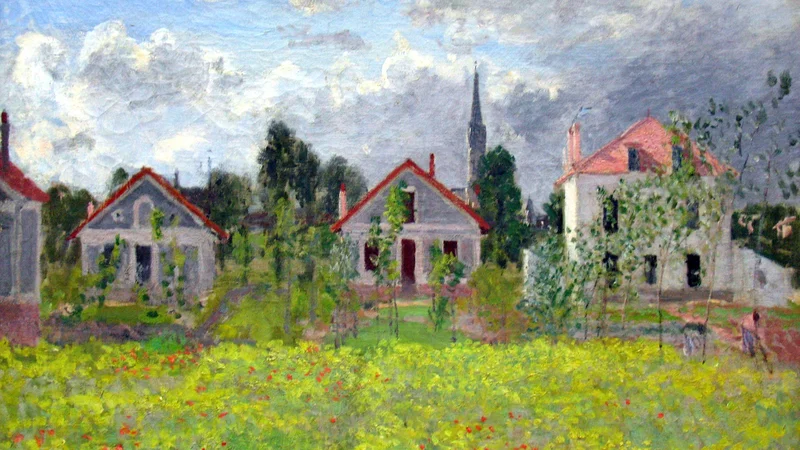
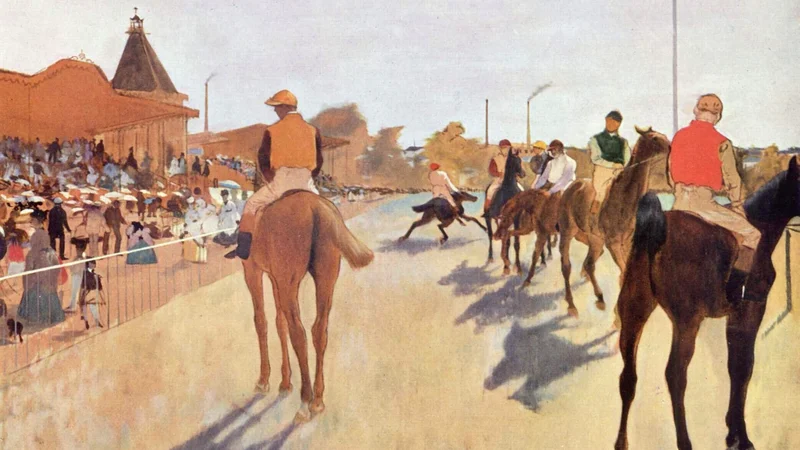
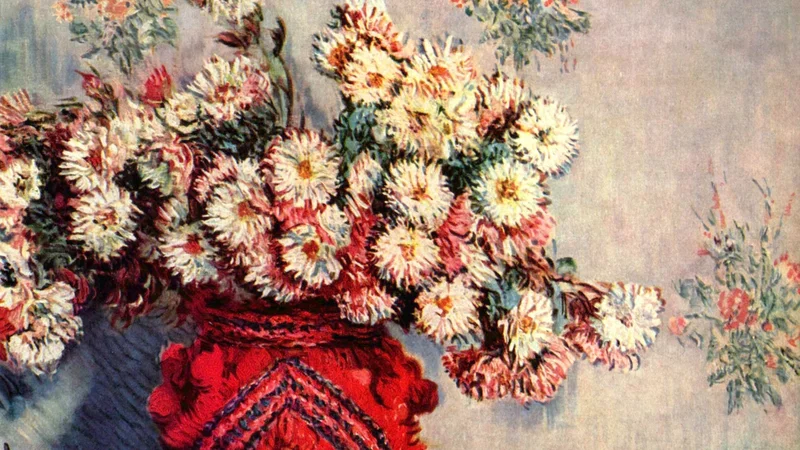
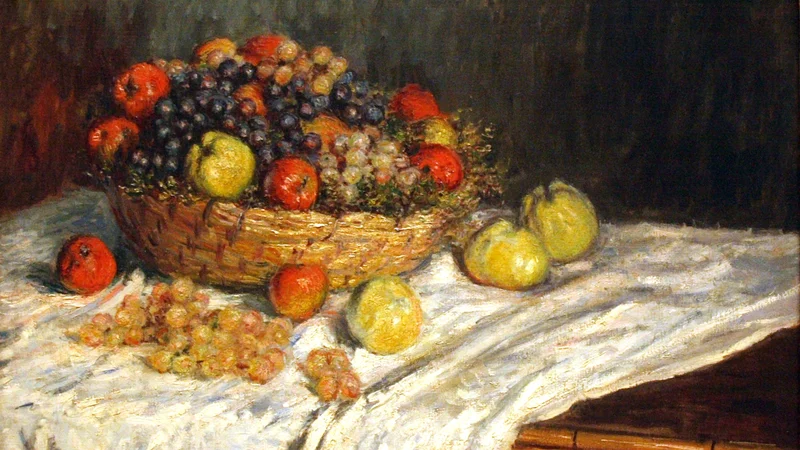
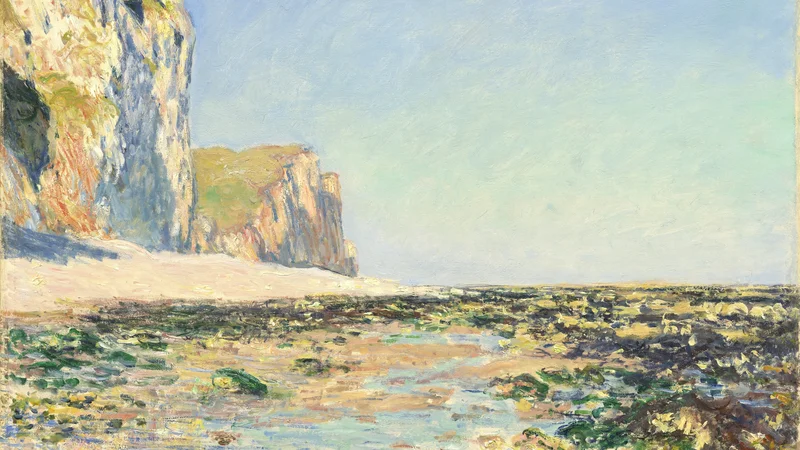
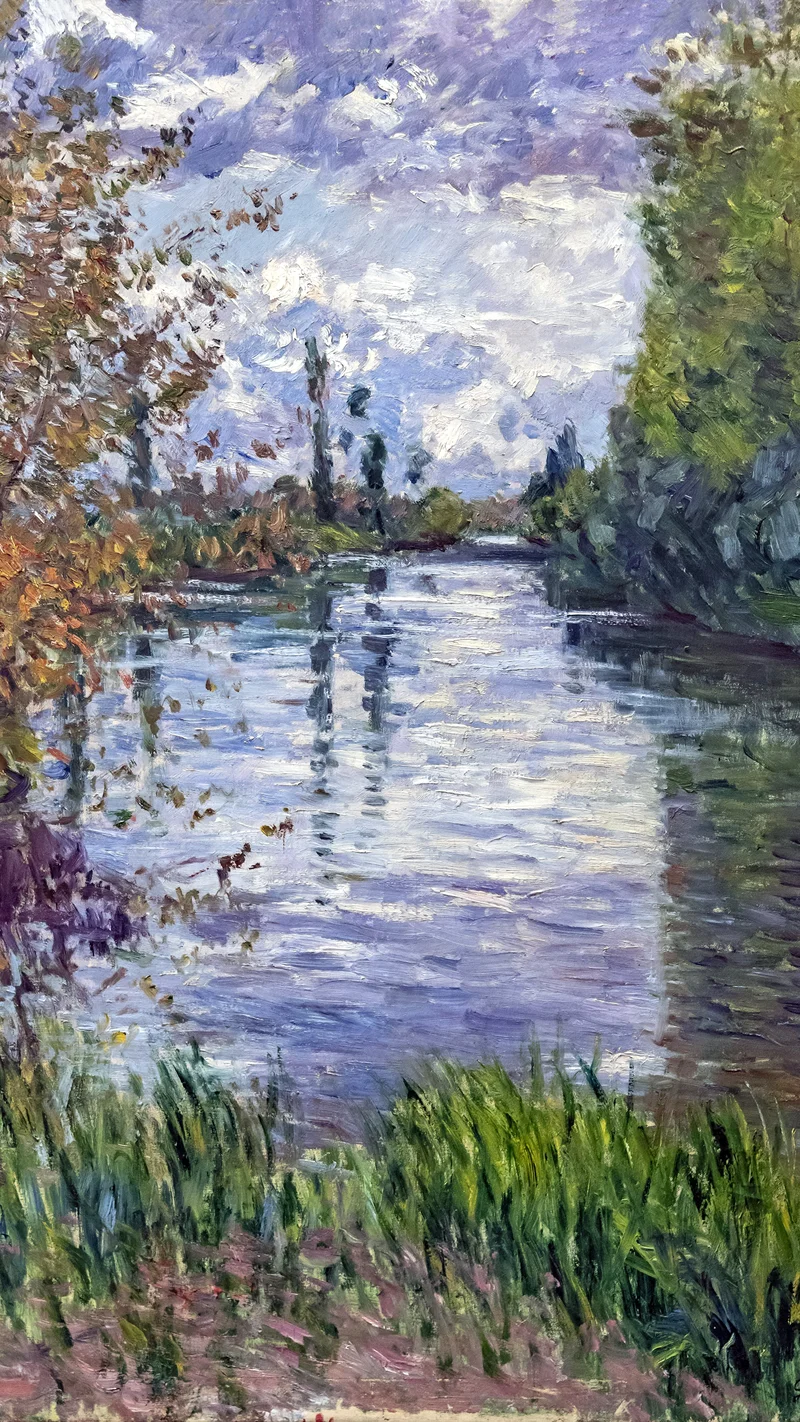
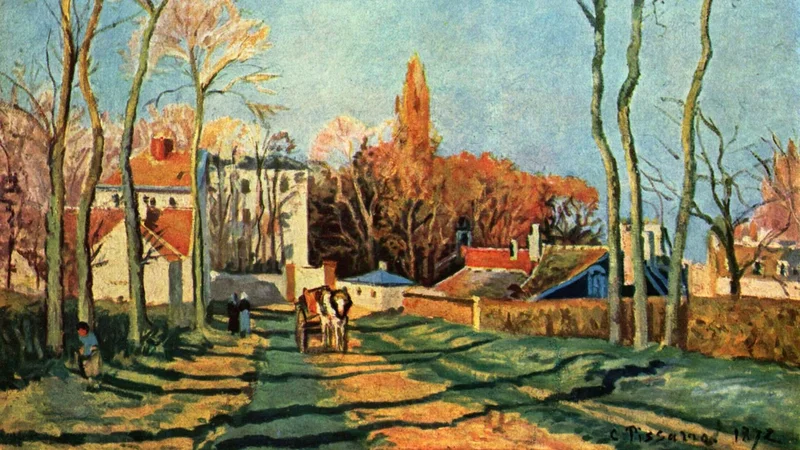
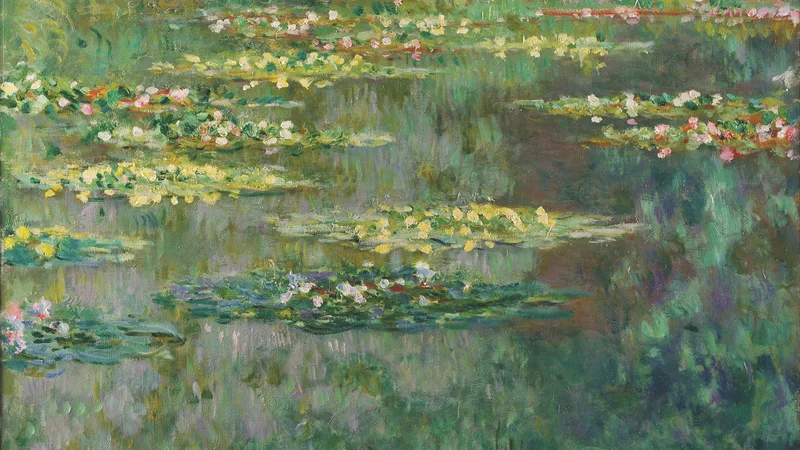
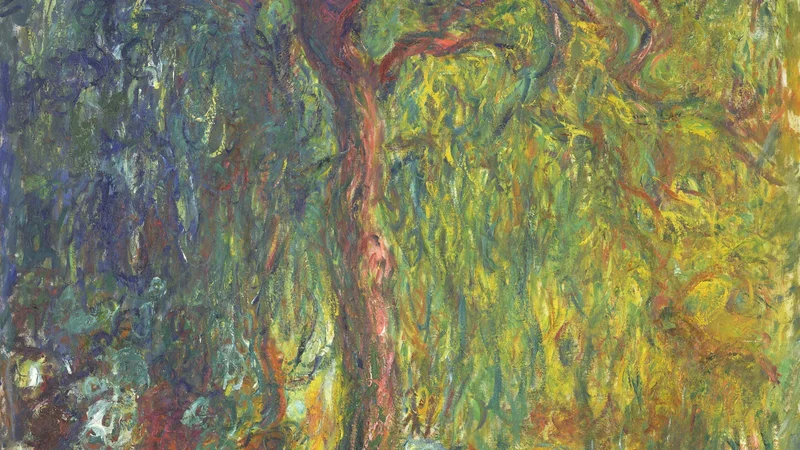
Emerging in 1870s Paris as a radical departure from the rigid dictates of the Académie des Beaux-Arts, Impressionism prioritized the ephemeral quality of light and the subjective experience of the fleeting moment. By eschewing the historical allegories and muted palettes favored by the Salon, artists sought to capture the vibrancy of modern life through broken brushwork and an emphasis on atmospheric conditions. Works such as Claude Monet’s Champ de coquelicots and The Cliff Walk at Pourville exemplify this focus on optical sensation, where the canvas becomes a site of immediate perception rather than formal construction. This paradigm shift was driven by a desire to record the rapidly changing landscapes of the French countryside and the urban dynamism of a burgeoning industrial society.
The Evolution of the Impressionist Vision
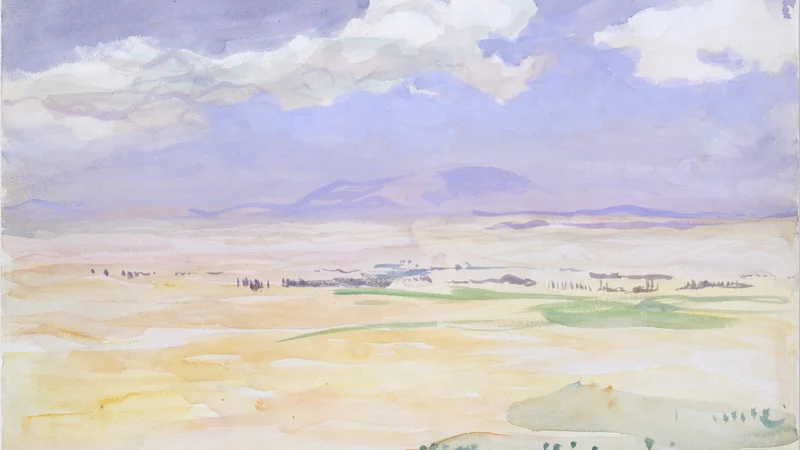
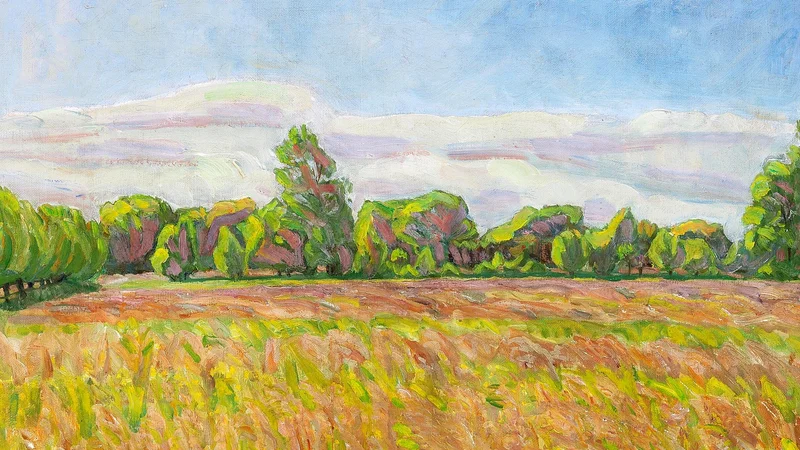
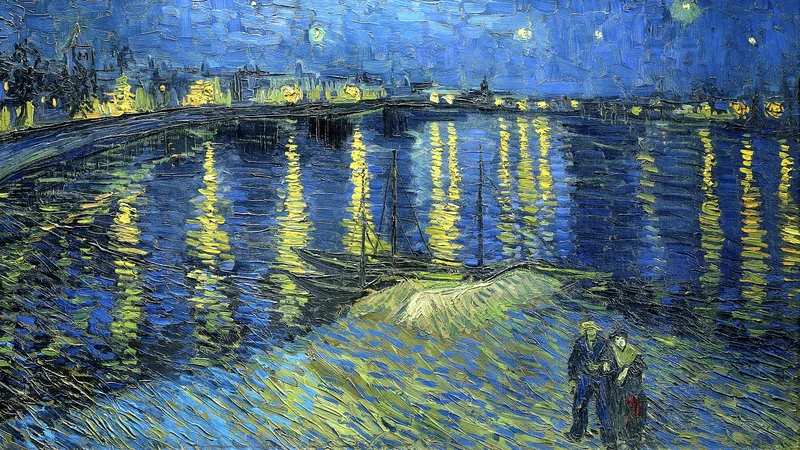
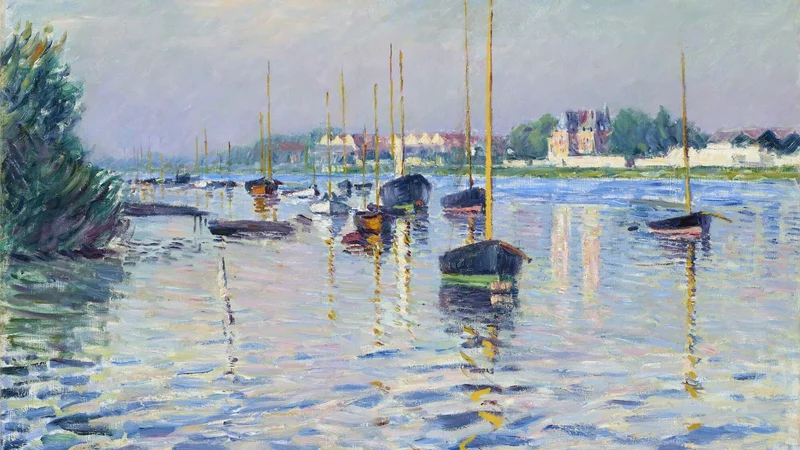
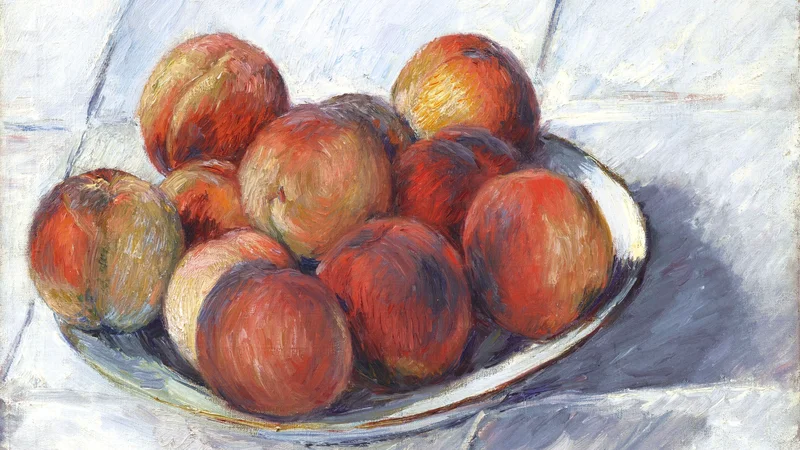
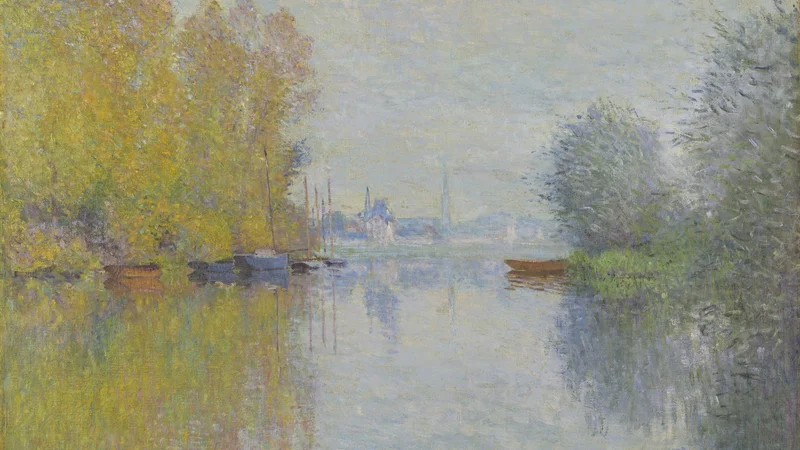
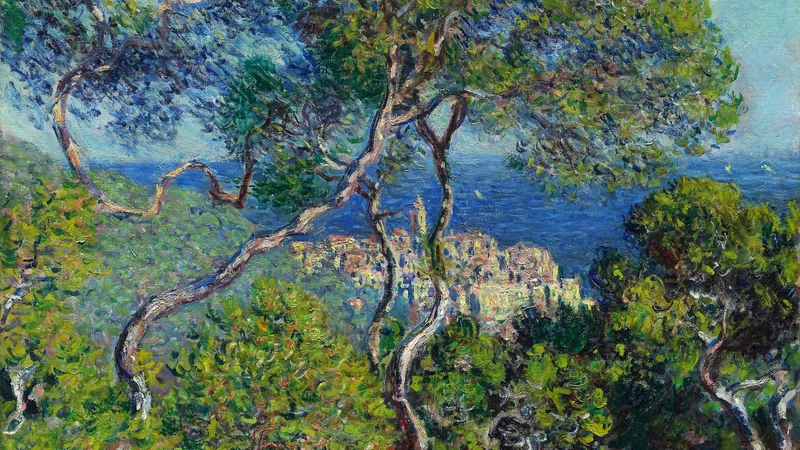
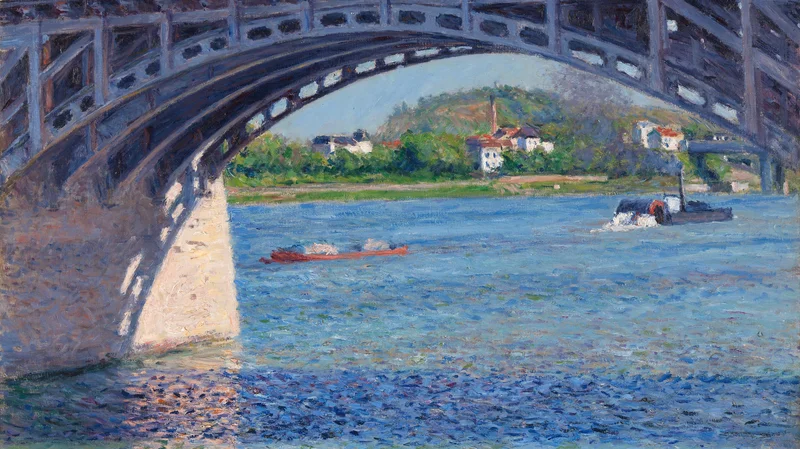
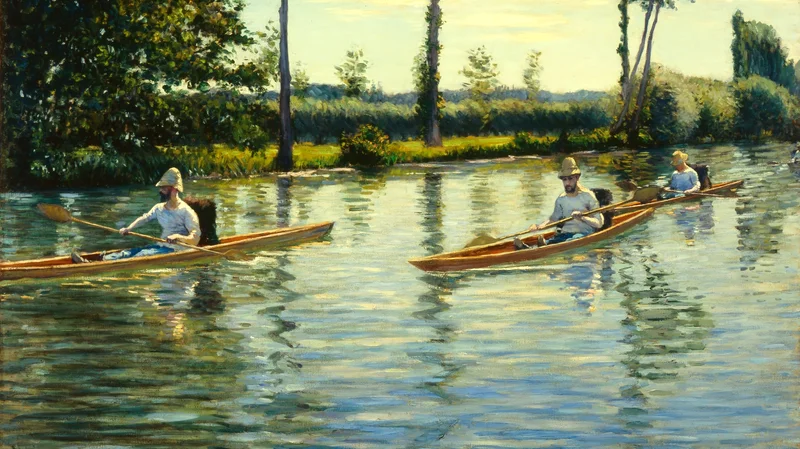
The movement’s influence extended beyond the iconic landscapes of Monet to the nuanced social observations of Mary Cassatt and the precise, architectural compositions of Gustave Caillebotte. Figures such as Armand Guillaumin and John Singer Sargent further expanded the stylistic vocabulary, exploring the interplay of color and shadow in diverse settings, from Boats moored on the Seine at Argenteuil to the evocative Bordighera. While some contemporaries like Vincent van Gogh—whose Starry Night Over the Rhone reflects a post-Impressionist synthesis of light and emotion—pushed these ideas into new territory, the core contribution of Impressionism remains its liberation of color and form. By prioritizing the artist's transient gaze, the movement fundamentally dismantled the traditional boundaries of representation, securing its position as the critical bridge to modern aesthetic practice.