Edgar Degas
12 artworks
Edgar Degas (1834–1917) was a prominent French painter, sculptor, and printmaker whose career spanned the late nineteenth century. Though he exhibited with the Impressionists during their inaugural 1874 exhibition, he preferred the designation of 'independent' or 'realist.' Trained in the classical tradition at the École des Beaux-Arts, Degas synthesized a rigorous mastery of draftsmanship with a modern preoccupation for the fleeting, transient nature of contemporary Parisian life, distinguishing him from many of his contemporaries who favored landscapes.
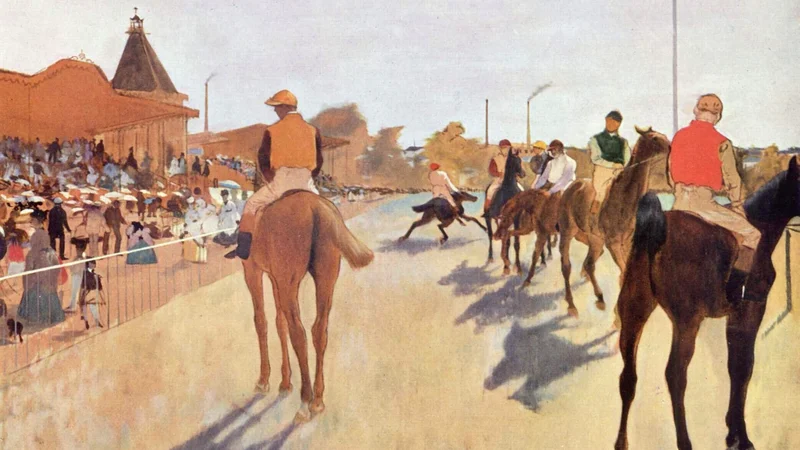
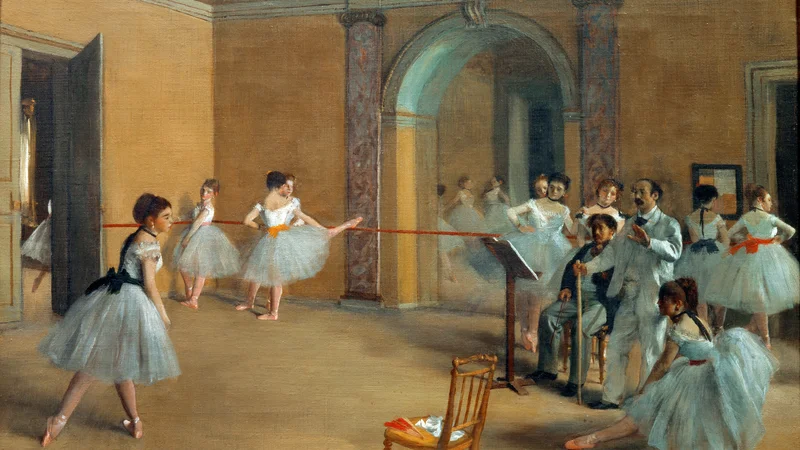
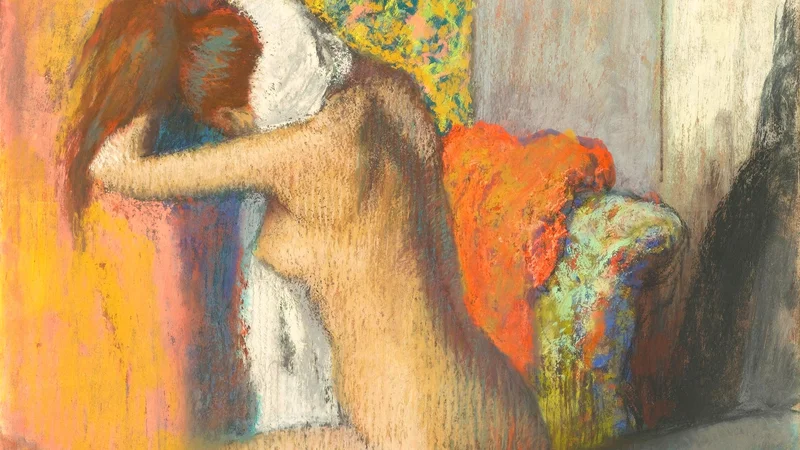
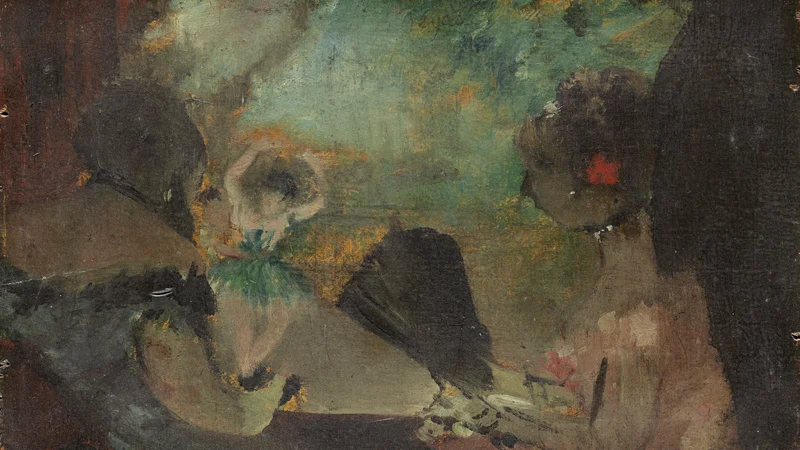
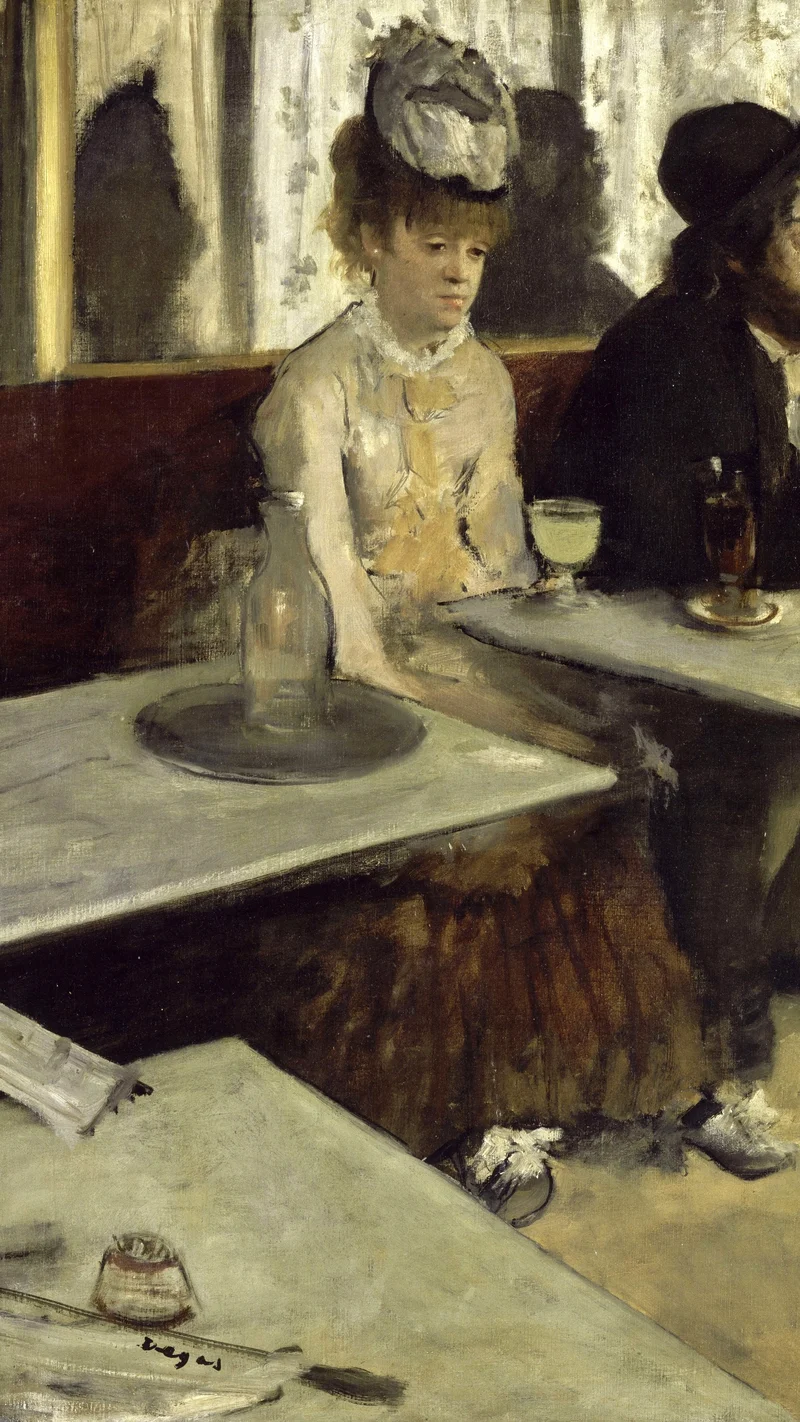
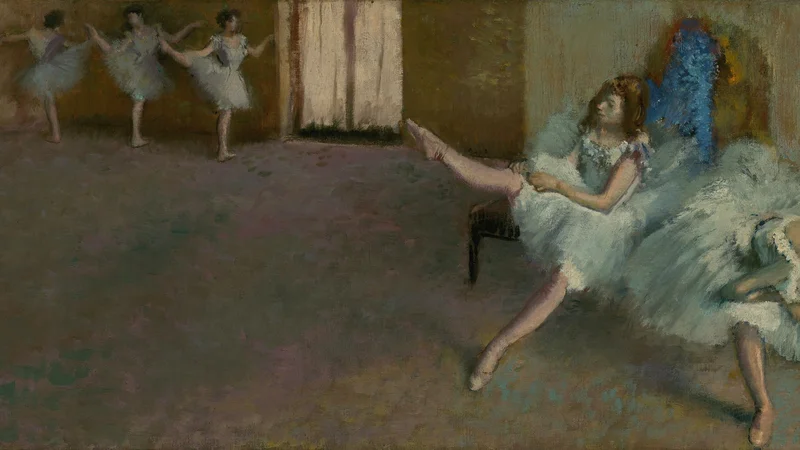
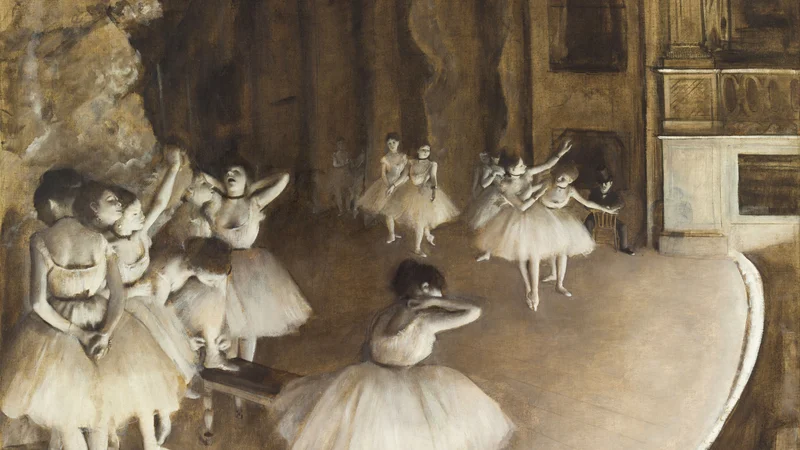
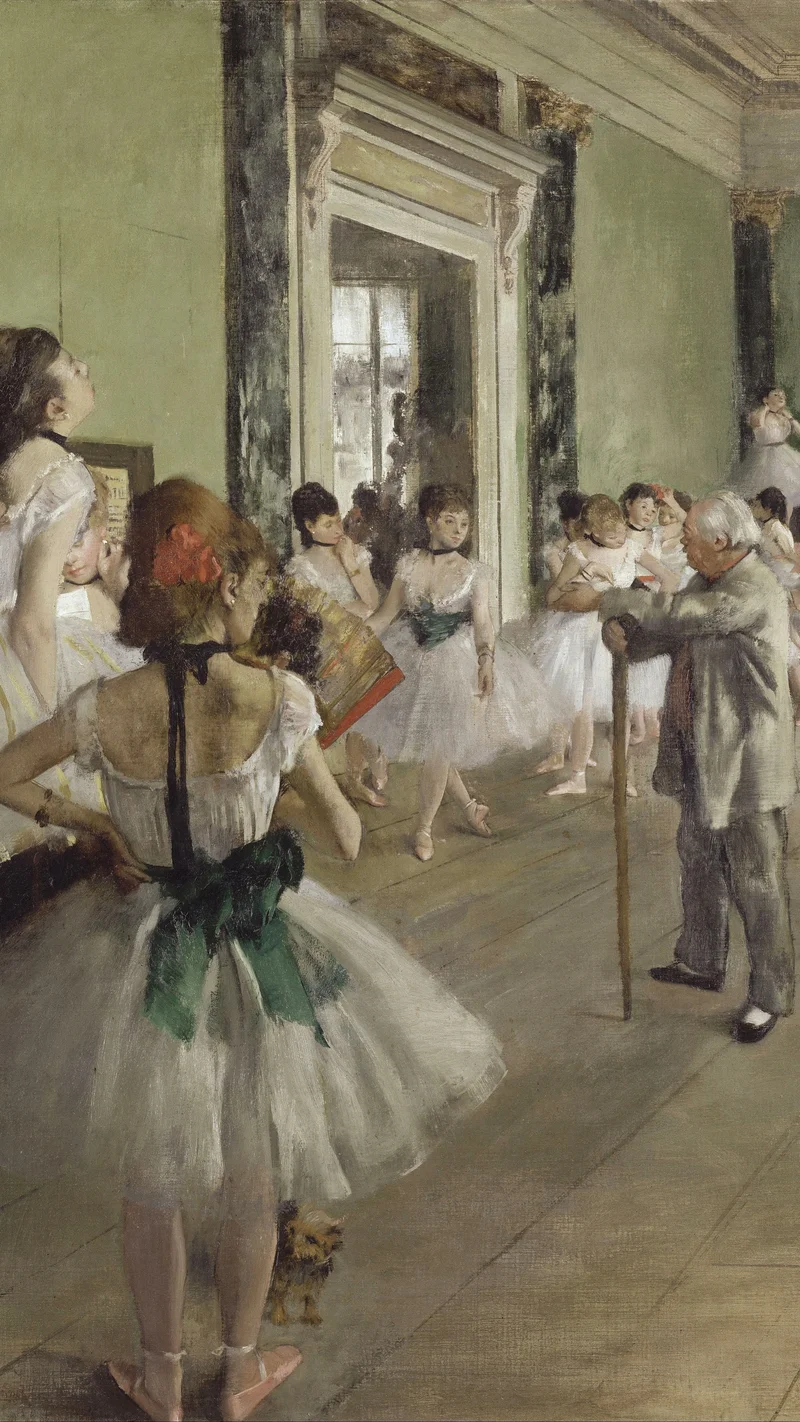
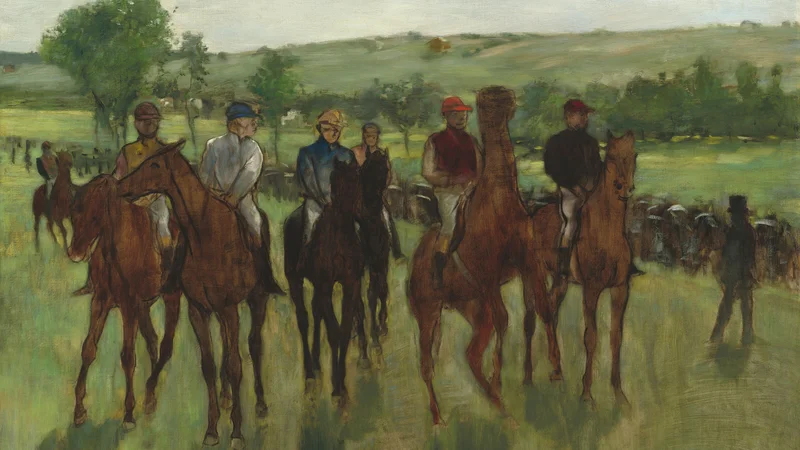
Degas is best known for his meticulous observation of movement and light, as evidenced by his iconic series depicting dancers and the equine form. Works such as The Ballet Class and Rehearsal on Stage reveal his innovative use of asymmetrical composition and cropping, techniques influenced by photography and Japanese prints. His interest in the female form is further explored in his intimate, unposed compositions like After the Bath and Woman Drying Her Hair, while his exploration of urban isolation is captured in the psychological depth of L'Absinthe. His technical versatility extended to his fascination with equine anatomy, as seen in The Parade and his various Studies of horses.
His lasting contribution to art history lies in his disruption of traditional pictorial space and his relentless experimentation with medium, including pastels, monotypes, and sculpture. By prioritizing the structural integrity of the line while embracing unconventional vantage points, Degas bridge the gap between academic rigor and modern subjectivity. His influence remains foundational, as he expanded the possibilities of figurative art by finding aesthetic significance in the rigorous repetition and mundane reality of modern urban experience.