Hudson River School
27 artworks
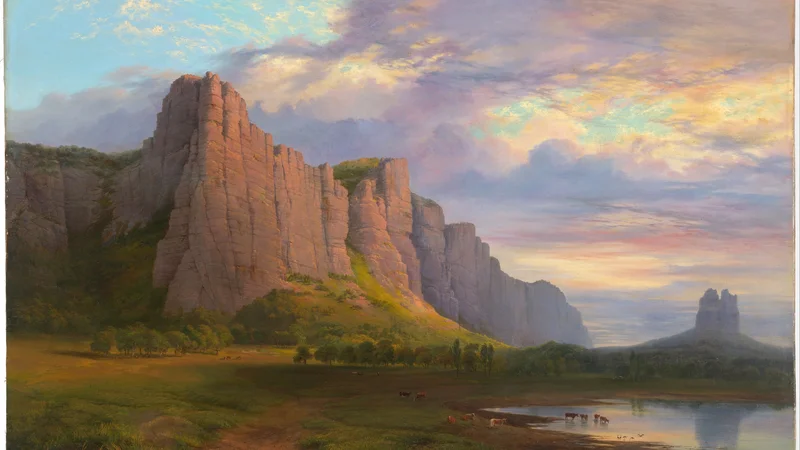
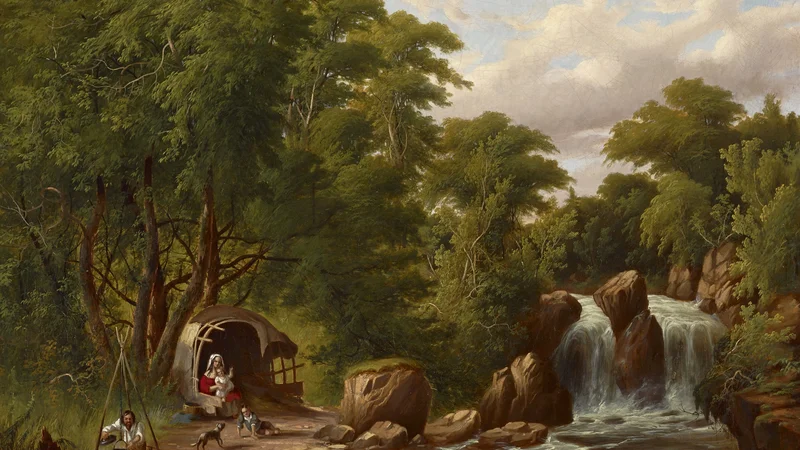
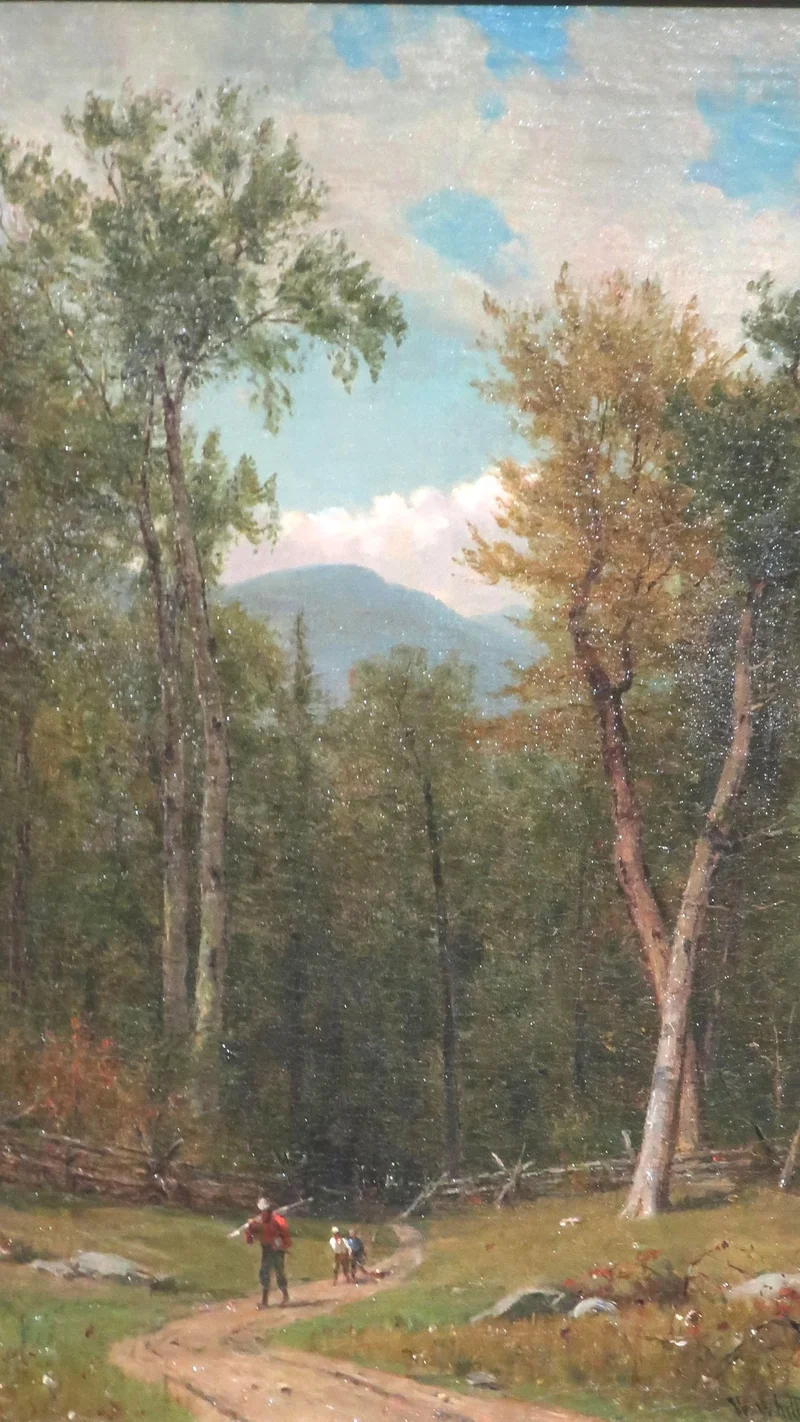
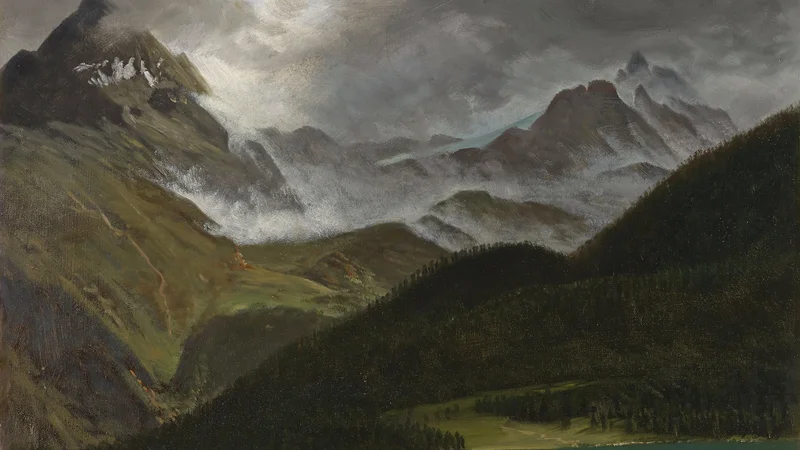
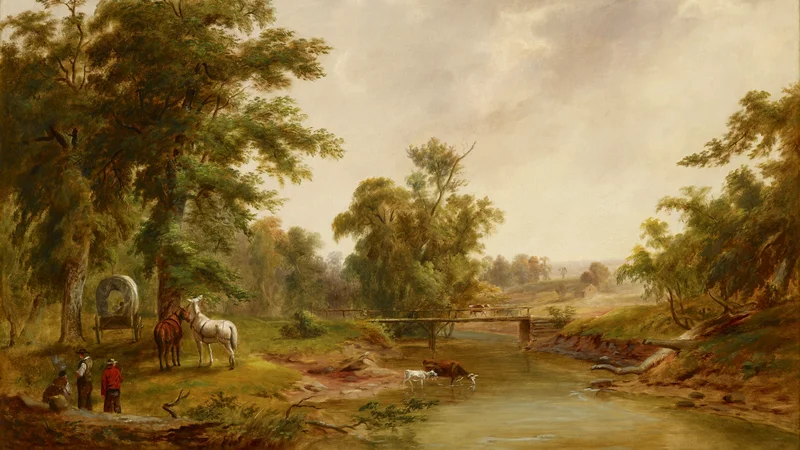
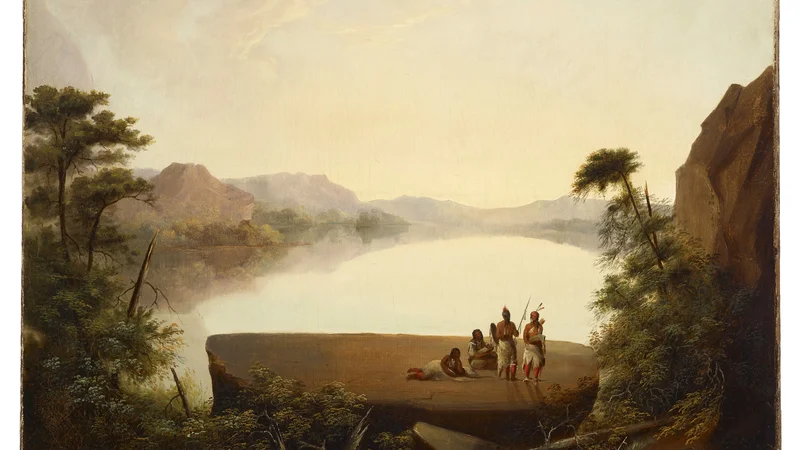
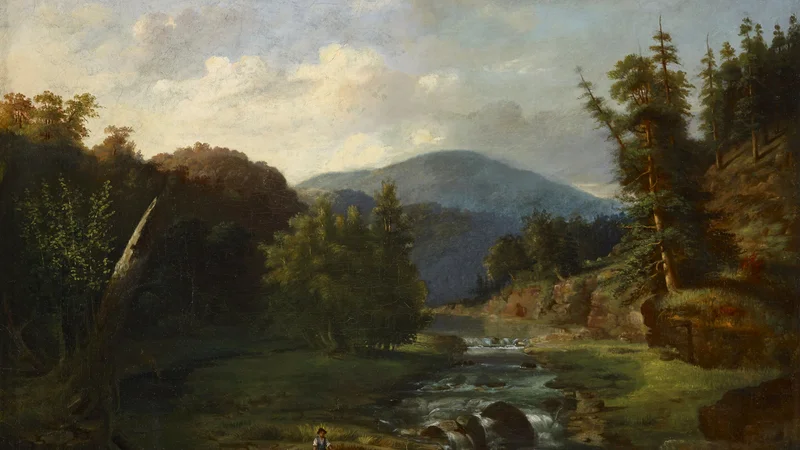
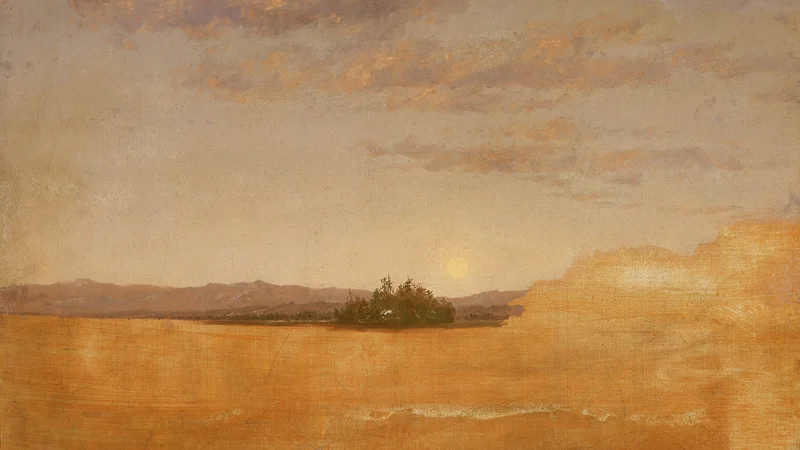
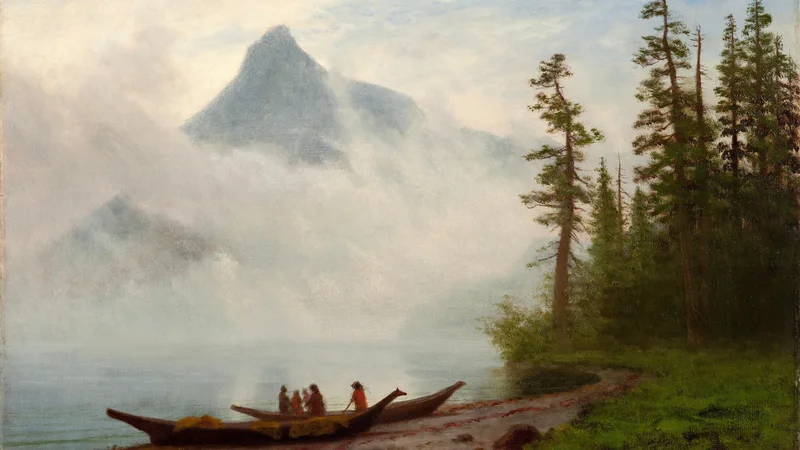
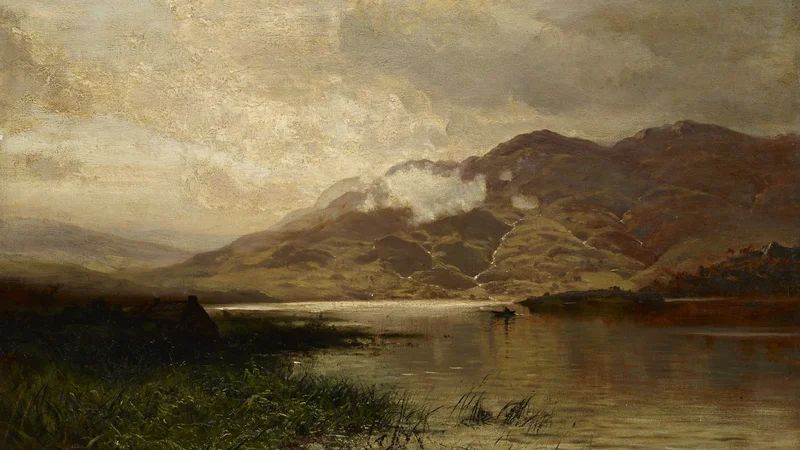
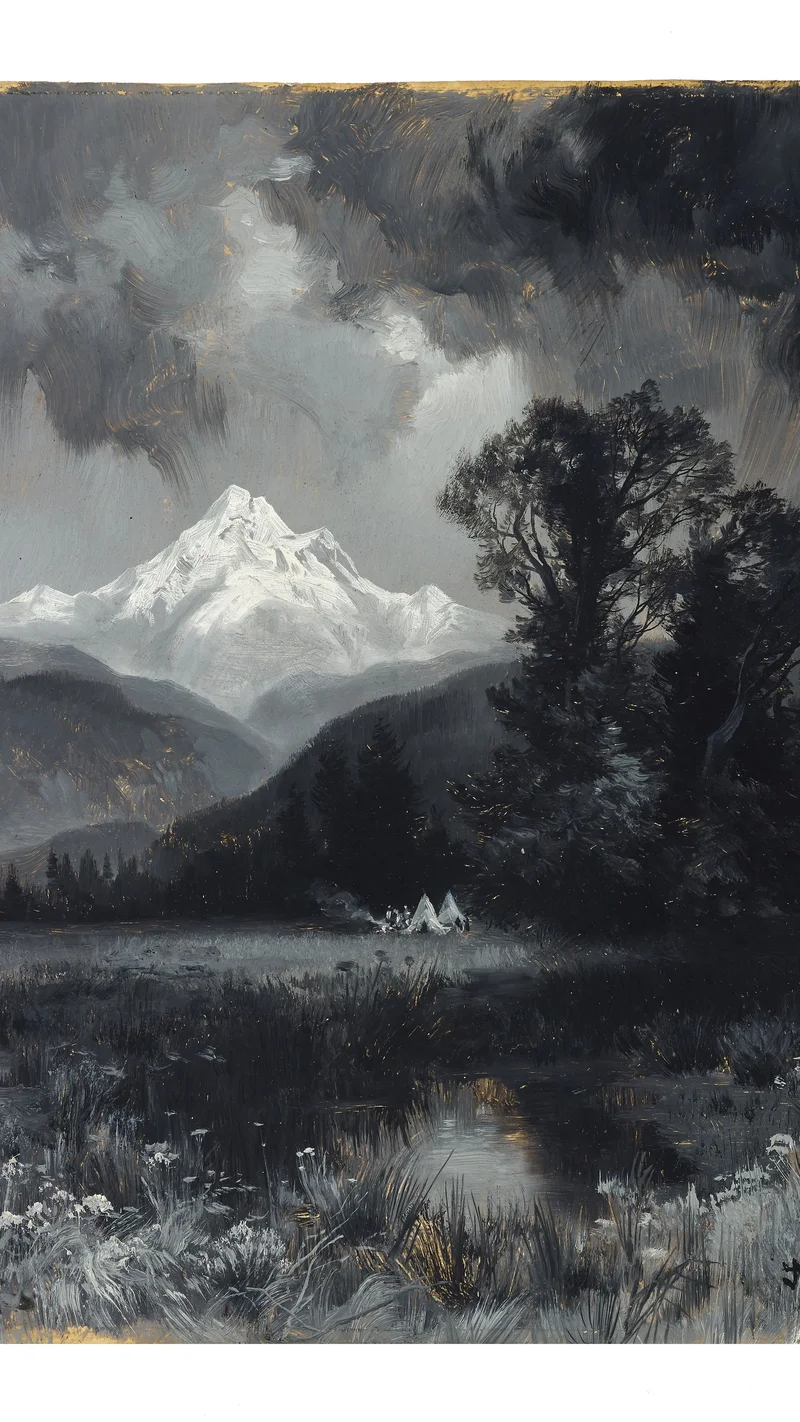
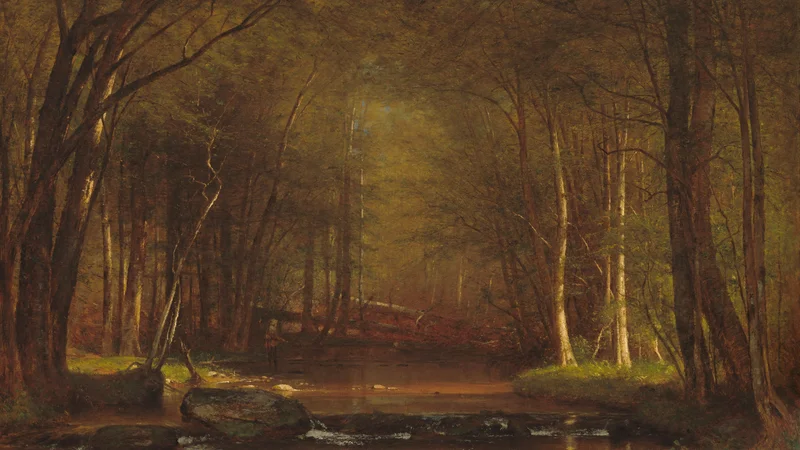
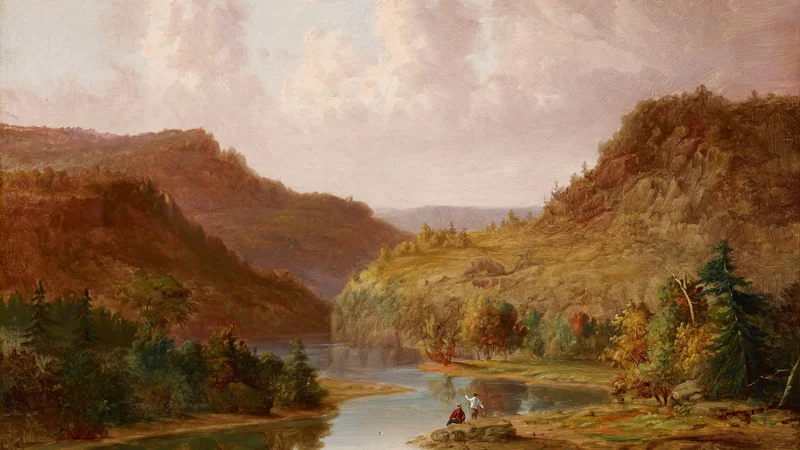
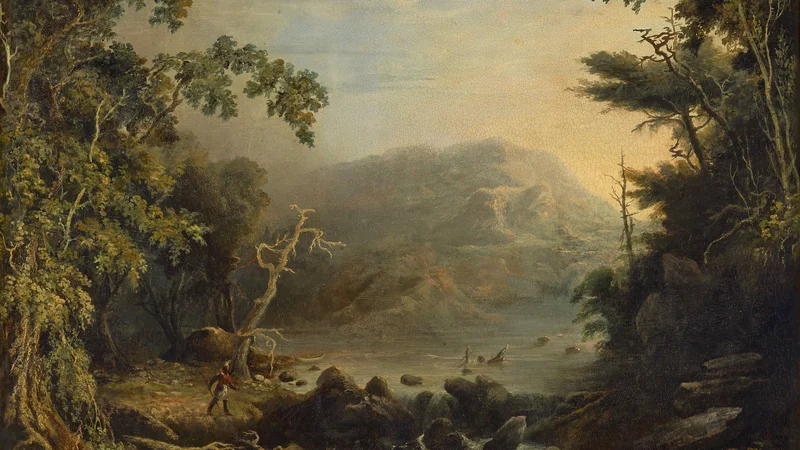
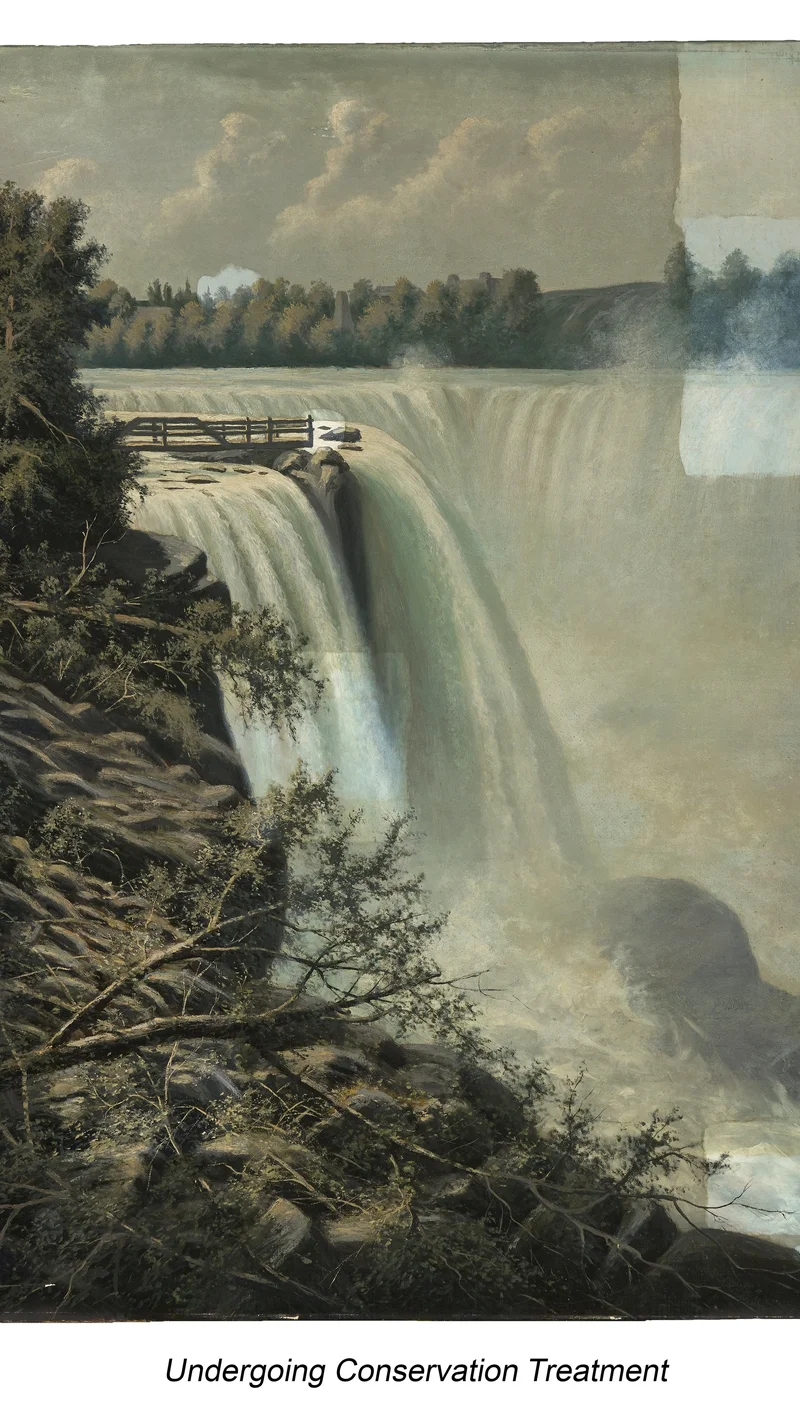
Emerging in the mid-19th century, the Hudson River School represented the first coherent school of American landscape painting, characterized by a profound synthesis of romantic idealism and meticulous natural observation. Artists such as Albert Bierstadt and Worthington Whittredge utilized a sophisticated command of luminism, employing atmospheric perspective and subtle gradations of light to imbue the wilderness with a sense of the sublime. Their compositions often relied on a dramatic play of chiaroscuro, where radiant light sources—frequently rendered with thin, translucent glazes—delineated the monumental topography of the American West and the serene vistas of the Northeast. Works like Mount Arapiles and the Mitre Rock, Landscape, and Alaska demonstrate a commitment to both panoramic breadth and exacting botanical detail, reflecting a technical rigor that elevated the genre to a philosophical meditation on the manifest destiny of the young nation.
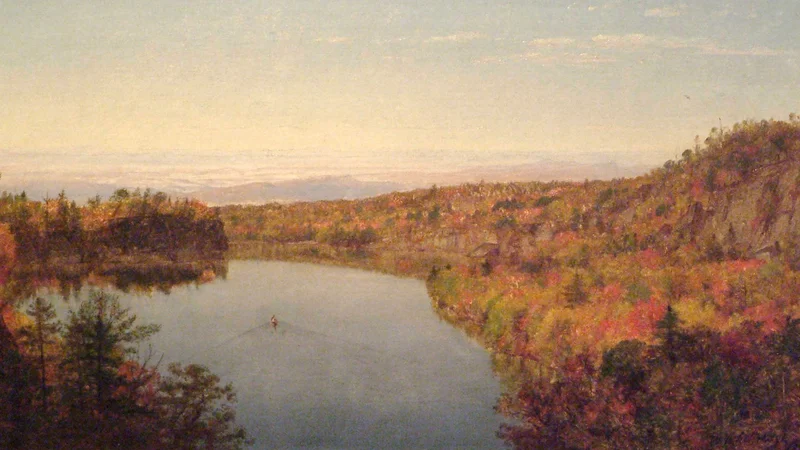
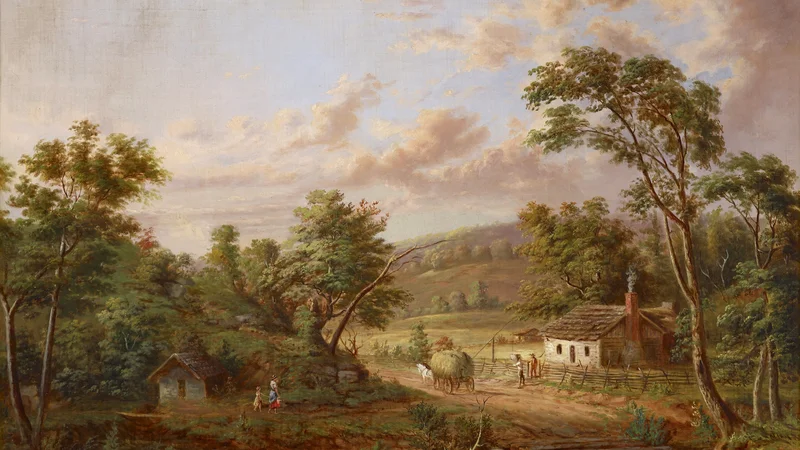
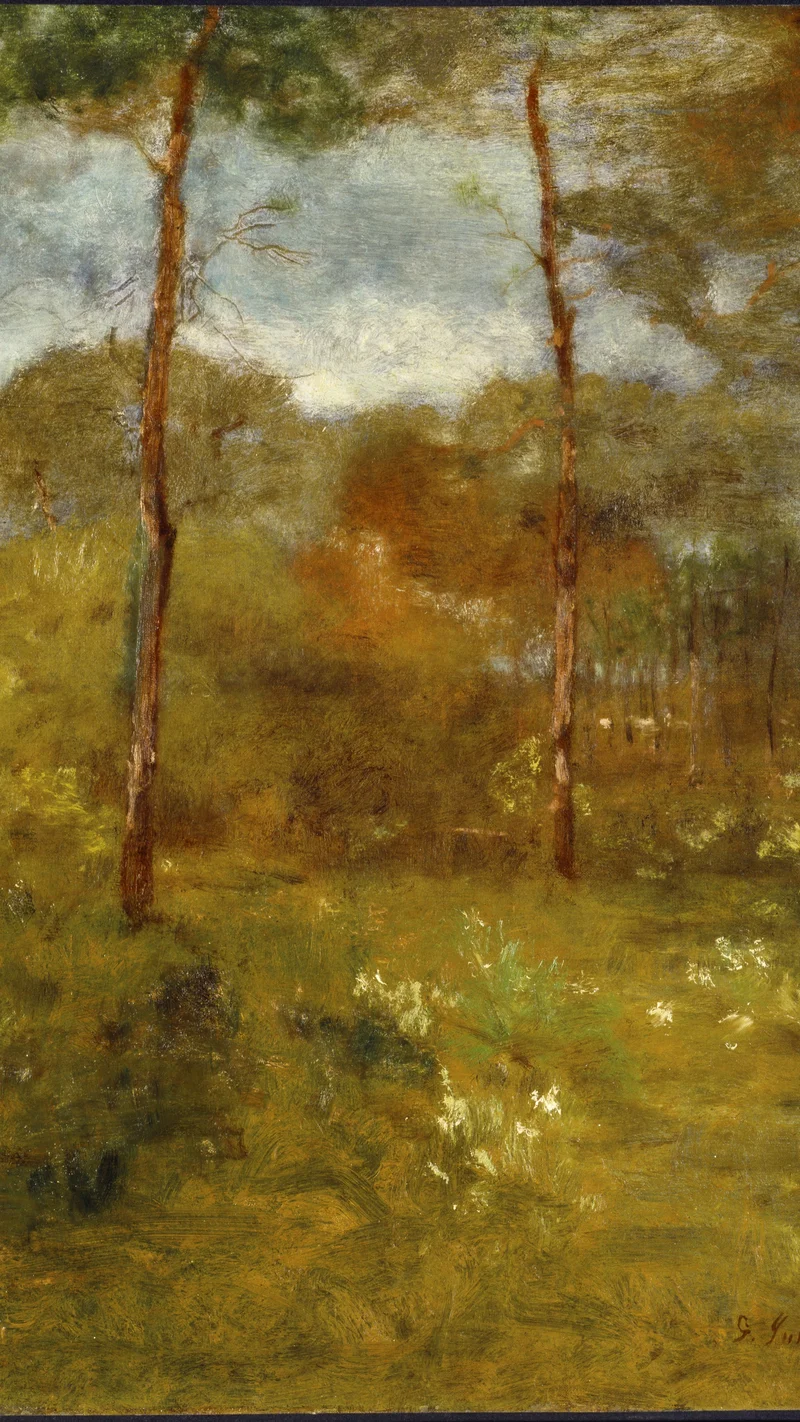
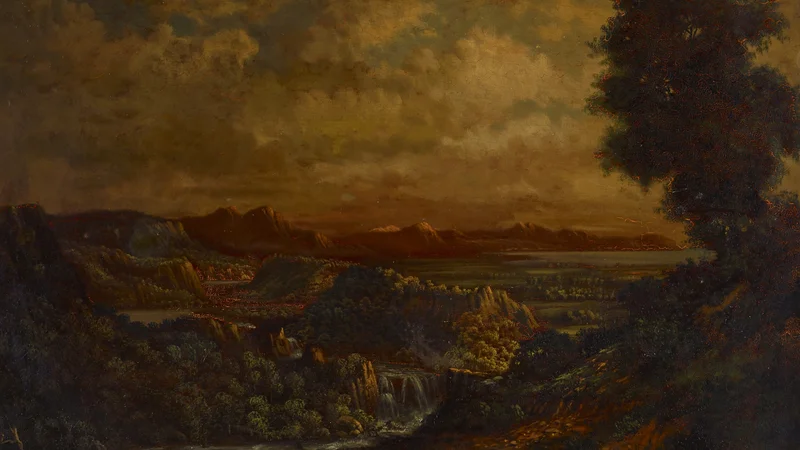
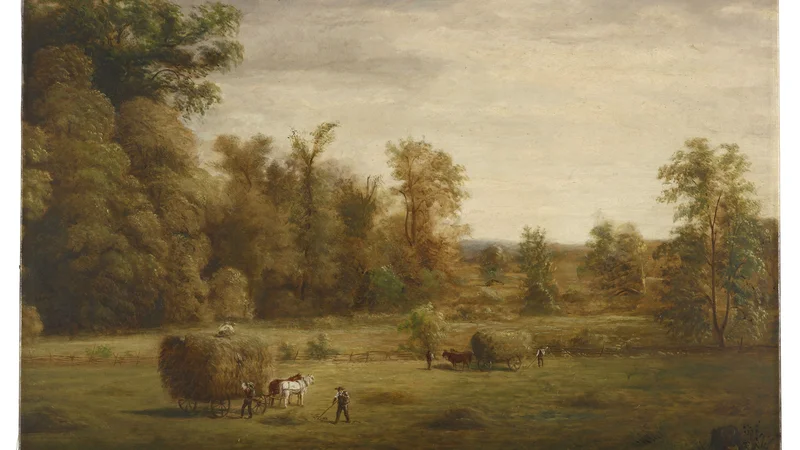
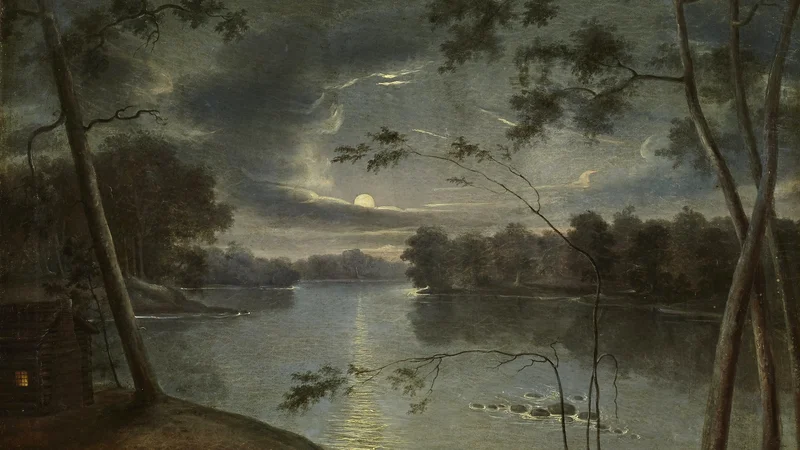
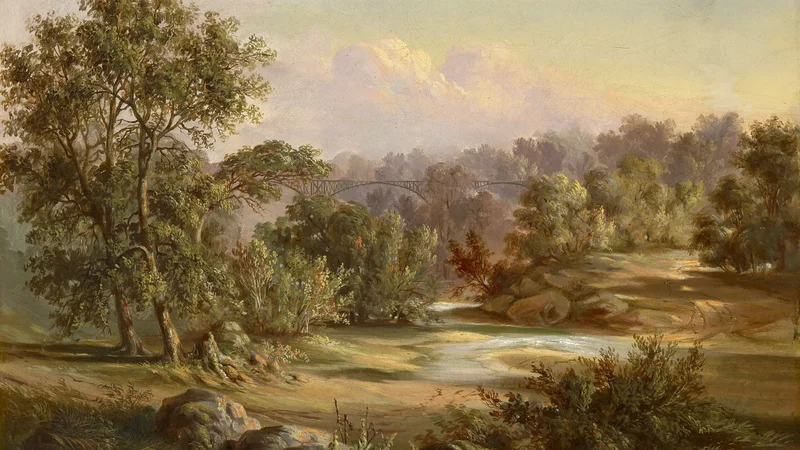
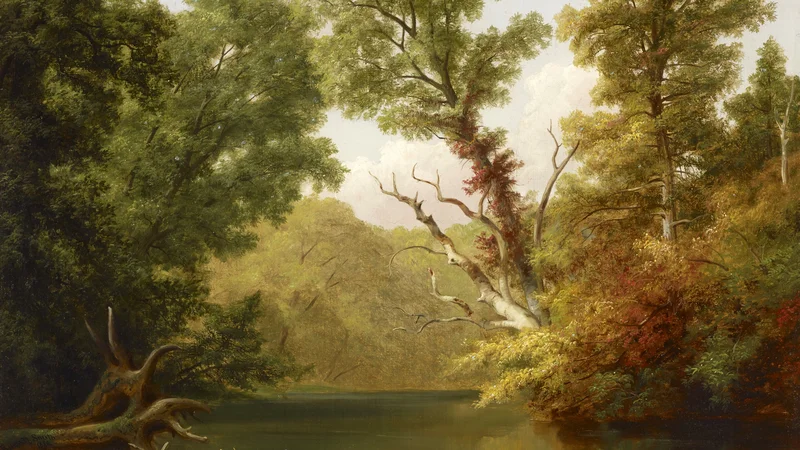
The movement was further defined by the diverse stylistic contributions of figures such as Jacob Cox, George Inness, and George Winter, who navigated the tension between objective realism and emotive expressionism. Through works like Lake Shawangunk, Italian Landscape, and Landscape with Stream, these painters mastered complex color harmonies, often favoring cool, ethereal palettes that emphasized the vastness of the environment. Their technical innovations in brushwork—ranging from tight, descriptive strokes to more fluid, atmospheric washes—laid the groundwork for later developments in American art. By treating the landscape not merely as a subject, but as an active participant in the moral and national narrative, the Hudson River School established a legacy of visual documentation that remains foundational to the history of Western art.