Naïve Art (Primitivism)
89 artworks
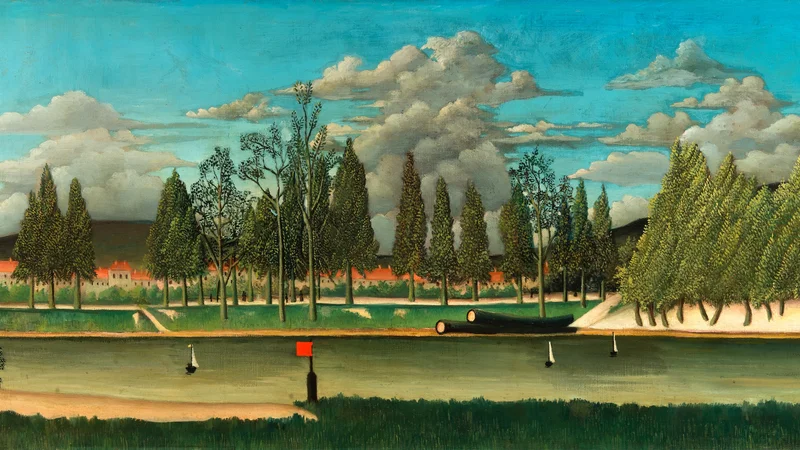
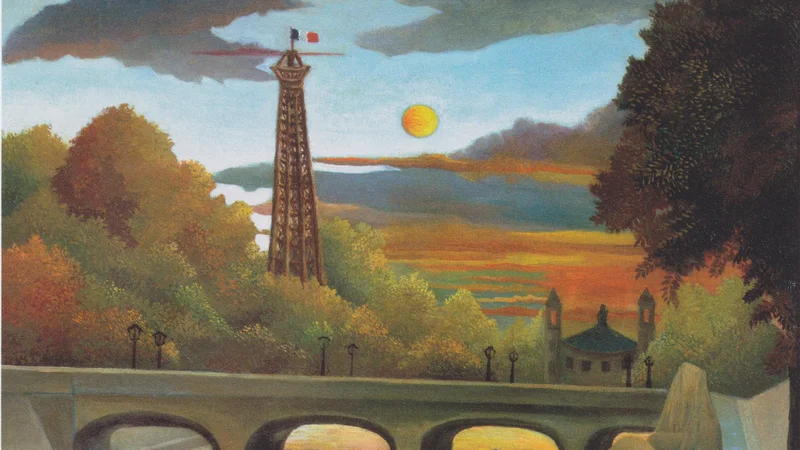
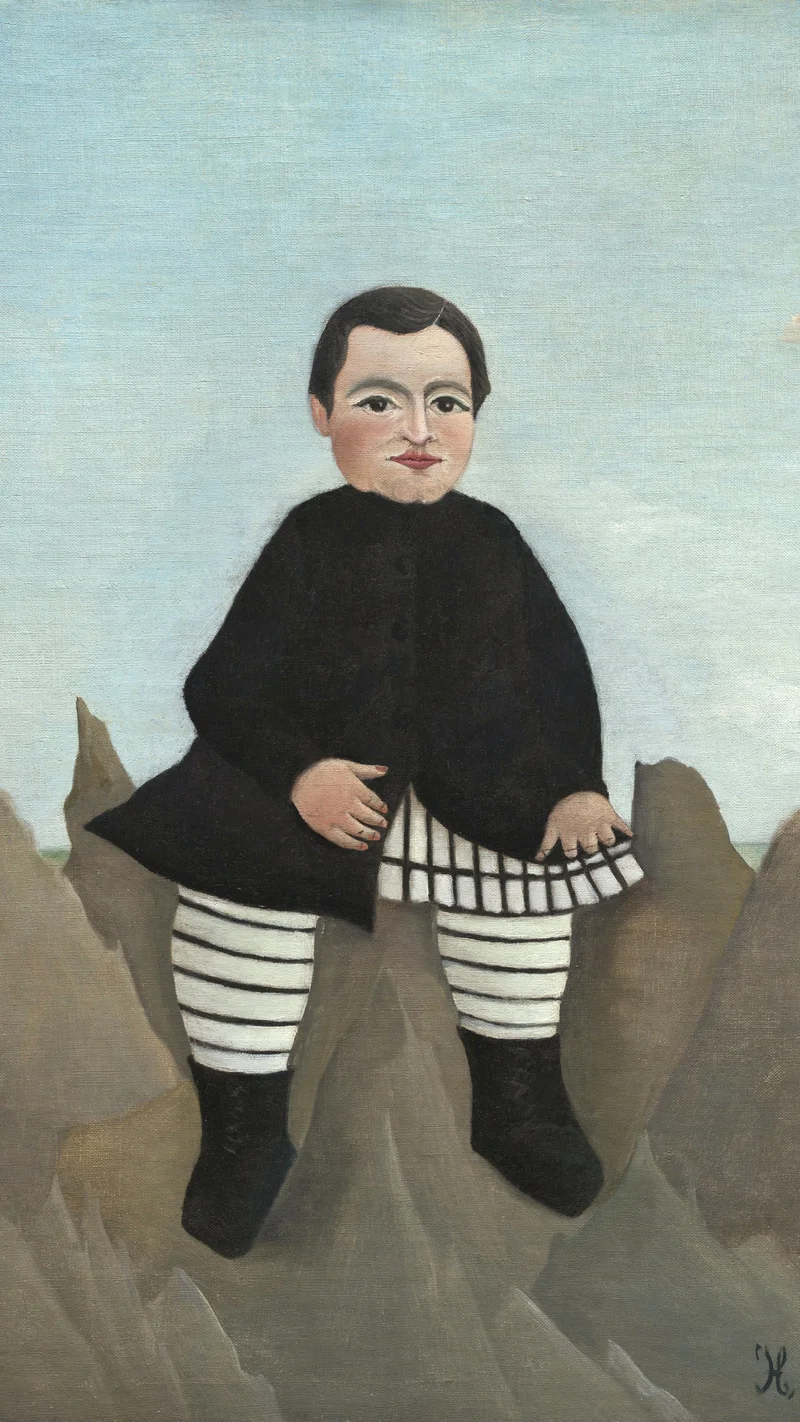
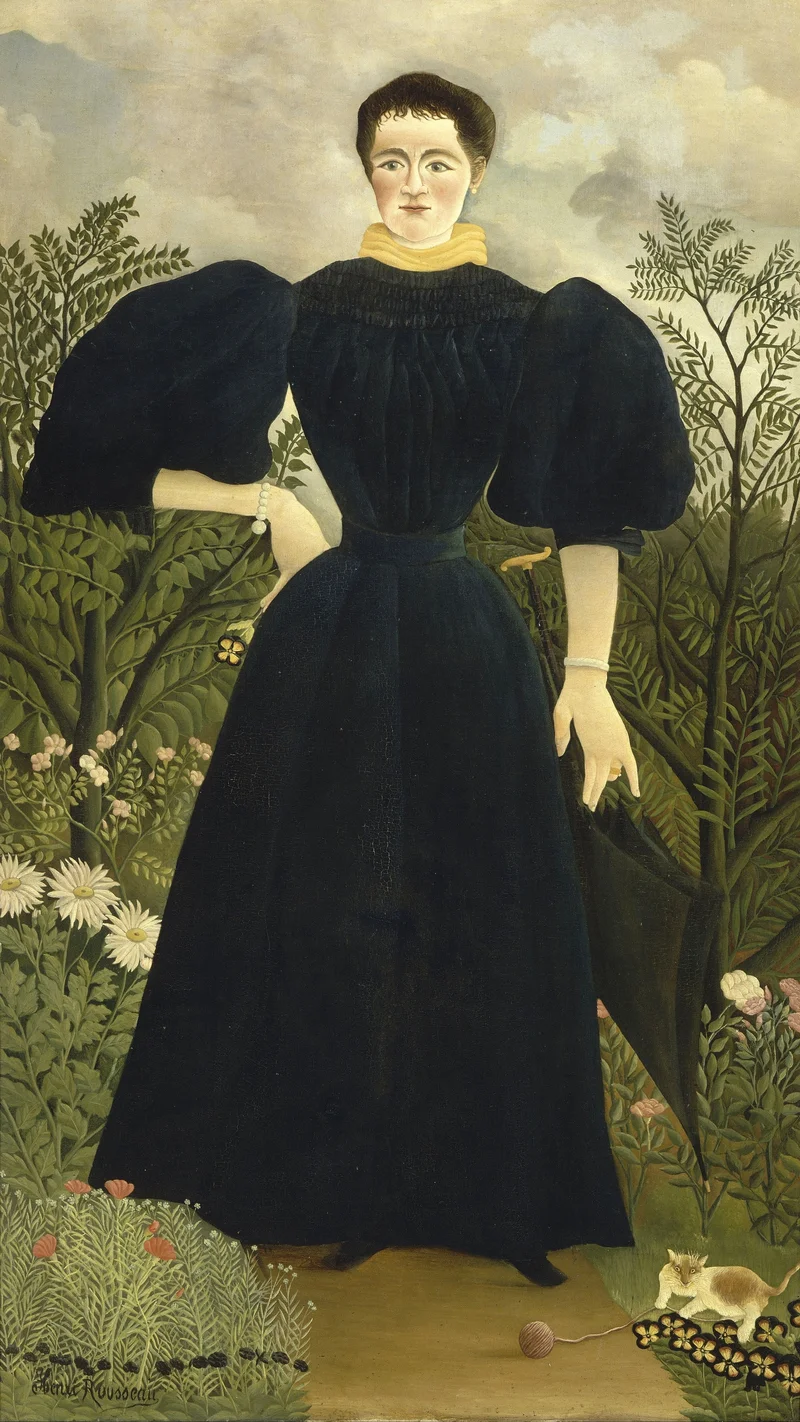
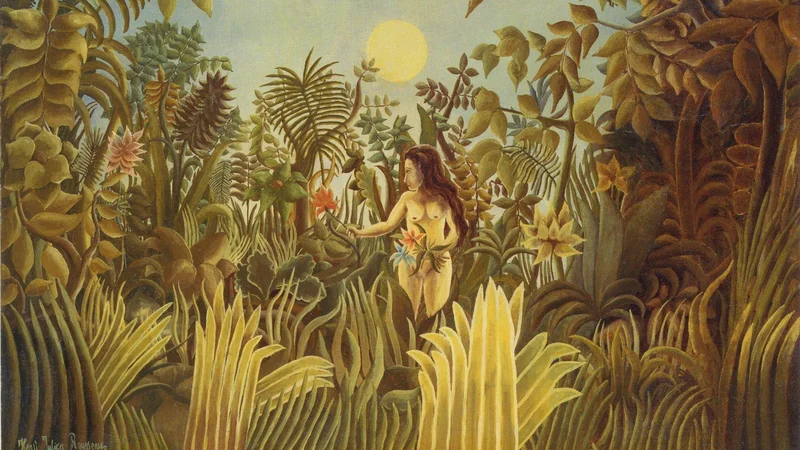
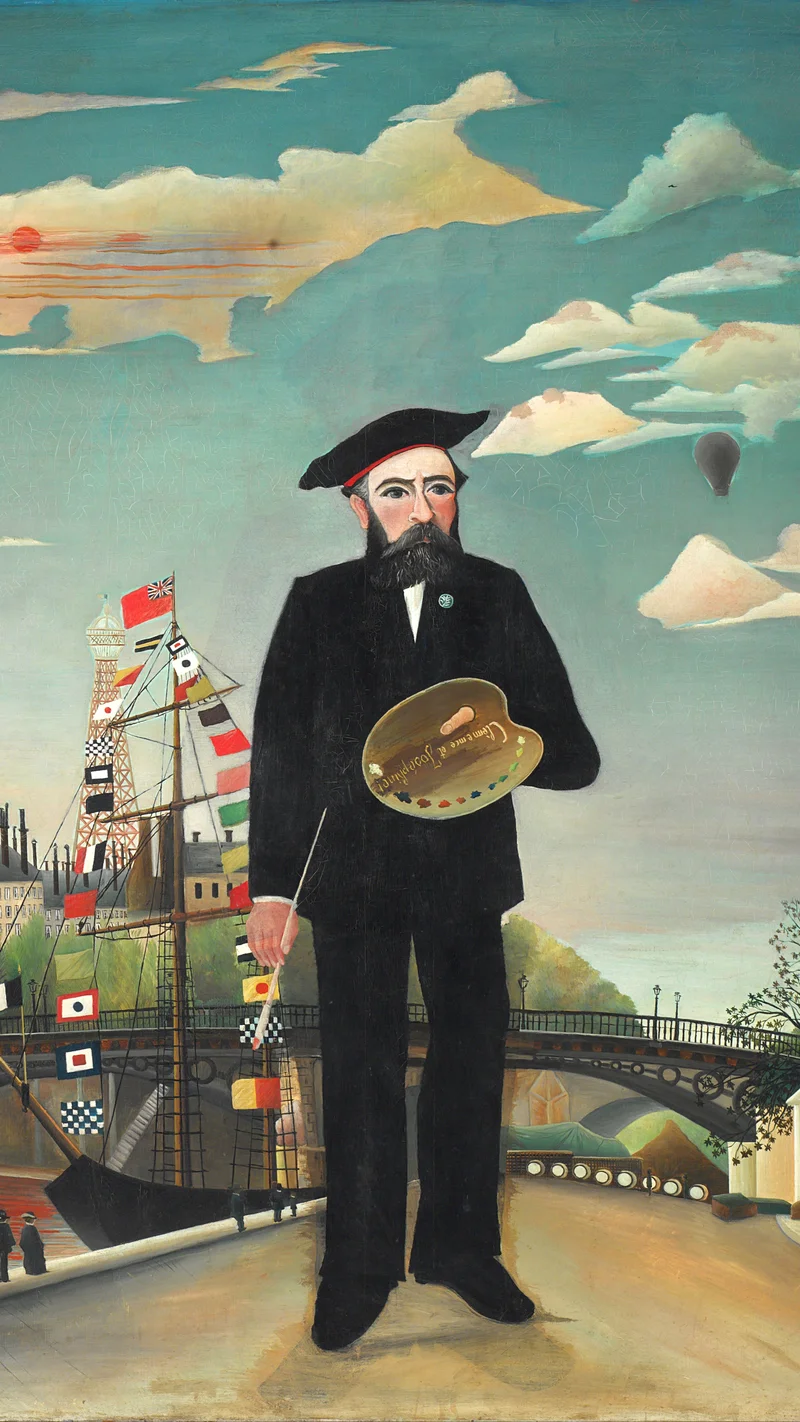
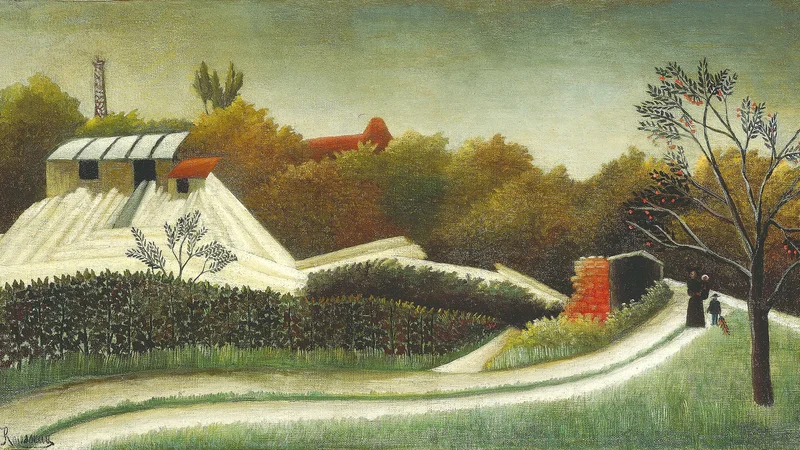
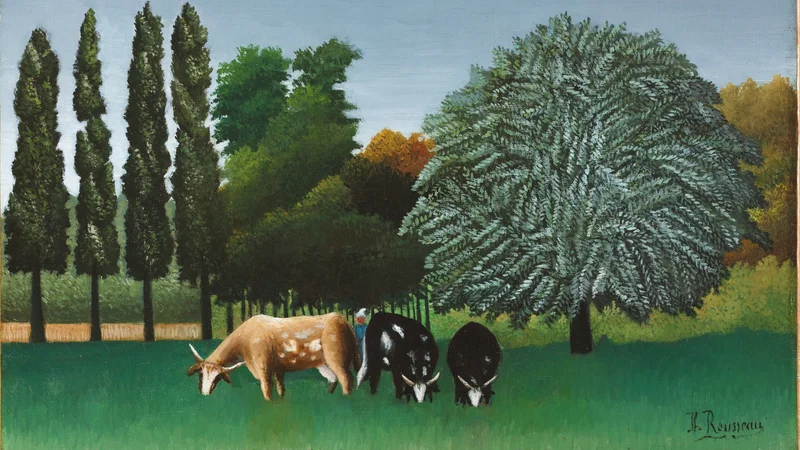
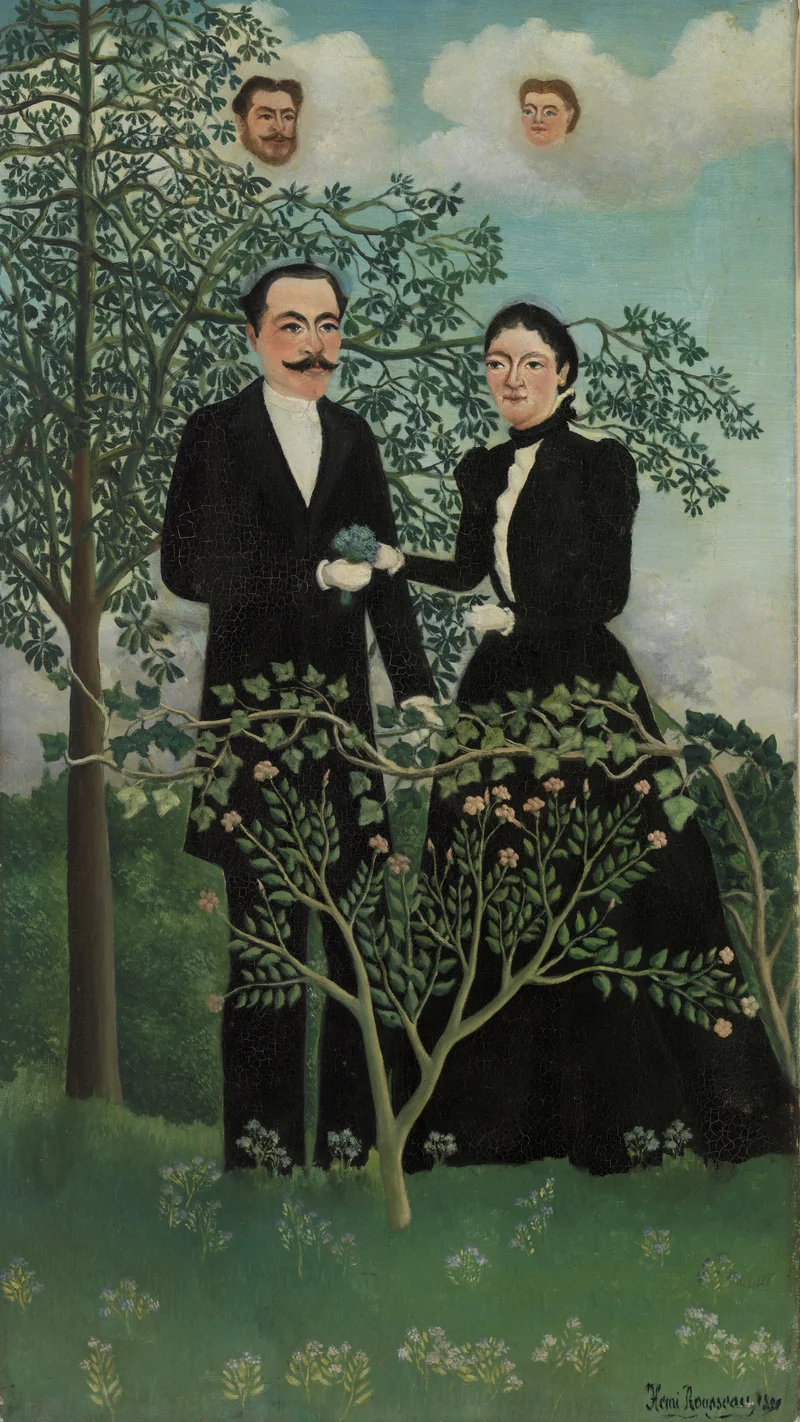
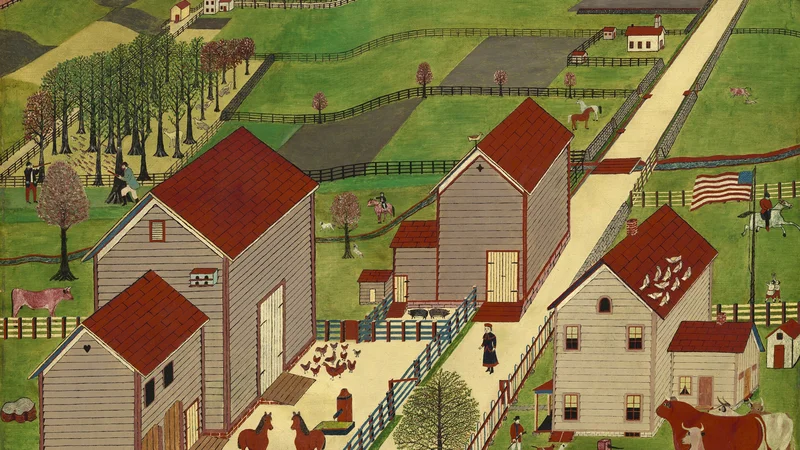
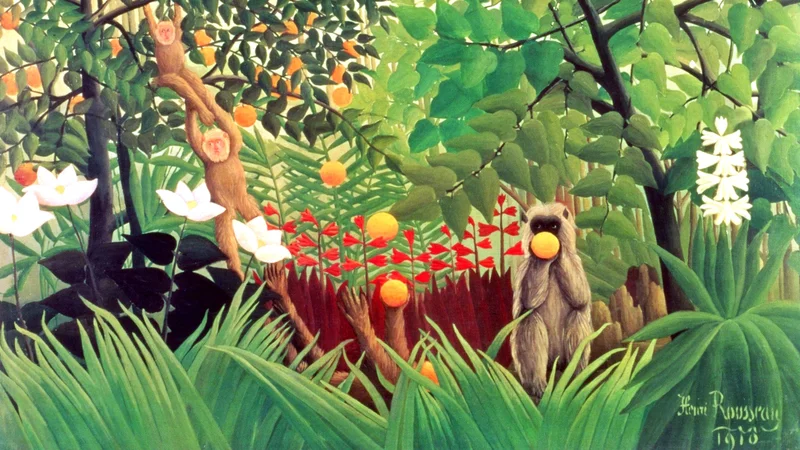
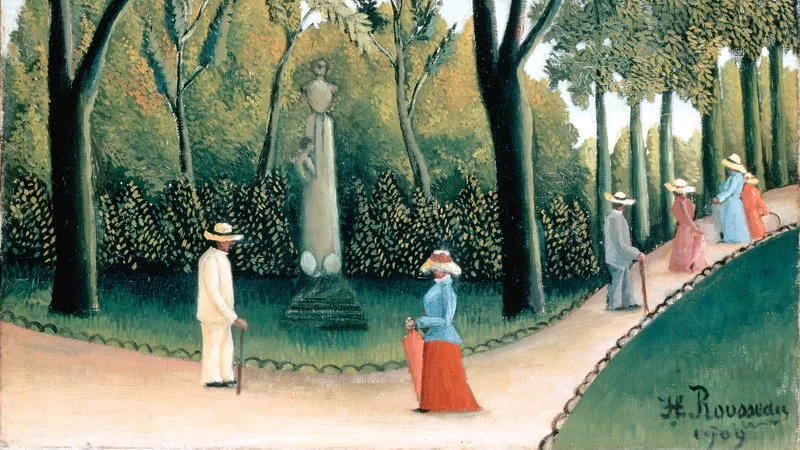
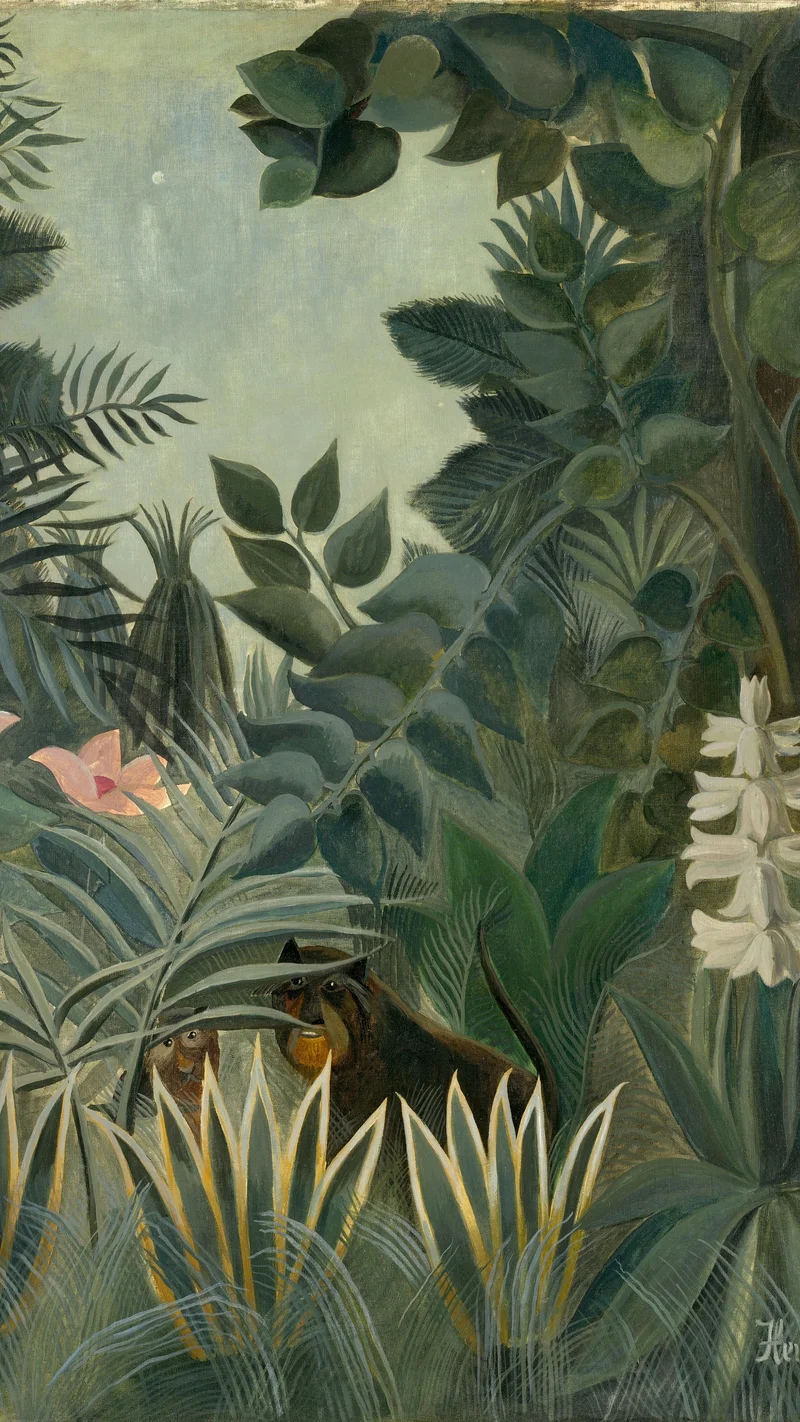
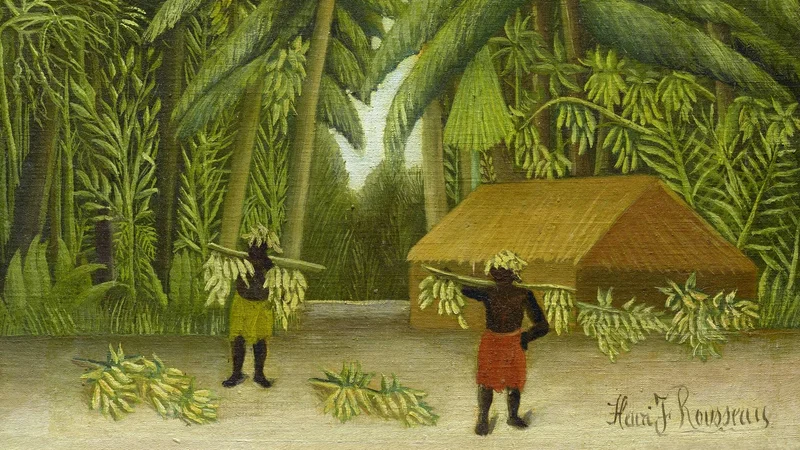
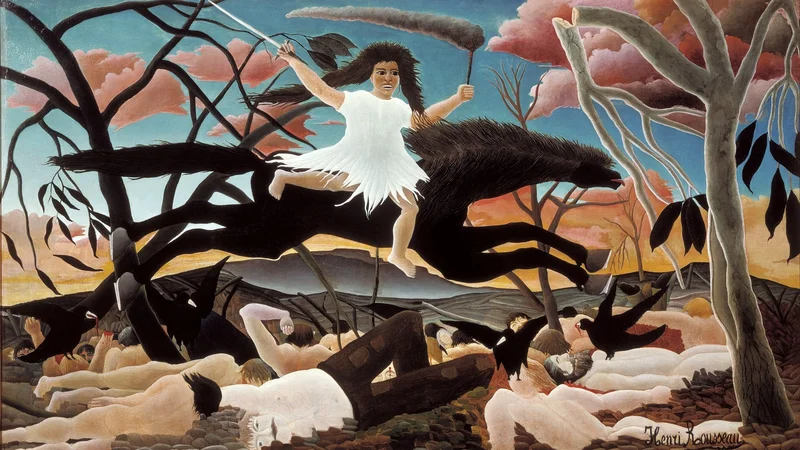
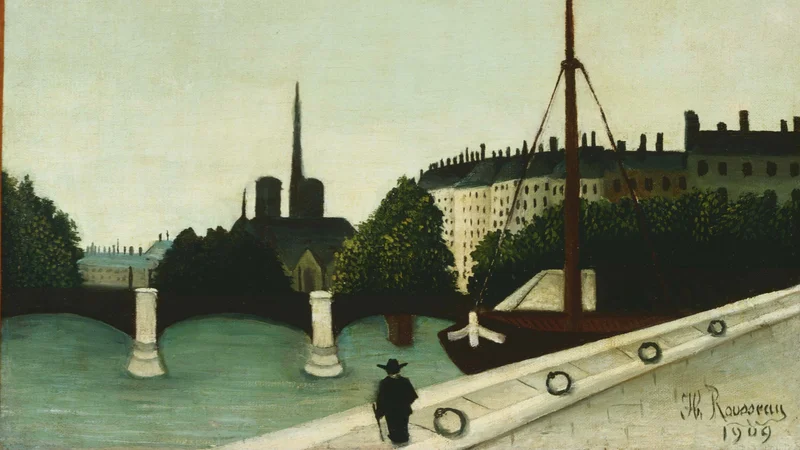
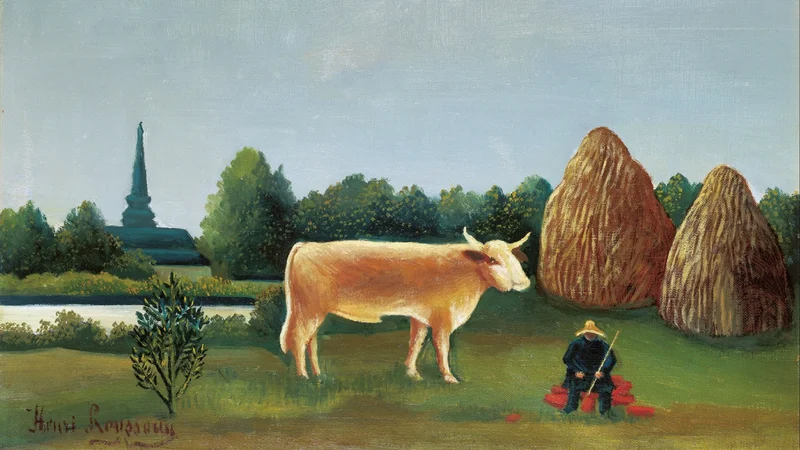
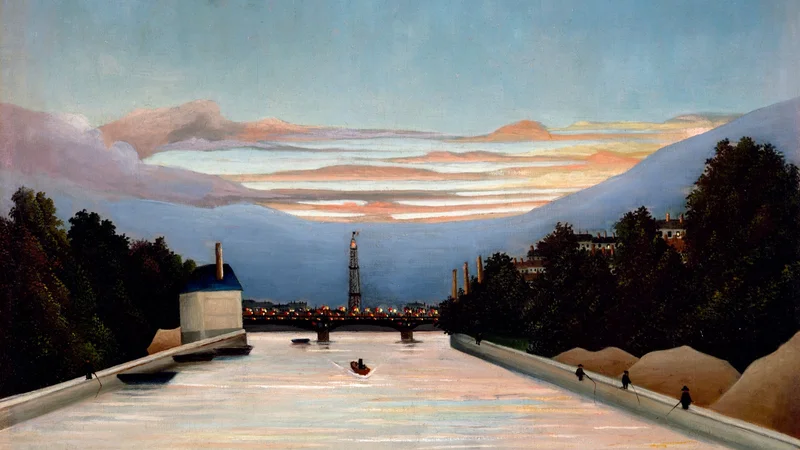
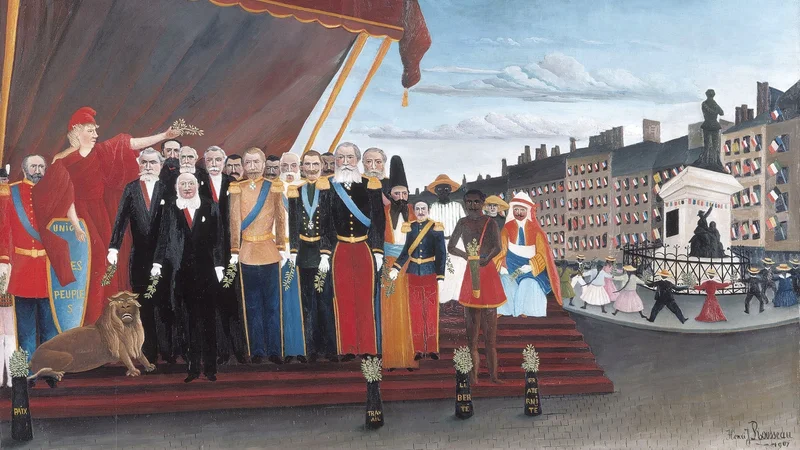
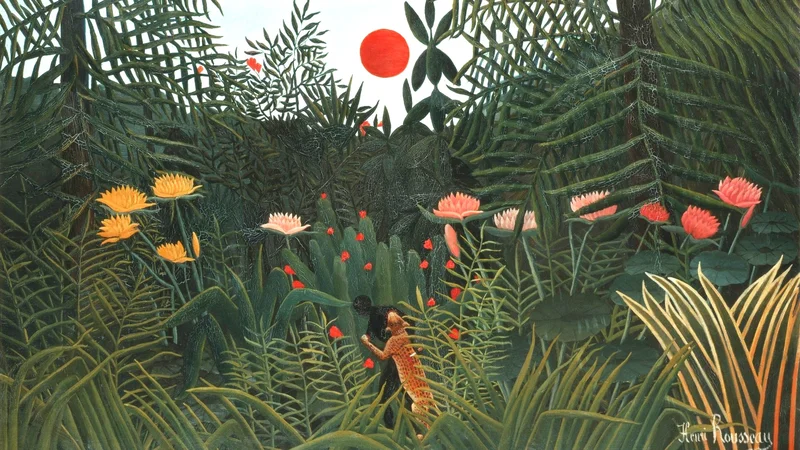
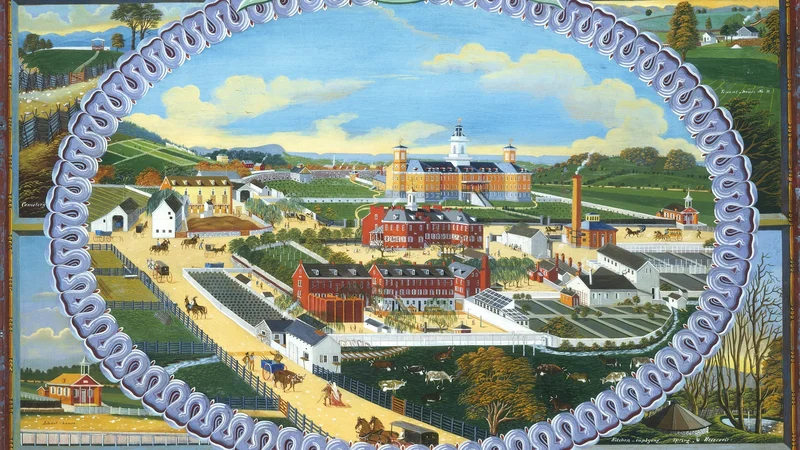
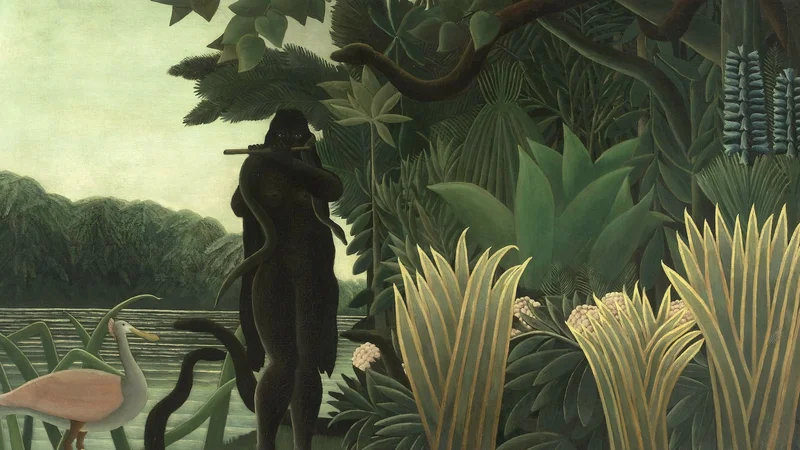
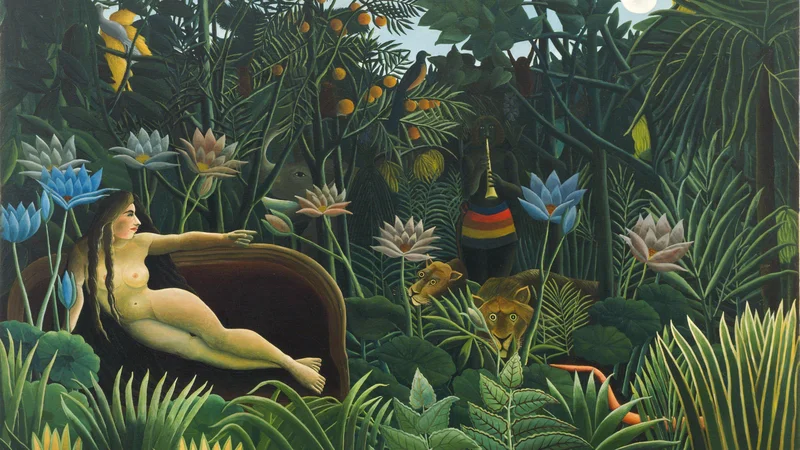
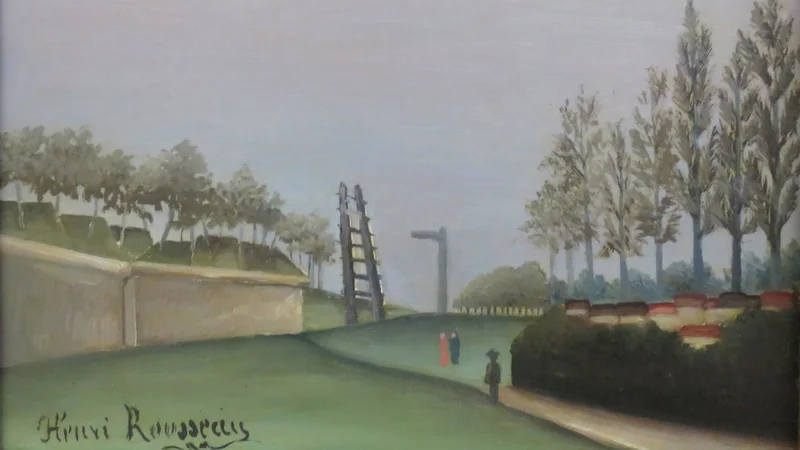
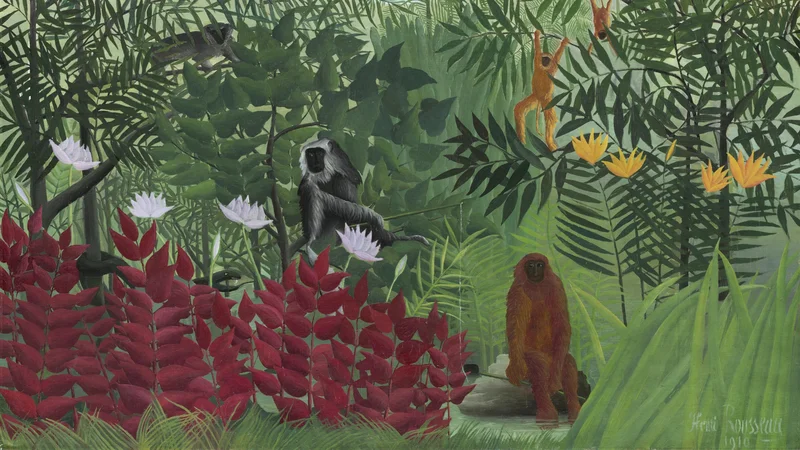
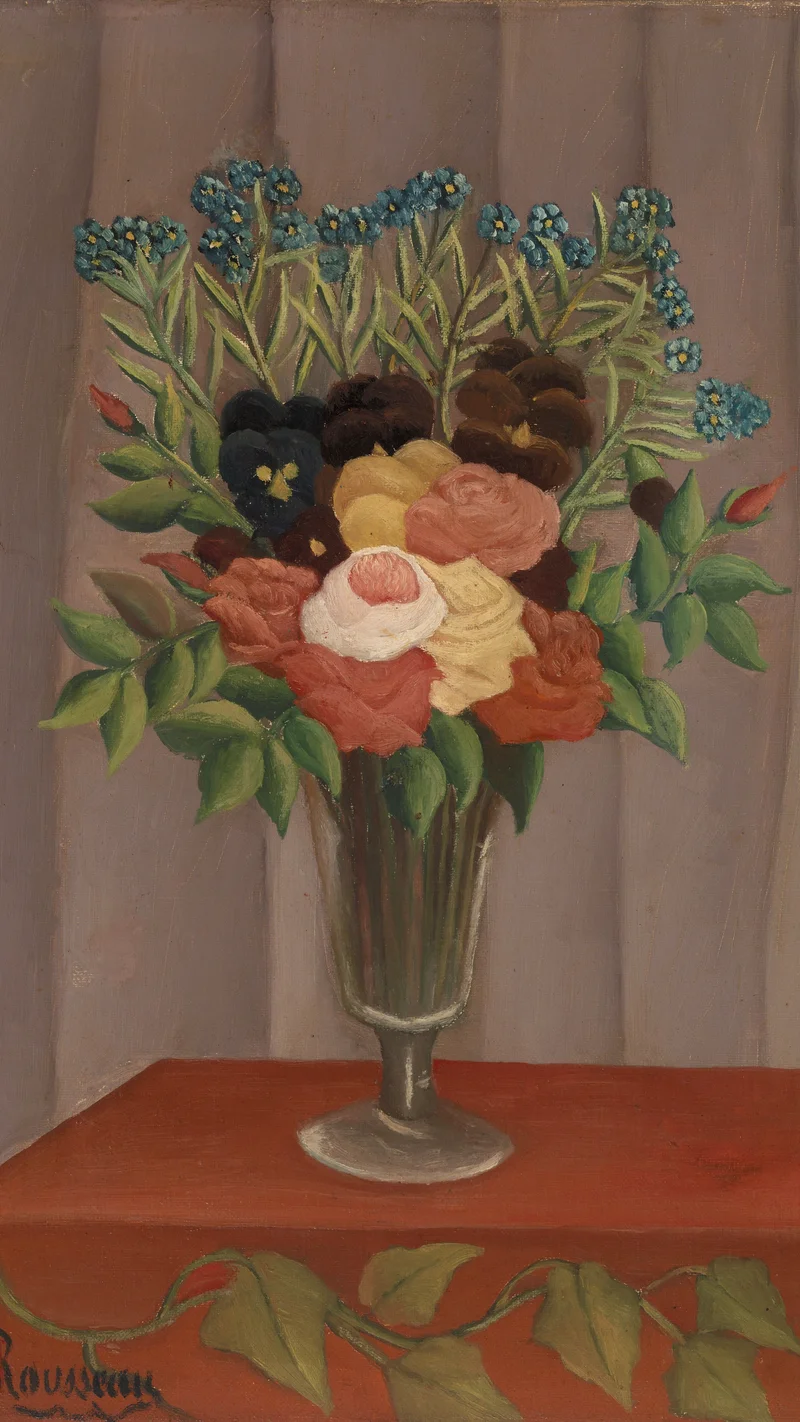
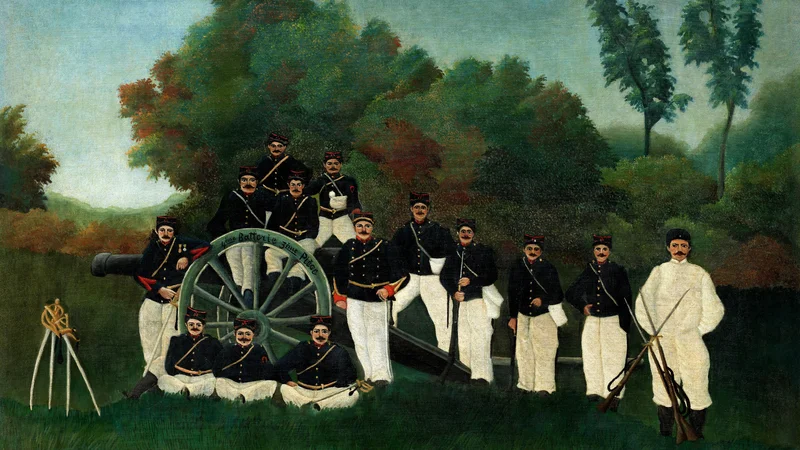
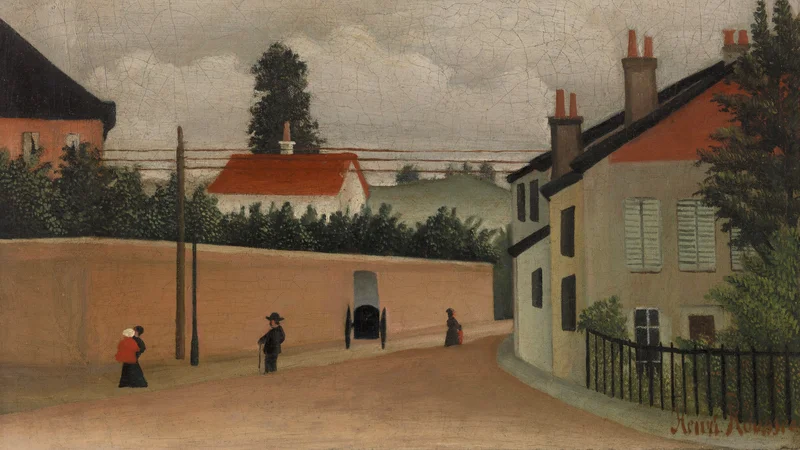
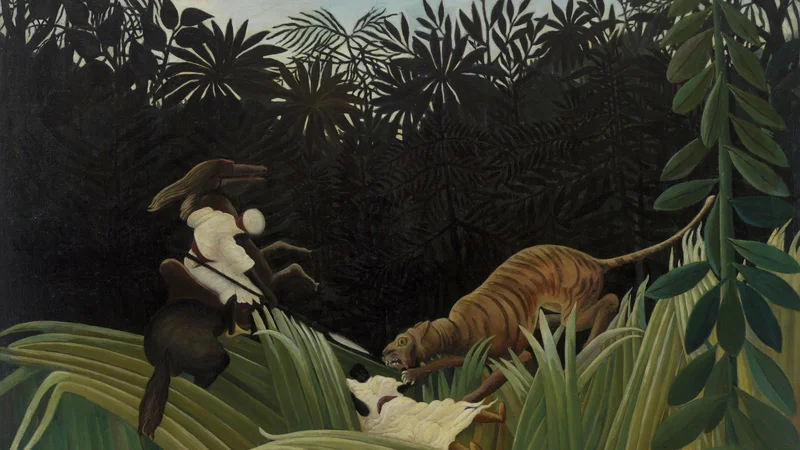
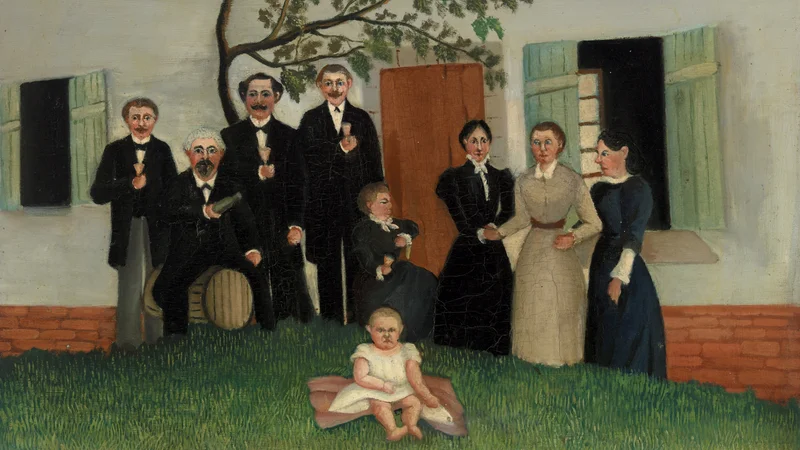
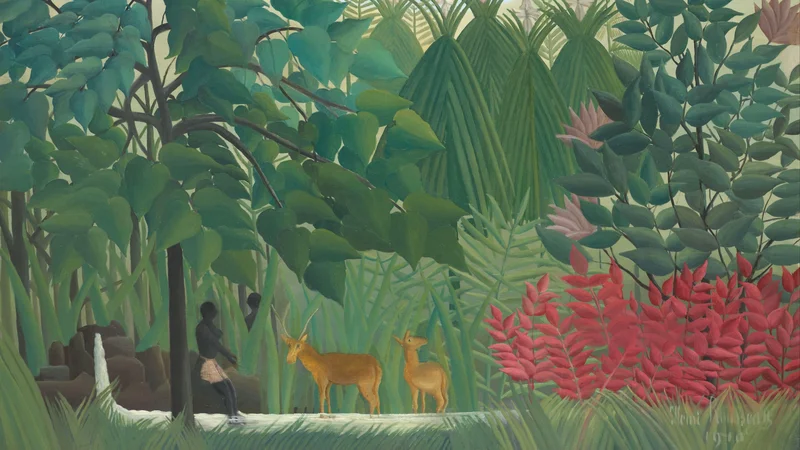
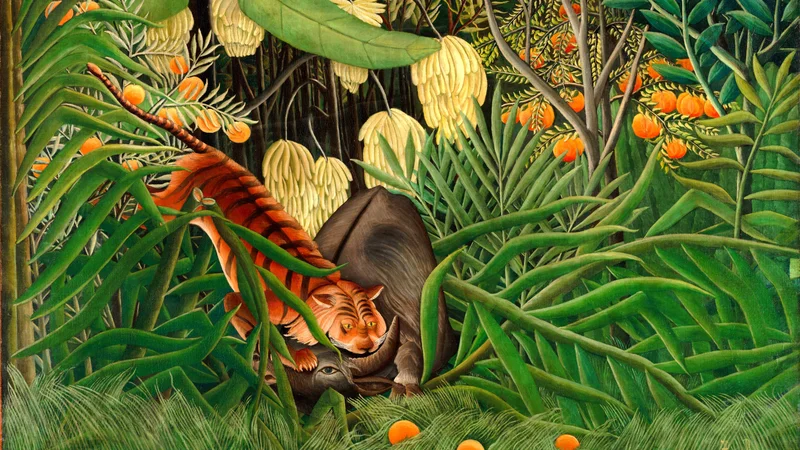
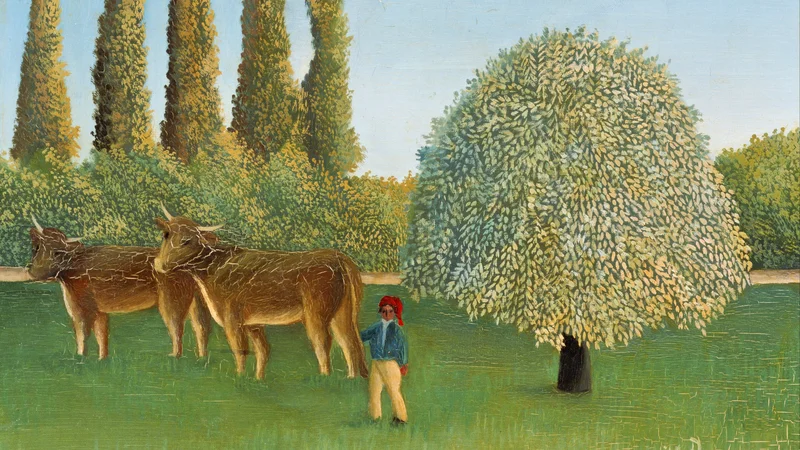
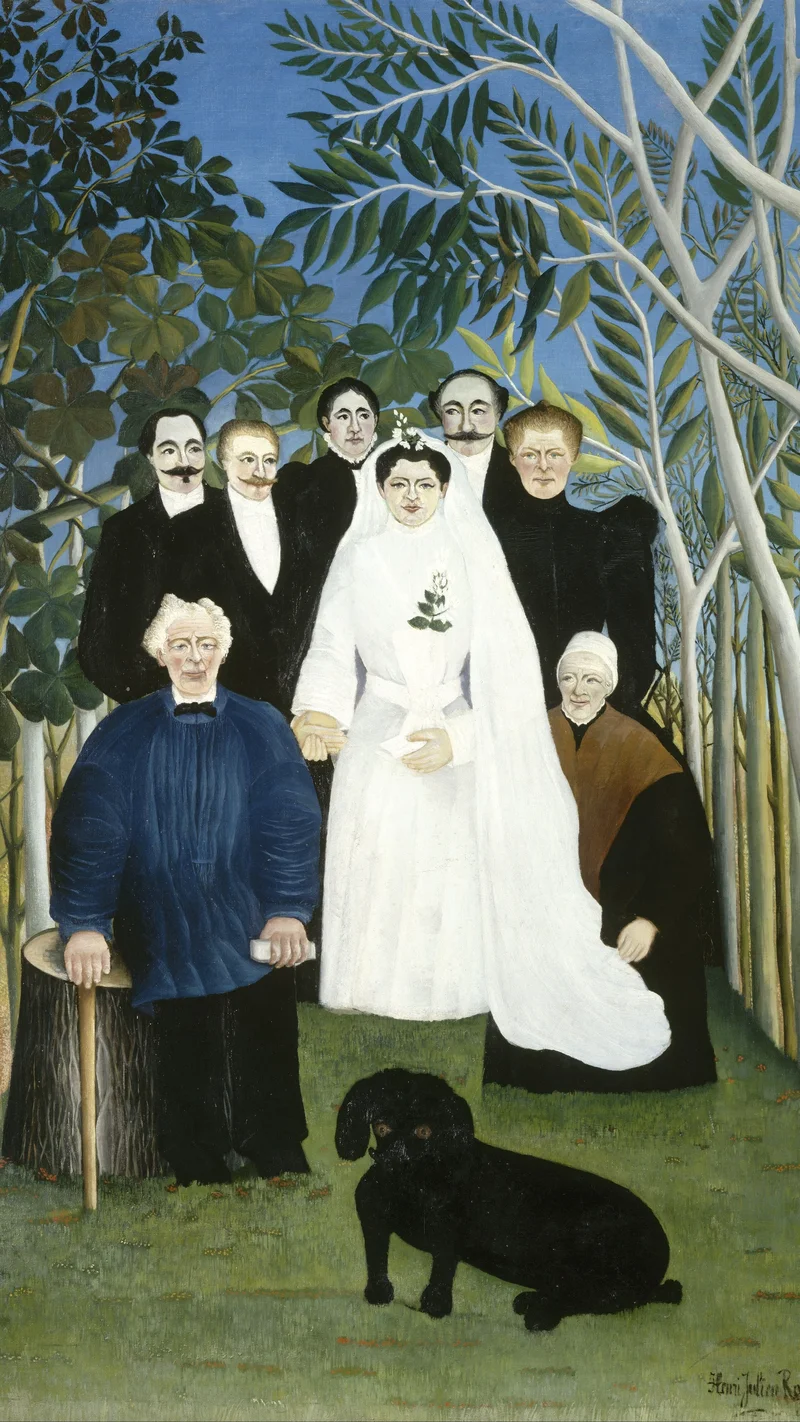
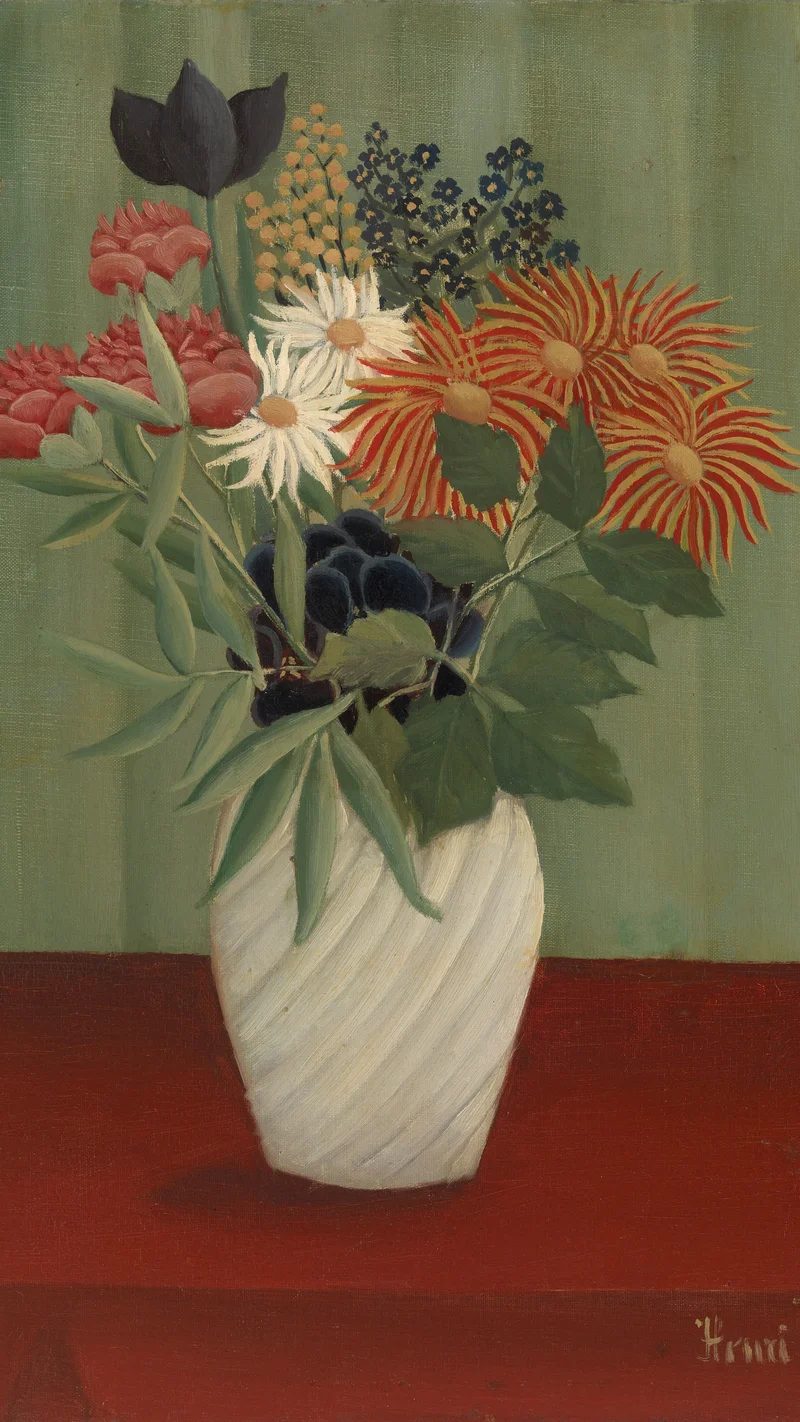
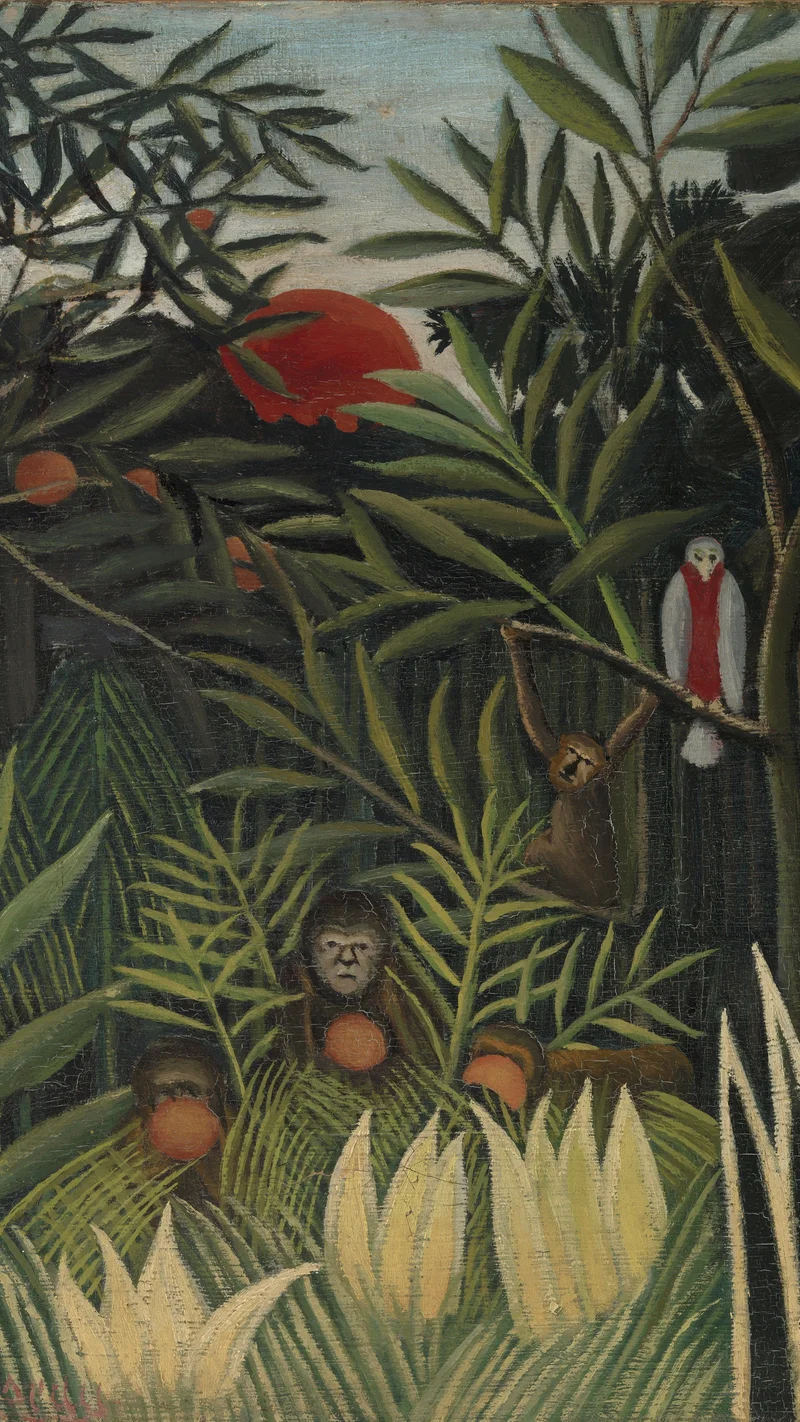
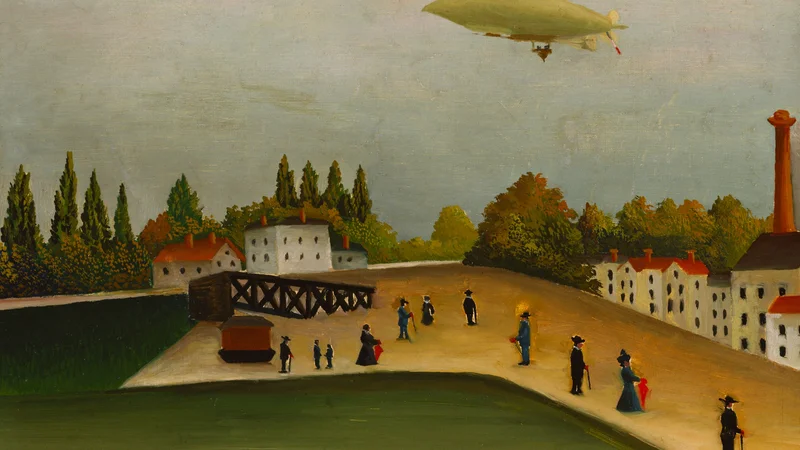
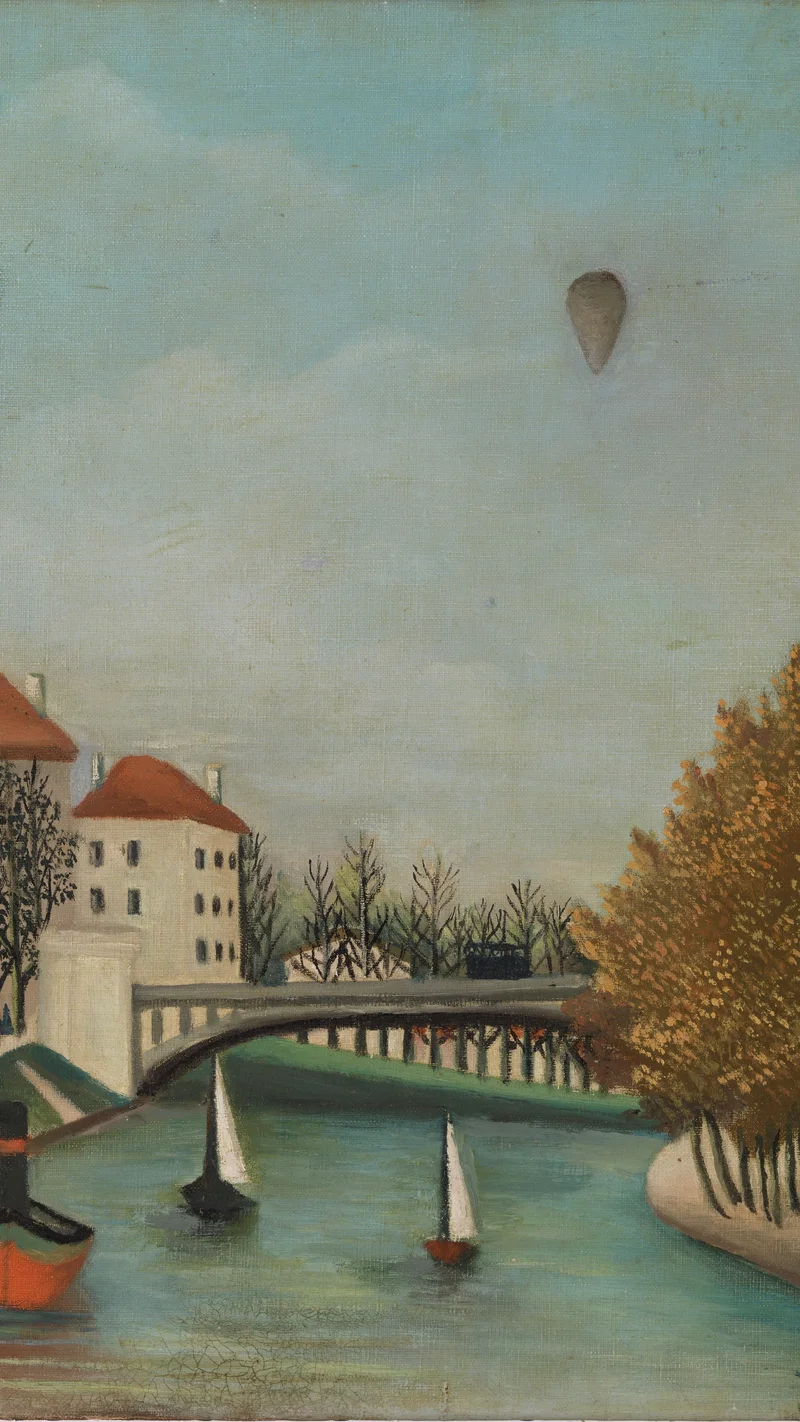
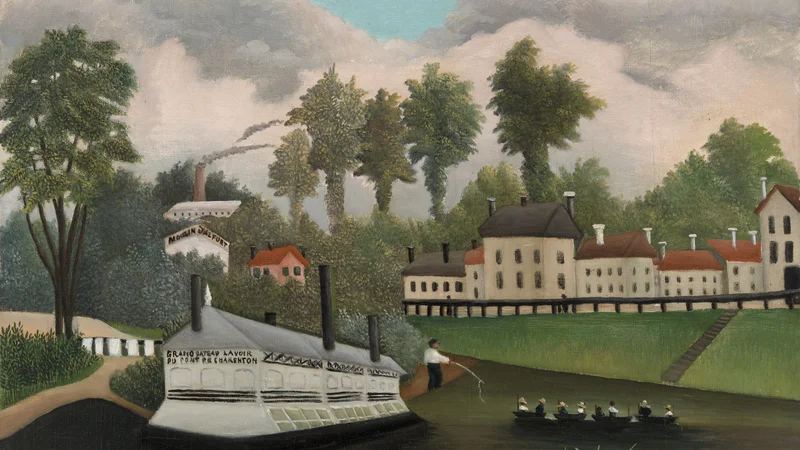
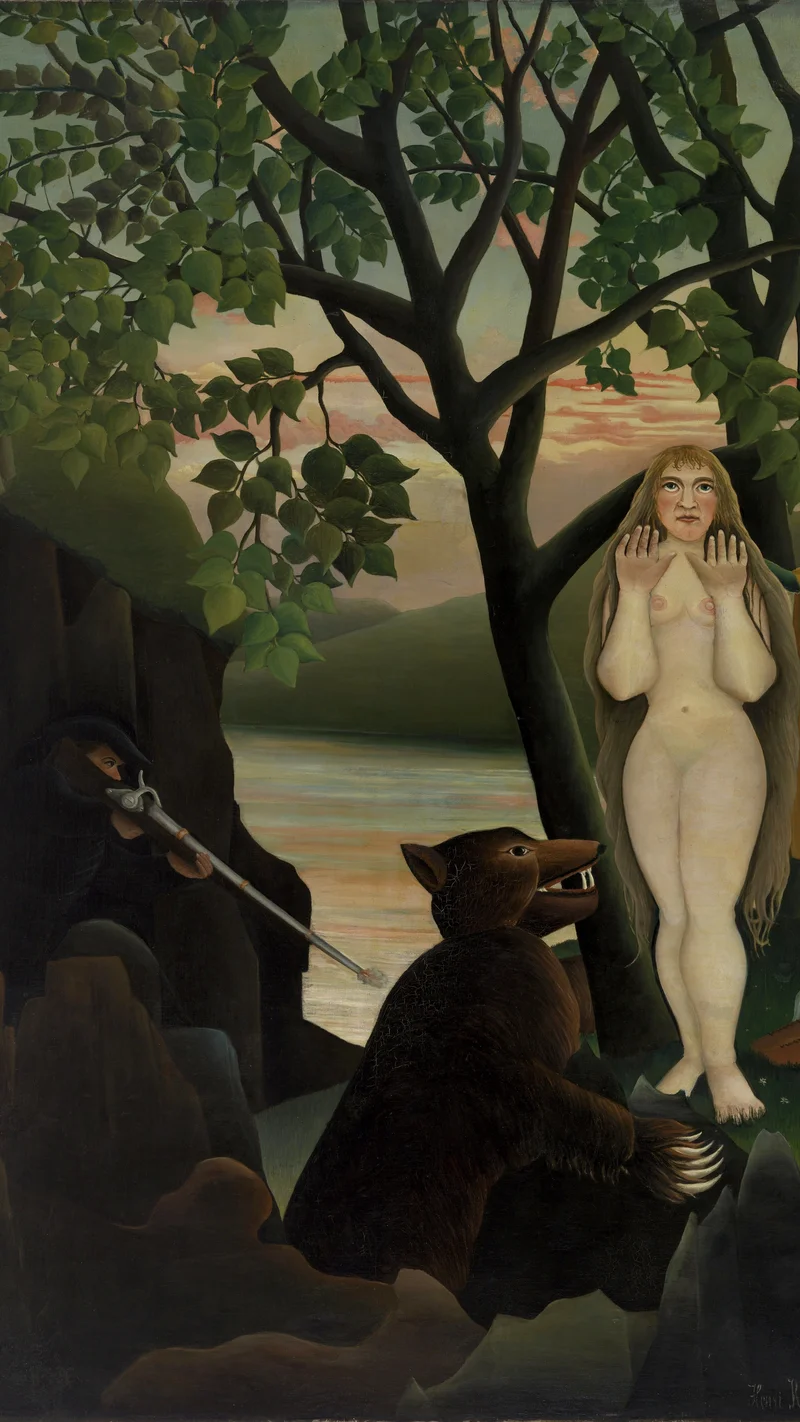
The emergence of Naïve Art during the late 19th and early 20th centuries represents a deliberate departure from the academic rigor of institutionalized Western painting. Characterized by an intentional rejection of formal perspective, anatomical precision, and traditional chiaroscuro, the style prioritizes an intuitive, often flat, and highly detailed visual syntax. This aesthetic was frequently celebrated by the avant-garde for its perceived purity and lack of artifice, bridging the gap between historical folk traditions and modernist abstraction. Seminal works such as the Mahantango Valley Farm and the Berks County Almshouse embody the vernacular spirit of American 19th-century itinerant painters, while Henri Rousseau’s pioneering contributions elevated these self-taught sensibilities to the level of high-modernist discourse, profoundly influencing the trajectory of 20th-century figurative expression.
Evolution and Global Resonance
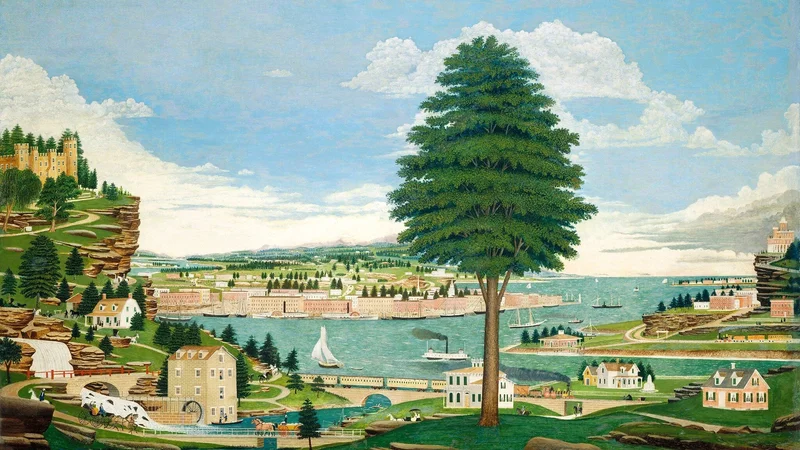
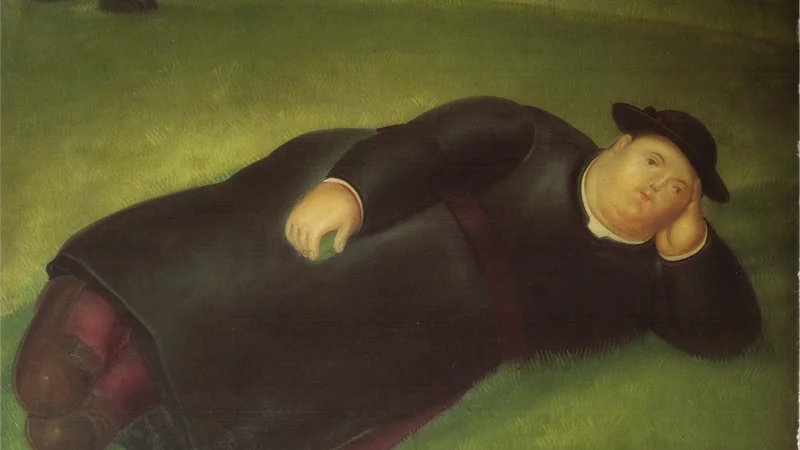
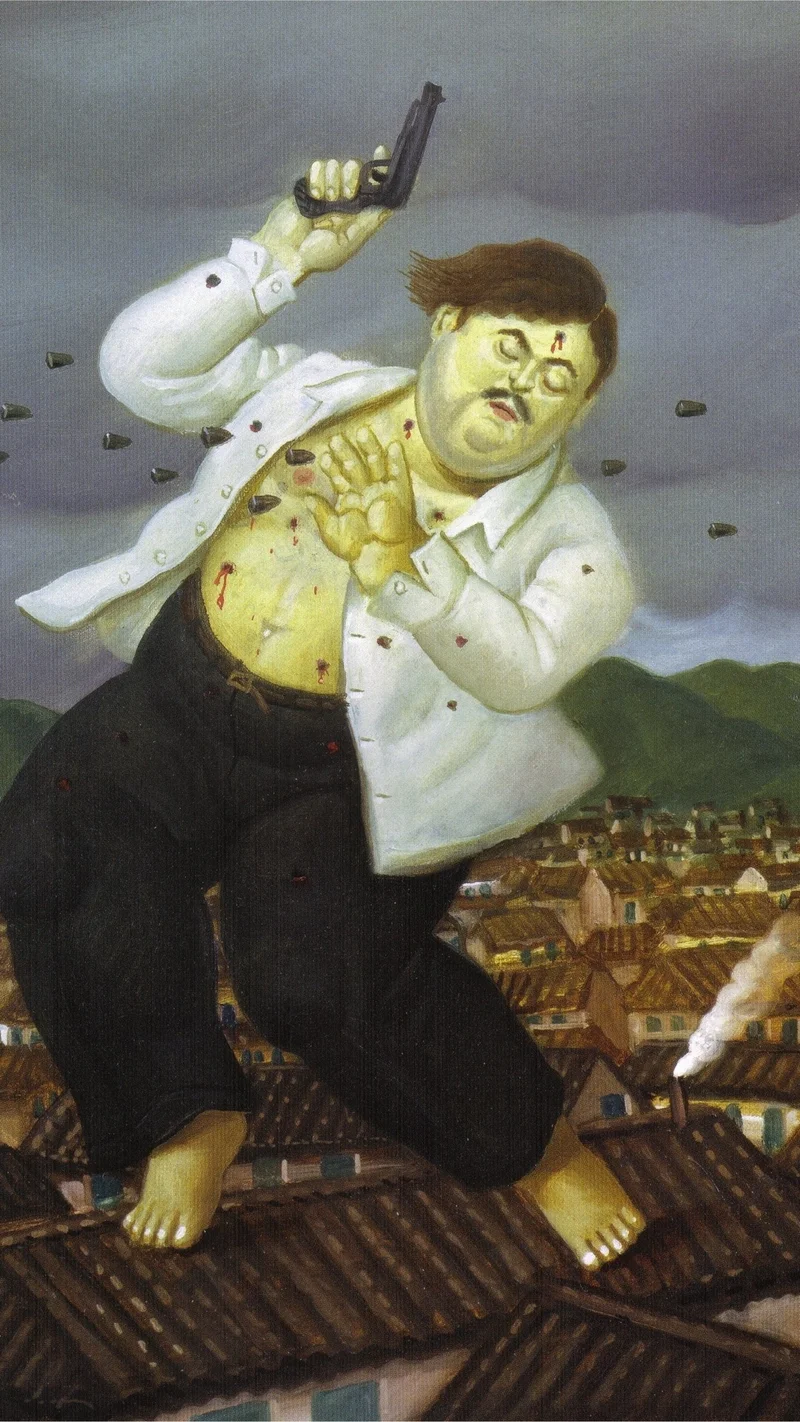
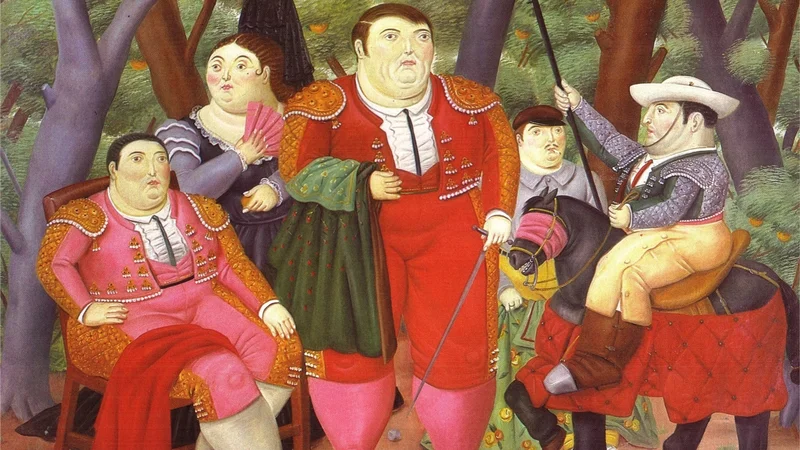
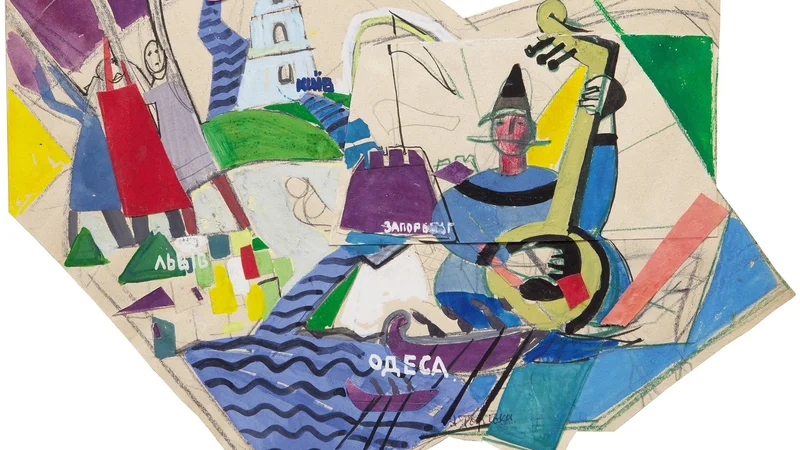
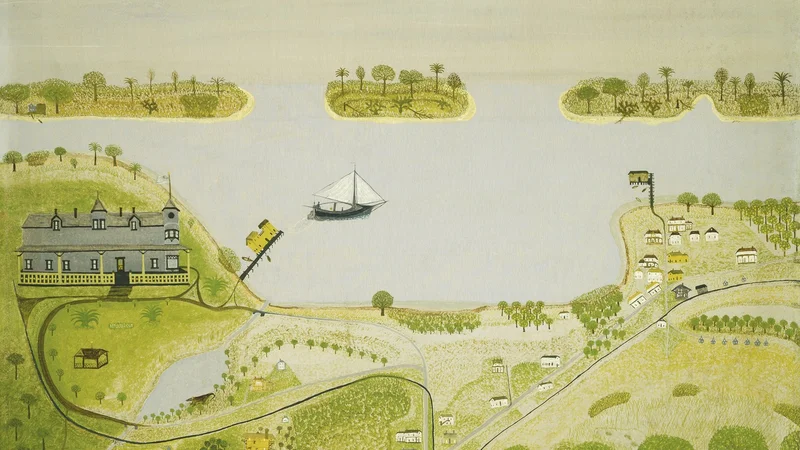
The movement's historical trajectory spans diverse geographical and cultural contexts, encompassing both the regional specificity of works like Composite Harbor Scene with Castle or Map of Ukraine and the idiosyncratic, monumental visions of figures such as Fernando Botero and Spyros Vassiliou. Whether manifesting in the enigmatic stillness of Charles Hofmann’s compositions or the narrative directness of Lefty and His Gang and Priest Extends, the movement functions as a testament to the enduring power of the unmediated gaze. By valuing individual psychological truth over academic convention, Naïve Art challenged existing hierarchies of taste, ultimately granting legitimacy to artists who operated outside the traditional guilds and academies, thereby expanding the ontological boundaries of modern art.